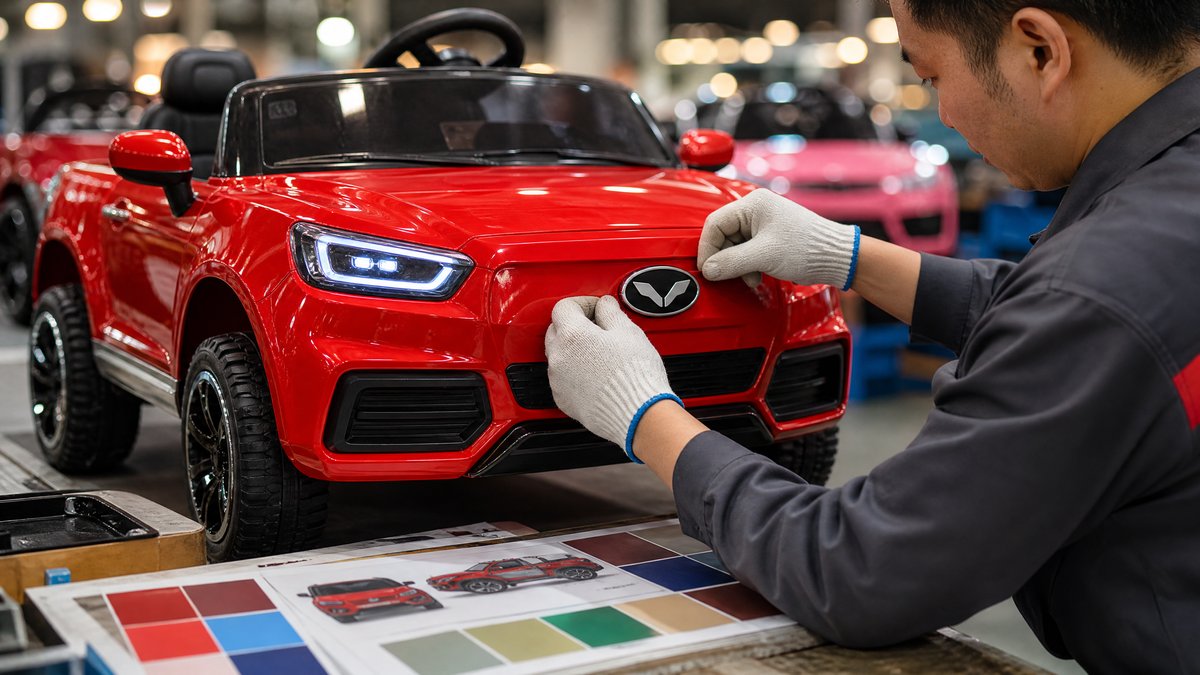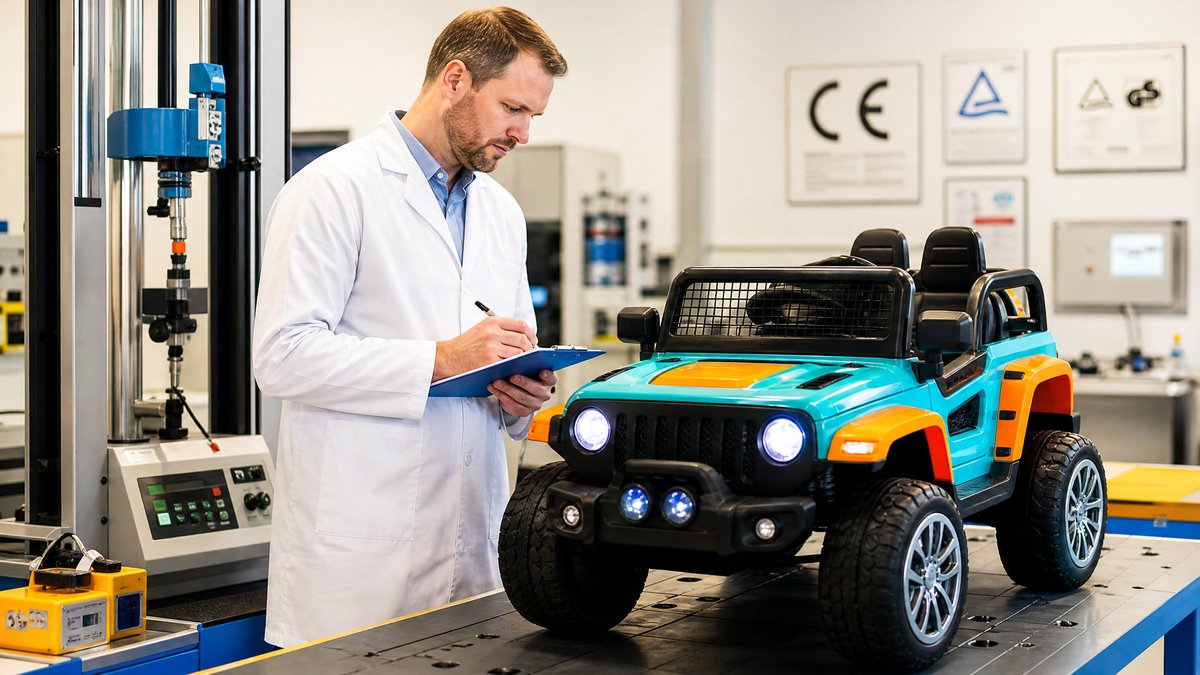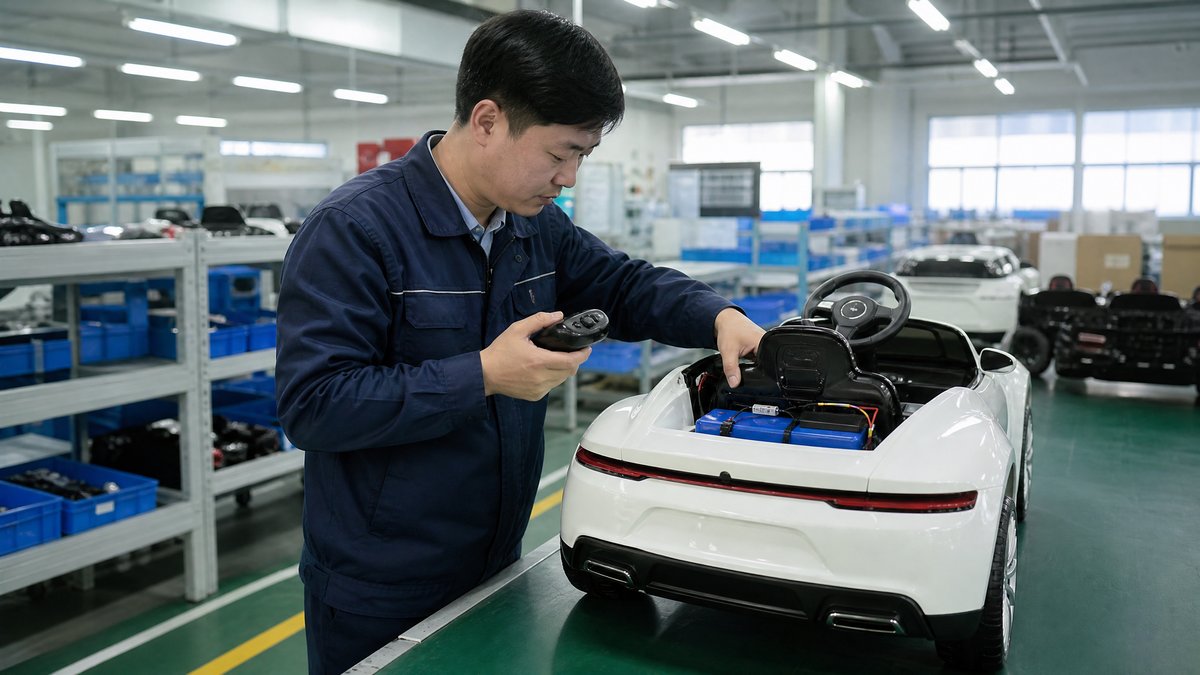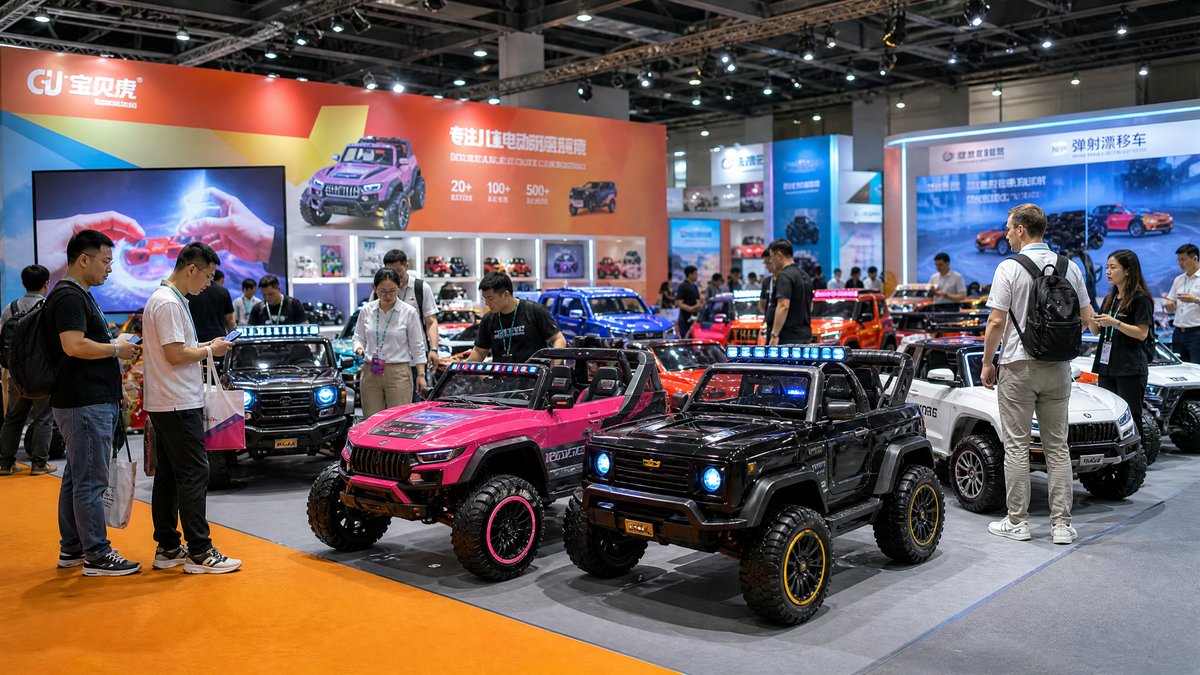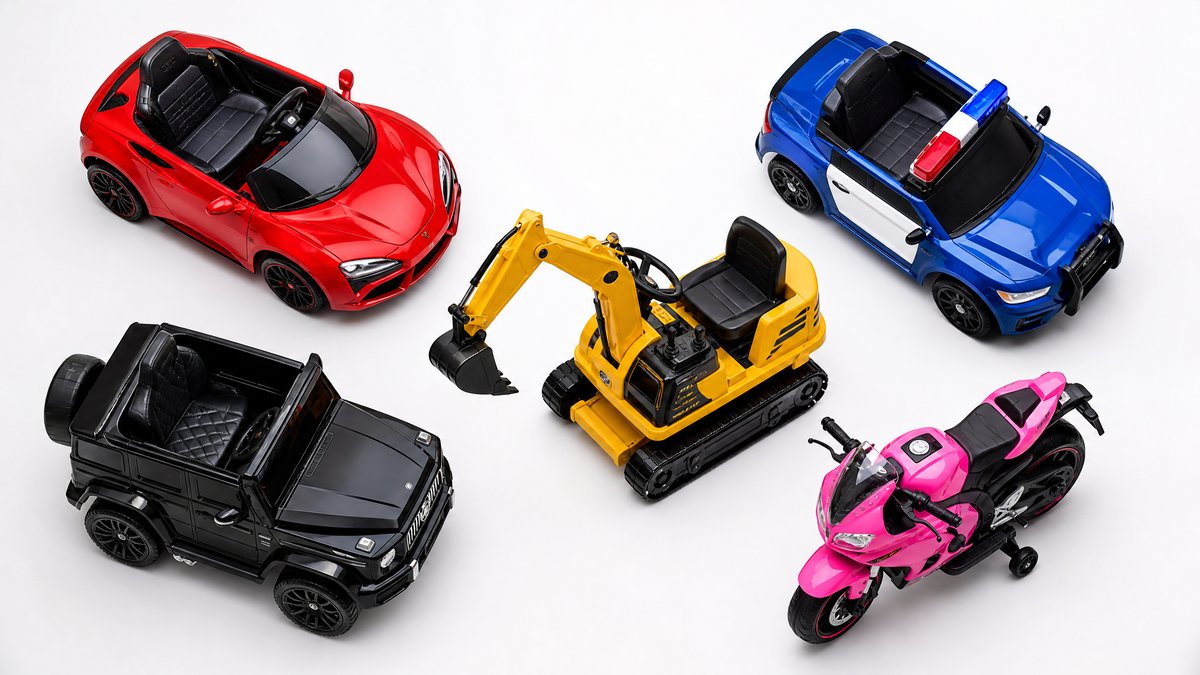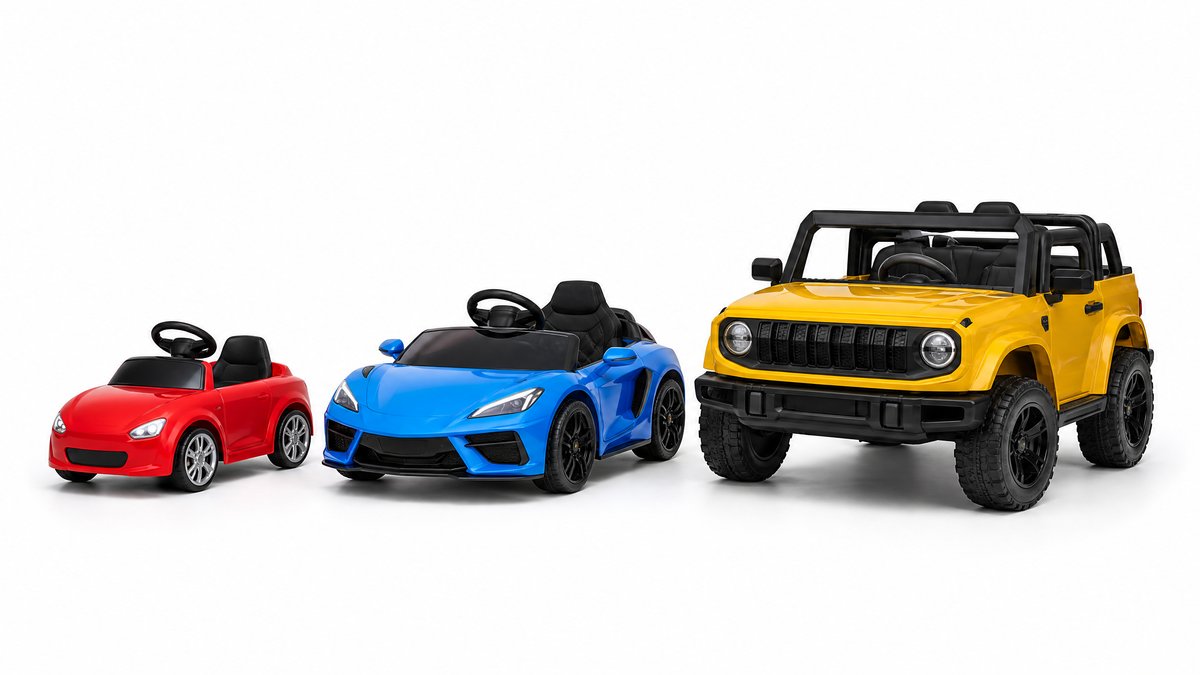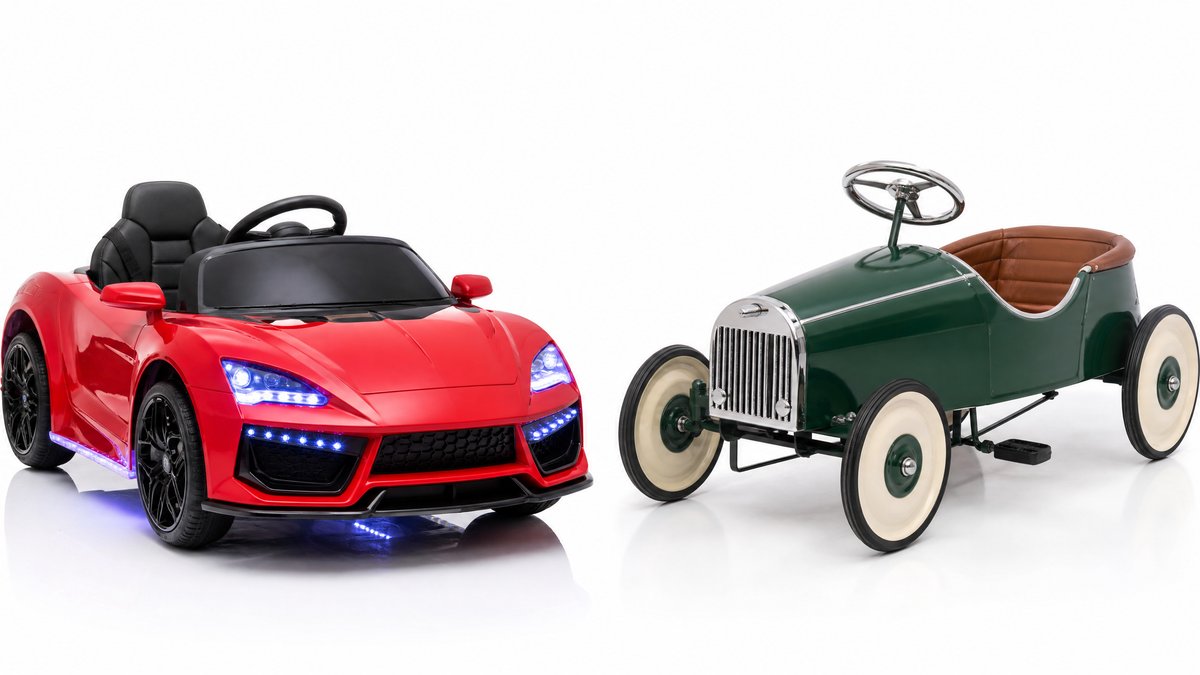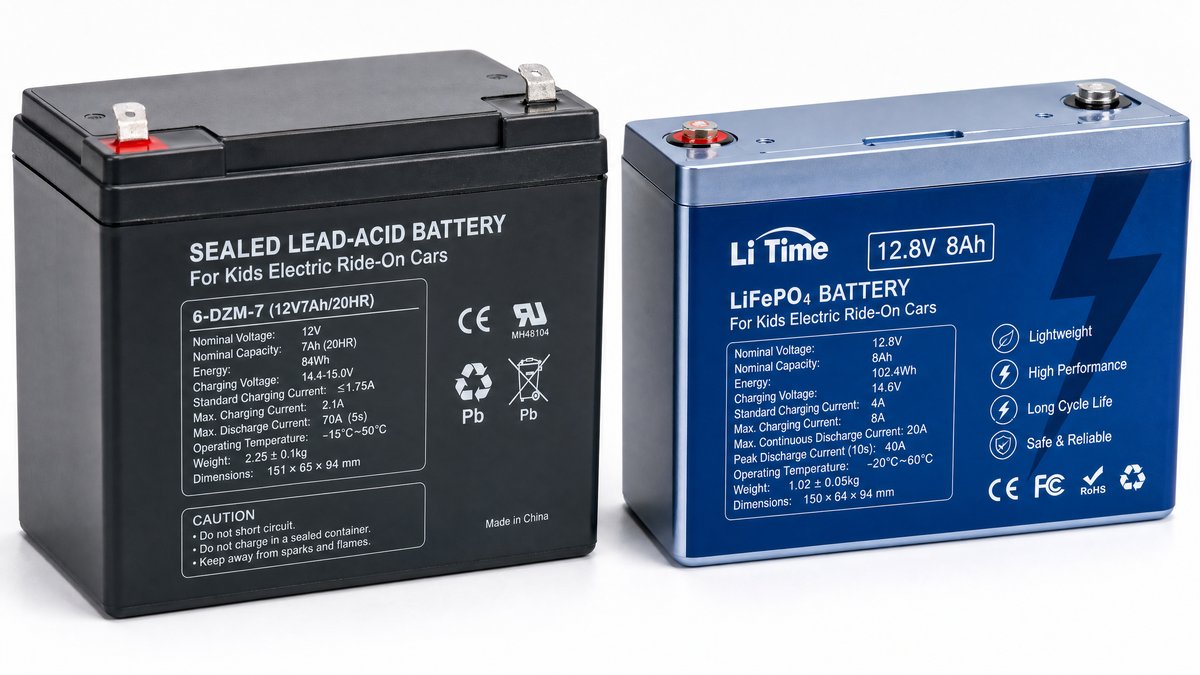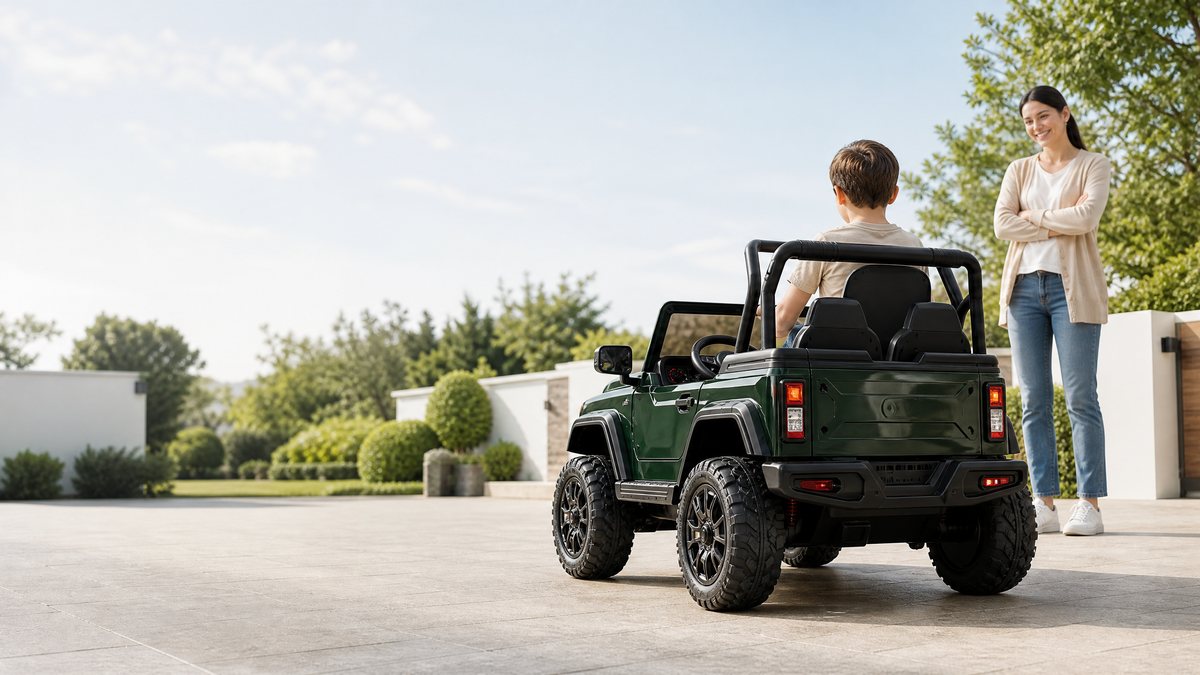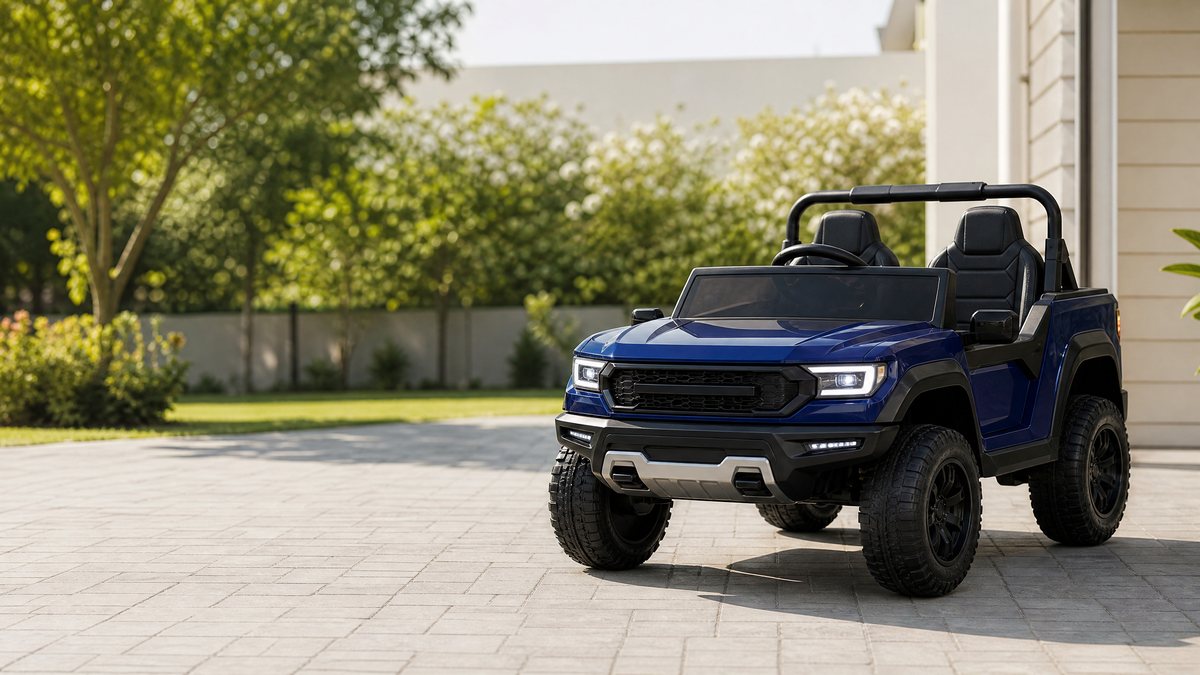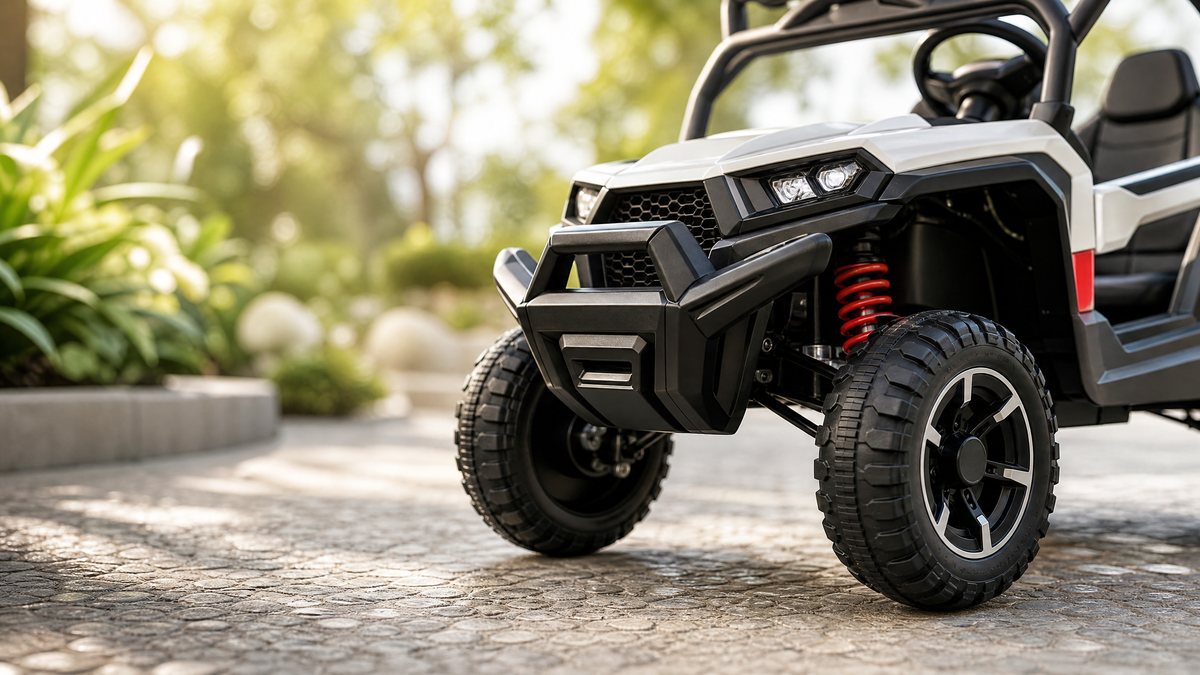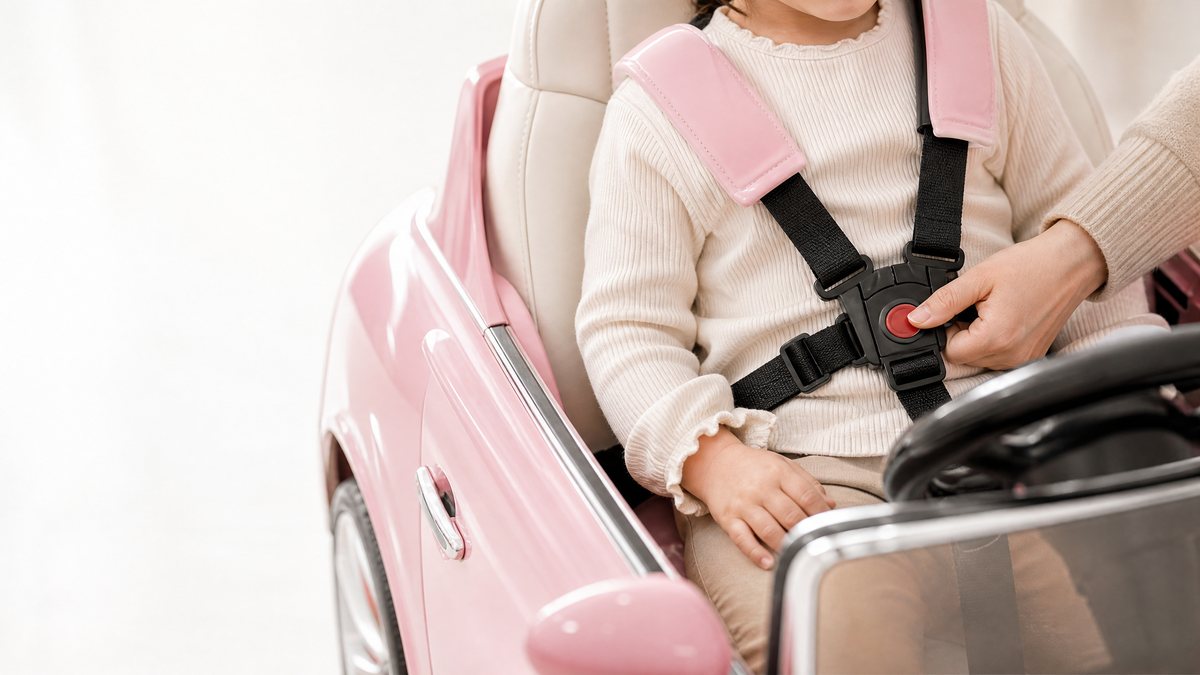
The arrival of a wholesale shipment represents a critical juncture in the supply chain for ride-on car distributors. When large volumes of children’s electric vehicles arrive at a warehouse or distribution center, the physical condition of the exterior packaging serves as the first indicator of the shipment's integrity. For B2B buyers, establishing a rigorous observation framework for visibly damaged cartons is essential to maintain project records and ensure that only high-quality units enter the inventory. This guide outlines a cautious, model-neutral approach to documenting irregularities and routing observations through the appropriate professional channels.
The Significance of Initial Reception Protocols
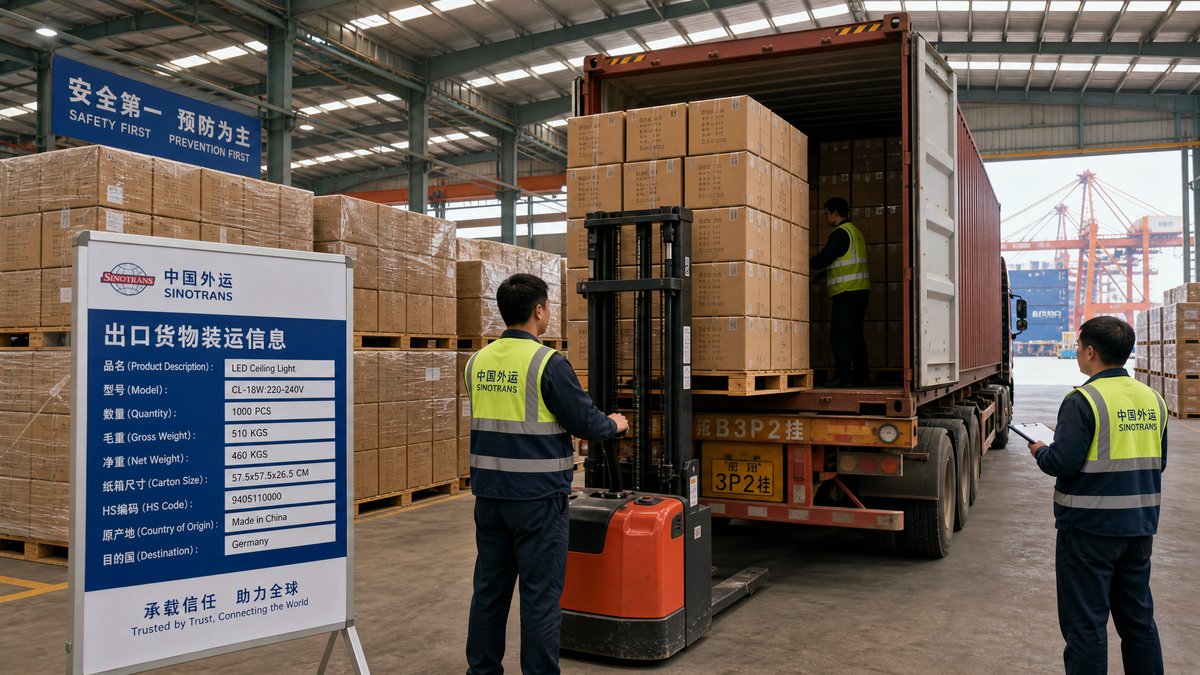
In the complex environment of international logistics, ride-on cars travel through multiple transit points, involving various handling equipment and storage conditions. While modern packaging is designed to withstand significant pressure, the outer corrugated cardboard can occasionally show signs of distress. It is vital for receiving teams to approach every delivery with a systematic mindset, prioritizing the documentation of external observations before the units are moved into deep storage. This period is the most important window for quality oversight.
The primary objective during the reception phase is to create a detailed record of the shipment as it appears the moment it leaves the transport vehicle. This record acts as the foundation for all subsequent communications with the manufacturer and logistics partners. By documenting the state of the cartons immediately, wholesale buyers can provide clear, objective evidence of the condition in which the goods were received, which is a necessary step in professional inventory management. Without such records, tracing the origin of irregularities becomes difficult.
Documenting External Carton Irregularities
Upon the arrival of the freight, the receiving team should perform a comprehensive walk-around of the pallets or individual cartons. Visible damage can manifest in several ways, and each type of irregularity requires specific documentation. It is recommended to look for crushed corners, punctures, dampness, or torn security tape. These signs often suggest that the internal contents may have been subjected to forces beyond their design specifications. A crushed corner, for instance, may indicate that a pallet was stacked incorrectly or that a heavy object fell against it during the sea voyage or local transport.
Digital photography is the most effective tool for capturing these observations. It is essential to take high-resolution images from multiple angles, ensuring that the shipping labels, tracking numbers, and specific areas of damage are clearly visible in the same frame. If a carton appears compromised, it is advisable to note the exact location of the damage—for instance, "lower left corner, rear panel"—to facilitate a more precise evaluation later. These notes should be entered into the project’s digital record system immediately to prevent the loss of critical information. Marking damaged areas before taking photos helps highlight concerns.
Verifying Identifiers against Project Documentation
Once the external condition has been documented, the next step involves comparing the identifiers on the cartons with the established project scope and order documentation. Every wholesale order for ride-on cars includes specific model numbers, color codes, and batch identifiers. It is vital to verify that the physical items received align perfectly with the written agreement. Discrepancies can lead to significant logistical challenges.
Discrepancies in model numbers or quantities can sometimes occur during the loading process at the origin. By cross-referencing the labels on the damaged cartons with the packing list, buyers can determine if the affected units are high-priority items or specific models that require immediate attention. If the identifiers do not match the project scope, this observation should be recorded alongside the physical damage reports. This level of detail ensures that the manufacturer receives a complete picture of the shipment’s status, covering both physical integrity and order accuracy. This process forms the basis for inventory reconciliation.
Environmental Factors and Storage Risks
Beyond physical impact, environmental factors during transit can significantly affect the integrity of ride-on car cartons. Moisture is particularly concerning for B2B buyers, as it can weaken the structural strength of the corrugated cardboard and lead to internal issues. If cartons arrive with water stains or a damp feel, it is necessary to document the extent of the exposure. Moisture reduces the cardboard's ability to protect the vehicle from pressure.
Temperature fluctuations are another factor to consider. Ride-on cars contain various materials, including plastics and electronic components, that can be sensitive to extreme heat or cold. While the cartons themselves might not show obvious damage from temperature alone, signs of warping or discoloration on the packaging can be indicators of environmental stress. Store units showing environmental exposure in a climate-controlled area to prevent degradation.
Safe Unsealing and Internal Assessment
If the exterior of a carton is significantly compromised, the decision to unseal the package for a closer look at the product should be made with caution. When unsealing the container, it is essential to follow the product manual’s instructions for initial handling. The goal of this stage is not to perform a technical evaluation of the internal components but rather to observe any obvious physical deformities in the ride-on car’s bodywork or accessories. Use a professional cutter to unseal the tape carefully.
During this visual check, the observer should look for cracked plastic, detached mirrors, or loose decorative elements. It is necessary to avoid any attempt to detach internal cabling or access the management module of the vehicle. If the external damage to the carton corresponds with a visible dent or crack on the car itself, this connection should be clearly documented in the project report. The presence of debris inside the carton, such as broken plastic shards or loose screws, is also a significant observation that should be recorded with photographic evidence. Internal observations link packaging failure to product state.
Operational Safety and Overheating Awareness
Safety is the paramount concern when handling ride-on cars that have arrived in damaged packaging. If a unit shows signs of severe impact, there is a possibility that the internal energy storage units or propulsion systems have been affected. In such cases, it is vital to pause any plans for evaluation or use. One should never attempt to charge an energy storage unit if the surrounding chassis shows signs of crushing or if the package was received in a damp condition. The stability of the power source is critical for the safe operation of children's vehicles.
Signs of overheating, such as a persistent odor, unusual heat emanating from the package, or visible smoke, require immediate action. In these rare instances, the unit should be moved to a well-ventilated, isolated area away from flammable materials. It is essential to contact local fire safety professionals if the situation escalates. For wholesale buyers, the rule is simple: if the integrity of the power source is in question due to external damage, the unit is required to remain inactive until a competent professional can evaluate its safety. Avoid contact with units exhibiting these signs.
Routing Observations to Professional Support
After the documentation process is complete, the wholesale buyer should consolidate all photos, notes, and identifier comparisons into a single report. This report should then be routed to the manufacturer’s support team or a designated logistics consultant. It is important to maintain a professional tone, focusing on the objective facts of the observation rather than speculating on the cause or requesting specific financial adjustments immediately. Clear communication is the key to a swift and effective resolution.
Request a wholesale quote
Effective communication with the manufacturer is facilitated by providing a clear link between the damaged carton and the specific unit identifier. This allows the production team to trace the batch and understand if the issue is isolated or part of a larger logistical pattern. By following this cautious framework, B2B buyers demonstrate a commitment to quality and safety, ensuring that their relationship with the manufacturer remains grounded in clear, documented evidence. The manufacturer provides guidance on next steps.
Established Procedures for Damaged Goods
The following table provides a classification of common carton irregularities and the recommended observation actions for receiving teams.
| Irregularity Type | Visual Indicators | Recommended Documentation Action |
|---|---|---|
| Structural Compression | Crushed corners, collapsed side panels, flattened top sections. | Capture wide-angle photos of the pallet and close-ups of the compression. |
| Perforation | Holes, gashes, or punctures that penetrate the cardboard. | Use a ruler to show the size of the hole; check for internal impact. |
| Moisture Exposure | Water stains, damp cardboard, mold growth, or warped surfaces. | Document the extent of the dampness; check for signs of internal corrosion. |
| Seal Compromise | Torn security tape, unsealed flaps, or signs of re-taping. | Compare the tape style with other cartons; record any missing accessories. |
| Identifier Mismatch | Labels that do not match the project scope or packing list. | Photograph the label and the packing list side-by-side for comparison. |
| Environmental Stress | Fading, warping of the cardboard, or unusual odors from the package. | Record the storage conditions and take photos of the warped areas. |
Frequently Asked Questions
What should we do if the logistics provider is rushing the delivery?
It is essential to remain firm and complete the external inspection before the transport personnel leaves the site. If time is limited, prioritize photographing the most visibly damaged cartons and ensure that the delivery receipt is noted with "Received Subject to Inspection for Visible Damage." This ensures that your initial observations are recorded in the presence of the logistics entity. Consistently insisting on this procedure will signal to your transport partners that you prioritize quality and thorough documentation.
Can we evaluate the propulsion system if the box is damaged?
If the exterior packaging shows signs of significant impact near the drive mechanism, it is advisable to avoid activating the unit. Instead, document the external damage and contact the manufacturer for guidance. Attempting to run a propulsion system that may have shifted during transit can lead to further complications. It is consistently better to wait for a professional evaluation than to risk causing additional issues by premature activation.
How many photos are necessary for a single damaged carton?
In every case, it is recommended to take at least four photos: one of the entire carton showing the label, one of the specific damaged area, one of the unsealed interior (if accessed), and one of the unit identifier. More photos are better than fewer when it comes to providing evidence for a formal report. Detailed images help the manufacturer understand the exact nature of the problem without needing to ask for additional information, which speeds up the resolution process.
Should we charge the energy storage unit if the carton was wet?
No, it is vital to avoid charging any energy storage component that has been exposed to moisture. Dampness can lead to internal short-circuits that are not visible from the outside. The unit should be allowed to dry completely in a controlled environment, and a professional assessment should be sought before any power is applied. Charging a damp unit can pose a significant safety risk and should be avoided in all scenarios.
What is the best way to store damaged units while waiting for a response?
Damaged units should be kept in their original packaging, even if it is unsealed, and stored in a secure, dry area of the warehouse. It is necessary to label these units clearly as "Pending Inspection" to ensure they are not accidentally moved into the sellable inventory or sent to a customer. Segregating these units prevents confusion and ensures that the integrity of your available stock is maintained while the manufacturer reviews your report.
Who should we contact if we find internal cabling issues?
If you observe detached interconnects or loose cabling during your visual check, do not attempt to reconnect them yourself. It is necessary to contact the manufacturer’s technical support team or a competent professional who has the expertise to handle children’s electric vehicle electronics. Professional support ensures that the cabling is restored to its original specifications, maintaining the safety and performance standards of the vehicle.
Conclusion
Handling damaged ride-on car cartons requires a disciplined approach that balances the need for efficiency with the necessity of thorough documentation. By focusing on visible observations, verifying identifiers against the project scope, and prioritizing safety in all scenarios, wholesale buyers can protect their inventory and maintain high standards of operational excellence. Consistently following these established procedures ensures that every irregularity is accounted for and that the path to a resolution is supported by clear, objective evidence. In the competitive world of B2B ride-on car distribution, these rigorous protocols are the foundation of a reliable and successful business model.
Request a wholesale quote
Official references
Explore these external resources for current regulatory and trade guidance. Confirm requirements with the relevant authority before placing an order.
Ready to Start?
Factory-Direct · CE & ASTM Certified · MOQ from 50 Units
Our export team works with buyers in 60+ countries. Get a quote within 24 hours.
KR
Written by KidsRideCar
China's leading kids electric ride-on car manufacturer. 500,000+ units shipped annually to 60+ countries. CE, ASTM & EN71 certified.