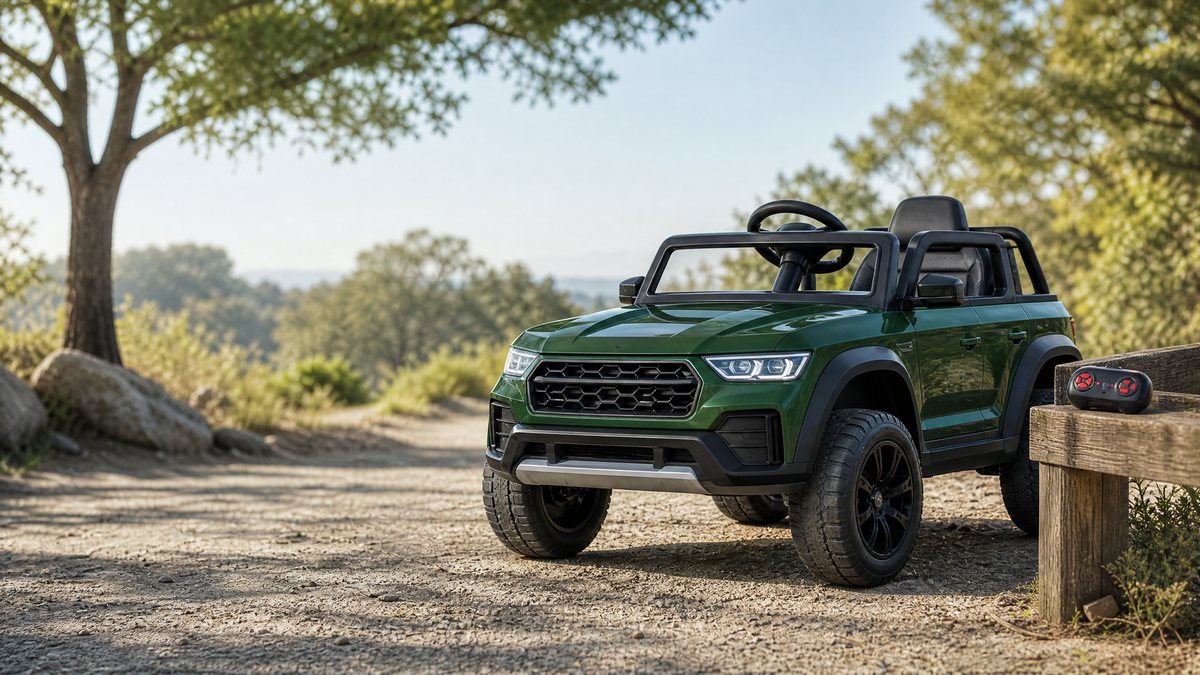
Introduction to Immersive Play and Ride-On Car Engineering
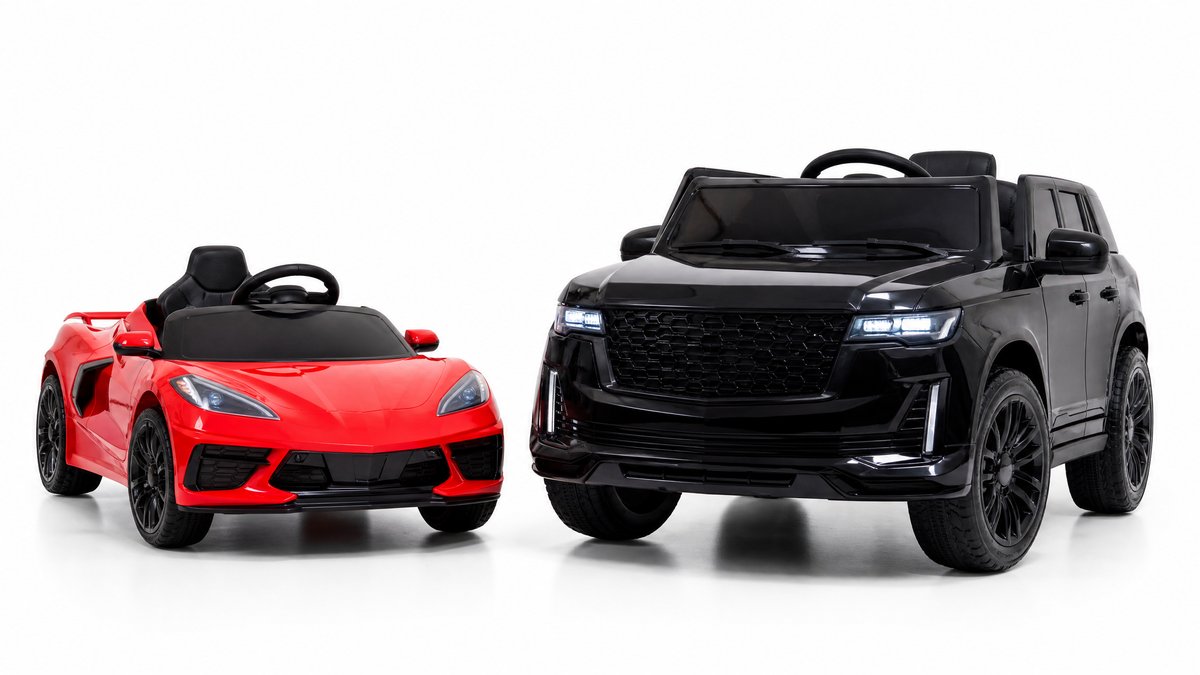
In the evolving landscape of children's toys, ride-on cars have transitioned from simple push-along vehicles to sophisticated, battery-powered marvels of miniature automotive engineering. Among the various features that distinguish modern ride-on cars—such as EVA foam tires, 4-wheel independent suspension, and soft-start acceleration systems—the dashboard stands out as the central hub of interaction. For children, a realistic dashboard is not merely a collection of decorative plastic decals or flashing LED lights; it is an invitation into a world of imaginative role-play, sensory engagement, and cognitive exploration. When young drivers sit behind a steering wheel equipped with functional push-buttons, working key ignitions, realistic instrument clusters, and media centers, their play transforms from passive riding into active, purposeful scenario-building and skill development.
For B2B wholesale buyers, importers, and retail store owners, understanding the value proposition of a well-designed dashboard is essential for curating competitive product lines. Parents and gift-buyers increasingly seek toys that offer more than physical motion—they look for educational value, developmental stimulation, and enduring engagement. A dashboard that mimics a real vehicle bridges the gap between fantasy and reality, encouraging children to enact adult roles, practice sequential thinking, and develop fine motor coordination. This comprehensive guide examines how realistic dashboard features enhance play quality, analyzes the developmental benefits for young children, explores manufacturing and ergonomic standards, and provides a structured evaluation framework for wholesale buyers assessing product specifications.
The Psychology of Realism: Why Dashboard Details Matter in Play
Child development psychology emphasizes the importance of symbolic and role-play during early childhood. Toys that mirror adult tools and machinery allow children to process their observations of the world around them. When a child inserts a key into an ignition switch, hears a realistic engine startup roar, and toggles a forward-and-reverse gear shifter, they are engaging in complex cognitive mapping. This process allows them to internalize real-world sequences and routines observed in everyday life.
The dashboard acts as the primary interface for this psychological immersion. Unlike a plain plastic console, a detailed instrument panel provides immediate auditory, visual, and tactile feedback. When a button is pressed, an LED indicator lights up or a horn sounds. This immediate cause-and-effect loop reinforces cognitive understanding and keeps the child deeply engaged in their chosen scenario—whether they are pretending to navigate a busy city street, embarking on an off-road safari, or acting as an emergency responder managing urgent situations. Furthermore, the presence of authentic-looking gauges and switches fosters a sense of ownership and personal responsibility, encouraging children to take care of their vehicle as if it were a genuine automobile.
| Dashboard Feature | Primary Sensory Engagement | Developmental Benefit | B2B Purchasing Consideration |
|---|---|---|---|
| Key Ignition / Start Button | Tactile & Auditory | Reinforces sequential routines & motor planning | Verify mechanical durability of switch and startup sound module integration. |
| Multifunctional Steering Wheel | Tactile & Kinesthetic | Enhances bilateral hand coordination & steering control | Check horn/music switch wiring robustness and ergonomic sizing for target age group. |
| Digital / Analog Instrument Panel | Visual & Cognitive | Promotes numerical recognition, pattern association, & visual tracking | Evaluate display clarity, scratch resistance, and brightness under varied lighting. |
| Media & Audio Center (USB/AUX) | Auditory & Entertainment | Encourages auditory discrimination and personal expression | Confirm volume control safety limits and speaker enclosure protection against dust/moisture. |
As outlined in the comparison table above, each dashboard component contributes distinct sensory and developmental advantages. For wholesale distributors, recognizing these nuances ensures that sourced inventory meets the high standards expected by discerning modern consumers and retail buyers seeking educational differentiation in their local markets.
Fine Motor Skills and Hand-Eye Coordination at the Controls
Operating a ride-on car requires significant physical coordination, and the dashboard plays a pivotal role in refining these motor skills. While gross motor skills are engaged through steering, accelerating, and braking, fine motor coordination is heavily utilized on the dashboard.
Reaching for specific buttons, toggling toggle switches for headlights, plugging in a media device cable, or shifting gears with a precision lever requires refined finger dexterity and spatial awareness. Children must isolate finger movements, gauge distance, and apply controlled pressure. These seemingly simple interactions contribute to the ongoing refinement of hand-eye coordination. Furthermore, when children operate these controls while maintaining balance and spatial orientation within the vehicle, they practice multi-tasking and sensory integration, balancing driving dynamics with secondary console management.
Manufacturers and safety standards emphasize that all controls must be ergonomically positioned within easy reach of the seated child, ensuring that operating the dashboard does not compromise the driver's posture or grip on the steering wheel. Importers must review manufacturer specifications and user manuals to verify that switch resistance, button placement, and console layout align with the recommended user age group and established ergonomic guidelines.
Fostering Imaginative Role-Play and Social Interaction
Imaginative play is a cornerstone of childhood development, fostering creativity, emotional regulation, and social competence. A realistic dashboard provides a rich canvas for storytelling. With a functioning dashboard, a ride-on car ceases to be just a battery-powered toy and becomes a spaceship, a police cruiser, an ambulance, or a family adventure vehicle.
Children frequently use dashboard controls to narrate their play sequences. Toggling hazard lights might signify an emergency stop; adjusting volume buttons might represent tuning a radio on a long road trip; operating a gear shifter prepares them for parking or reversing out of a tight driveway. When children play together—with one child driving and another acting as a passenger or pedestrian—the dashboard serves as a focal point for communication, negotiation, and cooperative play.
Retailers and brand owners can leverage these narrative dimensions in marketing materials and product descriptions. Emphasizing how interactive features support creative storytelling helps B2B partners position their inventory effectively in competitive retail environments, appealing directly to parents who value holistic child development and cognitive stimulation.
Material Science and Ergonomic Engineering of Mini Dashboards
The construction of a ride-on car dashboard involves careful consideration of material science, durability, and ergonomic design. Because children's toys endure rigorous daily use, outdoor exposure, and enthusiastic handling, the dashboard must be manufactured from robust, high-impact polymers such as ABS or reinforced polypropylene. These materials offer high tensile strength, resistance to ultraviolet (UV) degradation, and dimensional stability across changing seasonal temperatures.
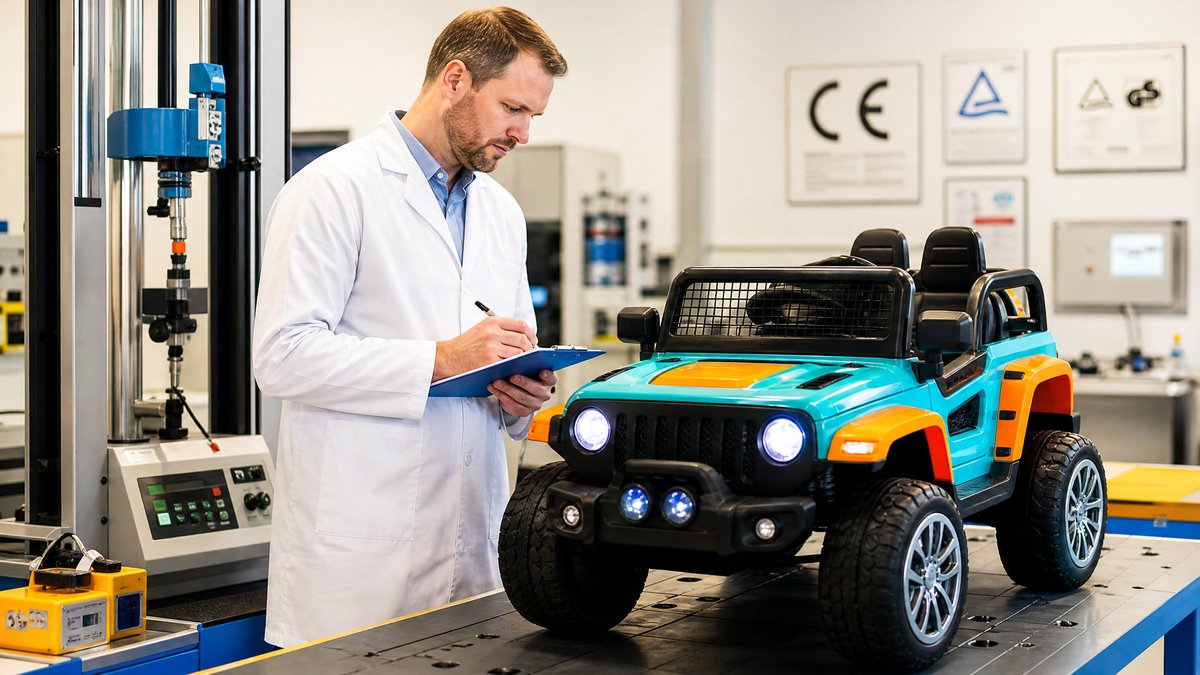
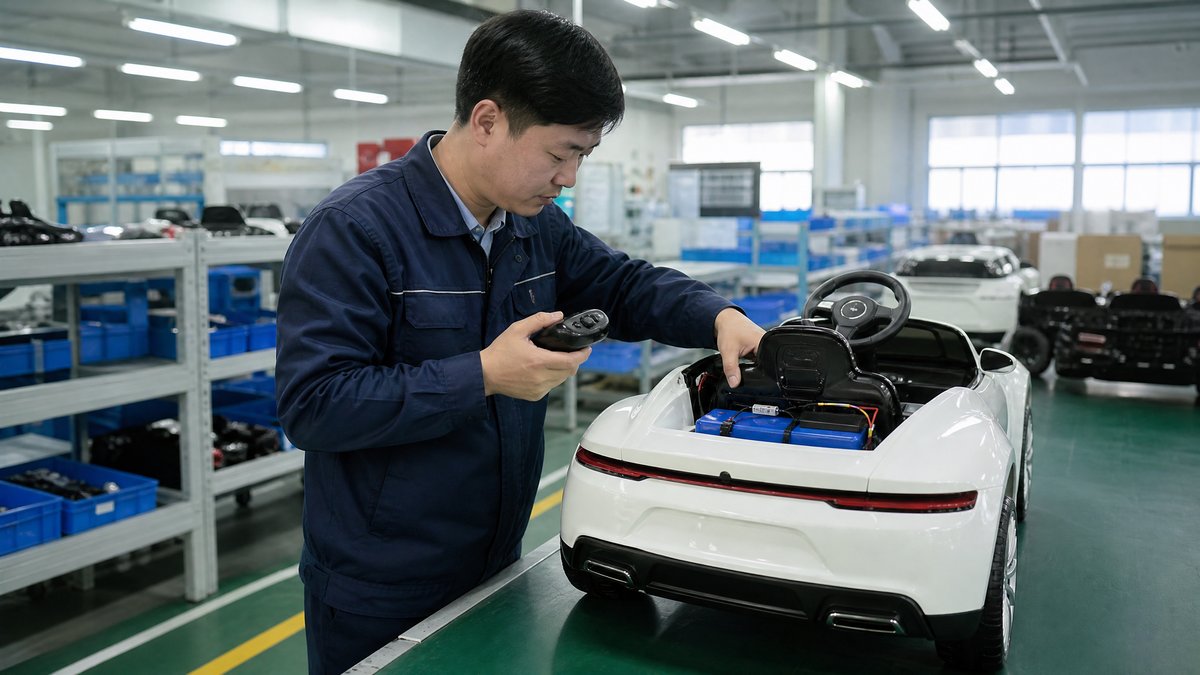
Furthermore, ergonomic considerations dictate that dashboard layouts must feature smooth, rounded edges, flush-mounted buttons where appropriate, and secure fastenings that prevent small parts from becoming loose hazards. Wiring harnesses routed behind the dashboard must be securely bundled and insulated against friction and moisture. For wholesale buyers, examining factory quality control reports regarding material certification and mechanical stress testing is a critical step in mitigating post-sale return rates and ensuring long-term product reliability across diverse operating conditions.
B2B Evaluation Framework: Assessing Dashboard Quality and Safety
For wholesale buyers, procurement specialists, and retail merchants, evaluating dashboard quality requires a rigorous, objective approach. Not all dashboard assemblies are created equal; variations in material quality, electronic integration, and safety compliance can significantly impact product reliability and end-user satisfaction.
When assessing supplier catalogs, buyers should apply a structured evaluation framework that goes beyond aesthetic appeal:
1. Material Durability and Non-Toxic Compliance: Ensure that dashboard plastics are robust, UV-resistant, and manufactured from certified non-toxic polymers that comply with international toy safety standards such as EN71 and ASTM F963.
2. Electrical Safety and Wiring Protection: Verify that internal wiring harnesses connected to the dashboard, switches, and speakers are securely housed, insulated, and protected against accidental pulling or moisture ingress.
3. Ergonomic Accessibility: Confirm that all switches, buttons, and gear selectors are positioned intuitively so children can operate them without leaning awkwardly or losing stability in the seat.
4. Volume and Audio Safety: Ensure that integrated media players, horns, and music boxes adhere to maximum decibel limits suitable for children's sensitive hearing, as outlined in manufacturer specifications.
5. Quality Assurance Documentation: Always request comprehensive test reports, compliance certificates, and factory inspection records directly from the manufacturer before finalizing bulk orders.
If any specific feature—such as Bluetooth connectivity, digital voltmeters, or multi-speed selection switches—is equipped on a particular model, buyers must verify its operational reliability through sample testing and review the manufacturer's technical datasheets. You can Request a wholesale quote to discuss specific model configurations, compliance documentation, and bulk order logistics with our team.
Important Safety Guidelines and Operational Best Practices
Safety is paramount in the distribution and operation of battery-powered ride-on vehicles. While realistic dashboards add immense value to the play experience, adult supervision and strict adherence to manufacturer instructions remain mandatory at all times.
- Adult Supervision: Children must be supervised by a responsible adult whenever operating a ride-on car, particularly near public roads, driveways, swimming pools, slopes, or uneven terrain.
- Electrical and Component Integrity: Never attempt to modify internal wiring harnesses, bypass safety fuses, or alter dashboard electronic control units (ECUs). All maintenance and repairs must adhere strictly to the manufacturer's written service manual.
- Battery and Charging Safety: Use only the approved manufacturer-supplied charger. Inspect charging ports, cables, and plugs regularly for signs of wear or damage. Discontinue use immediately if any electrical anomalies, burning odors, or unusual heat are detected.
- Environmental Precautions: Keep the vehicle and its dashboard electronics away from heavy rain, standing water, and extreme moisture to prevent short circuits or premature component failure.
Frequently Asked Questions (FAQ)
1. How do realistic dashboard features impact the retail appeal of ride-on cars?
Realistic dashboard features—such as key ignitions, functional sound buttons, and illuminated instrument panels—significantly enhance consumer appeal by offering children a more immersive, engaging, and lifelike driving experience. For retailers, these features serve as key selling points that differentiate standard models from premium offerings.
2. Are dashboard electronics covered under standard manufacturer warranties?
Warranty coverage for electronic components, including dashboard switches, media modules, and wiring harnesses, varies by manufacturer and specific model terms. B2B buyers should review individual supplier warranty agreements and quality assurance terms prior to confirming bulk purchases.
3. What precautions should be taken regarding electronic dashboard maintenance?
Operators and maintenance staff should ensure that dashboard surfaces are cleaned with a dry or slightly damp cloth, avoiding abrasive cleaners or excessive water exposure that could seep into electronic switches or speakers. Always consult the manufacturer's user manual for specific cleaning and upkeep guidelines.
4. Can dashboard features be customized or upgraded for custom wholesale orders?
Many manufacturers offer OEM/ODM customization options for bulk wholesale orders, including customized branding plates, dashboard layouts, or pre-loaded audio tracks. Importers interested in custom configurations should Request a wholesale quote to discuss minimum order quantities and technical feasibility directly with the factory.
Conclusion
The dashboard of a modern ride-on car is far more than a decorative panel; it is a vital catalyst for imaginative play, fine motor skill development, and sensory engagement. By bridging the gap between adult automotive reality and childhood fantasy, realistic dashboards enrich the play experience and provide enduring value for young drivers. For B2B buyers, importers, and retail partners, selecting ride-on cars with high-quality, durable, and thoughtfully designed dashboards is a proven strategy for meeting consumer demand and delivering exceptional play value.
Ready to expand your product lineup with premium, feature-rich ride-on cars? Request a wholesale quote today to connect with our expert team and explore our complete catalog.
Official References
1. U.S. Consumer Product Safety Commission (CPSC). General Toy Safety Education and Compliance Guidelines. Available via official CPSC public educational resources. *(Note: General educational materials do not replace specific model manuals, safety labels, or certified manufacturer documentation.)*
2. International Toy Safety Standards. EN71 and ASTM F963 Toy Safety Specifications for Electrical and Mechanical Performance in Children's Ride-On Vehicles.
3. KidsRideCar Engineering & Quality Assurance Division. Technical Specifications and B2B Procurement Standards for Battery-Powered Children's Vehicles, 2026.
Official references
Explore these external resources for current regulatory and trade guidance. Confirm requirements with the relevant authority before placing an order.
Ready to Start?
Factory-Direct · CE & ASTM Certified · MOQ from 50 Units
Our export team works with buyers in 60+ countries. Get a quote within 24 hours.
KR
Written by KidsRideCar
China's leading kids electric ride-on car manufacturer. 500,000+ units shipped annually to 60+ countries. CE, ASTM & EN71 certified.