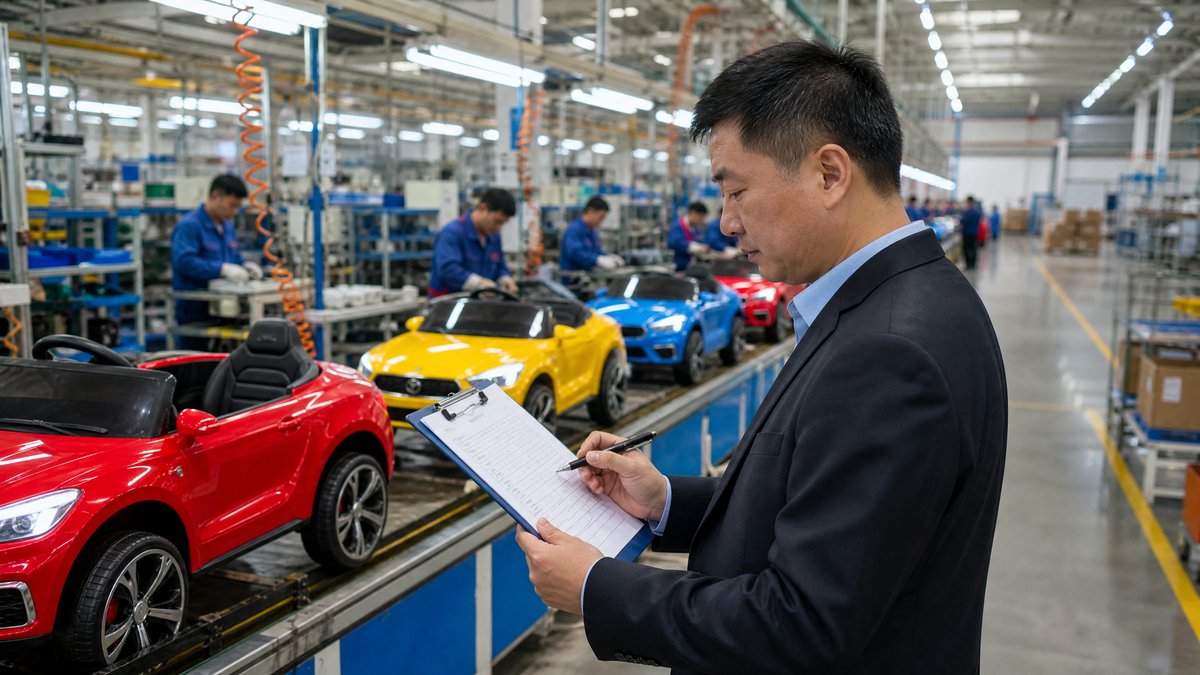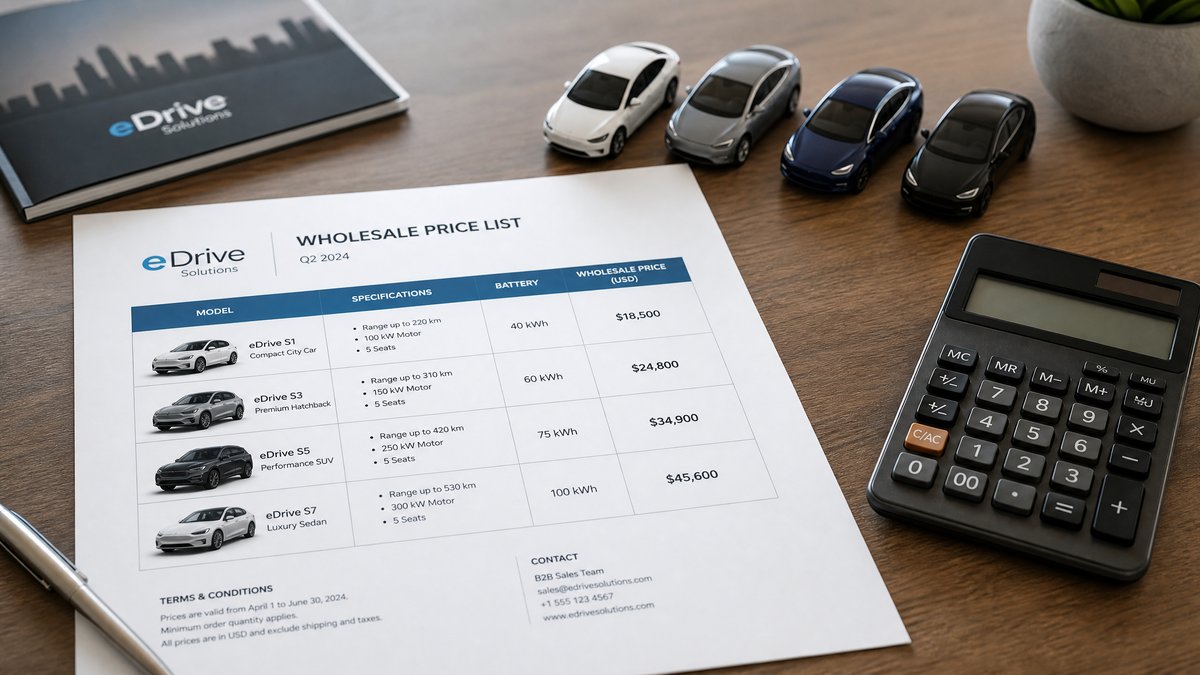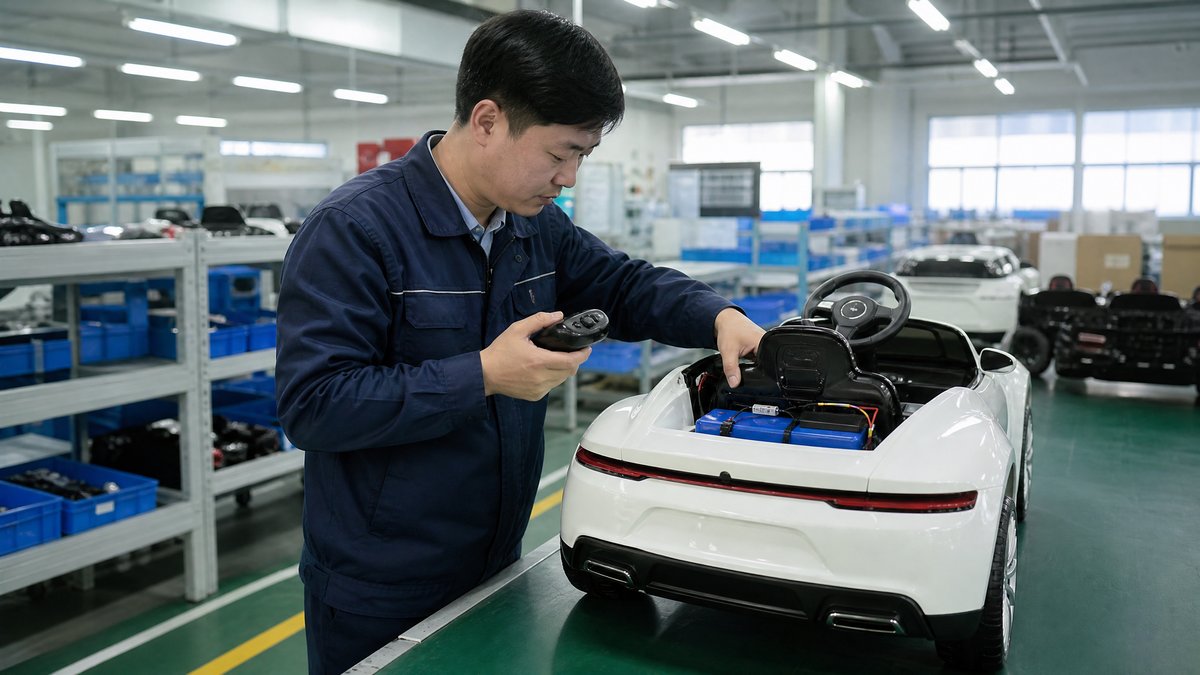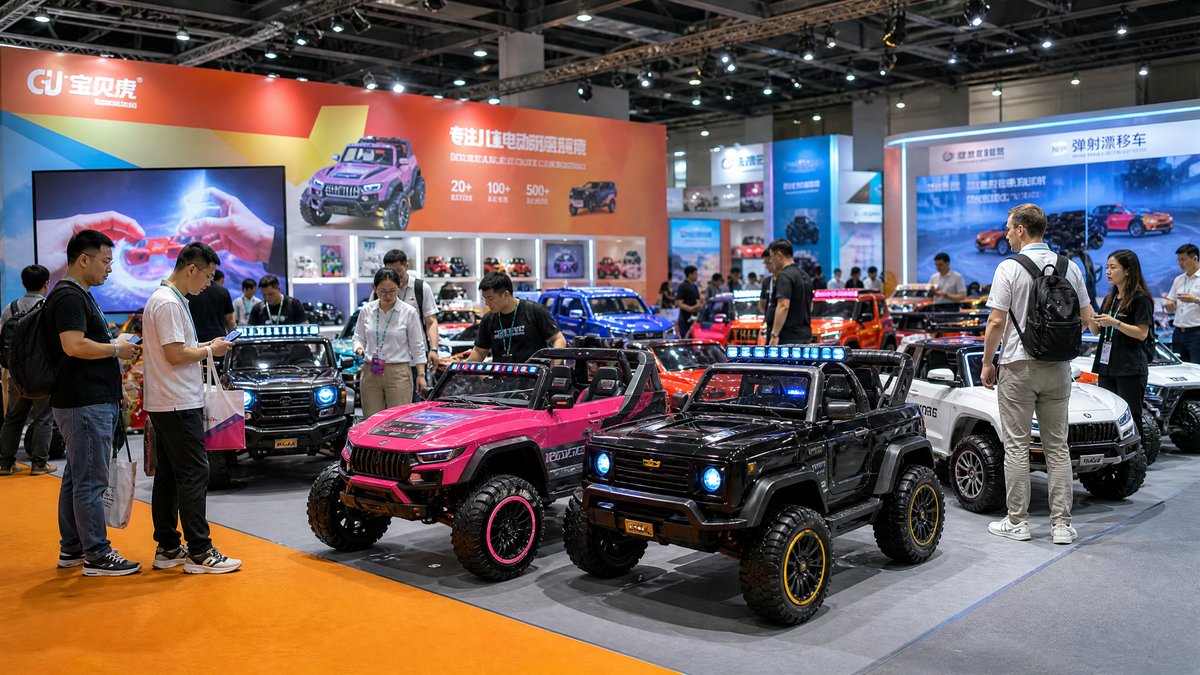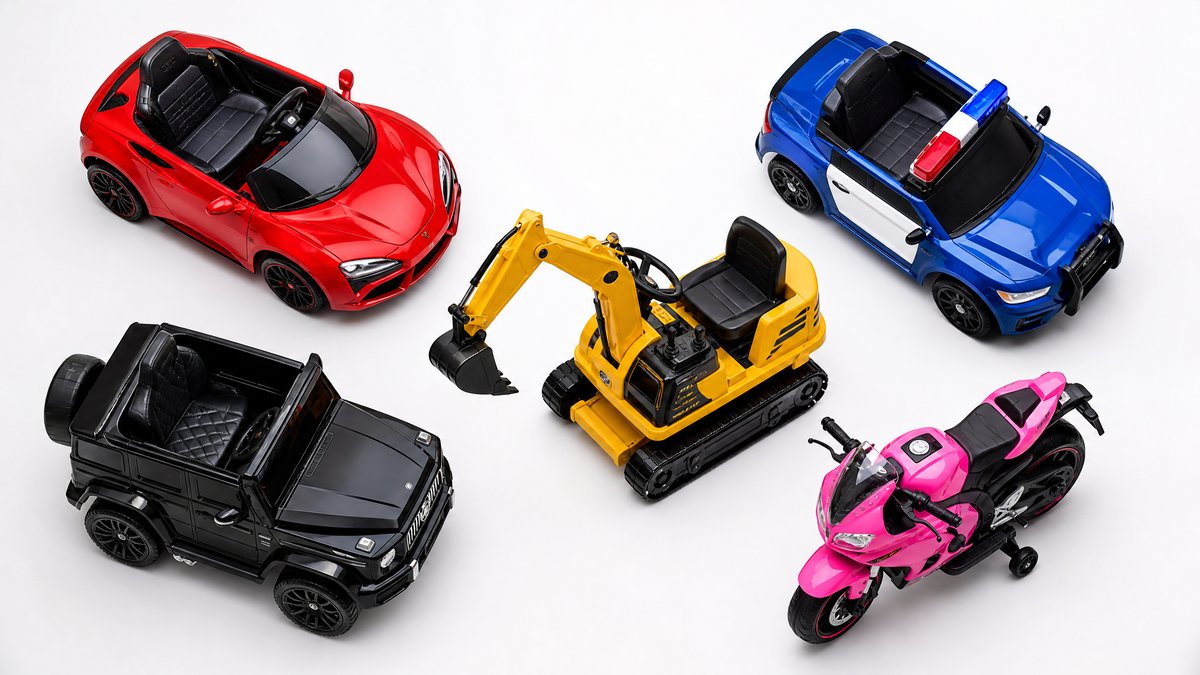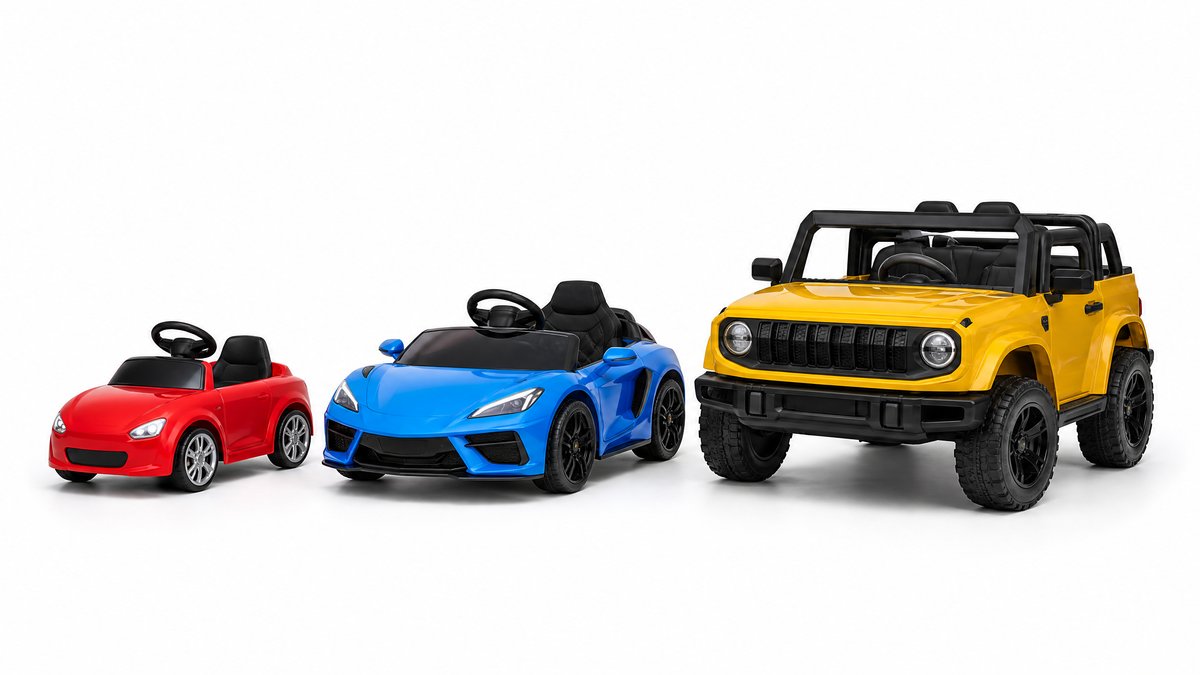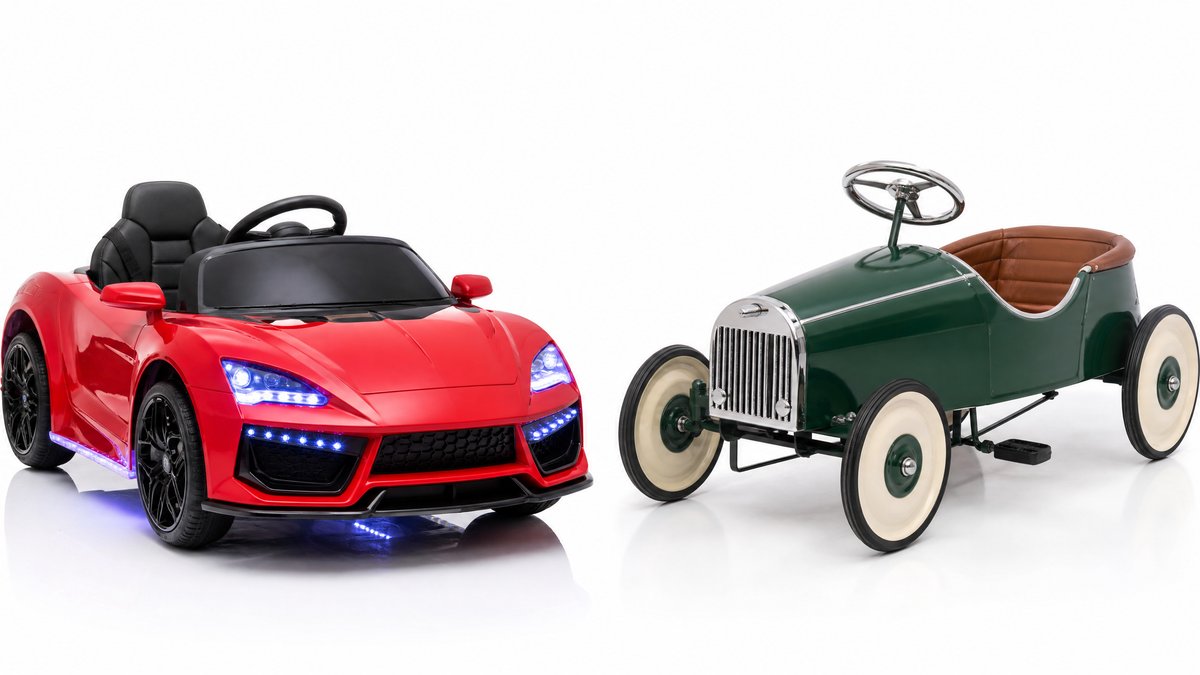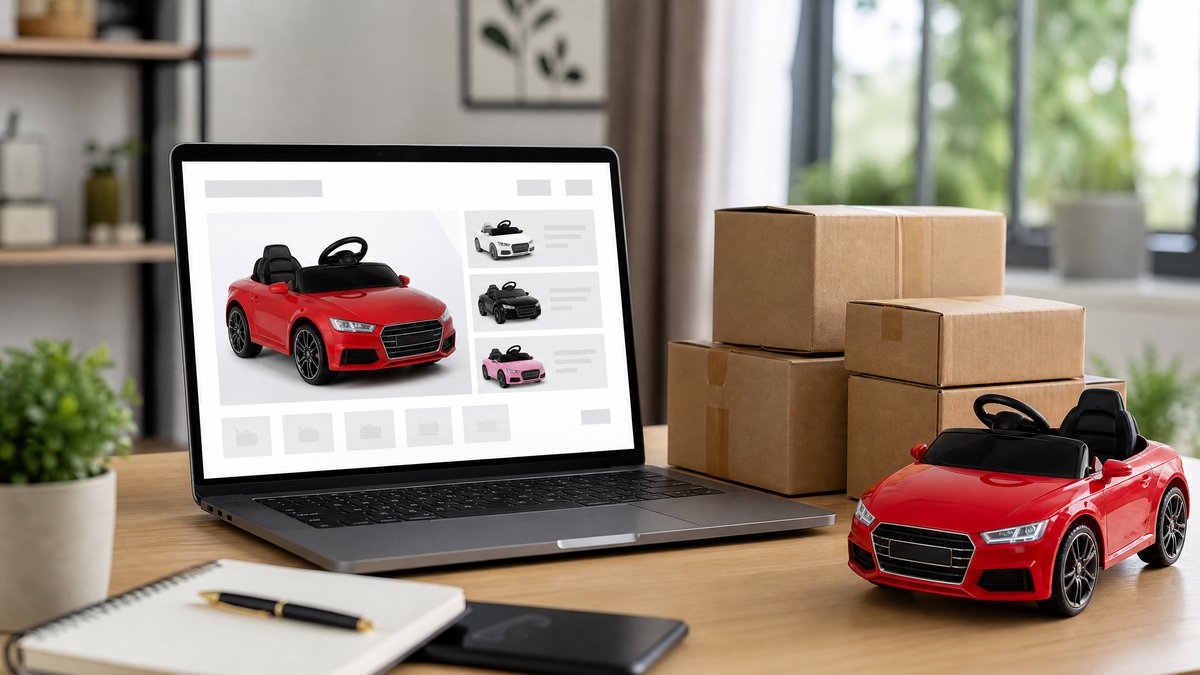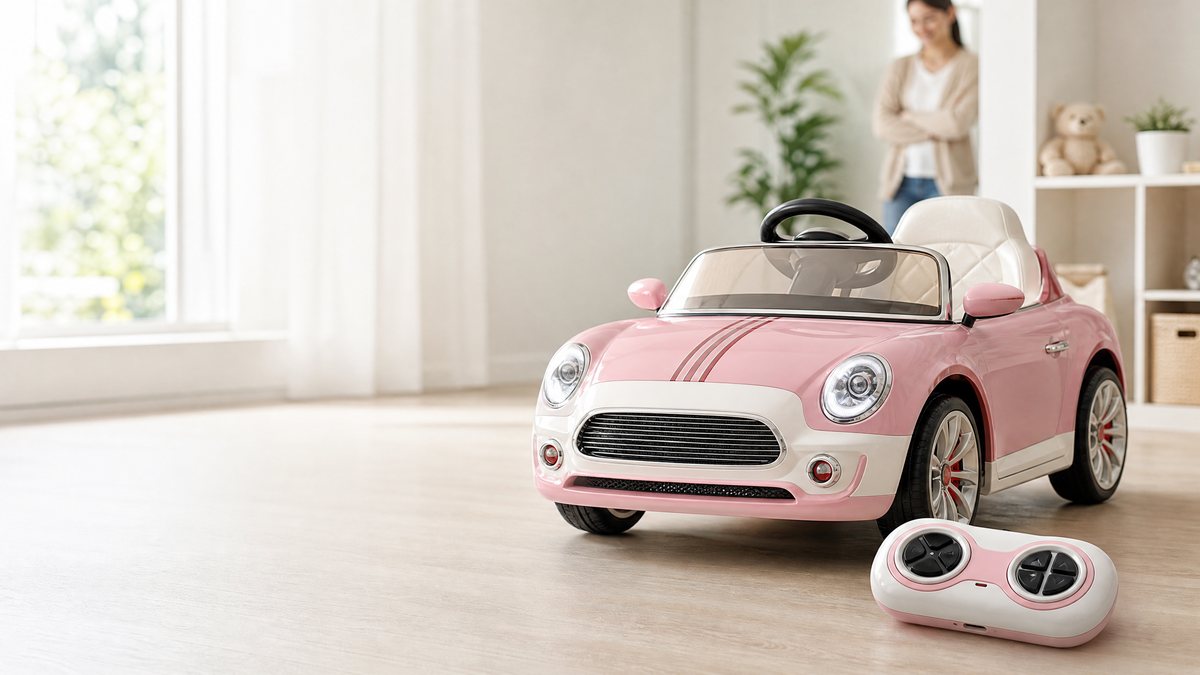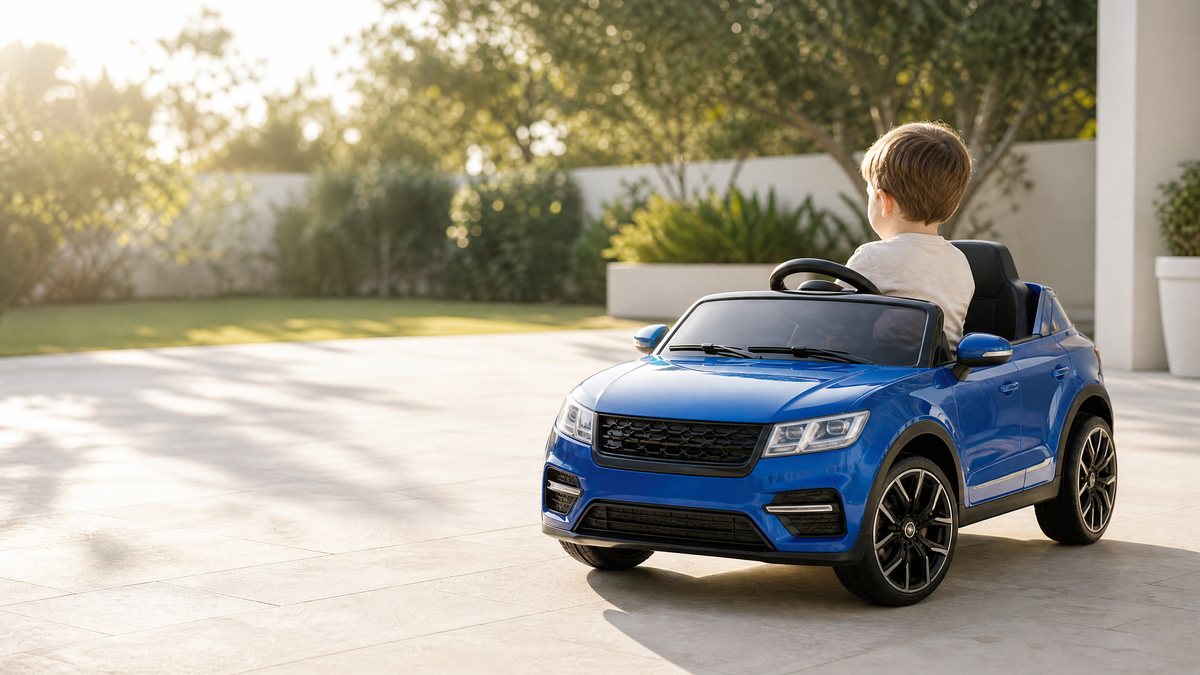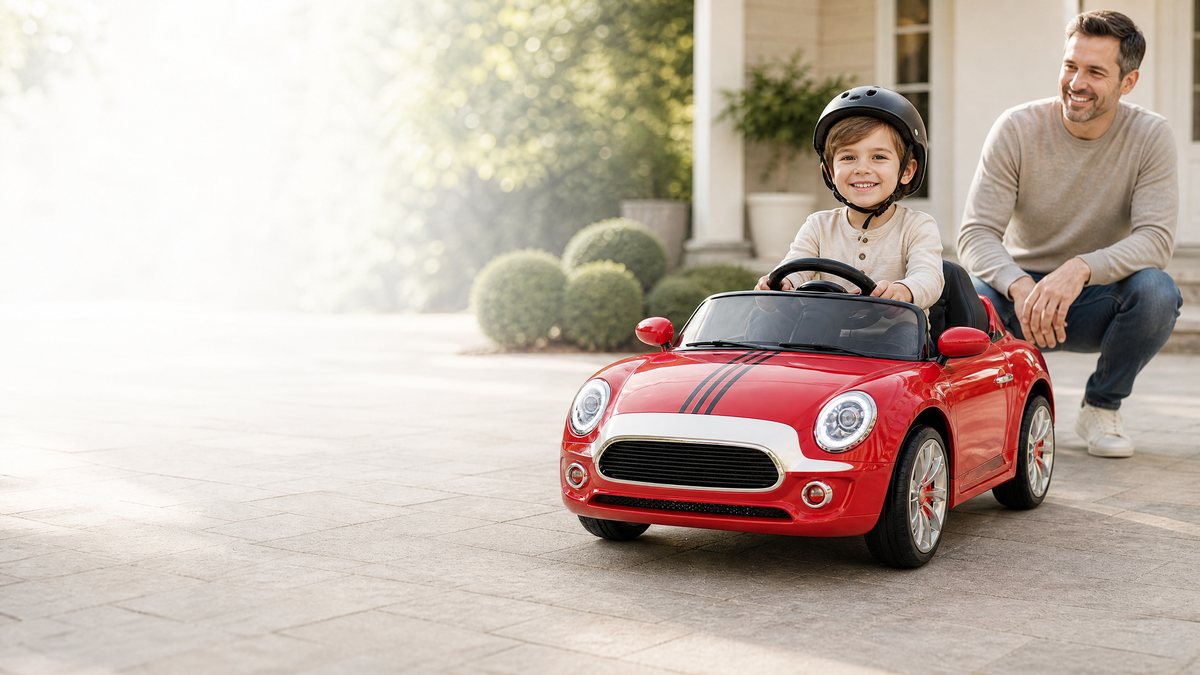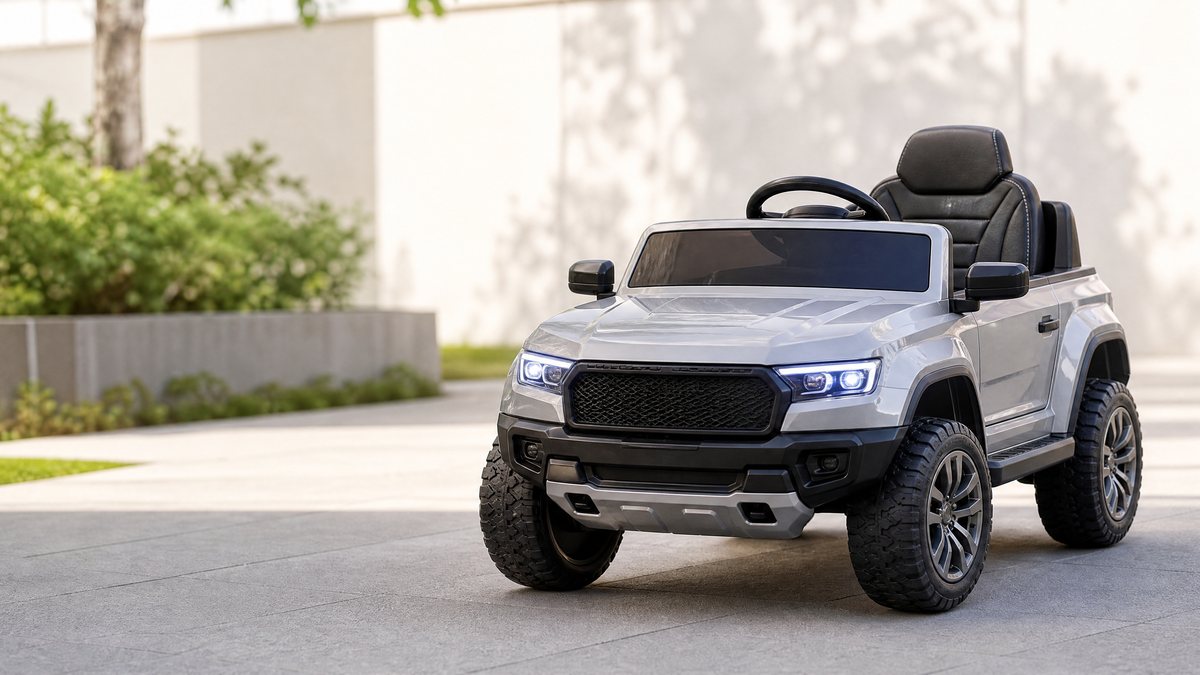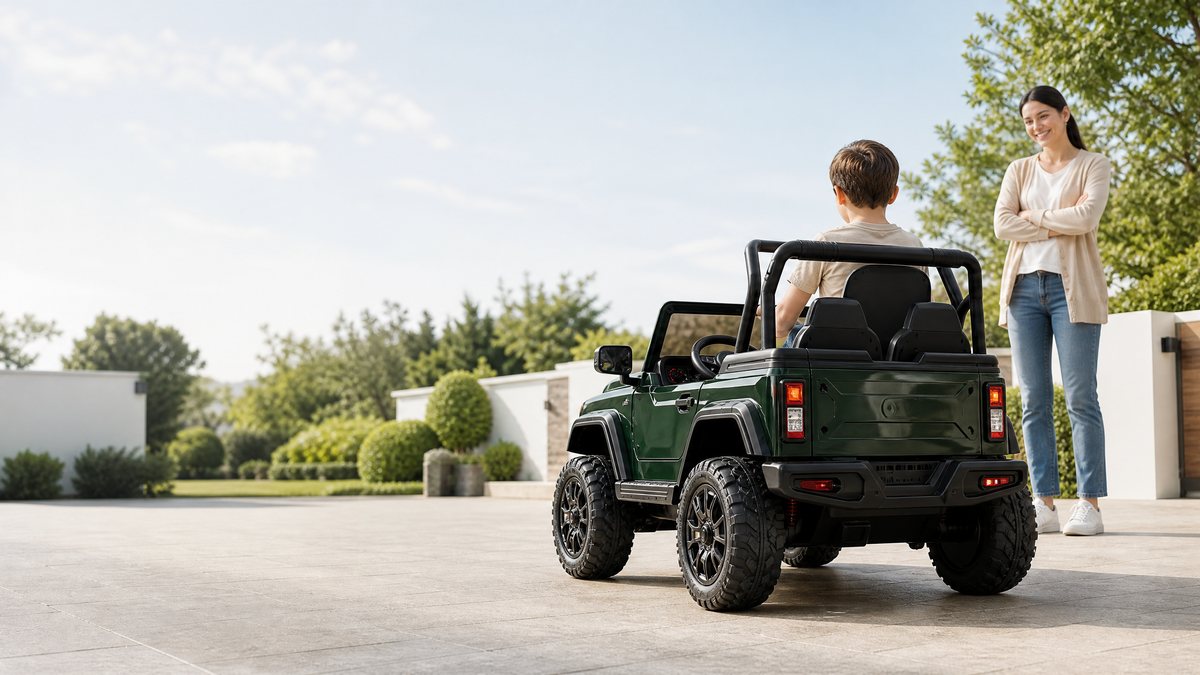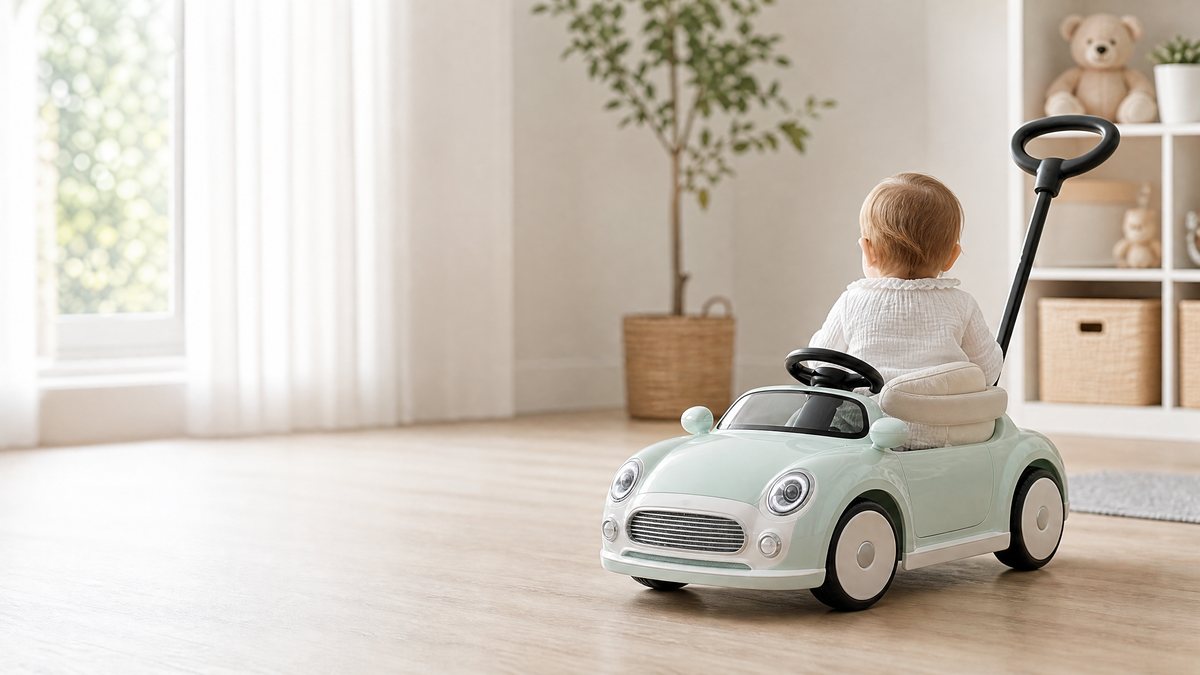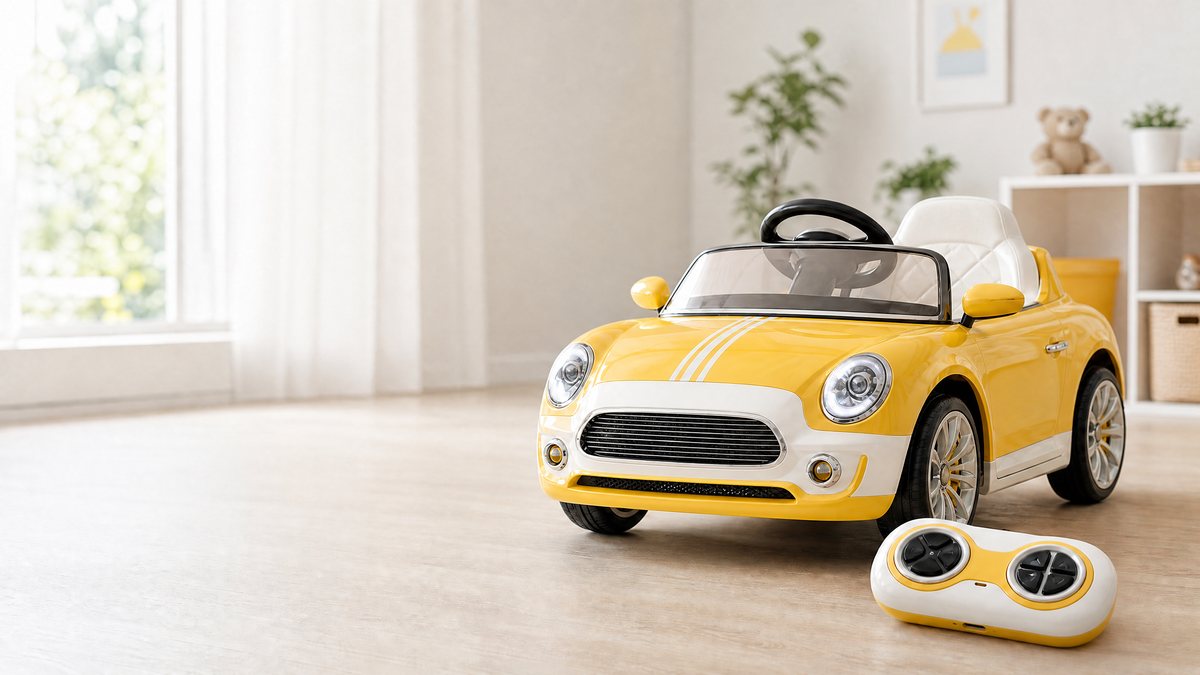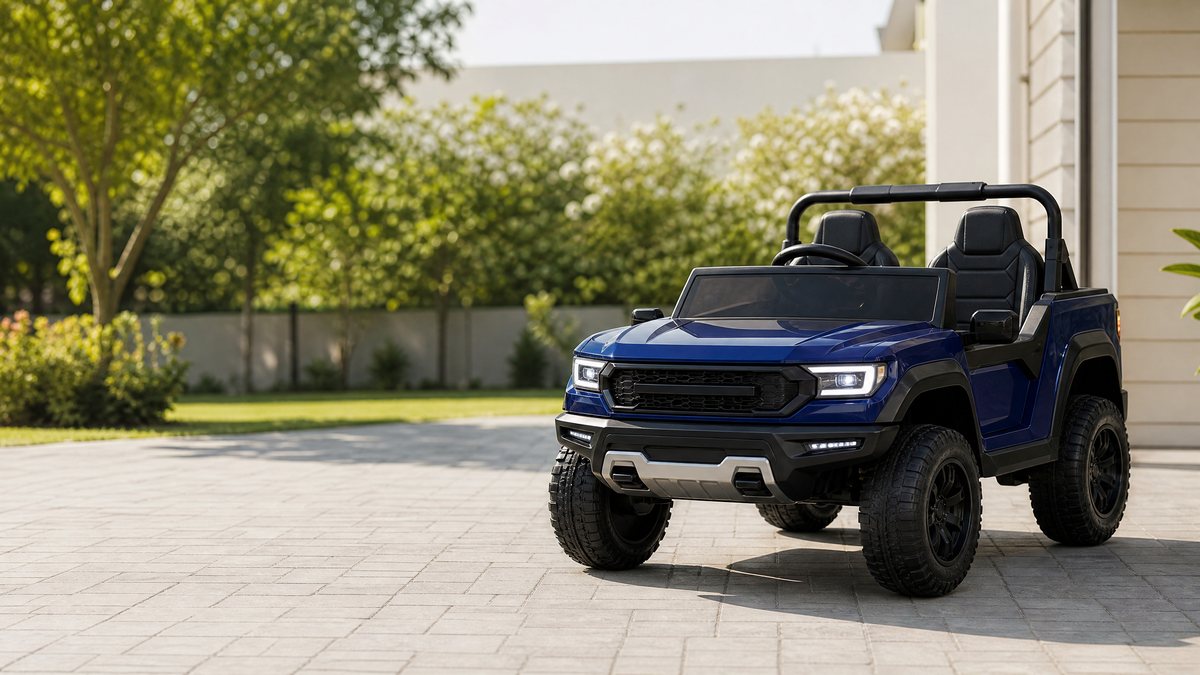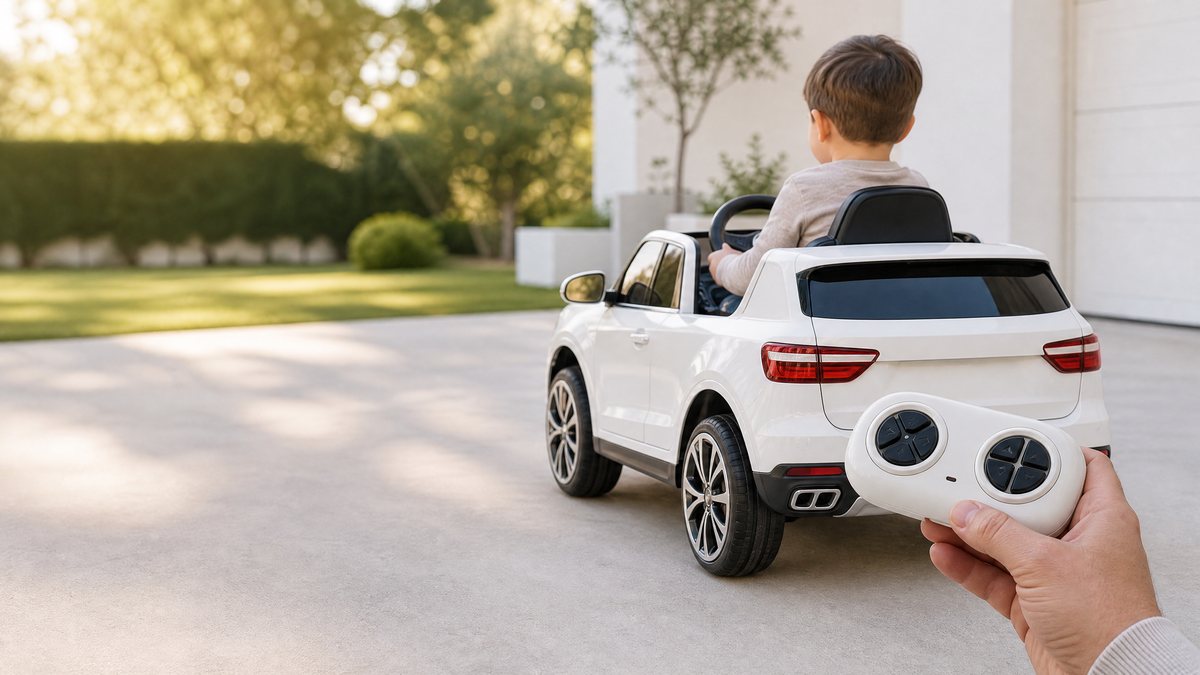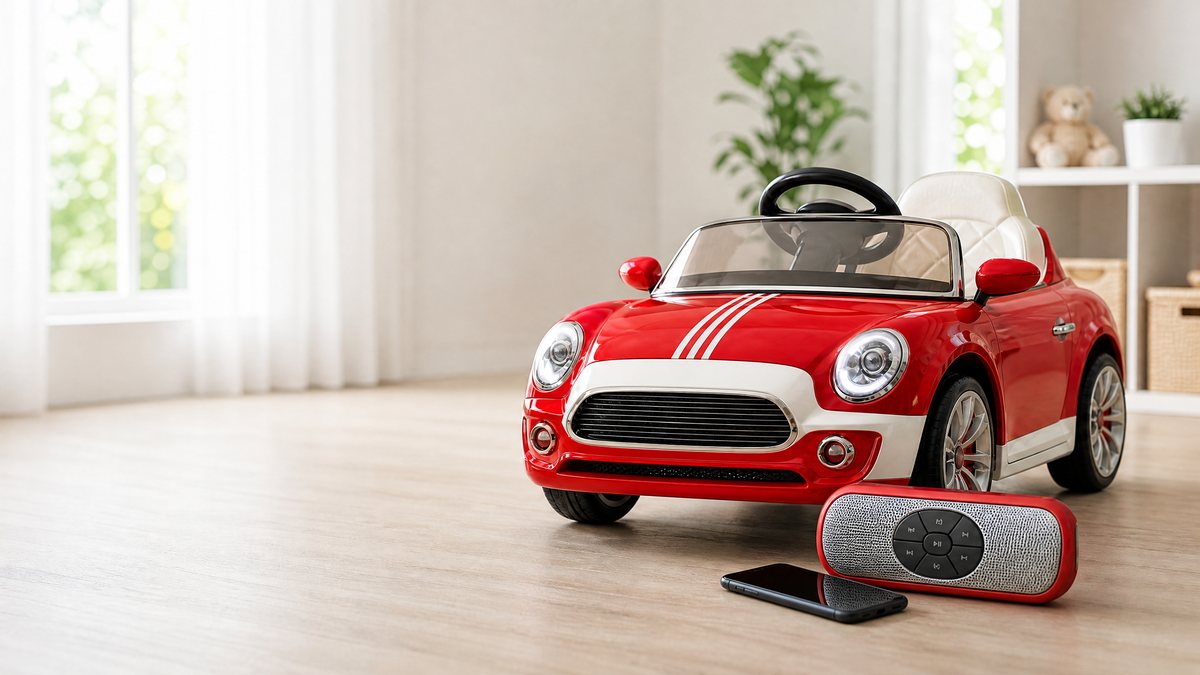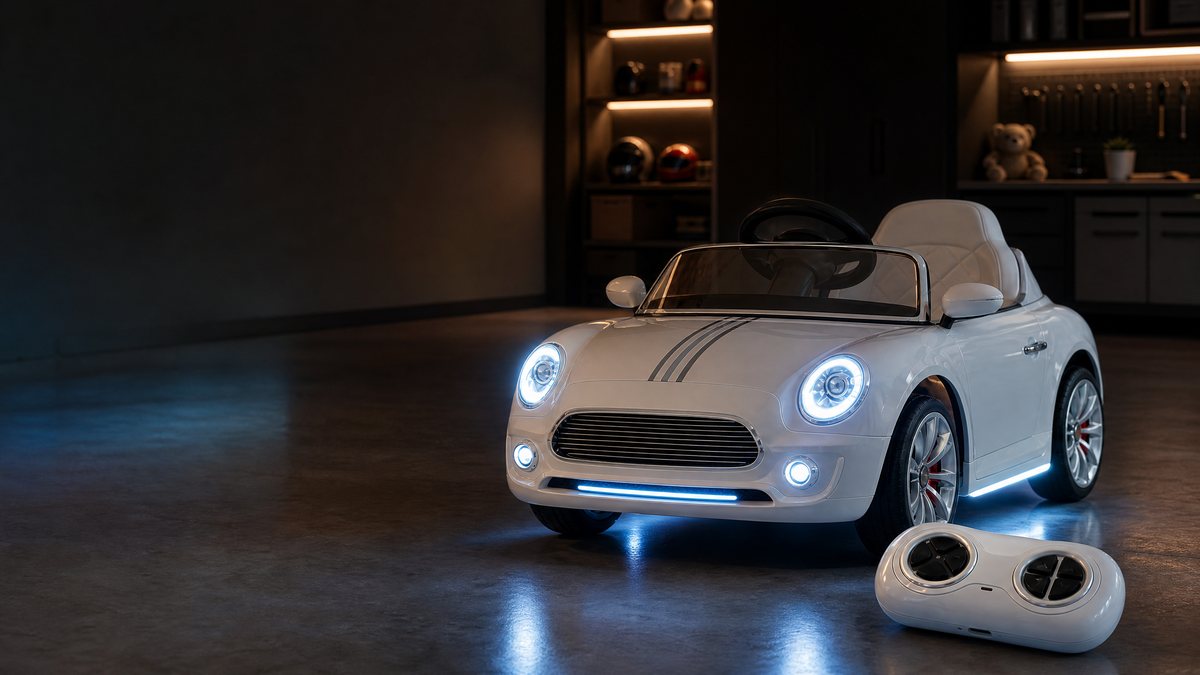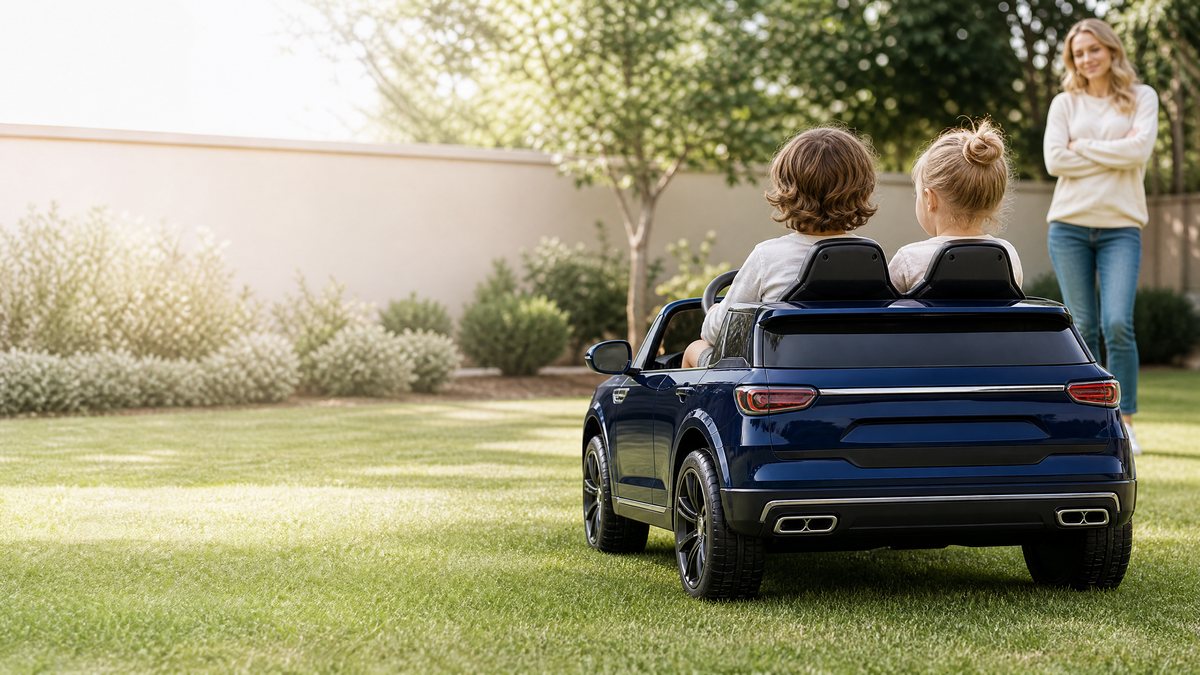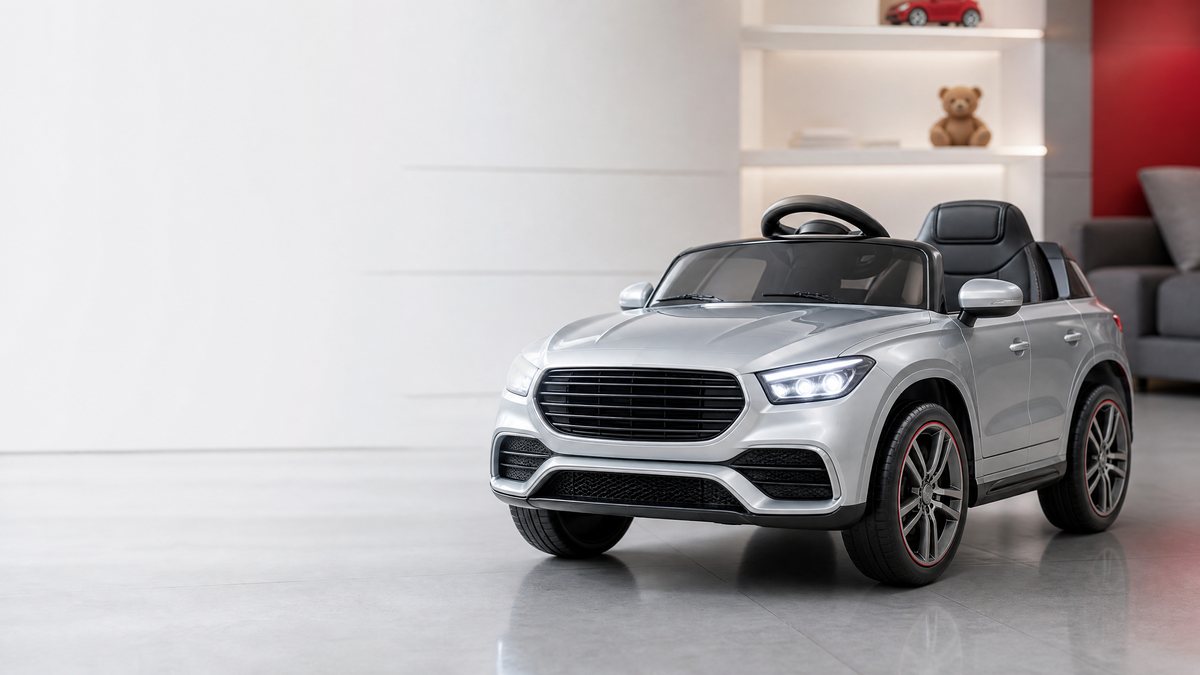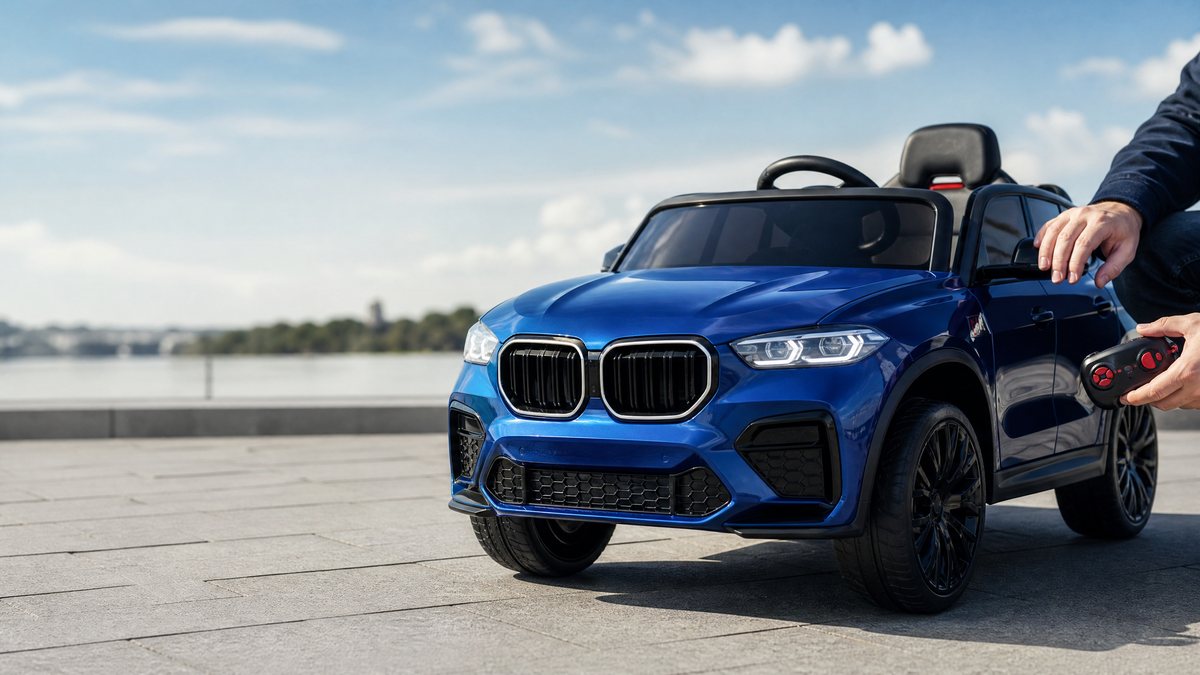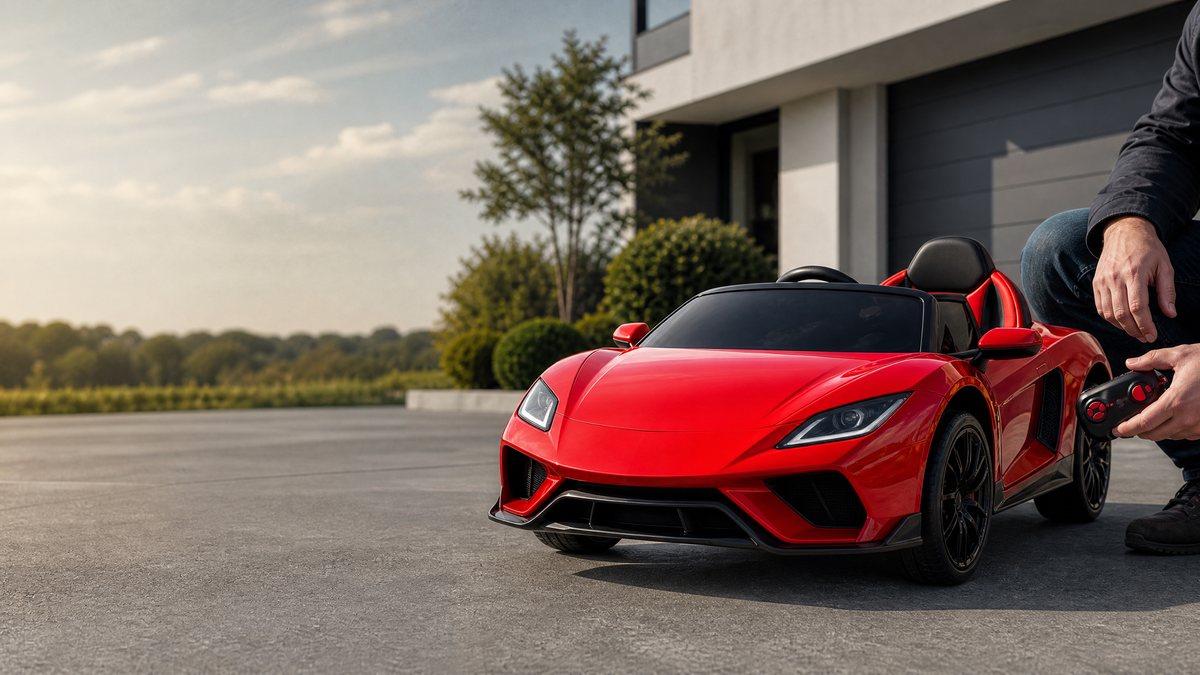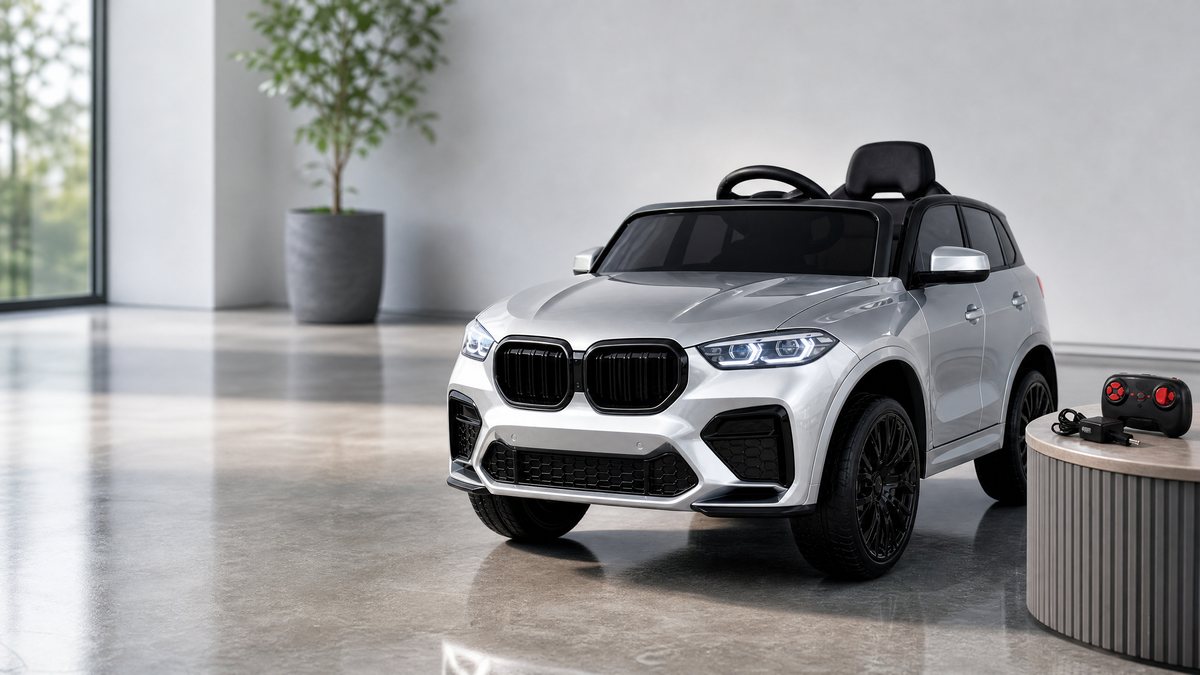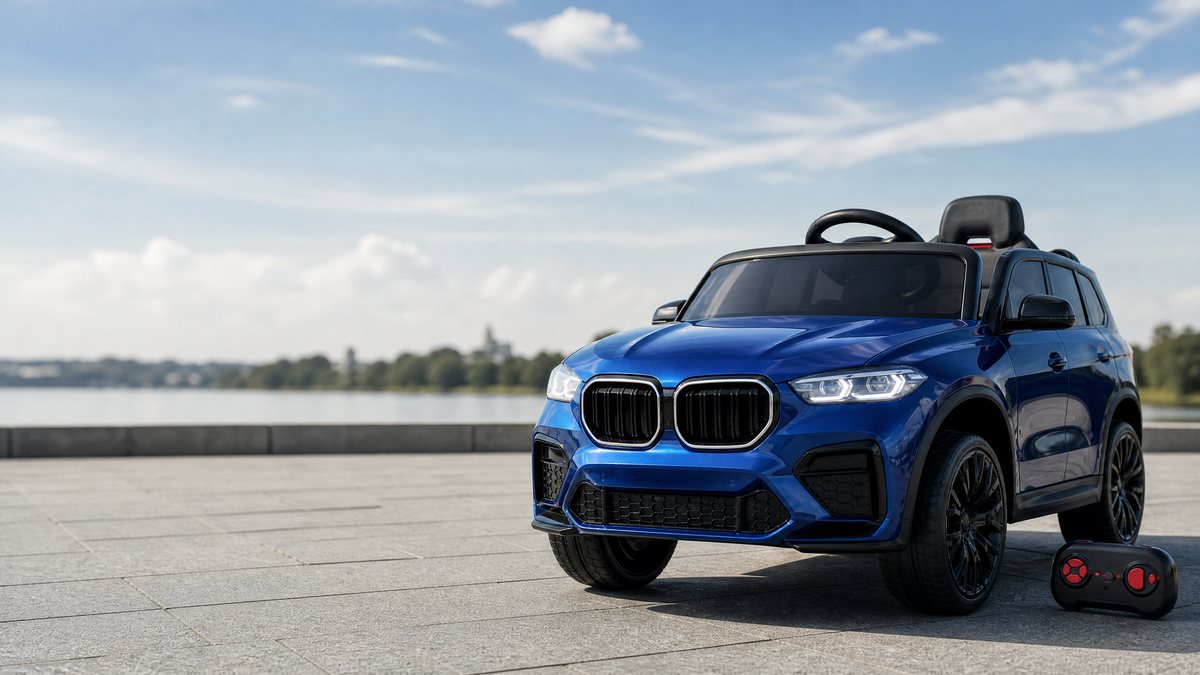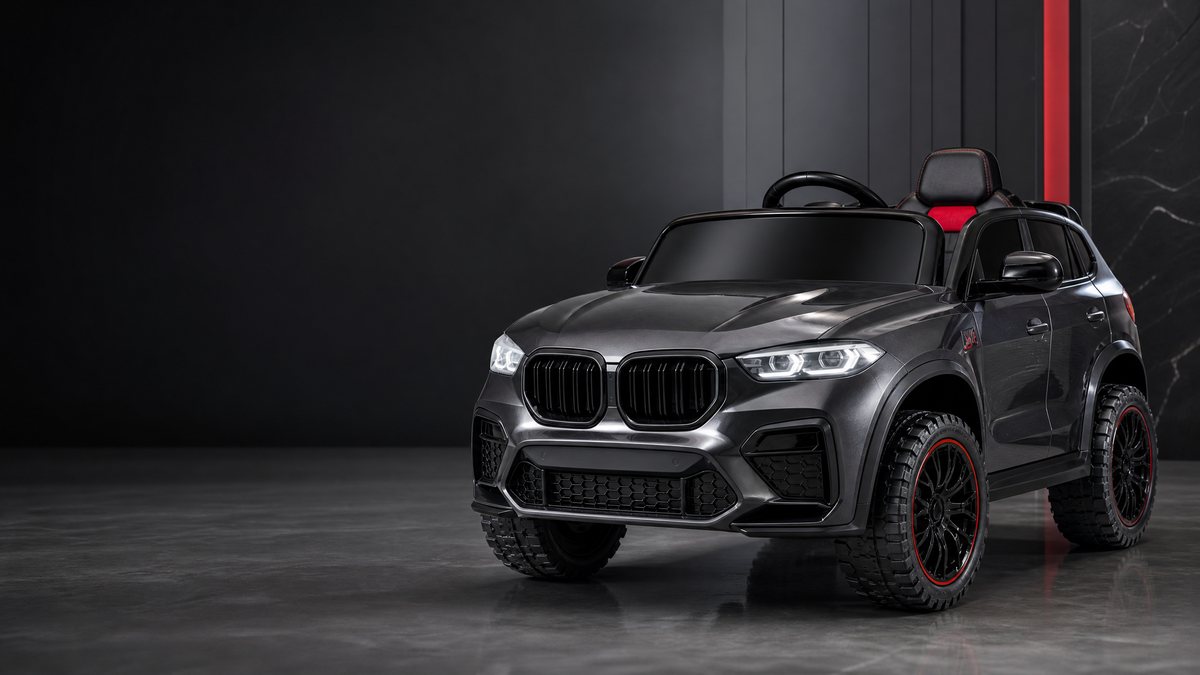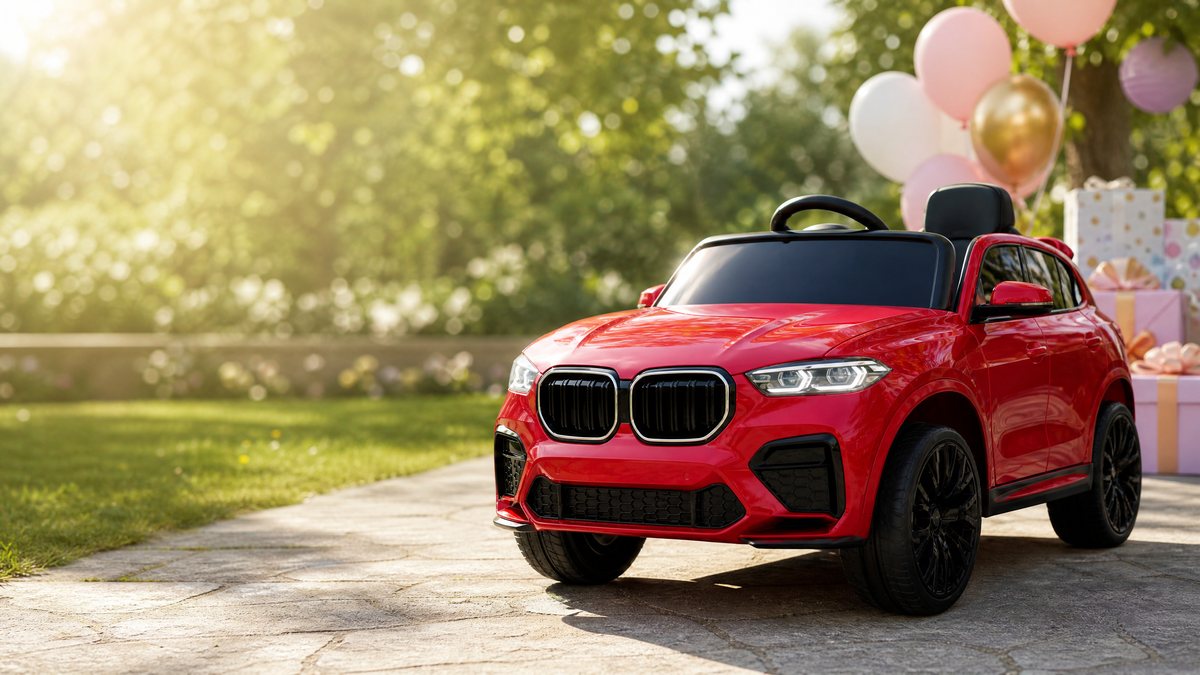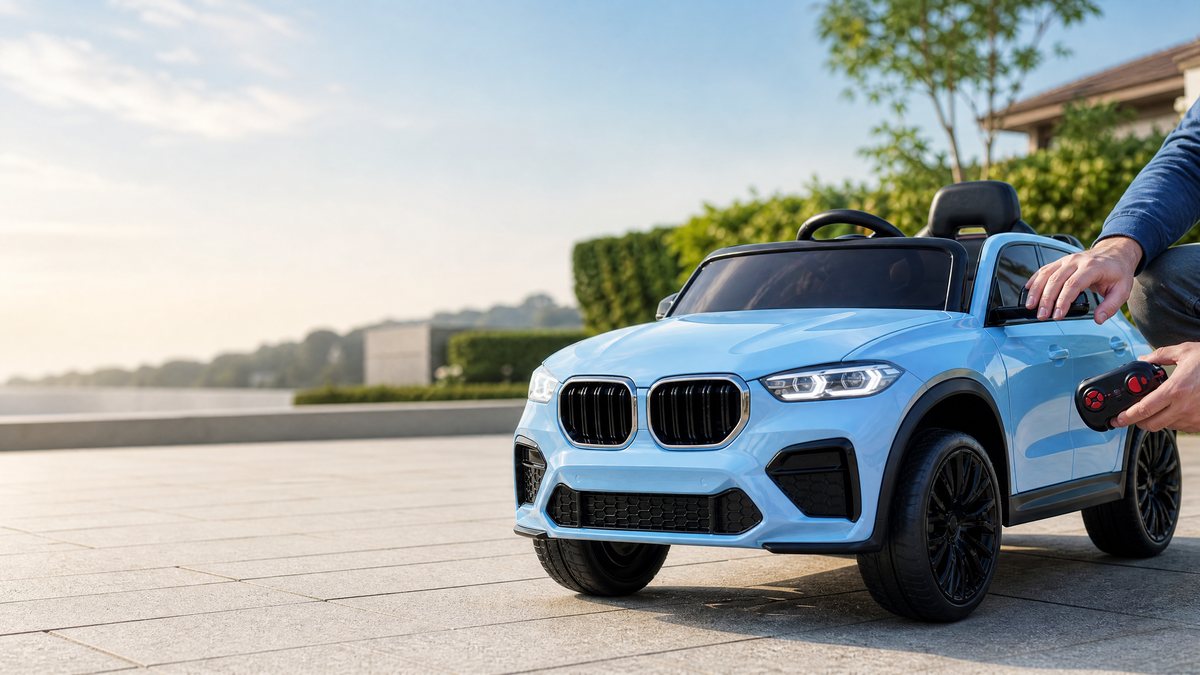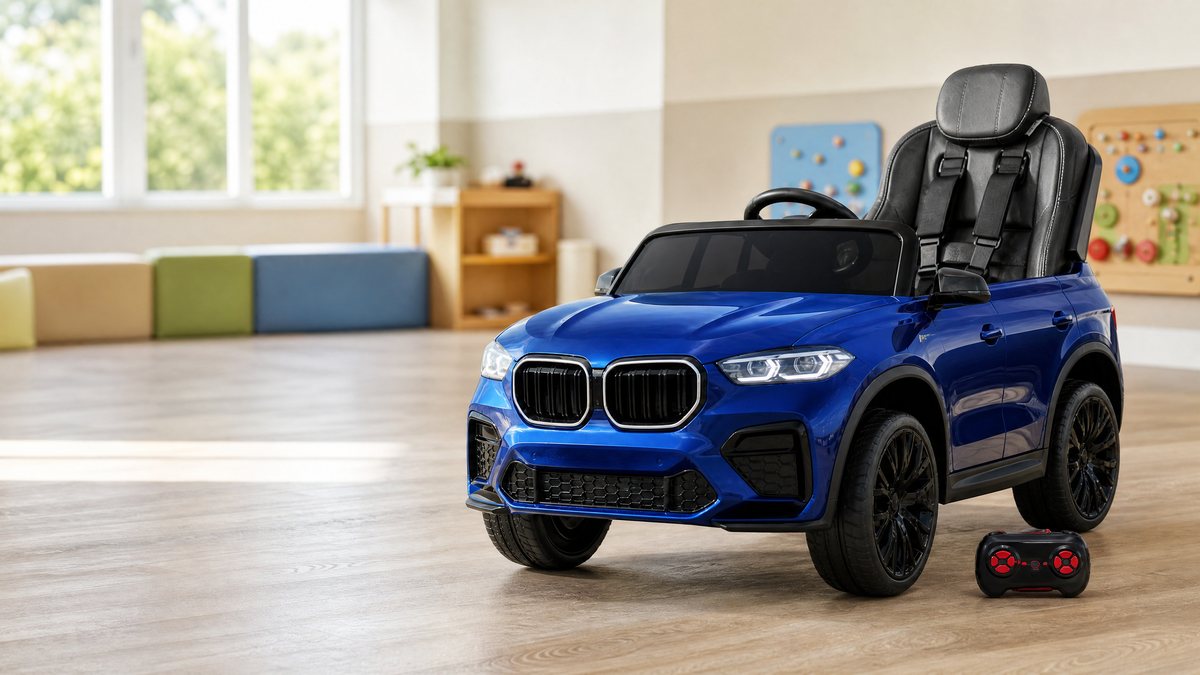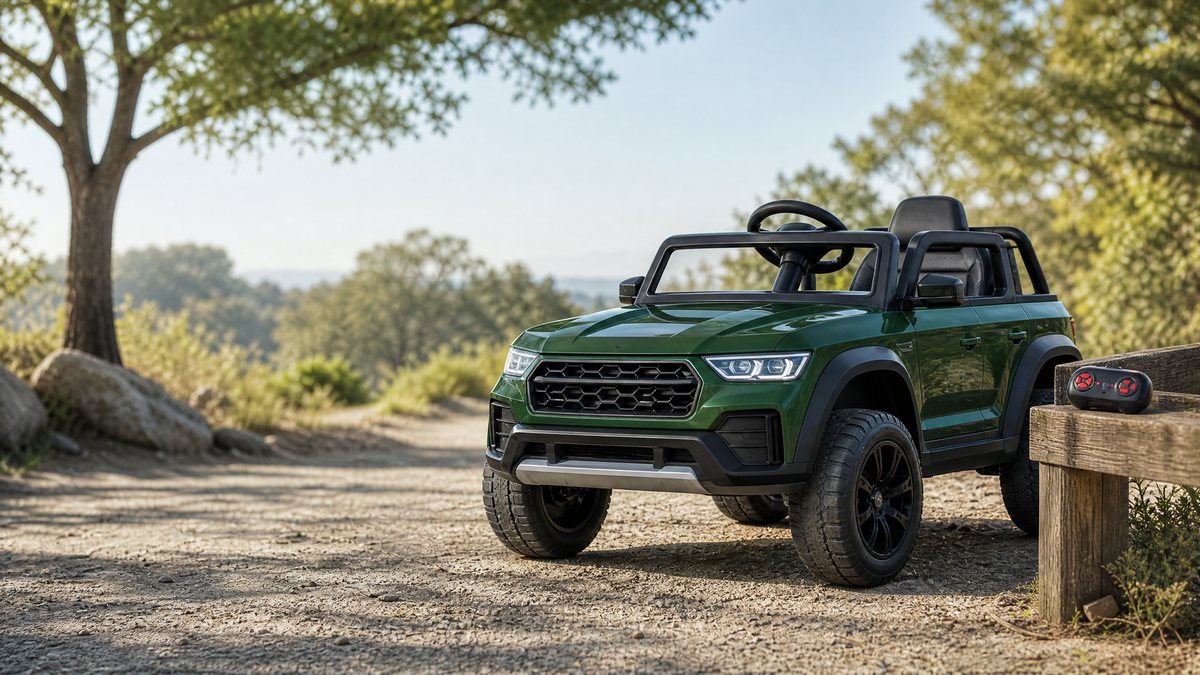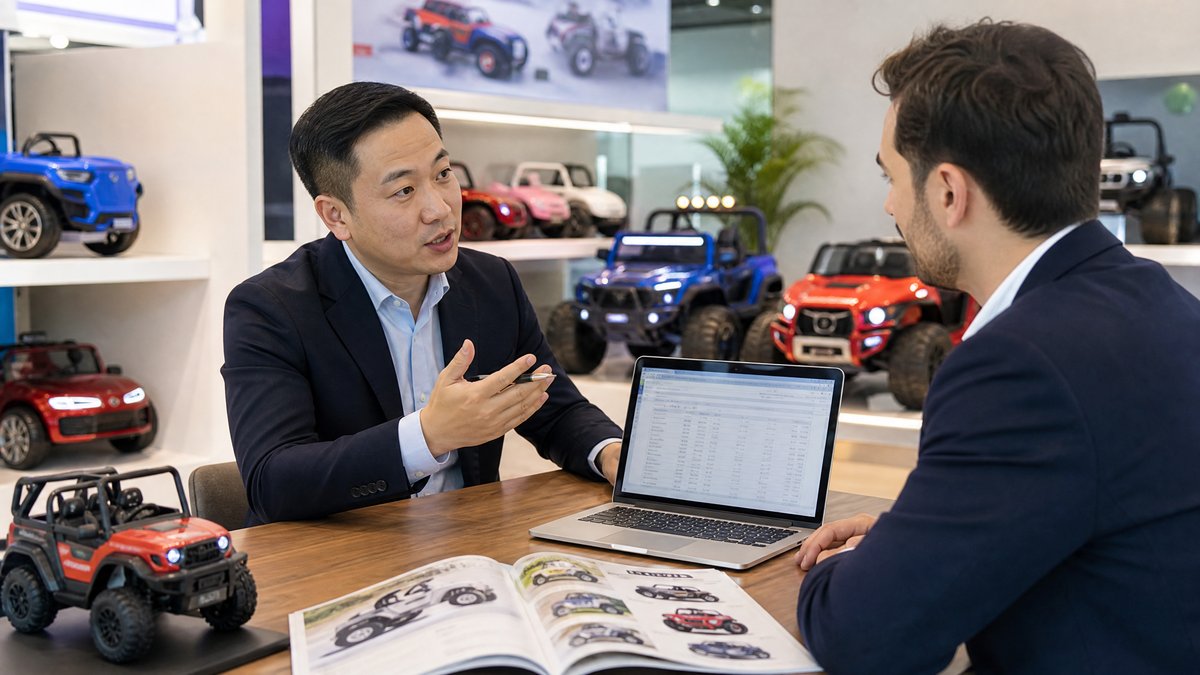
The family entertainment and event rental sector is experiencing a massive surge in demand for interactive, premium children's entertainment. Among the most lucrative and fast-growing niches is the commercial rental of kids' electric ride-on cars. Whether deployed at birthday parties, amusement parks, shopping malls, resort hotels, or family entertainment centers (FECs), miniature electric vehicles offer an exceptionally high return on investment (ROI) with relatively low initial capital expenditure.
For B2B wholesalers, entrepreneurs, and event rental operators looking to scale or diversify their service offerings, selecting the right vehicles and implementing a robust fleet management system are critical to long-term success. This guide provides a comprehensive financial ROI analysis, operational best practices, and maintenance strategies tailored specifically for commercial ride-on car fleet operators.
1. Market Potential & Revenue Models for Ride-On Car Rentals
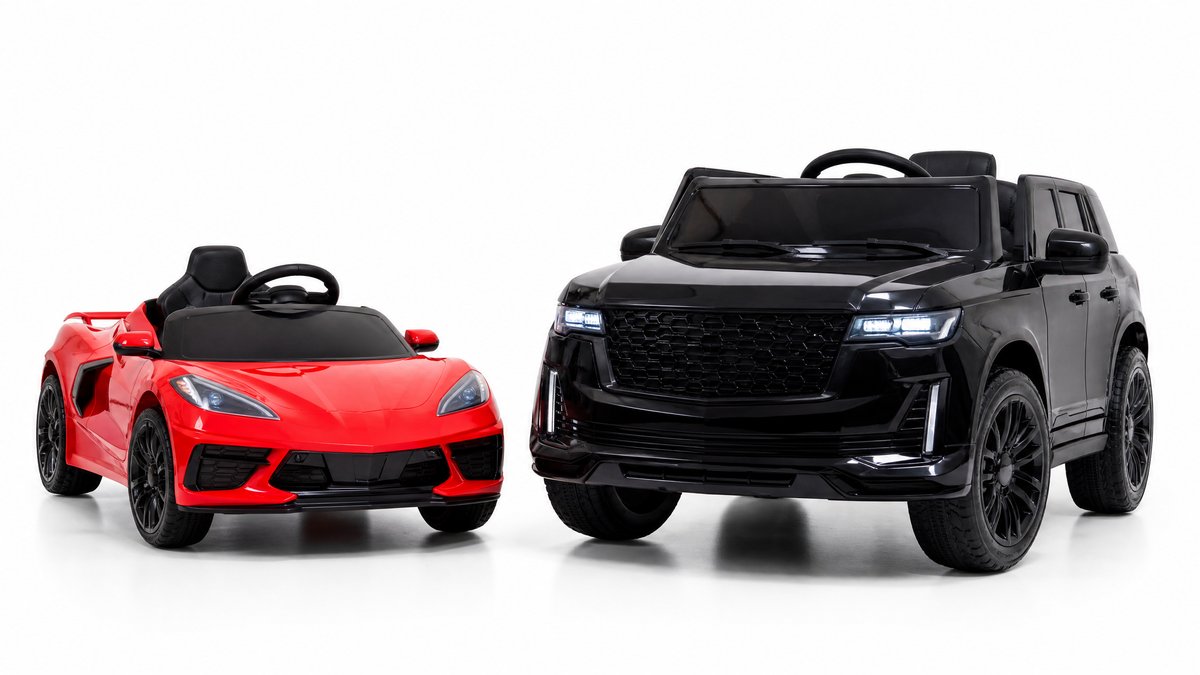
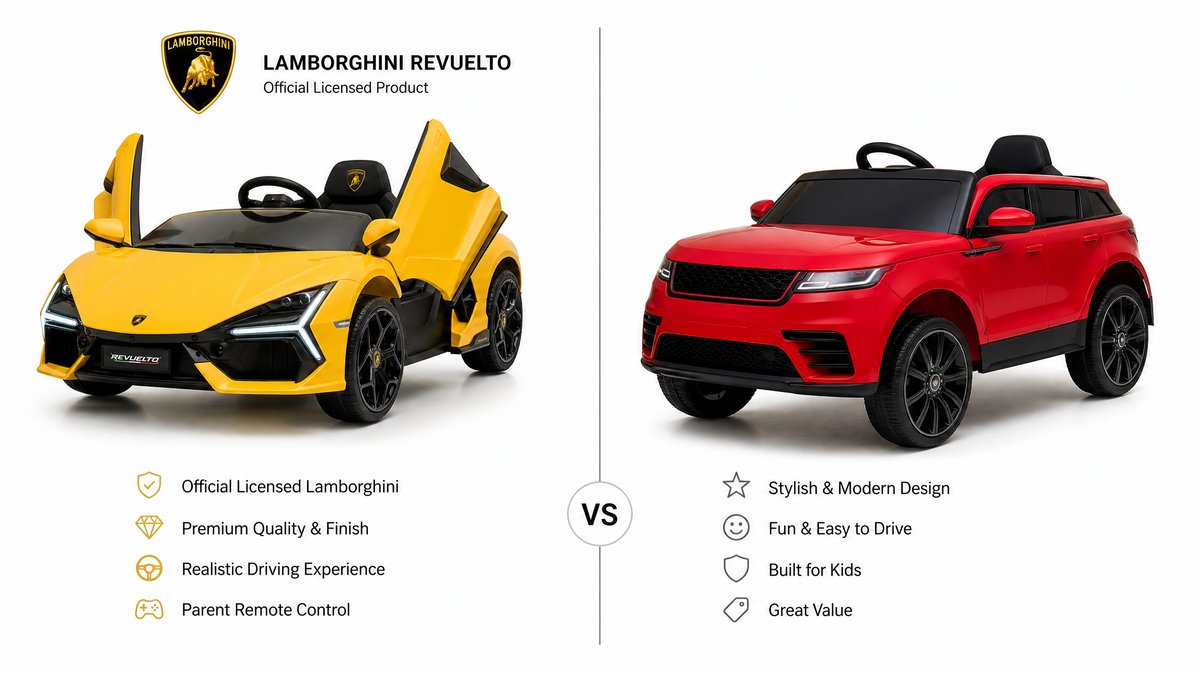
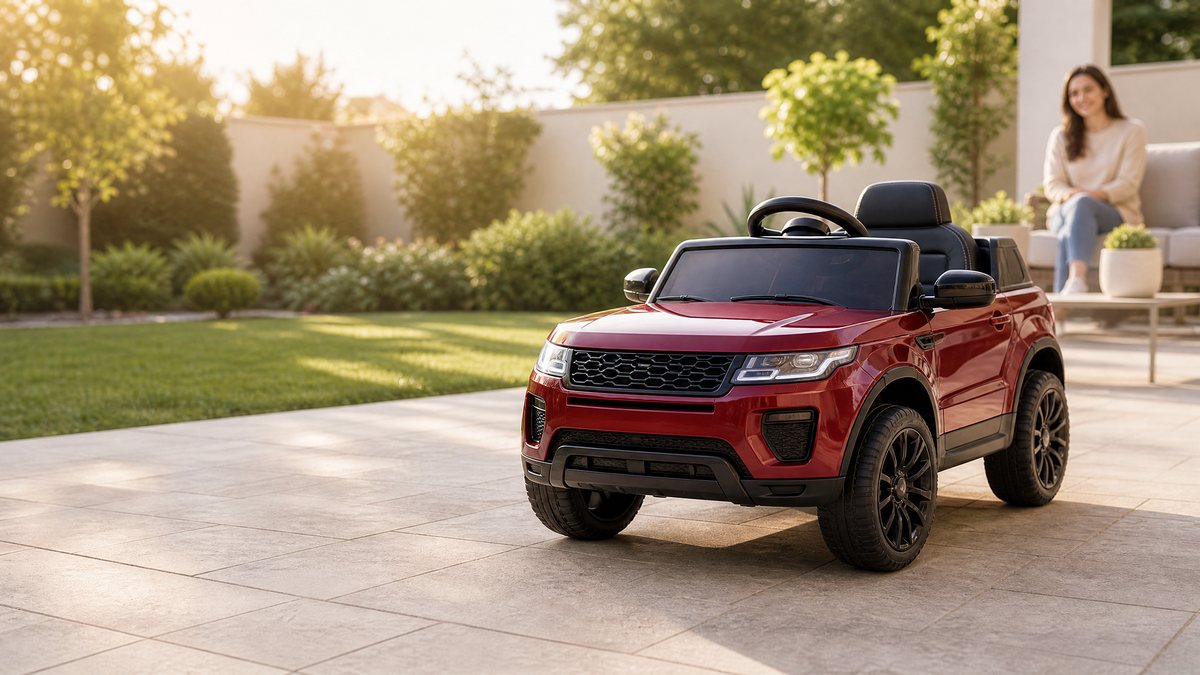
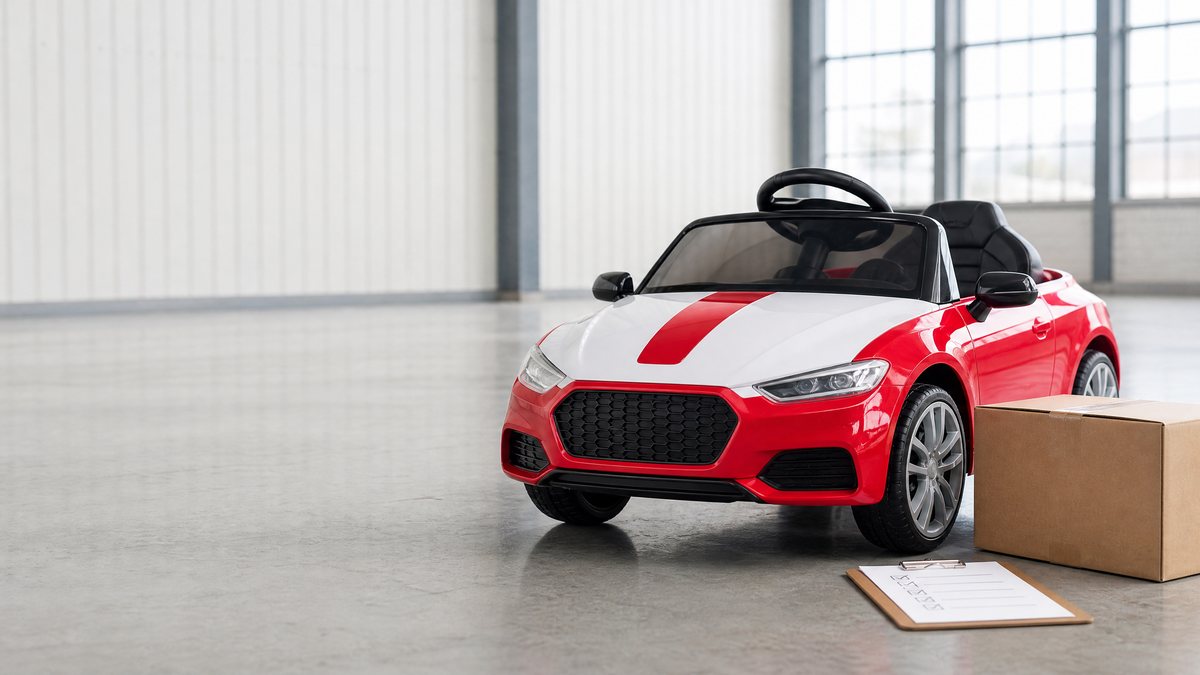
The appeal of kids' electric cars is universal: children love the independence of driving realistic licensed replicas (such as Mercedes-Benz, BMW, or Jeep models), while parents appreciate the safety features, parental remote controls, and high-engagement play value.
Rental businesses typically monetize their fleets through several proven business models:
* Event-Based Rentals: Renting a fleet of 5 to 10 vehicles for private birthday parties, community festivals, and corporate family days. Pricing is usually structured around hourly packages or per-child ride passes.
* Resort & Hotel Concessions: Partnering with family-friendly resorts, waterparks, or campsites to provide hourly rentals along designated resort pathways.
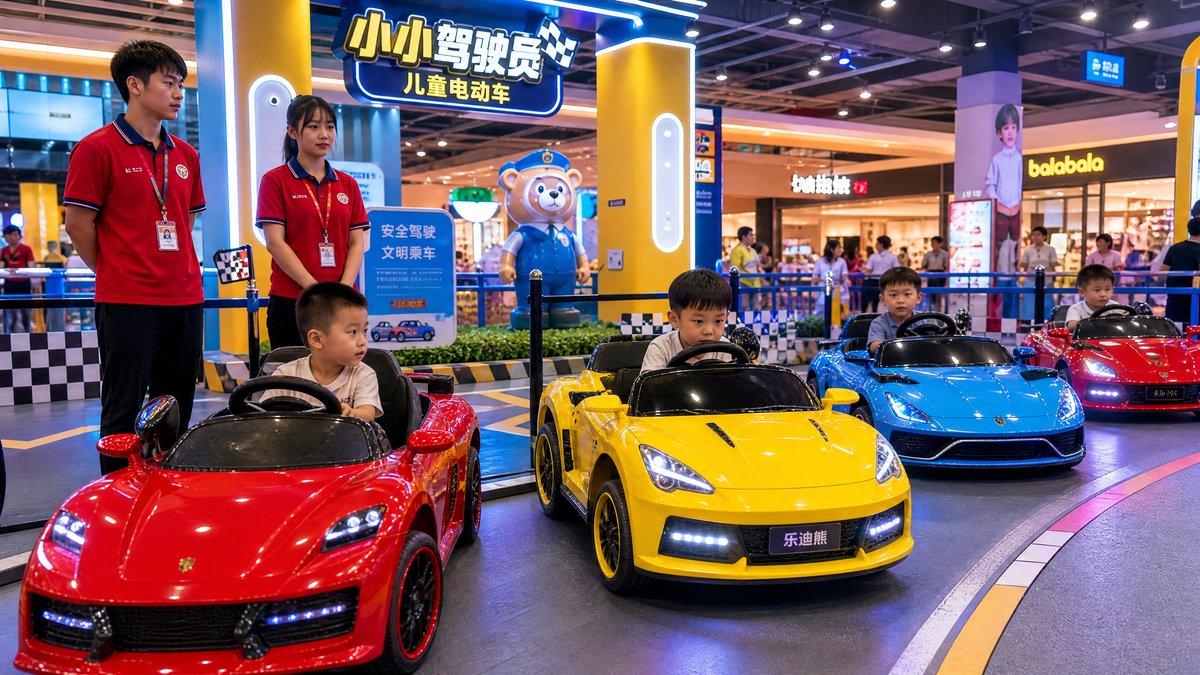
* Mall & Indoor FEC Kiosks: Setting up a temporary or permanent track enclosure inside a shopping center, allowing parents to purchase timed tokens or wristbands for supervised driving sessions.
Key Revenue Drivers
* High Utilization Rates: During weekends and holidays, utilization rates can easily reach 80% to 90% in high-traffic locations.
* Low Operating Overhead: Unlike larger amusement rides, electric ride-on cars require minimal power, no complex installation, and very little storage space.
* Add-On Upselling: Operators can bundle ride-on cars with themed party packages, custom license plates, and professional photography.
2. Financial ROI Analysis: Investment vs. Return
Understanding the financial dynamics of a ride-on car rental fleet requires a clear breakdown of upfront costs, ongoing operational expenses, and projected revenue streams. Below is a comparative financial model based on a starter commercial fleet of 10 premium 12V/24V ride-on cars.
Fleet Investment and Return Breakdown (10-Car Fleet)
| Cost & Revenue Metric | Estimated Amount (USD) | Description |
|---|---|---|
| Initial Fleet Investment | $3,500 – $5,000 | 10 commercial-grade 12V/24V ride-on cars with heavy-duty motors and upgraded batteries ($350-$500/unit wholesale). |
| Accessories & Spare Parts | $500 – $800 | Extra batteries, fast chargers, remote controls, replacement tires, and basic repair tools. |
| Safety & Track Equipment | $400 – $1,000 | Inflatable fencing, safety cones, warning signs, and staff uniforms. |
| Average Rental Fee | $15 – $25 | Per child for a 15-to-20-minute driving session (or $150–$250 per private party package). |
| Daily Gross Revenue (Weekend) | $400 – $800 | Assuming 20–30 rentals per day across the 10-car fleet at peak operational hours. |
| Monthly Operating Profit | $3,000 – $6,000 | Net profit after accounting for staff wages, venue rental/transport, and routine maintenance. |
| Payback Period | 1 to 2 Months | Full recovery of initial capital investment under steady weekend and event booking schedules. |
As demonstrated in the financial breakdown, the low entry barrier combined with high hourly rental yields allows operators to achieve a full capital payback within just a few months of active operation.
3. Choosing the Right Commercial-Grade Fleet
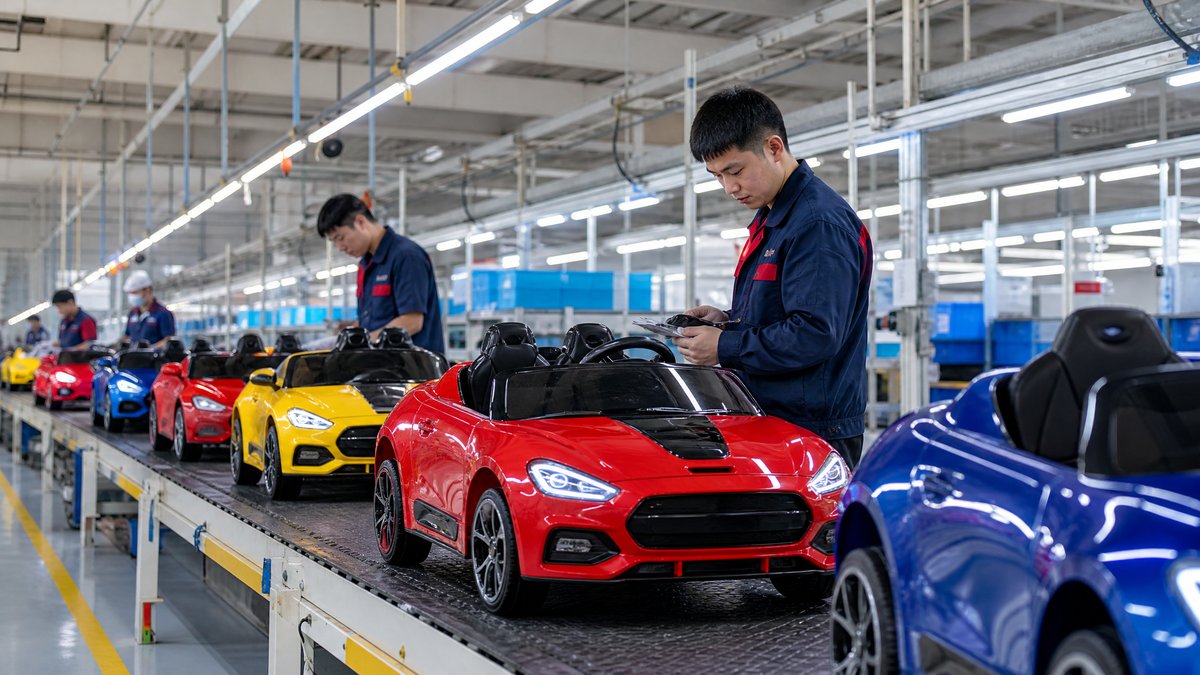
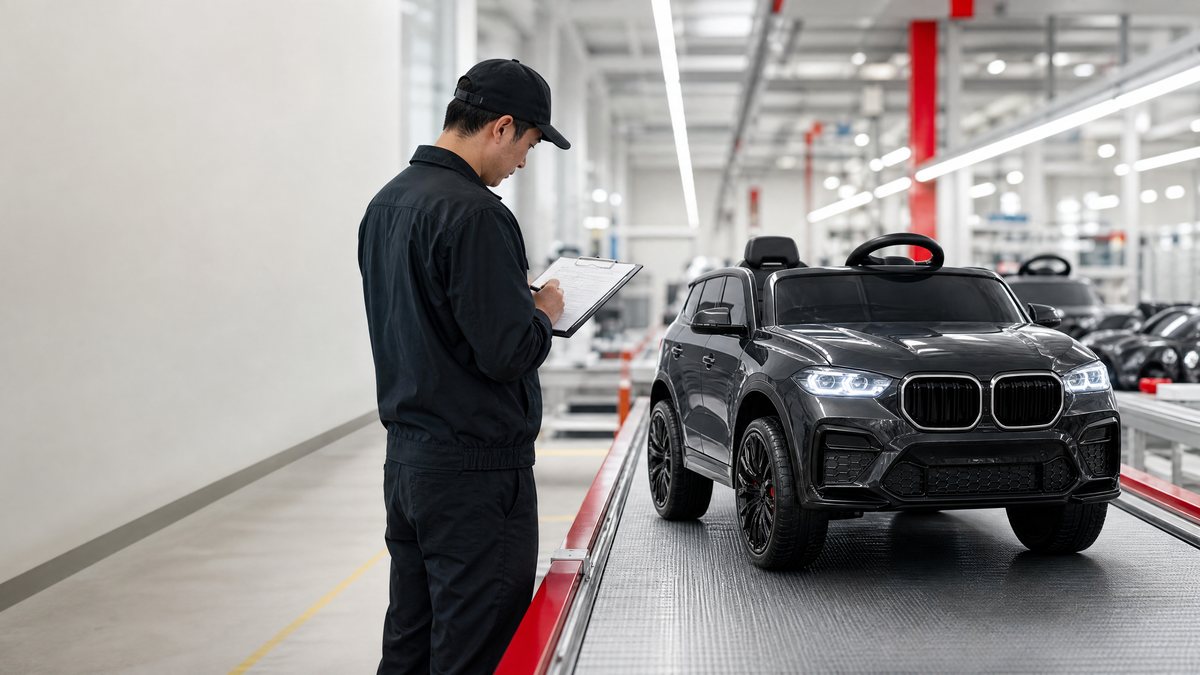
Not all ride-on cars are built for commercial environments. Consumer-grade models purchased from retail stores are generally not durable enough to withstand the rigors of multi-user daily rentals. B2B operators must source vehicles engineered specifically for commercial durability.
Essential Specifications for Commercial Fleets:
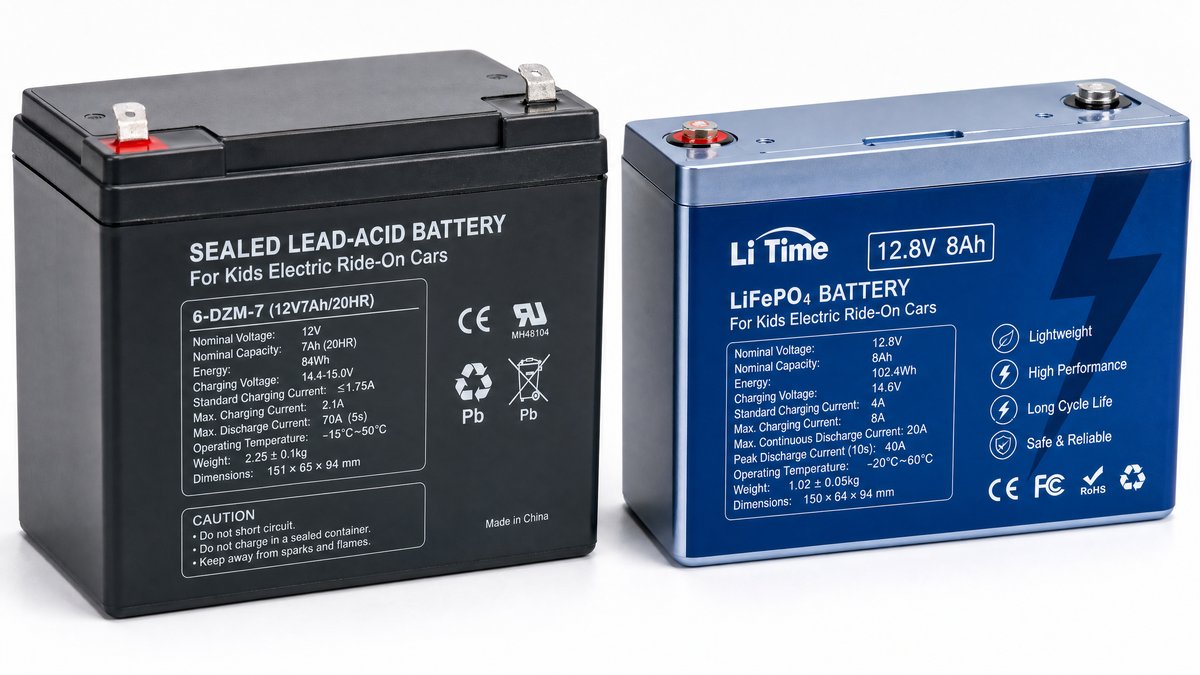
1. Upgraded Battery Systems: Opt for removable 12V or 24V high-capacity lithium-ion or heavy-duty lead-acid batteries that allow for quick swapping during back-to-back event rentals.
2. Brushless / High-Torque Motors: Commercial vehicles experience frequent stop-and-go driving. Reinforced gearboxes and brushless motors significantly reduce mechanical burnout.
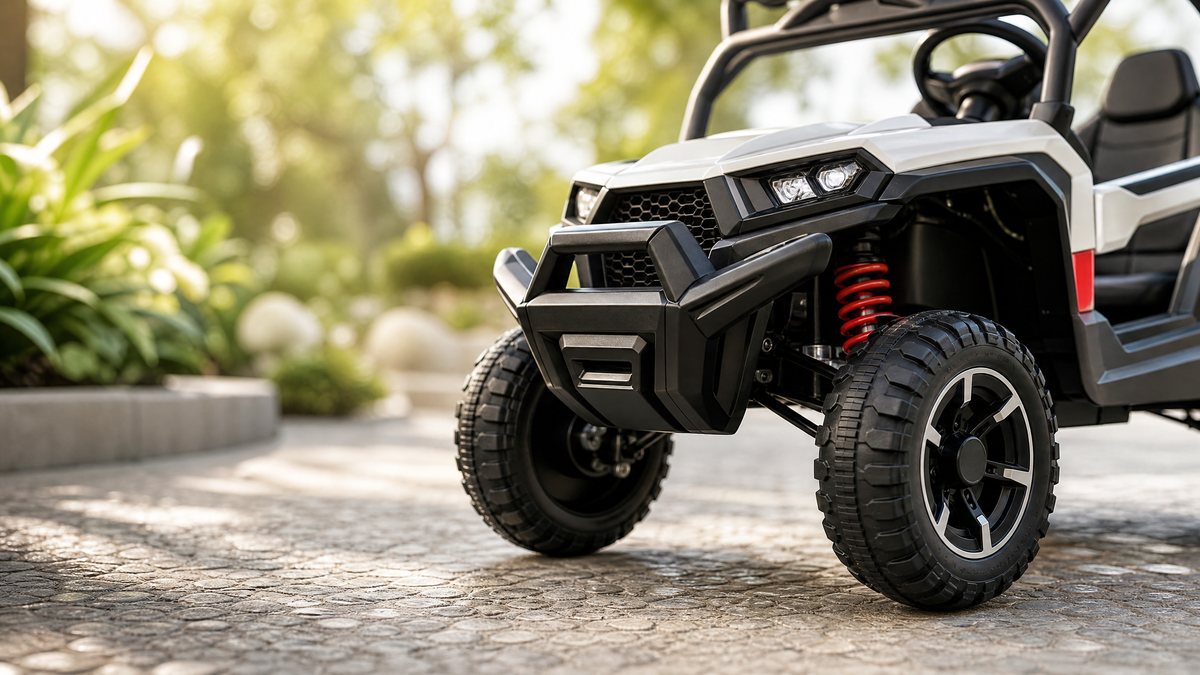
3. EVA Foam Tires & Suspension: Provide a smooth ride on various surfaces (asphalt, grass, indoor flooring) while resisting punctures and excessive wear.
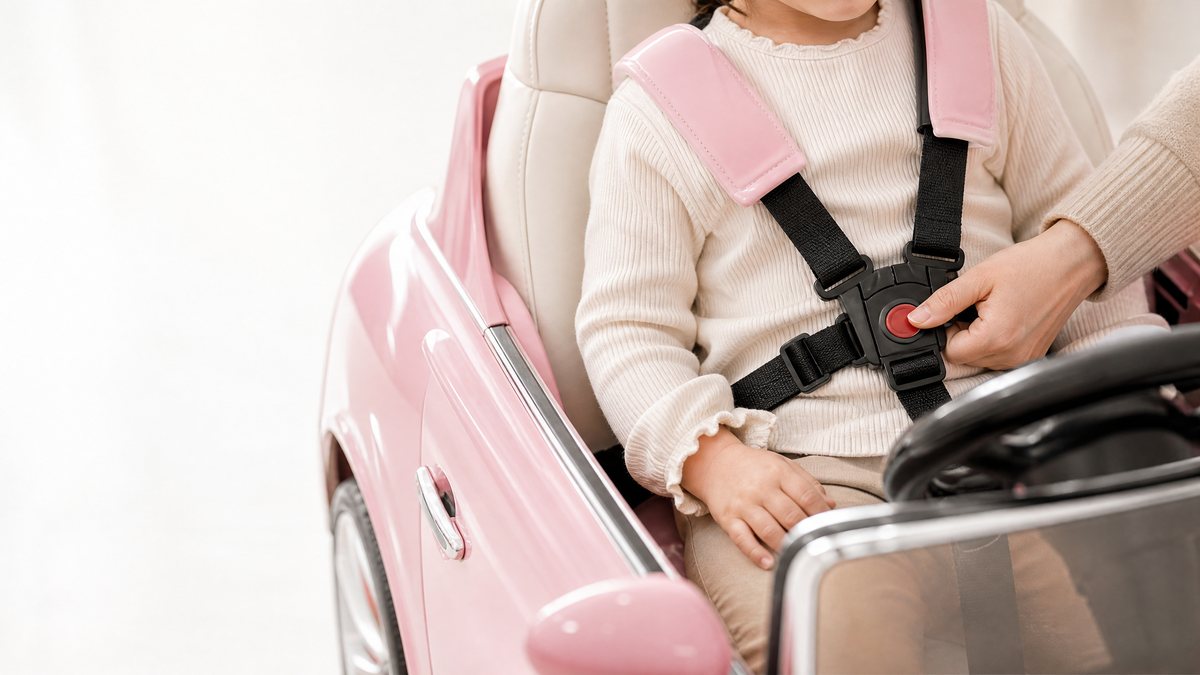
4. Commercial Leather Seats & Safety Harnesses: Easy-to-clean synthetic leather upholstery and robust 5-point seatbelts ensure hygiene and safety compliance.
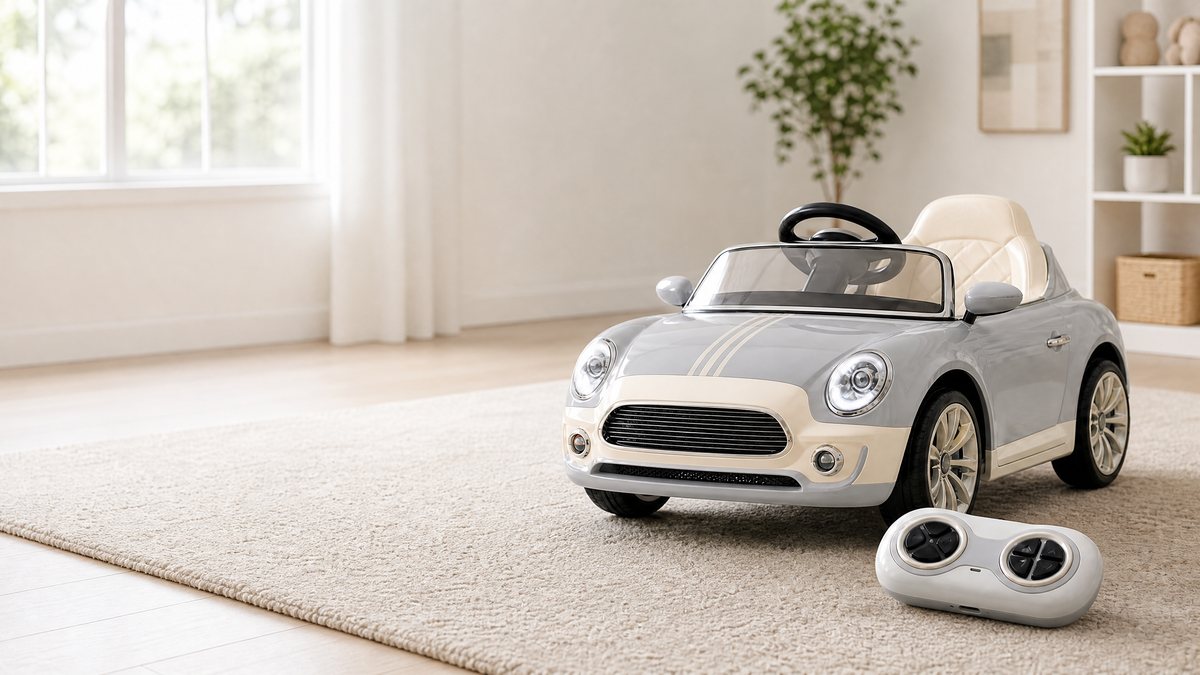
5. Dual Control Modes: Essential for younger children. The system must allow seamless switching between independent child steering and 2.4G parental remote override.
4. Fleet Management & Maintenance Best Practices
Maximizing uptime is directly linked to profitability in the rental business. A neglected fleet leads to downtime, disappointed customers, and lost revenue. Implement the following standard operating procedures (SOPs):
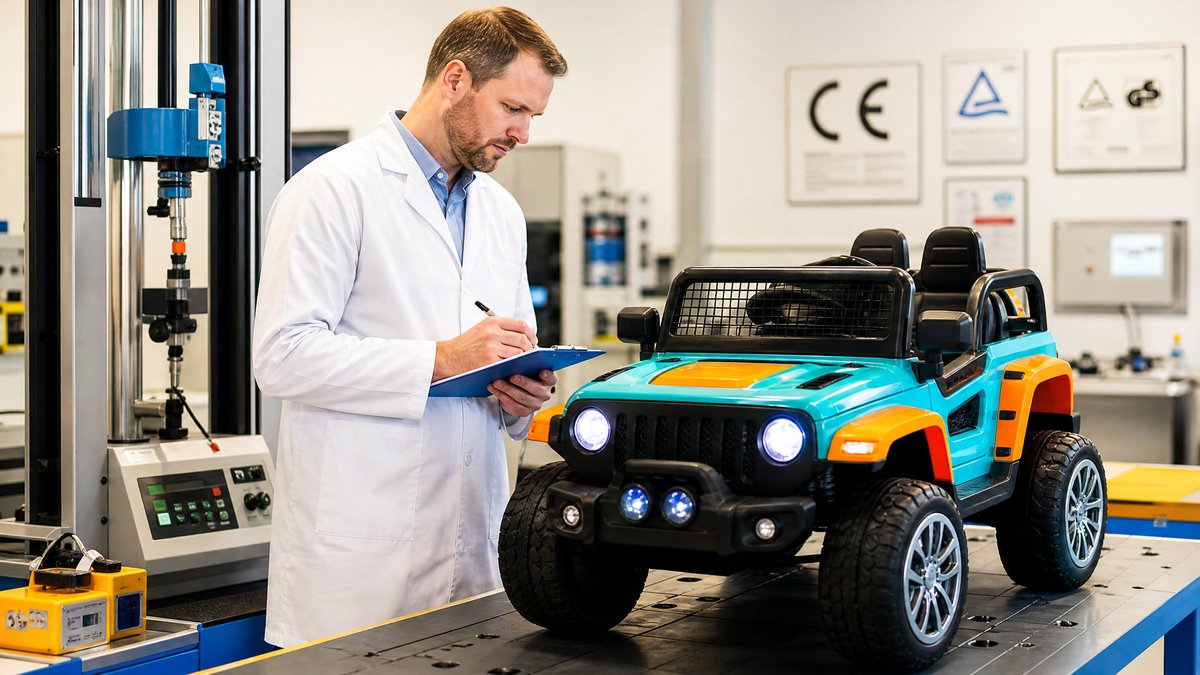
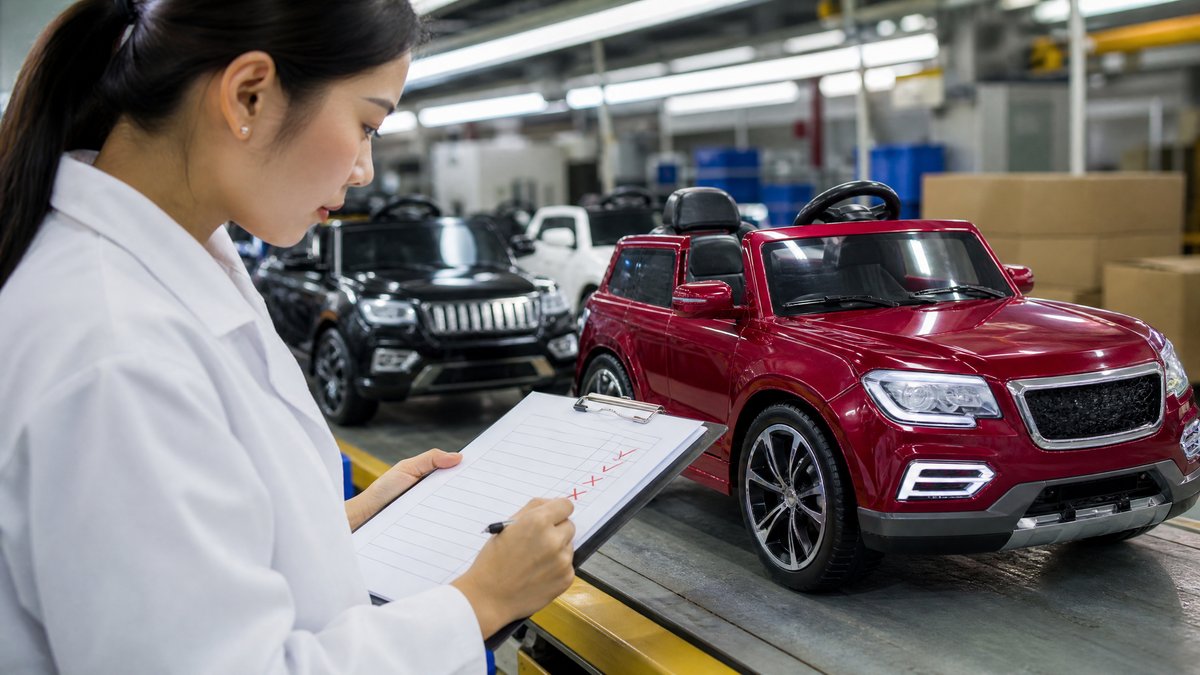
* Daily Safety & Function Inspection: Before every event, staff must test brakes, steering response, battery levels, remote connectivity, and emergency stop functions.
* Battery Rotation & Charging Protocol: Never let batteries deplete completely. Establish a strict charging schedule and maintain spare charged batteries on-site for immediate replacement.
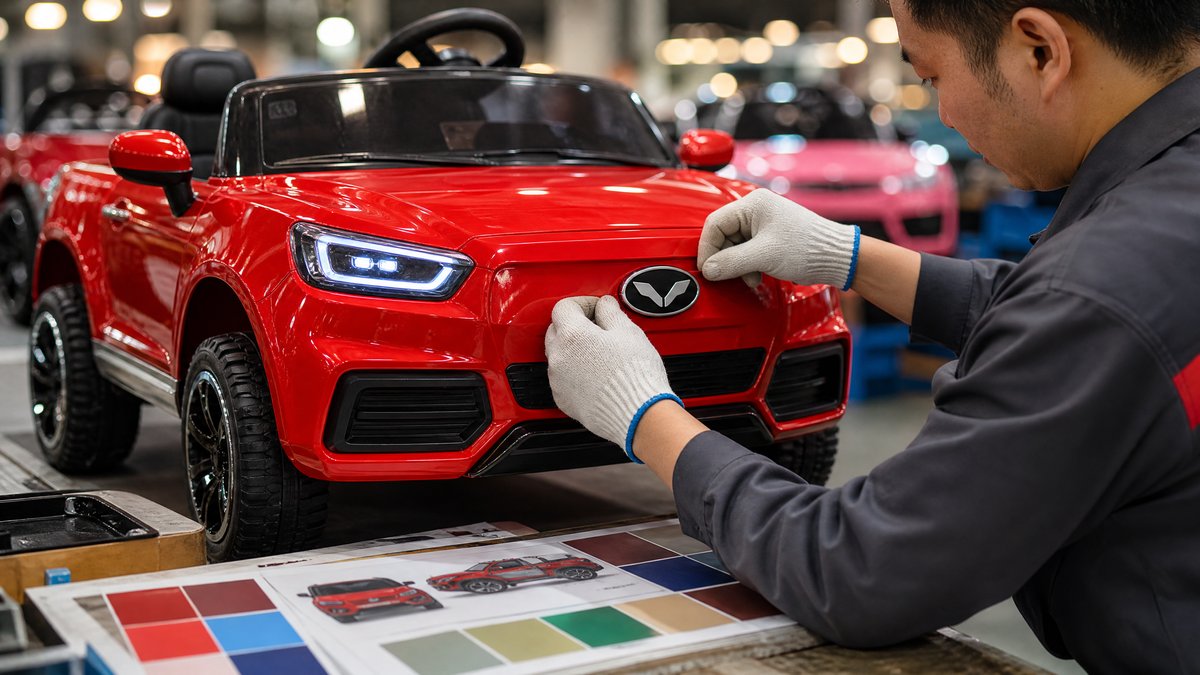
* Hygiene & Cosmetic Maintenance: Wipe down steering wheels, seats, and dashboards with disinfectant wipes between users. Regularly polish plastic bodies to keep vehicles looking brand new.
* Spare Parts Inventory Management: Keep critical replacement parts—such as fuses, throttle pedals, remote control units, and drive gearboxes—in stock to minimize repair turnaround times.
Frequently Asked Questions (FAQs)
1. What is the typical lifespan of a commercial-grade ride-on car fleet?
With proper maintenance, regular battery replacements, and routine mechanical servicing, high-quality commercial ride-on cars can last between 2 to 3 years of heavy seasonal or weekly rental use. Investing in wholesale commercial models with reinforced gearboxes significantly extends operational longevity.
2. Should I choose 12V or 24V vehicles for my rental business?
It depends on your target age group and terrain. 12V models are ideal for younger toddlers (ages 2-5) and indoor smooth surfaces. 24V models offer higher torque, faster speeds (up to 7-8 km/h), and better performance on outdoor grass or slight inclines, making them more popular for older children (ages 5-9) at outdoor events and theme parks.
3. How many cars should I start with when launching a rental business?
For a new startup, a fleet of 5 to 10 vehicles is the optimal sweet spot. It provides enough variety and capacity to handle small-to-medium birthday parties and community events without overwhelming your initial transport and storage logistics. You can scale your fleet size upward as booking demand grows.
4. How can I ensure child safety during public event rentals?
Always operate within a clearly marked perimeter using inflatable tracks or safety barricades. Require a staff member to supervise the track at all times, retain priority override via 2.4G parental remote controls, enforce age and weight limits, and ensure every child is secured with the vehicle's safety harness before driving.
Scale Your Rental Business with KidsRideCar
Are you ready to launch or expand your ride-on car rental fleet? KidsRideCar is a leading B2B manufacturer and wholesale supplier of premium, commercial-grade electric ride-on cars, UTVs, and motorcycles. We offer custom branding options, bulk volume discounts, and reliable spare parts support to help your business thrive.
Contact our commercial sales team today at mailto:info@kidsridecar.com to request our latest wholesale catalog and fleet pricing.
Official references
Explore these external resources for current regulatory and trade guidance. Confirm requirements with the relevant authority before placing an order.
Ready to Start?
Factory-Direct · CE & ASTM Certified · MOQ from 50 Units
Our export team works with buyers in 60+ countries. Get a quote within 24 hours.
KR
Written by KidsRideCar
China's leading kids electric ride-on car manufacturer. 500,000+ units shipped annually to 60+ countries. CE, ASTM & EN71 certified.