Introduction: The Foundation of Ride-On Car Longevity
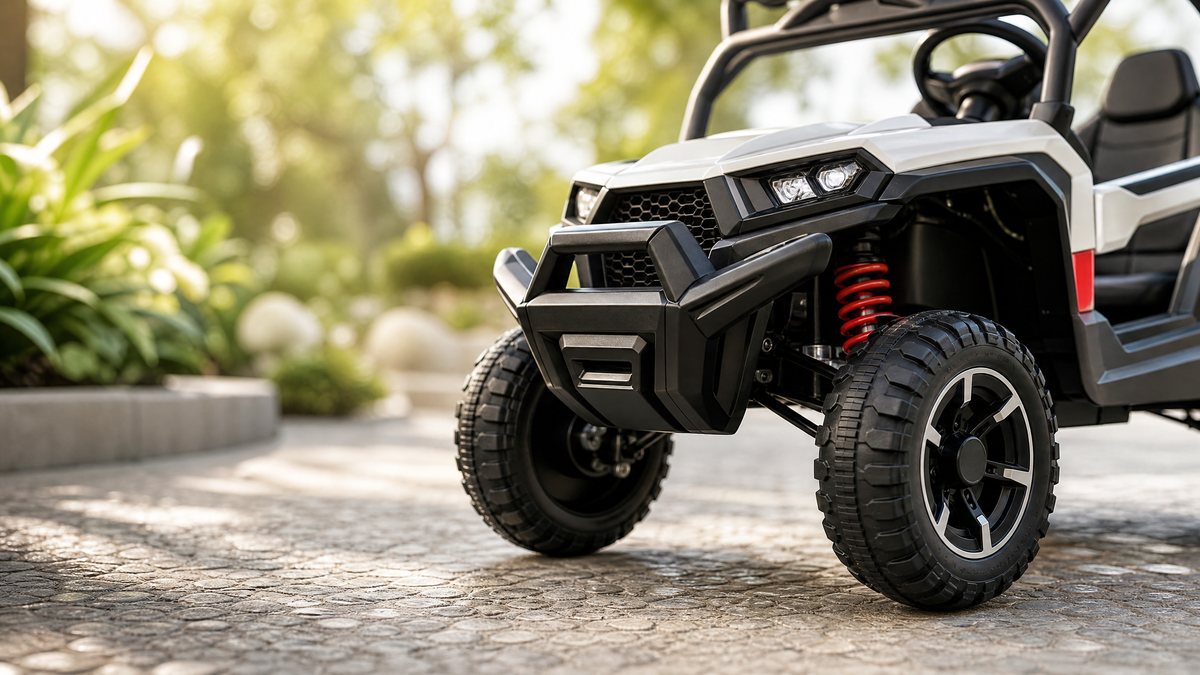
In the competitive landscape of children's electric ride-on vehicles, wholesale buyers, retail partners, and discerning consumers often focus heavily on high-profile features such as battery capacity, motor voltage, remote control range, and entertainment systems. While these electrical and functional components undoubtedly dictate performance, the physical shell that houses them—the vehicle body—serves as the primary line of defense against daily wear and tear, environmental exposure, and mechanical stress. Among the various thermoplastic polymers utilized in modern manufacturing, Acrylonitrile Butadiene Styrene, universally known as ABS plastic, stands out as a premier material choice for high-quality ride-on cars.
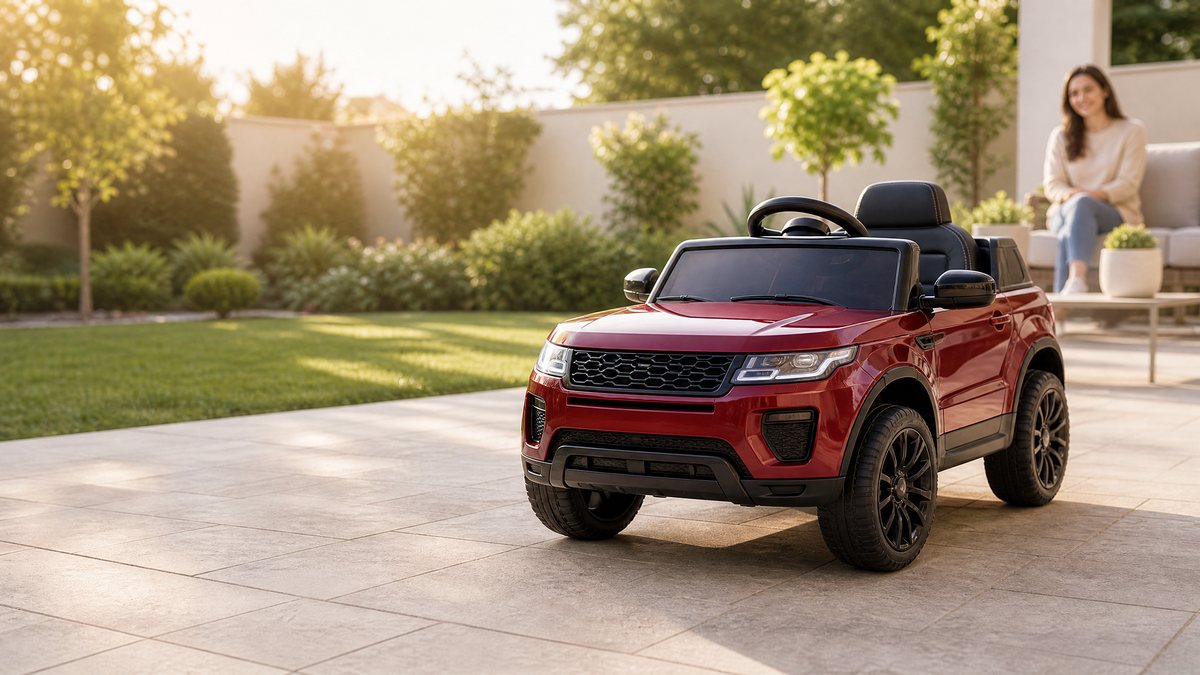
For B2B distributors and retail merchants sourcing inventory for global markets, understanding the structural and commercial significance of an ABS plastic body is essential. A ride-on car is subjected to rigorous operating conditions, ranging from rough outdoor terrain and accidental collisions with household furniture to prolonged exposure to intense sunlight and temperature fluctuations. When a vehicle is constructed from inferior or unreinforced plastics, the outer shell is prone to cracking, fading, structural warping, and premature mechanical failure. Conversely, an engineered ABS plastic body provides a robust balance of impact resistance, tensile strength, and superior surface finishing capabilities that significantly enhance product lifespan and customer satisfaction.
This comprehensive guide examines the material science behind ABS plastic, compares its performance characteristics against alternative polymers, evaluates its role in structural safety and aesthetic preservation, and provides a structured procurement checklist for B2B buyers. By examining manufacturing standards, surface treatment compatibility, and long-term commercial value, commercial partners can make informed decisions when selecting vehicle inventories that meet both regulatory expectations and end-user demands.
Request a wholesale quote
Understanding ABS Plastic: Material Science and Composition
To appreciate why ABS plastic is widely regarded as an industry standard for durable consumer goods, it is necessary to examine its chemical composition and molecular structure. ABS is a thermoplastic terpolymer synthesized by polymerizing styrene and acrylonitrile in the presence of polybutadiene. Each component within this polymer matrix contributes distinct mechanical and thermal properties to the final composite material:
* Acrylonitrile: This component provides thermal and chemical resistance, ensuring that the polymer maintains its structural integrity when exposed to common household cleaning agents, mild chemicals, and varying ambient temperatures. It also contributes significantly to surface hardness and rigidity.
* Butadiene: A rubbery elastomer, butadiene imparts exceptional toughness, impact resistance, and ductility to the matrix. Even under sub-zero temperatures or sudden mechanical shocks, the elastomeric phase absorbs kinetic energy, preventing brittle fracture and catastrophic shattering.
* Styrene: Monomeric styrene gives the plastic a glossy, highly attractive surface finish while enhancing processability during injection molding. It ensures that complex body contours, aerodynamic curves, and intricate grille details can be molded with high dimensional accuracy.
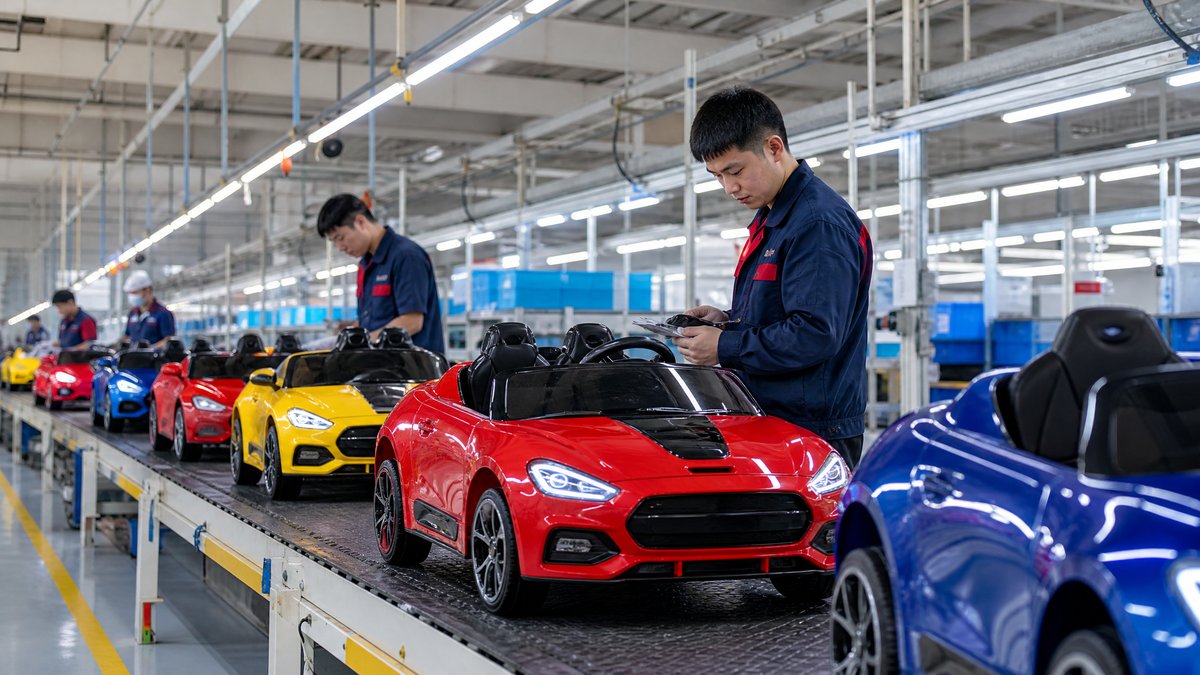
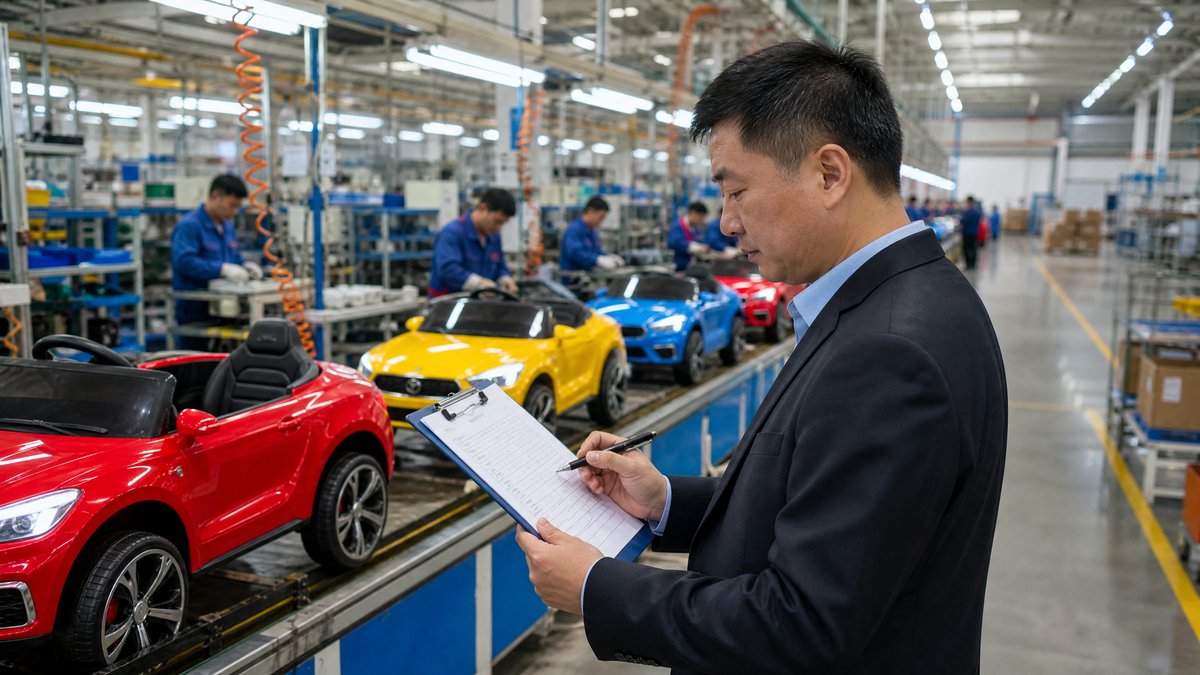
The synergistic combination of these three monomers results in a versatile engineering plastic that bridges the gap between brittle rigidity and flexible weakness. During the manufacturing process of ride-on car bodies, high-precision injection molding machines melt the ABS pellets and inject them into custom steel molds under extreme pressure. This process allows manufacturers to produce seamless, uniform body panels with precise wall thicknesses.
Unlike cheaper blow-molded plastics, which often suffer from uneven thickness distribution, thin corners, and structural weak points, injection-molded ABS components maintain consistent mechanical properties throughout the entire chassis. This uniformity is vital for ride-on cars, as stress concentrations frequently occur around wheel wells, steering columns, and seat mounts. By utilizing high-grade ABS, manufacturers ensure that these high-stress zones can withstand the dynamic loads imposed by young riders and external obstacles.
Comparative Analysis: ABS vs. Standard Polypropylene and Fiberglass
When evaluating ride-on car manufacturing specifications, procurement professionals frequently encounter alternative materials, most notably Polypropylene (PP), High-Impact Polystyrene (HIPS), and occasionally fiberglass-reinforced composites. Each material presents a distinct profile concerning cost, weight, processing complexity, and structural durability.
Polypropylene is commonly used in low-cost consumer products due to its low raw material cost and ease of processing. However, standard PP exhibits lower tensile strength and is highly susceptible to ultraviolet (UV) degradation when exposed to direct sunlight over extended periods. Without expensive UV stabilization additives, PP bodies tend to become chalky, brittle, and discolored within a single season of outdoor use. Furthermore, PP has lower surface hardness, making it highly prone to surface scratching and scuffing during normal play.
Fiberglass composites, on the other hand, offer exceptional stiffness and tensile strength, making them common in high-performance automotive applications and specialty industrial goods. However, fiberglass manufacturing is labor-intensive, costly, and environmentally challenging, involving volatile organic compounds during the lay-up process. Moreover, fiberglass is prone to shattering upon sharp impact, producing splintered shards that pose severe safety hazards for children's products.
The table below provides a structured comparison of key thermoplastic polymers utilized in ride-on vehicle manufacturing, outlining their relative performance metrics across commercial and structural dimensions.
| Material Property | Acrylonitrile Butadiene Styrene (ABS) | Polypropylene (PP) | High-Impact Polystyrene (HIPS) | Fiberglass Composite |
|---|---|---|---|---|
| Impact Resistance | Excellent (high energy absorption) | Moderate (varies with temperature) | Low to Moderate (brittle under shock) | High stiffness, but prone to shattering |
| Tensile Strength | High (rigid yet ductile) | Moderate | Low | Very High |
| UV Weathering Stability | Good (with standard additives; paintable) | Poor (degrades without heavy stabilizers) | Poor (yellows rapidly in sunlight) | Moderate to High (requires gel coat) |
| Surface Finish Quality | Superior (high gloss, excellent paint adhesion) | Moderate (waxy surface, difficult to paint) | Moderate (matte finish, prone to scratching) | Excellent (labor-intensive finishing) |
| Manufacturing Method | Injection Molding | Injection Molding / Blow Molding | Vacuum Forming / Injection Molding | Hand Lay-up / Compression Molding |
| Cost-to-Performance Ratio | Optimal for mid-to-high tier products | Economical for budget entry-level units | Low cost, limited durability | Prohibitive for mass-market toys |
As illustrated in the comparative matrix, ABS strikes an optimal balance between mechanical resilience, aesthetic finishing capabilities, and production economics. For B2B buyers positioning their product lines in the mid-to-high commercial tiers, specifying an ABS plastic body serves as a strong market differentiator that signals uncompromising build quality to retail partners and end consumers.
Structural Integrity and Impact Resistance in Daily Play
Ride-on cars operate in dynamic environments where minor collisions, curb strikes, and tip-overs are inevitable occurrences during normal play. The structural integrity of the vehicle body directly influences how effectively these kinetic impacts are managed without compromising internal wiring, steering linkages, or structural alignment.
When a vehicle strikes an obstacle, the impact force creates localized stress waves across the body shell. In inferior plastic structures, these stress waves concentrate at sharp corners or thin wall sections, initiating micro-cracks that propagate rapidly through the material. ABS plastic addresses this mechanical vulnerability through its unique micro-structure. The dispersed rubber particles within the rigid styrene-acrylonitrile matrix act as internal stress-relief sites, arresting crack propagation by crazing and yielding locally. This mechanism allows the ABS body to absorb and dissipate impact energy efficiently across a wider surface area.
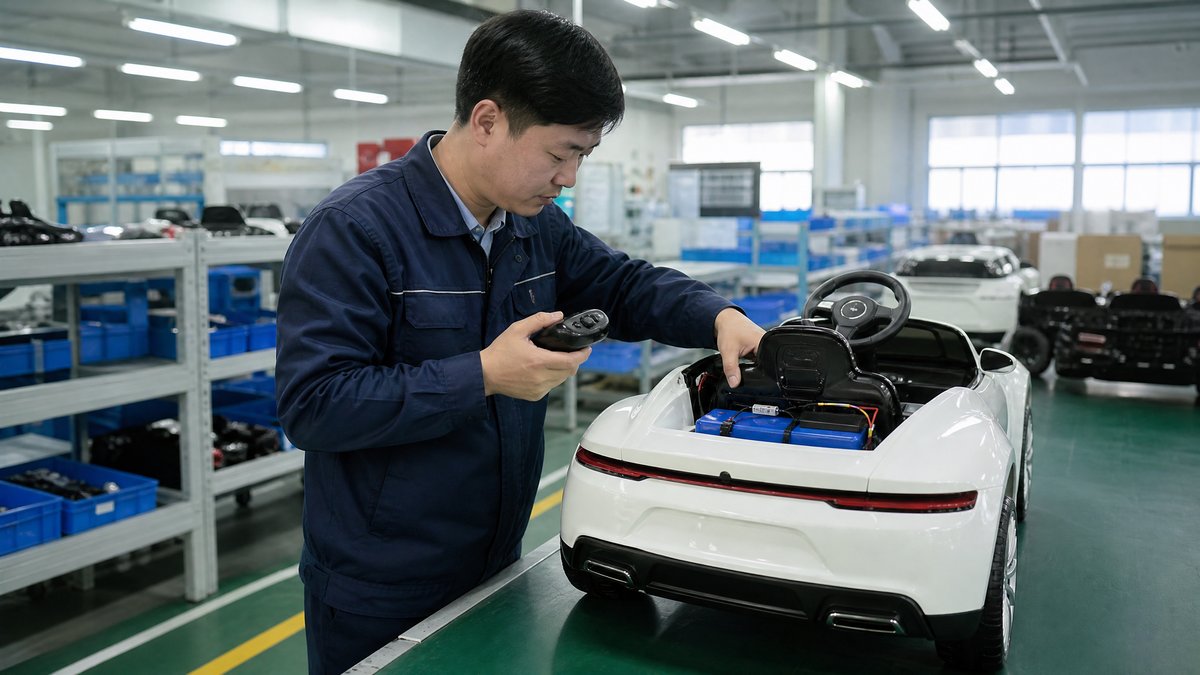
Furthermore, maintaining structural integrity prevents secondary hazards. A cracked or shattered plastic body can expose sharp edges, fractured internal ribs, or sensitive electrical components such as wiring harnesses and motor controllers. By utilizing a resilient ABS body, the risk of structural failure leading to exposed internal hazards is minimized.
It is important for buyers and operators to recognize that while ABS plastic provides exceptional impact resistance, all ride-on vehicles must be operated in accordance with the manufacturer's user manual and under appropriate adult supervision. The structural shell is designed to withstand normal play impacts, but extreme mechanical abuse, such as intentional drop testing, heavy jumping, or excessive overloading beyond the manufacturer's rated payload capacity, can still compromise vehicle integrity. Users should regularly inspect the body shell for any signs of unusual stress or impact damage, and cease operation if structural compromise is detected.
Aesthetic Longevity: UV Resistance and Surface Finishing
Beyond mechanical strength, the visual appeal of a ride-on car plays a crucial role in retail success and consumer satisfaction. Children and parents are naturally drawn to vehicles featuring vibrant colors, high-gloss finishes, and realistic automotive detailing. However, maintaining this showroom appearance over months and years of outdoor exposure presents a significant material science challenge.
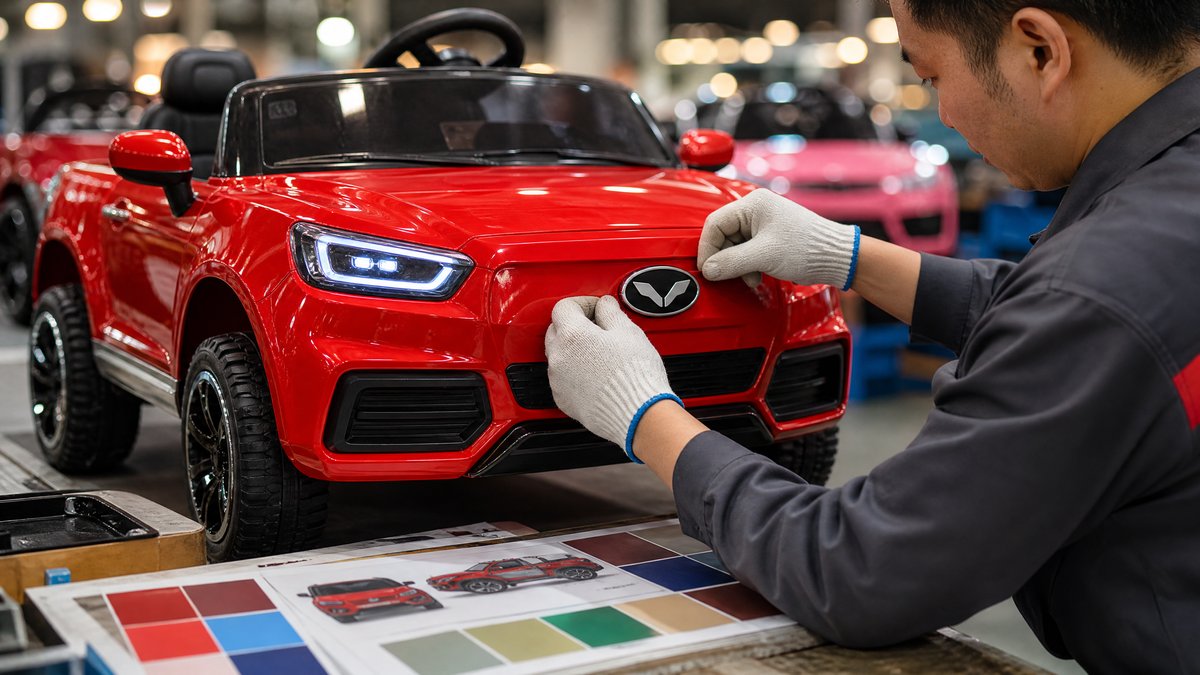
Unprotected plastics subjected to solar ultraviolet radiation undergo photo-oxidation, a chemical degradation process that breaks polymer chains, resulting in surface embrittlement, color fading, and yellowing. ABS plastic formulations can be readily enhanced with UV stabilizers and antioxidants during compounding to inhibit photo-oxidation. Moreover, ABS possesses exceptional surface adhesion properties, making it an ideal substrate for secondary finishing treatments such as automotive-grade spray painting, electroplating of chrome accents, and protective clear-coating.
When a ride-on car features a painted ABS body rather than raw, unpainted colored plastic, the paint layer acts as an additional protective barrier against UV radiation and minor surface abrasions. If minor scuffs occur during use, high-grade ABS surfaces can often be polished or detailed, preserving the vehicle's aesthetic value. This longevity in appearance translates directly into higher customer satisfaction and enhanced brand reputation for B2B distributors and retail brands.
Procurement Evaluation Framework for B2B Buyers and Retailers
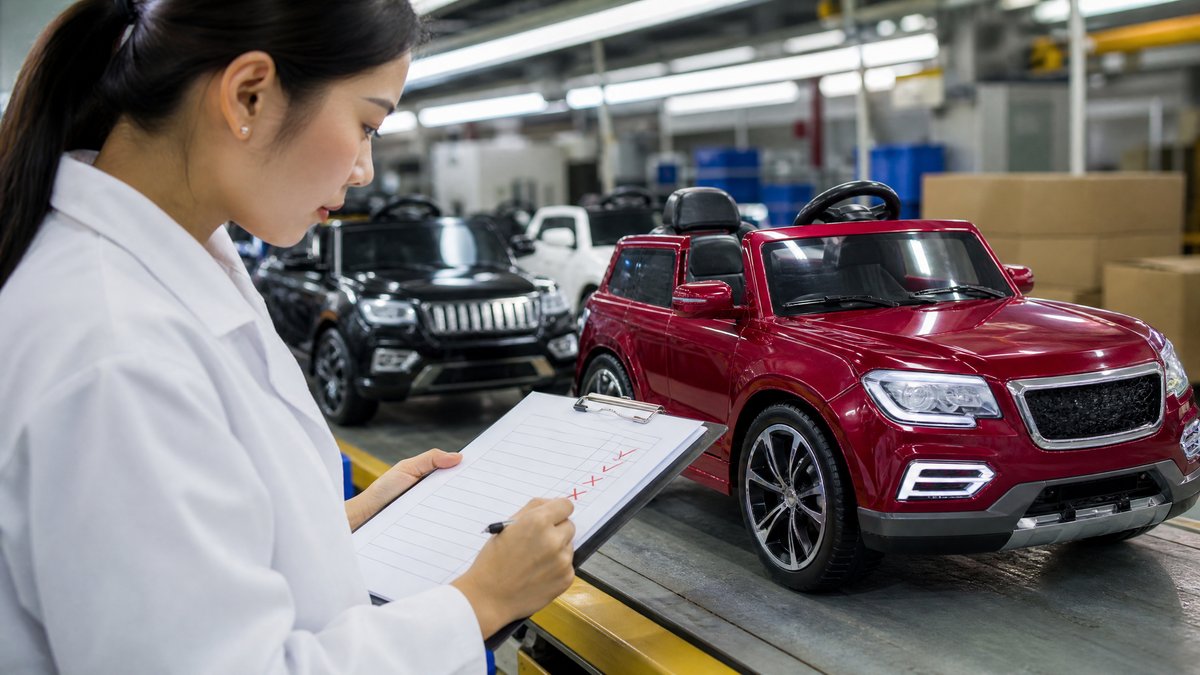
For wholesale purchasers, importers, and retail category managers, evaluating the quality of a ride-on car's plastic body requires a structured, objective methodology. Because visual inspection alone cannot always distinguish between high-grade ABS and cheaper polymer blends, professional buyers should utilize a comprehensive evaluation framework during sample assessment and supplier audits.
1. Material Certification and Specification Review: Request complete material safety data sheets (MSDS) and polymer composition reports from the manufacturer to verify that the body shell is molded from virgin ABS resin rather than recycled regrind, which can exhibit inconsistent mechanical properties.
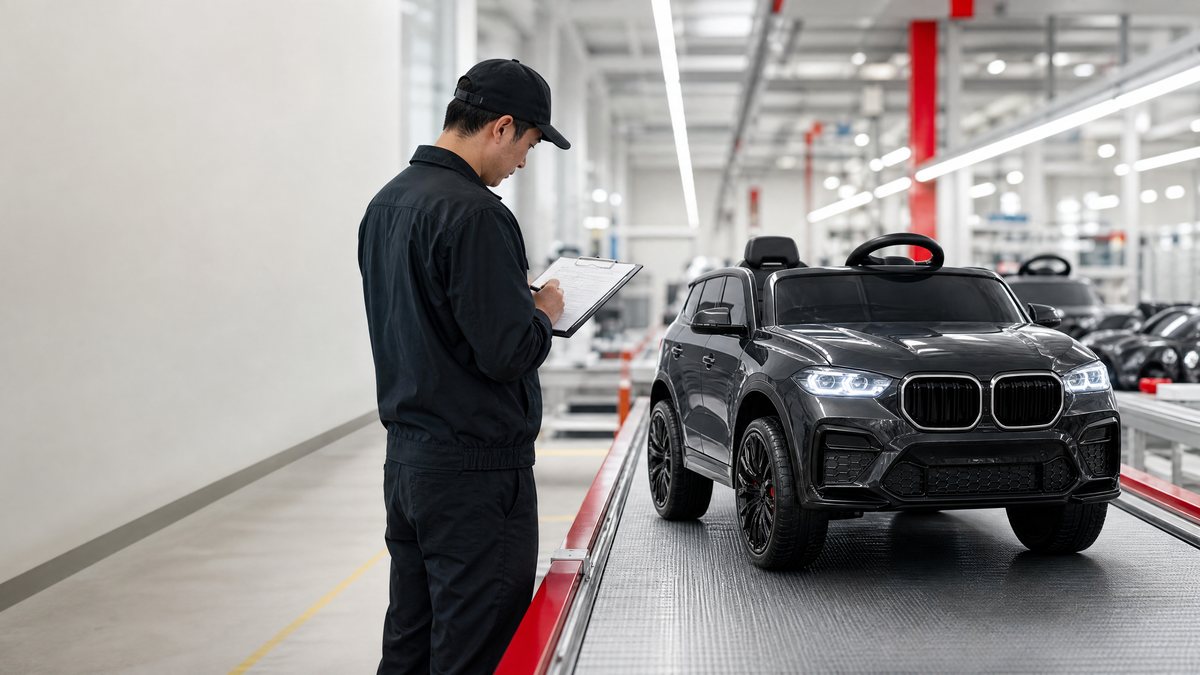
2. Wall Thickness Consistency Inspection: Examine sample body castings across various sections, particularly around curved transitions, wheel arches, and screw bosses. Uniform wall thickness, typically ranging between 2.5mm and 4.0mm depending on vehicle scale, ensures balanced structural strength.
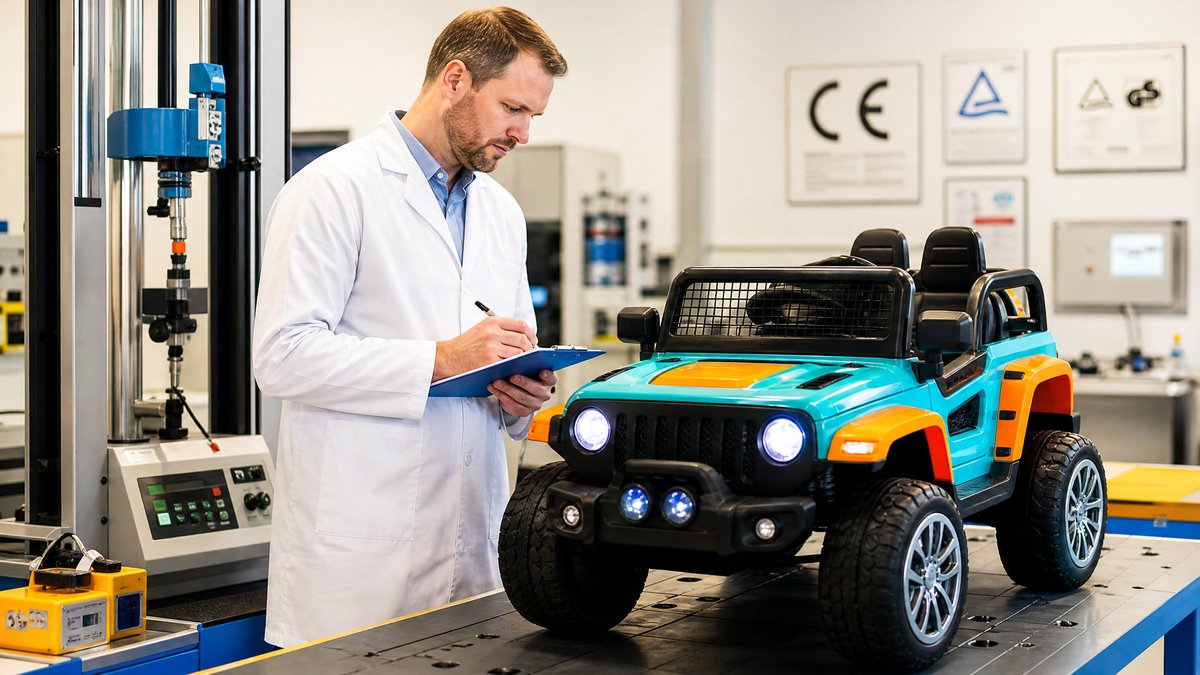
3. Flexural and Rigidity Testing: Apply controlled manual pressure to large flat panels (such as hood and side doors) to assess torsional rigidity. High-quality ABS will exhibit minimal flex without creaking or permanent deformation.
4. Surface Finish and Coating Adhesion Check: Inspect painted or molded surfaces for uniformity, absence of sink marks, flow lines, or bubbling. Verify that chrome-plated components demonstrate robust adhesion without flaking.
5. Compliance and Documentation Check: Ensure all structural claims and material disclosures align with the manufacturer's official documentation, nameplates, and user manuals. Avoid suppliers making exaggerated, unverified performance claims.
Frequently Asked Questions (FAQs)
* Q: What makes ABS plastic superior to standard plastics for children's ride-on cars?
* A: ABS (Acrylonitrile Butadiene Styrene) combines the rigidity and chemical resistance of acrylonitrile and styrene with the toughness of butadiene rubber. This unique terpolymer structure delivers superior impact resistance, dimensional stability, UV weathering resistance, and a high-gloss surface finish compared to cheaper alternatives like standard polypropylene.
* Q: How can B2B buyers verify that a manufacturer is using genuine ABS plastic?
* A: Buyers should request certified material data sheets (MSDS), conduct laboratory polymer analysis (such as FTIR spectroscopy), inspect injection molding quality reports, and perform rigorous physical sample testing for impact resistance and wall thickness consistency.
* Q: Does an ABS plastic body affect the overall weight and load capacity of a ride-on car?
* A: ABS provides an optimal strength-to-weight ratio, offering robust structural protection without adding excessive dead weight that would strain the drive motors. However, the overall vehicle load capacity is strictly determined by the manufacturer's engineered specifications and nameplate ratings, not the body material alone.
* Q: How should retailers advise customers on maintaining the exterior body of an ABS ride-on car?
* A: Retailers should recommend cleaning the body shell with mild soap and water, avoiding harsh chemical solvents or abrasive cleaners that can damage surface finishes. Vehicles should be stored out of direct, prolonged sunlight when not in use to preserve aesthetic longevity, and all usage must follow the manufacturer's user manual and adult supervision guidelines.
Conclusion and Next Steps for Retail Partners
The selection of a durable ABS plastic body is a critical engineering and commercial decision that underpins the safety, longevity, and market appeal of premium ride-on cars. By prioritizing material quality, robust injection molding standards, and superior surface finishing, B2B wholesale buyers and retail brands can deliver exceptional value to their customers while minimizing warranty claims and return rates. As the children's ride-on vehicle market continues to evolve, maintaining rigorous procurement standards ensures long-term commercial success and brand trust.
Request a wholesale quote
Official References
* United States Consumer Product Safety Commission (CPSC): General Toy Safety Education and Compliance Guidelines. Note: Official CPSC guidelines provide broad educational frameworks but do not replace specific manufacturer instructions, model nameplates, or certified user manuals.
* ASTM International: Standard Consumer Safety Specification for Toy Safety (ASTM F963 relevant sections concerning mechanical and structural integrity).
* International Organization for Standardization (ISO): Plastics - Determination of Tensile, Flexural, and Impact Properties in Engineering Thermoplastics (ISO 527 / ISO 178 / ISO 180).
* Manufacturer Technical Documentation and Engineering Specifications for Ride-On Vehicle Chassis Construction (KidsRideCar Quality Assurance Guidelines).
Official references
Explore these external resources for current regulatory and trade guidance. Confirm requirements with the relevant authority before placing an order.
Ready to Start?
Factory-Direct · CE & ASTM Certified · MOQ from 50 Units
Our export team works with buyers in 60+ countries. Get a quote within 24 hours.
KR
Written by KidsRideCar
China's leading kids electric ride-on car manufacturer. 500,000+ units shipped annually to 60+ countries. CE, ASTM & EN71 certified.