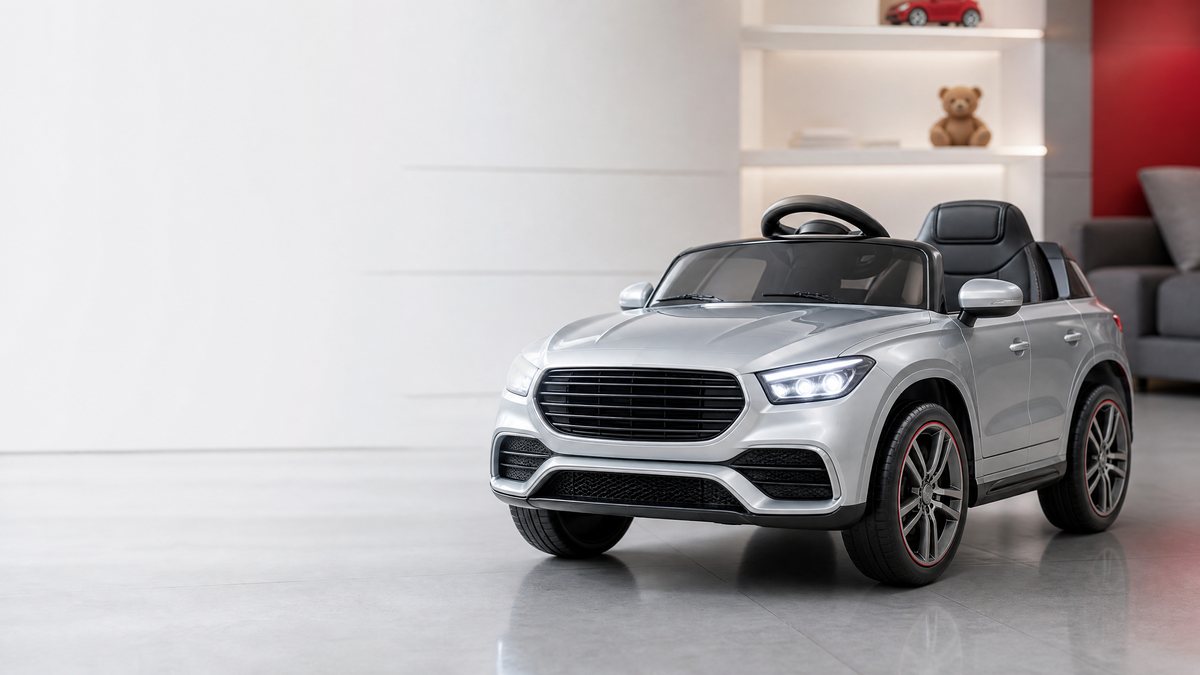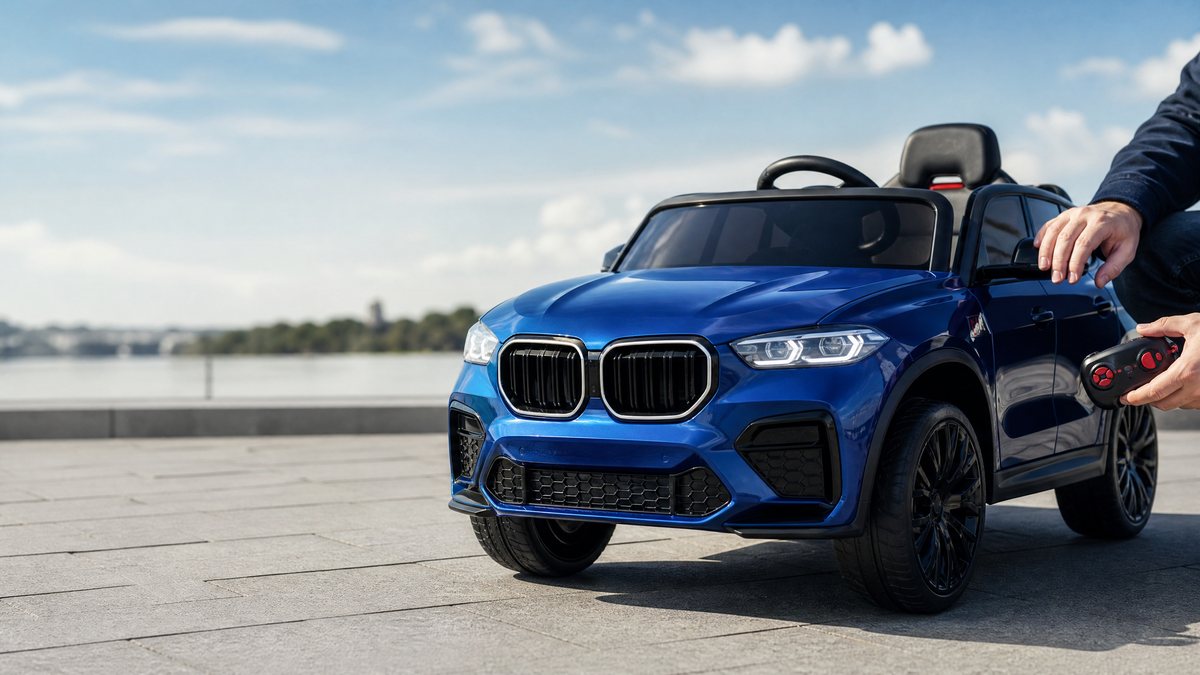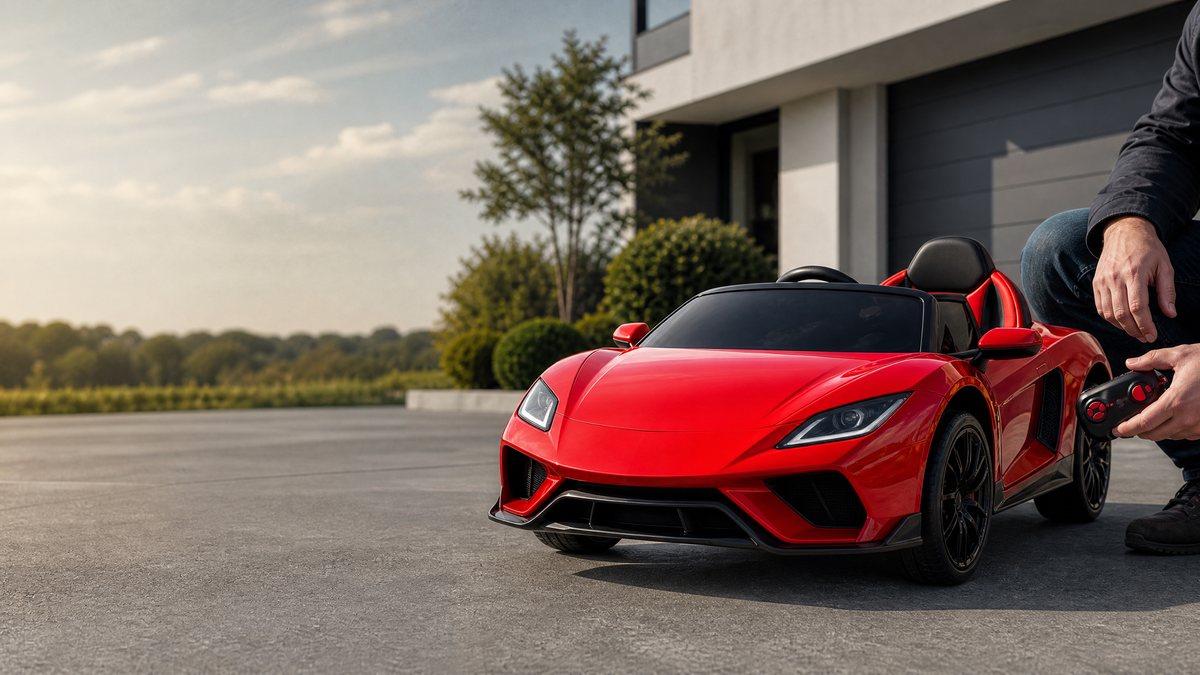
Importing kids' electric ride-on cars from international manufacturers—particularly from manufacturing hubs in China—presents incredible profit margins for wholesale distributors, toy retailers, and e-commerce brand owners. However, the physical arrival of a container at the destination port is only half the battle. Navigating international borders requires meticulous attention to regulatory compliance, precise tariff classification, and flawless paperwork.
When customs authorities inspect a shipment of battery-powered children's vehicles, they look beyond standard commercial invoices. Because these products feature electrical components, lithium or lead-acid batteries, and are marketed directly toward children, they are subject to stringent safety standards and regulatory oversight. A single missing document or misclassified Harmonized System (HS) code can result in extended port storage fees, intensive physical inspections, or complete cargo seizure.
This comprehensive guide is designed for B2B importers, supply chain managers, and procurement specialists. We will break down the exact customs clearance workflow, essential paperwork, tariff classifications, and proactive strategies to prevent common customs bottlenecks when importing kids' electric ride-on cars.
1. Understanding HS Codes and Import Duties
The foundation of any successful customs clearance process begins with the correct classification of your merchandise. The Harmonized System (HS) code determines the rate of duty, statistical reporting requirements, and regulatory controls applicable to your goods.
Kids' electric ride-on cars typically fall under specific chapters of the customs tariff schedule, primarily focusing on toys designed to be ridden by children, equipped with an electric motor. Misclassifying these products—such as categorizing them under general electrical machinery or standard adult electric vehicles—will immediately trigger customs audits and potential financial penalties.
Common HS Code Categories for Ride-On Toys
* 9503.00: Tricycles, scooters, pedal cars, and similar wheeled toys; dolls' carriages; dolls; other toys; scale models and similar recreational models, working or not.
* 9503.00.0073 (or regional equivalent): Battery-powered ride-on toys designed for children.
Duty Rates and Additional Tariffs
Import duties vary significantly depending on the destination country (e.g., US, EU, UK, Australia, Canada). Furthermore, depending on trade agreements and geopolitical trade policies, additional tariffs (such as Section 301 tariffs in the United States) may apply to goods originating from specific countries.
| Import Destination | Standard MFN Duty Rate (HS 9503) | Additional / Anti-Dumping Duties | Value-Added Tax (VAT) / GST |
|---|---|---|---|
| United States | Duty-Free (0%) under standard MFN | Section 301 Tariffs (Check current USTR updates, typically 7.5% - 25%) | None (State sales tax applied at retail level) |
| European Union | 4.7% - 5.7% | Standard anti-dumping checks on specific electrical components | 17% - 27% (Country-dependent) |
| United Kingdom | 0% - 4.7% | Post-Brexit UK Global Tariff schedules | 20% standard VAT |
| Australia | 5% (Free under ChAFTA if origin criteria met) | Standard customs entry fees | 10% GST |
2. Essential Documentation for Smooth Clearance
Customs brokerage relies entirely on paper trails. When your shipment of electric ride-on cars arrives at the port of entry, the customs broker must submit a complete dossier to release the cargo. Missing or conflicting data across documents is the leading cause of initial holds.
A. Commercial Invoice and Packing List
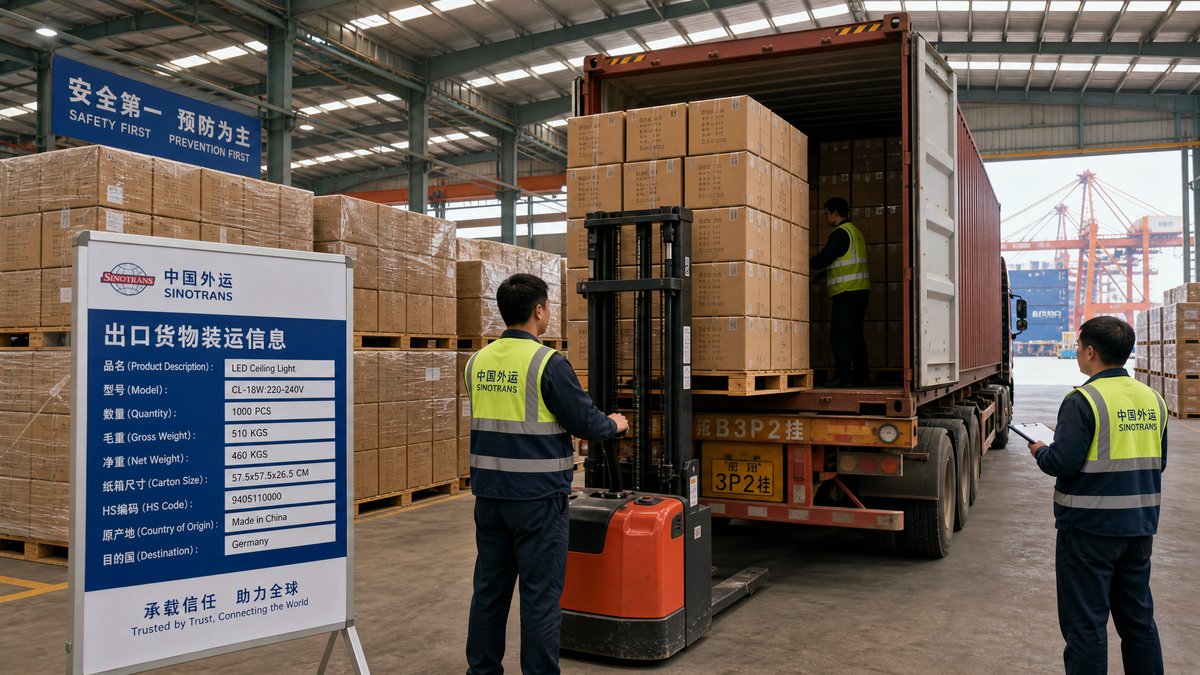
The commercial invoice must accurately reflect the true transaction value, currency, Incoterms (e.g., FOB, CIF, DDP), and detailed product descriptions. Ensure the unit prices match your purchase orders and telegraphic transfer (T/T) bank records. The packing list must detail gross weights, net weights, carton dimensions, and total pieces per SKU.
B. Bill of Lading (B/L) or Air Waybill
The Bill of Lading acts as the receipt of cargo and contract of carriage between the shipper and carrier. For sea freight, ensure you have an Express Release B/L or Original B/L properly endorsed. The consignee details must match your company’s registered importer of record (IOR) profile.
C. Certificate of Origin (C/O)
Depending on bilateral trade agreements between the manufacturing country and the destination market, a Certificate of Origin allows importers to claim preferential tariff treatments, potentially reducing import duties to zero. Ensure your manufacturer issues a verifiable C/O (such as Form E for certain Asian trade pacts or general non-preferential certificates).
D. Compliance Certificates and Test Reports
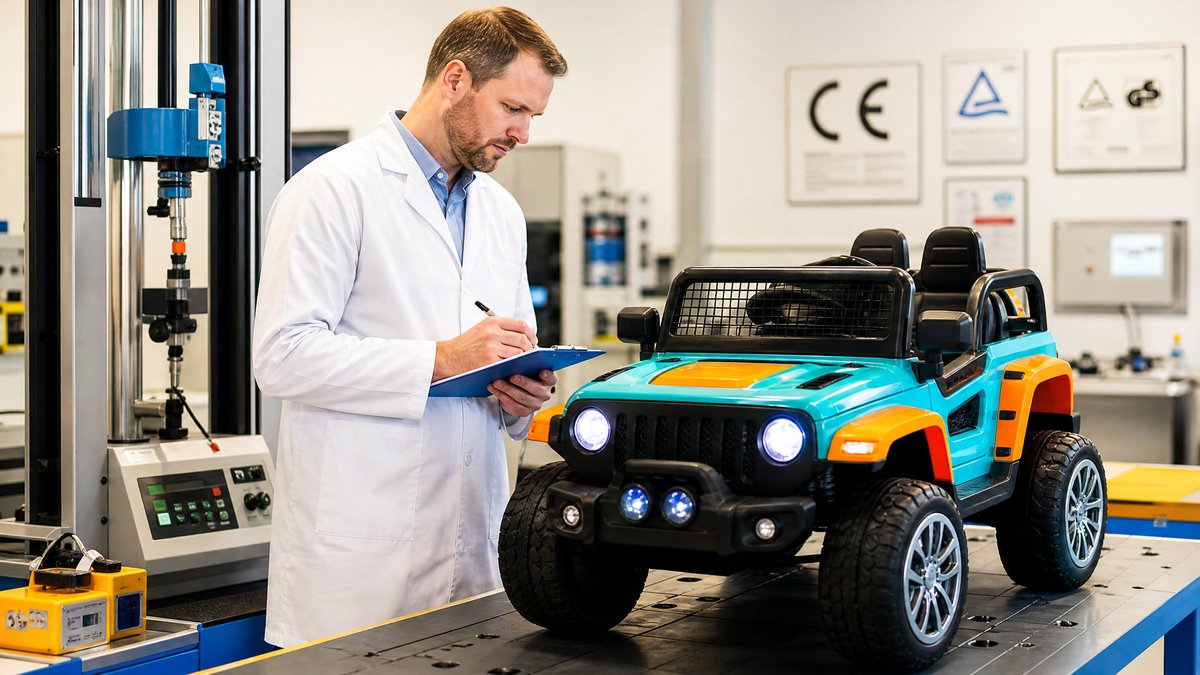
Because kids' electric ride-on cars are classified as children's toys and electrical apparatus, customs and consumer safety agencies (such as the CPSC in the US or market surveillance authorities in the EU) frequently demand proof of compliance prior to release.
* For the US Market: Children’s Product Certificate (CPC) based on third-party testing for ASTM F963 (Standard Consumer Safety Specification for Toy Safety) and CPSIA standards (lead and phthalate limits).
* For the EU Market: CE Declaration of Conformity, backed by test reports covering the Toy Safety Directive (2009/48/EC), EMC Directive, and RoHS compliance.
3. Battery Regulations and Hazardous Material Declarations
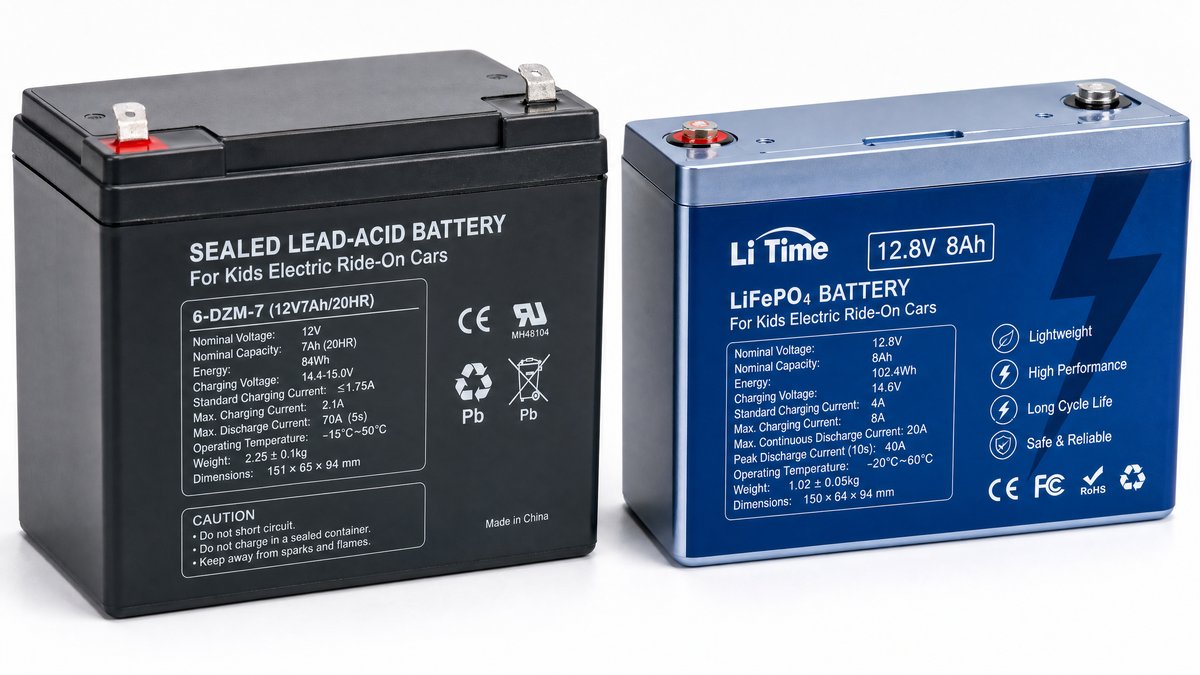
Electric ride-on cars are powered by rechargeable batteries—either Sealed Lead-Acid (SLA) or Lithium-ion (Li-ion) packs. Batteries are heavily regulated under international transport and customs laws due to potential fire hazards and chemical content.
Lithium-Ion vs. Lead-Acid Documentation
If your ride-on cars utilize lithium-ion batteries, the shipment is legally classified as dangerous goods (Class 9 Miscellaneous Dangerous Goods). You must ensure your freight forwarder provides:
1. MSDS / SDS (Material Safety Data Sheet) for the specific battery chemistry.
2. UN 38.3 Test Report, verifying that the lithium battery has passed rigorous simulation tests for altitude, thermal stability, vibration, shock, short-circuit, impact, overcharge, and forced discharge.
3. Dangerous Goods Declaration (DGD) for ocean or air carriers.
Failing to declare lithium batteries correctly can result in severe carrier fines, cargo rejection at the loading port, or extended quarantine and inspection by destination customs authorities.
4. Step-by-Step Customs Clearance Workflow
To maintain a predictable supply chain, wholesalers should map out the clearance timeline well before the vessel departs the origin port.
1. Pre-Alert and Document Review (7-10 Days Before Arrival): Your freight forwarder or customs broker reviews the draft commercial invoice, packing list, bill of lading, and compliance certificates. Any discrepancies in weights or descriptions are corrected immediately.
2. Customs Entry Filing (1-3 Days Before Vessel Arrival): The broker transmits the entry data to customs authorities (e.g., CBP in the US via ACE, or HMRC in the UK via CHIEF/CDS). Duties, merchandise processing fees (MPF), and harbor maintenance fees (HMF) are calculated and billed to the importer.
3. Cargo Inspection or Release (Port Arrival): Customs algorithms flag shipments for random exams (X-ray, tailgate, or intensive physical exams) or immediate release. If your compliance documentation is pristine, cargo is typically released within 24-48 hours of vessel discharge.
4. Final Delivery: Once customs release (Customs 7501 or local equivalent release notice) and port terminal fee settlements are completed, the container is dispatched to your warehouse or third-party logistics (3PL) center.
5. Common Causes of Customs Delays and How to Avoid Them
Even experienced B2B importers occasionally encounter port bottlenecks. Understanding these common pitfalls helps protect your inventory flow during peak retail seasons.
* Vague Product Descriptions on Invoices: Writing generic descriptions like "Toys" or "Electric Car" invites suspicion. Use precise terms, such as "Children’s 12V Battery-Operated Ride-On Toy Car with Remote Control."
* Missing or Invalid CPC / CE Certificates: Customs officers routinely pull shipments for safety verification. If you cannot provide a valid ISO 17025 accredited test report proving compliance with ASTM F963 or EN71, your goods will be held indefinitely or ordered destroyed.
* Under-Valuation Flags: Declaring artificially low invoice values to save on duties triggers immediate customs audits, heavy fines, and severe delays while forensic valuation is conducted. Always maintain transparent commercial records tied to verifiable banking transactions.
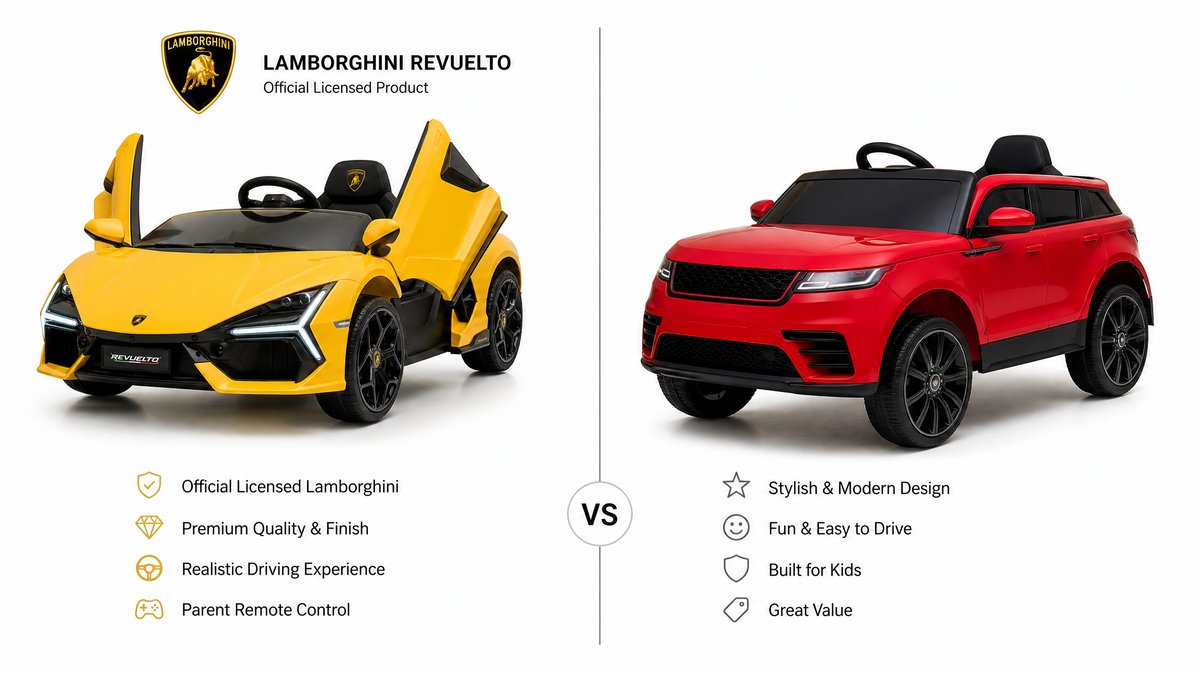
* IP and Trademark Infringement: Many ride-on cars mimic luxury automotive brands (e.g., Mercedes-Benz, BMW, Lamborghini). Ensure your supplier possesses official licensing authorization from the brand holder. Importing unlicensed replicas bearing registered trademarks will result in immediate seizure by intellectual property rights (IPR) customs units.
6. Frequently Asked Questions (FAQ)
Q1: Do I need a customs broker, or can I clear the shipment myself?
While self-clearance (Importer Self-Filing) is legally permitted in some jurisdictions, it is highly discouraged for commercial B2B importers. Licensed customs brokers possess deep expertise in tariff schedules, electronic data interchange (EDI) systems with customs agencies, and rapid dispute resolution, saving your business time and costly storage demurrage.
Q2: What happens if my shipment of ride-on cars is selected for a physical exam?
If customs selects your container for a Tailgate or Intensive Exam, authorities will unload and inspect the cargo. This process can add 3 to 10 business days to your logistics timeline and incurs exam station fees. Having complete, pre-organized test reports and purchase documentation significantly speeds up the inspection resolution.
Q3: Are lithium-ion batteries subject to different customs rules than lead-acid batteries?
Yes. While both require standard commercial documentation, lithium-ion batteries are classified as hazardous materials (Dangerous Goods) for transport. They require strict adherence to UN 38.3 testing standards, specialized packaging labels, and specialized DGD paperwork, whereas sealed lead-acid batteries face fewer transport restrictions.
Q4: How can I verify that my manufacturer provides compliant test reports?
Always request full third-party laboratory test reports (issued by internationally recognized labs like SGS, TÜV, or Intertek) verifying compliance with ASTM F963 (US) or EN71 (EU) before finalizing your production deposit. Never rely solely on generic supplier self-declarations.
Conclusion
Mastering customs clearance for kids' electric ride-on cars is an essential competency for scaling a successful wholesale or distribution business. By establishing strict compliance protocols, working with licensed customs brokers, securing authenticated test reports, and correctly classifying your products under appropriate HS codes, you can eliminate unexpected port delays and protect your profit margins.
At KidsRideCar, we support our B2B wholesale and distribution partners by providing fully certified, high-quality electric ride-on vehicles accompanied by complete export documentation and compliance support. Ready to expand your product catalog with market-leading ride-on cars? Contact our B2B team today at info@kidsridecar.com to request our latest wholesale catalog, compliance dossiers, and container shipping quotes.
Official references
Explore these external resources for current regulatory and trade guidance. Confirm requirements with the relevant authority before placing an order.
Ready to Start?
Factory-Direct · CE & ASTM Certified · MOQ from 50 Units
Our export team works with buyers in 60+ countries. Get a quote within 24 hours.
KR
Written by KidsRideCar
China's leading kids electric ride-on car manufacturer. 500,000+ units shipped annually to 60+ countries. CE, ASTM & EN71 certified.