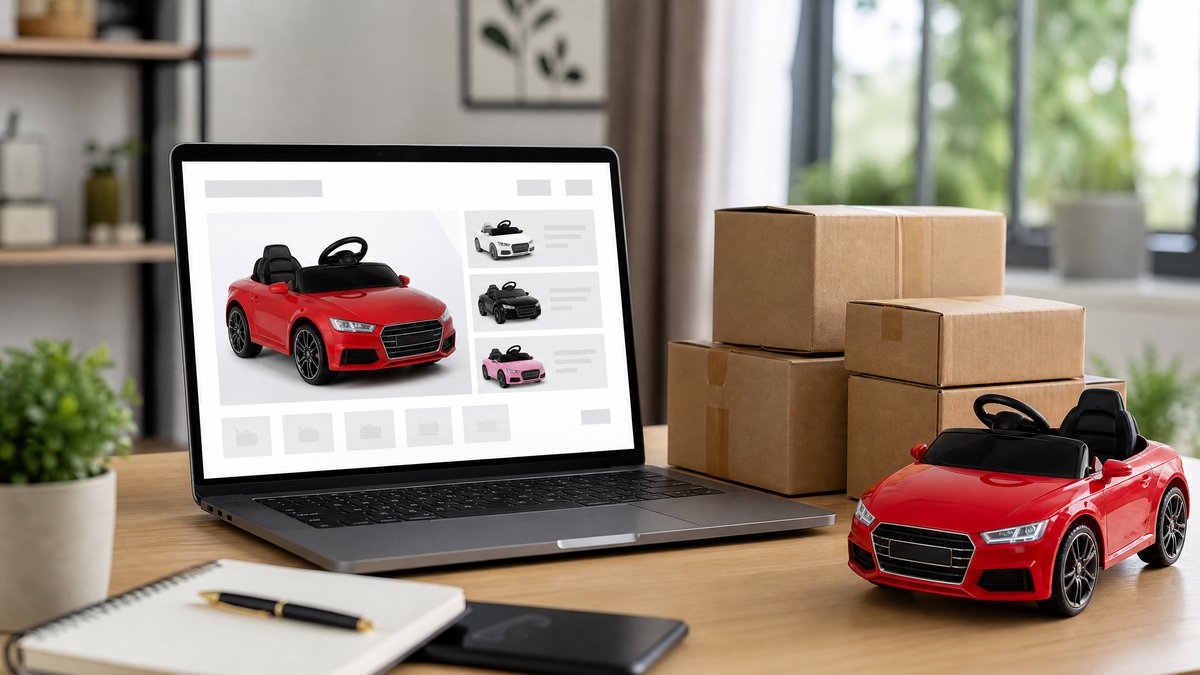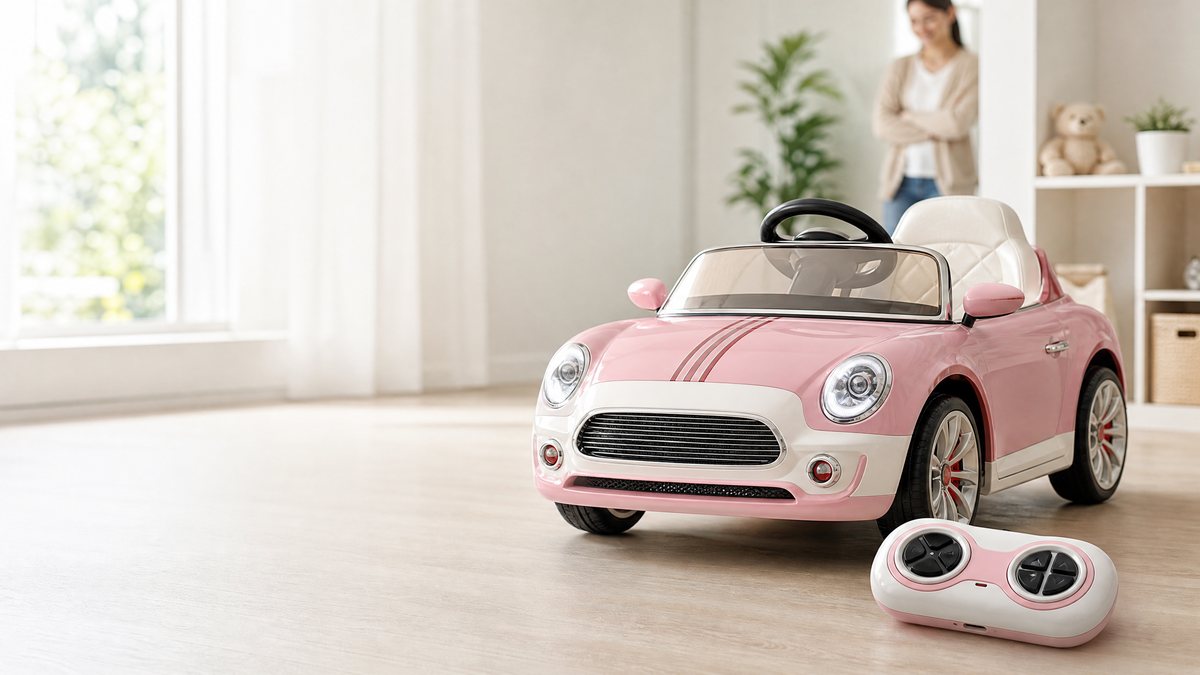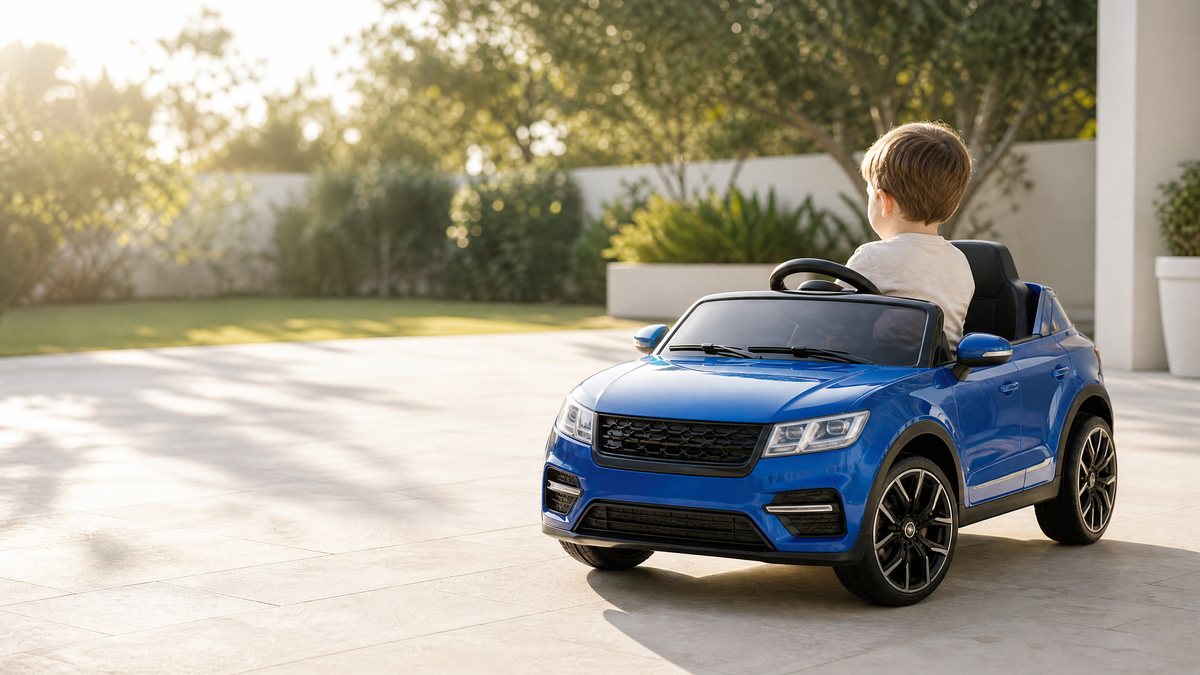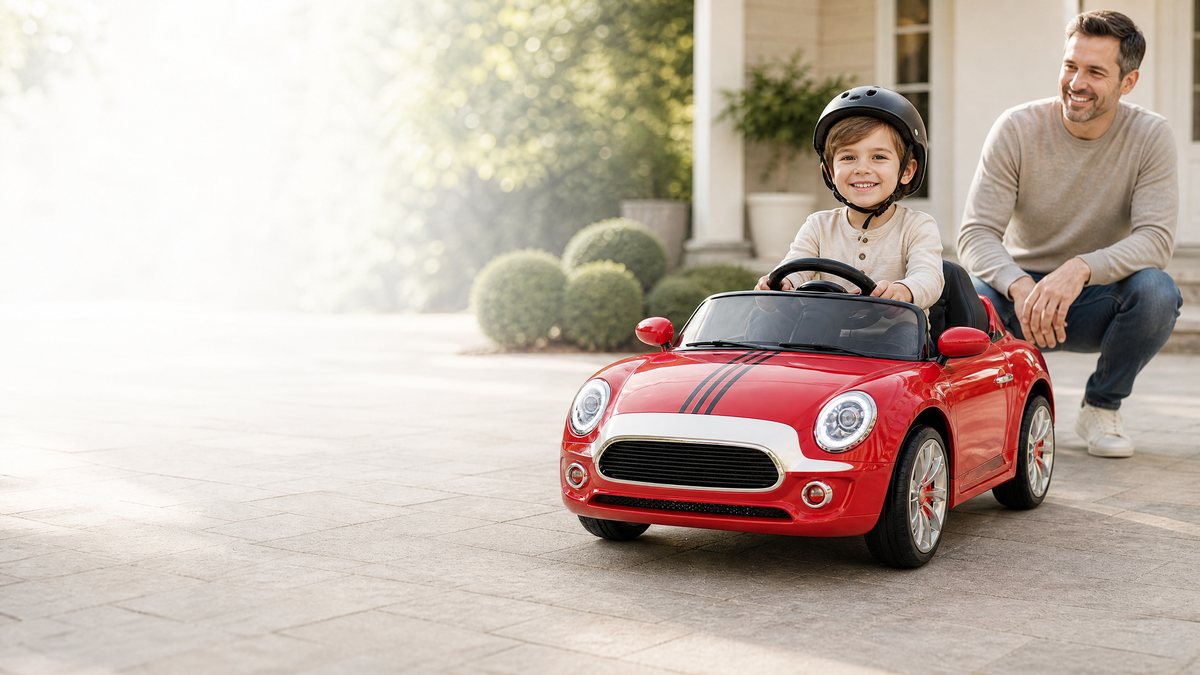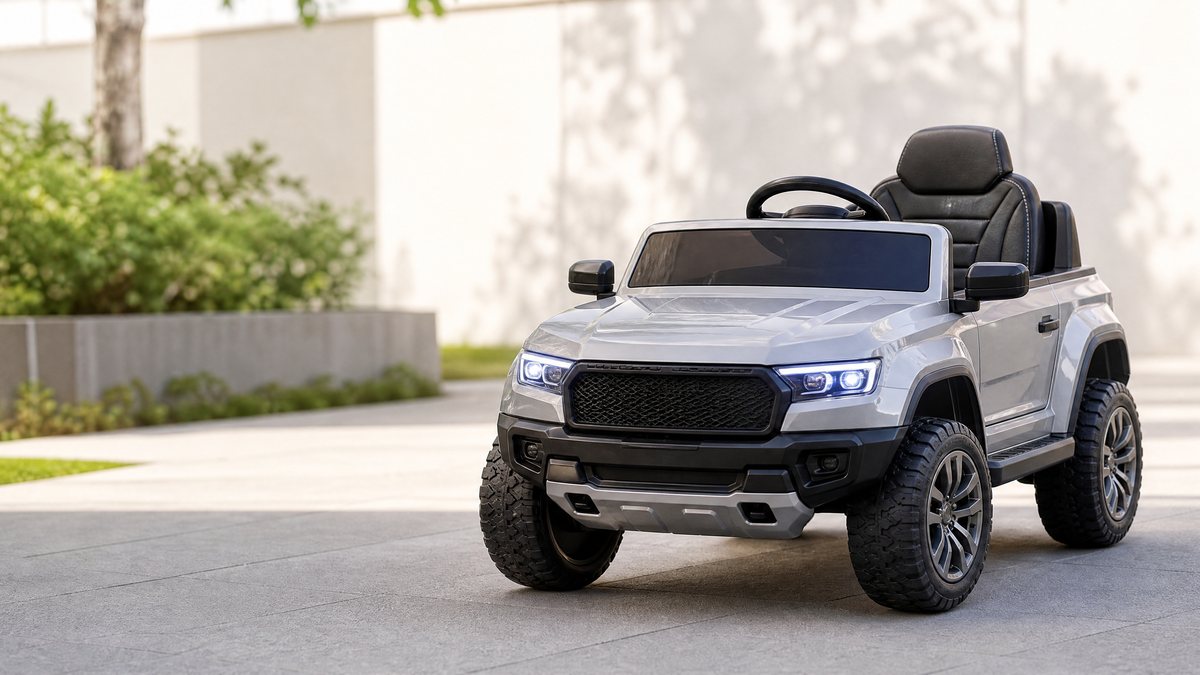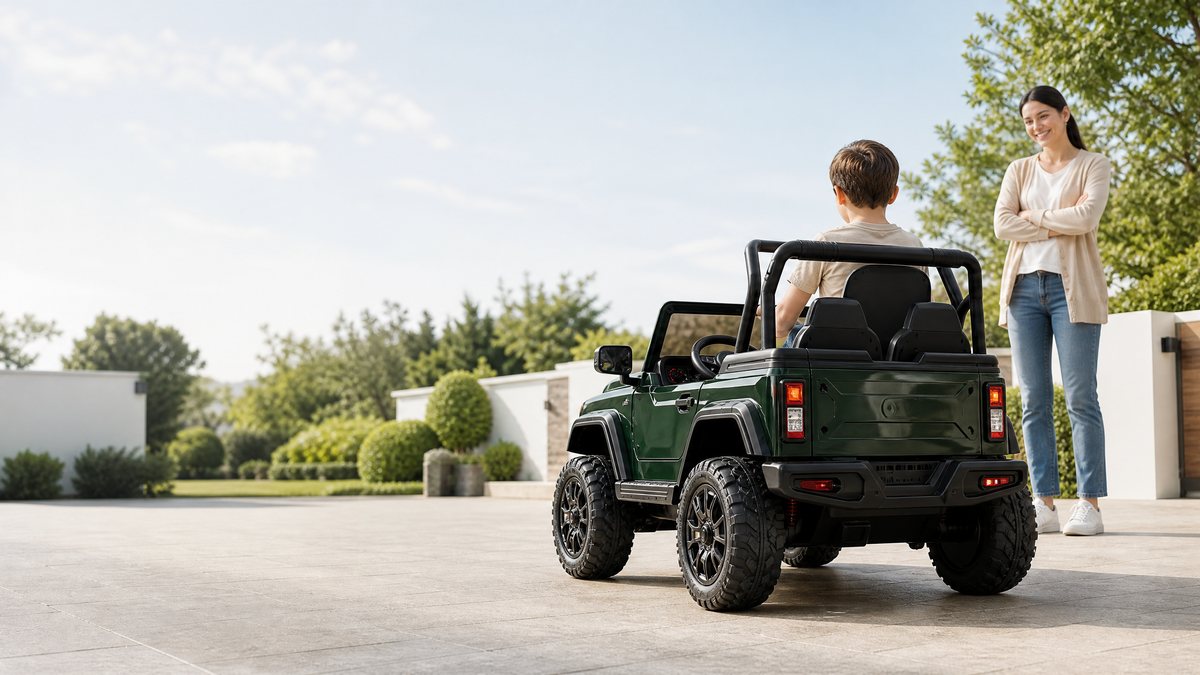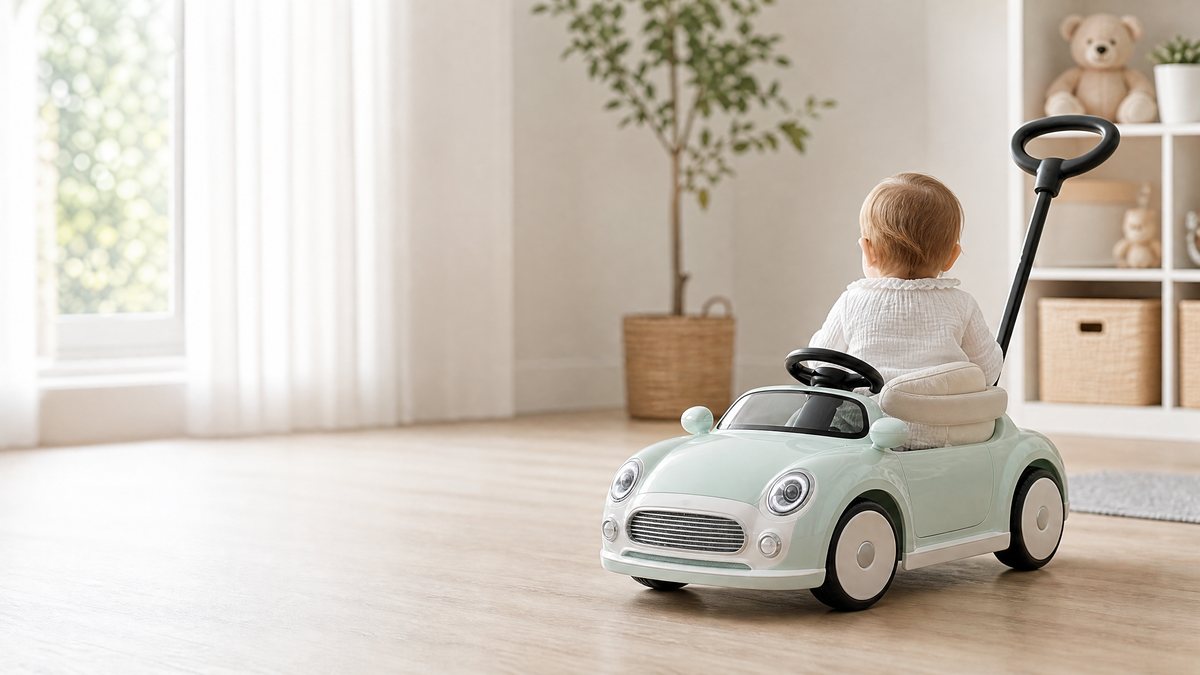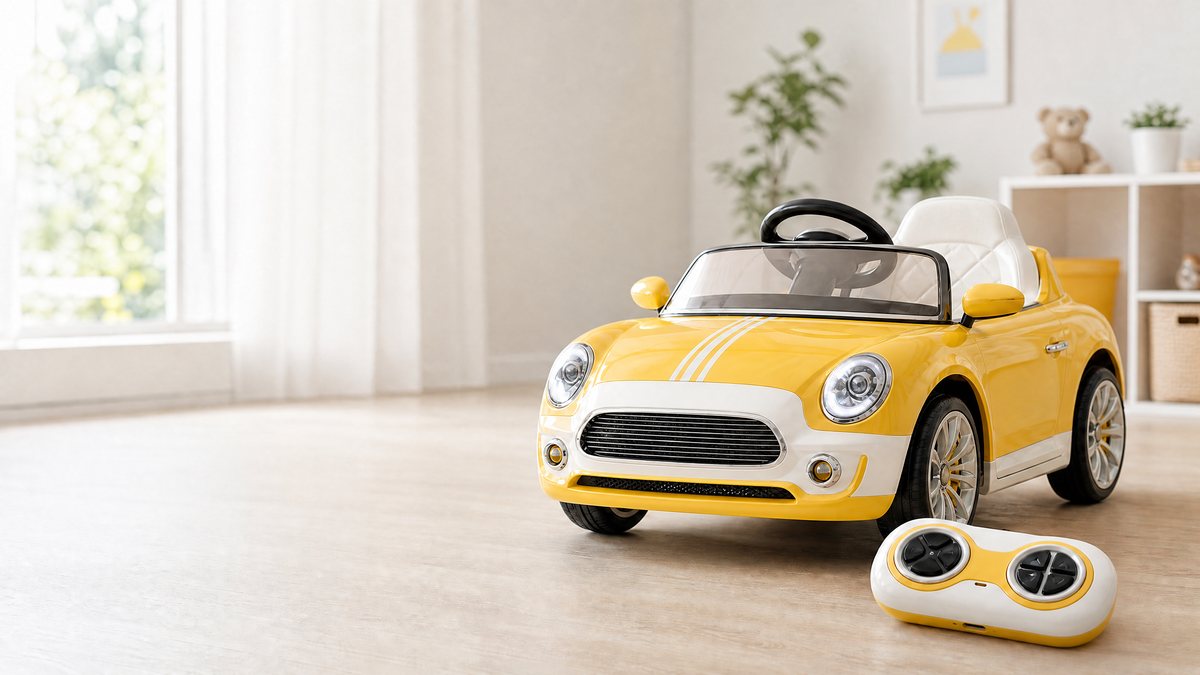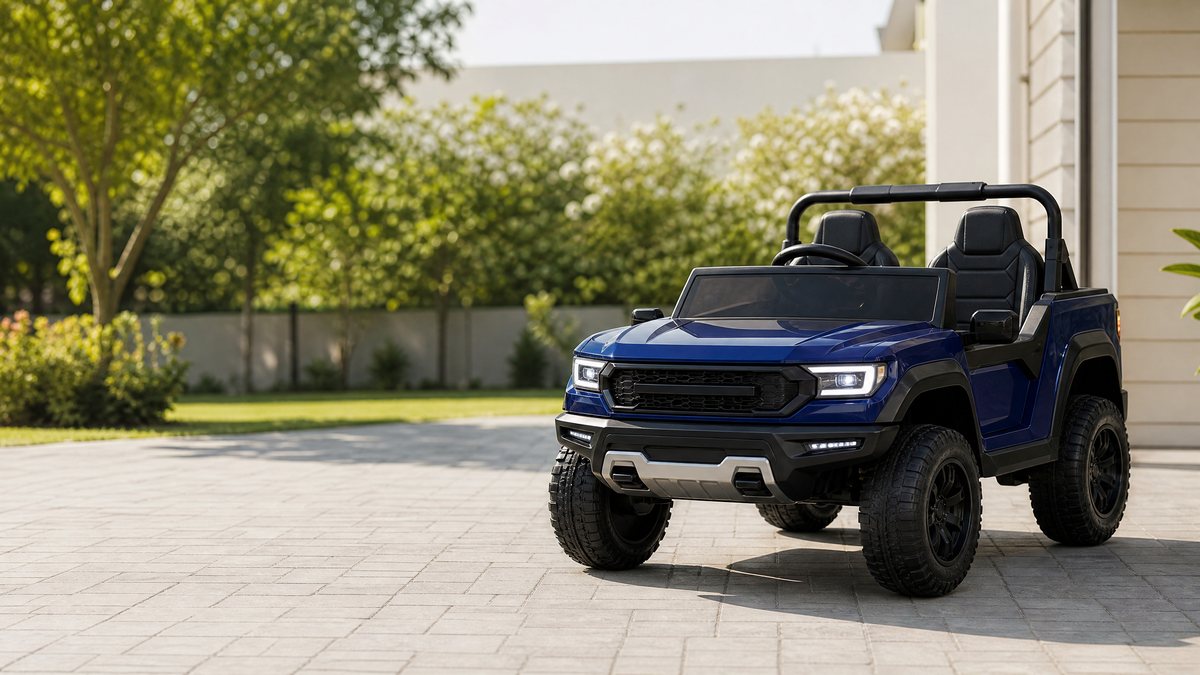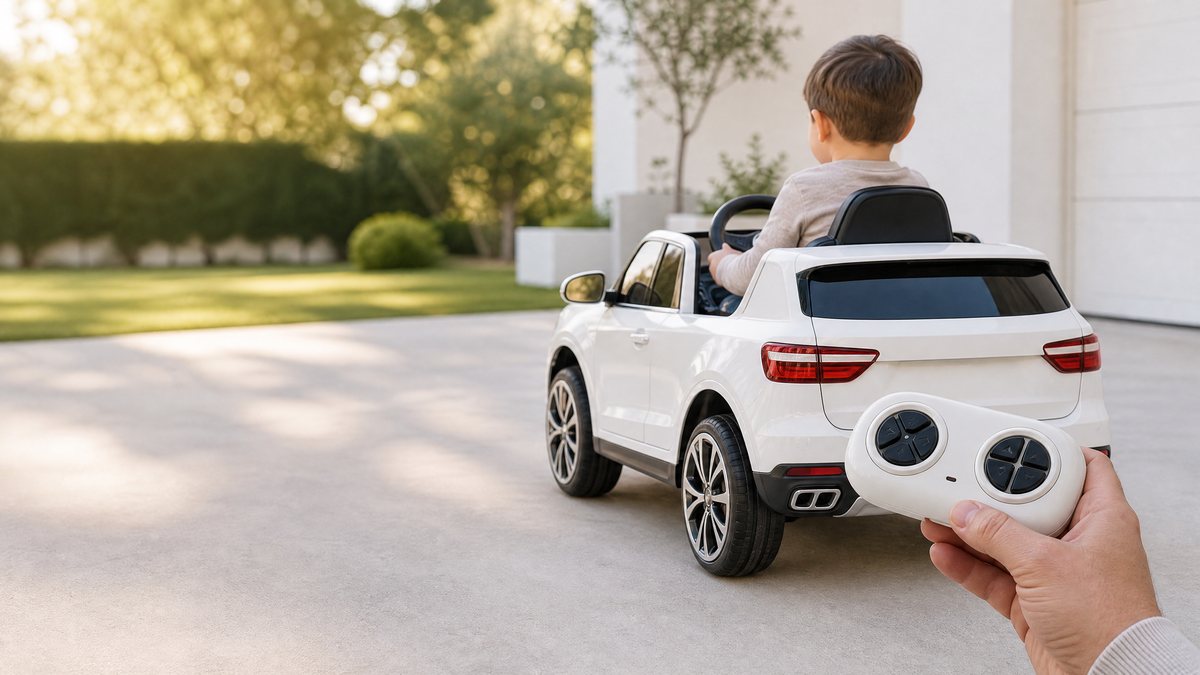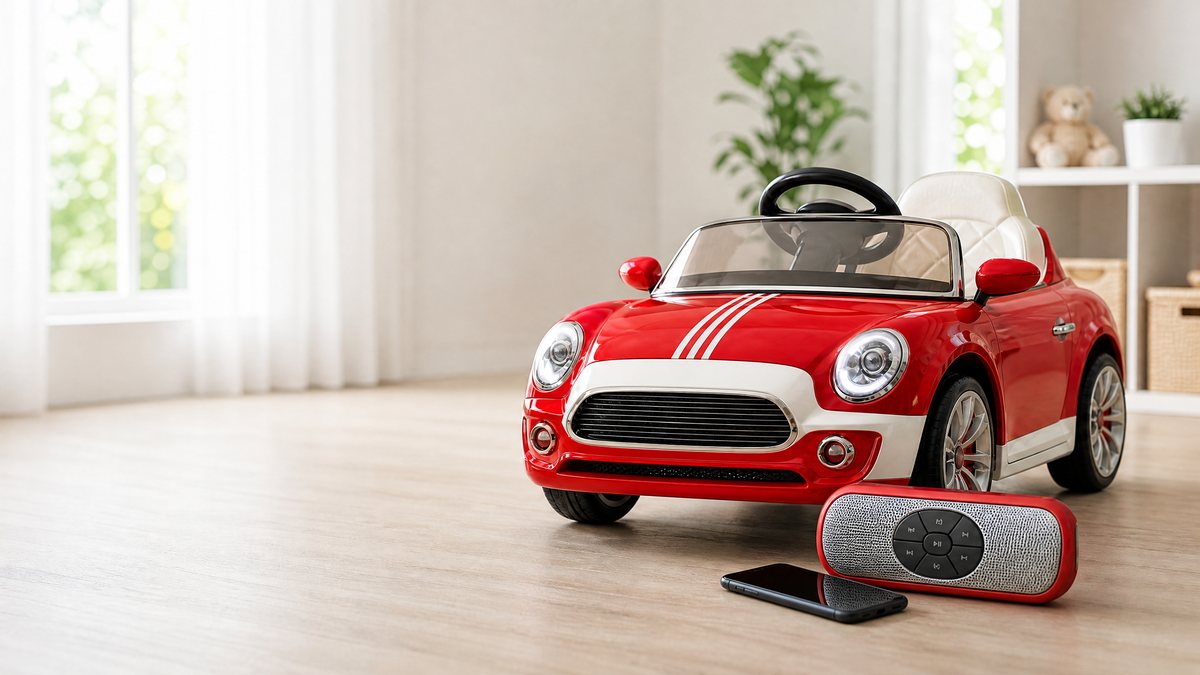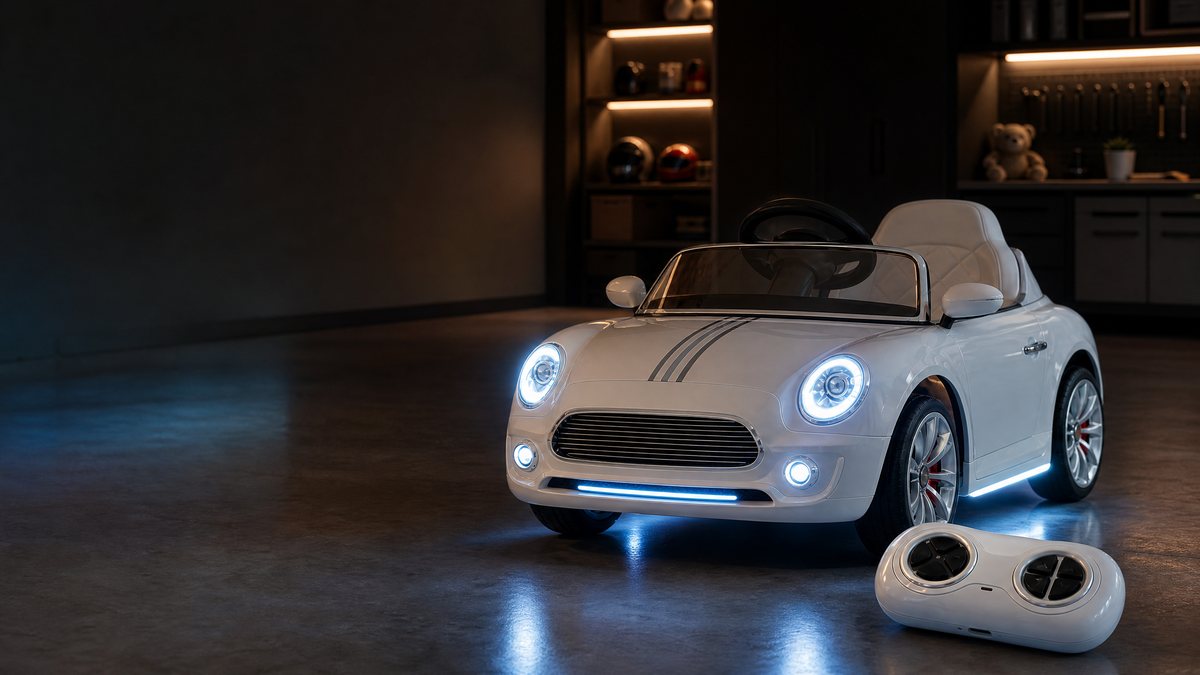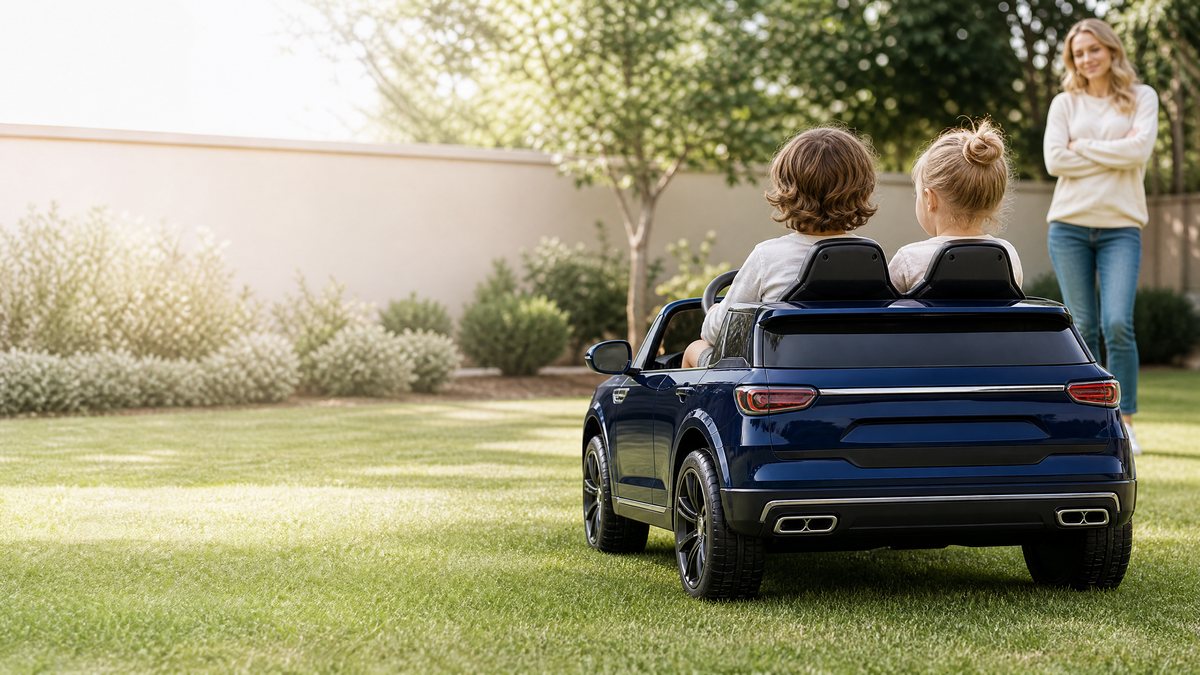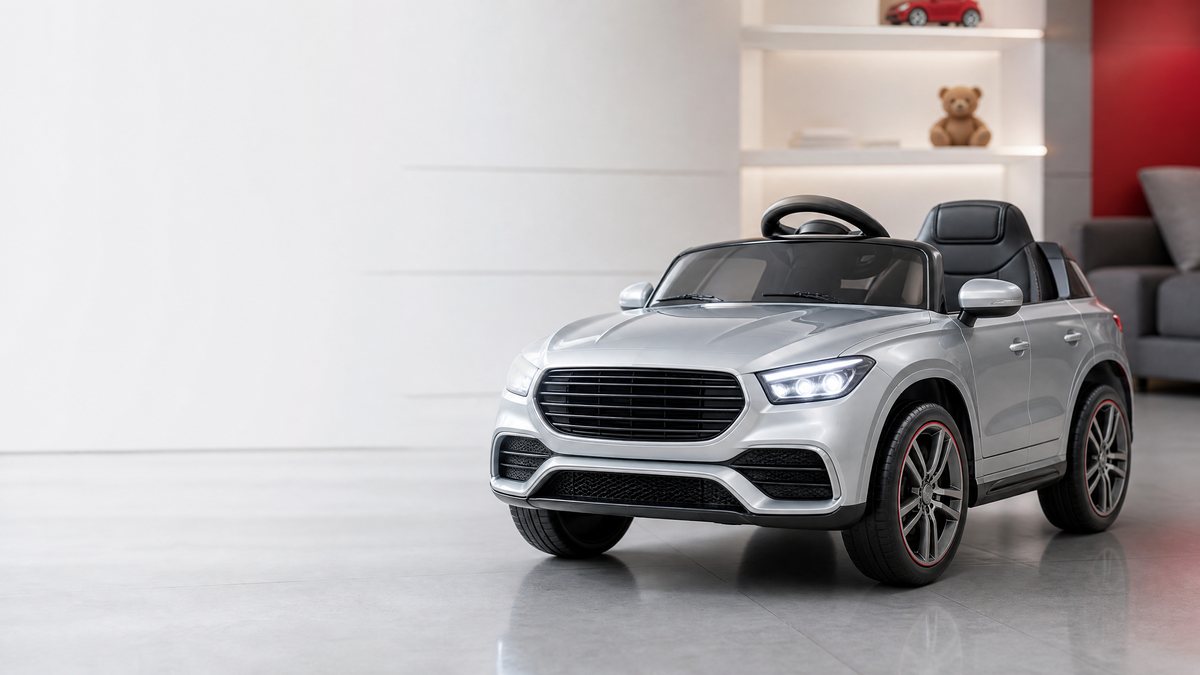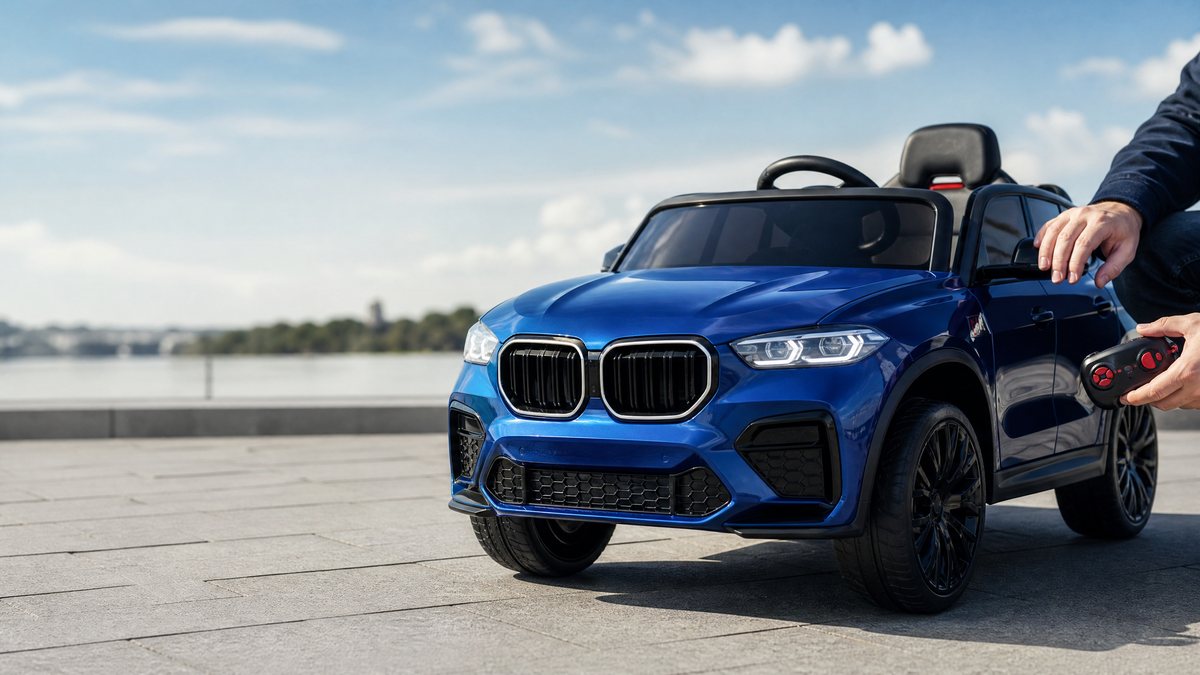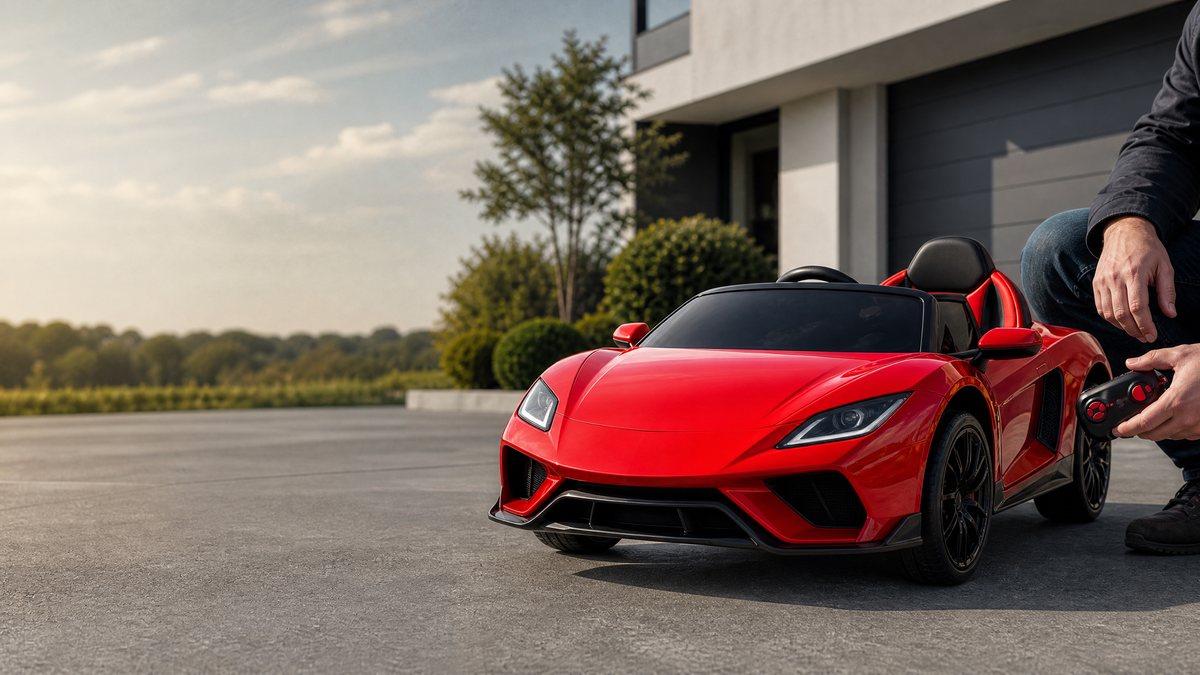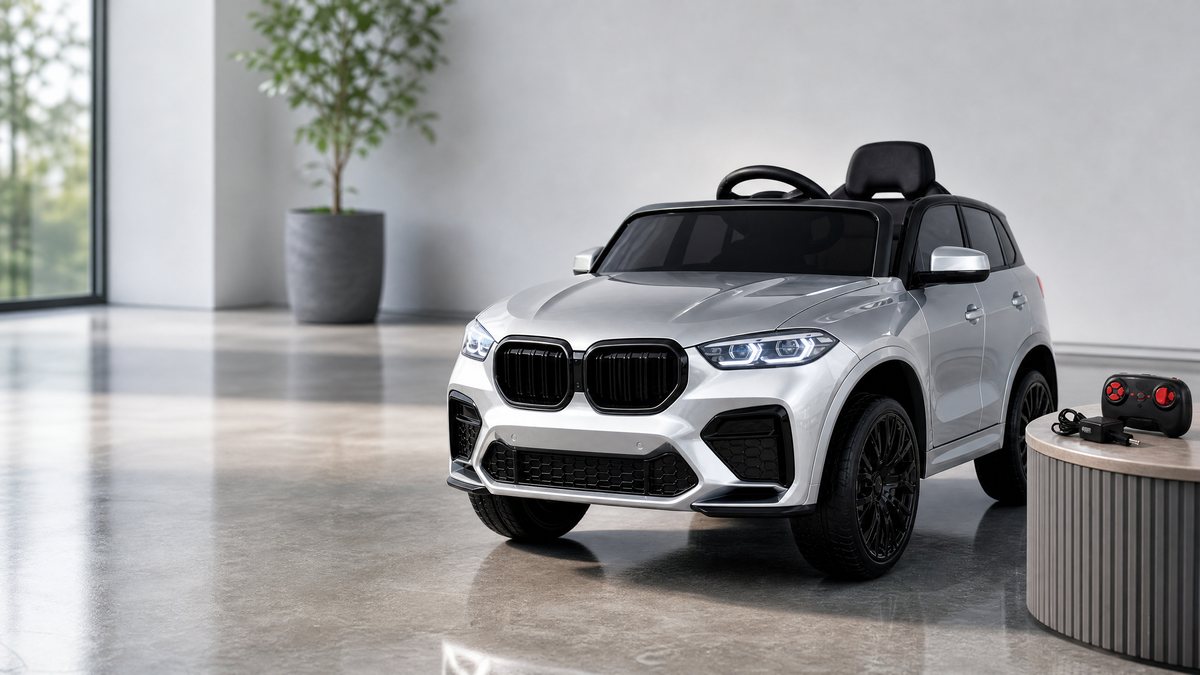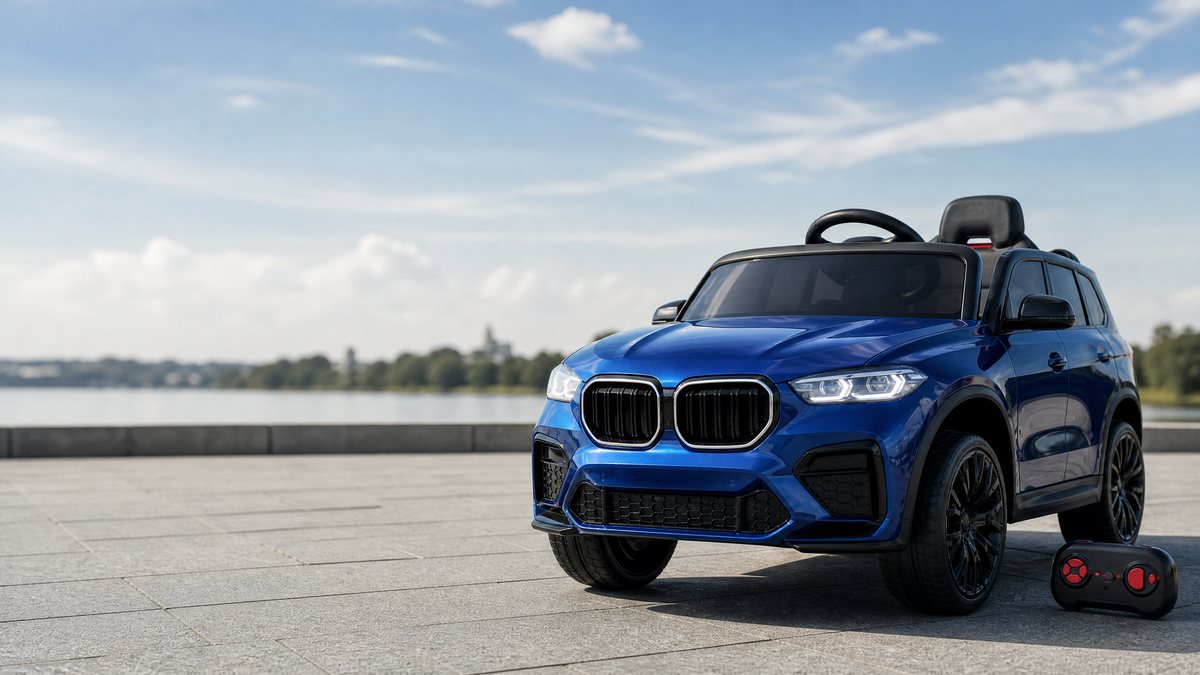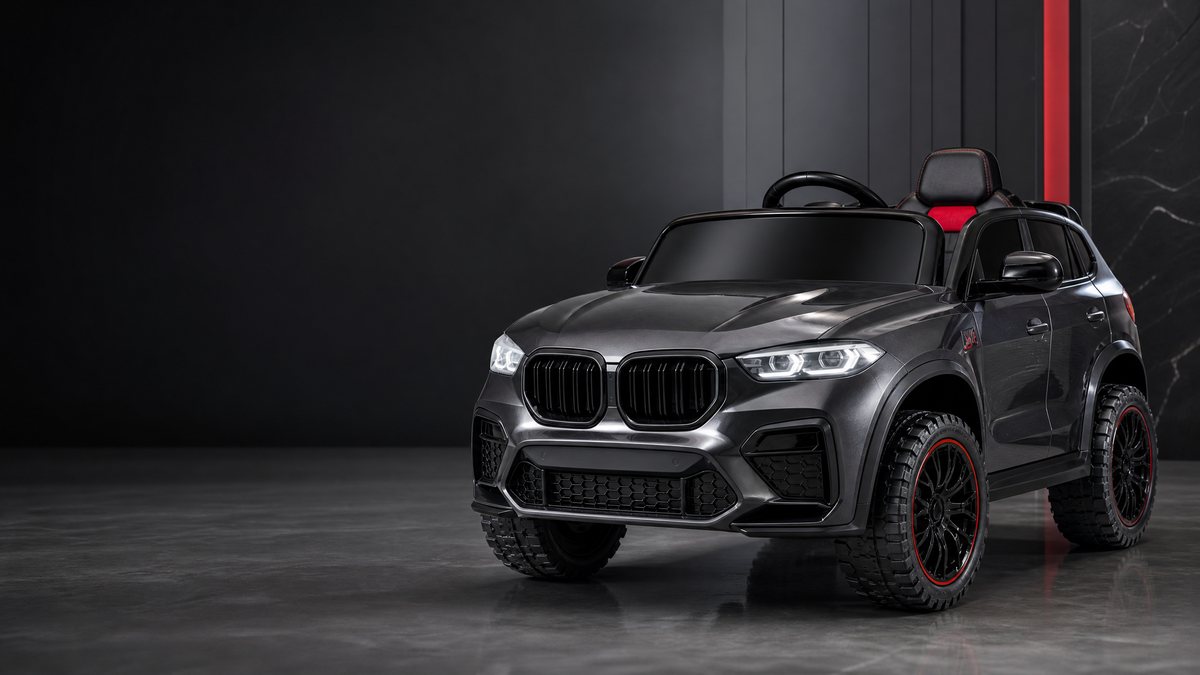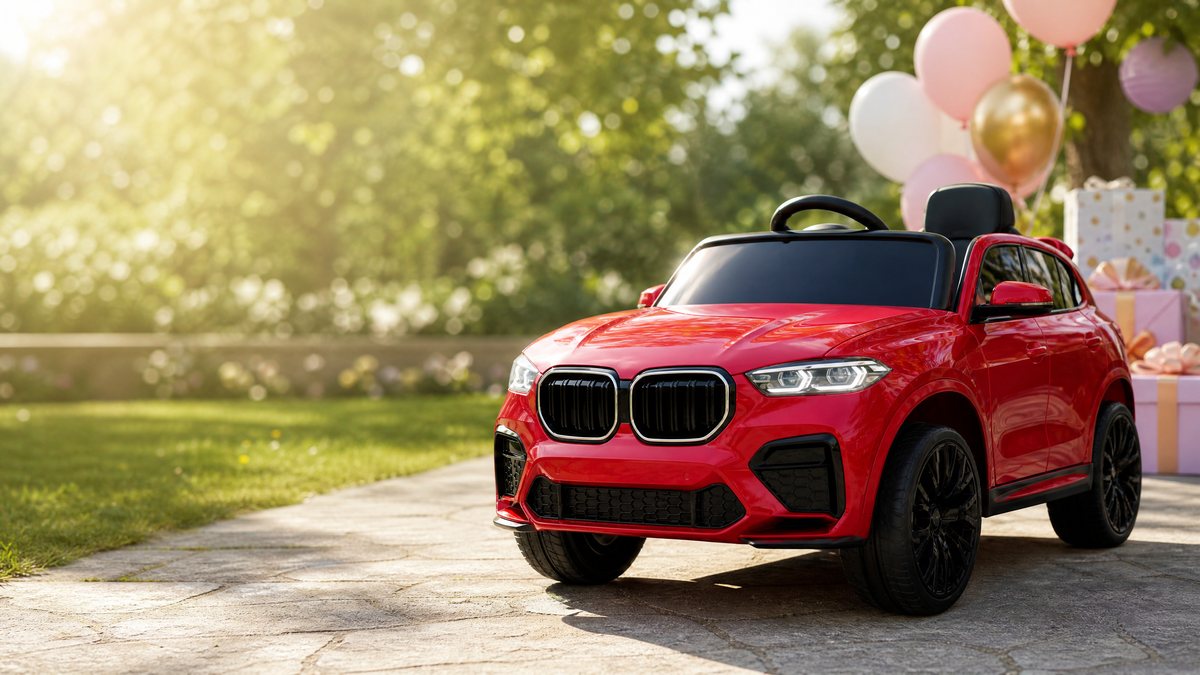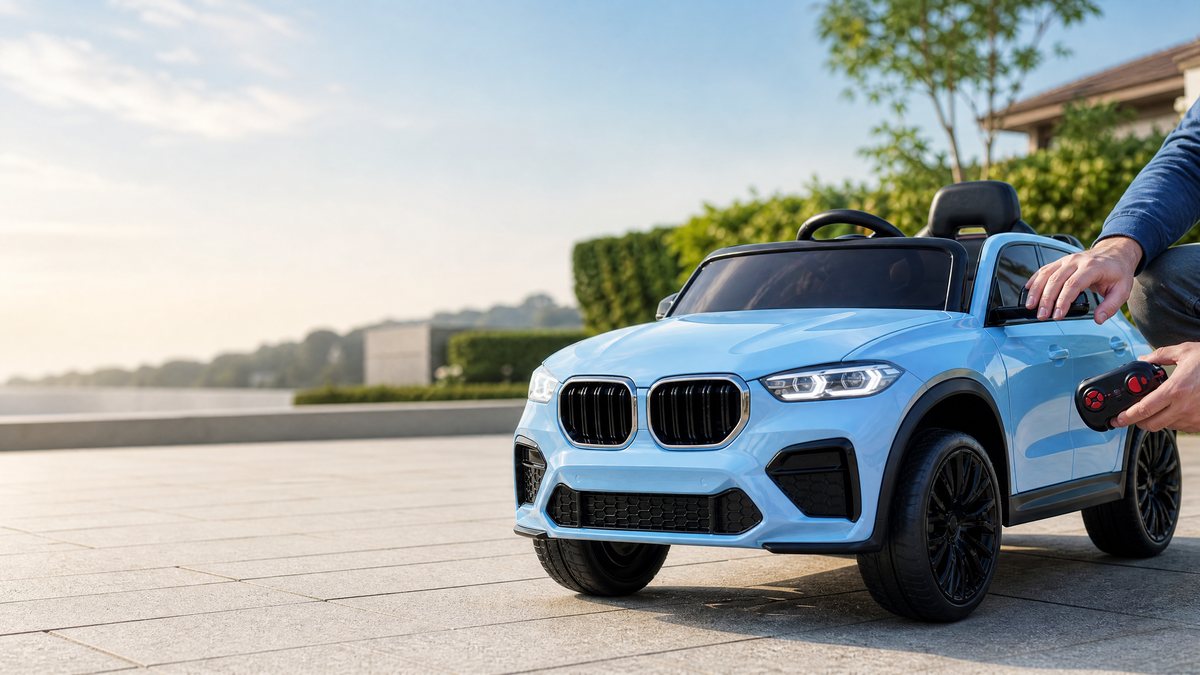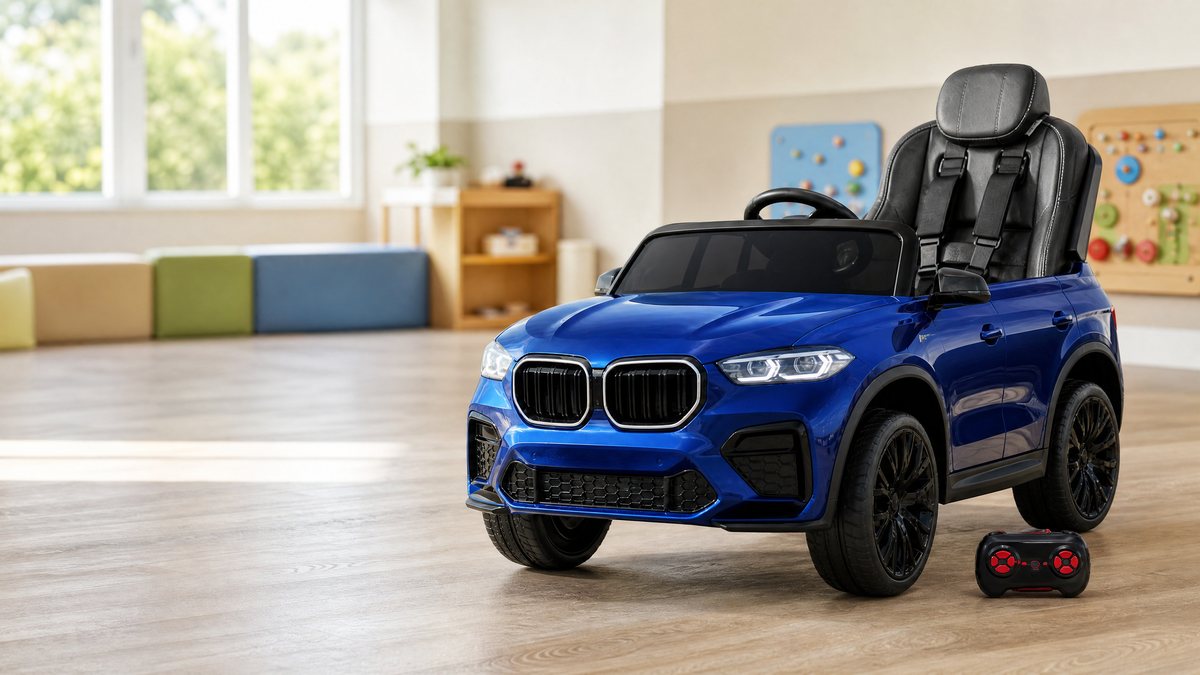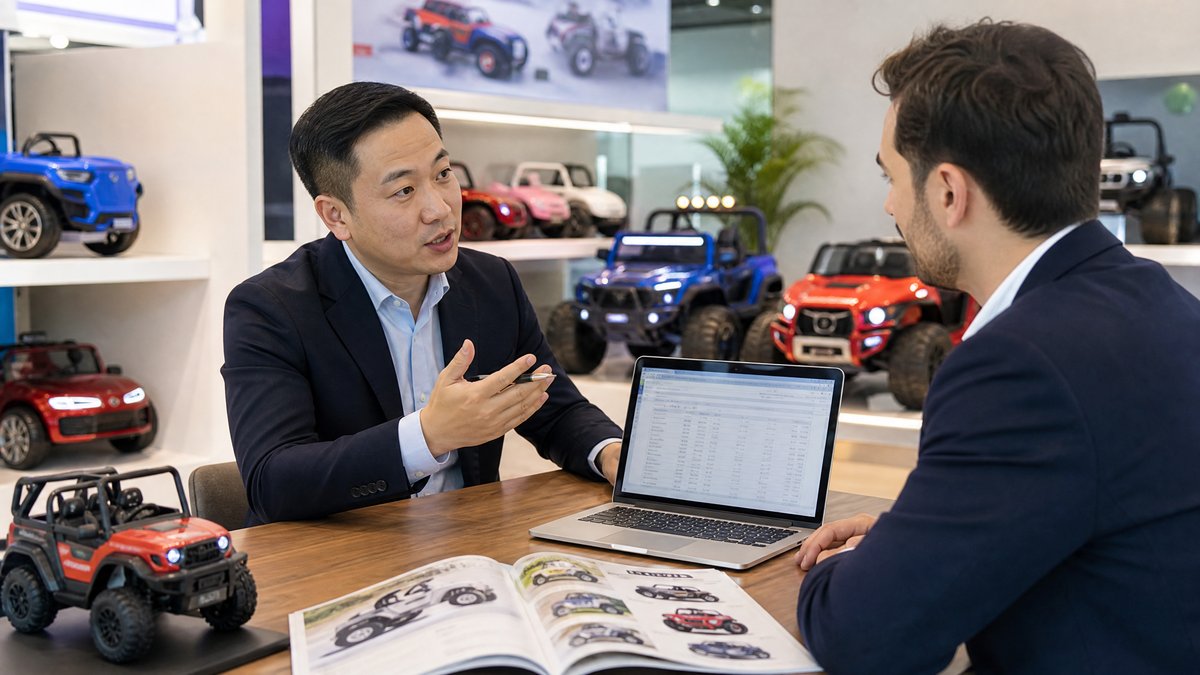
When entering the children's electric ride-on vehicle market—whether as a B2B wholesale distributor, retail store owner, or parent seeking a premium toy—buyers are consistently faced with a defining dilemma: Is a manufacturer-licensed ride-on car genuinely worth the significantly higher price tag compared to generic, unbranded models? With price disparities often ranging from 30% to over 100% for vehicles bearing prestigious automotive badges such as Mercedes-Benz, BMW, Lamborghini, or Ford, stakeholders must look beyond surface aesthetics. Evaluating this investment requires a rigorous examination of manufacturing standards, component specifications, brand authorization fees, consumer resale expectations, safety compliance frameworks, supply chain reliability, logistical considerations, and long-term operational sustainability. This comprehensive guide provides an objective evaluation framework to help procurement professionals, retail store operators, and discerning consumers assess whether licensed ride-on vehicles align with their commercial strategy or personal investment criteria.
Request a wholesale quote
Understanding the Landscape: Licensed Versus Generic Ride-On Vehicles
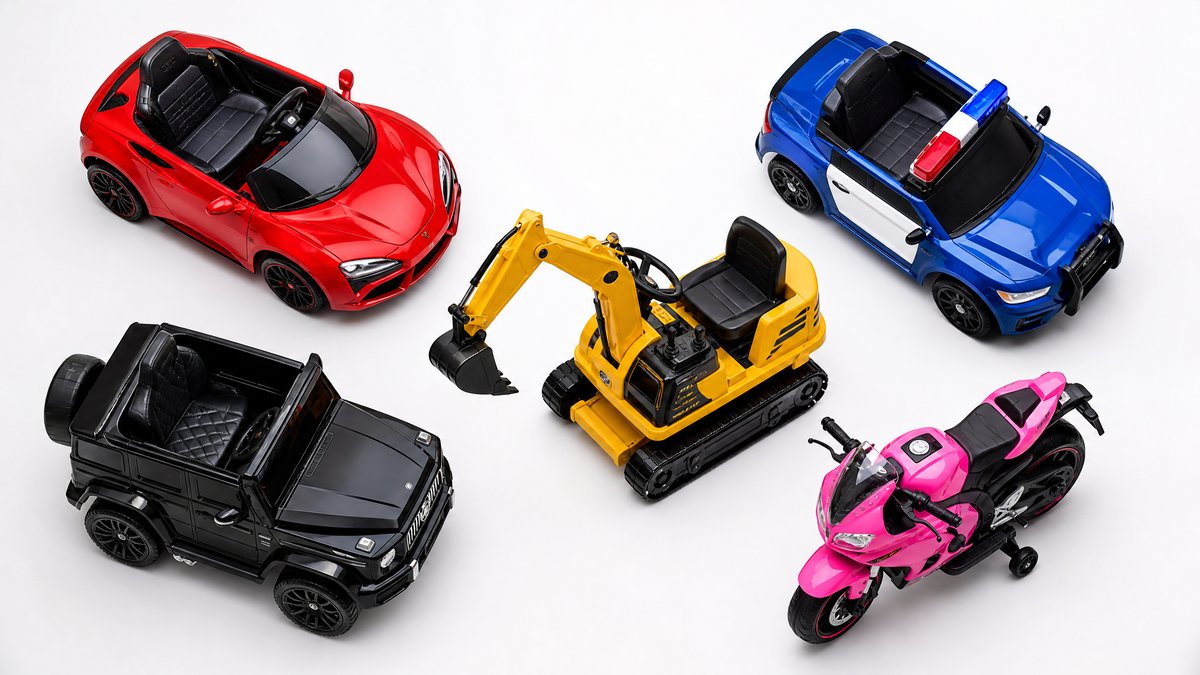
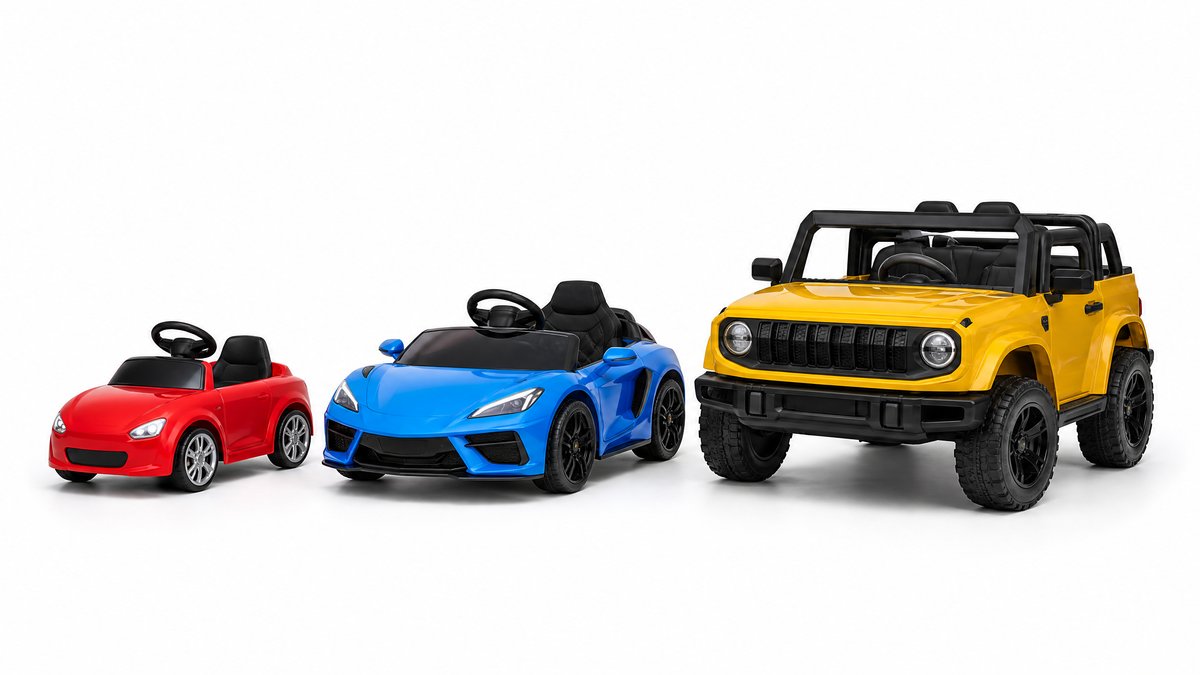
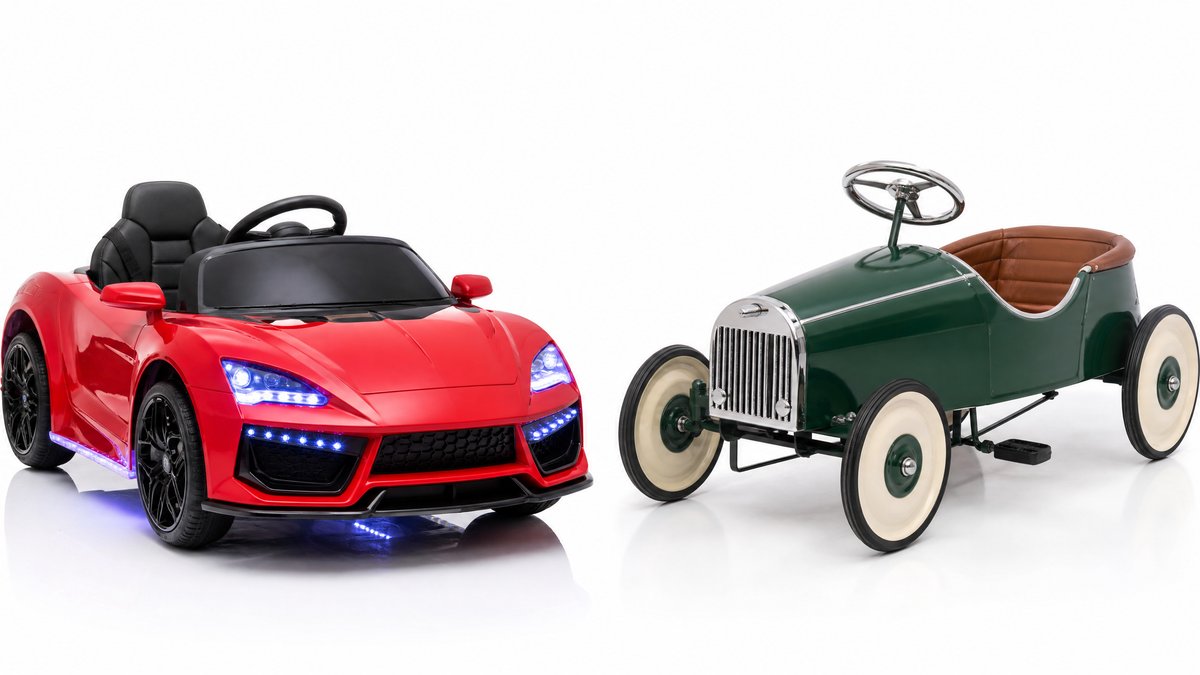
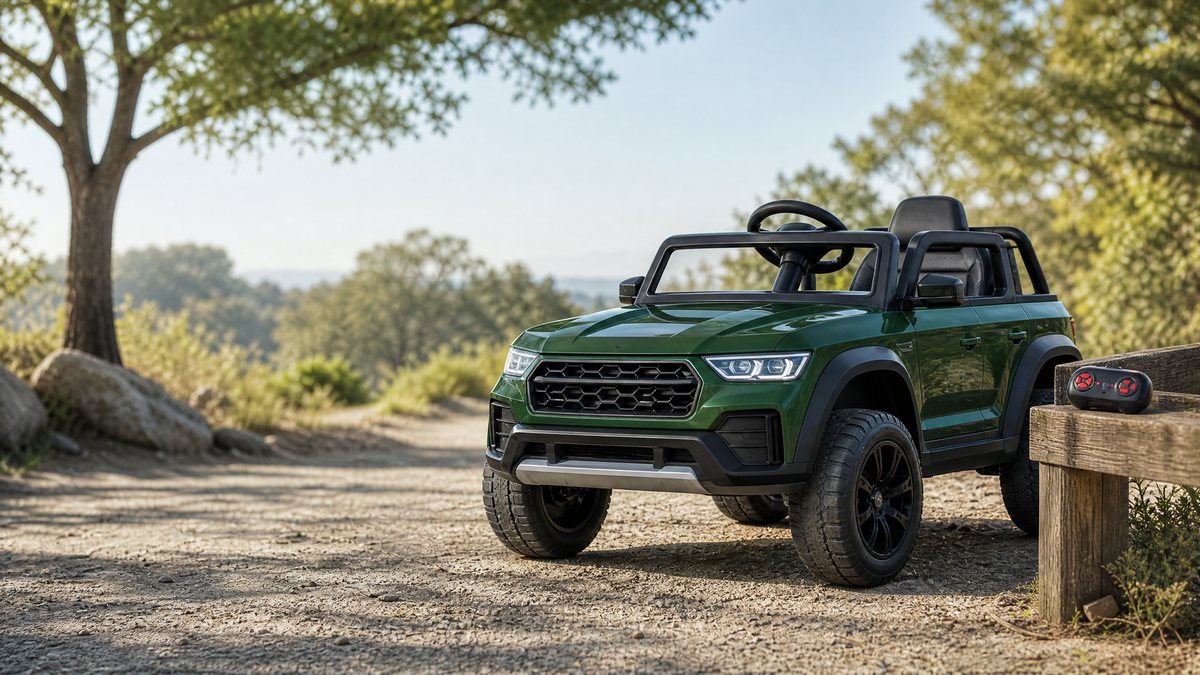
The children's battery-powered ride-on industry bifurcates into two distinct product categories: generic or unbranded designs, and officially licensed replicas. Generic ride-on vehicles are styled independently by toy manufacturers, utilizing generalized aesthetic cues, proprietary brand names, or abstract sports car designs. These models benefit from lower production overheads, as manufacturers incur no licensing royalties, design approval delays, or strict tooling constraints imposed by major global automotive corporations. Consequently, generic models offer aggressive entry-level pricing that appeals to budget-conscious retail segments seeking accessible children's entertainment without premium markup.
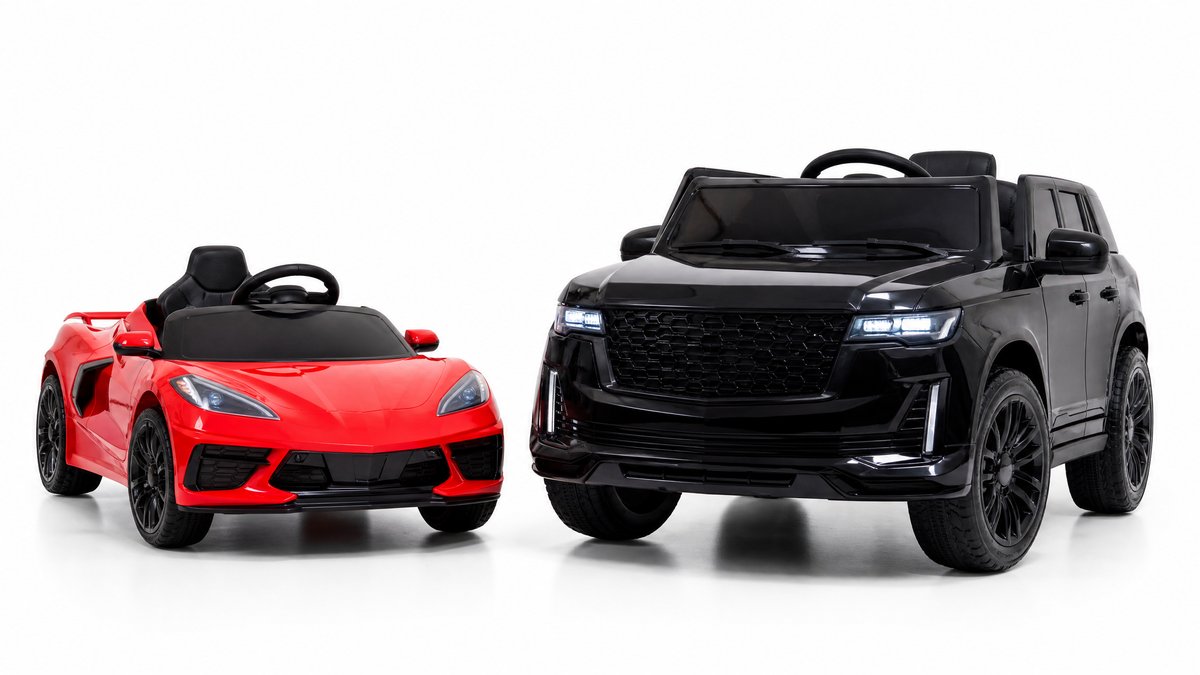
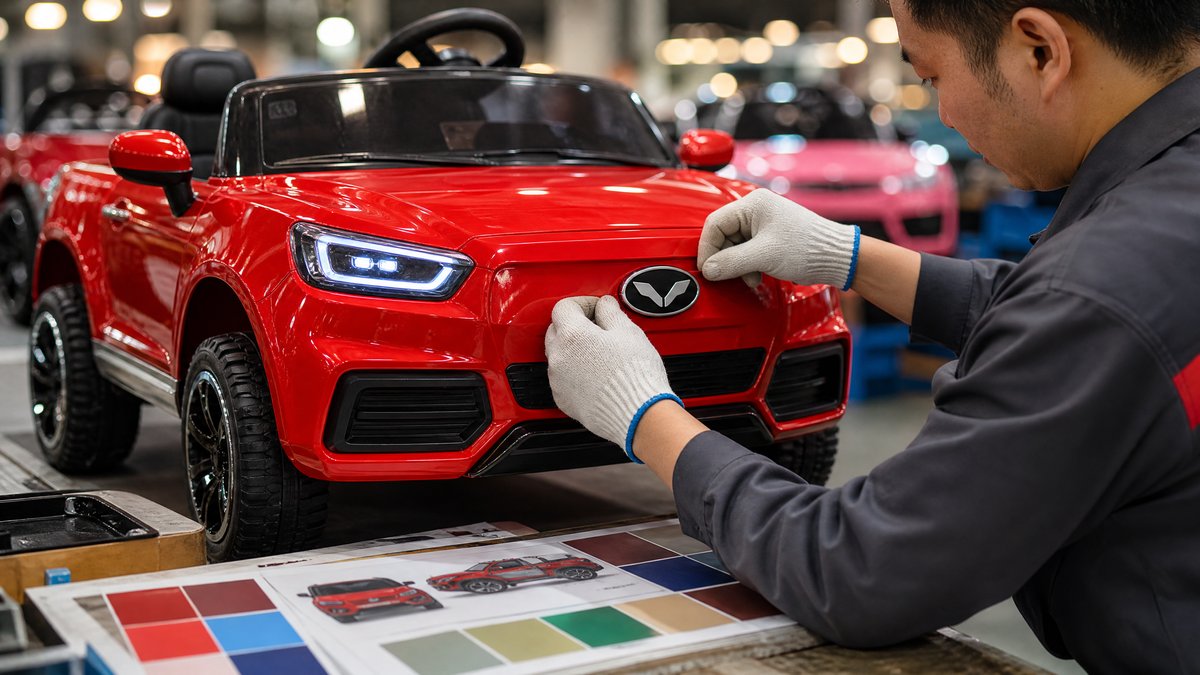
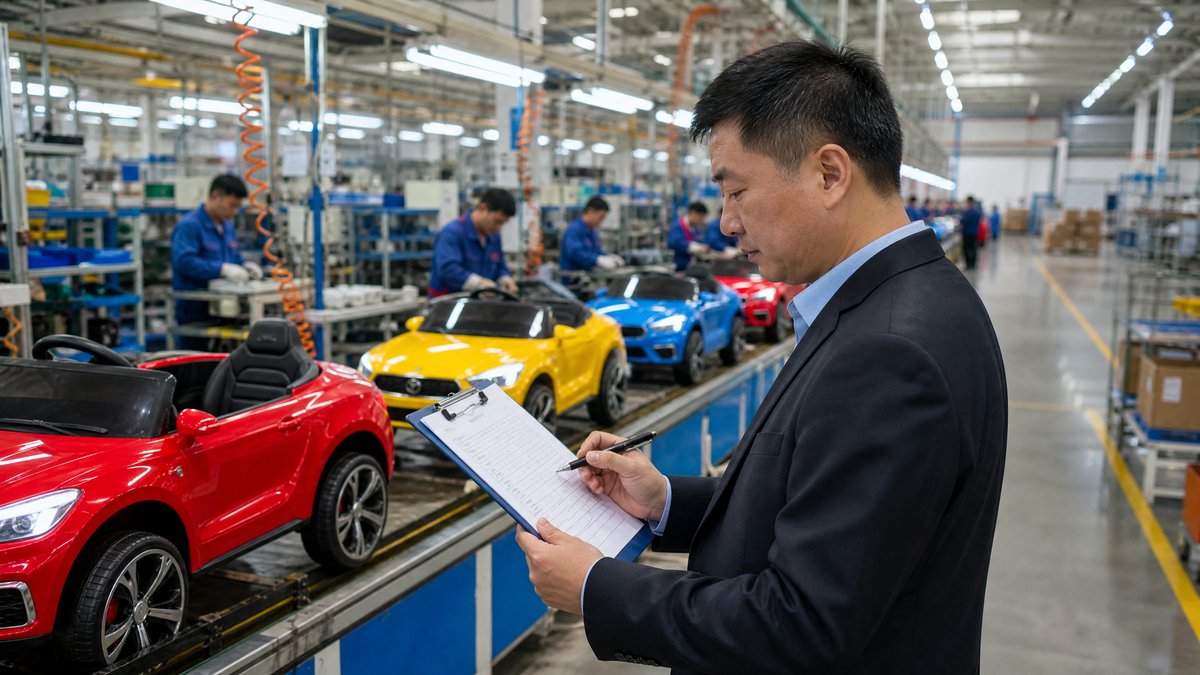
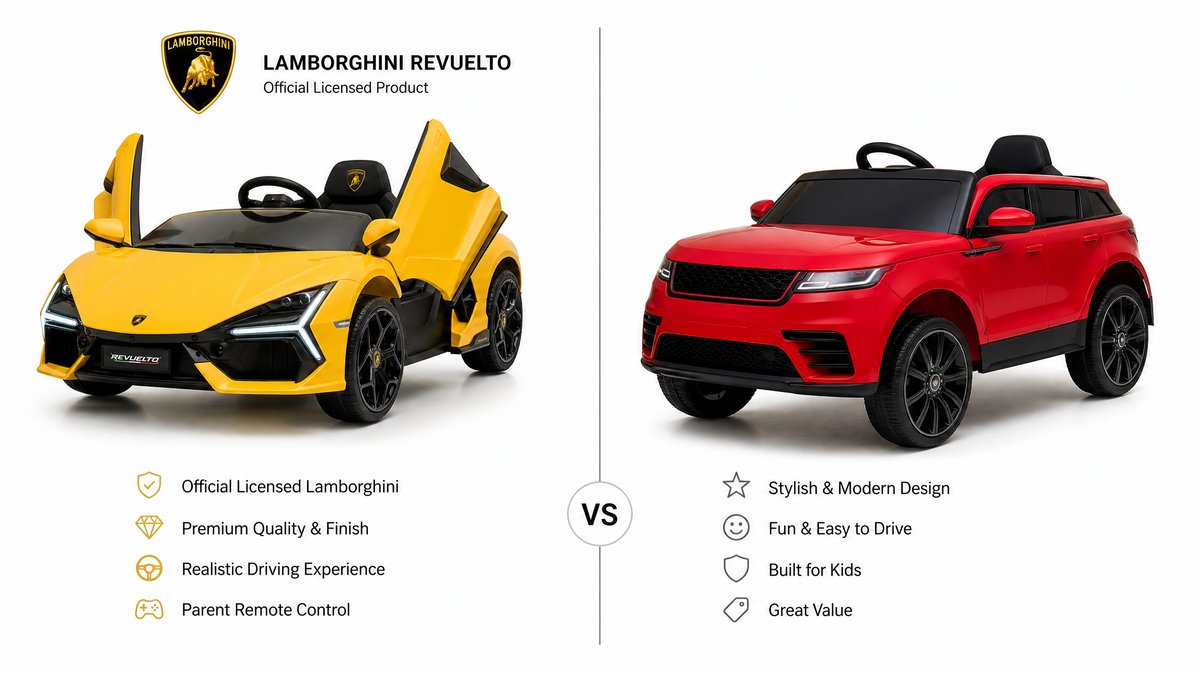
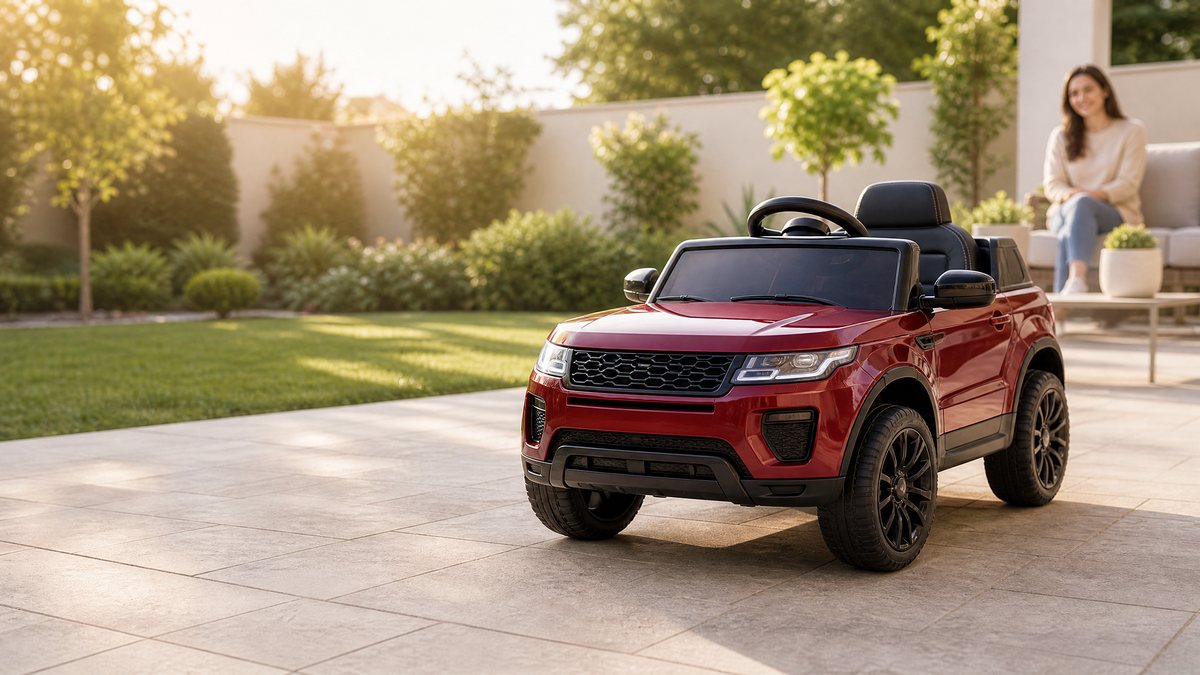
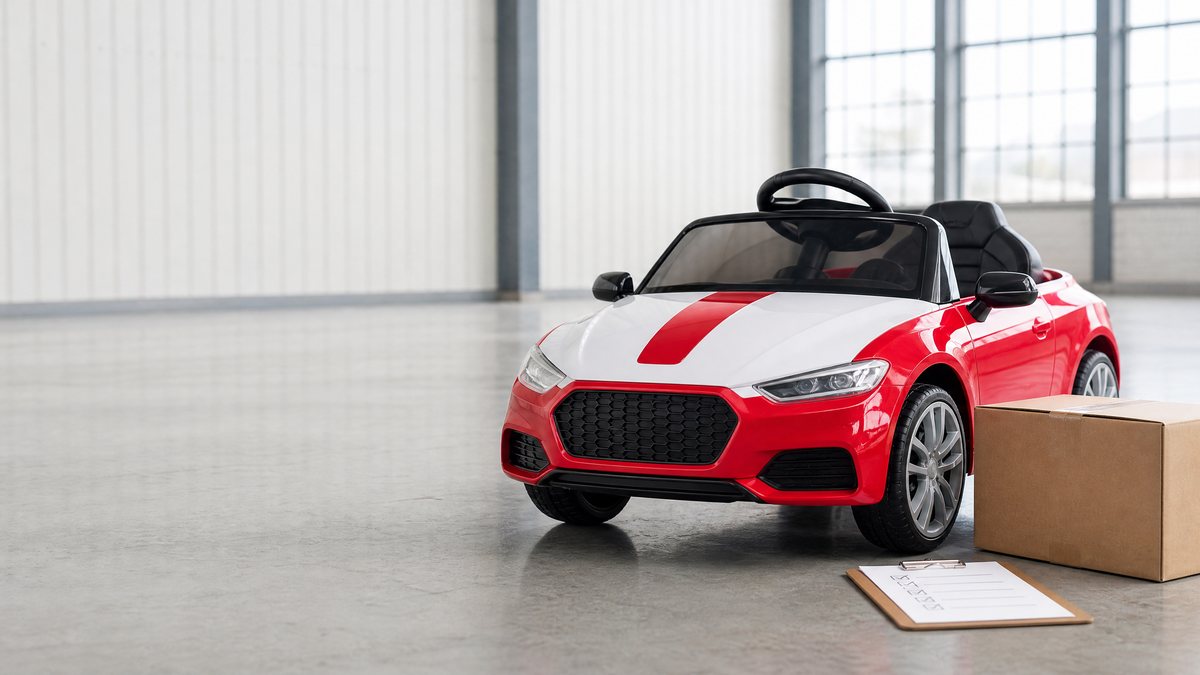
Conversely, officially licensed ride-on cars are developed in direct collaboration with automotive brand holders. Securing official authorization requires the toy manufacturer to submit detailed CAD renderings, prototype samples, and rigorous quality control audits to the licensor's corporate branding division. Every detail—from the exact curvature of the front grille and the placement of the hood emblem to the specific shade of automotive paint and interior badge placement—must mirror the full-scale production vehicle. This intricate development cycle involves substantial legal licensing fees, strict quality audits, and specialized tooling, which inherently drives up the wholesale and retail price of the final product. Furthermore, automotive brand holders often dictate minimum material standards and structural reinforcement criteria to protect their trademark integrity, ensuring that licensed toys reflect the perceived durability and prestige of their full-sized counterparts.
| Feature Comparison | Officially Licensed Ride-On Cars | Generic Unbranded Ride-On Cars |
|---|---|---|
| Design Accuracy | Exact replica featuring authentic badges, grilles, and body lines | Generalized styling inspired by modern sports or utility vehicles |
| Production Overhead | Includes legal licensing royalties, CAD approvals, and strict audits | Minimal design overhead, bypassing corporate approval processes |
| Material Quality | Typically incorporates premium plastics, EVA foam tires, and upgraded finishes | Utilizes standard injection-molded plastics and basic wheel assemblies |
| Price Point | Premium positioning reflecting brand equity, precision tooling, and compliance | Economy to mid-range pricing focused on accessible affordability |
| Target Market | Discerning consumers, specialty toy boutiques, and brand-loyal retail sectors | Mass-market retailers, discount outlets, and budget-driven shoppers |
Manufacturing Standards and Material Quality Differences
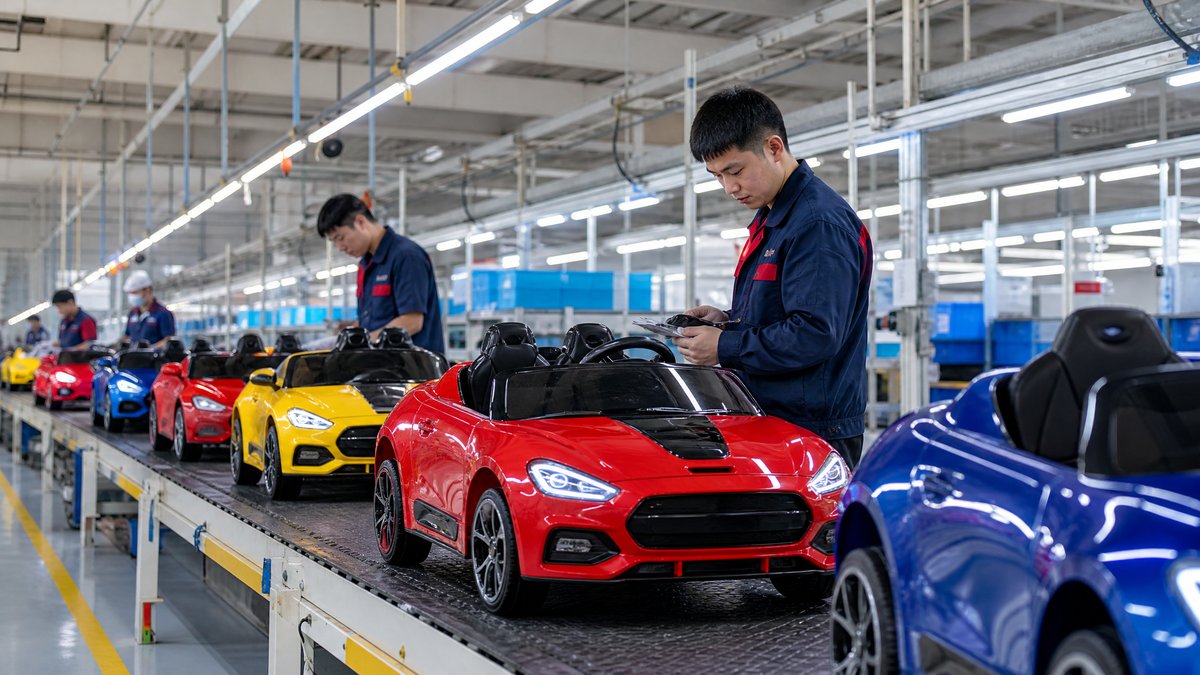
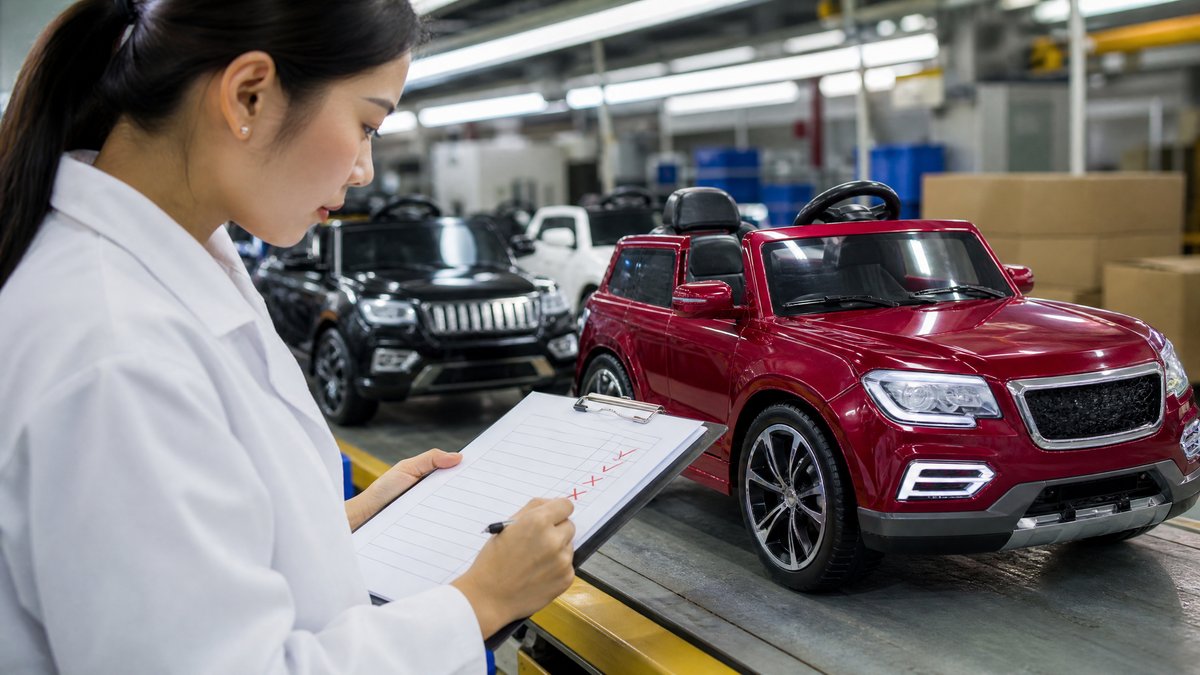
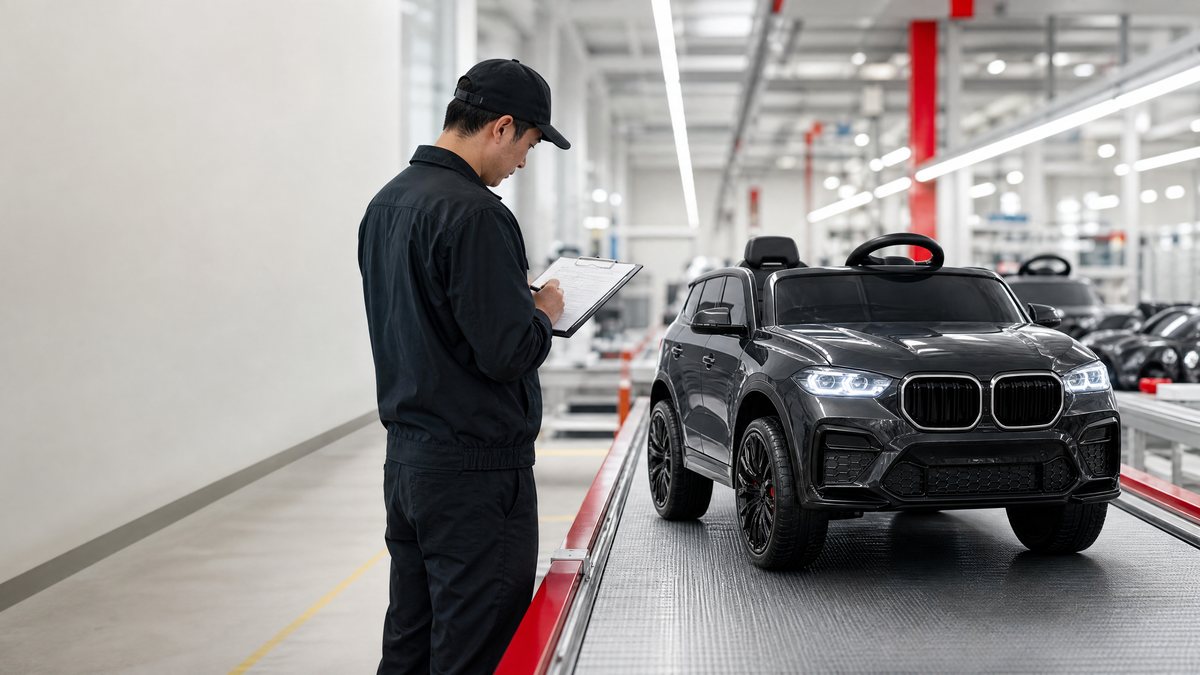
One of the primary justifications for the higher price tag of licensed ride-on cars lies in the underlying manufacturing standards and material selection. Because automotive licensors stake their global brand reputation on every piece of merchandise bearing their trademark, they enforce stringent quality control protocols on manufacturing partners. These protocols dictate not only aesthetic fidelity but also the mechanical integrity, structural reinforcement, and chemical composition of the materials utilized in production.
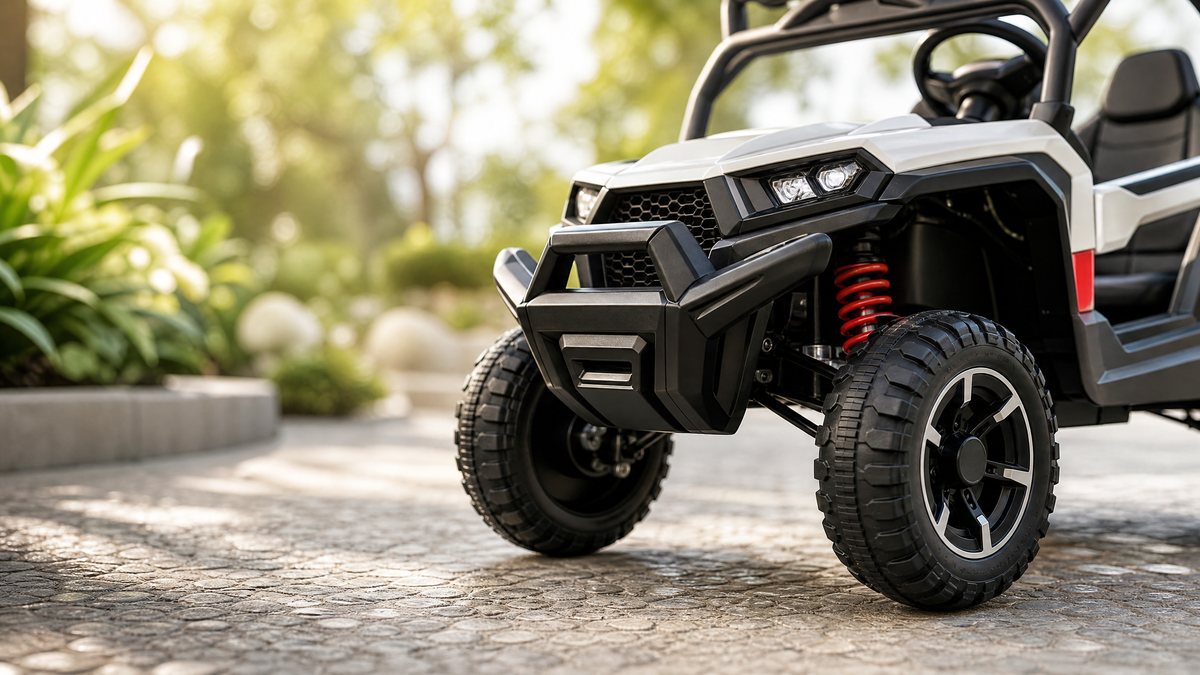
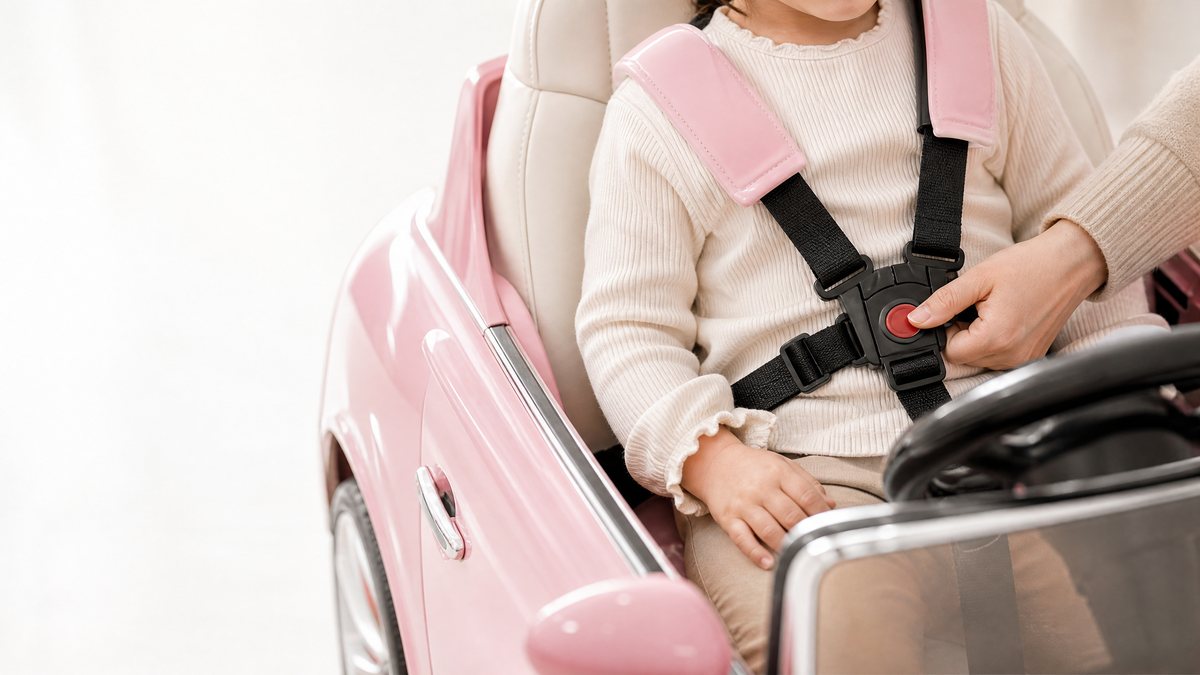
In many licensed models, manufacturers invest in superior injection-molded plastics that offer higher tensile strength, enhanced UV resistance, and better impact absorption compared to cheaper, recycled polymer blends found in entry-level generic toys. Furthermore, licensed vehicles frequently come equipped with upgraded standard features that are often optional or absent in generic counterparts. For instance, authentic EVA (Ethylene-Vinyl Acetate) foam tires—which provide superior traction, silent operation, and long-term durability over hard plastic wheels—are standard specifications across most licensed mid-to-high-tier lines. Similarly, genuine leather or padded faux-leather seating, functional multi-point harness systems, and sophisticated 24V dual-gearbox configurations are more commonly engineered into licensed chassis designed to handle heavier weight capacities and varied outdoor terrains.
Brand Equity, Consumer Perception, and Resale Value
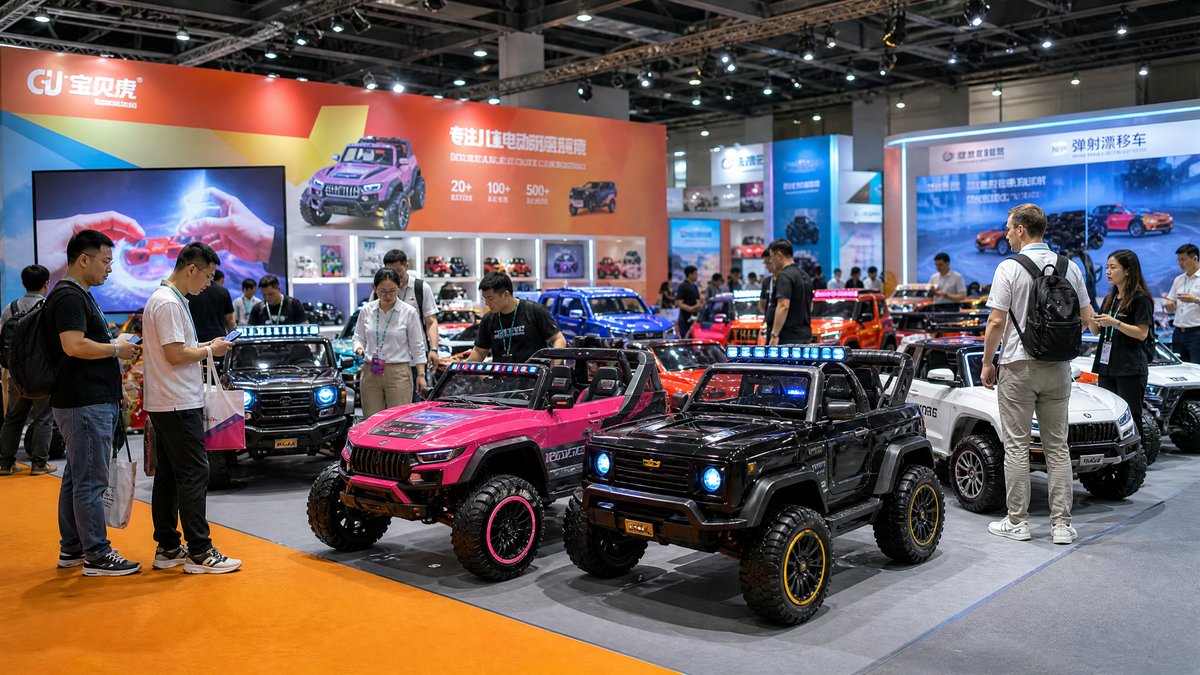
From a commercial perspective, the presence of an authentic automotive logo transforms a children's toy into a miniature luxury lifestyle item. Consumers frequently associate recognizable automotive brands with superior safety, engineering pedigree, and prestige. For retail buyers and rental fleet operators, this brand equity translates directly into stronger visual merchandising appeal on showroom floors and digital storefronts. Products featuring iconic badges naturally capture consumer attention, reducing customer acquisition costs and supporting higher retail margins for store owners.
Moreover, the secondary market demonstrates a clear preference for licensed merchandise. Parents purchasing durable goods for young children increasingly consider the lifecycle utility and potential resale value of their investments. While a generic ride-on vehicle may experience steep depreciation due to a lack of brand recognition, well-maintained licensed replicas—supported by readily available replacement parts and enduring aesthetic appeal—retain a higher percentage of their initial value on peer-to-peer marketplaces. For B2B distributors, stocking items with proven consumer demand reduces inventory stagnation risks and aligns with modern retail trends favoring premium, experiential playthings.
Safety Compliance, Electrical Systems, and Regulatory Alignment
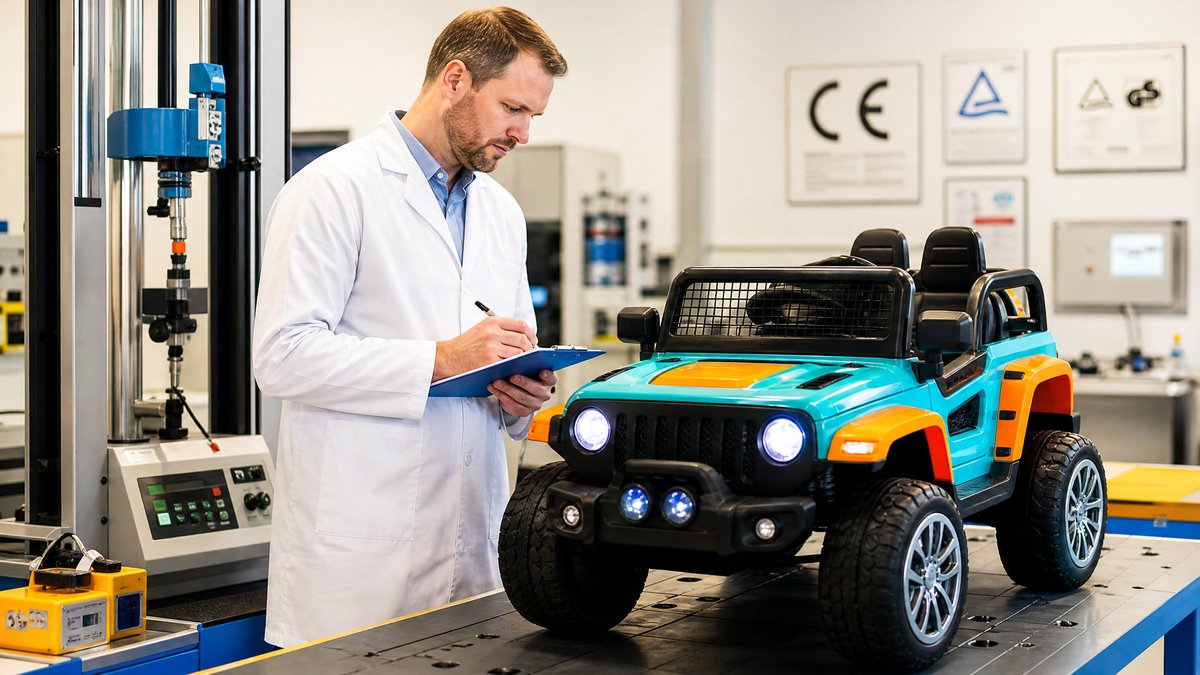
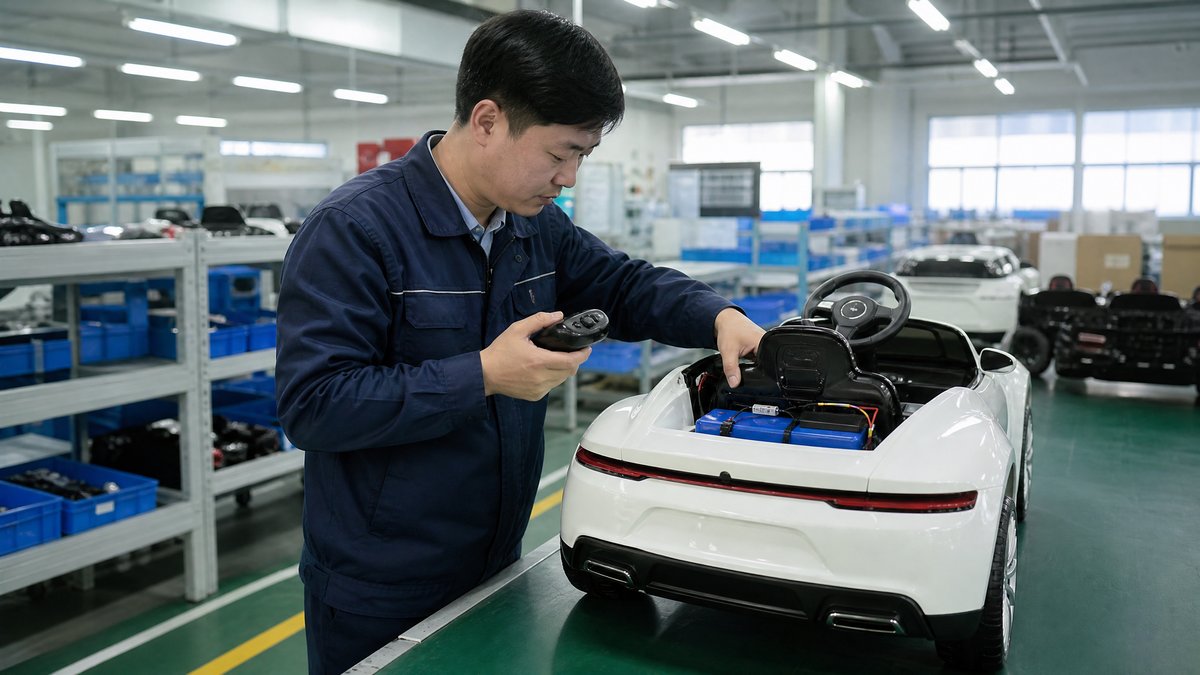
Safety and compliance represent critical pillars when evaluating ride-on vehicle investments. Officially licensed products must navigate dual layers of regulatory scrutiny: standard toy safety compliance (such as ASTM F963 in North America or EN71 in Europe) and rigorous corporate compliance audits mandated by the automotive licensor. These audits ensure that electrical wiring harnesses, circuit breakers, charging ports, and drive motors meet strict safety tolerances, minimizing thermal runaway risks and electrical faults.
When operating electric ride-on vehicles—particularly those utilized in family homes, daycares, or supervised public rental spaces—strict adherence to manufacturer safety instructions is paramount. Adult supervision is mandatory at all times during vehicle operation. Buyers and operators must carefully review and follow all guidelines provided in the physical user manual.
It is essential to understand standard operational safety protocols:
* Supervision and Environment: Never allow children to operate ride-on vehicles near swimming pools, steep inclines, public roadways, or uneven terrain without continuous adult oversight.
* Electrical Maintenance: Never attempt to modify internal electronic housings, touch exposed battery terminals, measure electrical voltage independently, or bypass factory-installed thermal fuses and overload protection circuits.
* Component Modifications: Do not install unauthorized aftermarket batteries, high-output motors, or non-compliant wiring harnesses, as these alterations can compromise circuit integrity and void manufacturer warranties.
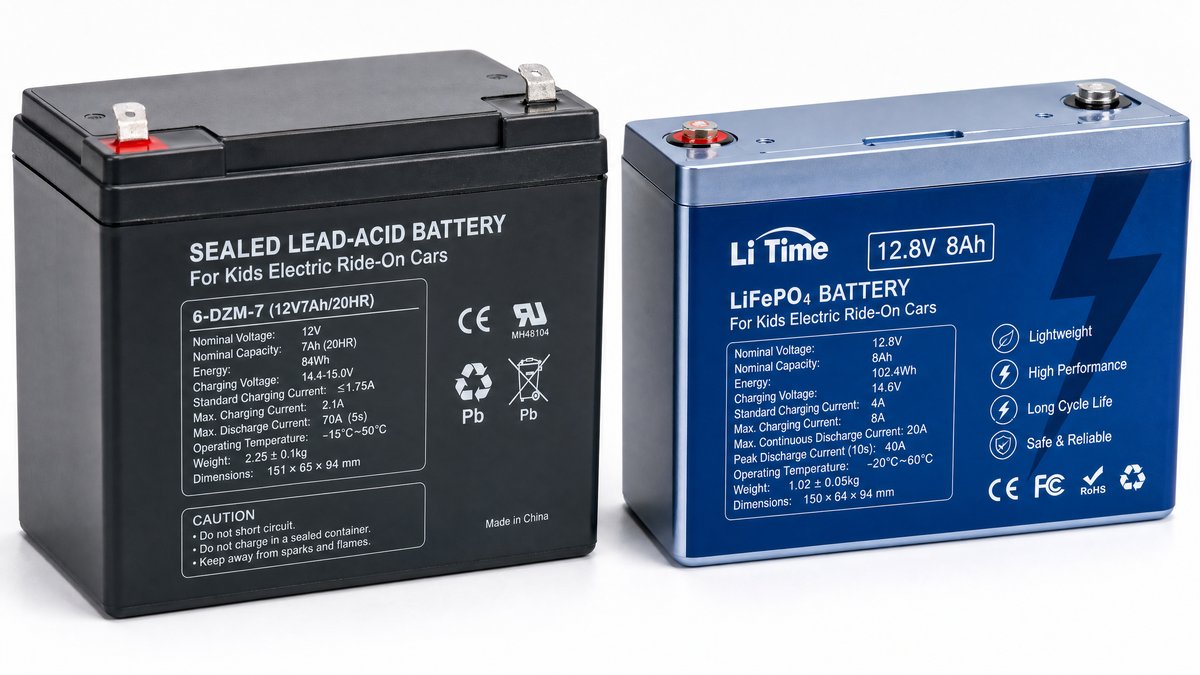
* Emergency Response: In the event of unusual burning odors, smoke, excessive heat generation, battery leakage, water ingress, frayed wiring, damaged charging plugs, erratic braking behavior, or persistent mechanical failure, immediately cease operation, power down the vehicle, disconnect the power source, keep children at a safe distance, and contact the manufacturer or certified service personnel.
Commercial Procurement Analysis: Weighing Cost Against Margin
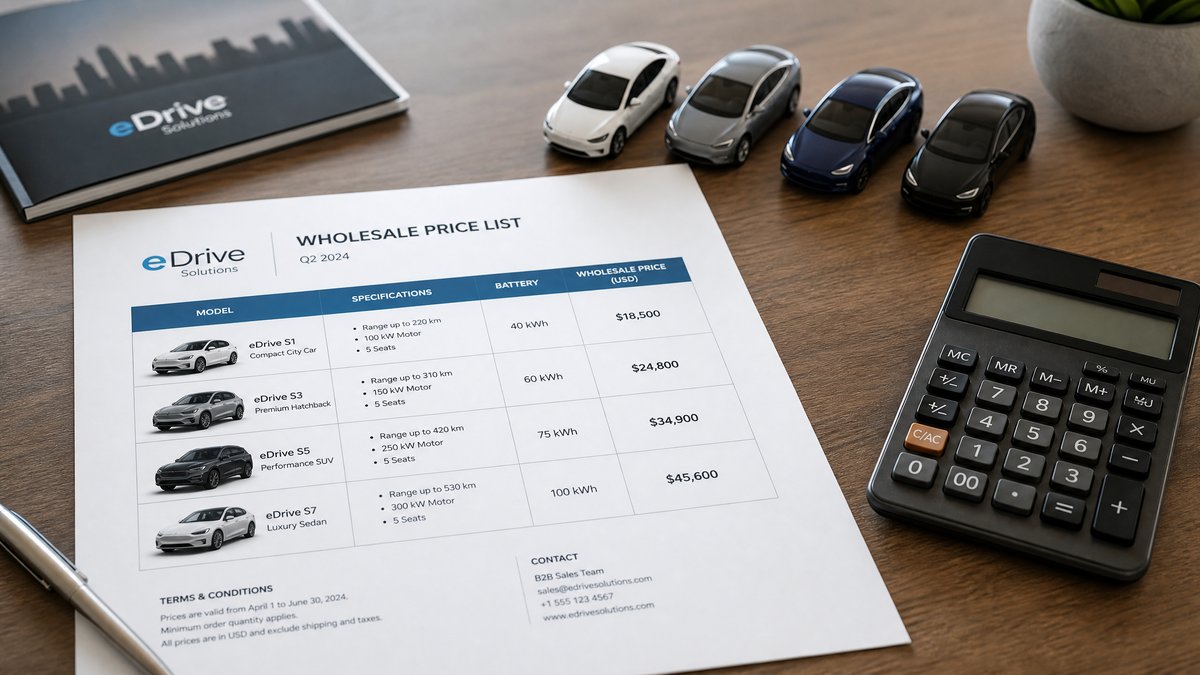
For B2B wholesalers, procurement managers, and retail store owners, the decision to invest in licensed inventory involves a careful balancing act between unit cost, wholesale margin, and inventory turnover velocity. Licensed products inherently demand higher upfront capital expenditure due to factory minimum order quantities (MOQs) and royalty-inclusive unit pricing. However, they also offer distinct commercial advantages that can offset the higher acquisition cost.
Retailers targeting middle-to-high-income demographic segments find that licensed ride-on cars command higher average order values (AOV) and lower promotional markdown frequencies. Because consumers perceive licensed goods as premium items, profit margins per unit remain robust. Conversely, retailers operating in high-volume, discount-driven sectors may find that generic models generate faster inventory turns despite lower per-unit margins. A balanced commercial strategy often involves maintaining a tiered product catalog—featuring accessible generic models for volume-driven shoppers alongside a curated selection of flagship licensed replicas for brand-conscious consumers. Furthermore, understanding regional market preferences enables distributors to allocate capital effectively across diverse vehicle classes.
Lifecycle Durability, Maintenance, and Replacement Parts Accessibility
Beyond initial purchase price and showroom appeal, long-term operational sustainability is a vital consideration for both commercial buyers and end consumers. Licensed ride-on vehicles typically benefit from superior supply chain traceability and dedicated parts availability. Because licensed manufacturers invest heavily in specific vehicle tooling and standardized electronic modules, sourcing replacement components—such as gearboxes, steering linkages, circuit boards, and custom wheels—is significantly more reliable compared to generic models, which frequently experience rapid supplier turnover and inconsistent part compatibility.
Retailers and commercial fleet operators benefit greatly from this parts standardization. When a vehicle in a commercial rental fleet or retail showroom requires maintenance, having access to standardized, manufacturer-approved replacement parts reduces downtime and protects brand reputation. Furthermore, the modular design often found in licensed replicas facilitates easier servicing by qualified technicians, extending the total operational lifecycle of the product and lowering total cost of ownership over multi-year deployment windows.
Strategic Inventory Planning for Retailers and Distributors
For wholesale distributors and retail enterprises planning seasonal inventory cycles, incorporating licensed ride-on cars requires deliberate forecasting and supplier vetting. Because licensing agreements involve strict intellectual property controls, unauthorized manufacturing factories cannot legally replicate trademarked designs, protecting authorized distributors from counterfeit market saturation. Retailers should establish direct communication channels with verified manufacturers who hold valid licensing contracts from major automotive groups.
Additionally, marketing collateral and point-of-sale displays should emphasize the authenticity and engineering heritage of licensed models. Highlighting features such as working LED headlights, realistic engine sound simulations, independent wheel suspension, and authentic badging helps justify the premium price point to discerning consumers. By integrating transparent product education into sales channels, retailers can successfully bridge the gap between higher upfront costs and long-term consumer satisfaction.
Frequently Asked Questions
Are licensed ride-on cars mechanically superior to generic models?
Licensed ride-on cars generally feature higher manufacturing standards, stricter quality control audits, and superior material selections—such as EVA foam tires and upgraded gearboxes—mandated by the automotive licensor. However, mechanical quality can vary by manufacturer, so buyers should always evaluate specific spec sheets rather than relying solely on brand badges.
Do all licensed ride-on cars come with parental remote controls?
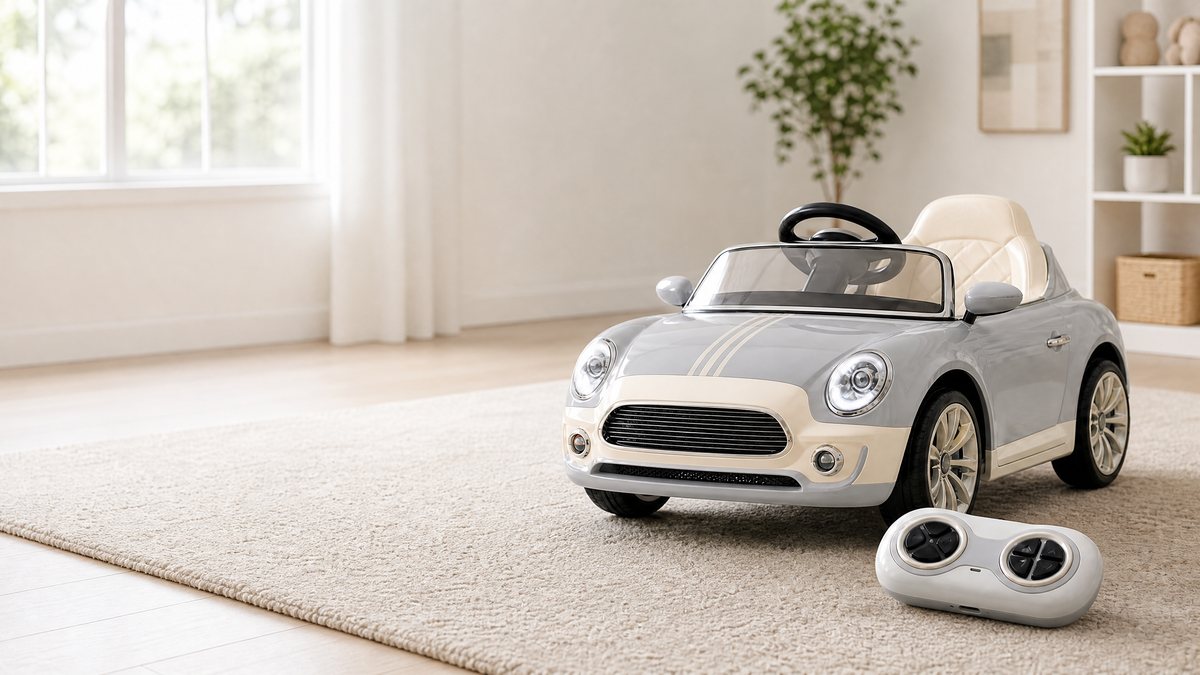
Most modern licensed ride-on cars include a 2.4G parental remote control as a standard safety feature, allowing supervising adults to override steering and braking inputs. Procurement professionals and retail buyers should verify the inclusion and specifications of remote control units on each specific model's technical data sheet.
How should retailers handle customer inquiries regarding vehicle warranties?
Retailers must communicate that warranty terms are established directly by the manufacturer and cover specific manufacturing defects rather than normal wear and tear, cosmetic damage, or issues caused by unauthorized modifications or improper battery maintenance.
What is the recommended approach for maintaining lithium or lead-acid batteries in ride-on cars?
Operators must strictly follow the charging guidelines outlined in the official user manual, utilizing only the factory-provided charger. Avoid overcharging, never expose batteries to standing water or extreme temperatures, and immediately discontinue use if the battery housing shows signs of swelling or leakage.
Conclusion
Determining whether a licensed ride-on car is worth the higher price depends entirely on the strategic objectives of the buyer. For retail consumers seeking premium aesthetics, enhanced durability, higher resale potential, and the prestige of owning an authentic miniature automotive replica, the investment is frequently justified. For B2B distributors and retail store owners, stocking licensed models elevates brand positioning, attracts high-intent shoppers, and captures lucrative profit margins in the premium toy segment.
By conducting thorough due diligence, reviewing official compliance documentation, and balancing inventory across both licensed and value-oriented lines, businesses can successfully navigate the complexities of the ride-on vehicle market. For tailored wholesale catalogs, volume pricing structures, and detailed product specifications, commercial buyers are encouraged to reach out to our team.
Request a wholesale quote
Official References
1. U.S. Consumer Product Safety Commission (CPSC) - Toy Safety Education and General Compliance Guidelines. https://www.cpsc.gov
2. International Toy Research Association - Safety Standards and Quality Assurance in Battery-Powered Ride-On Vehicles. https://www.toy-research.org
3. ASTM International - Standard Consumer Safety Specification for Toy Safety (ASTM F963). https://www.astm.org
Official references
Explore these external resources for current regulatory and trade guidance. Confirm requirements with the relevant authority before placing an order.
Ready to Start?
Factory-Direct · CE & ASTM Certified · MOQ from 50 Units
Our export team works with buyers in 60+ countries. Get a quote within 24 hours.
KR
Written by KidsRideCar
China's leading kids electric ride-on car manufacturer. 500,000+ units shipped annually to 60+ countries. CE, ASTM & EN71 certified.