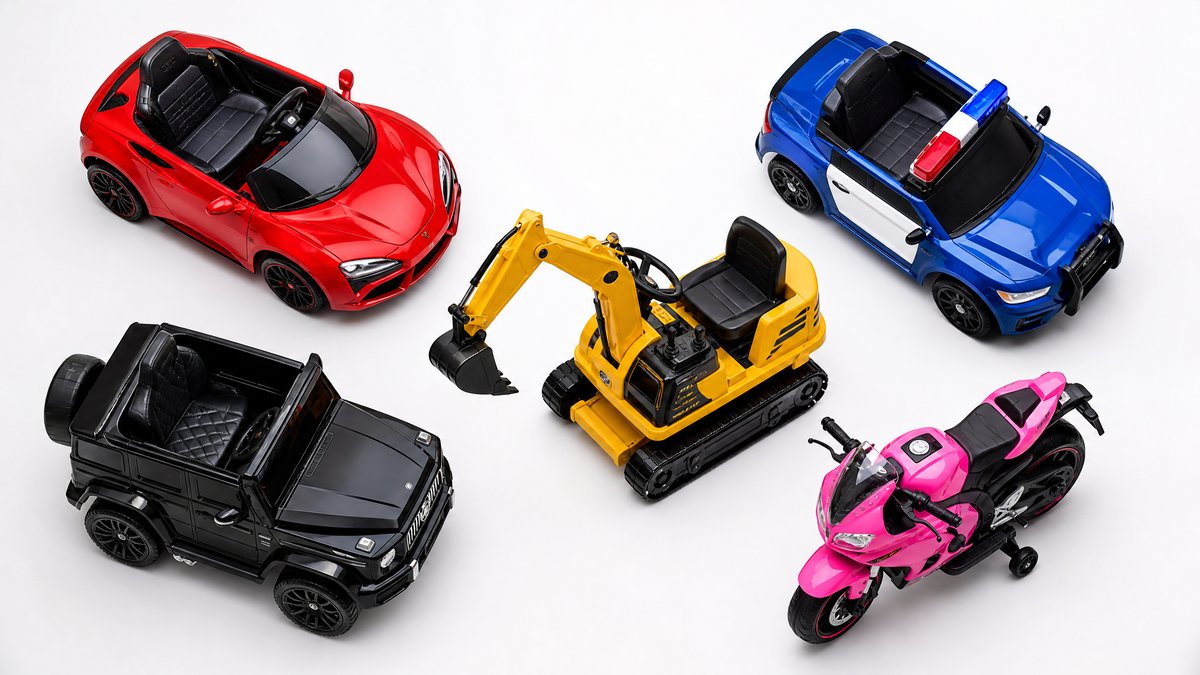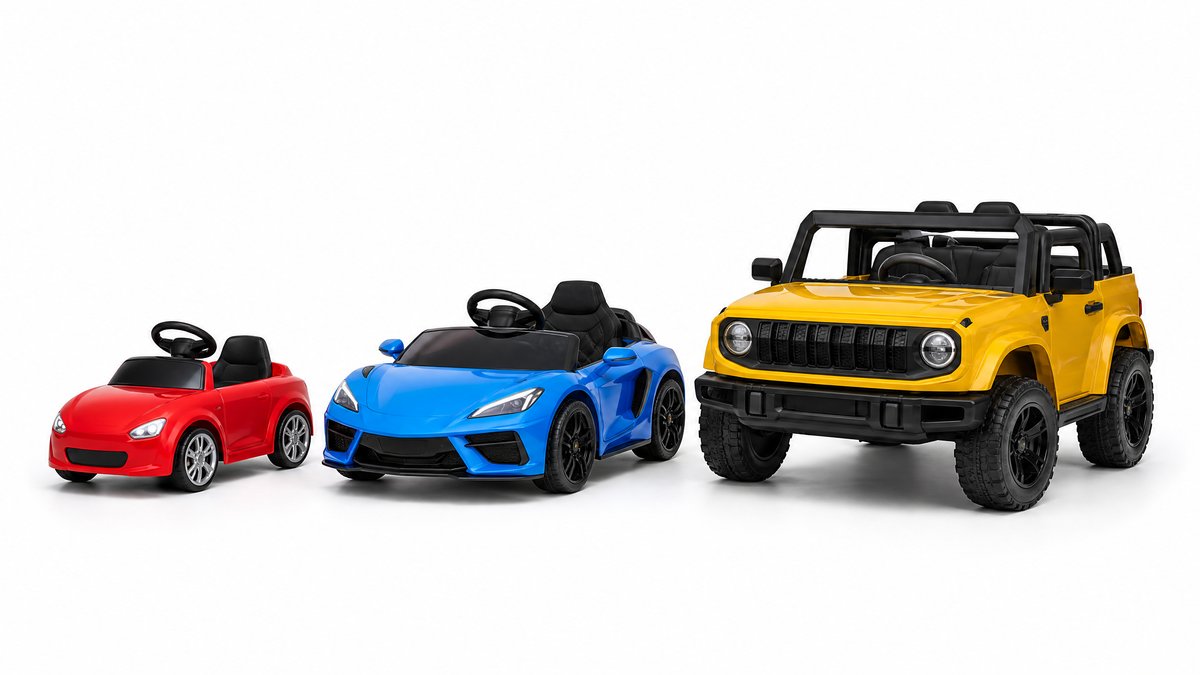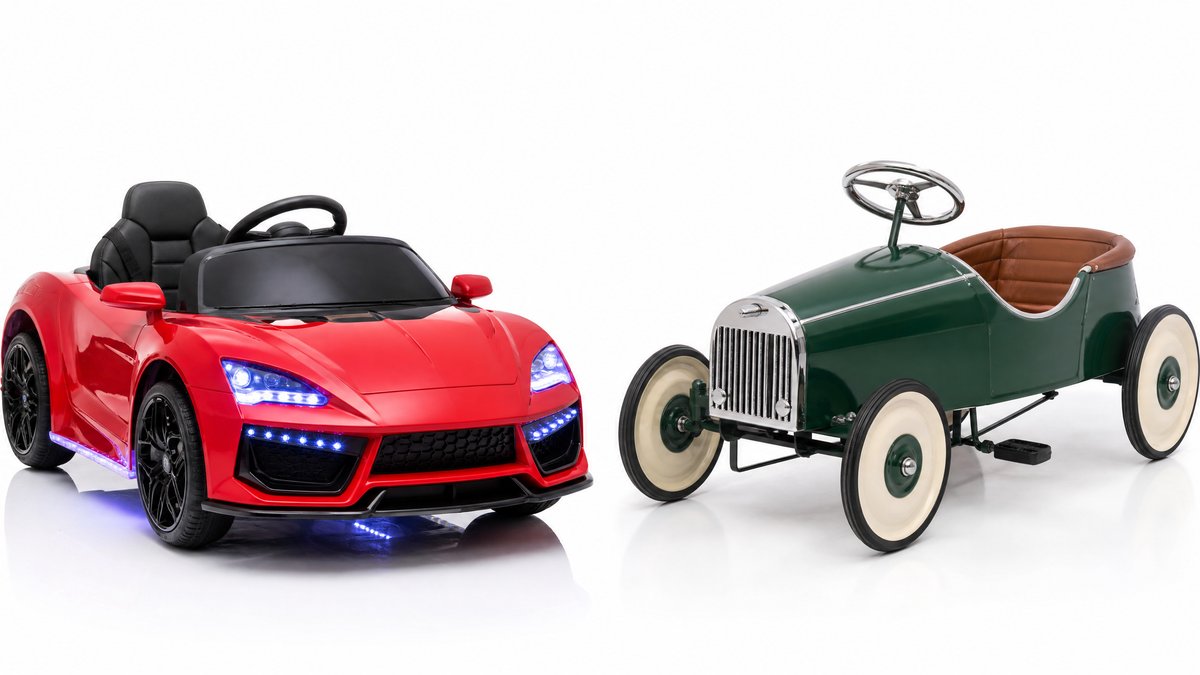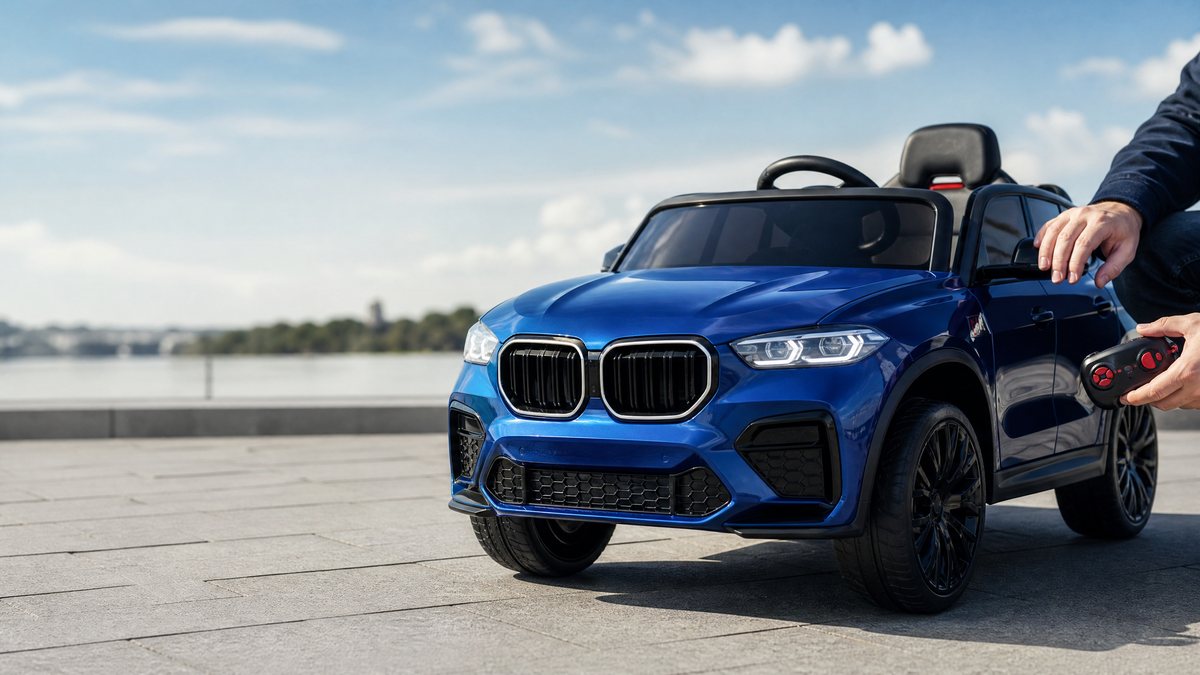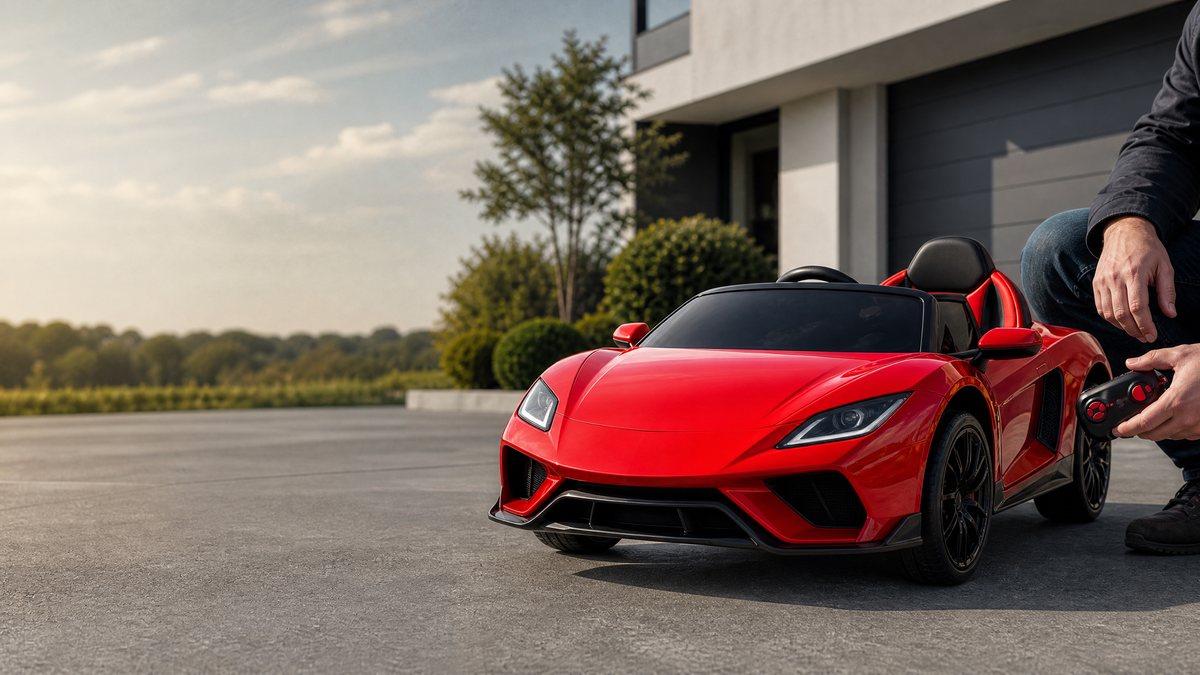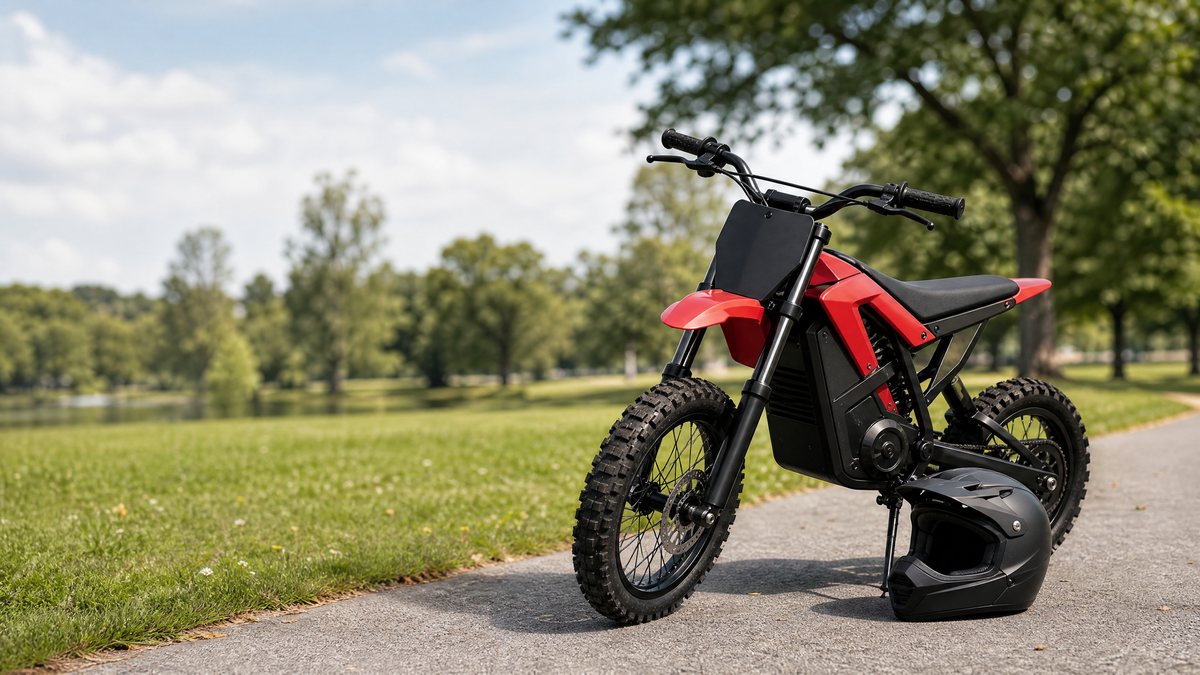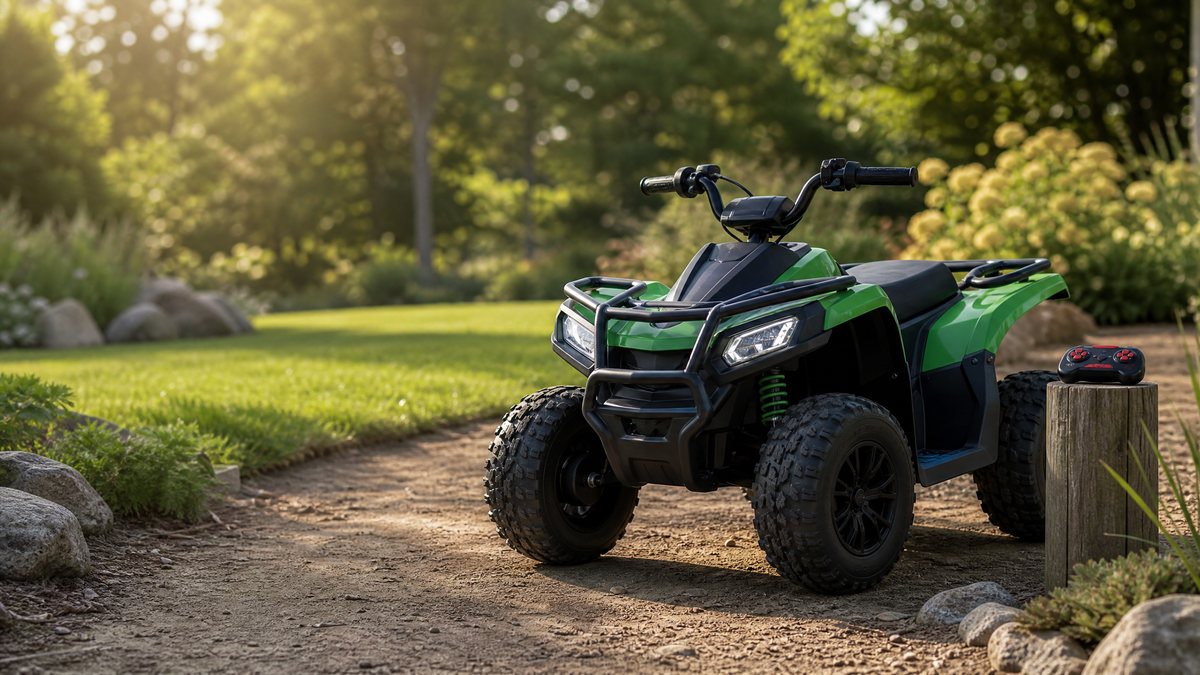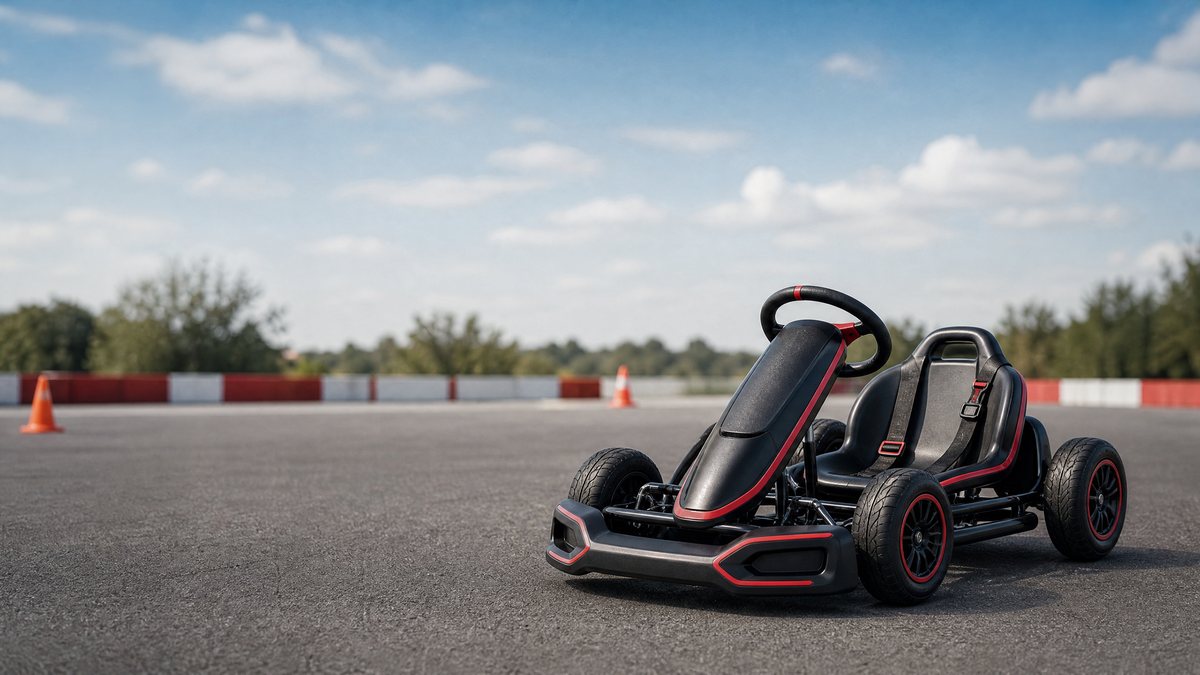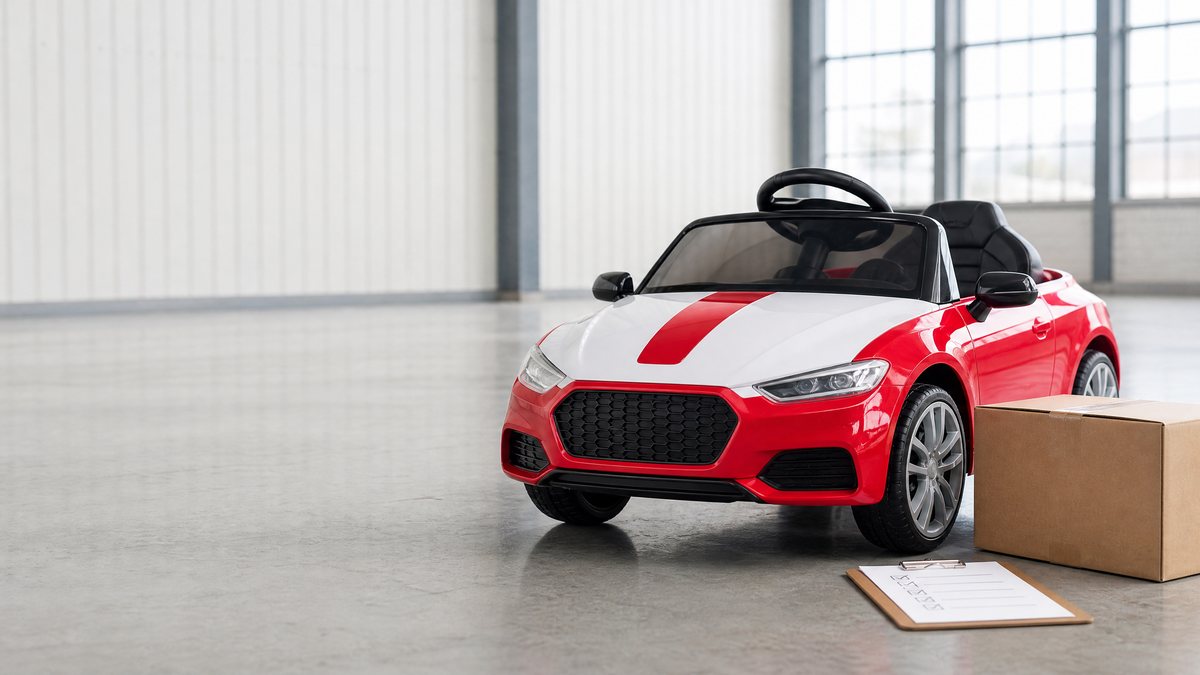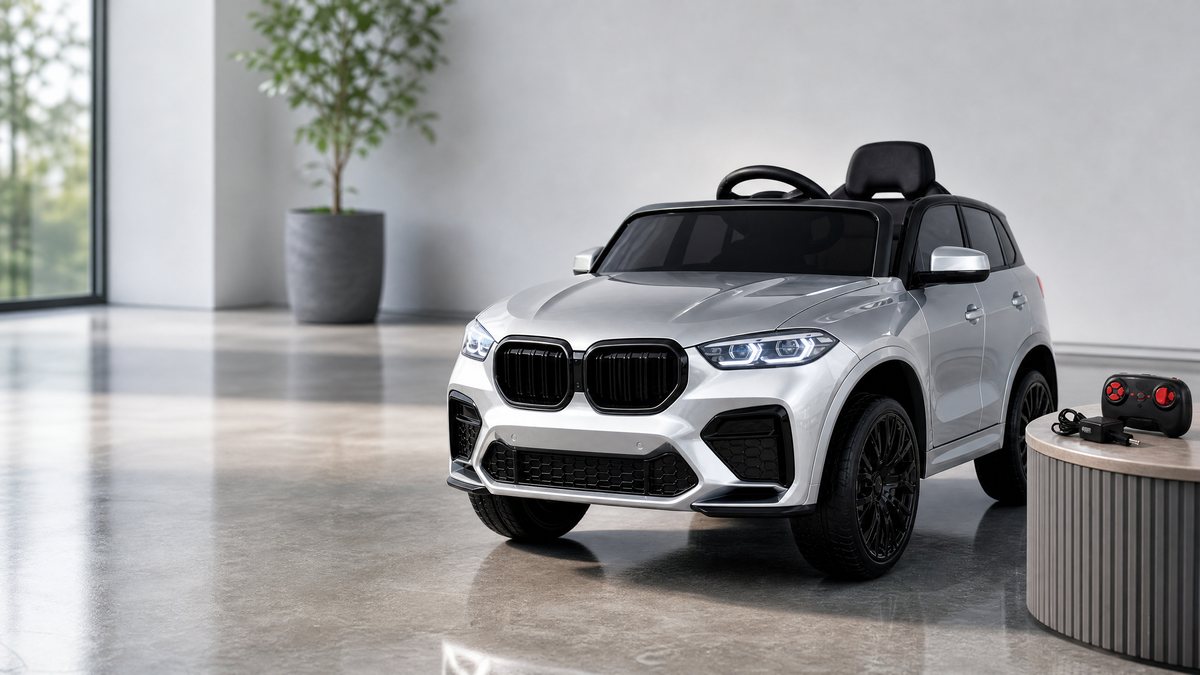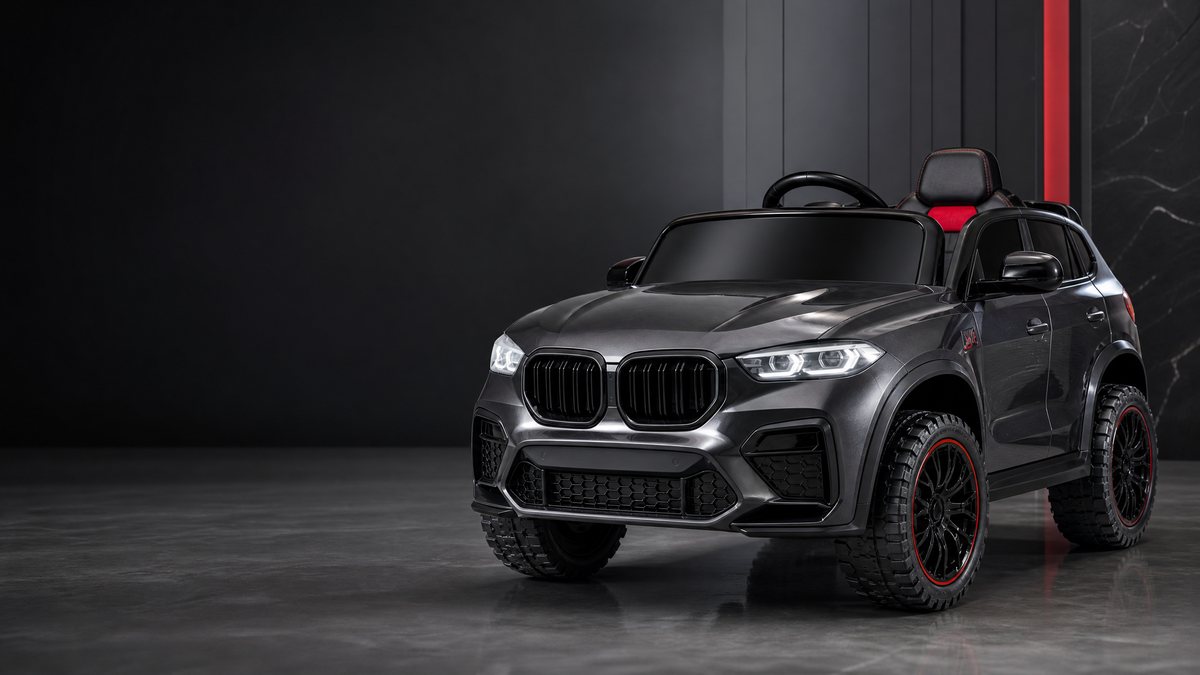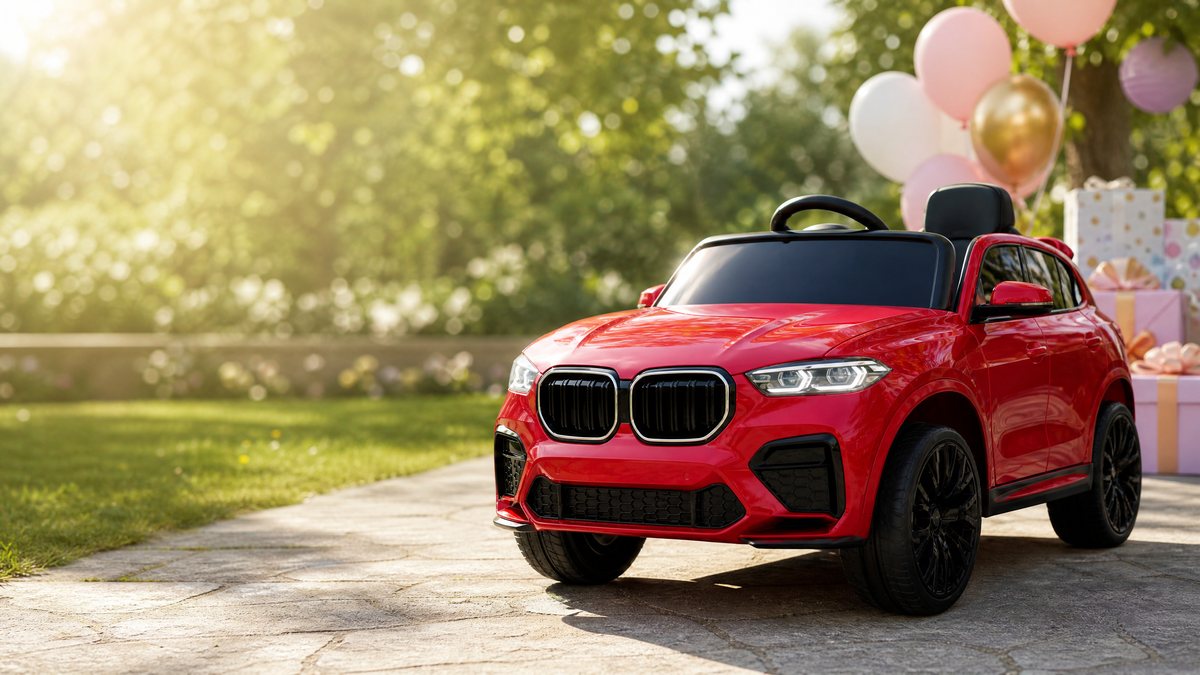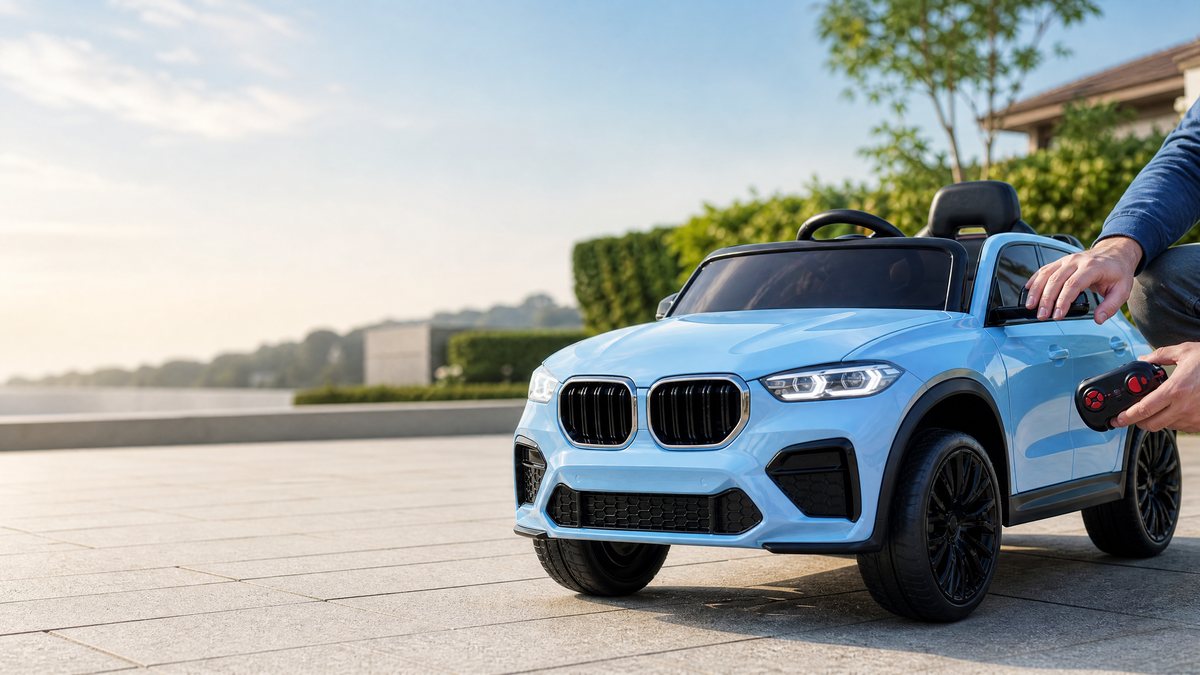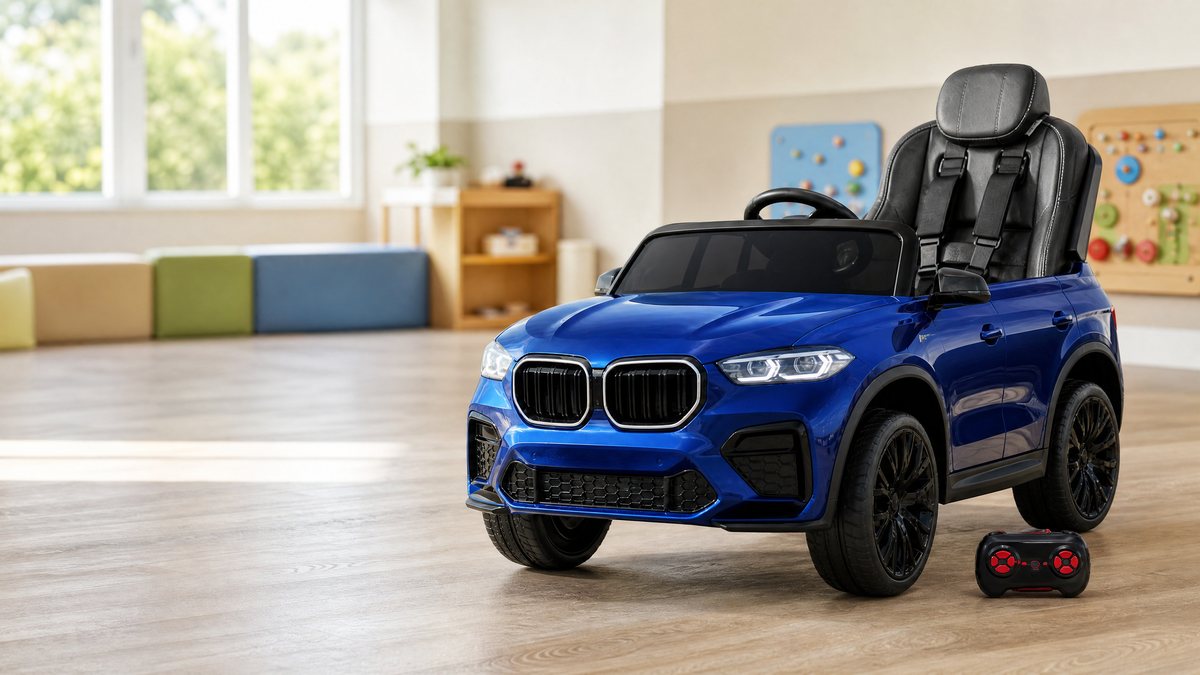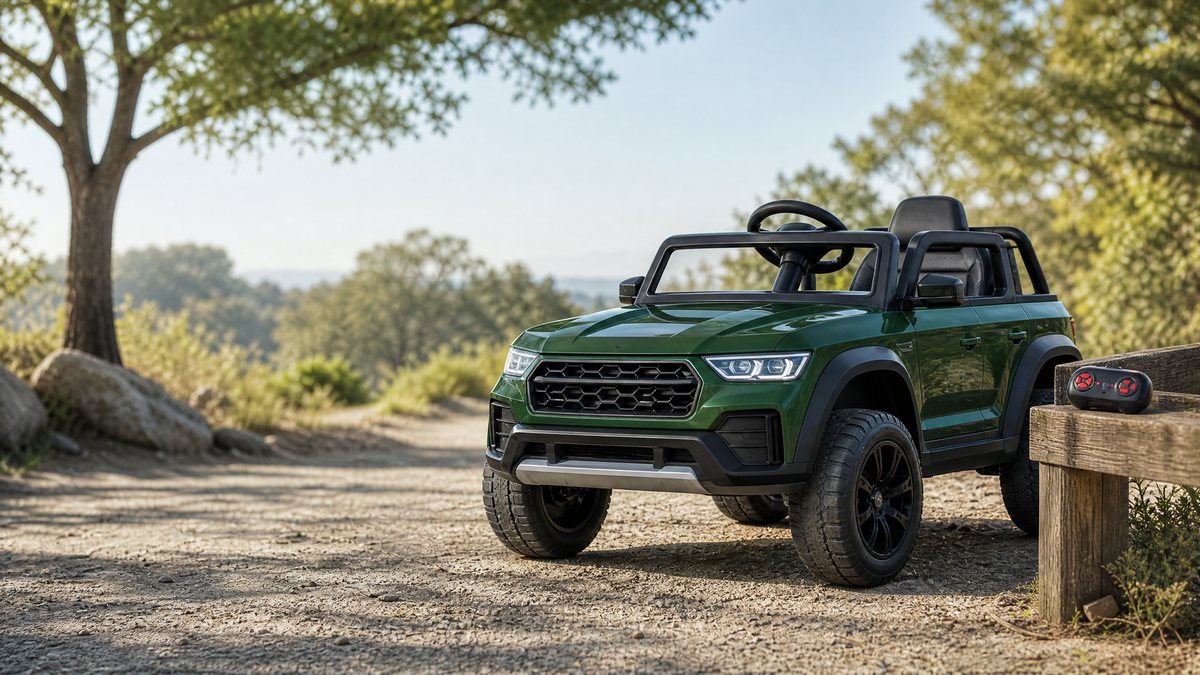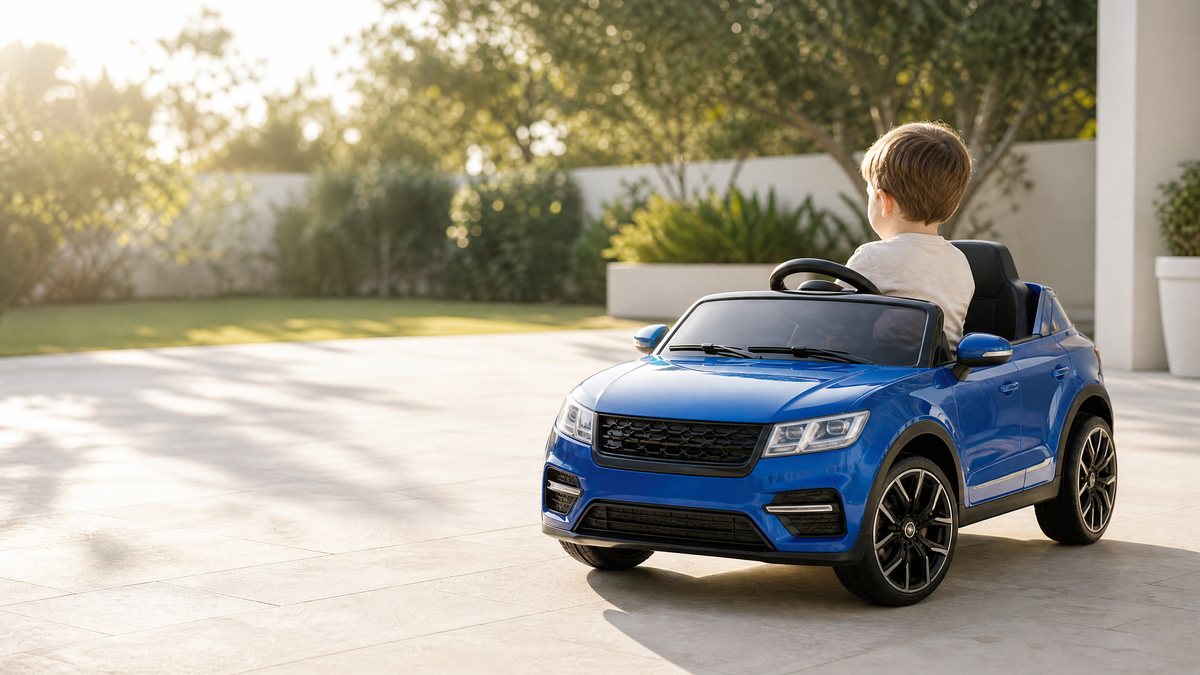
Choosing a ride-on vehicle for a three-year-old child represents an exciting milestone. At three years old, children experience significant developmental leaps in motor skills, coordination, spatial awareness, and independence. Unlike toddlers who rely heavily on push-cars or parent-controlled remote steering, many three-year-olds are ready to explore battery-powered ride-on cars with steering wheels, foot pedals, and dual-mode operational controls.
However, navigating the wide array of available models—ranging from 6V entry-level cruisers to robust 12V and 24V sports cars, licensed replicas, and utility vehicles—can be overwhelming for retail buyers, importers, and parents alike. This editorial selection guide examines the mechanical configurations, developmental considerations, safety standards, and commercial sourcing factors that define an ideal ride-on car for this age bracket. Rather than relying on unverified claims or subjective testing, we examine transparent criteria to help buyers make informed decisions.
Developmental Readiness and Age Grading
Age recommendations provided by manufacturers serve as generalized guidelines rather than strict mandates [1]. A typical three-year-old possesses growing leg strength, hand-eye coordination, and basic steering comprehension, but individual developmental milestones vary widely.
When evaluating ride-on cars for this demographic, several developmental factors should be taken into account:
* Coordination and Control: Three-year-olds are learning to synchronize pressing an accelerator pedal with steering input. Models featuring intuitive single-pedal operation (release-to-brake) simplify the learning curve.
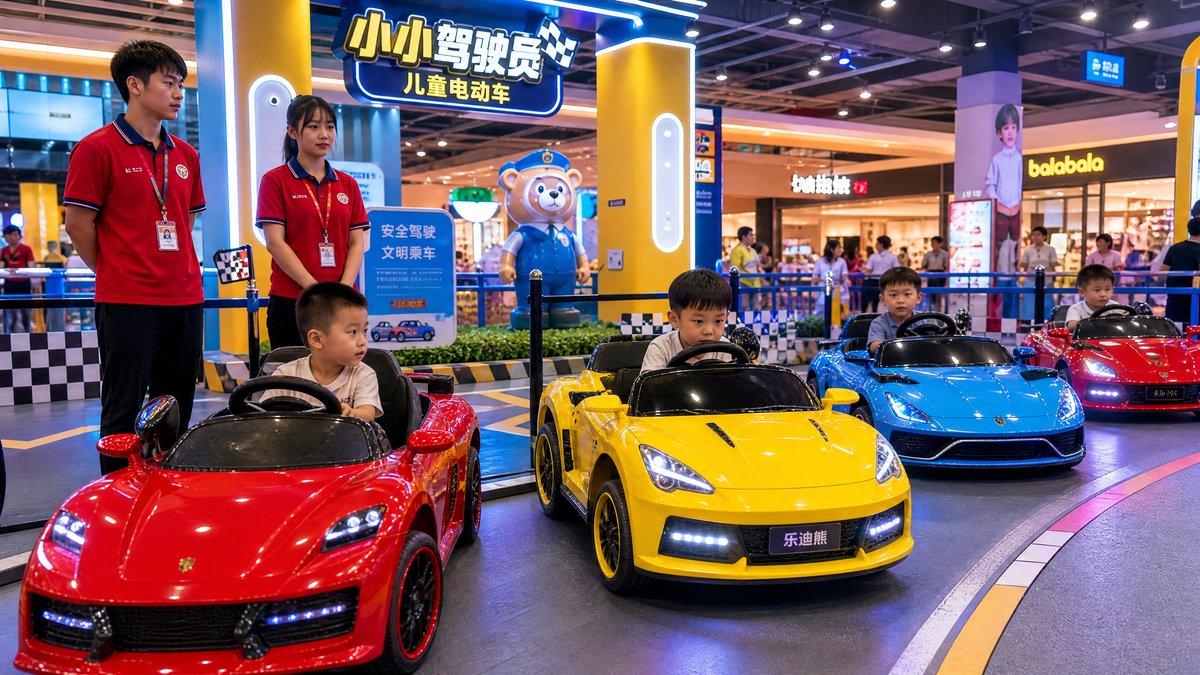
* Spatial Awareness: Children at this age are expanding their understanding of boundaries and turning radiuses. Vehicles with manageable speeds (typically 3 to 5 km/h for entry-to-intermediate models) allow children time to react.
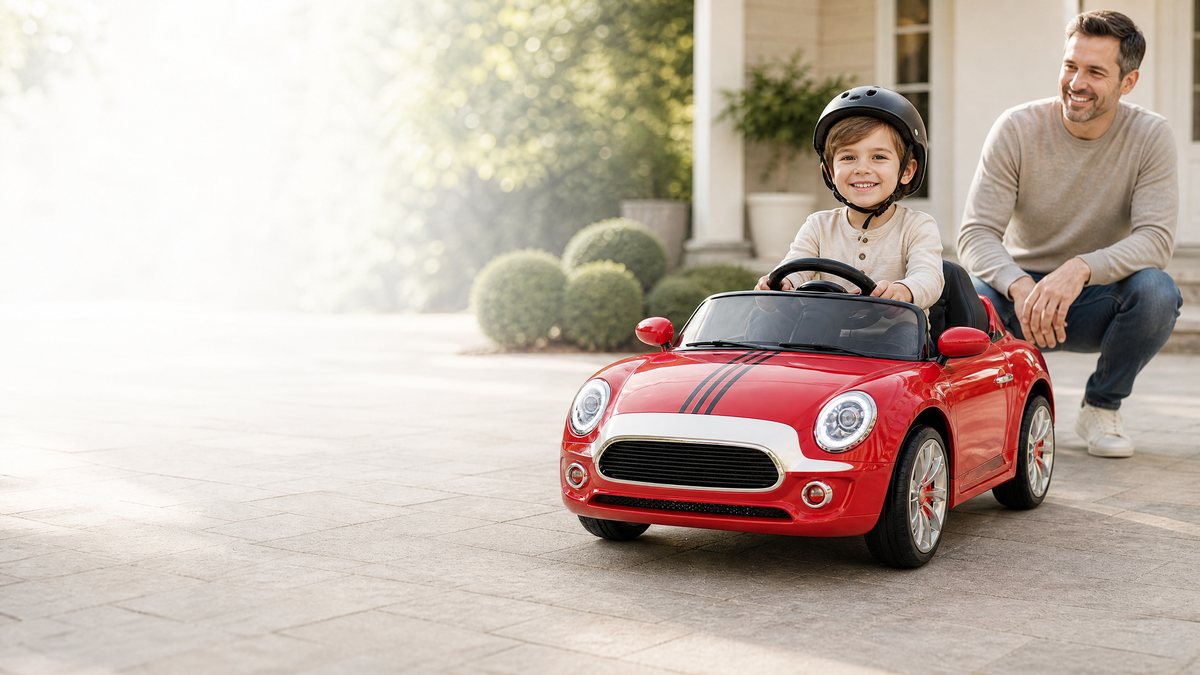
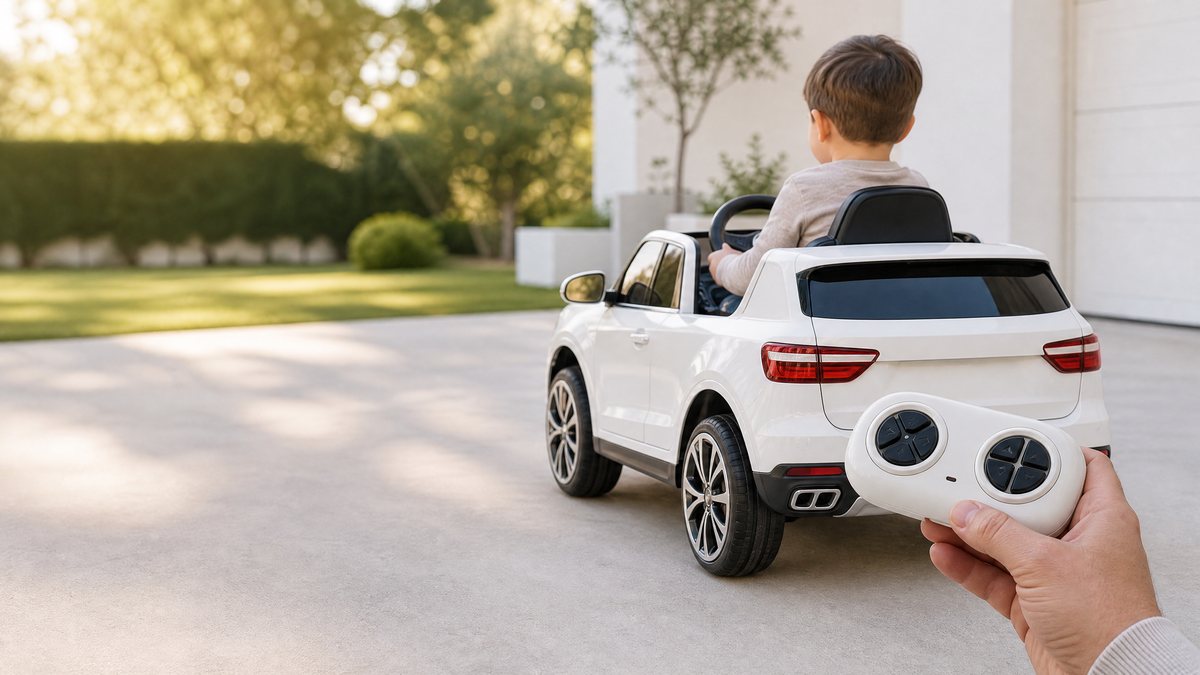
* Independence vs. Supervision: While three-year-olds crave autonomy, parental oversight remains critical. Parental remote controls provide an essential safety layer, allowing supervising adults to override steering and braking when necessary.
Key Decision Framework: Choosing the Right Configuration
Selecting the appropriate ride-on car requires balancing power systems, physical dimensions, and feature sets against the child's environment and usage patterns.
1. Power Systems and Voltage
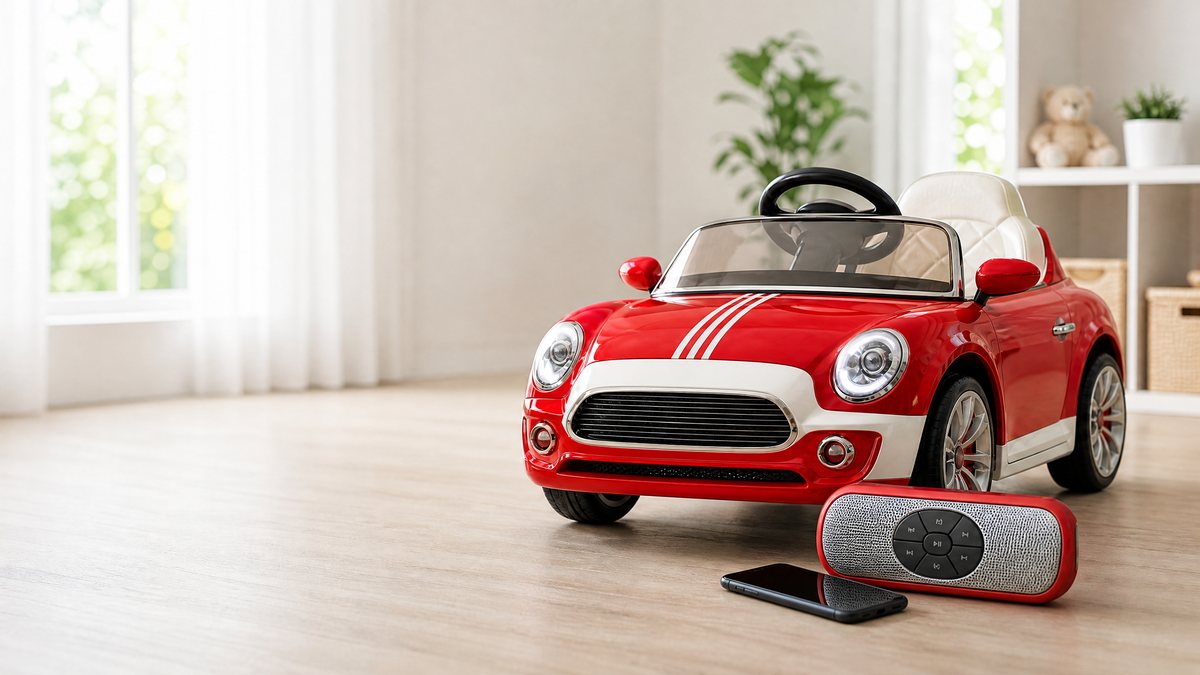
* 6V Systems: Designed for younger or more cautious riders, 6V vehicles offer lower top speeds and gentler acceleration. They are typically lightweight and well-suited for indoor use or smooth, flat outdoor surfaces like paved patios.
* 12V Systems (Single or Dual Motors): The most common standard for three-year-olds, 12V configurations provide balanced performance, adequate torque for gentle slopes or short grass, and moderate speeds (usually 3 to 6 km/h). Dual-motor variants offer improved traction on uneven terrain.
* 24V Systems: Generally recommended for older children (ages 6+) or rugged multi-terrain use. While some heavy-duty or two-seater models utilize 24V setups, they often exceed the ideal power envelope for an average three-year-old unless governed or restricted by parental controls.
2. Drive Systems and Traction
Rear-wheel drive configurations with rubber-strip tires or EVA foam wheels provide superior grip and reduced noise compared to hard plastic wheels. For outdoor use across asphalt, gravel, or turf, durable wheel construction enhances vehicle longevity and ride smoothness.
3. Safety Features and Certifications
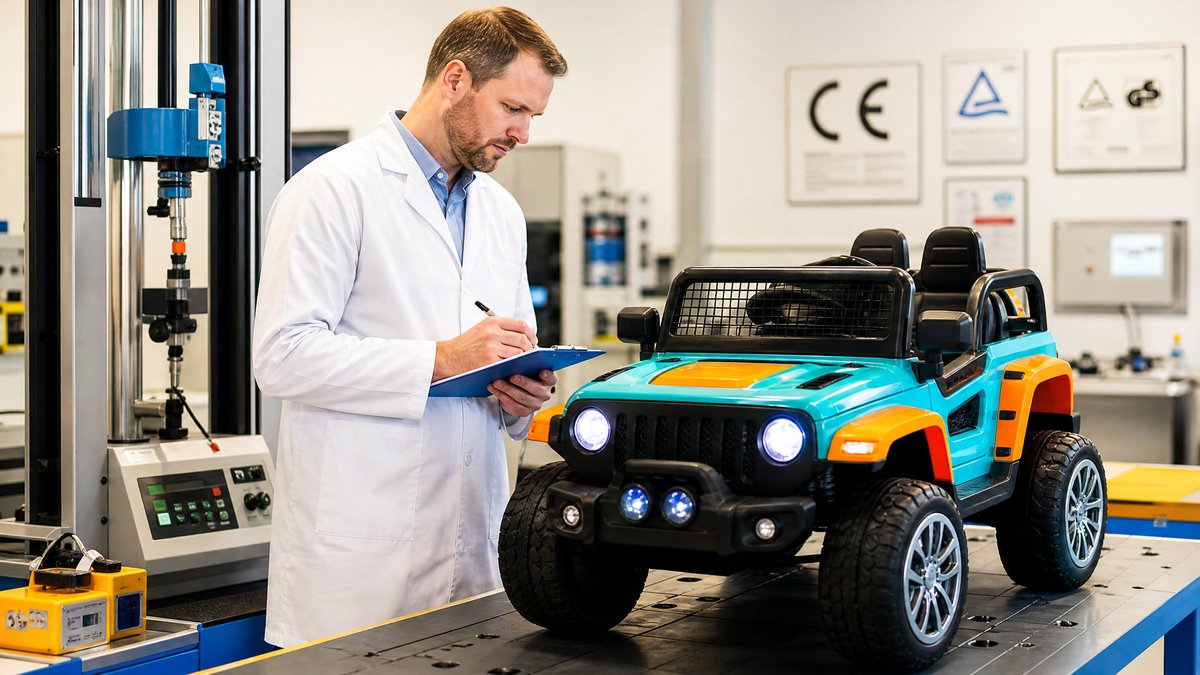
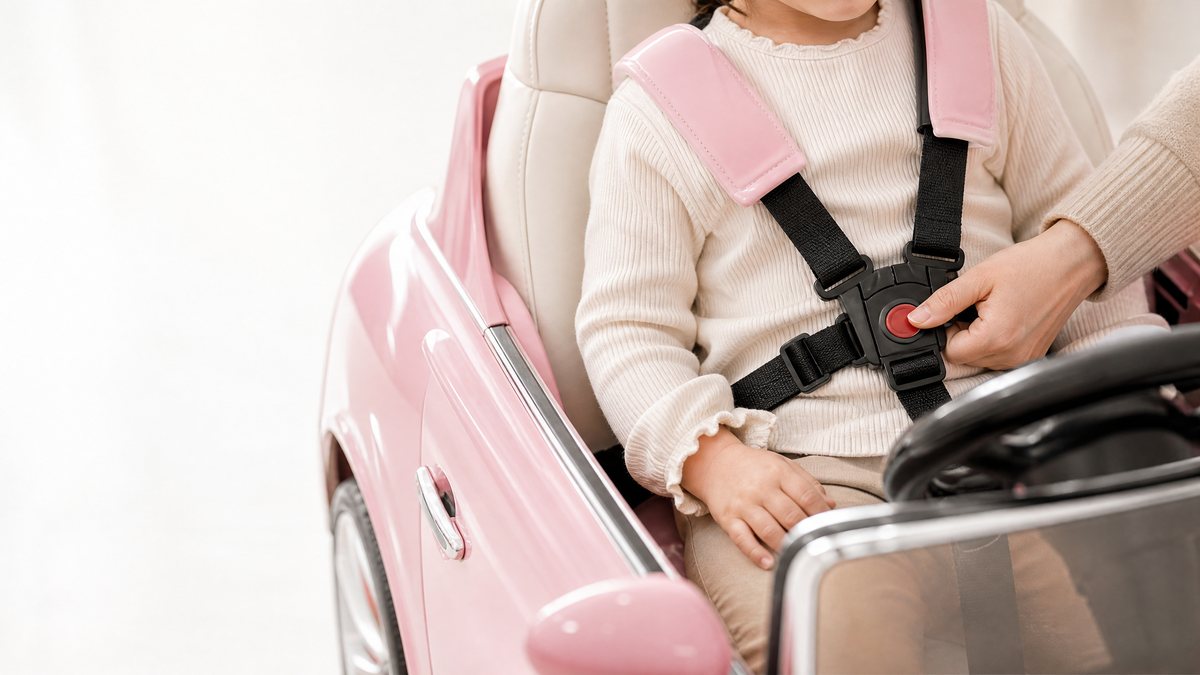
Safety compliance is paramount in children's mobility products. Importers and retailers must verify that products comply with recognized international standards, such as ASTM F963 in the United States or EN 71 in Europe [2, 3]. Essential safety components include secure seat belts, smooth speed transitions, fully enclosed drive mechanisms, and stable wheel bases to minimize tipping risks.
Comparative Overview of Ride-On Car Configurations
To assist buyers in assessing different vehicle types suited for three-year-old children, the following comparison outlines common design tiers, power specifications, and operational characteristics.
| Configuration Type | Typical Voltage | Primary Terrain | Recommended Use Case | Key Considerations |
|---|---|---|---|---|
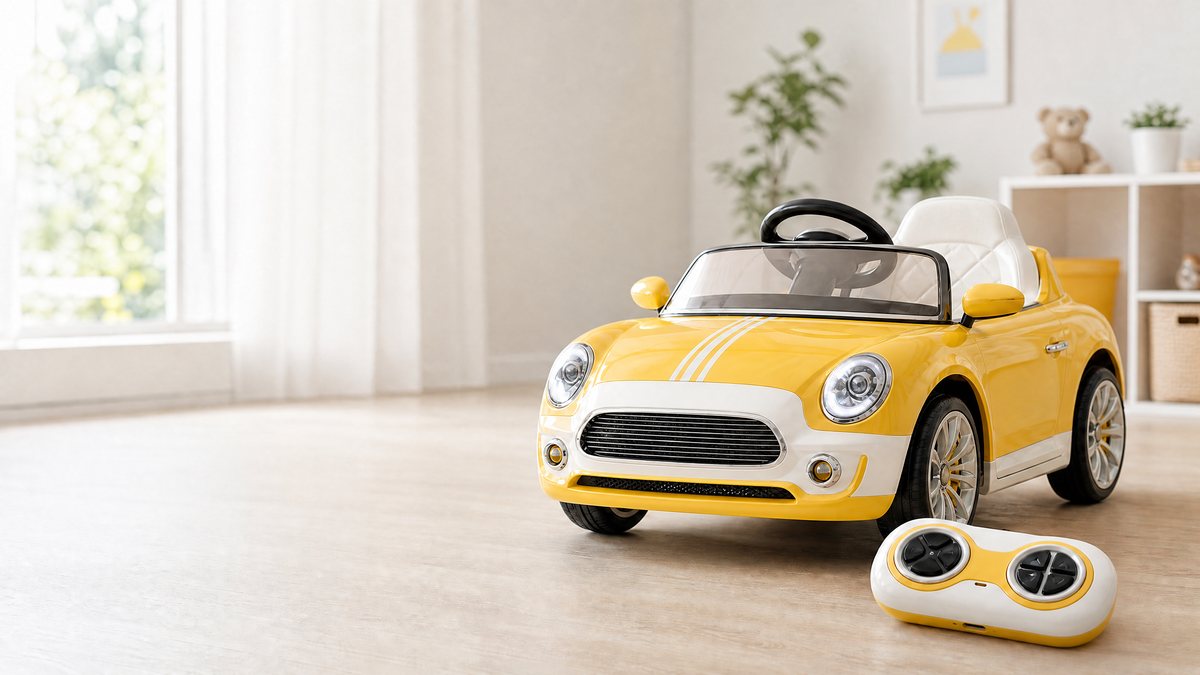
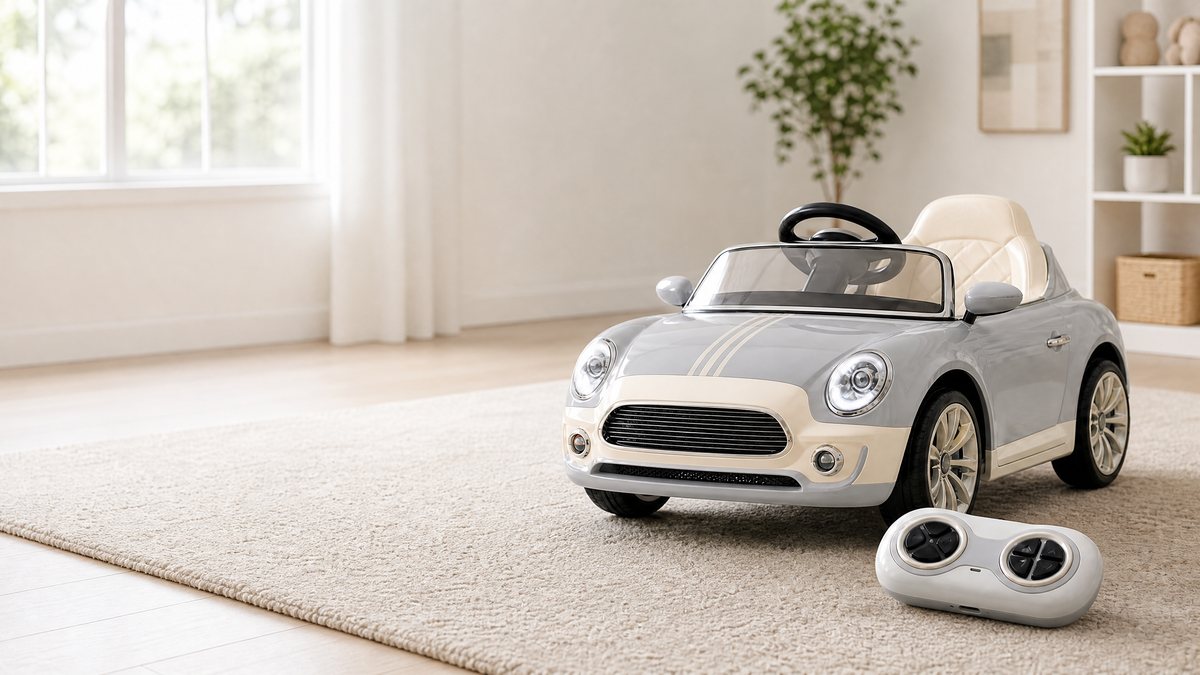
| Compact Entry Cruiser | 6V | Indoor / Smooth Pavement | First-time riders, younger 3-year-olds | Lightweight, limited slope capability, single motor |
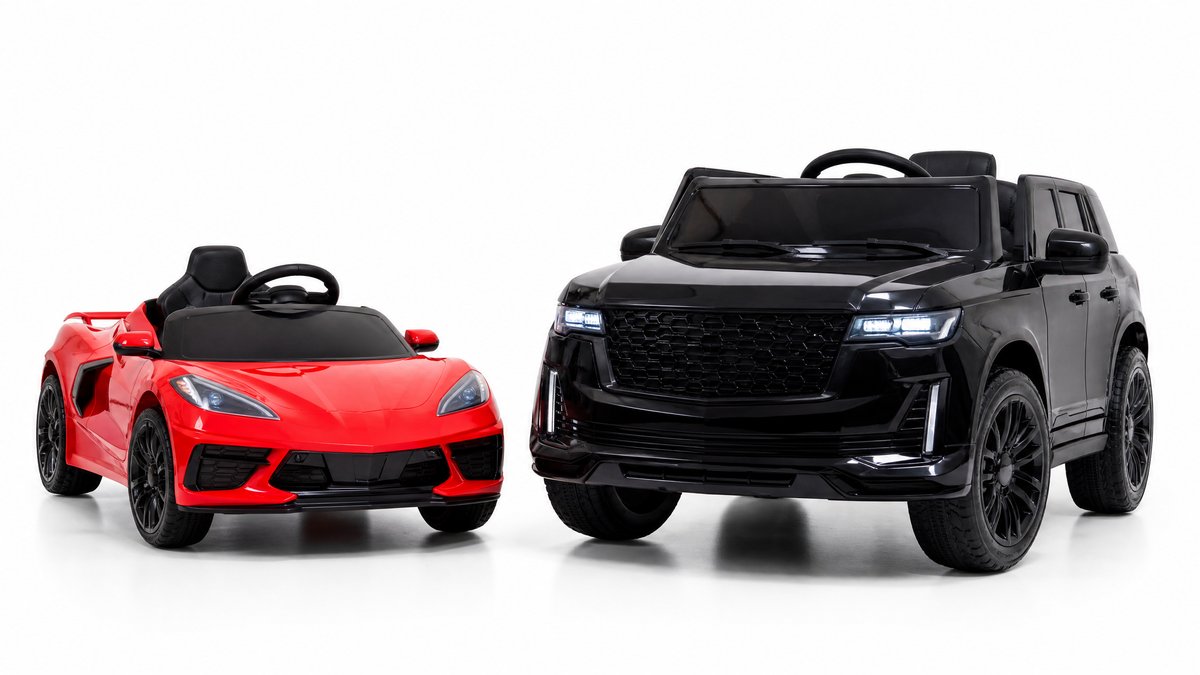
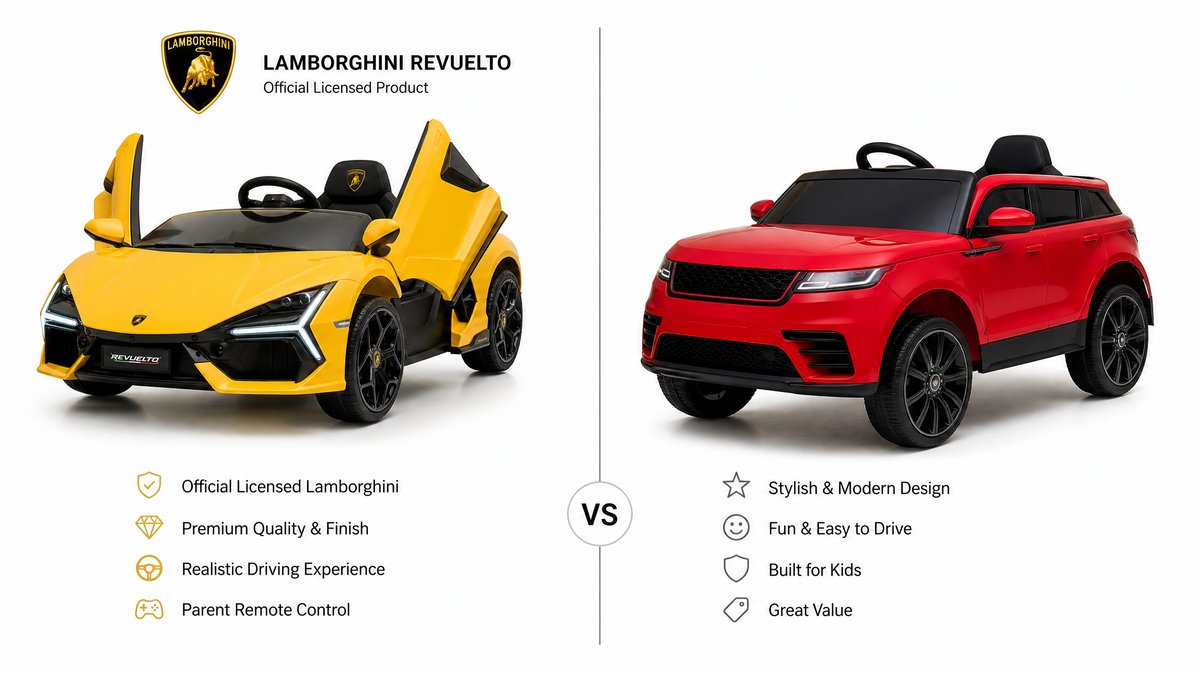
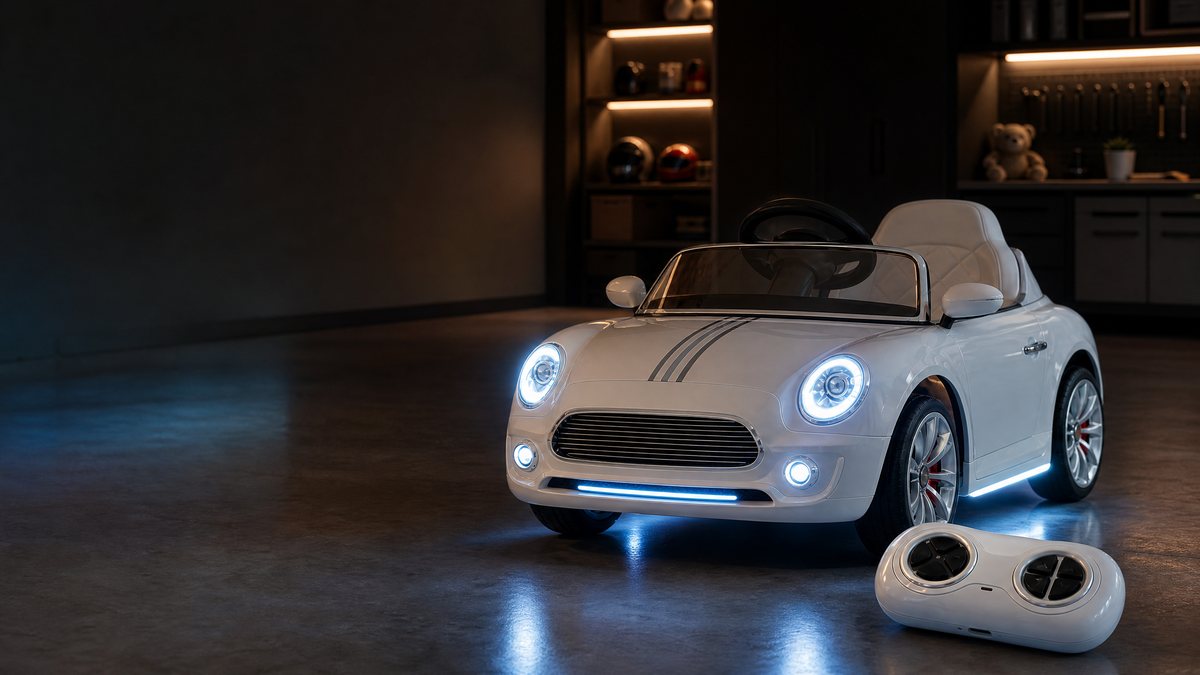
| Standard Licensed Sports Car | 12V (Dual Motor) | Paved Driveways, Sidewalks | General outdoor play, developing coordination | Balanced speed, parental remote control, EVA wheels |
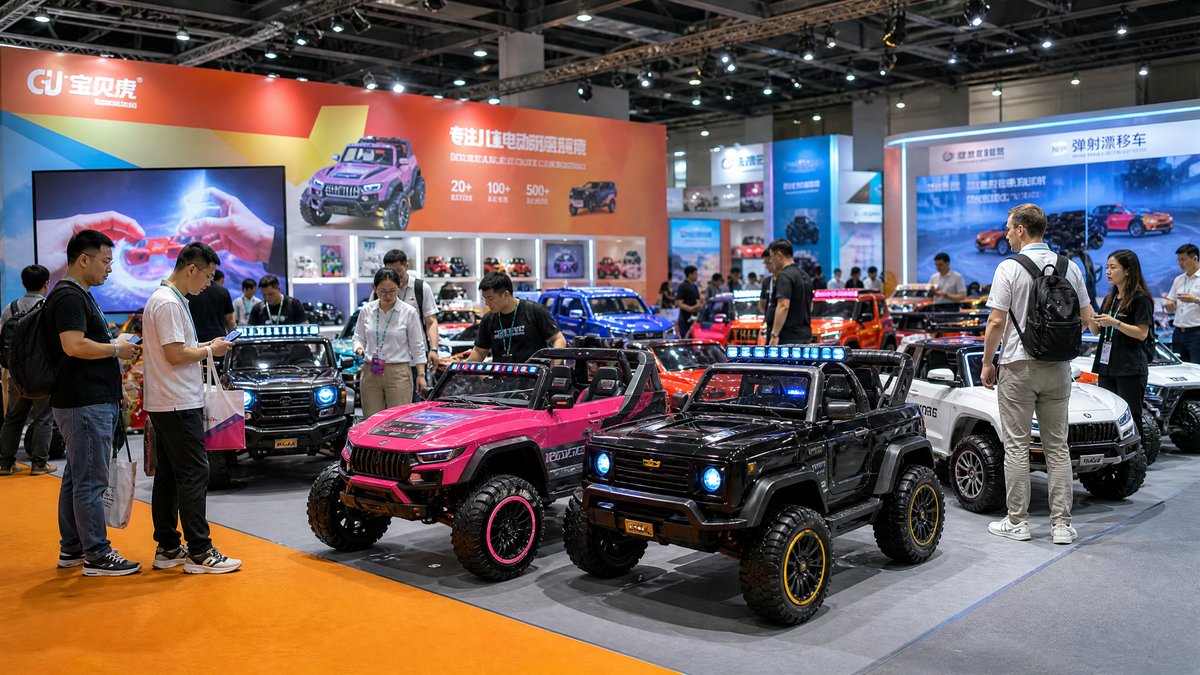
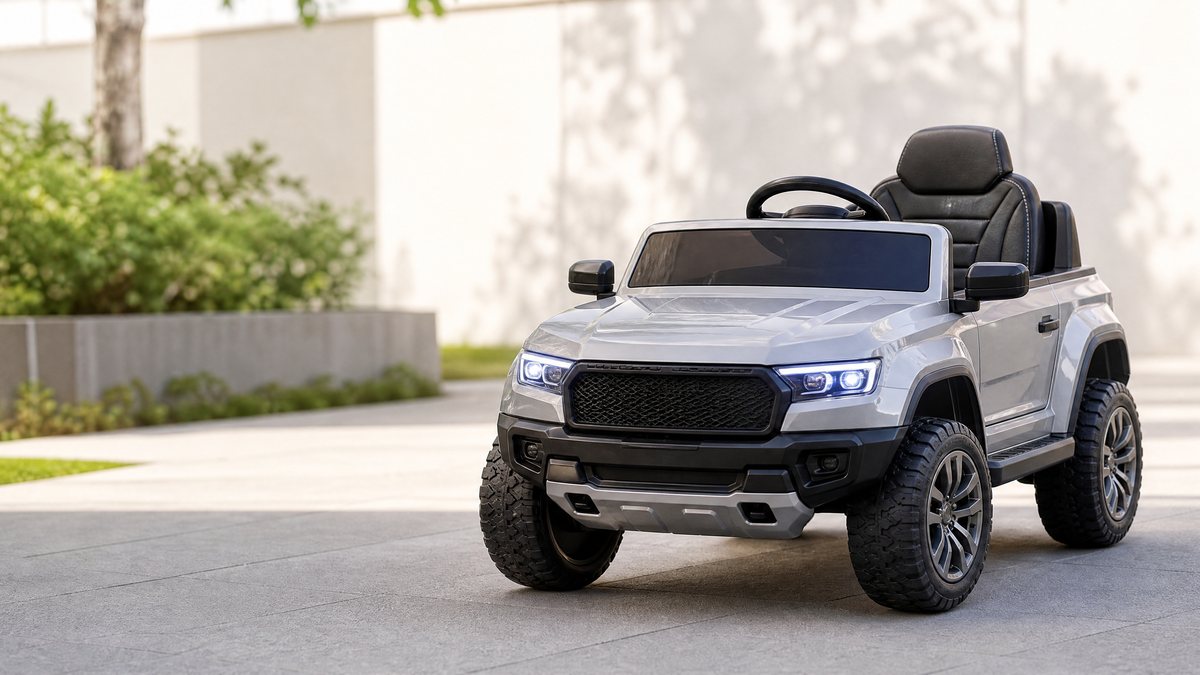
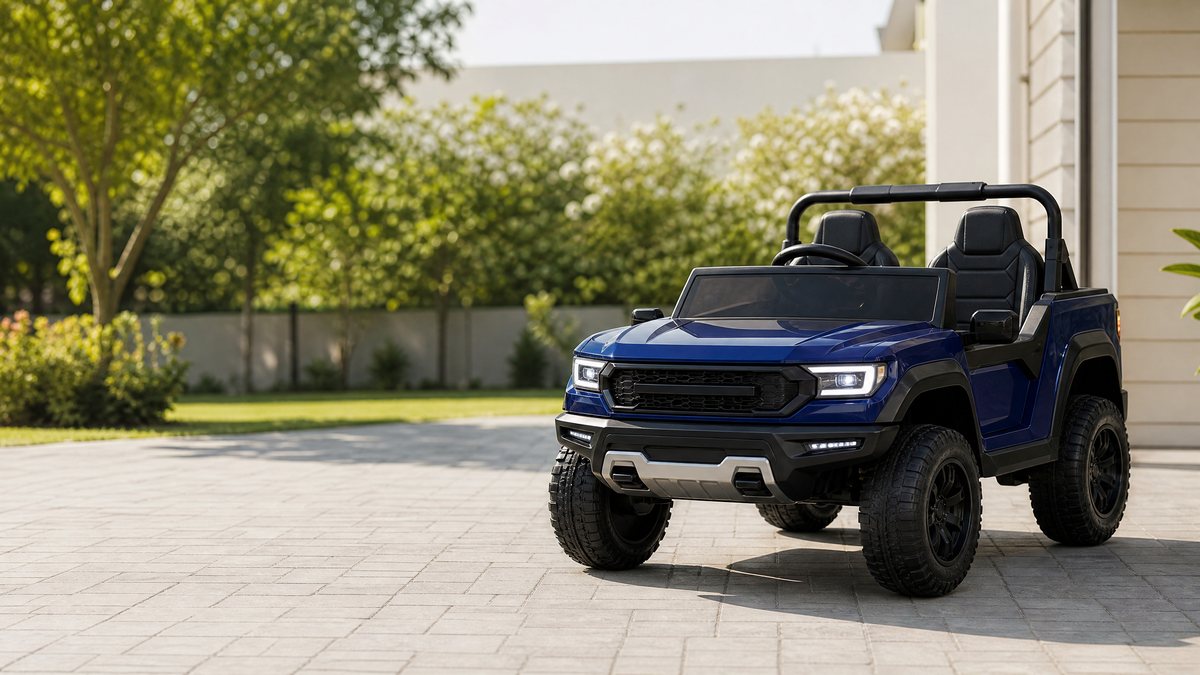
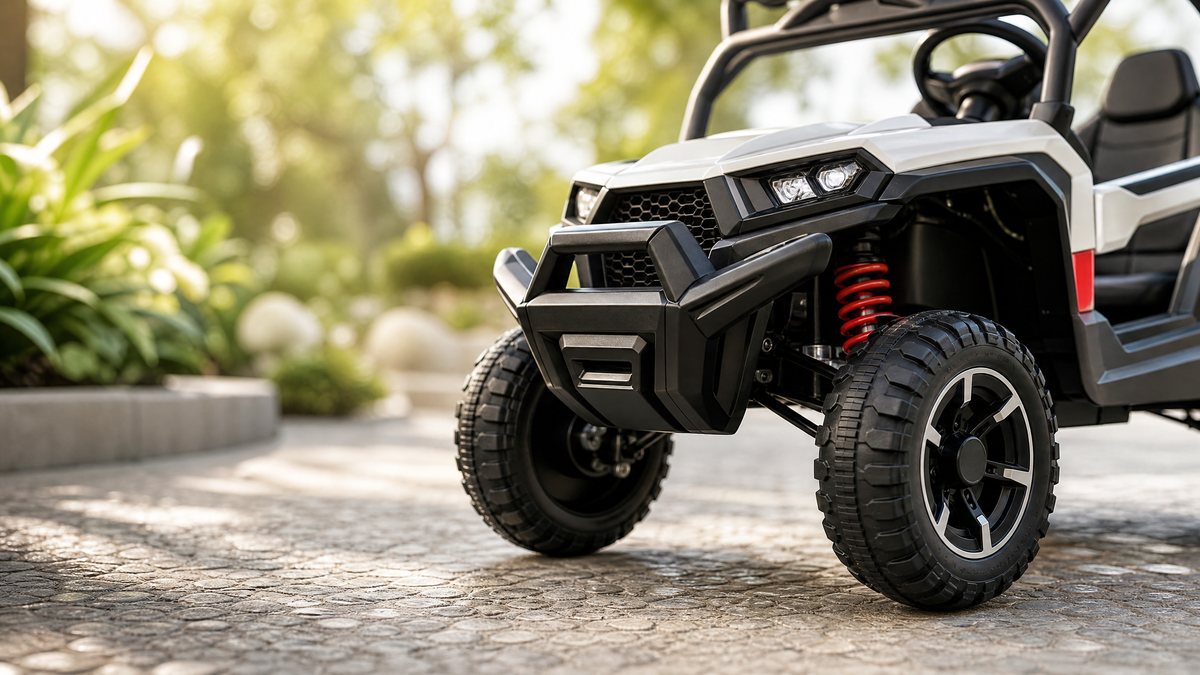
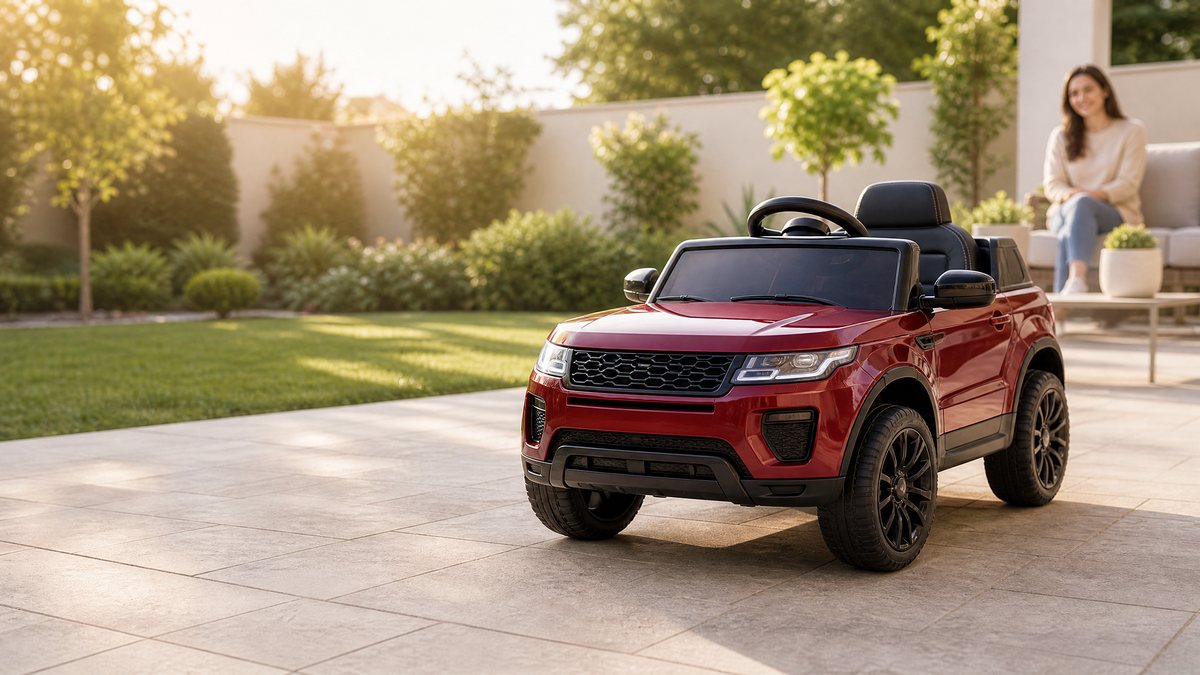
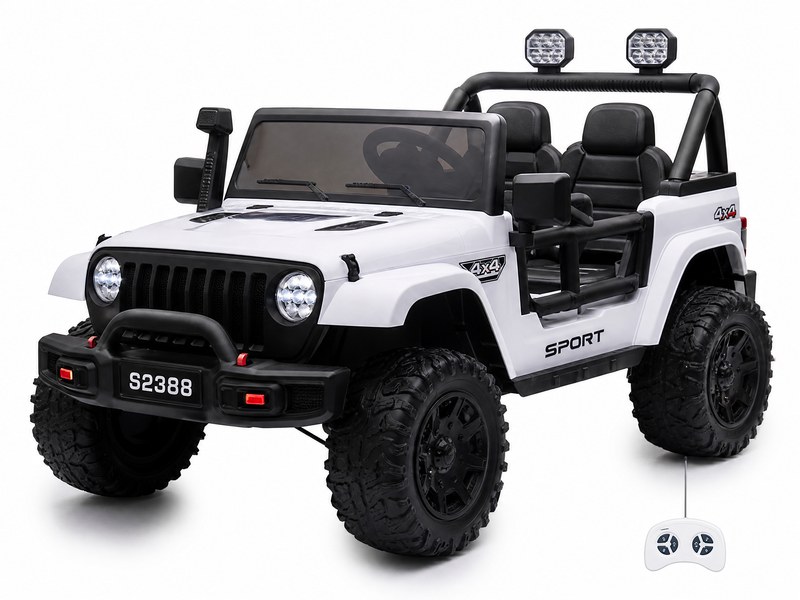
| Rugged Utility / SUV | 12V (High Torque) | Light Grass, Paved Paths | Active outdoor exploration, multi-surface use | Higher ground clearance, robust suspension, wider wheelbase |
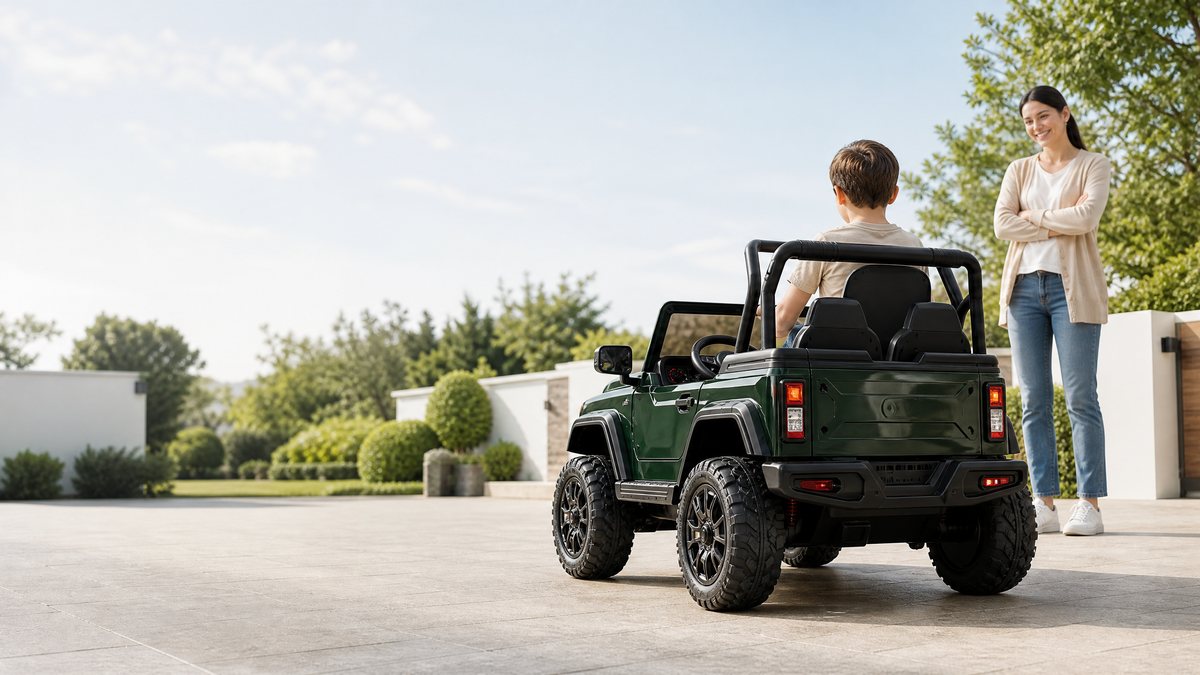
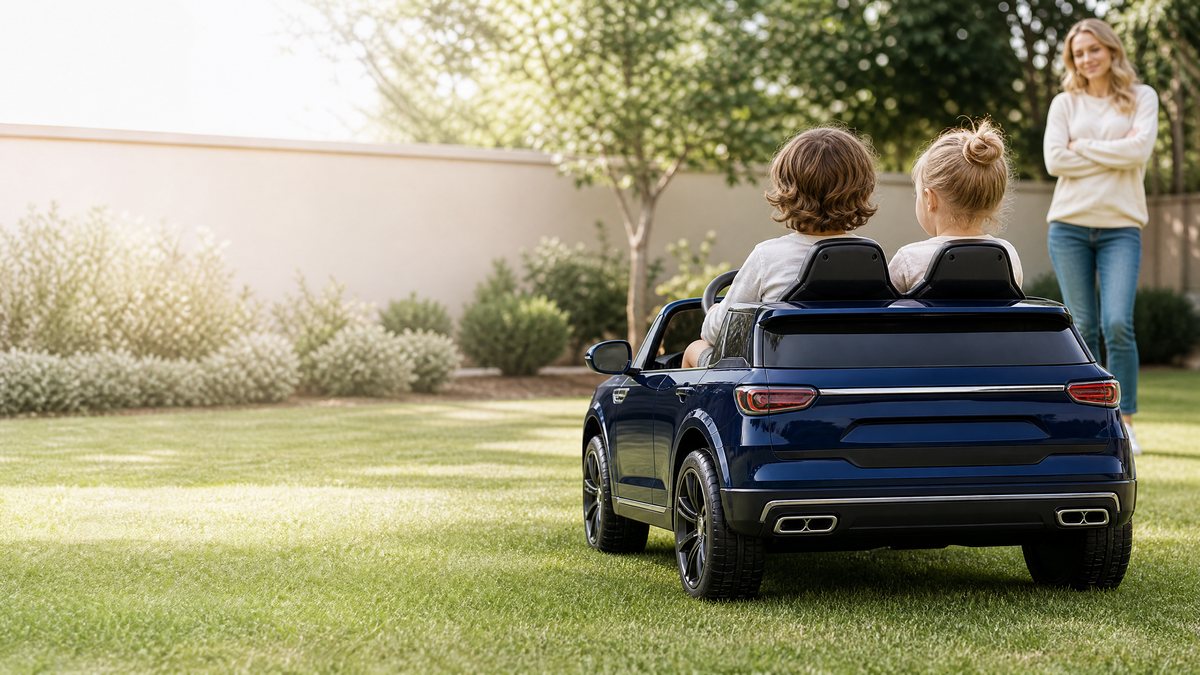
| Two-Seater Adventure Vehicle | 12V or 24V | Flat Yards, Paved Surfaces | Shared play or growing children | Heavier chassis, larger battery capacity, increased storage size |
Safety and Fit Checklist for Parents and Buyers
Ensuring a proper fit and safe operating environment prevents accidents and extends product utility. Review the following checklist before finalizing a purchase:
* [ ] Physical Fit: Verify that the child's feet comfortably reach the accelerator pedal while seated upright, with adequate knee clearance beneath the steering wheel.
* [ ] Weight Capacity: Confirm that the child's weight is well within the manufacturer's specified maximum load limit, factoring in potential growth over the season.
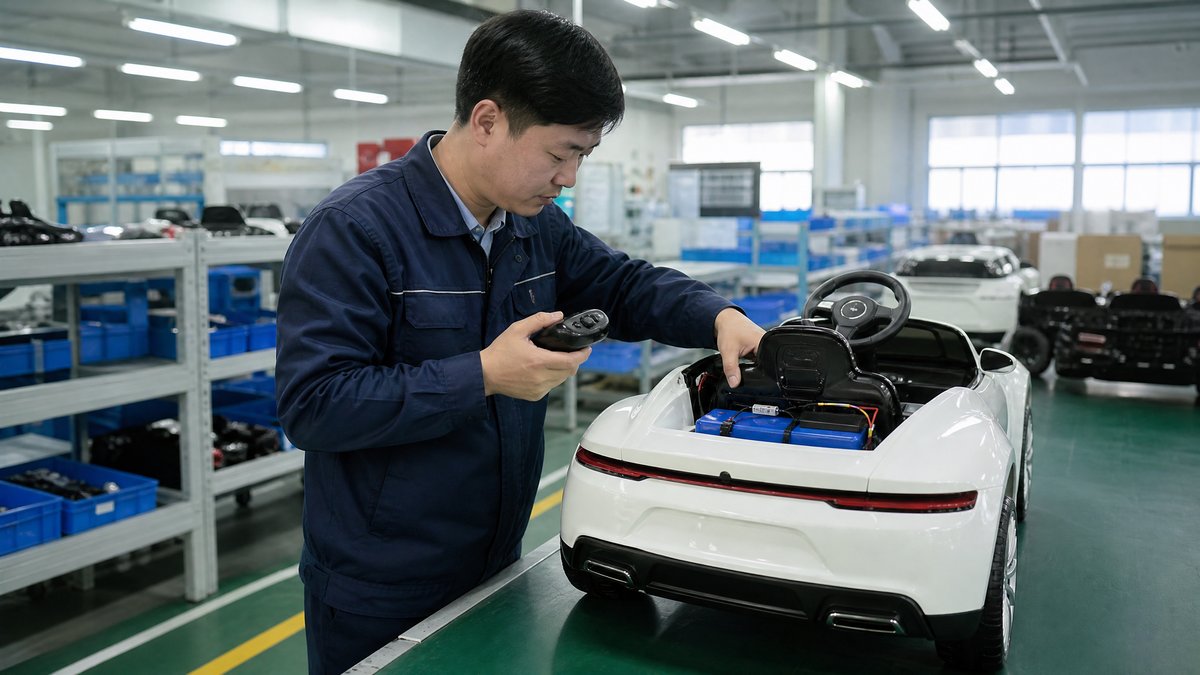
* [ ] Parental Control Integration: Ensure the inclusion of a reliable 2.4G parental remote control override function for emergency braking and directional correction.
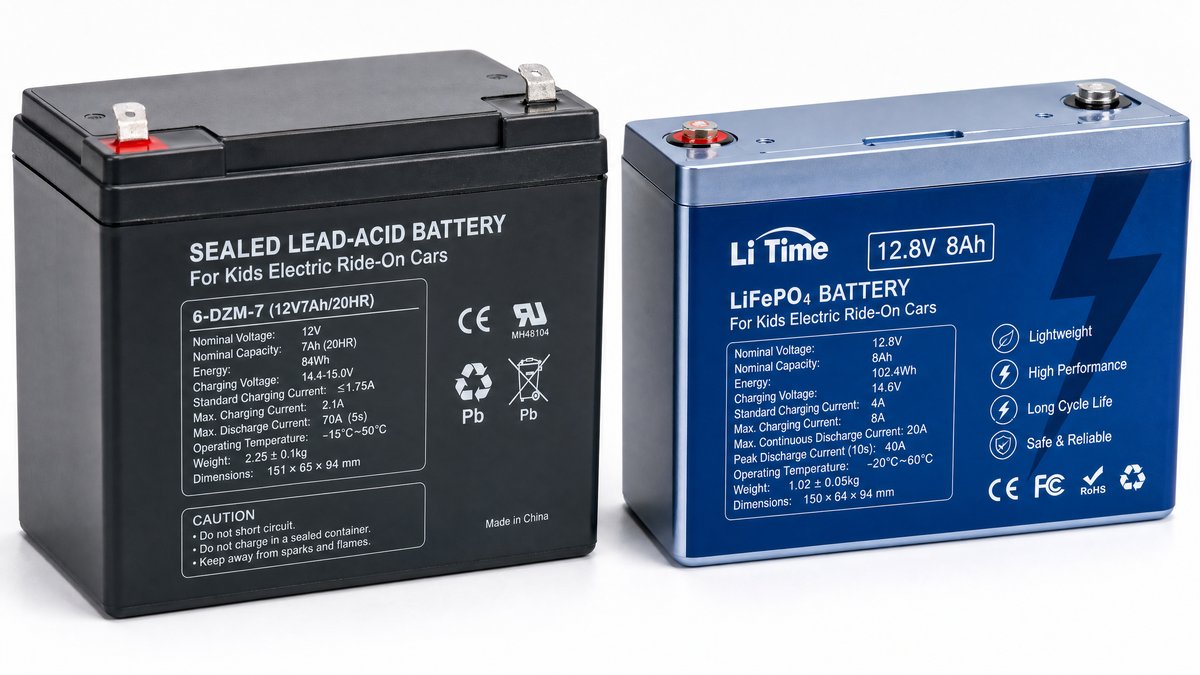
* [ ] Battery Accessibility: Check whether the battery compartment allows straightforward charging access and eventual replacement without specialized tools.
* [ ] Compliance Documentation: Confirm that the supplier provides verifiable test reports and compliance documentation aligned with regional toy safety directives [4].
For Retailers and Importers: Commercial Considerations
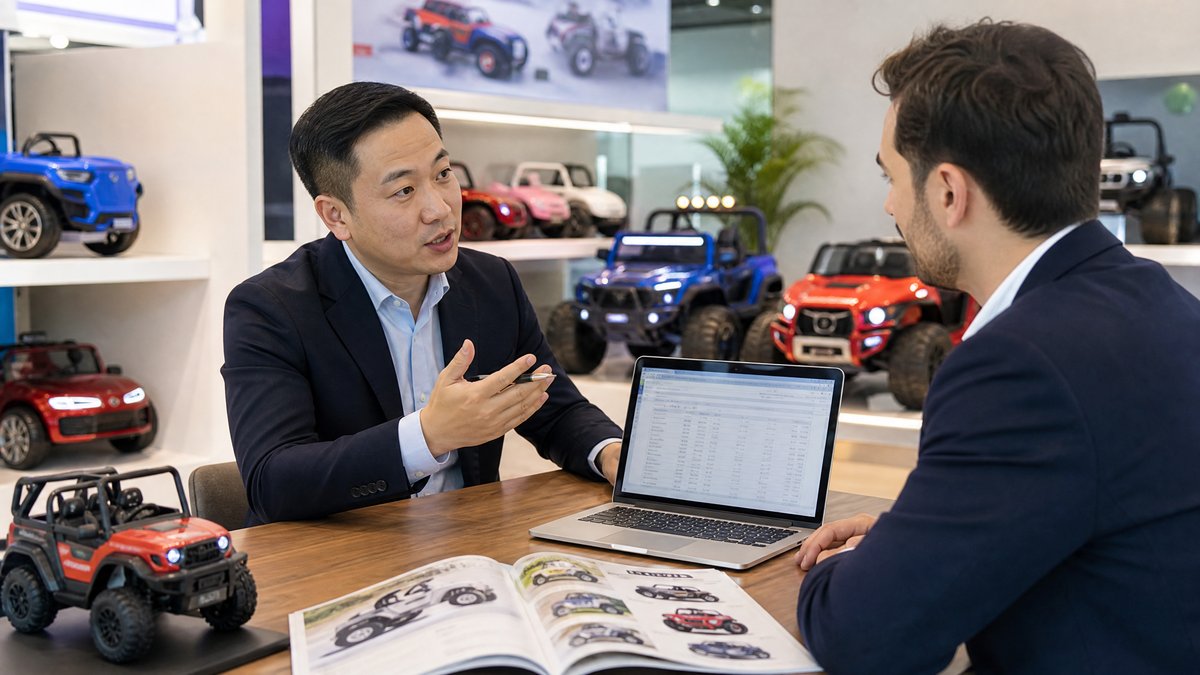
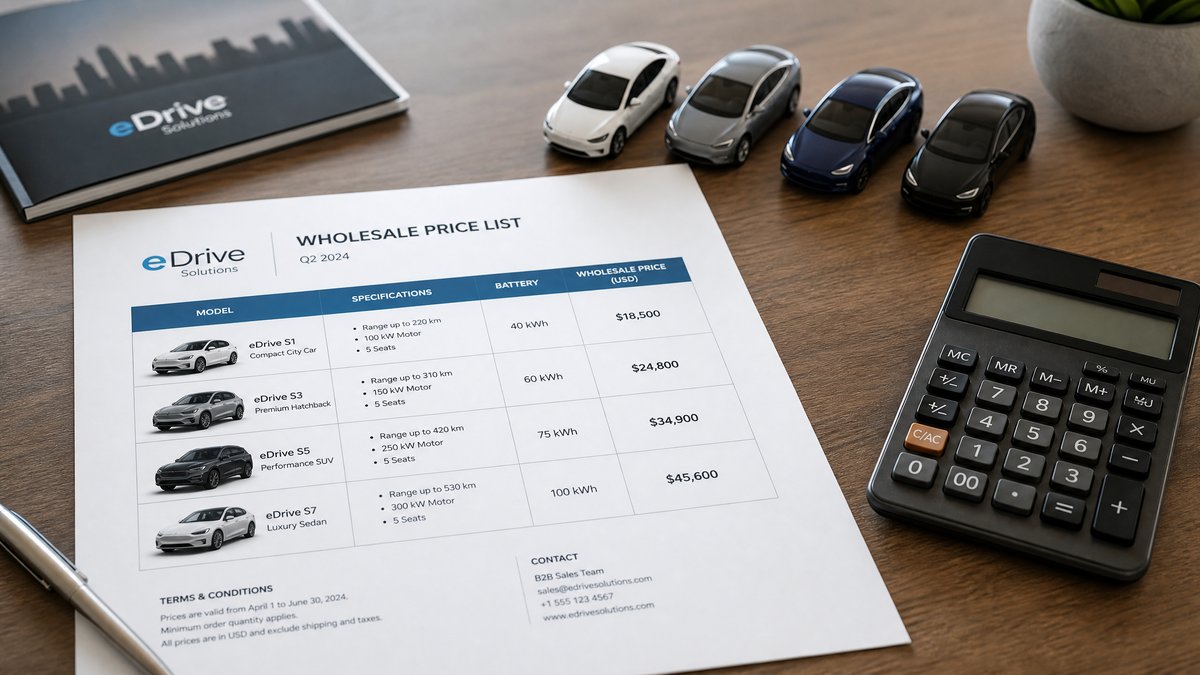
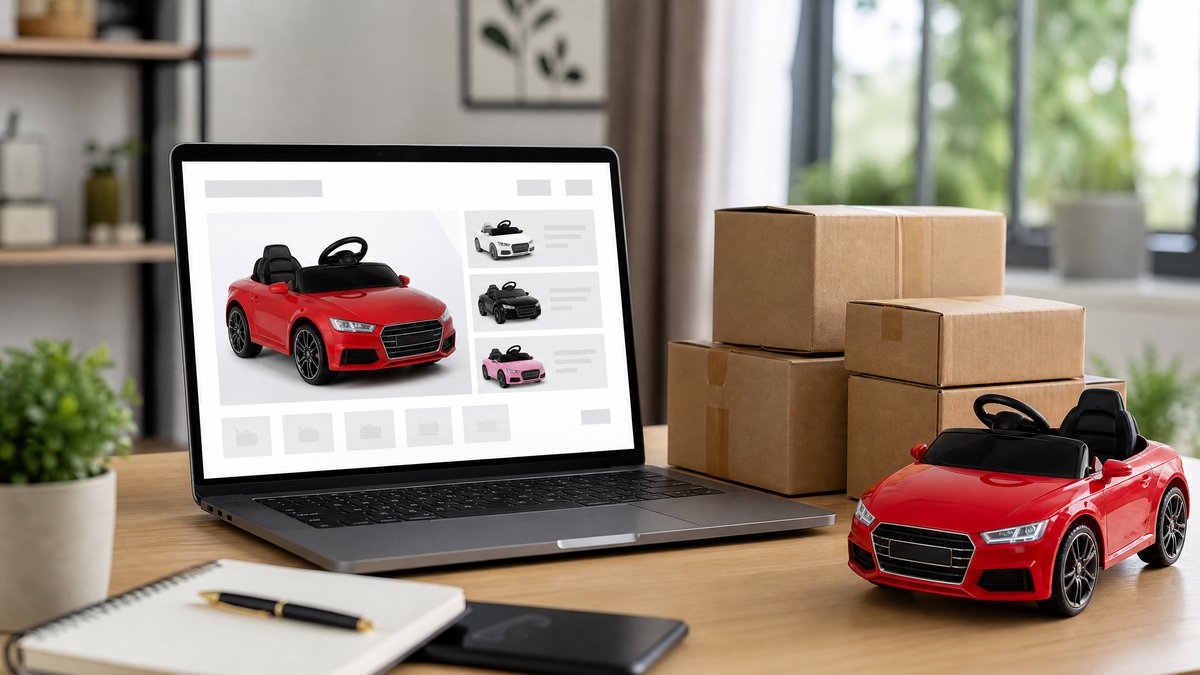
For B2B buyers, distributors, and retail store owners, sourcing ride-on cars for the three-year-old demographic requires careful attention to regulatory compliance, packaging volume, and after-sales support.
Three-year-olds represent one of the highest-demand consumer segments in the ride-on vehicle market because parents frequently purchase products at this age to support active outdoor play and motor skill development. Retailers benefit from stocking models that offer dual operation modes (manual driving plus parental remote control), as this broadens the appeal to cautious parents. Furthermore, maintaining clear inventory specifications regarding battery watt-hours, charging times, and assembly requirements minimizes customer returns and enhances retail satisfaction. Importers must ensure all shipments adhere to local electrical safety standards and chemical restriction directives (such as RoHS and phthalate limits).
Frequently Asked Questions
What is the ideal speed for a 3-year-old ride-on car?
Most experts and manufacturers recommend top speeds between 3 and 5 kilometers per hour (approx. 2 to 3 miles per hour) for three-year-olds. This speed range provides an engaging driving experience while allowing supervising adults to easily keep pace on foot.
Are 12V ride-on cars too powerful for a 3-year-old?
Standard 12V ride-on cars equipped with soft-start acceleration and parental remote controls are generally well-suited for three-year-olds, provided the child is supervised. The additional torque of a 12V system helps the vehicle navigate slight inclines or short grass where 6V models might stall.
How important is the parental remote control?
For a three-year-old, a 2.4G parental remote control is highly recommended. It allows parents to take complete control of steering and braking when necessary, ensuring safety in unfamiliar environments or crowded areas.
What maintenance is required for battery-powered ride-on cars?
Routine maintenance includes recharging the battery according to manufacturer guidelines (avoiding complete depletion), storing the vehicle in a dry environment away from extreme temperatures, and periodically inspecting wheels, steering linkages, and seat belts for wear.
How do age grading guidelines work?
Manufacturer age ranges are estimated based on average developmental milestones, height, and weight. Individual child readiness, physical coordination, and parental discretion should always take precedence over strict age labels.
Conclusion
Selecting the best ride-on car for a 3-year-old boy involves balancing developmental readiness, power specifications, safety compliance, and operational environment. Whether approached from a parental perspective or a retail sourcing strategy, prioritizing build quality, certified safety standards, and appropriate motor configurations ensures a rewarding experience. Buyers and retailers seeking further product specifications, customization options, or bulk commercial orders can Request a wholesale quote to explore available manufacturing partnerships.
References
[1] U.S. Consumer Product Safety Commission (CPSC). *Age Determination Guidelines: Relating Children's Age to Toy Characteristics*. CPSC Publication.
[2] ASTM International. *ASTM F963-17: Standard Consumer Safety Specification for Toy Safety*. West Conshohocken, PA.
[3] European Committee for Standardization (CEN). *EN 71-1: Safety of Toys - Part 1: Mechanical and Physical Properties*. European Standards.
[4] International Organization for Standardization (ISO). *ISO 8124-1: Safety of Toys - Part 1: Safety Aspects Related to Mechanical and Physical Properties*. ISO.
Explore matching models
View product details for this guide
Compare current specifications, age guidance and available options before requesting a quote.
Official references
Explore these external resources for current regulatory and trade guidance. Confirm requirements with the relevant authority before placing an order.
Ready to Start?
Factory-Direct · CE & ASTM Certified · MOQ from 50 Units
Our export team works with buyers in 60+ countries. Get a quote within 24 hours.
KR
Written by KidsRideCar
China's leading kids electric ride-on car manufacturer. 500,000+ units shipped annually to 60+ countries. CE, ASTM & EN71 certified.