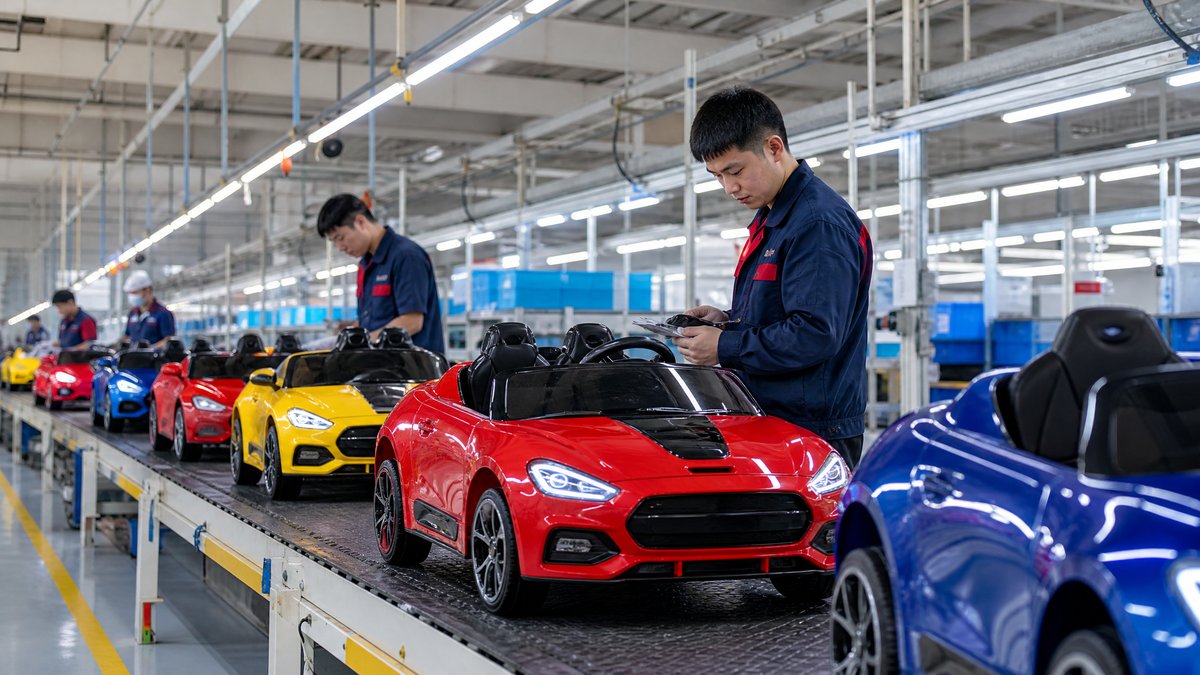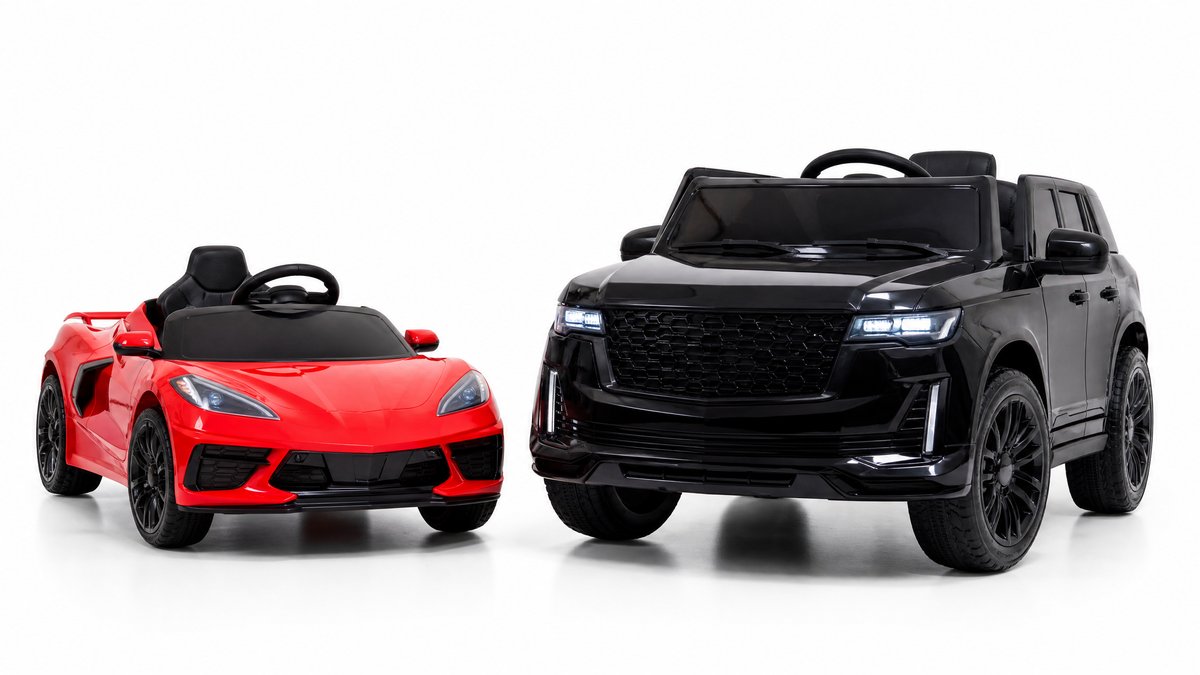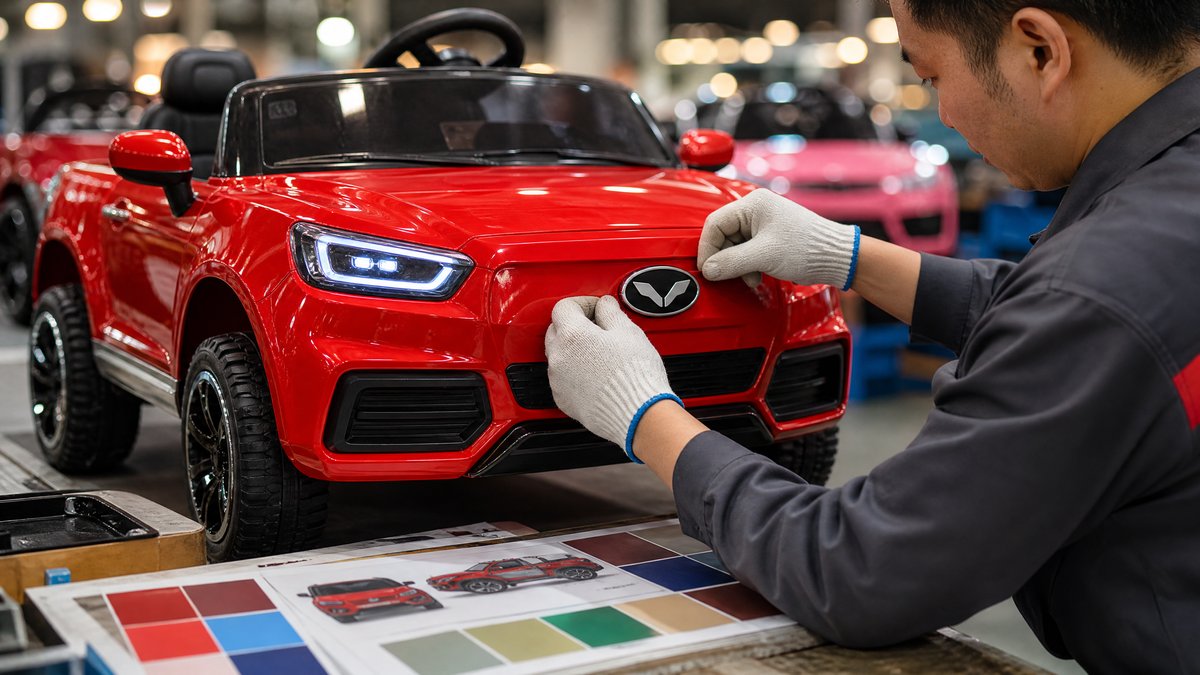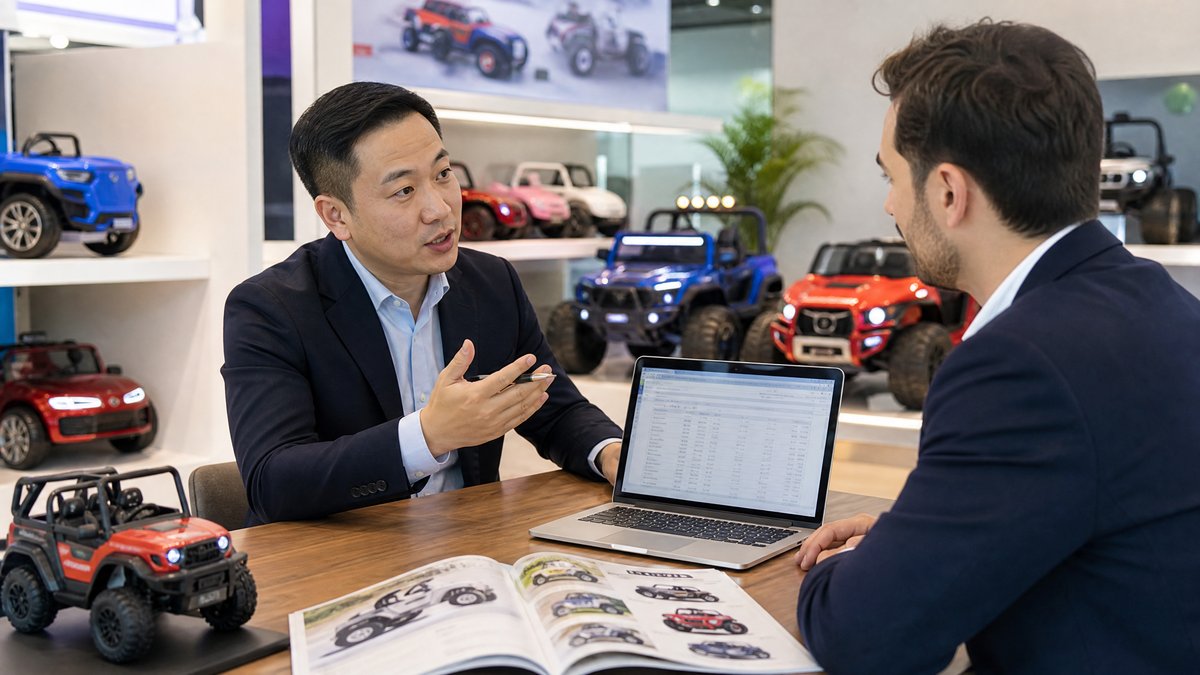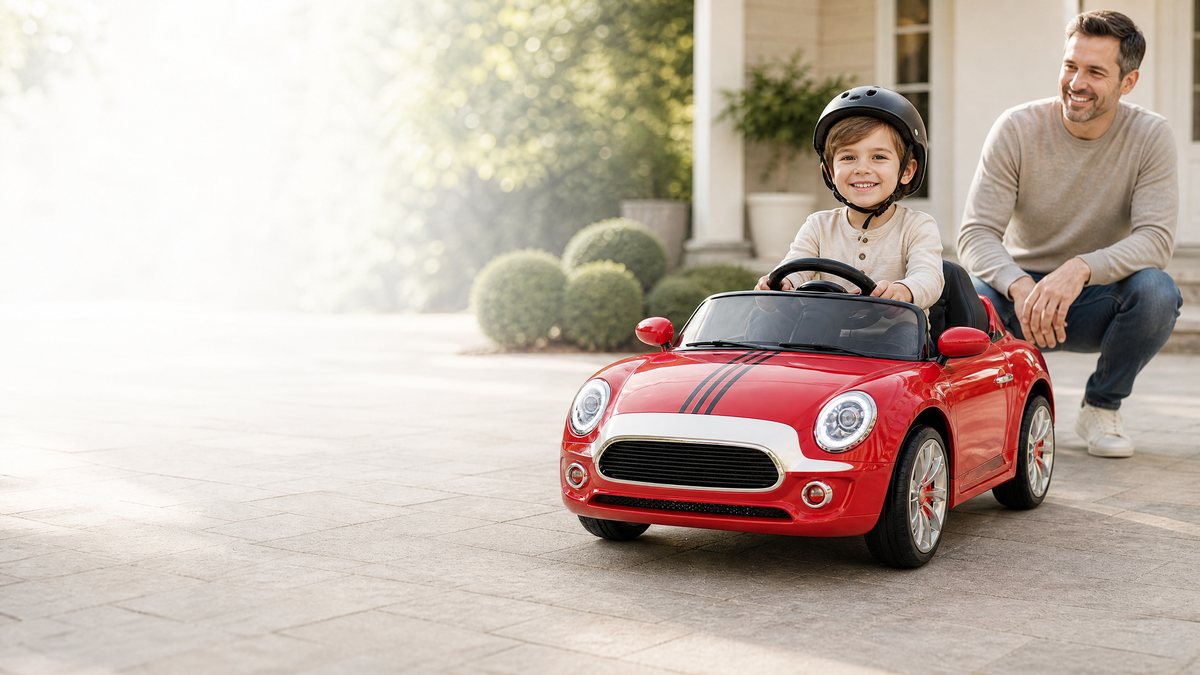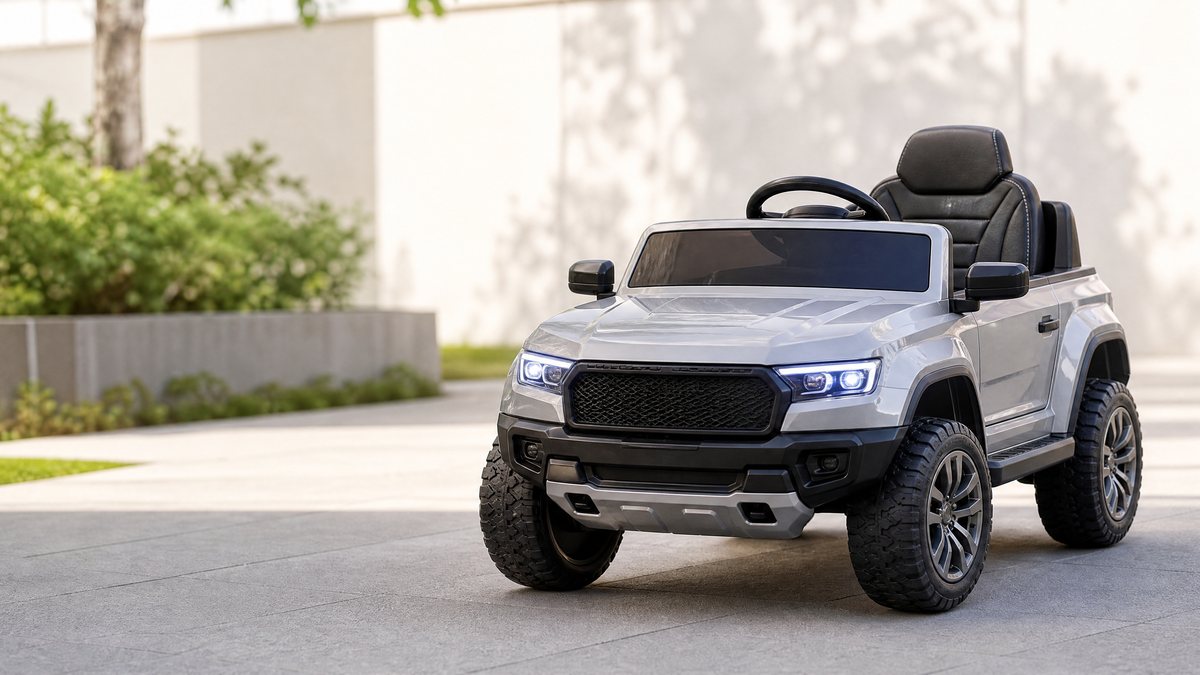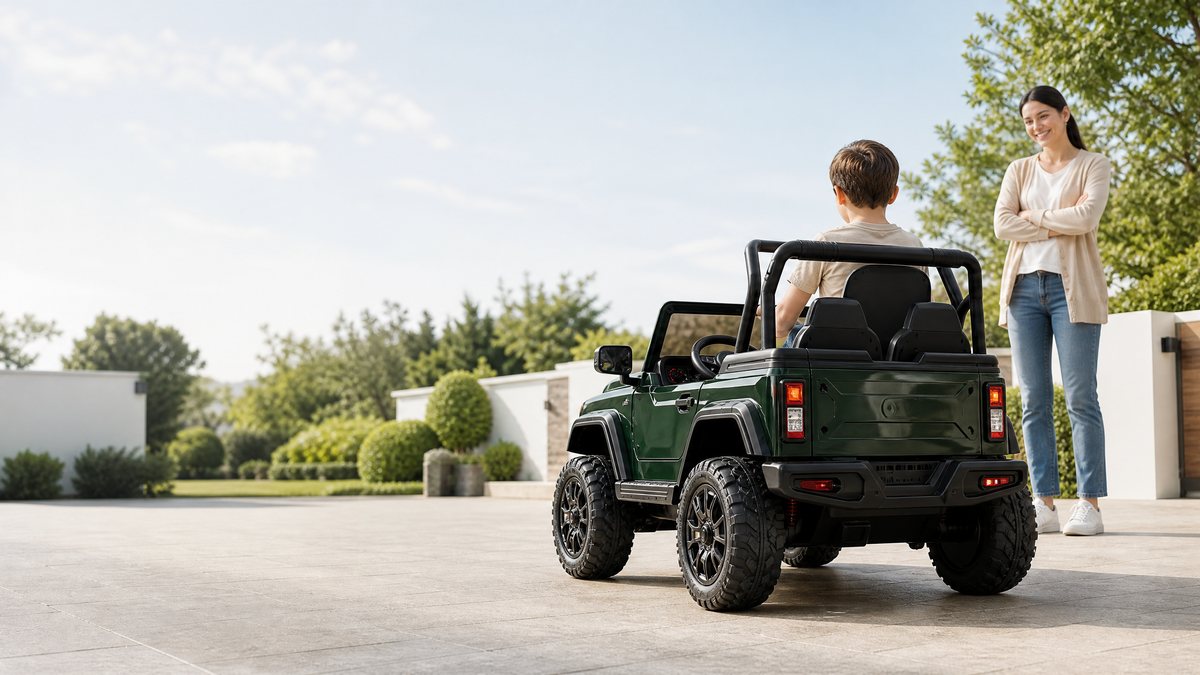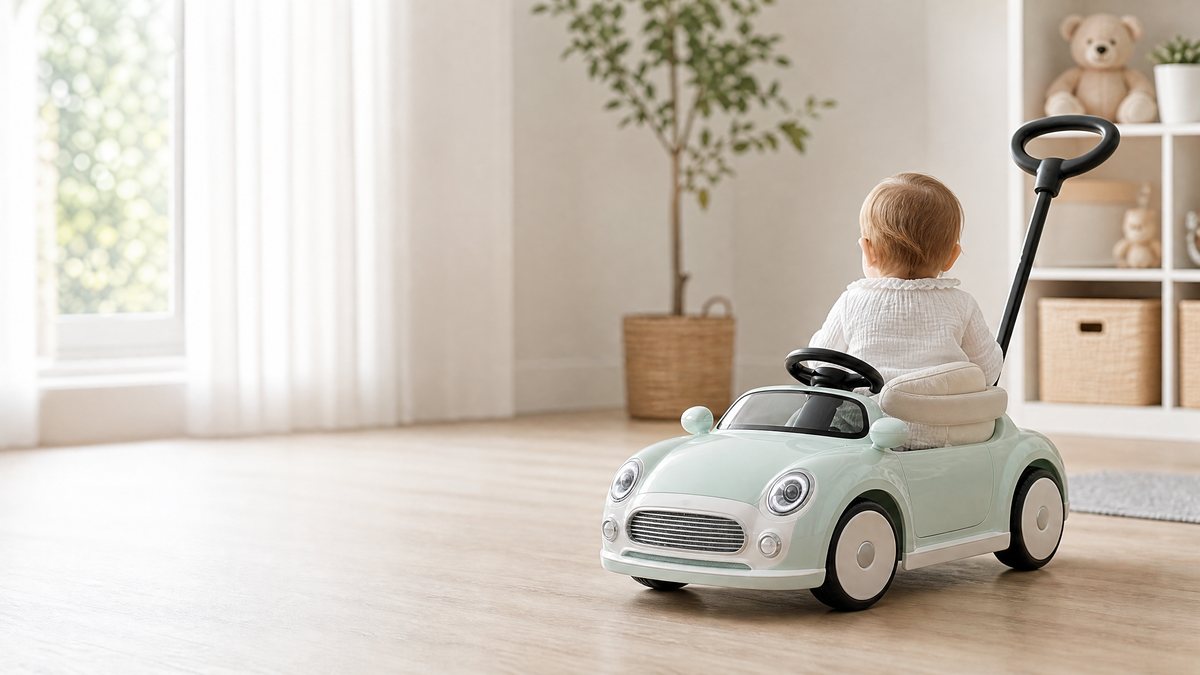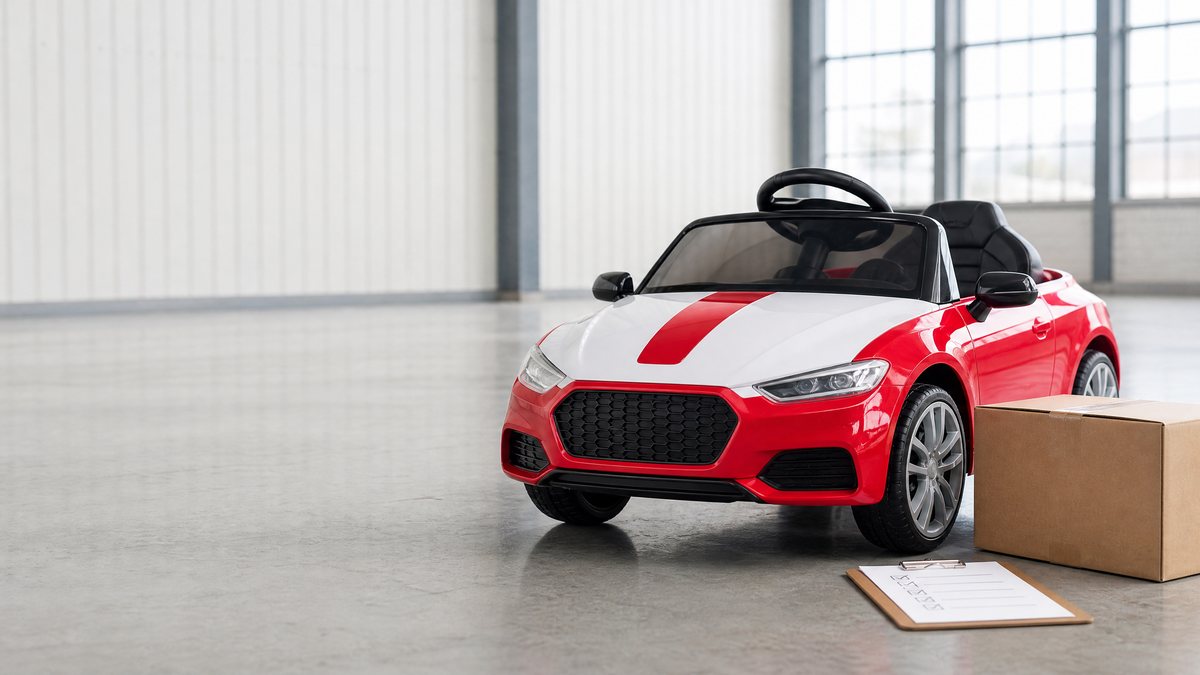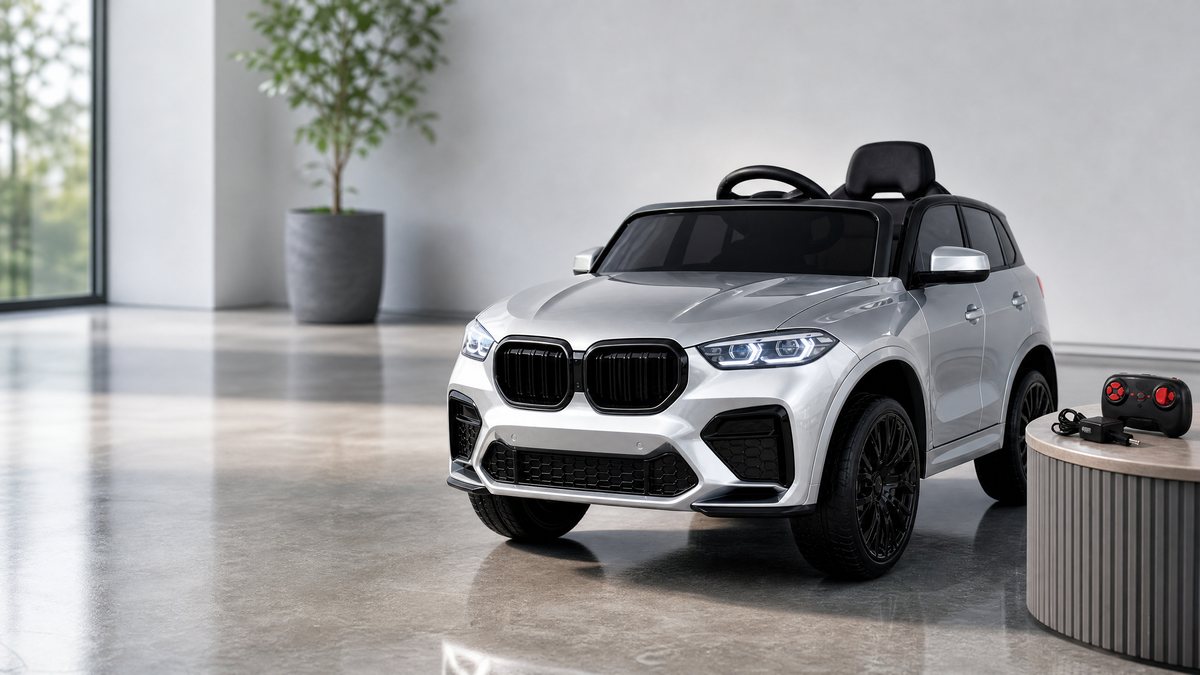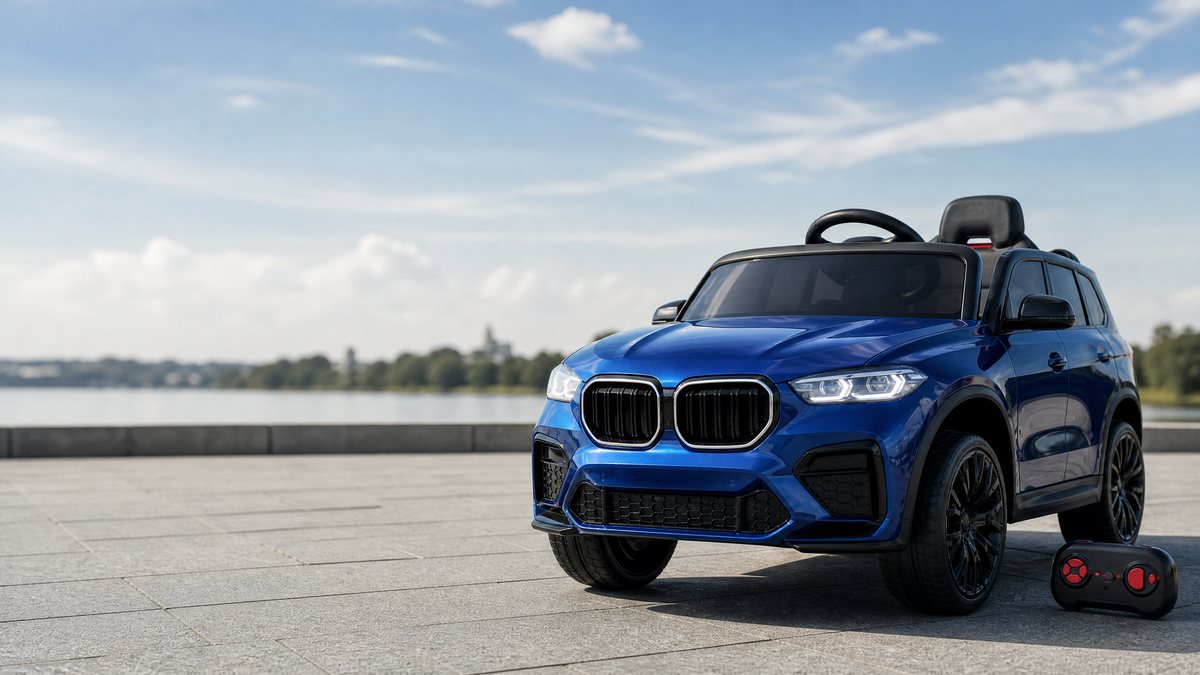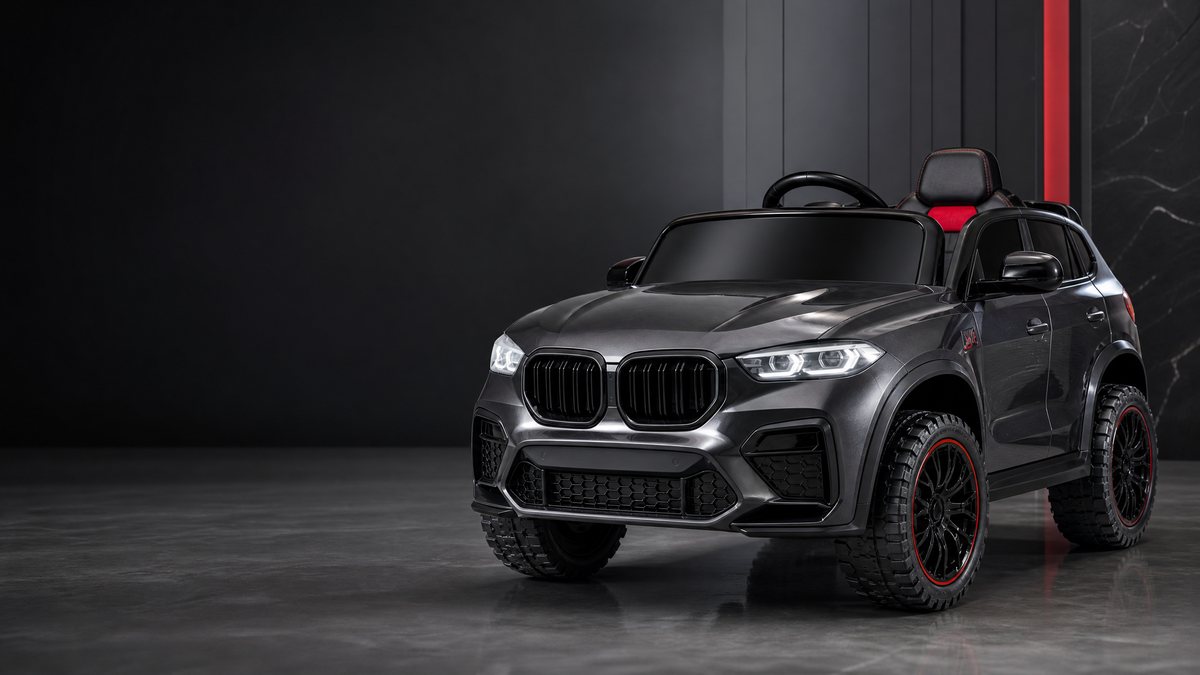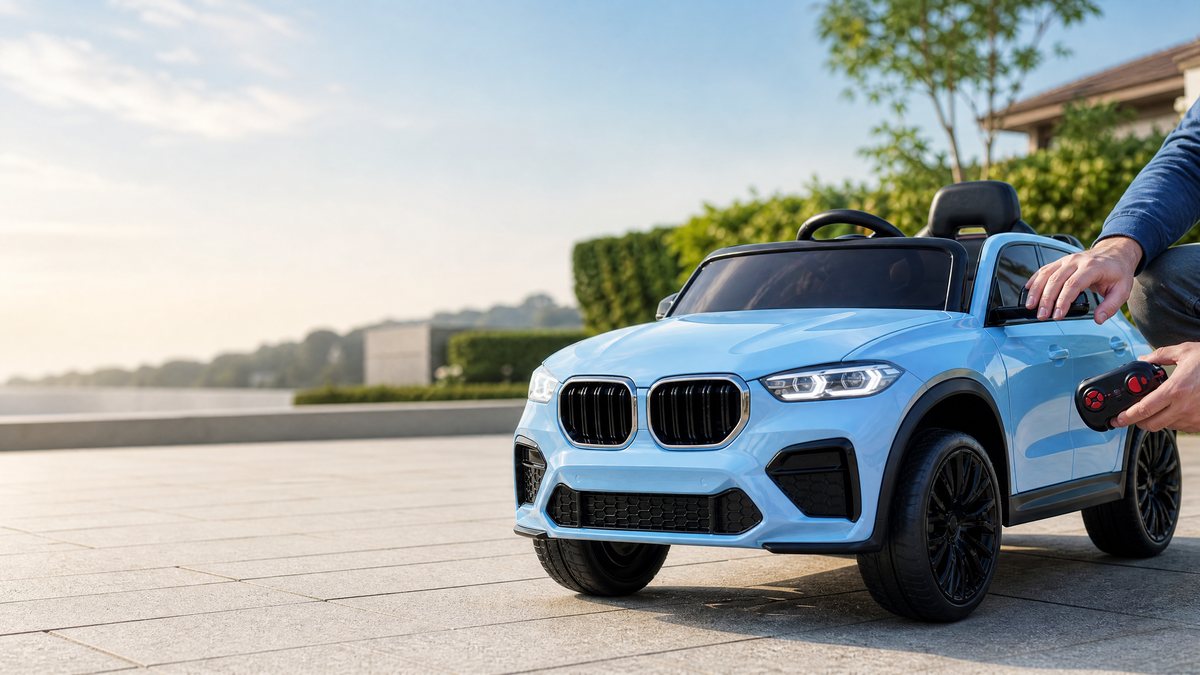
Introducing a toddler to their first electric ride-on car is an exciting milestone, yet for some young children, the sudden jerk of acceleration, high-pitched motor whines, and rapid movement can trigger acute apprehension. When a toddler is sensitive to motion or fearful of speed, standard high-performance ride-on toys often cause distress rather than enjoyment. For B2B importers, wholesale distributors, and specialty toy retailers, stocking inventory that caters to hesitant or speed-averse children represents a valuable and growing market segment.
Rather than identifying a single proprietary brand as "the best," this procurement and evaluation framework examines the essential engineering specifications, safety mechanisms, and design characteristics that importers and retailers must look for when sourcing gentle, low-speed ride-on vehicles for cautious young drivers.
Understanding Speed Anxiety and Sensory Sensitivity in Toddlers
For many toddlers between the ages of two and four, the vestibular system—which regulates balance, spatial orientation, and motion processing—is still developing rapidly. Sudden acceleration or unexpected vehicle movement can disrupt their sense of stability, leading to fear of loss of control. Additionally, loud motor noises and swift visual passing can cause sensory overload, making the child associate the ride-on car with stress rather than leisure.
When evaluating ride-on inventory for children who exhibit hesitation around speed, B2B buyers should focus on vehicles designed for gradual acclimation. The goal is not merely to find a slow vehicle, but to source cars that provide predictable handling, smooth power delivery, and robust parental control systems that allow children to build confidence at their own pace without feeling forced into uncomfortable situations.
Core Engineering Specifications for Gentle Ride-On Vehicles
Sourcing ride-on cars suitable for cautious toddlers requires a rigorous review of mechanical and electrical specifications. Importers should prioritize manufacturers that incorporate the following engineering features:
1. Soft-Start and Gradual Acceleration Systems
Traditional toy cars often deliver an abrupt surge of power the moment the foot pedal is depressed. This sudden lurch is the primary catalyst for toddler fear and startle responses. Sourcing specifications should strictly mandate soft-start electronics, which utilize an integrated controller to ramp up voltage gradually over 2 to 3 seconds, ensuring smooth, jerk-free takeoff.
2. Lockable Low-Speed Settings (1.5 to 2.0 MPH)
While standard ride-on vehicles operate at speeds between 3.0 and 5.0 mph, cautious toddlers require a maximum velocity capped at 1.5 to 2.0 mph (approximately 2.5 to 3.2 km/h). Importers should verify that vehicles feature multi-speed switches with parental locks, allowing adults to secure the vehicle in low gear while preventing children from toggling to higher speeds.
3. Comprehensive Parental Remote Control Override
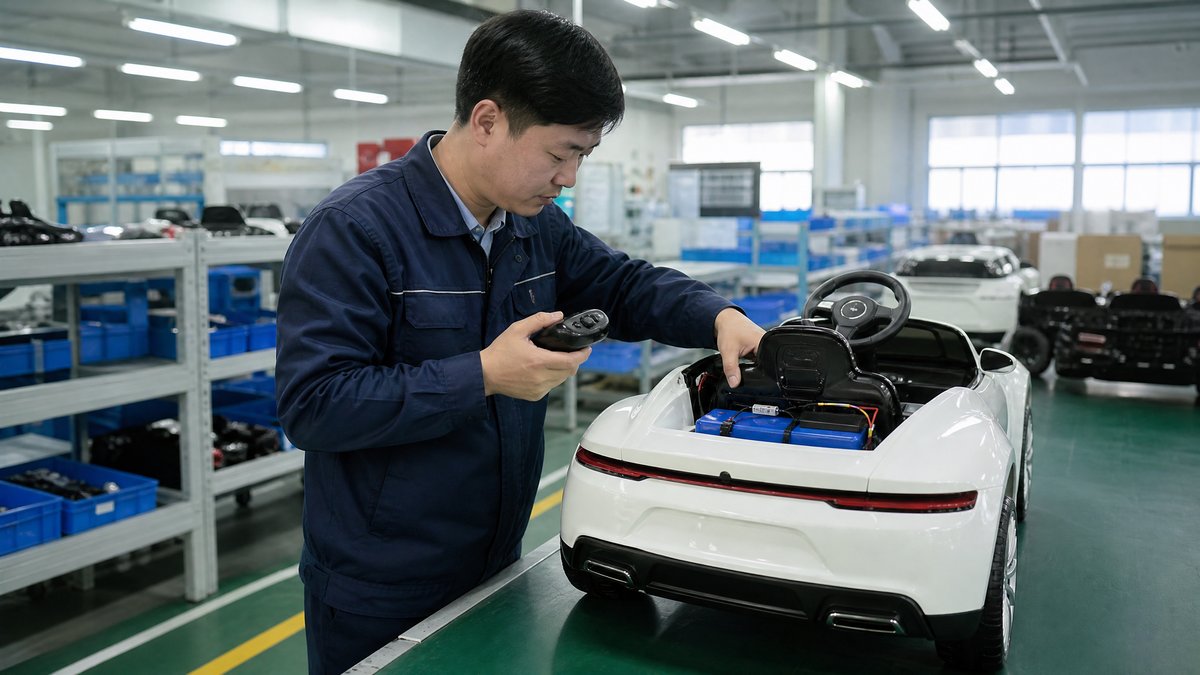
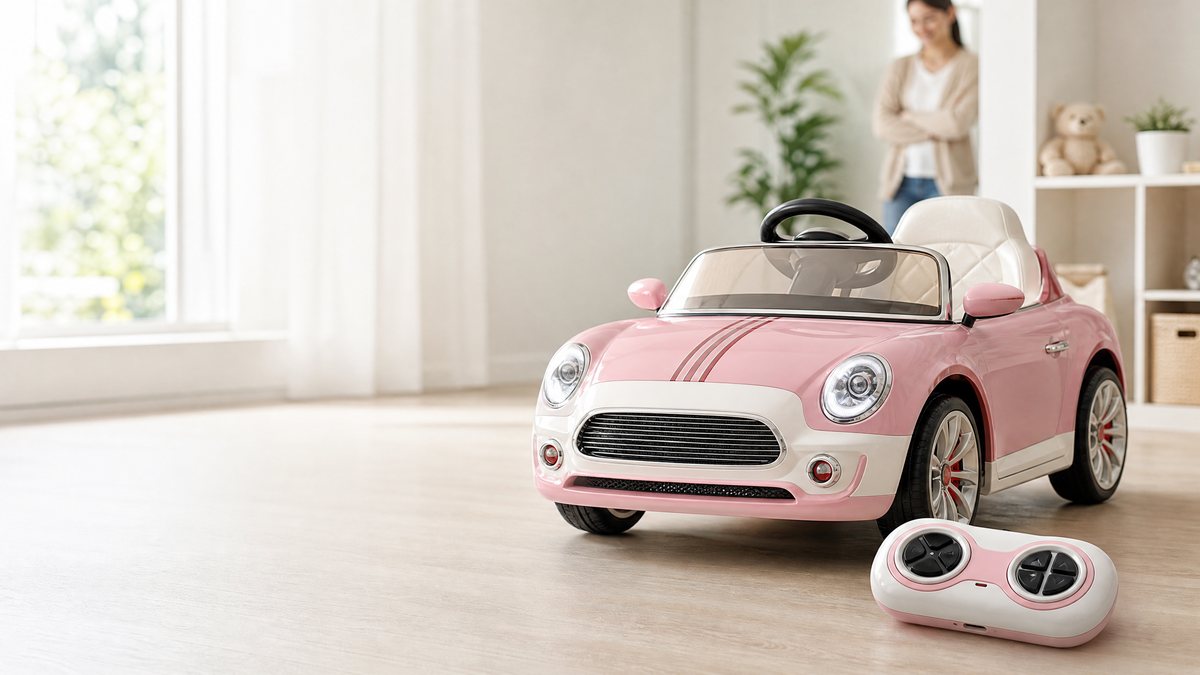
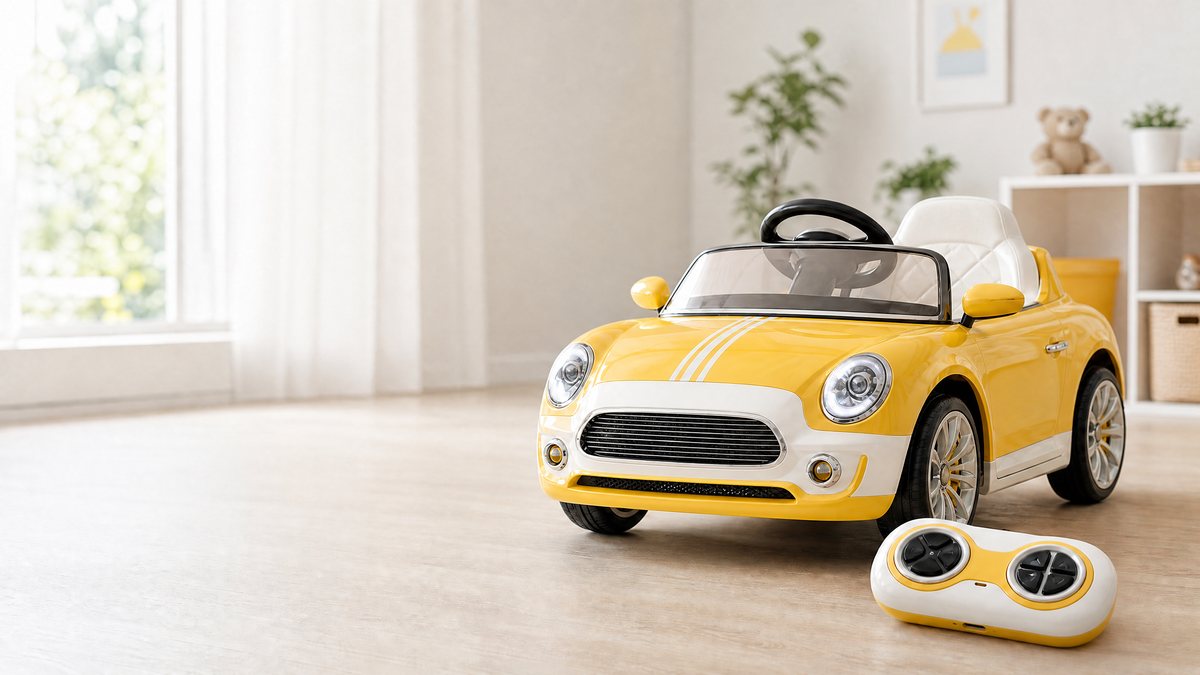
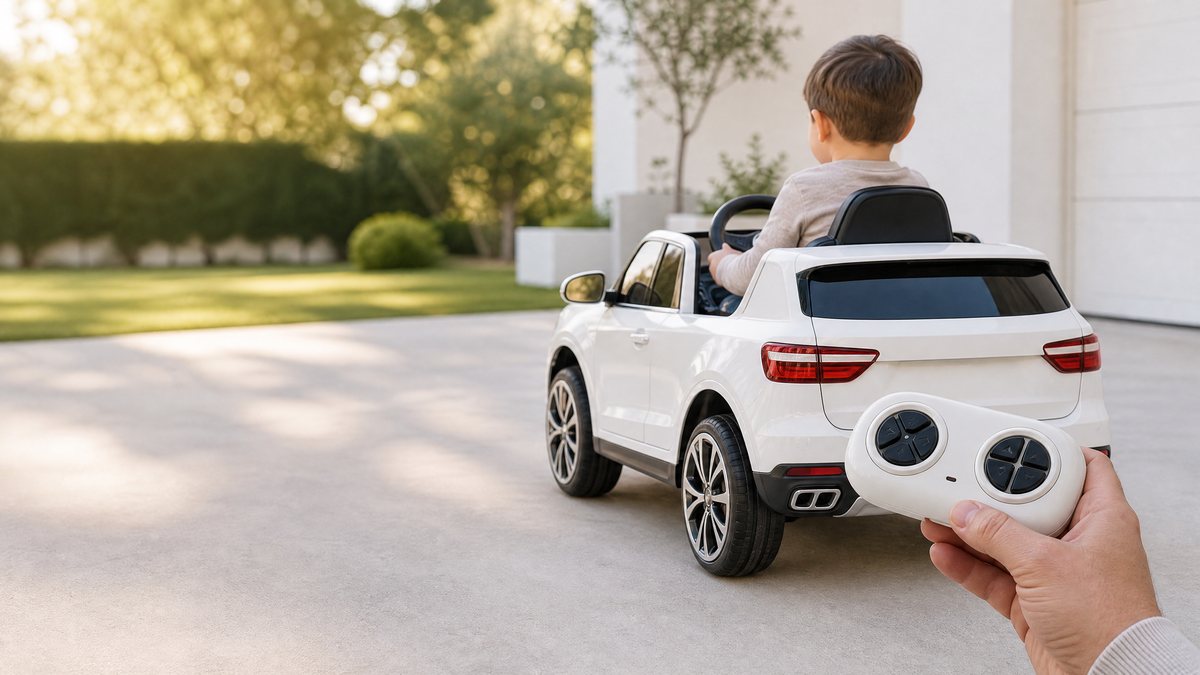
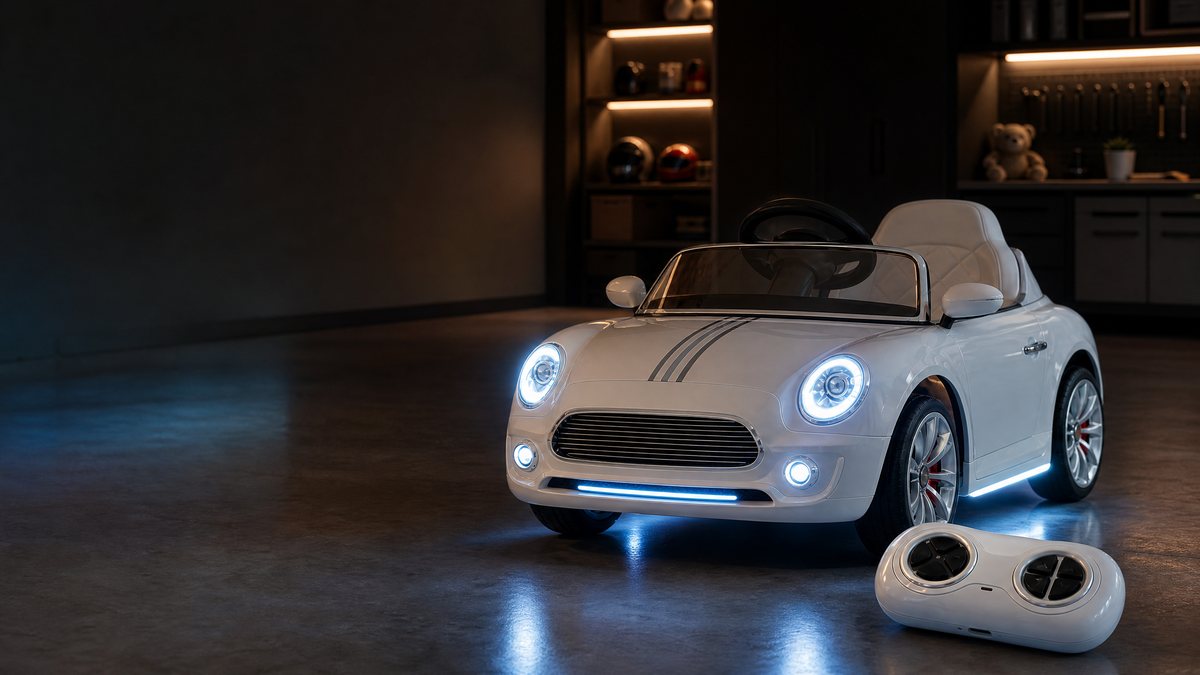
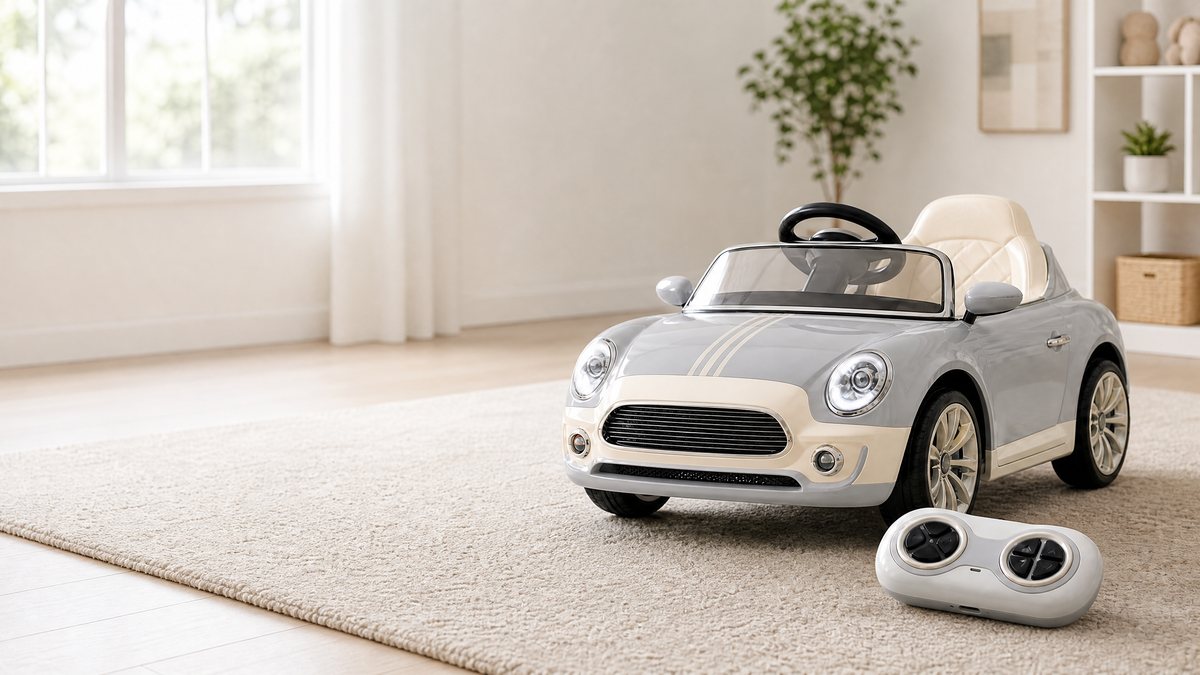
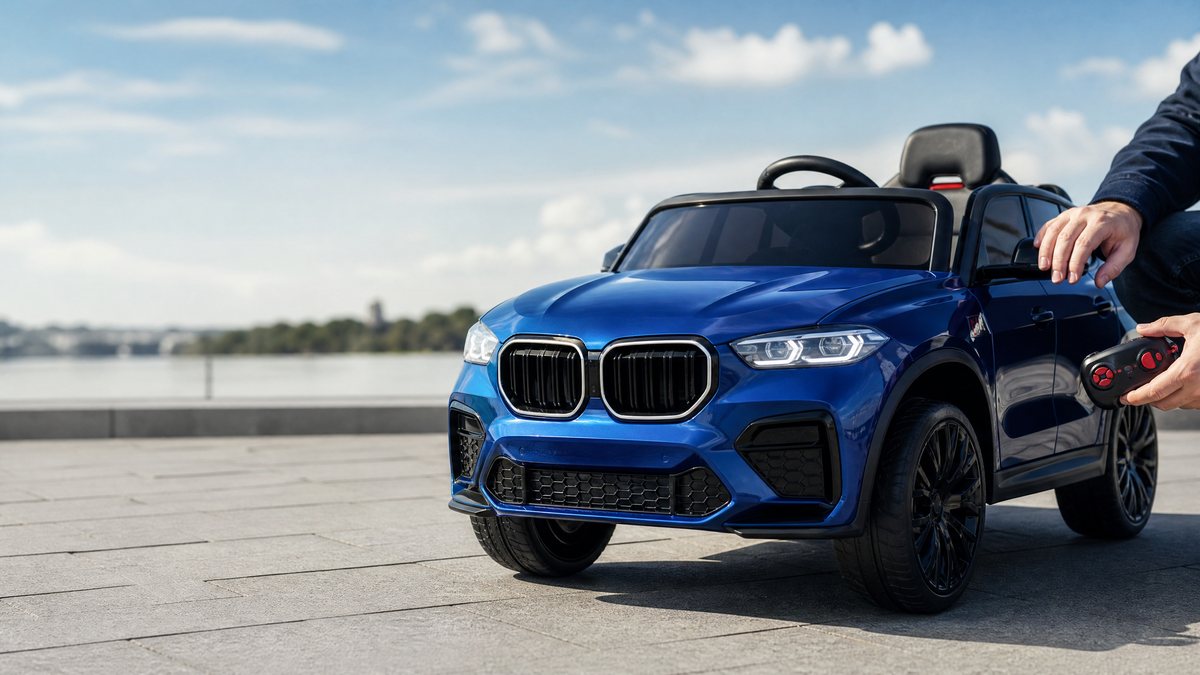
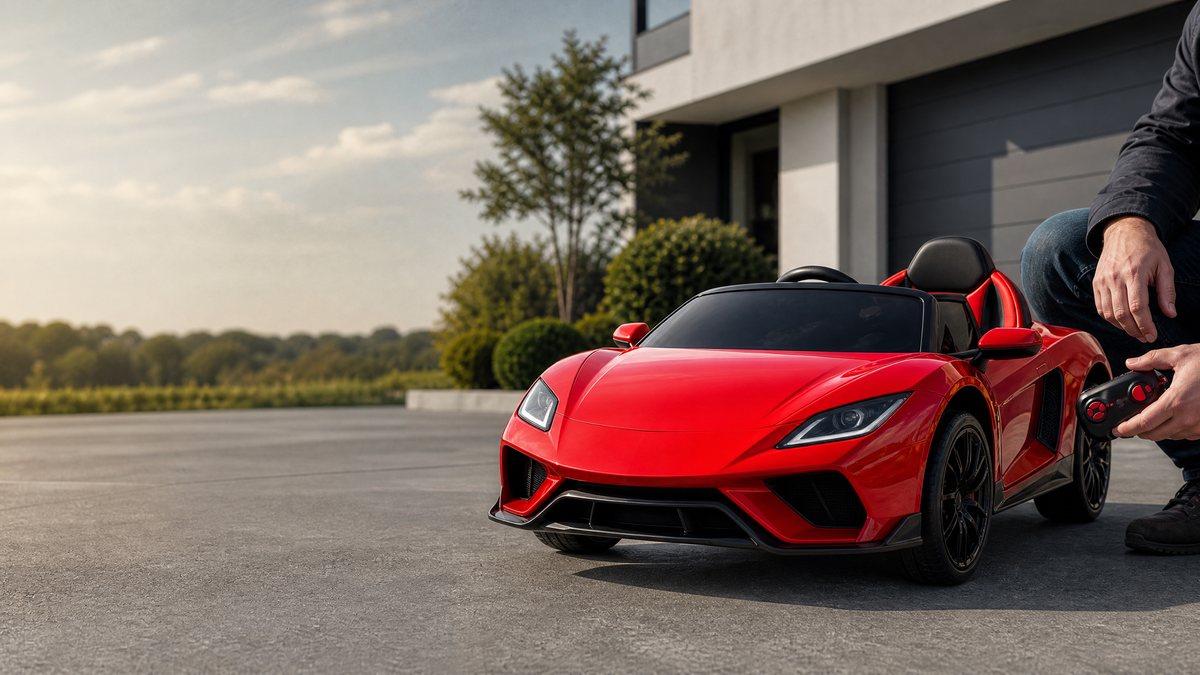
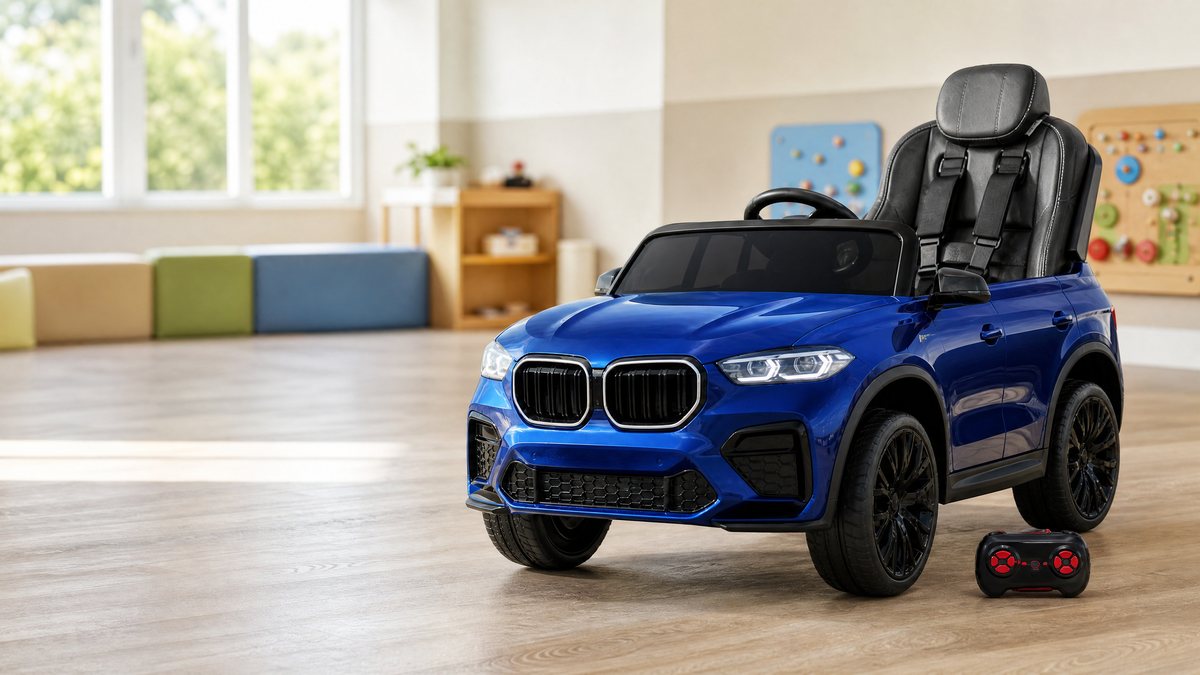
For children who are initially too intimidated to operate the foot pedal themselves, a 2.4G parental remote control is indispensable. The remote must feature full directional override, allowing the adult to steer, accelerate, and apply instant emergency braking regardless of what the child inputs on the vehicle dashboard. This allows the toddler to sit comfortably and experience motion passively before taking over active control.
4. Low Center of Gravity and Stable Wheel Bases
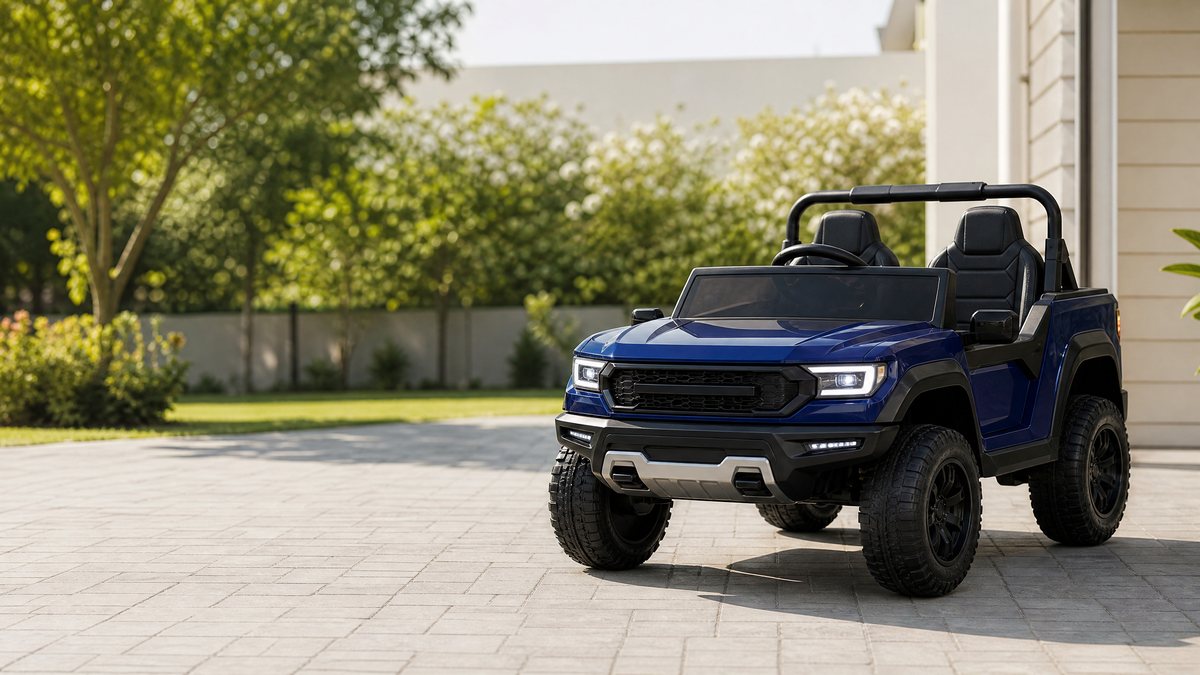
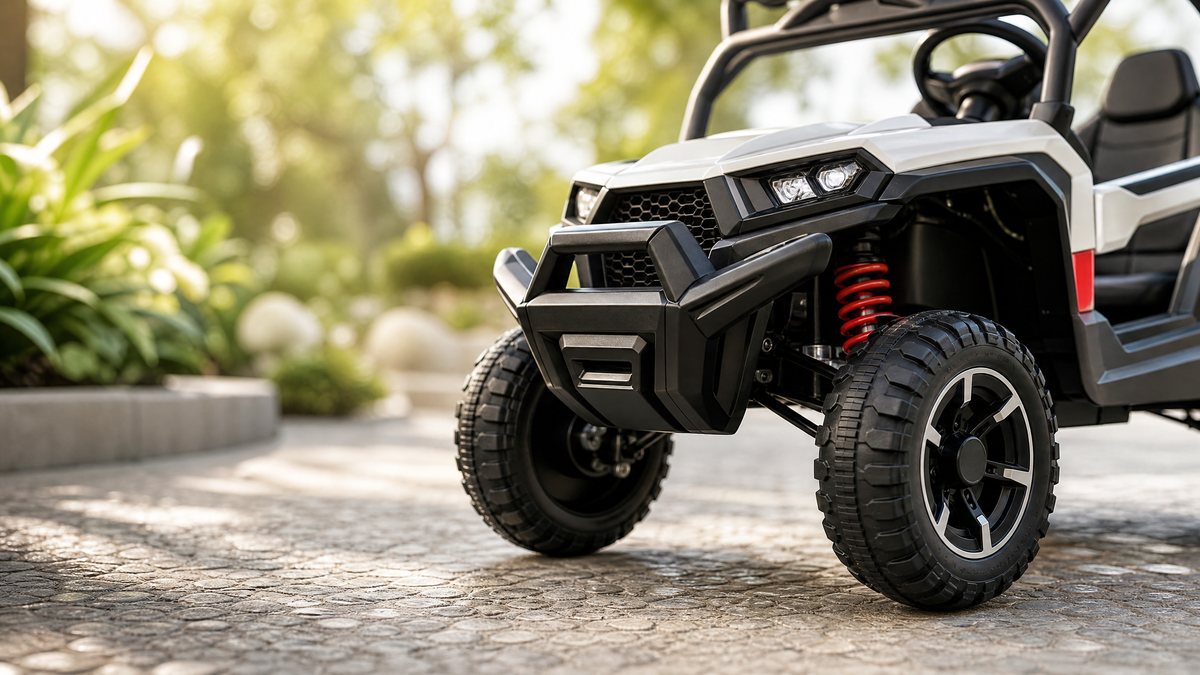
Fear of speed is frequently compounded by a fear of tipping or instability. Vehicles designed for cautious drivers should feature a wide, stable wheel base, robust EVA foam or high-traction rubberized plastic tires to eliminate wheel spin on smooth surfaces, and a low center of gravity to enhance structural stability during turns and transitions.
Comparative Specifications for Gentle Ride-On Options
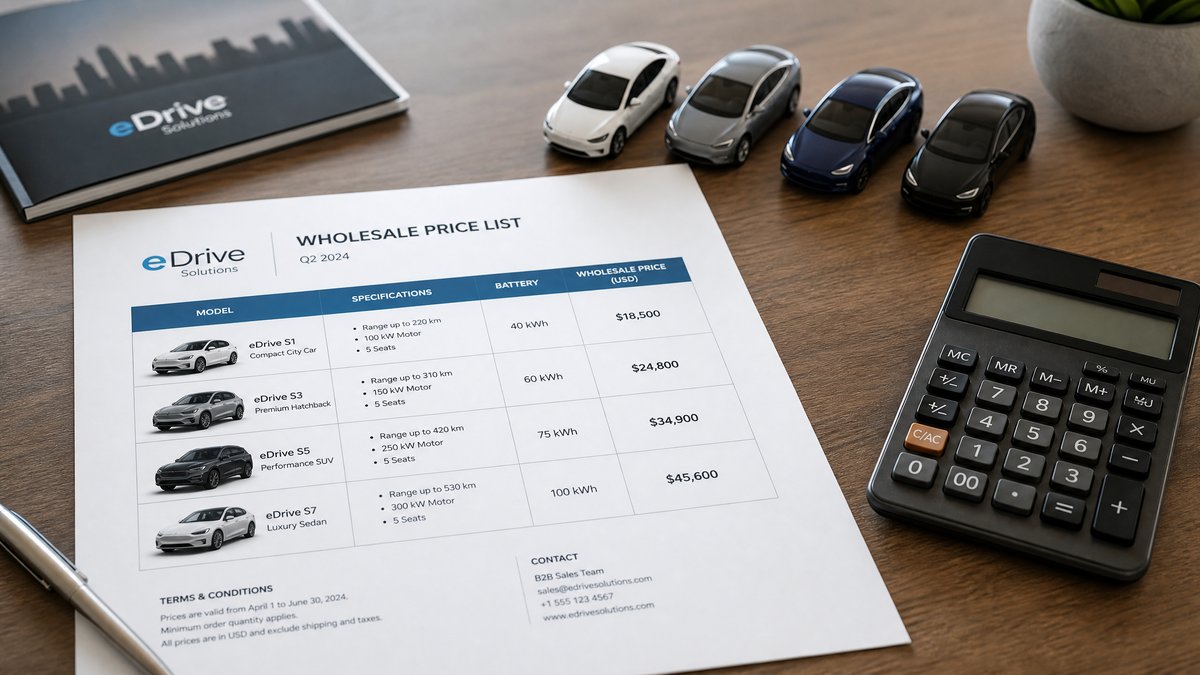
To assist wholesale buyers and retail category managers in evaluating supplier proposals, the following comparison matrix outlines standard specification tiers for low-speed and sensory-friendly ride-on configurations:
| Specification Parameter | Standard High-Speed Model | Gentle / Cautious Toddler Model | Wholesale Verification Priority |
|---|---|---|---|
| Maximum Velocity | 3.0 – 5.0 mph (4.8 – 8.0 km/h) | 1.5 – 2.0 mph (2.4 – 3.2 km/h) | Mandatory speed limiter or gear lock |
| Acceleration Profile | Instantaneous power delivery | Soft-start gradual voltage ramp (2–3s) | Review electrical controller schematics |
| Parental Control | Basic directional control | 2.4G full override with emergency brake | Test remote priority response latency |
| Drive Configuration | Dual or Quad high-RPM motors | Single or Dual low-RPM high-torque motors | Check motor wattage and gearbox ratio |
| Tire Construction | Hard molded plastic | EVA foam or rubber-strip tread | Inspect material samples for grip quality |
Buyer's Evaluation Checklist for Importers and Retailers
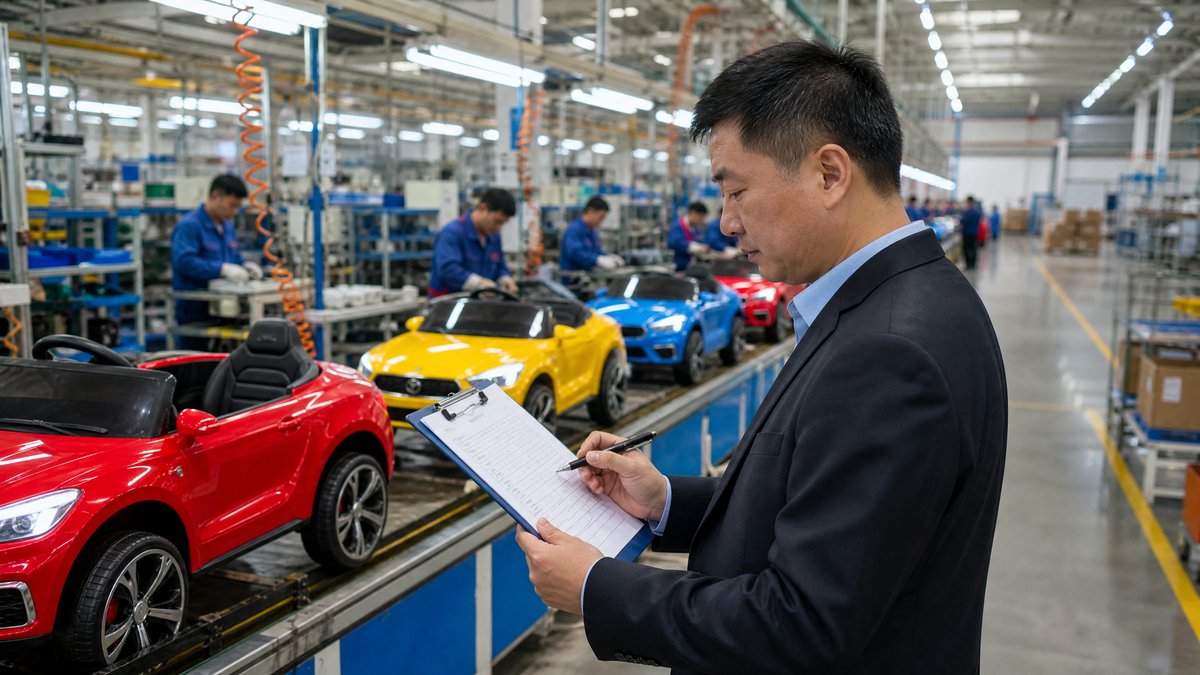
When vetting manufacturing partners and reviewing product specification sheets (spec sheets) for gentle ride-on inventory, procurement professionals should execute the following verification steps:
- [ ] Request Electrical Schematics: Confirm the inclusion of soft-start integrated circuits (ICs) within the electronic speed controller (ESC) unit.
- [ ] Verify Speed Limiter Mechanisms: Check whether gear selection switches can be physically locked via a screw or hidden panel to prevent unauthorized toggling by the child.
- [ ] Inspect Remote Priority Protocols: Ensure that activating the parental remote control immediately interrupts foot-pedal input without signal lag.
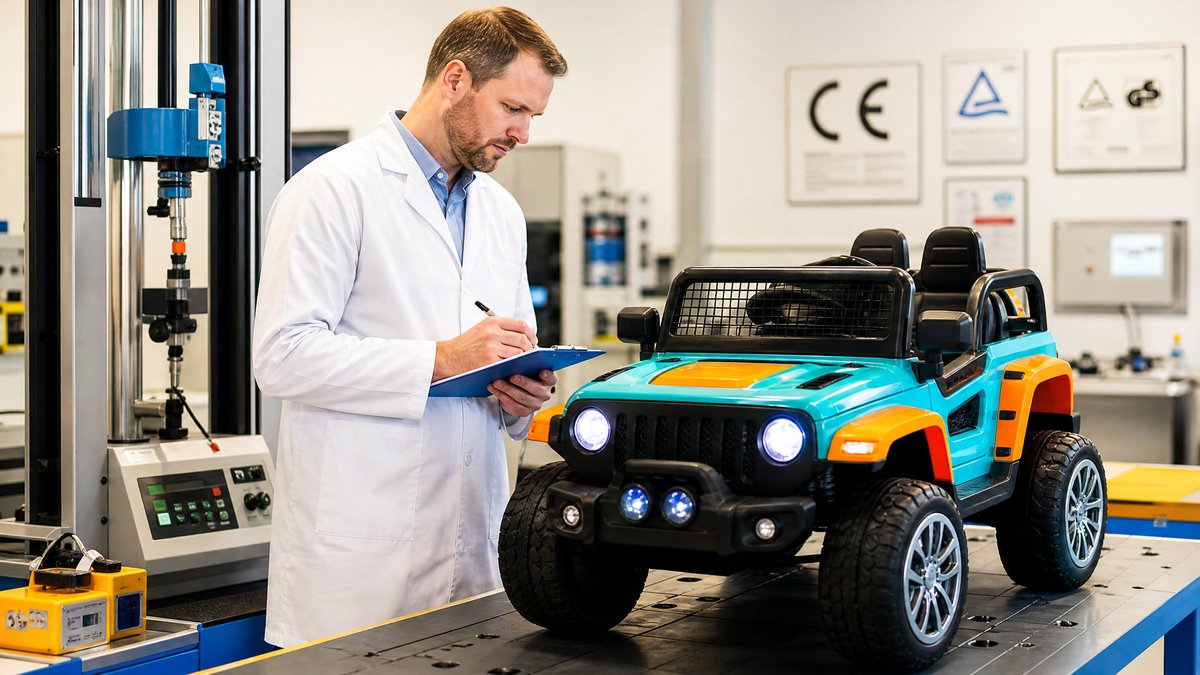
- [ ] Examine Compliance Documentation: Verify that the product complies with international toy safety standards such as ASTM F963 (US) and EN71 (EU), ensuring non-toxic plastics and secure electrical wiring.
- [ ] Review Sample Unit Reports: Order pre-shipment physical samples to test actual acceleration smoothness on indoor tile and outdoor turf surfaces.
Additional Considerations for Retail Merchandising
When retail establishments and online storefronts market slow-speed, sensory-friendly ride-on vehicles, merchandising strategy should emphasize parental peace of mind and child psychological comfort. Highlighting terms such as "gentle acceleration," "parental remote lock," and "vestibular-friendly engineering" helps educate consumers who might otherwise hesitate to purchase motorized toys for sensitive children. Importers should also ensure that user manuals explicitly guide parents on acclimating fearful toddlers through stationary sitting sessions before engaging motor power.
Frequently Asked Questions (FAQ)
Are 6V ride-on cars inherently safer for toddlers afraid of speed than 12V models?
Not necessarily. While traditional 6V systems generally produce lower top speeds than 12V systems, modern 12V ride-on cars equipped with adjustable multi-speed switches and electronic soft-start controllers often provide superior performance. A well-engineered 12V car locked in low gear offers smoother torque delivery and better hill-climbing stability than a cheap, underpowered 6V model that might stall and jerk.
How does the parental remote control help a nervous toddler build confidence?
The 2.4G parental remote control allows for desensitization through gradual exposure. Initially, parents can drive the car entirely while the toddler sits inside, helping them adjust to the sensation of motion without feeling overwhelmed. As the child grows comfortable, parents can gradually relinquish control of steering while retaining brake override, fostering independence in a secure environment.
Can speed-limiting features be permanently locked by parents or commercial fleet operators?
Yes. Quality manufacturers design speed selectors with mechanical lockout mechanisms or software configuration presets. Importers should confirm with suppliers whether the low-speed lock can be secured with a physical fastener, preventing adventurous toddlers or older siblings from shifting the vehicle into high gear prematurely.
Conclusion
Sourcing ride-on vehicles for toddlers who experience apprehension regarding speed requires careful attention to mechanical nuance rather than brand marketing. By prioritizing soft-start acceleration, lockable low-speed settings, reliable parental remote overrides, and stable chassis designs, B2B importers and retail buyers can curate a product line that instills confidence in young riders and reassures parents. To discuss custom wholesale specifications, compliance documentation, or bulk container orders for sensory-friendly ride-on vehicles, please contact our commercial team at sales@kidsridecar.com.
Official references
Explore these external resources for current regulatory and trade guidance. Confirm requirements with the relevant authority before placing an order.
Ready to Start?
Factory-Direct · CE & ASTM Certified · MOQ from 50 Units
Our export team works with buyers in 60+ countries. Get a quote within 24 hours.
KR
Written by KidsRideCar
China's leading kids electric ride-on car manufacturer. 500,000+ units shipped annually to 60+ countries. CE, ASTM & EN71 certified.