Introduction to Children's Ride-On Vehicles
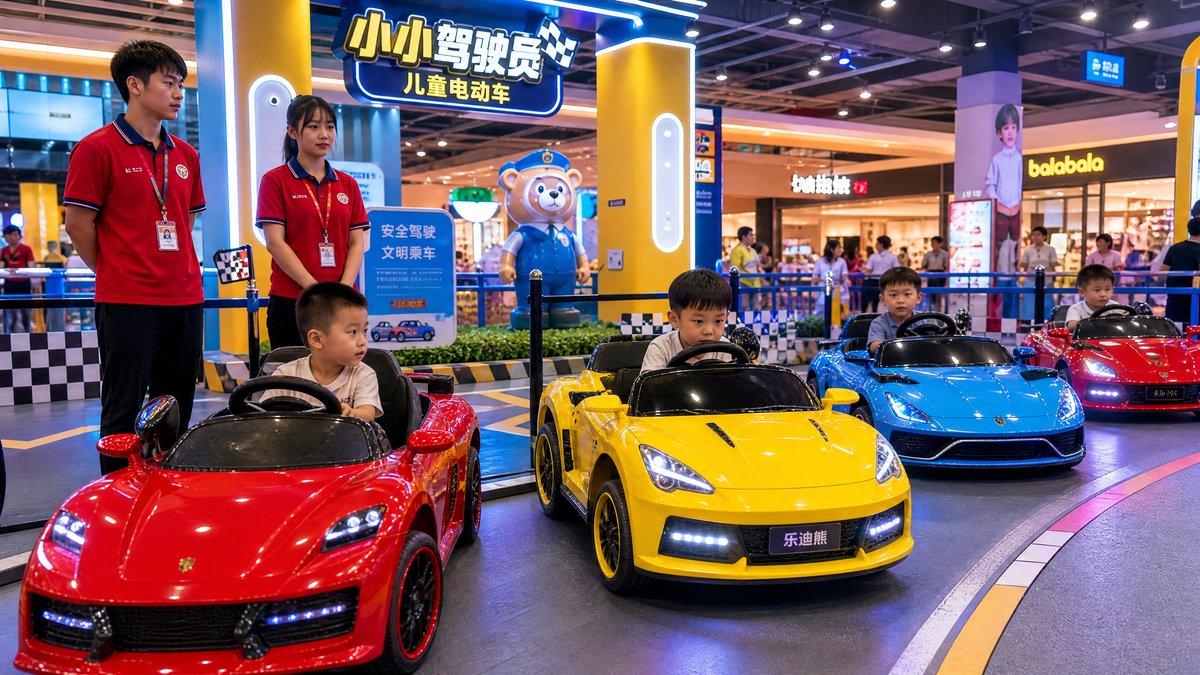
The children's ride-on vehicle market intersects childhood entertainment, recreational play, and vehicular engineering. For B2B procurement professionals, wholesale distributors, retail buyers, and parents, navigating motorized riding toys requires understanding product classifications, structural differences, and operational dynamics. Among the most frequently compared categories in the modern toy market are children's electric ride-on cars and motorized or pedal-powered go karts. While both categories deliver engaging outdoor experiences and encourage active play, their structural engineering, mechanical drive systems, operational handling, safety architectures, and target user demographics differ substantially.
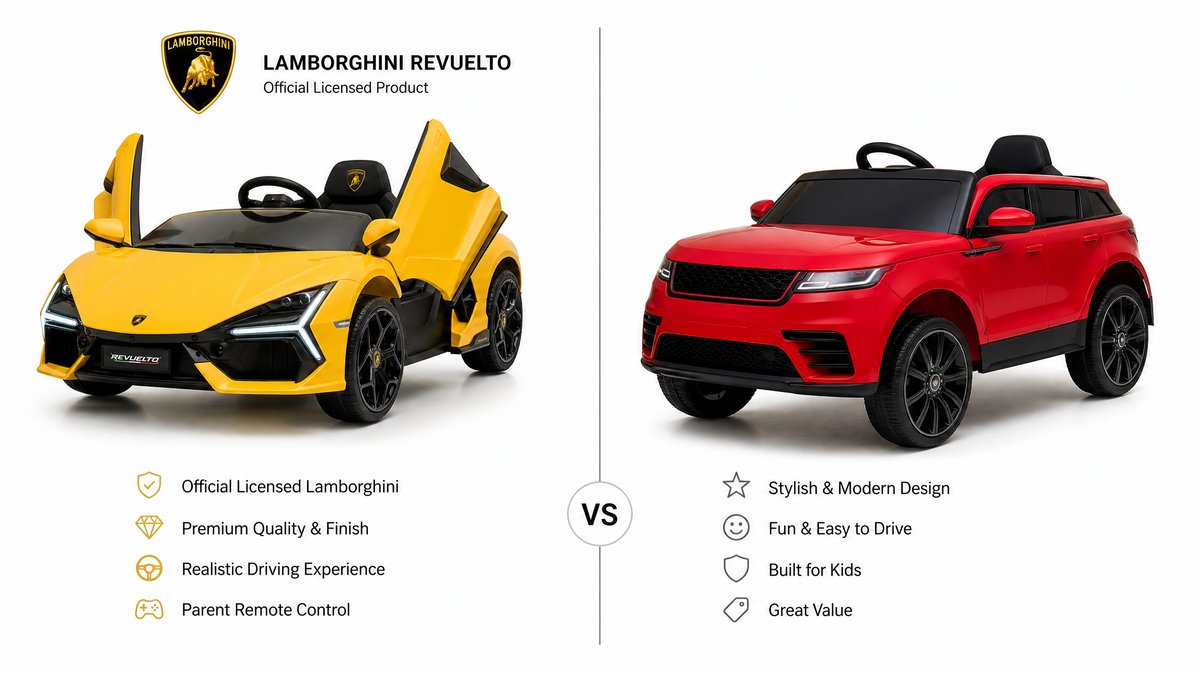
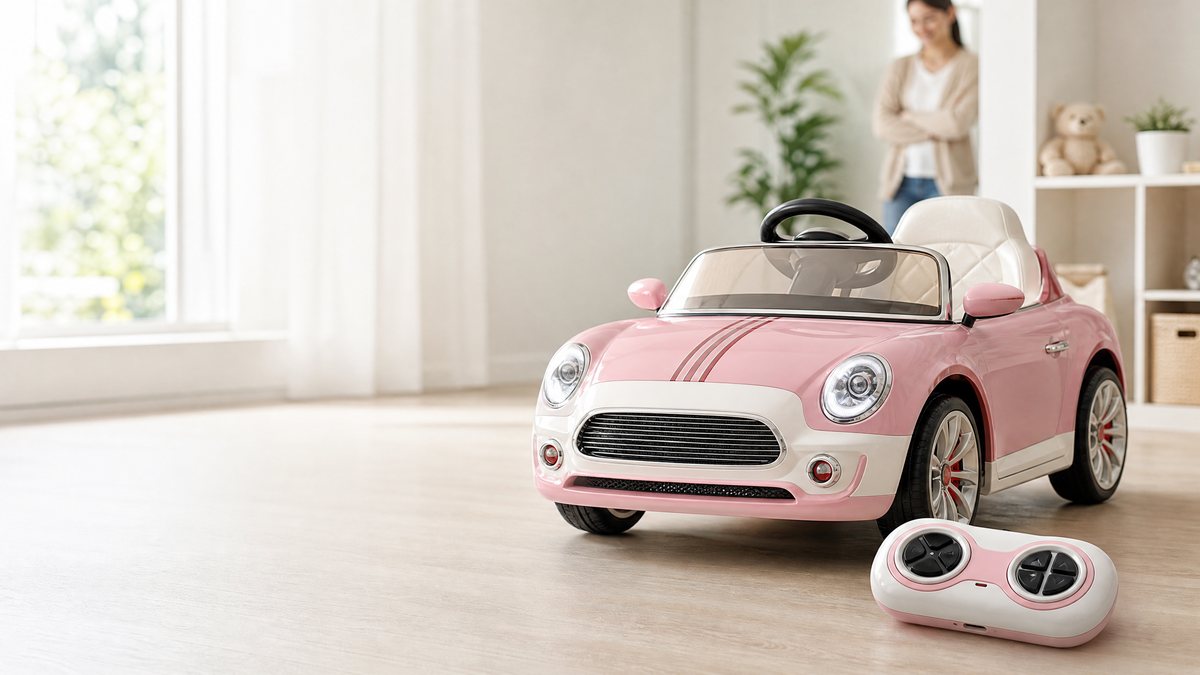
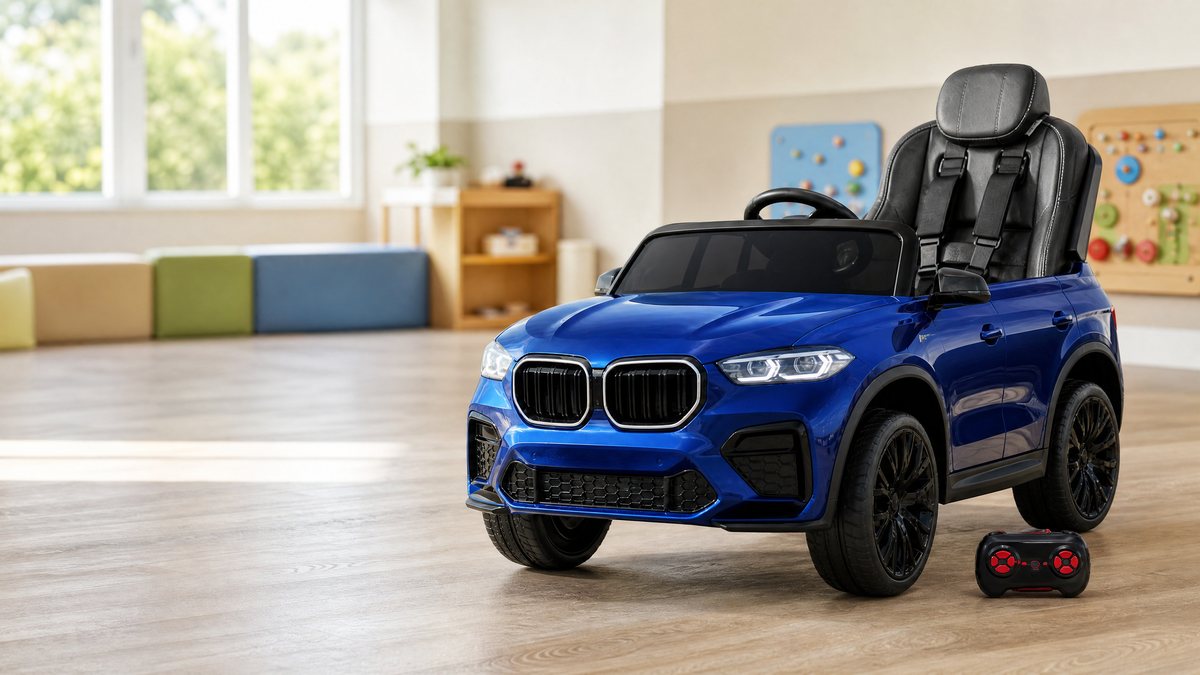
Understanding these distinctions is essential for wholesale procurement, retail catalog curation, and consumer purchase selection. A ride-on car is typically designed to emulate full-sized passenger automobiles, offering realistic aesthetic details such as opening doors and multi-speed parental remote control systems (if equipped). These vehicles prioritize immersive role-play, versatile terrain capabilities, and layered safety margins suitable for younger children. Conversely, go karts focus squarely on tactile driving feedback, responsive steering geometry, low-center-of-gravity handling, and unencumbered kinetic momentum, appealing to older children seeking speed, agility, and motor skill refinement.
When evaluating these products, buyers and retailers must recognize that specifications, features, and performance metrics vary by model. All claims regarding speed, voltage performance, battery capacity, and recommended age ranges must be confirmed directly against the manufacturer's user manual and nameplate documentation. Furthermore, when purchasing through third-party retail channels or wholesale platforms, buyers and consumers should view current product pages, seller terms, and platform policies directly rather than relying on assumed return windows, inventory levels, or promotional guarantees.
Structural Design and Aesthetic Architecture
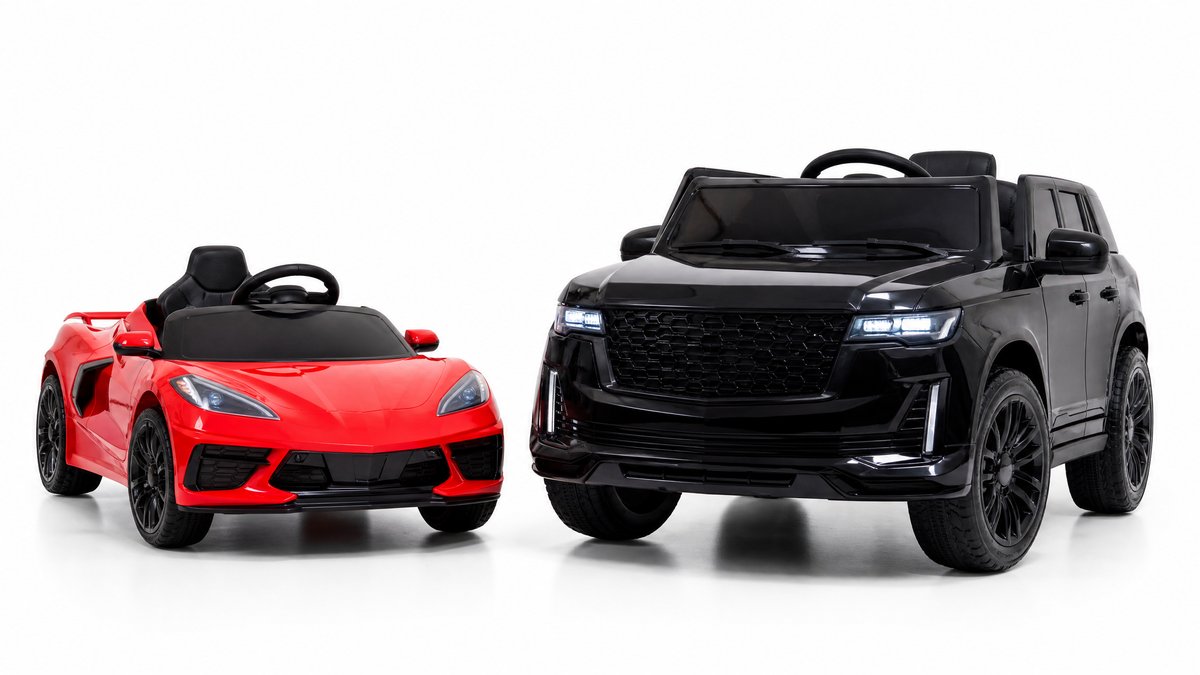
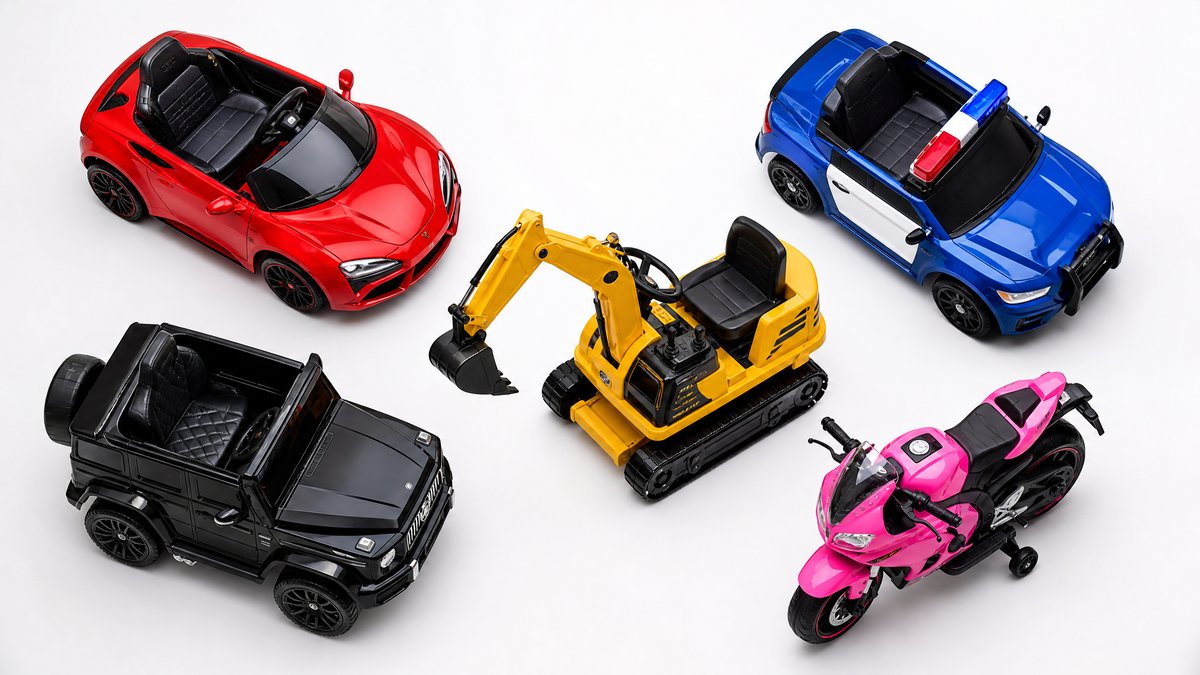
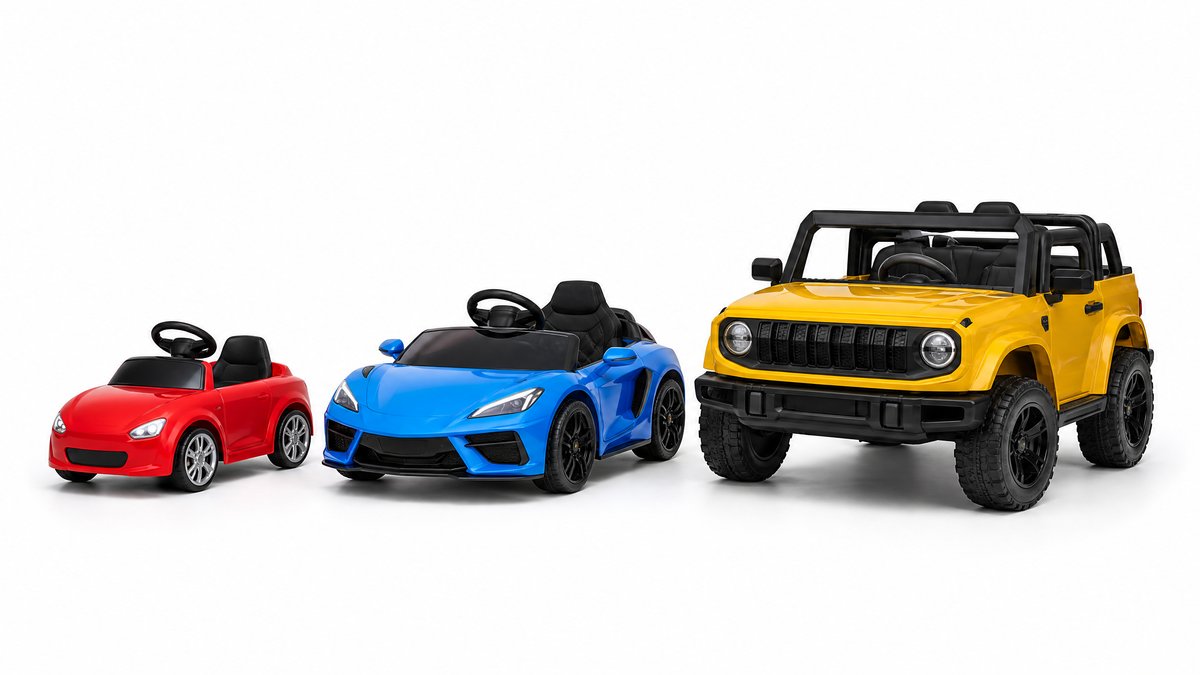
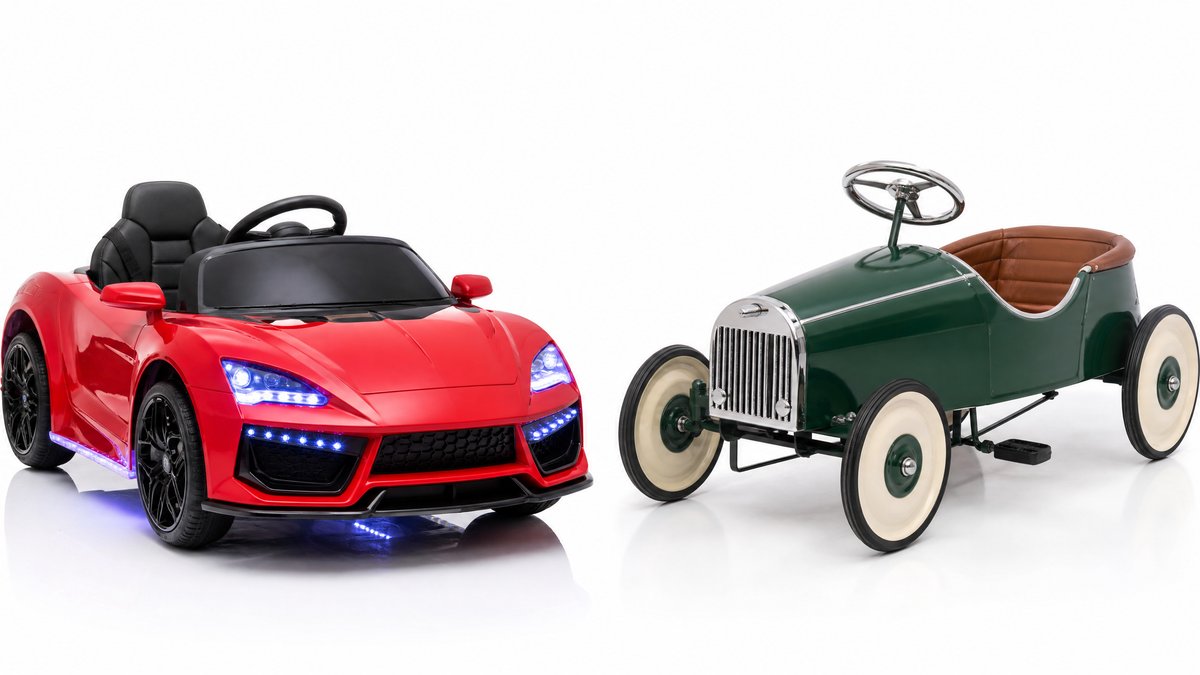
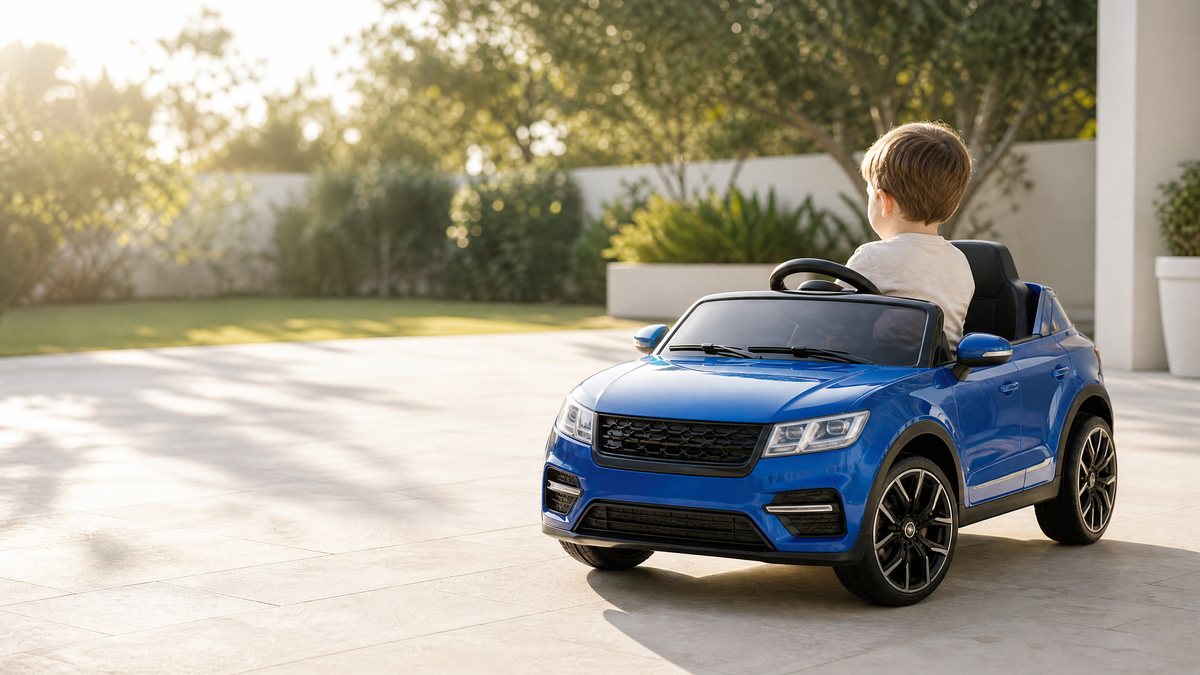
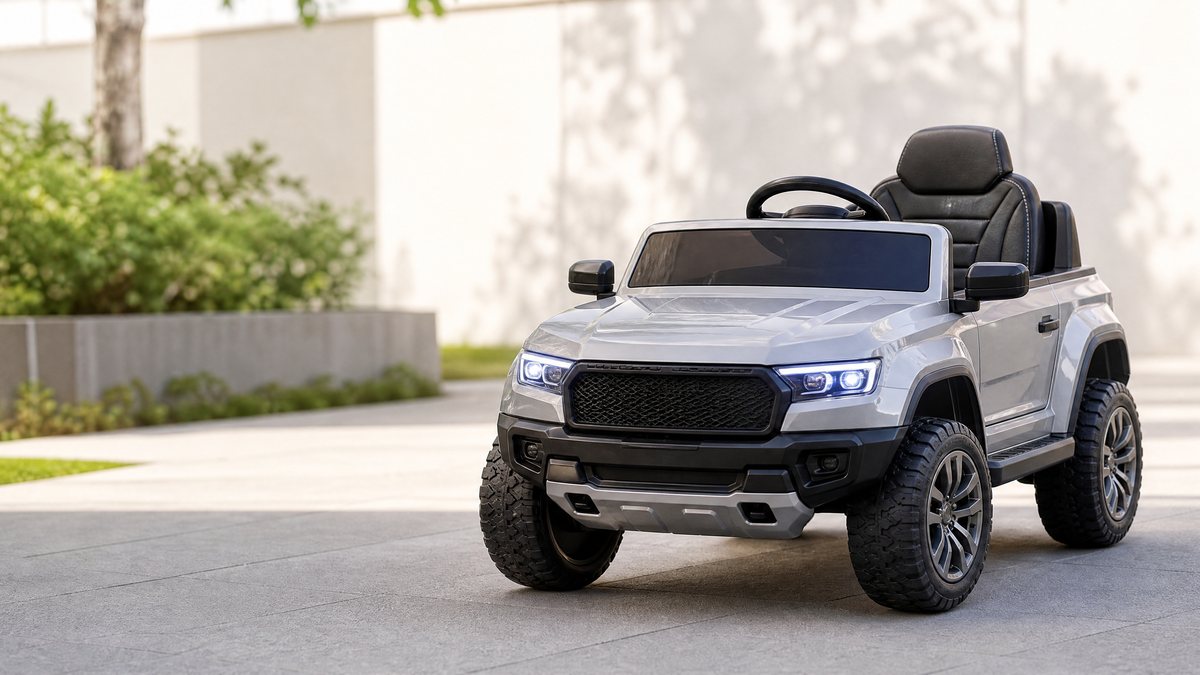
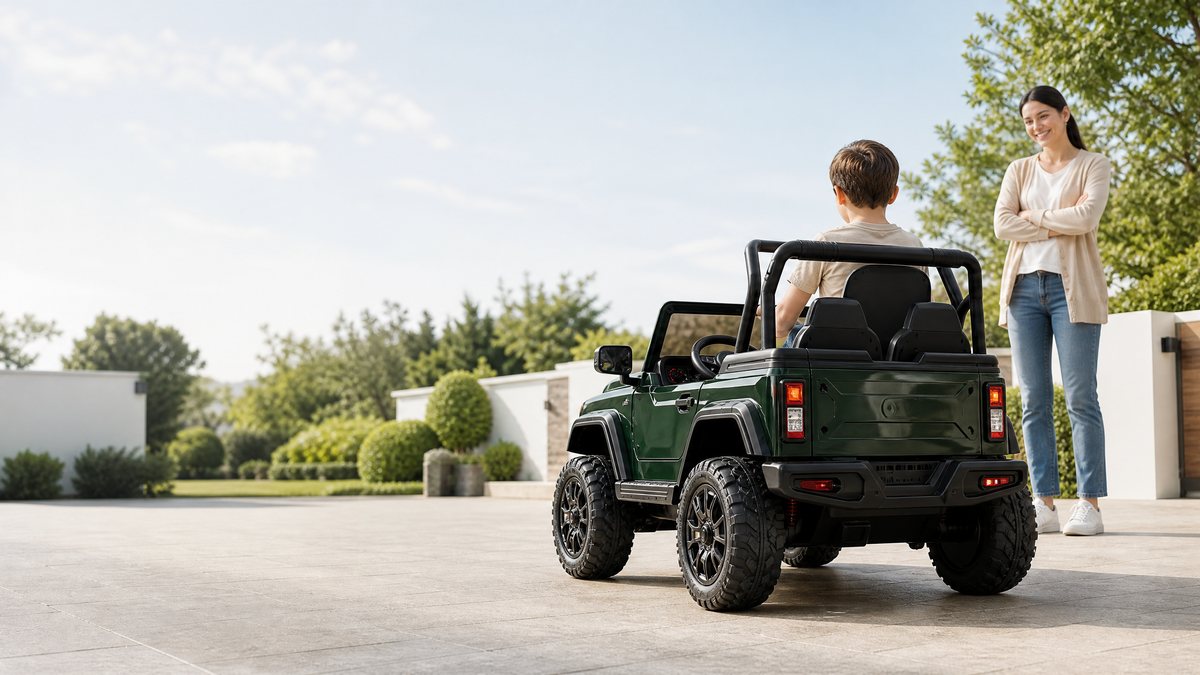
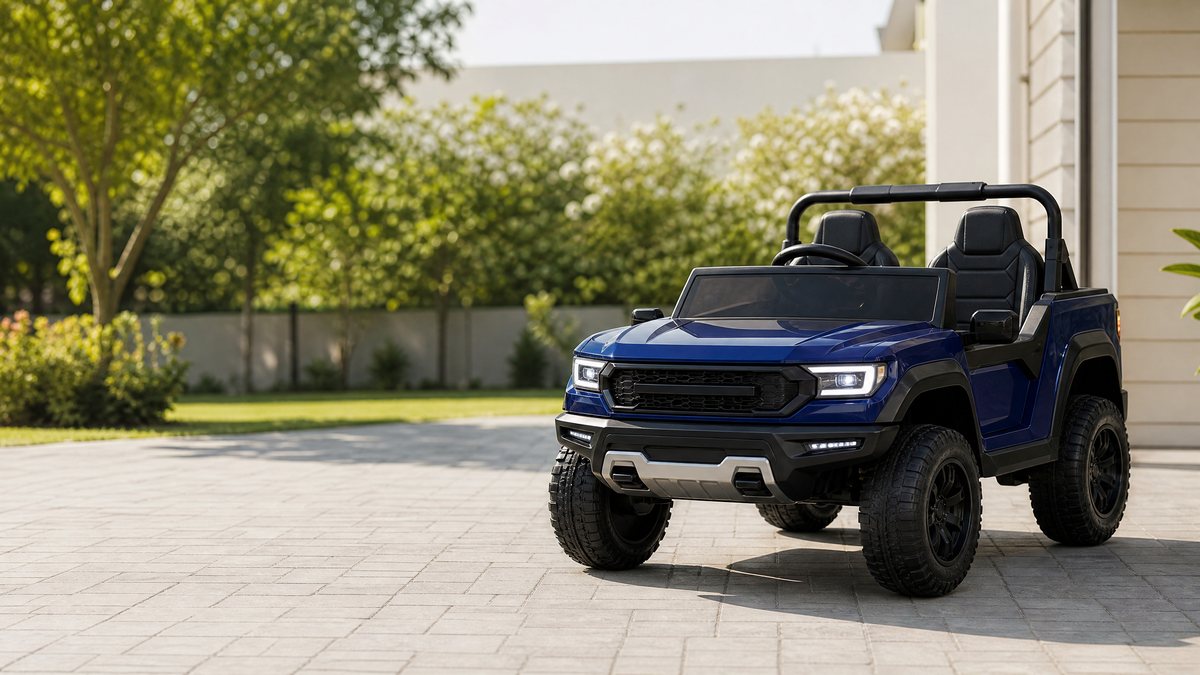
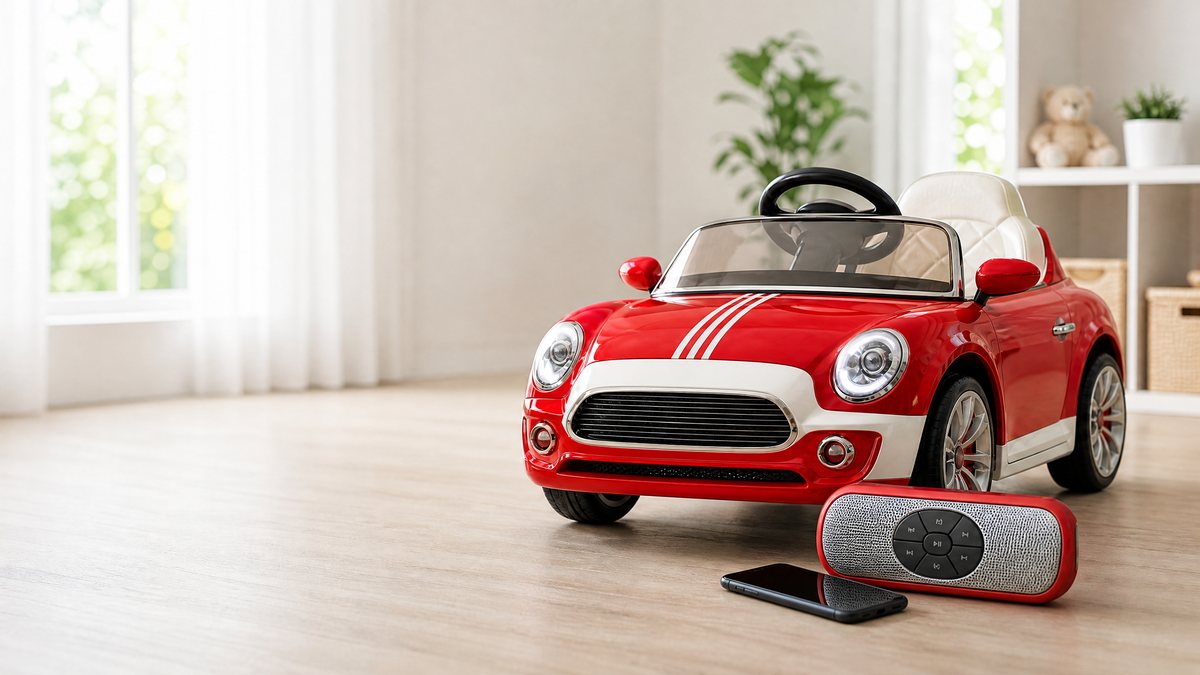
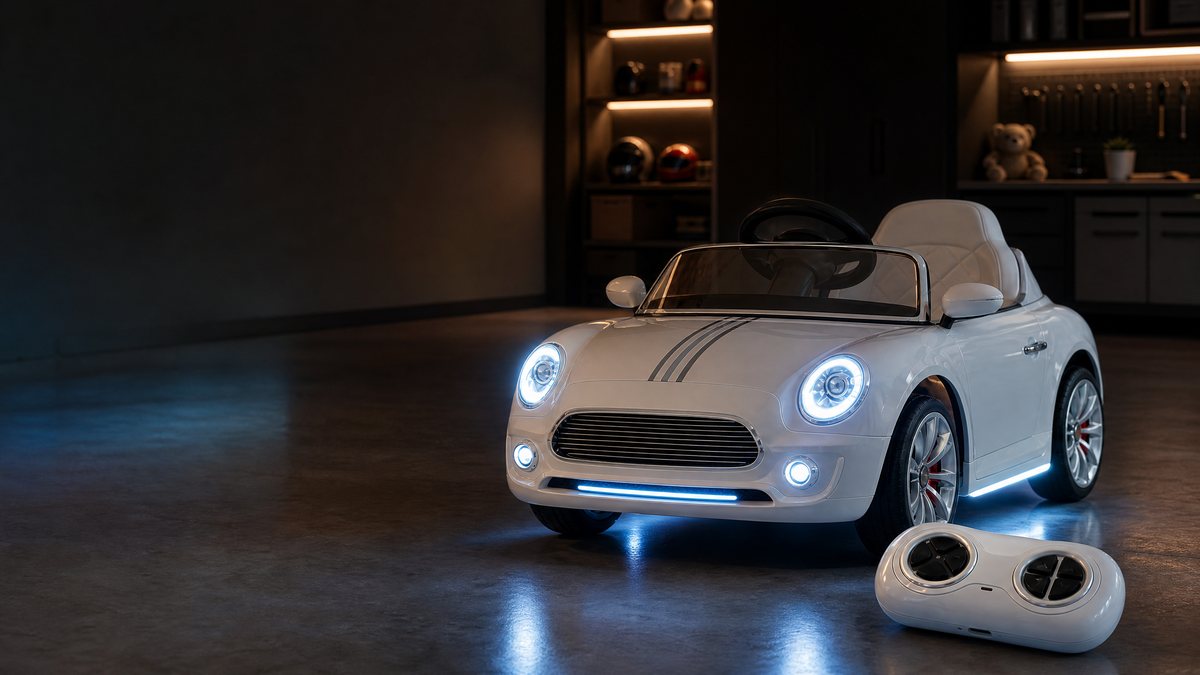
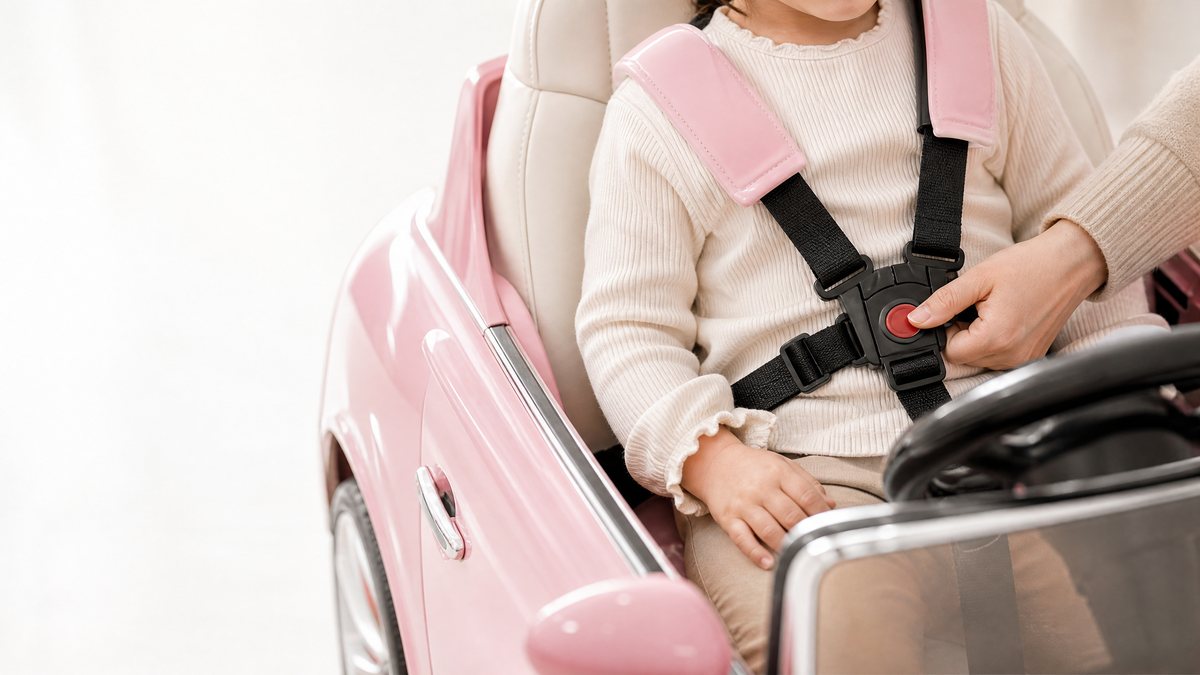
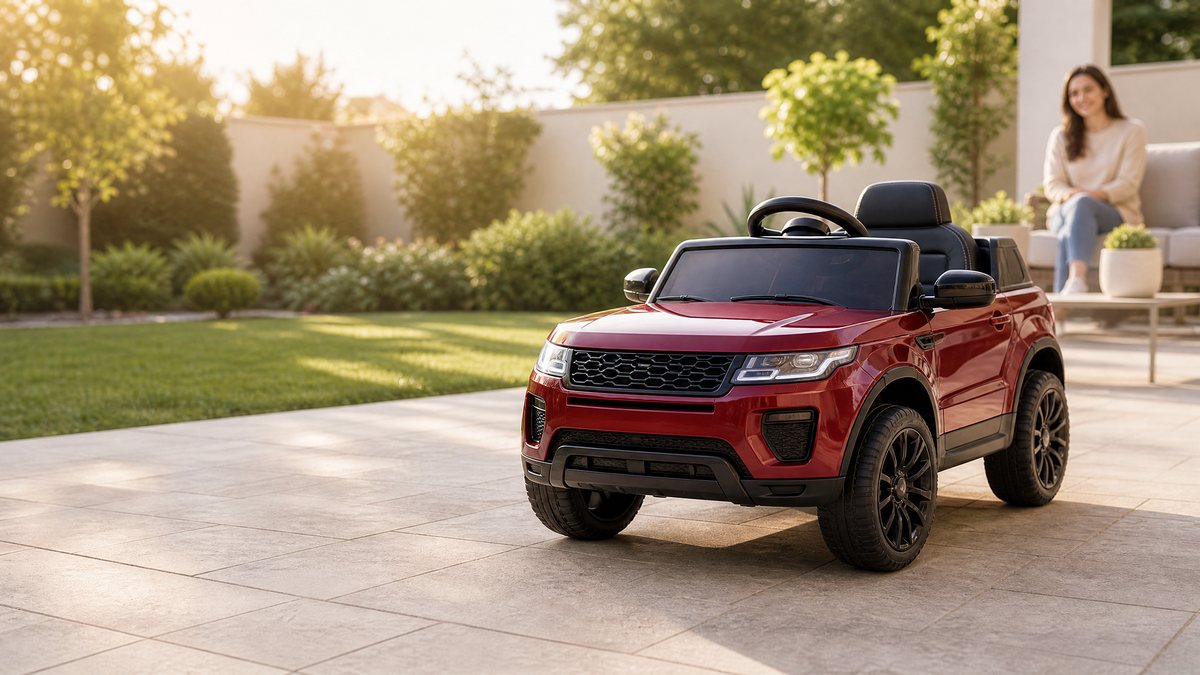
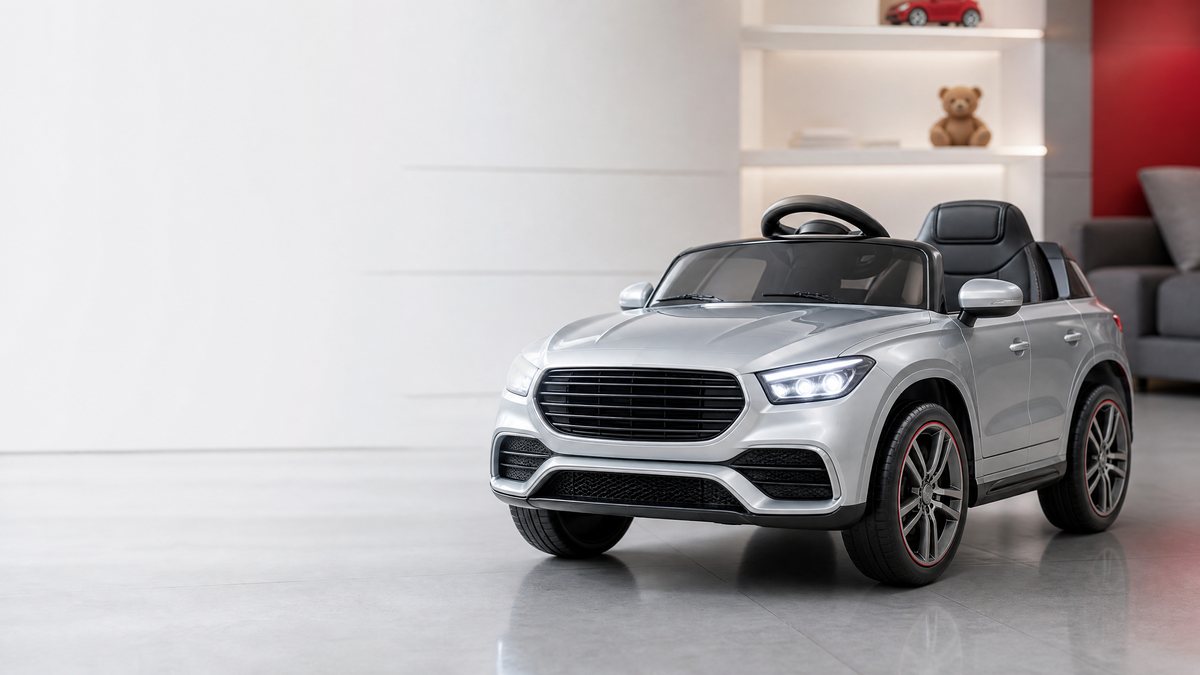
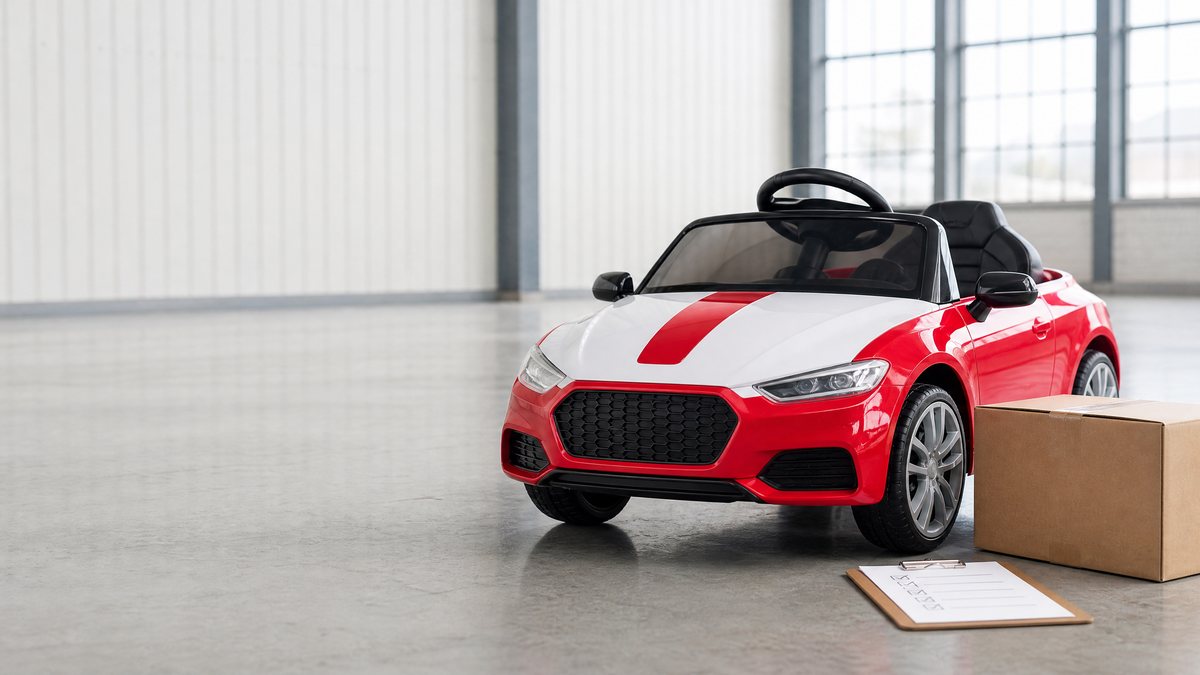
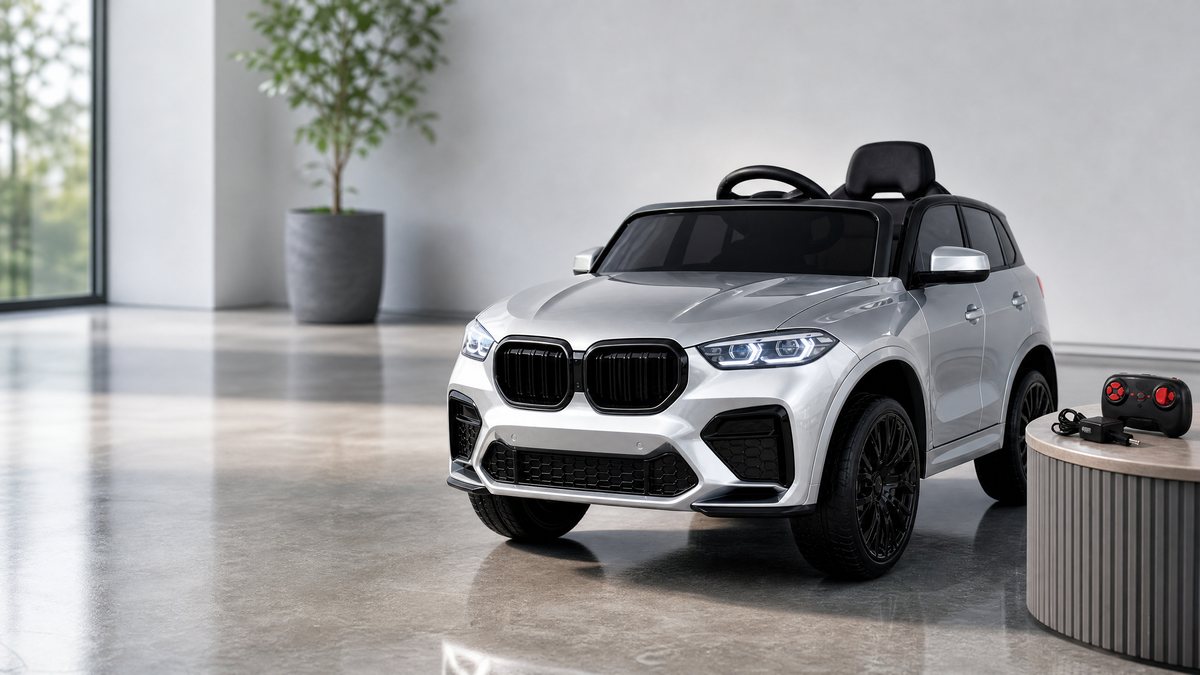
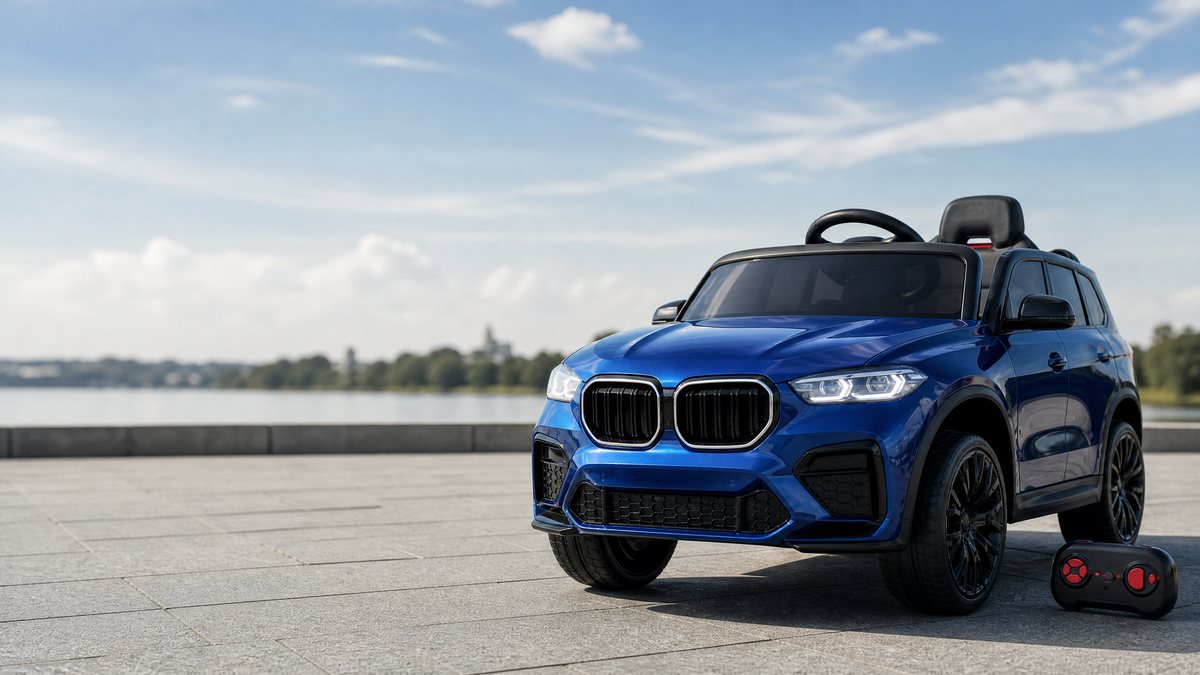
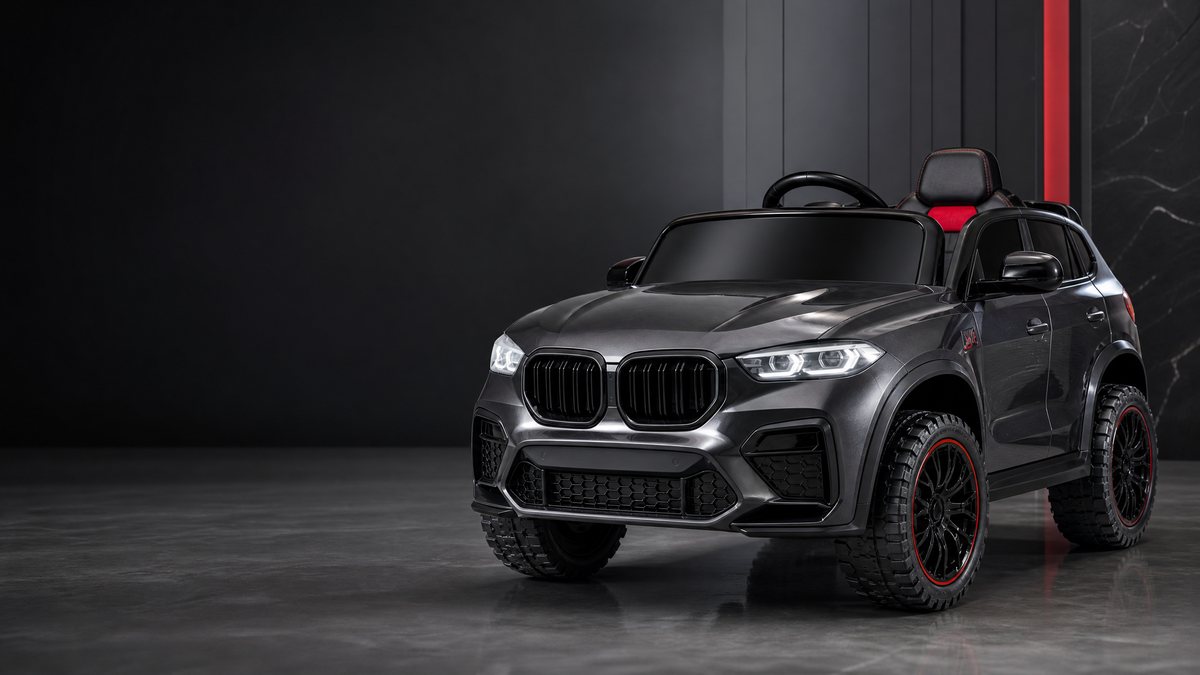
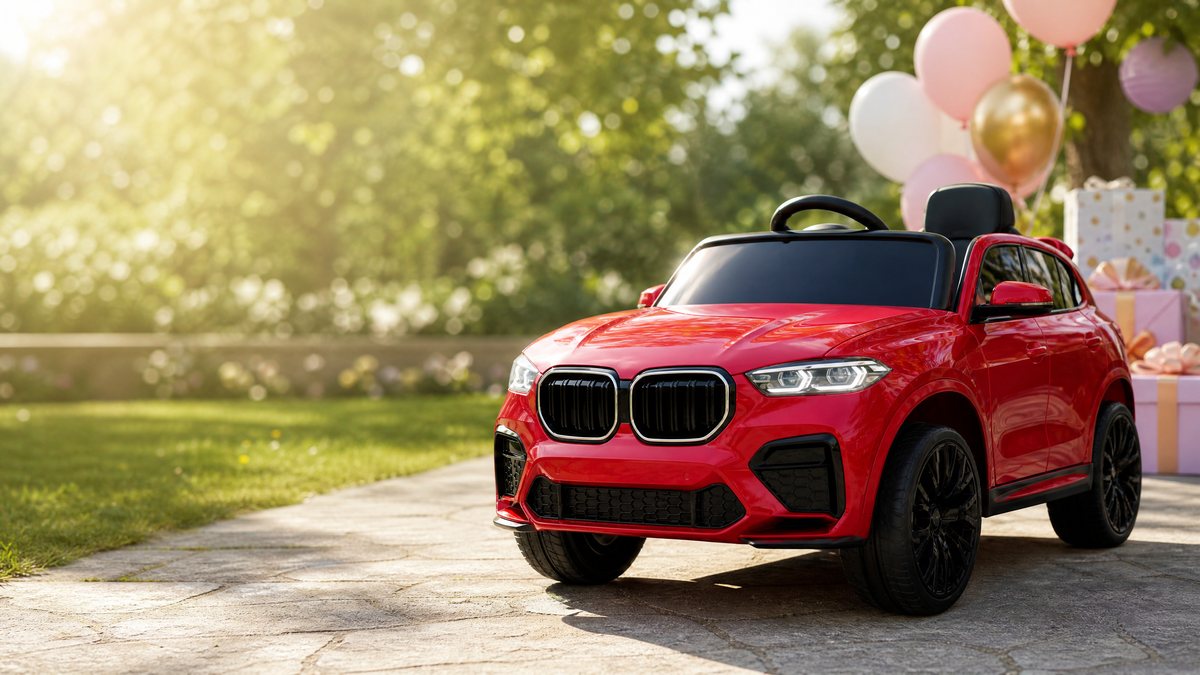
The visual and physical architecture of a child's ride-on vehicle defines its market appeal, structural integrity, and operational environment. Ride-on cars emulate luxury sedans, rugged off-road SUVs, and sports cars. Manufacturers frequently utilize injection-molded high-impact polypropylene and ABS plastic bodies to achieve realistic contours, high-gloss finishes, and durable structural shells. Functional components—such as operational doors with safety latches, windshields, side mirrors, and dashboard instrument panels (if equipped)—enhance imaginative play value. Furthermore, ride-on cars feature spacious seating arrangements equipped with secure safety harnesses in accordance with applicable toy safety standards.
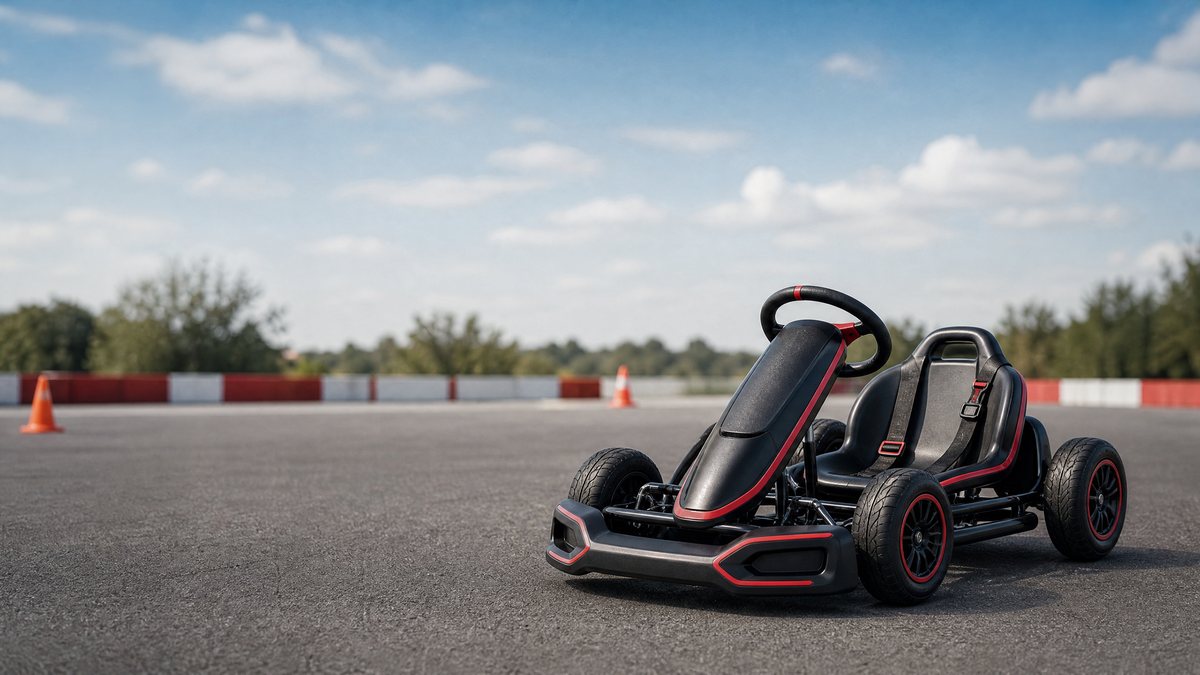
In contrast, go karts are defined by a minimalist, utilitarian, and performance-oriented structural philosophy. Built around a rigid tubular steel frame or alloy chassis, go karts strip away aesthetic embellishments in favor of structural rigidity, torsional strength, and a significantly lower center of gravity. The open-cockpit design eliminates enclosed cabin structures, doors, and complex dashboard fascias, exposing the mechanical steering column, direct-drive axle assembly, and bucket seat. This low-slung architecture resists rollover during cornering and lateral maneuvering when operated within recommended guidelines.
For wholesale buyers and retail merchandisers, understanding this structural divergence dictates merchandising strategy. Ride-on cars excel in visual merchandising, attracting gift-buyers and parents looking for high-end aesthetic appeal and multifaceted play features. Go karts appeal directly to older demographic segments seeking durability, mechanical transparency, and high-energy recreational utility. Evaluating frame construction, weld quality, and material thickness from manufacturer documentation remains an essential pre-purchase step for any B2B procurement catalog.
Power Systems, Motor Configurations, and Speed Profiles
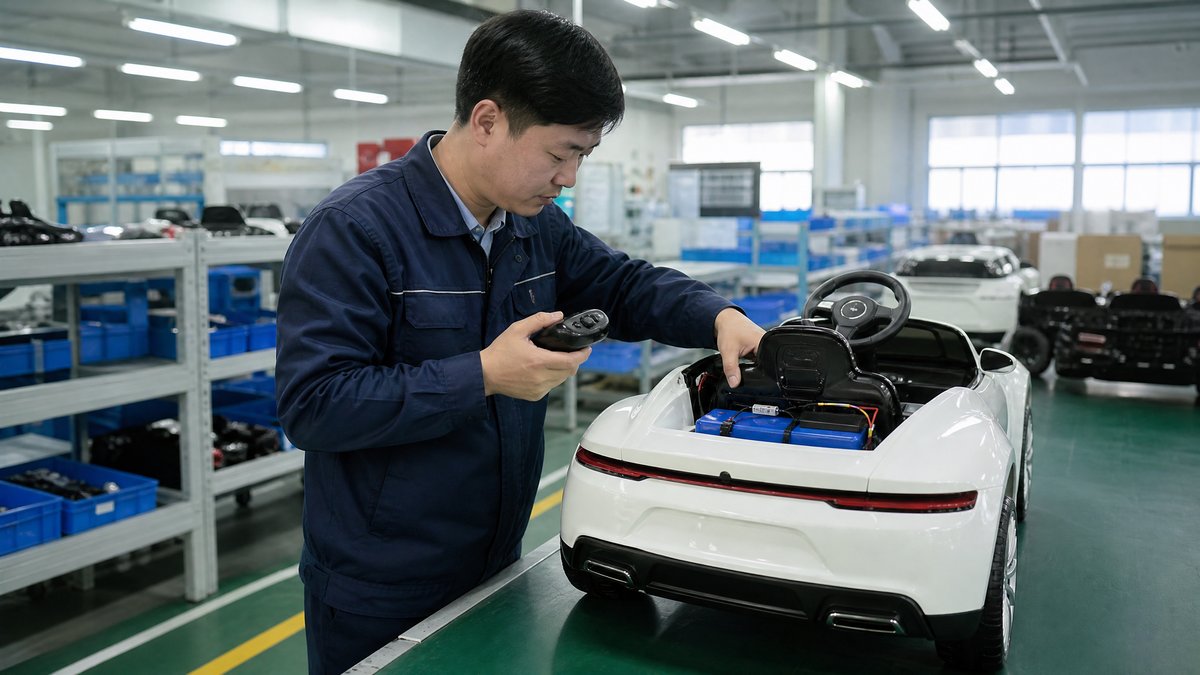
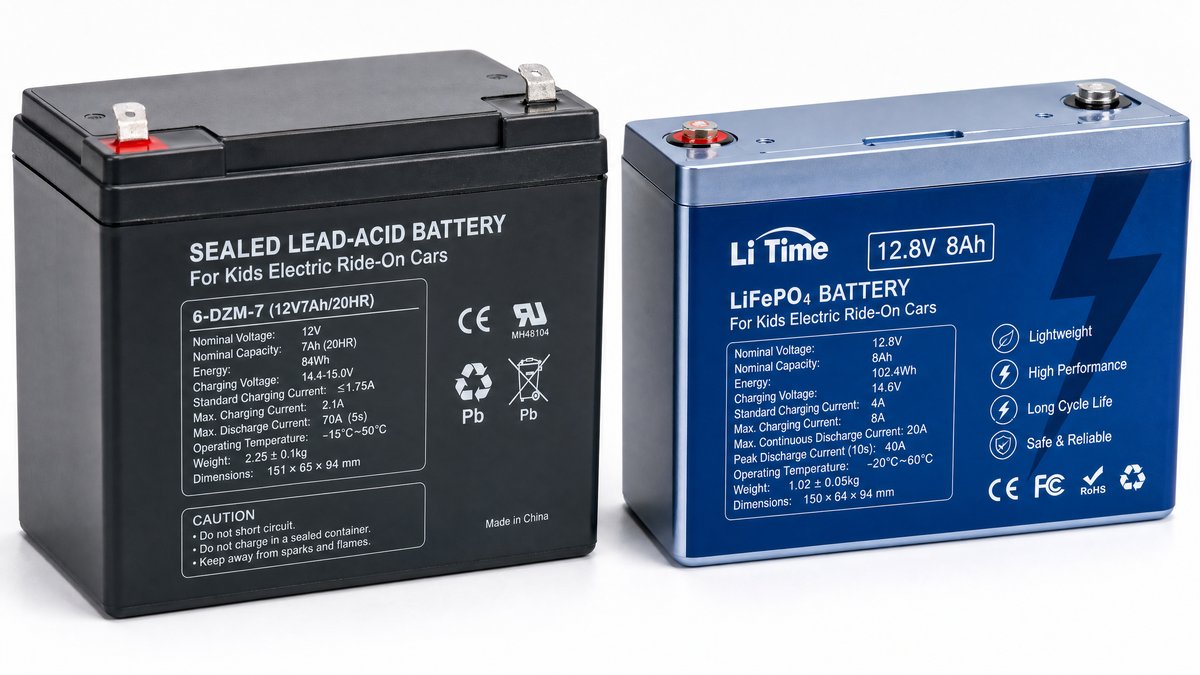
The propulsion mechanism represents one of the most critical engineering distinctions between ride-on cars and go karts. Modern electric ride-on cars operate on sealed lead-acid or lithium-ion battery configurations, commonly standardized at 12-volt, 24-volt, or dual-motor and quad-motor setups (if equipped). Each rear wheel is driven by an independent direct-current electric motor paired with reduction gearboxes. This multi-motor configuration provides reliable traction across outdoor surfaces while maintaining manageable, controlled acceleration curves. Many ride-on cars integrate soft-start acceleration programming (if equipped), eliminating sudden jerking upon startup and ensuring smoother power delivery for younger operators.
Go karts utilize diverse propulsion methodologies, including electric-powered karts with high-output brushless DC motors or internal combustion engines in traditional models. Electric go karts are powered by higher-capacity battery systems, such as 24V or 36V setups, delivering higher continuous torque and direct chain or belt drive to the rear axle. Unlike ride-on cars that prioritize multi-speed gradual scaling via electronic control units and parental remote overrides, go karts are engineered for direct, unbuffered throttle response.
When evaluating speed profiles, wholesale buyers must reference manufacturer specifications and nameplate ratings rather than promotional claims. Ride-on cars generally operate within conservative speed thresholds designed for parental comfort and reaction time, typically ranging from 3 to 8 kilometers per hour across adjustable gear selections. Go karts feature higher torque delivery and responsive gear ratios suited for older children, requiring strict adherence to operational guidelines, designated riding surfaces, and mandatory personal protective equipment.
Request a wholesale quote
Terrain Adaptability, Handling, and Steering Dynamics
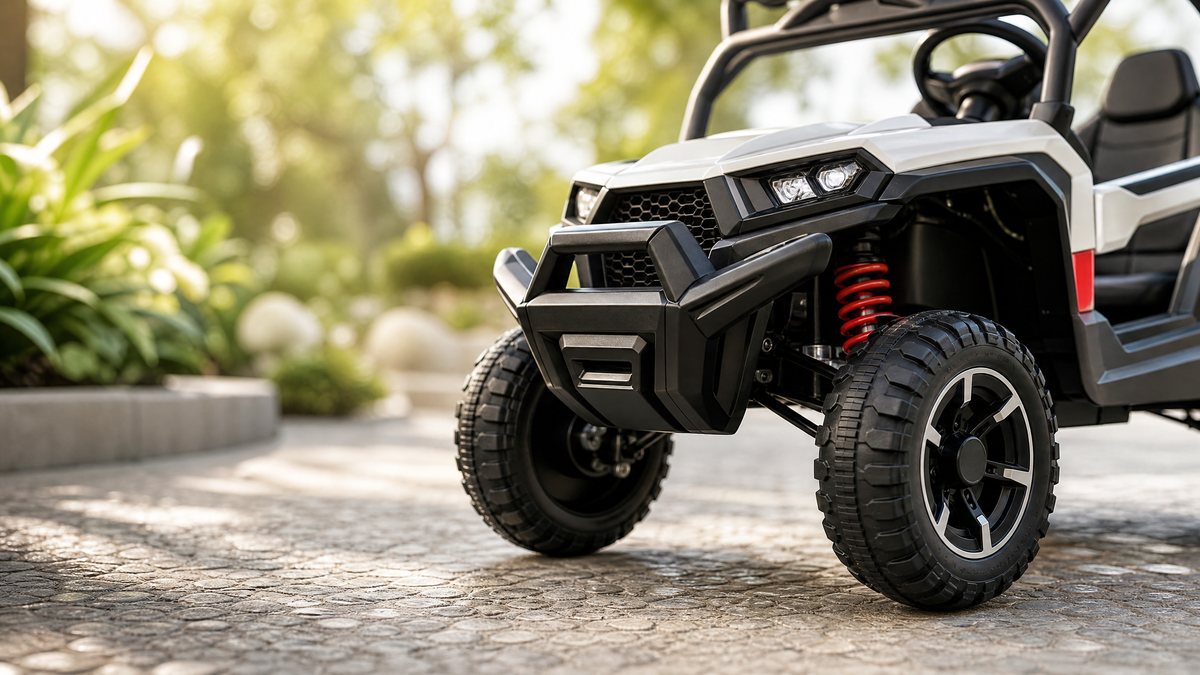
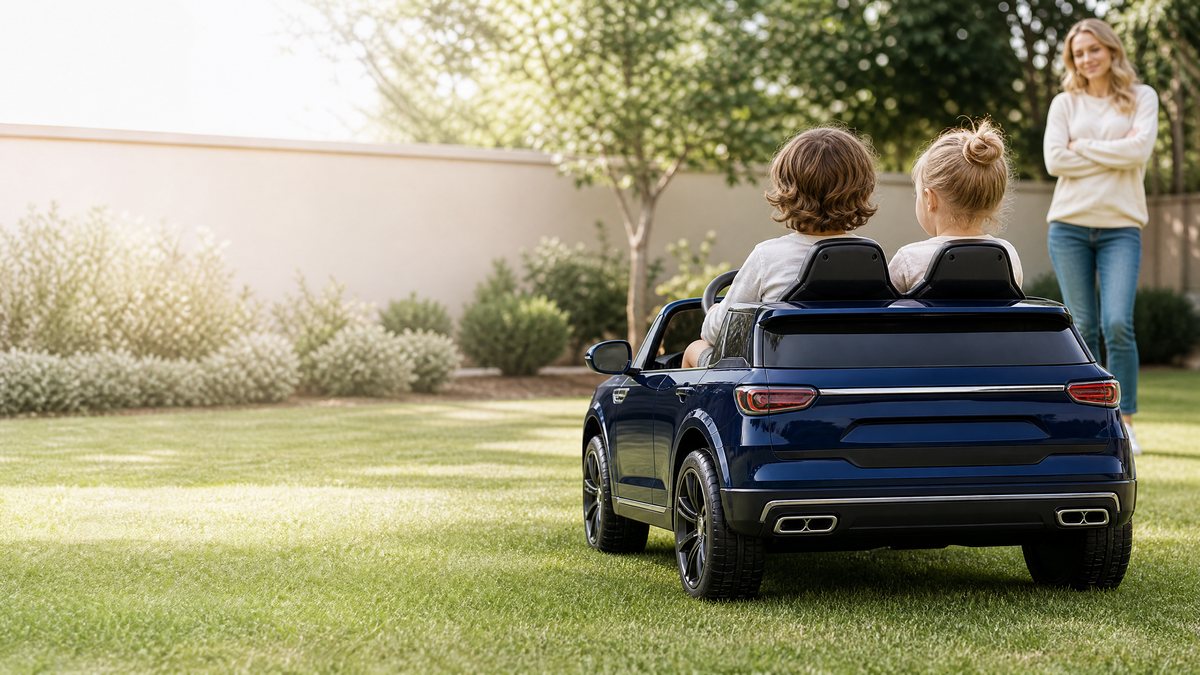
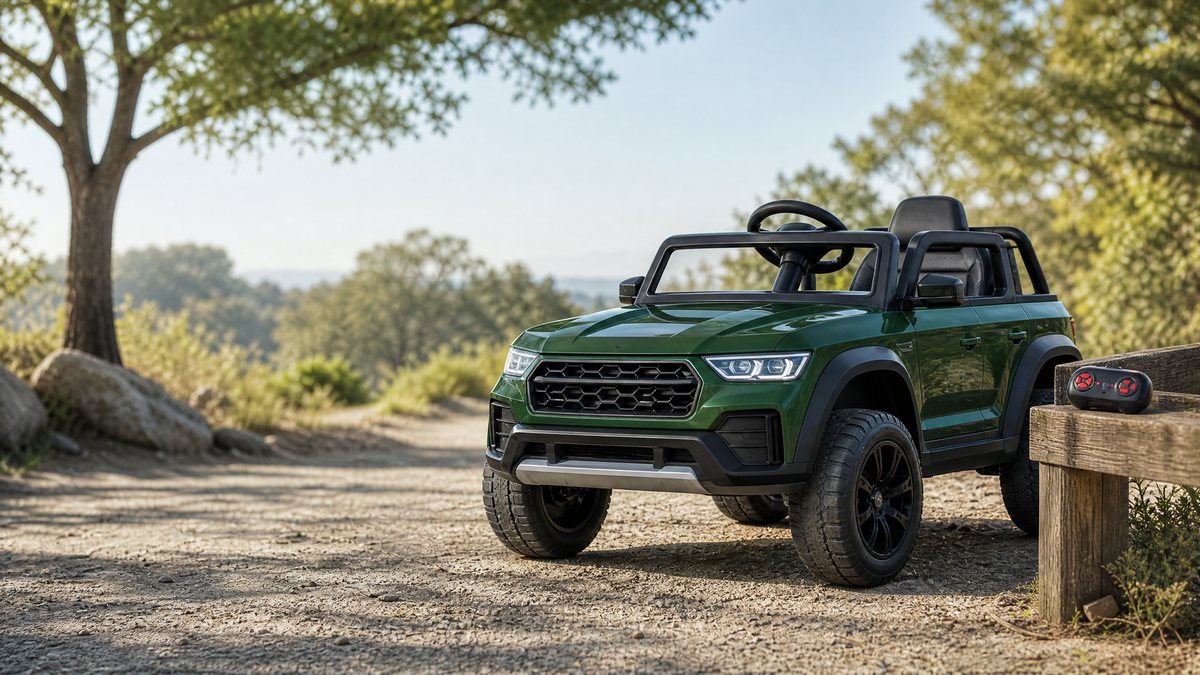
Operating environment and terrain compatibility heavily influence whether a consumer selects a ride-on car or a go kart. Ride-on cars are engineered with versatile suspension systems—often featuring spring-loaded front and rear shock absorbers (if equipped)—and specialized wheels constructed from durable plastic or high-grade EVA foam. EVA tires provide enhanced traction, noise reduction, and shock absorption, allowing ride-on cars to navigate smooth asphalt, concrete driveways, manicured lawns, and compacted gravel paths with ease. The integration of electronic power steering or mechanical rack-and-pinion steering ensures turning radii remain manageable for developing motor skills.
Go karts are optimized for smooth, flat, and controlled hard-surface environments such as dedicated asphalt tracks, concrete courtyards, paved pathways, and smooth recreational plazas. Their low ground clearance and stiff chassis suspension prioritize high-speed stability and sharp cornering precision over off-road bump absorption. The steering geometry of a go kart relies on direct-linkage Ackerman steering or direct stub-axle pivots, providing immediate tactile feedback to the driver's hands. This direct responsiveness requires greater upper-body coordination and spatial awareness.
Retailers and distributors must communicate operational parameters clearly to end-users. Recommending ride-on cars for residential yards, neighborhood sidewalks, and mixed-terrain gardens aligns with their suspension and tire design. Conversely, marketing go karts for paved recreational zones, driveways, and controlled tracks ensures optimal performance and prevents premature wear on chassis components. Reviewing user manuals for specific terrain limitations set by the manufacturer protects product longevity and customer satisfaction.
Users must strictly avoid operating ride-on cars or go karts on public roads, commercial thoroughfares, parking lots with active vehicle traffic, or unauthorized municipal areas. All riding activities must take place on permitted, flat, dry surfaces under continuous adult supervision, adhering strictly to venue permits, local municipal rules, and the guidance provided in the product manual.
Safety Architecture, Operational Protocols, and Emergency Procedures
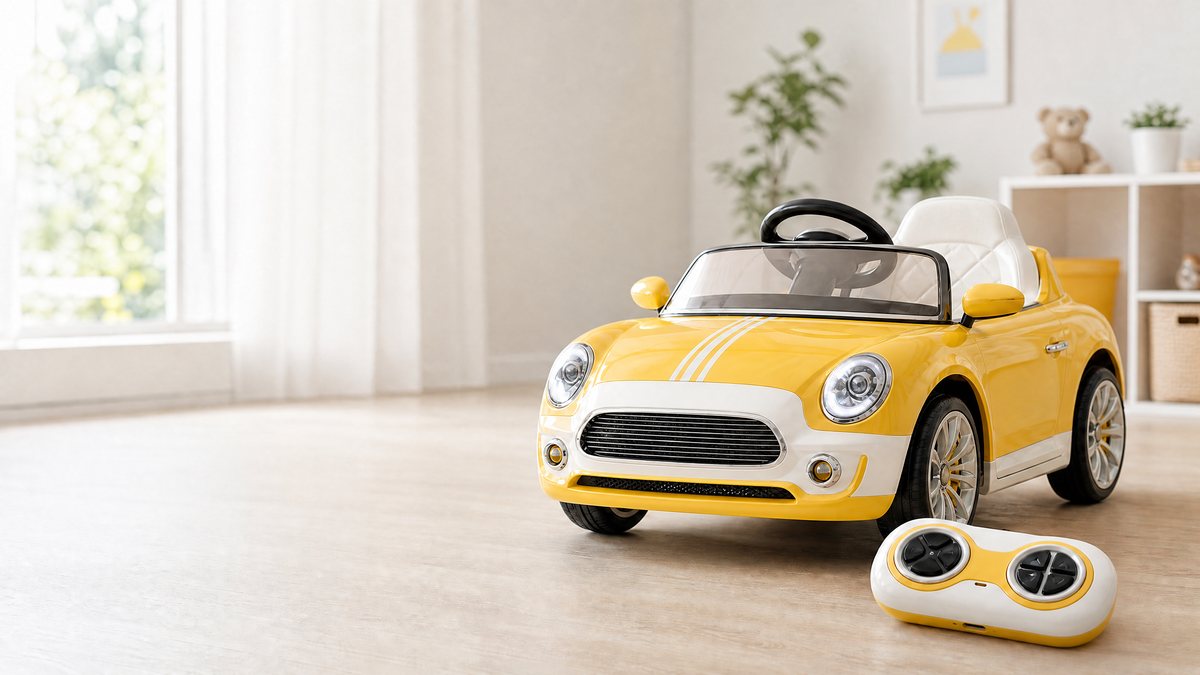
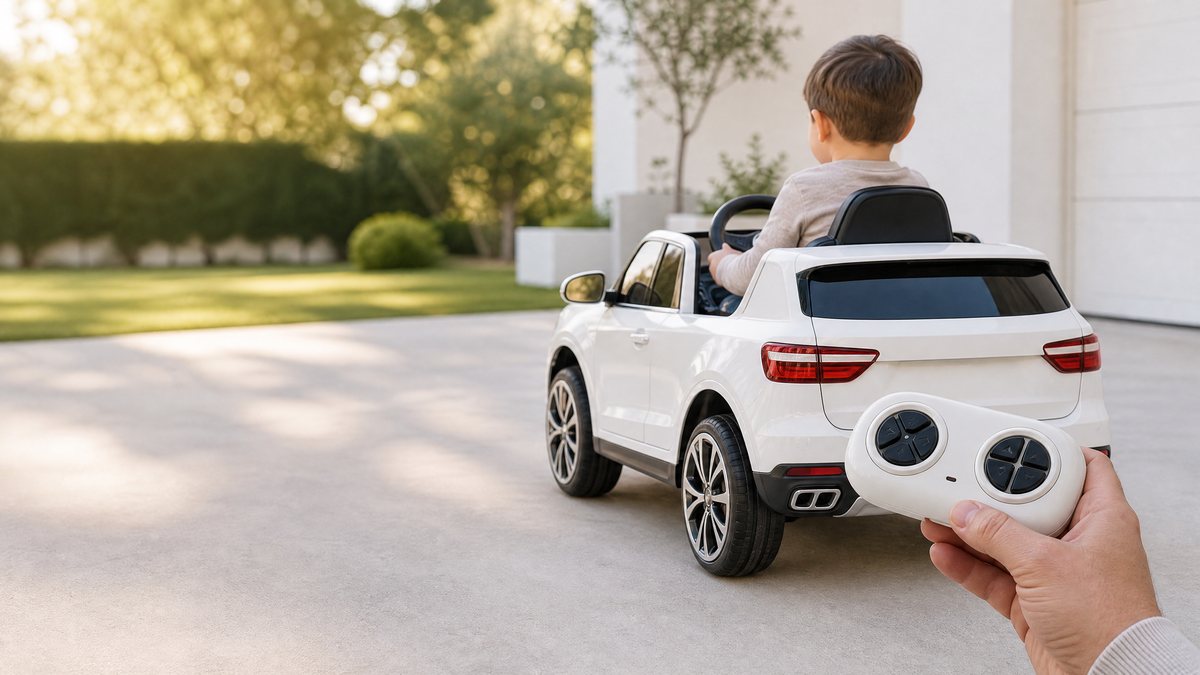
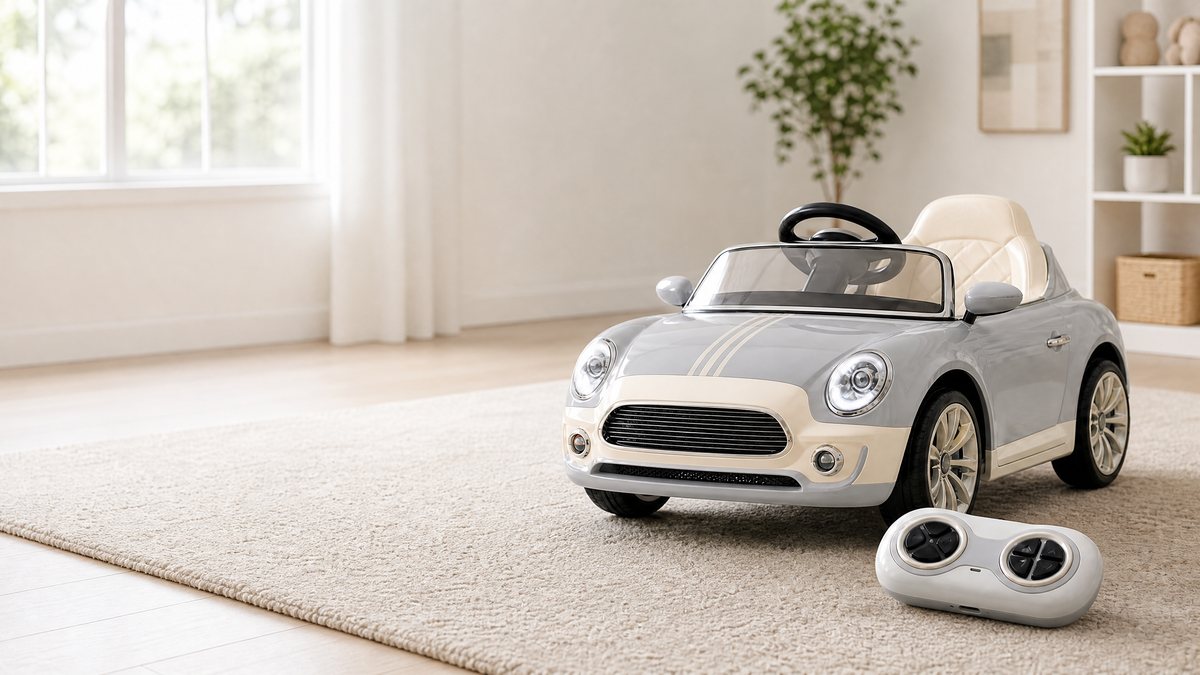
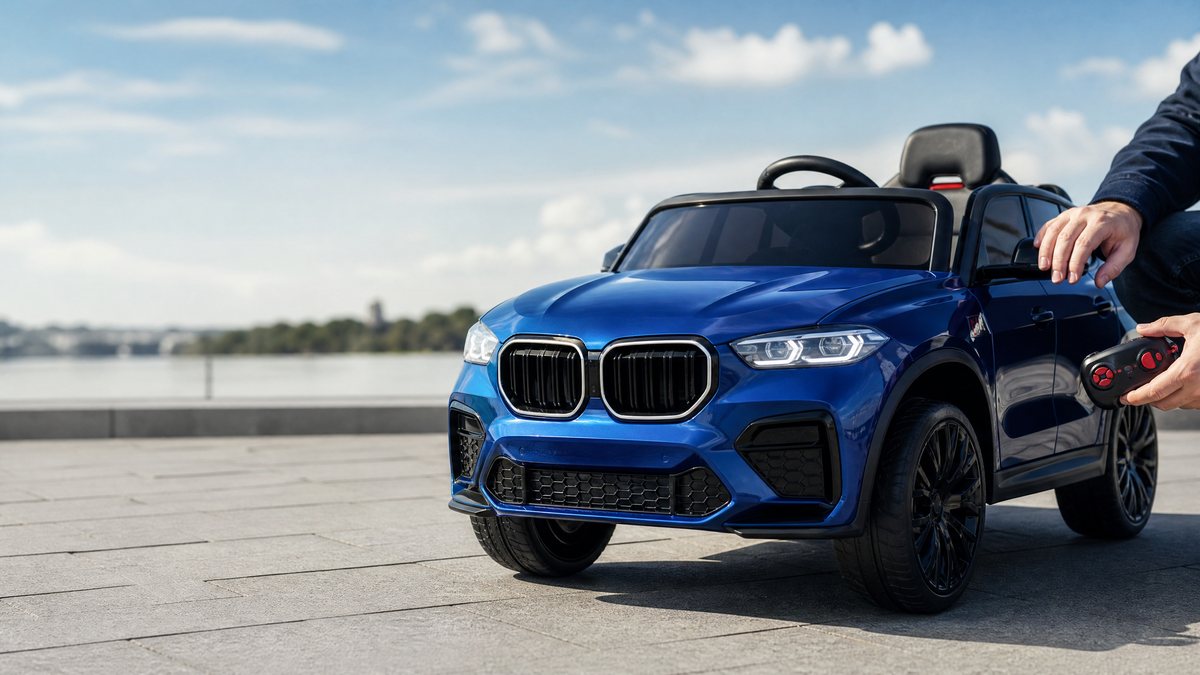
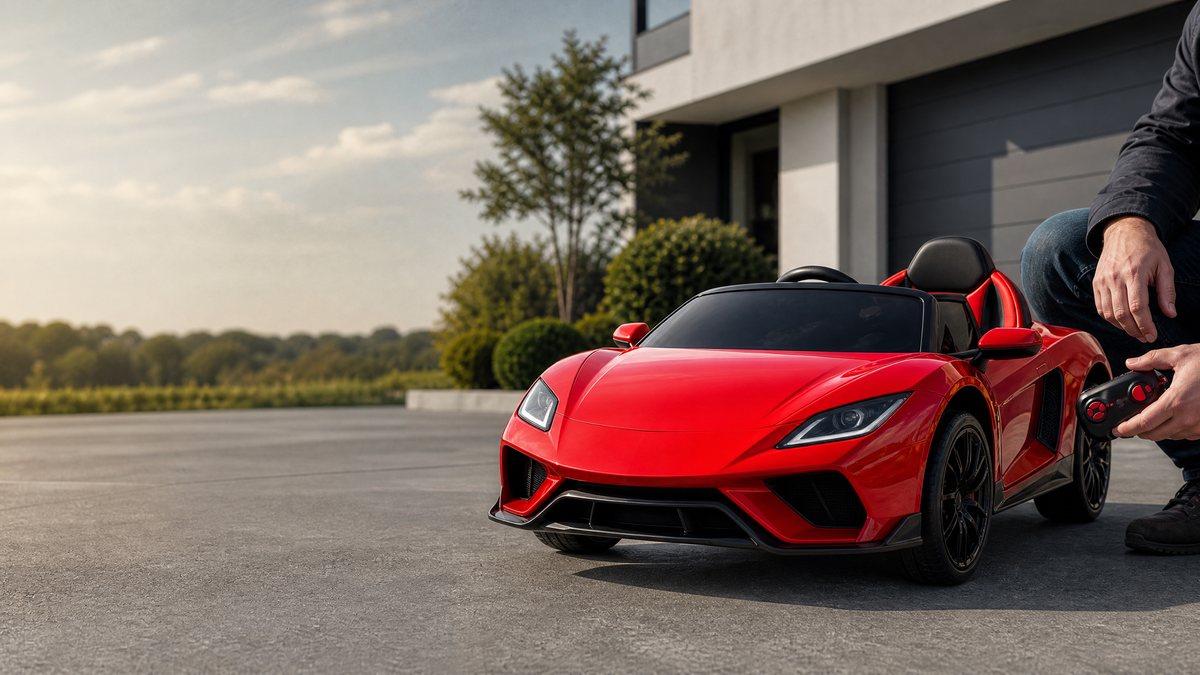
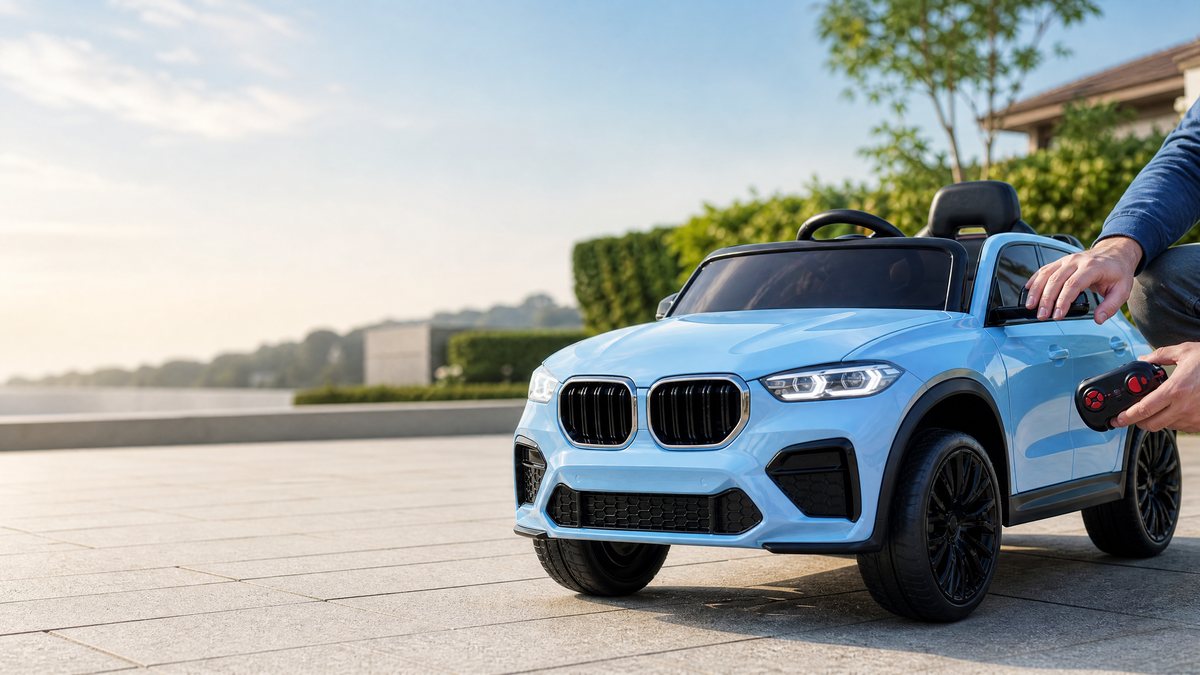
Safety is paramount in the design, manufacture, and distribution of children's riding toys. Ride-on cars incorporate extensive active and passive safety features tailored for younger operators and supervising adults. A hallmark of modern electric ride-on cars is the inclusion of a 2.4G parental remote control override system (if equipped), allowing supervising adults to steer, adjust speed tiers, and execute an immediate emergency stop regardless of child input. Additionally, automatic electromagnetic braking systems engage the moment the operator's foot is lifted from the accelerator pedal, preventing unintended coasting on inclines.
Go karts rely on mechanical braking systems, such as rear-disc brakes or band brakes operated via foot pedals, paired with robust throttle return springs. Because go karts generally lack remote electronic override capabilities, safety relies entirely on operator maturity, physical capability to actuate the mechanical brake, and continuous adult supervision. Passive safety structures on go karts include wraparound tubular steel bumpers, bucket seats with high lateral bolsters, and adjustable safety restraint harnesses.
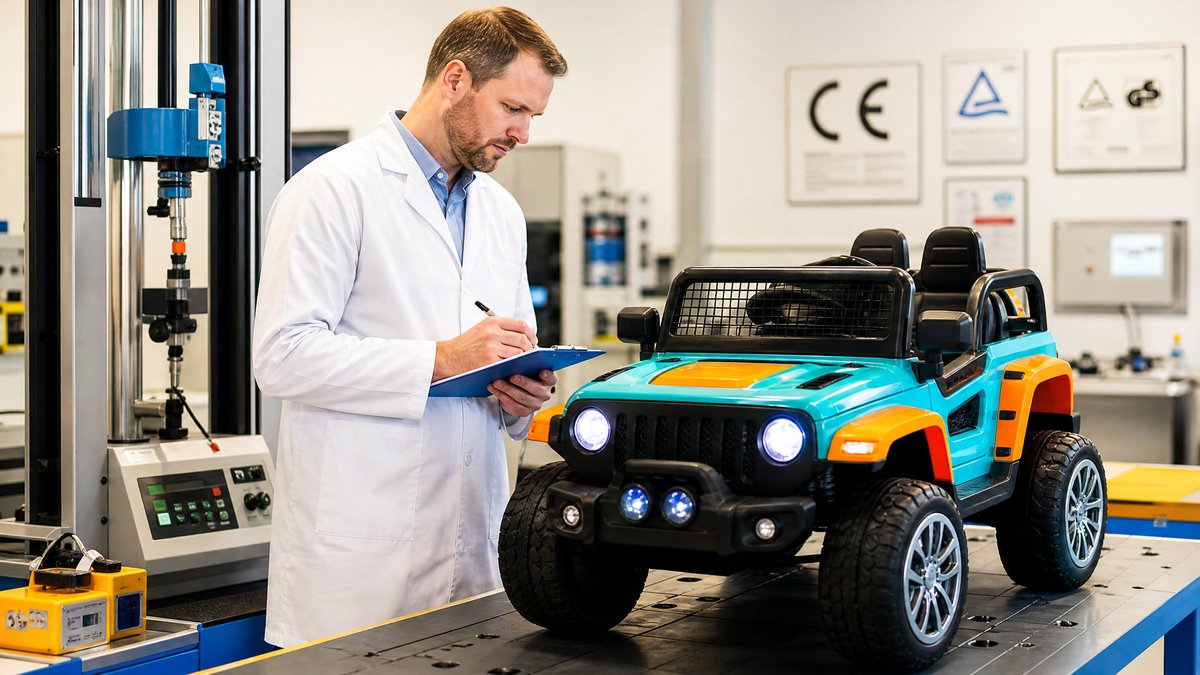
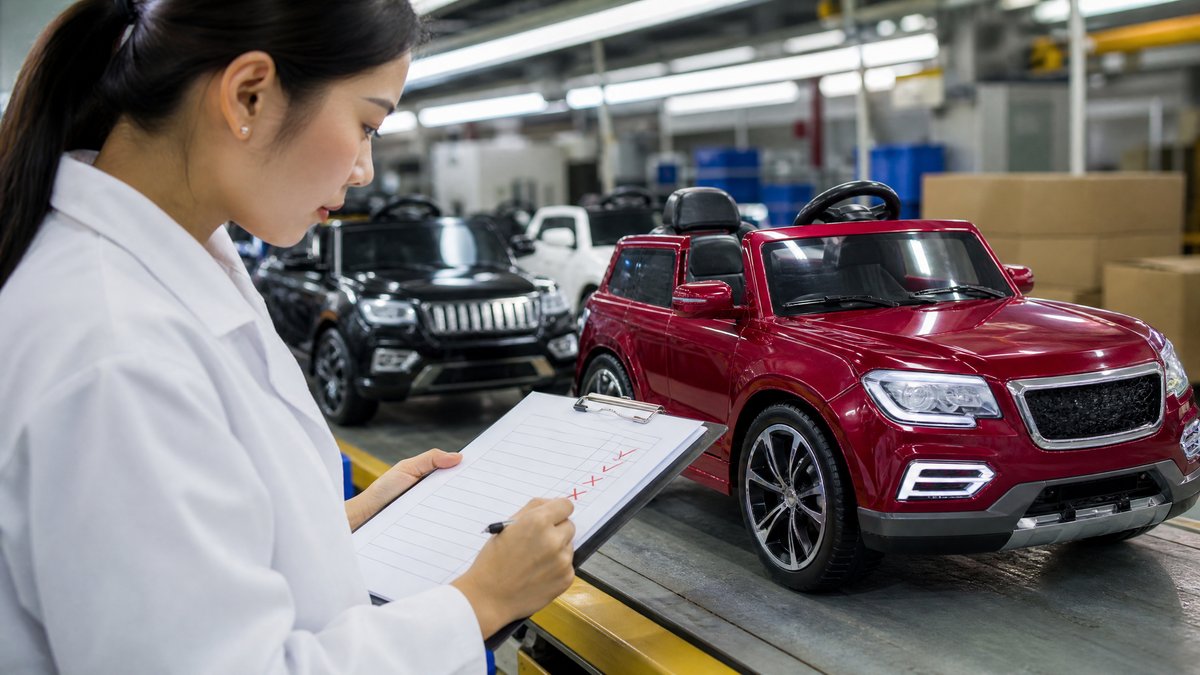
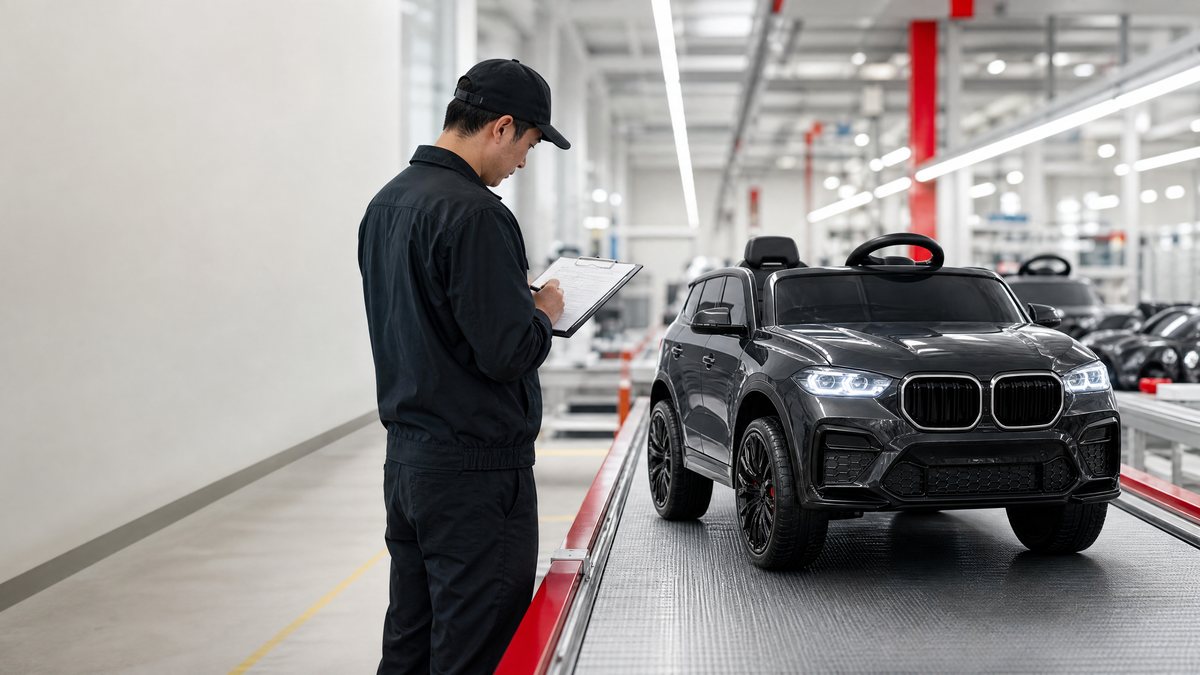
Regulatory compliance spans international safety standards, such as ASTM F963 in the United States, EN71 in Europe, and equivalent national toy safety directives. These standards mandate rigorous testing for chemical composition, electrical insulation, structural integrity, sharp edge elimination, and mechanical pinch-point protection. Wholesalers and retailers must verify that all stocked inventory possesses complete documentation and conformity certificates from accredited testing laboratories.
Furthermore, safety protocols dictate strict adherence to handling abnormal conditions. In the event of abnormal conditions such as unusual odors, smoke, overheating, fluid leaks, water ingress, exposed wiring, damaged charging plugs, abnormal braking responses, or persistent electrical faults, operators and supervising adults must immediately stop use and charging, power down the vehicle, keep children away, and contact the manufacturer or qualified service personnel.
Comparative Product Analysis
To assist B2B buyers, purchasing managers, and retail planners in evaluating product lines, the following comparative matrix outlines fundamental structural, operational, and demographic differences between children's ride-on cars and go karts.
| Feature / Specification | Children's Electric Ride-On Car | Motorized Recreational Go Kart |
|---|---|---|
| Primary Design Inspiration | Full-sized luxury or utility automobiles | Open-wheel racing karts and motorsport buggies |
| Structural Chassis | Molded high-impact ABS / polypropylene body | Rigid tubular steel frame / open alloy chassis |
| Drive & Motor System | 12V to 24V DC motors with reduction gearboxes | High-torque electric motor with chain/belt drive |
| Speed Range | Conservative (approx. 3 – 8 km/h, model-dependent) | Performance-oriented (adjustable tier options) |
| Braking Mechanism | Automatic electromagnetic motor braking | Mechanical disc or band foot brake |
| Steering Geometry | Steering wheel with electronic/rack-and-pinion link | Direct stub-axle or Ackerman linkage |
| Tire Construction | EVA foam or high-durability molded plastic | Pneumatic rubber tires or solid high-grip compound |
| Parental Control | 2.4G wireless remote override & speed selection (if equipped) | Direct operator control (no remote override) |
| Primary Target Age | Toddlers to early elementary (approx. 3–8 years) | Older children and pre-teens (approx. 6–12 years) |
| Ideal Operating Terrain | Pavements, grass, gravel paths, and driveways | Paved tracks, smooth asphalt, and flat hard courts |
Target Age Groups and Developmental Context
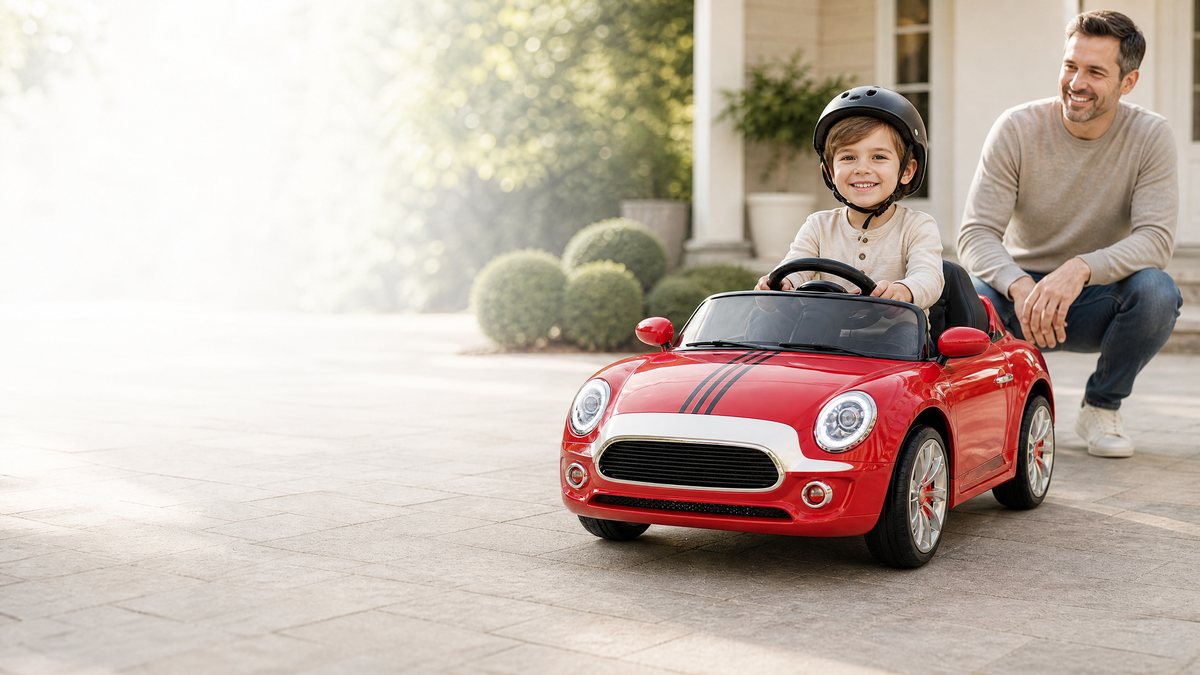
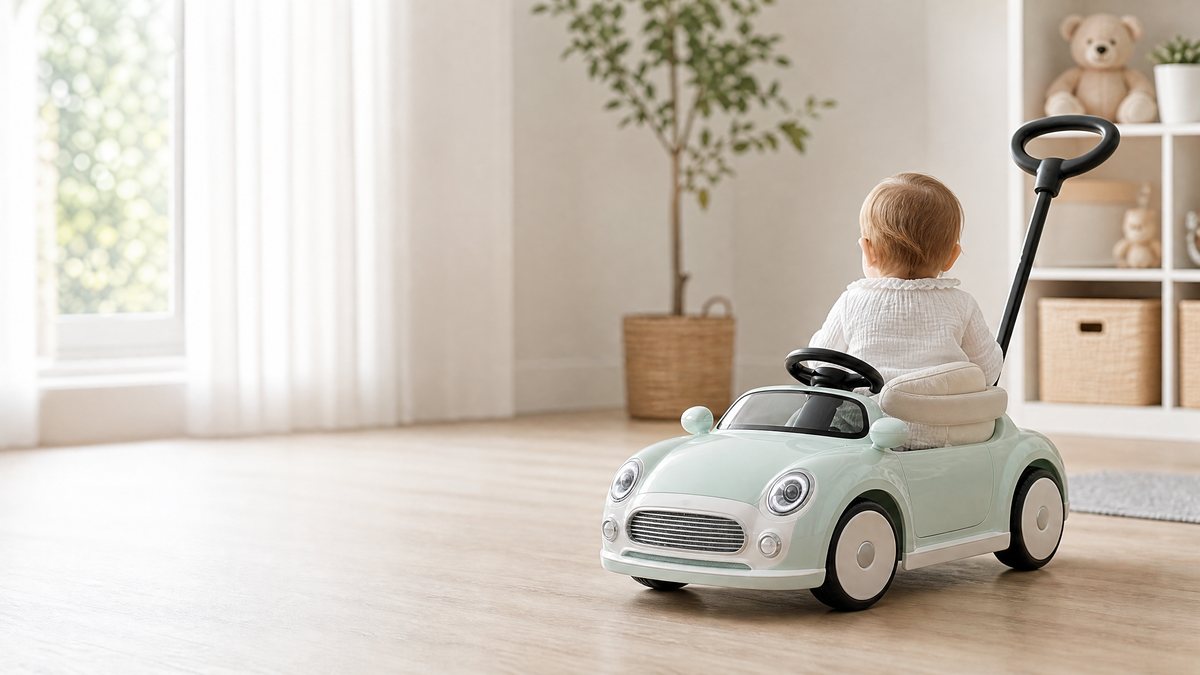
Selecting the appropriate riding toy requires careful alignment with the child's chronological age, physical stature, cognitive development, and motor skill proficiency. Ride-on cars are ideally suited for younger children, typically ranging from 3 to 8 years of age. The inclusion of supportive seating, slow-start acceleration, and parental remote controls allows toddlers who are just developing spatial awareness and directional coordination to enjoy safe mobility while parents retain ultimate operational control. As children grow, they transition to self-driven modes, fostering independence, confidence, and foundational hand-eye coordination.
Go karts are designed for an older demographic, typically spanning ages 6 to 12, depending on model dimensions, weight capacity, and power output. Operating a go kart demands greater lower-body strength, faster reflex responses, advanced visual-spatial processing, and a comprehensive understanding of vehicular momentum and braking distances. Consequently, go karts serve as an intermediate step toward more advanced recreational motorsports, encouraging outdoor physical engagement, reflex sharpening, and active kinesthetic learning.
Educators, occupational therapists, and developmental play specialists note that supervised outdoor play involving motorized vehicles can support gross motor skill development, balance, and directional orientation. However, merchants and caregivers must ensure that all discussions remain descriptive, avoiding medical, therapeutic, or developmental guarantees. Matching physical specifications—such as maximum weight capacity and cockpit dimensions—to the child's actual size is critical for safety and comfort. Supervising adults must ensure personal fitting, continuous oversight, and adherence to professional guidance when appropriate. Modifying factory restraints, seating arrangements, or electrical systems is strictly prohibited.
Procurement and Inventory Strategy for B2B Buyers and Retailers
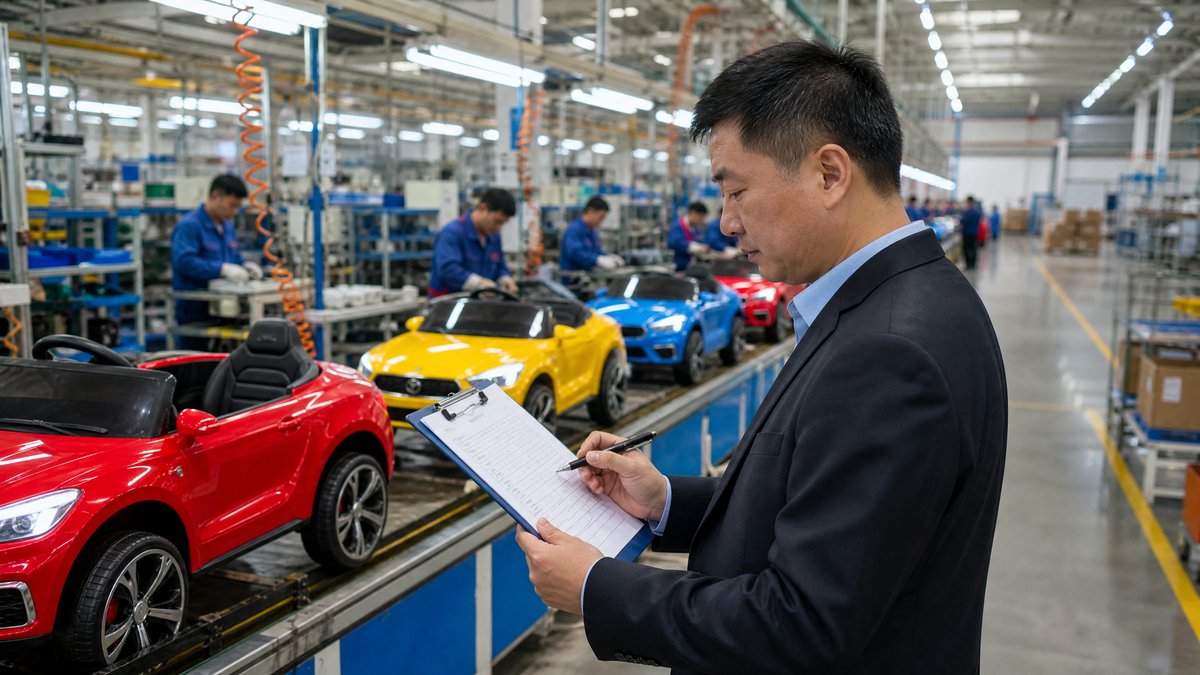
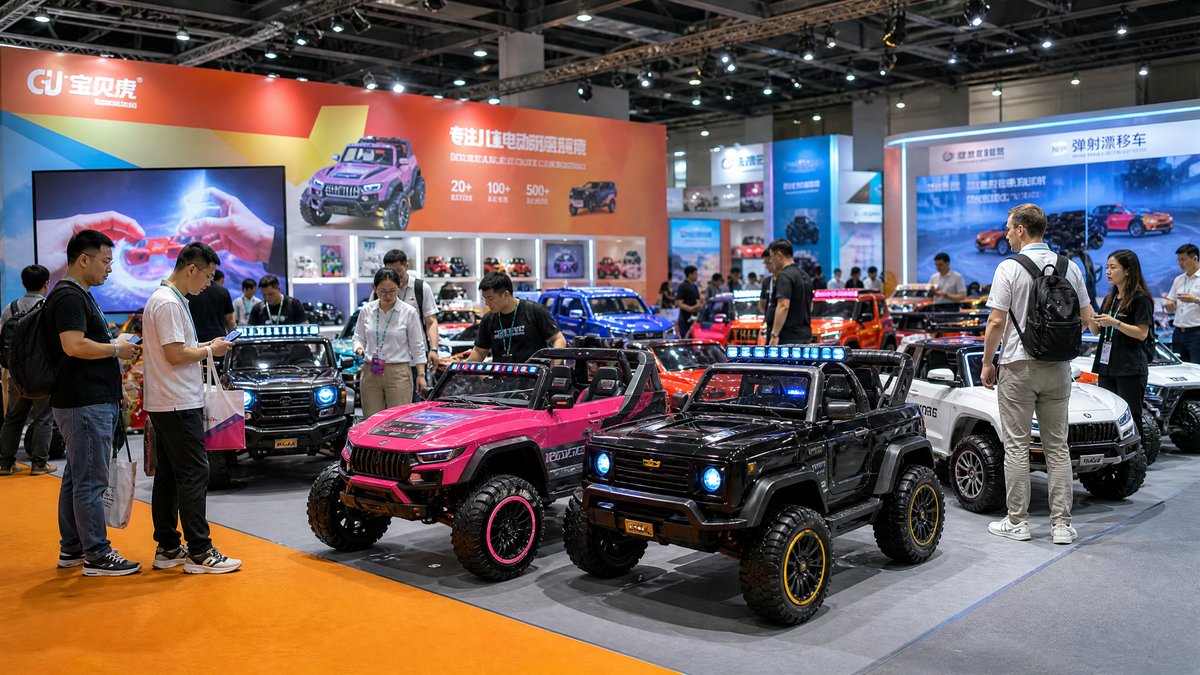
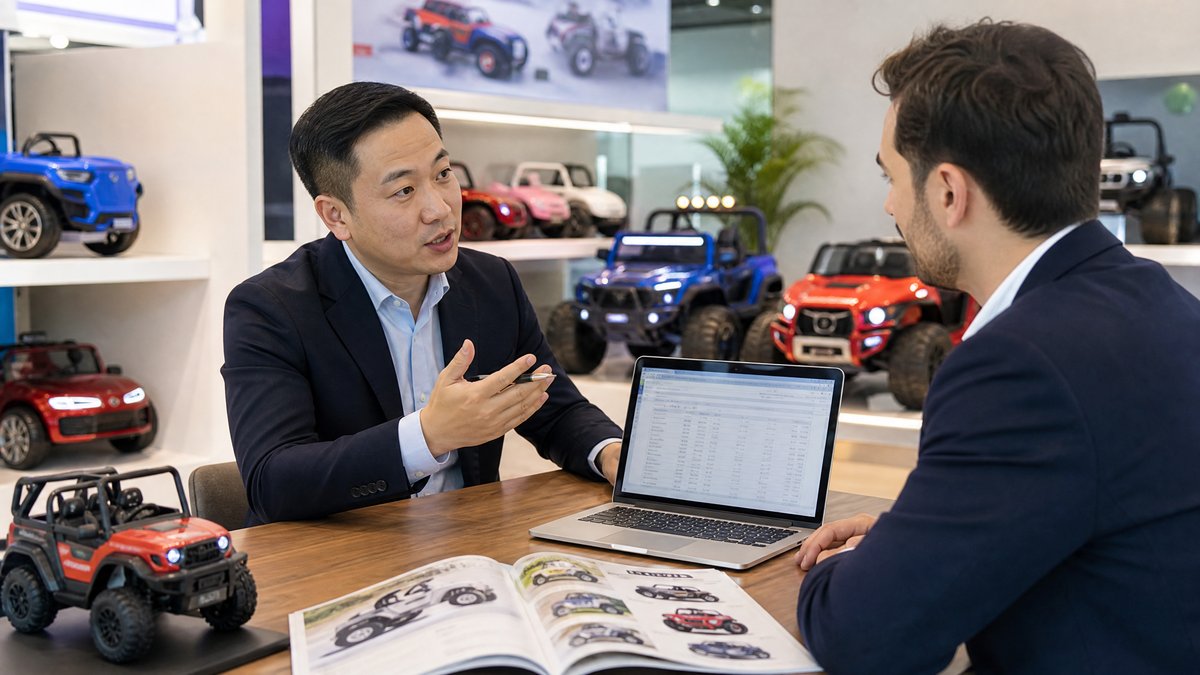
For wholesale importers, regional distributors, and specialty toy retailers, building a balanced inventory that includes both ride-on cars and go karts maximizes market reach and seasonal sales potential. Ride-on cars represent a consistent, high-demand product category year-round, driven by major gift-giving seasons, birthdays, and aesthetic preferences. Their high perceived value, extensive feature lists, and broad parental appeal make them cornerstone items for online e-commerce catalogs and brick-and-mortar showrooms alike.
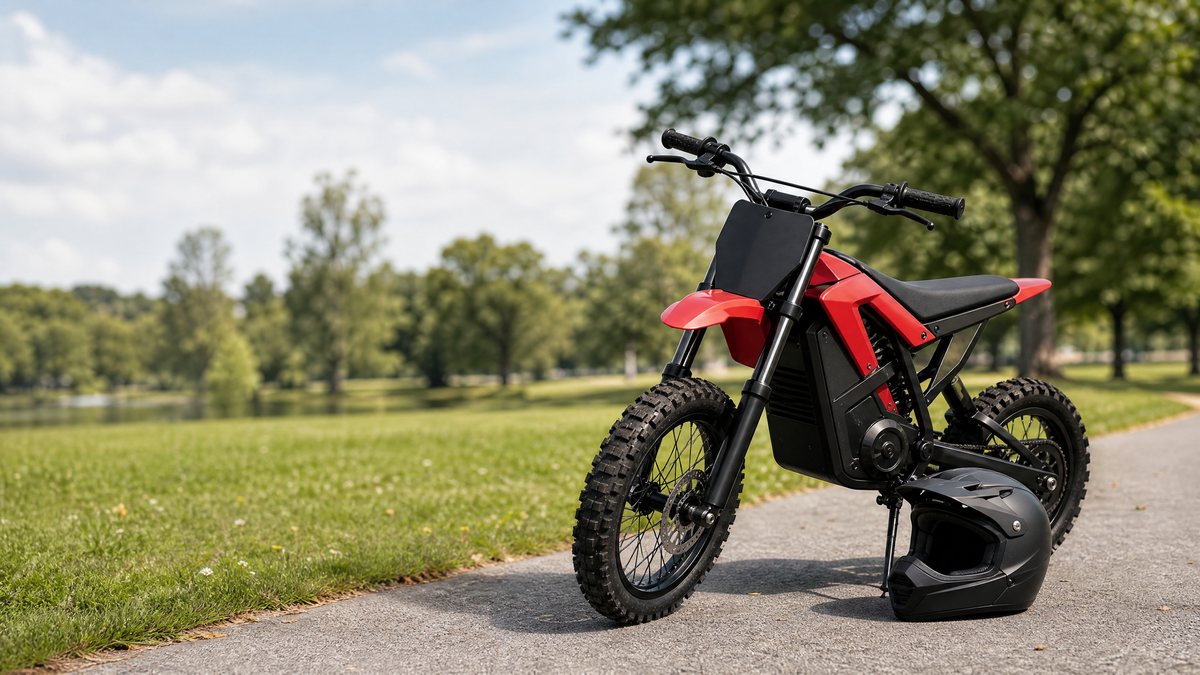
Go karts occupy a specialized high-performance niche that attracts older children and parents seeking active outdoor recreation. Merchandising go karts alongside safety gear—such as certified helmets, elbow pads, and knee guards—enhances average order value and establishes the retailer as a safety-conscious authority. B2B buyers must prioritize suppliers who maintain rigorous quality control, provide comprehensive multilingual user manuals, offer accessible spare parts availability, and supply verifiable compliance documentation.
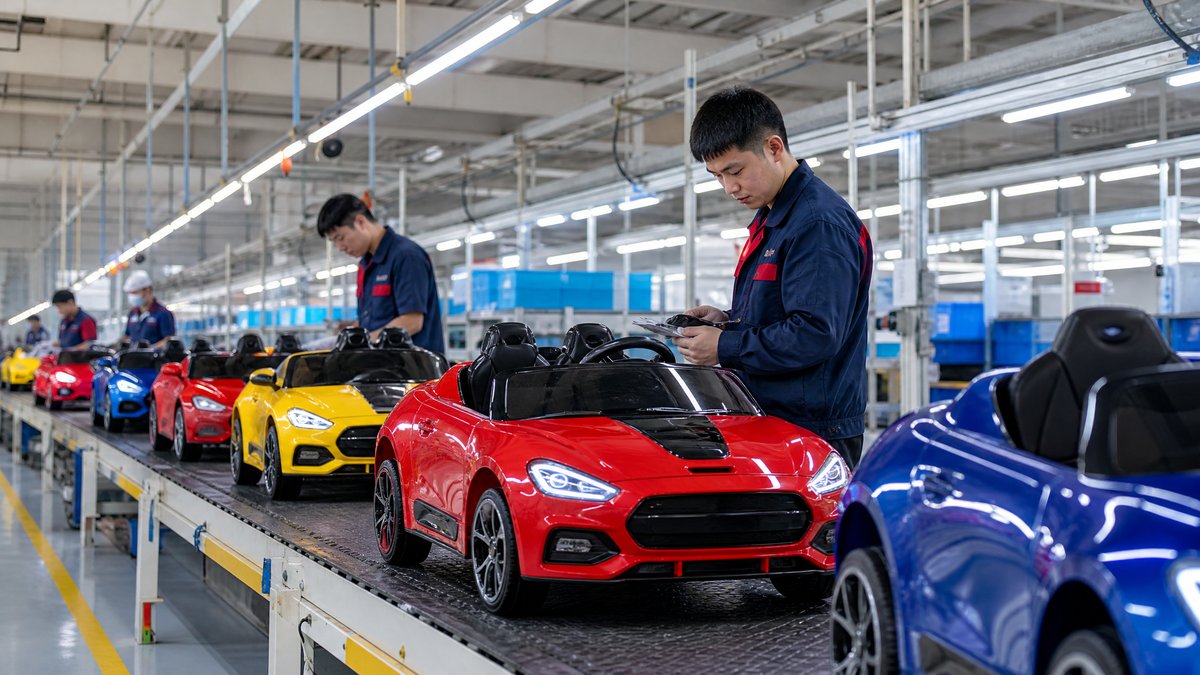
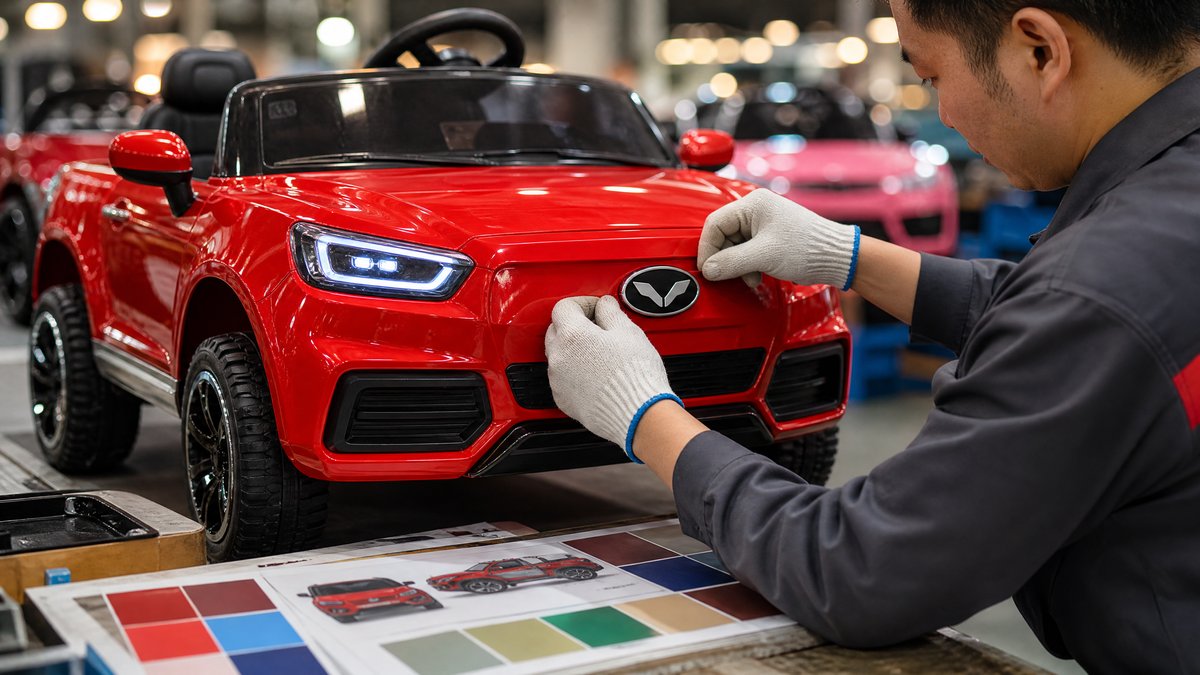
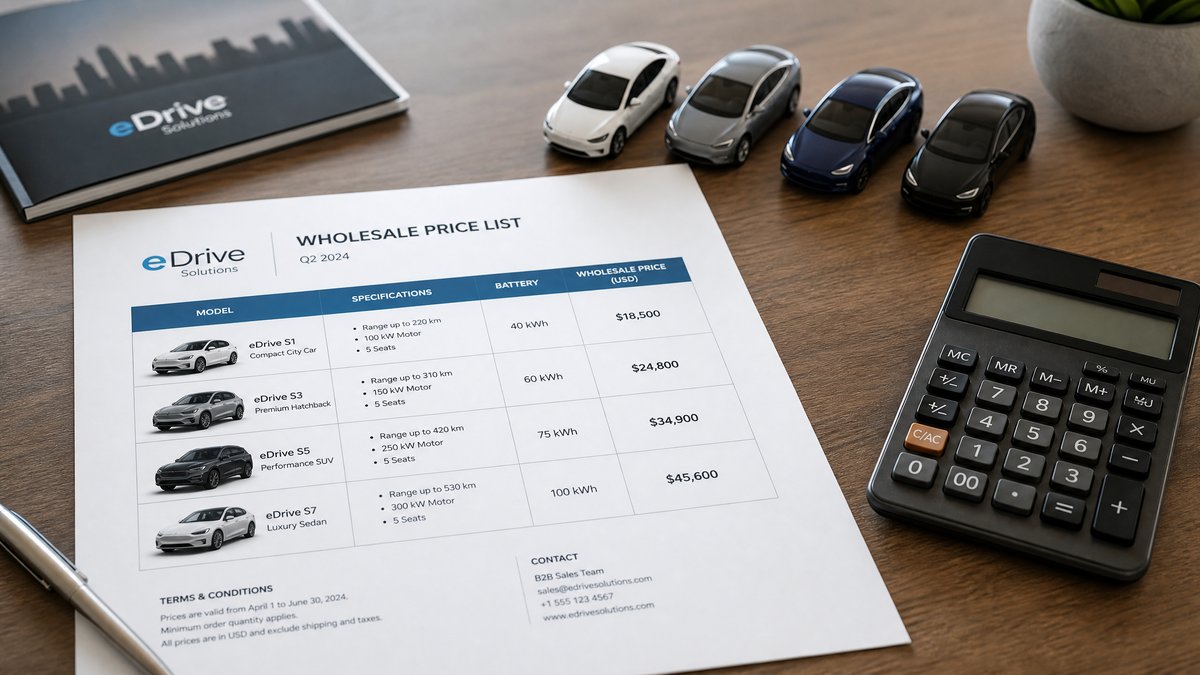
Establishing direct relationships with established manufacturers like KidsRideCar ensures consistent product quality, transparent wholesale pricing structures, and reliable supply chain execution. Retailers should conduct thorough sample evaluations, verify nameplate electrical ratings, and review warranty terms prior to committing to volume import orders. When assessing platform availability or supply terms, buyers must view current product pages, seller terms, and platform policies directly.
Frequently Asked Questions (FAQ)
What is the main structural difference between a ride-on car and a go kart?
The primary structural difference lies in their design philosophy and chassis construction. Ride-on cars emulate real automobiles, featuring enclosed molded plastic bodies, opening doors, realistic dashboards, and complex electronic accessories. Go karts feature an open-cockpit, rigid tubular steel frame designed for a low center of gravity, unencumbered handling, and direct mechanical steering.
Can parents control go karts remotely like electric ride-on cars?
Generally, no. While virtually all modern electric ride-on cars include a 2.4G parental remote control override system that allows adults to steer, change speed tiers, and execute emergency stops, go karts are designed for direct operator control via foot pedals and steering linkages without wireless remote override capabilities.
What terrain is best suited for ride-on cars versus go karts?
Ride-on cars feature versatile suspension systems and EVA foam tires, making them well-suited for residential driveways, sidewalks, manicured lawns, and compacted gravel paths. Go karts are optimized for smooth, flat, hard surfaces such as paved asphalt tracks, concrete courtyards, and dedicated recreational plazas due to their low ground clearance and stiff chassis setup.
How should retailers select between stocking ride-on cars and go karts?
Retailers should evaluate their target demographic and seasonal demand patterns. Ride-on cars cater to younger children (ages 3–8) and offer broad, year-round gift appeal with luxury features and parental controls. Go karts target older children (ages 6–12) seeking high-energy, performance-oriented outdoor recreation. A diversified catalog featuring both product lines captures a wider market share.
Conclusion
The comparison between kids' ride-on cars and go karts highlights two distinct pathways in children's outdoor mobility and recreational play. Ride-on cars provide an immersive, luxurious, and technologically rich driving experience tailored for younger operators, emphasizing aesthetic realism, versatile terrain navigation, and robust parental safety overrides. Go karts offer a purist, performance-driven motorsport experience centered on rigid tubular framing, low-center-of-gravity handling, direct mechanical steering, and active skill development for older children.
For wholesale distributors, retail store owners, and industry professionals, maintaining a clear understanding of these engineering, operational, and demographic differences is essential for effective catalog curation and customer guidance. Prioritizing rigorous product verification, strict adherence to manufacturer instructions, comprehensive safety compliance, and transparent customer education enables businesses to build sustainable, trusted retail operations.
Request a wholesale quote
Official References
1. U.S. Consumer Product Safety Commission (CPSC) - Toy Safety Education and General Compliance Guidelines. Available at: https://www.cpsc.gov (Note: Regulatory guidelines and CPSC toy safety educational materials provide general educational information only and do not constitute specific product certifications, endorsements, or individual model instructions).
2. ASTM International - Standard Consumer Safety Specification for Toy Safety (ASTM F963). Available at: https://www.astm.org
3. European Committee for Standardization (CEN) - Safety of Toys Standards (EN 71 Series). Available at: https://www.cen.eu
Official references
Explore these external resources for current regulatory and trade guidance. Confirm requirements with the relevant authority before placing an order.
Ready to Start?
Factory-Direct · CE & ASTM Certified · MOQ from 50 Units
Our export team works with buyers in 60+ countries. Get a quote within 24 hours.
KR
Written by KidsRideCar
China's leading kids electric ride-on car manufacturer. 500,000+ units shipped annually to 60+ countries. CE, ASTM & EN71 certified.