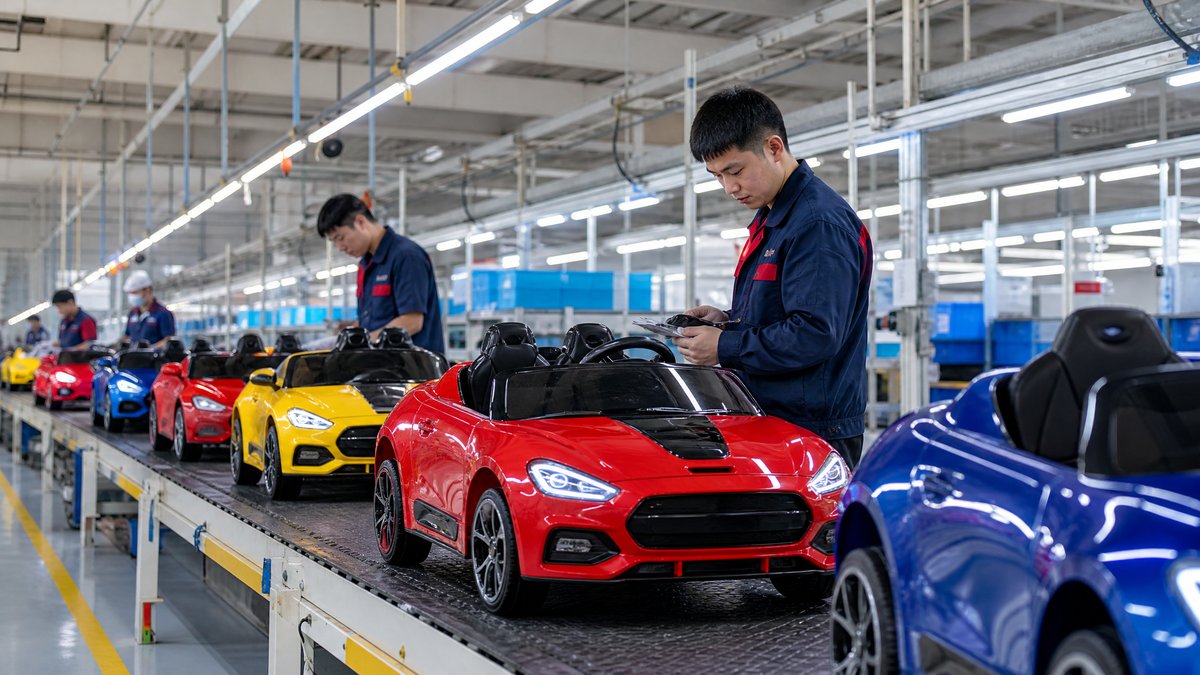
Suppliers and buyers can create an effective kids ride-on car defect photo guide by agreeing, before production and delivery, on what counts as a defect, which views must be photographed, how images are labeled, and how each case is reviewed. It turns a vague complaint into visual evidence linked to a model, order, carton, location, and severity.
A guide is a shared working tool, not a substitute for the purchase order, approved sample, specification, inspection criteria, or applicable destination-market obligations. Confirm current destination-market requirements before placing goods on the market.
Start With a Shared Purpose and Scope
State that the guide documents visible or observable conditions consistently for inspection and issue review. Define whether it applies to pre-shipment checks, container arrival, warehouse receiving, customer-service cases, or all stages.
A photo can show a condition but may not establish root cause. Review evidence alongside order records, packaging condition, and agreed acceptance criteria. Record the model number, SKU, version where used, color, package configuration, and buyer-specific artwork or accessories so evidence is not applied to the wrong configuration.
Set Clear Photograph Standards Before an Issue Occurs
Consistency is more valuable than artistic photography. Specify a practical minimum standard that both parties can follow with ordinary inspection equipment.
Use an image set, not one isolated close-up
Each reported condition should normally include several views:
1. Identification view: product label, carton mark, or other non-sensitive identifier that links the item to the case.
2. Full-product view: the complete ride-on car or relevant carton, showing the general condition and orientation.
3. Location view: a medium-distance photo showing where the issue sits, such as the left door, rear wheel area, seat, steering wheel, or carton corner.
4. Close-up view: a sharp image of the condition itself.
5. Scale or reference view: where appropriate, a simple measuring reference placed beside the issue without obscuring it.
6. Packaging view: when transport or packing may be relevant, show the outer carton, internal protection, and the product’s position as received.
Control lighting, focus, and orientation
Ask inspectors to use adequate diffuse light and confirm focus. Photograph glossy surfaces from more than one angle if glare obscures the condition. Do not use filters or editing that conceals original evidence; retain originals when a marked copy is used for communication.
Use a simple orientation convention, such as describing left and right from the seated child’s perspective, and state it in the guide. This removes avoidable ambiguity when teams work across factories, warehouses, and sales regions.
Build a Practical Defect Classification Page
A classification page groups conditions by component and describes them neutrally. Use approved examples where possible, with captions tied to the agreed specification.
Common categories may include:
- Cosmetic condition: scratches, scuffs, marks, color variation, paint or decal application concerns, and visible gaps.
- Molded or assembled parts: flash, incomplete-looking areas, loose-looking fit, missing visibly supplied parts, or misalignment.
- Wheels and exterior hardware: wheel appearance, hubcap fit, fastener visibility, or exterior trim condition.
- Seat, steering, and controls: visible damage, missing component concerns, control-panel appearance, or fit issues.
- Packaging and accessories: wet, crushed, torn, or opened cartons; missing-looking inserts; and accessory-pack discrepancies.
- Functional observations: a condition observed during only the agreed, safe inspection process, described without guessing at a cause.
For each category, distinguish between a reported observation, an inspection finding, and a confirmed disposition. The parties can then decide the next step under their agreement.
Create a Simple Severity and Escalation Framework
Severity labels should prioritize review, not predetermine responsibility. “Review promptly” may cover conditions that could affect safe use, required information, major functionality, or a repeated pattern; “standard review” may cover isolated cosmetic or packaging observations.
If an inspection raises a potential safety concern, stop relying on photos alone. Follow the manufacturer instructions, the buyer’s escalation process, and applicable destination-market requirements. Do not instruct warehouse staff or end users to bypass safeguards, rewire batteries, open electrical assemblies, or carry out unapproved repairs. Ride-on cars should be used only within the manufacturer’s stated age, weight, use, charging, and adult-supervision boundaries.
Use a Repeatable File-Naming and Case Record System
An organized case record allows both teams to find the same evidence without exchanging unclear image strings. A practical file name could follow this pattern:
`PO-Model-Color-CartonOrUnit-Location-PhotoNumber-Date`
For example, `PO1234-KRC10-Red-CTN18-LeftDoor-03-20261011.jpg` is more useful than `IMG_4521.jpg`. Do not include personal customer information; limit access to consumer images.
Pair every photo set with a short case form containing:
- purchase order, SKU, batch or traceability reference where available;
- inspection stage, date, and reporting organization;
- carton and unit quantity checked;
- a factual description of what was observed;
- photo filenames and any packaging observations;
- comparison point, such as the approved sample or written specification;
- requested review or next step; and
- final agreed disposition and corrective-action reference, if any.
This record supports trend analysis when several cases show the same component, location, or packaging pattern.
Align the Guide With Purchase Terms and Quality Controls
Reference the guide in the quality section of the purchase arrangement or inspection plan. Identify the approved product reference, tolerances where defined, any agreed sampling approach, and the route for discrepancies. A guide alone does not change payment, acceptance, warranty, replacement, or claim terms.
Before production, suppliers can provide example image sets for buyer review. Revise confusing examples after pilot use, but retain version control.
For help structuring a supplier-ready evidence template around your product range, contact KidsRideCar by email. Buyers planning an OEM program can also discuss documentation expectations with our team.
FAQ
What is the minimum photo set for a reported ride-on car defect?
Use an identification view, full-product or carton view, location view, close-up, and a scale/reference view when helpful. Add packaging photos if handling or transit may be relevant. Agree the set with the supplier.
Should a defect photo guide define pass or fail decisions?
It can point to the approved sample, specification, and tolerance criteria, but should not replace them. Keep observations factual and make disposition decisions through the agreed quality-review process.
How can buyers document a possible transit-damage issue?
Where practical, photograph the unopened carton, then labels, seals, visible crushing or moisture, internal packing, and product condition. Record when and where it was received without presuming the cause.
Can customer-submitted images be used in the same system?
Yes, but label them as customer-provided and separate them from controlled inspection images. Protect personal information, and do not ask consumers to open electrical areas, alter the product, or perform unsafe troubleshooting. Refer to manufacturer instructions.
How often should suppliers and buyers review the guide?
Review it before a new model, packaging configuration, material or artwork change, or inspection workflow. Review again after repeated unclear cases, using version numbers and effective dates.
Conclusion
A kids ride-on car defect photo guide creates shared evidence rather than assumptions. Define the product reference, capture labeled image sets, classify observations neutrally, maintain a traceable case record, and use agreed escalation routes. Combined with approved specifications and current destination-market checks, it supports more consistent quality reviews.
Official references
Explore these external resources for current regulatory and trade guidance. Confirm requirements with the relevant authority before placing an order.
Ready to Start?
Factory-Direct · CE & ASTM Certified · MOQ from 50 Units
Our export team works with buyers in 60+ countries. Get a quote within 24 hours.
KR
Written by KidsRideCar
China's leading kids electric ride-on car manufacturer. 500,000+ units shipped annually to 60+ countries. CE, ASTM & EN71 certified.