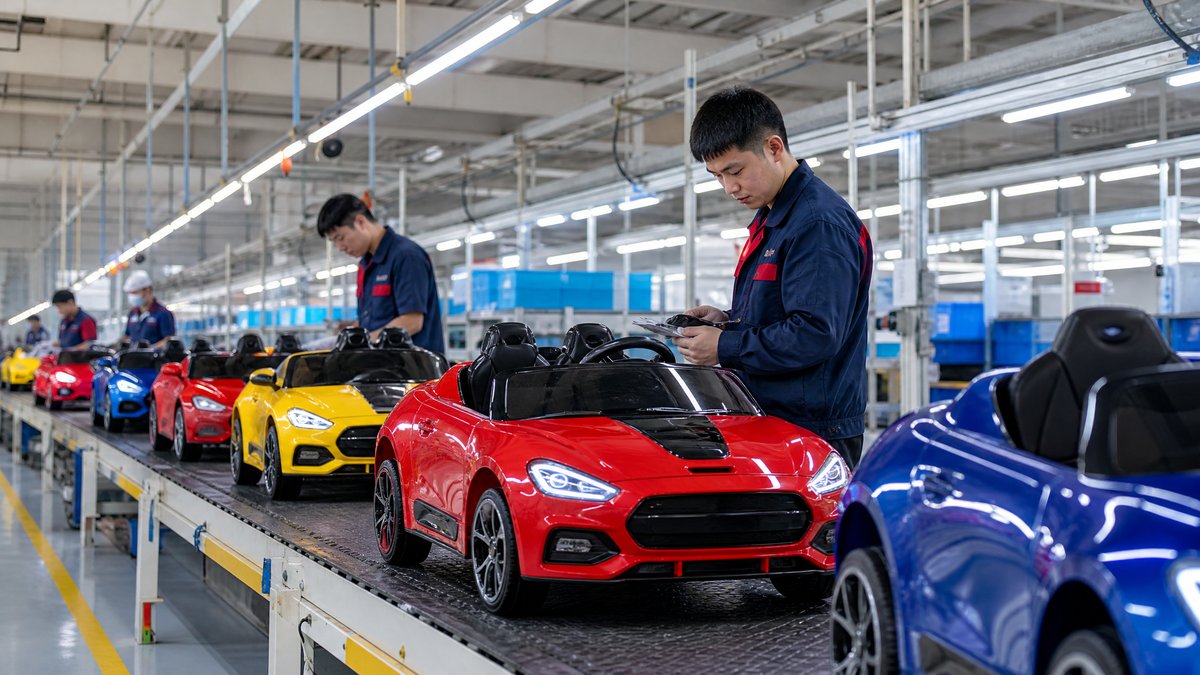
For professional entities engaged in the global procurement of children's recreational vehicles, selecting appropriate four-wheel ride-on models involves a rigorous evaluation of multiple operational and structural factors. These items represent significant capital investments for distributors and retailers, carrying a complex set of expectations regarding quality, longevity, and brand integrity. In the current international trade landscape, the ability to discern high-quality manufacturing from substandard production is a critical skill. The stakes are high, as any oversight in the verification process can lead to significant disruptions in the supply chain, loss of market access, or damage to a firm's professional standing. Therefore, a comprehensive approach to due diligence is mandatory for every serious business-to-business importer.
When sourcing these four-wheel models, the primary focus must be on establishing a clear trail of documentation and physical evidence. This requires a methodical deep dive into the written model documentation and the current supplier evidence provided by the manufacturer. Professional buyers must ensure that every claim made by a vendor is backed by verifiable data and that the products align perfectly with the applicable destination-market requirements. This guide serves as a strategic roadmap for importers, detailing the essential verification pillars that ensure every shipment meets the highest standards of professional excellence and commercial viability.
The Foundation of Documentation: Reviewing Written Model Evidence
The first step in any professional sourcing operation is the thorough review of all written materials provided by the manufacturer. This documentation acts as the primary source of truth for the product's design, intended use, and safety features. Importers should insist on receiving formal, dated, and signed documents that clearly outline the specifications of the four-wheel models. This process begins with the examination of the written model documentation, which should include detailed descriptions of the materials used, the assembly process, and the intended age range for the users.
A critical aspect of this review is ensuring that the manufacturer provides current supplier evidence. This evidence should consist of reports from independent, third-party laboratories that have evaluated the product against recognized safety frameworks. These reports must be recent, typically issued within the last twelve months, and must explicitly reference the exact model numbers being sourced. Any discrepancy between the documentation and the physical product should be viewed as a significant red flag, necessitating further investigation.
Furthermore, importers must verify that the products carry the appropriate product markings. These markings are essential for customs clearance and for providing clear instructions to the end-user. They should be permanent, legible, and placed in a location that is easily accessible for an external visual check. The markings should include information such as the manufacturer's name, the date of production, and any necessary warnings related to the use of the vehicle. By ensuring that these markings are present and accurate, importers can demonstrate their commitment to transparency and professional responsibility.
Physical Construction and Material Integrity
The physical durability of a four-wheel ride-on model is a direct reflection of the quality of the materials and the precision of the manufacturing process. Assessing these physical attributes is essential for minimizing future claims and maximizing consumer satisfaction. A thorough physical assessment should focus on the integrity of the shell, the robustness of the frame, and the quality of the moving components.
External Visual Checks of the Shell and Frame
The first point of physical verification is an external visual check of the vehicle's exterior. Importers should look for signs of high-quality molding, such as smooth edges, consistent color across all panels, and a high-gloss finish. The use of premium, virgin plastics is preferred over recycled materials, as the former offers superior impact resistance and long-term stability. During this check, the importer should also examine the fit and finish of the various panels. Large gaps or misaligned sections can indicate poor quality control during the assembly phase.
Beyond the exterior shell, the internal frame must be assessed for its ability to support the intended use. While the importer should not attempt to uncover the internal components, they can perform a non-destructive assessment by applying gentle pressure to the vehicle's seat and chassis. A well-constructed model will feel solid and stable, without excessive flexing or creaking. This stability is crucial for ensuring that the vehicle can withstand the rigors of daily play and remain a safe and reliable choice for families.
Assessing the Quality of Moving Components
The wheels and suspension systems are among the most hard-working parts of any four-wheel ride-on model. Importers should inquire about the materials used for the wheels, as this significantly impacts the vehicle's performance on different surfaces. For example, wheels made from specialized foam-like materials often provide better traction and a quieter experience compared to standard hard plastics. A non-destructive assessment of the wheels should involve checking for smooth rotation and ensuring that they are securely attached to the axles.
Suspension systems, if present, should also be evaluated for their functionality. In many lower-quality models, these systems are merely decorative. A professional buyer should verify through written supplier confirmation that the suspension is functional and designed to absorb the minor shocks encountered during typical use. This not only improves the comfort for the user but also protects the vehicle's internal systems from excessive vibration, extending the overall lifespan of the product.
Power System Considerations and Safety Boundaries
The energy storage and delivery systems of a four-wheel ride-on model are its most complex technical features. Navigating this area requires a balance between technical due diligence and a strict adherence to safety boundaries. It is vital to understand the general capabilities of the power system without engaging in any activity that could compromise the integrity of the vehicle or the safety of the individual performing the assessment.
Reviewing Energy Storage and Delivery
Importers should focus on the energy storage units and the power delivery systems as described in the written model documentation. These systems are responsible for providing the necessary energy for the vehicle's movement and any additional features like lights or sound systems. Importers should verify that the energy storage units are sourced from reputable manufacturers and that they come with all the necessary transport documentation. This includes evidence that the units have been tested for stability and safety during international transit, ensuring that they can be shipped and stored without concern.
The power delivery system, which includes the motors and the control mechanisms, should be evaluated based on the manufacturer-approved support materials. Importers should seek information regarding the efficiency and reliability of these components, ensuring that they are designed to handle the intended weight allowance of the vehicle. However, these technical details should only be verified through written evidence and external visual checks. Any attempt to access the internal systems or to perform diagnostics on the electrical components should be strictly avoided.
Adhering to Professional Safety Boundaries
A fundamental rule for any importer is to maintain a clear boundary when it comes to the technical servicing of these vehicles. All setup actions and initial checks should be manual-led and strictly follow the exact model's current manual. Importers should never describe or perform electrical or mechanical servicing, nor should they attempt any internal inspection of the motor or energy storage areas. These tasks are reserved for manufacturer-approved or qualified support professionals who have the necessary expertise and tools to handle such work safely.
If a technical concern arises during the sourcing phase, the correct course of action is to stop use if there is a concern and to contact the manufacturer for guidance. Directing readers and staff to qualified support ensures that all issues are addressed in a professional manner, minimizing the risk of accidents or further damage to the vehicle. By adhering to these safety boundaries, importers can demonstrate their commitment to professional standards and provide their customers with clear, safe guidance.
Intellectual Property and Brand Authorization
In the competitive market for children's four-wheel ride-on models, the value of a product is often tied to its aesthetic appeal and its resemblance to well-known automotive brands. For the professional importer, this presents both an opportunity and a significant strategic risk. Sourcing models that utilize the logos, designs, or names of established automakers requires a high level of due diligence to ensure that all intellectual property rights are respected.
When a four-wheel model is designed to mirror the appearance of a luxury car, the manufacturer must hold a valid and current authorization from the brand owner. Importers must request a copy of the official authorization letter as part of the initial verification process. This document serves as the legal proof that the manufacturer has been granted the right to produce and export these specific designs to the importer's target market. Failure to verify this authorization can lead to severe consequences, including the inability to clear the goods through customs or the possibility of legal action from the brand owners.
A Model-Neutral Sourcing and Use Framework
To assist professional buyers, we have developed a model-neutral framework that can be applied to any four-wheel ride-on model. This framework provides a consistent method for evaluating new products and ensuring they meet the high standards expected by business-to-business importers.
Step One: Initial Documentation Review. Begin by requesting the full suite of written model documentation and current supplier evidence. This should include all safety reports, material specifications, and brand authorizations. Verify that all documents are recent and explicitly reference the models you are considering.
Step Two: External Visual Assessment. Perform a comprehensive external visual check of the product samples. Focus on the quality of the molding, the stability of the frame, and the finish of the exterior panels. Ensure that all appropriate product markings are present and legible.
Step Three: Material and Component Verification. Request written supplier confirmation regarding the materials used for the shell, wheels, and frame. Conduct a non-destructive assessment of the moving parts, such as the wheels and suspension, to ensure they are functional and well-constructed.
Step Four: Energy System Due Diligence. Review the transport documentation and safety evidence for the energy storage units. Ensure that the power delivery system is described in the manufacturer-approved support materials and that all technical specifications align with your market's requirements.
Step Five: Final Professional Validation. Before finalizing the order, ensure that all commercial terms are clearly defined and that a plan for manufacturer-approved support is in place. Direct all technical inquiries to qualified professionals and maintain a strict adherence to safety boundaries.
Strategic Verification Comparison Table
| Verification Area | Required Action | Strategic Benefit |
|---|---|---|
| Documentation | Review written model evidence | Ensures adherence to standards |
| Material Quality | Perform non-destructive assessment | Maximizes product longevity |
| Brand Licensing | Secure official authorization | Protects against legal challenges |
| Power Systems | Verify transport documentation | Facilitates smooth logistics |
| Product Markings | Conduct external visual check | Streamlines customs processes |
| Supplier Status | Assess current supplier evidence | Guarantees manufacturing stability |
Frequently Asked Questions
Q: How can I verify the quality of a manufacturer's production process without visiting the facility?
A: You should rely on a combination of current supplier evidence and independent audit reports. Requesting documentation such as the manufacturing facility's quality management records and social responsibility assessments can provide a clear picture of their operational standards. Additionally, a thorough review of the written model documentation for their existing products can offer insights into their attention to detail and commitment to excellence.
Q: What is the most effective way to handle a technical concern with a new model?
A: The most professional approach is to stop use if there is a concern and to immediately contact the manufacturer for guidance. You should always refer to the exact model's current manual for any setup or operational questions. For more complex issues, seeking manufacturer-approved or qualified support is essential to ensure that the vehicle is handled correctly and that all safety boundaries are respected.
Q: Why is it important to verify the specific materials used in the construction of a ride-on vehicle?
A: Verifying materials through non-destructive assessment and written supplier confirmation is crucial for ensuring the durability and safety of the product. High-quality materials, such as virgin plastics and specialized foam wheels, provide better resistance to wear and tear, reducing the likelihood of future claims and enhancing the overall value of the vehicle for the end-consumer.
Request a wholesale quote
Official references
Explore these external resources for current regulatory and trade guidance. Confirm requirements with the relevant authority before placing an order.
Ready to Start?
Factory-Direct · CE & ASTM Certified · MOQ from 50 Units
Our export team works with buyers in 60+ countries. Get a quote within 24 hours.
KR
Written by KidsRideCar
China's leading kids electric ride-on car manufacturer. 500,000+ units shipped annually to 60+ countries. CE, ASTM & EN71 certified.