Introduction: The Developmental Significance of Autonomous Play
Early childhood development is a dynamic journey defined by rapid neurological, physical, and emotional growth. Among the myriad milestones achieved during the toddler years, the emergence of independent play stands out as a cornerstone of cognitive and emotional maturation. Independent play—often referred to as solo play or self-directed exploration—allows children between the ages of one and three to interact with their environment without constant adult direction. During this critical developmental window, children begin to perceive themselves as distinct agents capable of initiating actions, solving simple problems, and experiencing the natural consequences of their choices within safe parameters.
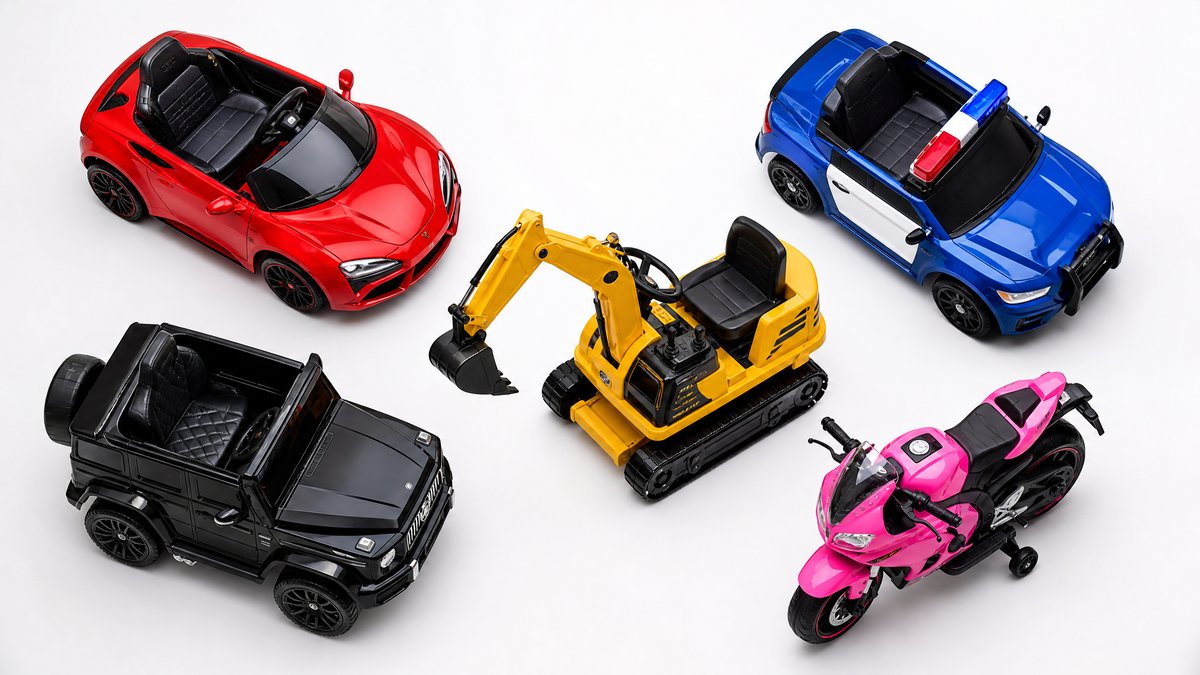
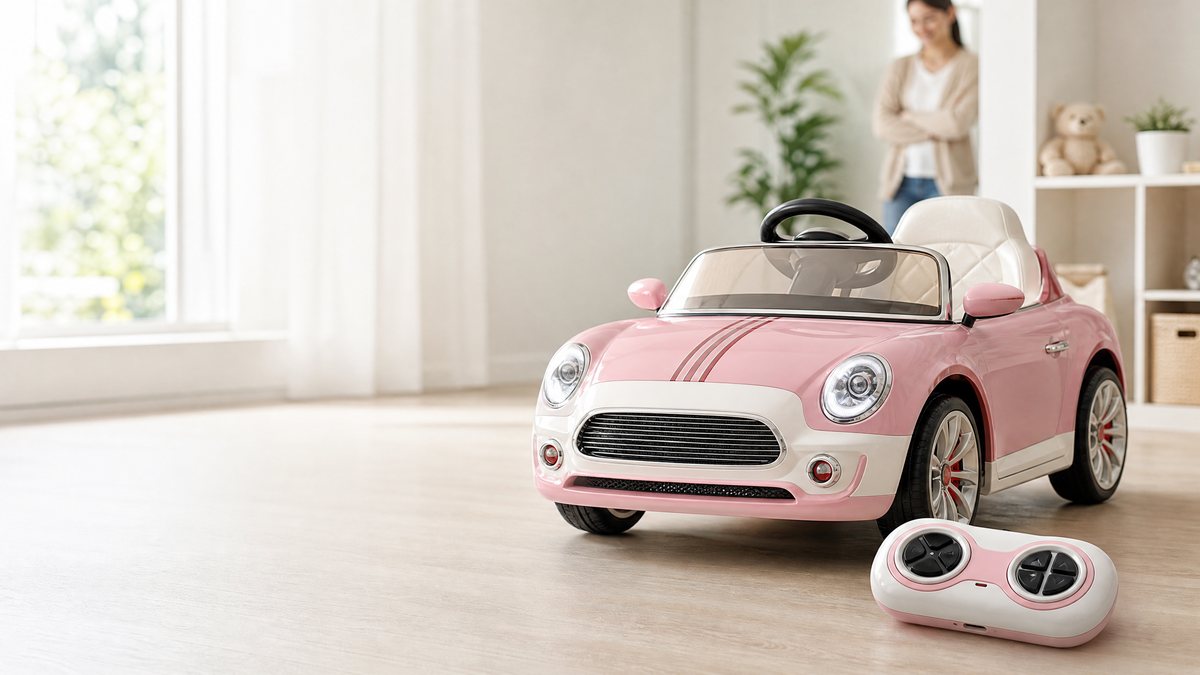
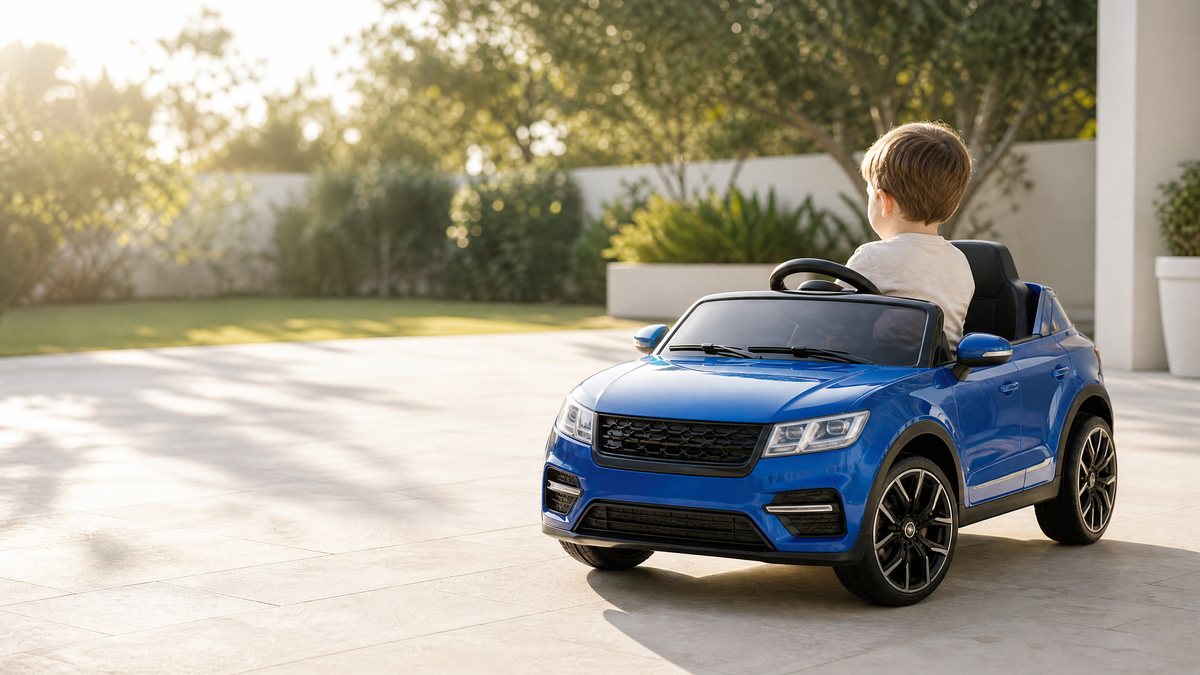
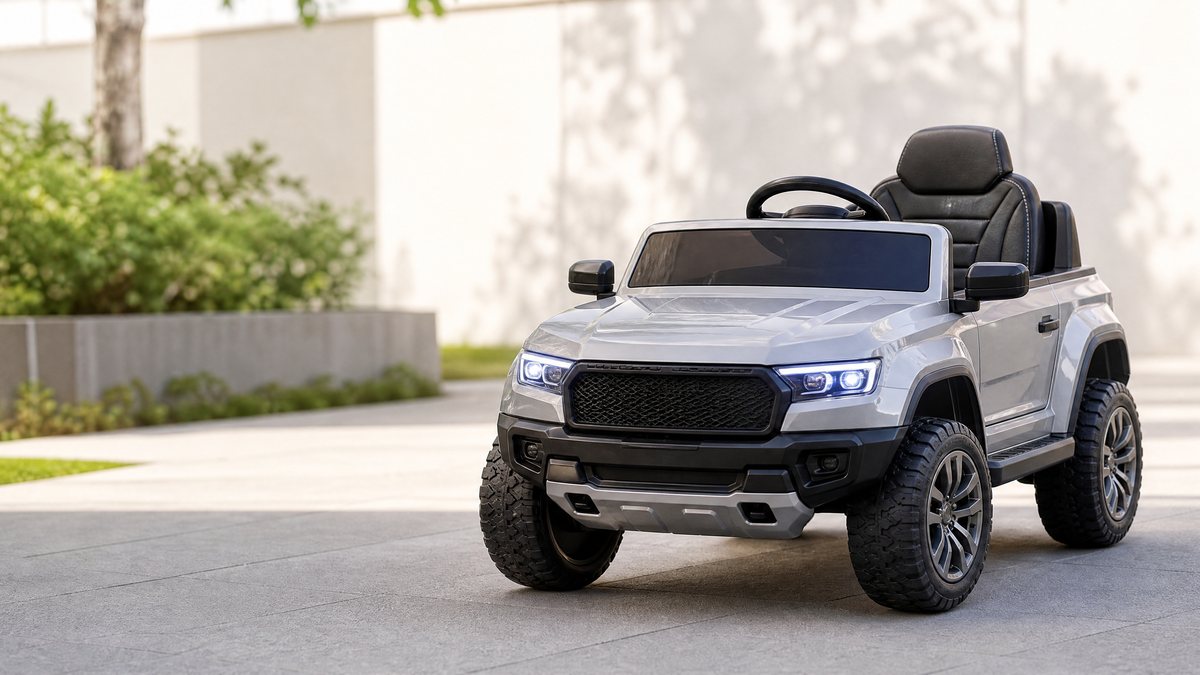
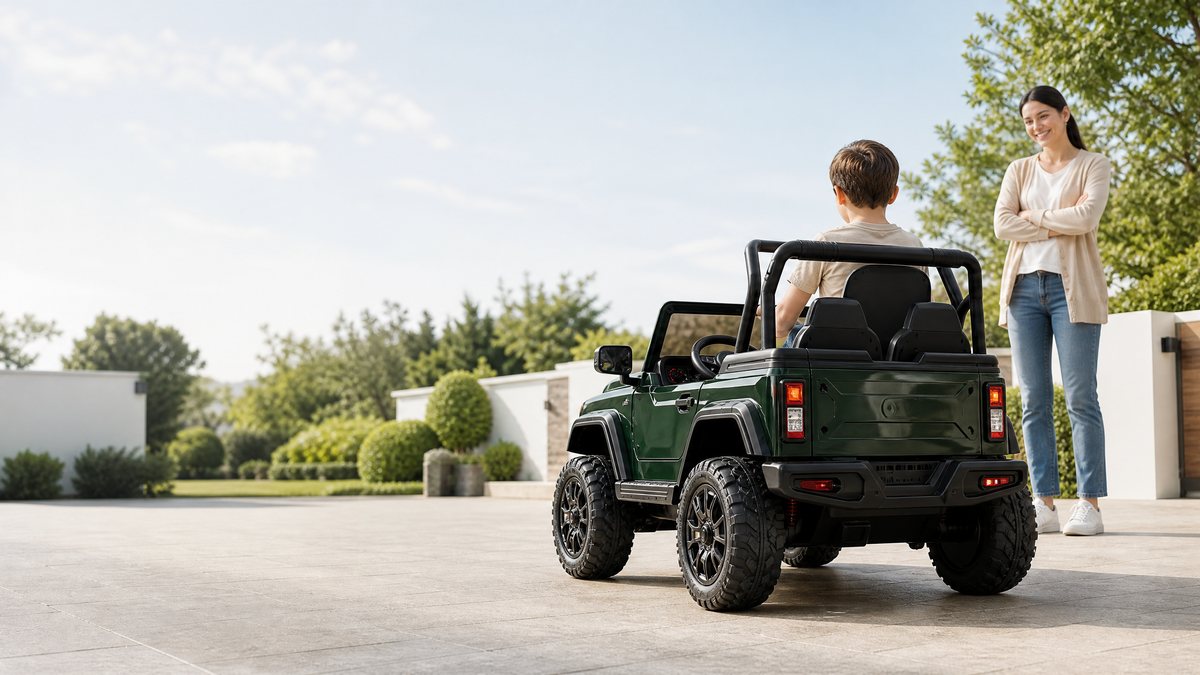
For retail buyers, educational toy distributors, and early childhood specialists, understanding the mechanics of independent play is essential when curating product offerings. Ride-on vehicles represent a unique category within the toy and juvenile products industry. Unlike passive toys that require external stimulation or stationary toys with limited spatial scope, ride-on cars actively invite children to mobilize, navigate, and make real-time decisions about direction, speed, and positioning. When integrated thoughtfully into a structured, supervised environment, ride-on cars serve as catalysts for autonomy, helping toddlers transition from dependent observers to active explorers of their physical world.
As commercial interest in developmental toys continues to expand globally, wholesale buyers and specialty retailers increasingly seek product lines that combine engagement with developmental utility. This article explores how ride-on vehicles contribute to independent play in toddlers, examines the core developmental domains influenced by self-directed mobility, and provides a structured evaluation framework for B2B procurement professionals and educators. Furthermore, we outline essential safety and supervision protocols that must accompany any comprehensive retail distribution strategy.
Request a wholesale quote
Understanding Independent Play in Early Childhood
Independent play is not merely a period of solitary distraction; it is a sophisticated cognitive process during which toddlers practice self-regulation, attention sustenance, and creative problem-solving. Psychologists and early childhood educators emphasize that when children direct their own play activities, they build confidence in their ability to cope with minor frustrations and master new competencies. In a shared social environment, toddlers frequently rely on parents, caregivers, or older siblings to dictate the flow of activities, choose objectives, and resolve conflicts. Solo play, by contrast, creates an unhindered space where the child's internal motivations take precedence.
Within this context, physical objects that respond predictably to the child's inputs play an instrumental role. When a toddler interacts with a ride-on vehicle—whether through pedal propulsion, foot-to-floor gliding, or powered steering—they experience an immediate cause-and-effect relationship. Turning the steering wheel results in an immediate directional change; pressing a foot pedal or pushing off the ground initiates forward momentum. This immediate, tangible feedback loop reinforces the child's sense of agency. The toddler realizes: *"My action caused this outcome."* This realization is foundational to developing internal locus of control, a psychological trait strongly associated with resilience and academic success later in life.
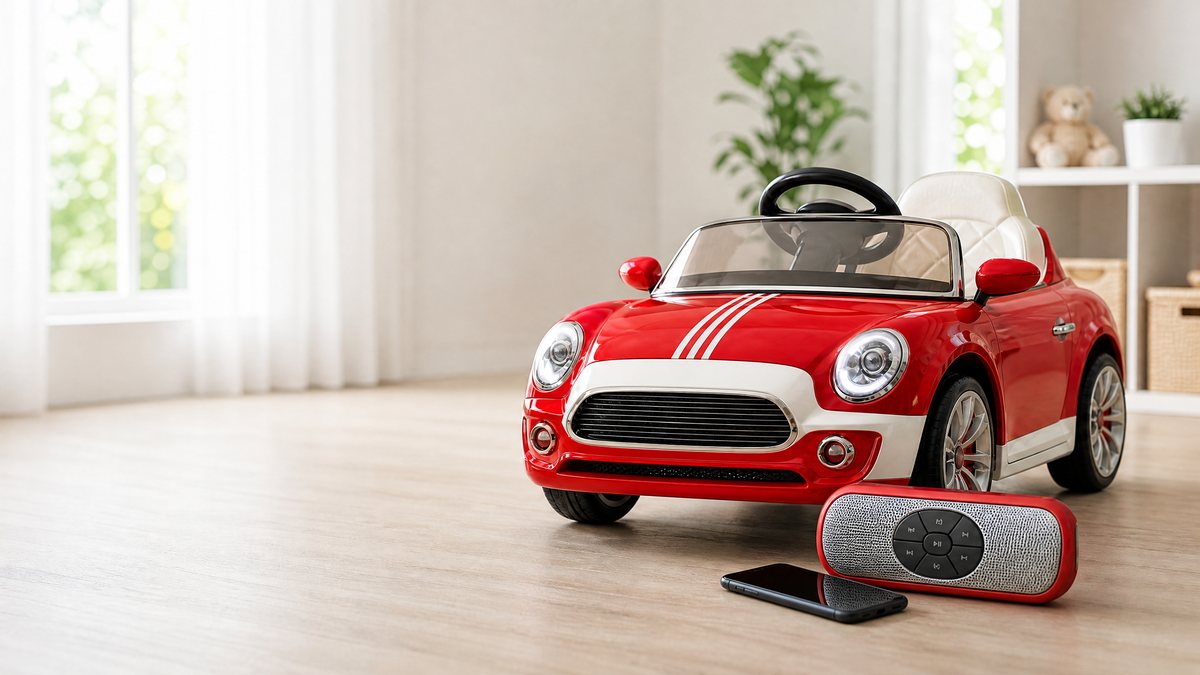
Moreover, independent play fosters imaginative scenarios where toddlers assign narratives to their movements. A simple hallway or backyard patio transforms into a bustling roadway, a delivery route, or an adventure expedition. By acting as the primary driver of their journey, toddlers exercise executive function skills, including working memory, mental flexibility, and impulse control. For retailers and commercial distributors, stocking ride-on vehicles that support open-ended, child-led play provides parents and institutions with tools that encourage healthy psychological development alongside physical activity.
How Ride-On Vehicles Foster Spatial Awareness and Decision-Making
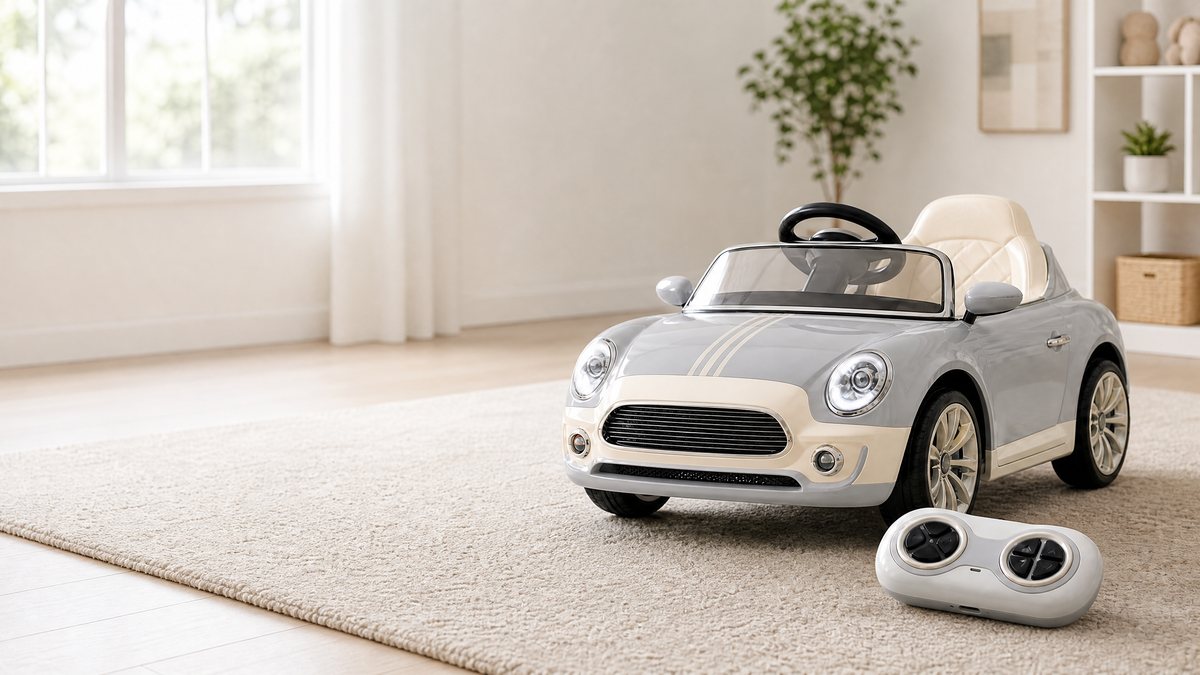
Spatial awareness—the ability to understand one's position in relation to surrounding objects and spaces—develops progressively throughout early childhood. Traditional stationary toys engage children within a fixed visual and physical field. Ride-on vehicles, however, fundamentally alter the child's perspective by transforming them from stationary observers into mobile operators navigating a three-dimensional environment. As toddlers steer their vehicles around furniture, architectural pillars, garden borders, or playground boundaries, they must continuously calculate distance, velocity, and clearance.
This dynamic navigation requires the brain to integrate vestibular, visual, and proprioceptive inputs simultaneously. When a toddler approaches a doorway or a corner while operating a ride-on car, they must estimate whether the vehicle will fit through the opening, anticipate the turning radius, and adjust their steering input accordingly. If miscalculations occur, the child experiences immediate, safe feedback—such as gently bumping into a soft barrier or stopping against a wall—prompting them to recalibrate their spatial strategy during subsequent attempts. This experiential learning cannot be replicated by two-dimensional media or stationary toys.
In addition to spatial reckoning, ride-on cars encourage active decision-making. Unlike automated amusement rides or fixed-track toys where the route is predetermined, a toddler in a ride-on vehicle faces continuous micro-choices: Which direction to turn? How fast to travel across a smooth patio versus a textured pathway? When to stop and reverse? These ongoing choices cultivate executive decision-making capabilities. For commercial buyers and early learning centers, offering ride-on options with thoughtful ergonomic designs and responsive steering mechanisms ensures that children can practice these vital spatial and cognitive skills safely and effectively.
Motor Skills, Balance, and Physical Autonomy
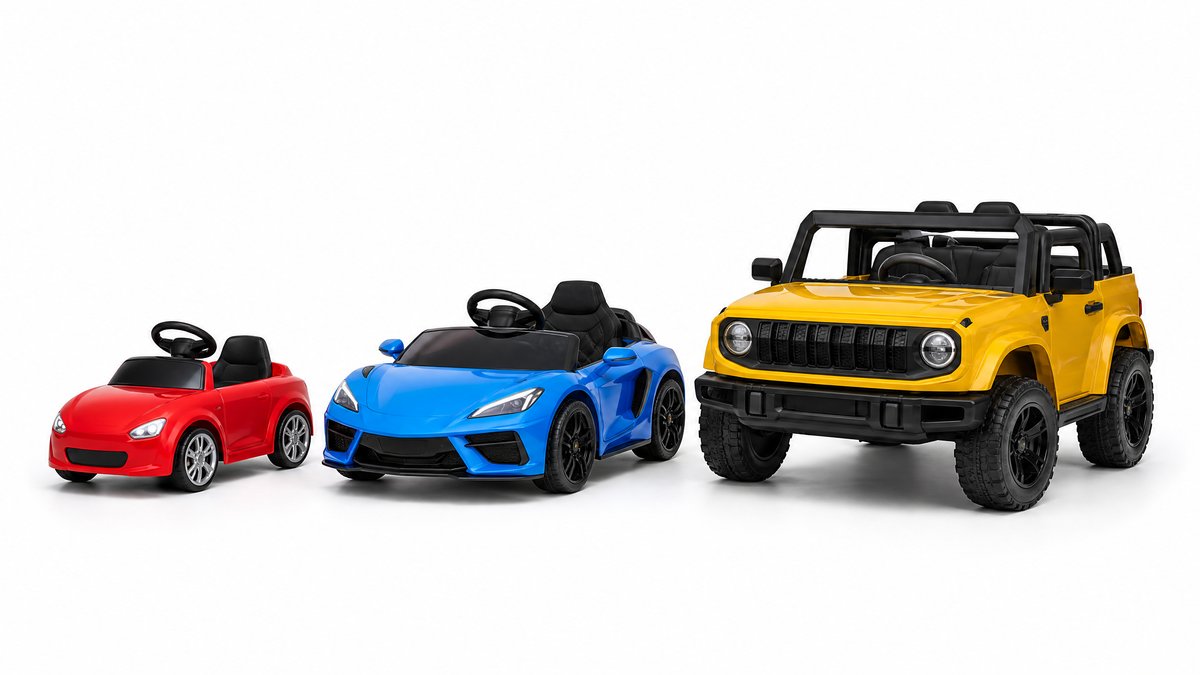
Physical autonomy is inextricably linked with psychological independence. As toddlers gain mastery over their gross motor skills, their willingness and ability to explore independently expand proportionally. Ride-on vehicles engage both upper and lower body musculature, supporting the refinement of core stability, leg strength, coordination, and bilateral integration. Depending on the specific design of the vehicle—such as foot-to-floor push cars, pedal-powered models, or battery-powered units equipped with appropriate safety features—different motor pathways are stimulated.
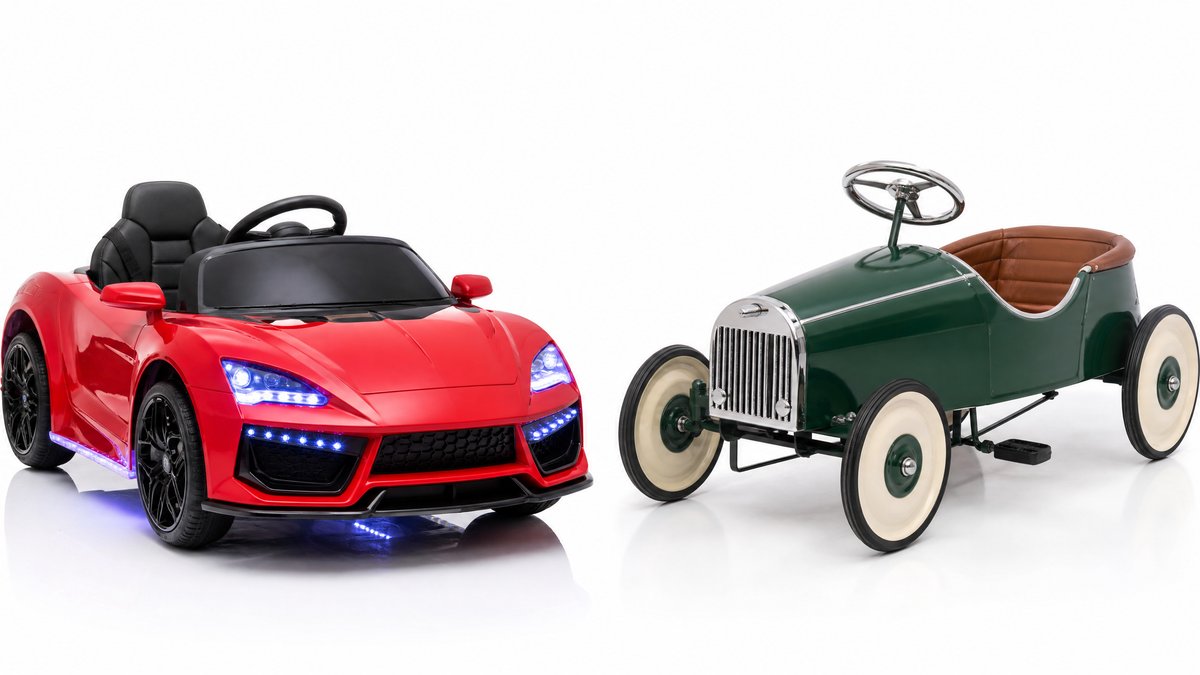
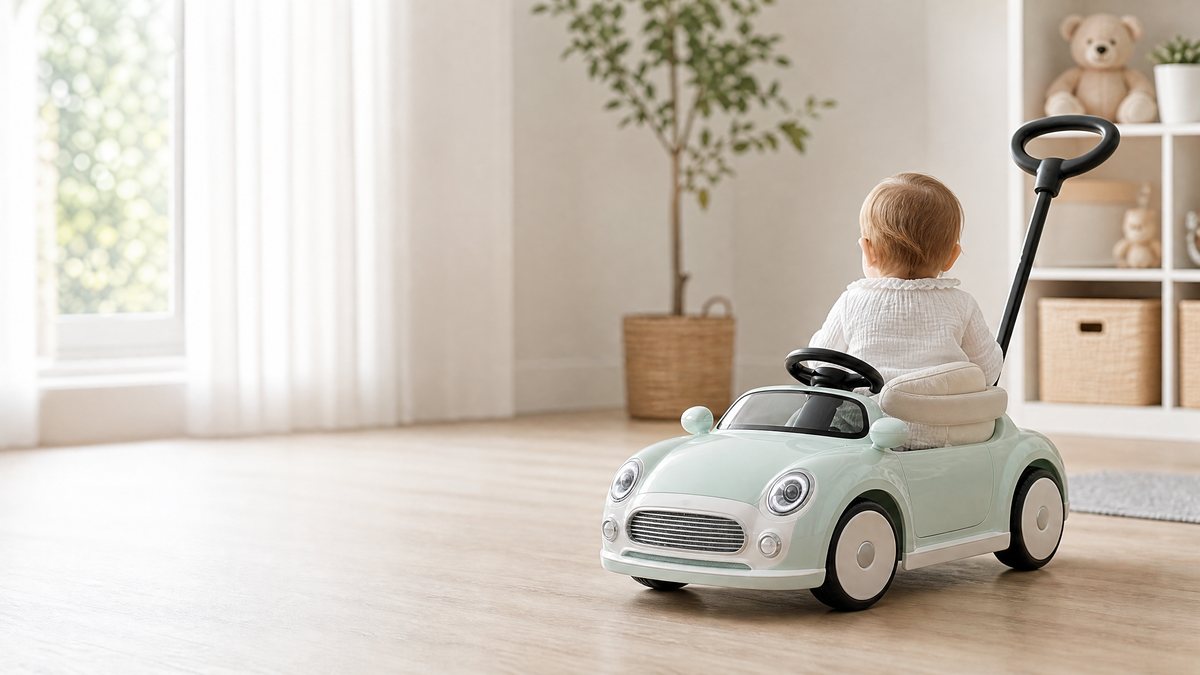
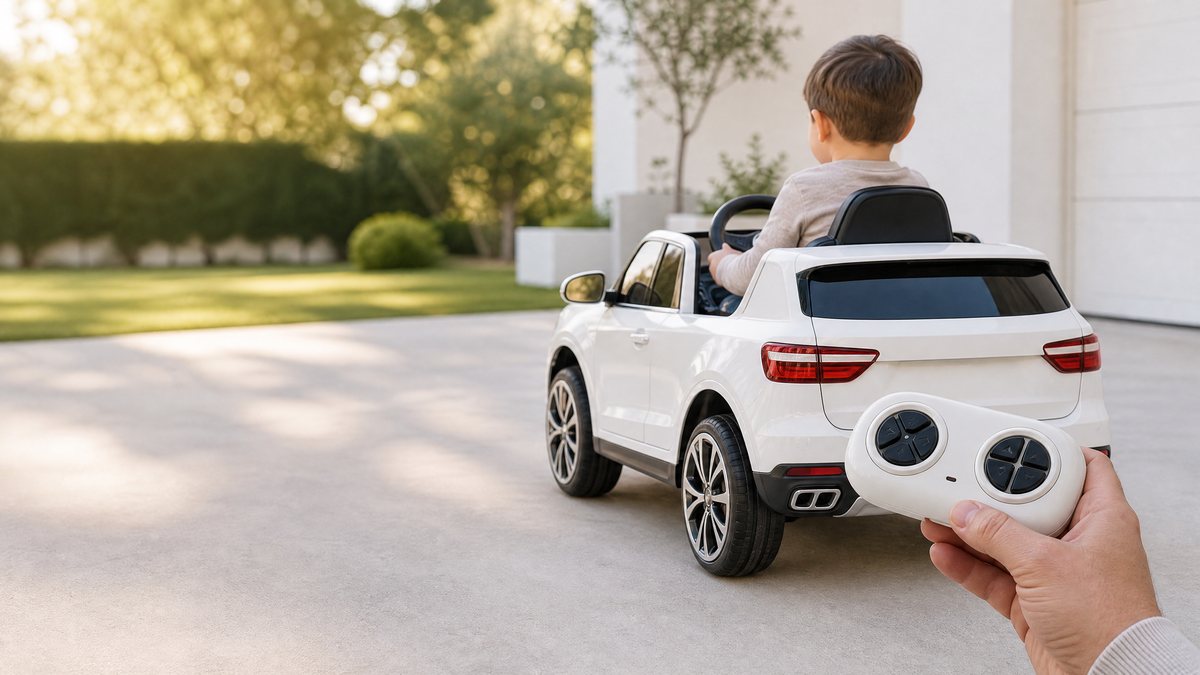
Foot-to-floor ride-on cars primarily target lower extremity strength and bilateral coordination, as toddlers must alternate or synchronize their feet to generate propulsion while maintaining upright posture. Pedal-powered cars require reciprocal leg movements and circular coordination, challenging neuromuscular pathways and enhancing lower body endurance. Battery-operated ride-on cars, when operated via steering and foot accelerators under strict adult supervision, focus heavily on hand-eye-foot coordination, reaction time, and spatial steering control.
The physical confidence gained through managing a ride-on vehicle often translates into other areas of daily life. A toddler who successfully steers, maneuvers, and parks a ride-on car develops a heightened sense of bodily competence. This physical mastery reduces apprehension when encountering new playground equipment, walking across uneven terrain, or engaging in active sports. For B2B procurement partners, highlighting the dual motor and cognitive benefits of diverse ride-on configurations enables retailers to communicate superior value propositions to discerning parents and institutional buyers.
Retail and Educational Evaluation Framework for Ride-On Toys
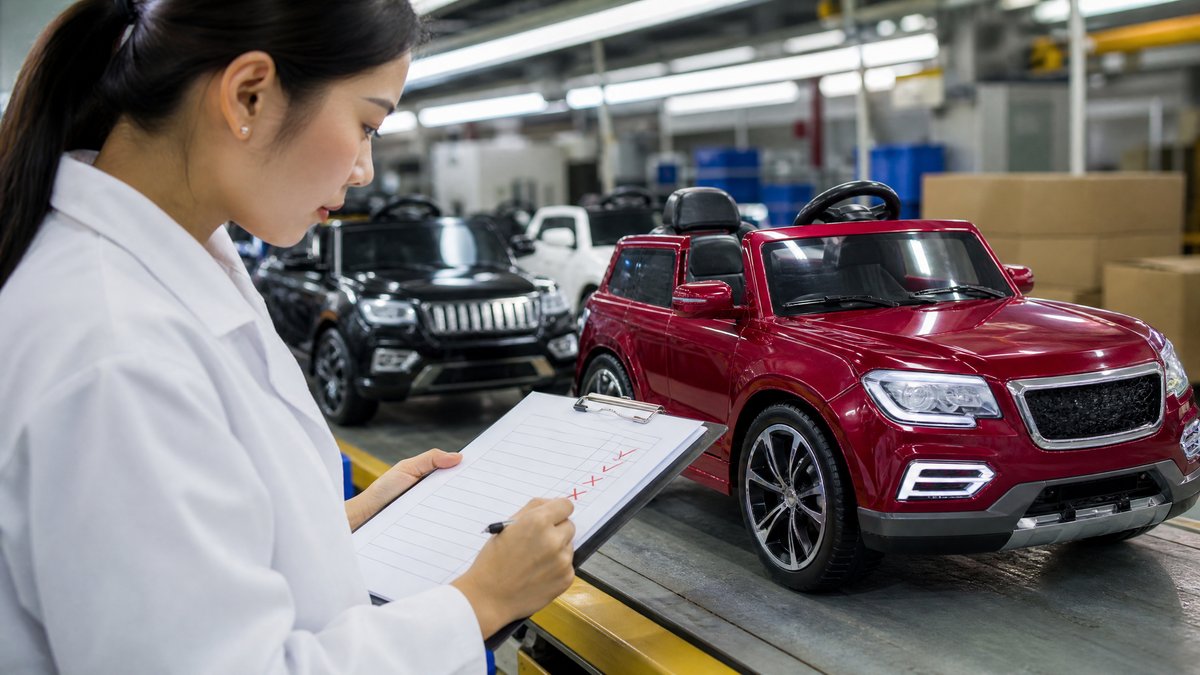
To assist wholesale buyers, retail category managers, and educational facility directors in selecting high-quality ride-on vehicle inventories, the following evaluation framework outlines critical assessment criteria. Rather than relying on subjective marketing claims, procurement professionals should evaluate products across objective structural, ergonomic, and safety dimensions.
| Evaluation Dimension | Key Assessment Criteria | Commercial & Developmental Significance |
|---|---|---|
| Ergonomic Design & Seating | Adjustable seat height, supportive backrests, adequate legroom, and non-slip seating surfaces. | Ensures proper posture, reduces physical fatigue during play, and accommodates rapid toddler growth phases. |
| Steering & Maneuverability | Responsive steering radius, smooth handling, secure handlebar grips, and stable wheel configuration. | Facilitates accurate spatial navigation, prevents tipping during sharp turns, and builds operational confidence. |
| Propulsion Mechanism | Age-appropriate propulsion types (foot-to-floor, pedal, or supervised motorized accelerators). | Matches physical developmental stages, encouraging appropriate gross motor exertion and coordination. |
| Durability & Materials | High-grade, non-toxic molded plastics, reinforced chassis, and robust wheel assemblies. | Ensures long-term structural integrity in high-use institutional or residential environments. |
| Safety Compliance & Standards | Conformance to recognized international toy safety standards and clear manufacturer instructions. | Guarantees transparent baseline safety, clear weight capacity limits, and reliable operational guidelines. |
By utilizing structured evaluation frameworks like the table above, B2B purchasers can curate balanced product portfolios that satisfy both safety-conscious consumers and developmental educators. Retailers should verify that all inventory selections are accompanied by comprehensive user manuals and transparent specifications, ensuring end-users receive complete guidance regarding assembly, maintenance, and supervision requirements.
Facilitating Safe Supervised Independence: Best Practices for Caregivers
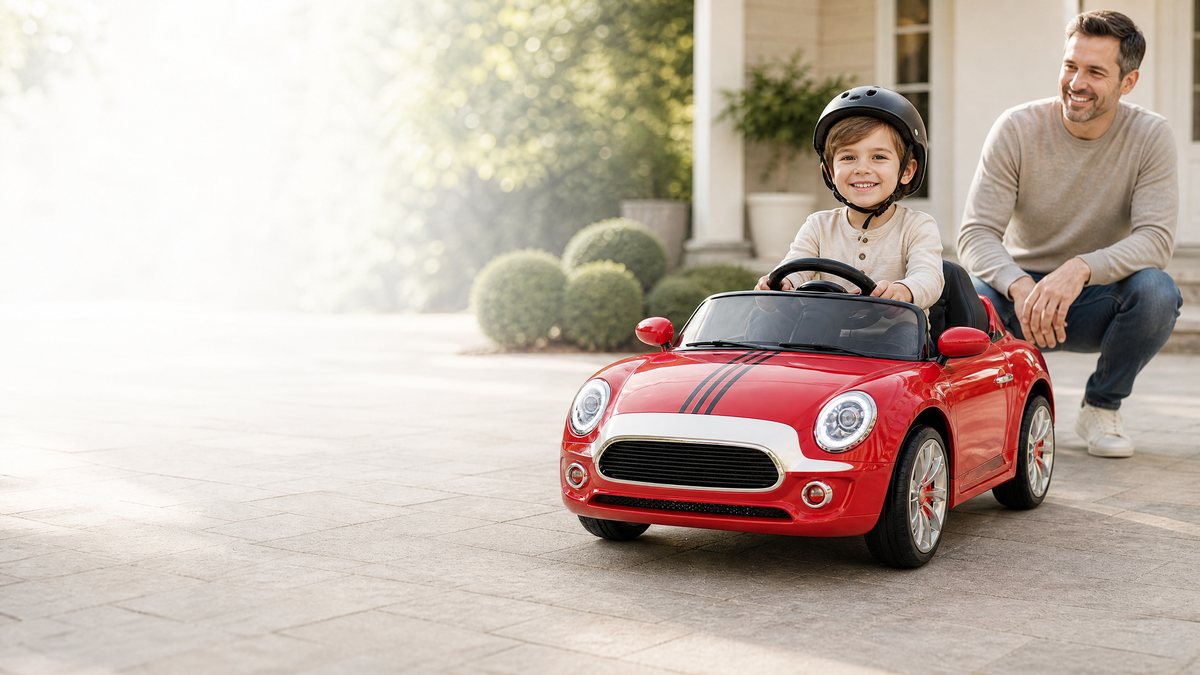
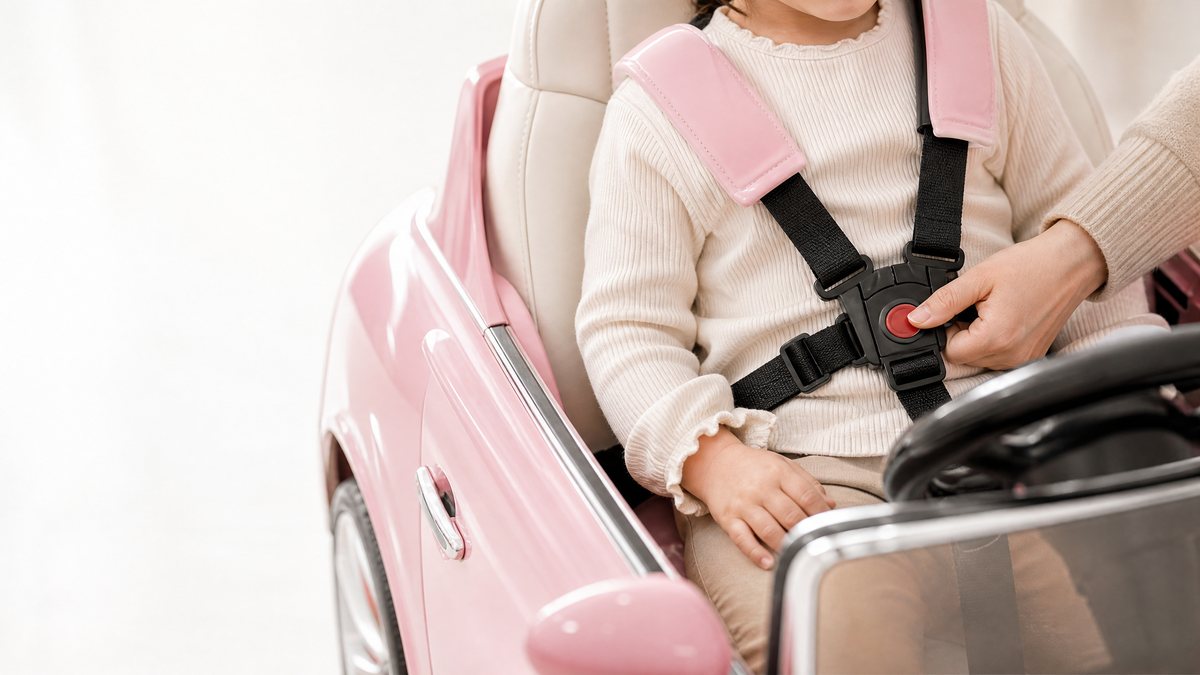
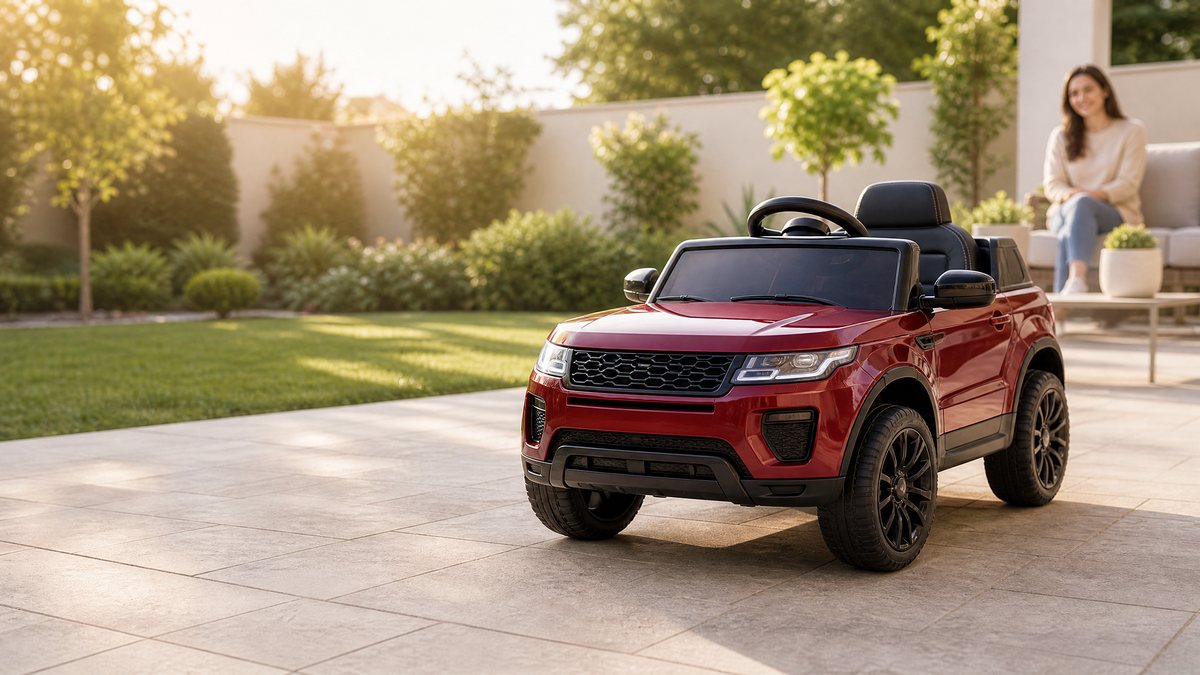
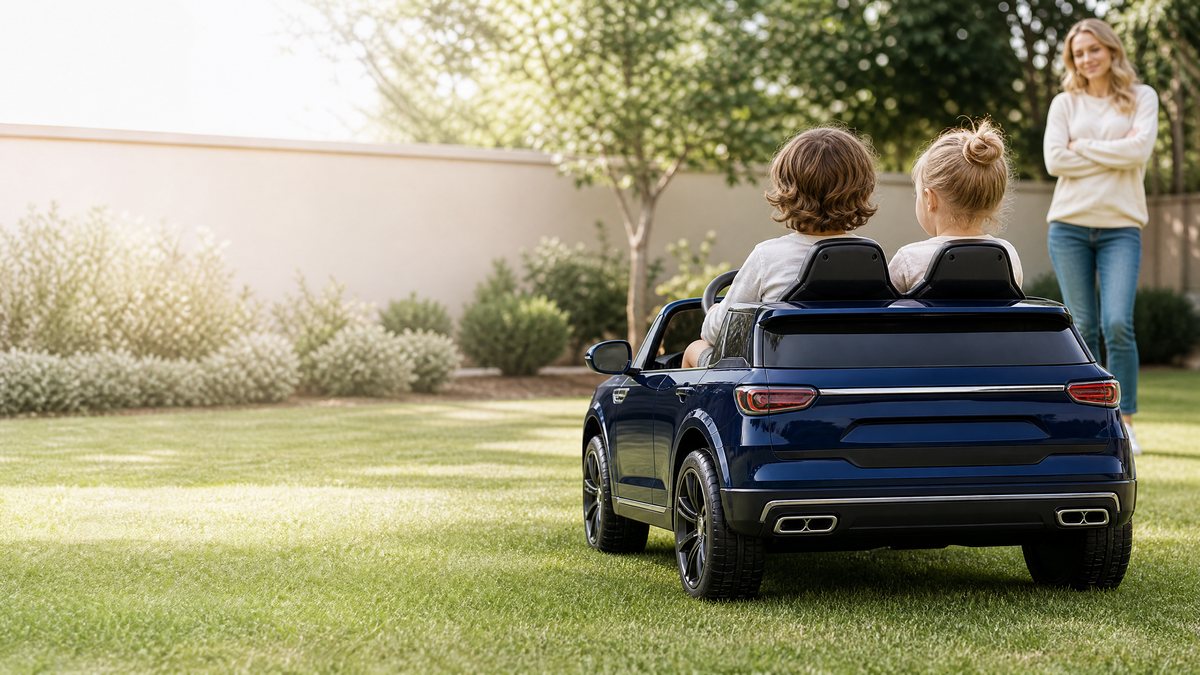
While the primary objective of ride-on car play is to foster toddler independence and autonomy, this independence must be cultivated within a framework of rigorous adult supervision and structured safety protocols. True autonomous play in early childhood does not mean unsupervised isolation; rather, it represents a guided environment where children feel secure to explore because a responsible adult is actively monitoring the surroundings. Caregivers must establish clear boundaries regarding where ride-on vehicles may be operated—such as enclosed backyards, smooth indoor hallways, or designated pedestrian play zones—away from vehicular traffic, steep inclines, swimming pools, and staircases.
Furthermore, adult supervision is essential for monitoring equipment condition and operational integrity. All ride-on vehicles must be assembled, maintained, and inspected strictly in accordance with the manufacturer's official instructions and user manuals. Caregivers should regularly inspect wheel assemblies, steering linkages, seating attachments, and—if applicable—battery compartments and charging systems. If any component exhibits signs of wear, structural damage, abnormal noise, or electrical malfunction, use must be discontinued immediately, the vehicle powered down or disconnected, and children kept away until qualified service personnel or the manufacturer can inspect the unit.
It is equally important for caregivers and educators to respect individual developmental differences among toddlers. While some children readily embrace steering and maneuvering ride-on vehicles, others may require gradual exposure and patient encouragement. Forcing a child into independent play before they display readiness can induce anxiety rather than autonomy. By maintaining a supportive, pressure-free environment and adhering strictly to manufacturer age recommendations and weight limits, caregivers ensure that ride-on play remains a joyful, confidence-building milestone.
Frequently Asked Questions (FAQ)
1. What age range is typically appropriate for introducing ride-on cars to encourage independent play?
Ride-on cars can be introduced in various forms tailored to different developmental stages. Simple foot-to-floor push cars are often suitable for younger toddlers aged 12 to 18 months who are developing stable walking and balancing skills. More complex steering or motorized models are generally suited for children aged 2 to 4 years who demonstrate advanced coordination and spatial awareness. Procurement buyers and retailers should always reference specific manufacturer guidelines and weight limits for each individual model.
2. How do ride-on vehicles support cognitive development compared to stationary toys?
Unlike stationary toys that operate within a fixed physical boundary, ride-on cars require the toddler to actively navigate a three-dimensional environment. This mobility engages spatial reasoning, cause-and-effect understanding, and real-time decision-making. Children must calculate distances, anticipate turning radii, and choose travel routes, which exercises executive function skills and fosters an internal locus of control and self-reliance.
3. What safety precautions are mandatory when children operate ride-on vehicles?
Adult supervision is mandatory at all times during ride-on vehicle play. Vehicles must be operated only in designated, safe, flat areas away from traffic, swimming pools, stairs, and steep slopes. Caregivers must strictly follow all manufacturer instructions regarding assembly, weight limits, and maintenance. If any component shows wear, damage, or malfunction, operation must cease immediately, and the vehicle must be secured out of reach of children.
4. Are ride-on cars suitable for children with special developmental needs?
Ride-on vehicles can be incorporated into supervised play routines to support gross motor skill practice, balance, and spatial engagement for various children. However, they do not constitute medical or therapeutic treatments. Caregivers, parents, and developmental specialists should evaluate each child's individual needs and capabilities in consultation with qualified professionals to ensure that play activities are safe, appropriate, and beneficial.
Conclusion and Next Steps for Retail Partners
In summary, ride-on cars offer exceptional value within the juvenile products and toy manufacturing sectors by bridging physical activity with cognitive independence. For toddlers, mastering a ride-on vehicle provides a tangible avenue for developing spatial awareness, gross motor coordination, executive decision-making, and self-confidence. For B2B wholesale buyers, toy distributors, and retail category managers, curating a diverse, high-quality selection of ride-on vehicles represents a strategic opportunity to meet growing consumer demand for developmental toys that promote active, engaged learning.
By adhering to rigorous evaluation standards, emphasizing structured adult supervision, and providing clear, transparent product documentation, retailers can build enduring trust with families and educational institutions. We invite wholesale partners, distributors, and retail buyers to connect with our team to discuss customized catalog selections, volume pricing structures, and partnership opportunities tailored to your market requirements.
Request a wholesale quote
Official References
1. United States Consumer Product Safety Commission (CPSC). General Toy Safety Education and Consumer Guidance. Available via official CPSC educational resources on toy safety standards and supervisory recommendations.
2. American Academy of Pediatrics (AAP). Guidance on Early Childhood Play, Motor Development, and Supervised Exploration in Toddlers.
3. International Toy Industry Guidelines on Structural Integrity, Ergonomic Design, and Manufacturer Compliance Standards for Ride-On Play Equipment.
Official references
Explore these external resources for current regulatory and trade guidance. Confirm requirements with the relevant authority before placing an order.
Ready to Start?
Factory-Direct · CE & ASTM Certified · MOQ from 50 Units
Our export team works with buyers in 60+ countries. Get a quote within 24 hours.
KR
Written by KidsRideCar
China's leading kids electric ride-on car manufacturer. 500,000+ units shipped annually to 60+ countries. CE, ASTM & EN71 certified.