What Should a Distributor Check During a Ride-On Car Factory Visit?
For international distributors, wholesalers, and high-volume importers, the process of sourcing children’s electric ride-on cars involves navigating a complex landscape of technical specifications, safety regulations, and supply chain variables. While digital communication and virtual tours have become standard, the physical factory visit remains the most effective tool for comprehensive due diligence and risk mitigation. A factory visit is not merely a ceremonial tour; it is a strategic audit designed to verify a manufacturer’s technical capabilities, operational integrity, and commitment to the safety standards required by the distributor’s specific target markets.
When auditing a manufacturer like KidsRideCar, a professional B2B buyer must transition from a passive observer to an active auditor. The objective is to look beyond the showroom and examine the underlying systems that ensure every unit produced meets the agreed-upon specifications. This guide provides a detailed framework for conducting a factory visit that yields actionable insights, ensuring that the resulting partnership is built on a foundation of transparency, reliability, and verifiable excellence.
In the global toy industry, a distributor’s reputation is linked to the quality of the products they supply. A batch of non-compliant cars can lead to financial losses through recalls and legal liabilities. The factory visit serves as a critical checkpoint, allowing buyers to evaluate the quality culture and engineering precision of the manufacturer.
It is essential to emphasize that all findings during a factory visit must be cross-referenced with the latest official requirements from target market authorities. Buyers are responsible for ensuring that the manufacturer’s current documentation, material certifications, and sample performance align with the specific legal and safety standards of their region. A professional manufacturer should facilitate this by providing access to their technical files and internal laboratory data for review.
A successful factory audit begins with preparation. Distributors should establish evaluation criteria based on their target market's regulatory landscape. Prior to the visit, request a documentation package including the QMS manual and product certifications. The on-site visit is an opportunity to verify that these systems are actively implemented on the factory floor.
The quality of a finished ride-on car is fundamentally determined by the integrity of its raw materials and components. A professional audit must include a thorough inspection of the manufacturer’s material sourcing and storage practices.
During the warehouse tour, distributors should examine the plastic granules used for injection molding. High-quality ride-on cars require specific grades of polypropylene (PP) to ensure the necessary durability and impact resistance. The manufacturer should be able to provide technical data sheets for their materials, confirming that they meet the non-toxic and flame-retardant requirements of the target market. The use of virgin materials versus recycled content should be discussed, as this significantly impacts the structural integrity of the car body.
The electrical system—including motors, batteries, wiring harnesses, and printed circuit boards (PCBs)—is the heart of the electric ride-on car.
* Storage Conditions: Verify that electronic components are stored in climate-controlled environments to prevent moisture ingress or thermal degradation.
* Battery Integrity: Batteries should be managed with a strict first-in, first-out (FIFO) system to ensure that the chemical stability and charge capacity are maintained prior to assembly.
* Traceability Systems: Look for a robust labeling and tracking system that allows the manufacturer to trace every component back to its original supplier and batch number. This is critical for managing potential recalls or quality investigations.
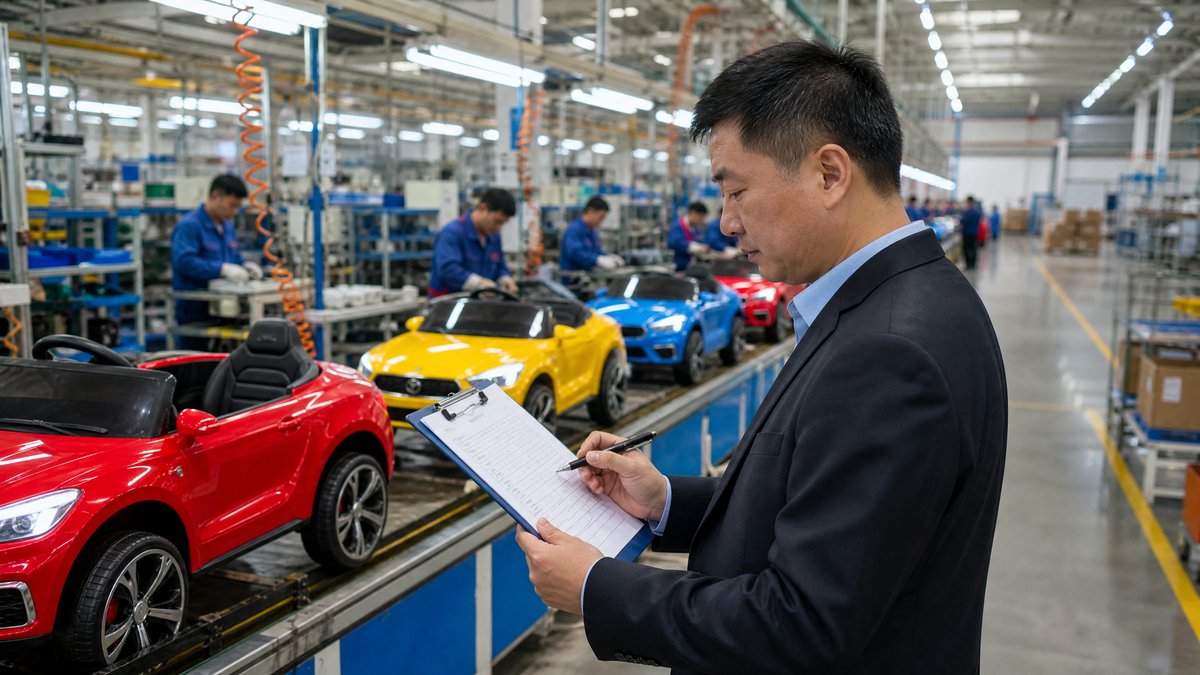
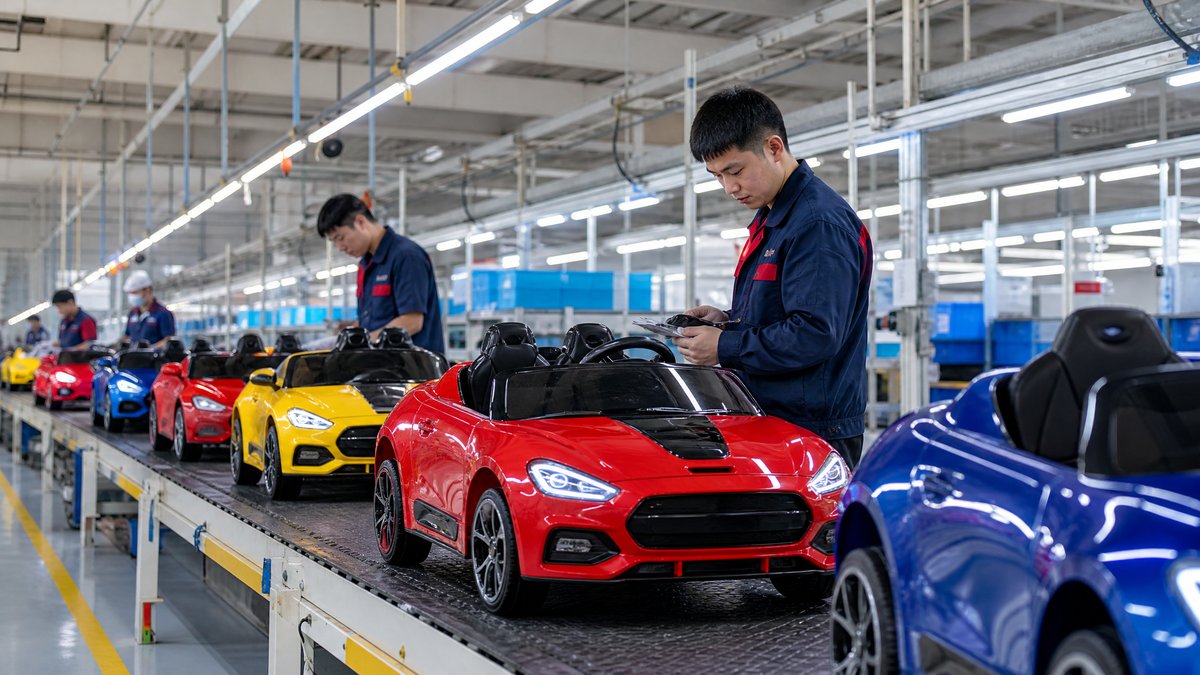
The production floor reveals the manufacturer’s engineering discipline. In the injection molding area, inspect mold condition to avoid "flash" hazards and observe process consistency for uniform part strength. On the assembly line, look for organized workstations and the use of torque-controlled tools to ensure fasteners meet technical specifications. Evaluate worker training to ensure they understand their specific tasks and quality standards.
For international distributors, wholesalers, and high-volume importers, the process of sourcing children’s electric ride-on cars involves navigating a complex landscape of technical specifications, safety regulations, and supply chain variables. While digital communication and virtual tours have become standard, the physical factory visit remains the most effective tool for comprehensive due diligence and risk mitigation. A factory visit is not merely a ceremonial tour; it is a strategic audit designed to verify a manufacturer’s technical capabilities, operational integrity, and commitment to the safety standards required by the distributor’s specific target markets.
When auditing a manufacturer like KidsRideCar, a professional B2B buyer must transition from a passive observer to an active auditor. The objective is to look beyond the showroom and examine the underlying systems that ensure every unit produced meets the agreed-upon specifications. This guide provides a detailed framework for conducting a factory visit that yields actionable insights, ensuring that the resulting partnership is built on a foundation of transparency, reliability, and verifiable excellence.
The Strategic Importance of the Factory Audit in B2B Sourcing
In the global toy industry, a distributor’s reputation is linked to the quality of the products they supply. A batch of non-compliant cars can lead to financial losses through recalls and legal liabilities. The factory visit serves as a critical checkpoint, allowing buyers to evaluate the quality culture and engineering precision of the manufacturer.
It is essential to emphasize that all findings during a factory visit must be cross-referenced with the latest official requirements from target market authorities. Buyers are responsible for ensuring that the manufacturer’s current documentation, material certifications, and sample performance align with the specific legal and safety standards of their region. A professional manufacturer should facilitate this by providing access to their technical files and internal laboratory data for review.
Phase 1: Pre-Visit Preparation and Strategic Objectives
A successful factory audit begins with preparation. Distributors should establish evaluation criteria based on their target market's regulatory landscape. Prior to the visit, request a documentation package including the QMS manual and product certifications. The on-site visit is an opportunity to verify that these systems are actively implemented on the factory floor.
Phase 2: Raw Material Integrity and Supply Chain Traceability
The quality of a finished ride-on car is fundamentally determined by the integrity of its raw materials and components. A professional audit must include a thorough inspection of the manufacturer’s material sourcing and storage practices.
2.1 Material Sourcing and Specification
During the warehouse tour, distributors should examine the plastic granules used for injection molding. High-quality ride-on cars require specific grades of polypropylene (PP) to ensure the necessary durability and impact resistance. The manufacturer should be able to provide technical data sheets for their materials, confirming that they meet the non-toxic and flame-retardant requirements of the target market. The use of virgin materials versus recycled content should be discussed, as this significantly impacts the structural integrity of the car body.
2.2 Electronic Component Management
The electrical system—including motors, batteries, wiring harnesses, and printed circuit boards (PCBs)—is the heart of the electric ride-on car.
* Storage Conditions: Verify that electronic components are stored in climate-controlled environments to prevent moisture ingress or thermal degradation.
* Battery Integrity: Batteries should be managed with a strict first-in, first-out (FIFO) system to ensure that the chemical stability and charge capacity are maintained prior to assembly.
* Traceability Systems: Look for a robust labeling and tracking system that allows the manufacturer to trace every component back to its original supplier and batch number. This is critical for managing potential recalls or quality investigations.
Phase 3: Production Engineering and Assembly Line Audit
The production floor reveals the manufacturer’s engineering discipline. In the injection molding area, inspect mold condition to avoid "flash" hazards and observe process consistency for uniform part strength. On the assembly line, look for organized workstations and the use of torque-controlled tools to ensure fasteners meet technical specifications. Evaluate worker training to ensure they understand their specific tasks and quality standards.
For factory-visit preparation
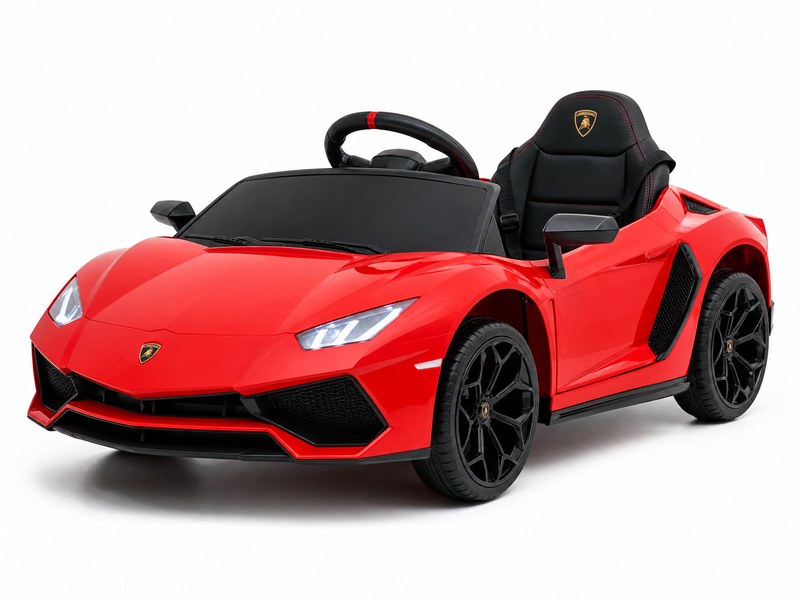
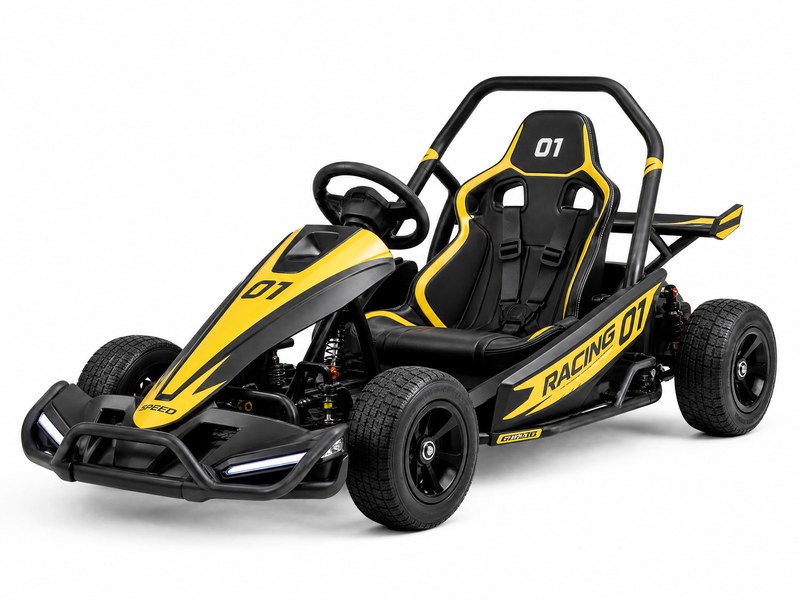
Build your review around real product models
Use a defined product shortlist to structure sample, assembly, packaging and documentation questions during a factory visit or remote product review.
Request a product review brief →
Phase 4: Quality Management Systems (QMS) and Checkpoints
A manufacturer’s commitment to quality is best demonstrated through their internal quality control (QC) procedures. A multi-stage QC approach is necessary to capture defects before they reach the packaging stage.
4.1 Incoming Quality Control (IQC)
The IQC station is the first line of defense. The distributor should audit how the factory tests incoming components. For example, are batteries tested for voltage stability and capacity upon arrival? Are motors subjected to load testing to verify their torque performance? The manufacturer should maintain detailed logs of all incoming inspections.
4.2 In-Process Quality Control (IPQC)
IPQC occurs at various stages along the assembly line.
* Visual Standards: Look for "Golden Samples" or visual aids at each station that define the acceptable standard for that specific assembly step.
* Critical Checkpoints: There should be dedicated QC personnel at critical points, such as the installation of the wiring harness and the gearbox, to verify that these complex systems are correctly integrated.
4.3 Final Quality Control (FQC) and Outgoing Quality Control (OQC)
Before a ride-on car is packaged, it must undergo a comprehensive functional and cosmetic inspection.
| QC Stage | B2B Audit Focus Areas | Verification Method |
|---|---|---|
| IQC | Raw material purity, battery chemistry, motor specifications. | Review of supplier COA and internal test logs. |
| IPQC | Wiring integrity, fastener torque, gearbox lubrication. | Observation of assembly steps and spot-checks. |
| FQC | Full functional testing, remote control pairing, cosmetic finish. | Demonstration of a complete test cycle on a finished unit. |
| OQC | Packaging strength, manual inclusion, labeling accuracy. | Inspection of a sealed shipping carton. |
Phase 5: Internal Laboratory and Safety Verification
Top-tier manufacturers maintain internal laboratories to perform continuous safety monitoring and performance verification. While these do not replace third-party laboratory reports, they provide an essential layer of internal oversight.
5.1 Mechanical and Physical Testing
Distributors should ask to see the equipment used for mechanical safety testing. This may include:
* Structural Load Verification: The method by which the factory verifies the maximum weight capacity as specified in the model's technical file.
* Stability Analysis: The use of incline planes or other apparatus to ensure the car’s center of gravity meets the safety requirements.
* Impact Resistance: Procedures for verifying that the plastic components do not shatter under the stresses specified in the design documentation.
5.2 Electrical Safety and Performance
Given the electric nature of these products, electrical safety is paramount. The factory should demonstrate how they verify the integrity of the electrical system, including:
* Circuit Protection: Verification that every model is equipped with the appropriate fuses or circuit breakers as defined in the engineering specifications.
* Thermal Management: How the factory monitors for potential overheating during the charging or operation cycles.
* Wiring Protection: Inspection of the routing and insulation of wires to ensure they are protected from mechanical wear and potential short circuits.
> Safety Boundary for Technical Inspections: All technical evaluations and maintenance procedures must be conducted in strict accordance with the manufacturer’s authorized service manuals. Distributors and retailers should not attempt unauthorized modifications, electrical DIY, or internal diagnostics. For any technical concerns, always contact the manufacturer’s authorized technical support team.
Phase 6: Logistics, Packaging, and Export Fulfillment
The final stage focuses on export fulfillment. Inspect internal packaging materials like foam inserts and double-walled cardboard. Verify that the packaging meets the durability standards specified in the logistics agreement. In the warehouse, ensure the environment is dry and well-ventilated, and that stacking limits are strictly followed to prevent crushing. Discuss container loading procedures to minimize transit damage.
Phase 7: R&D Capacity and Customization (OEM/ODM)
For distributors seeking to develop exclusive models or customized features, the Research and Development (R&D) department is a critical area of the audit.
7.1 Engineering and Prototyping Capabilities
Evaluate the manufacturer’s ability to translate a conceptual design into a functional product. This includes their capacity for 3D modeling, rapid prototyping, and electronic systems engineering. A professional R&D team should be able to provide technical guidance on the feasibility of custom features while ensuring they remain within the boundaries of safety and regulatory compliance.
7.2 Intellectual Property and Licensing
For distributors of licensed models, it is imperative to verify that the manufacturer holds valid, up-to-date sub-licensing agreements from the original equipment manufacturers (OEMs). The distributor should request written confirmation of these rights to avoid legal complications or customs seizures.
Phase 8: Compliance, Certification, and Ethical Sourcing
A sustainable B2B partnership requires a manufacturer that operates with high ethical standards and full regulatory compliance.
8.1 Regulatory Verification
The manufacturer must provide a clear path for verifying their product certifications. Rather than relying on generic statements, the distributor should request specific, up-to-date reports from recognized testing bodies. These reports should be verified against the target market’s latest official requirements and the specific model numbers being purchased.
8.2 Social and Environmental Responsibility
While a factory visit is not a substitute for a professional social audit, the distributor should observe the general working conditions, safety signage, and environmental management practices. A manufacturer that invests in a safe and ethical working environment is more likely to maintain a stable and high-quality workforce.
B2B Decision Framework: Evaluating the Manufacturer
Following the factory visit, the distributor should use a structured framework to evaluate the manufacturer’s performance.
| Evaluation Category | High-Performance Indicators | Risk Indicators |
|---|---|---|
| Production Engineering | Modern machinery; automated processes; high precision. | Manual, inconsistent assembly; high waste; poor mold maintenance. |
| Quality Management | Multi-stage QC; robust internal lab; comprehensive logs. | QC is an afterthought; no dedicated testing lab; missing records. |
| Compliance & Safety | Verifiable, market-specific certifications; clear protocols. | Expired reports; generic claims; lack of technical documentation. |
| Logistics & Packaging | Professional export packaging; organized warehouse. | Damaged cartons in storage; cluttered warehouse; no stacking limits. |
| Technical Support | Access to engineering staff; transparent communication. | Sales-only contact; avoidance of technical questions; vague answers. |
Conclusion
A comprehensive factory visit is an indispensable component of a successful B2B sourcing strategy for children’s electric ride-on cars. By systematically auditing the manufacturer’s raw materials, production processes, quality systems, and logistics, a distributor can build a supply chain that is both resilient and reliable. The goal is to establish a partnership based on verifiable performance rather than mere promises.
For distributors looking for a partner that prioritizes these rigorous standards, KidsRideCar offers a transparent and professional manufacturing environment designed to meet the complex demands of the global wholesale market. We invite you to engage with our technical team to discuss your specific sourcing requirements and to schedule a visit to our production facilities.
Frequently Asked Questions
Q: How should a distributor verify the authenticity of a manufacturer's safety certifications?
A: Distributors should request the full, original test reports from the manufacturer and verify the report numbers directly with the issuing laboratory’s online database. It is critical to ensure that the model numbers, factory address, and company name on the report match the specific products and facility being audited. Furthermore, these certifications must be cross-referenced with the latest regulatory requirements of the target market to ensure they remain valid and applicable.
Q: What are the key indicators of a high-quality battery management system in a factory?
A: A high-quality system is characterized by a strict FIFO storage policy, temperature-controlled warehousing, and mandatory incoming voltage and capacity testing. The manufacturer should also be able to demonstrate how they verify the charging safety and overload protection of the battery as specified in the model’s technical documentation.
Q: How can a distributor ensure that the mass-produced units match the quality of the samples seen during the factory visit?
A: The most effective method is the "Golden Sample" approach. During the visit, the distributor and the manufacturer should sign and seal a production-grade sample that serves as the benchmark for all future orders. This should be supplemented by regular pre-shipment inspections (PSI) conducted by either the distributor’s own QC team or an authorized third-party inspection service, using the Golden Sample and the agreed-upon technical specifications as the reference.
Q: What should a distributor look for regarding the manufacturer's R&D and customization capabilities?
A: Look for an in-house engineering team with experience in both mechanical design and electronic systems. The presence of 3D modeling software, rapid prototyping equipment, and a clear product development workflow are strong indicators of a manufacturer's ability to handle OEM/ODM projects. It is also important to discuss their process for ensuring that custom designs still meet all necessary safety and regulatory standards for the intended market.
Q: Why is the warehouse environment a critical part of the factory audit?
A: The warehouse environment directly impacts the longevity and safety of the stored products, particularly the batteries and electronic components. A cluttered or poorly managed warehouse can lead to physical damage, moisture ingress, and the shipping of aged or degraded stock. A professional warehouse with clear stacking limits, organized palletizing, and climate monitoring is a sign of a manufacturer that values the integrity of the product until it reaches the final customer.
Q: What is the recommended frequency for conducting factory visits?
A: While a comprehensive initial audit is essential for onboarding a new supplier, it is recommended that distributors conduct follow-up visits at least once per year. Additional visits should be considered whenever a major new product line is introduced or if there are significant changes to the regulatory requirements in the distributor’s target market. For ongoing quality monitoring between visits, the use of third-party inspection services for every shipment is a standard B2B best practice.
Request a wholesale quote
Official references
Explore these external resources for current regulatory and trade guidance. Confirm requirements with the relevant authority before placing an order.
Ready to Start?
Factory-Direct · CE & ASTM Certified · MOQ from 50 Units
Our export team works with buyers in 60+ countries. Get a quote within 24 hours.
KR
Written by KidsRideCar
China's leading kids electric ride-on car manufacturer. 500,000+ units shipped annually to 60+ countries. CE, ASTM & EN71 certified.