Introduction
In the commercial landscape of children's electric ride-on vehicles, power delivery systems form the fundamental cornerstone of operational reliability, user experience, and long-term economic viability. For wholesale distributors, retail buyers, and fleet operators, selecting the appropriate energy source directly impacts product longevity, maintenance overhead, and customer satisfaction. While disposable battery systems have historically powered smaller, low-draw consumer goods, the modern children's ride-on car industry has universally standardized around rechargeable integrated power units—predominantly sealed lead-acid (SLA) and advanced lithium-ion architectures.
This comprehensive technical and commercial guide examines why rechargeable battery systems significantly outperform disposable alternatives in ride-on vehicles. By analyzing electrical load characteristics, operational economics, safety compliance protocols, and environmental impact, B2B stakeholders can better understand the engineering rationale behind integrated rechargeable architectures. Furthermore, this document provides a structured verification framework and purchasing checklist for retail partners evaluating ride-on vehicle specifications across diverse global markets.
Electrical Load Demands in Children's Ride-On Vehicles
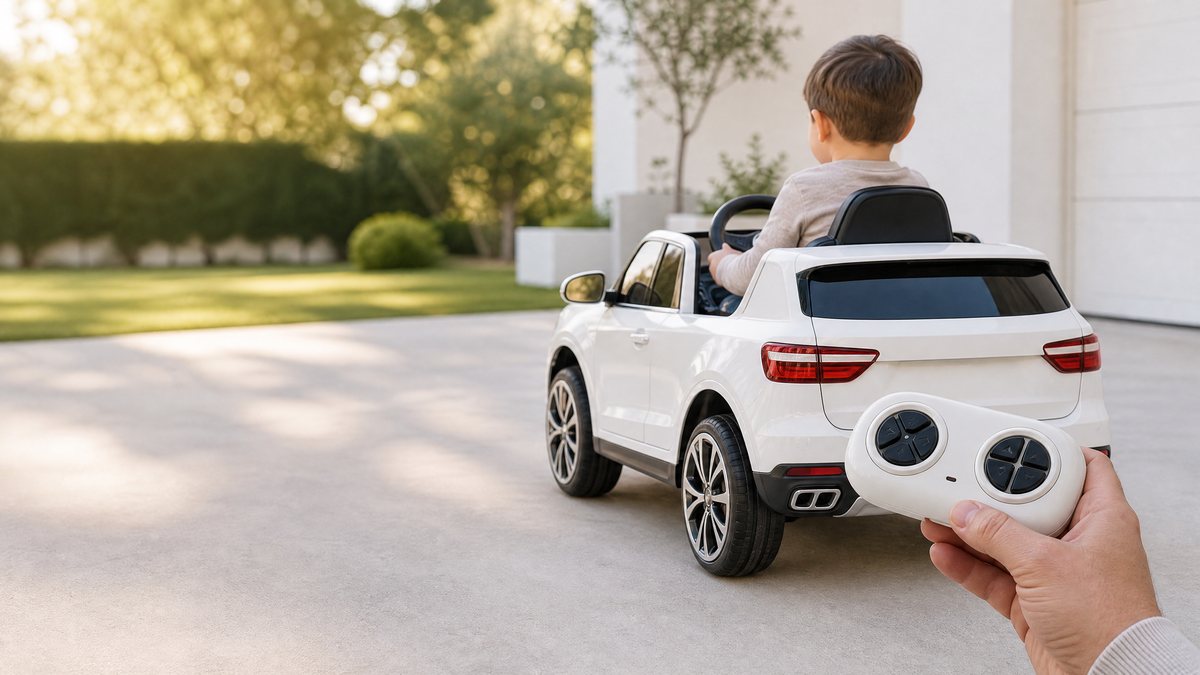
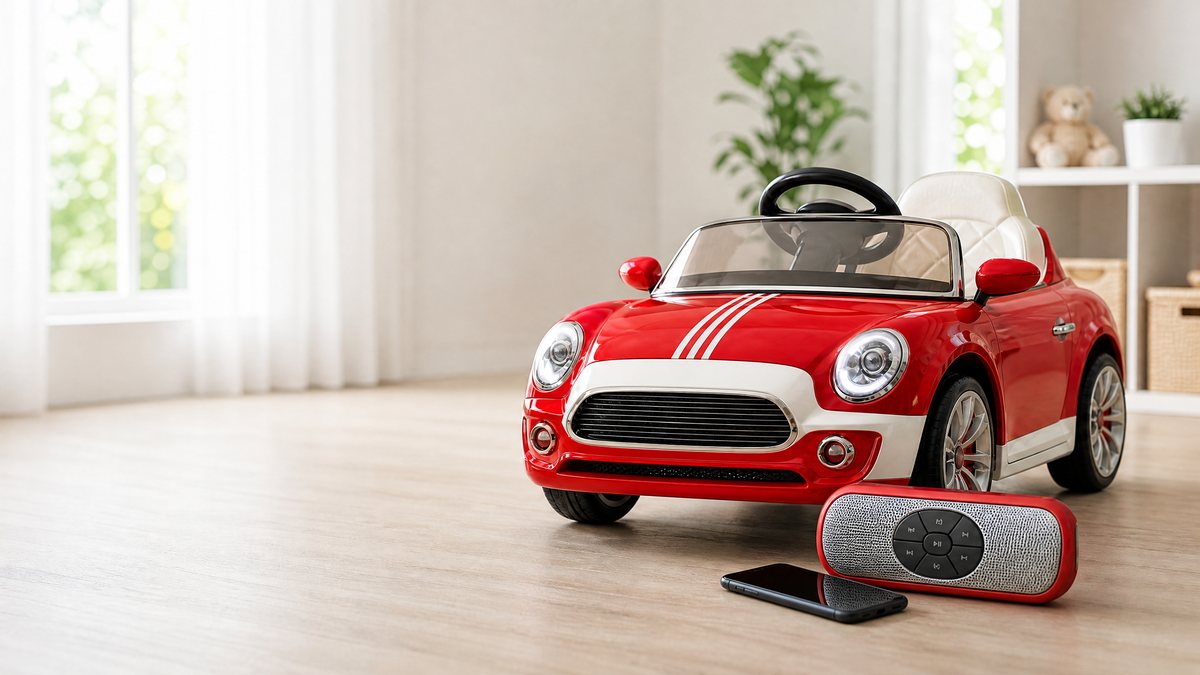
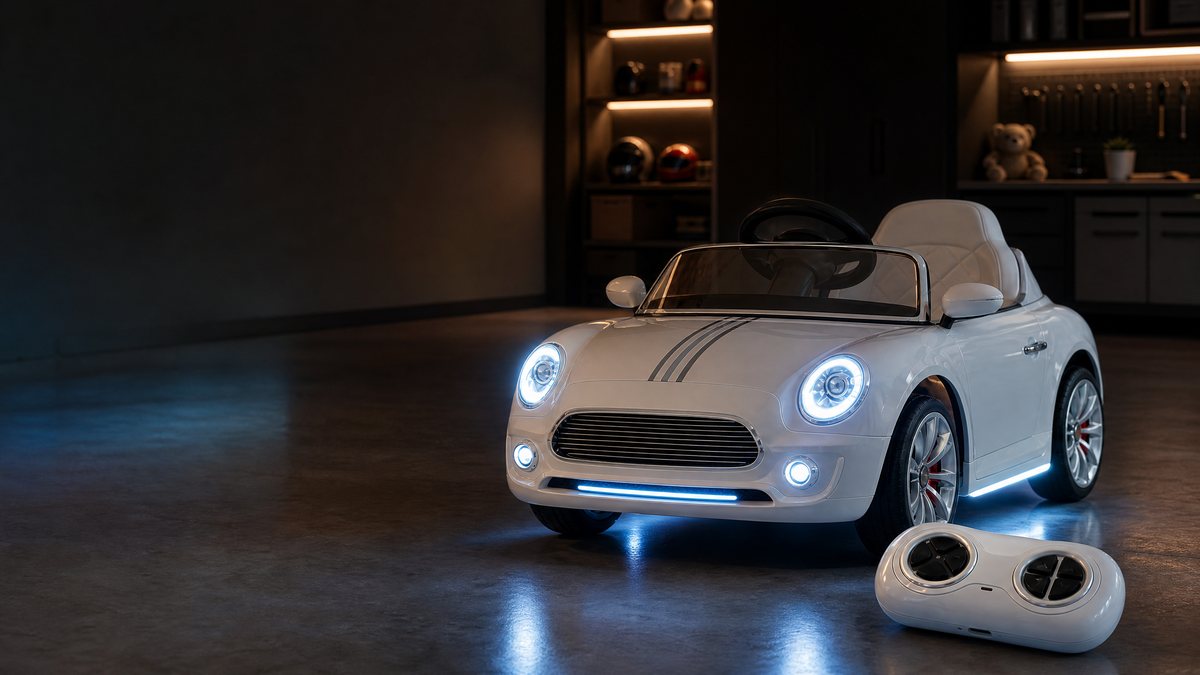
Children's electric ride-on cars are high-demand electromechanical devices operating under rigorous kinetic conditions. Unlike handheld toys or low-drain electronics, a typical 12V or 24V ride-on vehicle must drive dual or quadruple high-torque DC motors, power integrated LED lighting arrays, operate sophisticated audio modules, and support power-assist steering or wireless remote control receivers.
Disposable alkaline batteries—typically standard AA or C cells—are fundamentally engineered for low-current, intermittent applications such as television remote controls, wall clocks, and small flashlights. When subjected to the high continuous amp draw demanded by electric vehicle drive motors, disposable cells experience rapid voltage sag, severe thermal buildup, and catastrophic capacity depletion within minutes.
| Power Source Type | Nominal Voltage per Cell | Continuous Amp Draw Capacity | Thermal Stability Under Load | Recommended Application in Ride-Ons |
|---|---|---|---|---|
| Disposable Alkaline (AA/C/D) | 1.5V | Very Low (< 0.5A) | Poor (Risk of leakage / heat) | Low-power accessories / handheld remotes only |
| Rechargeable SLA (Sealed Lead-Acid) | 6V / 12V Pack | High (5A – 20A+) | Moderate to Good | Standard propulsion systems for 12V/24V ride-on cars |
| Advanced Lithium-Ion Packs | 12V / 24V Pack | Very High (10A – 40A+) | High (Requires integrated BMS) | High-performance and extended-runtime ride-on platforms |
As illustrated in the comparison above, disposable battery architectures lack the internal chemical kinetics required to sustain the high discharge rates necessary for vehicle propulsion. Attempting to power a ride-on motor via series-connected disposable cells would require an unmanageable physical array, introduce numerous point-of-failure electrical contacts, and create severe fire hazards due to extreme internal resistance and resistive heating. Integrated rechargeable battery packs provide a unified, low-resistance electrical pathway that ensures stable torque delivery and consistent vehicle performance under varying payload weights and terrain conditions.
Economic Efficiency and Total Cost of Ownership (TCO)
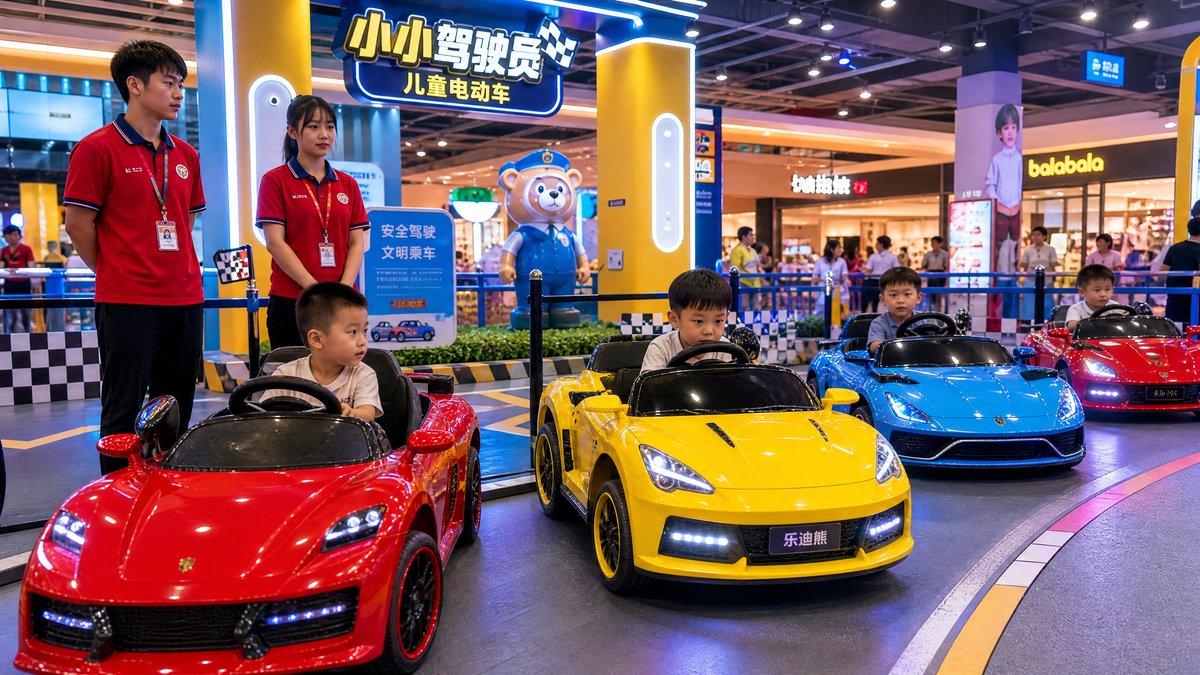
For B2B importers, specialty toy retailers, and commercial fleet operators (such as amusement park rental stations or indoor play spaces), the Total Cost of Ownership (TCO) is a paramount financial metric. While the initial capital outlay for a rechargeable vehicle system is higher than an unpowered or disposable-dependent shell, the ongoing operational economics heavily favor integrated rechargeable units.
Consider the operational cycle of a commercial ride-on vehicle used in a supervised play environment. A single operational day may require multiple hours of active driving. If a vehicle relied on disposable batteries, operators would need to replace dozens of high-capacity D-cells multiple times per day. The recurring cost of consumable batteries would rapidly surpass the entire wholesale value of the vehicle within weeks of operation. Furthermore, the labor overhead associated with constantly unfastening battery compartment doors and replacing spent cells introduces significant operational friction.
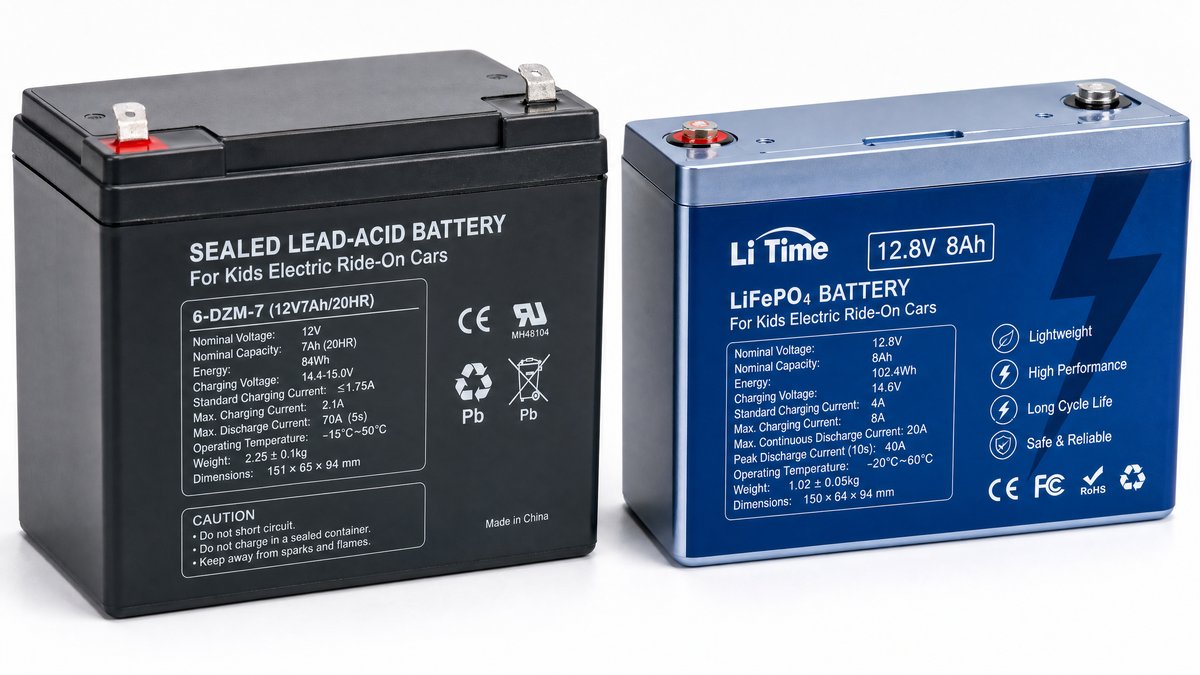
In contrast, rechargeable systems—whether 12V 7Ah SLA batteries or proprietary lithium packs—offer hundreds of charge-discharge cycles before experiencing significant capacity degradation. When paired with smart, regulated charging docks, rechargeable batteries deliver a remarkably low cost per operational hour. Retailers can market this longevity as a key selling point to family buyers, emphasizing that a single investment provides years of reliable recreational use rather than an endless cycle of costly replacements.
To explore bulk purchasing options, vehicle specifications, and wholesale pricing structures for our rechargeable ride-on car catalog, we invite you to Request a wholesale quote. Our commercial team provides complete documentation to support your retail inventory planning and margin optimization strategies.
Safety Engineering and Structural Containment
Battery safety is the most critical compliance factor in children's motorized products. Regulatory bodies worldwide, including the Consumer Product Safety Commission (CPSC) in the United States and EN71 standards bodies in Europe, enforce stringent requirements regarding electrical containment, thermal protection, and accessibility of energy sources.
Disposable battery compartments in conventional toys are frequently secured by small screws or plastic clips that can become lost or stripped over time, exposing young children to loose cells. Small disposable batteries present severe choking hazards, and if punctured or incorrectly installed (mixed chemistries or reversed polarities), they can leak corrosive potassium hydroxide electrolyte or undergo rapid thermal runaway.
Rechargeable battery systems in professional ride-on vehicles are engineered with rigorous structural safety in mind:
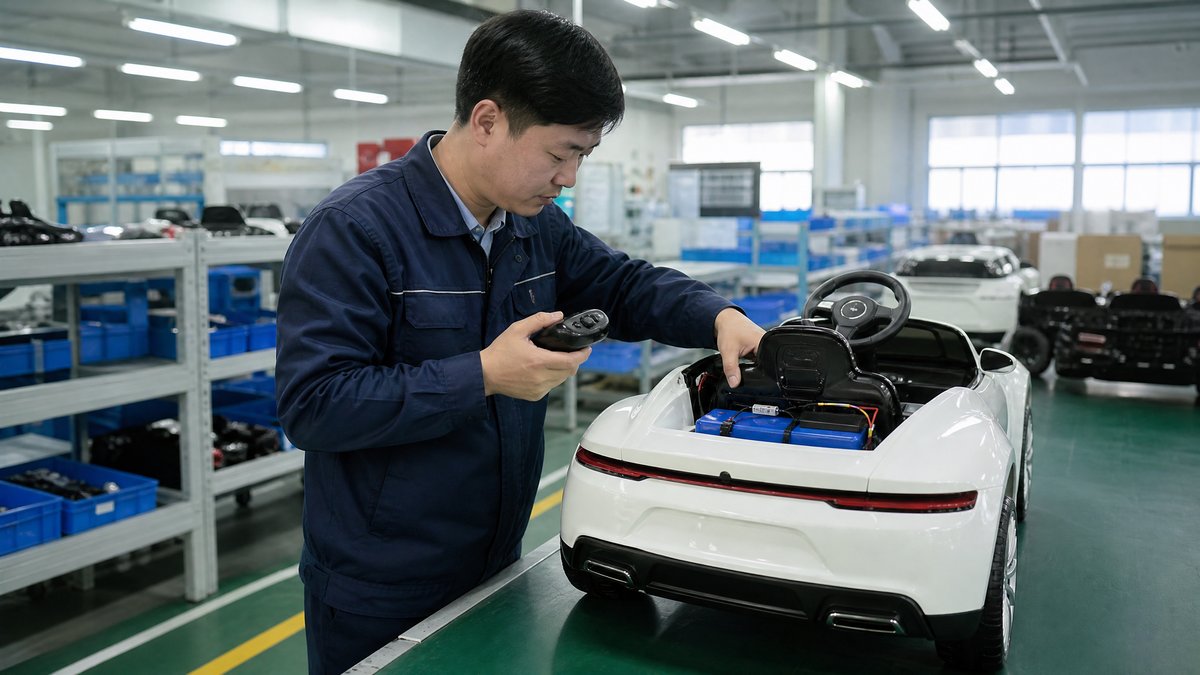
1. Enclosed Compartment Sealing: Rechargeable battery packs are housed within dedicated, heavy-duty structural compartments, frequently secured beneath the vehicle seat with heavy-gauge mechanical fasteners requiring tools to access.
2. Integrated Circuit Protection: Modern 12V and 24V rechargeable setups incorporate inline fuses, circuit breakers, or Battery Management Systems (BMS) that automatically trip or disconnect power in the event of an electrical short circuit, motor stall, or overcurrent surge.
3. Controlled Recharging Protocols: Dedicated external or port-accessible chargers prevent overcharging and maintain optimal float voltages, mitigating the risks associated with improper charging practices.
Regardless of battery type or protective circuitry, strict adult supervision is mandatory during all operation and charging phases. Operating instructions provided in the manufacturer's user manual must be followed meticulously at all times by all supervising adults.
*Crucial Safety Warning:* Never attempt to disassemble internal battery casings, touch exposed battery terminals, measure electrical voltages with uncalibrated multimeters, bypass internal thermal protection circuits, or modify the factory wiring harness, motor controllers, or battery specifications. If users detect any strange odors, smoke, unusual heat generation, electrolyte leakage, water ingress, exposed or frayed wiring, damaged charging plugs, abnormal braking behavior, or persistent electrical failures, they must immediately stop using and charging the vehicle, power off the master switch, keep children safely away from the unit, and contact the manufacturer or qualified technical service personnel for inspection and repair.
Environmental Sustainability and Waste Reduction
In the contemporary global marketplace, environmental responsibility and corporate sustainability are increasingly influential purchasing criteria for both institutional B2B buyers and conscious consumer families. Disposable batteries represent a massive vector of environmental degradation, contributing millions of toxic chemical units to municipal landfills annually.
Disposable alkaline and heavy-duty carbon-zinc batteries are single-use consumables. Once their chemical potential is exhausted, they are discarded. Their casings degrade over time, leaching heavy metals and corrosive chemicals into soil and groundwater tables. Furthermore, the continuous global manufacturing, packaging, and logistical overhead required to supply trillions of single-use disposable batteries generates an enormous carbon footprint.
Rechargeable battery systems drastically reduce environmental waste by consolidating energy storage into a durable, reusable asset. A single rechargeable SLA or lithium battery pack replaces hundreds or thousands of single-use disposable cells over its operational lifespan. When a rechargeable battery eventually reaches the end of its functional service life, it is fully compatible with established electronics recycling streams where lead, lithium, and structural plastics can be safely recovered and reprocessed.
For B2B distributors and eco-conscious retailers, aligning inventory with rechargeable, long-lifecycle product designs supports corporate ESG (Environmental, Social, and Governance) targets and appeals to modern regulatory compliance standards across international markets.
Practical Buyer Evaluation Framework and Pre-Purchase Checklist
When sourcing electric ride-on cars for retail distribution or commercial fleets, B2B buyers must look beyond aesthetic features and evaluate the core electrical infrastructure. Because product specifications vary across different factory models, buyers should utilize a standardized verification checklist based on the manufacturer's official nameplate data, technical data sheets, and written product manuals.
1. Verify Voltage and Capacity Ratings: Ensure the battery voltage (e.g., 6V, 12V, 24V) and amp-hour (Ah) capacity match the motor power output and expected run time requirements specified in the official factory documentation.
2. Examine Charging Infrastructure: Confirm whether the vehicle utilizes an external removable charging dock or a direct-connect port. Verify that included chargers feature automatic shutoff or trickle-charge prevention to protect battery longevity.
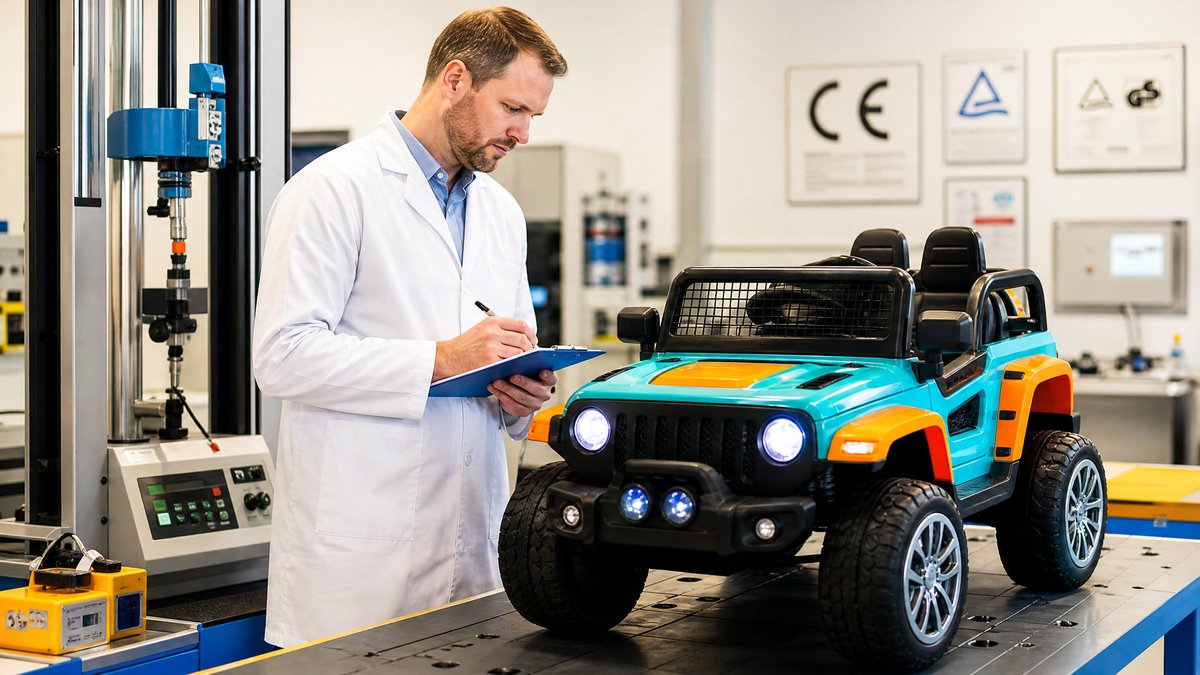
3. Review Compliance Documentation: Request copies of relevant electrical safety certifications (such as CE, RoHS, UL, or regional equivalents) to ensure the vehicle meets target market import regulations.
4. Assess Accessibility and Maintenance Access: Ensure battery compartments allow for safe, authorized replacement by qualified service technicians without requiring structural destruction of the vehicle body.
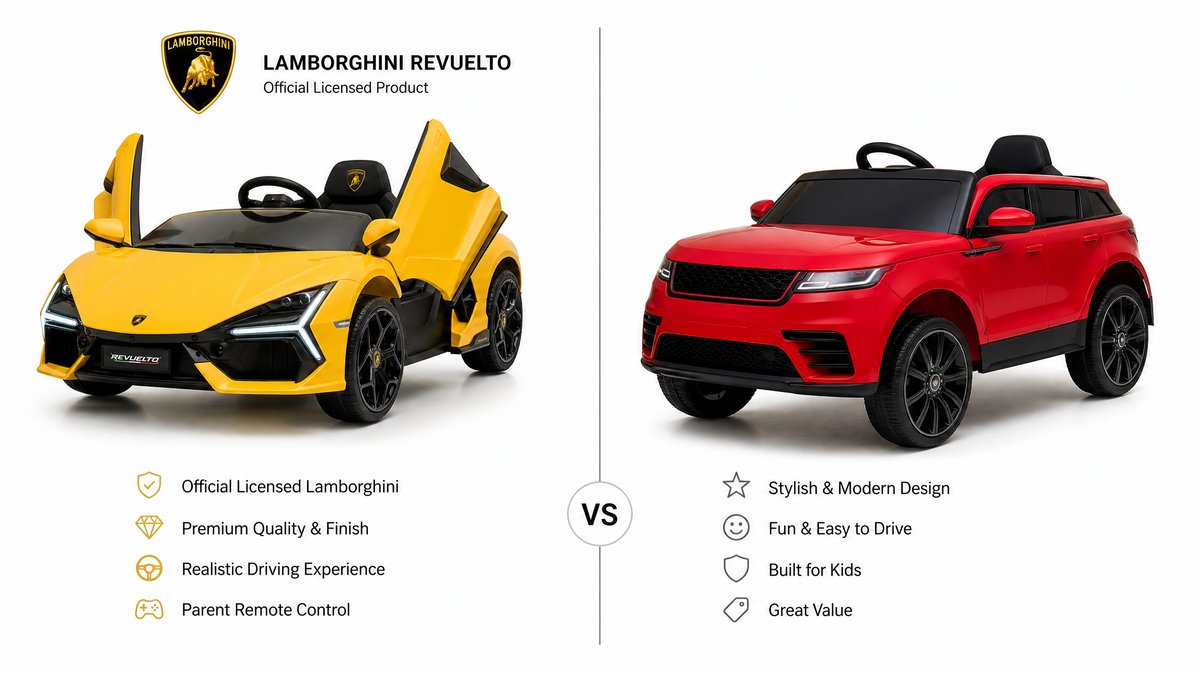
*Note on Vehicle Features:* Advanced features such as 2.4G parental remote controls, Bluetooth audio integration, LED lighting packages, soft-start acceleration, EVA foam tires, and multi-speed gearboxes depend entirely on the specific vehicle model configuration. Buyers must review exact factory specification sheets for each model, as not all features are universal across all production lines.
Frequently Asked Questions (FAQ)
1. Can disposable batteries be used as an emergency backup in a rechargeable ride-on car?
No. Standard disposable batteries (such as AA or C cells) cannot provide the high amperage and sustained voltage required to power electric vehicle drive motors. Attempting to jury-rig disposable batteries into a vehicle designed for a rechargeable 12V or 24V power pack will result in immediate power failure, severe component overheating, and potential electrical hazards. Always use the exact manufacturer-specified rechargeable battery configuration.
2. How should rechargeable ride-on car batteries be stored during off-season periods?
For seasonal storage, batteries should be fully charged before being disconnected and stored in a cool, dry, temperature-controlled environment (ideally between 15°C and 20°C). Lead-acid batteries naturally self-discharge over time; therefore, retailers and end-users should perform a maintenance charge every 30 to 60 days to prevent deep discharge sulfation and preserve battery lifespan.
3. What steps should be taken if a charger or battery shows signs of damage?
If charging plugs, cable insulation, or battery casings show any signs of cracking, fraying, water exposure, or thermal scorching, stop using and charging the equipment immediately. Turn off the vehicle master switch, remove it from the power source, keep children away, and contact the manufacturer or a certified service technician for replacement parts. Never attempt unauthorized electrical repairs or bypass safety fuses.
4. Are upgraded or modified aftermarket high-voltage batteries recommended?
No. Installing aftermarket batteries with higher voltage or amperage ratings than specified on the vehicle's official nameplate can overload the motor controller, burn out drive motors, compromise thermal management, and create severe fire or safety hazards. All replacement power units must strictly adhere to the manufacturer's written specifications and official user manual guidelines.
Conclusion
The transition from disposable power sources to integrated rechargeable battery systems represents a monumental advancement in children's electric ride-on vehicle engineering. For wholesale buyers, retail distributors, and commercial operators, rechargeable batteries deliver superior electrical performance, dramatic long-term economic savings, heightened structural safety, and essential environmental sustainability.
By prioritizing robust, rechargeable power architectures and adhering to rigorous verification frameworks and safety protocols, businesses can deliver reliable, high-quality products that satisfy modern consumer expectations and regulatory standards.
To discuss wholesale partnership opportunities, review comprehensive technical catalogues, or request customized inventory pricing for your retail operations, we encourage you to connect with our commercial team today. Request a wholesale quote.
Official References
1. Consumer Product Safety Commission (CPSC): General Toy Safety Education and Electrical Component Guidelines. (Note: Official CPSC educational resources provide broad safety awareness but do not replace specific vehicle manufacturer manuals, nameplate ratings, or certified product instructions).
2. International Electrotechnical Commission (IEC): Safety Standards for Household and Similar Electrical Appliances – Particular Requirements for Toys and Motorized Play Equipment.
3. Manufacturer Technical Documentation: Standard Operating Procedures, Battery Maintenance Manuals, and Factory Nameplate Specifications for KidsRideCar Electric Vehicle Series.
Official references
Explore these external resources for current regulatory and trade guidance. Confirm requirements with the relevant authority before placing an order.
Ready to Start?
Factory-Direct · CE & ASTM Certified · MOQ from 50 Units
Our export team works with buyers in 60+ countries. Get a quote within 24 hours.
KR
Written by KidsRideCar
China's leading kids electric ride-on car manufacturer. 500,000+ units shipped annually to 60+ countries. CE, ASTM & EN71 certified.