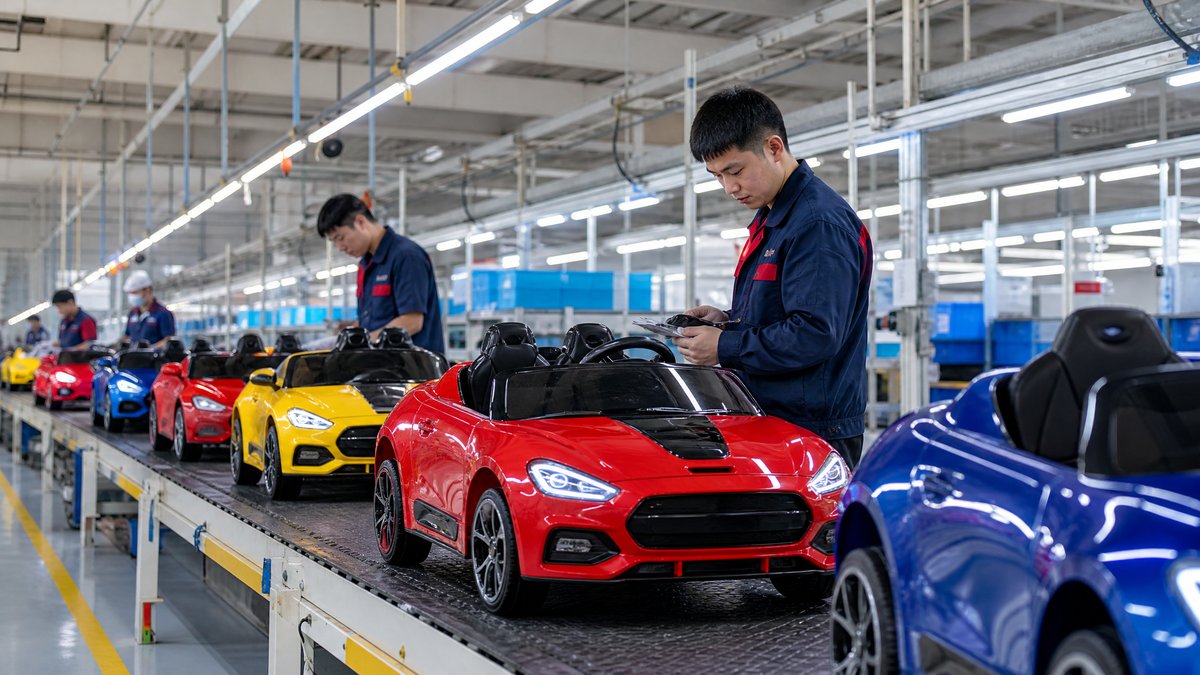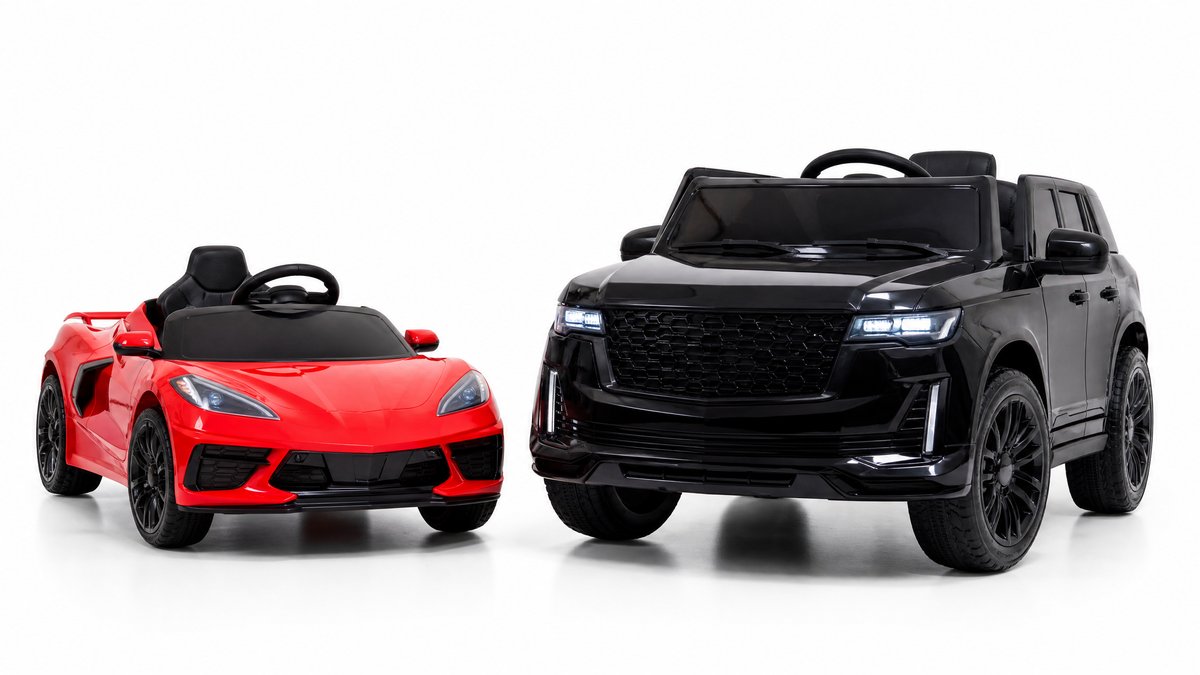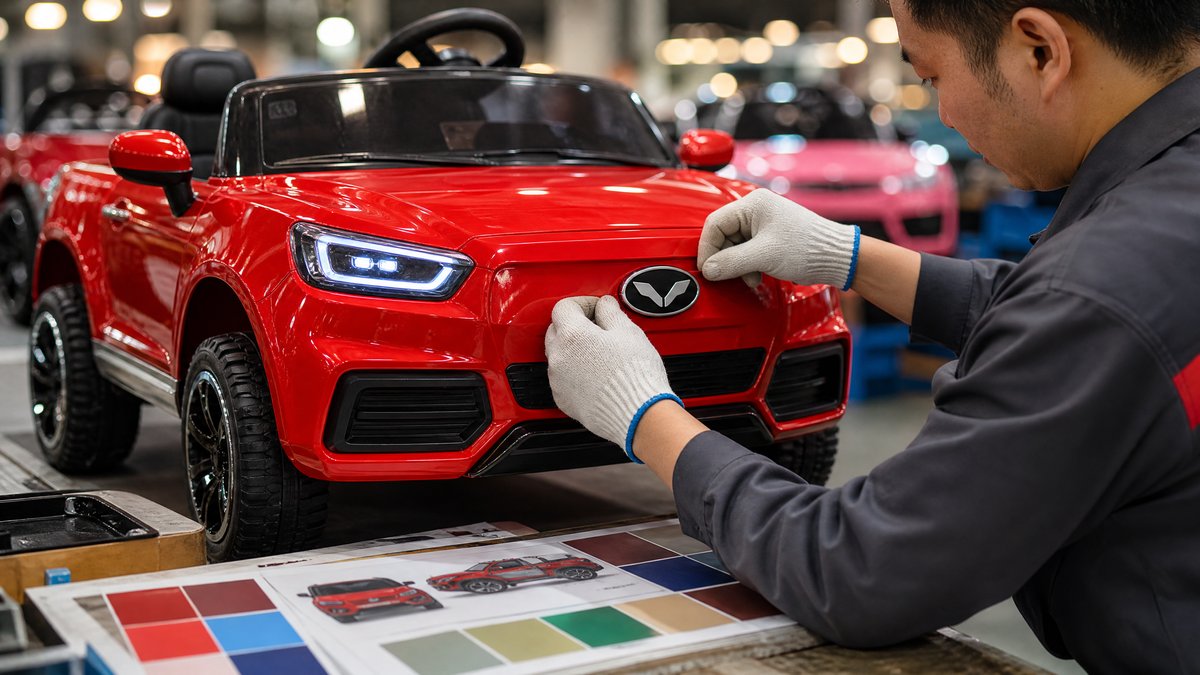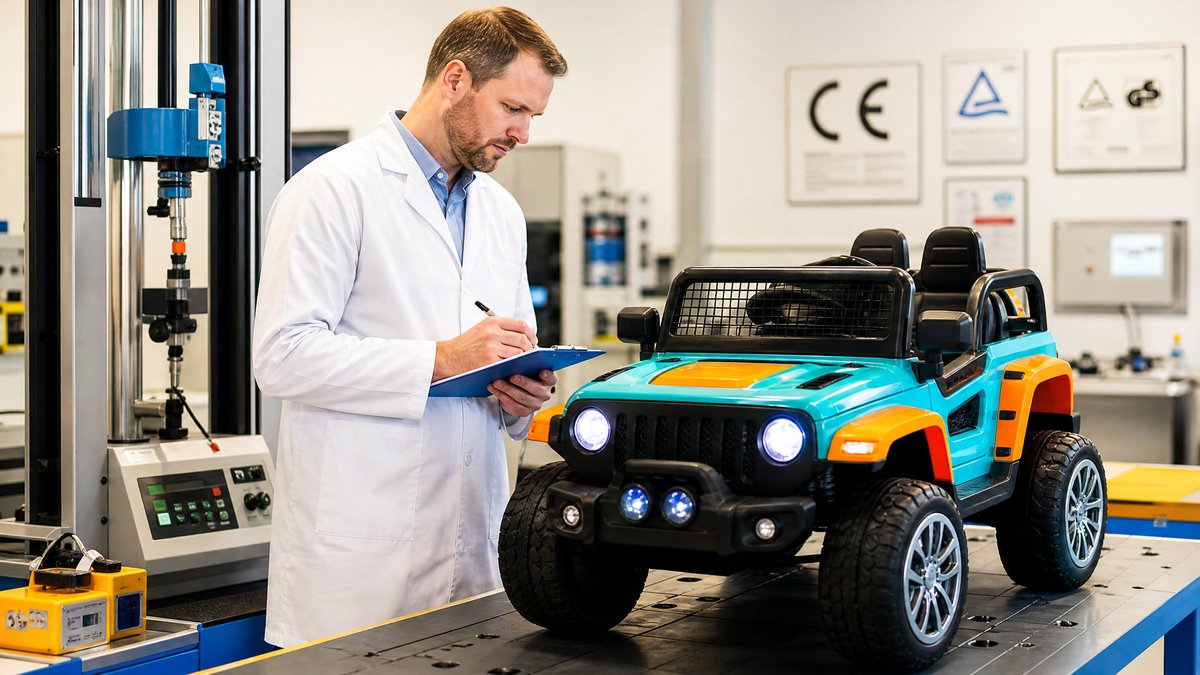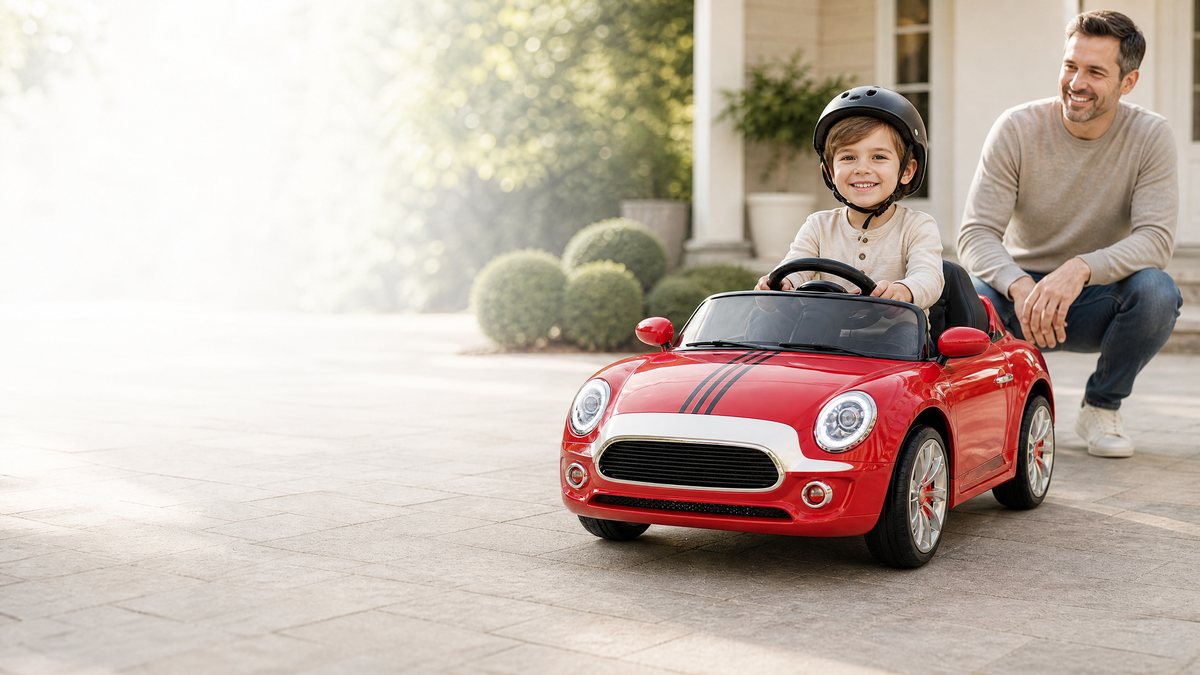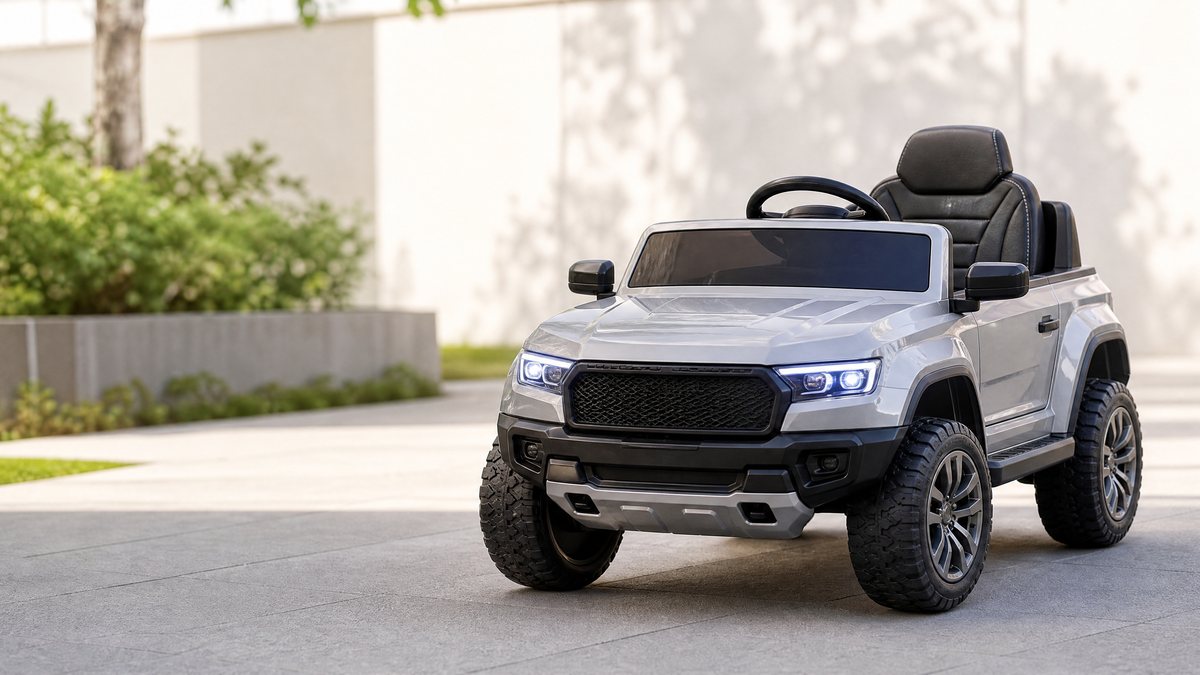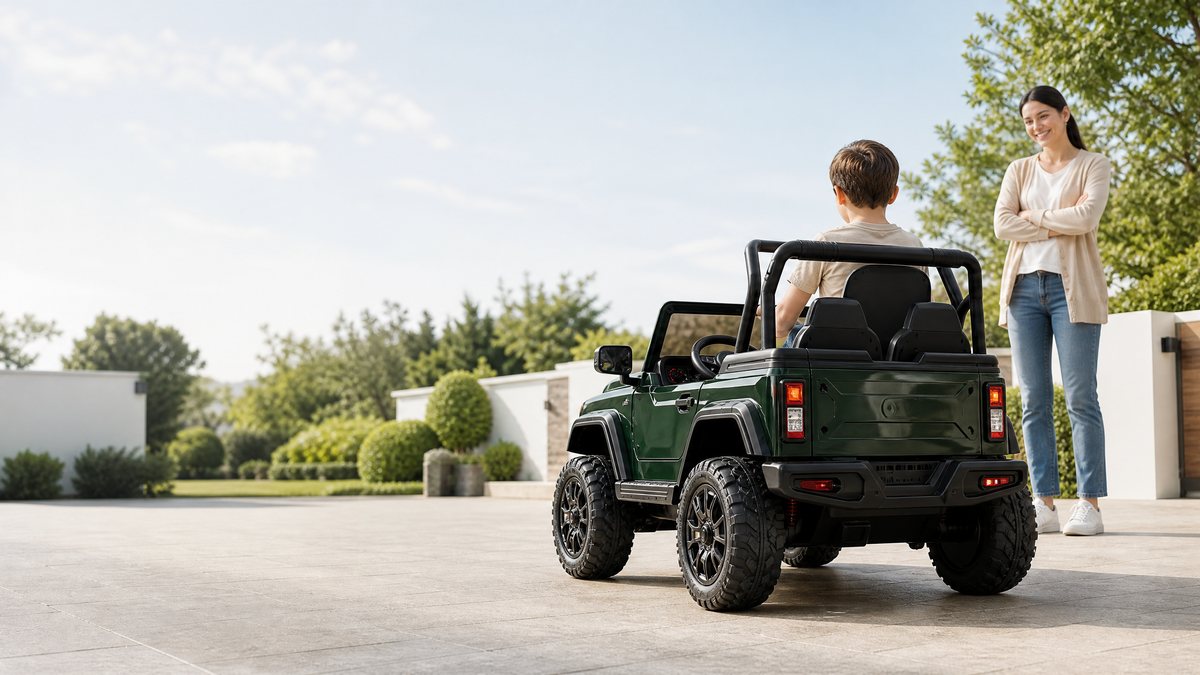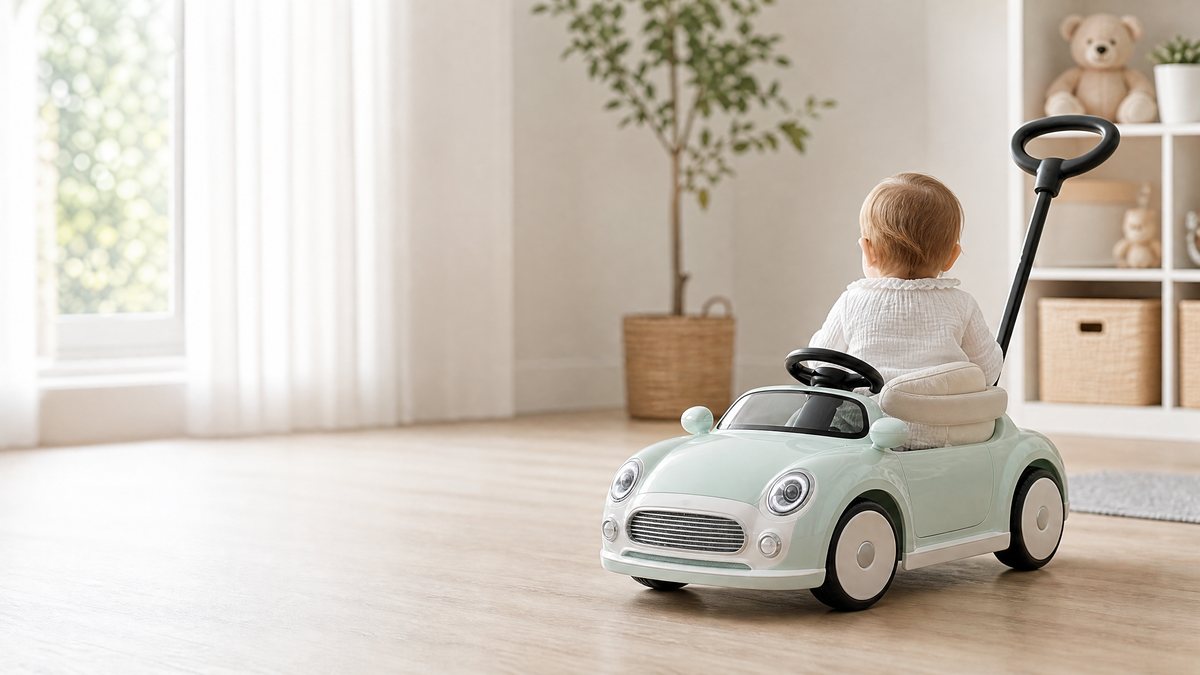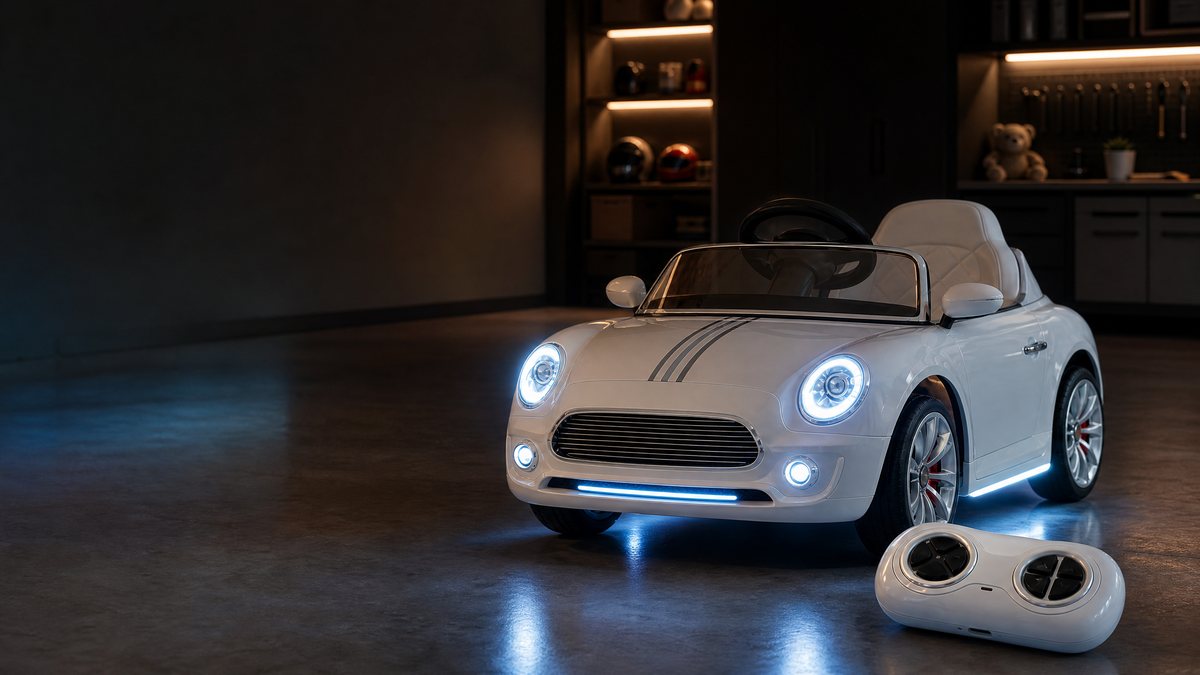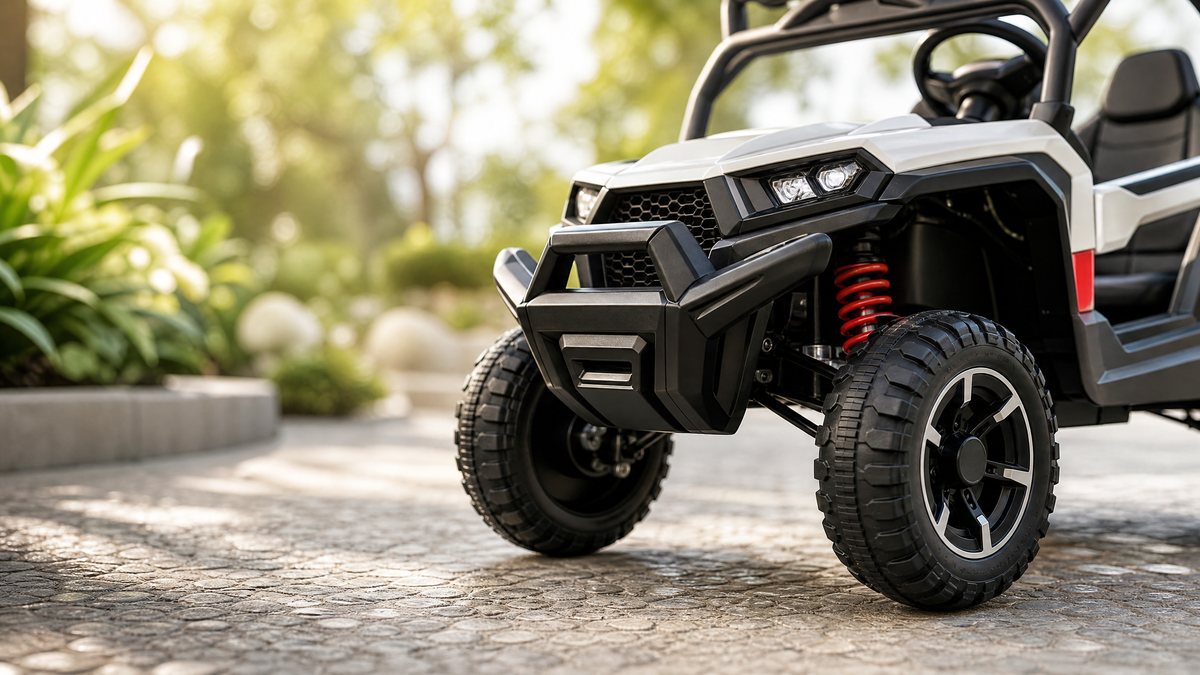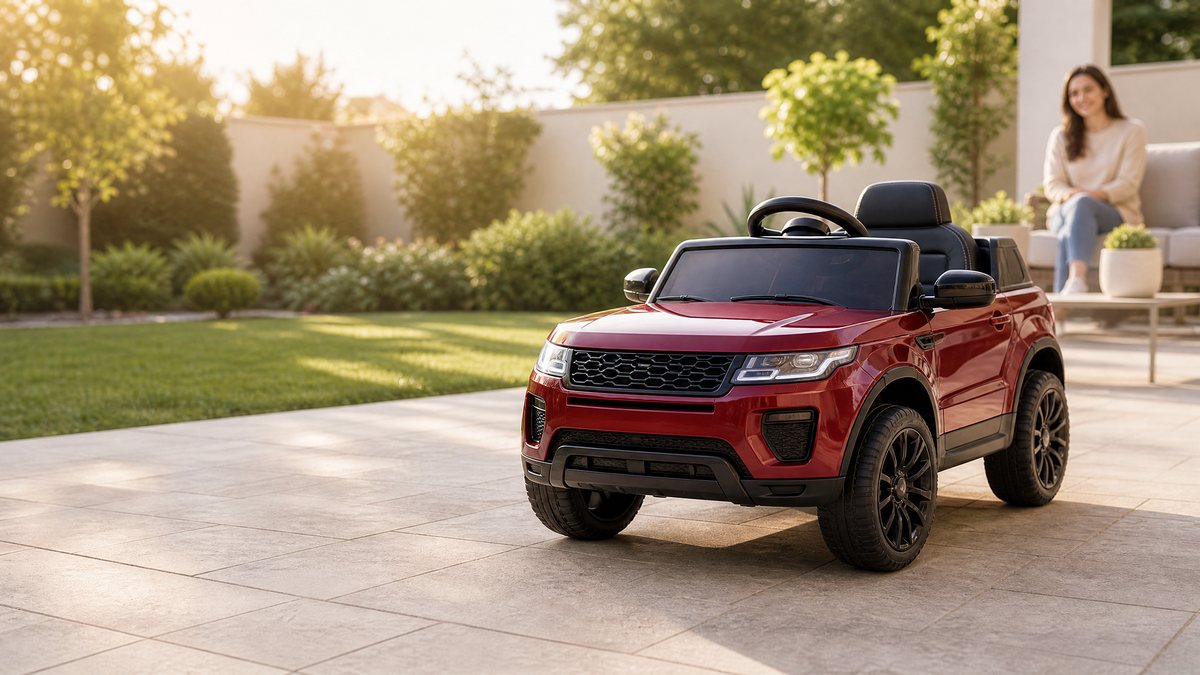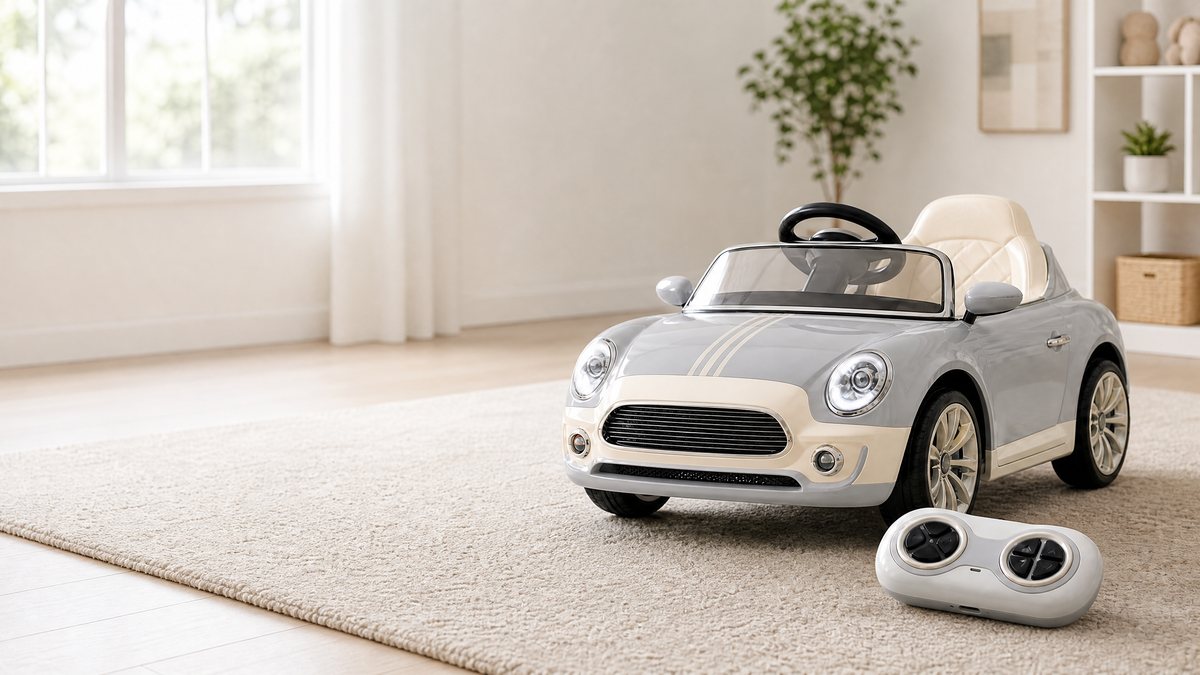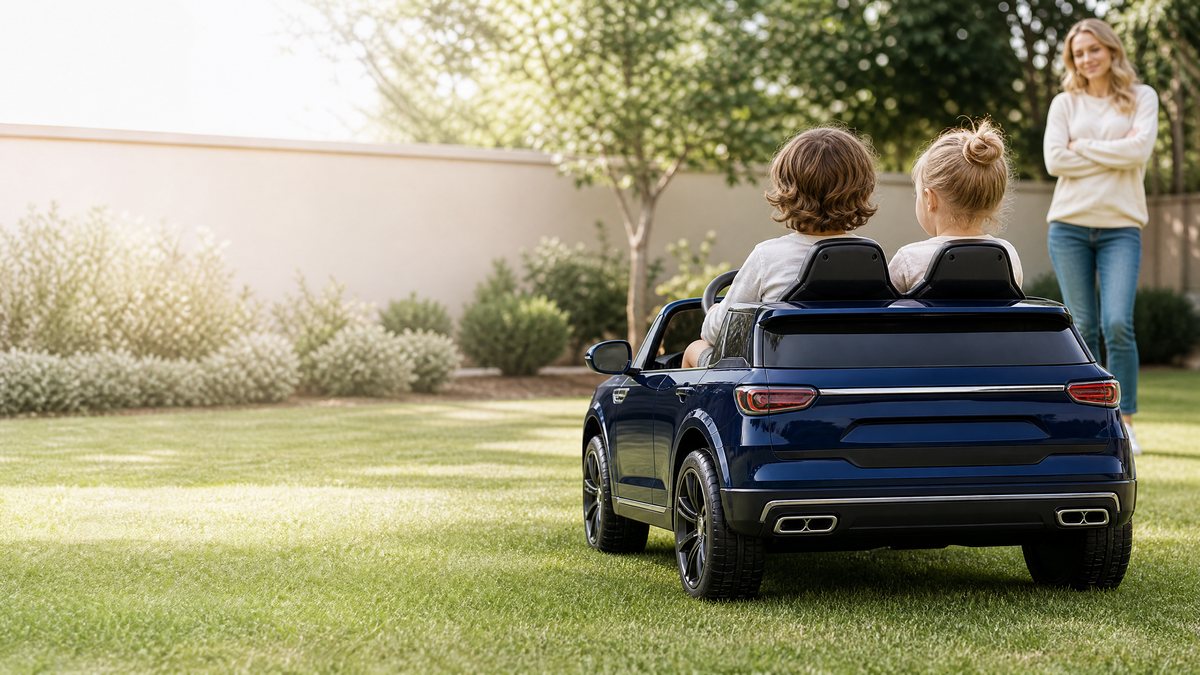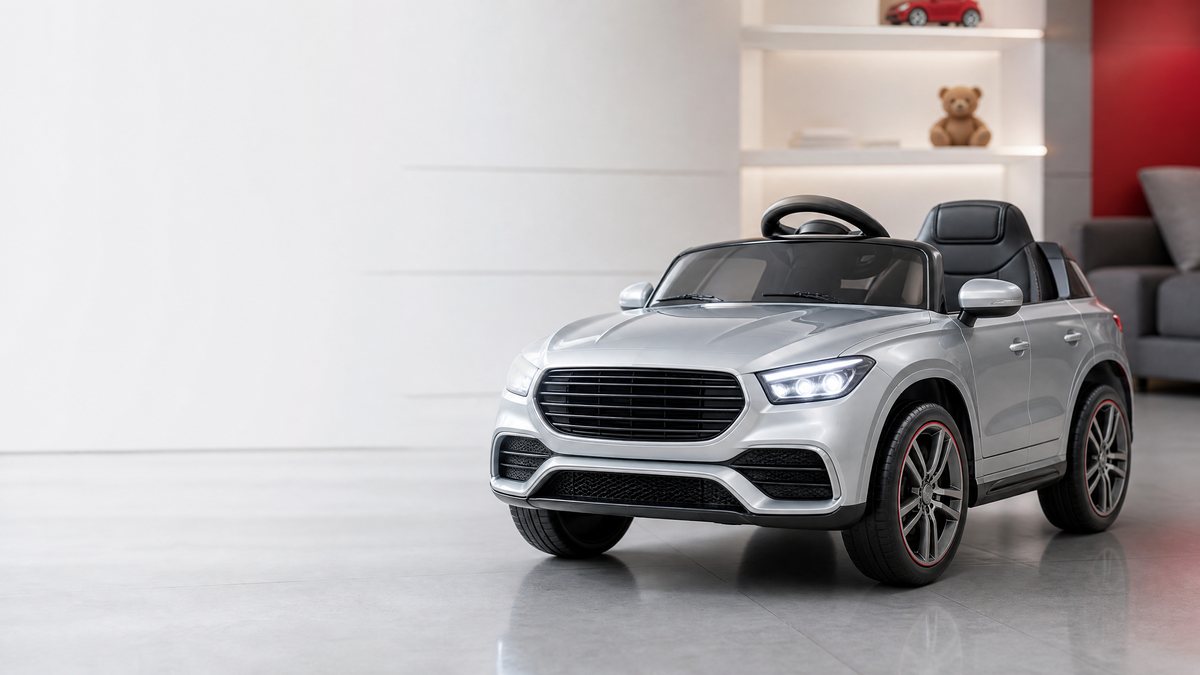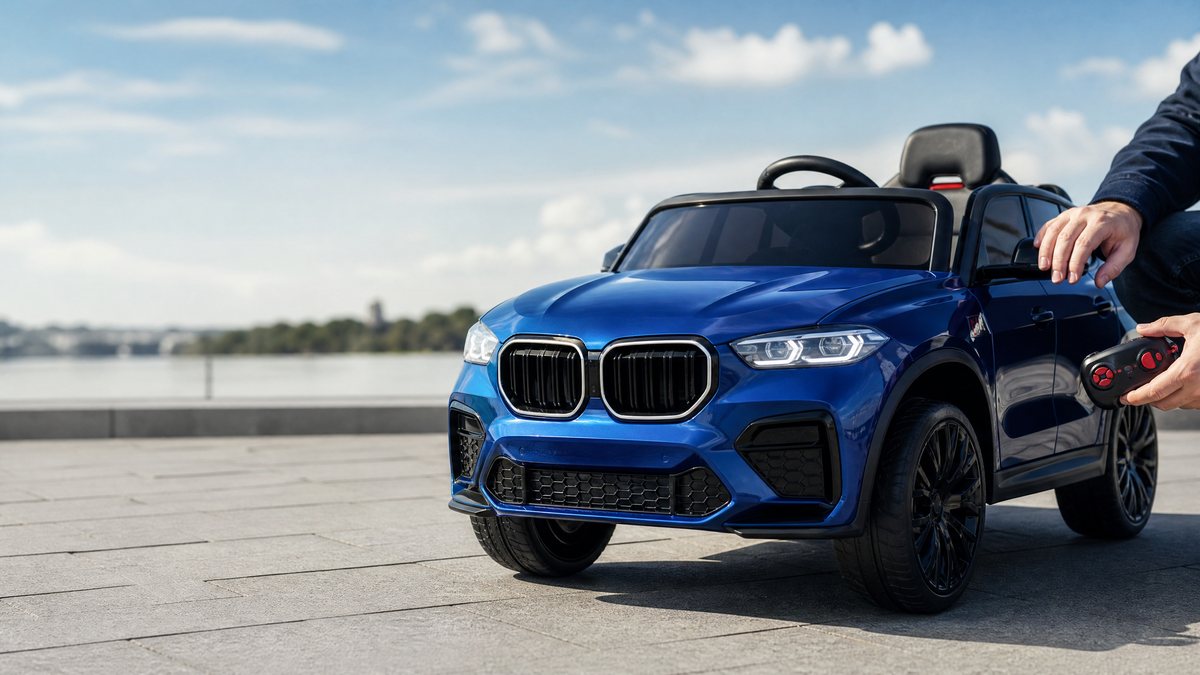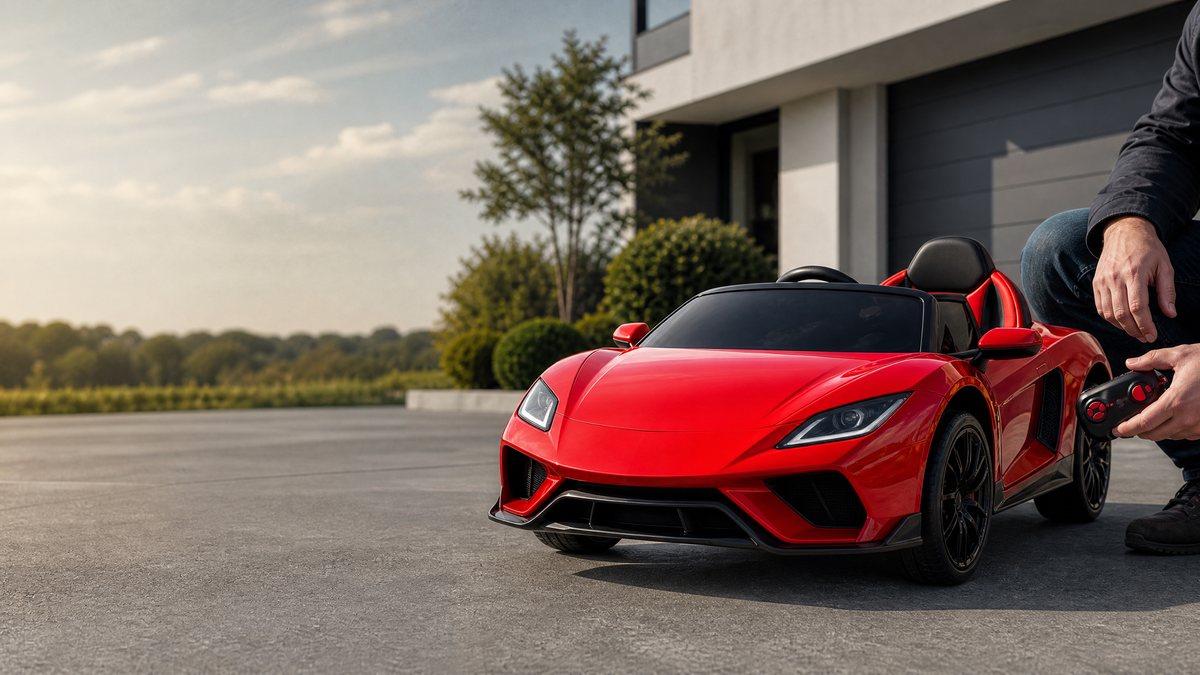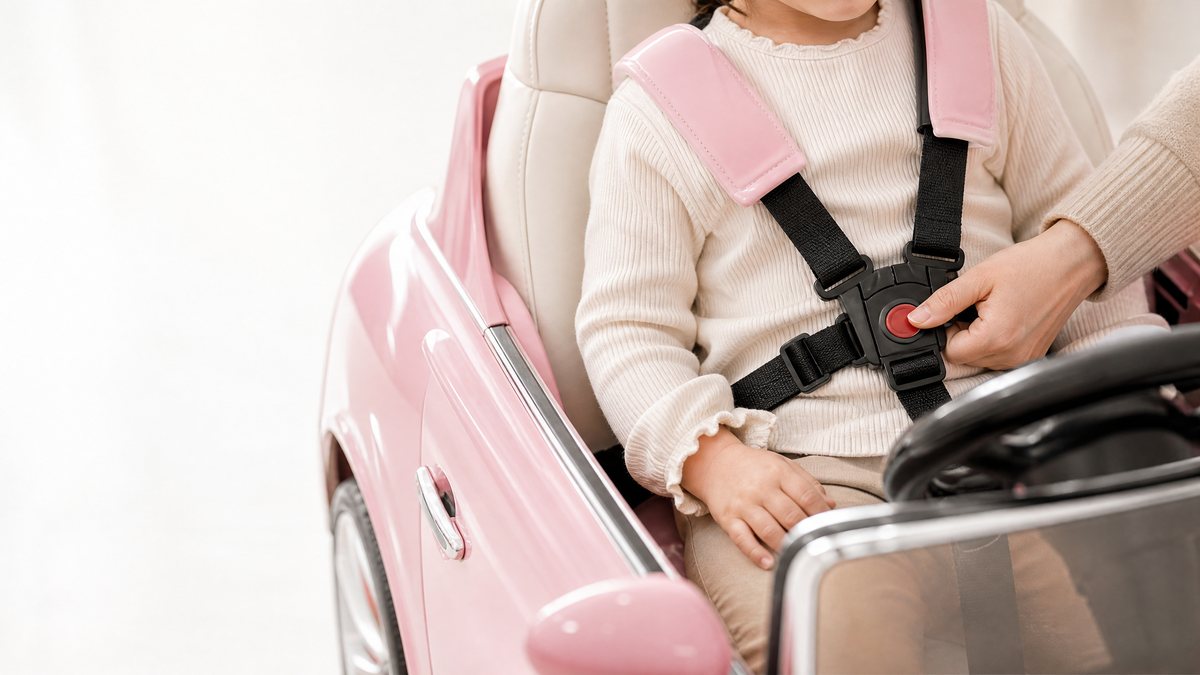
When evaluating motorized electric vehicles for children, safety architecture remains the primary design consideration for both discerning parents and commercial fleet operators. Among the various protective measures integrated into modern children's ride-on cars, the restraint system—commonly known as the seat belt—serves as the foundational anchor for occupant stability. While electric ride-on cars generally operate at controlled, low speeds ranging from 2 to 5 miles per hour, unexpected terrain shifts, abrupt stops, or inclines can cause unanchored young riders to lose their posture. Consequently, selecting a ride-on car equipped with an appropriate, well-engineered seat belt mechanism is essential for mitigating minor slips and ensuring a secure riding experience.
This editorial guide examines the design variations, decision frameworks, safety checklists, and commercial sourcing criteria associated with ride-on cars featuring seat belts. Rather than endorsing specific proprietary brands or unverified laboratory claims, this overview focuses on objective mechanical categories, regulatory reference standards, and practical evaluation criteria to guide informed purchasing decisions.
Manufacturers employ several distinct restraint configurations across electric ride-on cars, ranging from basic adjustable lap straps to multi-point shoulder harnesses modeled after motorsport safety equipment. The choice of restraint system typically corresponds to the vehicle speed tier, intended age group, and seating layout (single-seat versus dual-seat models).
> "Occupant retention in low-speed electric toys is designed to prevent postural slumping, sudden forward displacement during braking, and lateral sliding on uneven outdoor surfaces." [1]
The following table summarizes the primary restraint configurations found in the children's ride-on vehicle market, comparing their structural layout, typical application, and retention characteristics.
Selecting the optimal ride-on car with a seat belt requires balancing the physical development stage of the child with the mechanical output of the vehicle. Parents and institutional buyers must look beyond aesthetic features to evaluate how the restraint mechanism integrates with the chassis.
Children develop core stability and spatial awareness at varying rates. For younger toddlers aged two to three, whose upper body strength is still developing, a vehicle featuring a supportive high-back seat paired with a 3-point harness provides superior postural support compared to a basic lap belt. Conversely, older children aged five and above operating single-seat cruisers often find standard adjustable lap belts sufficient for basic positional security.
Electric ride-on cars operate across different voltage tiers—typically 6V, 12V, and 24V systems. Higher voltage systems deliver increased torque, faster acceleration, and greater top speeds. Vehicles operating on 24V systems or dual-motor configurations inherently generate more dynamic force during operation, making multi-point harnesses a prudent design choice for high-output models.
The hardware component of the restraint system must balance security with ease of operation. Importers and retailers should verify that buckle latches feature child-resistant release mechanisms that prevent accidental opening during transit, yet allow quick manual release by an adult supervisor or the child when exiting the vehicle.
Ensuring that a ride-on car seat belt functions correctly involves systematic inspection and proper adjustment prior to every use. Importers and retail buyers can also share these operational guidelines with end consumers to promote product safety.
* Webbing Integrity Check: Inspect the nylon or polyester webbing regularly for fraying, UV degradation, or chemical staining. Damaged straps compromise tensile strength and must be replaced.
* Anchor Point Security: Verify that the mounting bolts securing the belt anchor points to the chassis or seat frame are tightened securely and show no signs of structural fatigue.
* Tension Adjustment: Adjust the sliding buckle so that the belt fits snugly across the rider's pelvic bones or lower torso without leaving excessive slack or causing discomfort.
* Supervision Priority: Remind operators that mechanical restraints supplement—but do not replace—active adult supervision. Children should always operate ride-on vehicles in designated, hazard-free zones away from traffic, water bodies, and steep inclines.
* Manufacturer Compliance: Confirm that the vehicle complies with recognized toy safety standards, such as ASTM F963 in North America or EN71 in Europe, which govern mechanical and physical properties of ride-on toys [2].
Commercial buyers, distributors, and retail store owners sourcing ride-on cars with advanced safety features should address specific technical inquiries with manufacturing partners:
* What specific material grade and tensile rating is utilized for the seat belt webbing and buckle assembly?
* Are the seat anchor points reinforced directly into the steel frame or molded into the plastic tub body?
* Does the vehicle model offer modular upgrade options from a standard lap belt to a 3-point or 5-point harness?
* What testing documentation or third-party laboratory verification is available regarding mechanical retention and drop-test performance?
In an increasingly competitive consumer market, safety differentiation serves as a powerful retail advantage. Parents prioritize products that demonstrate rigorous engineering thoughtfulness. Retailers stocking ride-on cars can enhance their product positioning by clearly highlighting restraint specifications in marketing collateral, emphasizing adjustable harness configurations, sturdy anchor construction, and compliance with international toy safety benchmarks. Providing transparent product specifications builds consumer trust and positions retail brands as reliable purveyors of quality children's goods.
While low-speed ride-on cars operate at modest velocities (typically 2 to 5 mph), seat belts serve a crucial function in maintaining child posture, preventing sudden forward sliding during abrupt braking, and keeping young riders secure when navigating minor bumps or uneven outdoor terrain.
A standard lap belt secures only the waist region, relying entirely on the child's upper body strength for posture. A 3-point harness includes shoulder straps that anchor over the torso, distributing forces more evenly and preventing upper body slumping or lateral leaning.
Most quality ride-on cars feature adjustable strap lengths via sliding plastic or metal adjusters. Buyers should inspect the adjustment range to ensure the vehicle can accommodate the child throughout the recommended age span.
No. Ride-on car restraint systems are classified under toy safety standards (such as ASTM F963 or EN71) rather than automotive motor vehicle safety standards (such as FMVSS). They are engineered for low-speed toy retention and postural stability, not for high-speed collision protection.
Webbing straps can typically be cleaned using mild soap and damp cloth air-dried away from direct sunlight to prevent UV fabric degradation. Mechanical buckles should be kept free of dirt, sand, and sticky residue to ensure smooth latching and release action.
Selecting the best ride-on car with a seat belt involves evaluating the interplay between vehicle power output, child developmental readiness, and mechanical restraint design. Whether opting for a simple lap strap on a beginner 6V cruiser or a robust multi-point harness on a 24V off-road utility vehicle, prioritizing structural integrity ensures a balanced combination of recreational enjoyment and occupant stability. Parents and retail buyers are advised to review complete manufacturer specifications and adhere strictly to age and supervision guidelines.
Request a wholesale quote to explore our complete catalog of certified electric ride-on vehicles featuring advanced safety configurations.
1. Consumer Product Safety Commission (CPSC). Safety Standard for Toy Ride-On Vehicles and Associated Mechanical Requirements. CPSC Document Reference #95-REV.
2. ASTM International. Standard Consumer Safety Specification for Toy Safety (ASTM F963). Section on Ride-On Toy Stability and Restraint Systems.
This editorial guide examines the design variations, decision frameworks, safety checklists, and commercial sourcing criteria associated with ride-on cars featuring seat belts. Rather than endorsing specific proprietary brands or unverified laboratory claims, this overview focuses on objective mechanical categories, regulatory reference standards, and practical evaluation criteria to guide informed purchasing decisions.
Understanding Ride-On Restraint Systems: Design Categories
Manufacturers employ several distinct restraint configurations across electric ride-on cars, ranging from basic adjustable lap straps to multi-point shoulder harnesses modeled after motorsport safety equipment. The choice of restraint system typically corresponds to the vehicle speed tier, intended age group, and seating layout (single-seat versus dual-seat models).
> "Occupant retention in low-speed electric toys is designed to prevent postural slumping, sudden forward displacement during braking, and lateral sliding on uneven outdoor surfaces." [1]
The following table summarizes the primary restraint configurations found in the children's ride-on vehicle market, comparing their structural layout, typical application, and retention characteristics.
| Restraint Configuration | Structural Description | Typical Vehicle Application | Retention Characteristics |
|---|---|---|---|
| Standard Lap Belt | Single adjustable webbing strap securing across the waist and anchored to the seat base. | Entry-level 6V and 12V single-seat cars for younger toddlers (ages 2 to 4). | Restricts forward hip movement; relies on upright posture for upper body stability. |
| 3-Point Adjustable Harness | Dual shoulder straps converging into a central waist buckle or lap strap anchor. | Mid-to-high tier 12V and 24V sports cars or utility vehicles. | Secures both waist and torso, preventing slumping and upper body lateral sway. |
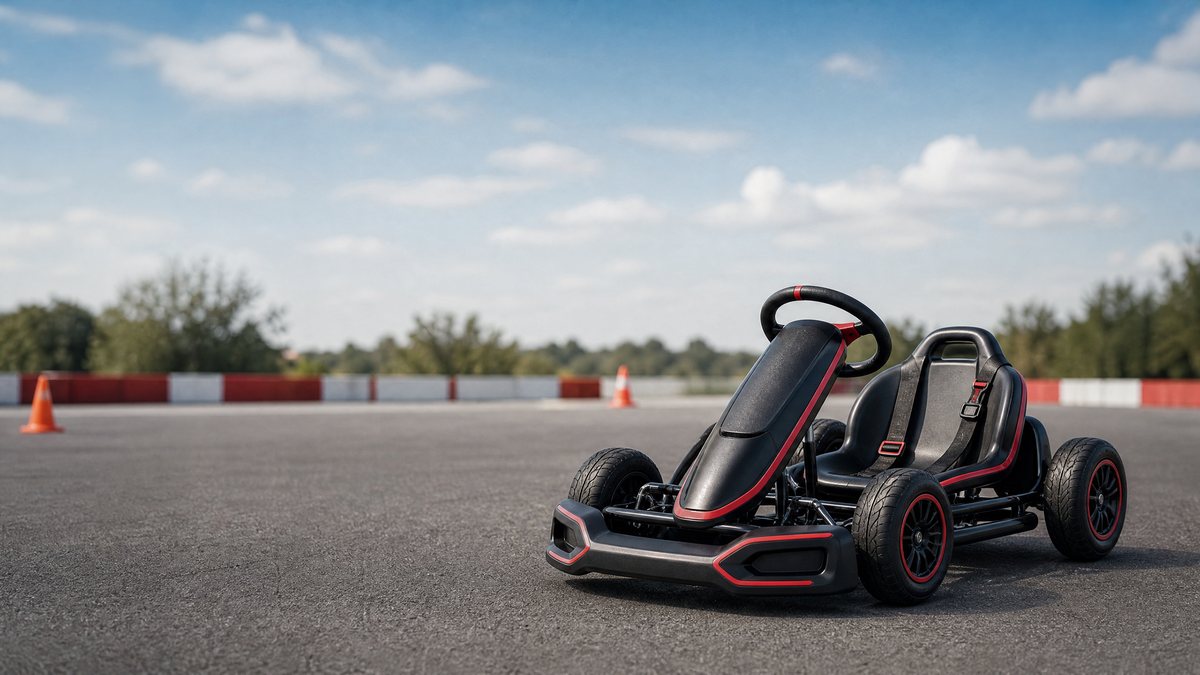
| 5-Point Racing Harness | Two shoulder straps, two lap straps, and a crotch strap fastened to a central buckle. | High-performance 24V dune buggies, go-karts, and multi-motor drift vehicles. | Maximum upper and lower body retention during dynamic acceleration and rough terrain traversal. |
| Dual Lap Belts (Bench Seats) | Two independent lap belts installed across a wider two-seater bench configuration. | Multi-passenger utility trucks and two-seater replica luxury SUVs. | Accommodates two riders independently, ensuring individual waist retention. |
Decision Framework: Matching Restraints to Child Development and Vehicle Specs
Selecting the optimal ride-on car with a seat belt requires balancing the physical development stage of the child with the mechanical output of the vehicle. Parents and institutional buyers must look beyond aesthetic features to evaluate how the restraint mechanism integrates with the chassis.
1. Age, Size, and Postural Control
Children develop core stability and spatial awareness at varying rates. For younger toddlers aged two to three, whose upper body strength is still developing, a vehicle featuring a supportive high-back seat paired with a 3-point harness provides superior postural support compared to a basic lap belt. Conversely, older children aged five and above operating single-seat cruisers often find standard adjustable lap belts sufficient for basic positional security.
2. Vehicle Voltage and Dynamic Output
Electric ride-on cars operate across different voltage tiers—typically 6V, 12V, and 24V systems. Higher voltage systems deliver increased torque, faster acceleration, and greater top speeds. Vehicles operating on 24V systems or dual-motor configurations inherently generate more dynamic force during operation, making multi-point harnesses a prudent design choice for high-output models.
3. Buckle Mechanism and Usability
The hardware component of the restraint system must balance security with ease of operation. Importers and retailers should verify that buckle latches feature child-resistant release mechanisms that prevent accidental opening during transit, yet allow quick manual release by an adult supervisor or the child when exiting the vehicle.
Safety and Fit Checklist for Parents and Operators
Ensuring that a ride-on car seat belt functions correctly involves systematic inspection and proper adjustment prior to every use. Importers and retail buyers can also share these operational guidelines with end consumers to promote product safety.
* Webbing Integrity Check: Inspect the nylon or polyester webbing regularly for fraying, UV degradation, or chemical staining. Damaged straps compromise tensile strength and must be replaced.
* Anchor Point Security: Verify that the mounting bolts securing the belt anchor points to the chassis or seat frame are tightened securely and show no signs of structural fatigue.
* Tension Adjustment: Adjust the sliding buckle so that the belt fits snugly across the rider's pelvic bones or lower torso without leaving excessive slack or causing discomfort.
* Supervision Priority: Remind operators that mechanical restraints supplement—but do not replace—active adult supervision. Children should always operate ride-on vehicles in designated, hazard-free zones away from traffic, water bodies, and steep inclines.
* Manufacturer Compliance: Confirm that the vehicle complies with recognized toy safety standards, such as ASTM F963 in North America or EN71 in Europe, which govern mechanical and physical properties of ride-on toys [2].
Key Buyer Questions for Retailers and Importers
Commercial buyers, distributors, and retail store owners sourcing ride-on cars with advanced safety features should address specific technical inquiries with manufacturing partners:
* What specific material grade and tensile rating is utilized for the seat belt webbing and buckle assembly?
* Are the seat anchor points reinforced directly into the steel frame or molded into the plastic tub body?
* Does the vehicle model offer modular upgrade options from a standard lap belt to a 3-point or 5-point harness?
* What testing documentation or third-party laboratory verification is available regarding mechanical retention and drop-test performance?
For Retailers and Importers: Merchandising Safety Features
In an increasingly competitive consumer market, safety differentiation serves as a powerful retail advantage. Parents prioritize products that demonstrate rigorous engineering thoughtfulness. Retailers stocking ride-on cars can enhance their product positioning by clearly highlighting restraint specifications in marketing collateral, emphasizing adjustable harness configurations, sturdy anchor construction, and compliance with international toy safety benchmarks. Providing transparent product specifications builds consumer trust and positions retail brands as reliable purveyors of quality children's goods.
Frequently Asked Questions
Are seat belts strictly necessary on slow-speed electric ride-on cars?
While low-speed ride-on cars operate at modest velocities (typically 2 to 5 mph), seat belts serve a crucial function in maintaining child posture, preventing sudden forward sliding during abrupt braking, and keeping young riders secure when navigating minor bumps or uneven outdoor terrain.
What is the mechanical difference between a lap belt and a 3-point harness?
A standard lap belt secures only the waist region, relying entirely on the child's upper body strength for posture. A 3-point harness includes shoulder straps that anchor over the torso, distributing forces more evenly and preventing upper body slumping or lateral leaning.
Can ride-on car seat belts be adjusted as the child grows?
Most quality ride-on cars feature adjustable strap lengths via sliding plastic or metal adjusters. Buyers should inspect the adjustment range to ensure the vehicle can accommodate the child throughout the recommended age span.
Do children's ride-on car seat belts meet automotive crash-test standards?
No. Ride-on car restraint systems are classified under toy safety standards (such as ASTM F963 or EN71) rather than automotive motor vehicle safety standards (such as FMVSS). They are engineered for low-speed toy retention and postural stability, not for high-speed collision protection.
How should the seat belt be cleaned and maintained?
Webbing straps can typically be cleaned using mild soap and damp cloth air-dried away from direct sunlight to prevent UV fabric degradation. Mechanical buckles should be kept free of dirt, sand, and sticky residue to ensure smooth latching and release action.
Conclusion
Selecting the best ride-on car with a seat belt involves evaluating the interplay between vehicle power output, child developmental readiness, and mechanical restraint design. Whether opting for a simple lap strap on a beginner 6V cruiser or a robust multi-point harness on a 24V off-road utility vehicle, prioritizing structural integrity ensures a balanced combination of recreational enjoyment and occupant stability. Parents and retail buyers are advised to review complete manufacturer specifications and adhere strictly to age and supervision guidelines.
Request a wholesale quote to explore our complete catalog of certified electric ride-on vehicles featuring advanced safety configurations.
References
1. Consumer Product Safety Commission (CPSC). Safety Standard for Toy Ride-On Vehicles and Associated Mechanical Requirements. CPSC Document Reference #95-REV.
2. ASTM International. Standard Consumer Safety Specification for Toy Safety (ASTM F963). Section on Ride-On Toy Stability and Restraint Systems.
Explore matching models
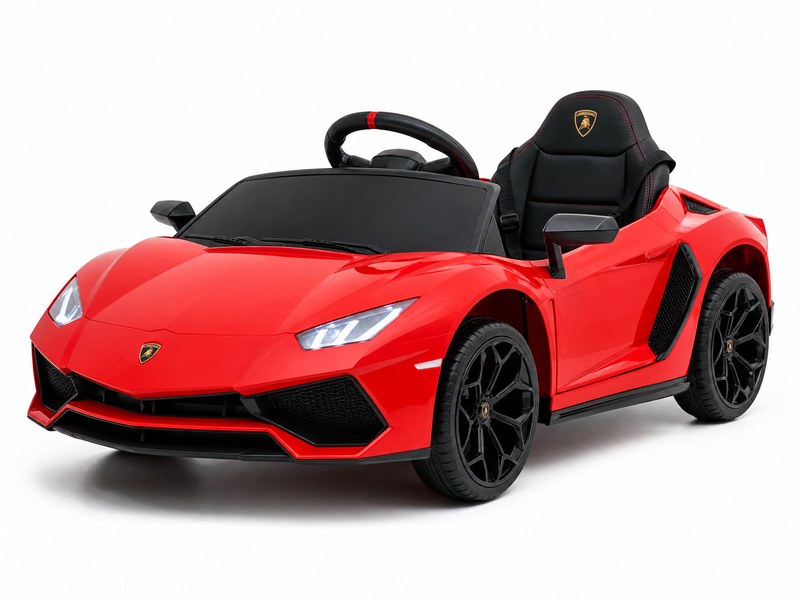
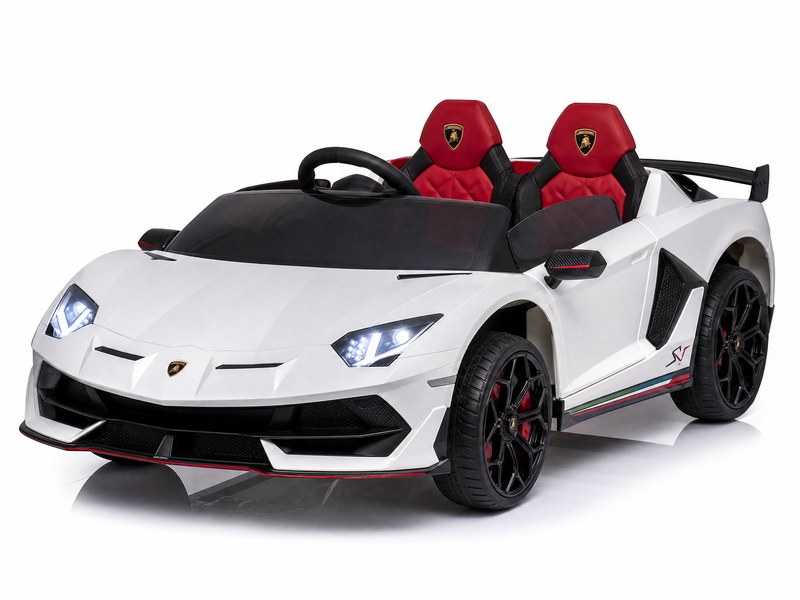
View product details for this guide
Compare current specifications, age guidance and available options before requesting a quote.
Official references
Explore these external resources for current regulatory and trade guidance. Confirm requirements with the relevant authority before placing an order.
Ready to Start?
Factory-Direct · CE & ASTM Certified · MOQ from 50 Units
Our export team works with buyers in 60+ countries. Get a quote within 24 hours.
KR
Written by KidsRideCar
China's leading kids electric ride-on car manufacturer. 500,000+ units shipped annually to 60+ countries. CE, ASTM & EN71 certified.