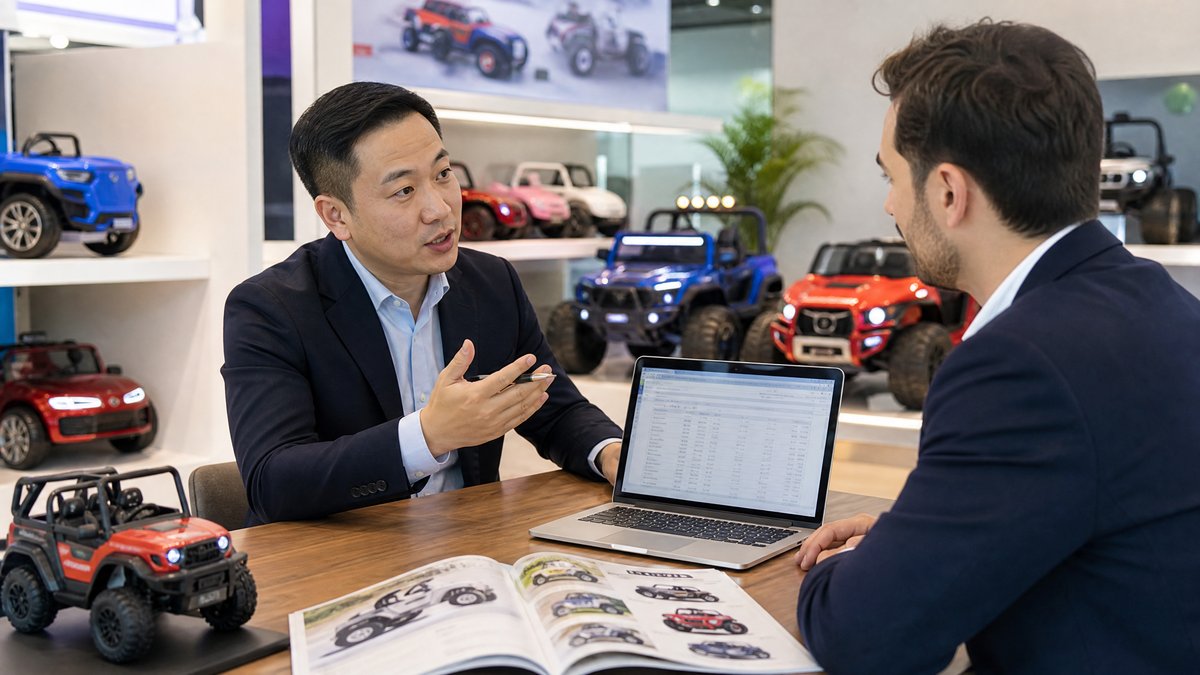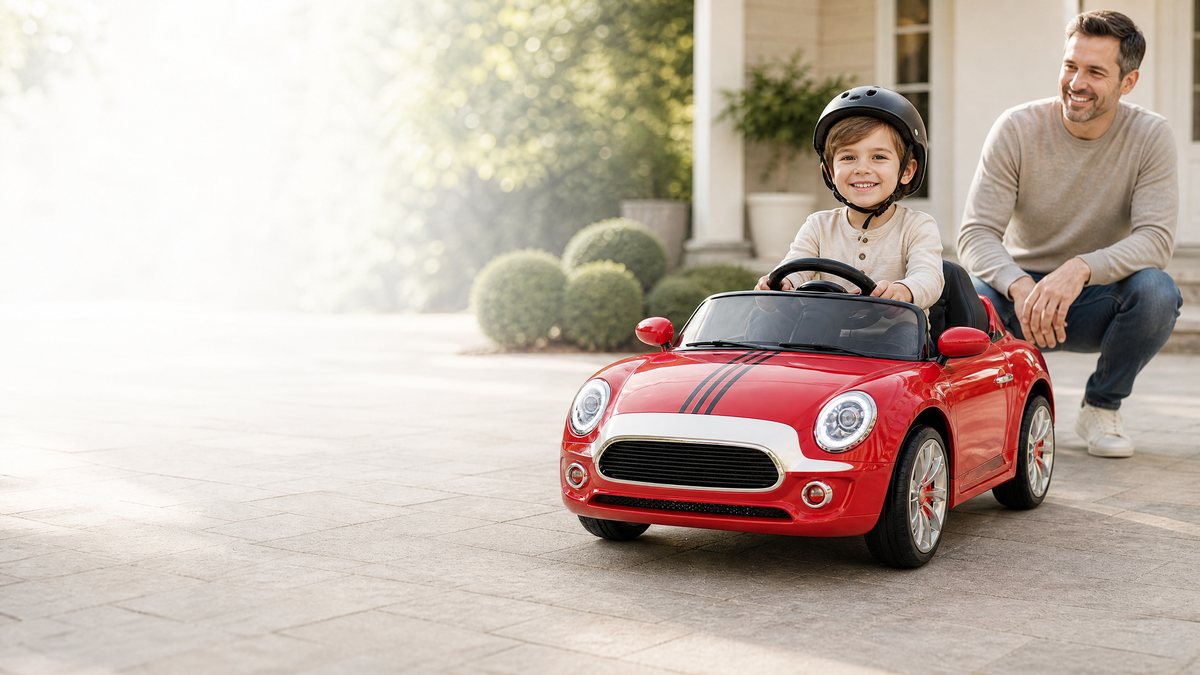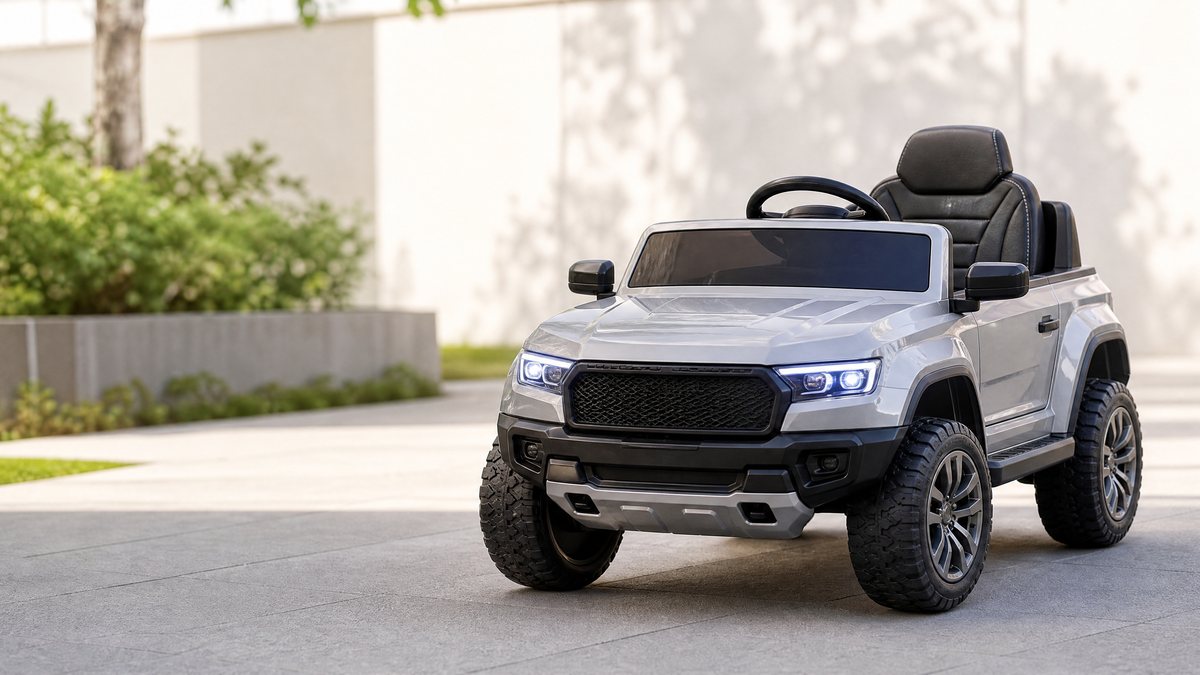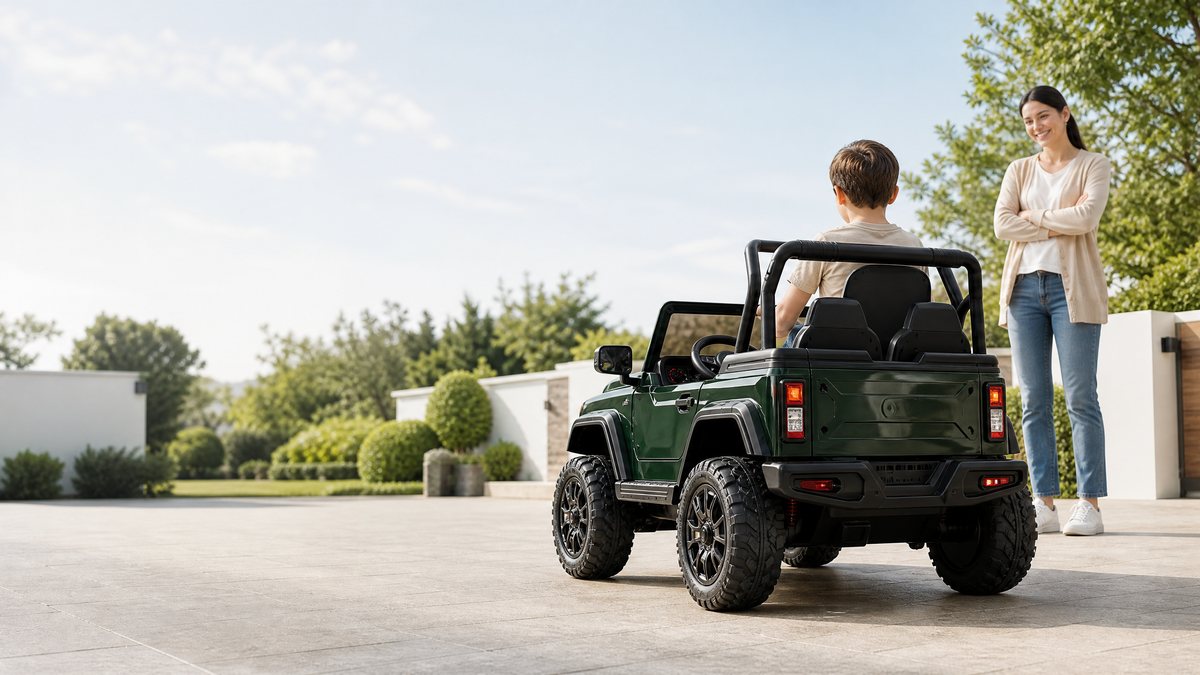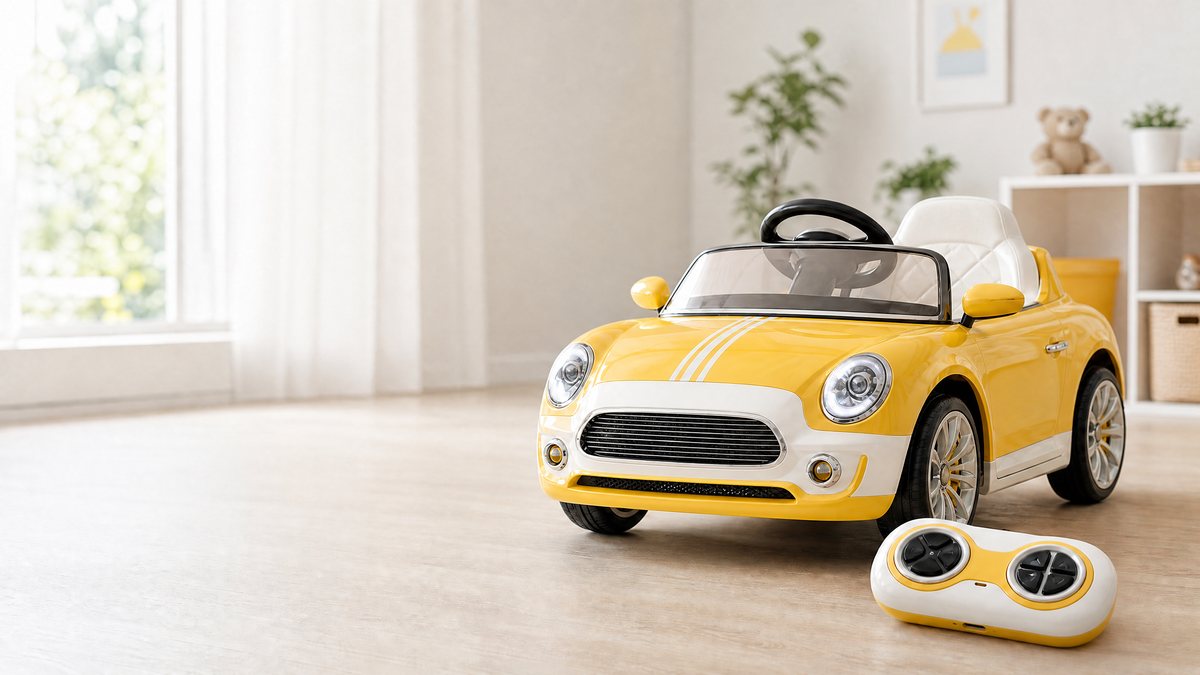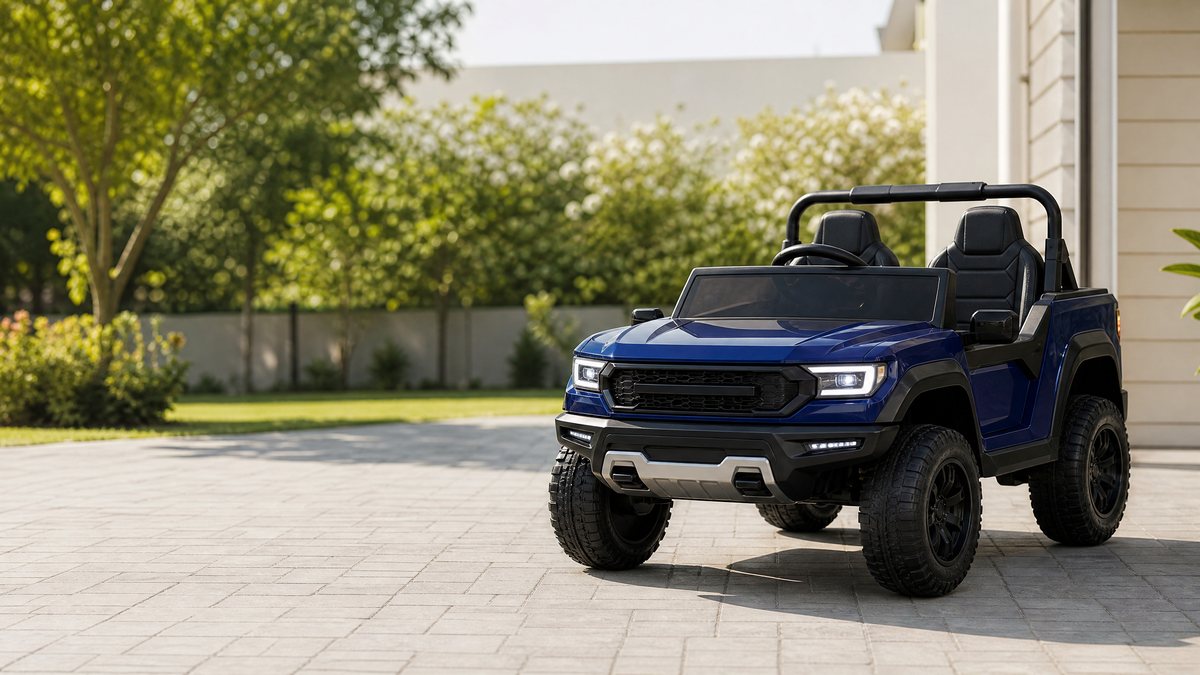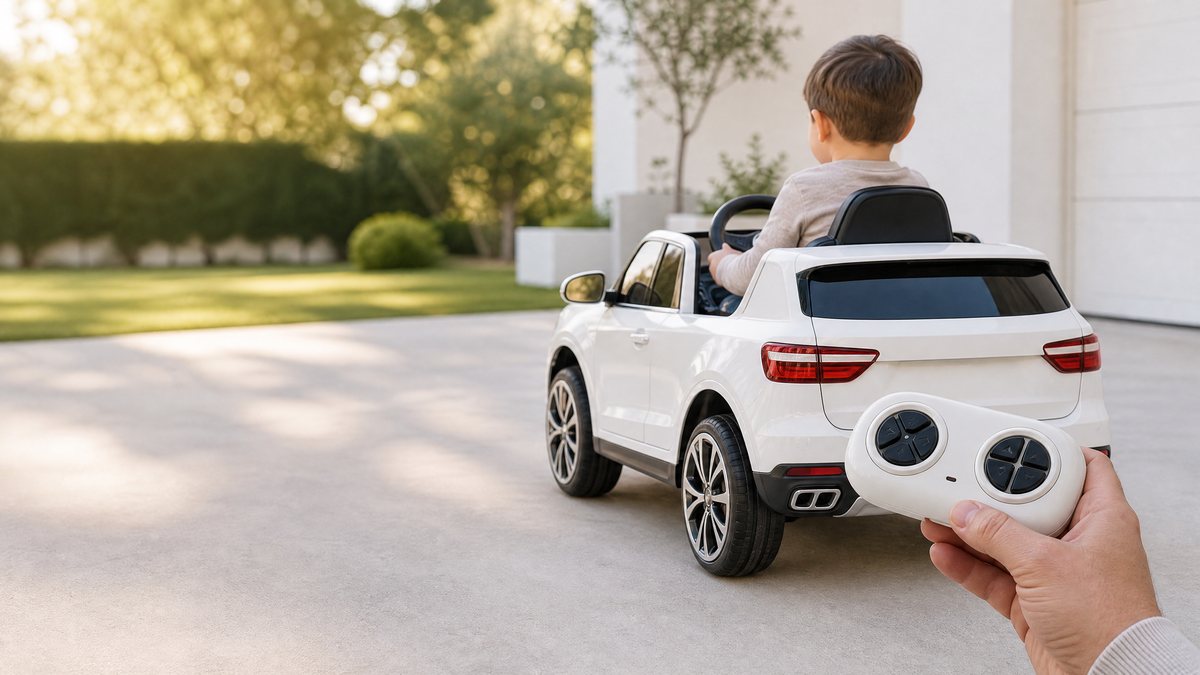
As global consumer demand shifts toward outdoor, rugged, and adventure-themed ride-on toys, kids electric ATVs (all-terrain vehicles) have emerged as top-tier category staples for toy retailers, distributors, and e-commerce brands. Unlike traditional passenger ride-on cars designed primarily for smooth pavement and neighborhood sidewalks, electric quads and ATVs are engineered to tackle uneven lawns, gravel pathways, and dirt tracks. For B2B procurement professionals, identifying what constitutes a high-performing kids electric ATV requires looking past surface-level aesthetics and diving into critical technical specifications, structural durability, electrical safety, and compliance standards.
This guide provides a transparent, objective evaluation framework for B2B buyers assessing kids electric ATVs. By examining core power systems, mechanical build quality, safety features, and manufacturer verification protocols, wholesale buyers can curate robust product lines that meet stringent international safety benchmarks while satisfying consumer expectations for performance, longevity, and off-road enjoyment.
Understanding Kids Electric ATVs: Design, Ergonomics, and Terrain Suitability
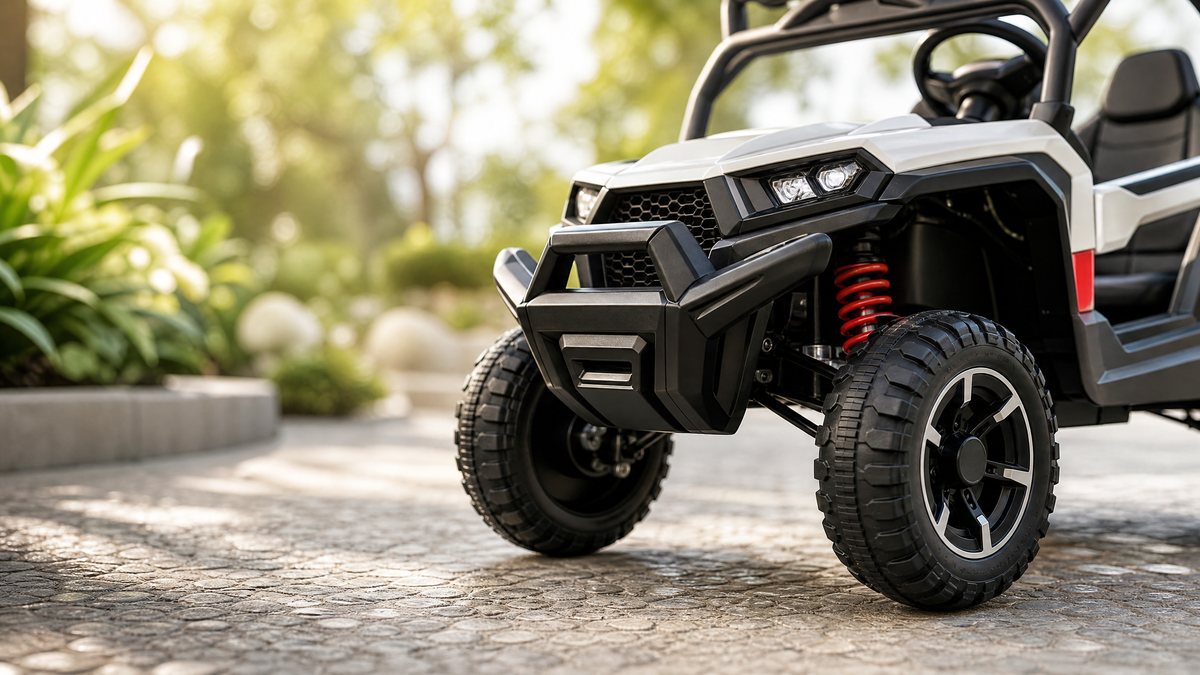
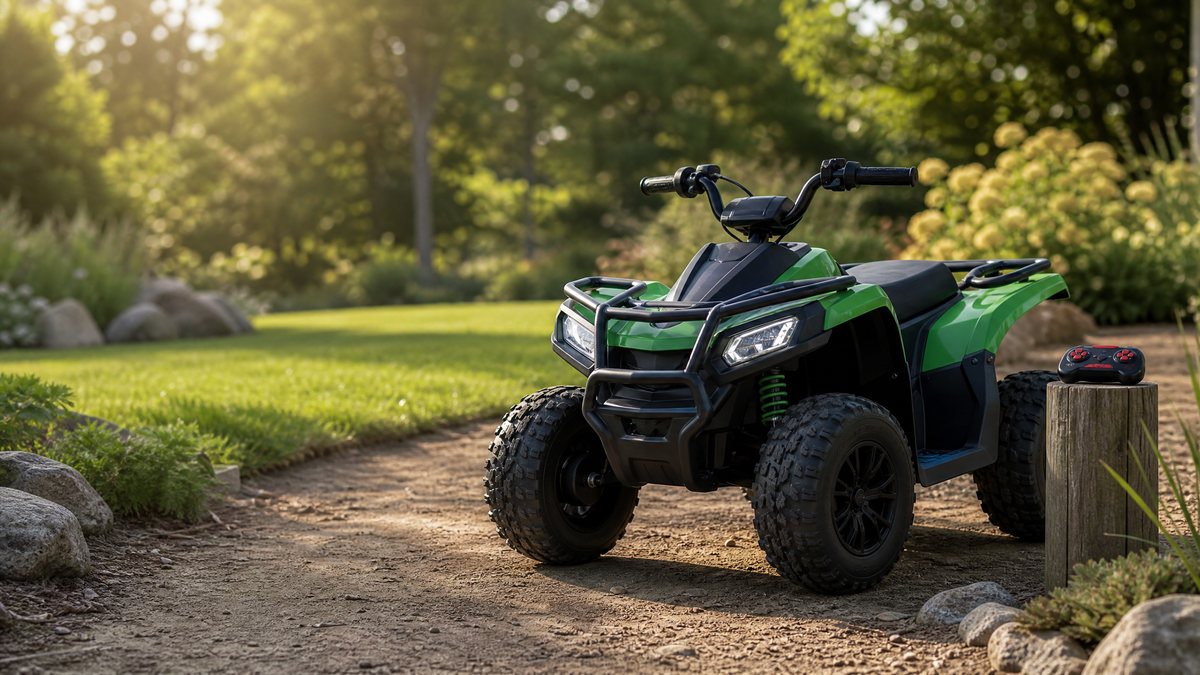
Kids electric ATVs—frequently styled as rugged four-wheelers or utility quads—differ fundamentally from standard ride-on sedans or sports cars. Their architecture is tailored specifically for stability over rough terrain, featuring a wider wheel track, higher ground clearance, and an upright riding posture that encourages active weight distribution by the young rider.
When evaluating ATV models for wholesale import, commercial buyers must categorize products by target age groups, power delivery mechanisms, and intended riding environments:
1. Entry-Level 6V/12V Compact Quads: Designed for toddlers aged 2 to 4 years. These models prioritize low maximum speeds (typically 1.5 to 3 mph), simplistic single-motor or dual-motor setups, and lightweight thermoplastic bodies. They are best suited for indoor playrooms, patios, or smooth backyard grass.
2. Intermediate 12V/24V Multi-Terrain ATVs: Targeted at children aged 4 to 7 years. These feature upgraded dual-drive or four-drive motors, larger plastic or EVA wheels with aggressive tread patterns, spring-suspension systems, and variable speed settings controlled by parental remotes or manual thumb throttles.
3. Advanced High-Output 24V+ Youth Quads: Engineered for older children aged 6 to 10+ years. These robust machines often incorporate chain-driven or brushless high-torque motors, pneumatic rubber tires, heavy-duty steel tubular frames, and disc braking systems. They are built for farm paths, unpaved trails, and rugged outdoor environments.
Ergonomics play a critical role in user safety and comfort. Unlike passenger cars where children lean back against a seat, ATV riders must grip handlebars and plant their feet firmly on wide footpegs. Procurement teams should verify that handlebar grips are slip-resistant, footrests feature anti-slip textures, and seat heights correspond accurately to the recommended age brackets.
Key Technical Specifications to Evaluate
To ensure commercial success, minimize warranty claims, and protect brand reputation, B2B buyers must rigorously audit manufacturer technical specifications across several core pillars:
1. Battery Voltage, Chemistry, and Power Delivery Systems
The electrical architecture dictates both vehicle runtime and hill-climbing capability.
* 12V Systems: Standard for younger age brackets. They offer dependable performance on flat or mildly inclined terrain with average runtimes of 45 to 90 minutes per charge.
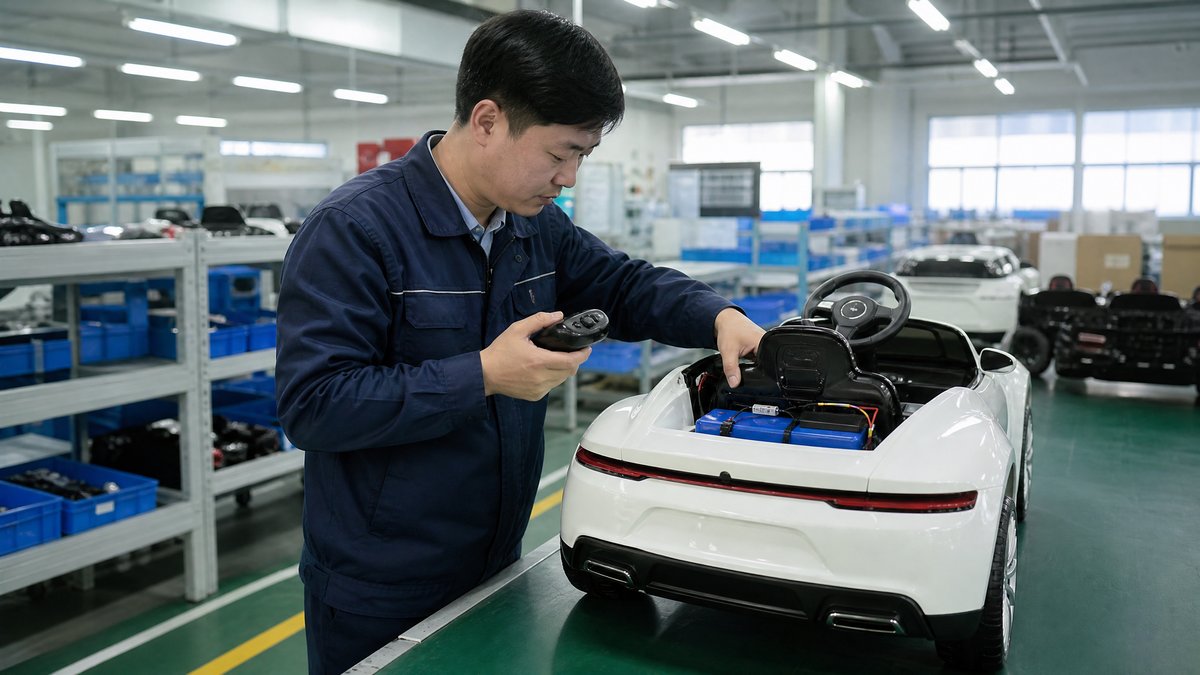
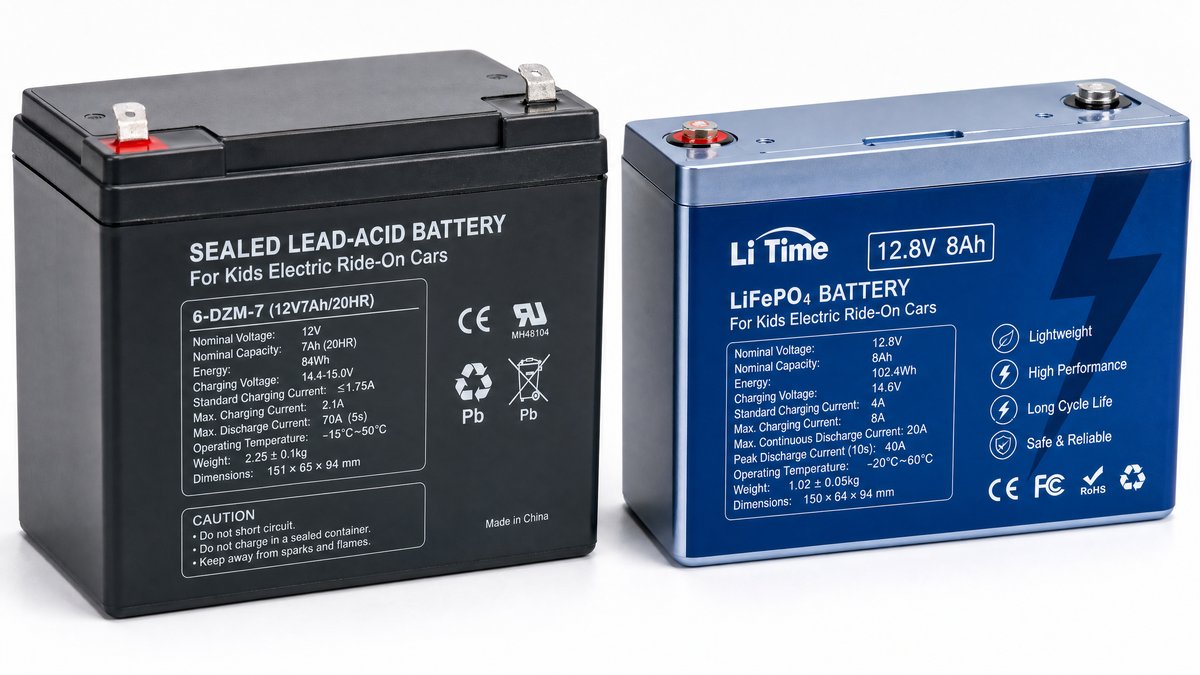
* 24V and Higher Systems: Necessary for larger multi-terrain quads carrying older children or traversing steep inclines. Buyers should verify whether the manufacturer uses sealed lead-acid (SLA) batteries or lithium-ion alternatives, ensuring proper battery management systems (BMS) are integrated to prevent overcharging, short-circuiting, and thermal runaway. Furthermore, check for UL or equivalent electrical certification on chargers to eliminate fire hazards.
2. Motor Configuration and Drive Train
* Direct-Drive Gearbox Motors: Common in entry-level and mid-tier models. Sealed gearboxes protect internal gears from dirt, dust, and moisture—critical for off-road environments where mud and sand are prevalent.
* Chain-Driven Motors: Found in heavy-duty youth ATVs. While offering superior torque and authentic off-road dynamics, they require periodic chain tension maintenance and robust protective chain guards to prevent finger entrapment and debris jamming.
3. Wheel and Tire Construction
Off-road performance hinges entirely on traction and shock absorption.
* Molded Plastic Wheels with Rubber Traction Strips: Suitable only for light indoor or paved use; prone to slipping on wet grass, mud, or loose gravel.
* EVA Foam Tires: Provide a balanced combination of cushioning, durability, and grip without the risk of punctures. They represent the industry standard for mid-tier outdoor toys.
* Pneumatic Rubber Tires: Essential for high-end off-terrain ATVs. Air-filled tires absorb severe shocks from rocks and roots, delivering maximum grip and authentic handling, though buyers must verify inner-tube quality, valve accessibility, and ease of inflation.
4. Suspension and Chassis Integrity
A rigid frame combined with functional shock absorbers protects internal electronics and ensures rider comfort over bumpy terrain. Importers should request factory drop-test reports, static load test data, and verify steel tube wall thickness to prevent chassis bending under impact.
Comparative Evaluation of Kids Electric ATV Categories
The following matrix outlines the operational parameters, target markets, and sourcing considerations across different electric ATV classifications, serving as a strategic reference for portfolio diversification.
| ATV Category | Voltage / Power | Target Age Group | Primary Terrain | Key Performance Features | Sourcing Considerations |
|---|---|---|---|---|---|
| Toddler Entry Quads | 6V / 12V Single Motor | 2–4 Years | Indoor / Smooth Grass | Low speed (2 mph), wide footrests, simple push-button throttle | High focus on non-toxic plastics and ergonomic safety; strict ASTM/EN71 compliance |
| Mid-Tier Utility Quads | 12V / 24V Dual Motor | 4–7 Years | Grass, Dirt Paths, Gravel | Dual drive, working LED lights, suspension springs, parental remote override | Balanced cost-to-performance ratio; high volume seasonal seller |
| Heavy-Duty Off-Road Quads | 24V+ High-Torque / Chain | 6–10+ Years | Rough Terrain, Hills, Trails | Pneumatic tires, hydraulic or disc brakes, robust steel frame | Strict electrical and mechanical compliance verification; higher shipping weight |
Buyer's Evaluation Checklist for Wholesale Procurement
When vetting manufacturing partners and placing volume orders for kids electric ATVs, purchasing managers should execute a systematic audit using the following operational checklist:
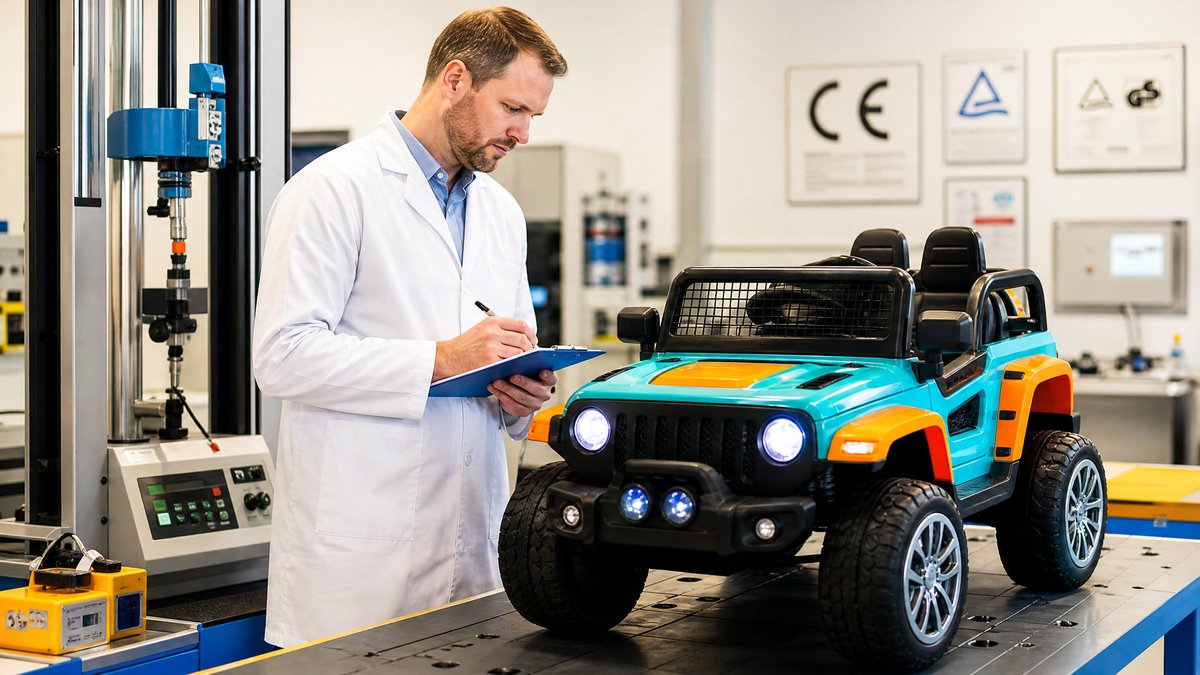
* [ ] Regulatory Compliance Documentation: Verify that products hold relevant regional certifications such as CE, EN71, EN62115 (electric toy safety), ASTM F963, and CPC, confirming non-toxic material composition and electrical circuit protection.
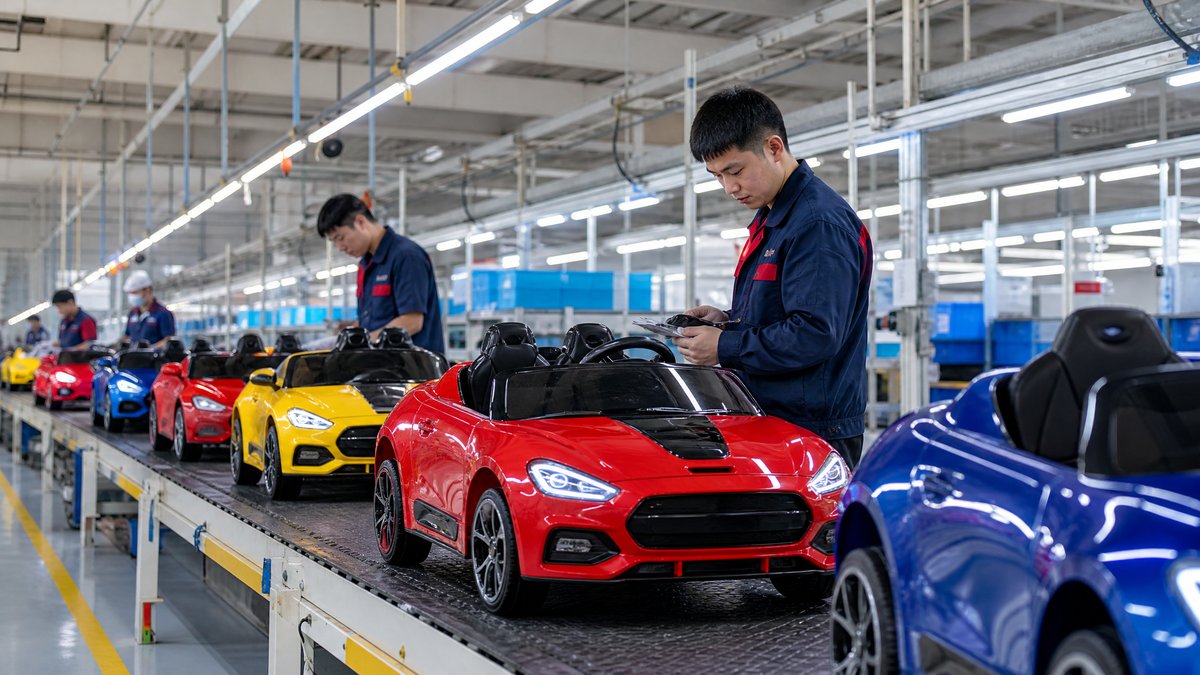
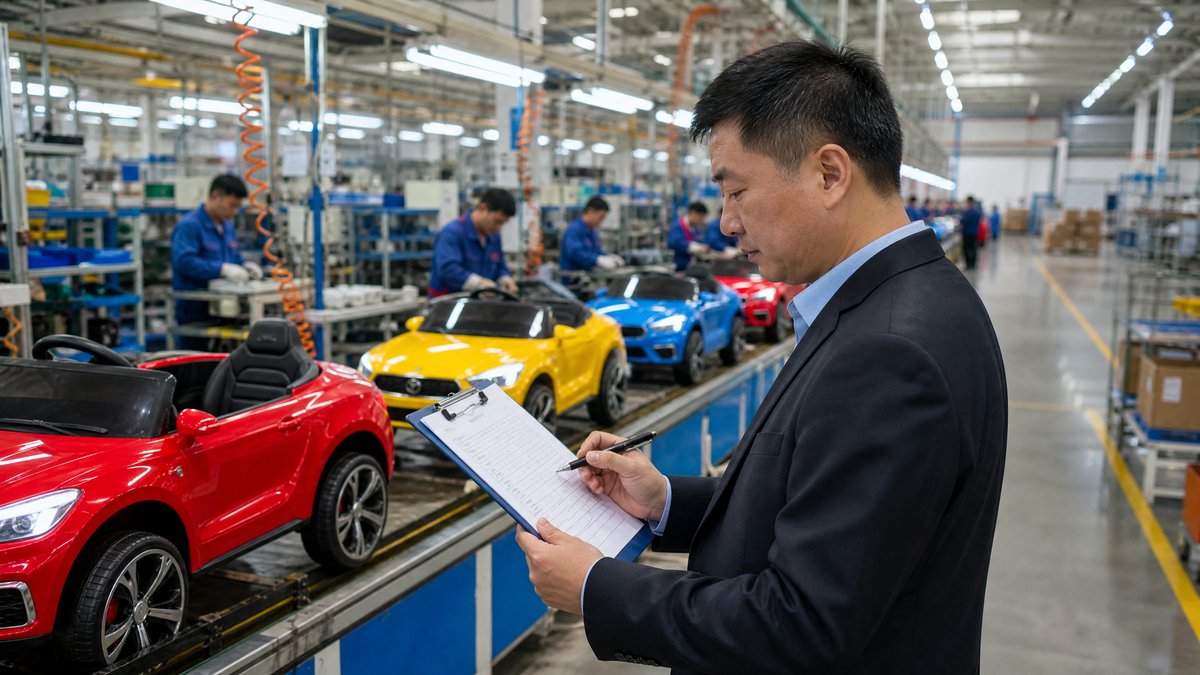
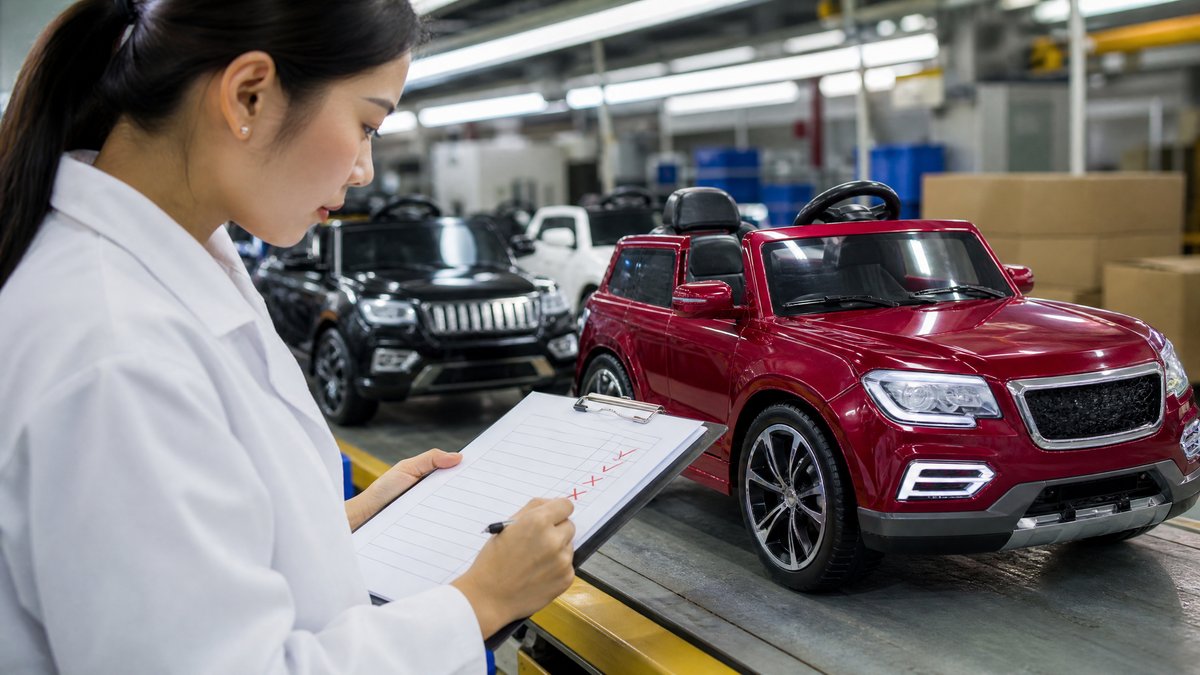
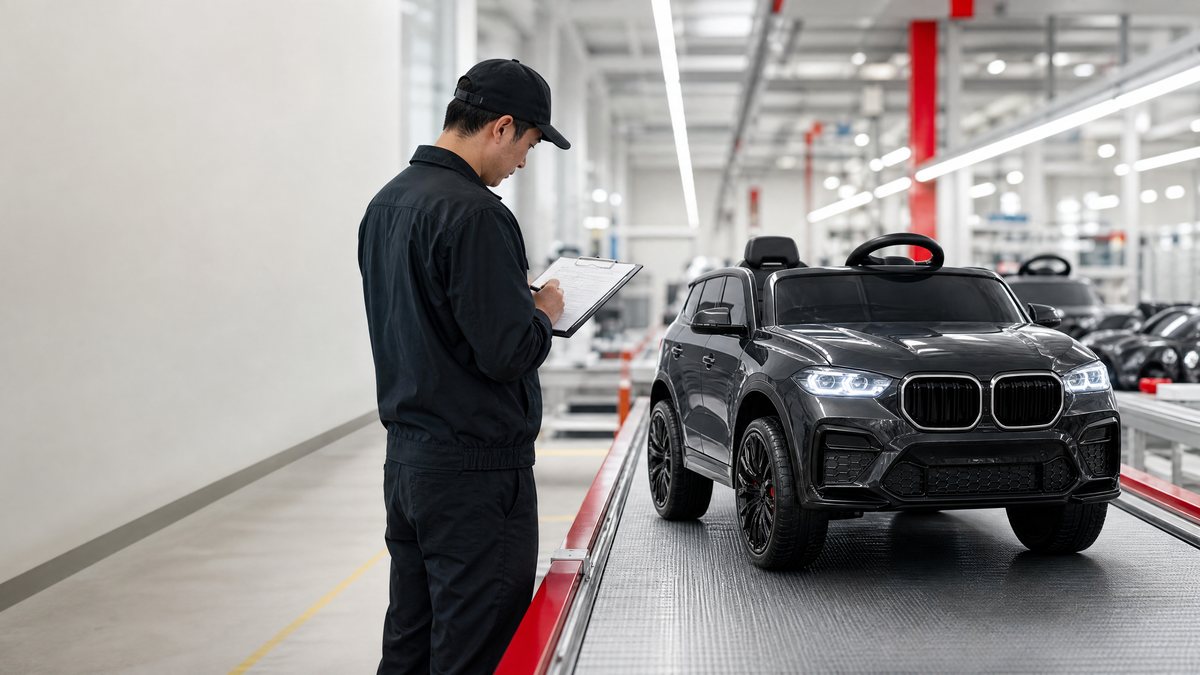
* [ ] Factory Quality Control (QC) Protocols: Inspect supplier testing standards for battery charging cycles, drop resistance, waterproof rating of electrical connectors (IP rating), and motor burnout prevention mechanisms.
* [ ] Spare Parts Availability and Warranty Support: Ensure the supplier provides comprehensive after-sales parts catalogs (replacement batteries, chargers, gearboxes, switches, wheels) to support regional warranty claims and reduce customer dissatisfaction.
* [ ] Packaging and Drop-Test Resilience: ATVs are bulky and heavy items. Confirm that export carton packaging utilizes reinforced corrugated cardboard and internal molded EPE foam cushioning to prevent transit damage and container shifting.
* [ ] Assembly Complexity and User Manuals: Review pre-assembly percentage and instruction clarity. Models that arrive 80-90% pre-assembled reduce end-consumer friction, assembly errors, and retail return rates.
Frequently Asked Questions (FAQ)
What is the primary difference between a kids ride-on car and a kids electric ATV?
Kids electric ATVs are specifically designed for outdoor, multi-terrain use, featuring higher ground clearance, wider wheel tracks, rugged suspension, and upright riding positions. Unlike passenger ride-on cars meant for smooth sidewalks, ATVs encourage active weight shifting by the child and handle grass, dirt, and gravel surfaces significantly more effectively.
How do I determine the appropriate voltage for my retail inventory?
Voltage selection depends on the target age demographic and intended riding environment. 6V and 12V models are ideal for younger children (ages 2–5) riding on flat or gentle grassy surfaces. 24V and higher systems are necessary for older children (ages 6+) or hilly, unpaved terrains that demand higher torque, greater load capacity, and sustained power delivery.
What safety certifications should I require from ATV manufacturers?
Wholesale buyers should insist on internationally recognized safety standards, including ASTM F963 (US), EN71 (Europe), EN62115 (Electric Toys), and CE directives. These standards mandate rigorous testing for mechanical hazards, sharp edges, phthalate content in plastics, heavy metals in paints, and electrical circuit safety such as overcurrent protection.
How can retailers minimize shipping damage for heavy electric ATVs?
Because ATVs are heavier and bulkier than standard ride-on sedans, retailers and importers should collaborate with manufacturers to ensure reinforced double-wall corrugated export cartons, secure internal foam bracing for handlebars and wheels, and drop-test validation prior to mass container loading.
Conclusion and Wholesale Inquiries
Sourcing top-tier kids electric ATVs requires balancing robust mechanical durability, rigorous safety compliance, and attractive styling that appeals to modern parents. By moving beyond marketing claims and evaluating core technical specifications—such as battery management systems, motor gearboxes, tire construction, and factory QC protocols—global retailers and distributors can build reliable product portfolios that ensure end-user satisfaction and long-term brand trust.
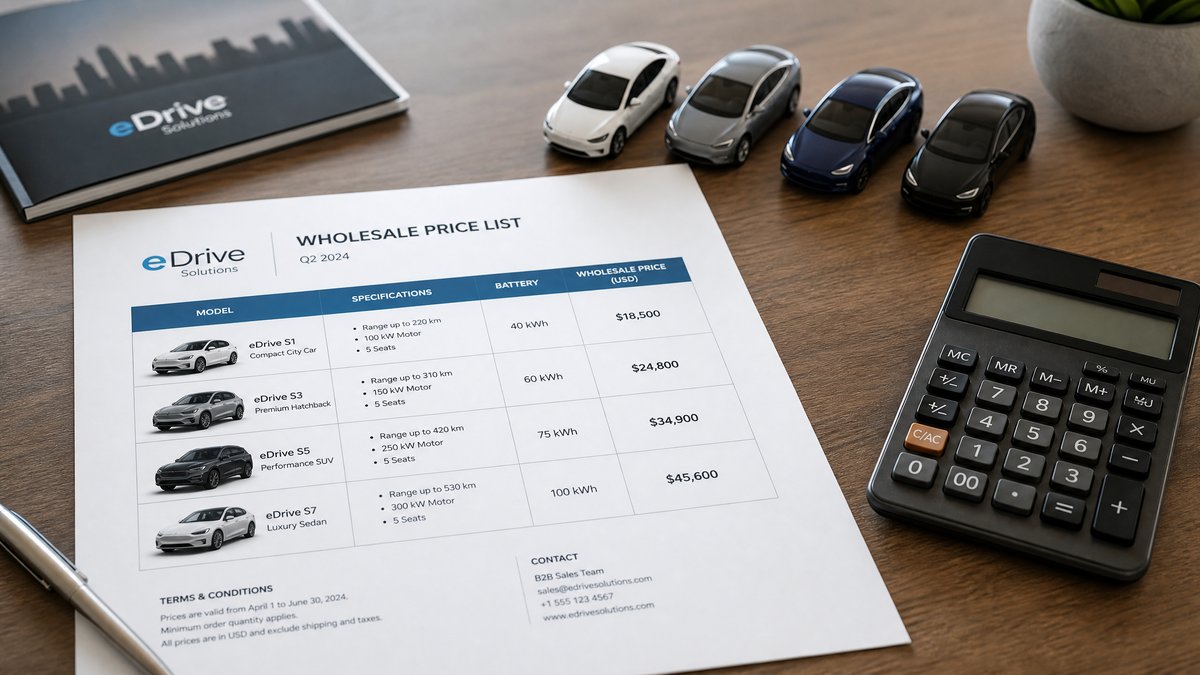
For detailed catalog specifications, wholesale pricing tiers, container load calculations, and OEM/ODM customization inquiries, please contact our commercial team directly at sales@kidsridecar.com.
Official references
Explore these external resources for current regulatory and trade guidance. Confirm requirements with the relevant authority before placing an order.
Ready to Start?
Factory-Direct · CE & ASTM Certified · MOQ from 50 Units
Our export team works with buyers in 60+ countries. Get a quote within 24 hours.
KR
Written by KidsRideCar
China's leading kids electric ride-on car manufacturer. 500,000+ units shipped annually to 60+ countries. CE, ASTM & EN71 certified.