Introduction
In the global distribution and retail landscape of children's electric ride-on vehicles, one of the most frequent inquiries from commercial buyers, specialty store owners, wholesale distributors, and e-commerce drop-shippers revolves around delivery condition: Do children's electric ride-on vehicles arrive fully assembled out of the factory carton, or do they require mechanical setup by the recipient? For B2B commercial partners sourcing inventory from international manufacturing facilities, understanding packaging mechanics, logistics constraints, and assembly protocols is paramount. Fully assembled children's motorized vehicles are neither economically viable nor logistically feasible for global freight distribution. Consequently, the established industry standard relies entirely on Knocked-Down (KD) shipping, where vehicles are partially disassembled and meticulously packed into reinforced corrugated cartons designed to optimize volumetric efficiency, minimize transit damage, and balance international freight expenditures.
For retailers, wholesale distributors, and commercial operators, navigating KD shipping requires a clear operational framework. Store managers and logistics personnel must prepare meticulous assembly workflows, train staff on proper mechanical and electrical verification standards, and provide end consumers with transparent guidance. When parents purchase a premium ride-on vehicle, the unboxing, assembly, and initial setup experience directly influences brand perception, consumer trust, and product safety compliance. This comprehensive B2B logistics and retail guide explores carton architecture, model-specific assembly dynamics, adult assembly requirements, pre-use inspection protocols, regulatory compliance frameworks, electrical safety procedures, and after-sales support strategies designed to empower commercial partners operating within the juvenile products sector.
The Logistics and Packaging Architecture of Knocked-Down (KD) Shipments
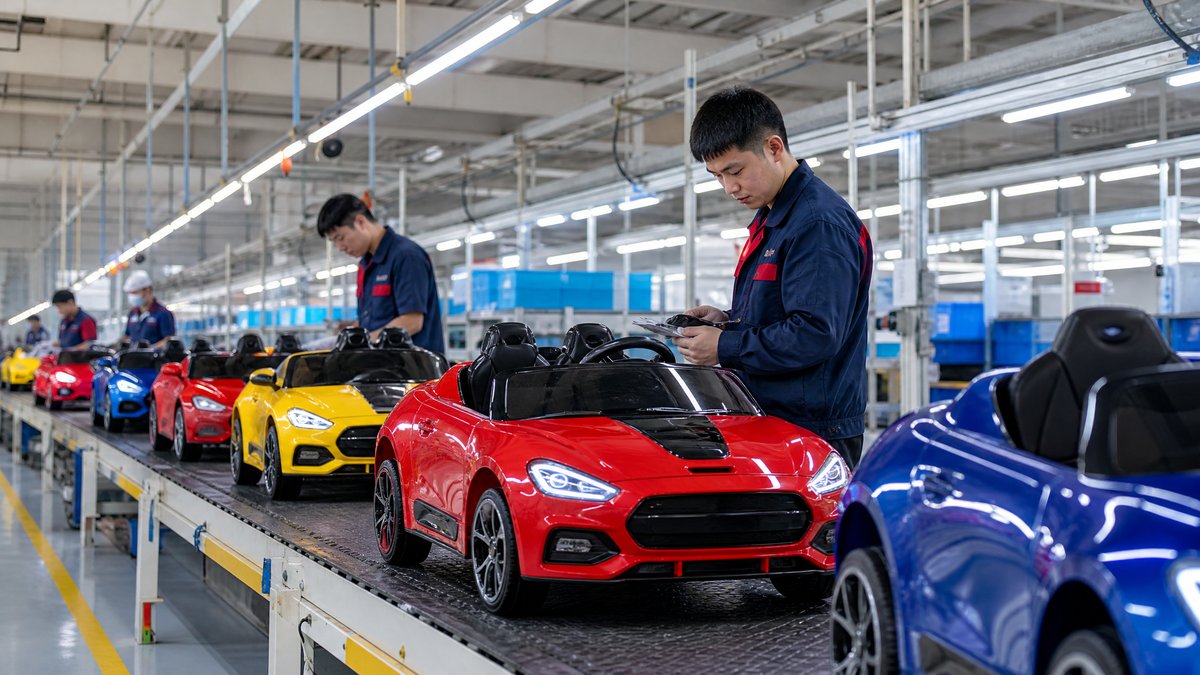
The journey of a children's electric ride-on vehicle begins on the manufacturing floor, where completed vehicle chassis undergo rigorous initial quality checks before being systematically disassembled into strategic sub-components for protective packaging. Shipping a fully assembled ride-on vehicle—such as a licensed luxury sedan, an off-road utility vehicle, or a multi-passenger dune buggy—would result in excessive volumetric weight, highly inflated ocean freight costs, and an unacceptably high risk of cosmetic, structural, and electrical damage during multi-leg transit across international borders.
To mitigate these logistical challenges, manufacturers employ sophisticated Knocked-Down (KD) packaging methodologies. Vehicles are typically packed into heavy-duty corrugated cardboard cartons engineered to withstand the rigorous handling demands of international shipping, container stacking, warehouse palletization, and last-mile delivery. Inside the corrugated carton, custom-molded Expanded Polystyrene (EPS) foam inserts, cardboard retention dividers, and protective polyethylene film wrap secure each individual component, preventing shifting and surface abrasion during transit.
Typically, a standard KD carton contains the primary vehicle body shell (with pre-installed internal wiring harnesses, dashboard electronics, and drive motors), a separate hardware box housing the steering wheel, wheels, windshield, side mirrors, seats, and remote control handset, as well as the designated rechargeable battery pack and specialized charger. This architectural compartmentalization ensures that delicate surface finishes remain unmarred while maximizing container loading density in standard forty-foot high-cube shipping containers. For B2B importers, understanding this packing structure allows for accurate warehouse space planning and container load calculations, which directly impact unit acquisition costs.
Model-Specific Assembly Tiers and Structural Components
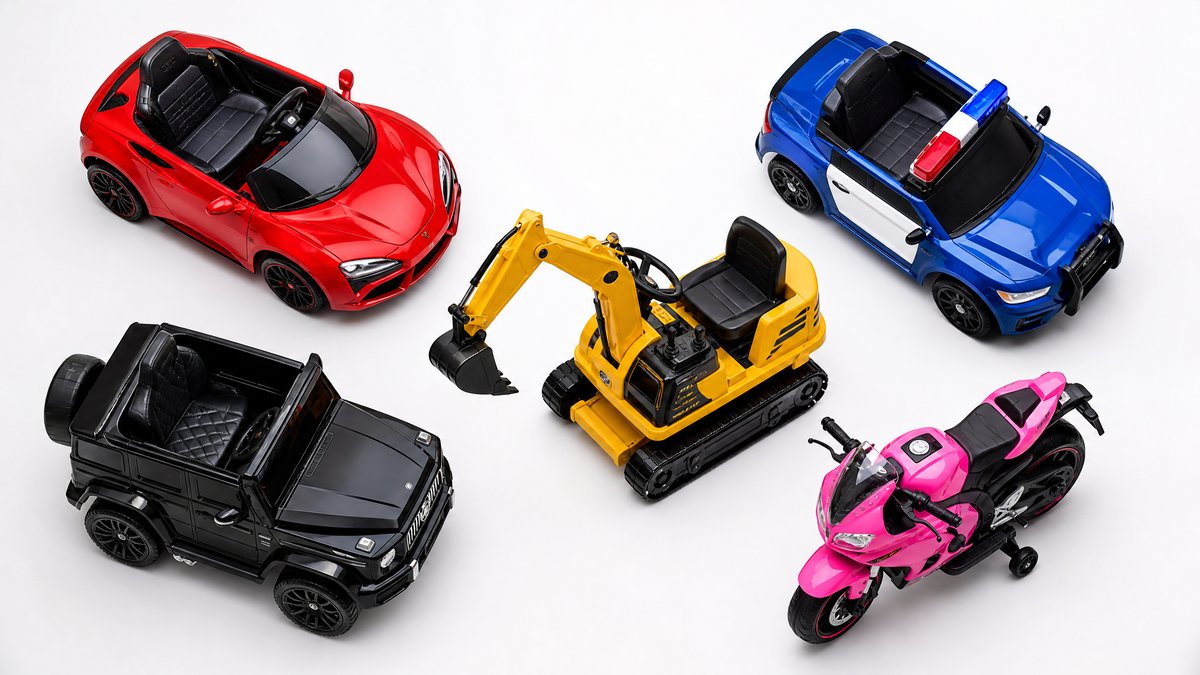
Assembly complexity varies significantly across different vehicle categories, reflecting underlying differences in electrical architecture, mechanical drivetrain complexity, and vehicle scale. B2B commercial buyers must thoroughly understand these distinct assembly tiers to properly advise retail sales staff, train warehouse technicians, and set realistic expectations for end-users.
Entry-Level Compact and Single-Motor Models
Designed primarily for younger toddlers, entry-level compact ride-on vehicles feature streamlined assembly processes. These models generally arrive with the main body chassis substantially pre-assembled from the manufacturing plant. Retailers, store technicians, or end-users typically only need to attach the steering wheel (secured with a simple retaining pin or locking bolt), snap or bolt on the four lightweight plastic wheels, click the transparent windshield into position, and connect the primary battery terminal. Total assembly time for this category is concise, requiring only basic household tools such as a standard Phillips-head screwdriver.
Mid-Tier Licensed Replicas and Dual-Drive Sedans
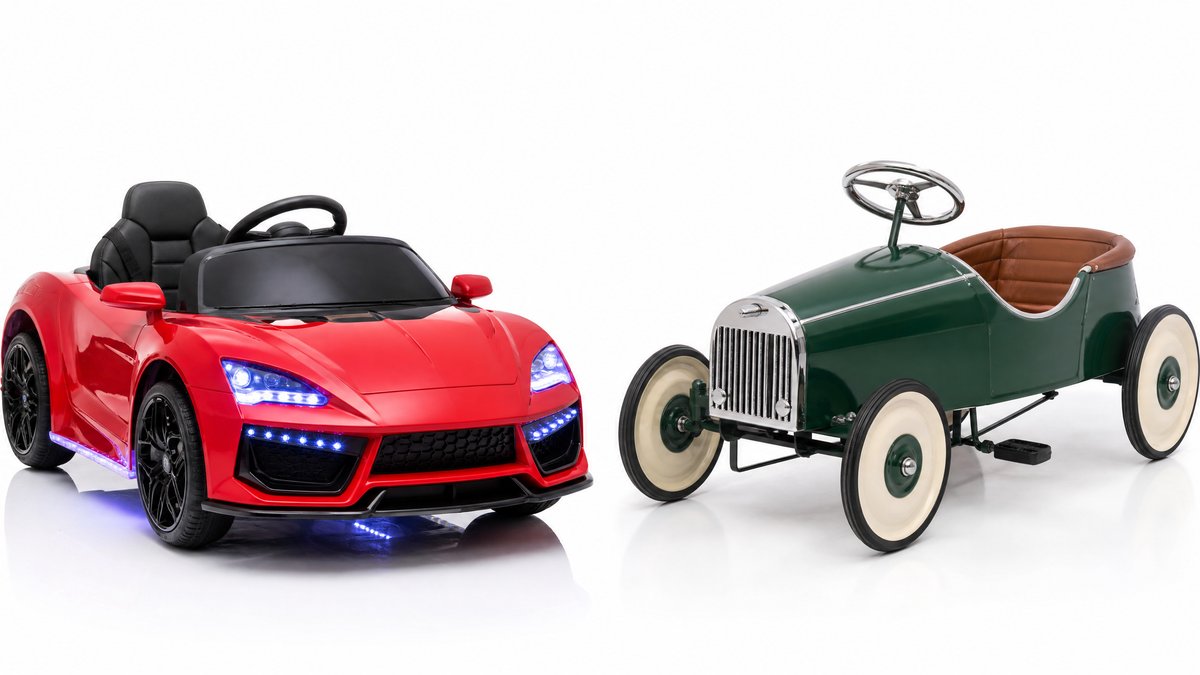
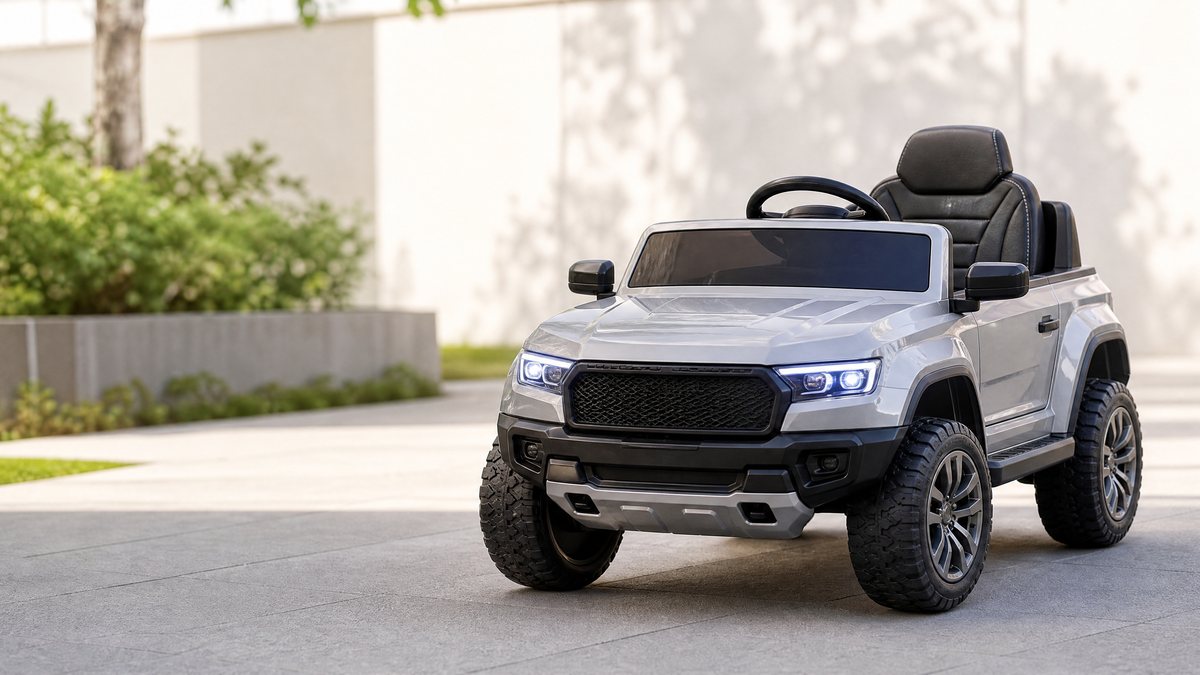
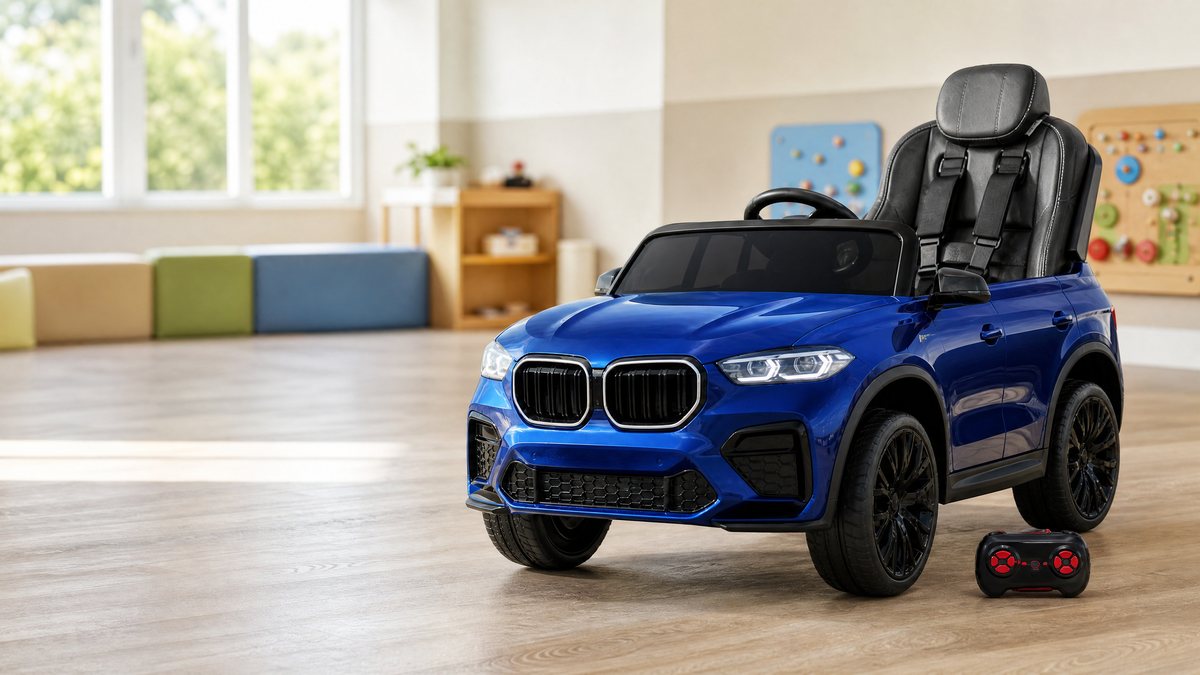
Mid-tier vehicles—frequently officially licensed by prestigious global automotive marques such as Audi, BMW, Ford, and Mercedes-Benz—incorporate sophisticated functional features including working LED headlights, multimedia audio interfaces, realistic dashboard instrumentation, and dual-drive gearboxes. Assembly for this tier is moderately complex and demands careful attention to detail. The steering column must be guided carefully through the front chassis bulkhead and pinned securely to the steering gearbox. The driver and passenger seats require screw-fastening over the battery compartment enclosure, and side mirrors often require precise push-fitting into designated body slots. Wheels are secured using metal axle washers, cotter pins or locking nuts, and snap-on decorative wheel covers that replicate real alloy rims.
Heavy-Duty Multi-Passenger Utility Task Vehicles (UTVs)
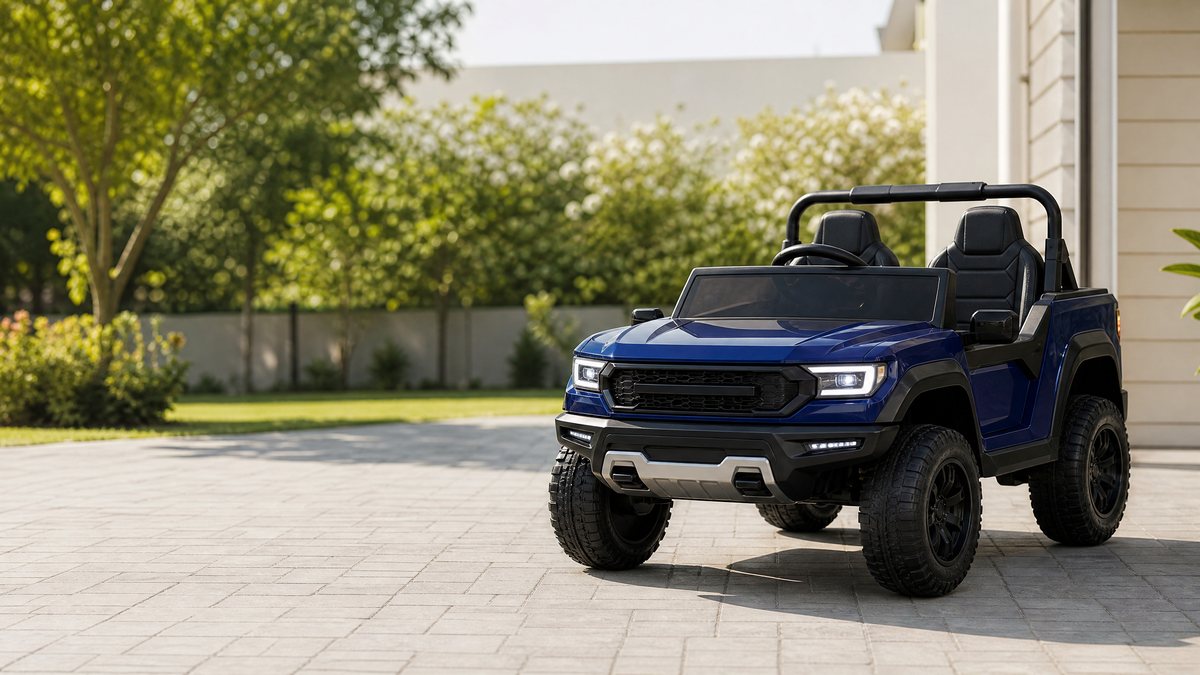
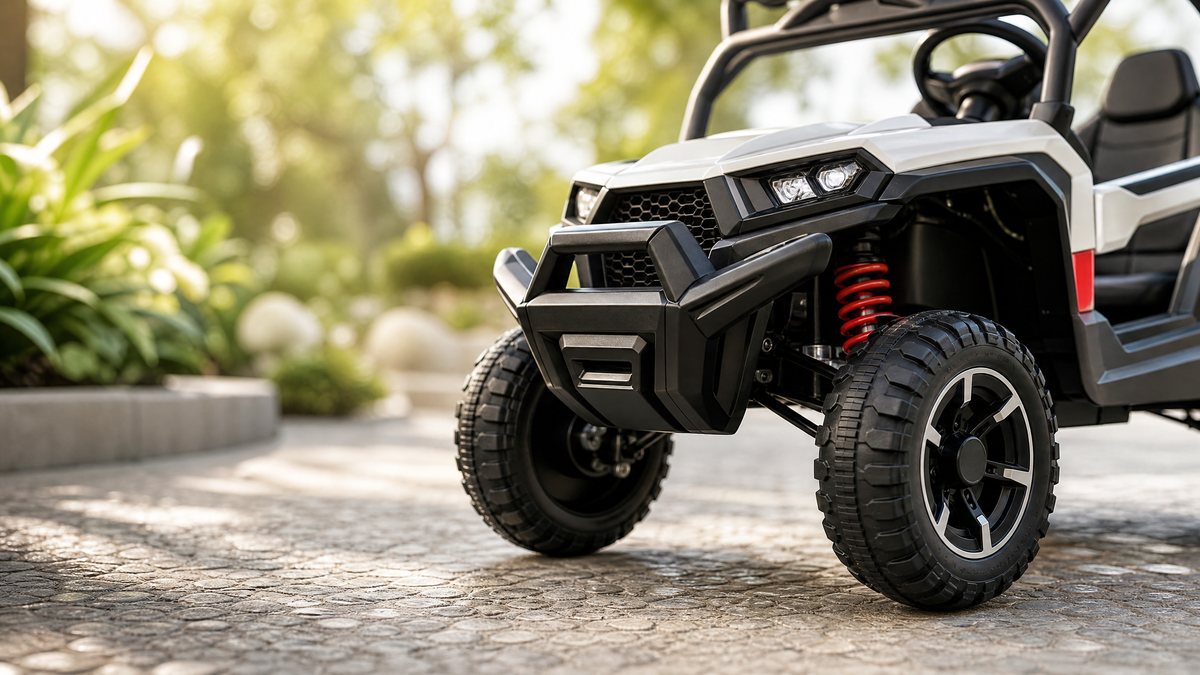
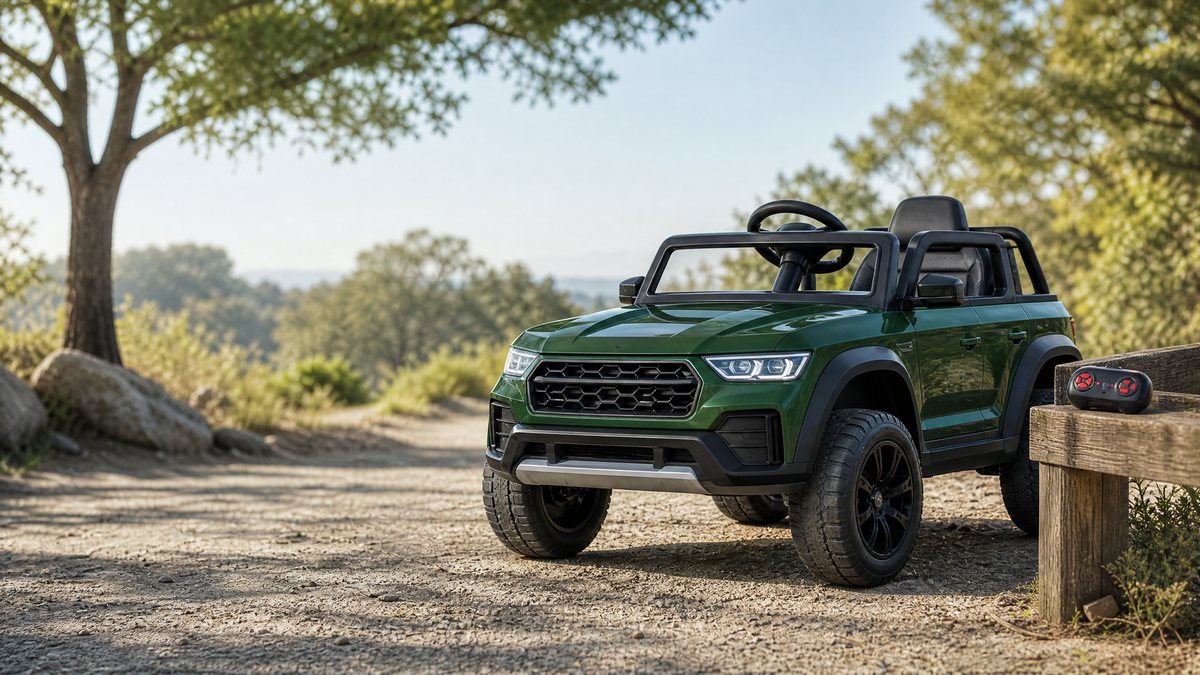
At the high end of the consumer recreational spectrum are heavy-duty utility task vehicles (UTVs), multi-passenger off-road buggies, and high-performance drift karts. These robust vehicles feature reinforced steel space-frames, heavy-gauge wiring harnesses, high-torque dual or quad drive motors, and pneumatic or EVA foam rubber tires. Assembly is significantly more labor-intensive and often requires two competent adults to ensure proper alignment and mechanical stability. Essential setup steps include mounting independent suspension shock absorbers, securing protective roll cages, bolting multi-position adjustable seats, and connecting battery terminals in strict accordance with manufacturer specifications. Professional retail assembly or thorough customer guidance is strongly recommended for this category.
The Paramount Importance of Adult Assembly and Mechanical Rigor
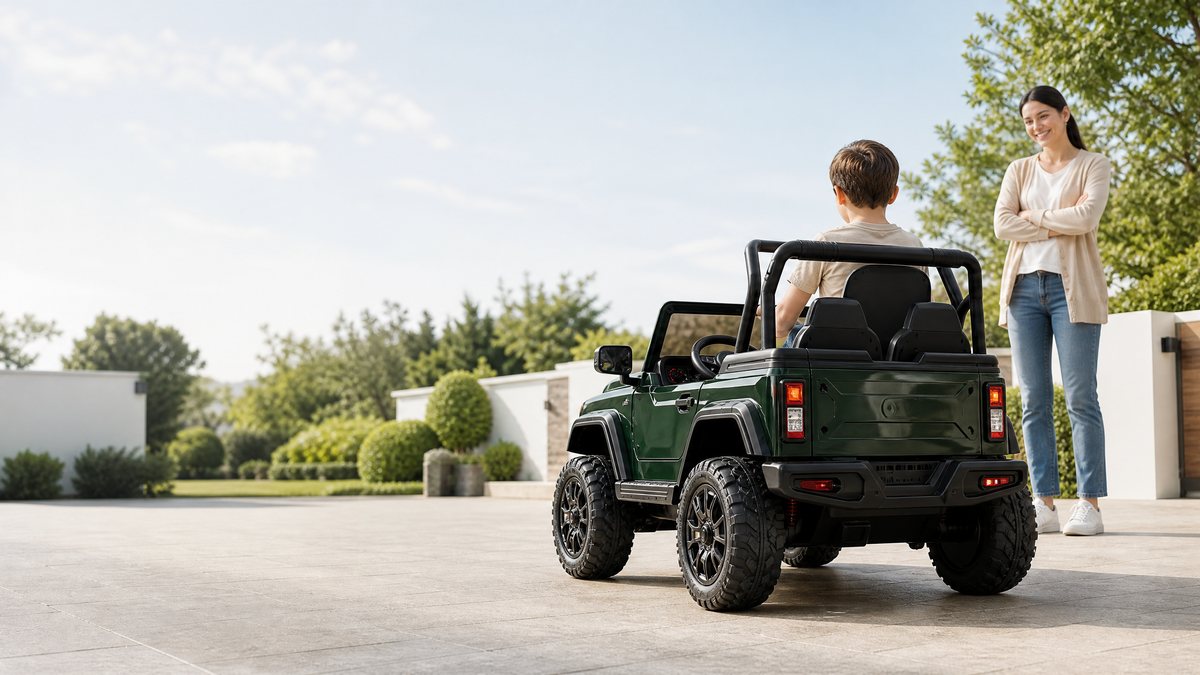
A foundational safety principle across all children's ride-on vehicle categories is that assembly must be performed exclusively by a competent adult. Children must never be permitted to participate in the mechanical setup, wiring, or unboxing of electric ride-on vehicles. This mandatory requirement is a critical safety safeguard designed to prevent mechanical failure, electrical hazards, and structural compromise during subsequent operation.
During the assembly process, every threaded fastener, locking nut, and cotter pin must be torqued and verified strictly according to the manufacturer's written instructions. Over-tightening screws into molded thermoplastic chassis components can strip threaded bosses and weaken structural retention, while under-tightening can lead to component loosening, vibration fatigue, and detachment during use. Particular attention must be dedicated to steering linkage connections and wheel retention hardware. If a wheel retaining nut, washer, or cotter pin is improperly secured or omitted, wheel detachment can occur while the vehicle is in motion, creating immediate rollover, loss of control, and injury risks.
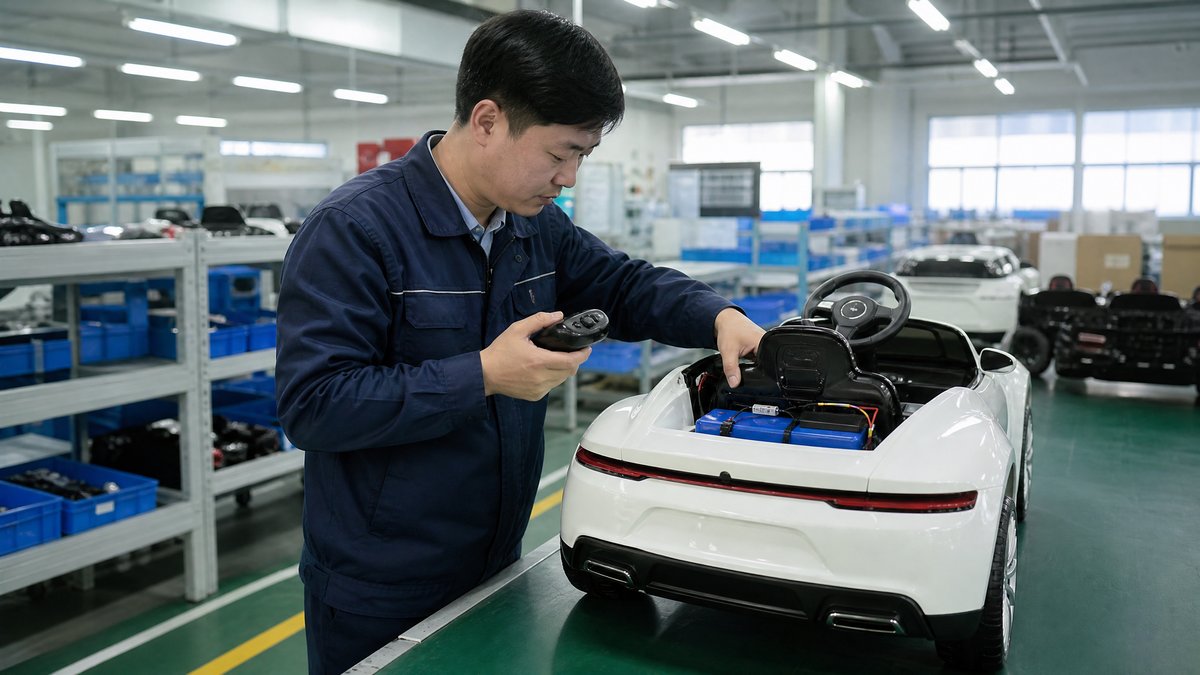
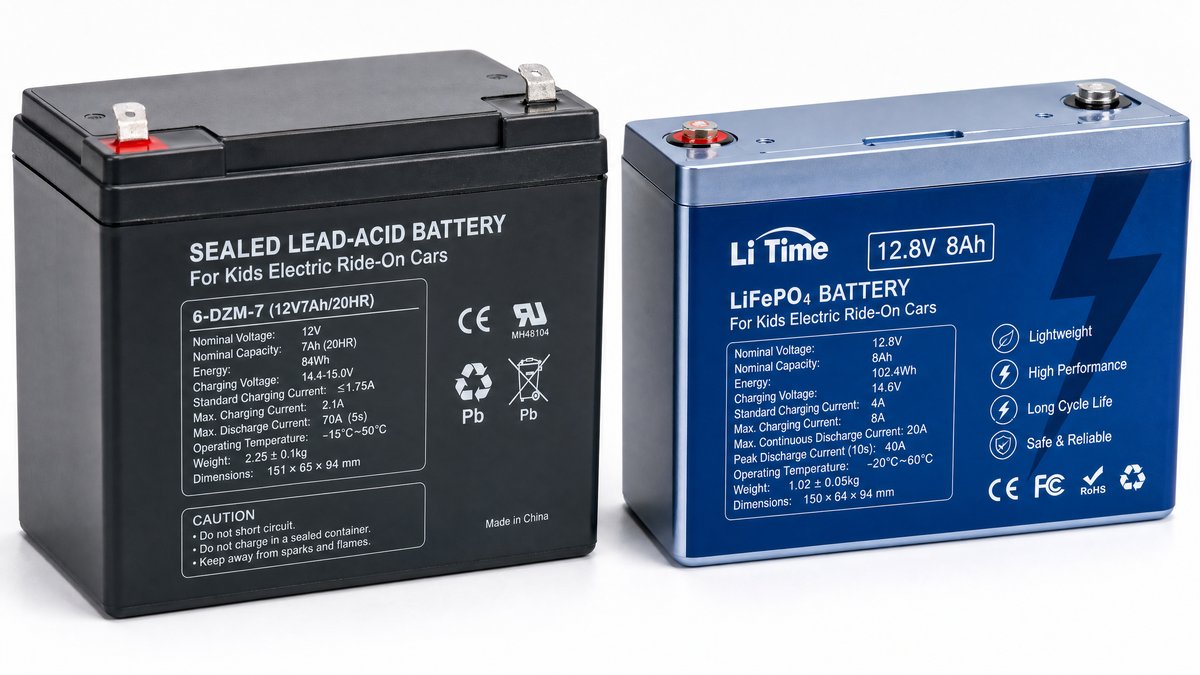
Electrical connection integrity is equally vital. When connecting the primary rechargeable battery pack, adults must strictly verify polarity (matching red cables to positive terminals and black cables to negative terminals) to prevent catastrophic short circuits, wiring harness fusion, or permanent damage to the electronic control unit. Terminal protective caps must be seated securely, and inline fuses must remain intact and unobstructed. As specified on the vehicle rating plate, user manual, and manufacturer written documentation, any deviations in electrical wiring, missing hardware, or signs of transit damage must be addressed immediately before initial power-up.
Pre-Use Inspection Protocols and Operational Verification Matrix
To maintain commercial credibility, protect brand reputation, and minimize warranty claims, retailers and commercial distributors should establish rigorous pre-use inspection and setup protocols. Whether assembling floor models in a physical retail showroom or providing clear unboxing instructions for e-commerce customers, a systematic inspection checklist ensures that every vehicle meets baseline safety and operational standards prior to first use.
Pre-Use Inspection & Assembly Verification Matrix
| Inspection Phase | Verification Parameter | Operational Standard & Action Required |
|---|---|---|
| Visual & Structural | Carton & Body Integrity | Inspect outer carton for heavy impact or crushing. Examine body shell for stress fractures, deep scratches, or warped panels. |
| Mechanical Security | Steering & Suspension | Verify steering column pin engagement, smooth rotation from lock to lock, and secure suspension arm fasteners. |
| Wheel & Axle Setup | Axles, Bearings & Fasteners | Ensure drive wheels are properly keyed to gearboxes, locknuts and cotter pins are seated, and wheel covers clip securely. |
| Electrical System | Battery, Harness & Fuse | Confirm battery terminal condition, verify correct polarity of connections, and inspect inline fuse holder integrity. |
| Functional Testing | Drive & Control Check | Test forward and reverse throttle operation, electronic brake engagement, parent remote override, and auxiliary features. |
Retailers offering white-glove delivery or in-store pickup services should complete this entire verification matrix prior to customer handoff. For drop-shipping operations, including a printed, consumer-friendly version of this verification checklist inside the shipping carton significantly reduces customer service inquiries, prevents improper initial setup, and reinforces professional retail standards.
Electrical Safety, Charging Protocols, and Emergency Response Procedures
Managing rechargeable battery systems and electrical circuits requires strict adherence to safety guidelines. Rechargeable battery packs used in children's ride-on vehicles demand careful handling, proper charging habits, and prompt recognition of potential anomalies. Adults must supervise all charging sessions, ensuring that only the manufacturer-supplied, certified charger is utilized. Never use unauthorized, third-party chargers or attempt to modify charging circuits.
Furthermore, commercial operators and retail manuals must outline clear emergency response procedures for abnormal situations. If any of the following critical indicators occur—such as water ingress into electrical compartments, unusual burning odors, excessive battery or motor overheating, visible smoke, fraying or damage to cables and plugs, abnormal braking response, or sudden battery failure—users must immediately stop operation, turn off the master power switch, remove children from the vicinity, and contact the manufacturer or qualified technical personnel for support.
Under no circumstances should end-users or unauthorized personnel attempt to open sealed battery packs, short-circuit fuses, modify electrical wiring harnesses, or bypass built-in thermal and over-current protection devices. Maintaining strict adherence to manufacturer guidelines prevents electrical shock, thermal events, and equipment damage.
Regulatory Compliance, Documentation, and CPSC Frameworks
Comprehensive documentation serves as the essential bridge between manufacturing compliance and safe end-user operation. Every ride-on vehicle distributed through commercial B2B channels must be accompanied by a clear, multi-language user manual containing step-by-step assembly diagrams, clear troubleshooting flowcharts, electrical schematic summaries, and explicit safety warnings.
Compliance with international toy safety frameworks is non-negotiable for commercial importers and wholesale distributors. In the United States, products must align with applicable Consumer Product Safety Commission (CPSC) standards, including ASTM toy safety specifications, covering mechanical hazards, flammability limits, and soluble heavy metal restrictions in surface coatings. Furthermore, electrical systems must comply with stringent regulations governing battery-powered toys, thermal overload protection, and charger safety certifications.
It is vital to emphasize that statutory compliance and generic safety guidelines do not replace model-specific inspection and operational testing. As specified on the vehicle rating plate, user manual, and manufacturer written documentation, operators must adhere strictly to specified weight capacities, recommended age grading, and designated charging parameters. Permanent warning labels affixed to the vehicle body—highlighting supervision requirements, operating surface restrictions (prohibiting public roads, steep inclines, and near swimming pools)—must remain intact and legible throughout the product lifecycle.
Frequently Asked Questions (FAQs)
What percentage of a ride-on car is assembled straight out of the factory carton?
Typically, ride-on electric cars arrive from the manufacturing plant approximately seventy-five to eighty-five percent pre-assembled. The main structural chassis, drive motors, internal wiring harnesses, and dashboard console are pre-installed at the factory. The remaining portion—consisting of the steering wheel, wheels, windshield, side mirrors, seats, and cosmetic trim—is packed separately in the carton and requires mandatory adult assembly.
What tools are required for assembling children's ride-on electric vehicles?
Standard assembly requires only basic household tools, primarily a Phillips-head screwdriver and occasionally a small adjustable wrench or pliers for securing wheel locknuts. High-end models do not require specialized mechanical engineering tools, but because of their weight, robust frame construction, and multi-component setup, assembling heavy-duty utility vehicles is best performed by two adults to ensure correct alignment and mechanical safety.
What immediate action should be taken if a carton arrives with compromised packaging or exposed wiring?
If a shipment arrives with severe carton compromise, crushed corners, or evidence of water ingress, or if internal inspection reveals exposed, frayed, or severed wiring, stop assembly immediately. Do not attempt to connect the battery or power up the vehicle. Document the damage with photographs, keep children away from the packaging, and contact the manufacturer support team or wholesale supplier immediately for replacement components or unit exchange.
How should retailers handle missing hardware or component replacement requests from end-users?
Retailers should maintain a dedicated stock of common assembly hardware, including spare retention pins, steering bolts, axle washers, and replacement chargers. If an end-user reports missing hardware upon unboxing, retailers should promptly dispatch the specific replacement parts rather than replacing the entire vehicle. This minimizes logistical overhead, reduces customer downtime, and ensures a streamlined, professional resolution process.
Conclusion and Commercial Outlook
The question of whether ride-on cars come pre-assembled is best answered through modern logistics and safety compliance. Knocked-Down carton shipping remains the global gold standard, balancing freight economics, structural protection, and manageable adult assembly. For B2B importers, wholesale distributors, and retail storefronts, mastering KD packaging, assembly workflows, pre-use inspection protocols, and after-sales support readiness is essential.
By enforcing rigorous adult assembly standards, maintaining comprehensive pre-use checklists, and providing transparent documentation, commercial partners can ensure that every ride-on vehicle delivers safe and reliable recreational experiences. As the electric ride-on sector continues to evolve, proactive operational preparation remains the cornerstone of enduring retail profitability and customer trust.
Wholesale Partnership & Commercial Inquiries
KidsRideCar supplies premium, safety-certified children's electric ride-on vehicles to global distributors, specialty retailers, and commercial fleet operators. To explore our comprehensive catalog, request wholesale price lists, or discuss custom B2B fulfillment solutions, please contact our commercial team directly at Request a wholesale quote.
Official References
- CPSC Toy Safety Guidance - Official United States Consumer Product Safety Commission guidelines outlining battery accessibility, labeling, overheating, and charger requirements for battery-powered toys; ride-on toy stability and overload requirements; and instruction requirements for some ride-on/adult-assembled and battery-powered toys.
Official references
Explore these external resources for current regulatory and trade guidance. Confirm requirements with the relevant authority before placing an order.
Ready to Start?
Factory-Direct · CE & ASTM Certified · MOQ from 50 Units
Our export team works with buyers in 60+ countries. Get a quote within 24 hours.
KR
Written by KidsRideCar
China's leading kids electric ride-on car manufacturer. 500,000+ units shipped annually to 60+ countries. CE, ASTM & EN71 certified.