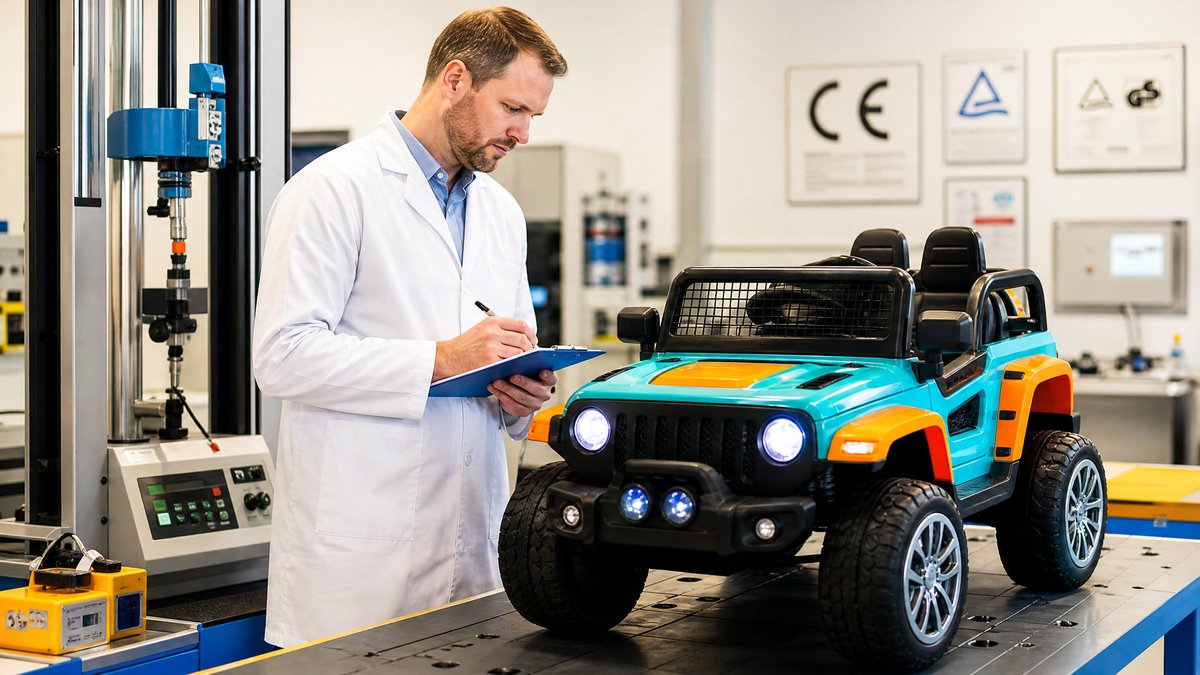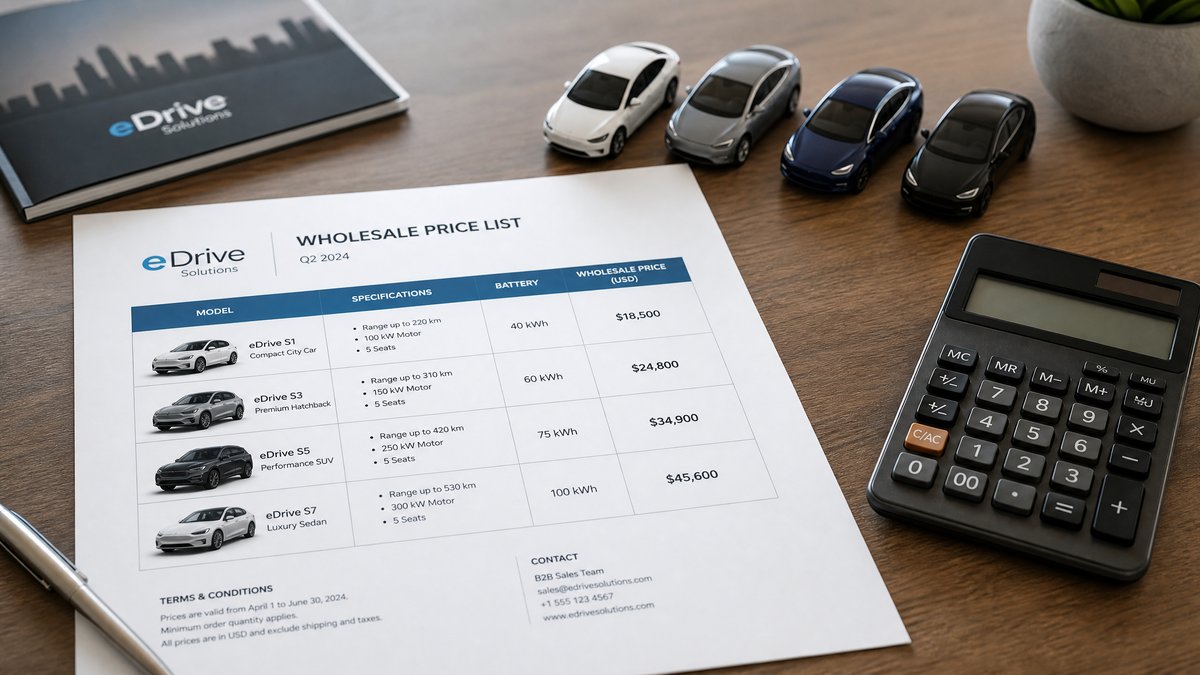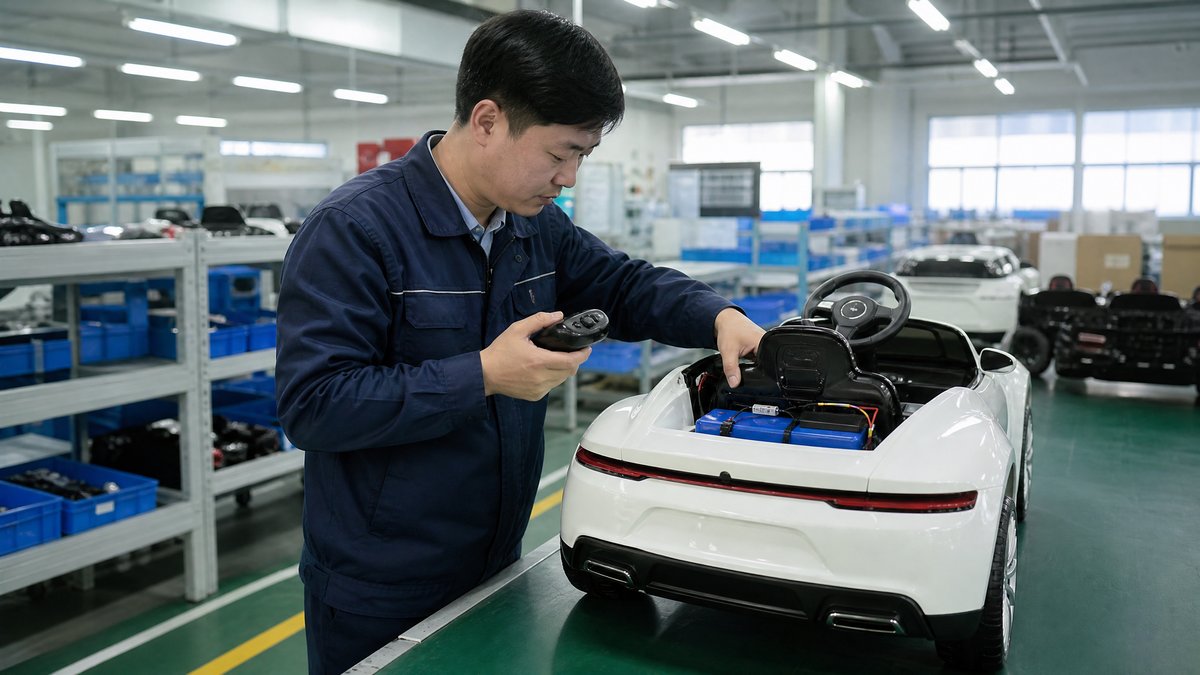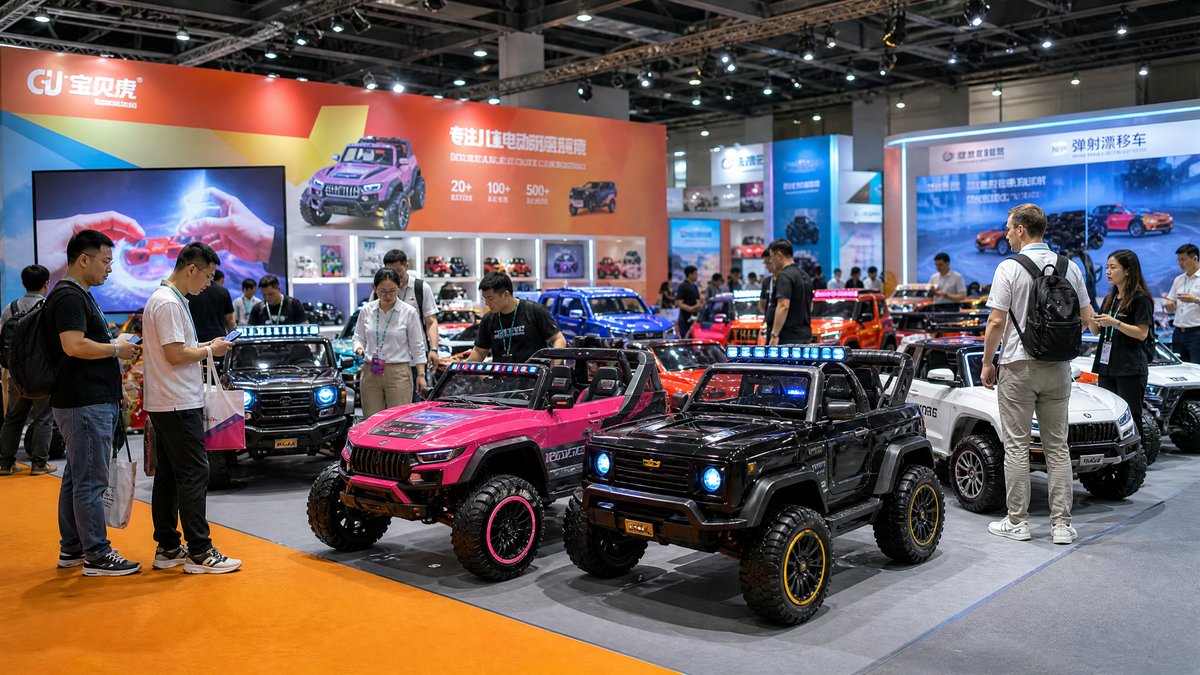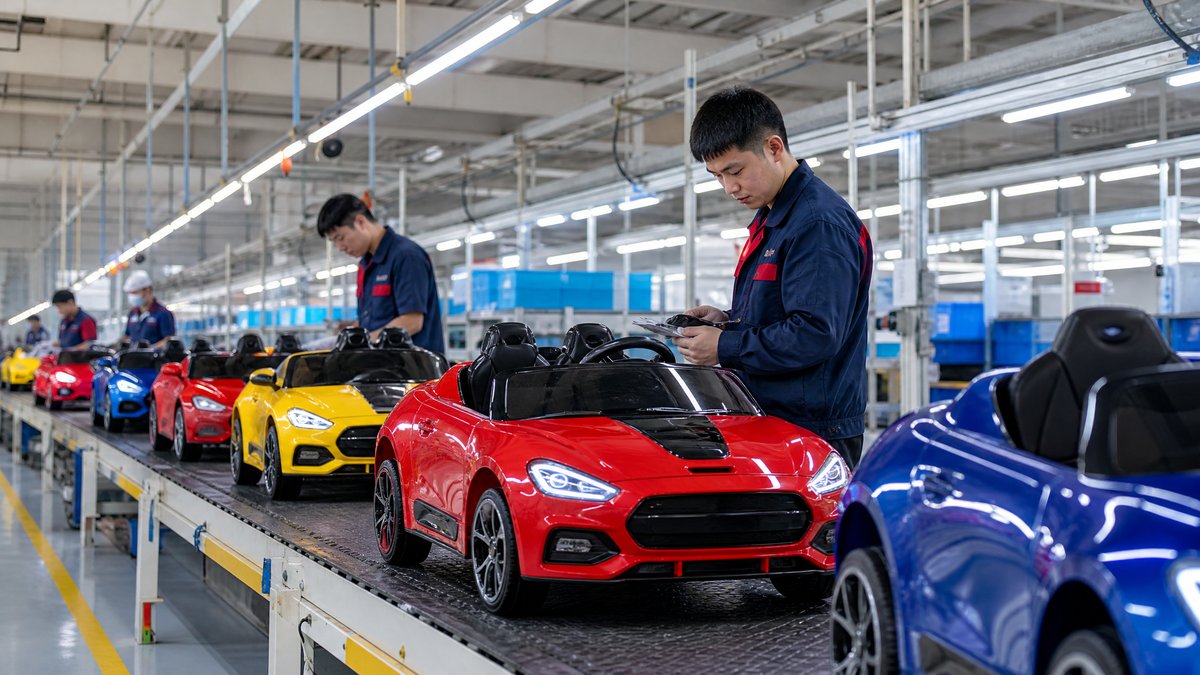
In the competitive landscape of wholesale distribution, ensuring that every unit meets agreed-upon expectations is a cornerstone of operational excellence. For B2B buyers specializing in children’s ride-on cars, the period immediately preceding the departure of goods from the manufacturing facility represents a critical window for observation. This phase, often referred to as pre-shipment evaluation, allows buyers to document the state of their inventory against the written project scope. By establishing a robust framework for recording externally visible observations, businesses can maintain a clear record of quality and consistency, which is vital for long-term brand reputation and customer satisfaction. The complexity of ride-on cars, which involve a combination of plastic molding, electronic components, and mechanical assemblies, necessitates a structured approach to evaluation. A comprehensive checklist serves as an essential tool for any procurement professional or quality control team, providing a roadmap for what to look for, how to record findings, and when to seek further clarification from the manufacturer.
Establishing the Observation Framework
Before the first carton is moved toward the loading dock, it is recommended to have a clear understanding of the written project scope. This document serves as the primary reference point for all observations, including detailed descriptions of model identifiers, color specifications, branding requirements, and specific accessories. A professional observation framework is built on the principle of transparency, where every finding, whether a minor cosmetic variation or a significant deviation, is recorded with precision. High-resolution photography and video documentation are invaluable during this stage, capturing images of the packaging, the product from multiple angles, and the operation of external features. When conducting these checks, it is essential to follow the product manual provided by the manufacturer, which outlines the intended use and normal external operations. If any observation suggests a deviation from the manual, it is appropriate to pause the process and contact the manufacturer or a competent professional for support.
Carton and Packaging Verification
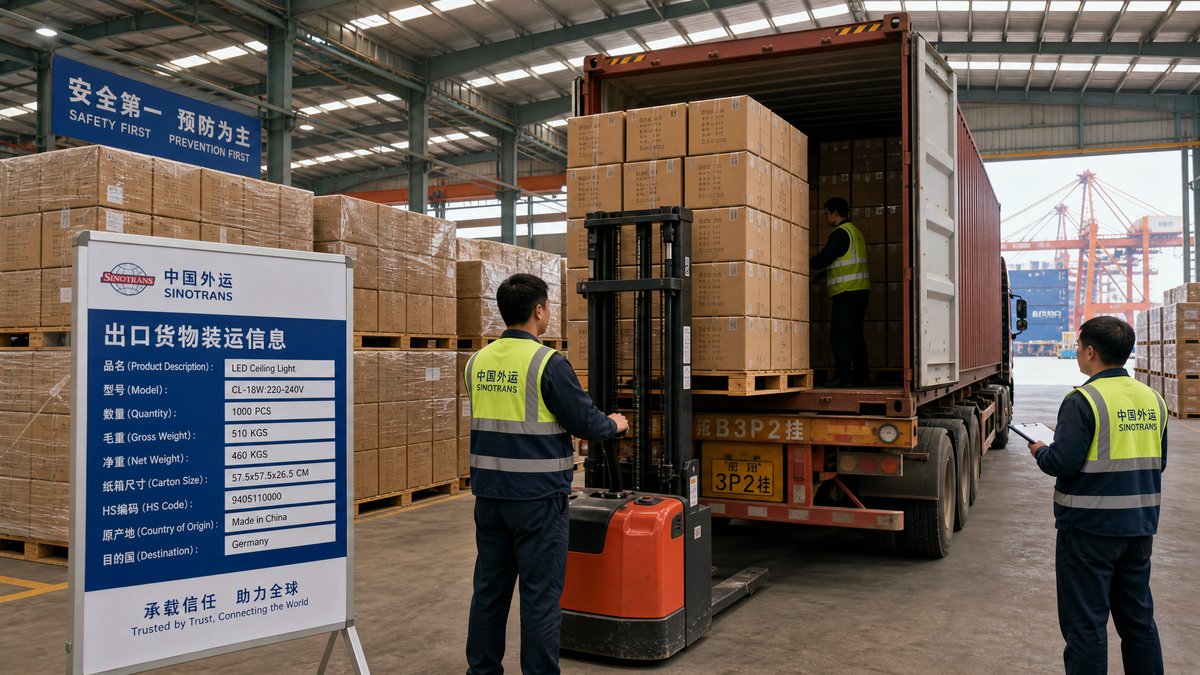
The initial stage of any pre-shipment check begins with the external packaging. In a B2B context, the carton is a protective layer that ensures the product arrives in pristine condition. Observers should begin by verifying the quantity of cartons against the packing list and examining their physical condition for signs of moisture damage, crushing, or punctures. While minor wear is common during factory handling, significant structural damage may indicate that the product inside has been compromised. Labeling accuracy is another critical component; each carton should display the correct model identifier, SKU number, and shipping marks as specified in the written project scope. For international shipments, ensuring that the labels are legible and correctly placed is vital for smooth logistics. Buyers should also verify that barcodes are scannable and correspond to the correct product data, helping prevent inventory management issues once the goods arrive at the distribution center.
Aesthetic and Physical Integrity
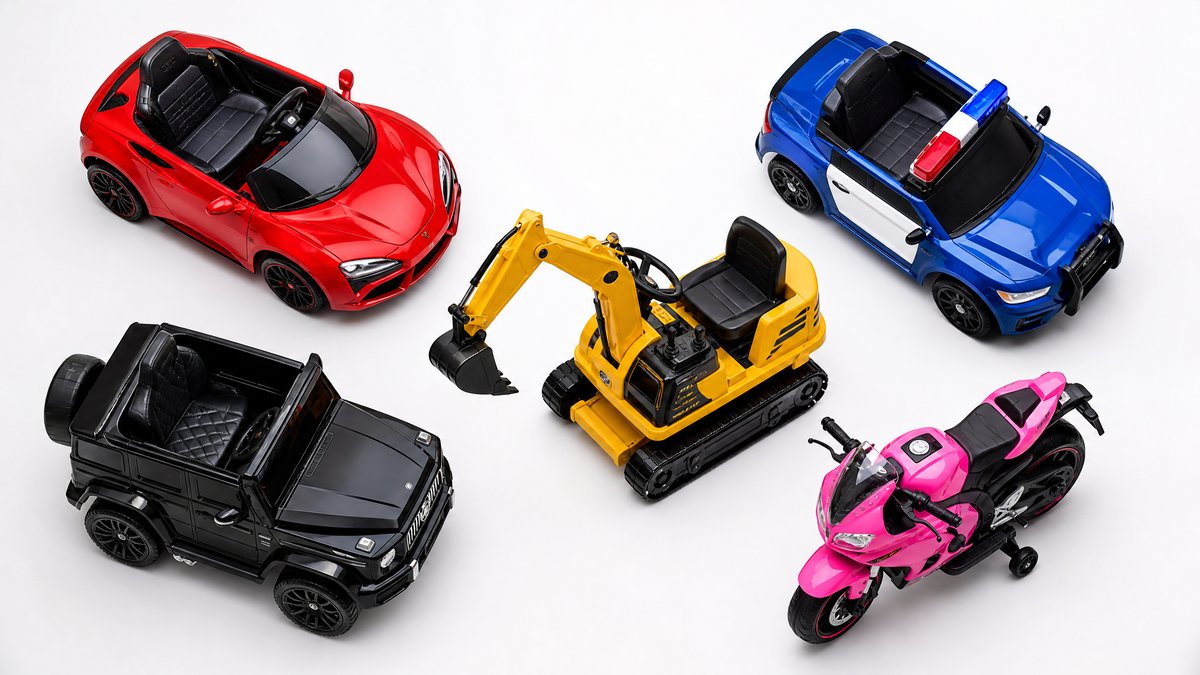
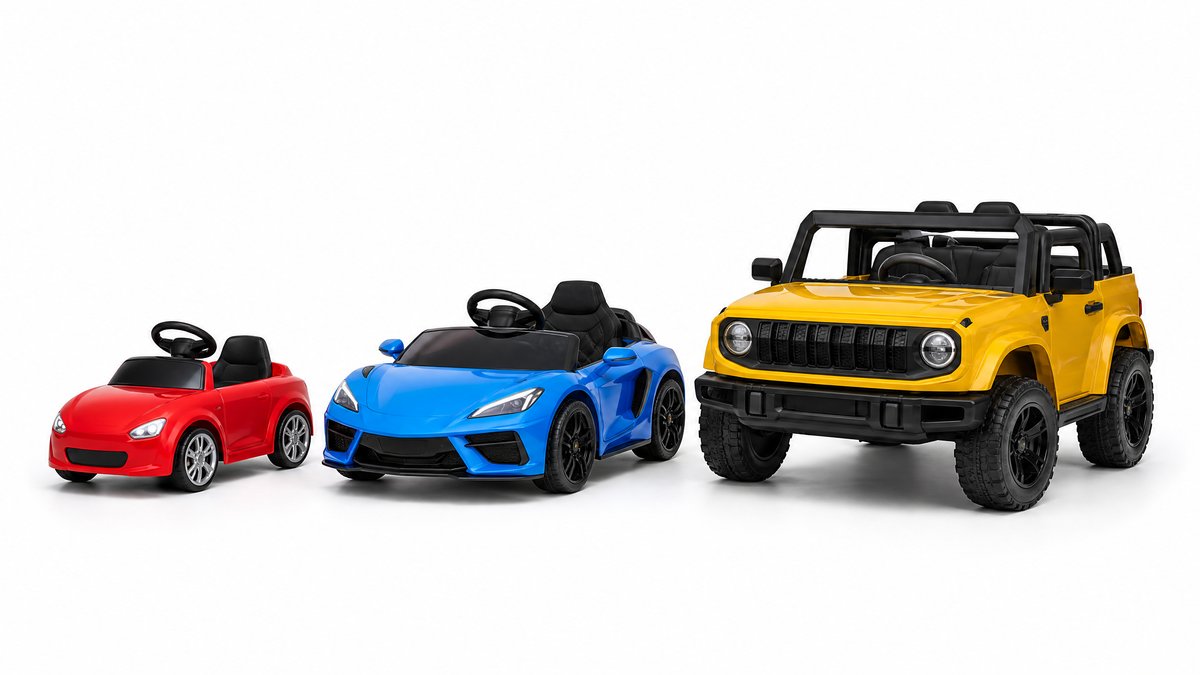
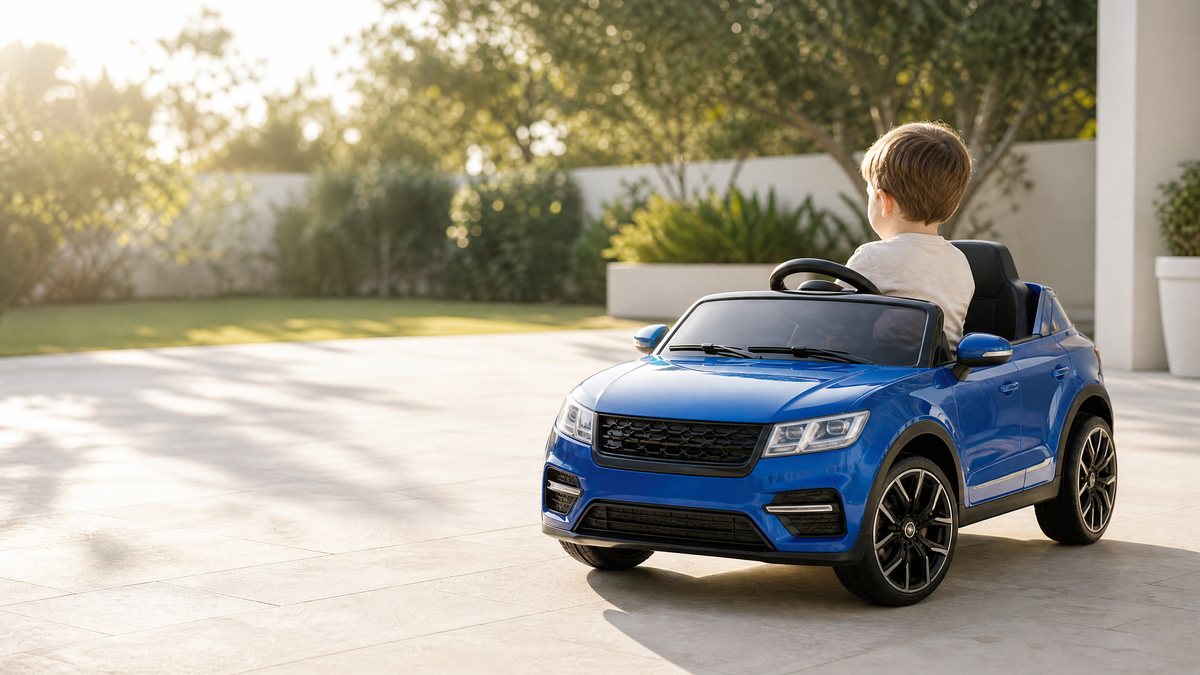
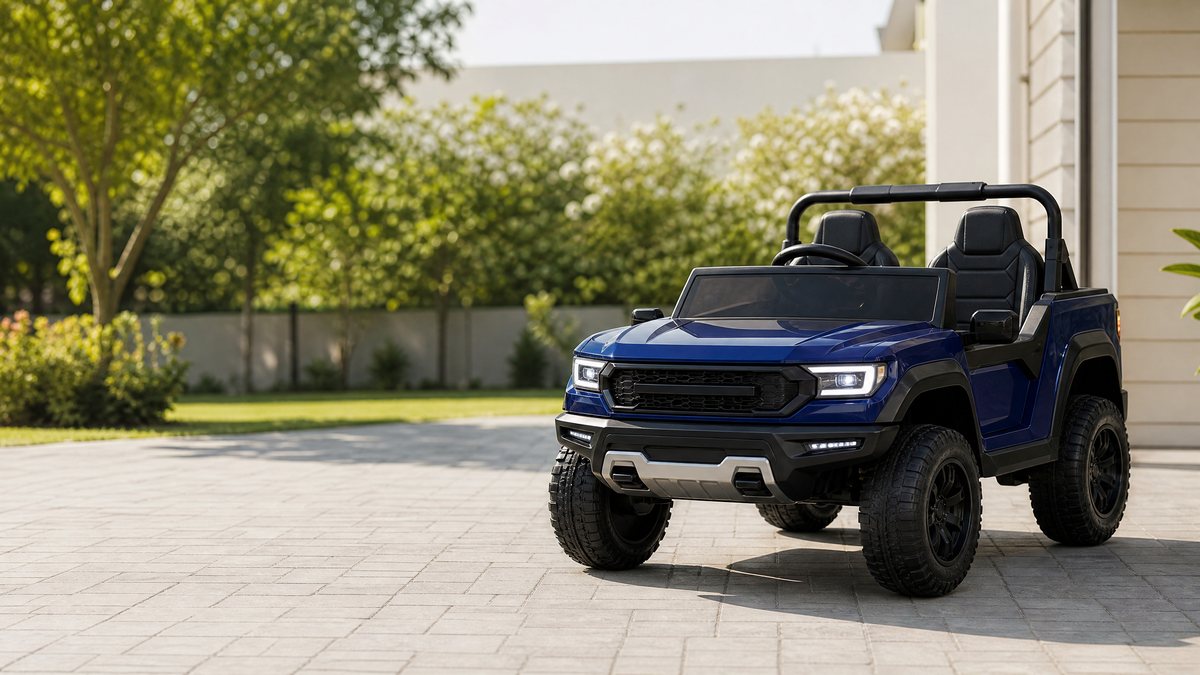
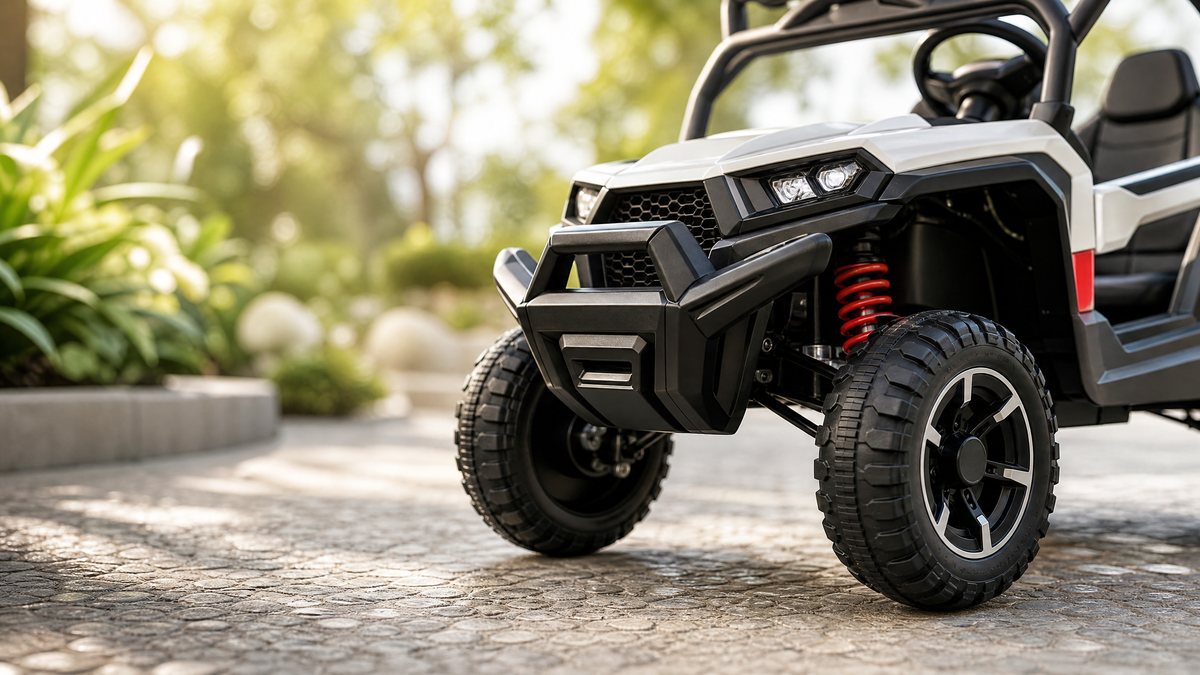
Once the packaging has been verified, the focus shifts to the physical product. Ride-on cars are high-value items where aesthetics play a significant role in consumer appeal, so the external finish should be scrutinized against approved samples. Inspect the body for scratches, scuffs, or inconsistencies in the plastic molding, and check the alignment of components like doors, hoods, and seats to ensure they fit together seamlessly. The application of stickers and decals should be evaluated for centering and secure adhesion. The wheels and tires also require close observation to ensure they are correctly seated and that hubcaps or rims are present and undamaged. For models with specialized features like leather seats or chrome-plated accents, these elements should be checked for quality and secure attachment. A thorough physical inspection ensures the product looks as good as it is intended to perform, maintaining the premium feel of the brand.
Request a wholesale quote
Functional Evaluation and External Use
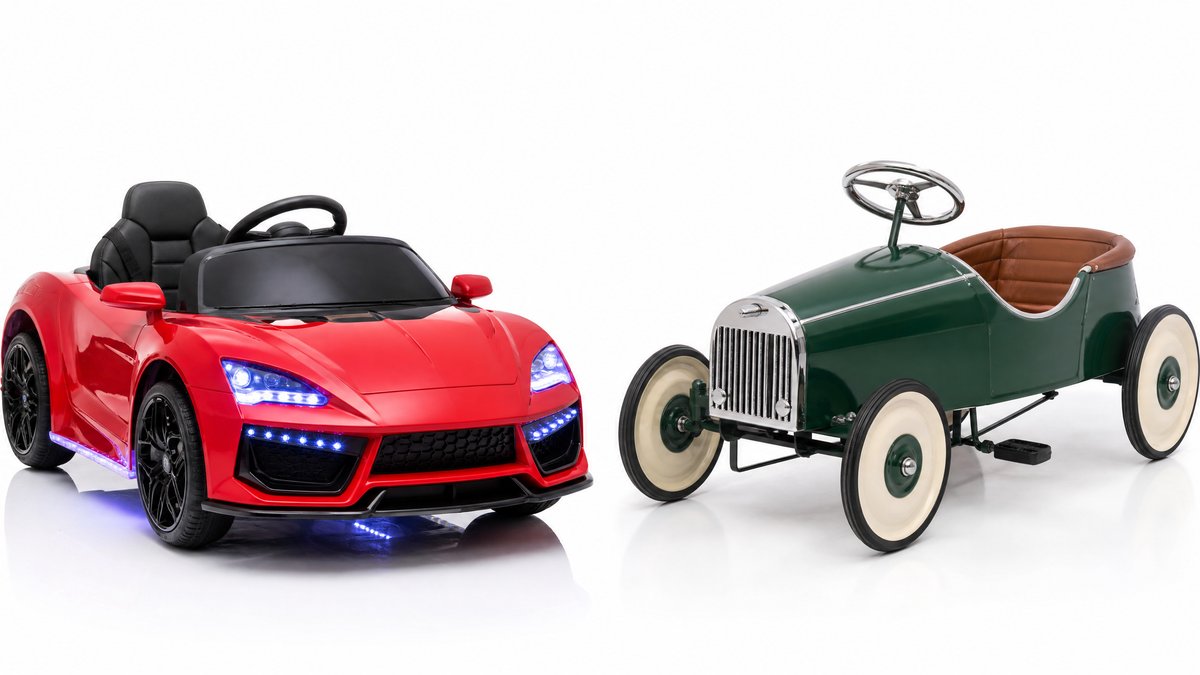
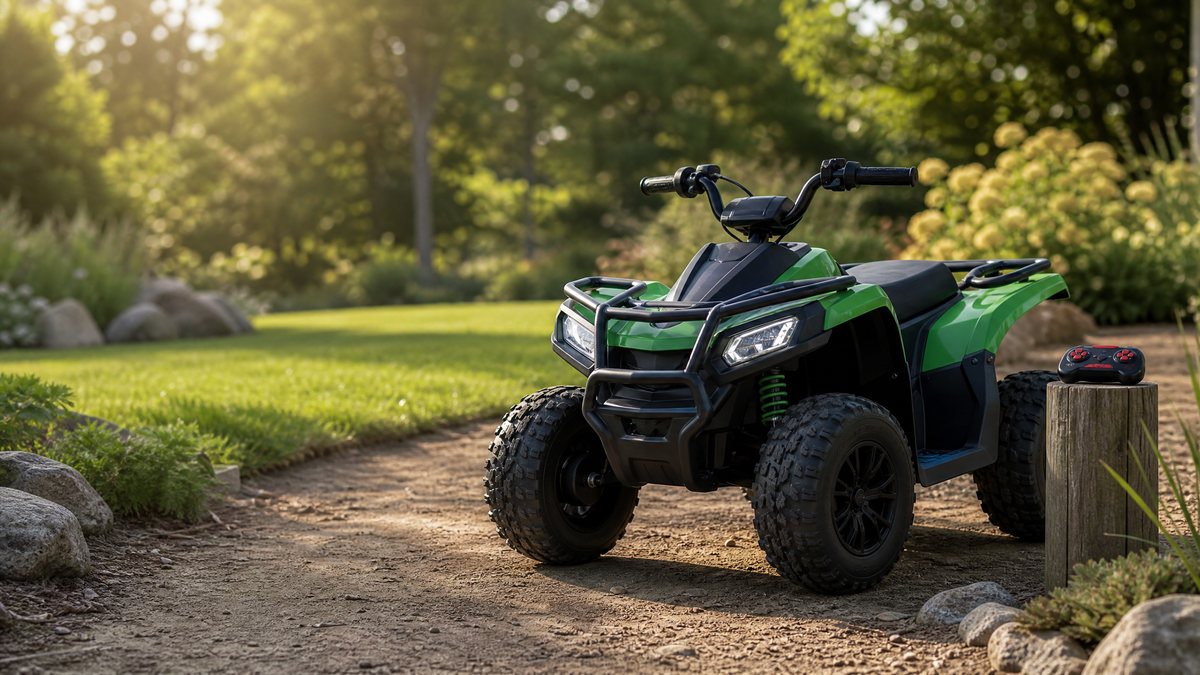
After the physical appearance has been confirmed, the next step is to observe the external functions of the ride-on car in a safe, spacious area. This part of the checklist focuses on features that can be evaluated without accessing internal components, following the instructions in the product manual for normal external use. Begin by powering on the unit and observing the response of the lights and audio features, such as the horn and music player, ensuring they function as described in the written project scope. The movement of the vehicle should be observed during a brief trial, checking the steering mechanism for responsiveness and the pedal or button for propulsion engagement. If the model includes a remote control, the syncing process should be followed according to the manual to document its ability to guide the vehicle. If at any point the unit exhibits signs of overheating or unusual noise, the use should be paused immediately, and the power source should be checked for visible damage before proceeding.
Accessories and Documentation
A complete shipment includes more than just the ride-on cars themselves; the checklist should include a section for accessories and documentation. Every unit should be accompanied by its specific energy unit charger and the product manual, with specifications that match the requirements of the target market. Other accessories, such as spare parts, tools for assembly, or decorative items, should also be accounted for and paired with the correct models. Documentation extends to the factory’s own quality records, which buyers should request to see for the specific batch. Comparing these records with the buyer’s findings can provide a more complete picture of the production quality. Any discrepancies between the factory’s records and the physical observations should be highlighted for discussion, ensuring that the final inventory aligns perfectly with the expectations set in the initial order.
Documenting Discrepancies and Communication
When an observation does not align with the written project scope, detailed documentation is essential for achieving a resolution. Observers should provide a specific account of the discrepancy, including the model identifier, the number of units affected, and a clear description of the deviation. Visual evidence, such as photos with a reference point for scale or videos of functional observations, is the most persuasive form of documentation. These files should be organized logically with clear filenames that correspond to the items on the checklist. Once complete, the documentation should be shared with the manufacturer in a professional and timely manner. B2B buyers should focus on presenting the facts and requesting the manufacturer’s perspective rather than making immediate demands for financial adjustments. This collaborative approach frequently leads to more effective solutions and strengthens the partnership between the buyer and the supplier.
Safety Protocols and Handling Anomalies
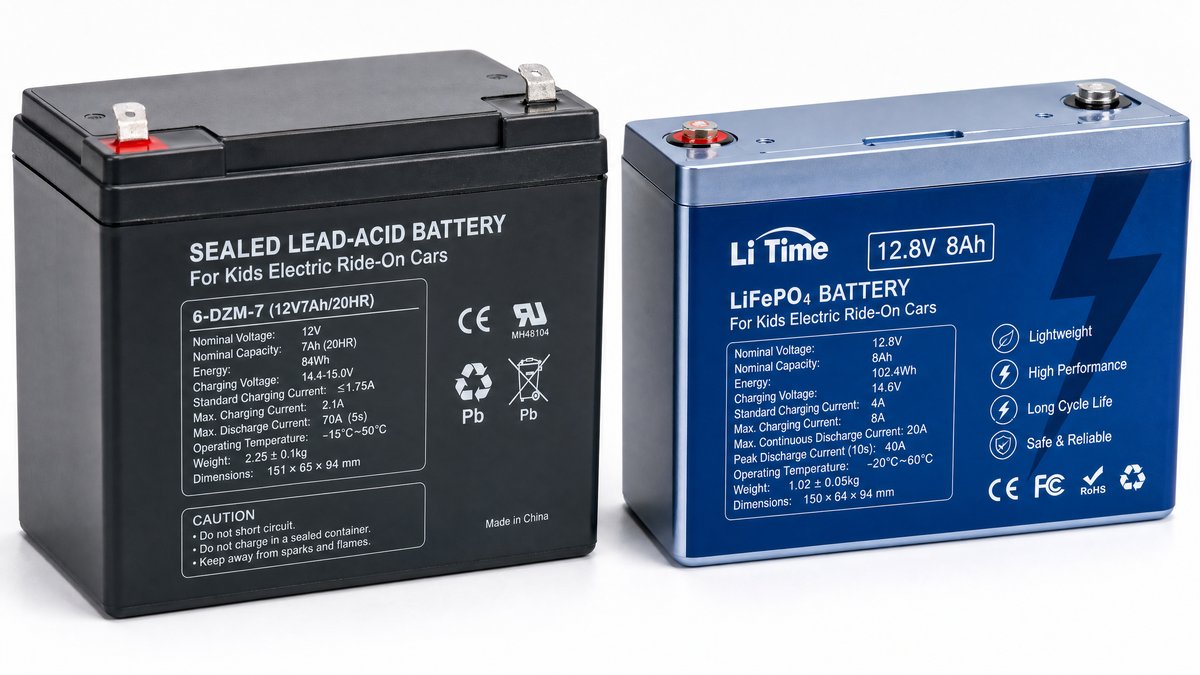
Safety is the highest priority during any pre-shipment evaluation. Because ride-on cars contain energy units and propulsion systems, they should be handled with care, and observers should consistently prioritize their own well-being. If a product shows signs of unusual behavior, such as emitting smoke or excessive heat, all evaluation activities for that unit should be halted immediately. When checking the charging function, it is essential to follow the manual’s instructions, connect to a stable power source, and monitor the process. If the charger or energy unit becomes uncomfortably hot, the process should be stopped, and the equipment allowed to cool in a spacious, well-ventilated area. Physical handling should be done using proper lifting techniques and appropriate equipment like pallets to prevent strain. By maintaining a safe environment, the observation process can be completed thoroughly without unnecessary risk to personnel or property.
Practical Observation Checklist for B2B Buyers
The following table summarizes the key observation points that should be included in a pre-shipment checklist for ride-on cars, serving as a practical guide for documenting findings against the written project scope.
| Category | Observation Point | Documentation Method |
|---|---|---|
| Packaging | Carton integrity, shipping marks, SKU accuracy | Photo of labels and any carton damage |
| Aesthetics | Color consistency, paint finish, decal alignment | Close-up photos, comparison with samples |
| Physical Build | Component alignment (doors, seats, wheels) | Physical check, photos of gaps or misalignments |
| Functional | Lights, horn, audio features, dashboard | Video of features in operation |
| Drive System | Steering response, pedal engagement, remote sync | Video of external movement and steering |
| Accessories | Charger presence, manual inclusion, spare parts | Checklist tally, photo of accessory kit |
| Safety Marks | Presence of warning labels and age-grading | Photo of all required safety markings |
Request a wholesale quote
Frequently Asked Questions
What should I do if the model identifier on the carton does not match the order?
If a discrepancy is observed between the carton labeling and the written project scope, it is recommended to pause the shipment for that specific batch. Document the mismatch with clear photography and contact the manufacturer to verify the contents of the cartons. It is possible that the labeling is incorrect or that the wrong units were prepared for transport.
How many units should be observed during a pre-shipment check?
The number of units to be evaluated is often determined by the buyer’s internal framework or the specific requirements of the project. While observing every single unit may not be feasible for large wholesale orders, selecting a representative sample from different parts of the production run is a common approach to gain a reliable overview of the batch's consistency.
Is it necessary to operate the vehicle for a long time during the check?
No, the functional evaluation should be brief and focused on verifying that the external features operate as described in the manual. A short trial of the steering, propulsion, and remote control is usually sufficient to document the unit's basic functionality without the need for prolonged use.
What is the best way to record a color discrepancy?
Color can be difficult to capture accurately in photos. To provide the most reliable documentation, place an approved color sample directly next to the product and take the photo in natural, indirect light. This allows for a side-by-side comparison that is much clearer for the manufacturer to evaluate.
Should I access the internal components if a feature is not working?
It is strongly recommended that observers do not uncover or access the internal components of the ride-on car. Pre-shipment checks should be limited to externally visible observations and normal use as outlined in the manual. If a feature fails to operate, document the observation and contact the manufacturer for professional support.
When should I involve a third-party professional in the observation process?
Buyers may consider involving a competent professional or a specialized service provider if they lack the internal resources to conduct a thorough evaluation or if the project scope is particularly complex. A professional observer can provide an objective report and ensure that all aspects of the checklist are covered systematically.
Conclusion
A well-executed pre-shipment observation process is a vital component of a successful B2B sourcing strategy for ride-on cars. By focusing on externally visible details, adhering to the written project scope, and maintaining meticulous documentation, buyers can ensure that their inventory meets the high standards expected by their customers. This proactive approach not only helps in identifying and resolving discrepancies before the goods leave the factory but also fosters a culture of quality and accountability with manufacturing partners. Success in the ride-on car market depends on the delivery of products that are safe, attractive, and functional. By following a structured checklist and prioritizing safety at every step, procurement professionals can navigate the complexities of international sourcing with confidence, ensuring that every child who receives a KidsRideCar product enjoys a high-quality experience.
Official references
Explore these external resources for current regulatory and trade guidance. Confirm requirements with the relevant authority before placing an order.
Ready to Start?
Factory-Direct · CE & ASTM Certified · MOQ from 50 Units
Our export team works with buyers in 60+ countries. Get a quote within 24 hours.
KR
Written by KidsRideCar
China's leading kids electric ride-on car manufacturer. 500,000+ units shipped annually to 60+ countries. CE, ASTM & EN71 certified.