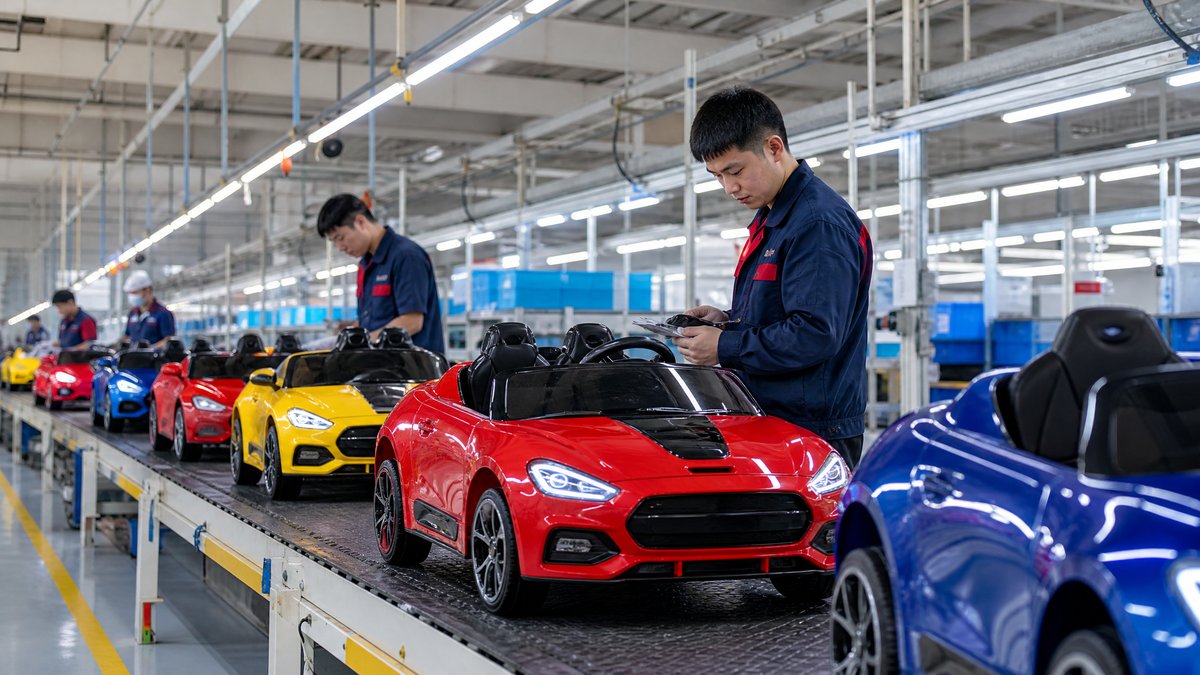
For professional entities engaged in the international procurement and distribution of juvenile leisure products, the underlying electrical architecture of a four-wheel juvenile transport vehicle represents the primary determinant of end-user satisfaction and product longevity. When evaluating these vehicles, it is essential to focus on the balance between energy delivery, storage depth, and mechanical output. A comprehensive comparison requires a sophisticated understanding of how various electrical components interact under real-world conditions. Before any procurement decisions are finalized, all stakeholders must consult the specific written model documentation and current supplier evidence to ensure the product meets all applicable destination-market requirements.
The Strategic Importance of Electrical Synergy in Professional Sourcing
In the specialized field of electric juvenile vehicles, the perceived value of a product is frequently associated with its movement rate and the length of time it remains operational during a single play session. For a professional buyer, however, the primary focus must be directed toward electrical synergy. This concept refers to the optimized coordination between the energy source, the internal control systems, and the mechanical drive components. When these elements are properly aligned, the vehicle operates efficiently, minimizing wear on internal parts and providing a consistent experience for the user. Conversely, a lack of synergy can lead to premature component failure and increased rates of product returns.
Understanding these internal relationships allows importers to curate a product portfolio that precisely addresses the needs of their specific market segments. For example, a distributor targeting the premium luxury sector might prioritize systems with high electrical potential and four-wheel drive capabilities to provide a superior experience on varied surfaces. Meanwhile, a high-volume retailer might focus on mid-tier models that offer a reliable balance between performance and logistical efficiency. By mastering the nuances of these electrical metrics, procurement teams can better negotiate with manufacturers, ensure that products feature appropriate product markings, and significantly reduce the frequency of after-sales support requests.
Evaluating Power Delivery Units: Mechanical Advantage and Thermal Integrity
The drive component is the primary consumer of energy within a juvenile vehicle, and its characteristics determine the vehicle's ability to navigate different environments and support various weights. When comparing these units, professional buyers should look beyond simple power ratings and instead consider the physical scale of the component, its torque characteristics, and its ability to manage heat during extended use.
Categorizing Drive Components by Scale
Most juvenile ride-on vehicles utilize brushed direct-current drive units, which are generally categorized by their internal architecture and physical size. Smaller-scale units are typically found in entry-level models designed for the youngest users, providing sufficient power for movement on flat, indoor surfaces. Standard-duty units serve as the primary choice for mid-tier models, offering a versatile balance of mechanical force and movement rate. For premium, heavy-duty vehicles designed for outdoor use or multiple occupants, larger-scale drive units are preferred. These robust components feature larger internal architectures, allowing them to generate significantly higher mechanical force and manage thermal energy more effectively during prolonged operational periods.
The Balance Between Rotation and Mechanical Advantage
While a high rate of internal rotation is often marketed as a sign of performance, it can be misleading if not considered in conjunction with the gear reduction ratio. A drive unit with a high rotation rate but low mechanical force will struggle to initiate movement from a complete stop, particularly when the vehicle is carrying an occupant near the structural threshold or navigating soft surfaces like grass. Importers should inquire about the total mechanical advantage provided by the gearbox. A well-engineered system utilizes a higher reduction ratio to convert rapid internal rotation into usable force at the wheels, ensuring smooth starts and consistent performance across diverse terrains.
Distinguishing Energy Potential Tiers: System Hierarchy and Efficiency
The electrical potential of the energy system is the primary indicator of a vehicle's performance category. It dictates the maximum potential movement rate and the overall efficiency of the electrical architecture.
Entry-Level Systems for Younger Users
Low-potential systems are generally reserved for the youngest demographic, typically those between the ages of eighteen months and three years. These vehicles are designed with a focus on simplicity and ease of use, typically reaching a pace comparable to a slow walk. For business-to-business buyers, these models represent cost-effective entry points with lower shipping weights. However, they generally lack the mechanical force required to climb inclines or navigate uneven outdoor terrain, which limits their primary application to indoor play environments or smooth pavements.
The Standard Tier for Global Distribution
The mid-tier potential category remains the most significant segment for international distributors. These vehicles typically achieve a pace equivalent to a brisk walk and are suitable for children in the three to six-year age range. A mid-tier system can be configured using a single energy unit or two smaller units connected in a sequence. From a sourcing perspective, these models offer the most extensive variety of aesthetic designs and features, making them the foundational element of most retail toy departments and online storefronts.
High-Performance Configurations for Advanced Models
High-potential systems are increasingly sought after for larger two-occupant models and rugged outdoor styles. These vehicles can achieve a more significant pace, suitable for older children or more adventurous play. Beyond mere movement rates, these systems are technically superior in terms of electrical efficiency. Because the total energy output is a product of potential and flow, a high-potential system can produce the same work as a mid-tier system while utilizing less current. This lower current flow results in less resistive heating within the internal conductive pathways and connectors, leading to improved durability and a longer lifespan for the electrical components.
Energy Storage Depth and Operational Duration
If the electrical potential determines the maximum performance level, then the energy storage depth determines how long the vehicle can remain active. This is perhaps the most critical metric for consumer satisfaction, yet it is often the most complex to evaluate accurately.
Conceptualizing Energy Density and Storage
To accurately compare energy units of different potential levels, buyers should consider the total energy storage volume. This calculation provides a clearer picture of the total energy available to the drive units. When sourcing, importers should ensure that the storage volume is appropriately scaled to the requirements of the propulsion assembly. A high-force four-wheel propulsion configuration paired with a low-volume energy source will inevitably lead to a disappointing user experience due to frequent interruptions for recharging.
Variables Influencing Real-World Usage Length
It is vital for distributors to communicate to their retail partners that the actual operational duration is not a fixed value. It is influenced by several external variables that can significantly alter the rate of energy consumption:
- Occupant Weight: A user near the maximum structural threshold will require more mechanical force and thus more energy flow, which reduces the total play time.
- Terrain Characteristics: Operating on thick grass, gravel, or uneven soil can increase energy consumption by a significant margin compared to operation on flat, hard surfaces.
- Incline and Gradient: Even slight elevations significantly increase the load on the drive units and the energy source, leading to faster depletion.
- Peripheral Features: The frequent use of integrated lighting, sound systems, and other electronic accessories will contribute to a more rapid reduction in the available energy.
For business-to-business buyers, specifying a higher energy storage volume when ordering from a manufacturer is a highly effective way to differentiate a product line and justify a more premium price point in the market.
Quality Assurance and Documentation Requirements
Sourcing electrical products for children requires a rigorous commitment to verifying supplier documentation and ensuring that all components meet the necessary standards for international trade.
Necessary Supplier Evidence for International Trade
Importers must ensure that their manufacturing partners can provide all necessary documentation for the electrical systems:
- Material Safety Documentation: This is required for all energy storage types during international transit and logistics.
- Transport Safety Reports: Mandatory for advanced energy storage configurations to ensure they are safe for air and sea freight.
- Electromagnetic and Low-Potential Evidence: Ensuring the electrical system operates within acceptable parameters and does not interfere with other electronic devices.
- Energy Recharging Documentation: Recharging units must be accompanied by evidence that they are appropriate for the specific destination market.
Evaluating Energy Storage Chemistry
While traditional sealed lead-based energy units remain the industry standard due to their stability and cost-effectiveness, more advanced options are gaining popularity. These advanced units offer a higher energy-to-weight ratio and a longer overall lifespan, meaning they can be recharged more times before showing a significant decrease in storage volume. However, they require more sophisticated management systems to ensure stable operation. Business-to-business buyers must weigh the higher initial cost of these advanced units against the benefits of reduced shipping weight and enhanced product performance.
Business-to-Business Specification Comparison Framework
The following table provides a generalized framework for comparing specifications across different vehicle tiers to assist procurement teams in their selection process. All comparisons are based on general categories and should be verified against specific model documentation.
| Feature Category | Entry-Level Tier | Mid-Range Tier | Premium Tier |
|---|---|---|---|
| System Potential | Low Potential | Medium Potential | High Potential |
| Drive Unit Scale | Small Scale | Standard Scale | Large Scale |
| Drive Configuration | Single or Dual | Dual Drive | Dual or Quad Drive |
| Storage Volume | Low Volume | Medium Volume | High Volume |
| Active Duration | Short Duration | Moderate Duration | Long Duration |
| Movement Pace | Slow Walk | Brisk Walk | Jogging Pace |
| Target Age Group | Toddler Years | Early Childhood | Advanced Age Range |
| Strategic Value | Low Unit Cost | Broad Market Appeal | High Margin Potential |
Frequently Asked Questions
Q: Why do some vehicles with the same energy potential seem to offer different levels of performance?
A: The overall performance of a vehicle is a result of the entire system design rather than a single metric. Differences in the mechanical force of the drive units, the number of active units, the gear reduction ratios, and the efficiency of the control module all contribute to the final experience. A vehicle with two high-force drive units and a well-matched gearbox will typically outperform a vehicle with smaller units, even if they share the same energy potential.
Q: How does the recharging period relate to the storage volume and the recharger output?
A: The time required for a full recharge is generally determined by the relationship between the total energy storage volume and the rate at which the recharging unit delivers energy. A larger storage volume will naturally require a longer period to reach its full storage level if the recharging rate remains the same. Professional buyers can enhance the marketability of their products by ensuring that the recharging units provided are appropriately matched to the storage volume to minimize downtime for the end user.
Q: What are the primary indicators that a system requires professional assessment?
A: If a vehicle shows a significant and sudden reduction in its active duration, fails to retain energy after a full recharging cycle, or if the drive units produce unusual sounds or excessive heat, the product should be removed from use. In these instances, retailers and consumers should stop using the vehicle and seek manufacturer-approved support or qualified assistance. It is essential to rely on an external visual check and follow the manual-led setup rather than attempting to access internal components.
Conclusion
Comparing drive units, energy potential, storage volume, and active duration for juvenile four-wheel vehicles is a fundamental requirement for any professional importer. By focusing on the synergy between these components and prioritizing current supplier evidence over theoretical maximums, distributors can develop a robust product line that meets the expectations of the modern consumer. Always ensure that the specifications are appropriate for the intended use case, whether it is a simple model for indoor play or a rugged vehicle designed for outdoor exploration.
A successful sourcing strategy relies on a non-destructive assessment of the product and verifying the written supplier confirmation to ensure that all applicable destination-market requirements are met. For any concerns regarding electrical performance or component behavior, it is essential to stop use if there is a concern and consult with qualified support or the manufacturer-approved support team.
Request a wholesale quote
Official references
Explore these external resources for current regulatory and trade guidance. Confirm requirements with the relevant authority before placing an order.
Ready to Start?
Factory-Direct · CE & ASTM Certified · MOQ from 50 Units
Our export team works with buyers in 60+ countries. Get a quote within 24 hours.
KR
Written by KidsRideCar
China's leading kids electric ride-on car manufacturer. 500,000+ units shipped annually to 60+ countries. CE, ASTM & EN71 certified.