Introduction
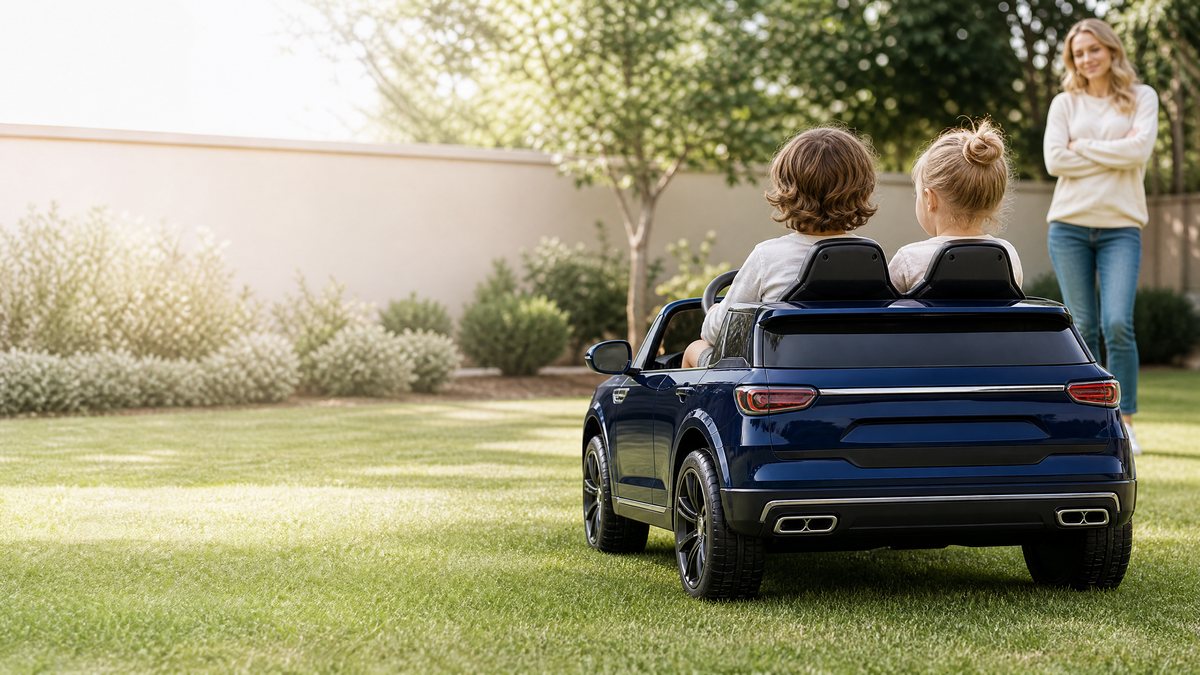
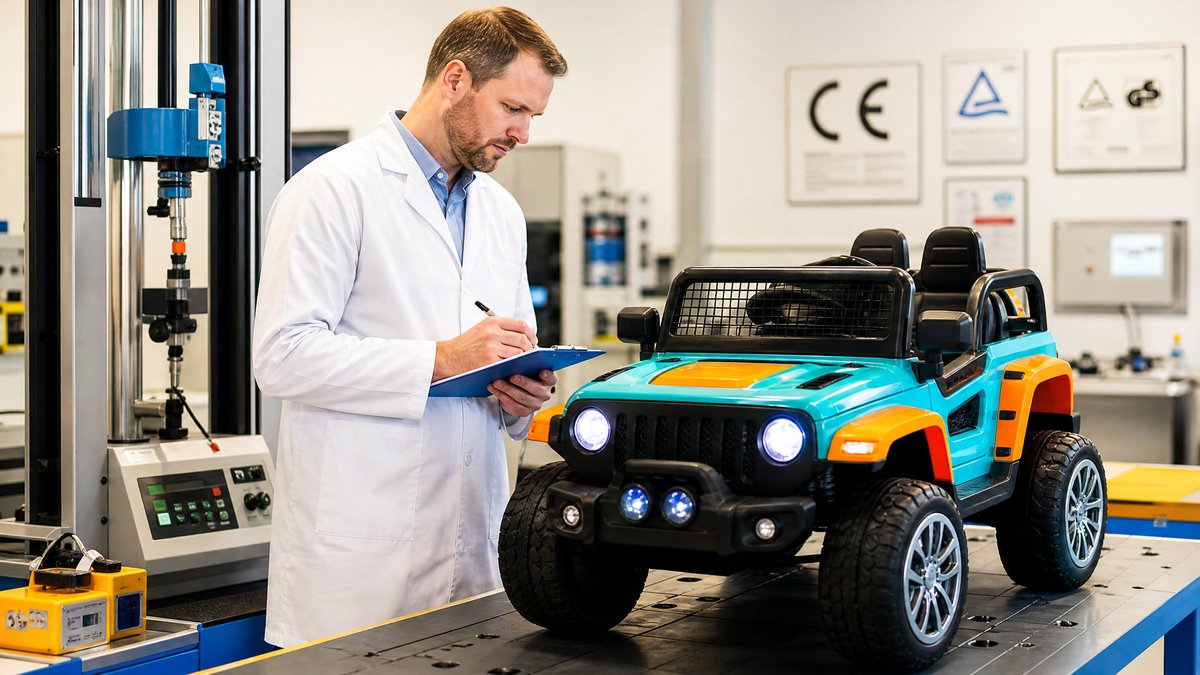
Electric ride-on cars have transformed backyard play, offering children an engaging introduction to vehicular movement, spatial awareness, and independent navigation. Among the most sought-after models in the modern toy market are dual-seater or two-seater ride-on vehicles. Marketed with wider chassis, dual bucket seating configurations, and enhanced electrical layouts, these larger models are naturally attractive to families with multiple children, playdates, or siblings wishing to share an adventure. However, a fundamental question arises among parents, retail buyers, and commercial operators: can two children genuinely ride simultaneously in a two-seater ride-on car without compromising safety, mechanical integrity, or vehicle performance?
The short answer is yes, but with critical operational caveats. While a vehicle is explicitly engineered and designated as a two-seater by the manufacturer, safe operation depends entirely on adhering to strict combined weight limits, respecting seating geometry, maintaining proper restraint usage, and evaluating the physical and developmental compatibility of the young passengers. All safety-critical conclusions, load limits, and operational parameters are strictly subject to the model's rating plate, user manual, and the manufacturer's written technical documentation. Generic assumptions or casual observations of similar models cannot replace manufacturer-specified ratings. This comprehensive buyer and operator guide explores the engineering, safety, and operational considerations of dual-passenger ride-on cars, equipping parents and B2B partners with the knowledge needed to make informed decisions and ensure safe recreational environments for all participating children.
Engineering Realities of Dual-Seater Electric Ride-On Vehicles
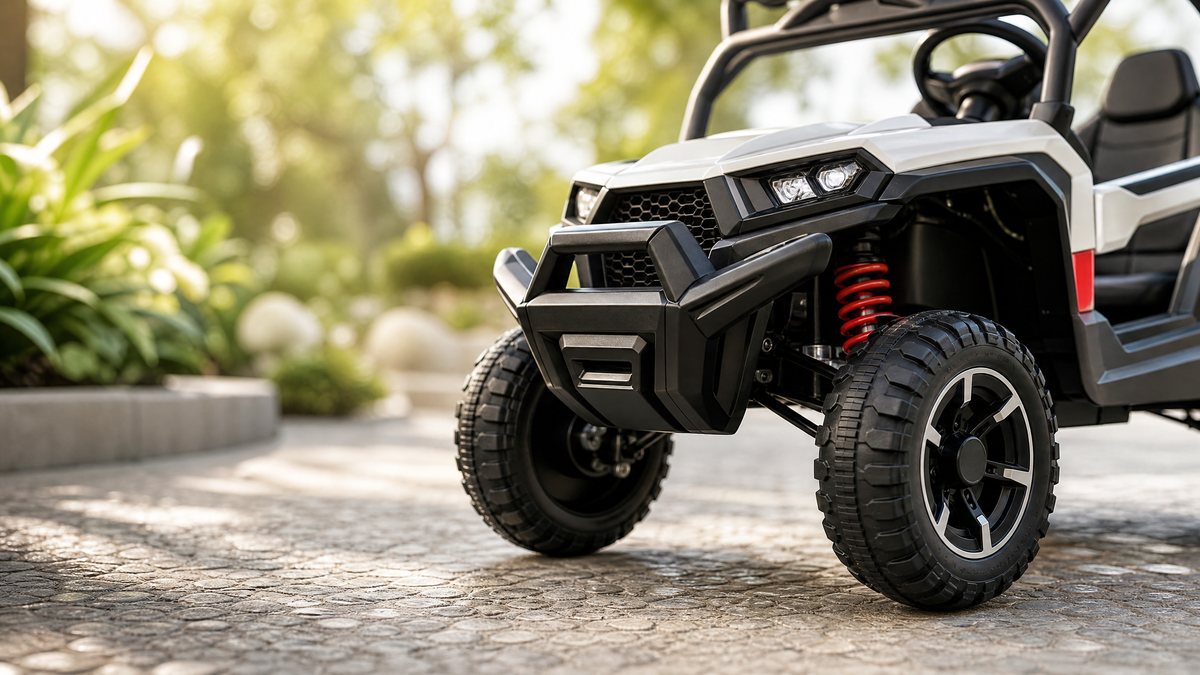
To understand whether two children can safely ride a dual-seater vehicle, one must first examine the underlying engineering principles. Unlike single-seater ride-on cars—which typically feature baseline electrical configurations tailored for a single occupant—authentic two-seater models are generally constructed with upgraded powertrains and robust chassis architectures designed to distribute dual loads across the entire vehicle frame.
However, manufacturers design these powertrains within strict structural, electrical, and thermal thresholds. The frame chassis, steering linkage, axle thickness, and electrical controller amperage are all calculated to support a specific maximum load outlined in the manufacturer documentation. When two children board a vehicle, the mechanical load on the rear axle, gearbox, and drive system increases significantly, especially during acceleration, turning maneuvers, and surface transitions.
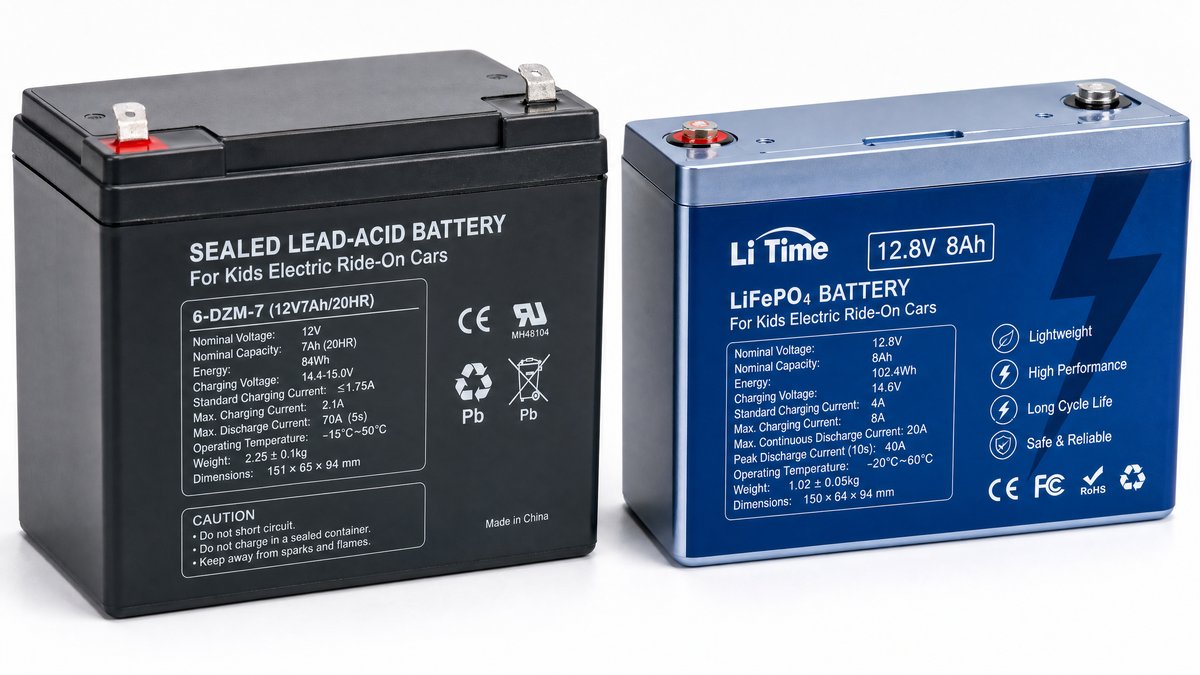
Furthermore, battery discharge rates accelerate under heavier loads. Operating continuously at or near maximum weight capacity increases thermal stress on motor windings and electronic speed controllers. Consequently, understanding that a vehicle has two physical seats does not automatically mean it can accommodate any two children of any age, size, or physical development. The vehicle's structural engineering establishes absolute boundaries that must be respected to prevent premature component wear, thermal cutoff, or mechanical failure.
Decoding Combined Weight Ratings Versus Individual Seating Limits
One of the most frequent misconceptions in ride-on vehicle safety is confusing individual seating space with total weight capacity. A two-seater ride-on car features two distinct sitting positions, but the determining factor for safe operation is almost always the combined maximum weight rating specified by the manufacturer, rather than simply whether two kids can fit side by side inside the cabin.
When evaluating whether two children can share a vehicle, operators must consult the rating plate and user manual for the exact maximum weight threshold. Operating precisely at the ceiling of the weight rating or exceeding it increases braking distances, reduces steering maneuverability, and places undue strain on drive motors and gearboxes. Retailers and commercial fleet operators must emphasize to buyers that combined weight ratings supersede physical seating availability. Exceeding these limits compromises steering responsiveness and places excessive stress on braking systems, which rely on motor resistance or mechanical brakes designed for specific load thresholds.
Seating Geometry, Cabin Ergonomics, and Passenger Interference
Seating geometry plays a pivotal role in the safety and comfort of dual-passenger ride-on cars. Manufacturers utilize various cabin layouts, ranging from side-by-side bucket seats with individual backrests to bench-style seating or tandem configurations. Each layout presents unique ergonomic considerations that supervisors must evaluate carefully prior to every operational session.
In side-by-side configurations, children sit closely together. While this fosters shared play, it also introduces the risk of passenger interference. Children may lean against one another, jostle for steering wheel access, or inadvertently distract the designated driver. If the cabin width is narrow, shoulder room may restrict arm movement, making it difficult for the driver to steer smoothly or react quickly to unexpected obstacles in the pathway.
Tandem seating (front-and-back) alters the vehicle center of gravity. A heavier child in the rear seat shifts weight backward, which can lighten the front steering wheels and reduce steering traction on turf or slopes. Conversely, a heavier child in the front can overload the front steering assembly. Parents and supervisors must evaluate how the physical dimensions and seating geometry of the specific model affect control and stability, strictly following the manufacturer manual regarding correct seating positions and weight distribution guidelines.
Harness Systems, Restraints, and Passenger Security
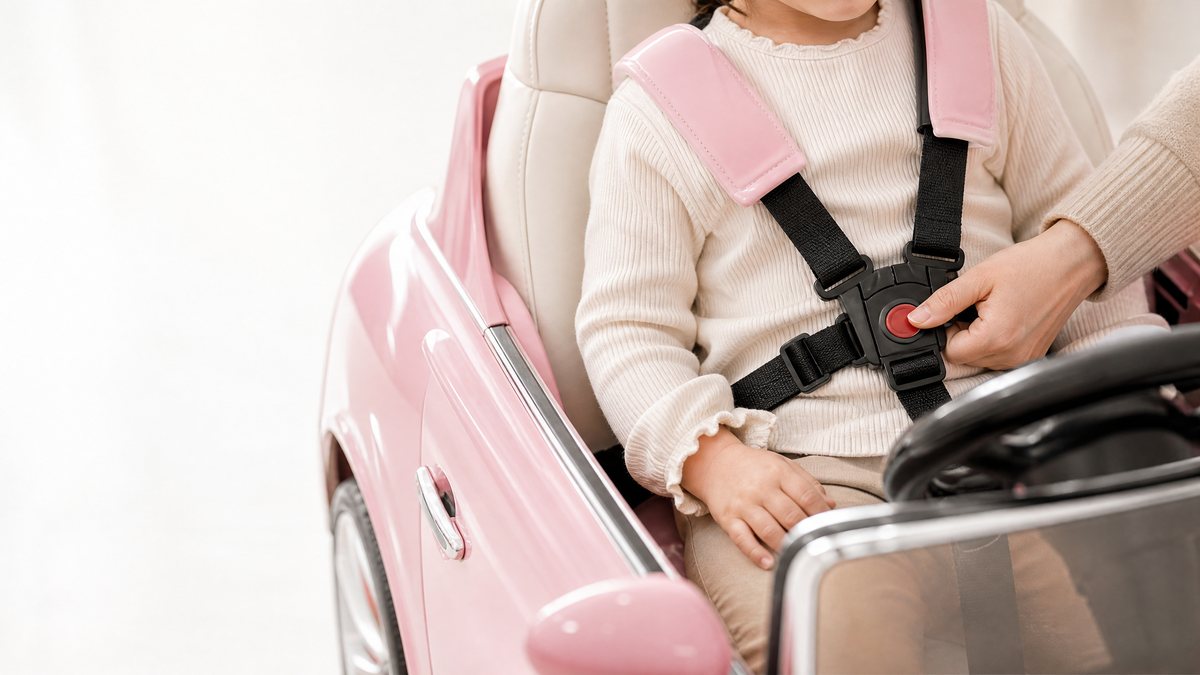
Restraint systems are a non-negotiable safety feature in ride-on electric vehicles. Single-seater models typically feature a basic lap belt, while quality two-seater models should be equipped with independent restraint systems for each passenger—ideally adjustable multi-point lap belts or secure harness assemblies.
A common oversight occurs when two children share a single lap belt or when one passenger is restrained while the other is left unsecured. In a sudden stop, sharp turn, or minor tip-over, an unrestrained or improperly restrained passenger can be thrown from the vehicle or collide with the driver, causing secondary injuries.
Independent restraint systems ensure that each child is individually secured against sudden deceleration or lateral forces. Supervisors must verify that each belt is adjusted snugly across the child's hips or lap, and that children understand they must remain seated with restraints fastened throughout operation. Never permit additional passengers beyond the number of designed, manufacturer-installed restraint positions. If a vehicle has two seats but only one functional seatbelt assembly, only one child may ride.
Pre-Ride Safety and Capacity Inspection Checklist
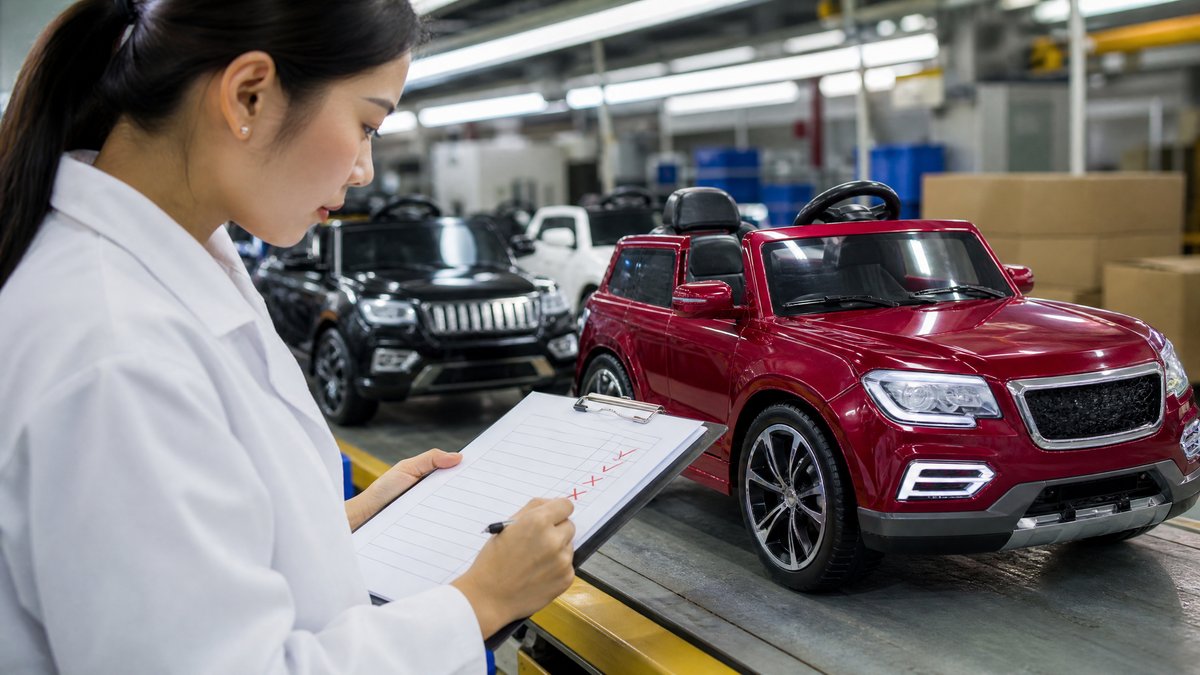
To assist parents, retail staff, and fleet supervisors in determining whether two children are ready and safe to share a two-seater ride-on car, the following practical checklist should be utilized prior to every operating session:
| Inspection Category | Evaluation Standard | Action Required if Deficient |
|---|---|---|
| Combined Weight Check | Total weight of both children must be strictly below the manufacturer's maximum weight rating. | If overweight, restrict operation to a single child or utilize a higher-capacity model. |
| Independent Restraints | Each passenger must have a fully functional, adjustable seatbelt or harness that secures properly. | Do not allow dual riding if a restraint system is missing, frayed, or broken. |
| Driver Reach & Control | The designated driver must easily reach the accelerator pedal and steering wheel without stretching. | Reassign driving duties to the taller or older child or adjust seat positions if adjustable. |
| Cognitive & Behavioral Fit | Both children must demonstrate the maturity to follow safety rules, stay seated, and avoid distraction. | If children quarrel or unbuckle belts, switch to single-rider operation with strict supervision. |
| Battery & Power Status | Battery charge level and motor performance must be optimal for carrying a heavier dual load. | Recharge battery fully; do not operate under low-voltage conditions that strain motors. |
| Surface & Environment | Terrain must be flat, smooth, and free of steep inclines, heavy mud, or traffic hazards for dual loads. | Move to flat, controlled environments (paved yards, smooth parks) for dual-passenger rides. |
When Only One Child Should Ride: Assessing Developmental Readiness and Dynamic Stability
There are numerous scenarios where operating a two-seater ride-on car with a single occupant is the safer, more prudent choice. Recognizing when to restrict a vehicle to single-rider use is a key hallmark of responsible adult supervision.
First, developmental readiness and behavioral compatibility dictate safe operation. If siblings or playmates are prone to rough-housing, distracting the driver, unbuckling restraints, or leaning dangerously outward during motion, dual riding should be prohibited immediately. The designated driver must maintain undivided attention on steering and speed control.
Second, environmental factors heavily influence capacity decisions. On uneven terrain, slight inclines, or damp grass, a dual-passenger load places maximum demand on traction and motor torque. If operating outdoors on challenging surfaces, reducing the load to a single rider prevents wheel slip, motor overheating, and potential rollover risks on slopes.
Third, mechanical or electrical anomalies—such as erratic acceleration, delayed braking response, unusual motor whining, or warm wiring harnesses—dictate an immediate reduction in load or total cessation of use. As mandated by safety protocols, if any electrical burning odor, smoke, damaged plug, or water ingress is detected, the vehicle must be shut down immediately, disconnected from power, kept away from children, and inspected by a qualified technician or manufacturer support. Never attempt DIY modifications, battery rewiring, or bypassing thermal fuses to accommodate heavier loads.
Frequently Asked Questions (FAQs)
Can we install an aftermarket larger battery or motor to let two older kids ride a two-seater car?
No. Modifying electrical systems, installing unauthorized high-voltage batteries, or upgrading motors beyond manufacturer specifications is strictly prohibited. Such modifications invalidate safety certifications, create severe electrical fire hazards, damage electronic controllers, and may be limited or invalidated by warranty terms. Always operate the vehicle strictly within its factory-designed electrical parameters.
What is the typical age range suitable for a two-seater ride-on car?
Most quality two-seater ride-on cars are designated by manufacturers for specific age groups as indicated on the product label and user manual. However, chronological age is secondary to physical size, cognitive maturity, and ability to follow safety instructions. Always consult the specific model manual for exact manufacturer recommendations.
Why does my two-seater car slow down noticeably when two children board?
Carrying two passengers doubles the mechanical load on drive motors and draws current from the battery at an accelerated rate. This increased electrical and mechanical resistance causes a noticeable reduction in operational speed and torque. This is normal behavior under heavy load, but if the vehicle stalls completely or thermal protection triggers repeatedly, the combined weight limit has likely been exceeded.
How should we handle maintenance for a heavily used dual-passenger ride-on car?
Dual-seater vehicles carrying two children experience accelerated wear on tires, gearboxes, and brake switches. Regular maintenance inspections should include checking wheel alignment, ensuring gearboxes are adequately lubricated, inspecting wire terminals for secure connections, and testing battery health. If any part shows structural cracking or severe wear, replace it immediately with genuine manufacturer parts.
Conclusion
Operating a two-seater ride-on electric vehicle offers wonderful opportunities for shared play, cooperative fun, and early motor skill development. However, safety must always precede convenience. While these vehicles are engineered to accommodate two children, success relies entirely on respecting combined weight limits, utilizing independent restraint systems, maintaining proper seating geometry, and exercising active parental or adult supervision at all times.
By prioritizing manufacturer guidelines over casual assumptions and knowing when to transition to single-rider operation, parents, retail buyers, and commercial operators ensure that playtime remains safe, enjoyable, and mechanically reliable across all operating environments. For B2B wholesale inquiries, retail partnerships, and detailed technical specifications on our compliant ride-on vehicle lineup, industry partners are encouraged to contact our commercial team directly.
Wholesale and Commercial Inquiries
For retail distributors, playground operators, and wholesale partners seeking bulk procurement details, safety documentation, or container pricing for our certified two-seater ride-on car inventory, please reach out to our commercial division:
* Email Wholesale Support: Request a wholesale quote
* Business Hours: Monday through Friday, 8:00 AM – 5:00 PM (EST)
* Catalog & Compliance Portal: Dedicated B2B resource hub available upon verified commercial registration.
Official References
1. United States Consumer Product Safety Commission (CPSC). *Toy Safety Guidance and Business Education*. The CPSC outlines battery-powered toy battery accessibility, labeling, overheating, and supplied charger requirements; ride-on toy stability and overload requirements; and manual requirements for some ride-on, adult-assembled, and battery-powered toys. Available online at: https://www.cpsc.gov/Business--Manufacturing/Business-Education/Toy-Safety.
2. ASTM International. *Standard Consumer Safety Specification for Toy Safety*. West Conshohocken, PA.
Official references
Explore these external resources for current regulatory and trade guidance. Confirm requirements with the relevant authority before placing an order.
Ready to Start?
Factory-Direct · CE & ASTM Certified · MOQ from 50 Units
Our export team works with buyers in 60+ countries. Get a quote within 24 hours.
KR
Written by KidsRideCar
China's leading kids electric ride-on car manufacturer. 500,000+ units shipped annually to 60+ countries. CE, ASTM & EN71 certified.