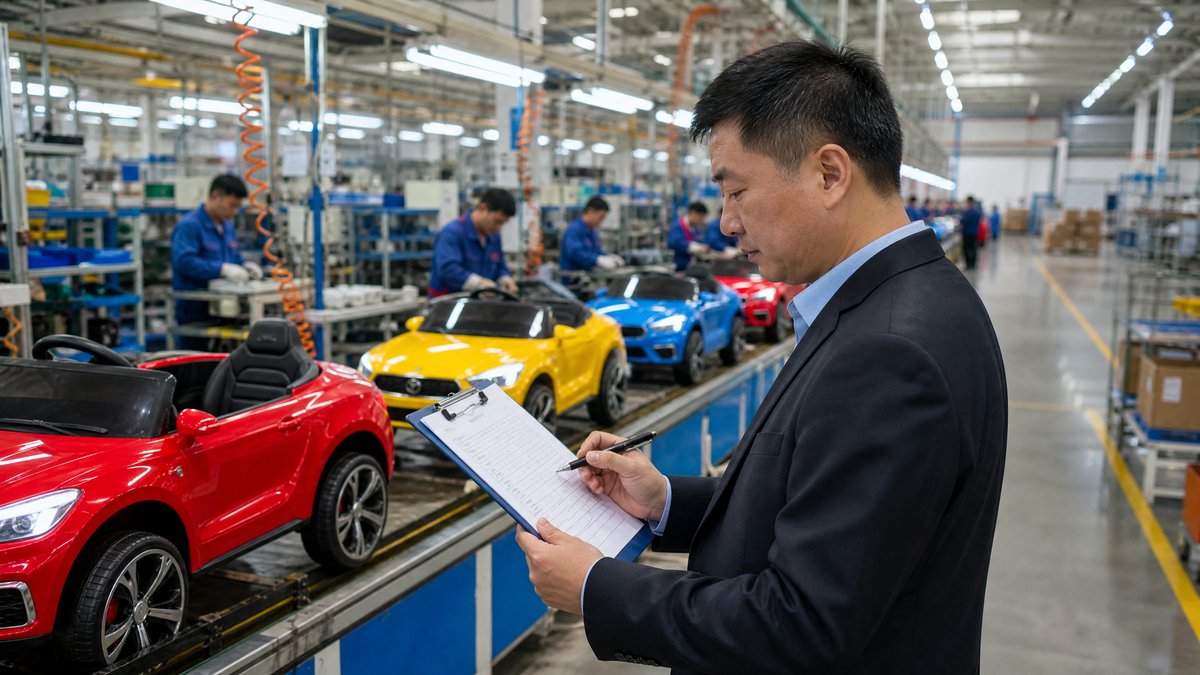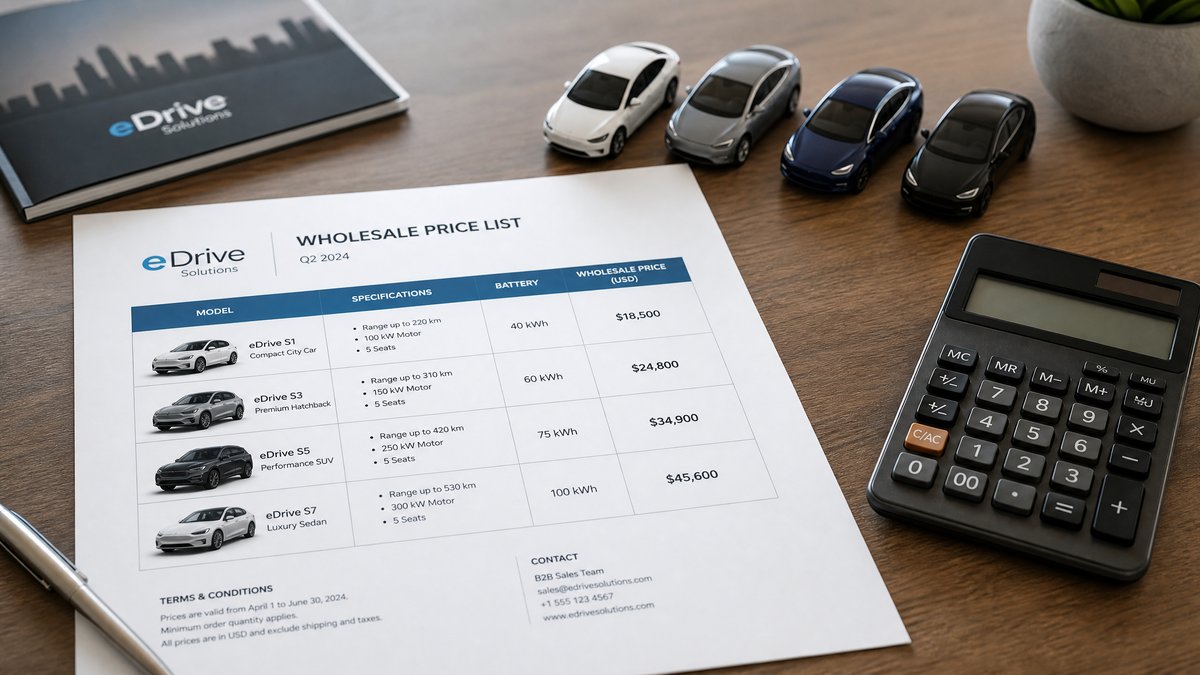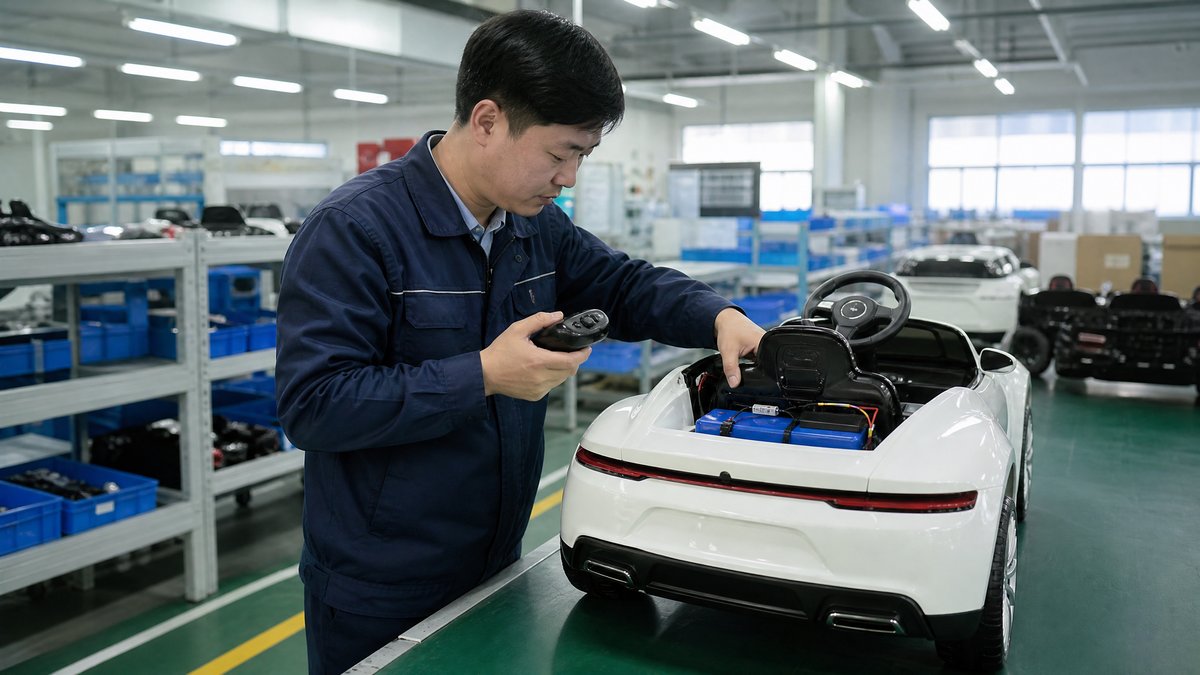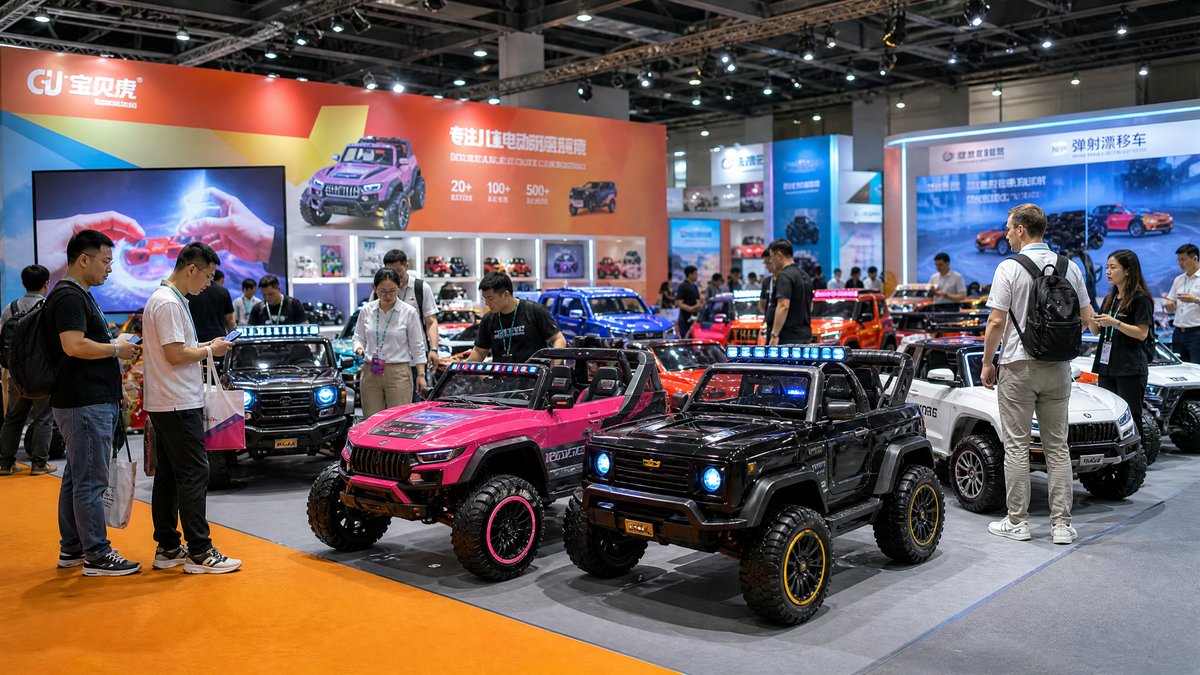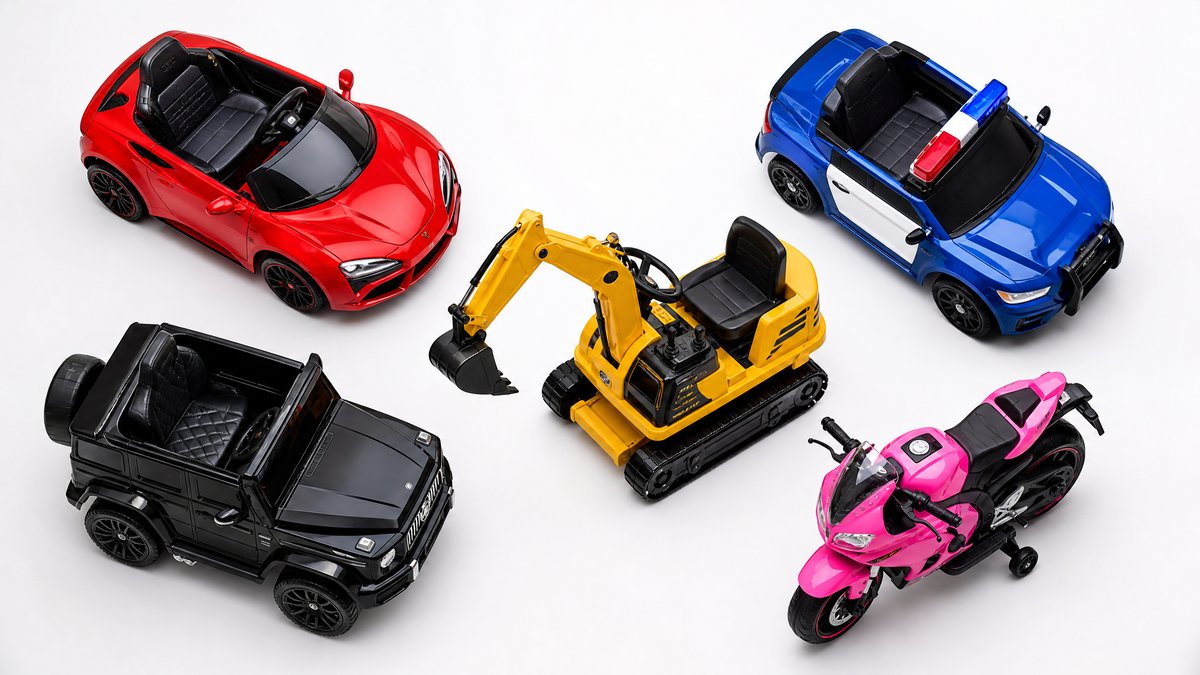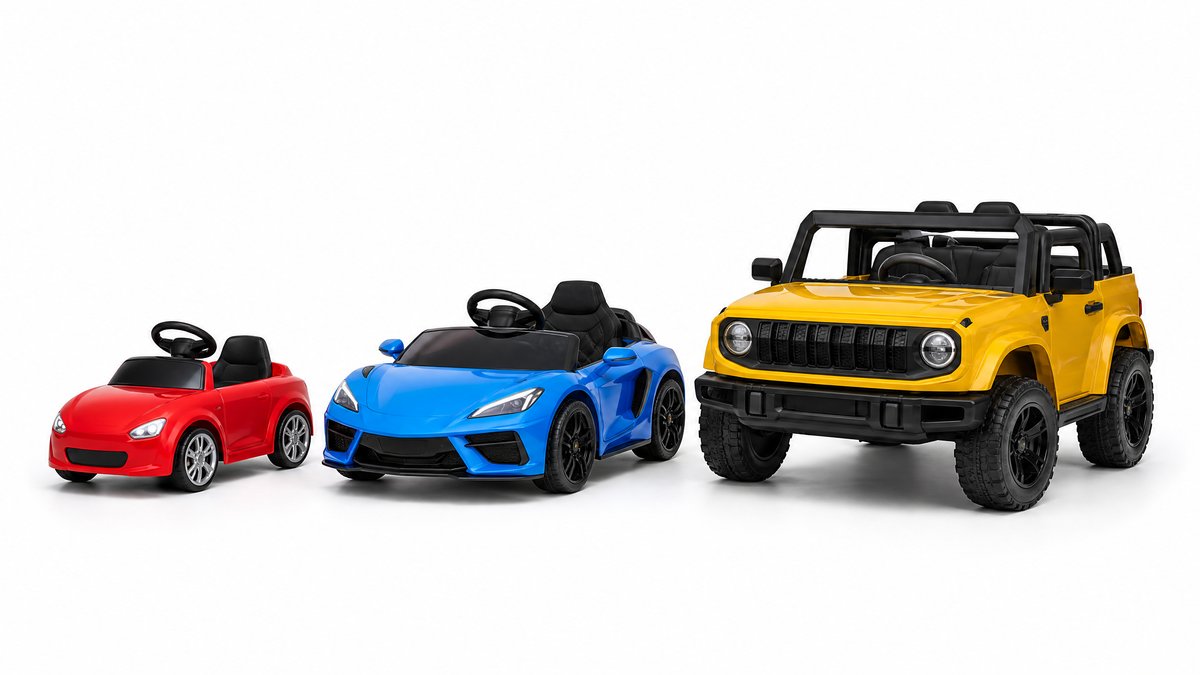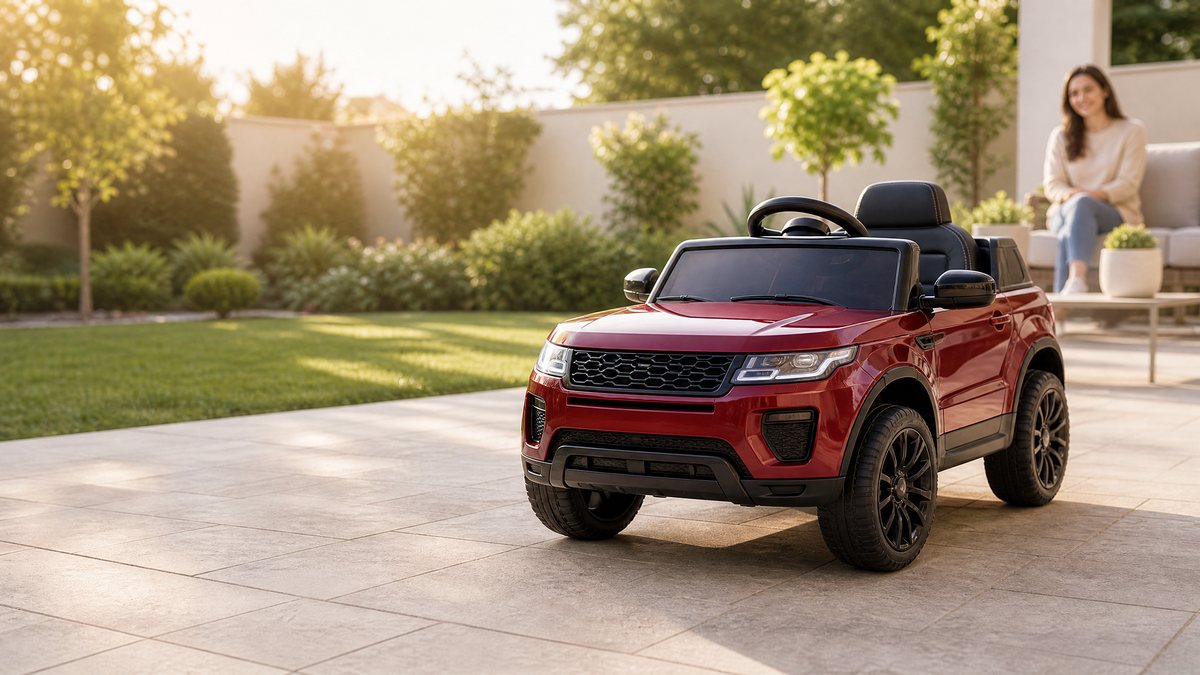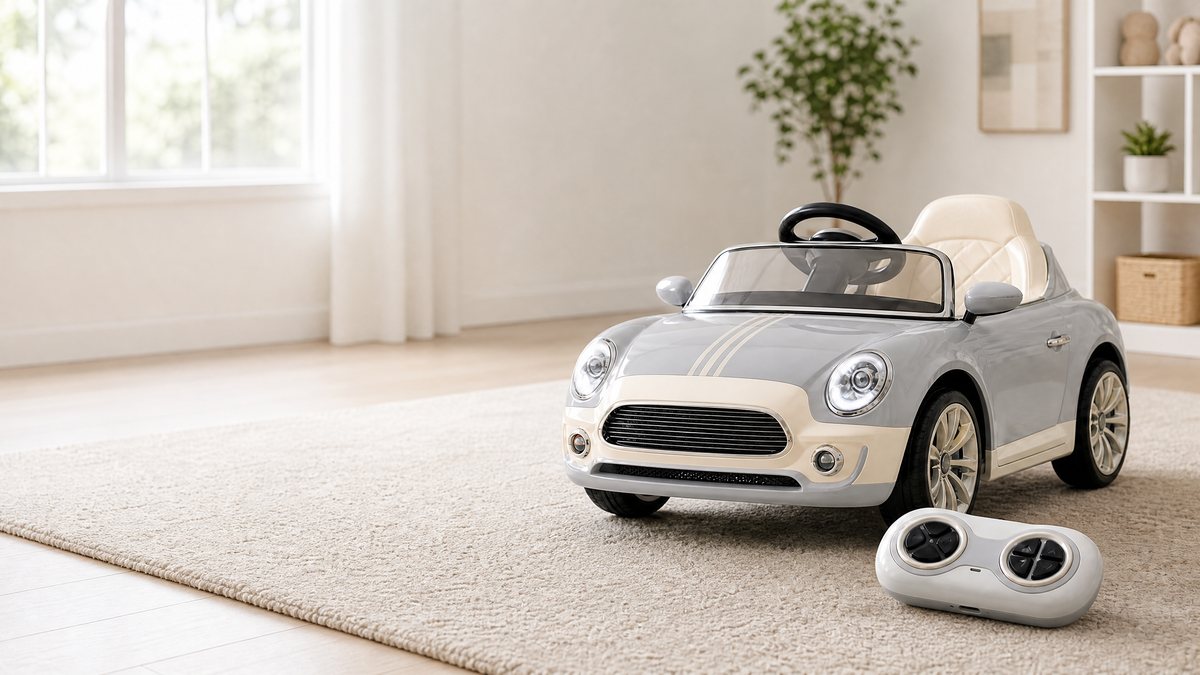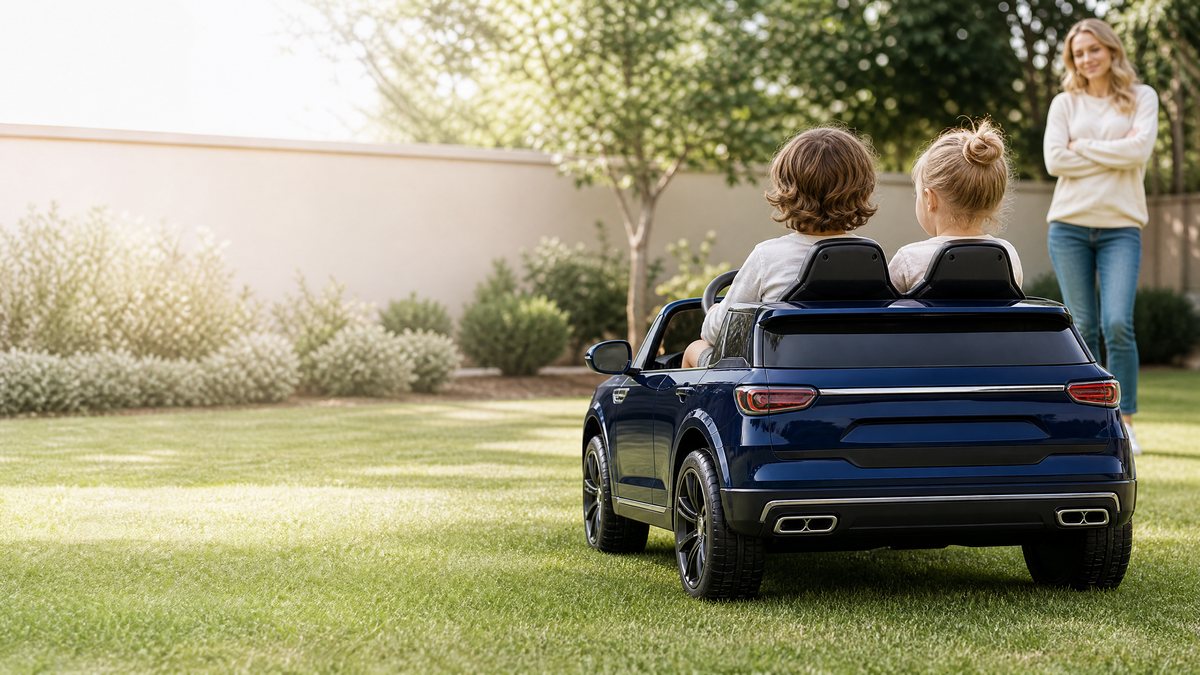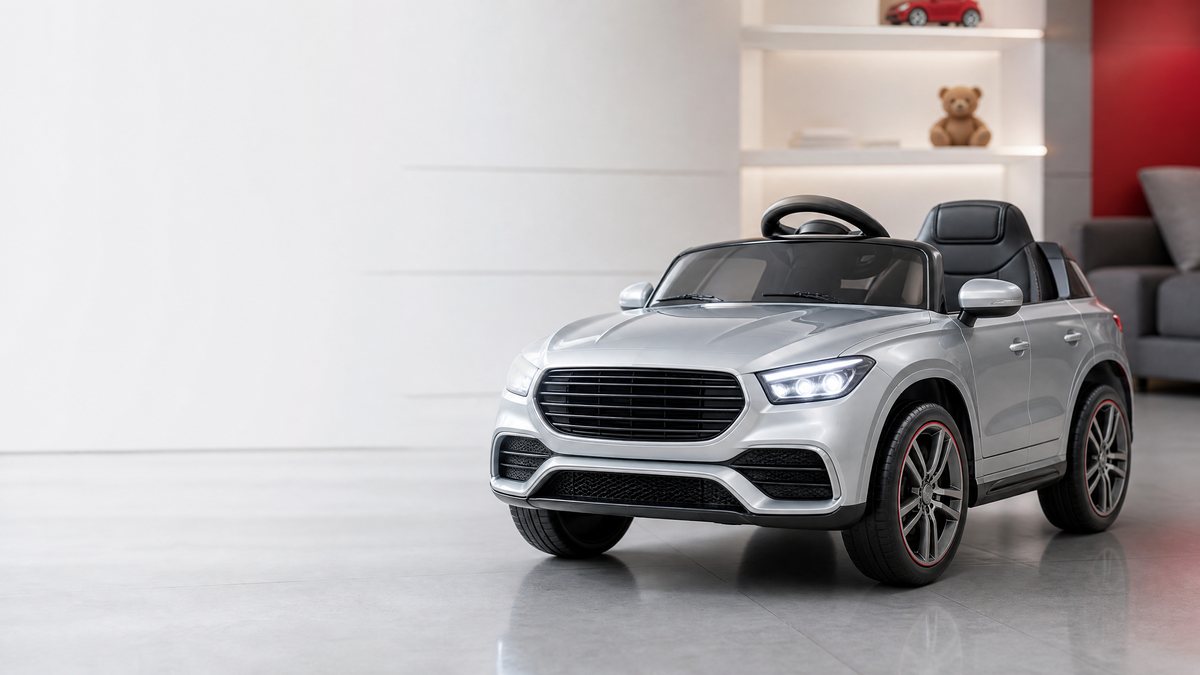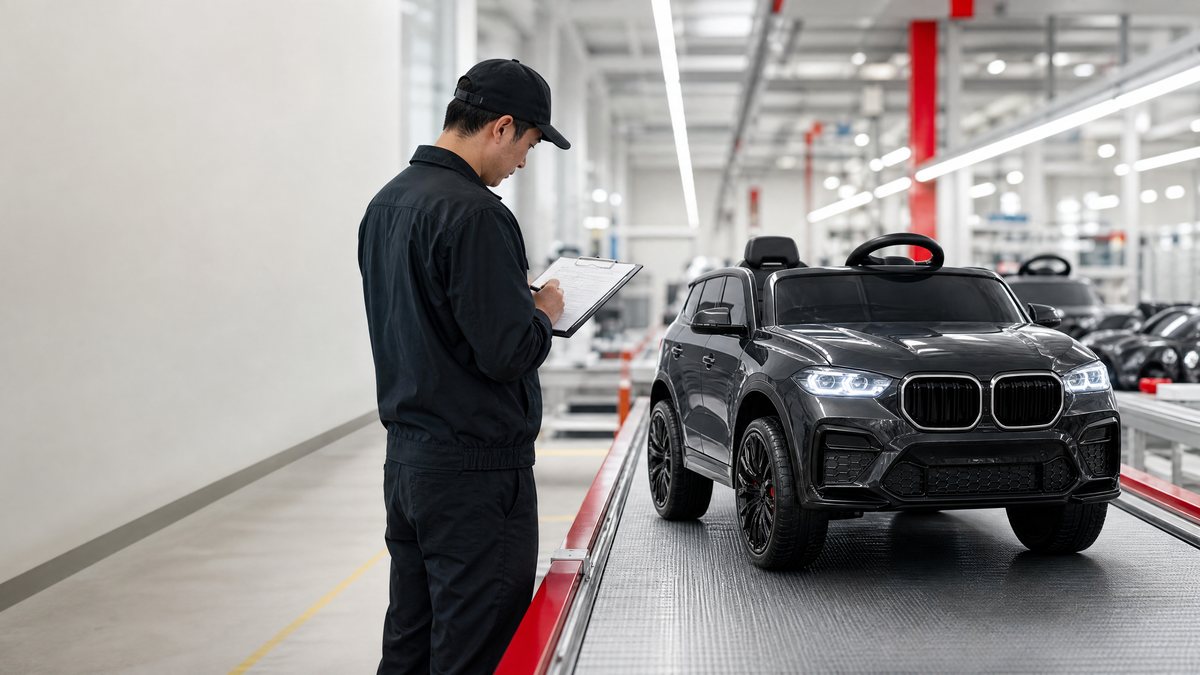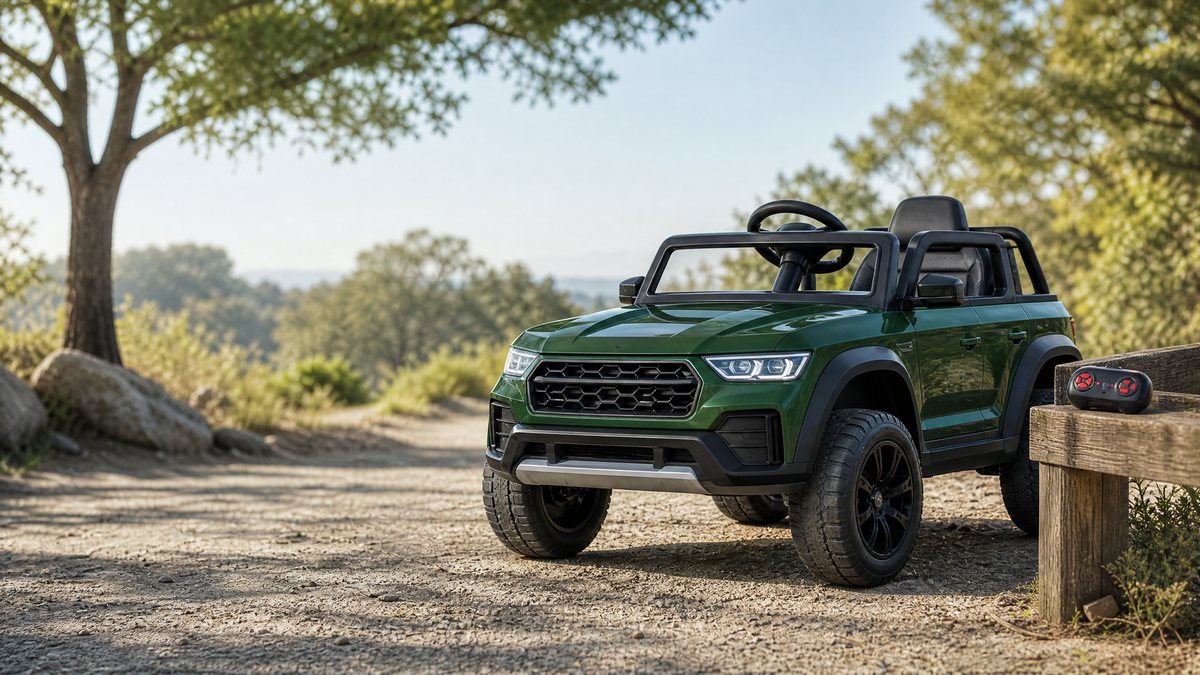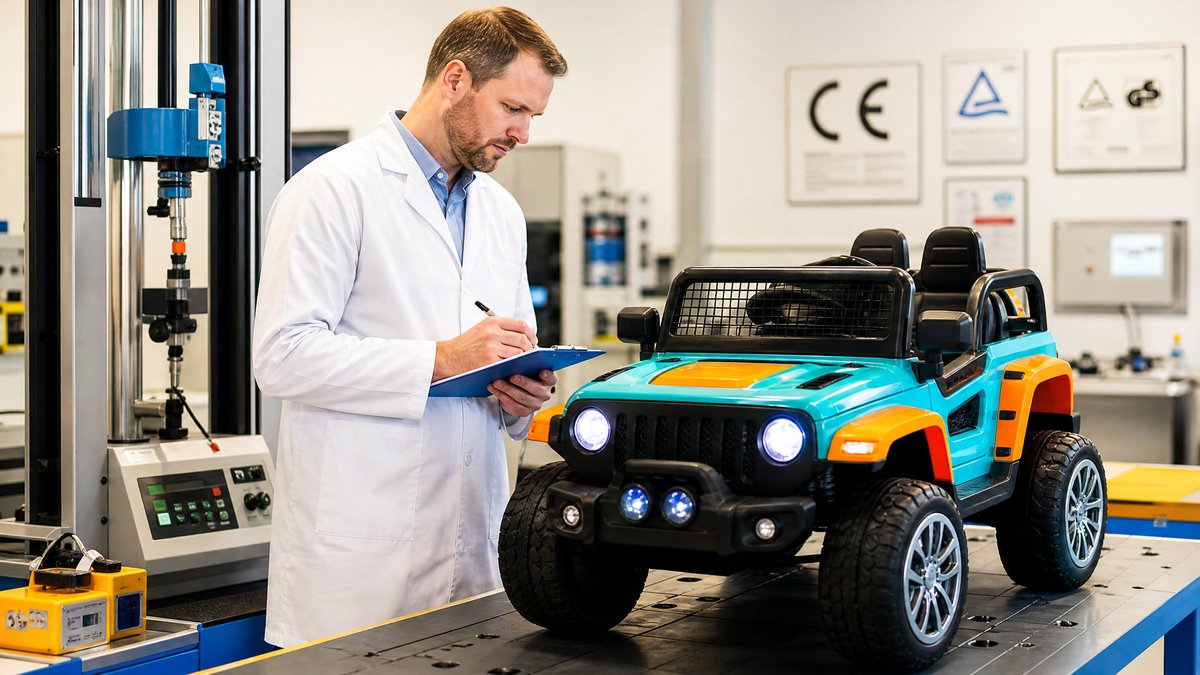
When retail buyers, toy distributors, and discerning parents evaluate toddler mobility options, the debate between ride-on cars and balance bikes consistently takes center stage. Both product categories dominate the early childhood mobility market, yet they serve fundamentally different developmental stages, play styles, and commercial niches. For B2B procurement specialists looking to stock high-demand inventory, understanding the nuances between these two offerings is critical. Similarly, parents navigating early childhood milestones often find themselves weighing the immersive, imaginative engagement of a miniature vehicle against the active, gross-motor skill-building of a pedal-less bicycle. Because specifications, age recommendations, and feature sets vary by model, region, and seller, stakeholders must always check the exact manual, listing, and written terms before making purchasing or stocking decisions.
The modern toy market demands versatility, safety compliance, and clear developmental value. Ride-on cars—ranging from classic foot-to-floor push models to advanced battery-powered electric vehicles equipped with parental remote controls—offer a captivating driving experience that stimulates imaginative play. On the other hand, balance bikes strip away pedals and training wheels entirely, focusing singularly on spatial awareness, bilateral coordination, and foundational balance. As global demand for active outdoor play and interactive indoor toys continues to expand, wholesalers and retailers must evaluate how each product aligns with their target demographic's purchasing preferences. This comprehensive guide analyzes the mechanical differences, developmental impacts, retail appeal, and safety protocols associated with both ride-on cars and balance bikes, providing B2B buyers and educators with actionable insights.
Understanding Toddler Mobility: Developmental Context and Market Positioning
Toddler mobility toys are more than mere sources of entertainment; they are vital instruments in early childhood physical and cognitive development. During the formative years between 18 months and four years of age, children experience rapid advancements in motor planning, vestibular processing, and muscular strength. However, the precise developmental readiness of any toddler varies significantly by individual growth patterns, environmental conditions, and product design.
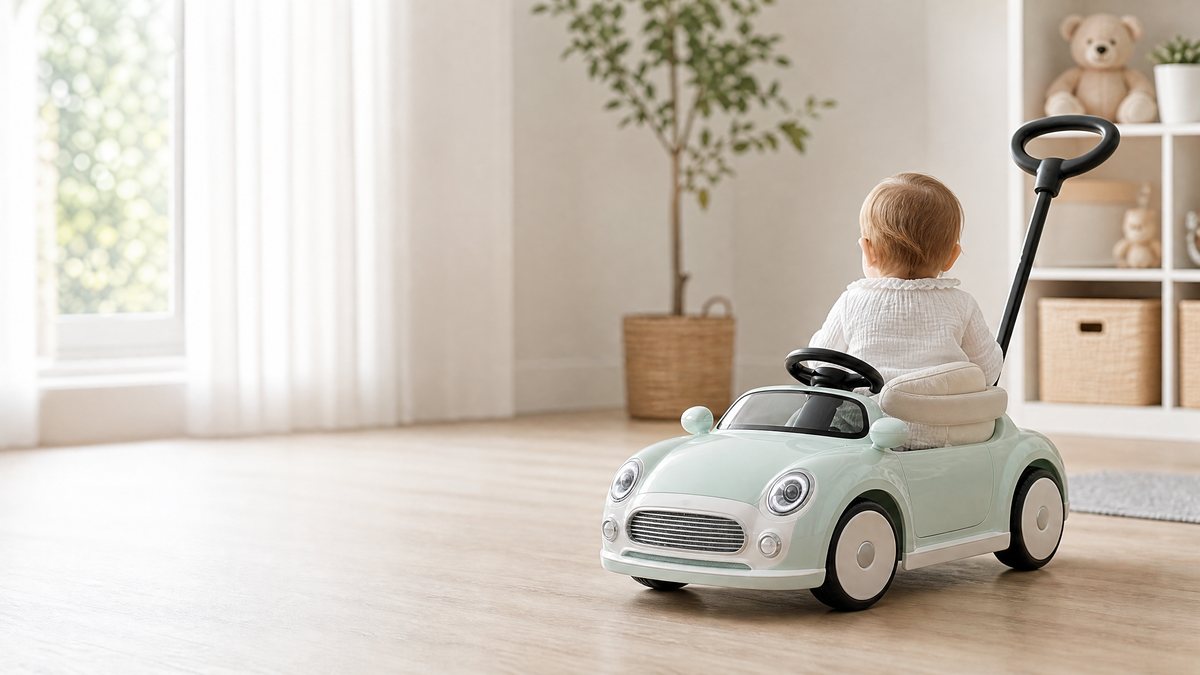
In the wholesale and retail landscape, product categorization must reflect these subtle differences. Ride-on cars often appeal to younger toddlers who enjoy sensory-rich environments, interactive steering wheels, working horns, and realistic dashboard lights. Conversely, balance bikes typically target children who are beginning to master independent walking and are ready to test their equilibrium on two wheels. Because age grading and weight capacities vary by model, region, and seller, retailers must encourage consumers to check the exact manual, listing, and written terms rather than relying on generalized age brackets.
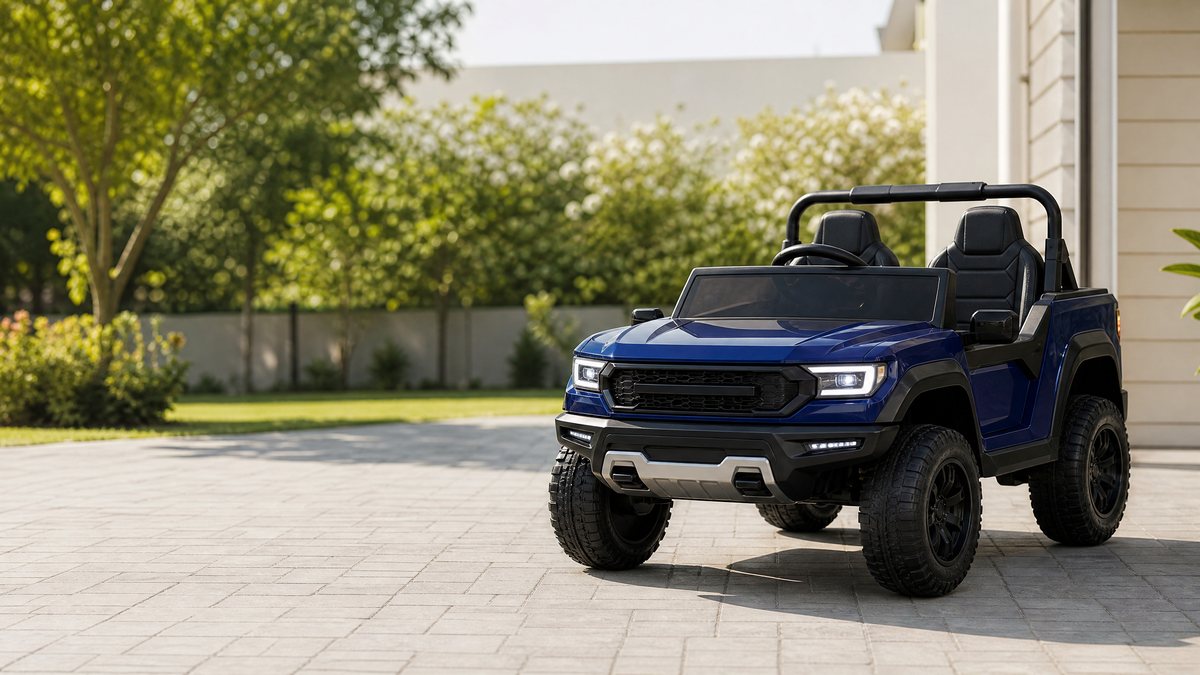
From a commercial perspective, stocking both product lines allows B2B buyers to capture a broader market share. Retailers catering to urban environments with limited apartment space may find high demand for compact balance bikes or lightweight push cars, whereas suburban buyers with spacious driveways often gravitate toward larger, licensed electric ride-on trucks and sports cars. Balancing inventory across these categories ensures that storefronts remain competitive throughout changing seasonal retail cycles.
Motorized and Manual Ride-On Cars: Features, Appeal, and Commercial Value
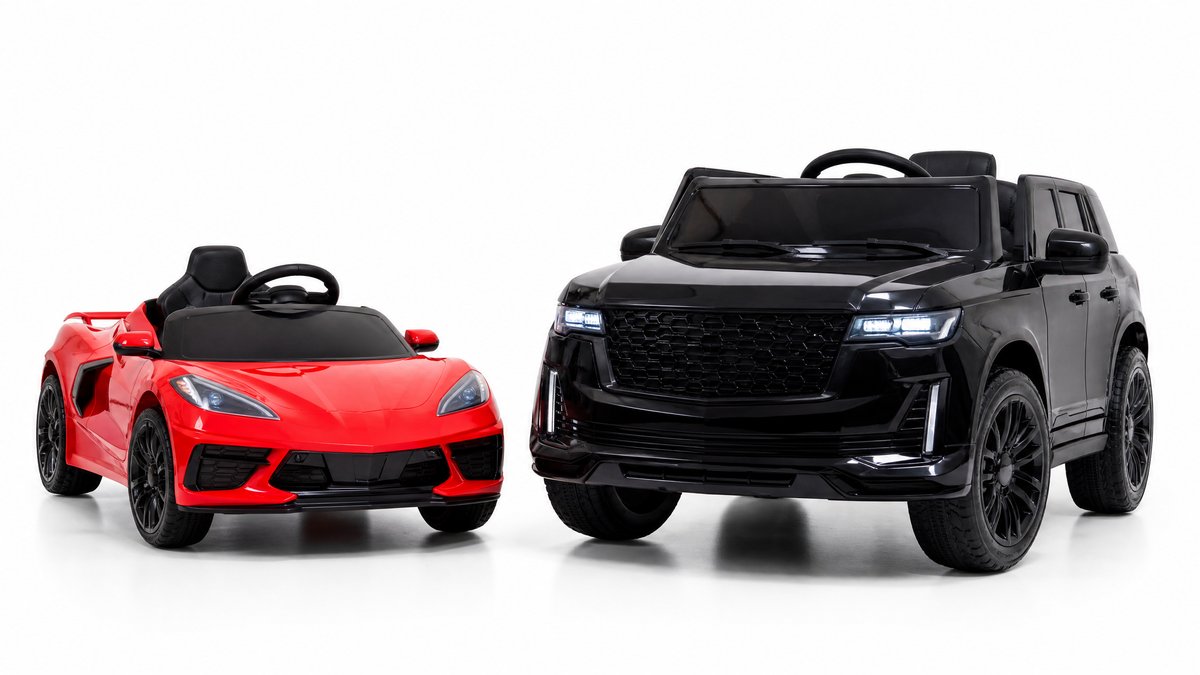
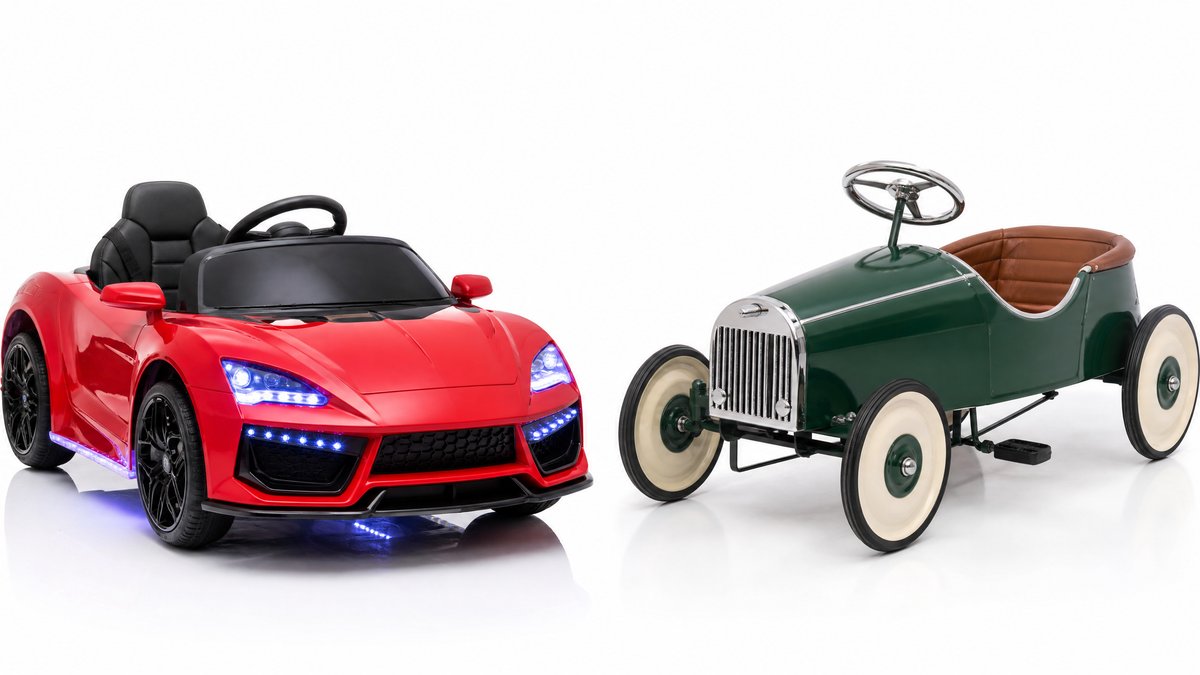
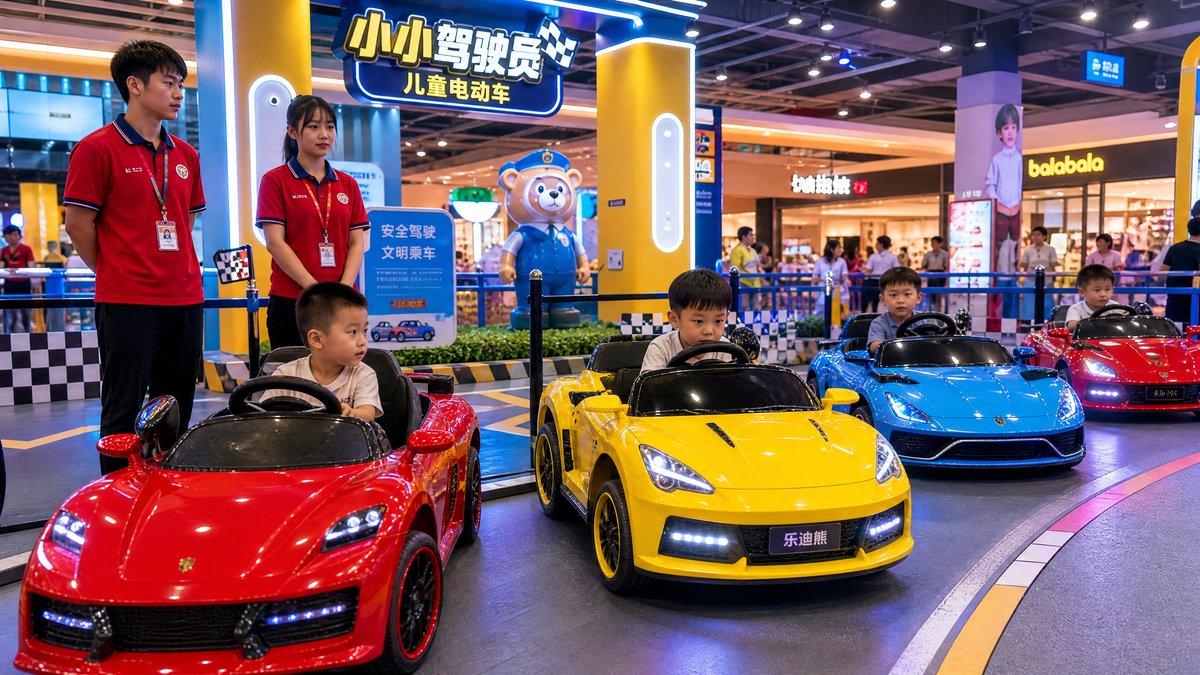
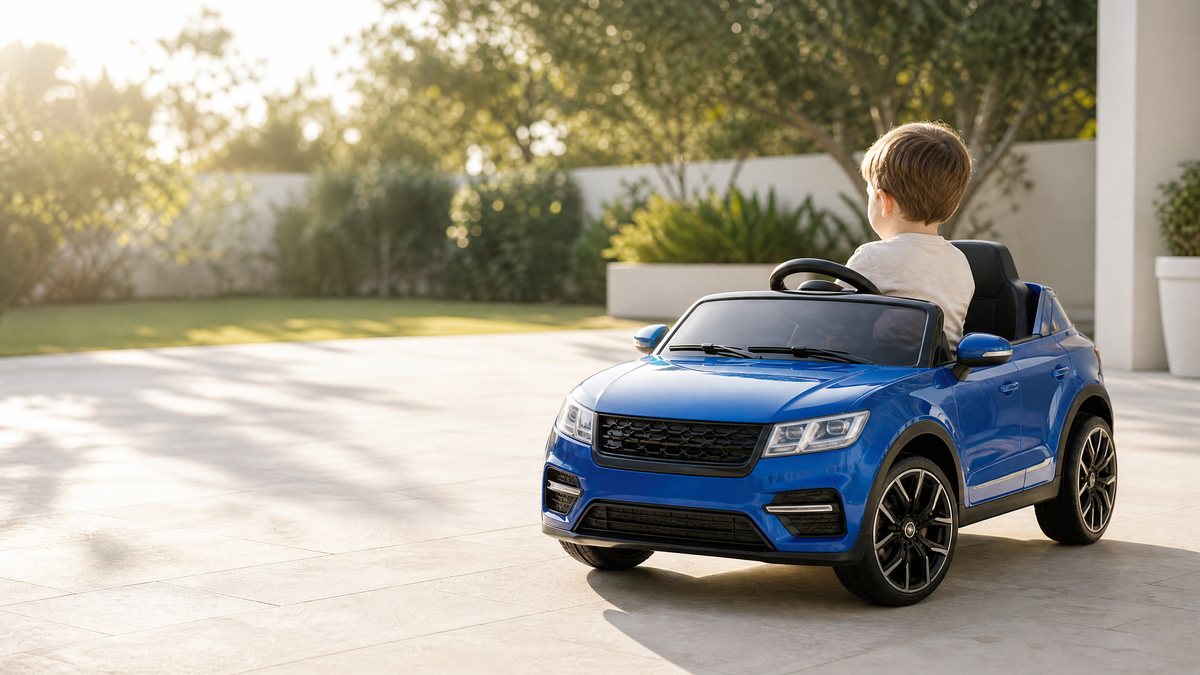
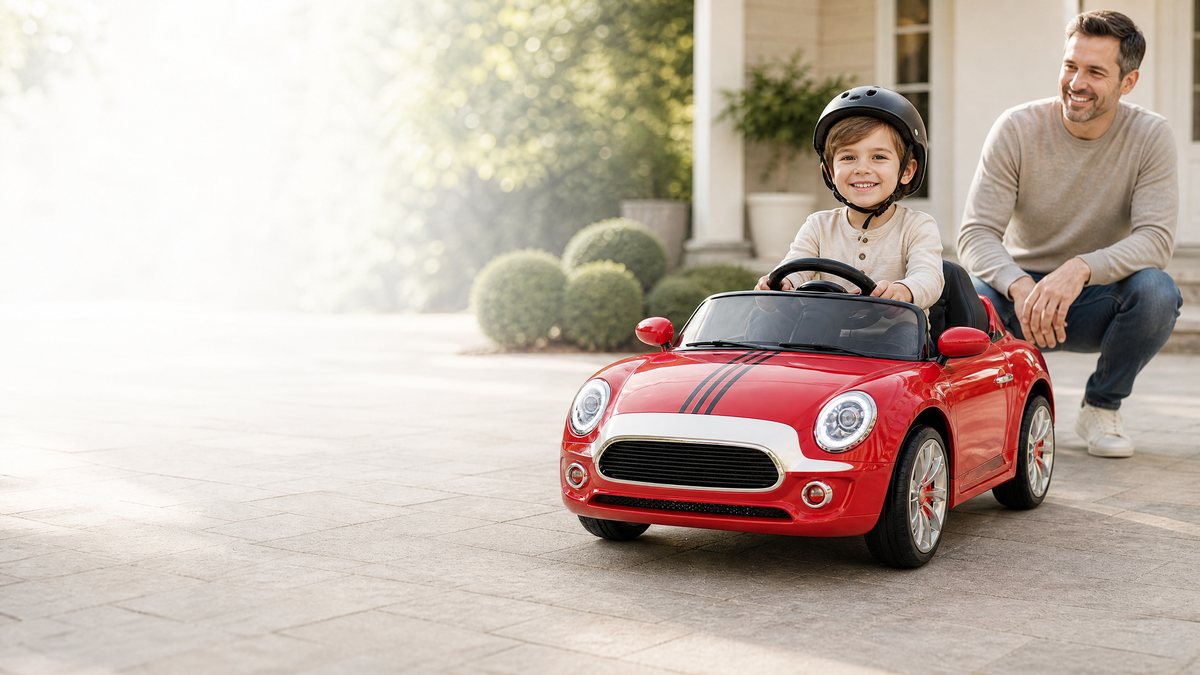
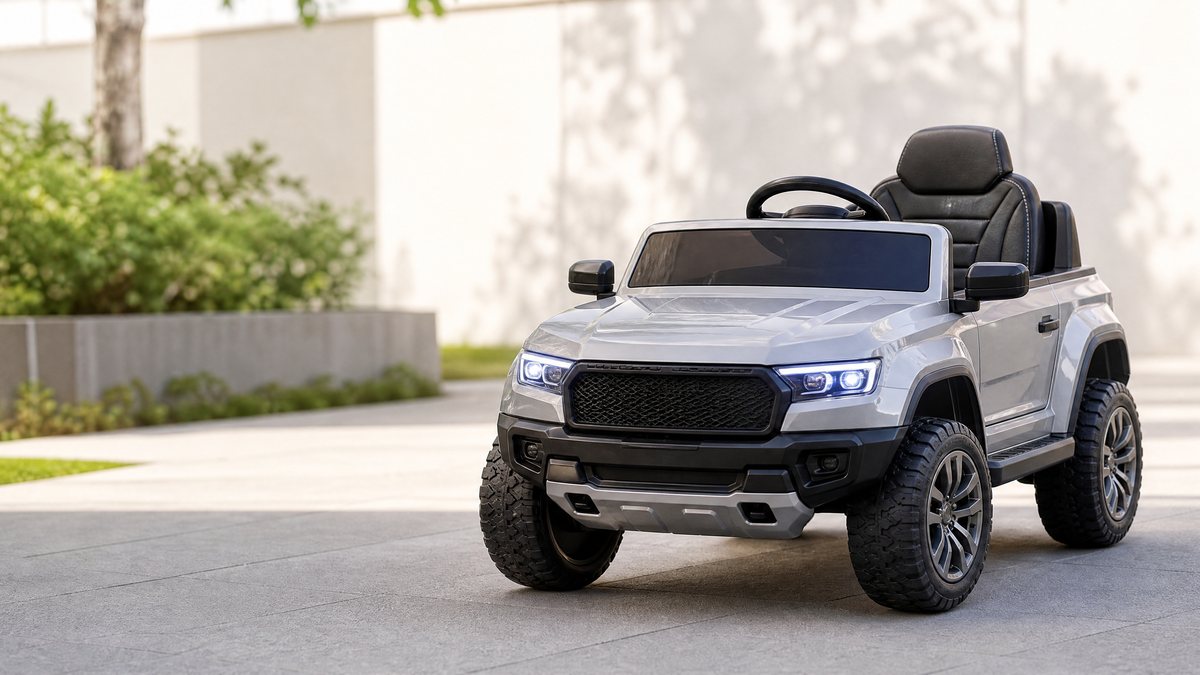
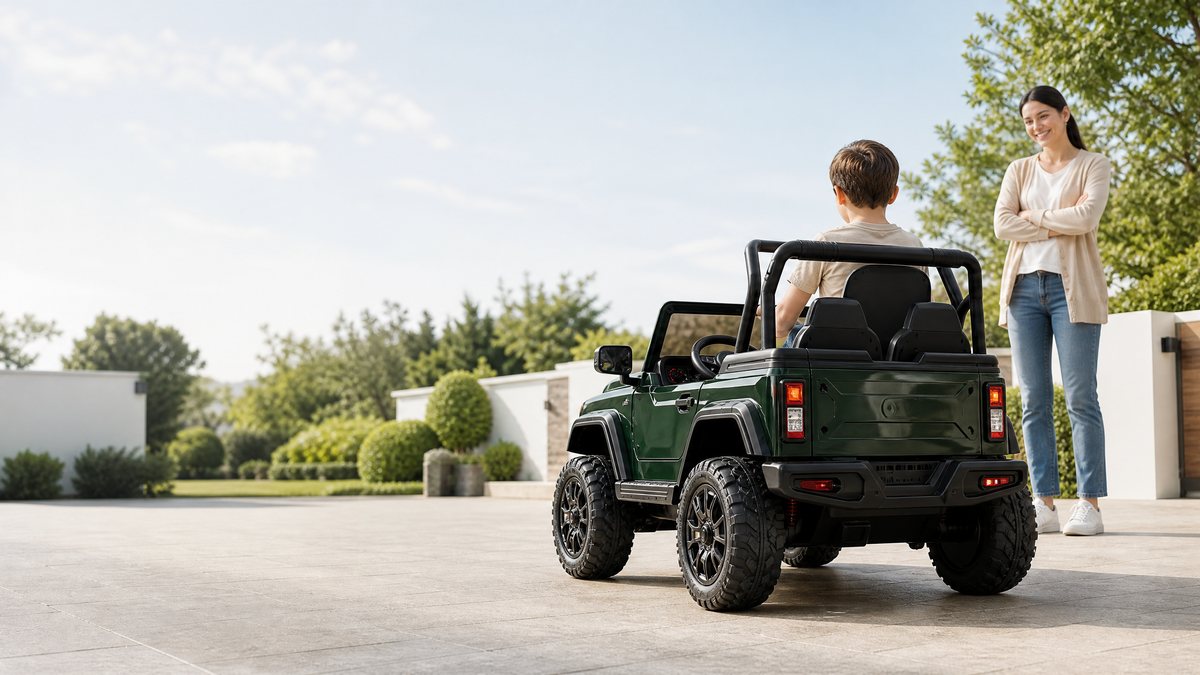
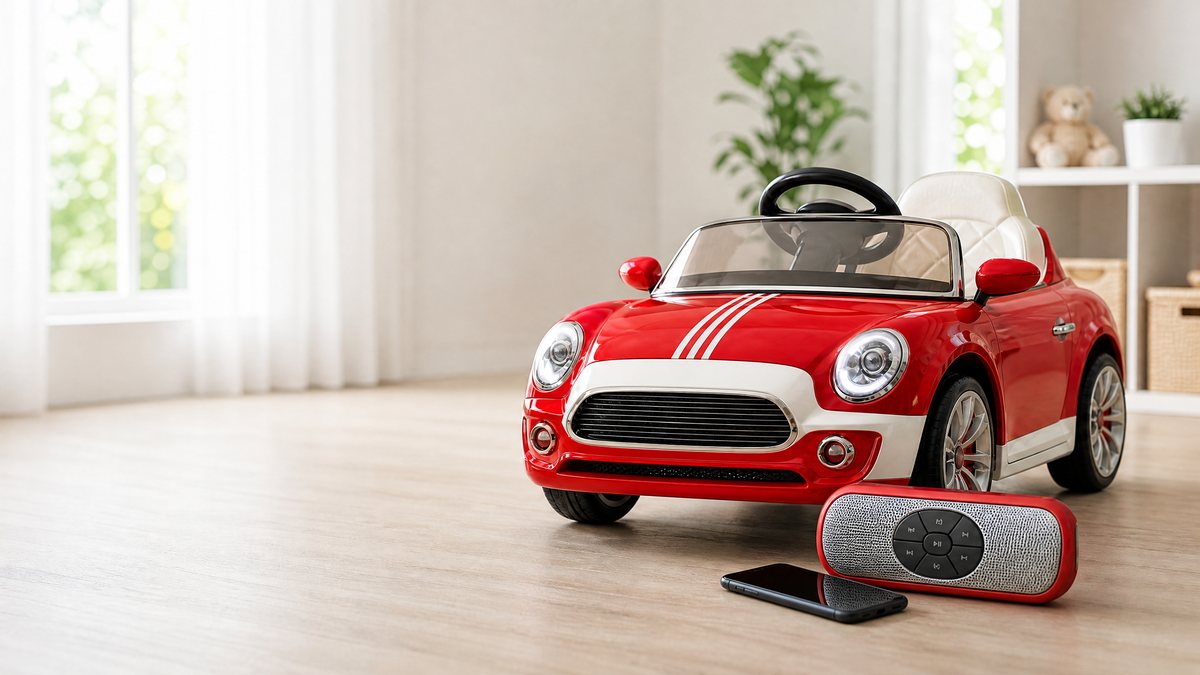
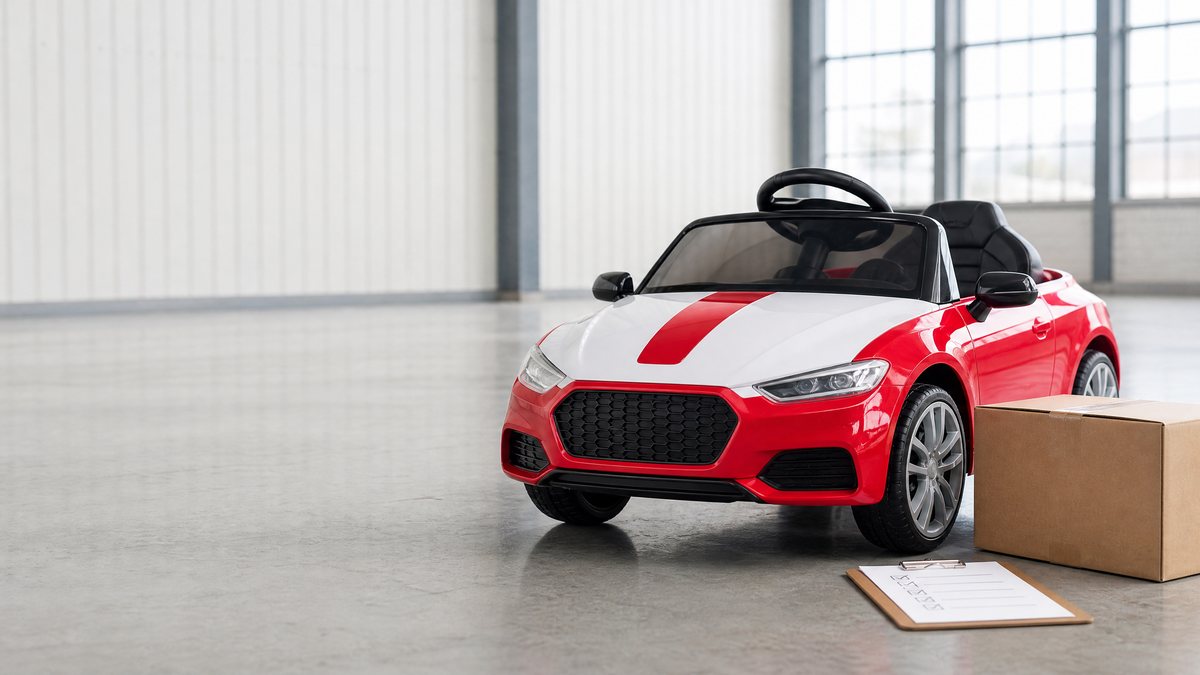
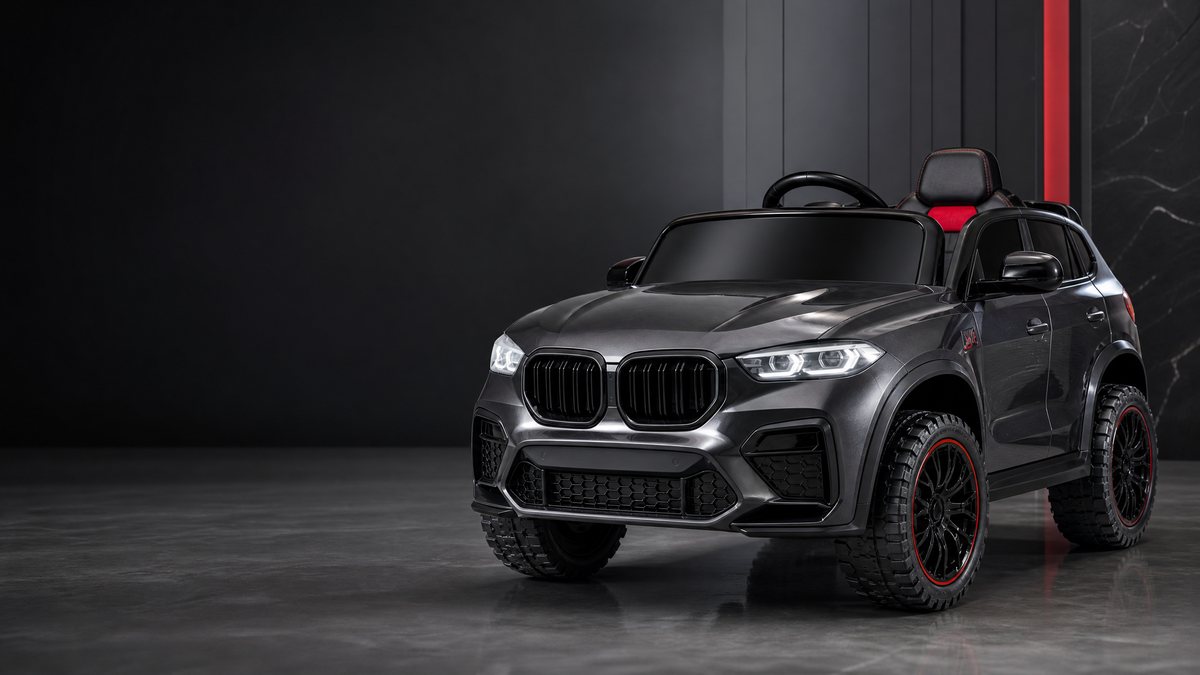
Ride-on cars occupy a prestigious position in the toy industry, combining aesthetic appeal with engaging play mechanics. Within this broad category, products generally divide into two main mechanical sub-types: manual foot-to-floor vehicles and battery-powered electric ride-on cars.
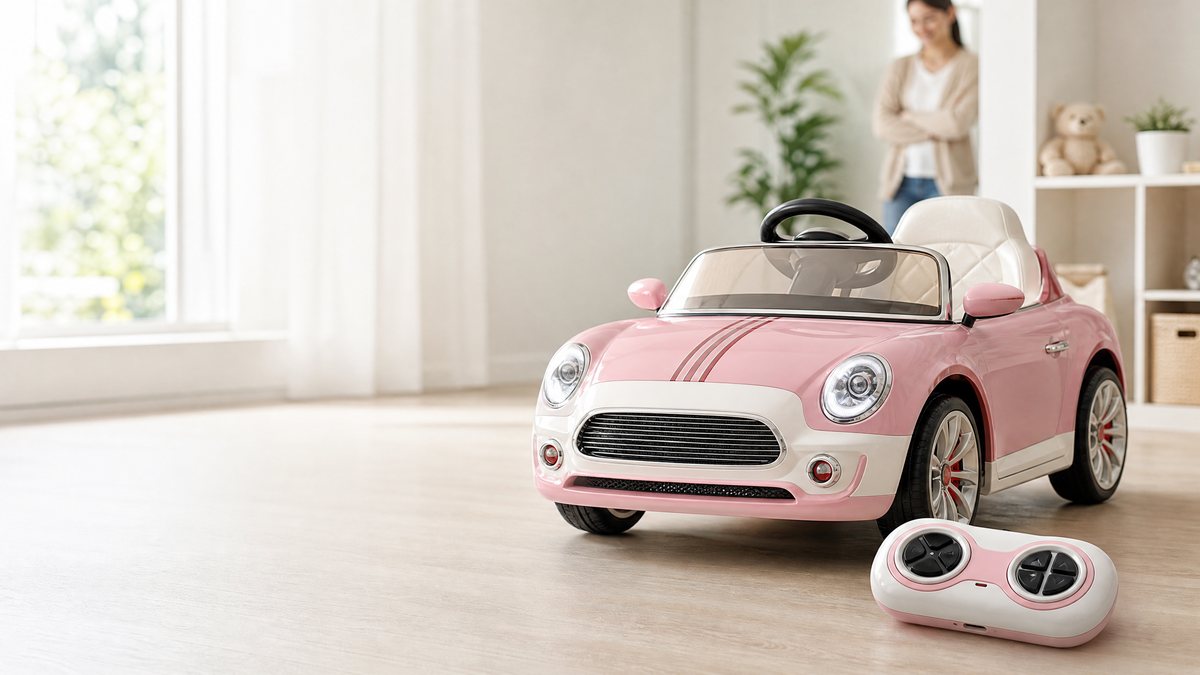
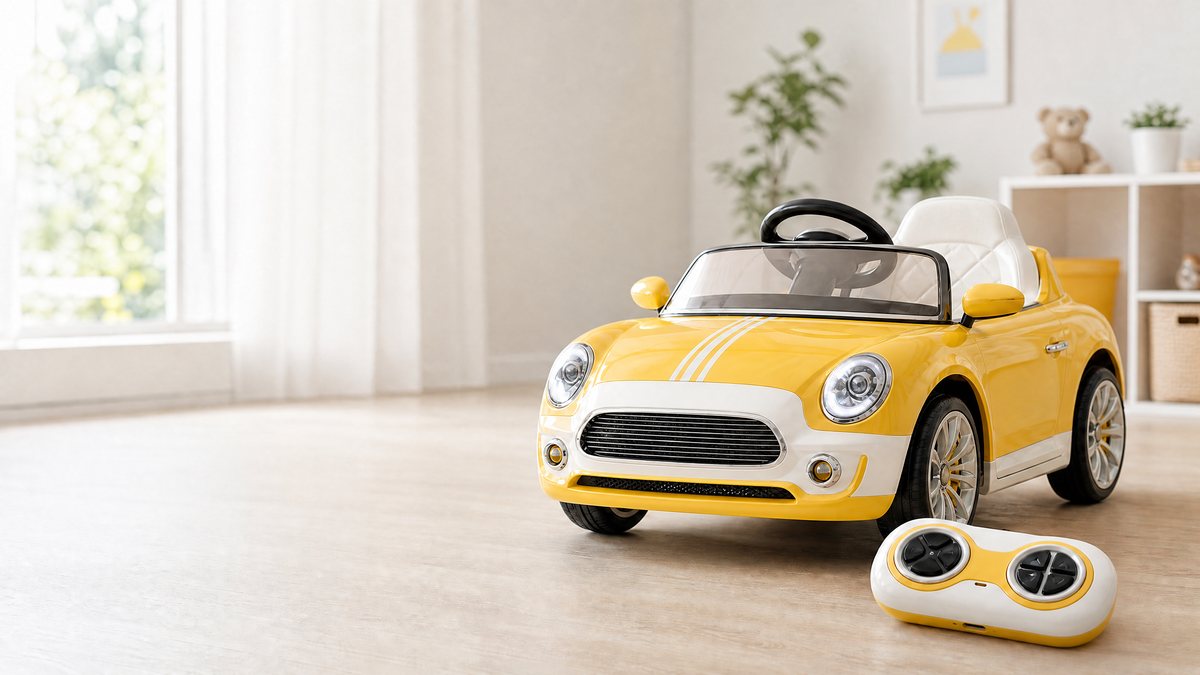
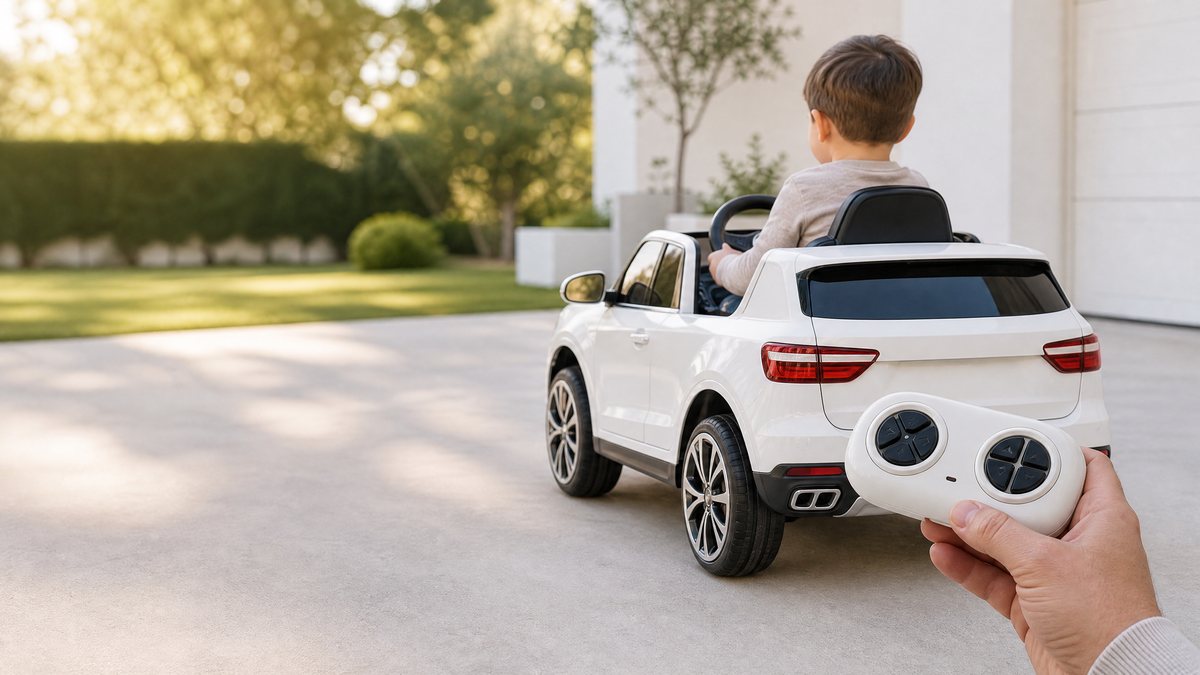
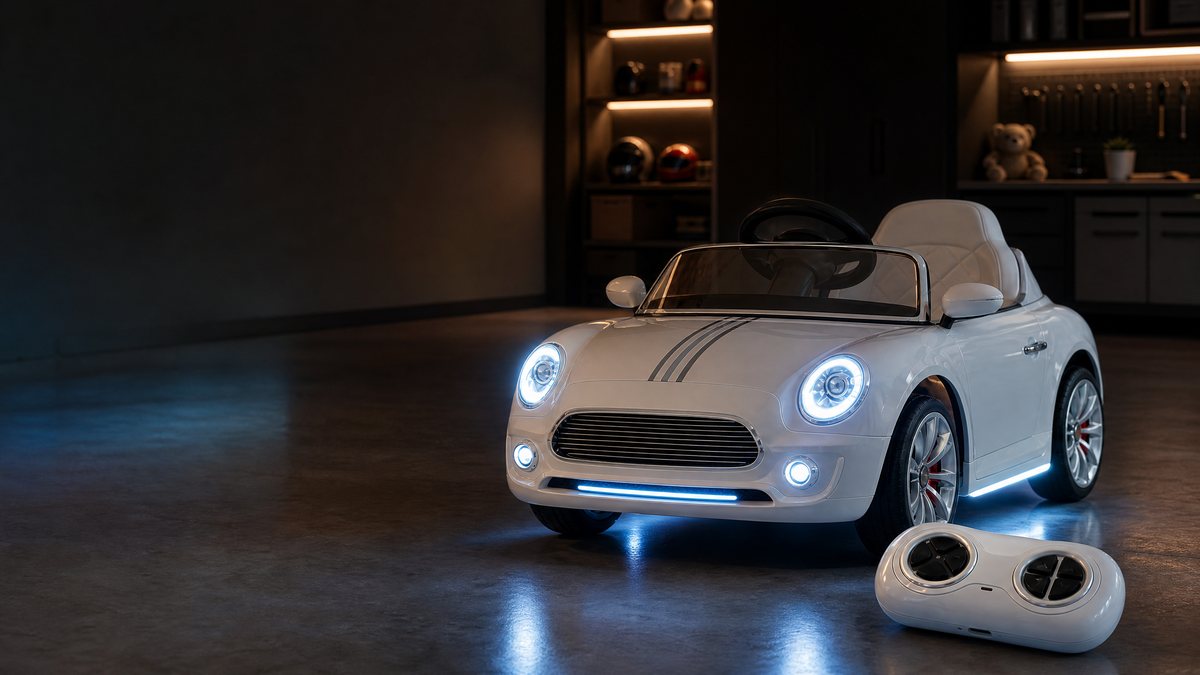
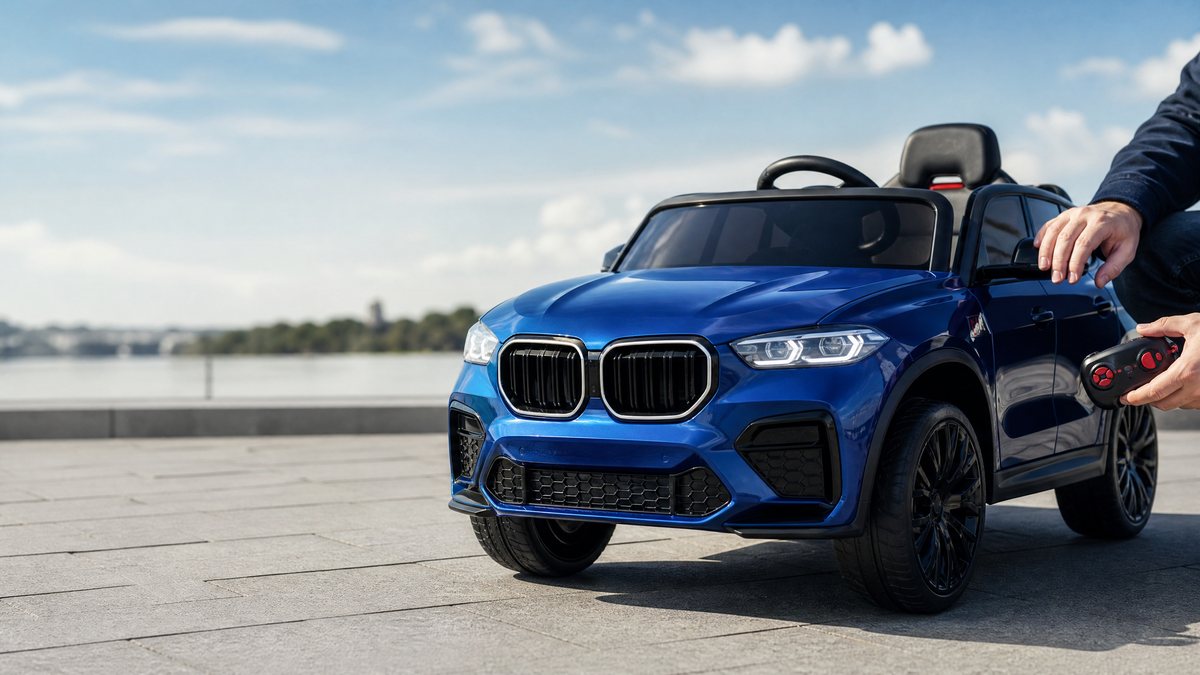
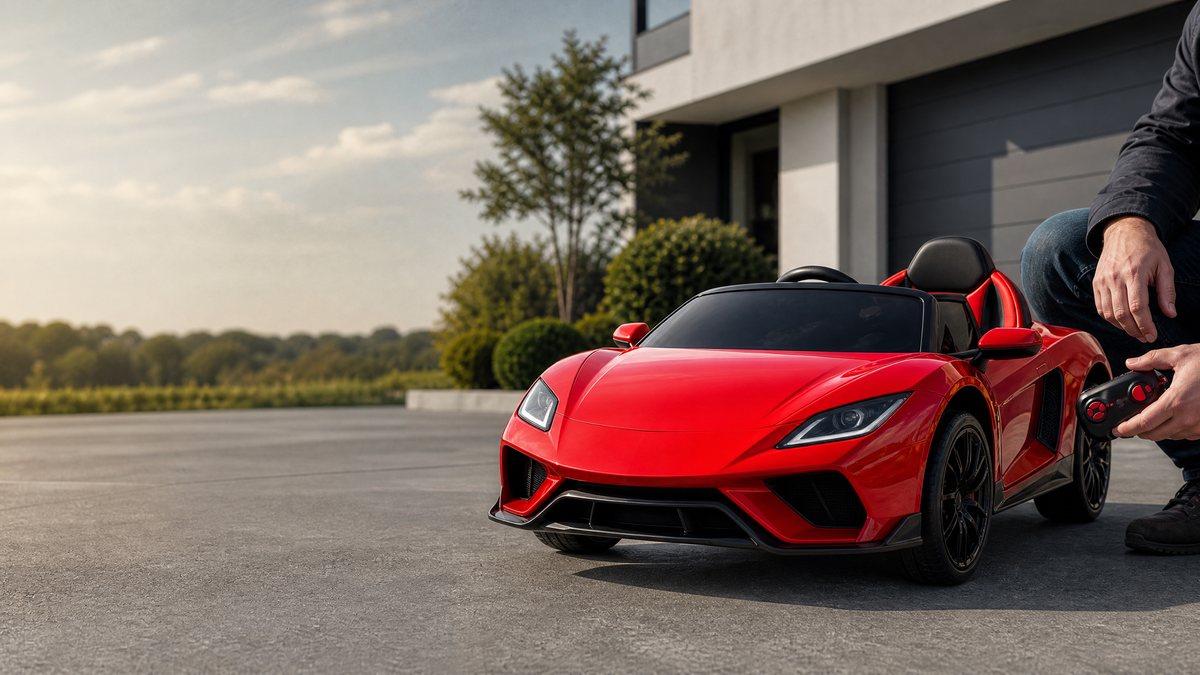
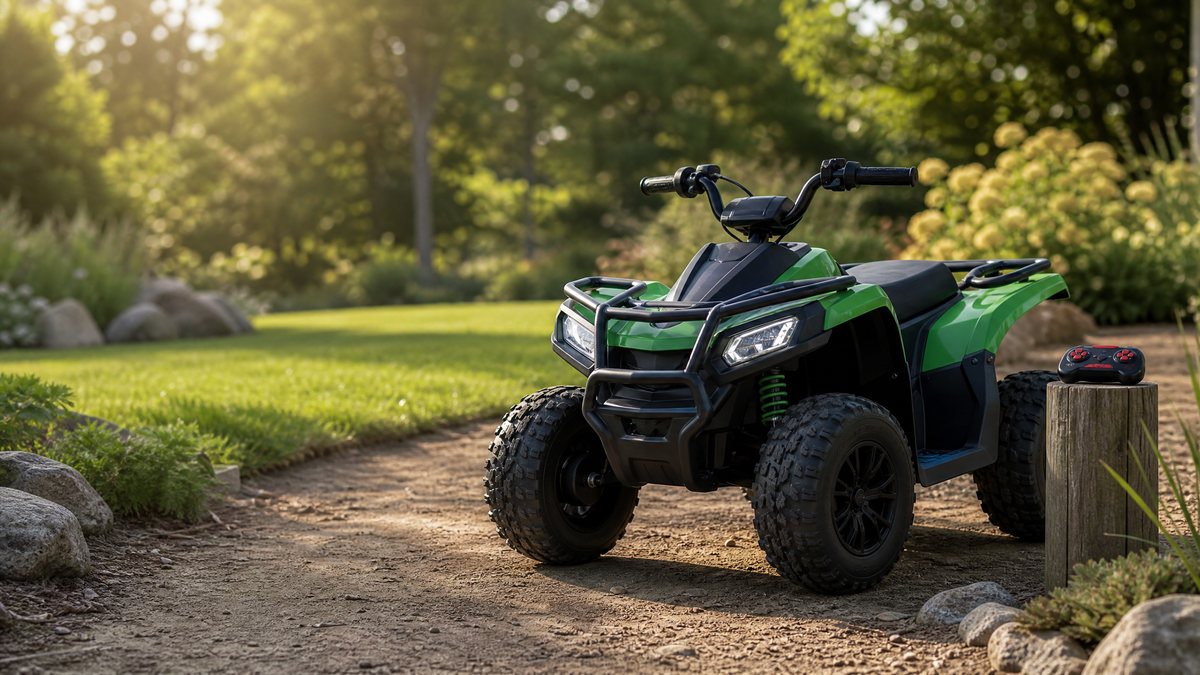
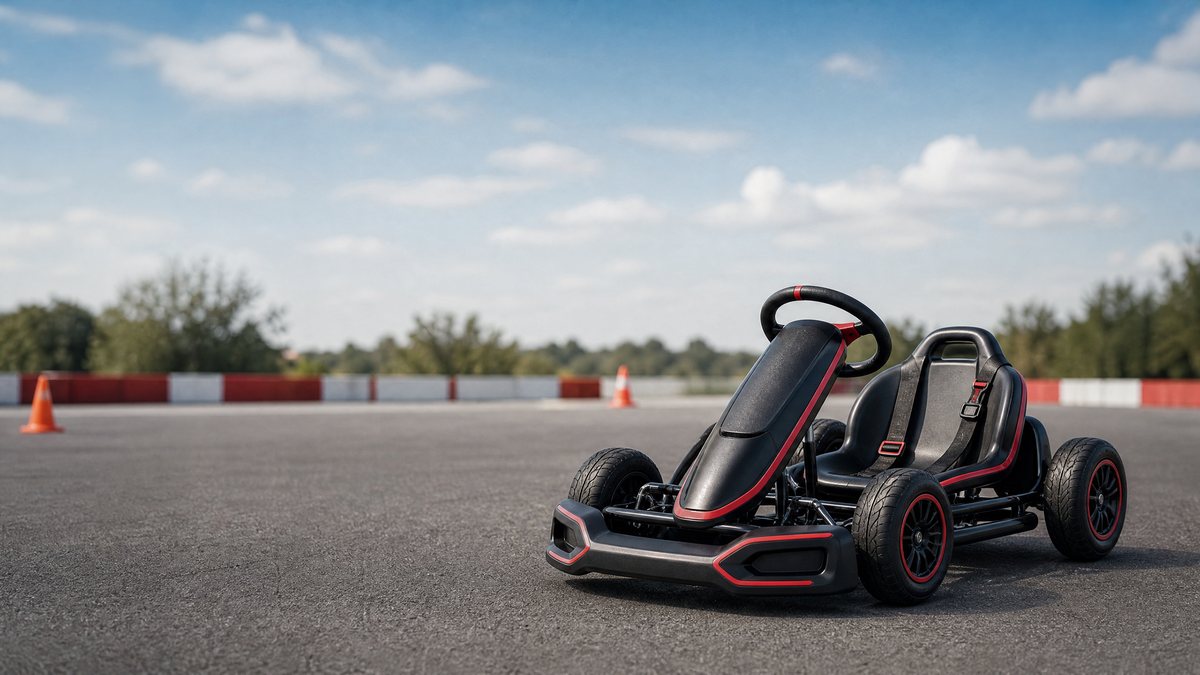
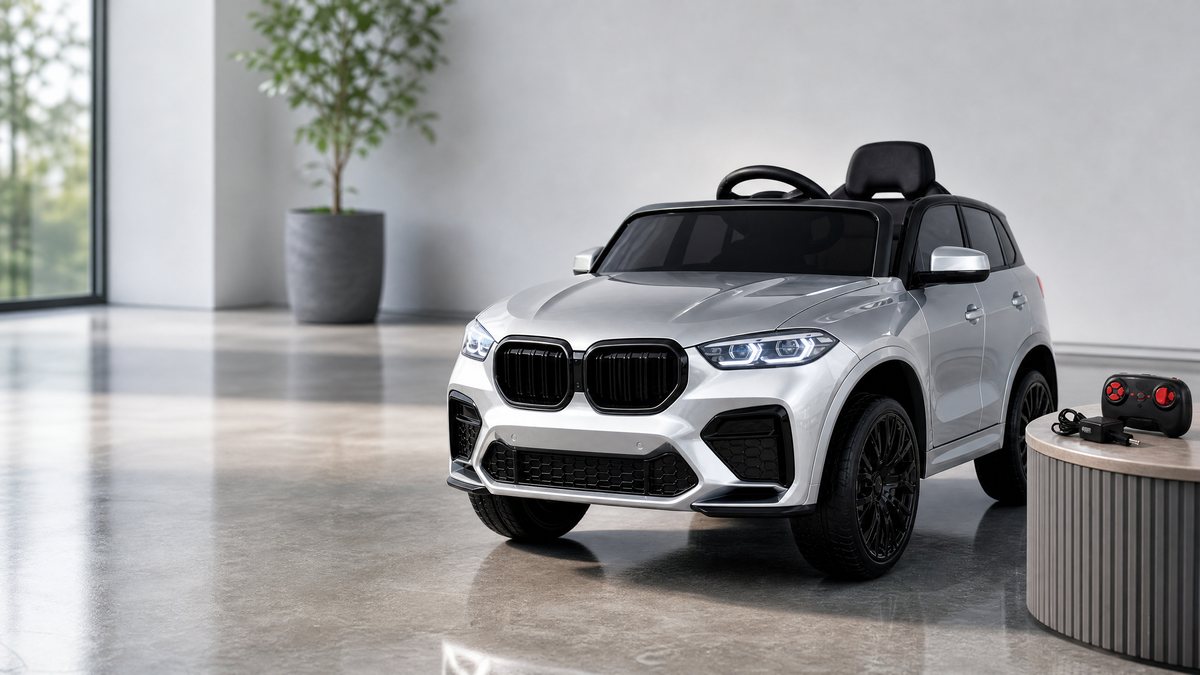
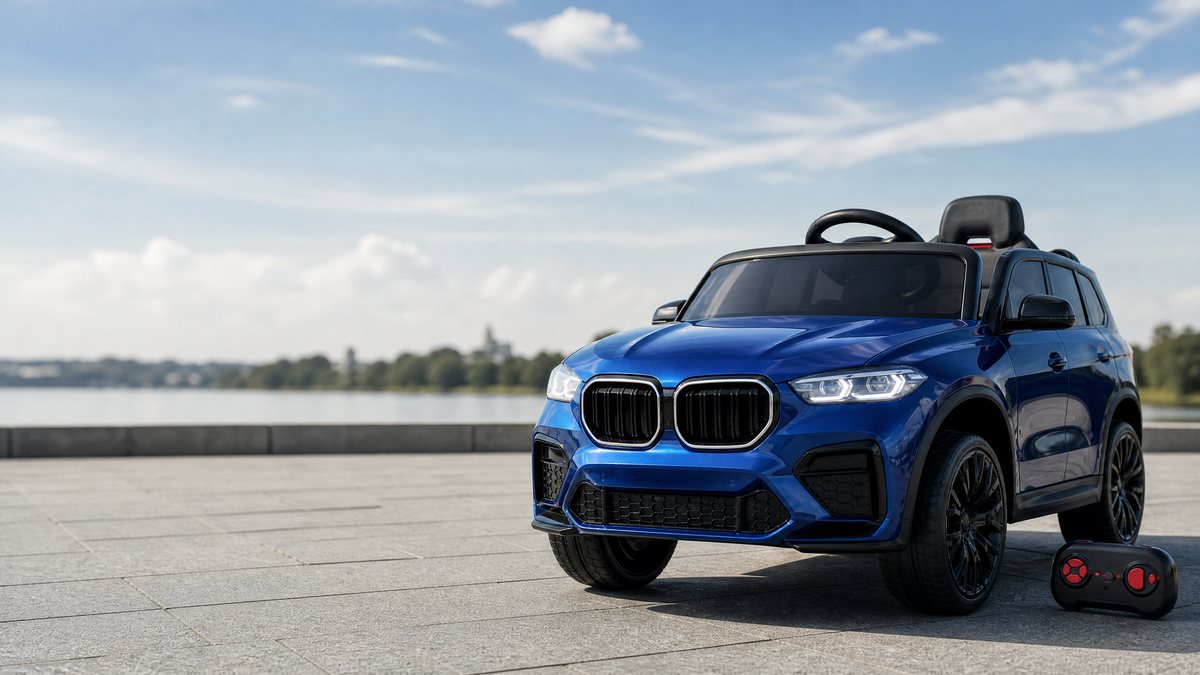
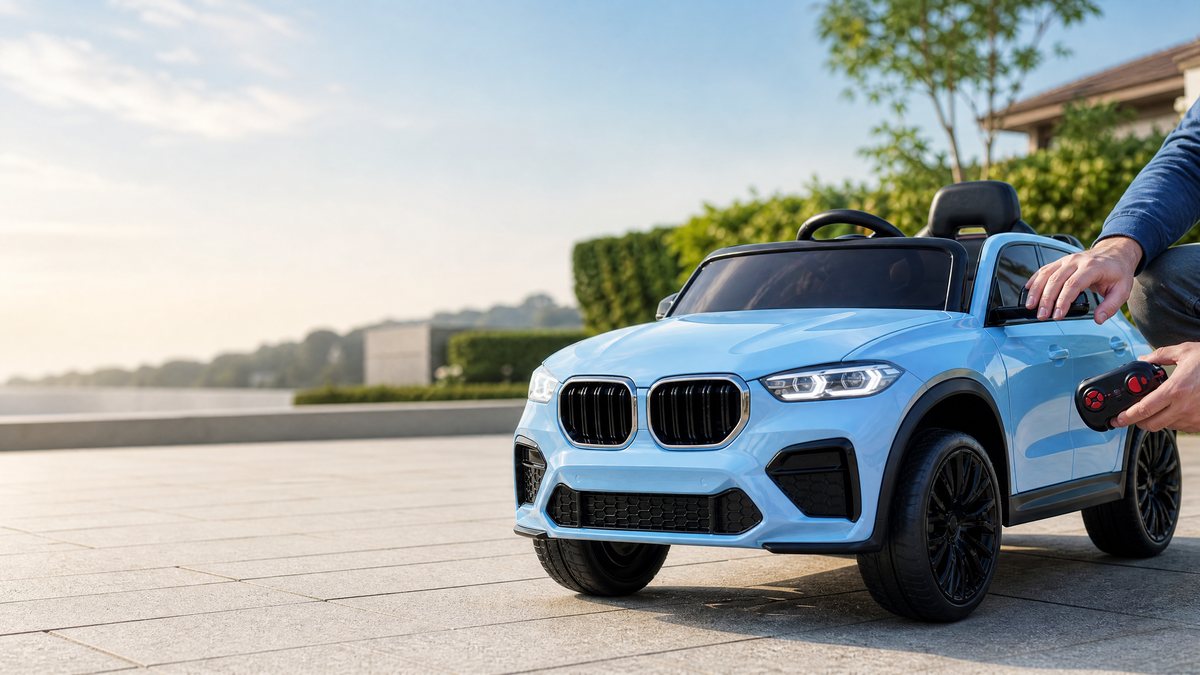
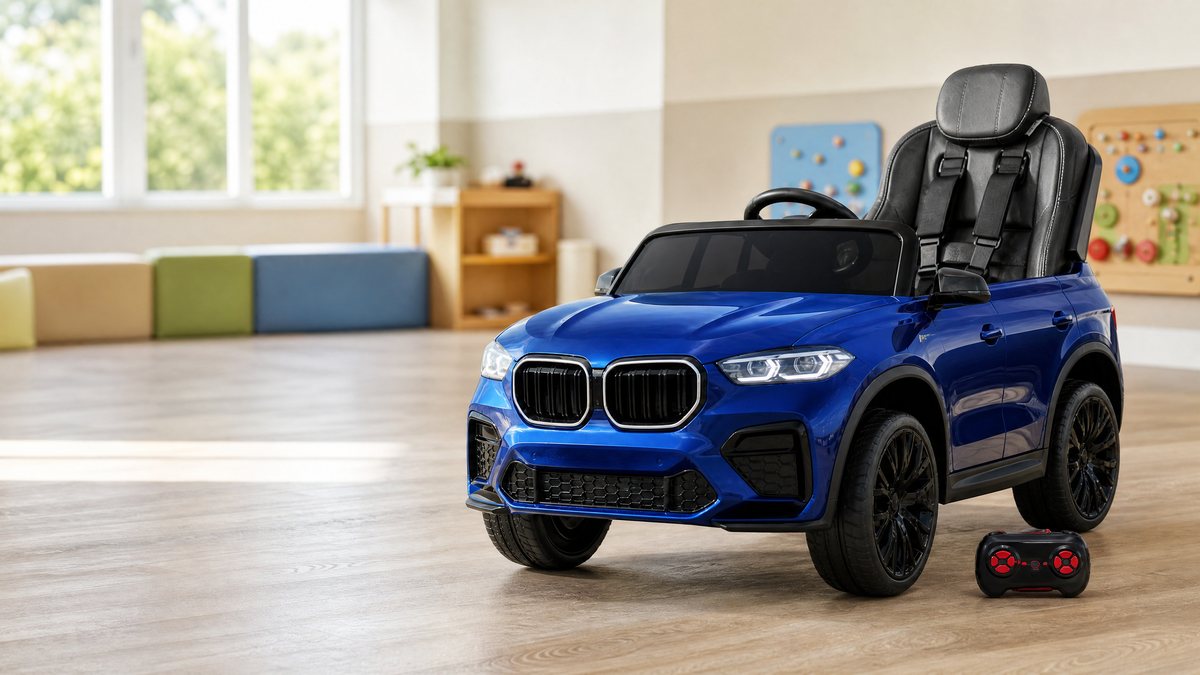
Foot-to-floor cars rely entirely on the toddler's leg power, making them lightweight, durable, and exceptionally low-maintenance. They are ideal for indoor use on smooth flooring or gentle outdoor patios. In contrast, electric ride-on cars introduce motorized propulsion, foot pedals, and in many configurations, 2.4G parental remote controls. These remote-control features allow supervising adults to override steering and speed when necessary, offering an extra layer of reassurance in public settings.
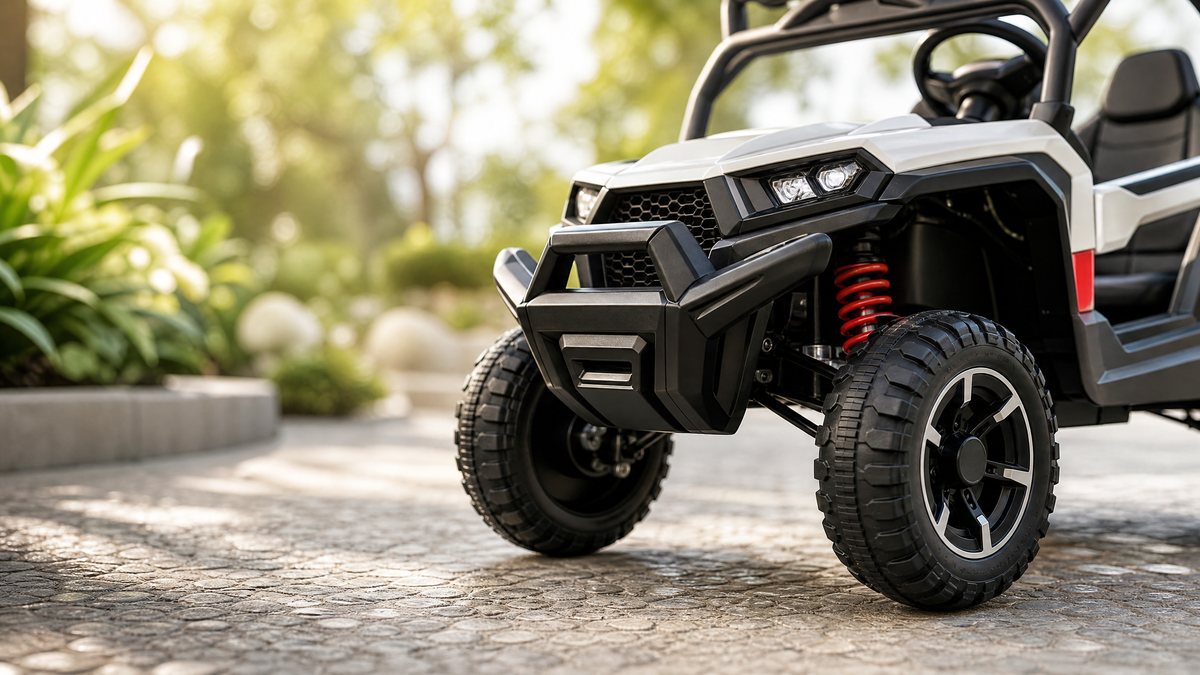
However, commercial buyers must note that feature availability—such as dual-motor setups, leather seats, EVA foam tires, MP3/Bluetooth connectivity, and high-capacity rechargeable batteries—varies by model, region, and seller. It is essential to check the exact manual, listing, and written terms to verify operating voltages, charging specifications, and maximum load limits.
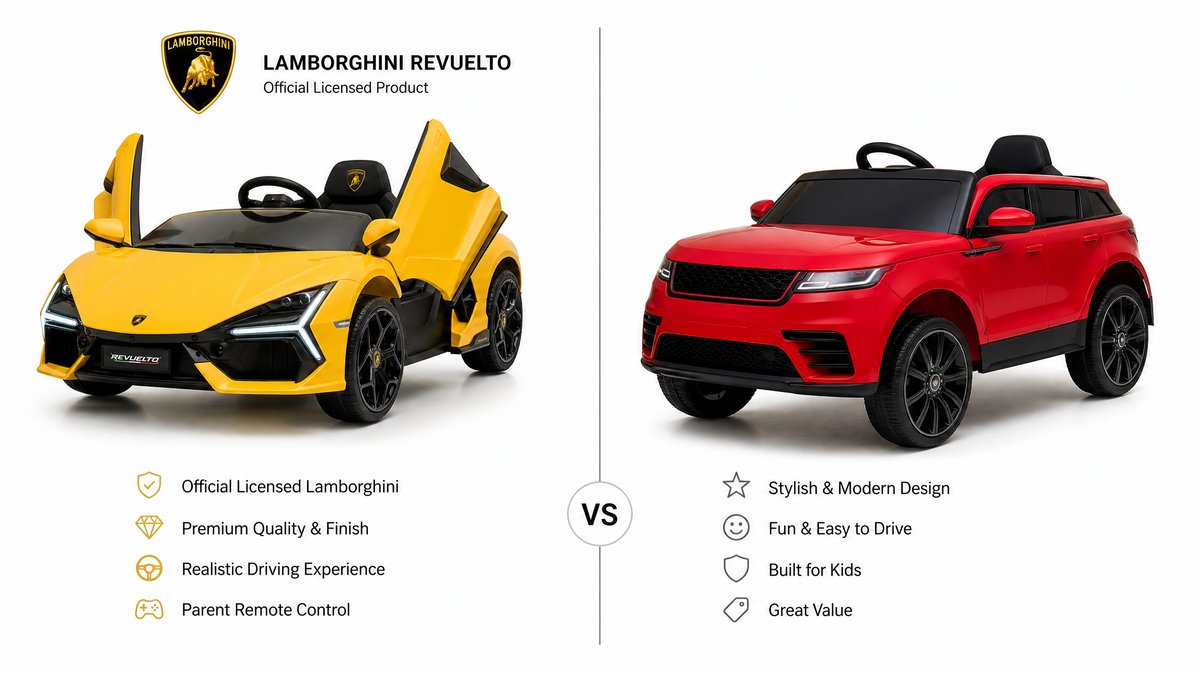
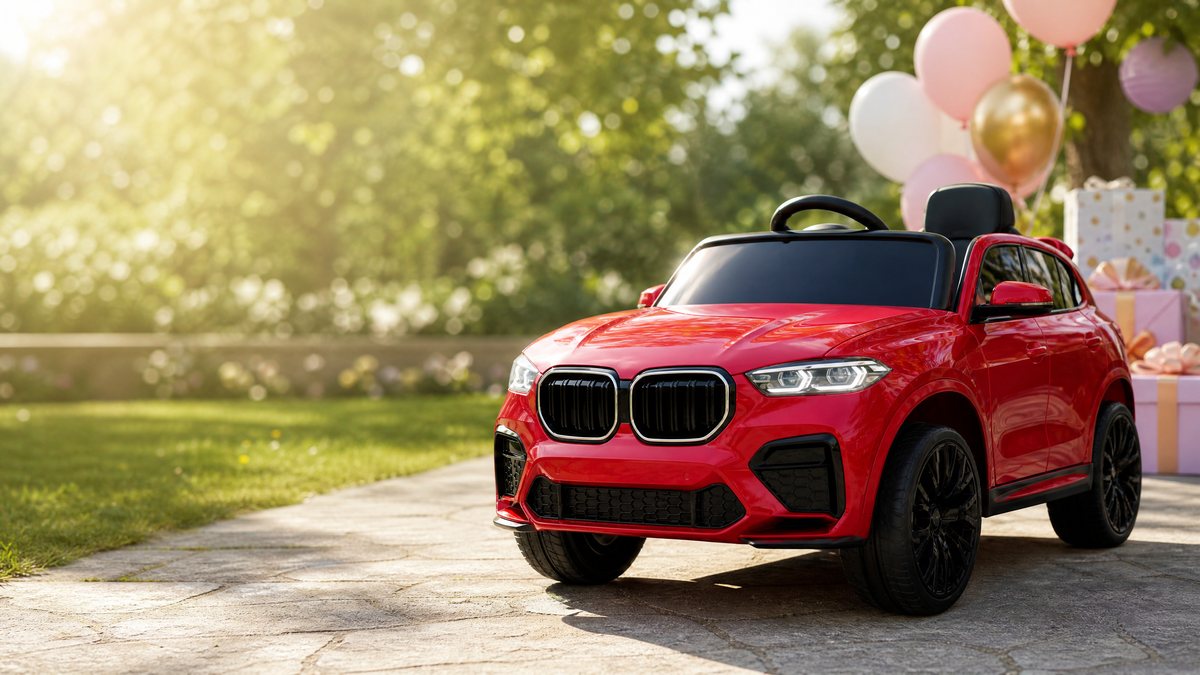
For B2B distributors, ride-on cars represent high-ticket impulse purchases that perform exceptionally well during holiday gifting seasons. Their realistic styling, often modeled after luxury automotive brands through official licensing agreements, creates strong visual merchandising appeal on showroom floors and e-commerce platforms alike. Parents and gift-givers are frequently drawn to the miniature aesthetic, making ride-on cars a staple category for premium toy boutiques and online drop-shippers.
Request a wholesale quote
Balance Bikes: Fostering Core Balance, Coordination, and Active Play
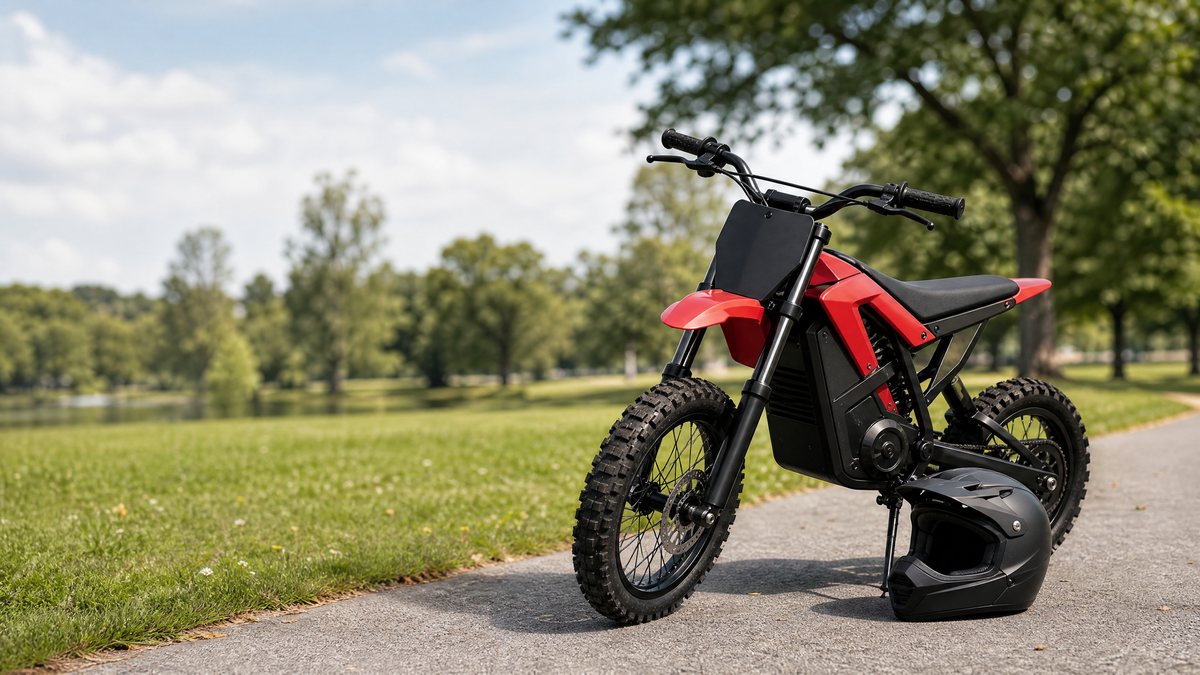
While ride-on cars captivate children with automotive realism, balance bikes take a minimalist, skill-centric approach to toddler mobility. A balance bike is a two-wheeled, pedal-less bicycle propelled entirely by the child walking or running while seated, then gliding with feet elevated once momentum is achieved.
The primary pedagogical advantage of a balance bike lies in its ability to teach the physics of balancing before introducing the complex coordination required for pedaling. By eliminating training wheels, children naturally learn how to lean into turns, control their center of gravity, and stop safely with their feet. This builds robust core strength, spatial awareness, and leg muscle endurance.
For wholesale buyers and retailers, balance bikes offer distinct supply chain advantages. Their simplified mechanical structure means fewer moving parts, lower incidence of mechanical failure, and lighter shipping weights compared to heavy motorized vehicles. This translates to reduced logistics costs and easier inventory turnover.
Nevertheless, material quality, frame geometry, adjustable seat heights, and steering limiters vary by model, region, and seller. B2B partners should carefully review product specifications and check the exact manual, listing, and written terms to ensure compliance with regional safety standards and ergonomic requirements for growing children.
Comparative Decision Matrix: Ride-On Cars vs. Balance Bikes
To assist retail buyers, store owners, and parents in making informed selection decisions, the following matrix compares ride-on cars and balance bikes across critical operational and developmental parameters.
| Feature / Dimension | Ride-On Cars (Electric & Manual) | Balance Bikes |
|---|---|---|
| Primary Age Focus | Typically 12 months to 5 years (varies by model) | Typically 18 months to 5 years (varies by model) |
| Core Developmental Benefit | Imaginative play, spatial navigation, hand-eye coordination | Gross motor balance, bilateral coordination, spatial equilibrium |
| Propulsion Mechanism | Foot-to-floor or electric motor with rechargeable battery | Child-powered stride and glide |
| Primary Operating Environment | Smooth indoor floors, paved driveways, flat outdoor terrain | Sidewalks, parks, bike paths, smooth outdoor trails |
| Maintenance Complexity | Moderate (battery charging, switch checks; varies by model) | Low (tire inflation, mechanical fastener checks; varies by model) |
| Retail & Wholesale Appeal | High visual gifting appeal, premium price points, licensed styling | High active-play demand, lightweight shipping, educational focus |
As illustrated in the comparison table, neither product is universally superior; rather, they serve complementary roles in a well-rounded toy retail catalog or a child's early developmental journey. Retailers who stock both options empower consumers to choose based on the child's unique developmental stage, available play space, and personal preferences.
Safety, Compliance, and Operational Best Practices
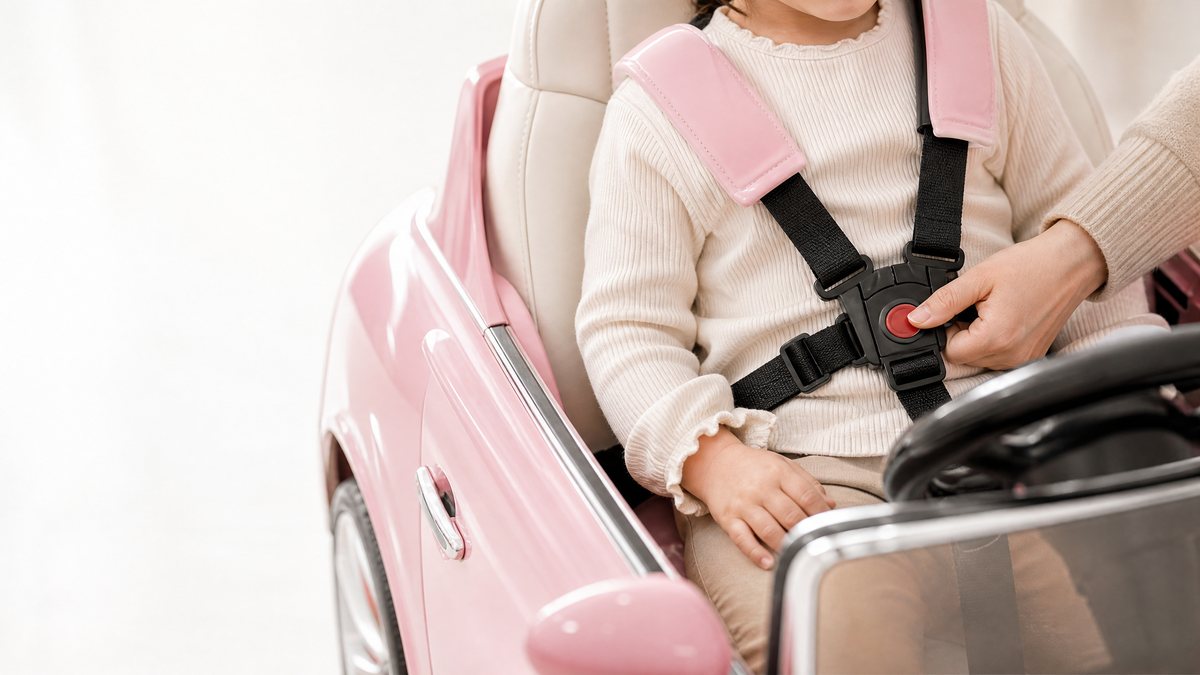
Safety compliance is paramount for any business operating in the juvenile products industry. Whether sourcing inventory or advising end consumers, adhering to rigorous safety protocols prevents accidents and builds long-term brand trust.
As a general baseline for toy safety education, the Consumer Product Safety Commission (CPSC) provides extensive resources and guidelines regarding toy safety standards, age grading, and hazard identification. However, CPSC general toy safety education serves solely as a general educational resource and does not replace specific model manuals, manufacturer instructions, or certified laboratory testing reports.
Furthermore, all stakeholders must understand specific operational boundaries regarding vehicle maintenance and troubleshooting:
- Never attempt internal electrical repairs, terminal modifications, wiring harness alterations, or control board tampering.
- Do not perform multimeter testing or unauthorized electrical diagnostics on motorized ride-on components.
- Do not attempt unauthorized battery or motor upgrades beyond factory specifications.
- In the event of unusual burning smells, overheating, smoke, water ingress, cable damage, or persistent mechanical failure, immediately stop using and charging the vehicle, power off the main switch, keep children away from the unit, and contact the manufacturer or qualified repair personnel.
Because warranty coverage, replacement parts availability, assembly requirements, and return policies vary by model, region, and seller, always check the exact manual, listing, and written terms before completing transactions or deploying products to end-users.
Frequently Asked Questions
1. Which option is better for a toddler who is just learning to walk: a ride-on car or a balance bike?
For younger toddlers who are newly walking (around 12 to 18 months), a stable foot-to-floor ride-on car or a push toy often provides more immediate stability and seated confidence. Balance bikes generally require a bit more leg length and coordination, making them more suitable for children aged 18 months to 2 years and older. However, developmental readiness varies by model, region, and individual child; check the exact manual, listing, and written terms for age and weight recommendations.
2. Are electric ride-on cars safe for indoor use?
While many electric ride-on cars are compact enough for indoor play, their suitability depends heavily on available living space, flooring type, and parental supervision. Many models feature 2.4G parental remote controls, allowing adults to manage speed and steering in confined spaces. Operating limits, speed restrictions, and recommended surface types vary by model, region, and seller, so always verify specifications in the product manual.
3. Do balance bikes require professional assembly or complex maintenance?
Balance bikes generally feature simplified mechanical construction compared to motorized vehicles, often requiring only basic handlebar and seat adjustments using standard hex wrenches. Ongoing maintenance typically involves checking tire pressure and tightening fastener bolts. Because assembly requirements and included tools vary by model, region, and seller, check the exact manual, listing, and written terms for guidance.
4. How should retailers approach inventory balancing between ride-on cars and balance bikes?
Retailers and wholesale buyers should analyze their target demographic, seasonal demand peaks, and average retail space. Ride-on cars often peak during holiday gifting seasons due to their high visual appeal and licensed styling, whereas balance bikes enjoy steady year-round demand from parents seeking active, outdoor skill-building toys. Diversifying inventory across both categories helps capture diverse consumer intents.
Conclusion
The choice between a ride-on car and a balance bike ultimately depends on a variety of developmental, environmental, and personal factors. Ride-on cars offer engaging, imaginative driving experiences enriched by realistic styling and optional parental remote controls, making them perennial favorites for gifting and sensory play. Balance bikes provide an invaluable foundation for gross motor development, teaching children essential equilibrium and steering skills that seamlessly transition to traditional pedal bicycles later in childhood.
For B2B buyers, toy store operators, and distributors, maintaining a balanced inventory that includes both categories ensures the ability to meet diverse consumer demands. By maintaining rigorous safety standards, respecting operational boundaries, and always verifying specifications against official documentation—remembering that features, warranties, and compliance vary by model, region, and seller, and that you must check the exact manual, listing, and written terms—businesses can foster long-term customer satisfaction and sustainable growth.
Request a wholesale quote
Official references
Explore these external resources for current regulatory and trade guidance. Confirm requirements with the relevant authority before placing an order.
Ready to Start?
Factory-Direct · CE & ASTM Certified · MOQ from 50 Units
Our export team works with buyers in 60+ countries. Get a quote within 24 hours.
KR
Written by KidsRideCar
China's leading kids electric ride-on car manufacturer. 500,000+ units shipped annually to 60+ countries. CE, ASTM & EN71 certified.