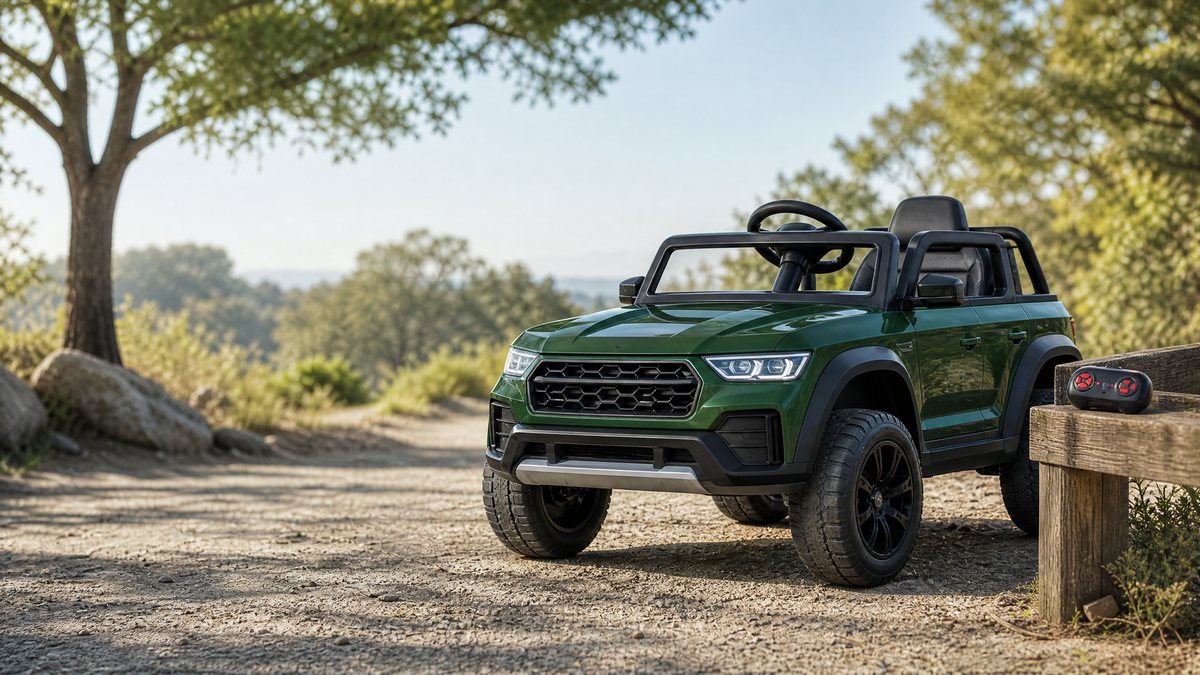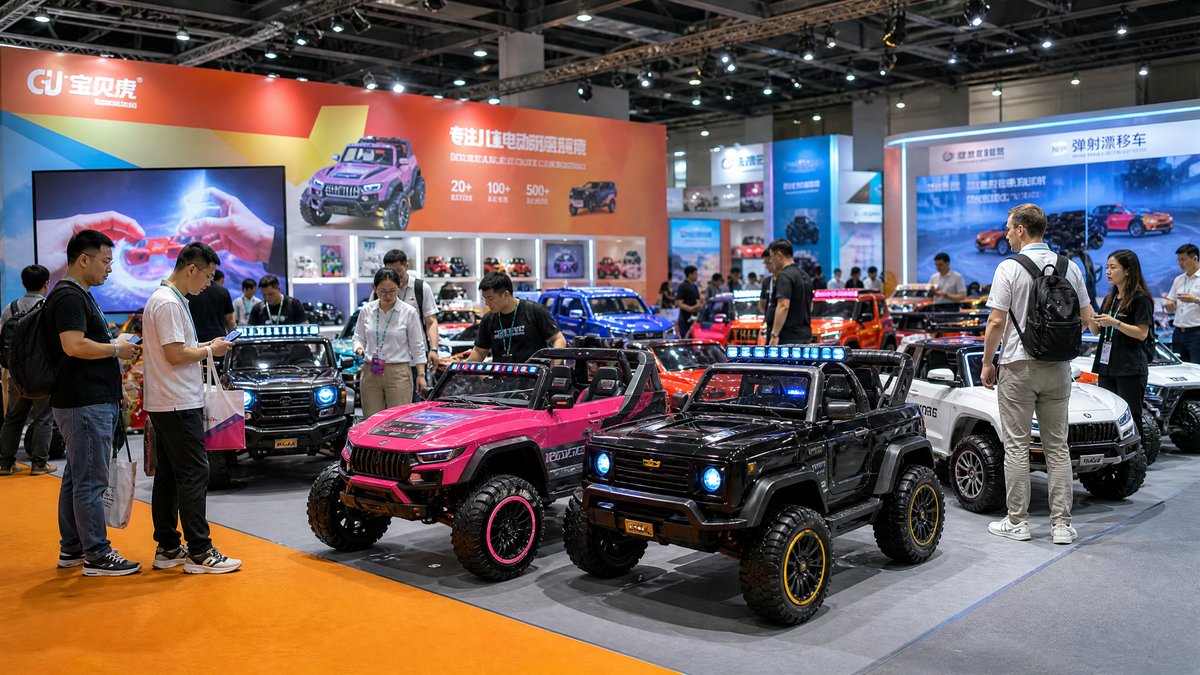
Indoor play spaces present unique opportunities and challenges for families utilizing electric and manual ride-on vehicles. While outdoor environments provide expansive space for cruising, indoor settings require structured play frameworks, spatial awareness, and careful supervision to ensure both entertainment and safety. For B2B distributors, retailers, and educational toy buyers, understanding how families utilize ride-on cars indoors helps inform product curation, accessory bundling, and consumer guidance. This comprehensive guide explores structured ride-on car games designed for home environments, developmental benefits, spatial planning, and safety protocols that protect children while maximizing play value.
As modern living spaces adapt to diverse family needs, parents increasingly seek creative ways to integrate active play into indoor routines. Ride-on cars are no longer restricted to driveways and parks; with thoughtful game design, living rooms, hallways, and playrooms can be transformed into engaging developmental circuits. Structured play not only burns excess energy but also refines gross motor skills, spatial reasoning, and social cooperation among siblings. Wholesale buyers and retailers benefit greatly from offering comprehensive play guides alongside vehicle inventory, establishing brand authority and supporting end-user satisfaction.
Understanding the Indoor Ride-On Play Environment
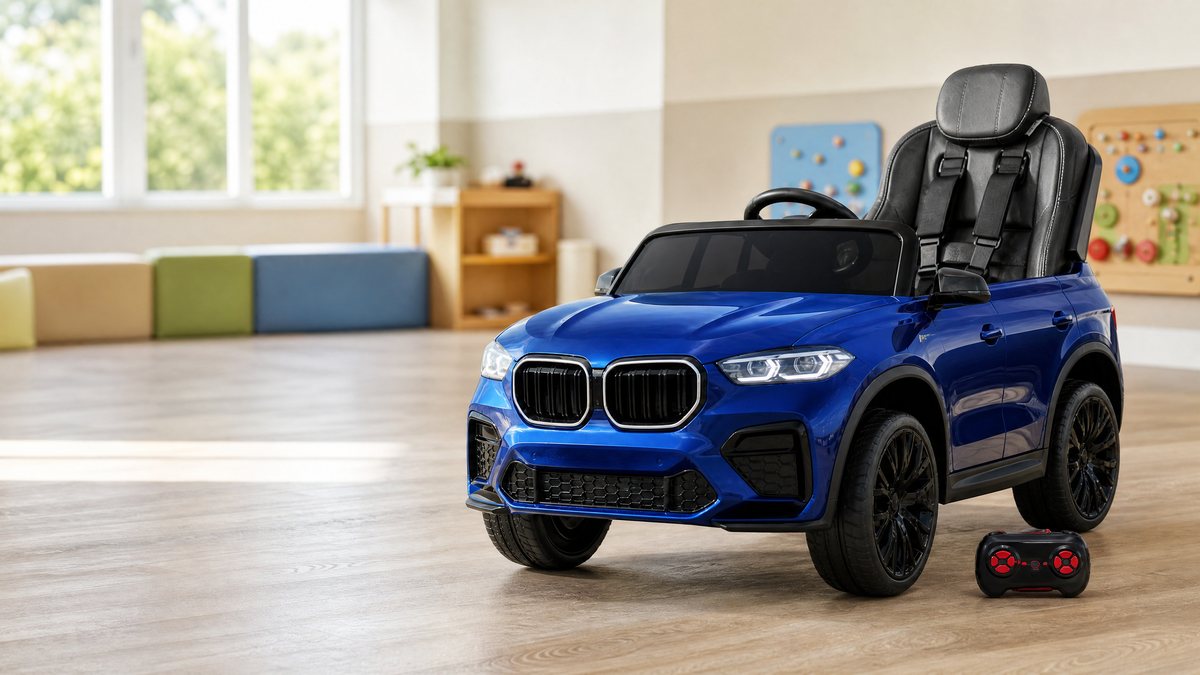
Transforming indoor areas for ride-on car activities requires careful assessment of flooring surfaces, spatial dimensions, and potential hazards. Unlike outdoor asphalt or grass, indoor flooring typically consists of hardwood, tile, or low-pile carpeting, each affecting traction, rolling resistance, and maneuverability differently. Parents and caregivers must evaluate these surface characteristics before introducing vehicle-based games. Furthermore, establishing clear spatial boundaries prevents collisions with walls, furniture, and household decor.
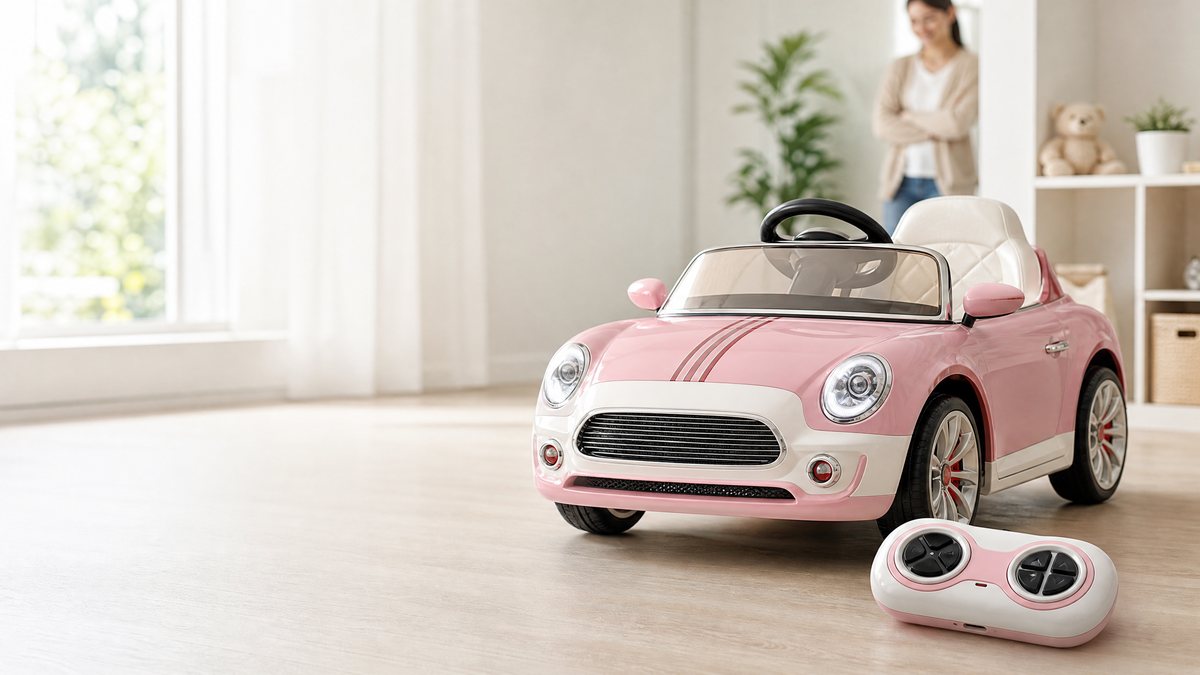
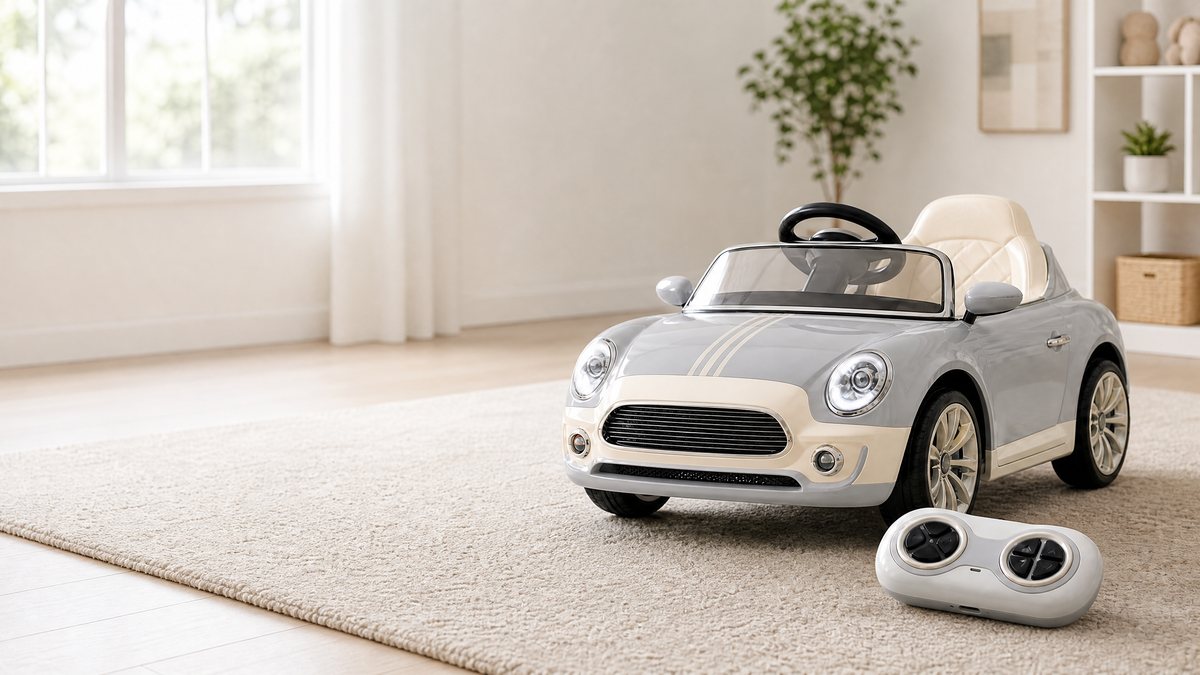
When curating or recommending ride-on vehicles for indoor use, retailers should emphasize models equipped with specific features tailored to enclosed spaces. Features such as soft-start acceleration, rubber or EVA polymer tires, and responsive parental remote controls allow supervisors to maintain precise command over vehicle movement. It is essential to remember that all vehicle specifications and operational capabilities vary by specific model; buyers and parents must always consult the manufacturer's official user manual and rating plate for precise guidance on intended usage environments [1].
| Feature Category | Indoor Suitability Assessment | Buyer & Parent Consideration |
|---|---|---|
| Tire Material | EVA foam or rubberized tread minimizes noise and protects hardwood floors against scratching. | Prioritize models with non-marking tread for indoor-focused product lines. |
| Speed Control | Adjustable multi-speed settings and parental remote override ensure safe indoor velocity. | Verify remote control pairing stability and low-speed gear limits prior to play. |
| Turning Radius | Compact wheelbase and responsive steering enable smooth navigation in hallways. | Evaluate vehicle dimensions against standard interior doorway widths. |
| Battery Management | Indoor storage near accessible charging stations simplifies routine maintenance and safety monitoring. | Follow manufacturer charging duration guidelines strictly; never overcharge. |
Structured Indoor Games and Activity Frameworks
Introducing structured games prevents erratic driving and helps children develop specific cognitive and physical competencies. By turning ordinary living areas into interactive courses, children engage in purposeful play that sustains attention and encourages rule-following. The following activity frameworks can be easily adapted to various home layouts and child developmental stages, supported by appropriate adult supervision and adherence to manufacturer instructions [2].
1. The Precision Parking Circuit
The precision parking circuit is designed to enhance spatial estimation, fine motor control, and directional reversing skills. Using painter's tape or soft foam markers, caregivers can outline "parking bays," "gas stations," and "drive-thru windows" across the playroom floor. Children navigate their ride-on cars along designated lanes and attempt to park precisely within the marked stalls without touching the boundary lines. This game encourages children to practice low-speed maneuvering, steering alignment, and spatial judgment in a controlled setting.
For younger children or those transitioning from push-along toys to battery-operated models, parents can start with wider parking bays and gradually decrease the target dimensions as proficiency improves. It is important to emphasize that structured games should remain fun and pressure-free. If a child experiences difficulty with steering coordination, caregivers should pause the activity and verify that the vehicle's steering mechanism operates smoothly according to the manufacturer's manual.
2. Follow the Leader and Traffic Light Signals
Social play and cooperative rules can be effectively introduced through structured follower games. In "Follow the Leader," an adult or older sibling acts as the lead vehicle, guiding a train of younger drivers through a predefined indoor course. This game promotes turn-taking, observational skills, and safe following distances. To incorporate cognitive challenges, caregivers can integrate "Traffic Light Signals" by holding up colored cards or using verbal cues. Green signifies cruising at low speed, yellow signals caution and slowing down, and red requires a complete, controlled stop.
Such exercises support listening comprehension and reaction time. However, supervisors must remain vigilant to prevent rear-end collisions or sudden acceleration indoors. All participating children must follow safety instructions provided in the product documentation. For families seeking professional guidance on bulk procurement or product specifications suitable for indoor play environments, Request a wholesale quote to connect directly with our commercial support team.
3. Obstacle Navigation and Sensory Storytelling
Combining physical movement with imaginative narratives enhances cognitive engagement. Caregivers can set up soft, non-abrasive obstacles such as plush pillows, cardboard boxes, or rolled blankets to represent mountains, rivers, and canyons that drivers must navigate around. By weaving a storyline around the obstacle course—such as delivering vital supplies across an imaginary landscape—children immerse themselves in imaginative play while practicing steering precision and obstacle avoidance.
Sensory integration can also be supported through structured movement, provided that parents understand that such activities may support general play engagement but do not constitute medical or therapeutic treatments. Caregivers and educators should observe individual child responses and consult qualified professionals for specific developmental needs. Always ensure that obstacle courses are set up in well-lit areas away from staircases, glass doors, and heavy furniture.
Developmental Benefits and Motor Skill Refinement
Engaging with ride-on cars in structured indoor settings offers substantial developmental advantages for growing children. From a physiological perspective, steering, pedaling or operating foot accelerators, and shifting between forward and reverse gears foster bilateral coordination, upper body strength, and hand-eye-foot synchronization. Spatial awareness is naturally reinforced as children judge distances, clearances, and turning angles within confined domestic spaces.
Furthermore, mastering vehicle controls builds self-confidence and fosters a sense of independence. Children learn cause-and-effect relationships as they press accelerators and experience immediate motion response. Nevertheless, these developmental milestones occur gradually and vary significantly among individual children. Retailers and educational buyers should communicate transparently with consumers, emphasizing that toy vehicles serve as recreational tools that complement holistic growth rather than guaranteed developmental shortcuts.
Comprehensive Pre-Play Inspection and Safety Protocols
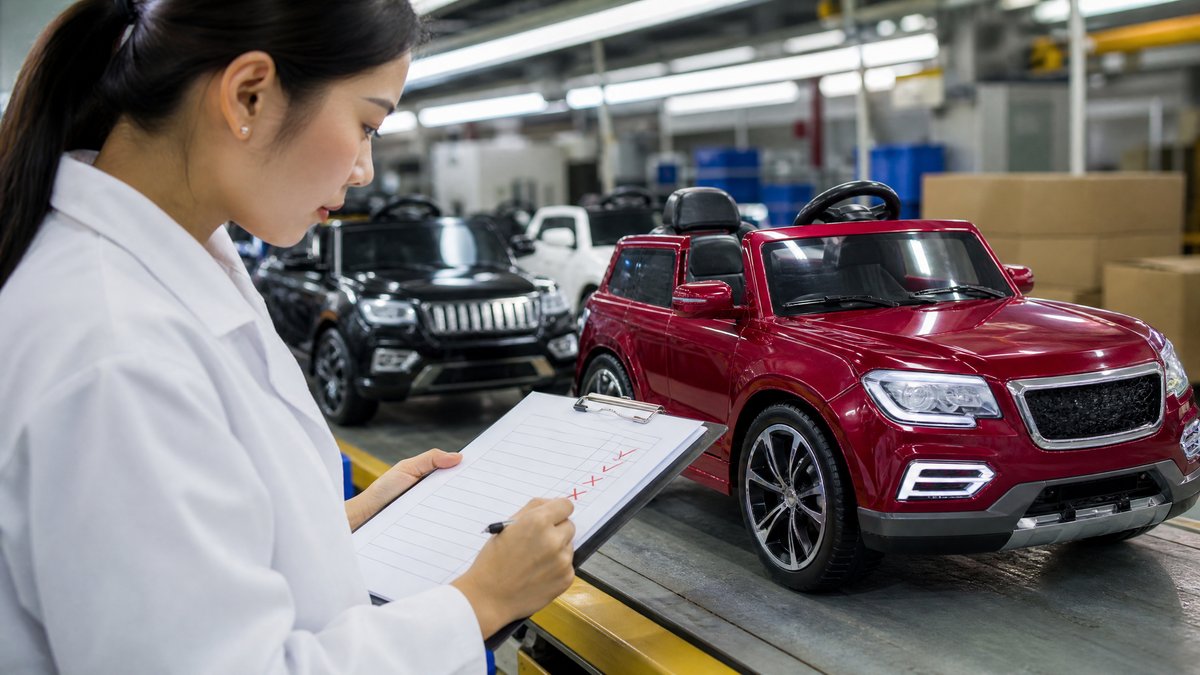
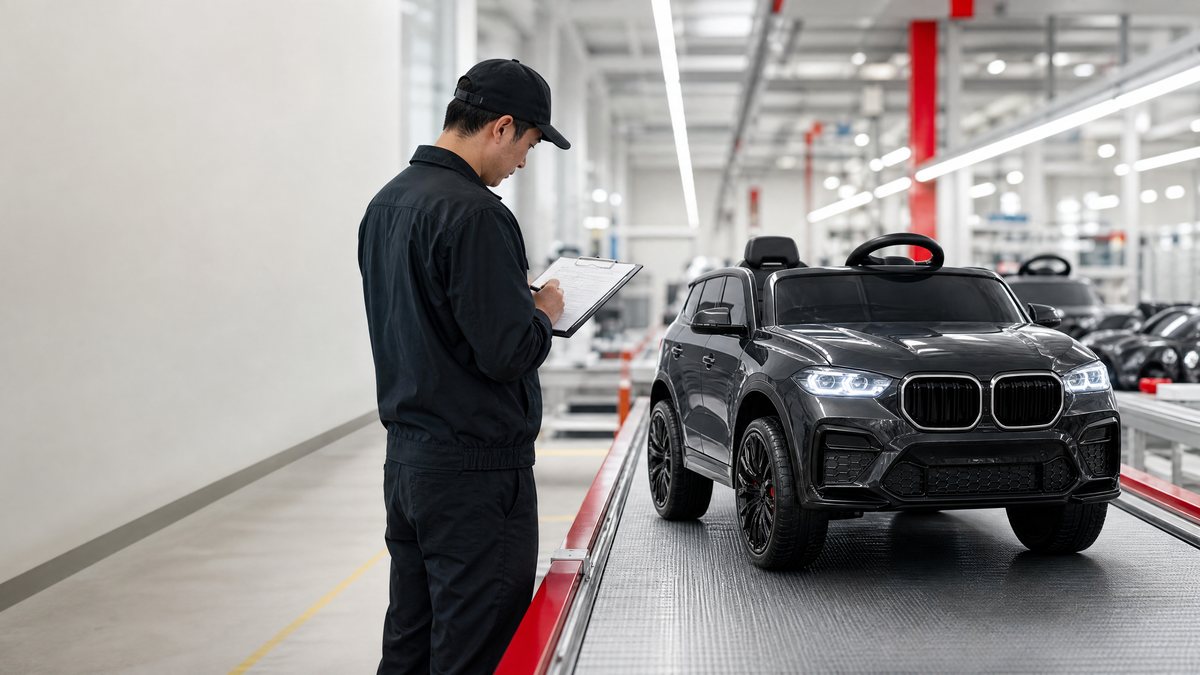
Indoor ride-on car play requires rigorous adherence to safety protocols to prevent accidents and equipment damage. Before every play session, parents and supervisors must conduct a thorough pre-play inspection checklist. This includes verifying that battery housing compartments are securely closed, wiring is intact, and wheels are free of debris or hair tangles that could impede movement.
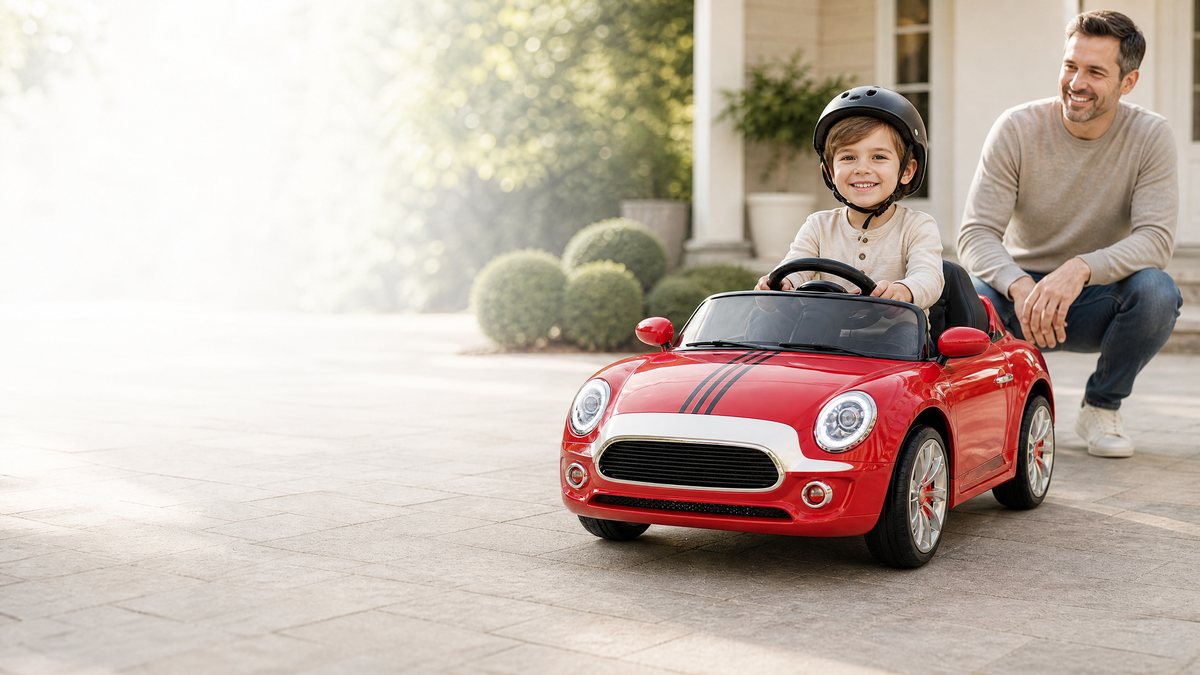
Safety guidelines must be strictly observed under all circumstances. Adult supervision is mandatory during every indoor play session. Children must be taught never to tamper with internal electronic housings, touch battery terminals directly, measure electrical voltage without proper qualification, or attempt unauthorized modifications to motors, wiring, or seating structures. Any unapproved alterations instantly void manufacturer warranties and introduce severe safety hazards [3].
| Safety Domain | Required Protocol & Verification | Action in Case of Abnormality |
|---|---|---|
| Electrical Integrity | Inspect charging cables, plugs, and external ports for fraying, cracks, or loose pins before connecting power. | Immediately discontinue charging, power off the unit, and contact qualified repair personnel. |
| Battery & Thermal Health | Monitor battery pack temperature during charging; ensure charging occurs in well-ventilated, dry areas. | If unusual odors, smoke, swelling, or excessive heat occur, unplug immediately and clear the area. |
| Braking & Drive System | Test pedal response, automatic electromagnetic brakes, and parental remote stop functions prior to play. | If braking is delayed or unresponsive, remove the child from the vehicle and halt operation. |
| Structural Stability | Check wheel lug nuts, steering column alignment, and door latches for secure fastening. | Tighten loose fasteners using approved tools; do not operate with missing or damaged structural parts. |
In the event of persistent mechanical faults, unusual noises, burning odors, smoke, liquid leaks, or water ingress, supervisors must immediately power down the vehicle, remove the child, keep bystanders away, and consult the manufacturer or authorized service technicians. Never attempt DIY electrical repairs or battery bypass procedures.
Retailer and Wholesale Sourcing Considerations
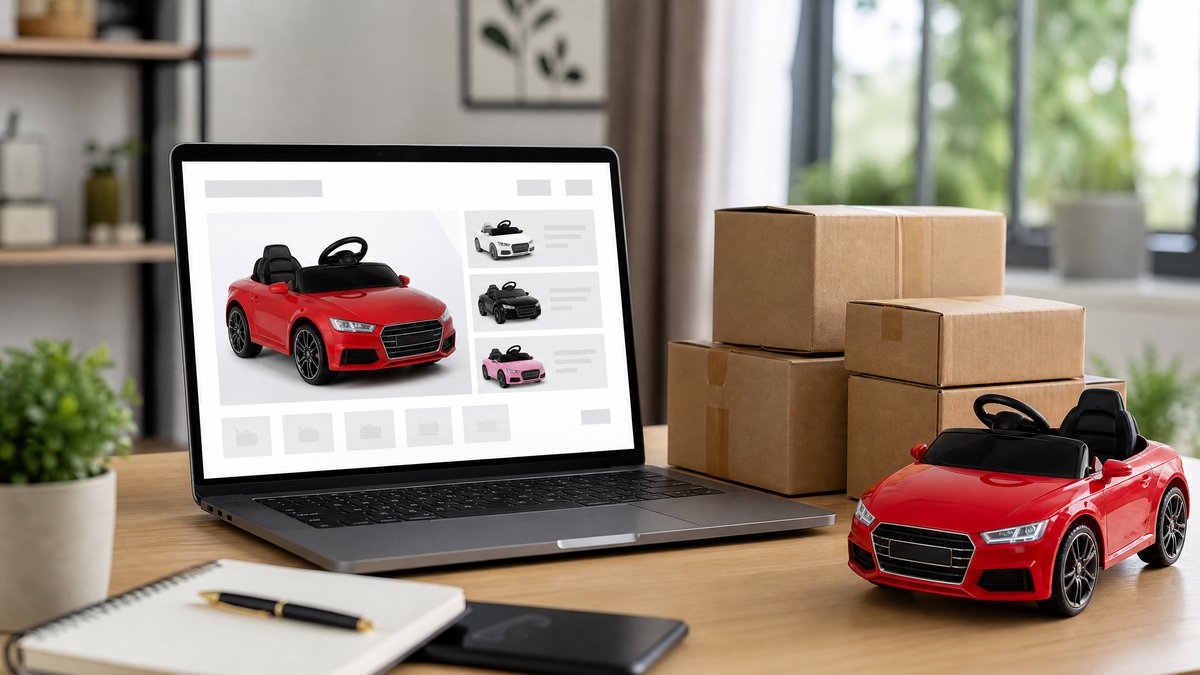
For B2B partners, distributors, and store owners, offering diverse ride-on vehicle inventories requires balancing feature richness with compliance and safety assurance. Retailers should partner with reputable manufacturers who provide comprehensive product documentation, clear safety warnings, and accessible replacement parts. Providing customers with transparent guidance on indoor versus outdoor usage helps build long-term brand loyalty and reduces product return rates.
When assembling seasonal catalogs or wholesale orders, buyers should evaluate models based on build quality, regulatory compliance certifications, and ease of assembly. To discuss customized product bundles, bulk shipping logistics, or commercial partnership opportunities, Request a wholesale quote today and speak with our dedicated trade specialists.
Frequently Asked Questions
1. Can all ride-on cars be used safely inside the house?
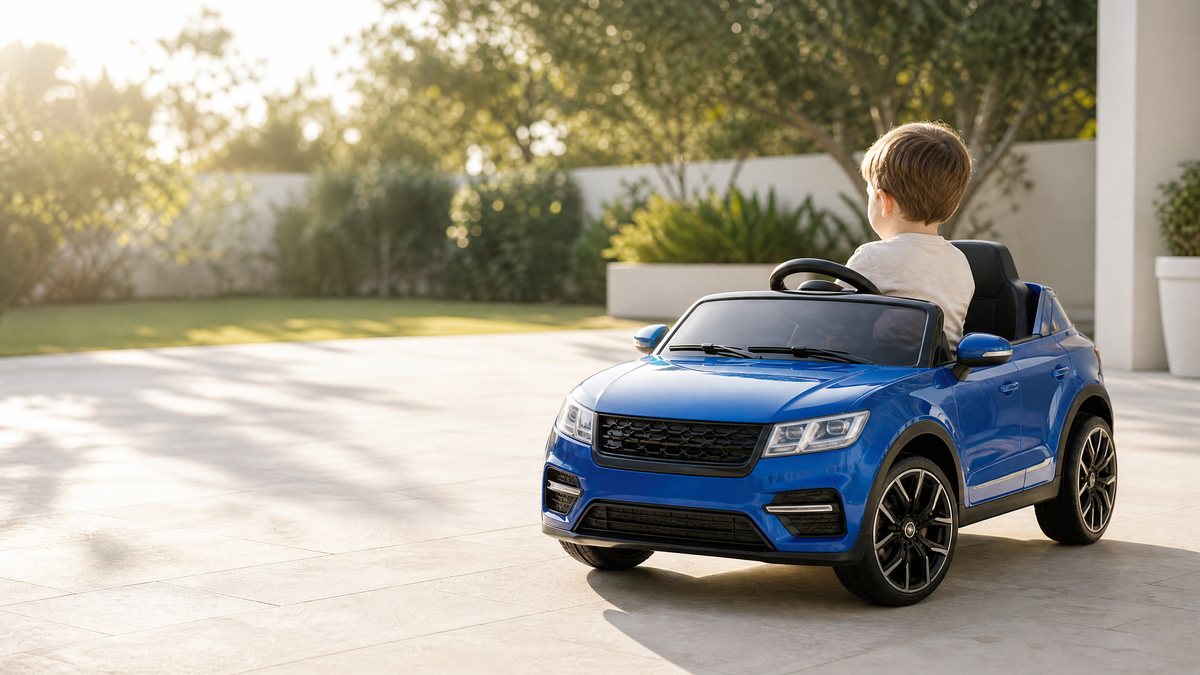
Not all ride-on cars are optimized for indoor use. Larger 24V or heavy-duty outdoor utility models often possess wide turning radiuses and high speeds unsuited for standard living rooms. Indoor play is best suited for compact 6V or 12V models featuring soft-start acceleration, non-marking EVA foam tires, and responsive parental remote controls. Always review the manufacturer's manual to confirm recommended operating environments [1].
2. How can parents protect hardwood flooring from ride-on car wheels?
Hardwood floors can be susceptible to scuffing from hard plastic wheels. To protect indoor flooring, prioritize vehicles equipped with EVA foam or rubberized polymer tires, which absorb shock and prevent surface scratches. Additionally, maintaining clean play areas free of grit and small pebbles ensures that debris is not trapped beneath the wheels during indoor cruising sessions.
3. What should I do if the ride-on car exhibits strange electrical behavior or odors?
If you detect burning odors, unusual smoke, abnormal heat, sparking, or persistent electronic glitches, you must immediately turn off the main power switch, unplug the vehicle if it is charging, remove the child, and keep everyone away from the unit. Never attempt to disassemble internal components or bypass circuit protection. Contact the manufacturer or qualified service personnel immediately for professional inspection [3].
4. Are parental remote controls necessary for indoor ride-on car games?
Parental remote controls are highly recommended for indoor play environments. Because indoor spaces feature confined perimeters, furniture, and walls, having an immediate override capability allows supervisors to halt or steer the vehicle instantly if a child loses control or approaches an obstacle too quickly. Remote pairing and operational range should always be tested before commencing indoor games.
Conclusion
Transforming indoor spaces with structured ride-on car games offers a wonderful blend of physical activity, cognitive engagement, and creative play for children. By establishing clear spatial boundaries, utilizing appropriate vehicles with non-marking tires and parental controls, and adhering strictly to safety protocols, families can enjoy safe and memorable playtime at home. For wholesale buyers and commercial partners seeking reliable, high-quality ride-on vehicle inventory backed by professional guidance, exploring curated product lines ensures long-term success in the competitive children's toy market.
Official References
1. U.S. Consumer Product Safety Commission (CPSC). Toy Safety Education and General Guidance Framework. Available via official CPSC public safety publications. Note: General educational resources do not supersede model-specific user manuals, safety warnings, or manufacturer certifications.
2. American Academy of Pediatrics (AAP). Guidelines on Safe Play, Motor Development, and Supervised Recreational Activities for Children.
3. International Consumer Product Safety and Electrical Compliance Standards for Children's Motorized Toys.
Official references
Explore these external resources for current regulatory and trade guidance. Confirm requirements with the relevant authority before placing an order.
Ready to Start?
Factory-Direct · CE & ASTM Certified · MOQ from 50 Units
Our export team works with buyers in 60+ countries. Get a quote within 24 hours.
KR
Written by KidsRideCar
China's leading kids electric ride-on car manufacturer. 500,000+ units shipped annually to 60+ countries. CE, ASTM & EN71 certified.