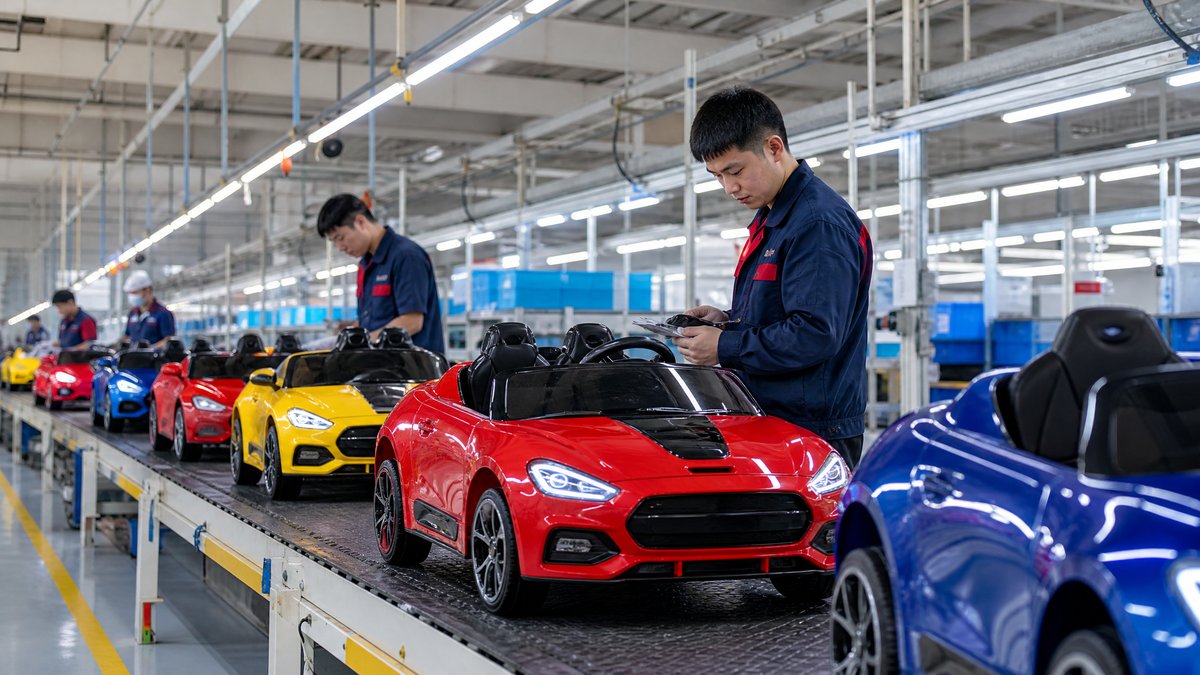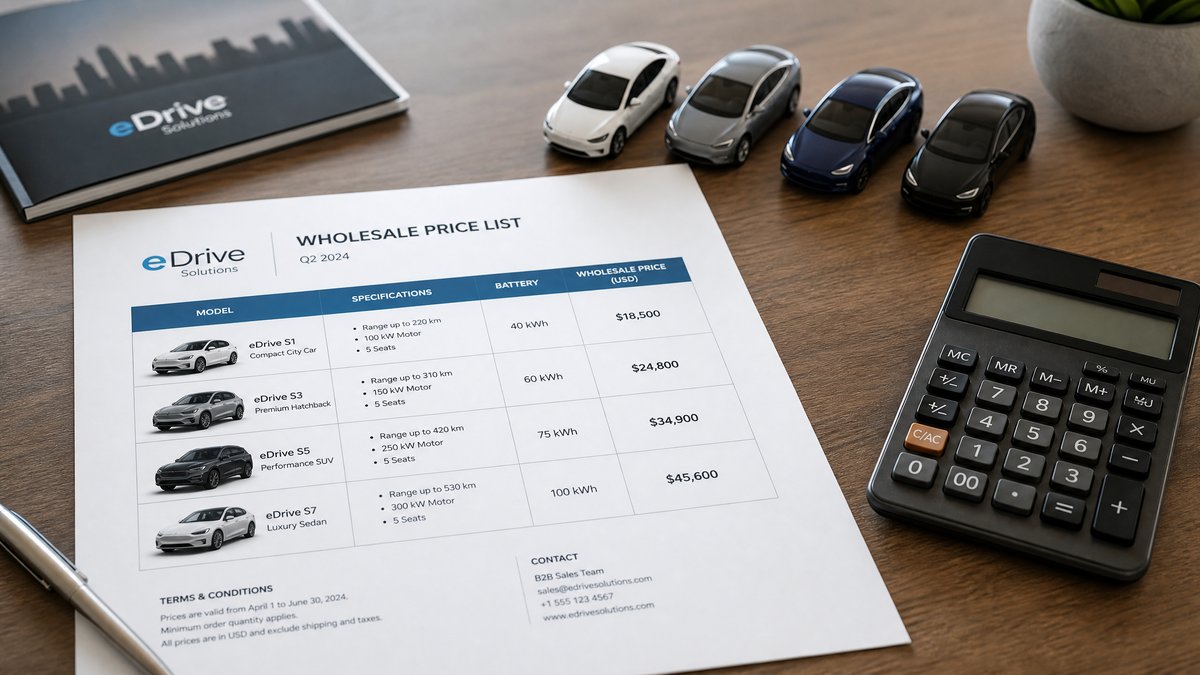
The international trade landscape for battery-operated children’s vehicles presents a unique set of challenges that require meticulous attention to detail and proactive operational management. For global retailers, distributors, and wholesalers, the process of moving goods across international borders is a critical business function that can significantly influence profit margins and supply chain reliability. Efficient customs clearance is the cornerstone of a successful import strategy, ensuring that products reach the showroom floor without unnecessary delays. This guide explores the requirements of customs preparation tailored for the ride-on car sector, offering a framework for retailers to enhance their internal protocols.
The Strategic Importance of Customs Readiness
In the competitive toy retail market, timing is frequently as important as the product itself. A shipment of ride-on cars held at a port due to documentation discrepancies signifies tied-up capital and potential missed seasonal sales. Unlike standard toys, ride-on cars are categorized by their integrated power systems and physical dimensions, which often draw closer scrutiny from regulators. Retailers who treat customs preparation as an integral part of their procurement process are better positioned to navigate these complexities.
A professional approach to customs readiness involves a shift from reactive problem-solving to proactive risk mitigation. This requires a deep understanding of the documentation trail, a commitment to data accuracy, and a collaborative spirit when working with customs brokers. By establishing clear internal standards for how shipment data is collected and verified, retailers can create a resilient import operation that withstands the fluctuations of international trade policies.
The Documentation Audit Framework: Precision in Paperwork
The foundation of any successful customs entry is the quality of the accompanying documentation. For ride-on cars, the documentation must provide a transparent narrative of the shipment’s value and physical characteristics. Retailers are advised to implement a rigorous audit process for the primary documents that govern international trade: the Commercial Invoice, the Packing List, and the Bill of Lading.
The Commercial Invoice as a Valuation Tool
The Commercial Invoice is the primary document used by customs authorities to determine the assessable value of the goods. For ride-on cars, it is beneficial to provide descriptions that are accurate and descriptive without relying on specific model numbers that may not be recognized by customs systems. The invoice should describe the items as children’s battery-operated vehicles, noting the general nature of the power source and the materials used in construction.
It is highly recommended that retailers verify that the invoice reflects the actual transaction value and includes the agreed-upon international commercial terms. Any discrepancy between the price paid and the price declared can lead to valuation queries. Retailers should also ensure that the currency is clearly stated and that any discounts are accounted for according to the regulations of the importing country. Seeking guidance from a professional trade consultant on how to structure invoices for complex shipments is often a wise investment.
The Packing List and Physical Accountability
While the invoice focuses on value, the Packing List is the definitive guide to the shipment’s physical presence. For bulky items like ride-on cars, the Packing List must be exhaustive. It should detail the number of units, the way they are packed—whether on pallets or floor-loaded—and the gross and net weights of the cargo.
Customs officials use the Packing List to verify that the physical contents of a container match the declared data. If an inspection is triggered, a clear and well-organized Packing List allows officials to locate specific items quickly, potentially reducing the time the container spends in an examination station. Retailers should encourage their suppliers to adopt a standardized format for Packing Lists that aligns with internal inventory management systems.
The Bill of Lading: The Legal Title
The Bill of Lading serves as a contract of carriage and a document of title. Accuracy in the consignee and notify party fields is paramount, as errors here can prevent the customs broker from legally filing the entry. For sea freight, retailers should decide whether a traditional original Bill of Lading or a sea waybill is more appropriate for their needs. It is advisable to review the draft Bill of Lading provided by the carrier to ensure that all details, including the container and seal numbers, are correctly recorded.
Data Reconciliation Strategies: The Three-Way Match
One of the most frequent causes of customs delays is the presence of conflicting information across different documents. A data mismatch can trigger a red flag in automated customs systems, leading to manual reviews. To prevent this, retailers should adopt a "Three-Way Match" strategy before the shipment departs the origin port.
This strategy involves a systematic comparison of the Purchase Order, the Commercial Invoice, and the Packing List. The goal is to ensure that the quantities, descriptions, and values are identical across all three records. For example, if the Purchase Order calls for a certain number of units but the Packing List shows a different count, the retailer should resolve this with the supplier immediately.
Furthermore, retailers should verify that the weights and volumes reported on the Packing List are consistent with those listed on the Bill of Lading. Significant variances between the carrier’s weight and the supplier’s declared weight can lead to inquiries. By performing this reconciliation early, retailers can request corrected documents while the goods are still in transit, rather than waiting until the shipment has arrived at the destination.
Strategic Broker Engagement: A Consultative Partnership
A customs broker is a vital link between the retail business and the government. A professional broker possesses the expertise to translate commercial data into the complex classifications required by authorities. However, the effectiveness of a broker is directly proportional to the quality of the information they receive from the retailer.
Retailers are encouraged to share draft documents as soon as the order is confirmed, allowing the broker to perform a "pre-classification" review. This process helps identify potential issues with product descriptions or duty rates before the shipment is finalized. In many regions, early filing can lead to a "paperless release," where the goods are cleared for pickup almost immediately after offloading.
The relationship with a customs broker is governed by a Power of Attorney or a similar legal authorization. Retailers should ensure that this document is current and clearly defines the scope of the broker’s responsibilities. It is also beneficial to provide the broker with a general product specification guide that outlines the common features of the ride-on cars being imported. This helps the broker make informed decisions when faced with ambiguous classification questions.
Navigating Regional Compliance and Safety Standards
Ride-on cars occupy a space at the intersection of toys and electronic devices, making them subject to a variety of safety regulations. While customs authorities primarily focus on revenue, they also act as the first line of defense for consumer safety agencies. Retailers must be aware that compliance with local standards is often a prerequisite for customs clearance.
In North American jurisdictions, children’s products are subject to strict safety testing requirements. Retailers should verify that their suppliers have conducted the necessary tests at accredited laboratories and can provide a certificate of compliance. This certificate should reference the specific models in the shipment and the safety standards they meet. Retailers are advised to keep digital copies of these certificates easily accessible to avoid delays during a spot check.
For those importing into the European Union, conformity markings are a key indicator of compliance with health and safety directives. Retailers should ensure that the manufacturer has issued a formal declaration of conformity and that the technical documentation is available. Customs officials in these regions may pay particular attention to the safety of the battery systems and the chemical composition of the materials used in the vehicles.
In other global markets, a certificate of conformity issued by an independent inspection body at the port of origin may be required. Retailers operating in these areas should coordinate with their suppliers to ensure that these inspections are scheduled and completed before the container is sealed. Retailers should consult with their local customs broker or a legal advisor to confirm the current requirements for their specific region.
Logistics Risk Management: Exams and Contingencies
Even the most well-prepared shipment can be selected for a customs examination. These exams range from non-intrusive X-ray scans to intensive physical inspections where every carton is opened and checked. Understanding the nature of these exams helps retailers plan for potential delays and costs.
A non-intrusive exam is generally a quick process, though it can still add a day or two to the timeline. An intensive exam requires the container to be moved to a specialized facility and can take much longer. During these inspections, the way the goods are packed becomes crucial. Ride-on cars that are neatly palletized and clearly labeled are easier for officials to inspect, which can lead to a faster release.
Retailers should also be mindful of the costs associated with these exams, which are typically passed on to the importer. These can include transportation fees, labor costs for unloading, and storage fees if the process is delayed. It is a professional practice to maintain a contingency fund within the logistics budget to cover these unpredictable expenses.
If a customs official raises a question about technical specifications—such as the wiring or the battery capacity—retailers should request a formal technical statement from the manufacturer. All technical queries should be directed to the manufacturer’s authorized support channels or a qualified technician. Retailers should never advise their staff or customers to perform unauthorized repairs or internal inspections of the vehicles.
The Wholesale Pre-Arrival Protocol: A Structured Approach
To ensure consistency and minimize errors, retail import managers are encouraged to follow a structured protocol for every shipment of ride-on cars. This ten-step approach provides a roadmap for successful customs preparation:
Step one: Perform a thorough review of the Purchase Order against the supplier’s initial invoice to confirm that all quantities and prices are correct.
Step two: Request draft copies of the Commercial Invoice and Packing List from the supplier as soon as the production is nearing completion.
Step three: Conduct a detailed data reconciliation between the Purchase Order, the draft Invoice, and the draft Packing List to identify any discrepancies.
Step four: Verify that the description of the ride-on cars on the invoice is accurate and provides sufficient detail for customs classification.
Step five: Confirm that the supplier has the necessary safety and compliance documentation for all models in the shipment.
Step six: Provide the freight forwarder or carrier with precise instructions for the Bill of Lading, ensuring the consignee details are accurate.
Step seven: Share the draft documentation with the customs broker for a pre-classification review and to address any potential duty questions.
Step eight: Obtain the final, signed copies of the shipping documents as soon as the vessel has departed the origin port.
Step nine: Instruct the customs broker to file the entry as early as the local regulations allow to facilitate a faster release upon arrival.
Step ten: Coordinate with the drayage provider to ensure that the container is picked up from the port promptly after release to avoid storage charges.
Frequently Asked Questions
Q: What is the most common reason for a ride-on car shipment to be delayed at customs?
A: The most frequent cause of delays is a mismatch in data between the shipping documents. If the quantity on the Packing List does not align with the quantity on the Commercial Invoice, or if the description of the goods is too vague, authorities may hold the shipment for further clarification. Retailers can mitigate this risk by performing a rigorous three-way match of their documentation before the goods are shipped.
Q: Should I provide a specific classification code to my customs broker for ride-on cars?
A: While it is helpful to understand the general classification of your products, the final determination of the code is a professional task that should be handled by your customs broker. They have the expertise to navigate the tariff schedules and ensure that your goods are classified correctly. Providing the broker with detailed product specifications and safety certificates will help them make an accurate assessment.
Q: How can I reduce the costs associated with customs examinations?
A: While the selection of a shipment for examination is largely outside of a retailer’s control, the costs and time involved can be managed through better preparation. Ensuring that your supplier packs the container in an organized, palletized manner and that every carton is clearly labeled can speed up the inspection process. Additionally, maintaining a proactive relationship with your broker can help you resolve any questions quickly.
Conclusion: Building a Resilient Import Operation
Customs clearance preparation is a vital component of a retailer’s overall sourcing and logistics strategy. By treating it as a professional discipline that requires accuracy, transparency, and collaboration, businesses can significantly reduce the risks associated with international trade. Success in the global market requires more than just finding the right products; it requires the ability to move those products efficiently through the complex web of international borders.
Request a wholesale quote
Official references
Explore these external resources for current regulatory and trade guidance. Confirm requirements with the relevant authority before placing an order.
Ready to Start?
Factory-Direct · CE & ASTM Certified · MOQ from 50 Units
Our export team works with buyers in 60+ countries. Get a quote within 24 hours.
KR
Written by KidsRideCar
China's leading kids electric ride-on car manufacturer. 500,000+ units shipped annually to 60+ countries. CE, ASTM & EN71 certified.