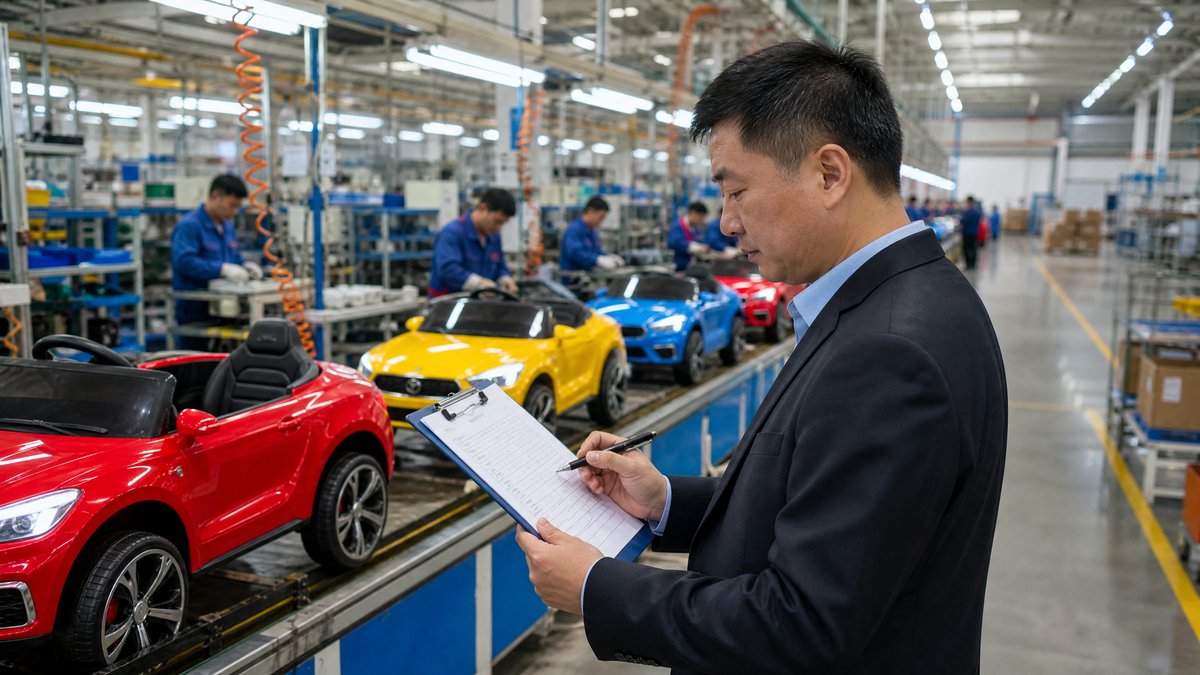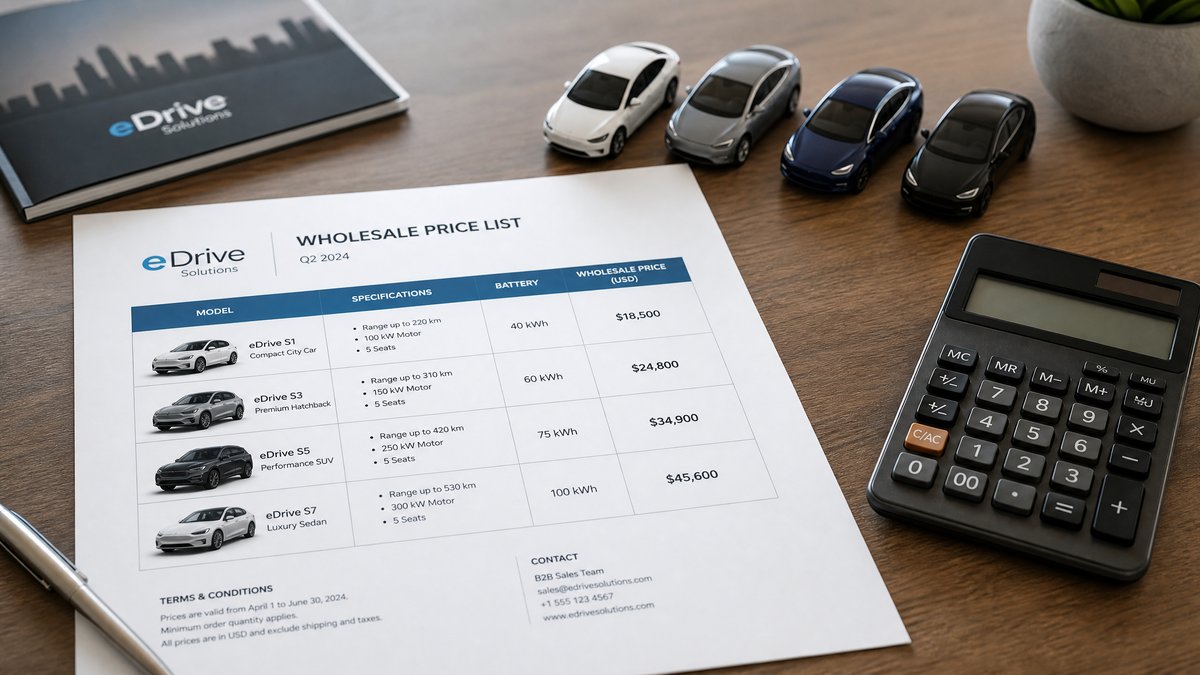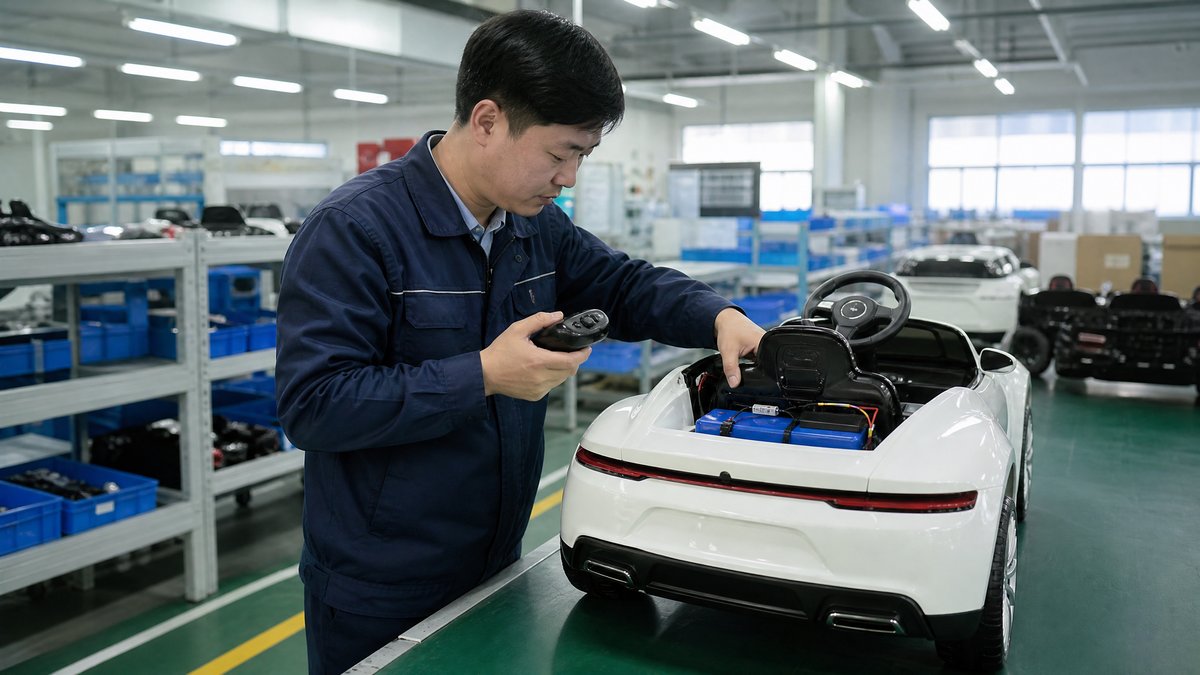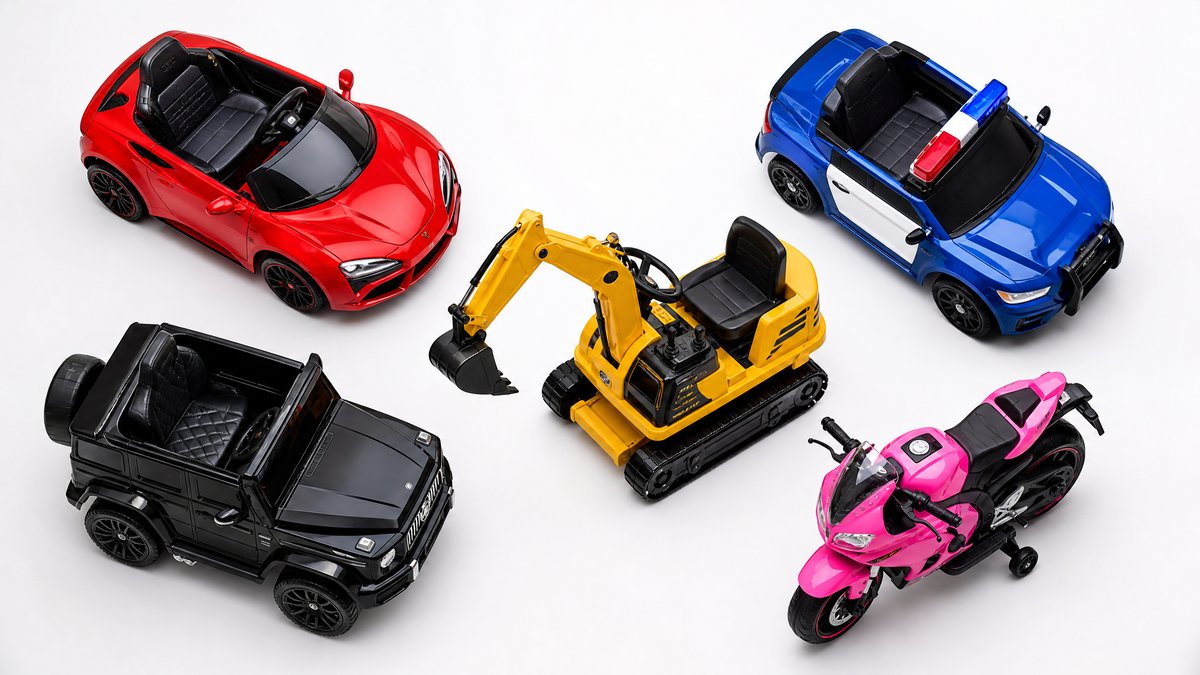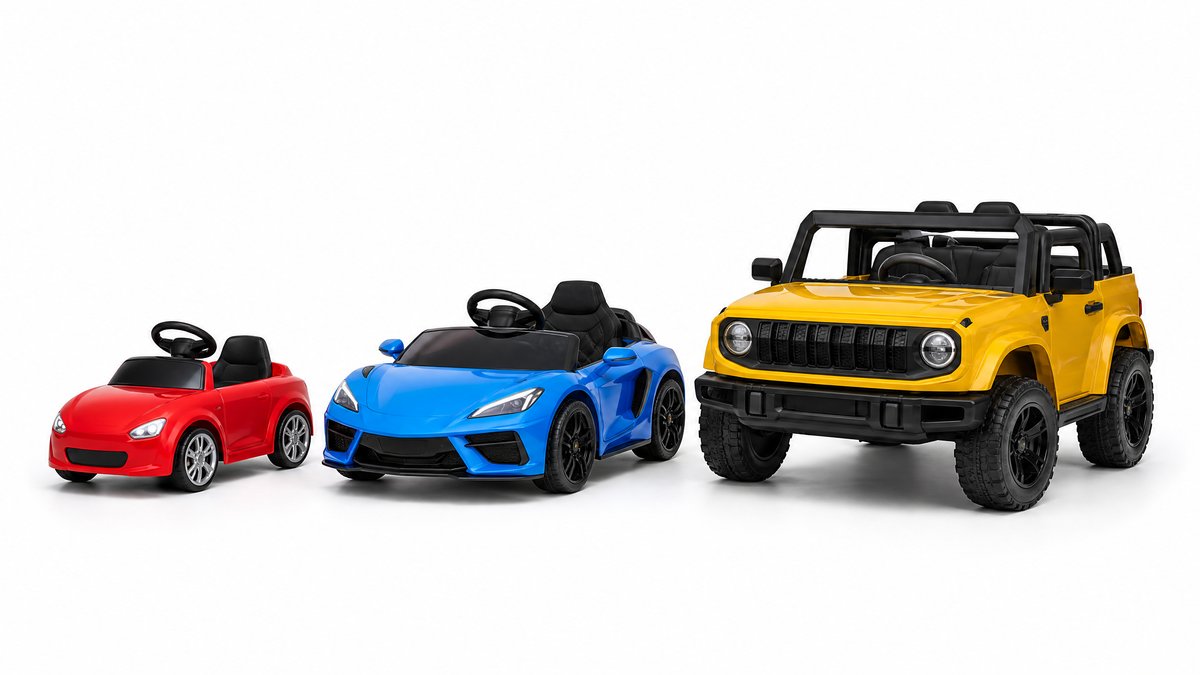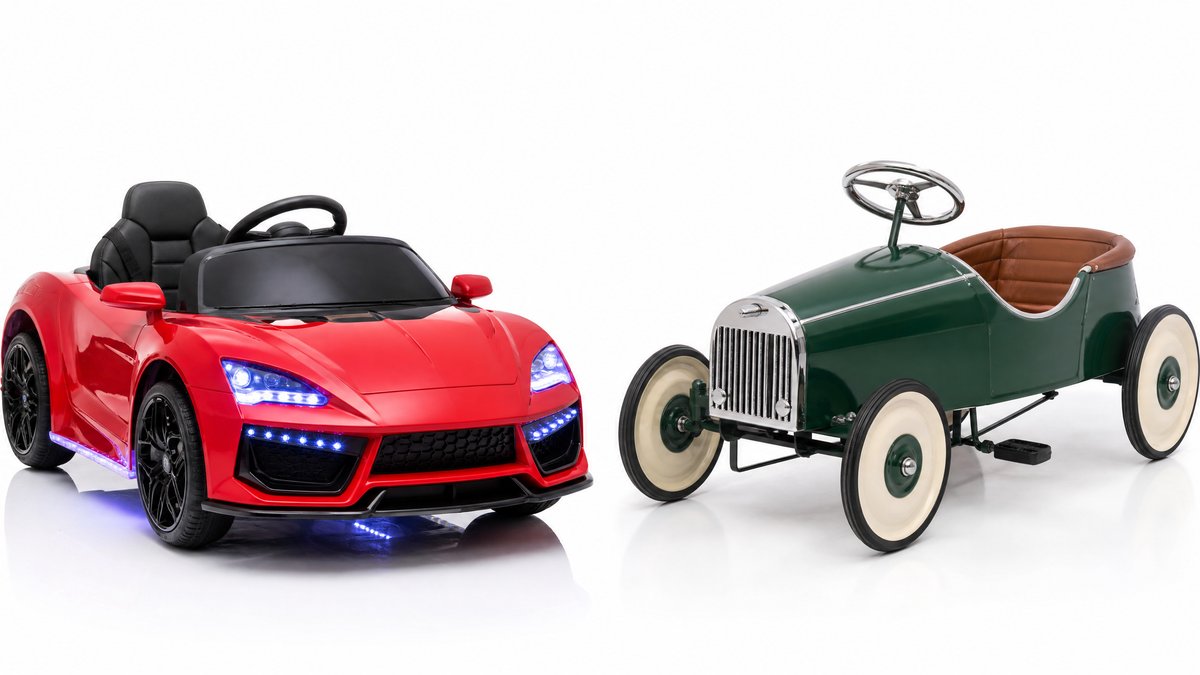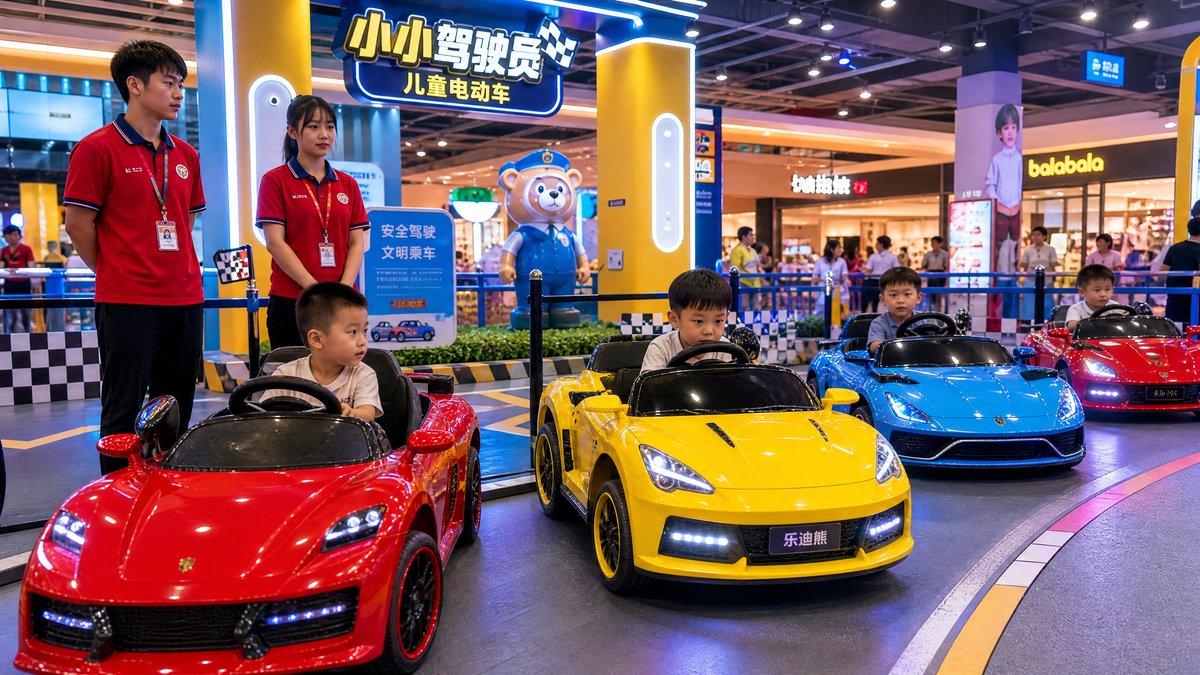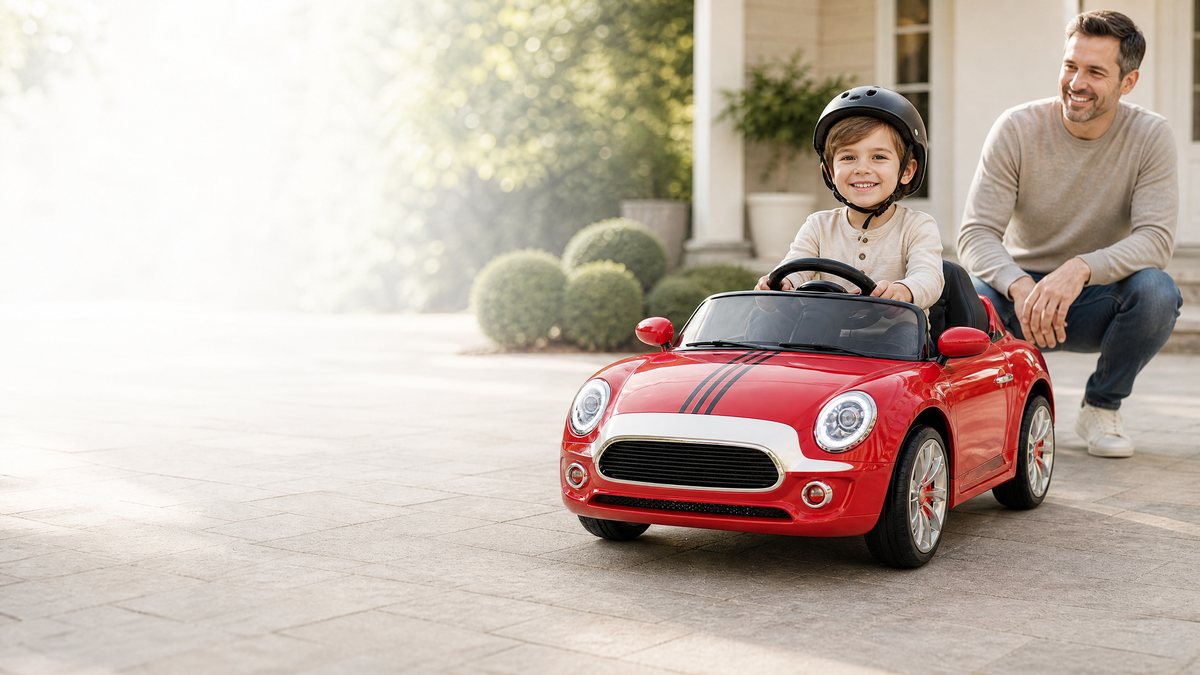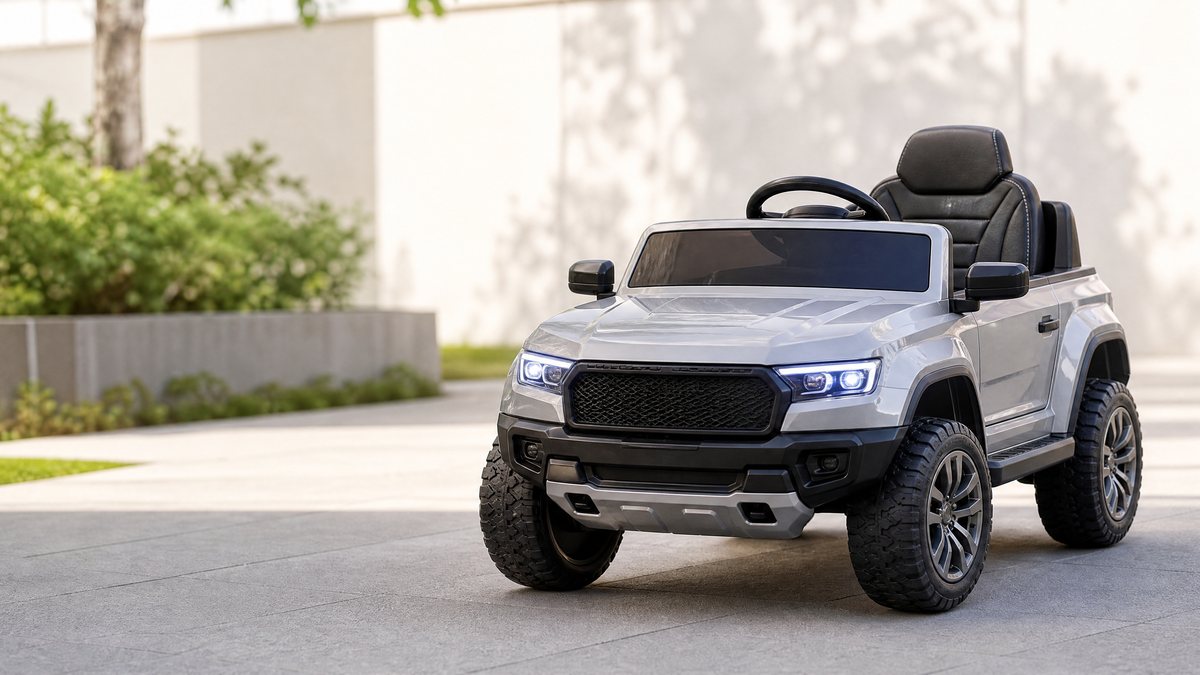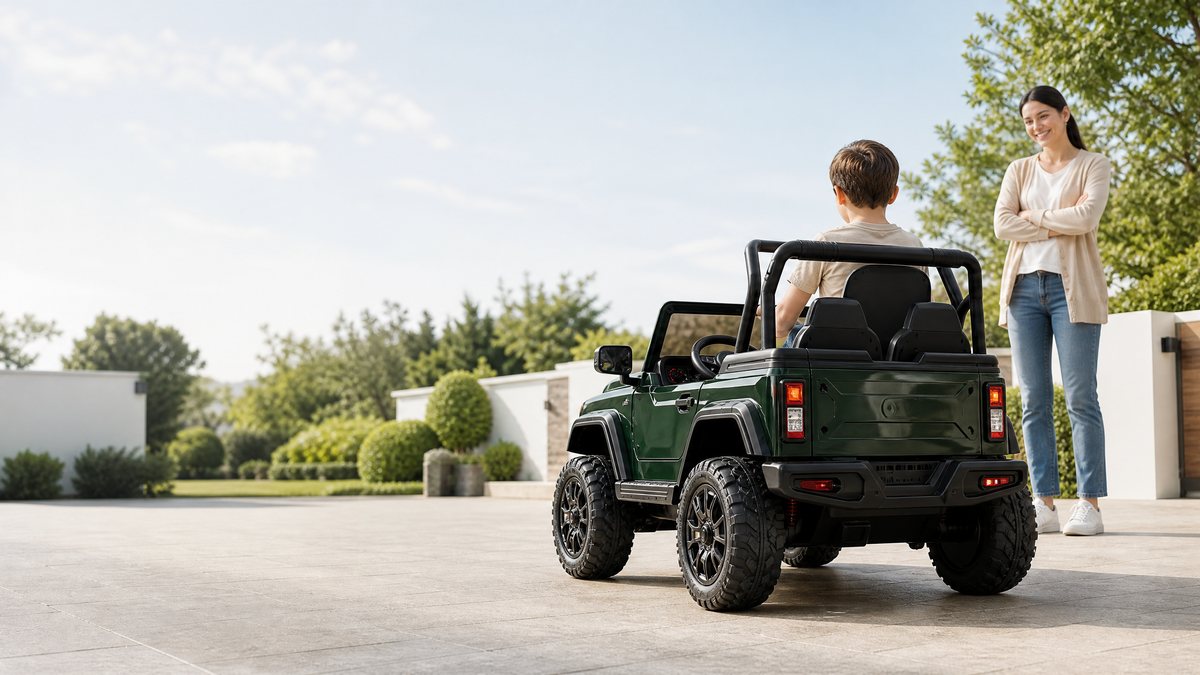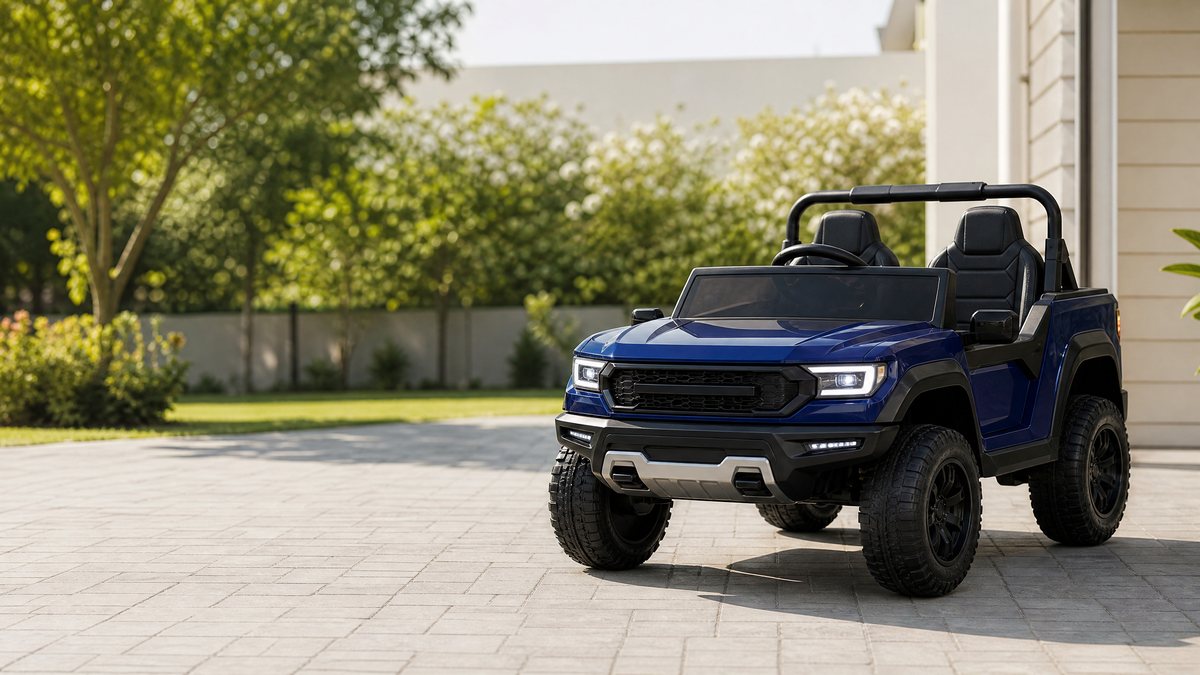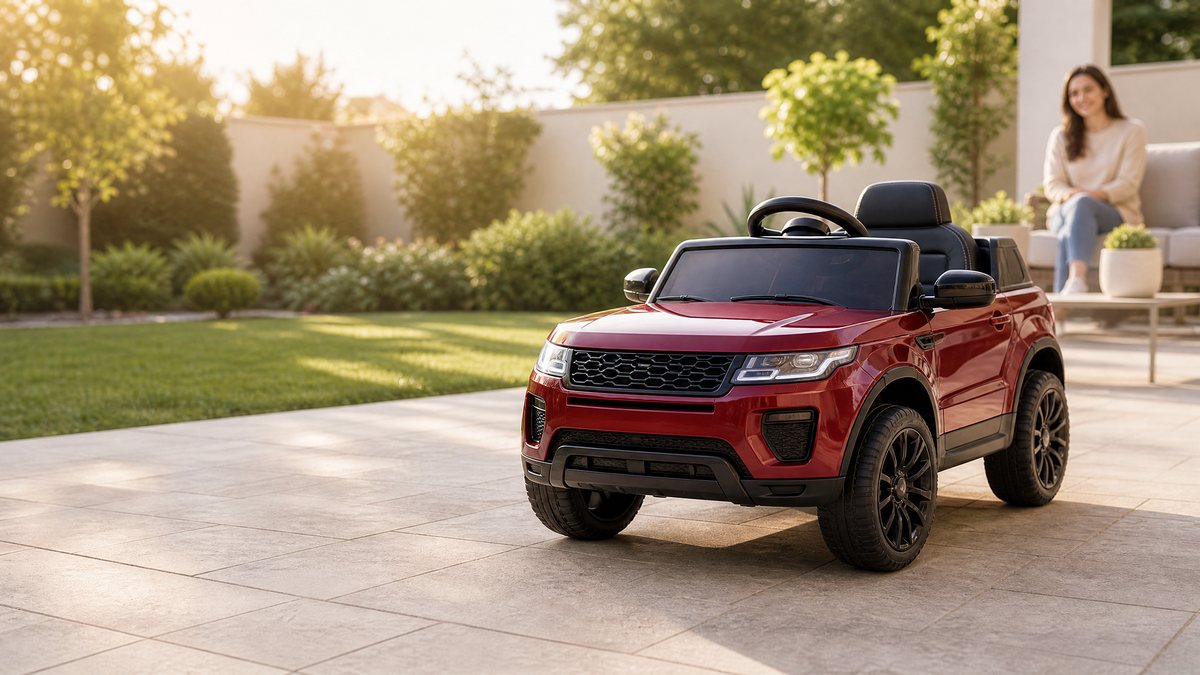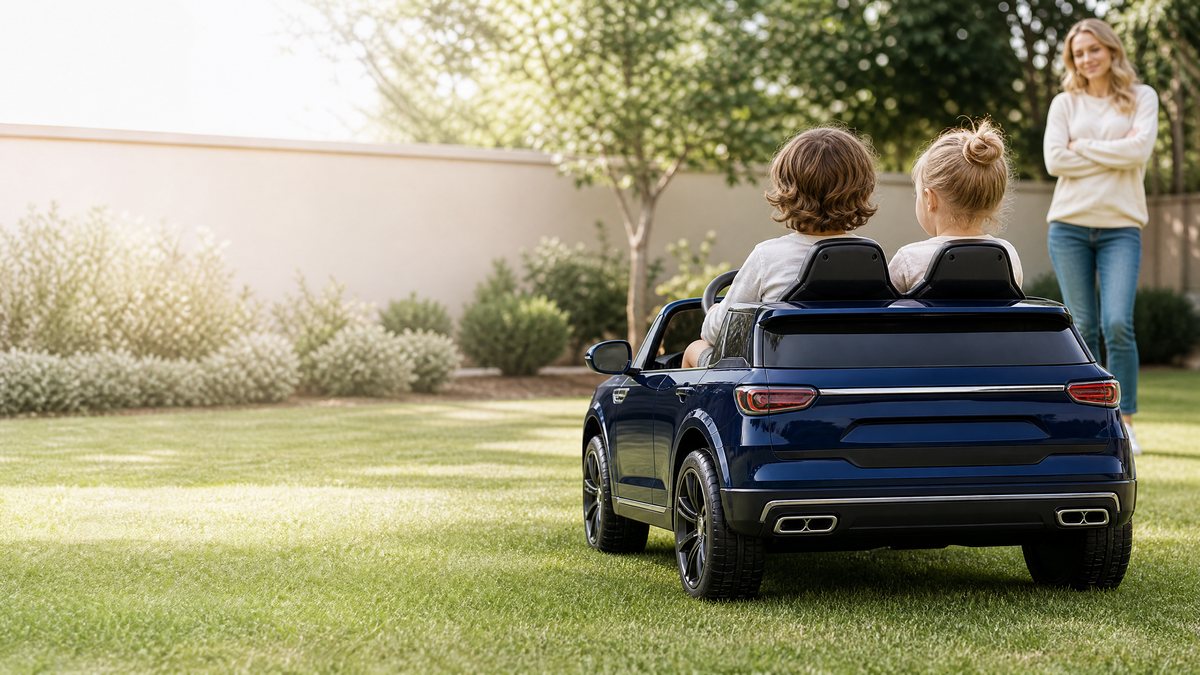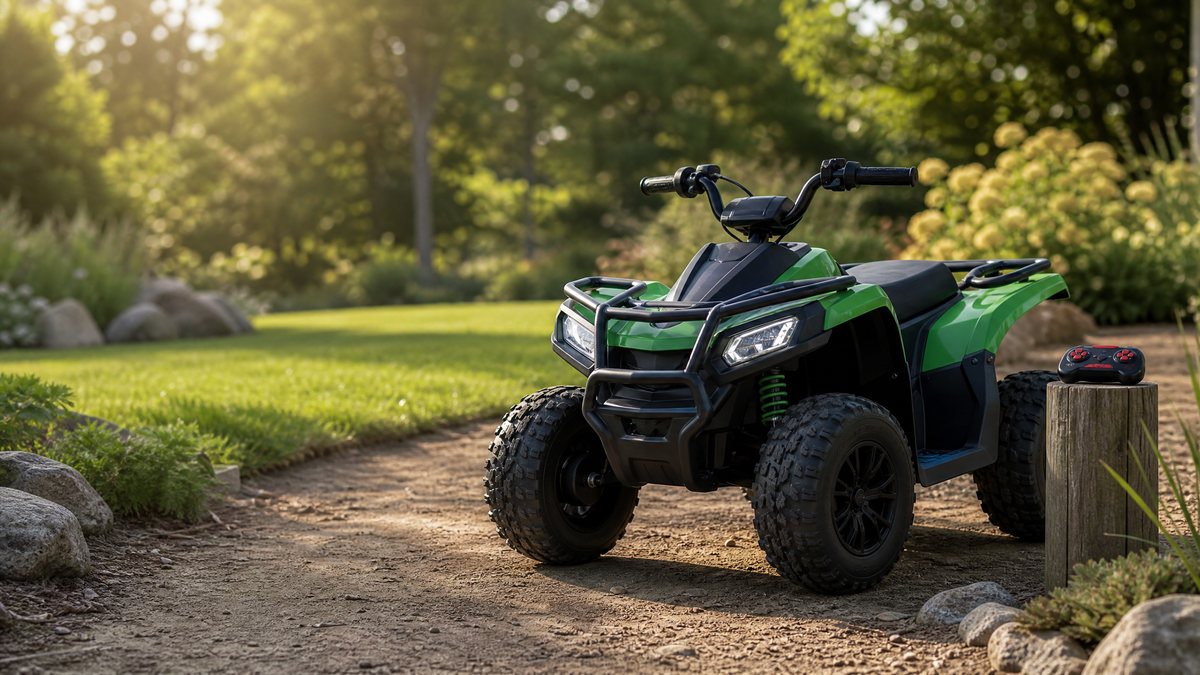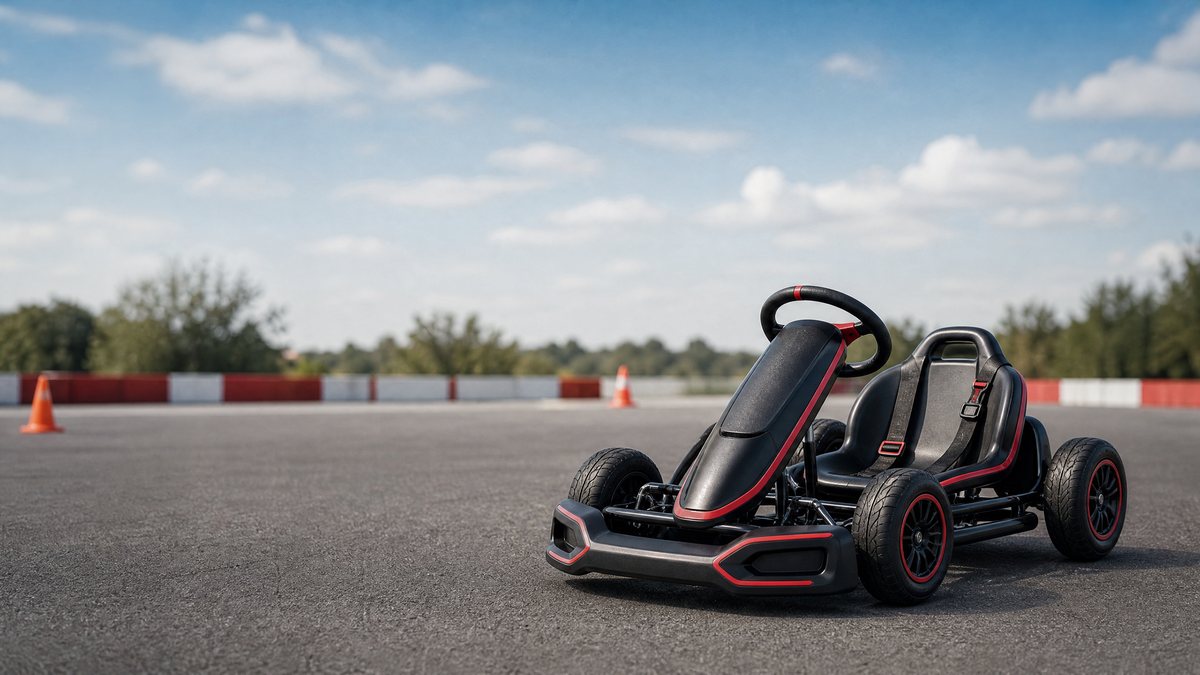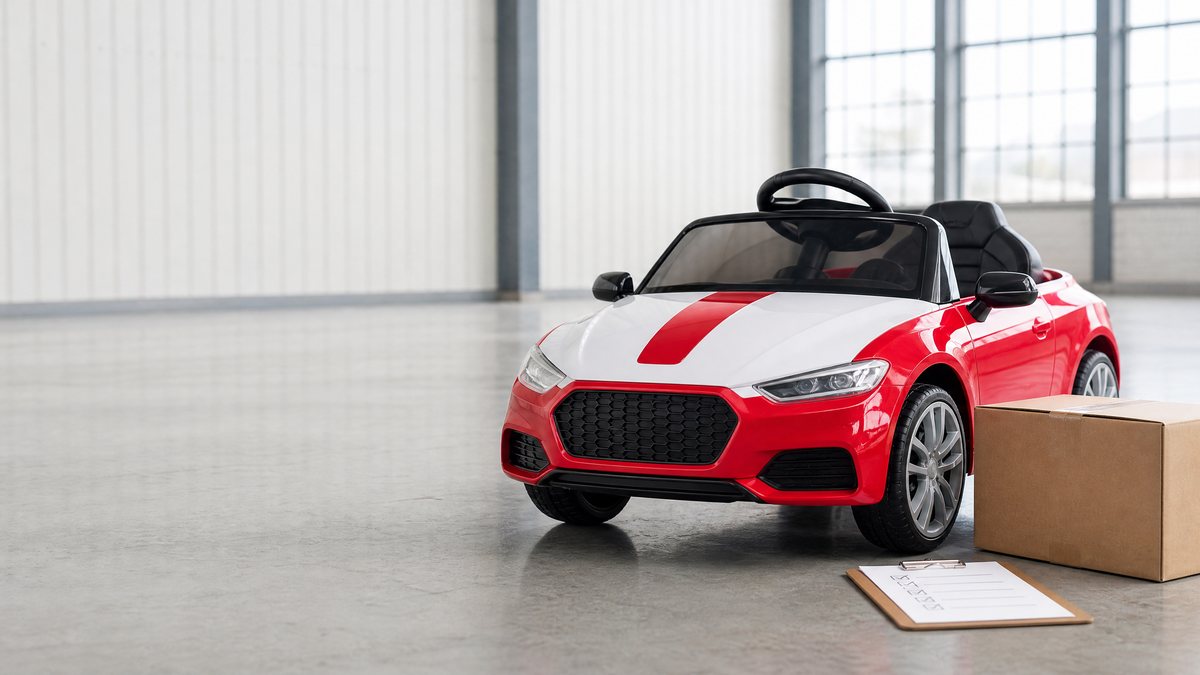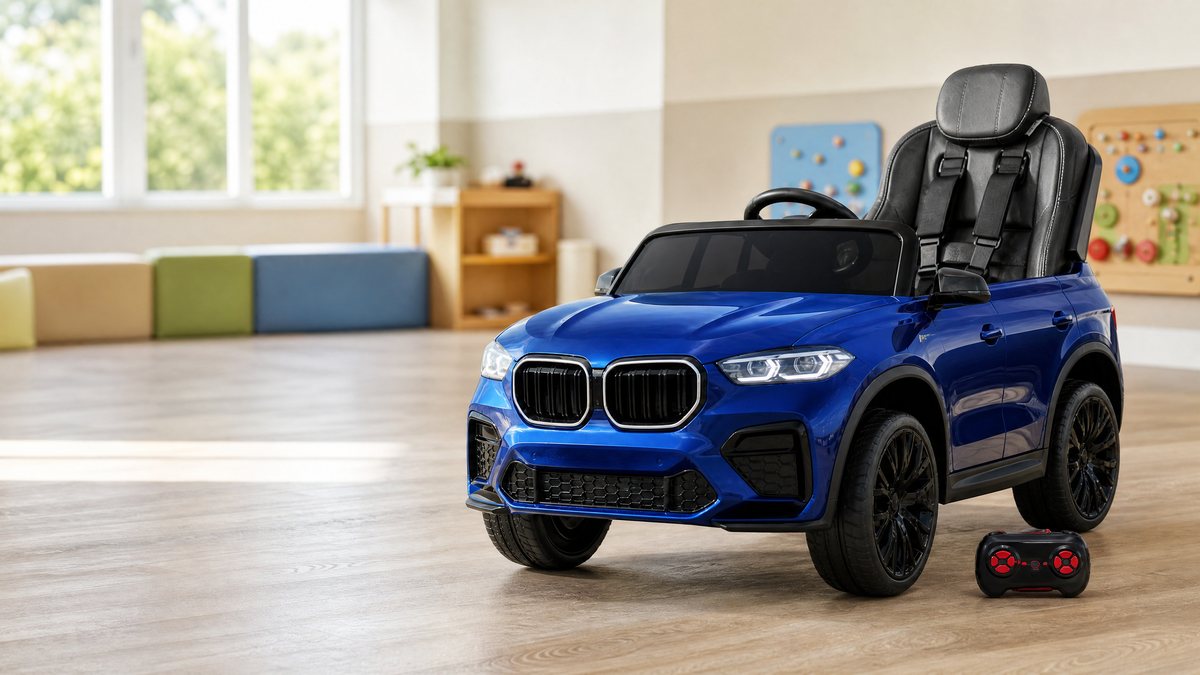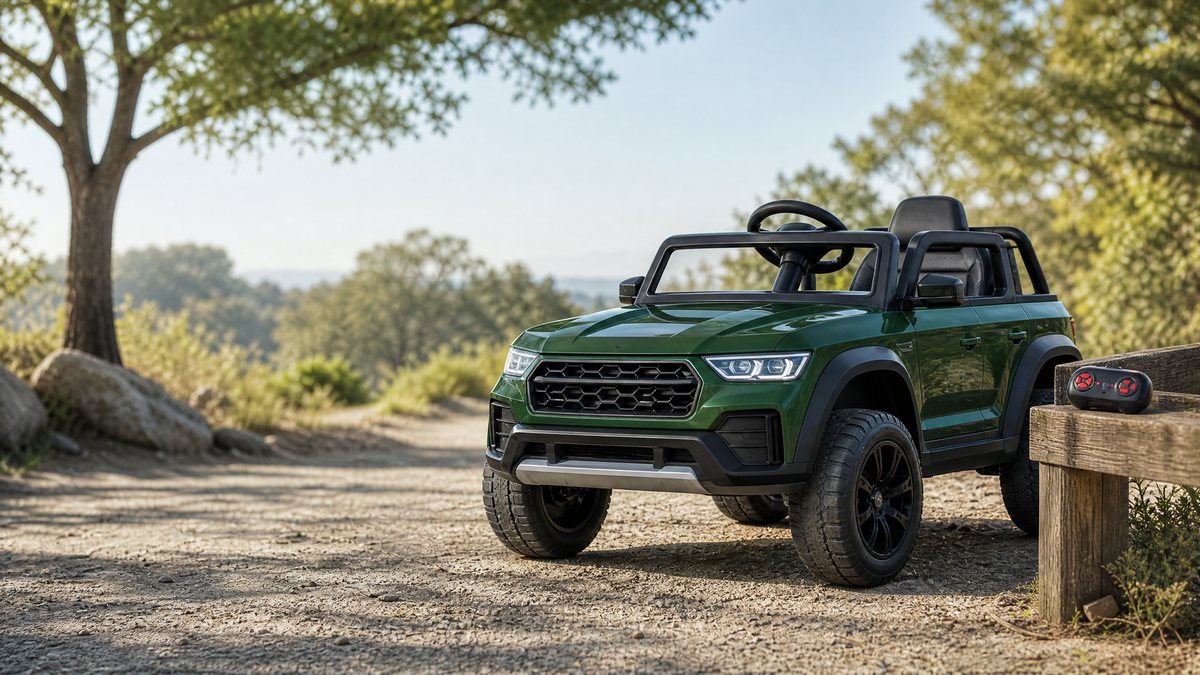
Transforming an ordinary residential backyard or commercial play space into an engaging, developmental, and secure playground is a primary objective for parents, caregivers, and recreational facility operators alike. Among the diverse array of outdoor play equipment available in the modern global market, kids ride-on cars occupy a uniquely cherished position. Beyond delivering moments of exhilarating entertainment and outdoor fun, these motorized and pedal-powered vehicles serve as versatile platforms for physical coordination, spatial awareness, and imaginative role-play. When thoughtfully integrated into daily backyard routines, ride-on cars encourage children to step away from sedentary screen time, reduce indoor fatigue, and immerse themselves in active, health-promoting outdoor exploration.
However, maximizing the developmental and recreational benefits of these vehicles requires significantly more than simply placing a child behind the steering wheel on an unmanaged patch of grass. It demands structured activity planning, methodical course design, rigorous adherence to safety protocols, and a comprehensive understanding of each child's physical and cognitive developmental readiness. For B2B distributors, specialty toy retailers, and commercial playground planners, curating professional activity guides and educational content around children's ride-on cars enhances customer engagement, builds brand trust, and provides tangible, actionable value to end-users and family purchasers. This comprehensive guide explores the best backyard activities with a kids ride-on car, blending creative play concepts with essential safety verification frameworks, terrain adaptability analysis, and professional wholesale insights.
Designing a Structured Backyard Circuit for Enhanced Motor Skills
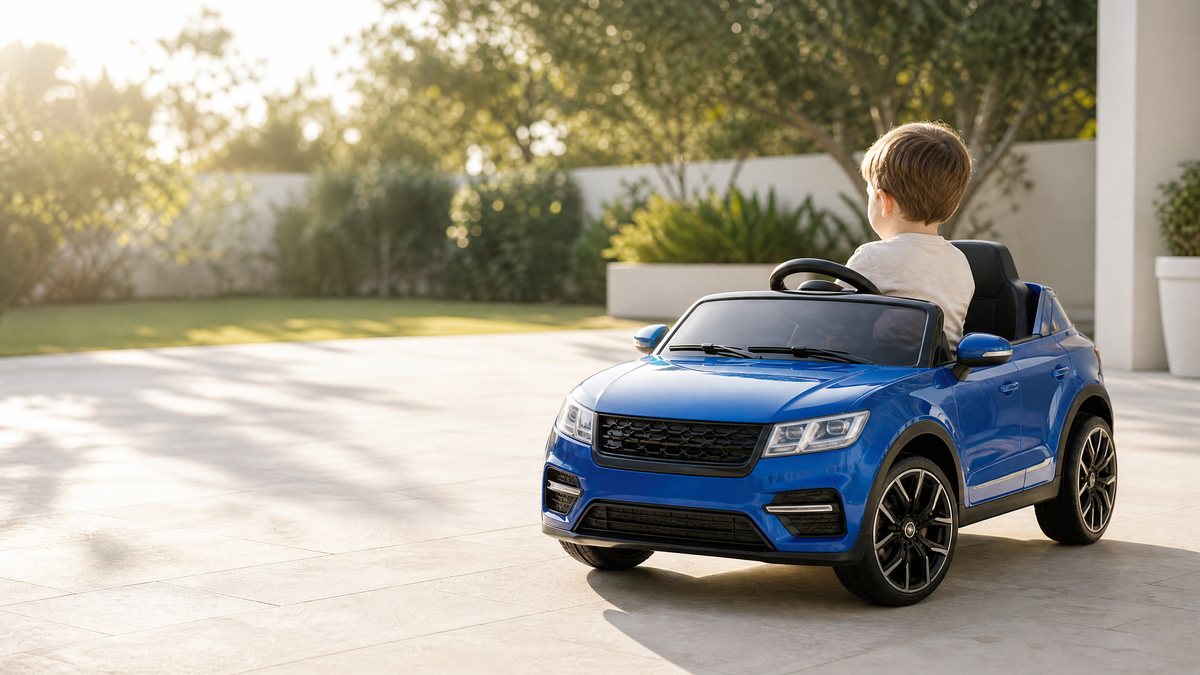
One of the most effective and universally engaging ways to elevate backyard play is the creation of a dedicated driving circuit or obstacle course. Children naturally gravitate toward goal-oriented activities, and establishing a well-defined route turns casual driving into an interactive, skill-building challenge. Caregivers and outdoor recreation planners can design simple, dynamic pathways using washable outdoor chalk on concrete patios, interlocking foam tiles across grassy patches, or soft plastic agility cones arranged strategically across a flat lawn.
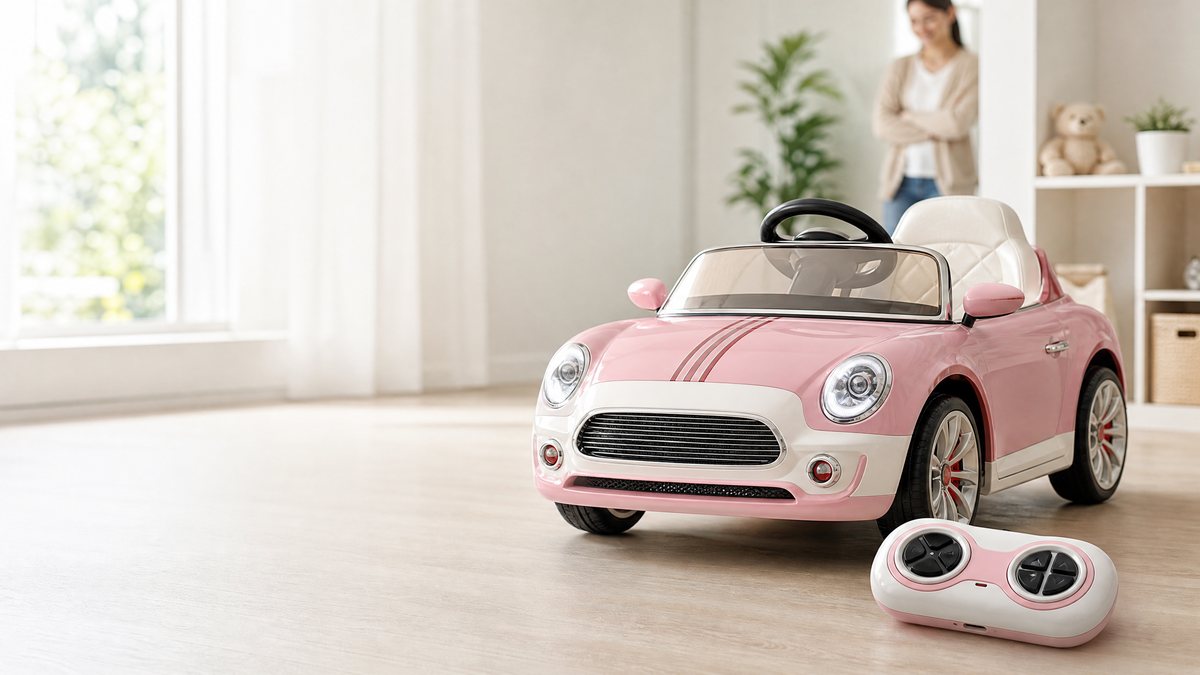
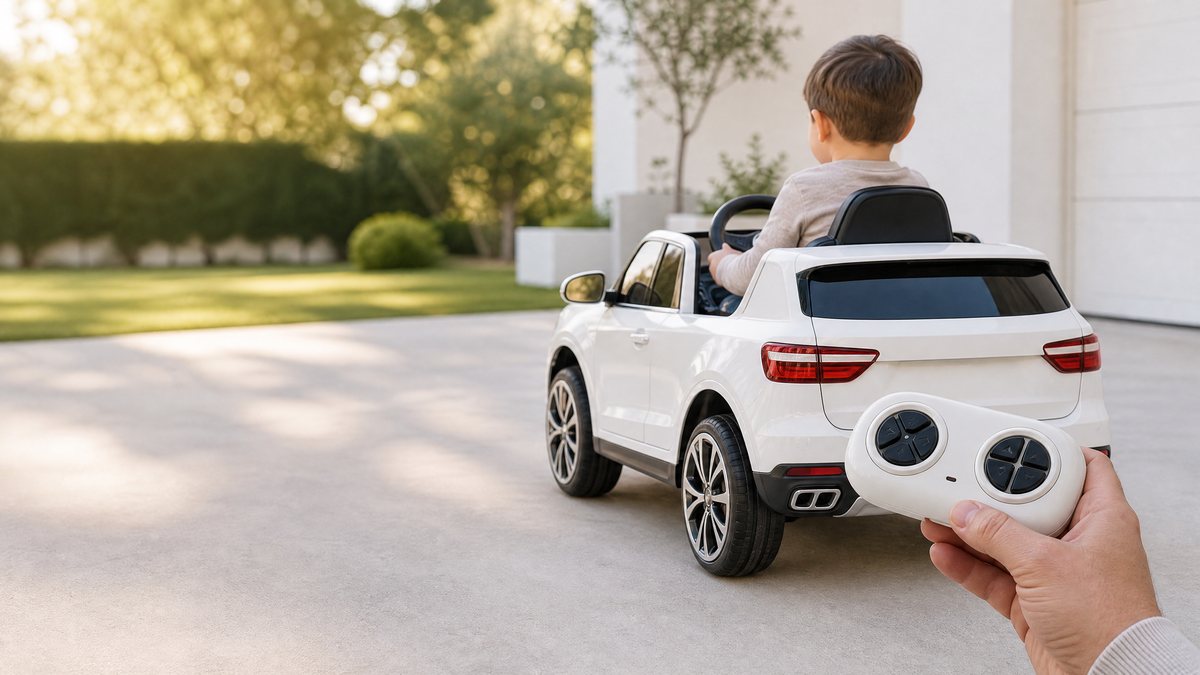
When establishing a backyard driving circuit, safety, spatial awareness, and layout planning are absolute prerequisites. The intended driving surface must be inspected thoroughly prior to every play session for sharp debris, deep ruts, standing puddles, exposed sprinkler heads, and hidden tree roots that could destabilize the vehicle or cause sudden steering loss. If the vehicle is equipped with adjustable speed settings or a parental remote control override feature—standard on many modern ride-on models—parents can initially guide the vehicle through the course at a controlled, slow pace. This initial guided practice allows young operators to build essential familiarity with steering wheel mechanics, throttle response, and spatial judgment without feeling overwhelmed.
As children gain operational confidence and demonstrate improved hand-eye coordination, the circuit can incorporate progressive directional challenges. Examples include navigating a wide figure-eight pattern, executing a precise three-point turn within restricted boundaries, or parking smoothly within a marked "garage" zone. These structured driving tasks encourage bilateral motor coordination, spatial estimation, and depth perception. Retailers and wholesale buyers advising family-oriented customers can emphasize that structured obstacle courses transform open yards into dynamic learning environments, promoting physical endurance and foundational motor planning in a controlled setting.
Imaginative Role-Play Scenarios: Beyond Simple Driving Mechanics
While physical coordination and spatial navigation are vital components of ride-on car play, cognitive development and creativity flourish when vehicles are integrated into immersive, story-driven role-play scenarios. A kids ride-on car is rarely perceived by a child as a mere mechanical toy; rather, it is frequently transformed into a postal delivery truck, an emergency medical response vehicle, an African safari rover, or a heavy-duty construction transport unit.
Parents, educators, and recreational planners can facilitate these imaginative narratives by introducing simple, non-hazardous props into the backyard environment. For example, placing lightweight cardboard boxes or plastic storage crates at designated drop-off stations turns the ride-on car into a local postal delivery service, where children practice loading, transporting, and carefully unloading cargo. Similarly, setting up a pretend "service station" complete with a toy fuel pump encourages cooperative play, where siblings or peer groups take turns acting as the vehicle operator, the fleet dispatcher, and the service technician.
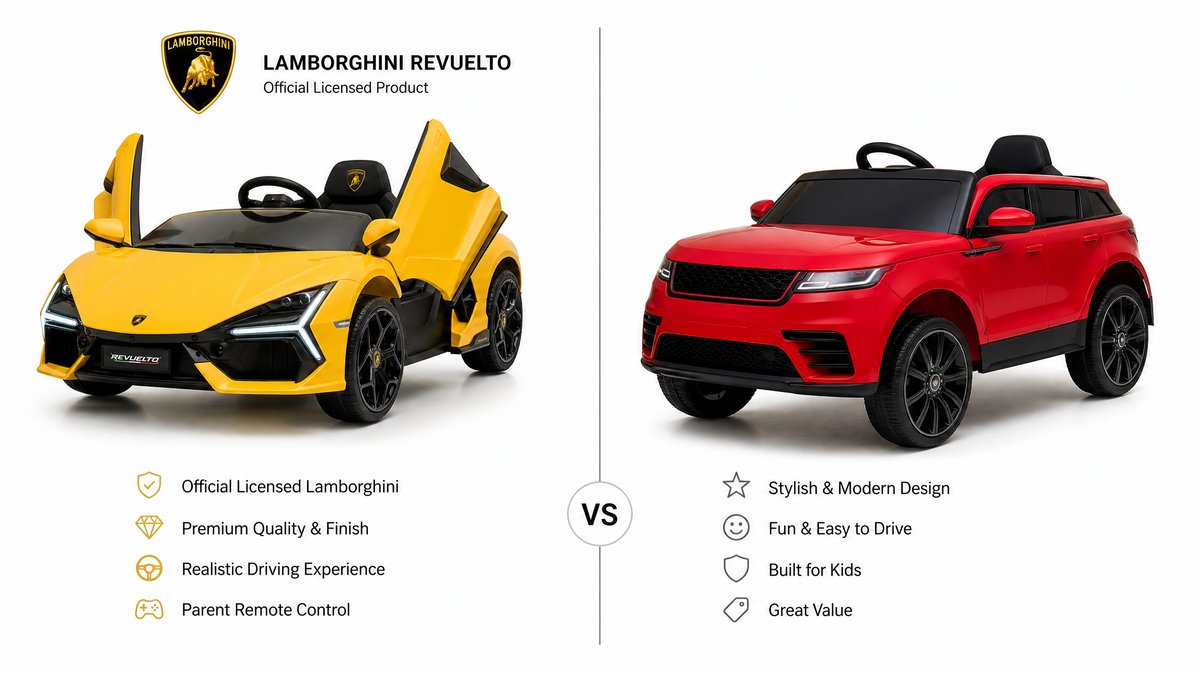
Such imaginative activities not only sustain children's interest and attention over longer play sessions but also foster crucial social and emotional skills, including sharing, taking turns, effective communication, and collaborative problem-solving. For commercial clients and retail buyers, offering ride-on cars that feature realistic detailing—such as functional opening doors, authentic horn sounds, working LED headlights, and dashboard media interfaces, assuming the specific model includes these features—can significantly enhance the immersive quality of role-play scenarios. Request a wholesale quote to explore our diverse catalog of ride-on vehicles designed with engaging aesthetic features that stimulate creative play.
Comparative Overview of Backyard Play Environments and Layouts
Different backyard environments present unique operational opportunities and physical limitations for operating a kids ride-on car. Understanding how to adapt activities to specific surface types, gradient profiles, and yard dimensions ensures both optimal vehicle performance and long-term durability. The following comparative table outlines various backyard settings, recommended activity types, surface considerations, and operational precautions.
| Backyard Environment | Recommended Activity Types | Surface & Terrain Considerations | Operational Precautions & Best Practices |
|---|---|---|---|
| Flat Paved Patio / Driveway | Precision parking, slalom cones, chalk road circuits | Smooth concrete or asphalt; excellent traction and battery efficiency | Ensure clear boundaries away from active driveways or streets; mandate protective helmets and adult supervision at all times. |
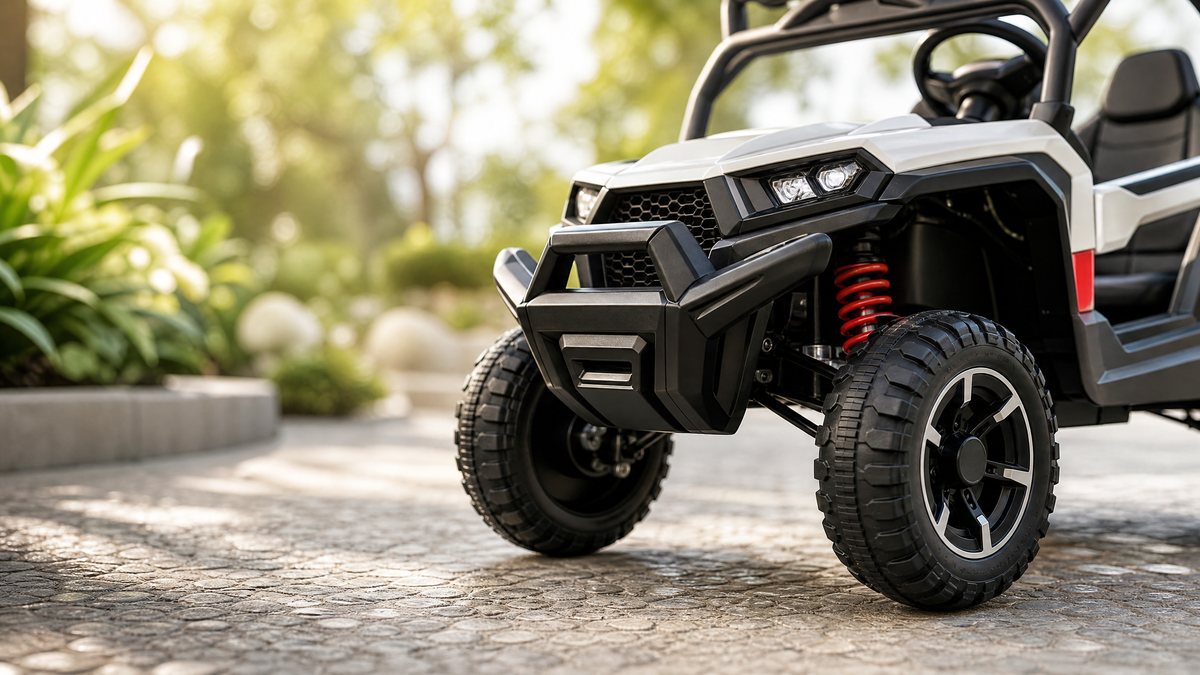
| Maintained Lawn / Turf | Exploratory cruising, scavenger hunt transport | Natural grass; higher rolling resistance, which may increase motor and battery load | Check for hidden holes, wet patches, or steep inclines; verify that the specific vehicle's tire type (e.g., EVA or plastic) is suited for turf. |
| Sloped or Terraced Yards | Gentle contour navigation (flat sections only) | Uneven terrain, elevation changes, loose soil | Avoid steep slopes entirely unless the vehicle manual explicitly authorizes grade limits; utilize parental remote control for speed management. |
| Multi-Zone Play Areas | Mission-based role play (delivery routes, safari rescue) | Combination of grass, paving stones, and garden borders | Define clear play zones; remove tripping hazards and sharp gardening tools from the immediate driving path. |
This comparative framework underscores the operational necessity of matching backyard topography with appropriate vehicle selection and activity design. Manufacturers' operating manuals, rating plates, and technical specification sheets should always serve as the definitive authority regarding maximum weight limits, gradient tolerances, and recommended operating surfaces.
Operational Safety, Supervision, and Pre-Ride Inspection Framework
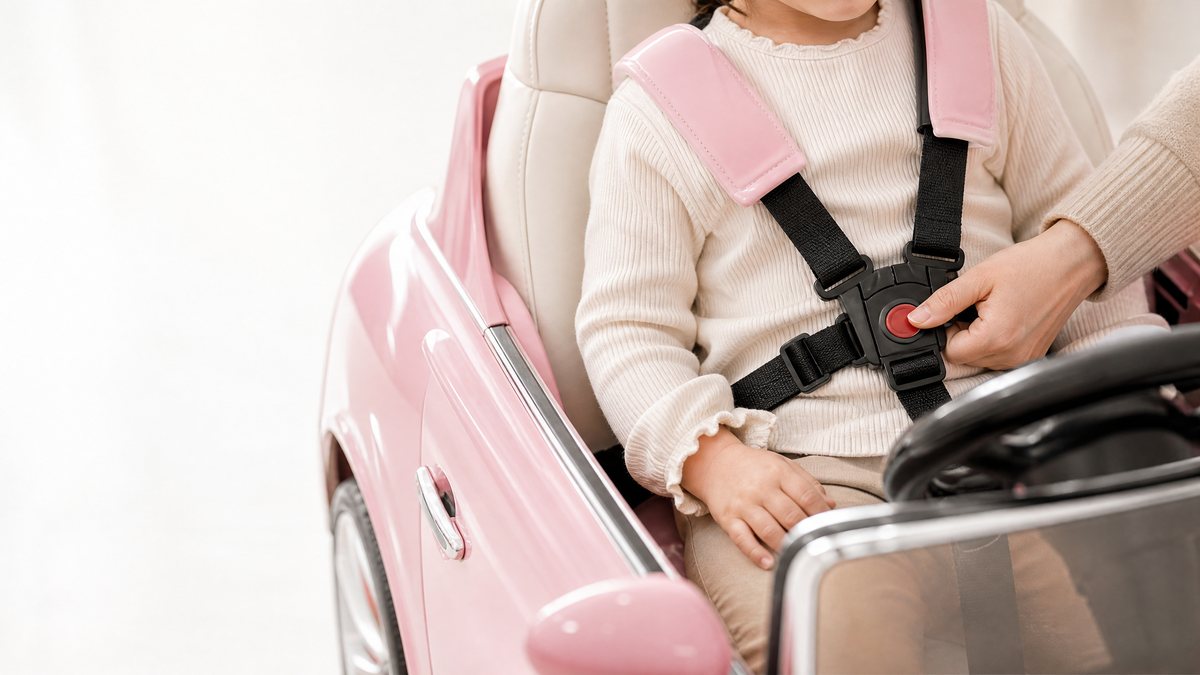
No comprehensive discussion of backyard activities is complete without placing paramount emphasis on safety, active supervision, and proactive maintenance protocols. Ride-on cars are motorized juvenile products that require rigorous, consistent oversight to ensure a secure and enjoyable recreational experience. Adult supervision is non-negotiable under all circumstances; a responsible adult must remain in direct visual contact and within immediate response range throughout every play session.
Before allowing a child to operate a ride-on car, caregivers must conduct a systematic pre-ride inspection. This inspection protocol includes verifying that all steering linkages are secure, wheels are firmly bolted, and the exterior body shell is free from structural cracks or sharp edges resulting from previous impacts or rough handling. Furthermore, electrical components—including dashboard switches, foot pedal assemblies, and charging ports—must be inspected for any signs of moisture ingress, debris accumulation, or mechanical wear.
Regarding electrical safety and battery maintenance, strict operational boundaries must be observed. Under no circumstances should users attempt to modify internal wiring harnesses, alter factory voltage specifications, bypass factory-installed circuit breakers, or tamper with the drive motors. Battery charging must always be performed using the manufacturer-supplied charger, plugging directly into a stable wall outlet under direct adult supervision, and never left unattended for extended periods. If any abnormalities are detected—such as unusual burning odors, excessive heat during operation or charging, visible sparking, smoke, fluid leaks, damaged wiring harnesses, or erratic braking response—the vehicle must be powered off immediately, disconnected from the power source, and kept out of reach of children until evaluated by qualified repair personnel or the manufacturer.
Wholesale and Retailer Considerations for Outdoor Play Equipment
For B2B buyers, distributors, and specialty toy retailers, understanding how consumers utilize ride-on cars in backyard settings provides critical insights for inventory curation, merchandising, and product positioning. Modern retail customers increasingly seek products that offer multi-functional play value, durability across varied outdoor terrains, and robust safety compliance certifications.
Retailers can effectively differentiate their product offerings by providing comprehensive product documentation, clear safety guidelines, and well-structured accessory recommendations (such as protective gear, course markers, and replacement parts) alongside ride-on vehicle inventory. Emphasizing transparency regarding vehicle specifications—such as battery voltage classes, drive configurations (e.g., single-motor vs. dual-motor or four-motor systems), and seating capacities—builds long-term consumer trust and significantly reduces post-purchase disputes.
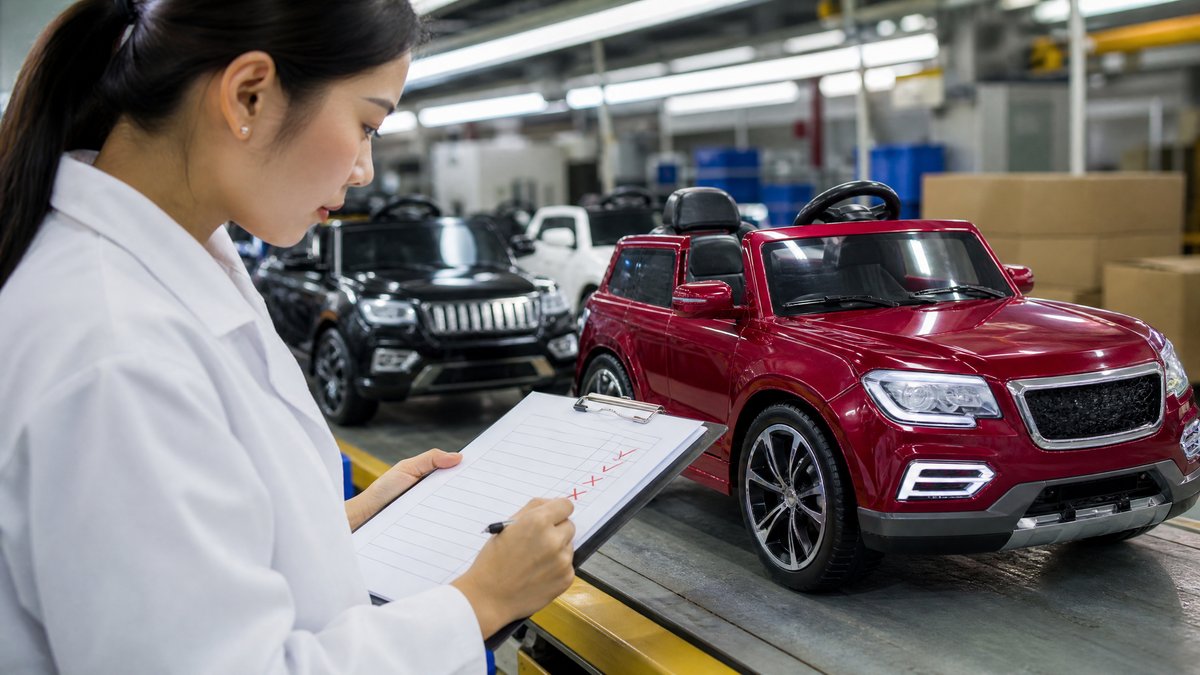
Moreover, commercial buyers must ensure that their supplier partnerships adhere to stringent quality control standards and international toy safety compliance frameworks (such as ASTM F963, EN71, or equivalent regional standards). Partnering with reputable manufacturers ensures that every vehicle delivered to end-consumers meets rigorous structural and electrical safety criteria. Request a wholesale quote to discuss bulk purchasing options, customized vehicle configurations, and reliable supply chain solutions tailored to your retail business needs.
Frequently Asked Questions (FAQ)
1. What surface types are best suited for operating a kids ride-on car in the backyard?
Smooth, flat surfaces such as sealed concrete patios, paved driveways, or tightly manicured lawns provide the most stable operating environment. Smooth surfaces minimize rolling resistance, preserve battery life, and ensure predictable steering and braking response. Avoid rough gravel, deep mud, sand, or steep inclines unless the vehicle is explicitly rated by the manufacturer for such terrain.
2. How can parents ensure safe operation when multiple children are playing in the backyard?
Adult supervision is mandatory at all times. Establish clear driving lanes and boundaries using cones or chalk, and enforce strict rules regarding one driver per designated seating capacity (unless the model is specifically designed for two riders). If the vehicle features a parental remote control, the supervising adult should retain override capability to manage speed and directional movement, especially in multi-child settings.
3. What steps should be taken if the ride-on car exhibits electrical issues or unusual odors?
Immediately turn off the vehicle's power switch, disconnect the child from the vehicle, and move the unit to a well-ventilated, safe outdoor location away from combustible materials. Do not attempt to open battery casings, measure internal voltage, or perform DIY electrical repairs. Contact the manufacturer or qualified service personnel for guidance, and cease all use until the unit is professionally inspected.
4. Can ride-on cars be used on damp grass or immediately after rainfall?
Operating ride-on cars on wet grass, through puddles, or in rainy weather is strongly discouraged. Moisture can penetrate electrical compartments, motor housings, and switch assemblies, potentially causing short circuits, premature component corrosion, or electrical failure. Always ensure the vehicle is completely dry and stored in a sheltered, weather-protected environment when not in use.
Conclusion
Backyard activities involving a kids ride-on car offer an exceptional, multifaceted blend of physical exercise, spatial skill development, and imaginative role-play. By designing structured driving circuits, incorporating creative role-play scenarios, and maintaining rigorous adherence to safety inspections and adult supervision, families can unlock the full developmental potential of these vehicles. For retail and wholesale partners, curating high-quality, durable ride-on vehicles accompanied by transparent safety guidelines is essential for meeting modern consumer expectations. Through responsible operation and thoughtful play design, the residential backyard or commercial play space transforms into a safe, engaging theater of childhood exploration and growth.
Official References
1. U.S. Consumer Product Safety Commission (CPSC): General toy safety education materials, playground safety guidelines, and motorized ride-on toy safety advisories. (Note: CPSC educational publications provide general safety principles and do not replace specific manufacturer operating manuals, model ratings, or compliance certifications.)
2. International Toy Safety Standards (ASTM F963 / EN71): General frameworks for mechanical integrity, electrical safety, small parts avoidance, and structural load testing in juvenile products.
Official references
Explore these external resources for current regulatory and trade guidance. Confirm requirements with the relevant authority before placing an order.
Ready to Start?
Factory-Direct · CE & ASTM Certified · MOQ from 50 Units
Our export team works with buyers in 60+ countries. Get a quote within 24 hours.
KR
Written by KidsRideCar
China's leading kids electric ride-on car manufacturer. 500,000+ units shipped annually to 60+ countries. CE, ASTM & EN71 certified.