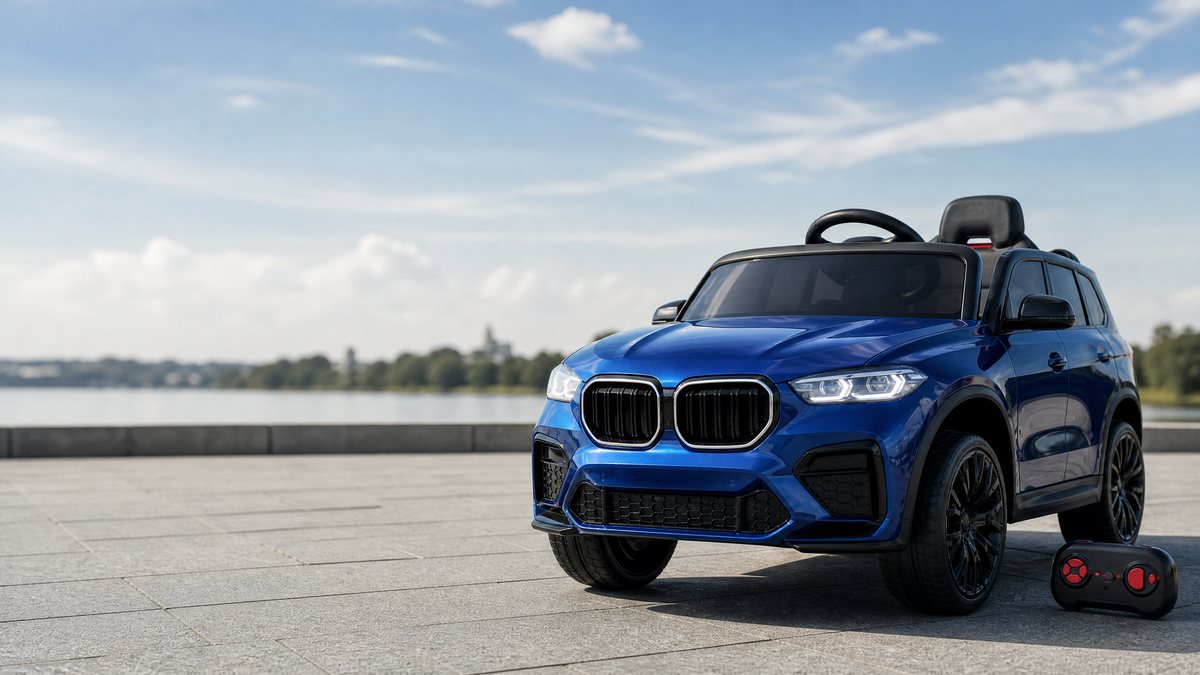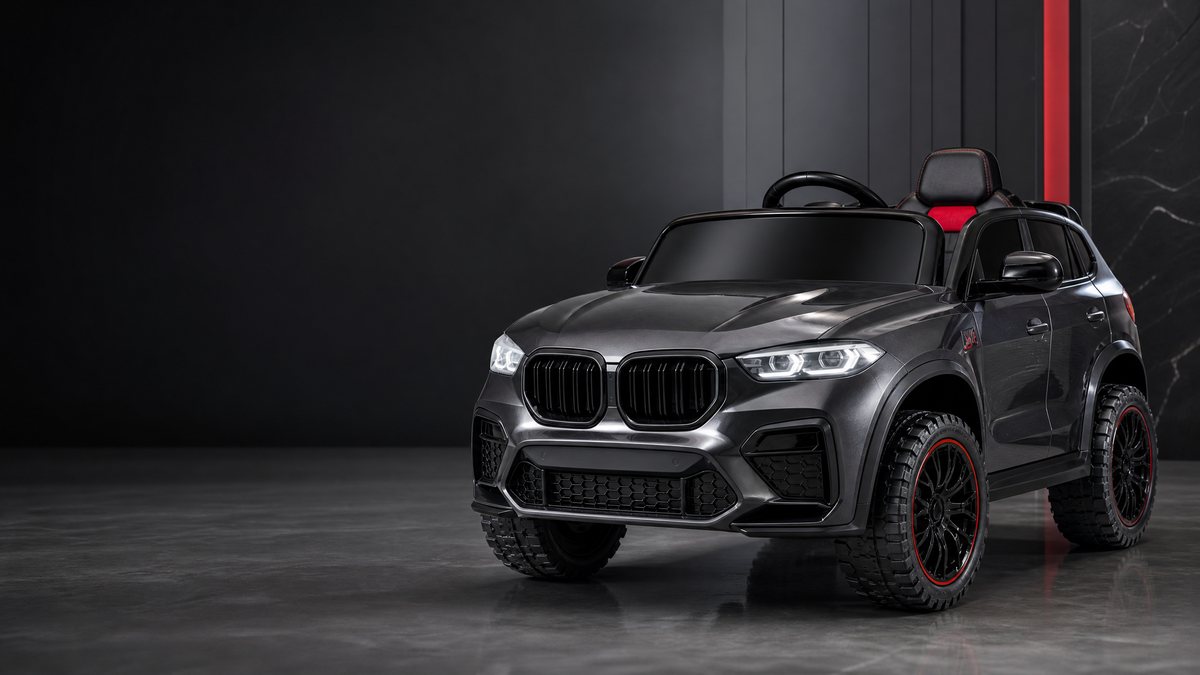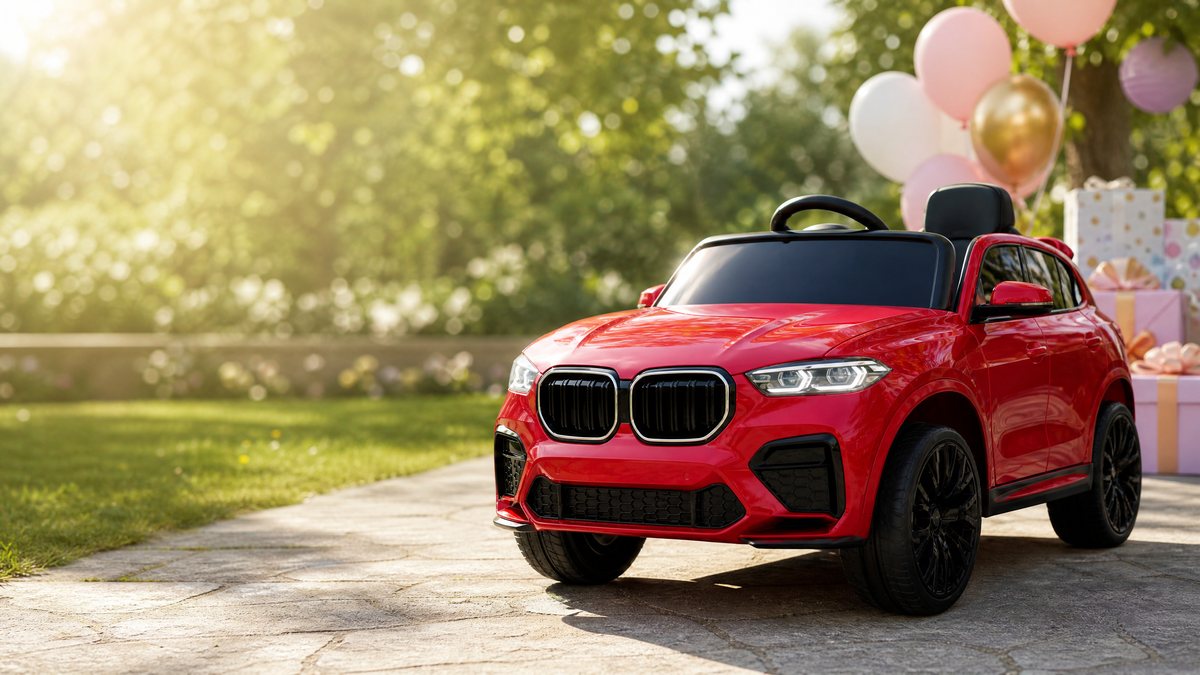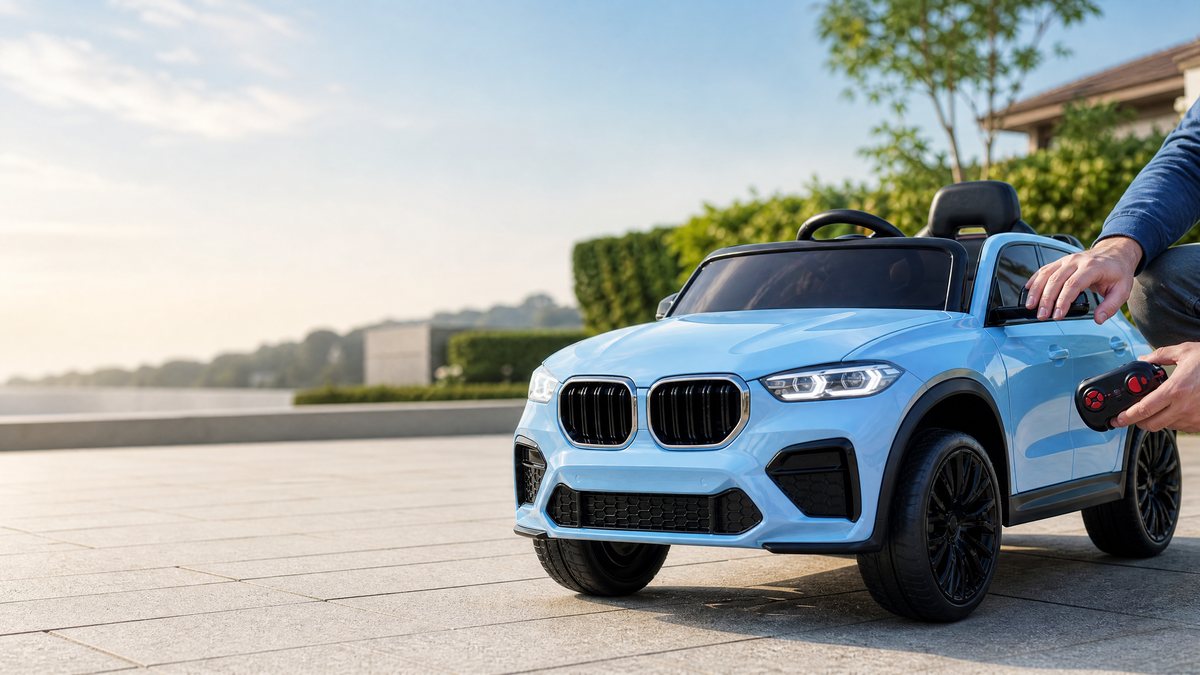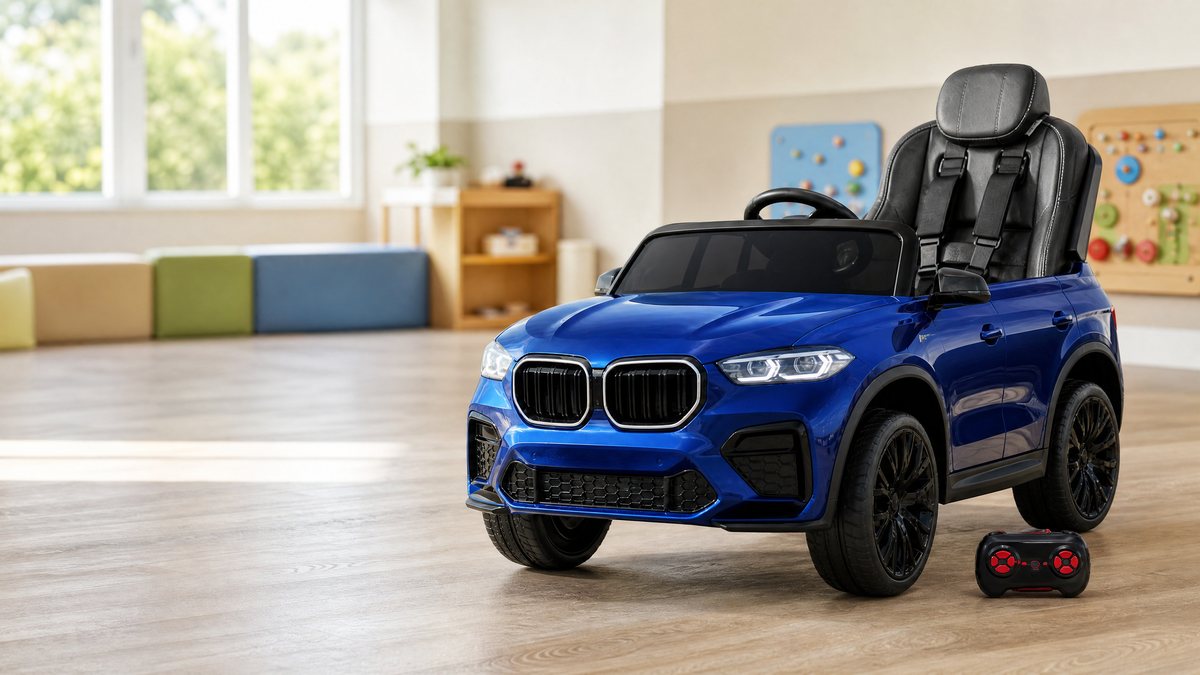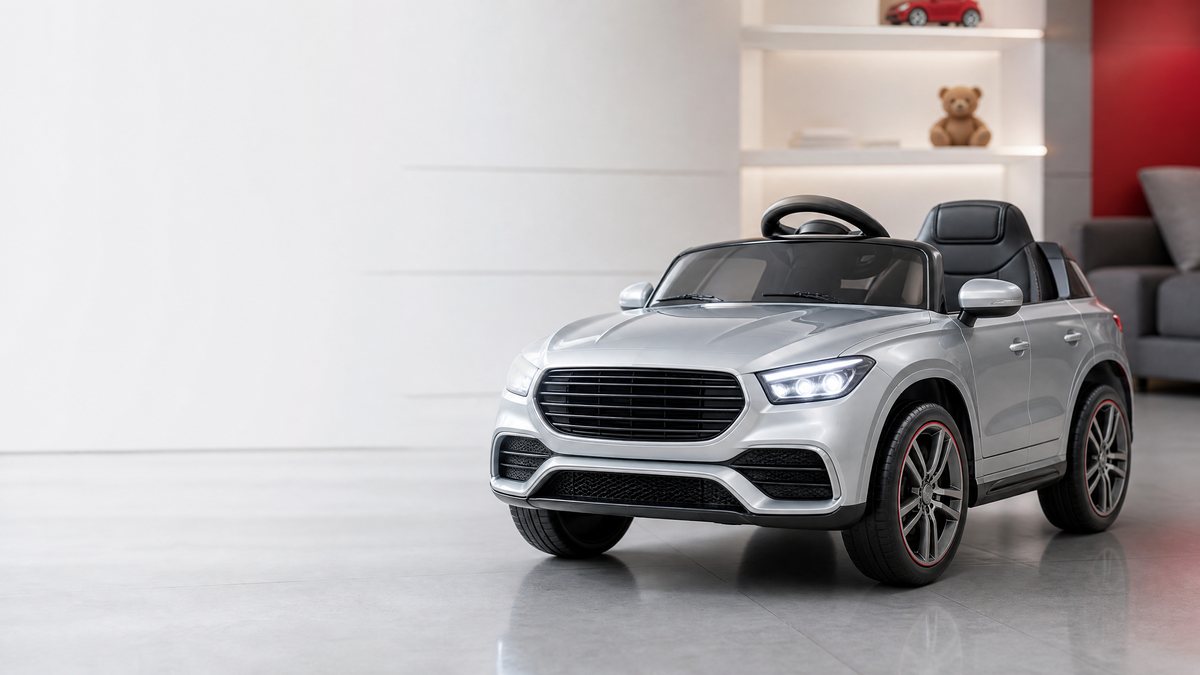
Choosing the ideal electric ride-on vehicle for a child involves balancing aesthetic appeal, performance specifications, safety features, and structural durability. Among the most sought-after categories in the children's mobility market are officially licensed Mercedes-Benz ride-on cars. Replicating the prestige, distinctive styling lines, and luxury badges of full-sized German engineering, these miniature vehicles appeal strongly to both young drivers and discerning buyers.
However, determining the "best" model is not a one-size-fits-all proposition. The right choice depends heavily on the child's age, physical coordination, intended driving environment, and the specific functional requirements of parents or retail importers. This editorial guide explores the core evaluation criteria, vehicle classifications, safety protocols, and purchasing considerations for licensed Mercedes ride-on cars.
Understanding Officially Licensed Mercedes-Benz Ride-On Cars
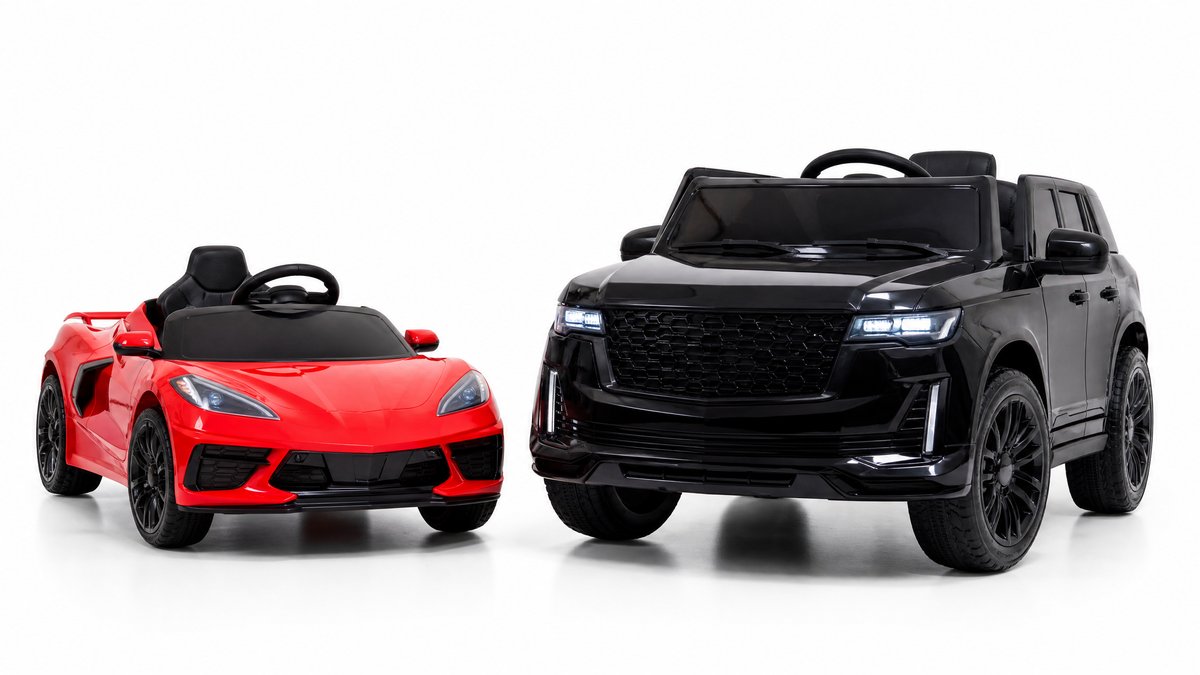
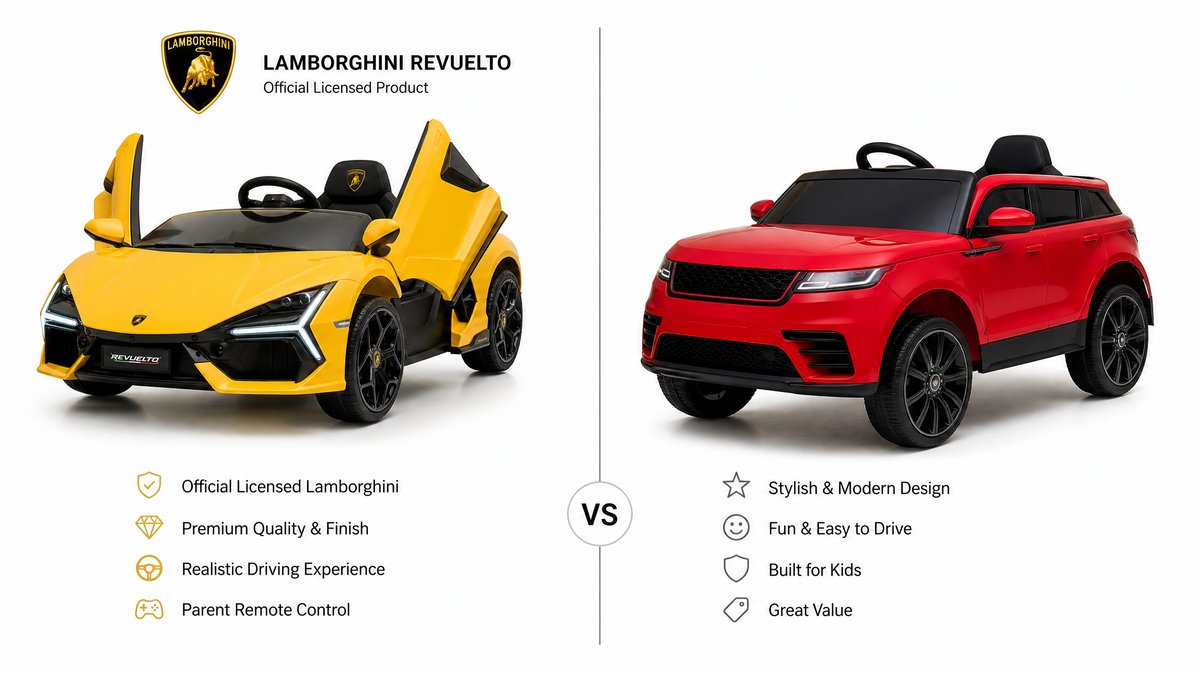
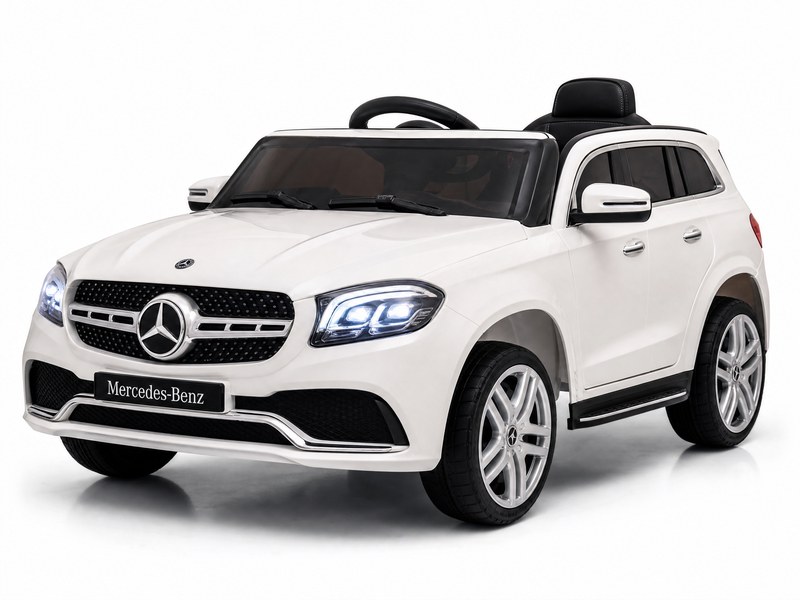
When evaluating children's electric vehicles, officially licensed products occupy a distinct tier compared to generic or unlicensed alternatives. Licensing agreements established with automotive manufacturers like Mercedes-Benz Group AG ensure that each miniature vehicle accurately mirrors the design cues of its full-scale counterpart.
Key Characteristics of Licensed Models:
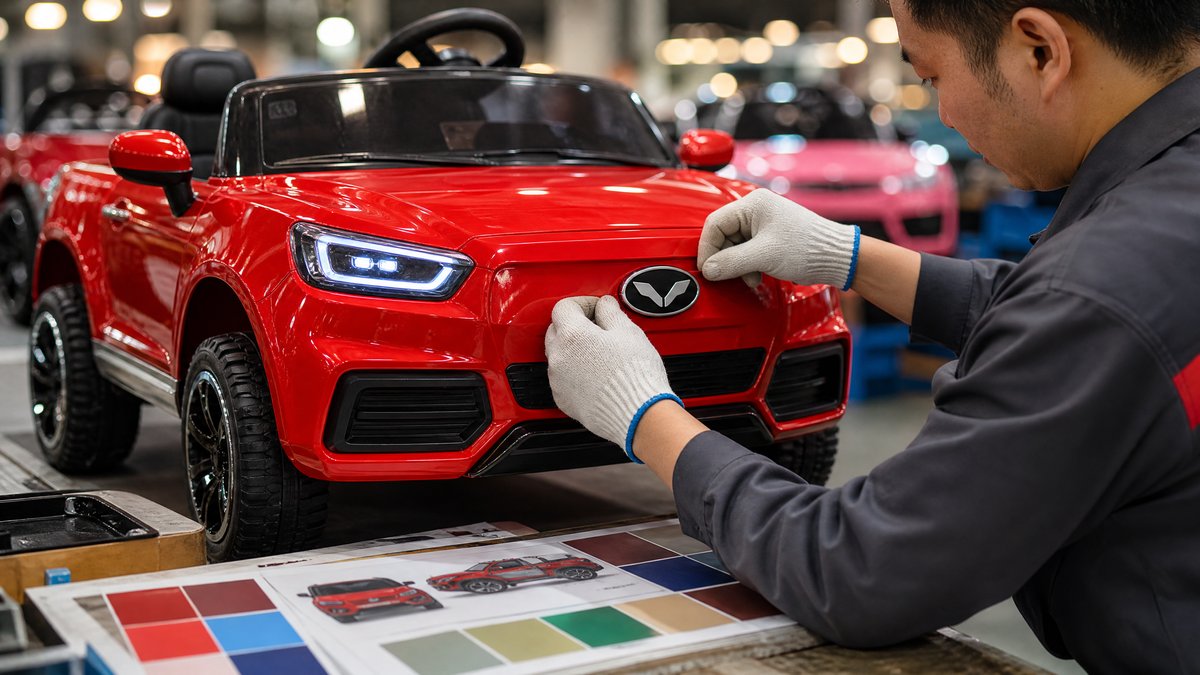
* Authentic Emblems and Styling: Detailed front grilles, three-pointed star badges, signature LED headlight configurations, and exact body contours derived from original CAD data.
* Branded Interior Details: Steering wheels featuring replica horn buttons, dashboard instrumentation decals, and branded leatherette seating options.
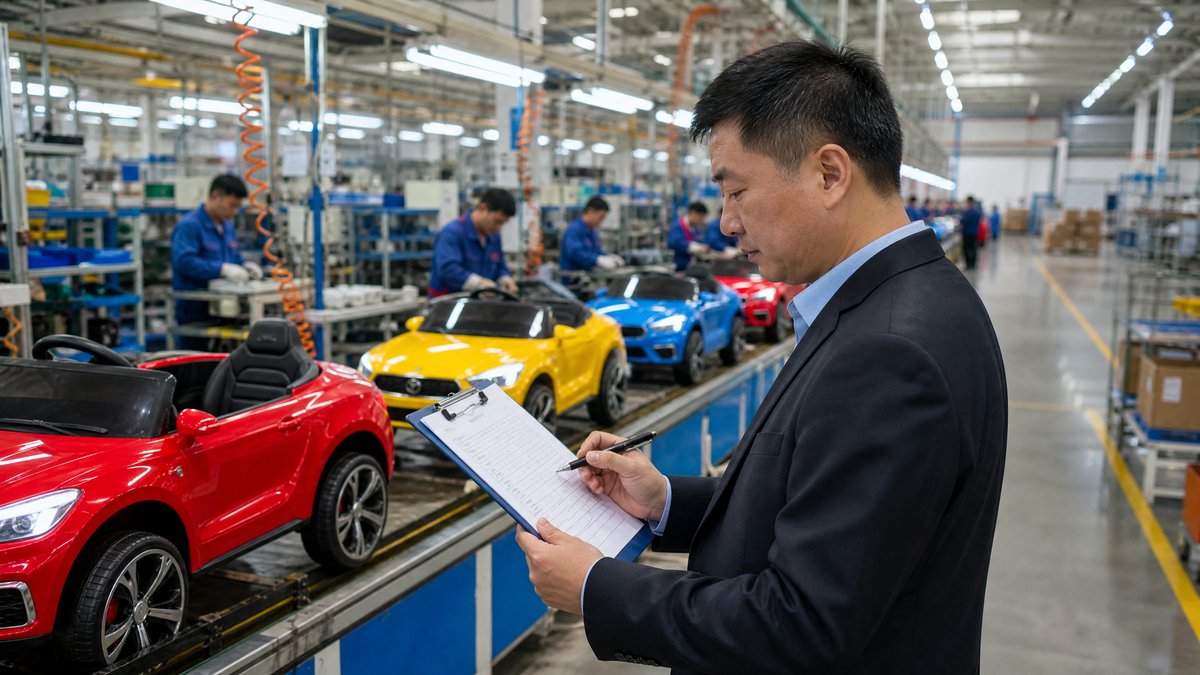
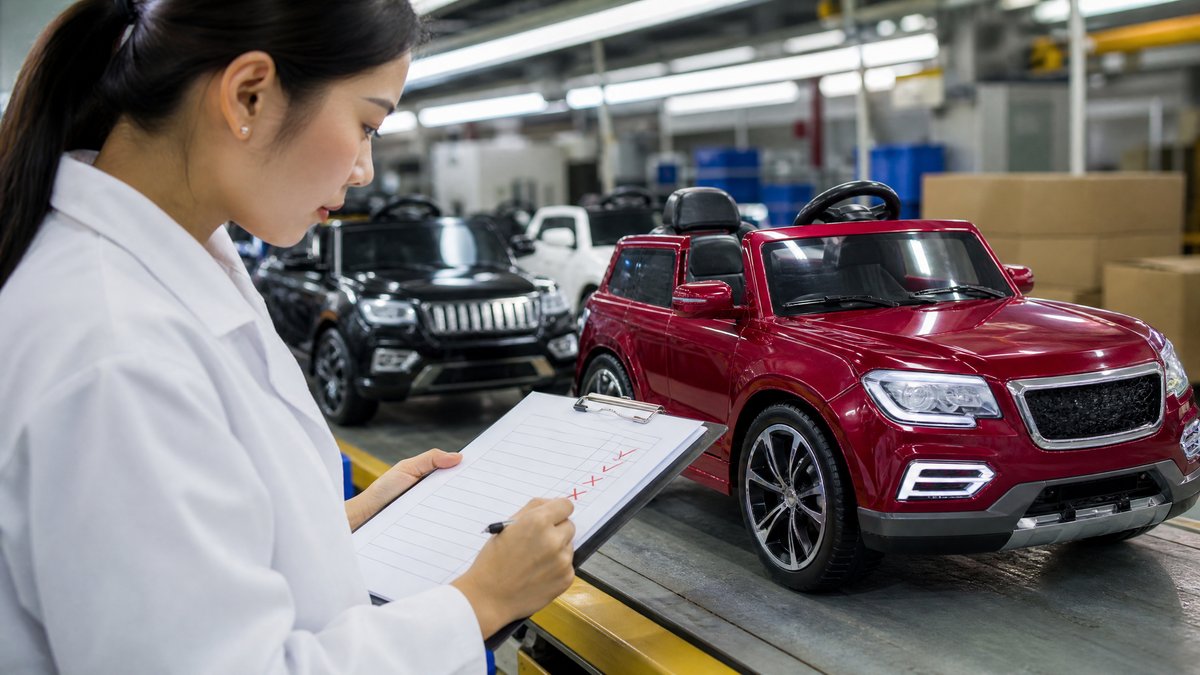
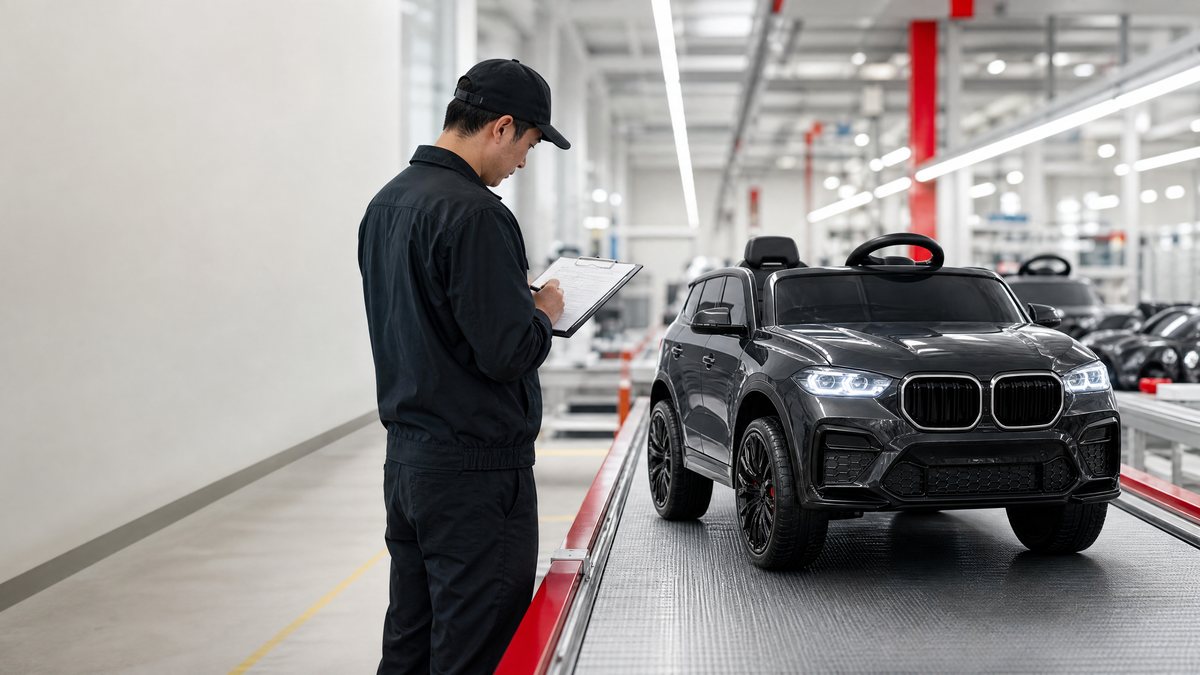
* Rigorous Quality Standards: Manufacturing partners must meet strict quality assurance benchmarks set by the licensor, ensuring superior plastic molding, paint finishes, and structural integrity.
Primary Categories of Licensed Mercedes Ride-On Cars
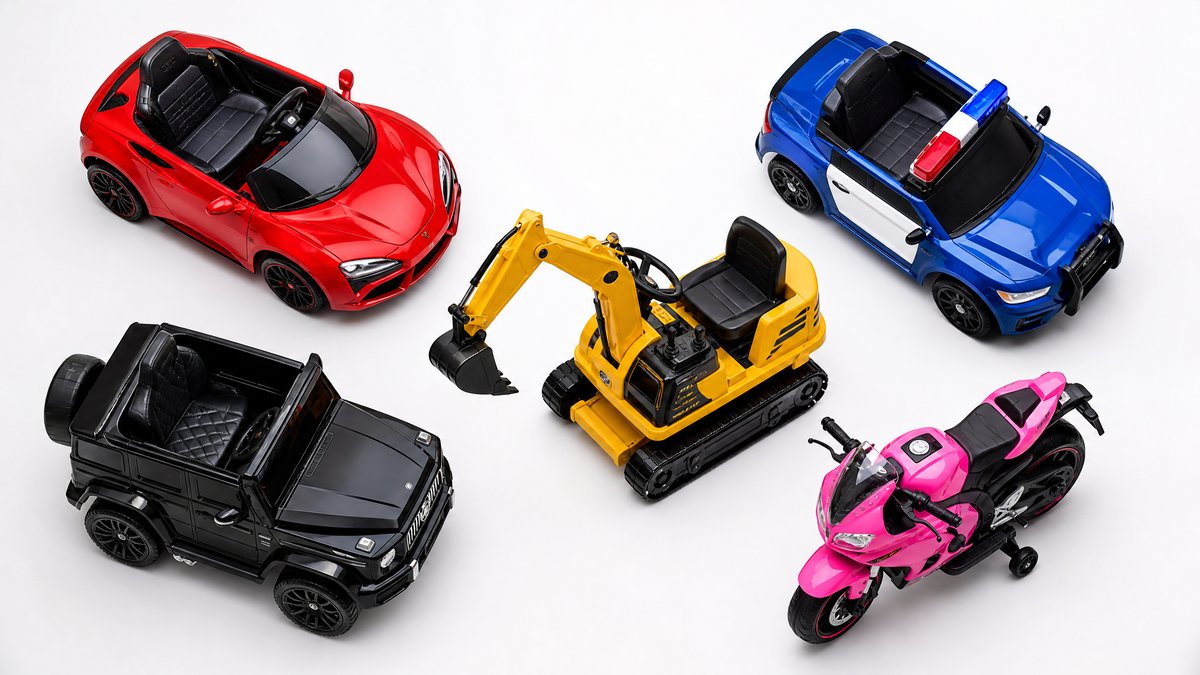
Mercedes-Benz offers a diverse portfolio of automotive designs, which manufacturers have successfully adapted into children's electric vehicles. Selecting the appropriate model category depends primarily on terrain compatibility and user preference.
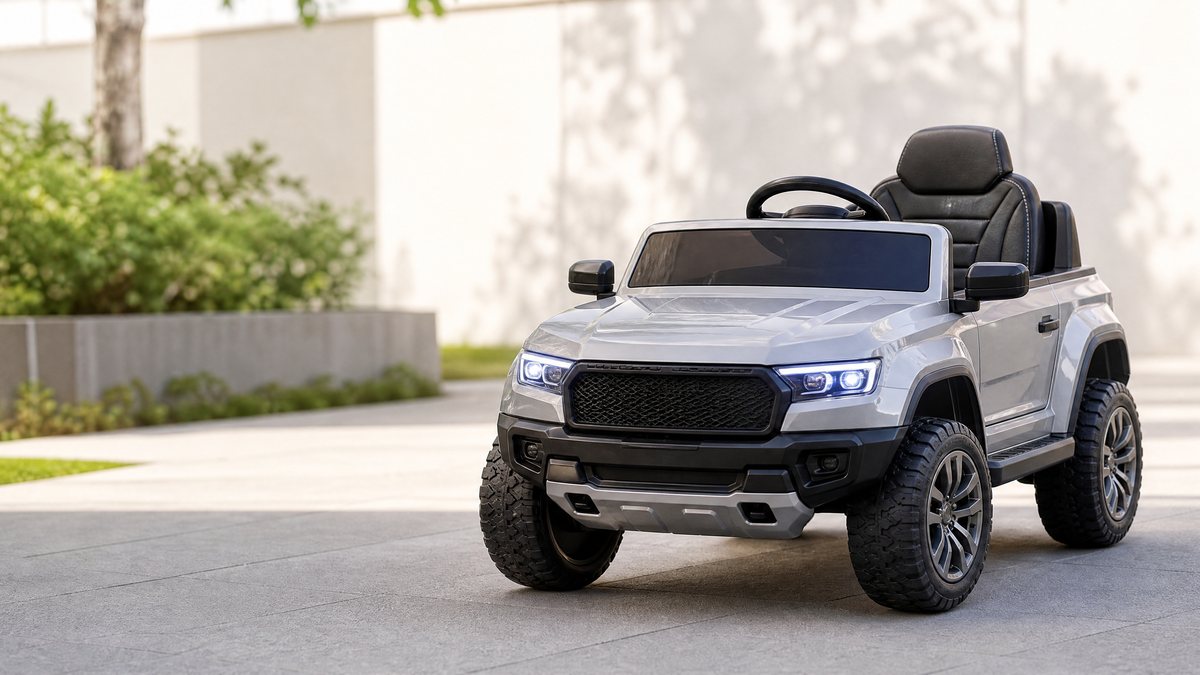
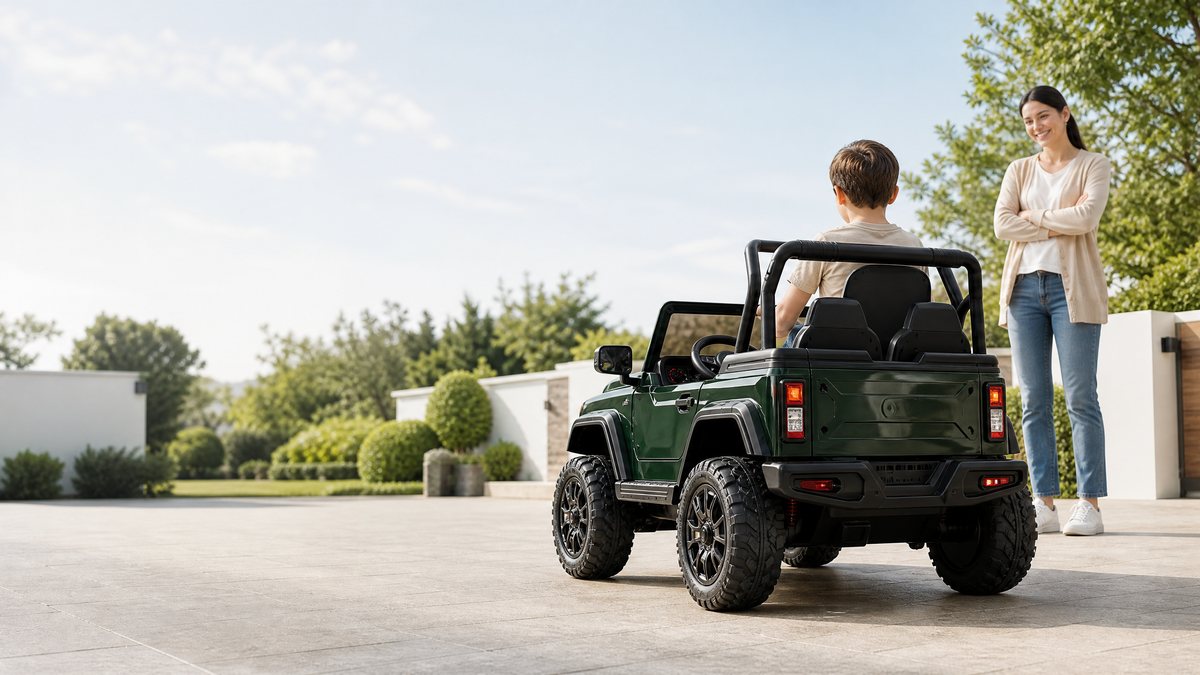
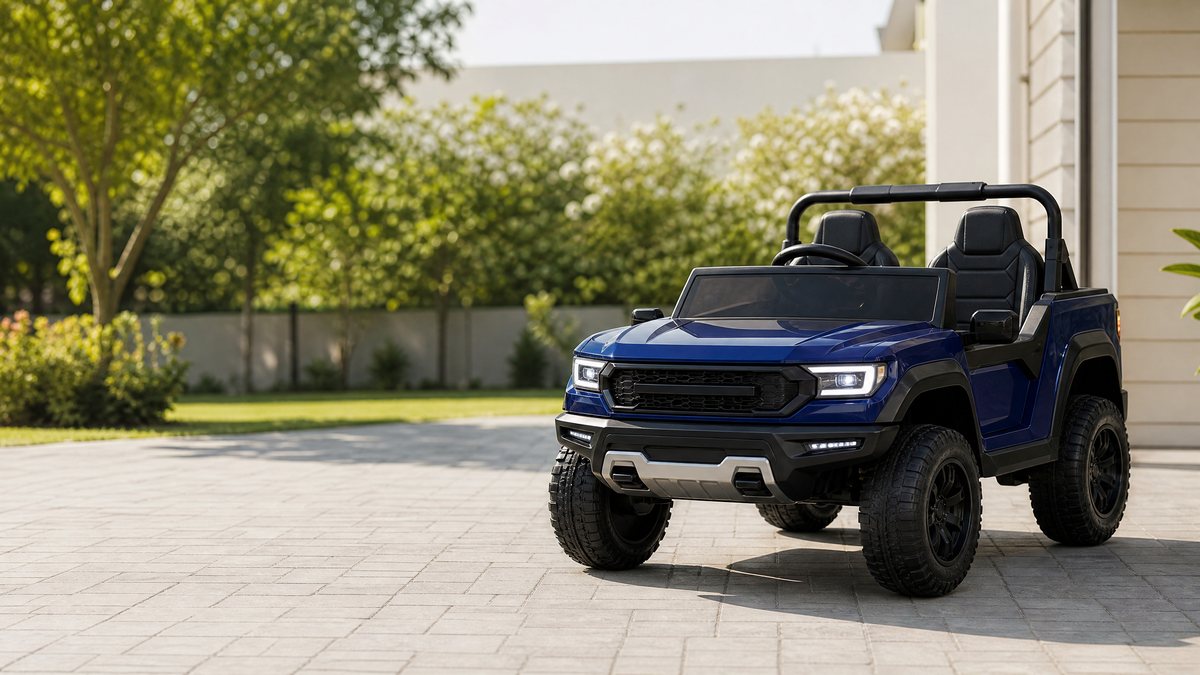
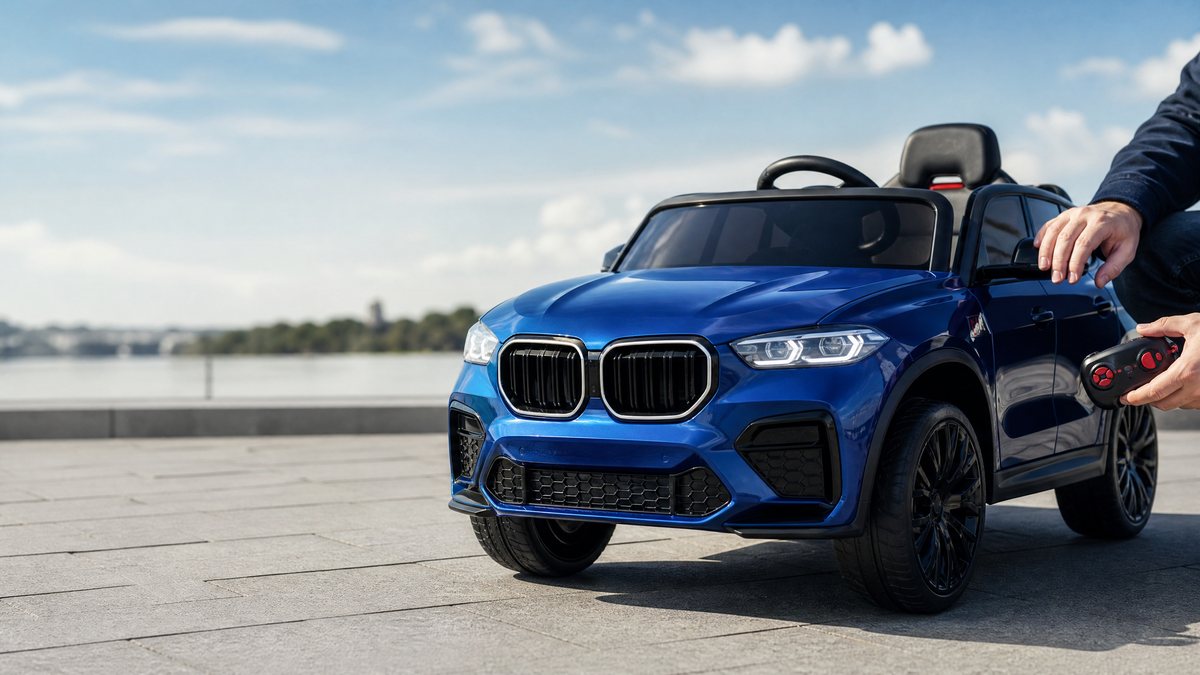
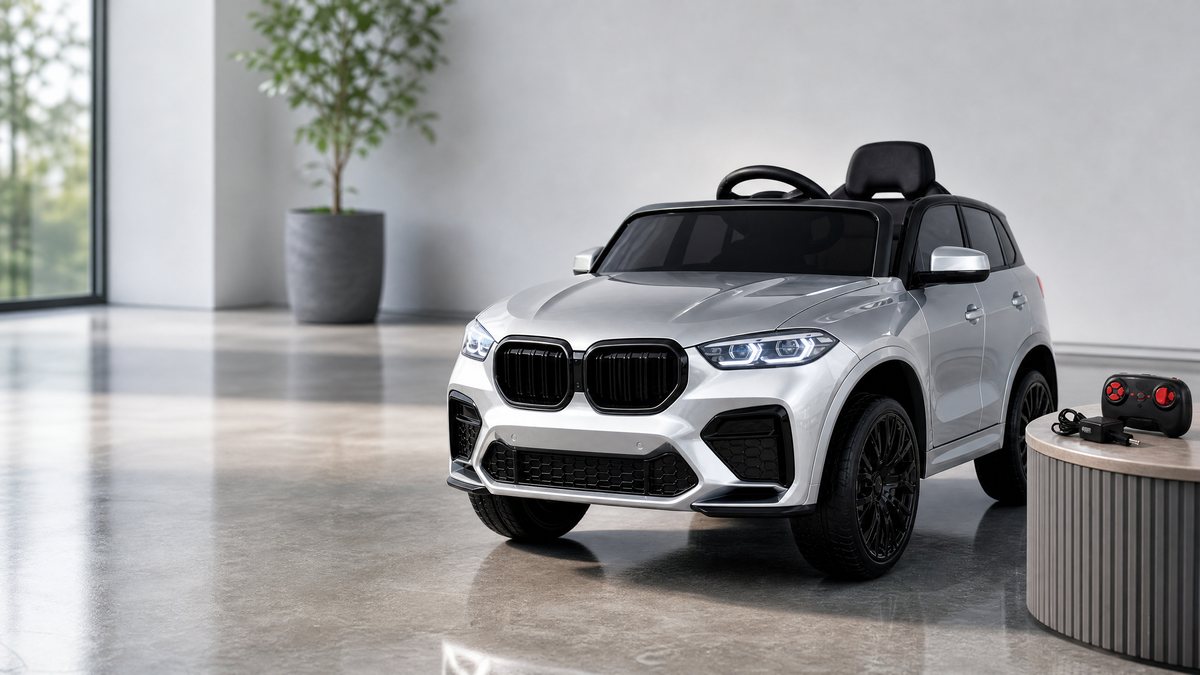
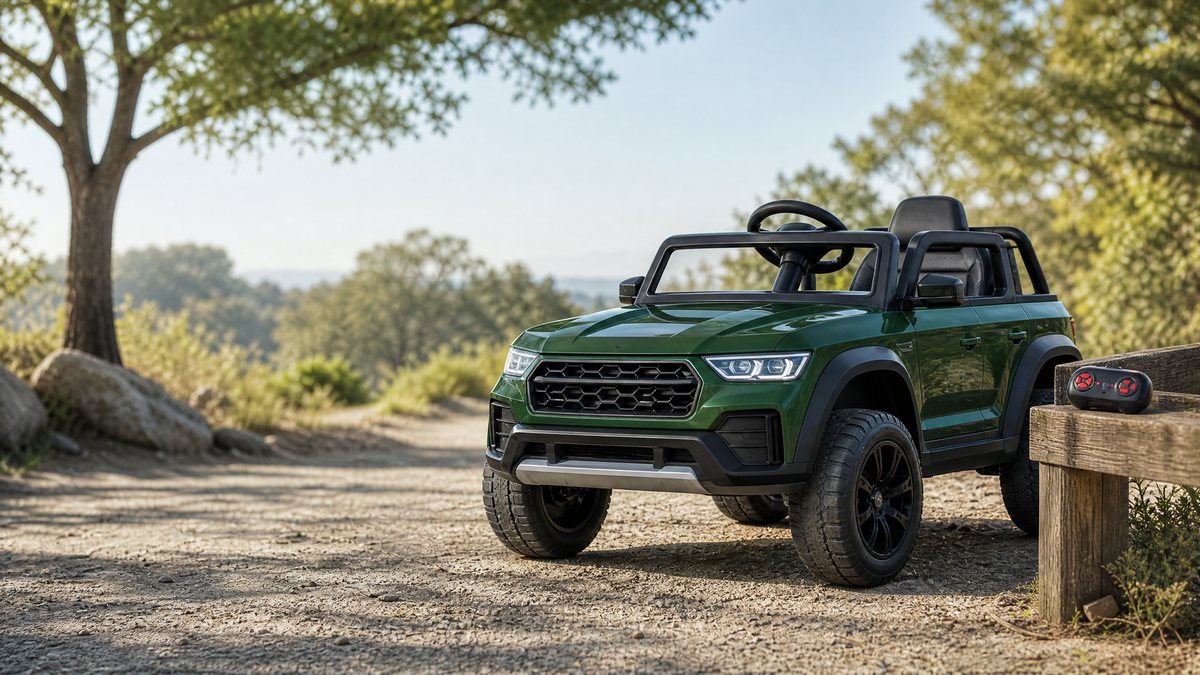
1. Luxury SUVs and Off-Roaders (e.g., Mercedes-AMG G 63 G-Wagon)
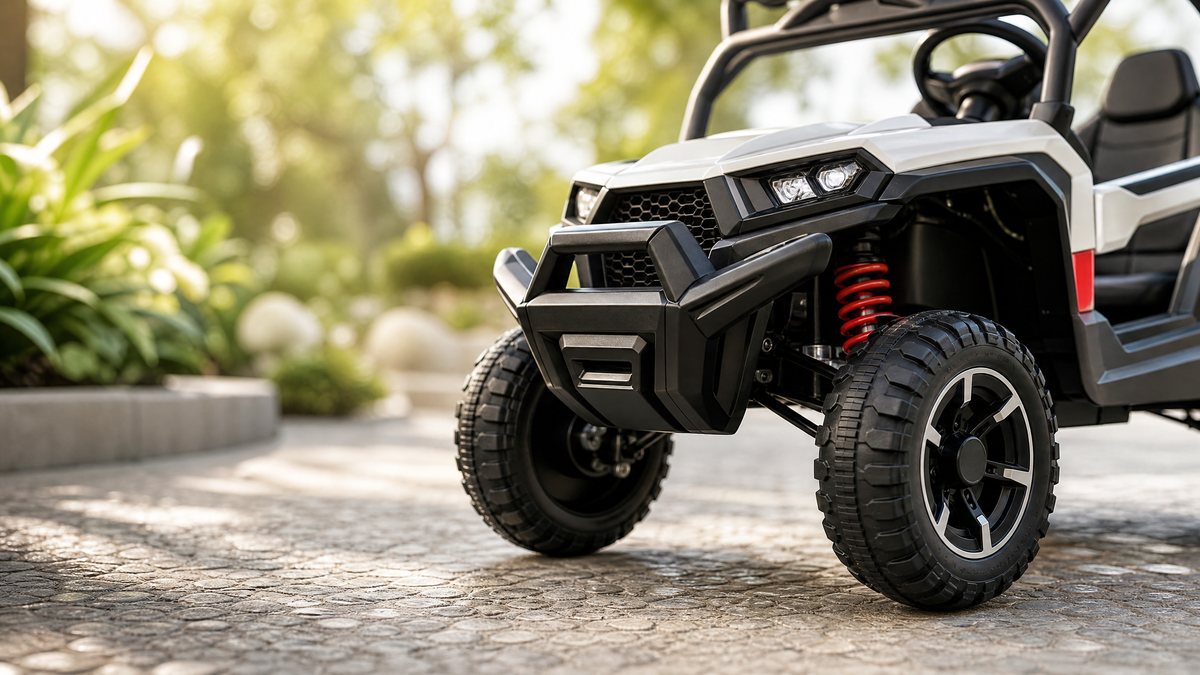
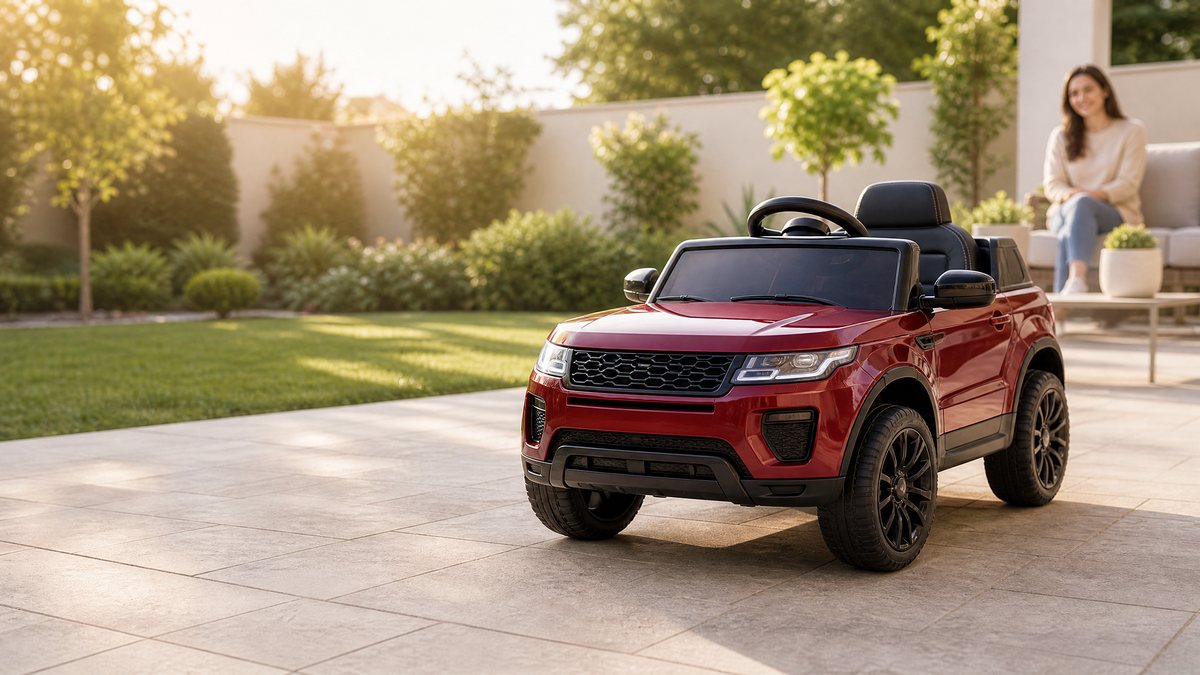
Characterized by boxy silhouettes, elevated ground clearance, and robust multi-wheel configurations, miniature G-Wagons are among the most popular choices.
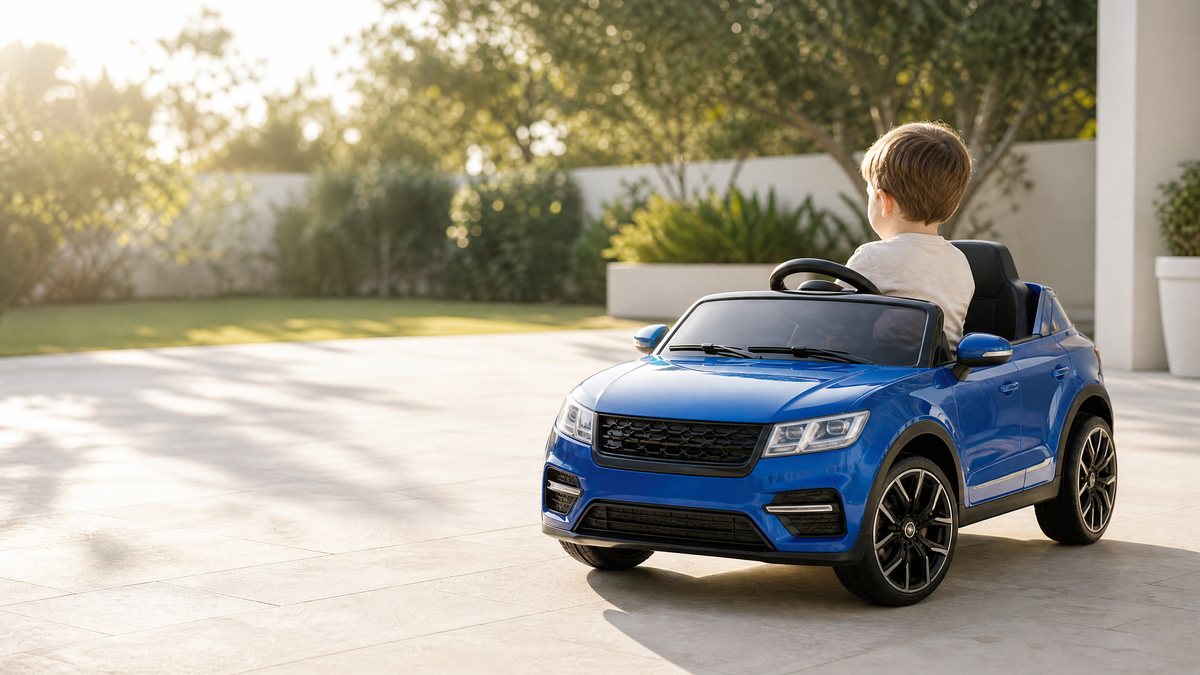
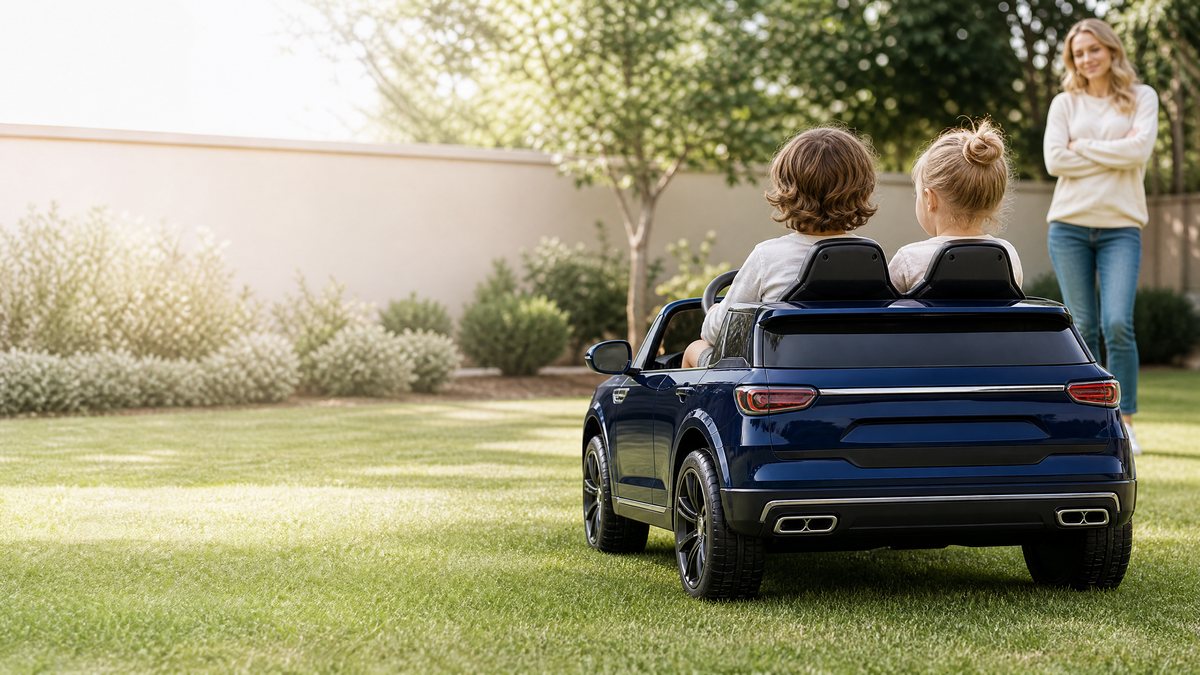
* Best Suited For: Outdoor environments, slightly uneven grass, gravel paths, and children seeking a commanding driving position.
* Performance Profile: Frequently equipped with dual or quad-motor setups and higher voltage systems (12V to 24V) to handle varied terrain.
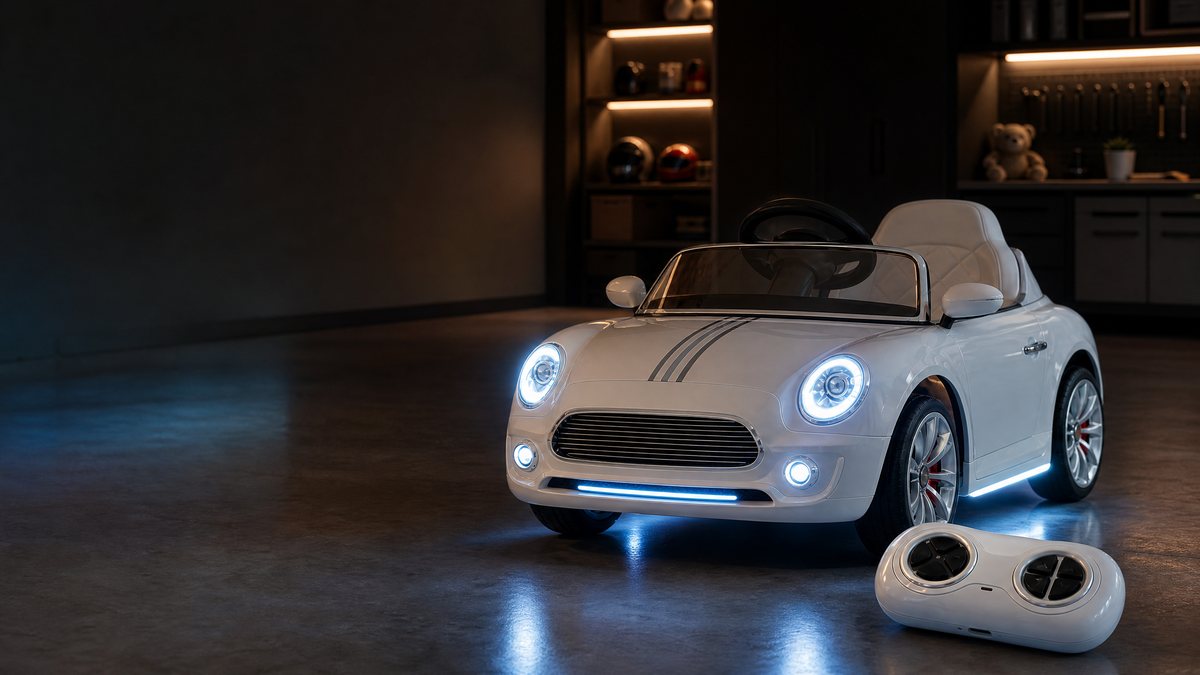
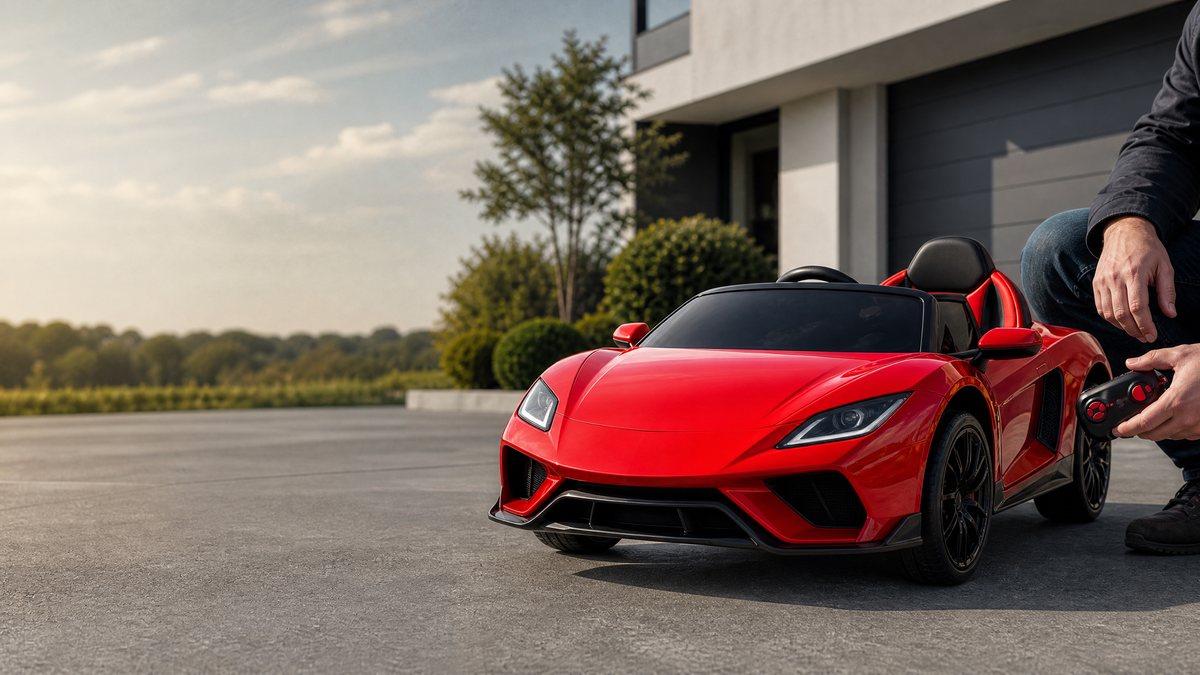
2. High-Performance Sports Cars (e.g., Mercedes-AMG GT R, SL-Class)
Streamlined aerodynamics, low-slung profiles, and aggressive styling make sports car replicas visually striking.
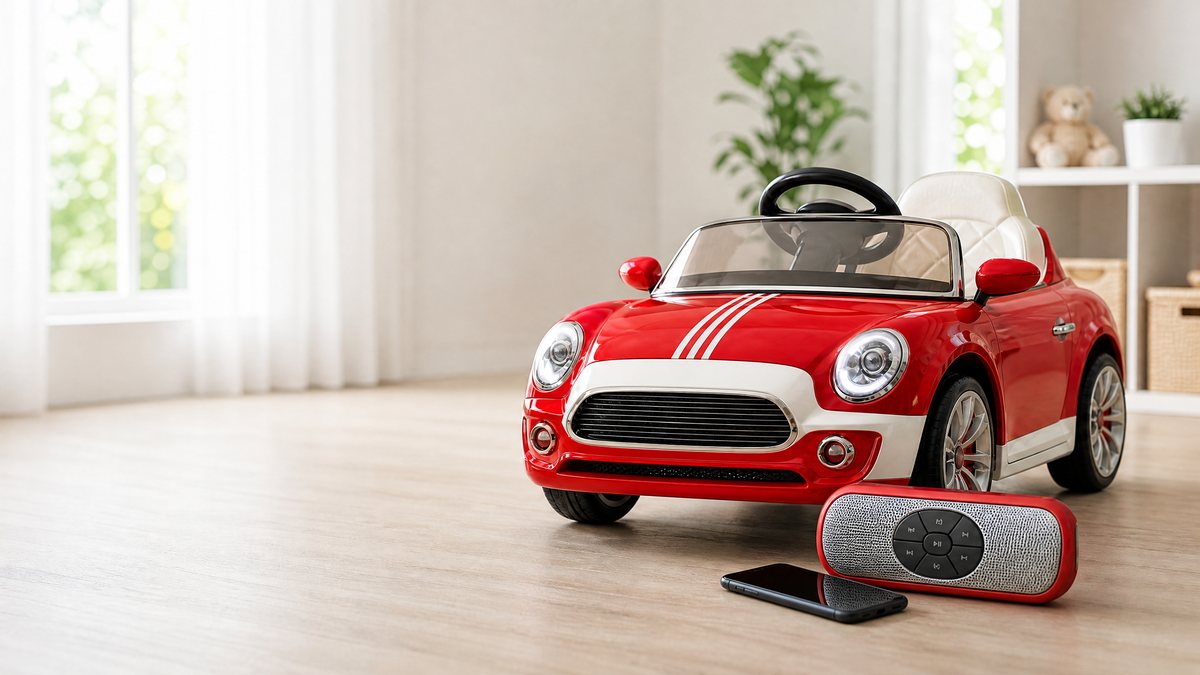
* Best Suited For: Smooth indoor flooring, paved driveways, and flat outdoor patios.
* Performance Profile: Typically optimized for responsive steering and agile maneuverability, providing an engaging driving feel for older toddlers.
3. Commercial and Utility Vehicles (e.g., Mercedes-Benz Actros Transport Trucks)
Large-scale haulers and utility vehicles offer unique play dimensions, often featuring functional trailers or cargo beds.
* Best Suited For: Open yards, expansive play areas, and role-play activities.
* Performance Profile: Engineered for stability and load-bearing capacity rather than high acceleration.
Decision Framework for Parents and Retail Importers
To select or stock the most appropriate model, buyers should evaluate several core technical and ergonomic parameters:
| Model Category | Typical Voltage | Seating Capacity | Primary Terrain | Key Differentiating Features |
|---|---|---|---|---|
| AMG G-Wagon SUV | 12V / 24V | Single or Two-Seater | Pavement, Grass, Gravel | High ground clearance, robust shock absorption, rugged styling |
| AMG GT R Sports Coupe | 12V | Single Seater | Smooth Pavement, Indoor | Aerodynamic body lines, sleek profile, responsive steering |
| Actros Transport Truck | 24V | Single Seater + Trailer | Flat Outdoor Surfaces | Detachable trailer, high torque output, extended cargo utility |
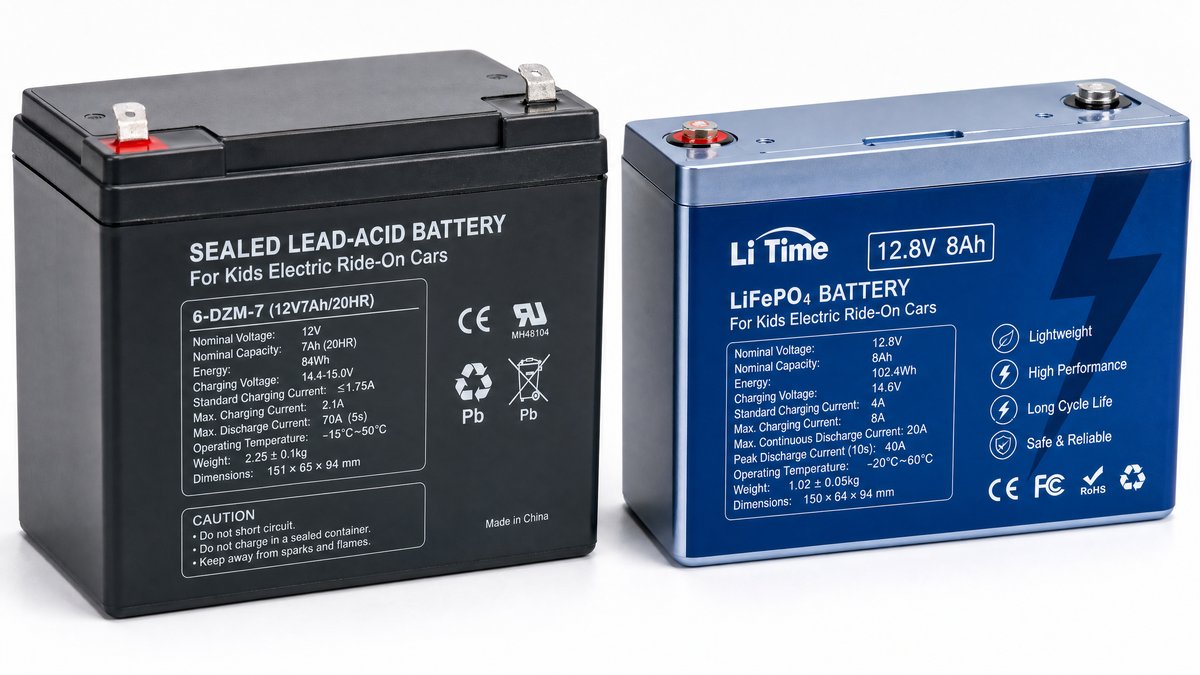
1. Power Configuration and Battery Systems
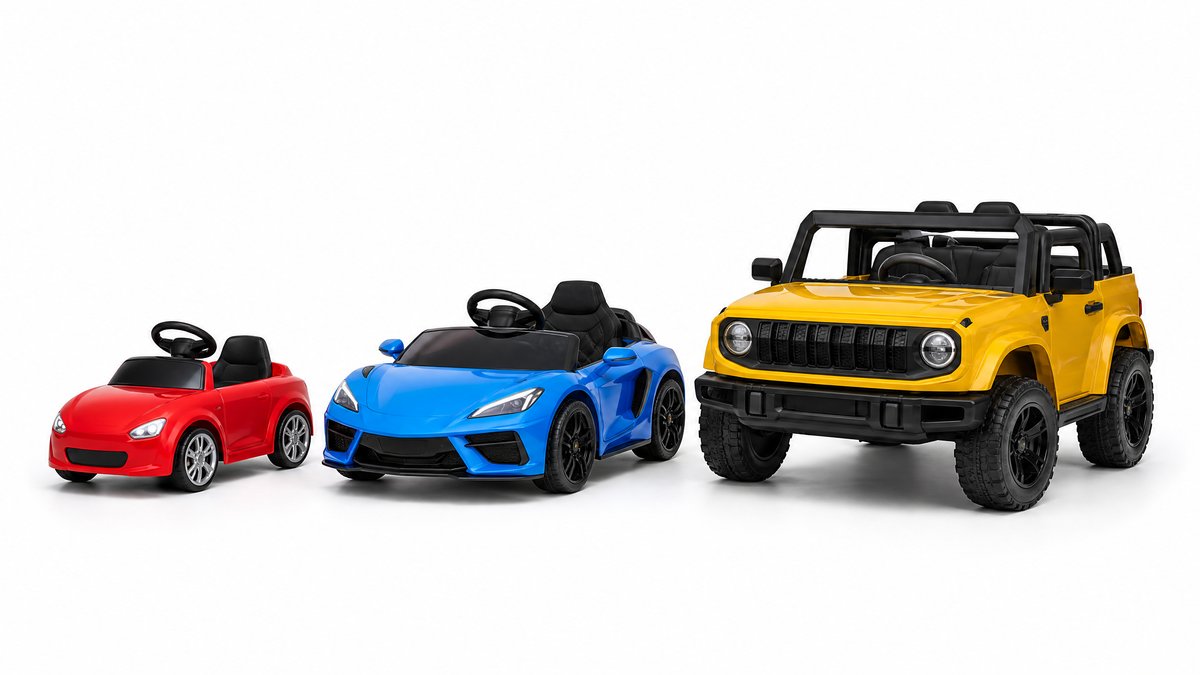
* 12V Systems: Standard for most single-seat models, offering moderate speeds suitable for younger children (typically ages 3 to 5) under close supervision.
* 24V Systems: Engineered for larger two-seater models or heavier utility vehicles, providing enhanced torque and sustained performance across inclines.
2. Control Systems: Manual vs. Remote Override
Safety and developmental readiness dictate control integration. Most modern licensed Mercedes ride-ons feature a dual-mode control system:
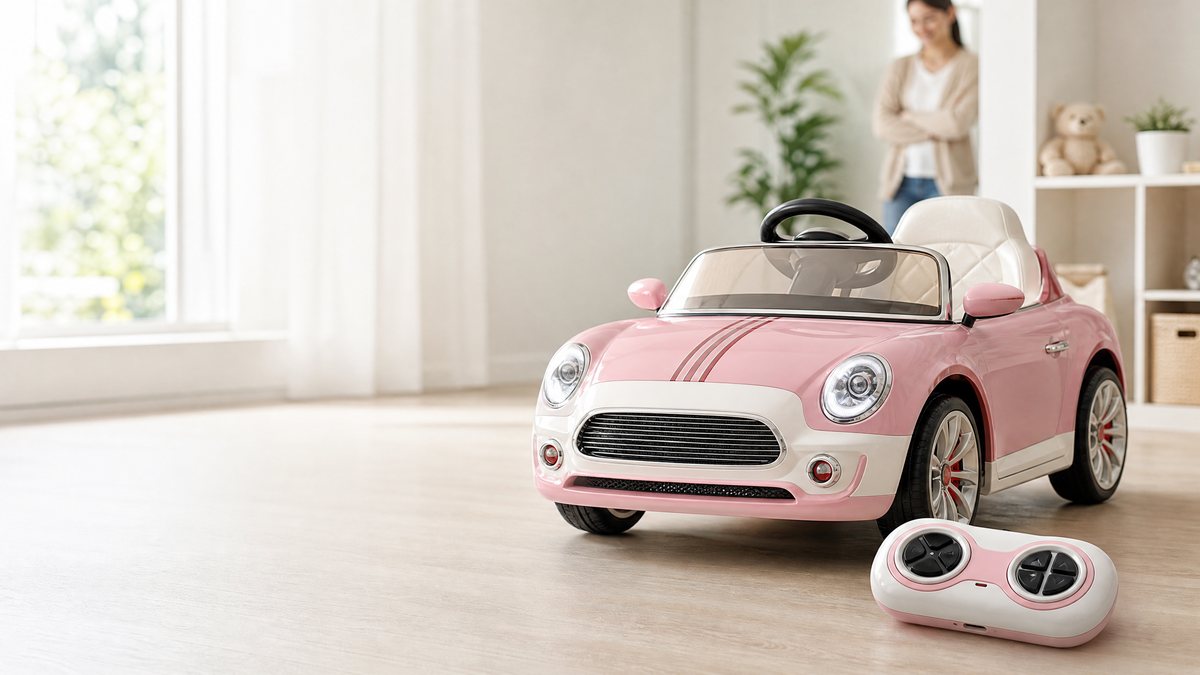
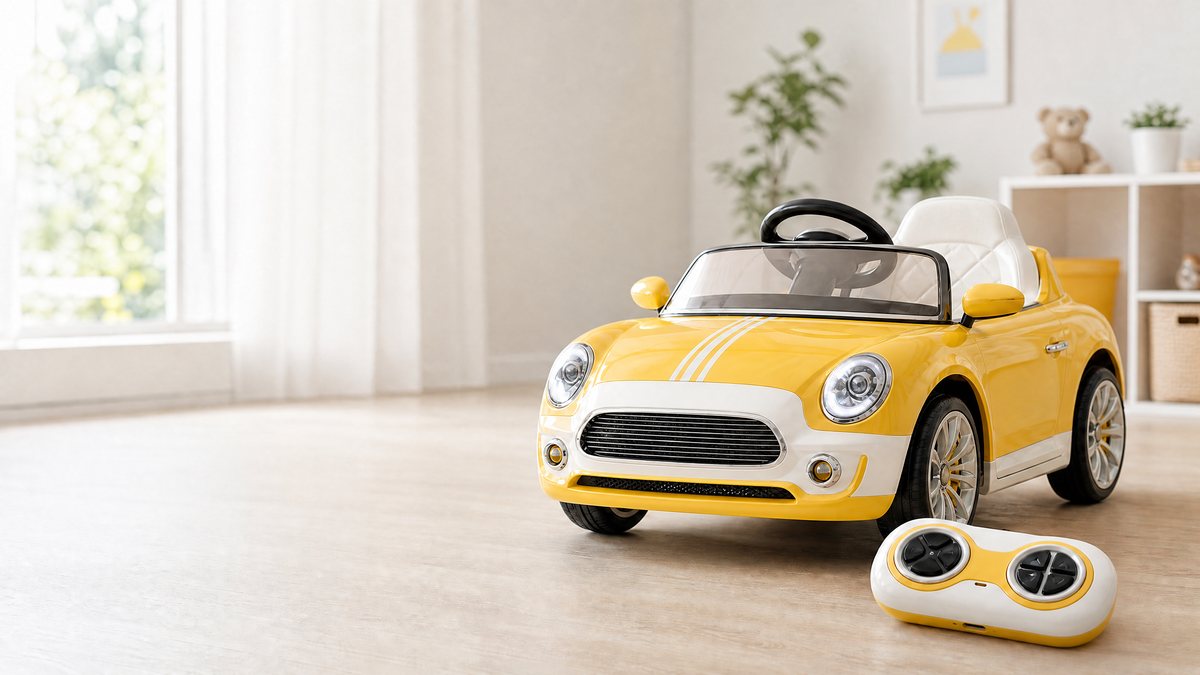
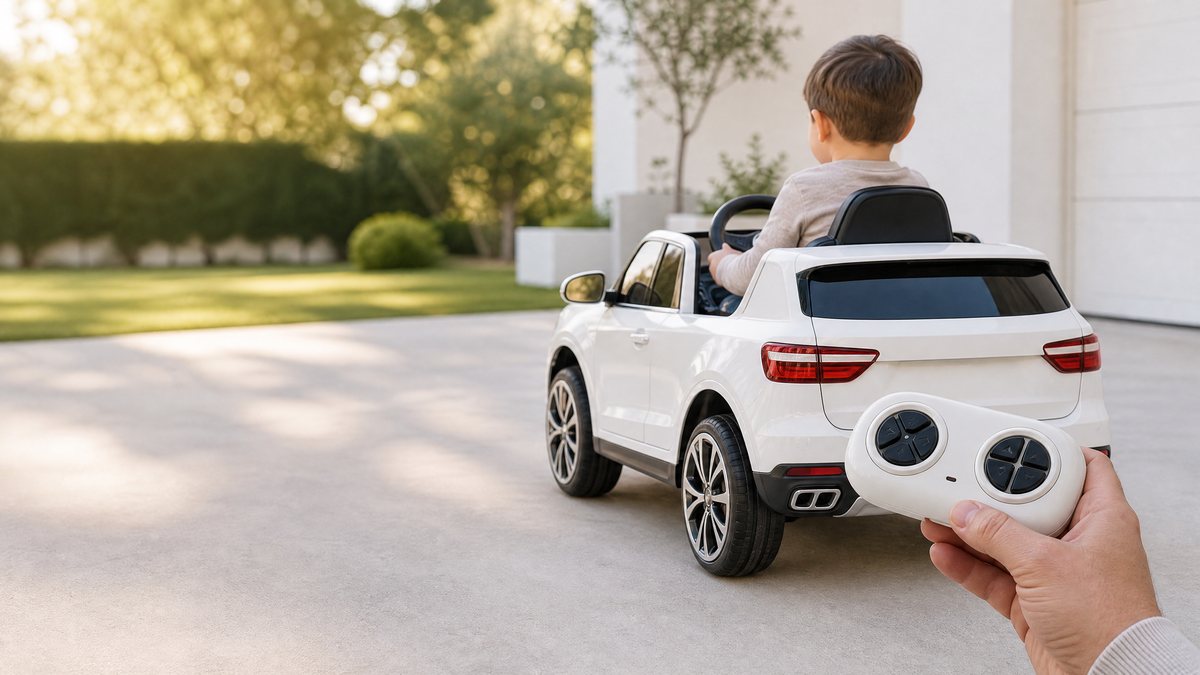
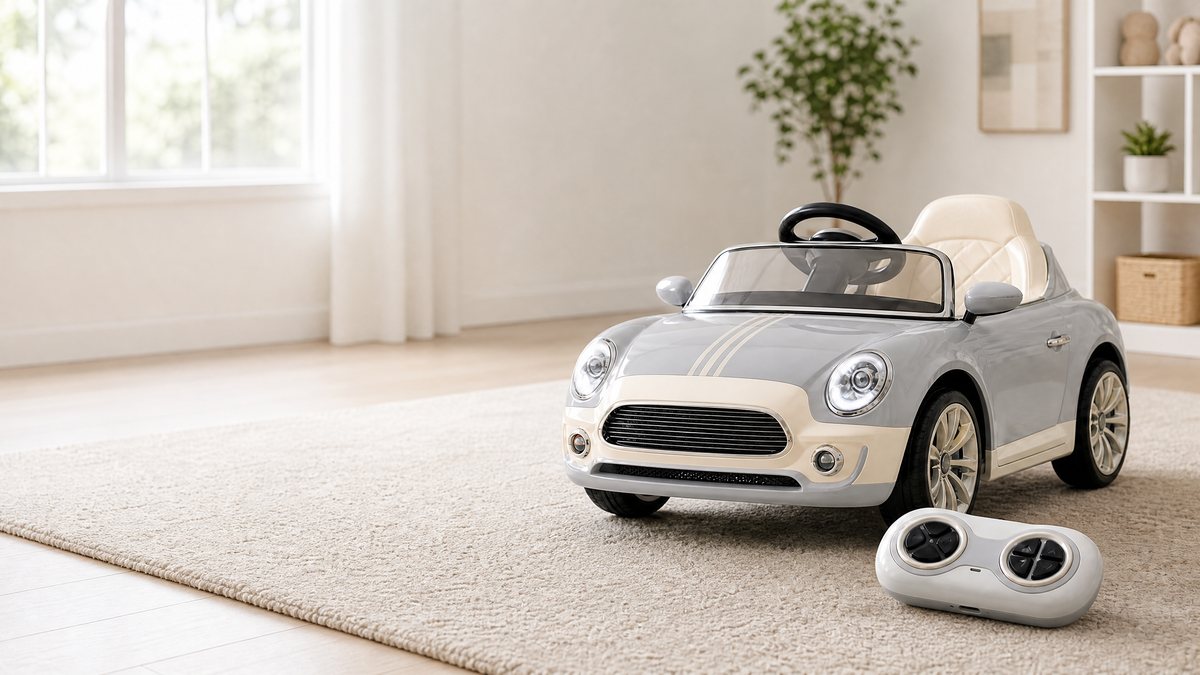
* Parental Remote Control: Allows supervising adults to steer, accelerate, and brake remotely, ensuring absolute control during initial driving sessions.
* Manual Pedal Operation: Permits children to operate the accelerator pedal and steering wheel independently as their motor skills mature.
Safety and Fit Checklist
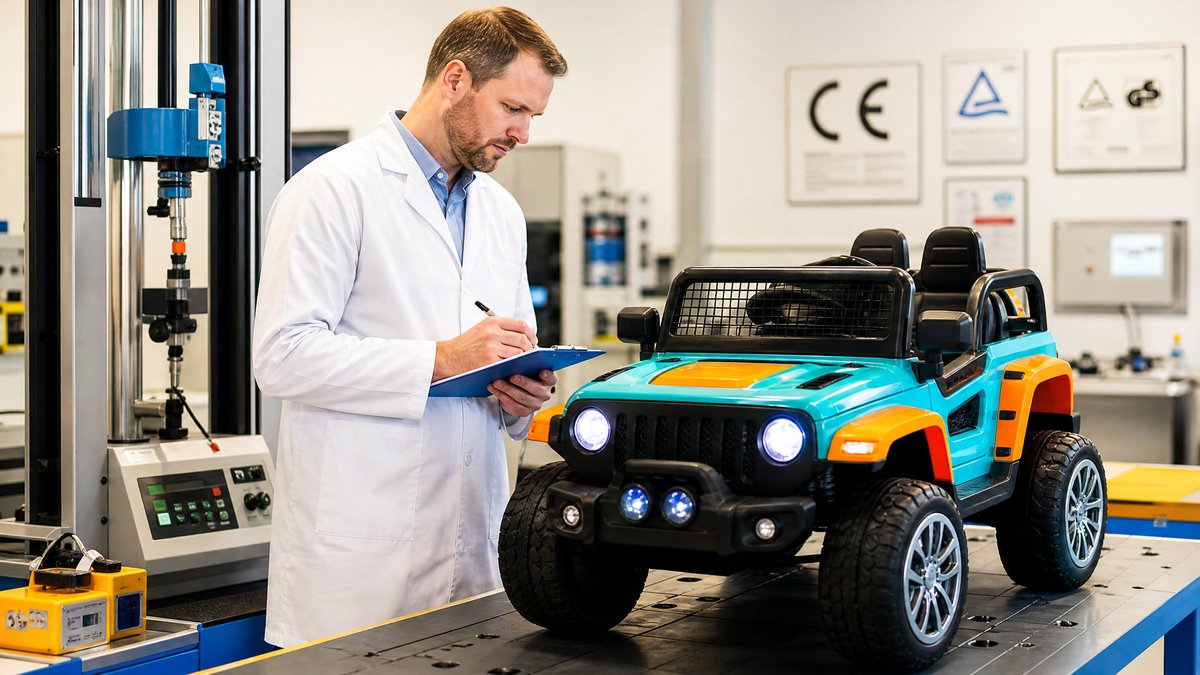
Compliance with recognized toy safety standards is paramount. When purchasing or distributing electric ride-on vehicles, stakeholders must verify adherence to established international frameworks, such as the American Society for Testing and Materials (ASTM F963) [1] and European Standard for Toy Safety (EN 71) [2].
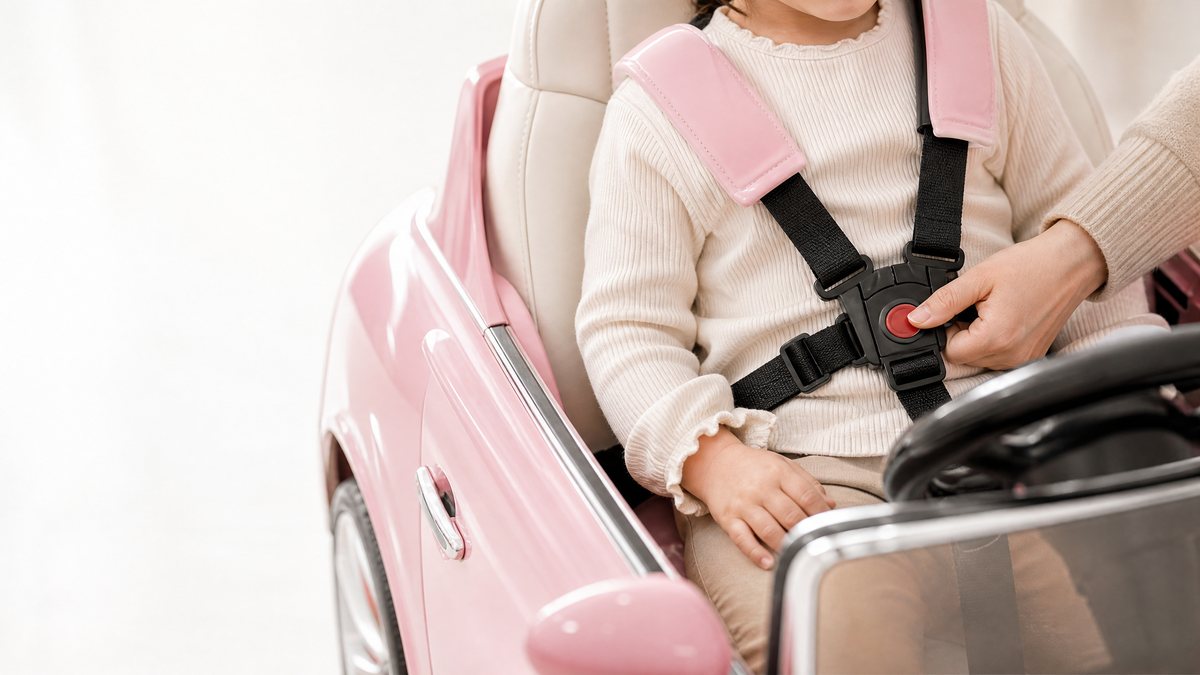
* [ ] Age and Weight Verification: Confirm that the child's weight and height fall strictly within the manufacturer's specified operational limits. Manufacturer instructions take precedence over general age guidelines.
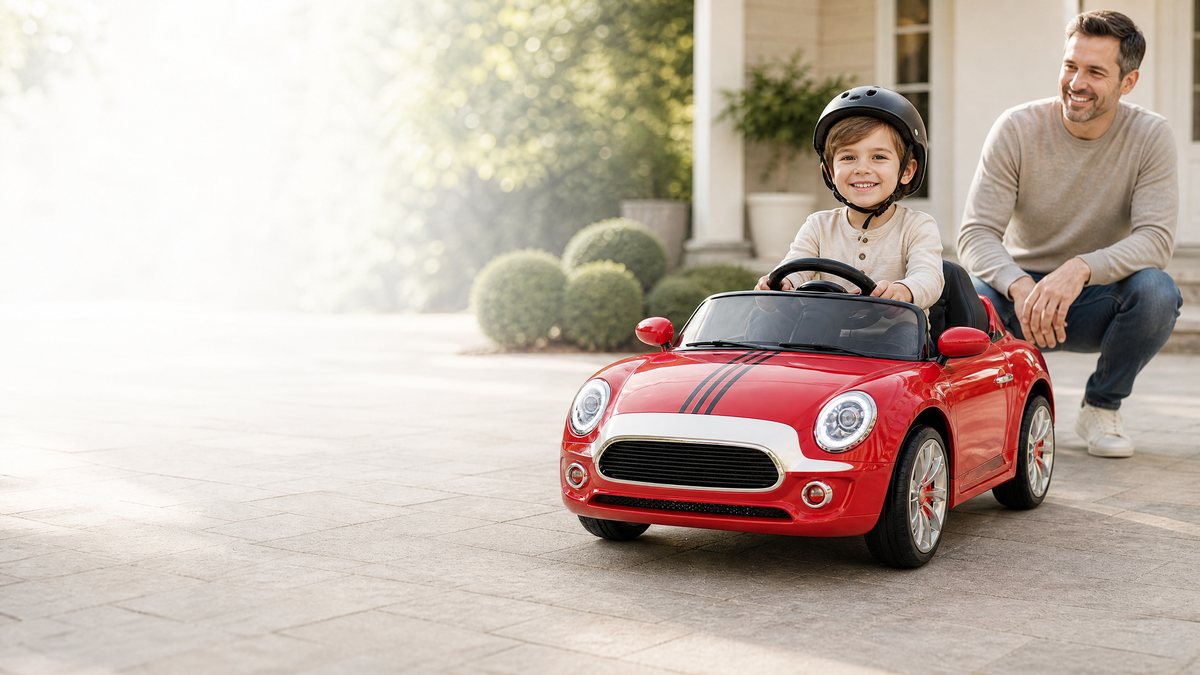
* [ ] Protective Gear: Ensure appropriate safety equipment—including a certified bicycle or multi-sport helmet—is worn during operation.
* [ ] Environmental Suitability: Restrict vehicle operation to controlled, safe environments away from public roadways, swimming pools, steep inclines, and heavy traffic.
* [ ] Adult Supervision: Maintain continuous, attentive adult supervision regardless of whether the child is operating manually or via remote control.
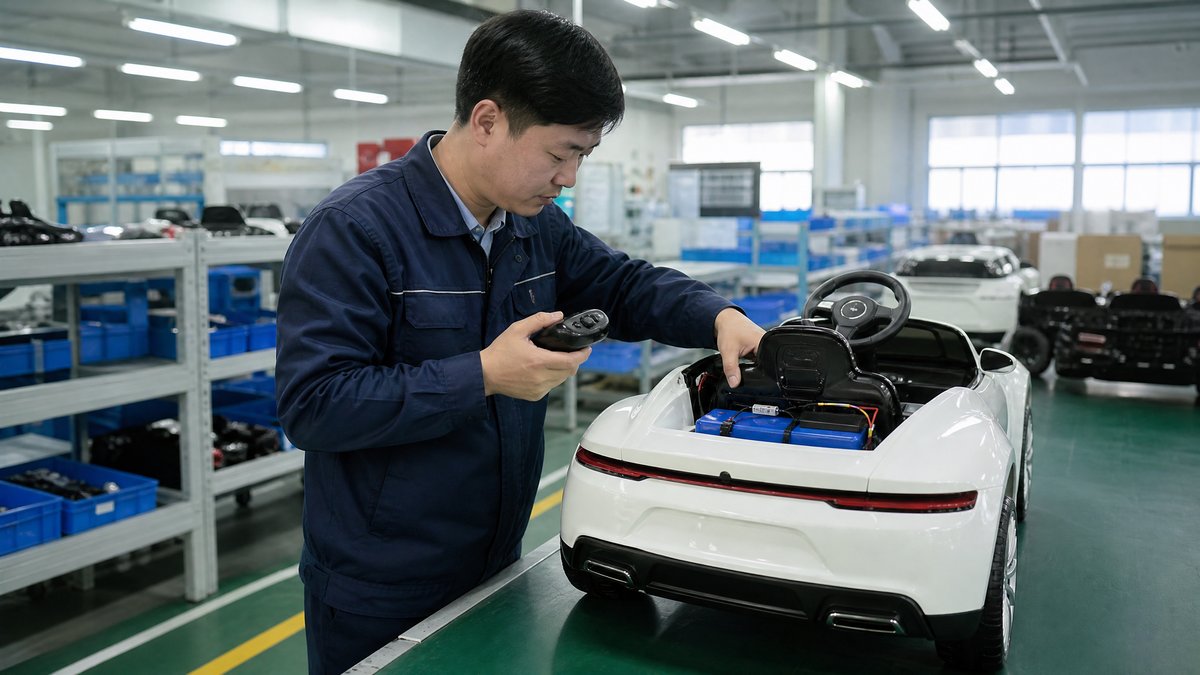
* [ ] Electrical Safety: Inspect charging ports, cables, and battery compartments periodically for wear, and use only manufacturer-approved chargers.
For Retailers and Importers
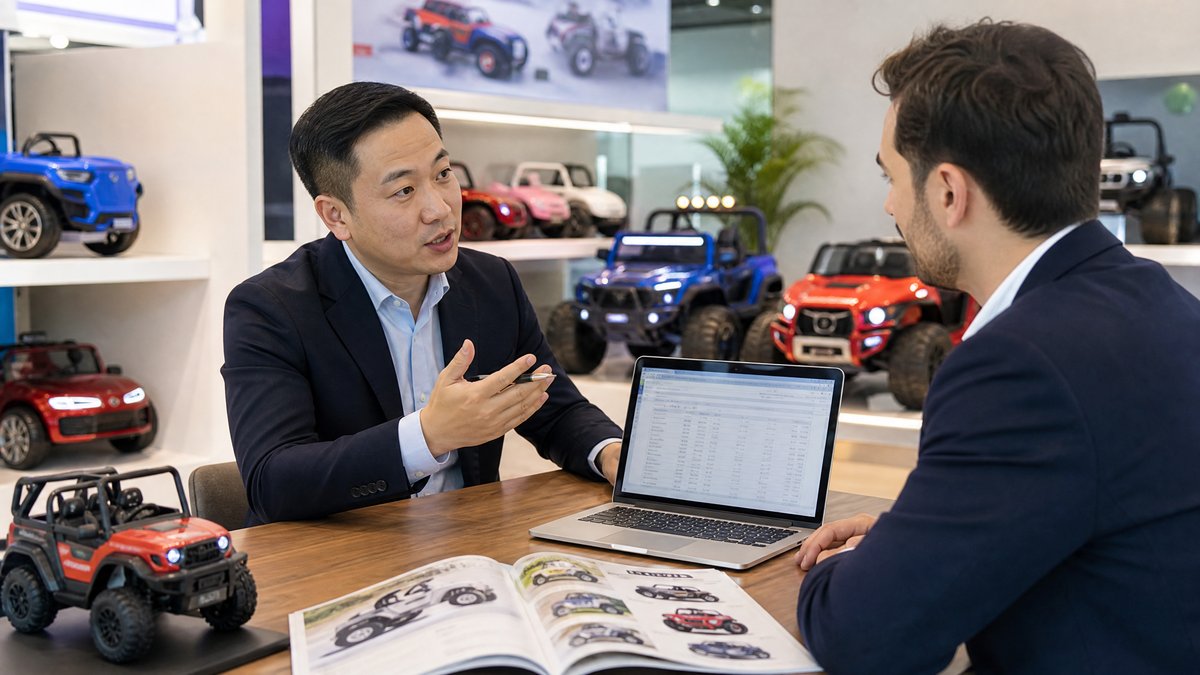
B2B buyers, retail store owners, and regional distributors evaluating licensed Mercedes ride-on cars should look beyond aesthetic appeal and examine supply chain fundamentals:
* Compliance Documentation: Ensure suppliers provide verified test reports and certificates of conformity (such as CPC for the US or CE for Europe) confirming compliance with electrical and mechanical safety standards.
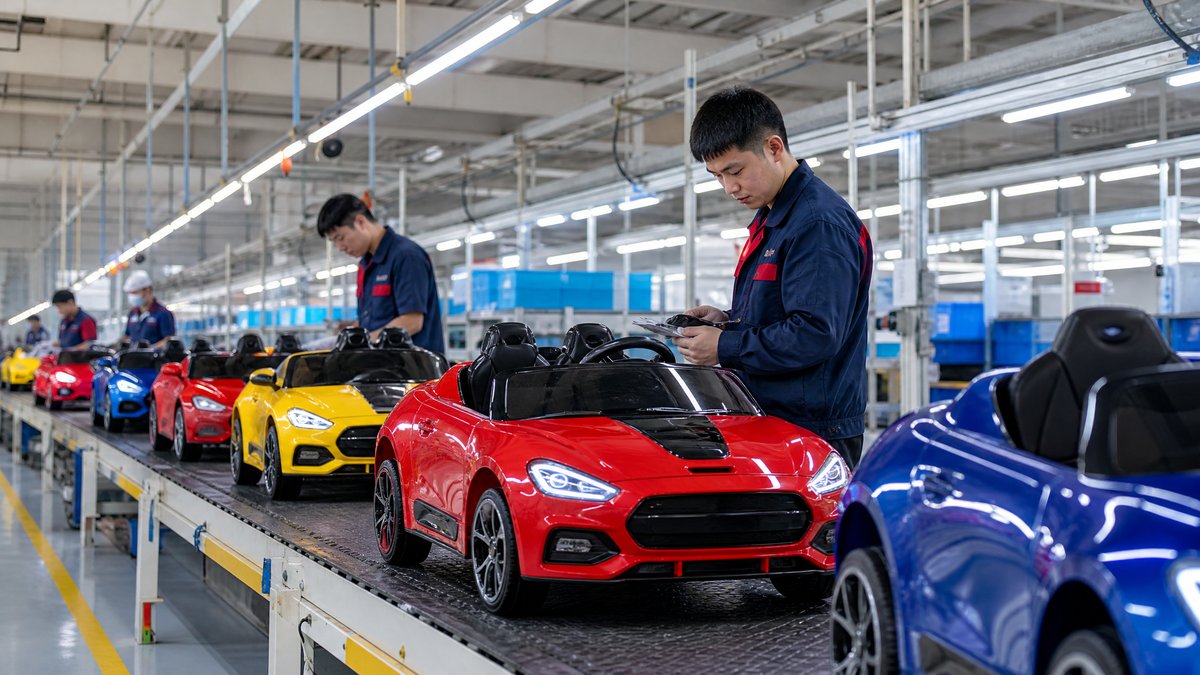
* Packaging and Logistics: Assess carton dimensions, knock-down assembly requirements, and spare parts availability (such as replacement gearboxes, remote controls, and batteries) to minimize after-sales friction.
* MOQ and Customization: Review minimum order quantities and branding support options available through direct manufacturing partnerships.
Frequently Asked Questions
1. What is the main difference between 12V and 24V Mercedes ride-on cars?
12V systems are generally designed for single-seat models accommodating younger children on flat or mildly inclined surfaces. 24V systems provide higher torque and sustained power, making them ideal for larger two-seater models, heavier chassis designs, and outdoor terrain like short grass.
2. Can parents override the child's driving controls?
Yes. Nearly all quality licensed ride-on cars include a 2.4G parental remote control that overrides foot-pedal inputs. This allows supervising adults to take immediate control of steering and braking at any time.
3. How can I verify that a ride-on car is officially licensed?
Officially licensed products feature authentic brand logos approved by the automotive manufacturer, holographic authenticity labels on packaging or chassis frames, and documentation specifying authorization from the parent automotive corporation.
4. What is the typical assembly requirement upon delivery?
Most ride-on cars ship in semi-knocked-down (SKD) condition to protect components during transit. Final assembly typically requires attaching the steering wheel, wheels, windshield, and seats, which generally takes 30 to 45 minutes using basic hand tools.
5. What maintenance is required for the battery?
Batteries should be fully charged before initial use and recharged after every play session. If stored for extended periods during off-seasons, batteries must be recharged every 30 days to prevent deep discharge and prolong operational lifespan.
Conclusion
Selecting the best licensed Mercedes ride-on car requires careful consideration of vehicle architecture, power specifications, safety compliance, and the intended operating environment. By prioritizing official licensing authenticity, robust dual-control systems, and adherence to established safety benchmarks, parents and retailers can secure high-quality products that deliver lasting satisfaction.
For bulk purchasing inquiries, customized catalog requests, and wholesale partnership opportunities, reach out directly to our commercial team:
Request a wholesale quote
References
1. U.S. Consumer Product Safety Commission (CPSC). *Standard Consumer Safety Specification for Toy Safety (ASTM F963)*. Available via ASTM International.
2. European Committee for Standardization (CEN). *Safety of Toys - Part 1: Mechanical and Physical Properties (EN 71-1)*.
Explore matching models
View product details for this guide
Compare current specifications, age guidance and available options before requesting a quote.
Official references
Explore these external resources for current regulatory and trade guidance. Confirm requirements with the relevant authority before placing an order.
Ready to Start?
Factory-Direct · CE & ASTM Certified · MOQ from 50 Units
Our export team works with buyers in 60+ countries. Get a quote within 24 hours.
KR
Written by KidsRideCar
China's leading kids electric ride-on car manufacturer. 500,000+ units shipped annually to 60+ countries. CE, ASTM & EN71 certified.