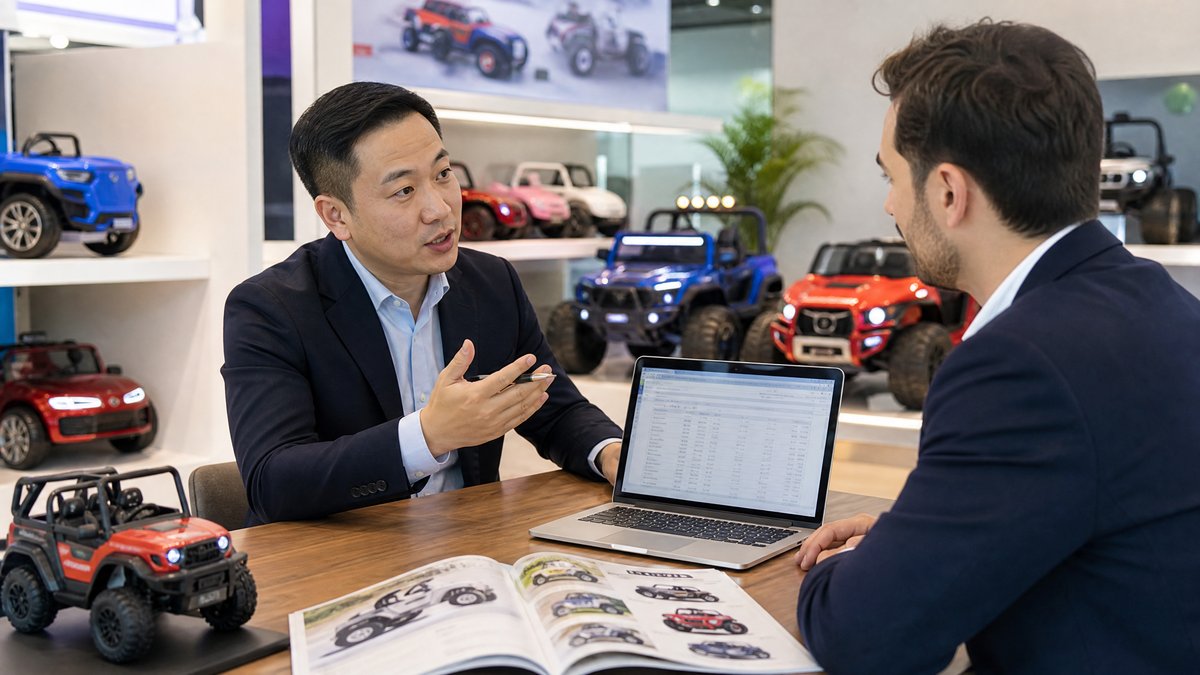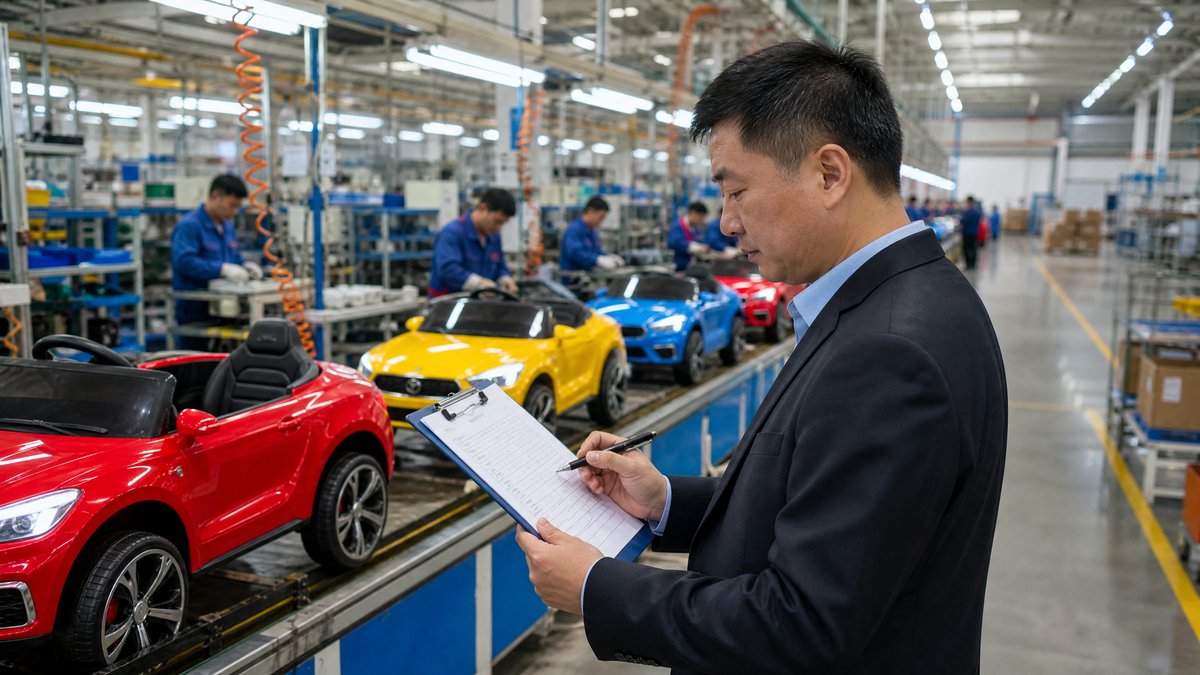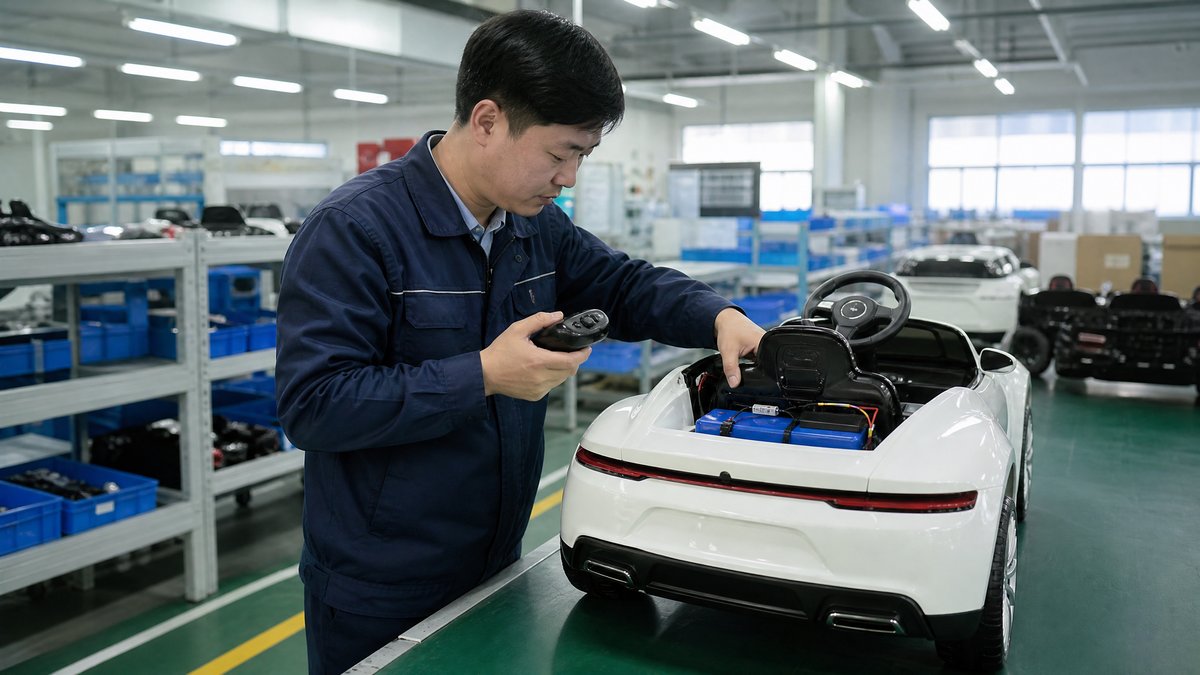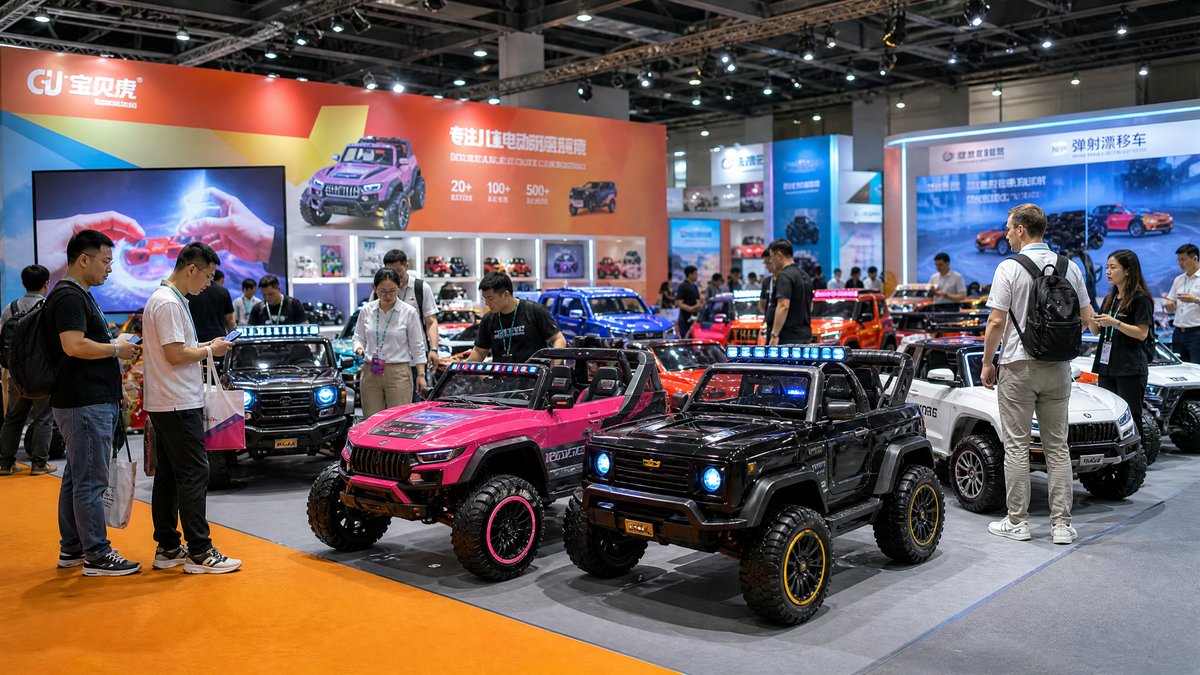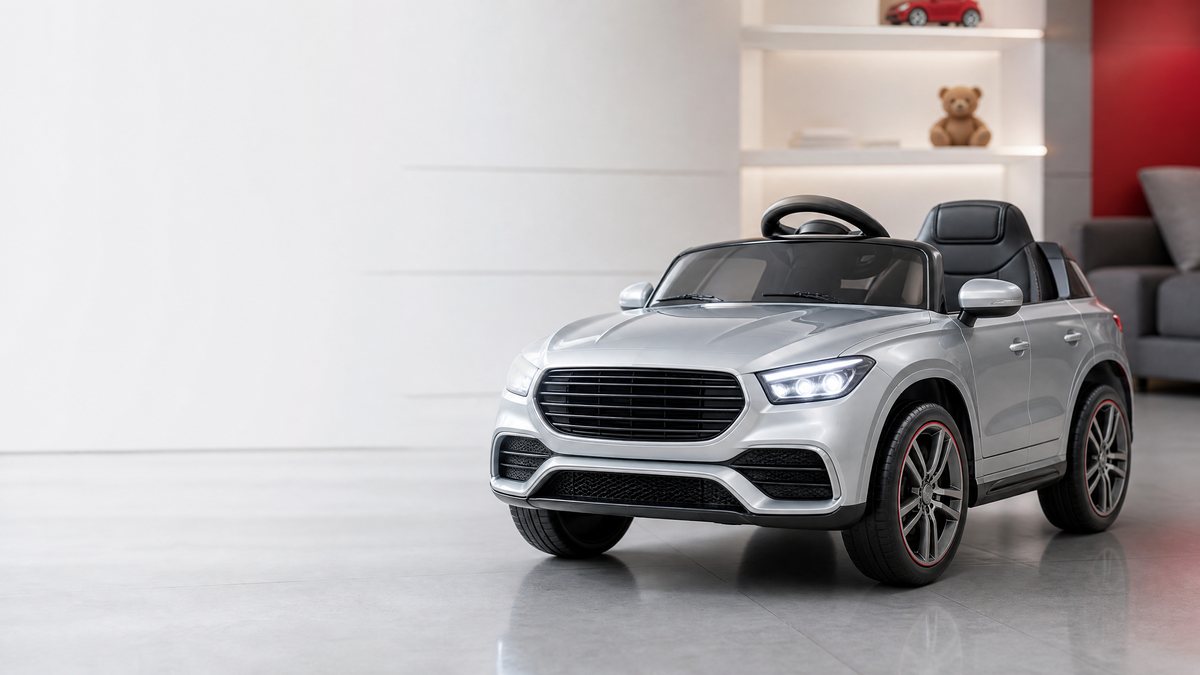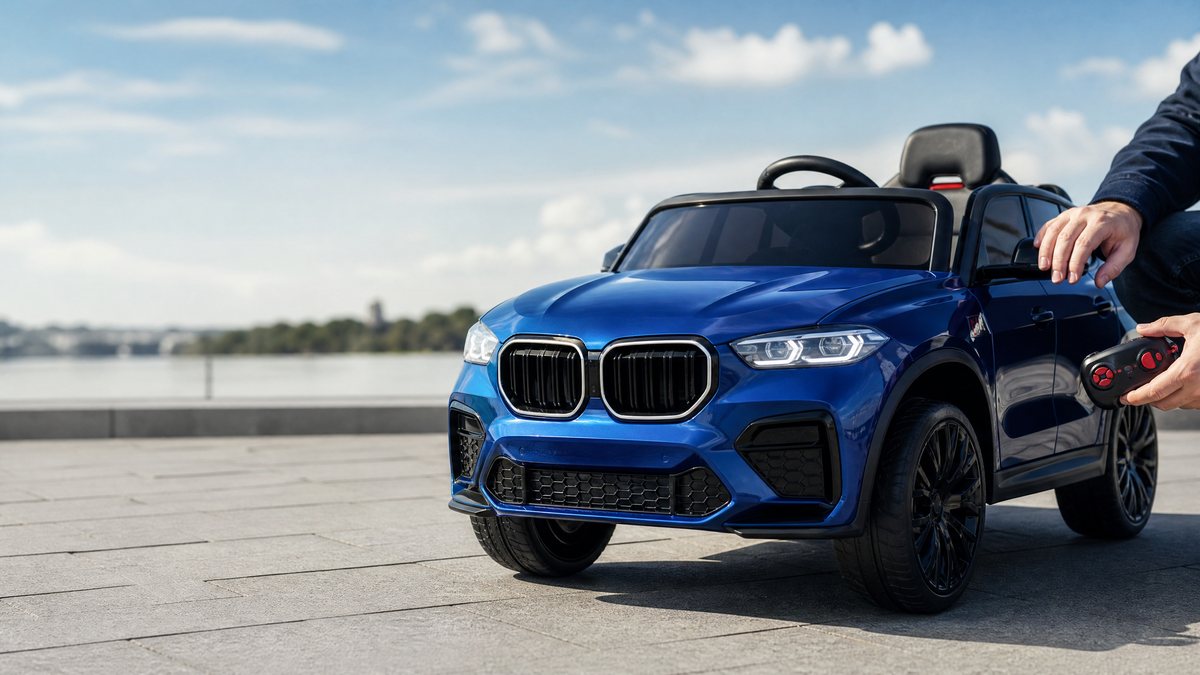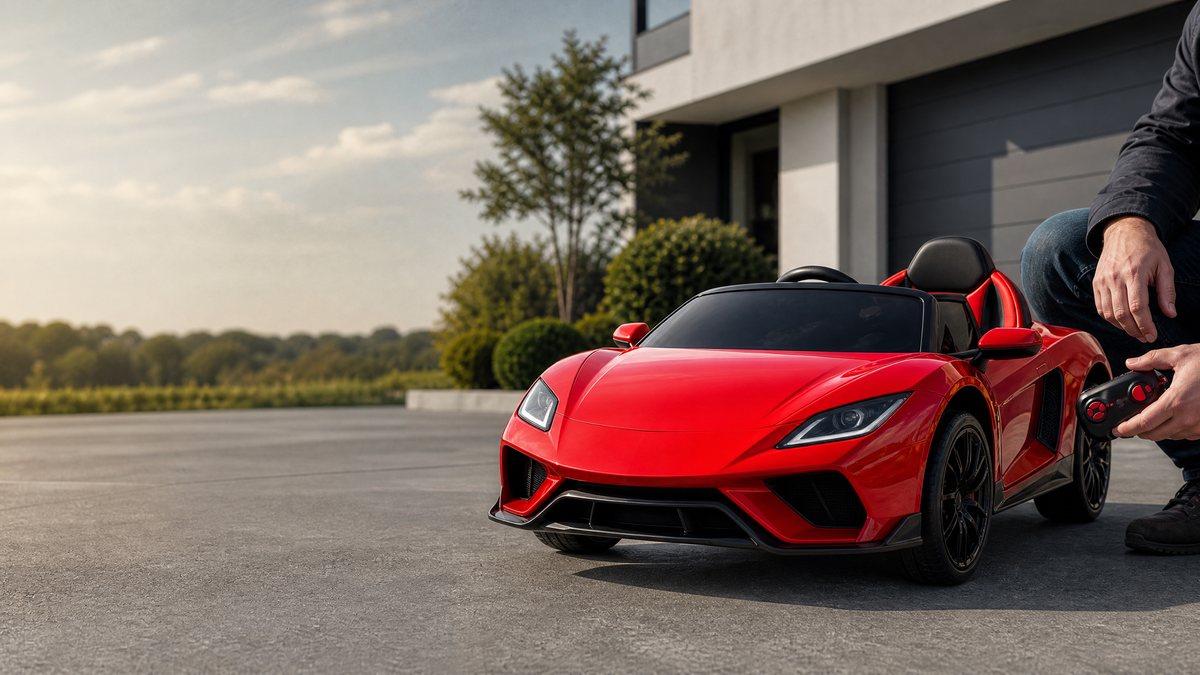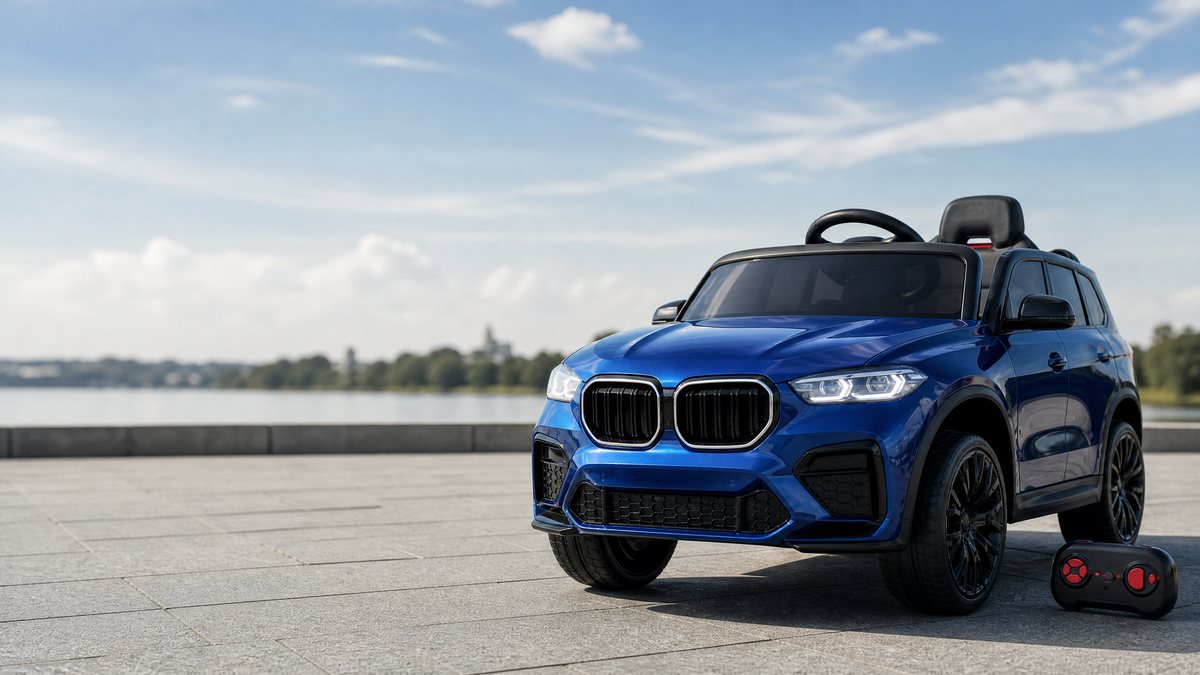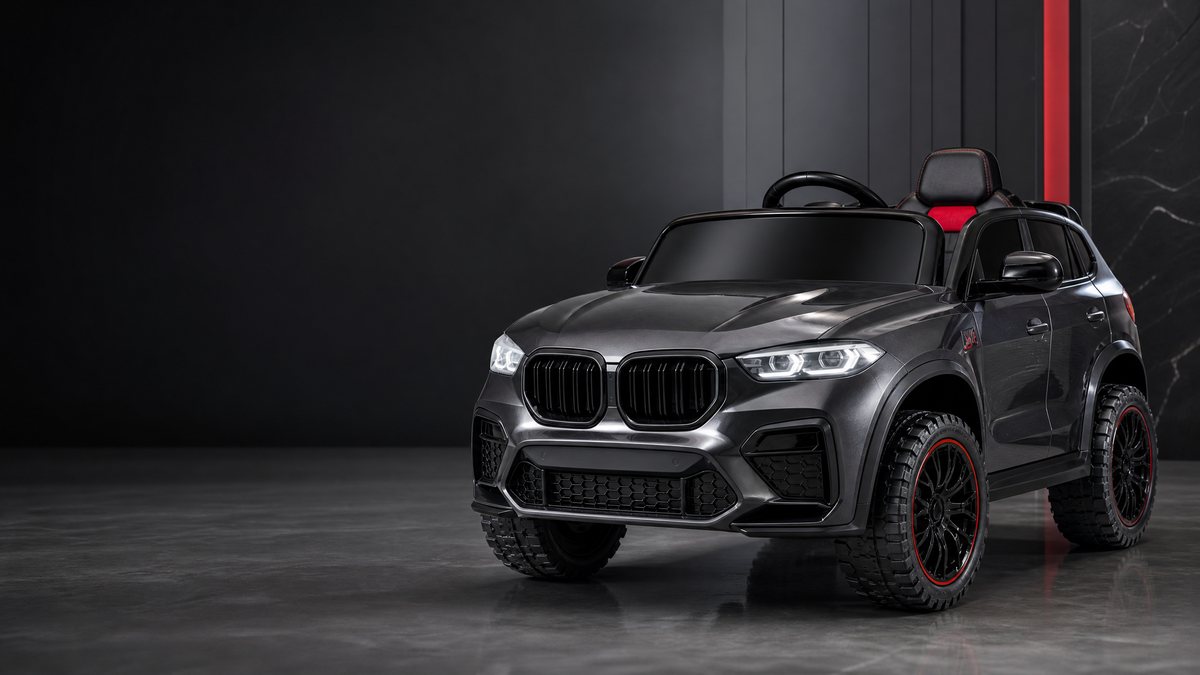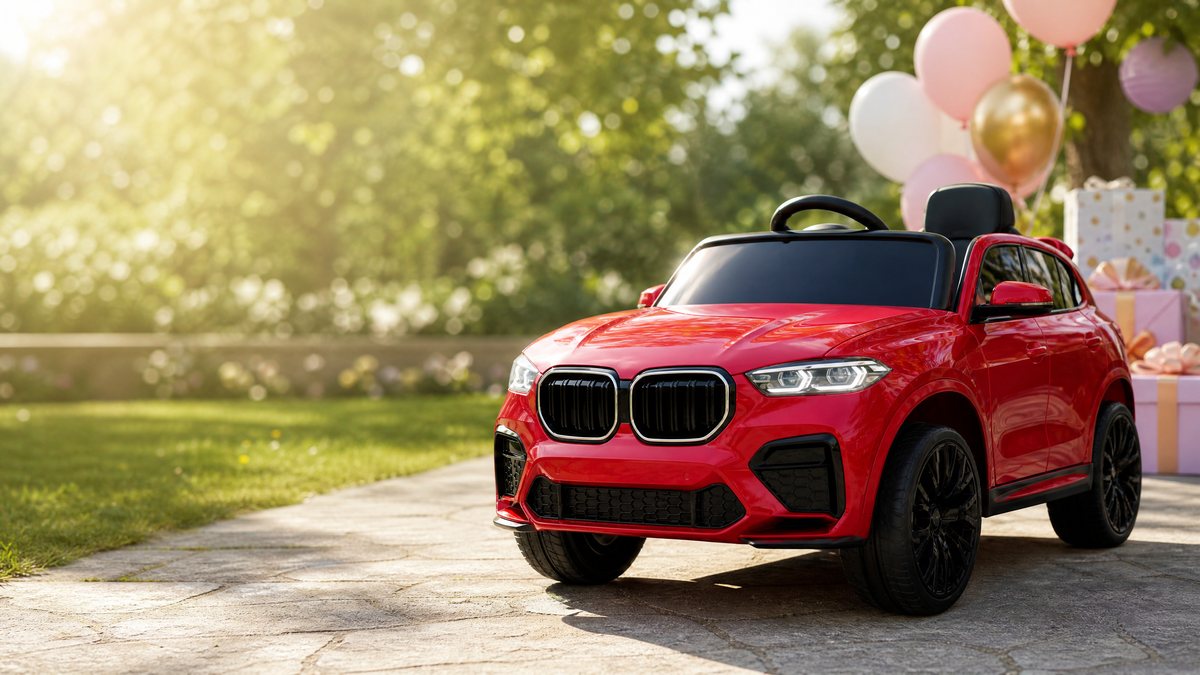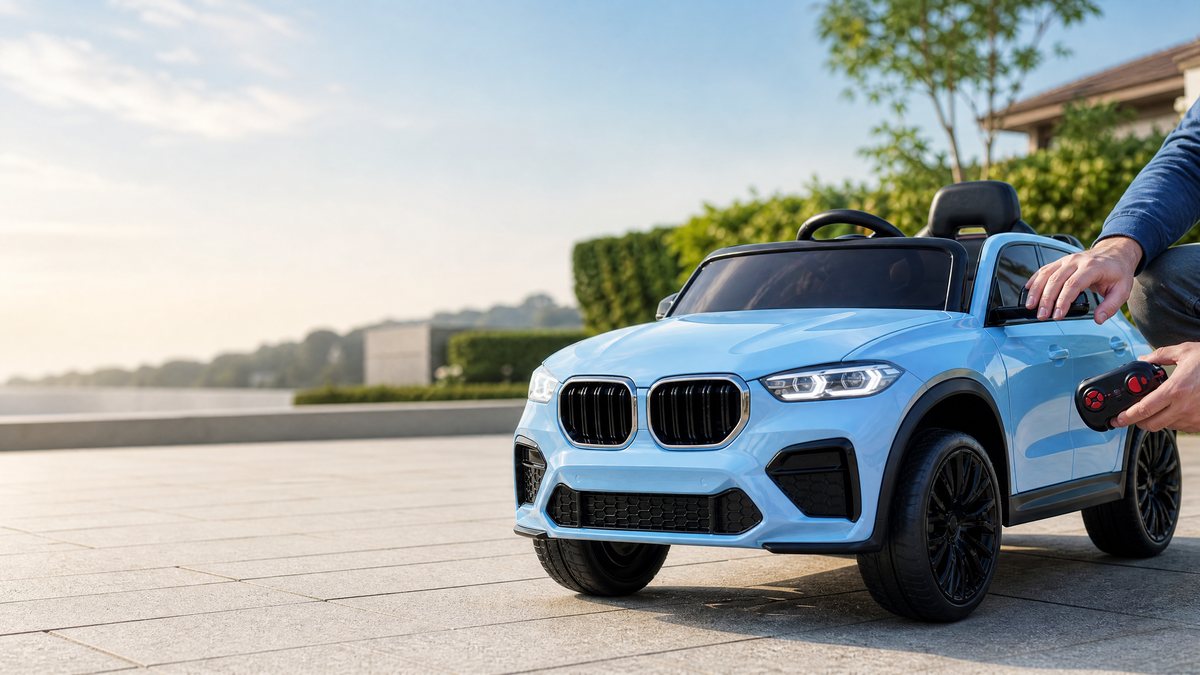
Selecting the ideal gift for a two-year-old child is a nuanced undertaking that requires balancing cognitive engagement, motor skill development, physical safety, and long-term durability. Among the vast array of toddler toys available in the global marketplace, ride-on cars occupy a uniquely prominent position. For parents, grandparents, and commercial buyers alike, the question of whether a ride-on vehicle is truly suitable for a two-year-old involves careful evaluation of toddler developmental milestones, supervisory requirements, and product engineering. As the children's toy sector continues to evolve, understanding the nuances of toddler mobility products helps B2B buyers, specialty toy retailers, and discerning consumers make informed purchasing decisions.
At two years of age, toddlers undergo rapid physiological and cognitive transformations. Their gross motor skills are transitioning from unsteady walking and wobbling running to more coordinated movements such as jumping, climbing, and steering. Introducing a ride-on toy during this critical developmental window can stimulate spatial awareness, balance, and directional coordination. However, not all ride-on cars are engineered for every two-year-old. Variations in design—ranging from simple foot-to-floor push cars to motorized electric vehicles equipped with parental remote controls—mean that suitability varies by model, region, and seller; check the exact manual, listing, and written terms.
This comprehensive guide examines the merits, developmental impacts, safety considerations, and retail sourcing perspectives surrounding ride-on cars as gifts for two-year-olds. By analyzing product categories, safety protocols, and commercial retail considerations, we provide a thorough resource for industry professionals and gift-givers navigating the toddler mobility market.
Developmental Readiness and Motor Skill Milestones at Age Two
The second year of life marks a profound leap in a child's independence and physical capabilities. Pediatric development studies indicate that two-year-olds are actively refining their balance, core strength, and bilateral coordination. When presented with a ride-on car, children at this developmental stage engage multiple muscle groups. Propelling a vehicle either through leg power or by manipulating steering mechanisms encourages hand-eye coordination and spatial judgment.
However, cognitive and physical readiness varies significantly among children aged 24 to 36 months. Some toddlers display advanced balance and confidence, while others are still mastering stable walking. Consequently, gift-givers and retailers must recognize that age adaptation is never uniform. Whether a child can safely operate or enjoy a specific ride-on vehicle varies by model, region, and seller; check the exact manual, listing, and written terms. Retailers sourcing products for this demographic should stock a diverse range of mobility toys, accommodating different stages of toddler development from passive riding to active steering.
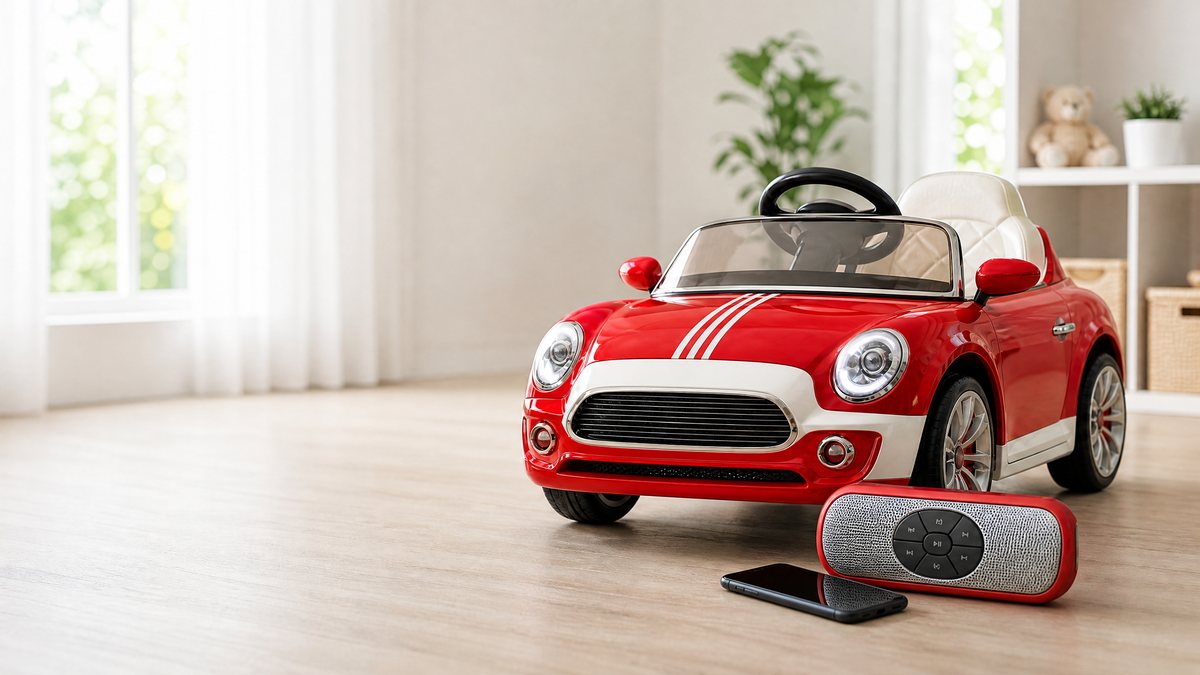
Furthermore, sensory engagement plays a vital role in toddler play. Many modern ride-on cars incorporate tactile steering wheels, horn buttons, music players, and functional doors. These features stimulate auditory and tactile senses, keeping young children engaged for extended periods. Nevertheless, parents and caregivers must moderate sensory inputs to prevent overstimulation, ensuring that playtime remains a balanced, constructive activity that supports natural developmental rhythms.
Categorizing Ride-On Cars: Push Cars vs. Motorized Electric Models
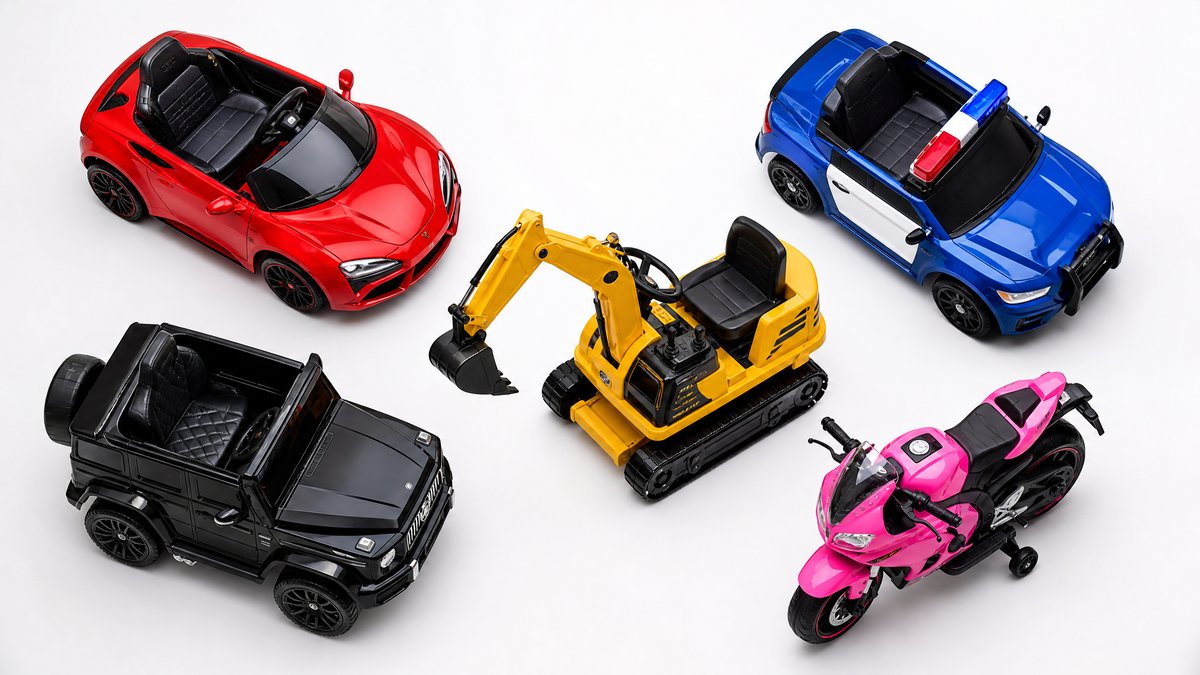
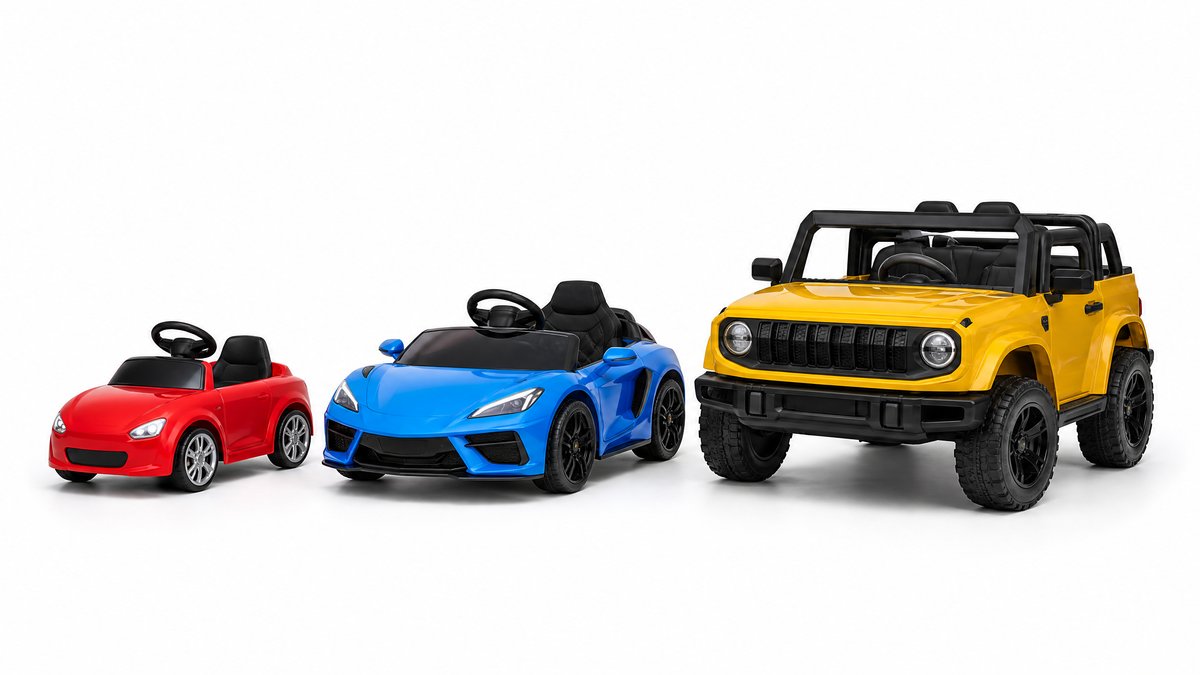
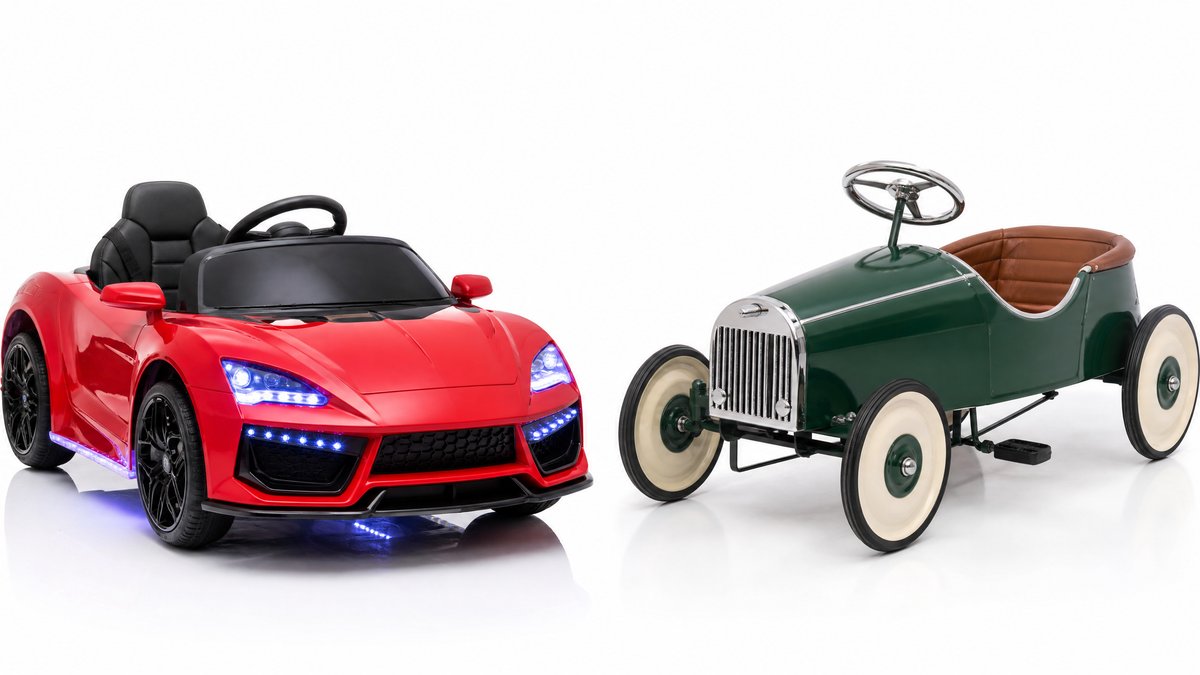
When evaluating ride-on cars for a two-year-old, buyers encounter two primary architectural categories: manual foot-to-floor push cars and motorized electric ride-on cars. Each category presents distinct operational characteristics, safety profiles, and developmental advantages.
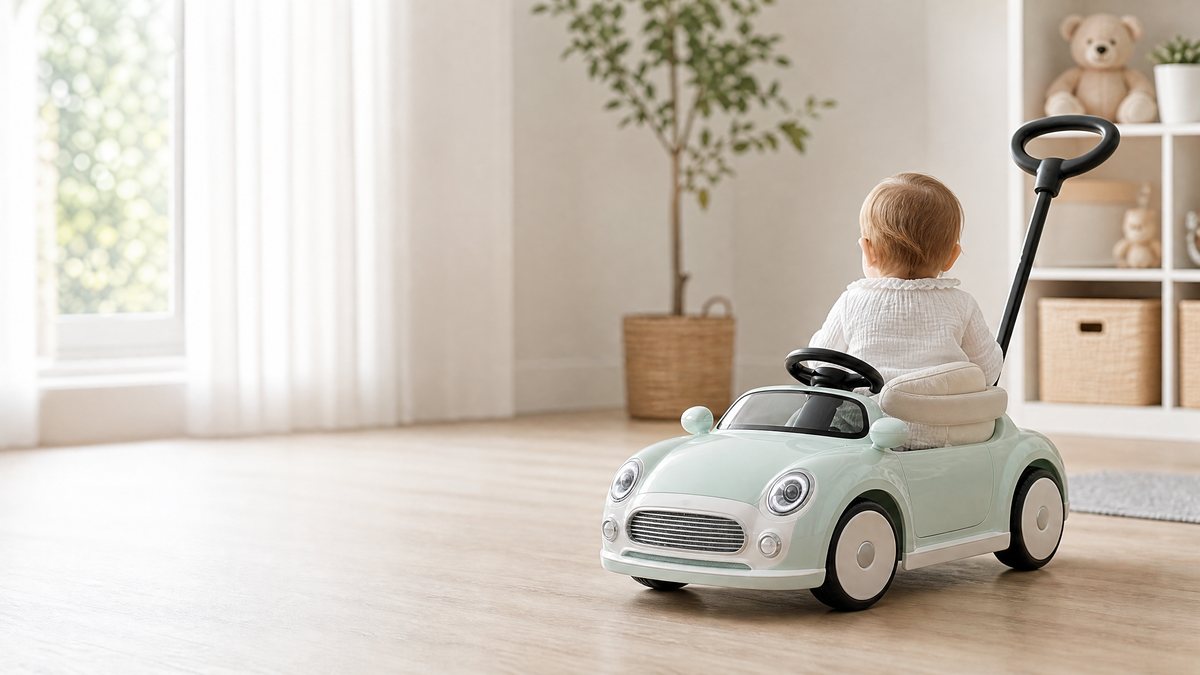
Manual push cars and foot-to-floor vehicles rely entirely on the child's lower body strength for propulsion. These models often feature ergonomic seats, lower center of gravity designs, and removable push handles that allow adults to steer or guide the vehicle. For younger two-year-olds, push cars offer an intuitive introduction to vehicular motion without the complexity of electronic acceleration pedals or battery management. Children learn to push with their feet, developing leg muscles and balance organically.
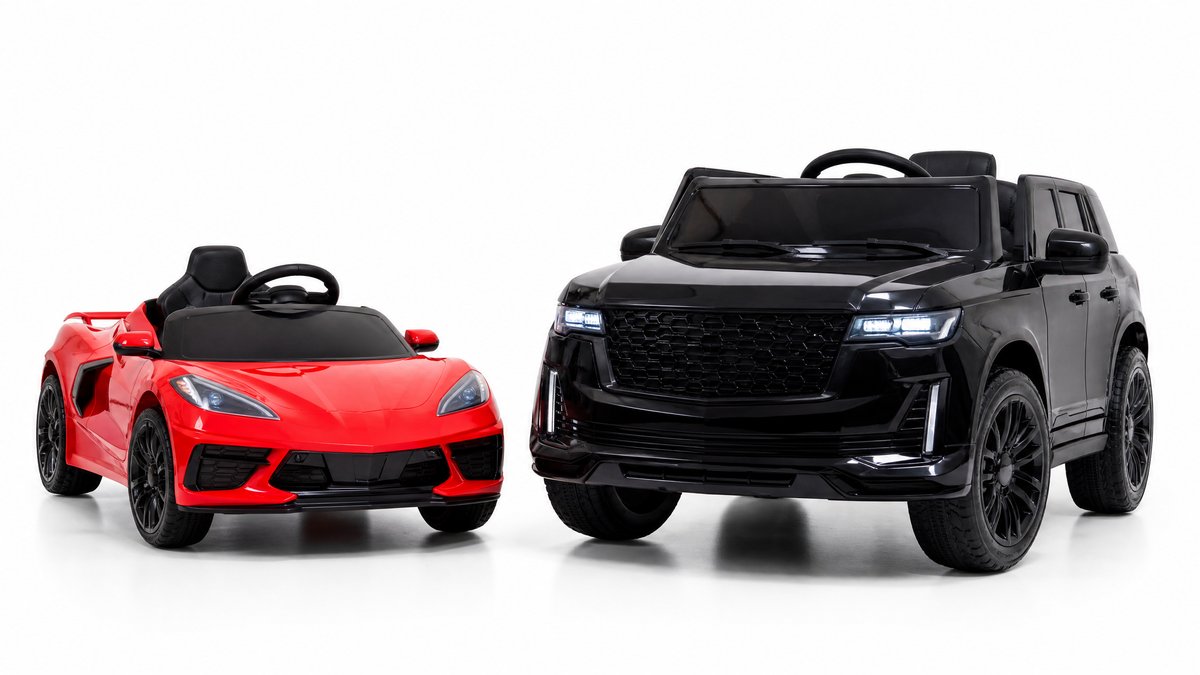
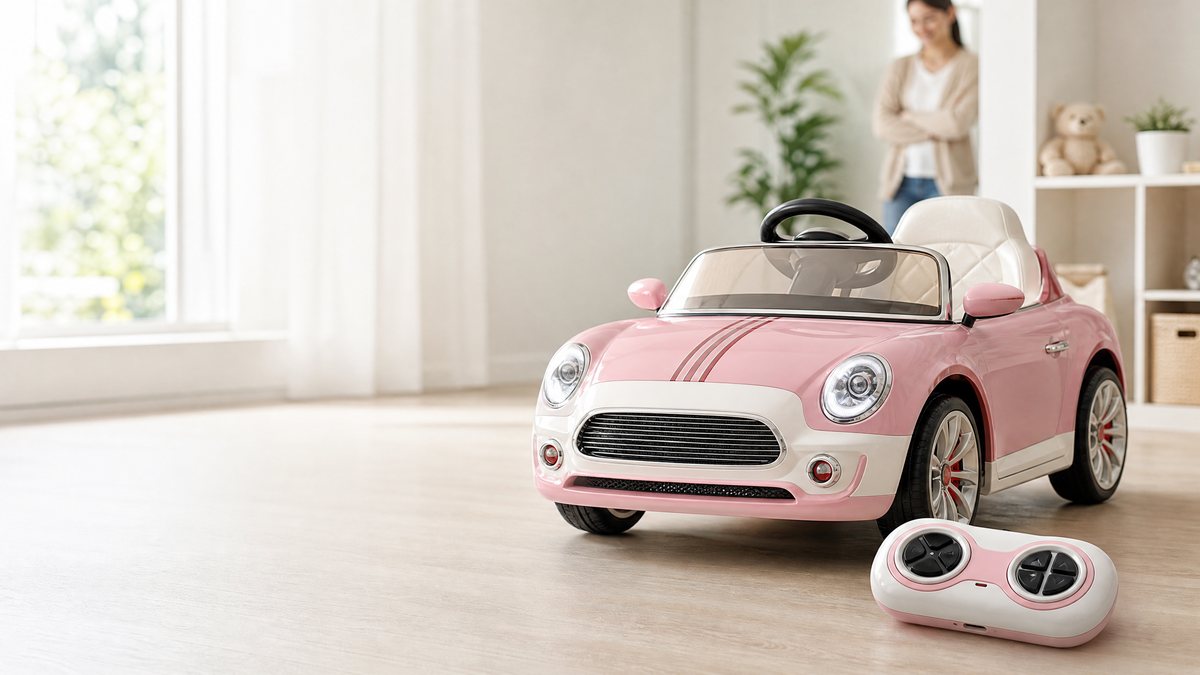
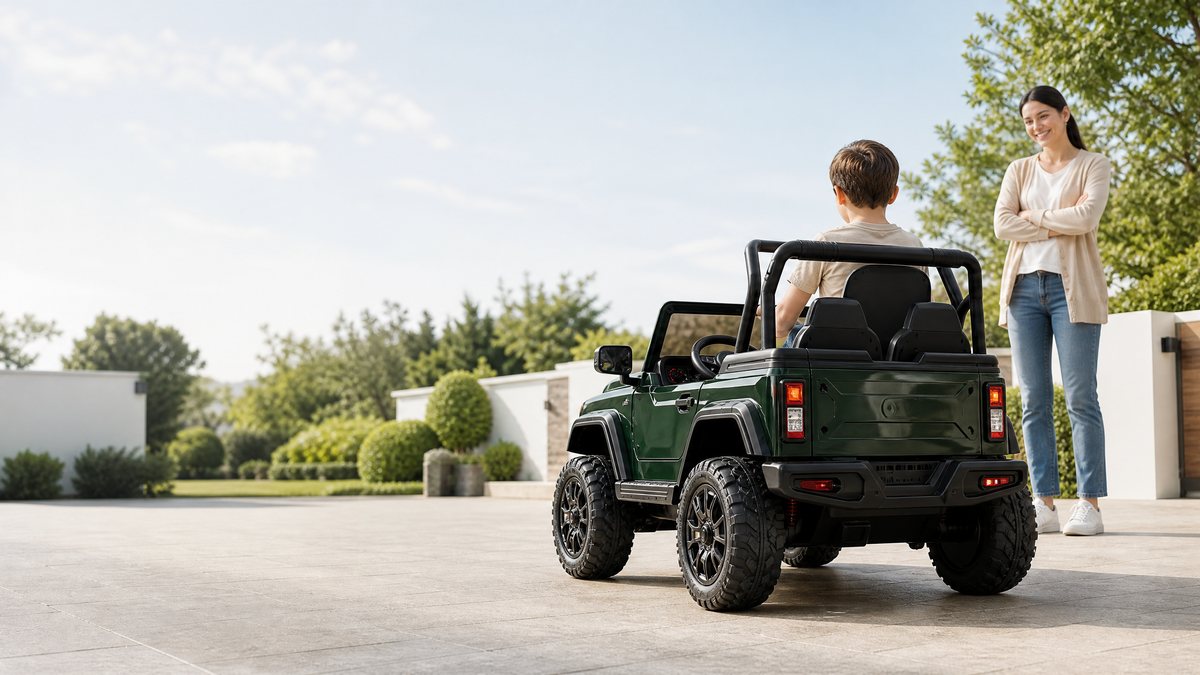
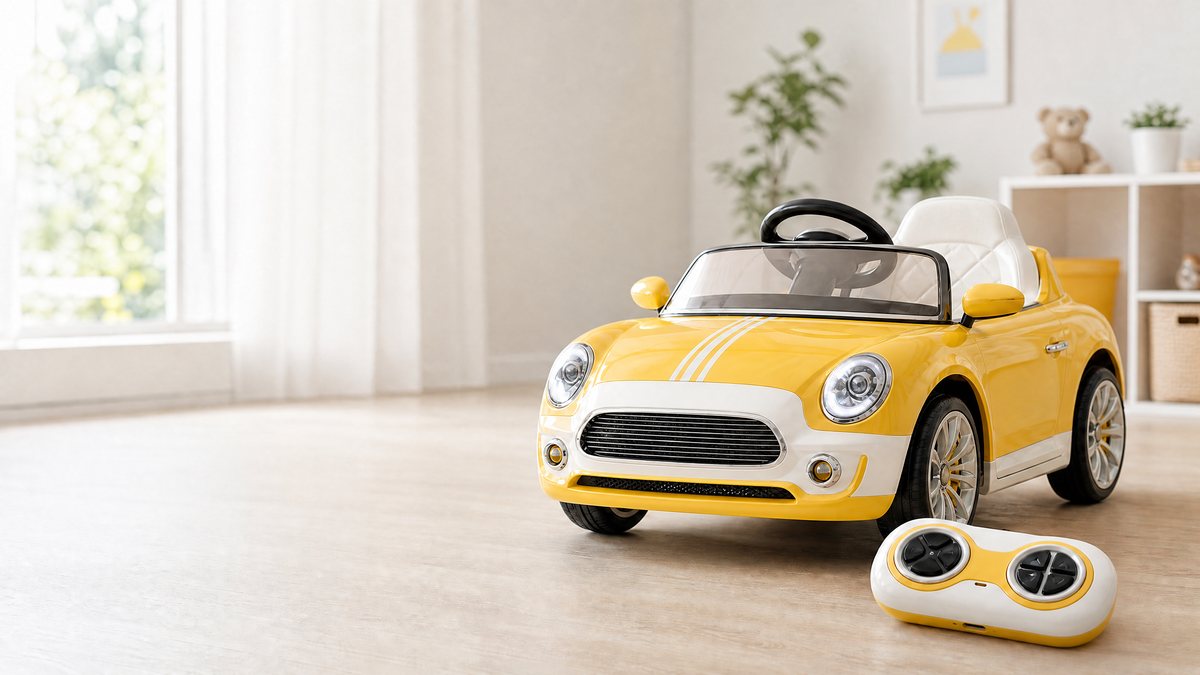
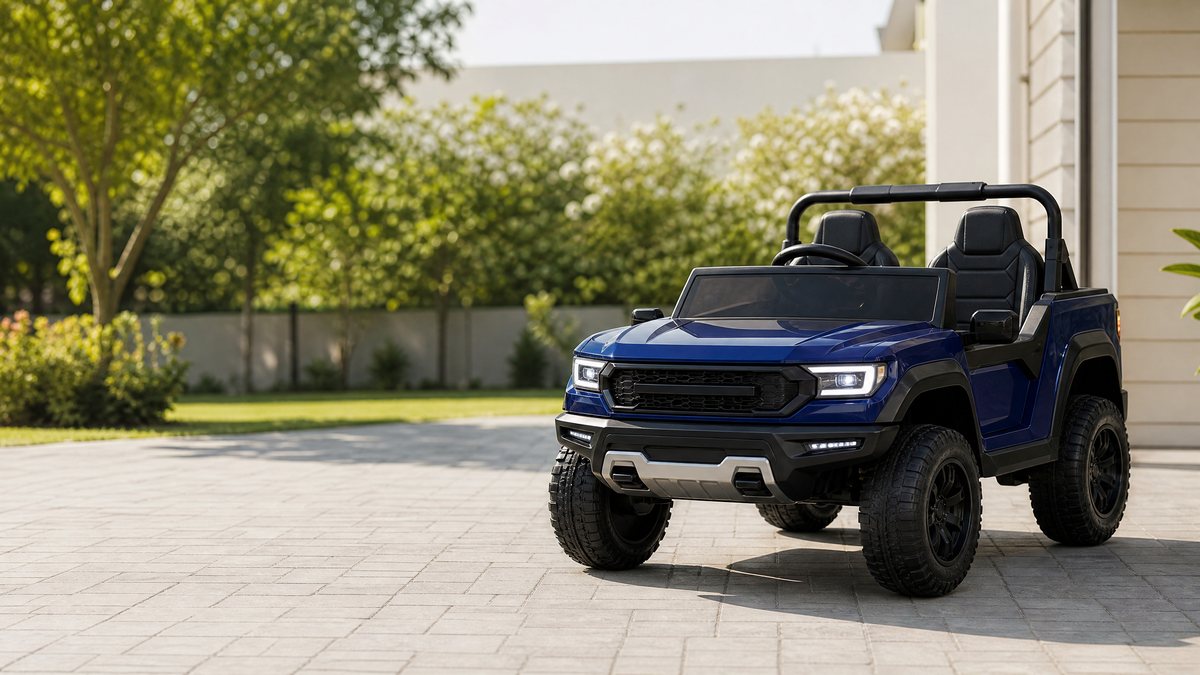
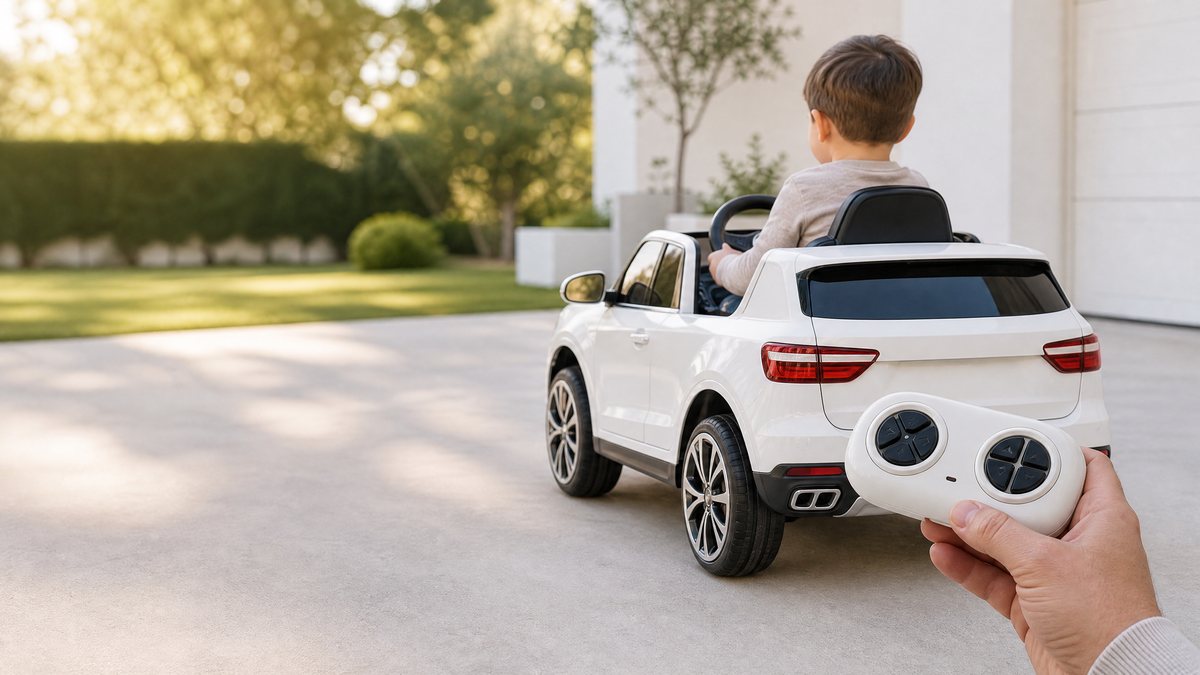
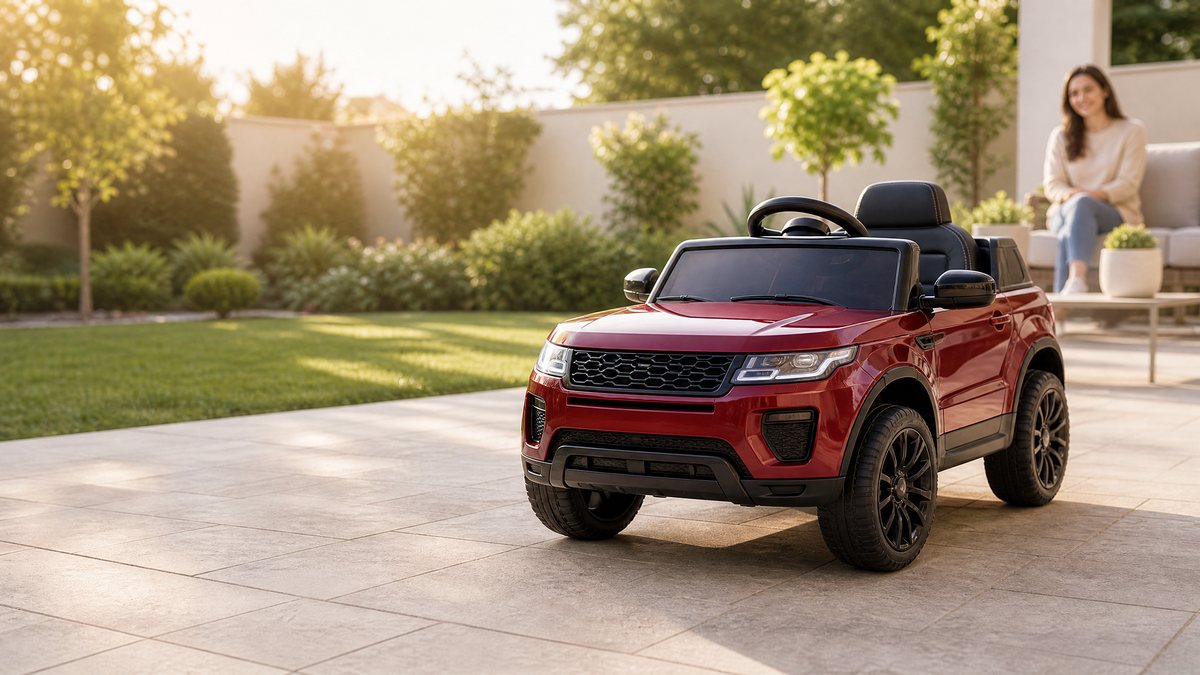
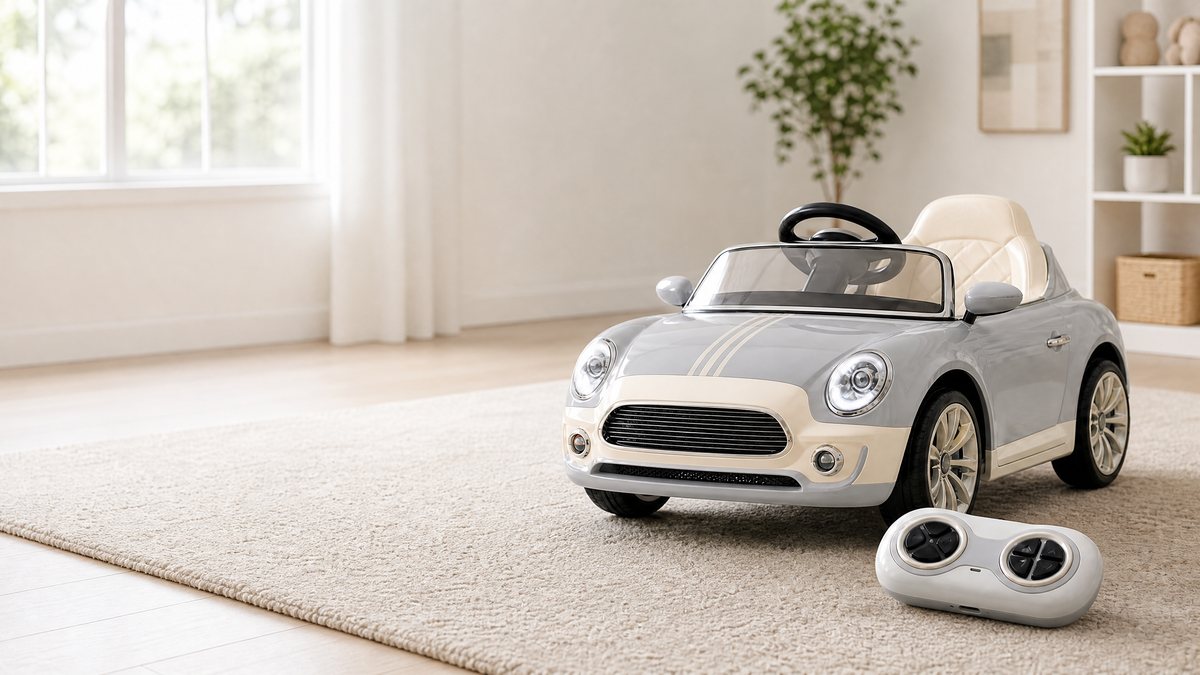
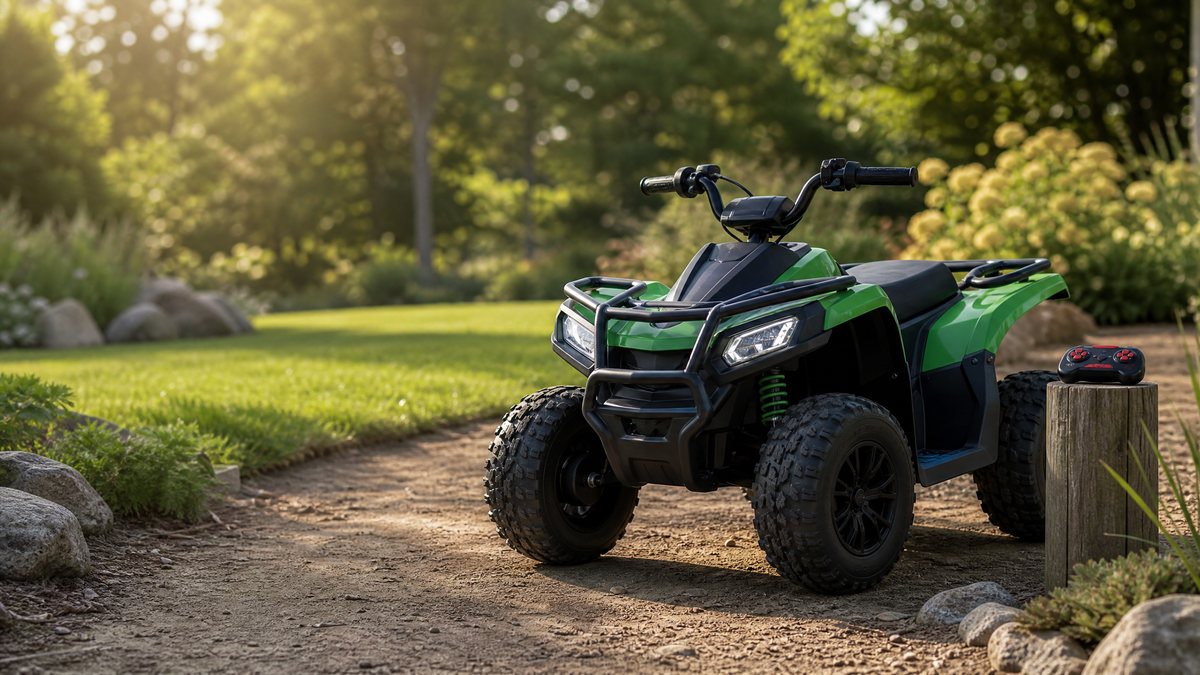
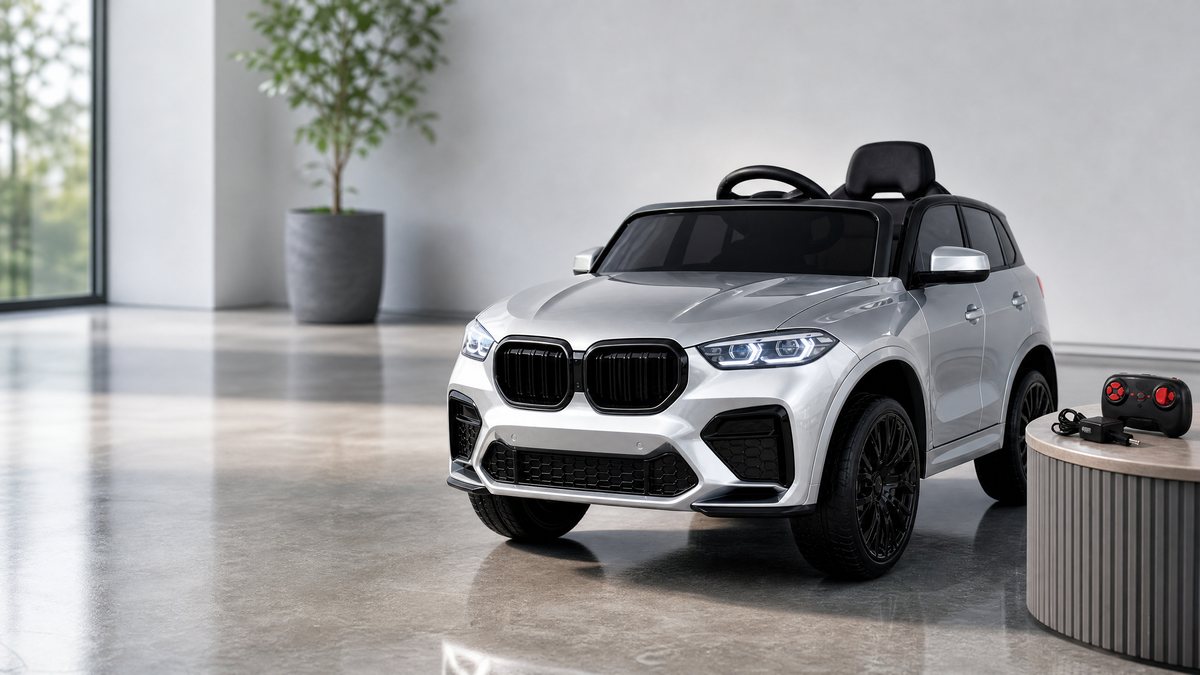
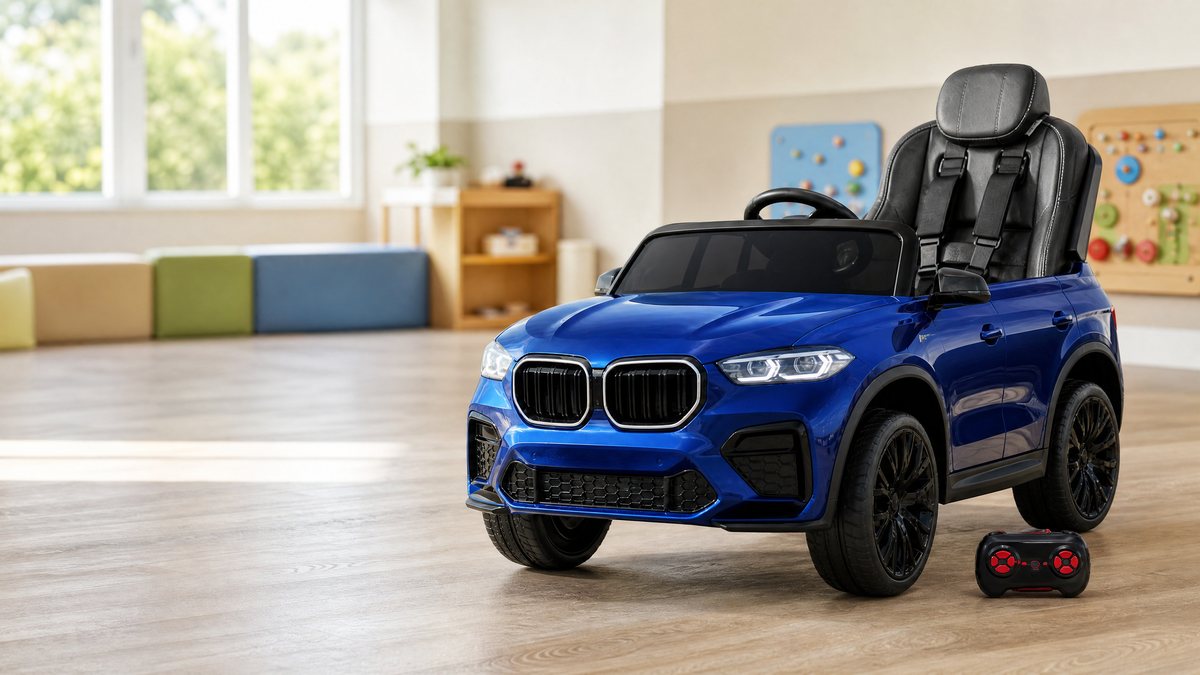
Conversely, motorized electric ride-on cars introduce battery-powered propulsion, typically operating at low speeds suitable for toddlers. Many of these electric models feature dual operating modes: independent driving via a foot pedal and steering wheel, or remote operation via a 2.4G parental remote control. The inclusion of a parental remote control is a crucial safety feature for two-year-olds, allowing supervising adults to override steering and braking inputs instantly. However, whether a specific model includes remote control functionality, dual motors, or specialized seating varies by model, region, and seller; check the exact manual, listing, and written terms.
Comparative Analysis of Toddler Ride-On Categories
To assist B2B buyers, retail inventory planners, and gift-givers in comparing toddler mobility options, the following decision matrix outlines the key characteristics, target age sub-segments, and operational requirements across primary ride-on categories.
| Ride-On Category | Primary Propulsion | Parental Control Level | Recommended Focus for Buyers | Sourcing & Compliance Note |
|---|---|---|---|---|
| Foot-to-Floor Push Car | Child leg power / adult push handle | High (via push handle / parental guidance) | Best for early 2-year-olds focusing on core balance and leg strength. | Varies by model, region, and seller; check exact manual and terms. |
| Basic Electric Ride-On | Low-voltage battery & single/dual motor | Moderate (standard pedal with optional remote) | Suitable for older toddlers with developing reaction times. | Varies by model, region, and seller; check exact manual and terms. |
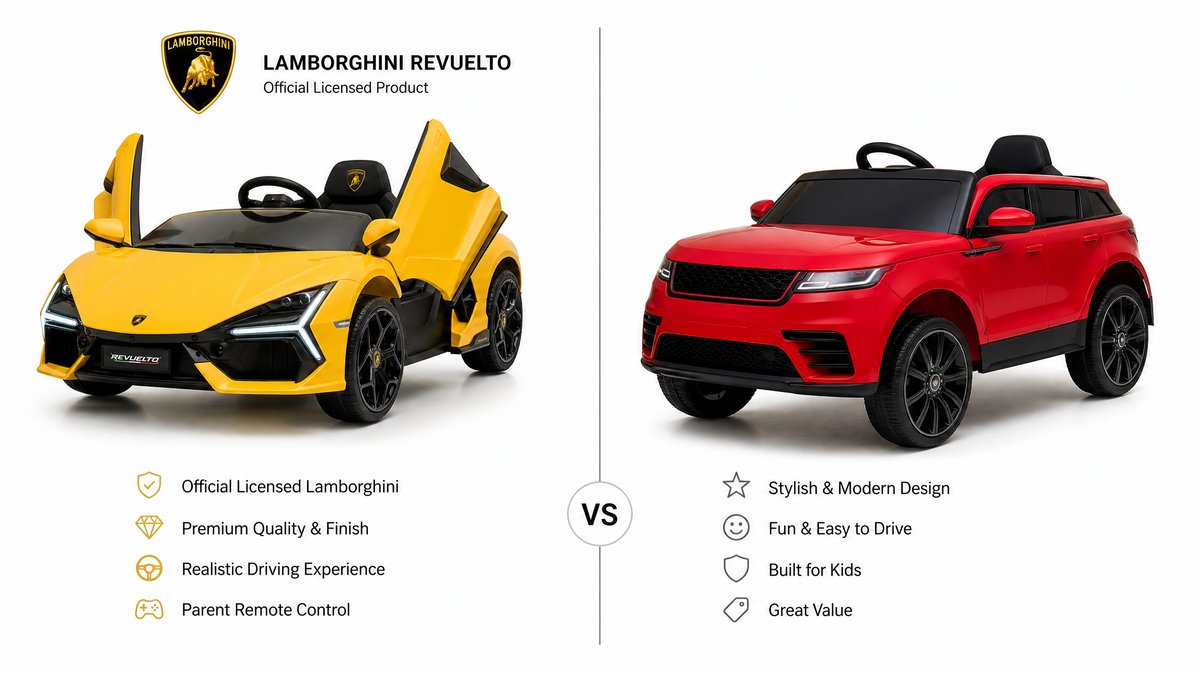
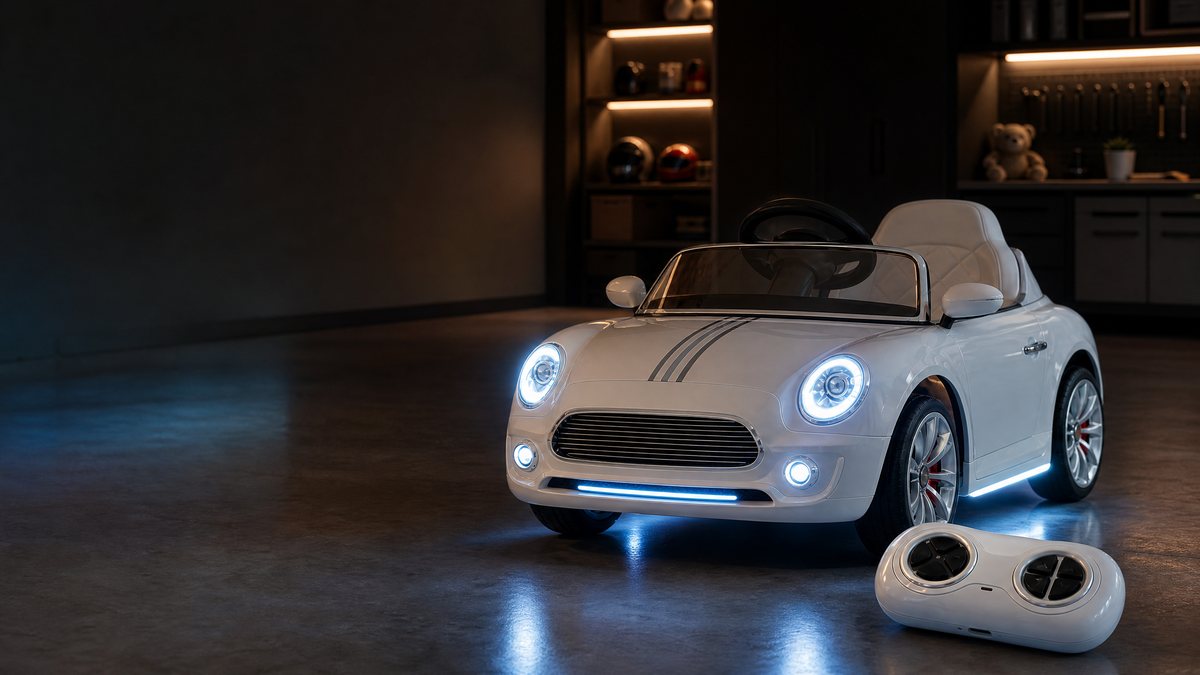
| Licensed Luxury RC Model | Battery-powered with 2.4G full remote override | Maximum (full parental remote override & speed lock) | Premium retail gift option featuring brand styling and safety overrides. | Varies by model, region, and seller; check exact manual and terms. |
As illustrated in the comparison table, selecting the appropriate ride-on category depends heavily on the child's precise motor skill level, the environment in which the vehicle will be operated, and the level of active adult supervision available. B2B purchasers should maintain a balanced inventory spanning both manual and remote-controlled electric models to meet diverse consumer demands across international markets.
Safety Essentials, Supervision, and Regulatory Compliance
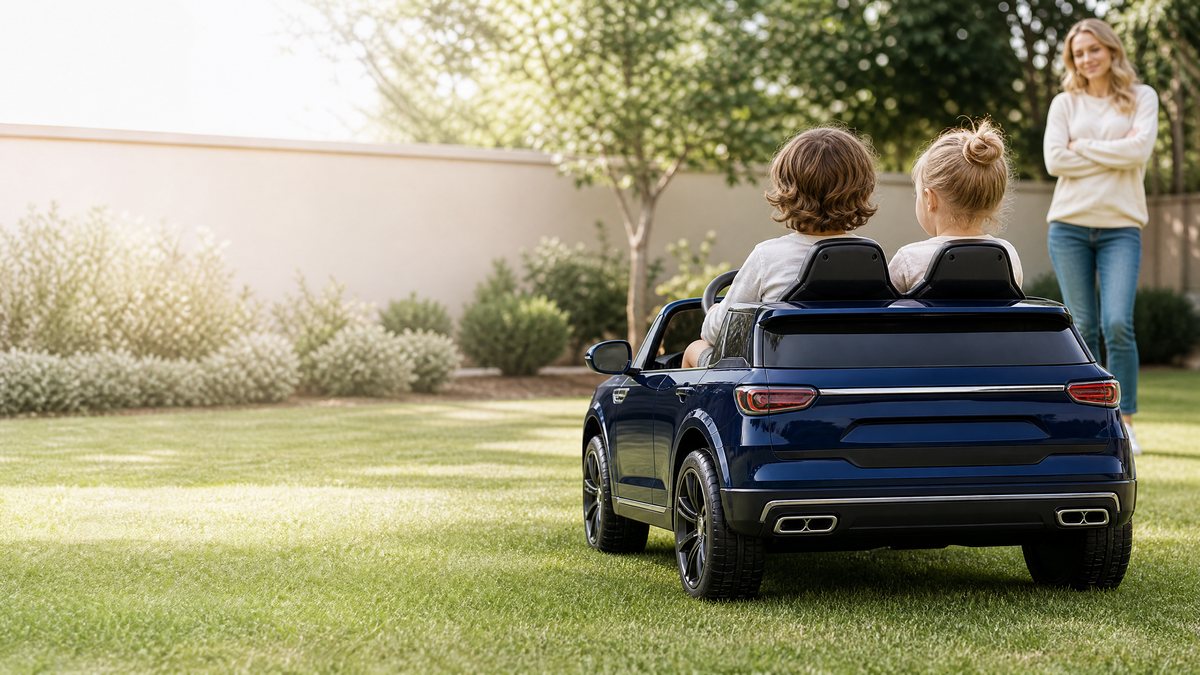
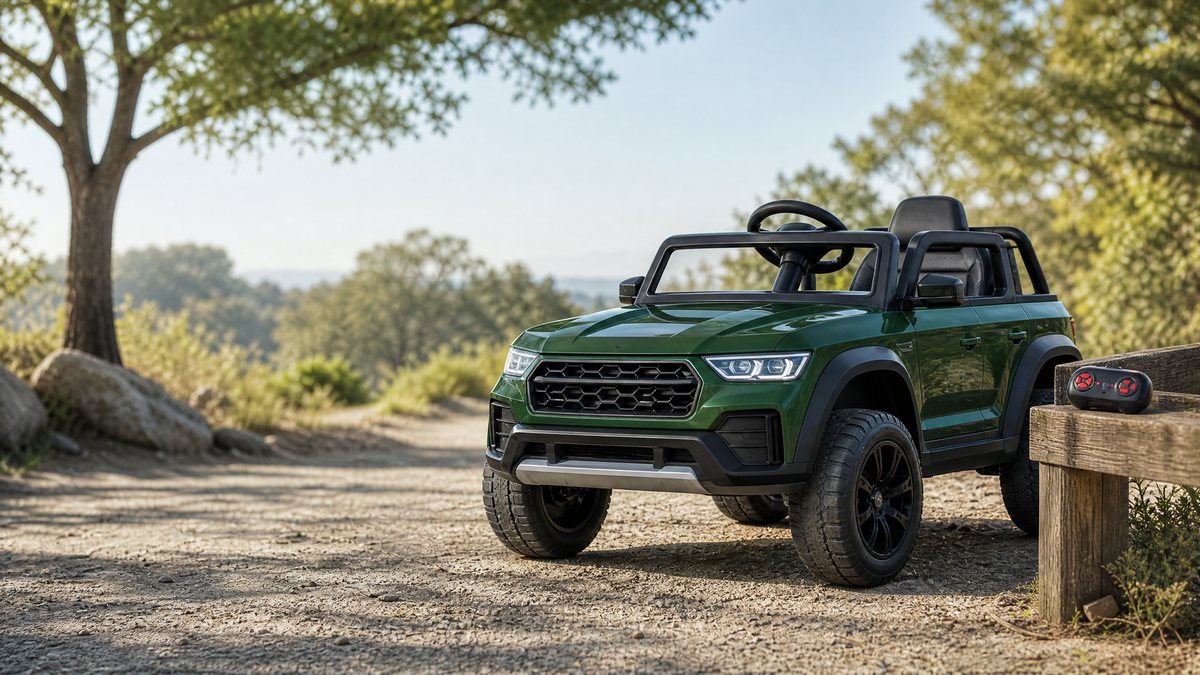
Safety is paramount when introducing any mobility toy to a two-year-old child. Because toddlers possess limited hazard awareness and impulse control, adult supervision is mandatory during all operating sessions. Ride-on cars should only be used in controlled, flat, private environments far from vehicular traffic, steep inclines, bodies of water, and uneven terrain.
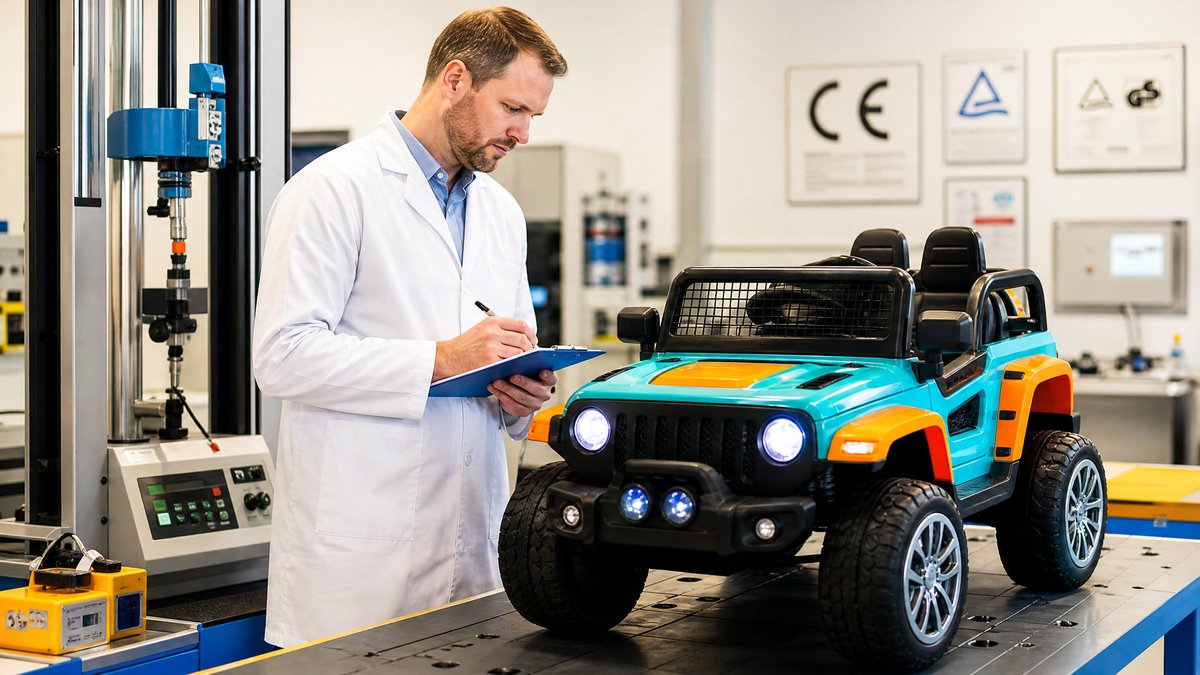
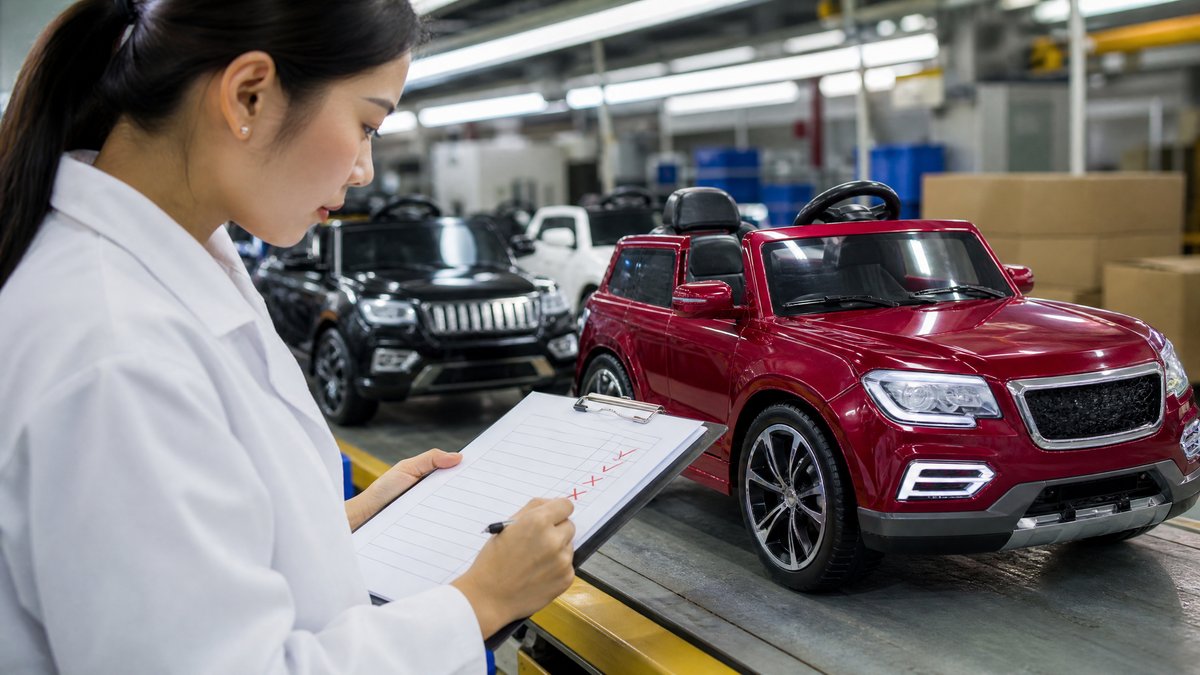
Regulatory standards and safety certifications govern the manufacture and distribution of children's ride-on toys globally. However, compliance, testing results, warranty scopes, and specific safety ratings vary by model, region, and seller; check the exact manual, listing, and written terms. Importers and wholesale distributors must ensure that their manufacturing partners adhere to recognized international toy safety benchmarks, such as ASTM F963 or EN71, while acknowledging that specific certifications and test reports are model-specific.
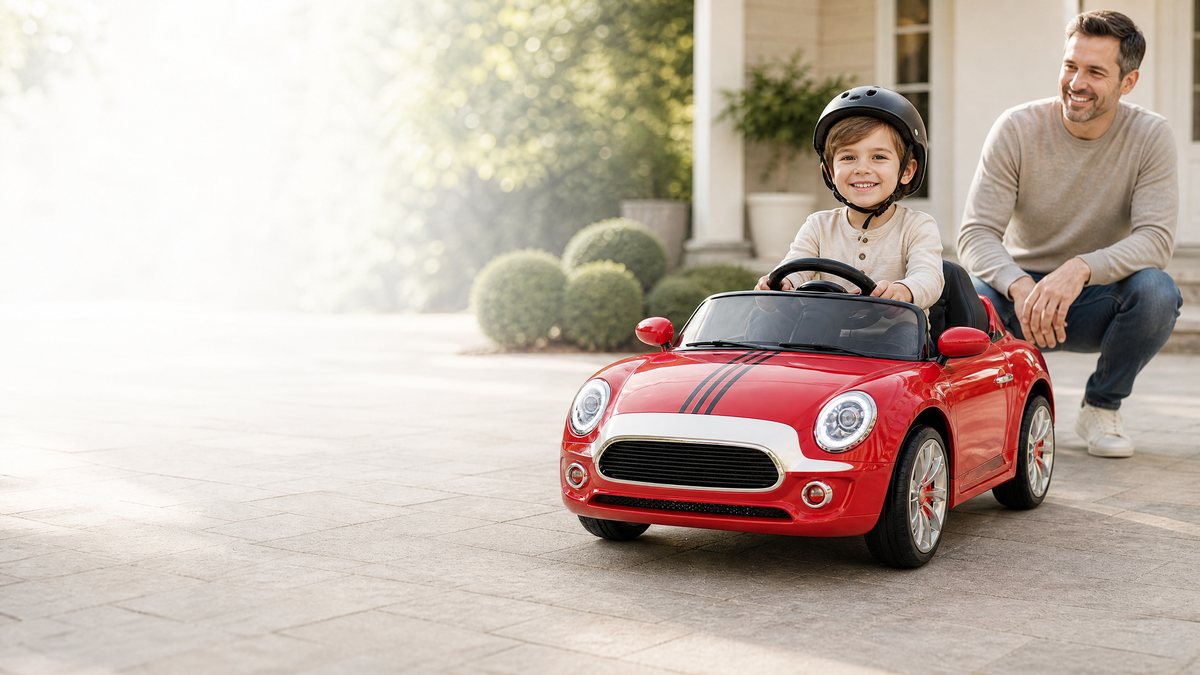
In addition to supervisory oversight, protective gear such as properly fitted toddler helmets should be considered whenever children engage in wheeled play. Caregivers must also review weight capacity limits and seating dimensions. Overloading a ride-on vehicle or using it beyond recommended developmental milestones can compromise structural integrity and stability. Always refer to the manufacturer's documentation for exact operational limits, as specifications regarding weight thresholds and seating capacity vary by model, region, and seller; check the exact manual, listing, and written terms.
Wholesale Sourcing and Commercial Retail Strategies for B2B Buyers
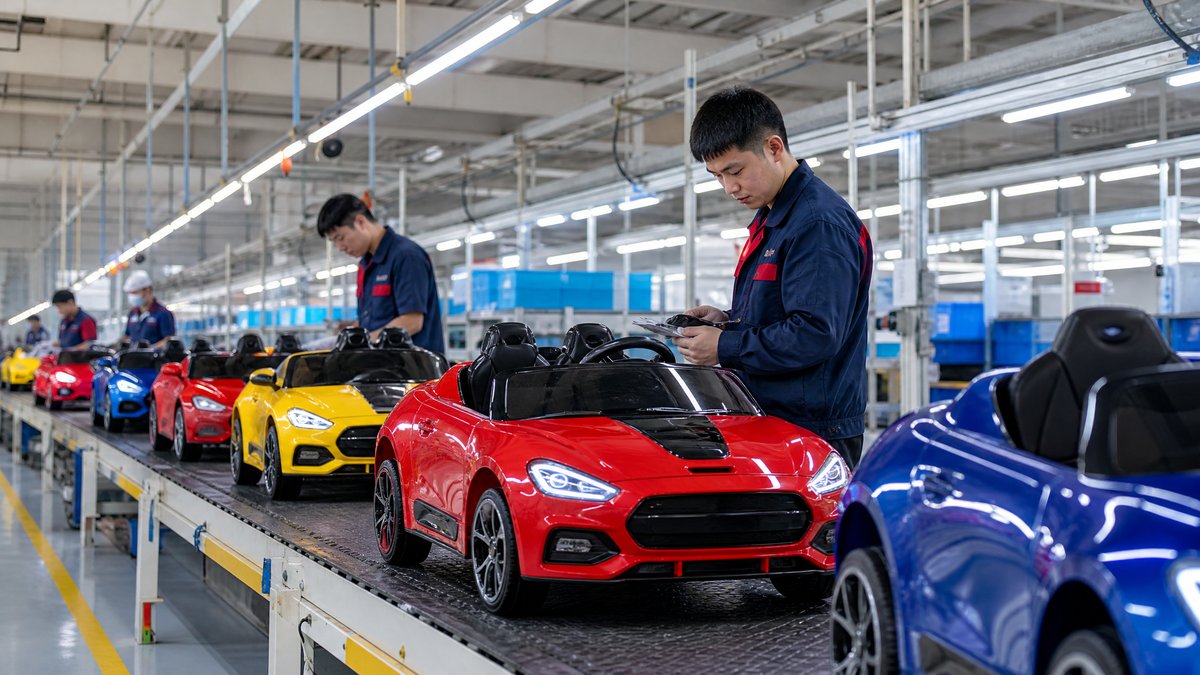
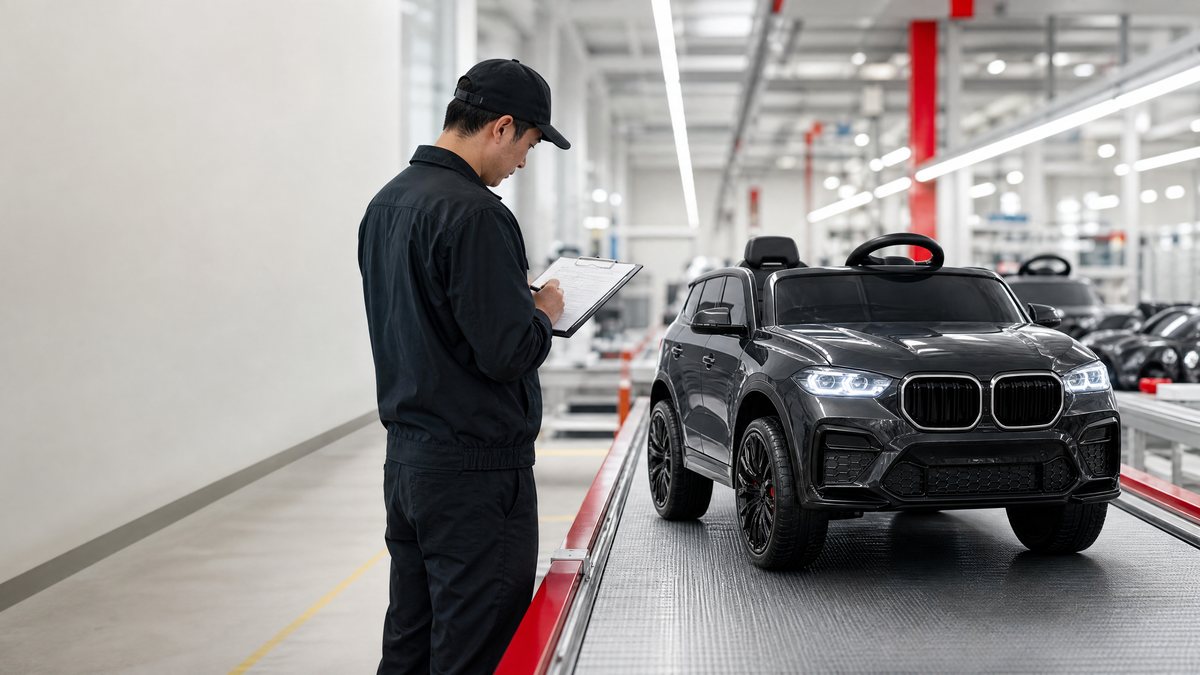
For B2B buyers, toy distributors, and e-commerce merchants, stocking ride-on cars for the toddler demographic requires careful supply chain planning. Two-year-old ride-on cars are bulky items that demand efficient warehousing, durable packaging, and reliable logistics partnerships. Retailers must evaluate Minimum Order Quantities (MOQs), container load optimization, and drop-shipping feasibility before committing to large-scale inventory acquisitions.
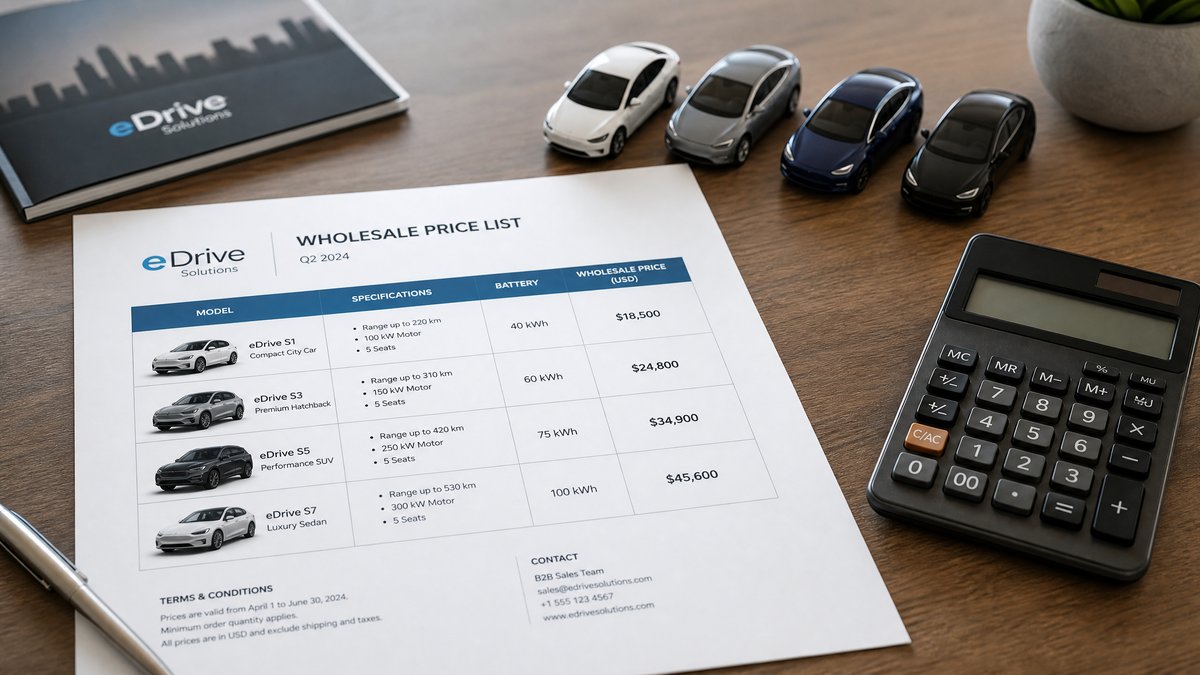
Furthermore, customer service and post-sale support play a critical role in B2B success. Providing clear assembly instructions, readily available replacement parts, and transparent warranty policies reduces retailer liability and enhances end-consumer satisfaction. Importers should note that wholesale pricing, freight tariffs, spare parts availability, and warranty terms vary by model, region, and seller; check the exact manual, listing, and written terms.
To explore commercial partnership opportunities and review wholesale catalog specifications, industry buyers can Request a wholesale quote. Establishing direct communication with manufacturers ensures that bulk orders align with specific regional safety regulations and retail packaging requirements.
Maintenance, Troubleshooting, and Operational Safety Protocols
Proper maintenance ensures the longevity and safe operation of toddler ride-on vehicles. Routine care involves keeping the vehicle clean, storing it in a dry environment protected from extreme weather and moisture, and inspecting mechanical fasteners, wheels, and steering linkages periodically.
When handling electrical components or addressing operational anomalies, strict safety protocols must be observed. For unusual odors, overheating, smoke, water ingress, cable damage, or persistent malfunctions, immediately stop use and charging, turn off the vehicle, keep children away, and contact the manufacturer or a qualified repair technician.
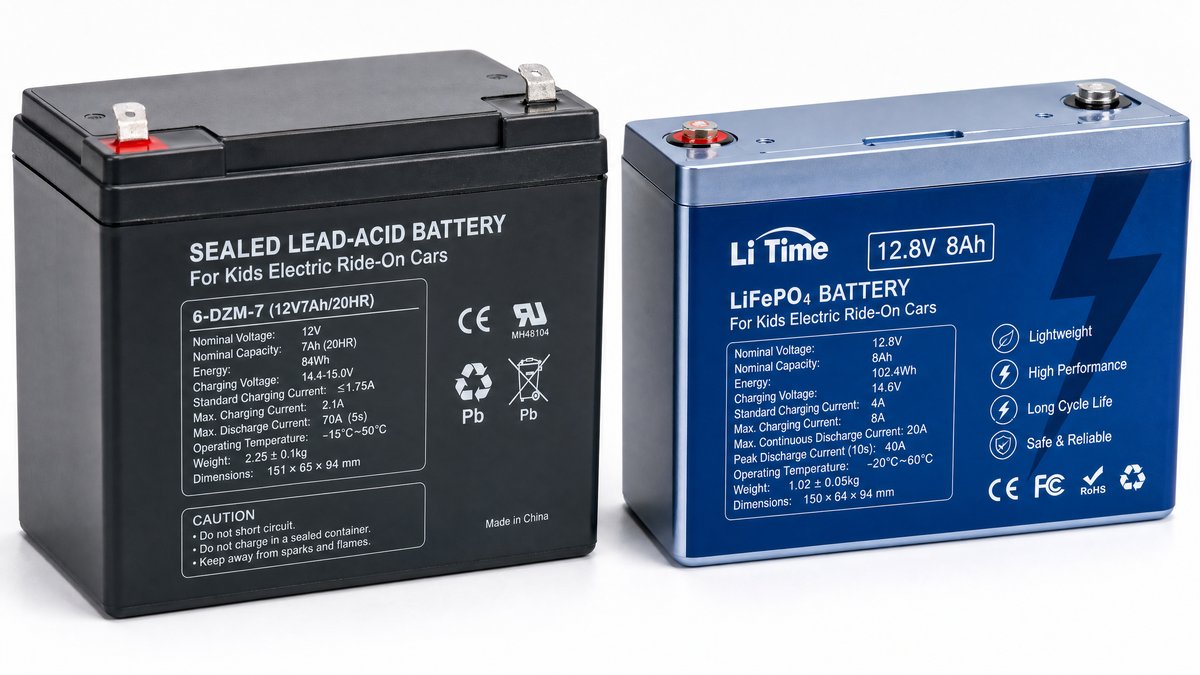
It is vital to note that safety and technical maintenance boundaries must be respected. Do not provide advice on internal electrical repairs, terminal/wiring harness/control board operations, multimeter testing, modifications, or battery/motor upgrades. All electrical servicing and complex troubleshooting should be referred exclusively to authorized professionals or manufacturer-approved technicians. Furthermore, battery charging practices—including charger compatibility and charging duration—vary by model, region, and seller; check the exact manual, listing, and written terms.
To facilitate commercial inquiries regarding maintenance parts or bulk accessories, commercial buyers can Request a wholesale quote.
Frequently Asked Questions
Are motorized ride-on cars safe for a two-year-old child?
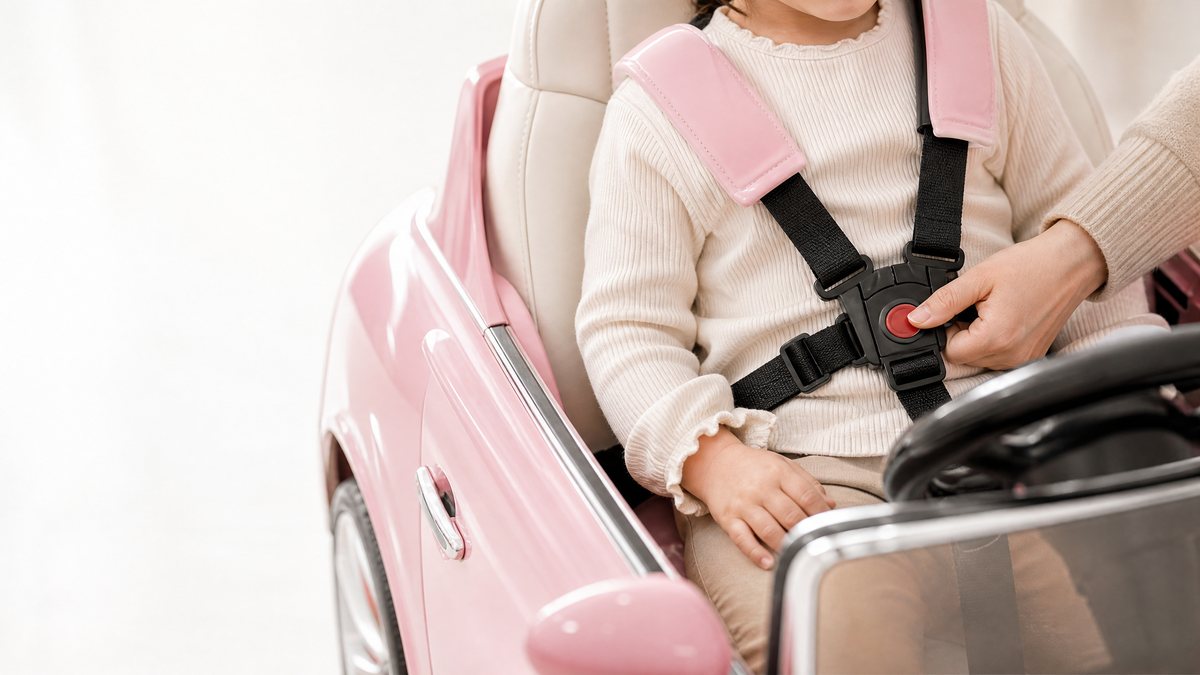
Motorized ride-on cars can be appropriate for two-year-olds provided they feature low-speed settings, secure seatbelts, and robust parental remote control override capabilities. Constant adult supervision and safe operating environments are mandatory. Safety ratings and feature sets vary by model, region, and seller; check the exact manual, listing, and written terms.
What is the primary difference between a push car and an electric ride-on car for toddlers?
A push car relies entirely on the child's foot propulsion or adult pushing via a handle, making it ideal for younger toddlers developing basic leg strength and balance. An electric ride-on introduces battery power, motors, and often remote control features, offering a different style of engagement that suits slightly older or more coordinated children. Exact specifications vary by model, region, and seller; check the exact manual, listing, and written terms.
Do all ride-on cars include parental remote control functionality?
No. Parental remote control functionality is typically found in electric motorized ride-on models rather than manual foot-to-floor push cars. Even among electric models, the presence, frequency band, and features of the remote control vary. Always verify feature inclusions, as specifications vary by model, region, and seller; check the exact manual, listing, and written terms.
How should B2B retailers evaluate safety and quality compliance when sourcing ride-on cars?
B2B buyers and retailers should verify that suppliers comply with established international toy safety standards (such as ASTM or EN standards) and request complete product documentation. Because compliance verification, testing reports, and warranty terms vary by model, region, and seller; check the exact manual, listing, and written terms.
Conclusion
In summary, a ride-on car can be an exceptional, highly engaging gift for a two-year-old child when matched appropriately with the child's developmental stage, temperament, and supervisory environment. For parents and gift-givers, evaluating push versus electric options ensures a safe and enjoyable playtime experience. For B2B buyers and commercial retailers, understanding product categories, regulatory nuances, and supply chain logistics is essential for successful market positioning. Whether curating retail inventory or selecting a memorable toddler gift, thorough preparation and adherence to safety guidelines remain indispensable.
***
*General Resource Reference: For broader guidance on toy safety standards and consumer protection, consult official resources such as the CPSC general toy safety education guidelines. Note that general educational resources do not replace specific manufacturer manuals, safety warnings, or operational instructions, which vary by model, region, and seller; check the exact manual, listing, and written terms.*
Official references
Explore these external resources for current regulatory and trade guidance. Confirm requirements with the relevant authority before placing an order.
Ready to Start?
Factory-Direct · CE & ASTM Certified · MOQ from 50 Units
Our export team works with buyers in 60+ countries. Get a quote within 24 hours.
KR
Written by KidsRideCar
China's leading kids electric ride-on car manufacturer. 500,000+ units shipped annually to 60+ countries. CE, ASTM & EN71 certified.