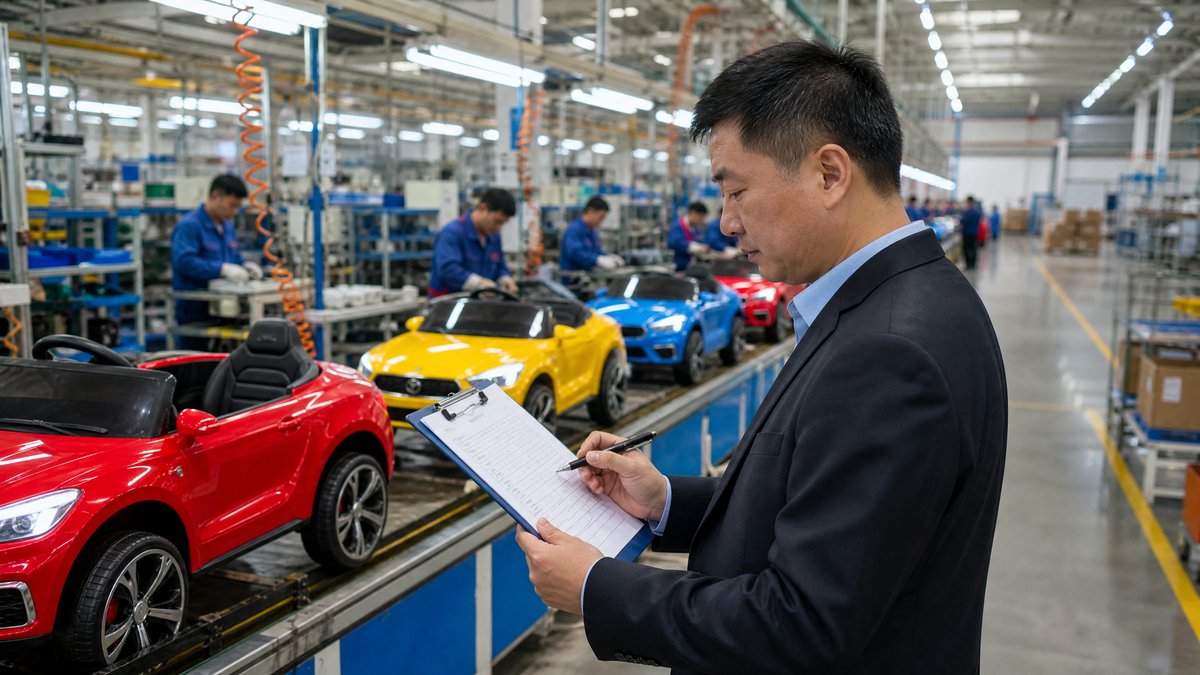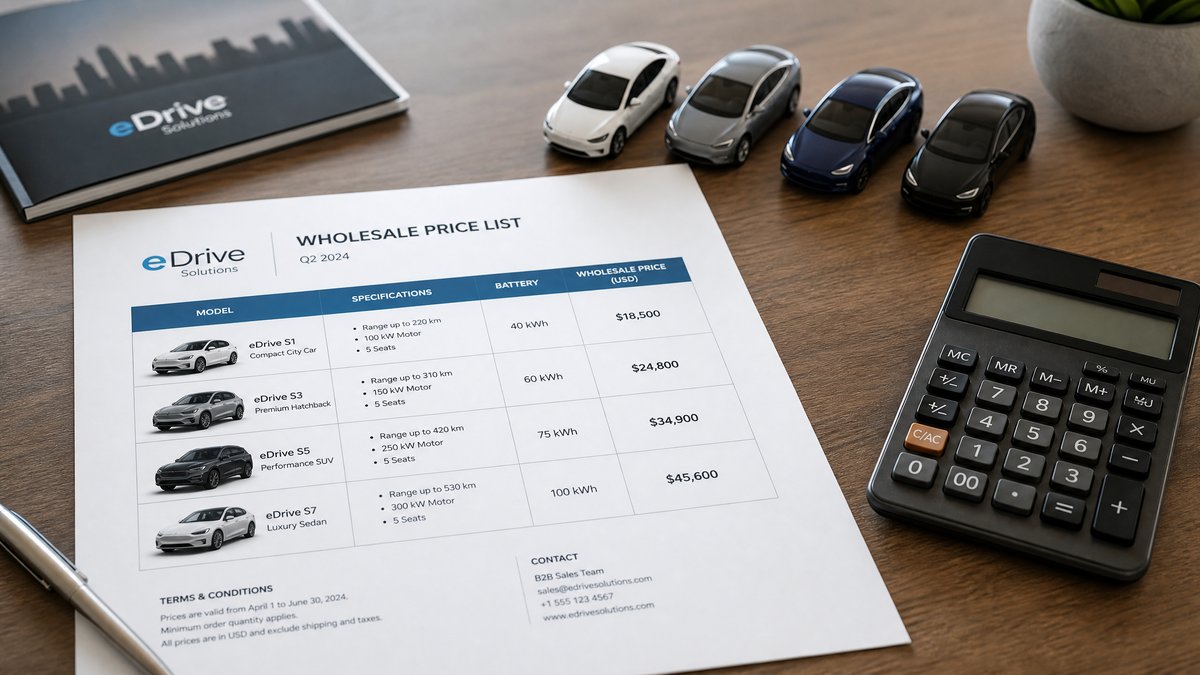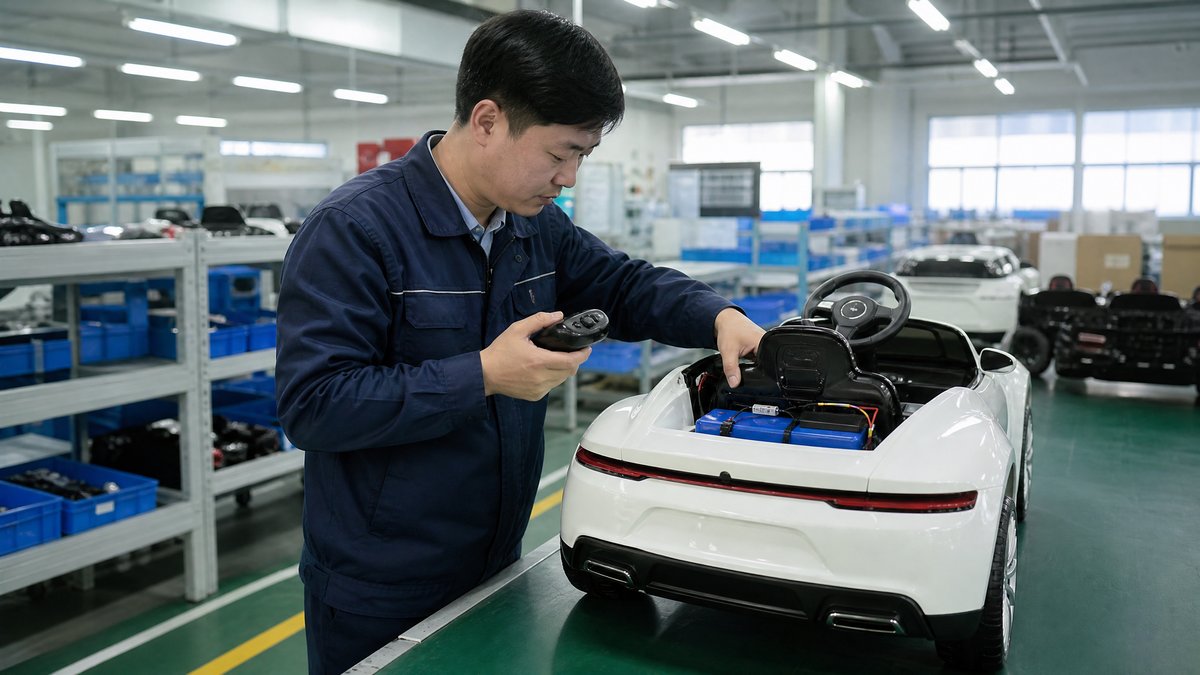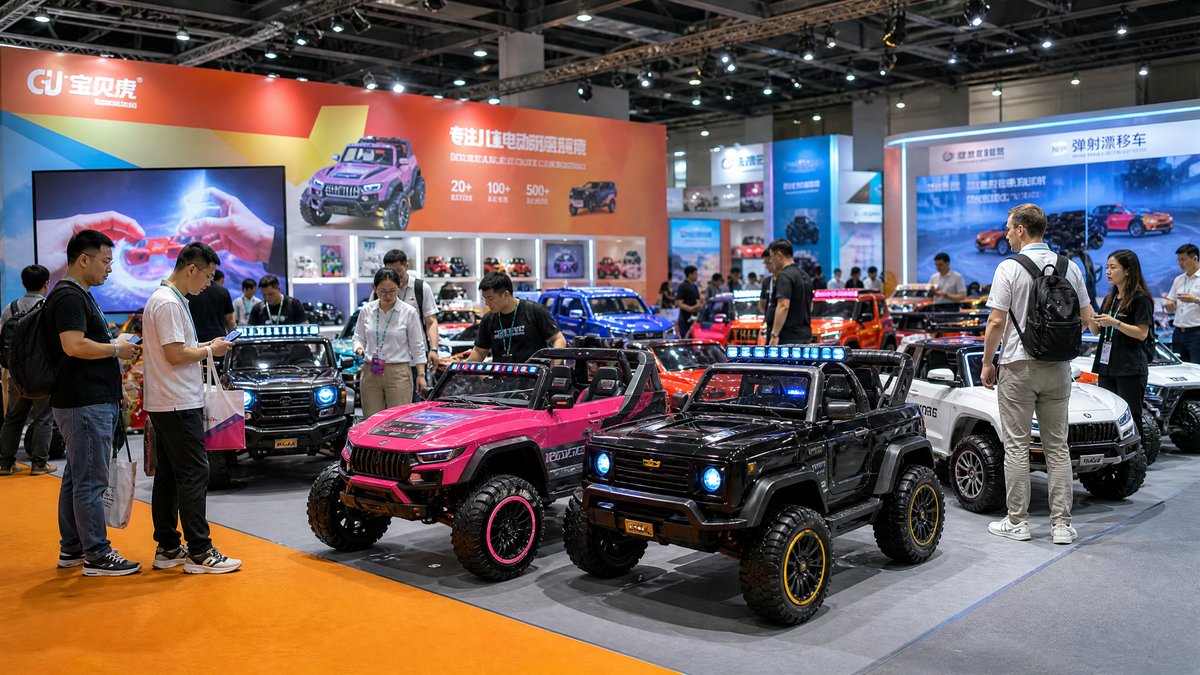
As the global market for children's electric ride-on cars continues to expand, B2B importers, toy distributors, and retail chain buyers face increasing pressure to source products that balance cost, durability, and high-performance features. Among the core internal components that dictate a ride-on vehicle's performance, longevity, and consumer appeal, the electric motor stands out as the single most critical element.
For decades, traditional brushed DC motors have dominated the ride-on toy industry due to their low manufacturing cost and simple circuitry. However, recent advancements in battery technology, electronics, and manufacturing efficiencies have made brushless motors increasingly accessible for high-end children's vehicles.
For wholesale buyers and brand owners looking to optimize their product catalogs, understanding the technical and commercial differences between brushed and brushless motors is essential. This guide provides a detailed comparative analysis of both motor types, examining their mechanics, cost implications, performance metrics, and suitability for various retail segments.
1. Fundamentals of Ride-On Car Motors
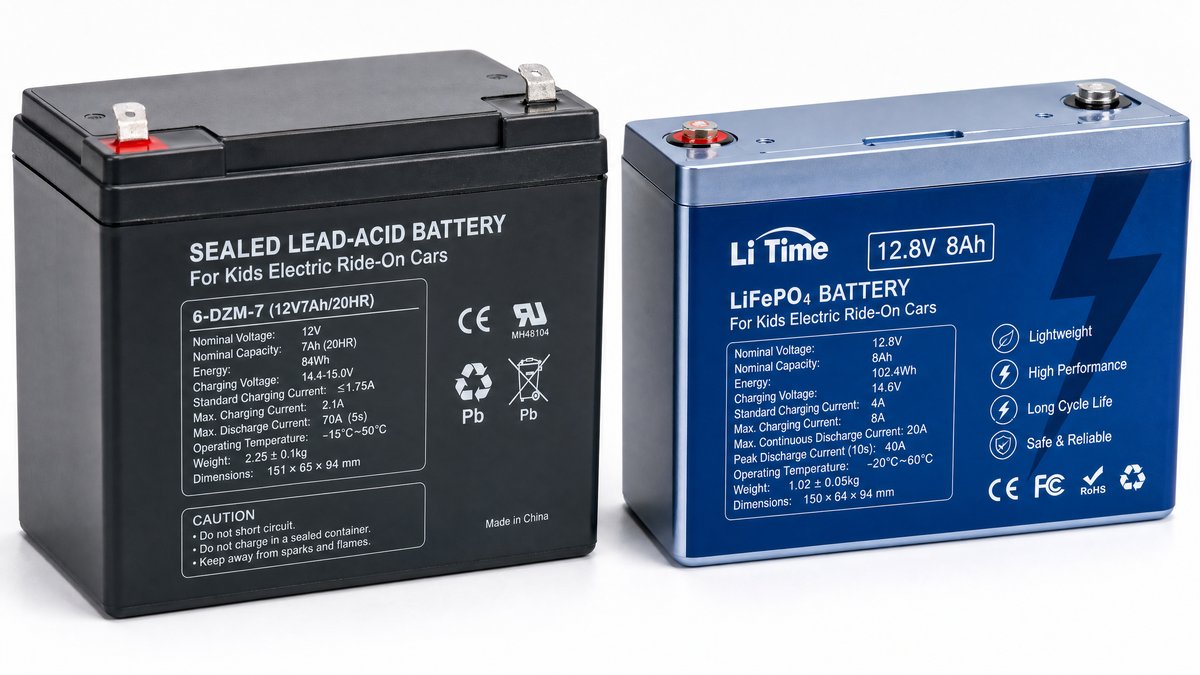
Before evaluating specific motor types, it is important to understand how propulsion systems function in modern children's electric vehicles. Most ride-on cars operate on 12V or 24V DC electrical systems powered by rechargeable lead-acid or lithium-ion batteries. The motor converts electrical energy into mechanical rotation, which is then transferred through a gearbox to drive the wheels.
How Brushed DC Motors Work
Brushed motors are the traditional standard in the toy industry. They utilize stationary permanent magnets on the stator and a rotating armature equipped with electromagnets. Electrical current is delivered to the armature coils via carbon brushes that physically slide against a commutator ring.
* Key Characteristic: Mechanical commutation via physical contact.
* Industry Standing: Ubiquitous, cost-effective, and easy to replace or repair.
How Brushless DC (BLDC) Motors Work
Brushless motors eliminate physical brushes and commutators entirely. Instead, permanent magnets are placed on the rotating rotor, while the electromagnets are fixed on the outer stator. Electronic speed controllers (ESCs) switch the electrical current to the stator coils using microprocessors, ensuring precise magnetic alignment and continuous rotation.
* Key Characteristic: Electronic commutation with zero physical friction.
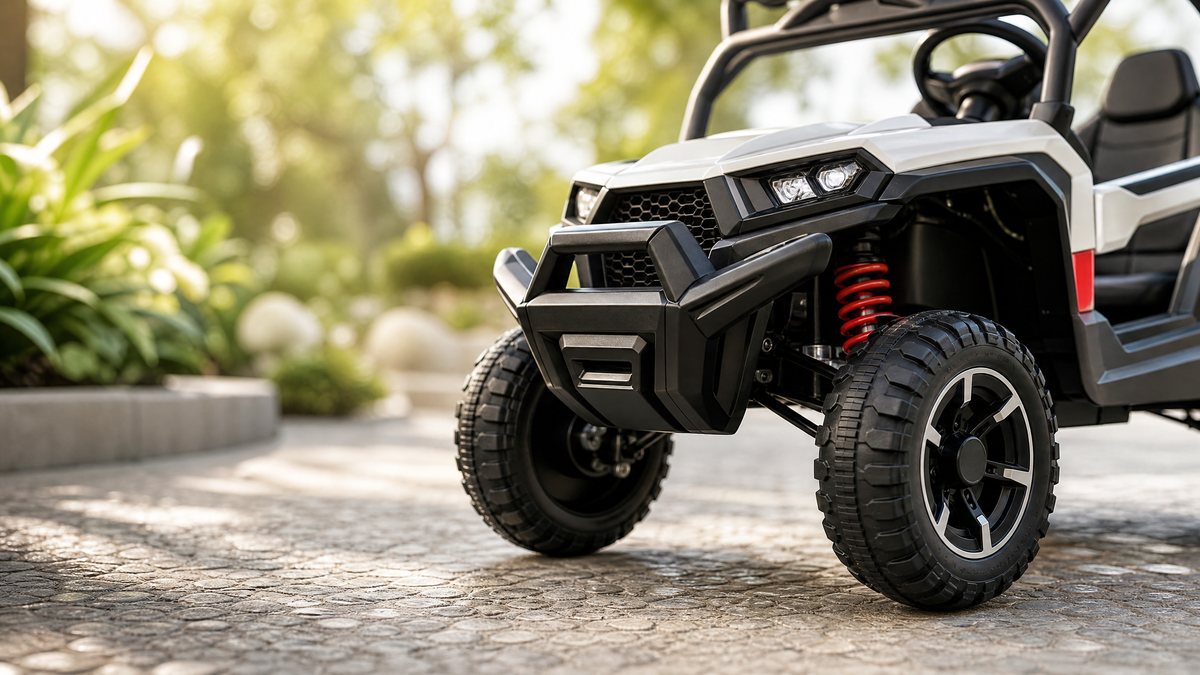
* Industry Standing: Premium, highly efficient, and increasingly popular in high-end 24V/48V drift carts and luxury UTVs.
2. Technical Comparison: Brushed vs. Brushless Motors
For B2B procurement professionals, evaluating motor performance requires looking beyond basic marketing claims. The table below outlines the core technical and operational differences between brushed and brushless motors in the context of children's ride-on vehicles.
| Feature / Metric | Brushed Motors | Brushless Motors (BLDC) |
|---|---|---|
| Initial Sourcing Cost | Low / Economy-friendly | Moderate to High |
| Energy Efficiency | Moderate (75% - 80%) | High (85% - 90%+) |
| Maintenance Requirements | Requires periodic brush inspection/replacement | Maintenance-free (no wearing parts) |
| Lifespan / Durability | Shorter (limited by carbon brush wear) | Extended (thousands of operational hours) |
| Operational Noise | Noticeable mechanical whine | Whisper-quiet or smooth electronic hum |
| Thermal Performance | Generates higher heat under heavy loads | Superior thermal management / runs cooler |
| Torque Delivery | Good starting torque, drops at high RPM | Consistent, high torque across entire RPM range |
| Control Precision | Basic speed control via simple switches | Advanced throttle response via ESC integration |
3. Commercial Implications for Wholesale Buyers and Importers
When structuring a procurement strategy for electric ride-on cars, wholesale buyers must weigh upfront manufacturing costs against long-term warranty claims, customer satisfaction, and brand positioning.
Sourcing Cost vs. Retail Positioning
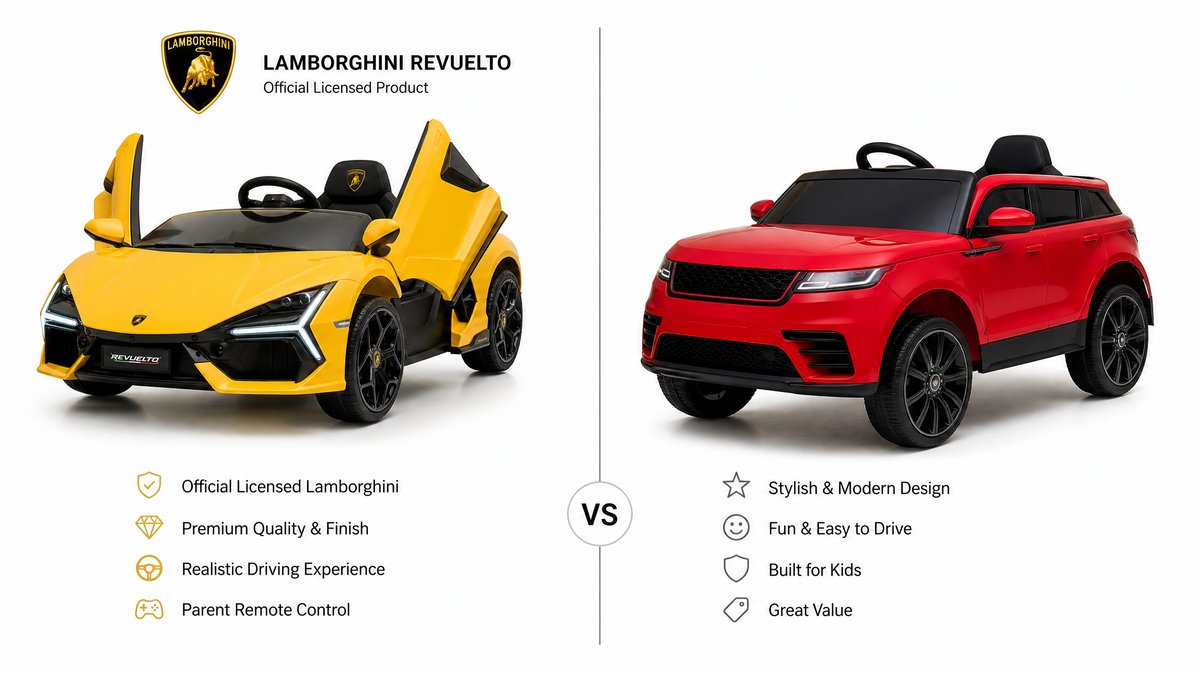
* Brushed Motors: Ideal for entry-level and mid-tier ride-on cars (e.g., standard 12V single-seaters, basic police cars, and licensed compact sedans). Their low cost allows importers to maintain aggressive retail price points in discount stores, supermarkets, and mass-market e-commerce platforms.
* Brushless Motors: Best suited for premium lines, high-performance 24V two-seaters, heavy-duty utility task vehicles (UTVs), and electric drift go-karts. While the higher unit cost increases the initial purchase order (PO) value, it allows brands to target high-margin specialty toy stores, hobbyist markets, and premium online boutiques.
After-Sales Service and Warranty Rates
One of the hidden costs in the ride-on car business is reverse logistics and warranty claims.
* Brushed motors feature carbon brushes that eventually wear down after extensive use. For high-turnover rental fleets or intensive backyard use, brushed motors may experience higher failure rates over a multi-year lifecycle.
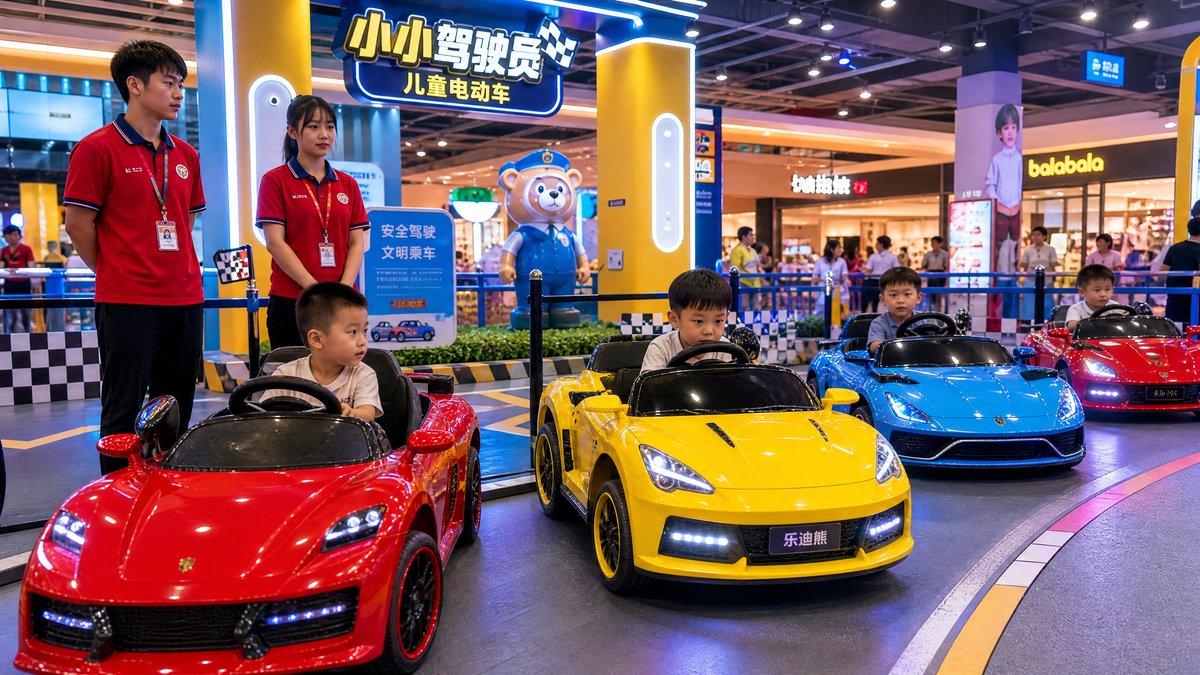
* Brushless motors eliminate brush friction and sparking, resulting in significantly fewer mechanical breakdowns. Importers targeting commercial applications, amusement parks, or premium family entertainment centers (FECs) will benefit from lower RMA (Return Merchandise Authorization) rates by specifying brushless systems.
4. Performance, Safety, and User Experience
Safety and ride quality are primary concerns for parents purchasing ride-on vehicles. The choice of motor directly impacts the end-user experience.
* Smooth Acceleration and Braking: Brushless motors, when paired with sophisticated Electronic Speed Controllers (ESCs), offer programmable acceleration curves. This eliminates the abrupt "jerk" common in cheap brushed ride-on cars, ensuring a smoother ride for younger children.
* Battery Efficiency and Playtime: Because brushless motors waste less energy as heat and friction, they extend battery run time by 15% to 25% on a single charge. For parents, longer playtime between charges is a major selling point.
* Water and Dust Resistance: Brushless motors are easier to seal completely against moisture and fine dust, making them more resilient to outdoor weathering in rugged off-road ride-on trucks.
5. Frequently Asked Questions (FAQ) for Wholesale Buyers
Q1: Are brushless ride-on cars too complex for standard retail consumers to maintain?
A: No. In fact, brushless motors require less maintenance than brushed motors because there are no carbon brushes to wear out or replace. The electronic components are sealed within the motor assembly and controller housing, making them entirely maintenance-free for the end consumer.
Q2: How much does upgrading from brushed to brushless motors impact the FOB price of a container load?
A: The cost impact varies depending on motor wattage (e.g., 550 vs. 775 or specialized brushless hubs) and the inclusion of advanced ESCs. Generally, upgrading a vehicle from a standard brushed setup to a brushless system can increase the unit FOB price by 15% to 30%. However, this cost is easily offset when marketed toward premium product tiers.
Q3: Can existing 12V vehicle designs be easily retrofitted with brushless motors?
A: Not directly. Brushless motors require specialized Electronic Speed Controllers (ESCs) to convert DC battery power into the synchronized AC phases required by the motor. Simply swapping a brushed motor for a brushless motor without changing the wiring harness and controller will result in immediate failure. Importers must work with OEM manufacturers to ensure proper electrical engineering from the factory floor.
Q4: Which motor type is currently dominating the B2B wholesale market?
A: Brushed motors still account for the majority of global volume due to their unbeatable price point in mass-market entry toys. However, brushless motors are experiencing the fastest year-over-year growth rate, particularly in the 24V heavy-duty, multi-passenger, and drift-kart categories.
6. Conclusion and Sourcing Recommendations
Choosing between brushed and brushless motors depends entirely on your target market, retail pricing strategy, and brand positioning.
* If your distribution network focuses on volume sales, hypermarkets, and promotional pricing, brushed motors remain the most commercially viable choice.
* If your brand focuses on durability, high-end performance, premium aesthetics, and lower after-sales service costs, investing in brushless motor technology will yield higher customer satisfaction and brand loyalty.
To discuss custom OEM/ODM configurations, request factory catalog samples, or inquire about bulk wholesale pricing for our latest brushed and brushless electric ride-on car lineups, contact our sales engineering team today at mailto:info@kidsridecar.com.
Official references
Explore these external resources for current regulatory and trade guidance. Confirm requirements with the relevant authority before placing an order.
Ready to Start?
Factory-Direct · CE & ASTM Certified · MOQ from 50 Units
Our export team works with buyers in 60+ countries. Get a quote within 24 hours.
KR
Written by KidsRideCar
China's leading kids electric ride-on car manufacturer. 500,000+ units shipped annually to 60+ countries. CE, ASTM & EN71 certified.