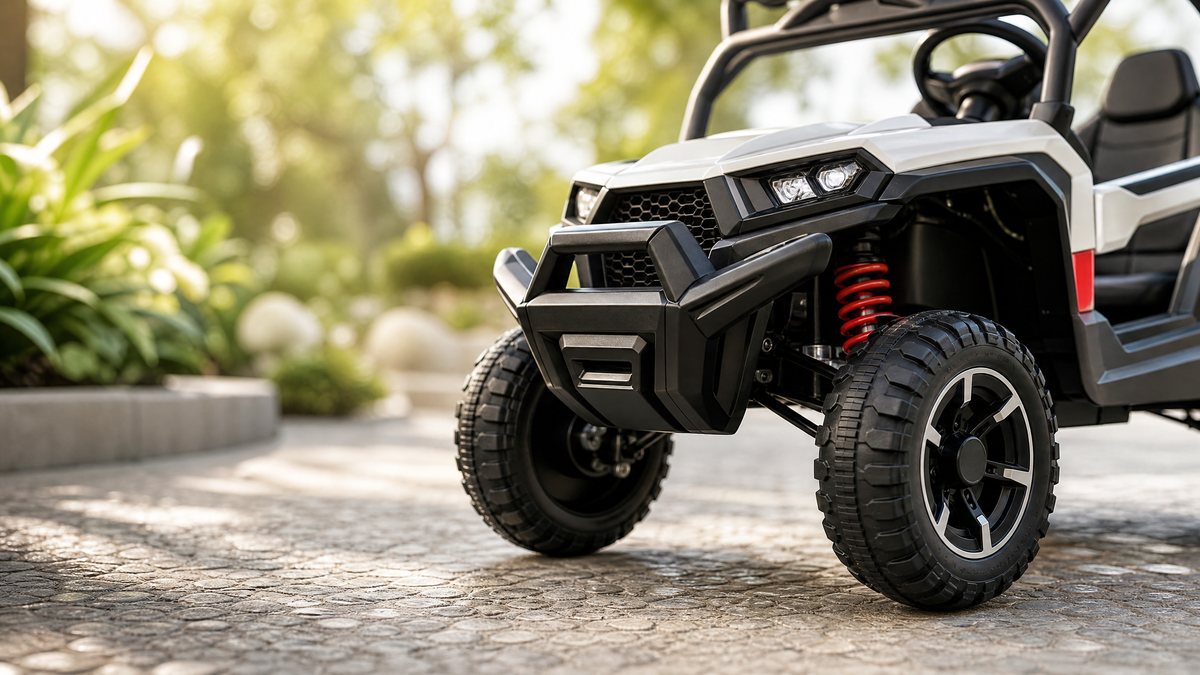
When parents and retail buyers evaluate children's electric ride-on cars, vehicle comfort and mechanical durability consistently rank among top priorities. While battery capacity and motor wattage dictate raw power, the chassis integration—specifically the suspension system—governs ride quality, vibration damping, and long-term structural integrity. Selecting the ideal ride-on car with spring suspension requires a thorough understanding of how mechanical shock absorbers interact with different driving surfaces, vehicle weight distributions, and young operators' physiological comfort.
This editorial guide examines the engineering principles behind spring suspension systems in children's ride-on vehicles, analyzes different mechanical configurations, and provides a structured framework for parents and wholesale importers seeking robust, high-performance models.
In standard consumer products, suspension systems are often viewed as aesthetic enhancements. However, in motorized children's vehicles operating across concrete driveways, gravel paths, and backyard lawns, mechanical suspension serves several critical engineering functions:
1. Vibration Damping and Ergonomic Comfort: Young children have developing skeletal structures that are sensitive to repeated high-frequency impacts. Spring suspension absorbs micro-shocks from uneven terrain, significantly reducing vibrational stress transmitted to the spine and joints.
2. Traction and Wheel Ground Contact: Without suspension, a rigid chassis bouncing over a small stone can cause drive wheels to lose temporary contact with the ground, leading to traction loss, wheel spin, and erratic steering behavior. Coil springs maintain continuous downward force, ensuring optimal friction between rubberized or EVA tires and the driving surface.
3. Chassis and Gearbox Longevity: Rigid impacts generate severe shock waves that travel directly through the plastic body shell, steering linkages, and electric gearboxes. Suspension dampens these peak forces, protecting internal gear teeth and electrical wiring harnesses from premature fatigue and mechanical failure.
According to general toy safety and mechanical design guidelines published by regulatory bodies such as the Consumer Product Safety Commission (CPSC) and ASTM International standards (such as ASTM F963 for toy safety), mechanical assemblies must minimize sharp pinch points and structural stress concentrations [1] [2]. Well-designed suspension housings are fully enclosed or shielded to prevent finger entrapment while maintaining smooth vertical travel.
Ride-on vehicles utilize several distinct suspension configurations depending on their scale, target age group, and intended terrain profile. Understanding these variations helps retailers curate balanced product lineups and enables parents to match vehicle capabilities with their specific operating environment.
When evaluating these options, the best choice depends heavily on the primary operating environment. For indoor or purely smooth-paved residential use, rigid axles or basic rear coil springs provide sufficient performance. However, for properties featuring gravel pathways, uneven lawn surfaces, or slight inclines, four-wheel independent suspension delivers superior stability and rider comfort.
Integrating spring suspension into a ride-on vehicle improves physical comfort, but vehicle safety remains paramount. Parents and commercial operators should apply a rigorous verification checklist prior to operation:
* Age and Weight Compliance: Verify that the operator falls well within the manufacturer's specified weight limit and developmental age bracket. Suspension performance is calibrated for specific load ranges; overloading compresses springs beyond their optimal operating threshold, while under-loading results in a stiff, unyielding ride.
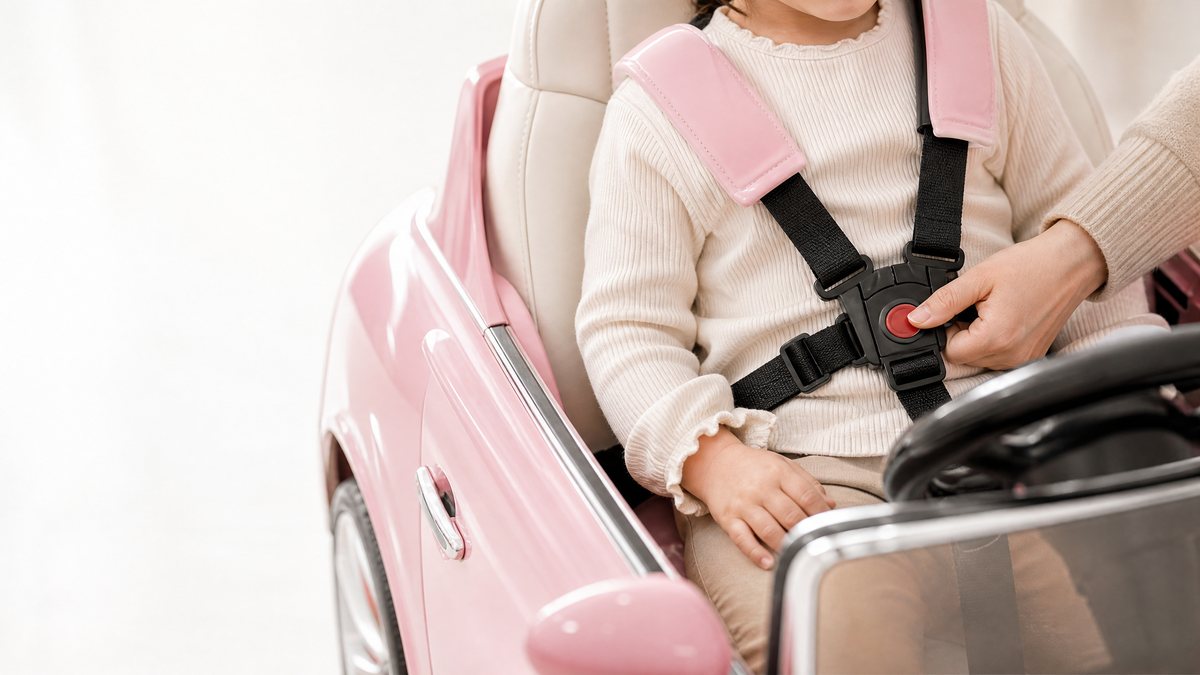
* Seating Posture and Restraint Systems: Ensure the vehicle is equipped with a functional multi-point safety harness or lap belt. Effective suspension reduces vertical bouncing, but secure restraint prevents the occupant from shifting unexpectedly during cornering or deceleration.
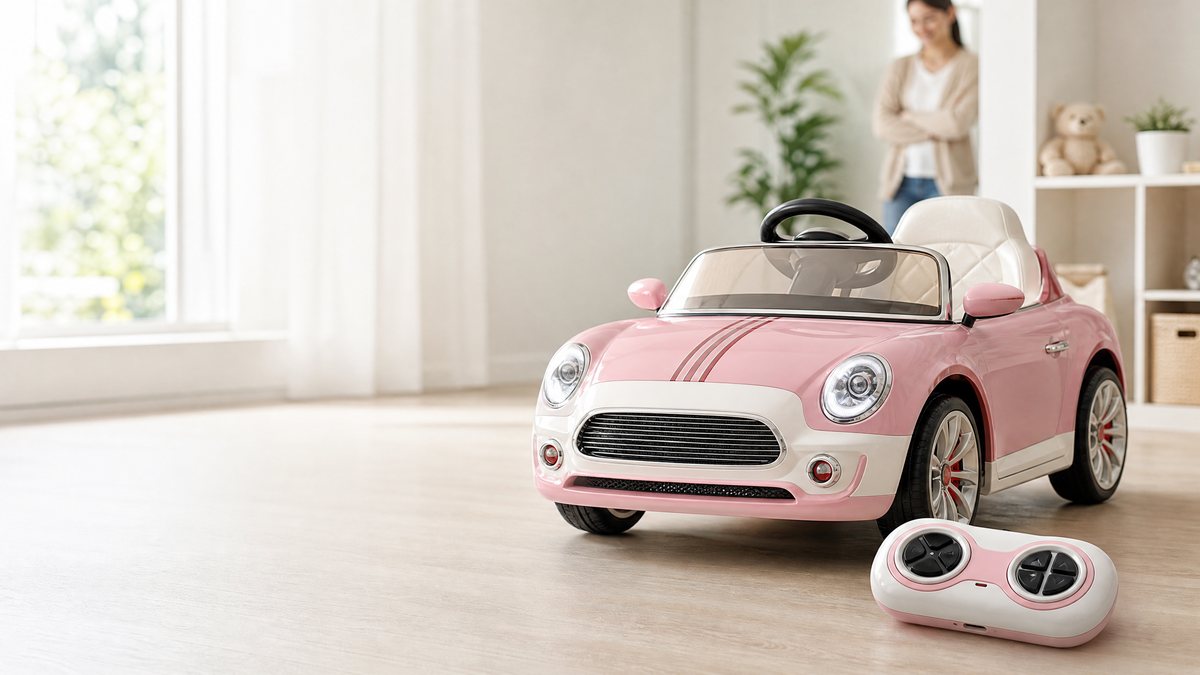
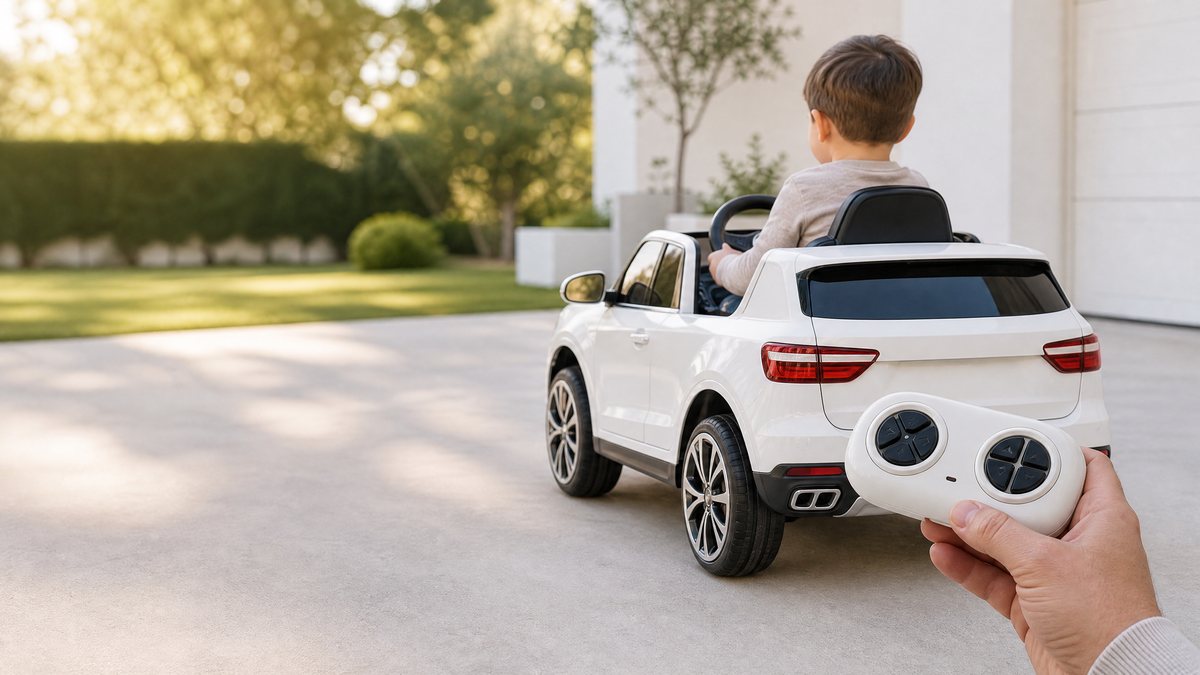
* Parental Remote Control Integration: For younger children, prioritize models featuring 2.4G parental override remotes. This allows supervising adults to manage directional steering and emergency braking instantly, regardless of terrain conditions.
* Protective Gear and Supervision: Mandate appropriate footwear and certified bicycle or multi-sport helmets during outdoor operation. Continuous adult supervision is required at all times, particularly near sloping terrain, swimming pools, or vehicular driveways.
* Pre-Operation Mechanical Inspection: Routinely check spring mounting bolts, axle pins, and tire pressure (or EVA foam integrity) to ensure all suspension pivot points move freely without binding or excessive lateral play.
For B2B wholesale buyers, sourcing ride-on vehicles with spring suspension requires looking beyond aesthetic styling sheets. Importers should pose specific technical inquiries to manufacturing partners:
1. What material composition is utilized for the coil springs? High-grade spring steel with anti-corrosion coating prevents rust and maintains elasticity over extended seasonal storage.
2. Are the suspension struts functional or purely cosmetic? Some lower-tier models feature static plastic shrouds molded to resemble shock absorbers. Importers must confirm genuine vertical travel and load-bearing spring capacity.
3. How does the suspension interact with the drive gearbox housing? Proper articulation prevents axle binding during heavy compression cycles, protecting gearbox casing integrity.
Routine maintenance is minimal but important. Keep pivot points clean of accumulated dirt, mud, and grass clippings. Periodic inspection of mounting hardware ensures that vibration has not loosened fastening bolts over time. Avoid applying heavy petroleum lubricants that attract grit; instead, use dry silicone lubricants if pivot squeaks develop.
No. Mechanical suspension systems operate purely through passive kinetic energy absorption using mechanical springs. They draw zero electrical current from the vehicle's battery system, unlike motorized components or accessory lighting packages.
While spring suspension handles vertical shock absorption, EVA (Ethylene-Vinyl Acetate) foam tires or rubberized tires provide crucial high-frequency damping and superior surface grip compared to hard rigid plastic wheels. Combining spring suspension with EVA or rubber tires creates an optimal multi-stage vibration reduction system.
Aftermarket suspension modifications are strongly discouraged. Factory suspension assemblies are engineered specifically for the vehicle's gross weight rating, chassis rigidity, and motor torque. Altering springs or struts can compromise structural stability, alter center of gravity balance, and void manufacturer compliance documentation.
Vehicles featuring fully independent four-wheel suspension often possess slightly bulkier chassis mounting brackets, which may marginally impact carton dimensions compared to rigid-axle equivalents. Importers should review container loading plans and CBM (cubic meter) metrics with suppliers during order finalization.
Choosing the ride-on car with spring suspension that best suits your requirements involves balancing terrain conditions, chassis durability, and operator comfort. While basic rear-coil setups offer reliable performance for paved surfaces, four-wheel independent suspension systems provide unmatched stability and vibration damping for varied outdoor environments. By prioritizing mechanical transparency, adhering to established safety standards, and verifying build specifications, parents and retail importers can secure dependable, high-comfort ride-on vehicles that deliver lasting value.
For commercial inquiries, custom vehicle configurations, or bulk import documentation, please Request a wholesale quote.
1. Consumer Product Safety Commission (CPSC). Safety Standard and Guidelines for Children's Toys and Motorized Ride-On Vehicles. Available via CPSC public guidance portals.
2. ASTM International. ASTM F963: Standard Consumer Safety Specification for Toy Safety. West Conshohocken, PA.
This editorial guide examines the engineering principles behind spring suspension systems in children's ride-on vehicles, analyzes different mechanical configurations, and provides a structured framework for parents and wholesale importers seeking robust, high-performance models.
The Engineering Role of Spring Suspension in Ride-On Cars
In standard consumer products, suspension systems are often viewed as aesthetic enhancements. However, in motorized children's vehicles operating across concrete driveways, gravel paths, and backyard lawns, mechanical suspension serves several critical engineering functions:
1. Vibration Damping and Ergonomic Comfort: Young children have developing skeletal structures that are sensitive to repeated high-frequency impacts. Spring suspension absorbs micro-shocks from uneven terrain, significantly reducing vibrational stress transmitted to the spine and joints.
2. Traction and Wheel Ground Contact: Without suspension, a rigid chassis bouncing over a small stone can cause drive wheels to lose temporary contact with the ground, leading to traction loss, wheel spin, and erratic steering behavior. Coil springs maintain continuous downward force, ensuring optimal friction between rubberized or EVA tires and the driving surface.
3. Chassis and Gearbox Longevity: Rigid impacts generate severe shock waves that travel directly through the plastic body shell, steering linkages, and electric gearboxes. Suspension dampens these peak forces, protecting internal gear teeth and electrical wiring harnesses from premature fatigue and mechanical failure.
According to general toy safety and mechanical design guidelines published by regulatory bodies such as the Consumer Product Safety Commission (CPSC) and ASTM International standards (such as ASTM F963 for toy safety), mechanical assemblies must minimize sharp pinch points and structural stress concentrations [1] [2]. Well-designed suspension housings are fully enclosed or shielded to prevent finger entrapment while maintaining smooth vertical travel.
Suspension Configuration Framework: Choosing the Right Setup
Ride-on vehicles utilize several distinct suspension configurations depending on their scale, target age group, and intended terrain profile. Understanding these variations helps retailers curate balanced product lineups and enables parents to match vehicle capabilities with their specific operating environment.
| Suspension Type | Mechanical Layout | Terrain Suitability | Comfort Level | Ideal Target Application |
|---|---|---|---|---|
| Rigid / Non-Suspension | Fixed axles rigidly bolted to the chassis | Smooth indoor flooring, flat paved driveways | Basic / High vibration on bumps | Lightweight entry-level models, indoor use |
| Rear-Wheel Coil Springs | Dual steel coil springs mounted on rear drive axle | Paved sidewalks, light backyard turf | Moderate / Smooths rear-drive impact | Standard 12V single/two-seater passenger cars |
| Four-Wheel Independent | Individual coil spring struts on all four wheel assemblies | Mixed terrain, gravel, grass, slight slopes | High / Superior shock absorption | Premium 12V/24V licensed SUVs, off-road utility style |
| Heavy-Duty Leaf & Coil Combo | Multi-leaf rear springs paired with front independent struts | Heavy loads, multi-rider UTVs, uneven country yards | Maximum / Designed for heavy-duty load carriage | 24V multi-passenger utility vehicles, heavy UTVs |
When evaluating these options, the best choice depends heavily on the primary operating environment. For indoor or purely smooth-paved residential use, rigid axles or basic rear coil springs provide sufficient performance. However, for properties featuring gravel pathways, uneven lawn surfaces, or slight inclines, four-wheel independent suspension delivers superior stability and rider comfort.
Comprehensive Safety and Fit Checklist
Integrating spring suspension into a ride-on vehicle improves physical comfort, but vehicle safety remains paramount. Parents and commercial operators should apply a rigorous verification checklist prior to operation:
* Age and Weight Compliance: Verify that the operator falls well within the manufacturer's specified weight limit and developmental age bracket. Suspension performance is calibrated for specific load ranges; overloading compresses springs beyond their optimal operating threshold, while under-loading results in a stiff, unyielding ride.
* Seating Posture and Restraint Systems: Ensure the vehicle is equipped with a functional multi-point safety harness or lap belt. Effective suspension reduces vertical bouncing, but secure restraint prevents the occupant from shifting unexpectedly during cornering or deceleration.
* Parental Remote Control Integration: For younger children, prioritize models featuring 2.4G parental override remotes. This allows supervising adults to manage directional steering and emergency braking instantly, regardless of terrain conditions.
* Protective Gear and Supervision: Mandate appropriate footwear and certified bicycle or multi-sport helmets during outdoor operation. Continuous adult supervision is required at all times, particularly near sloping terrain, swimming pools, or vehicular driveways.
* Pre-Operation Mechanical Inspection: Routinely check spring mounting bolts, axle pins, and tire pressure (or EVA foam integrity) to ensure all suspension pivot points move freely without binding or excessive lateral play.
Key Buyer Questions for Retailers and Importers
For B2B wholesale buyers, sourcing ride-on vehicles with spring suspension requires looking beyond aesthetic styling sheets. Importers should pose specific technical inquiries to manufacturing partners:
1. What material composition is utilized for the coil springs? High-grade spring steel with anti-corrosion coating prevents rust and maintains elasticity over extended seasonal storage.
2. Are the suspension struts functional or purely cosmetic? Some lower-tier models feature static plastic shrouds molded to resemble shock absorbers. Importers must confirm genuine vertical travel and load-bearing spring capacity.
3. How does the suspension interact with the drive gearbox housing? Proper articulation prevents axle binding during heavy compression cycles, protecting gearbox casing integrity.
Frequently Asked Questions
Do ride-on cars with spring suspension require regular maintenance?
Routine maintenance is minimal but important. Keep pivot points clean of accumulated dirt, mud, and grass clippings. Periodic inspection of mounting hardware ensures that vibration has not loosened fastening bolts over time. Avoid applying heavy petroleum lubricants that attract grit; instead, use dry silicone lubricants if pivot squeaks develop.
Does four-wheel suspension drain the vehicle battery faster?
No. Mechanical suspension systems operate purely through passive kinetic energy absorption using mechanical springs. They draw zero electrical current from the vehicle's battery system, unlike motorized components or accessory lighting packages.
Are foam (EVA) tires necessary if a car already has spring suspension?
While spring suspension handles vertical shock absorption, EVA (Ethylene-Vinyl Acetate) foam tires or rubberized tires provide crucial high-frequency damping and superior surface grip compared to hard rigid plastic wheels. Combining spring suspension with EVA or rubber tires creates an optimal multi-stage vibration reduction system.
Can suspension capacity be upgraded aftermarket?
Aftermarket suspension modifications are strongly discouraged. Factory suspension assemblies are engineered specifically for the vehicle's gross weight rating, chassis rigidity, and motor torque. Altering springs or struts can compromise structural stability, alter center of gravity balance, and void manufacturer compliance documentation.
How do suspension systems affect vehicle shipping volume for wholesale importers?
Vehicles featuring fully independent four-wheel suspension often possess slightly bulkier chassis mounting brackets, which may marginally impact carton dimensions compared to rigid-axle equivalents. Importers should review container loading plans and CBM (cubic meter) metrics with suppliers during order finalization.
Conclusion
Choosing the ride-on car with spring suspension that best suits your requirements involves balancing terrain conditions, chassis durability, and operator comfort. While basic rear-coil setups offer reliable performance for paved surfaces, four-wheel independent suspension systems provide unmatched stability and vibration damping for varied outdoor environments. By prioritizing mechanical transparency, adhering to established safety standards, and verifying build specifications, parents and retail importers can secure dependable, high-comfort ride-on vehicles that deliver lasting value.
For commercial inquiries, custom vehicle configurations, or bulk import documentation, please Request a wholesale quote.
References
1. Consumer Product Safety Commission (CPSC). Safety Standard and Guidelines for Children's Toys and Motorized Ride-On Vehicles. Available via CPSC public guidance portals.
2. ASTM International. ASTM F963: Standard Consumer Safety Specification for Toy Safety. West Conshohocken, PA.
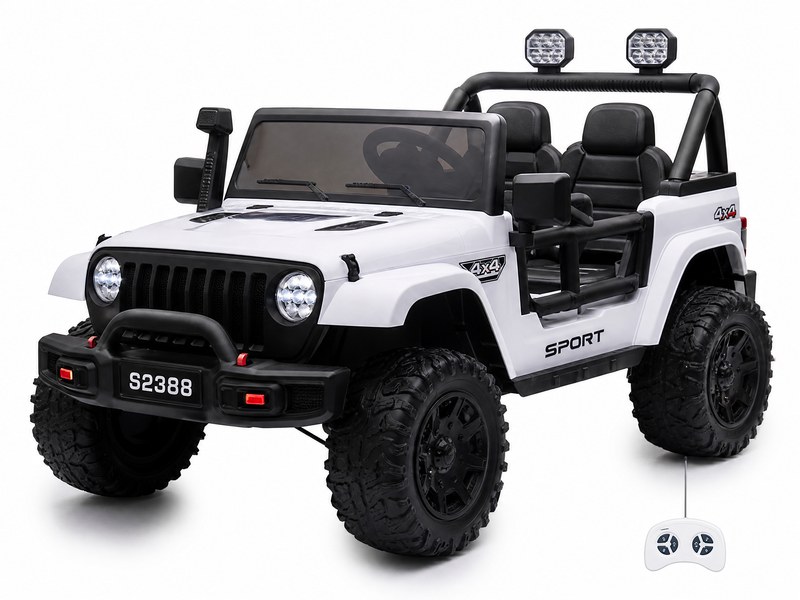
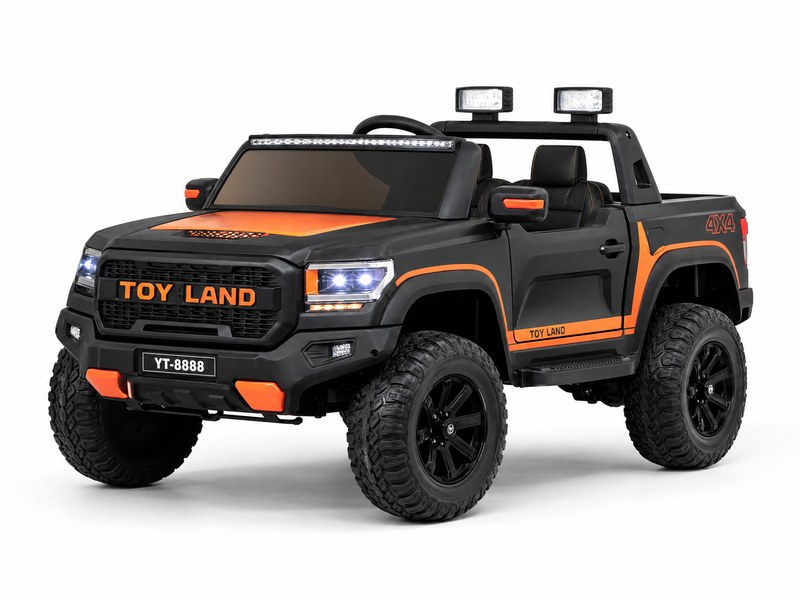
Explore matching models
View product details for this guide
Compare current specifications, age guidance and available options before requesting a quote.
Official references
Explore these external resources for current regulatory and trade guidance. Confirm requirements with the relevant authority before placing an order.
Ready to Start?
Factory-Direct · CE & ASTM Certified · MOQ from 50 Units
Our export team works with buyers in 60+ countries. Get a quote within 24 hours.
KR
Written by KidsRideCar
China's leading kids electric ride-on car manufacturer. 500,000+ units shipped annually to 60+ countries. CE, ASTM & EN71 certified.