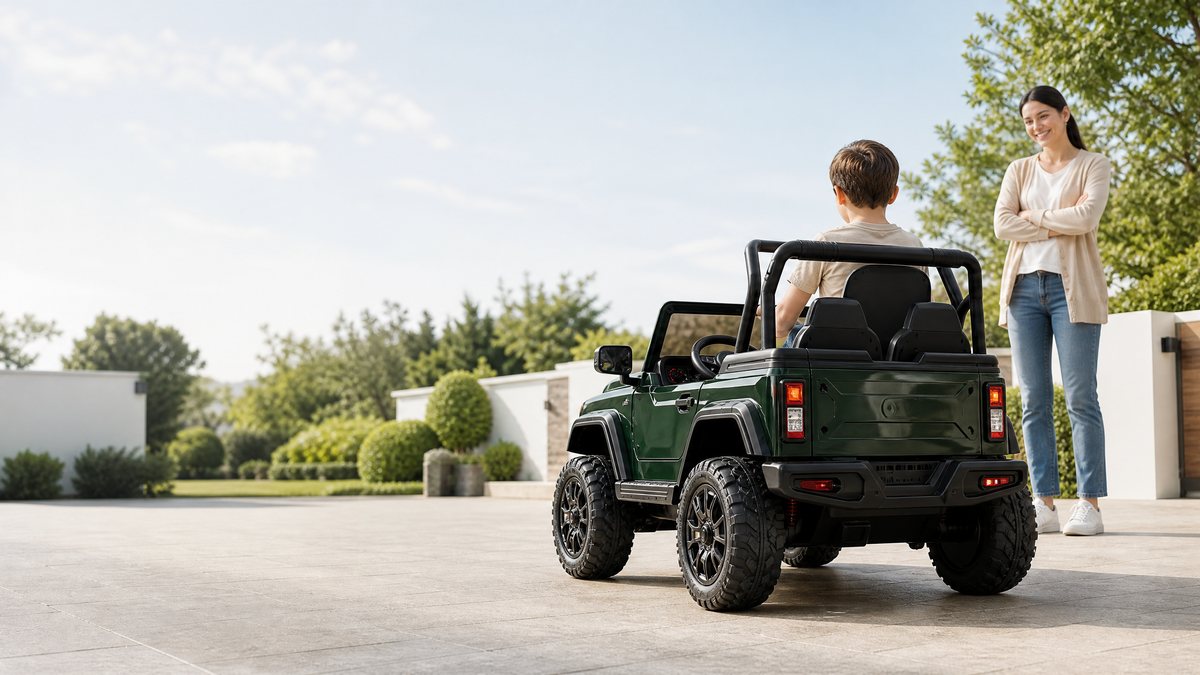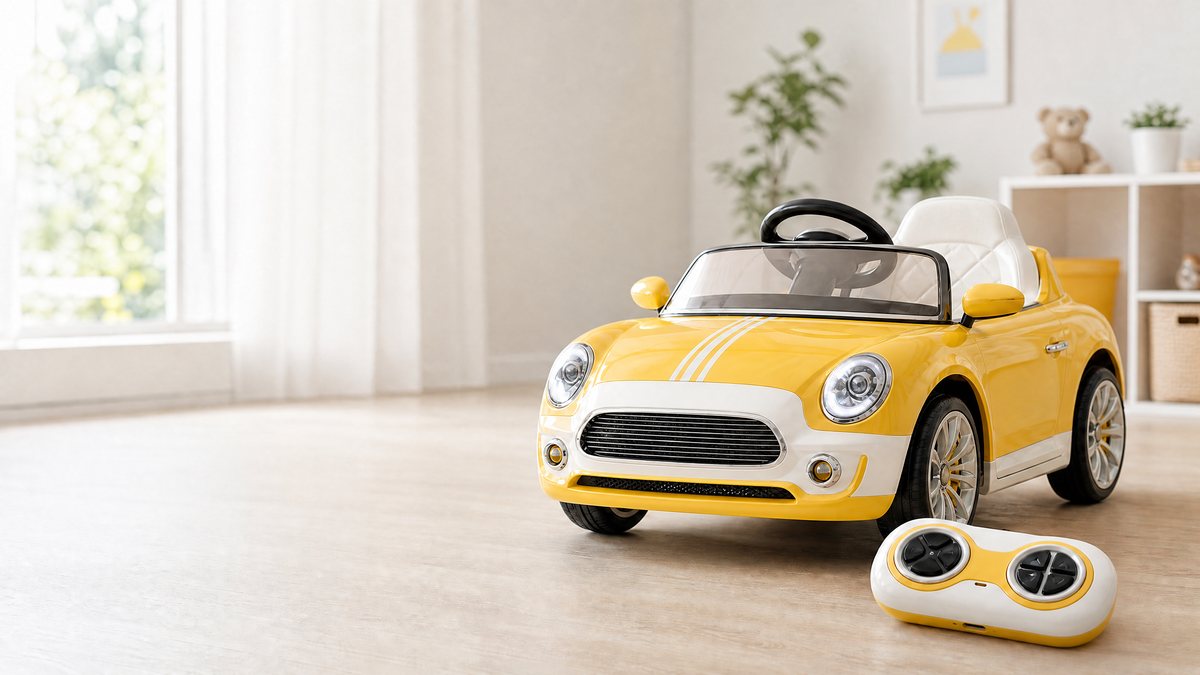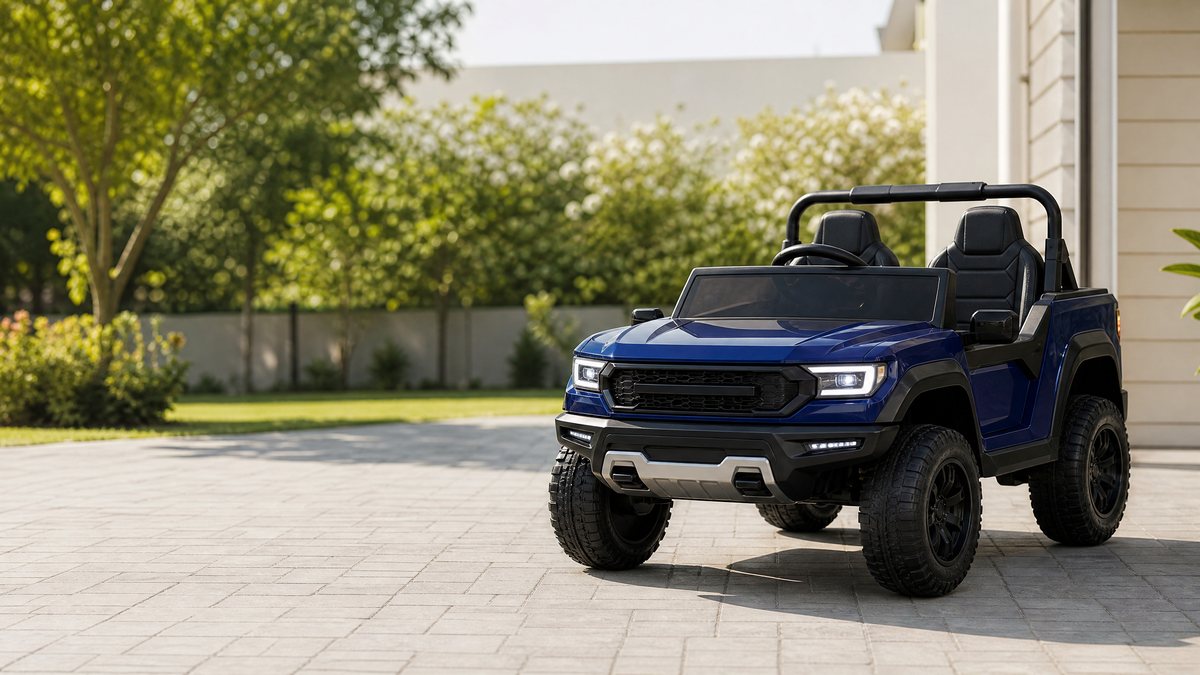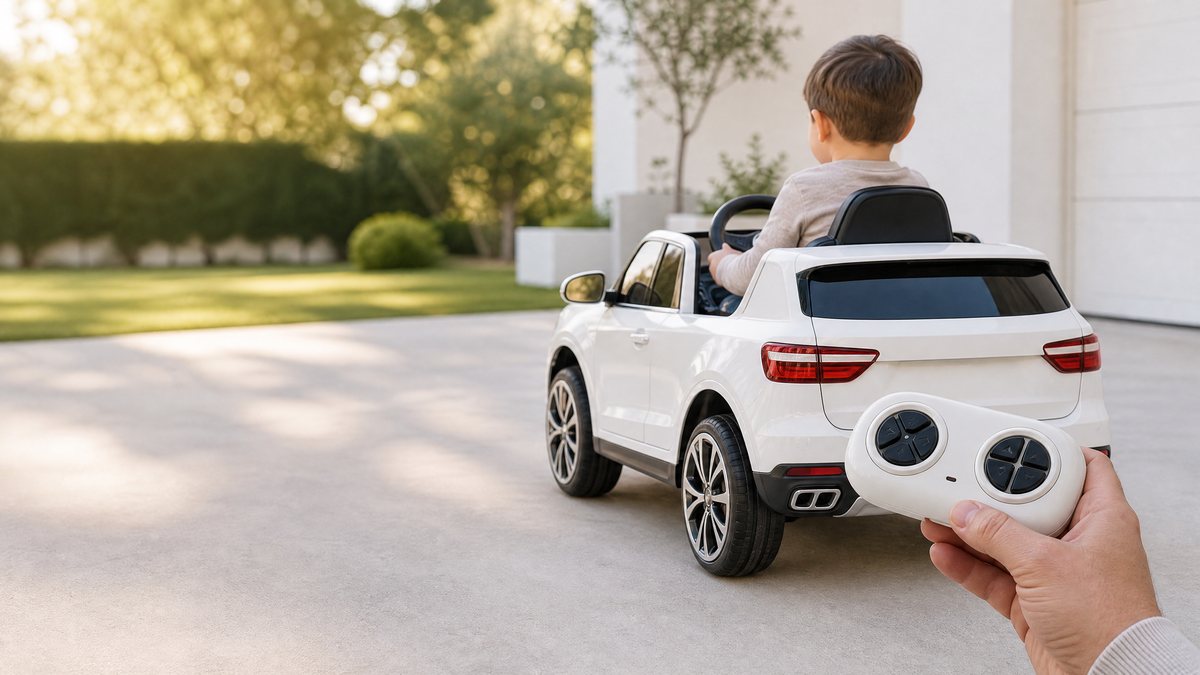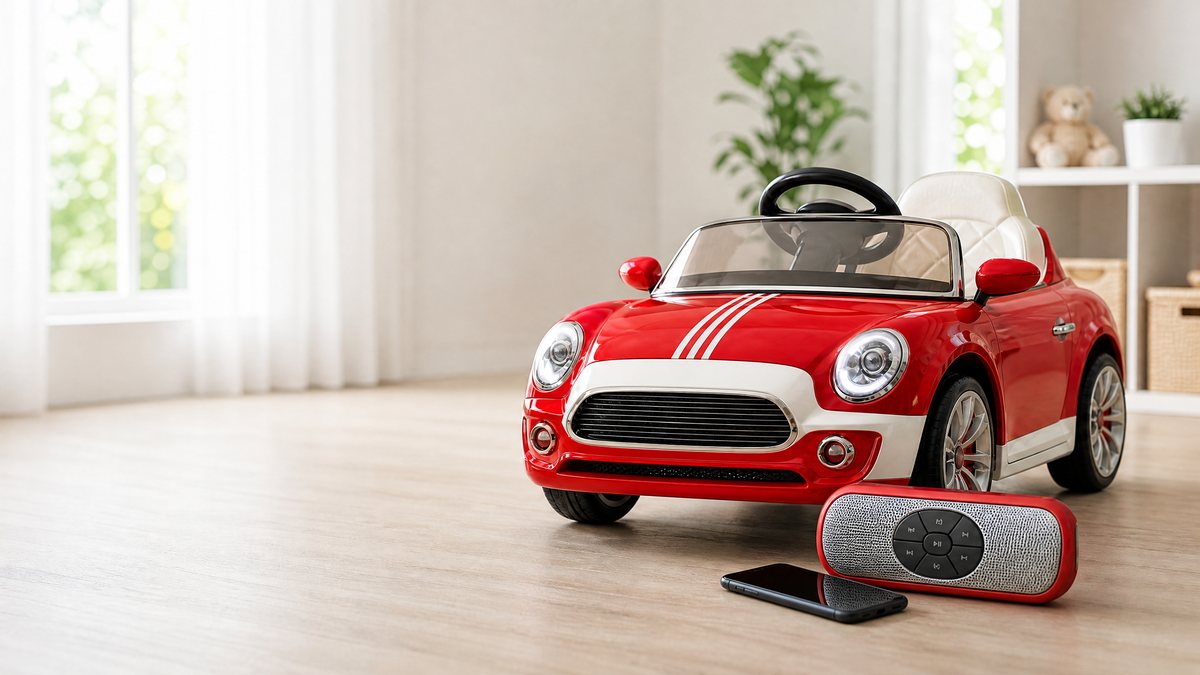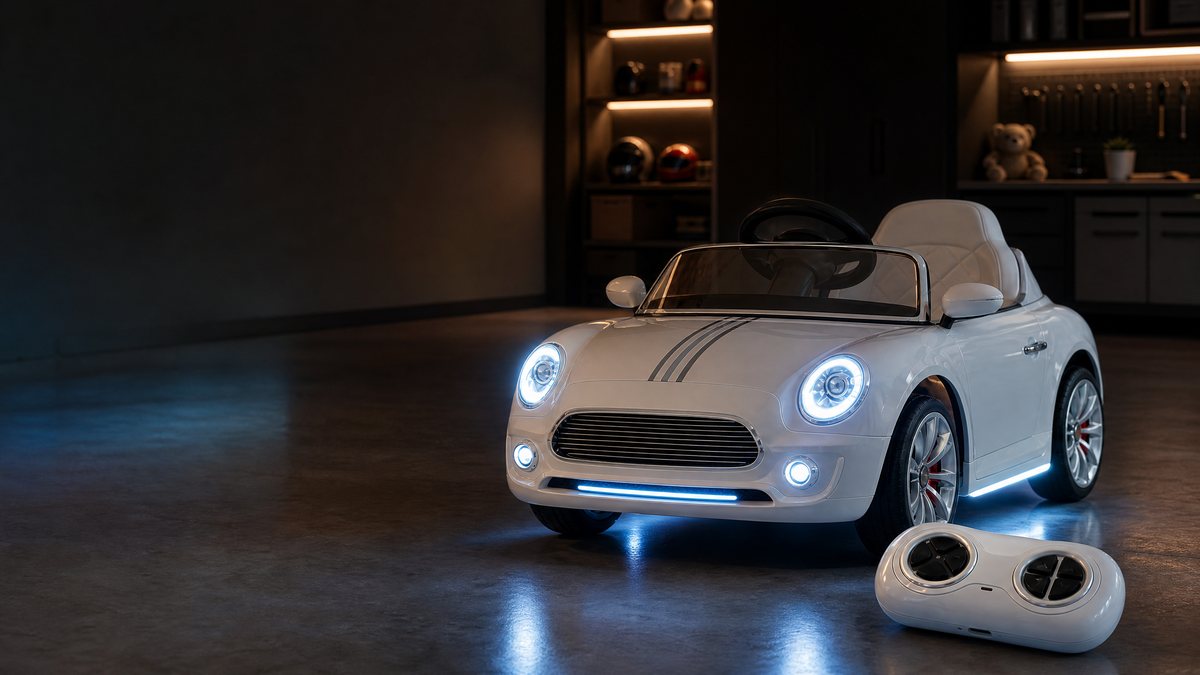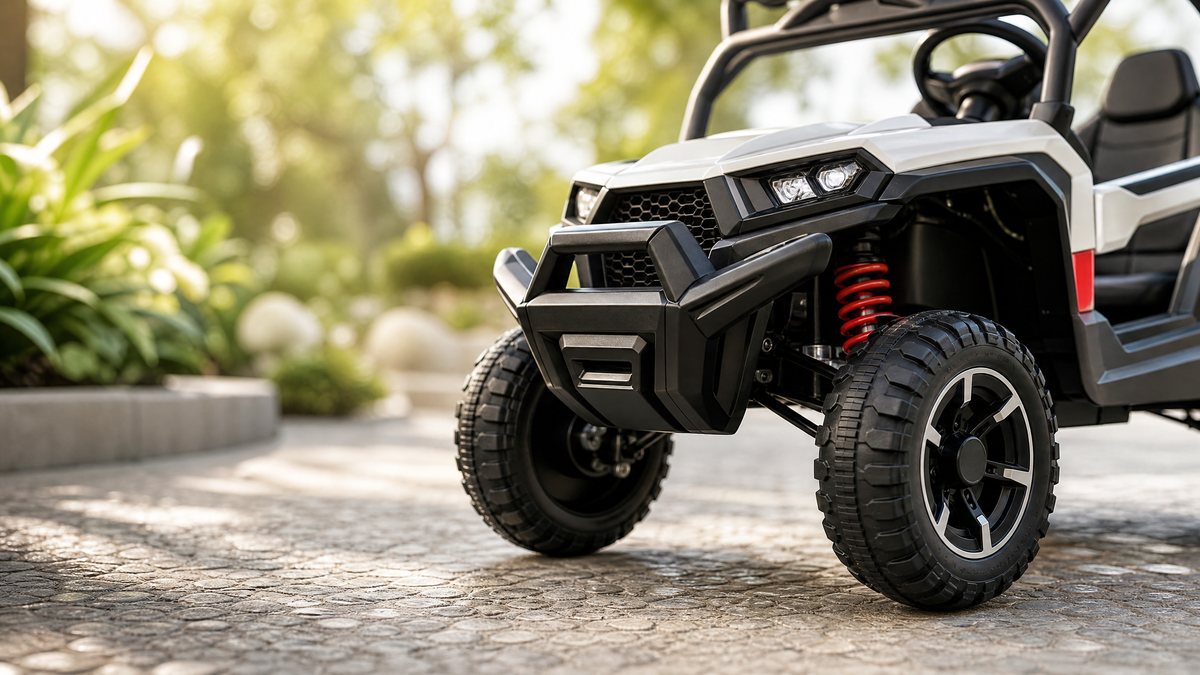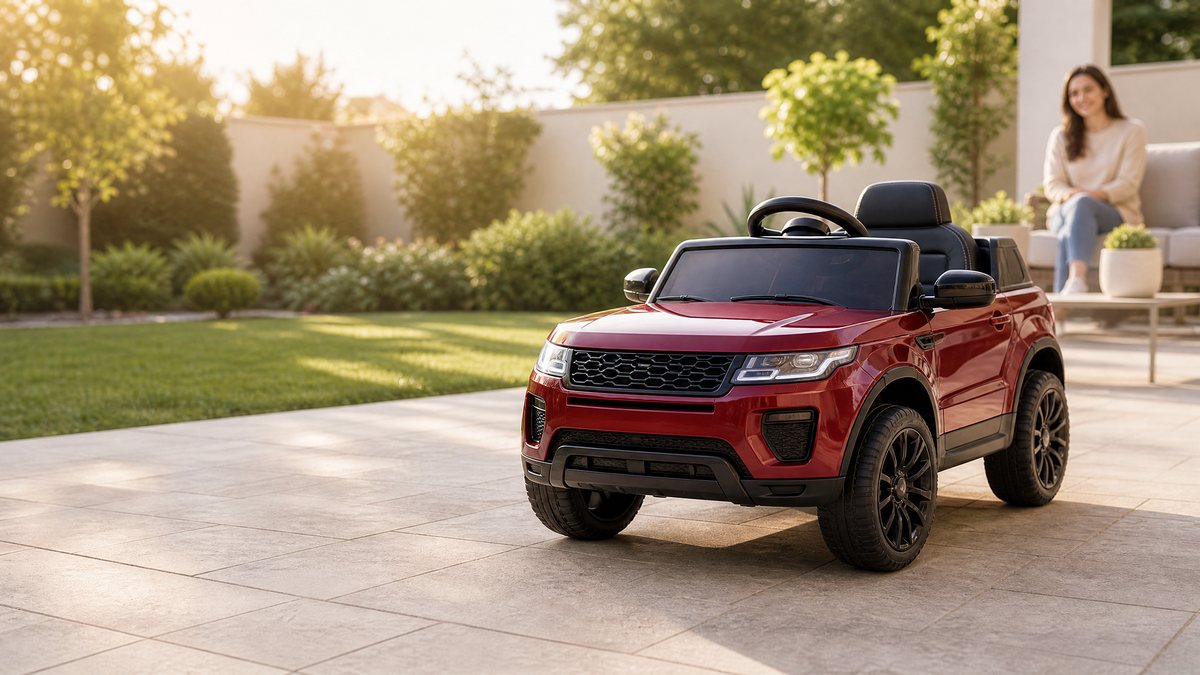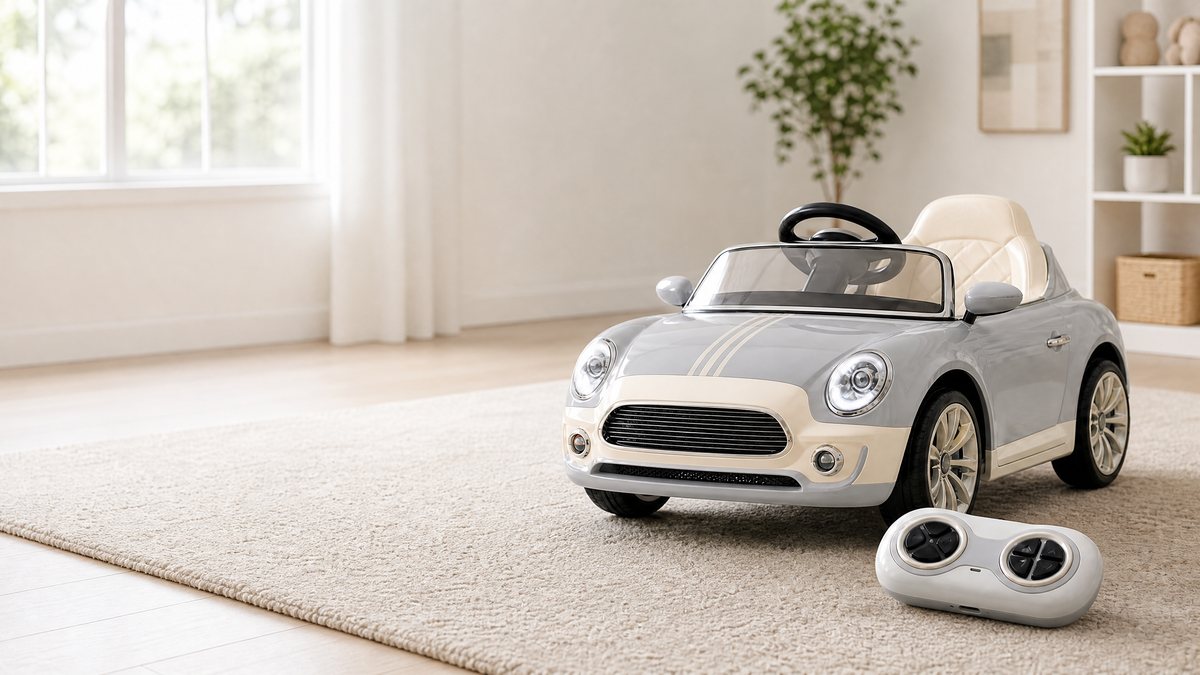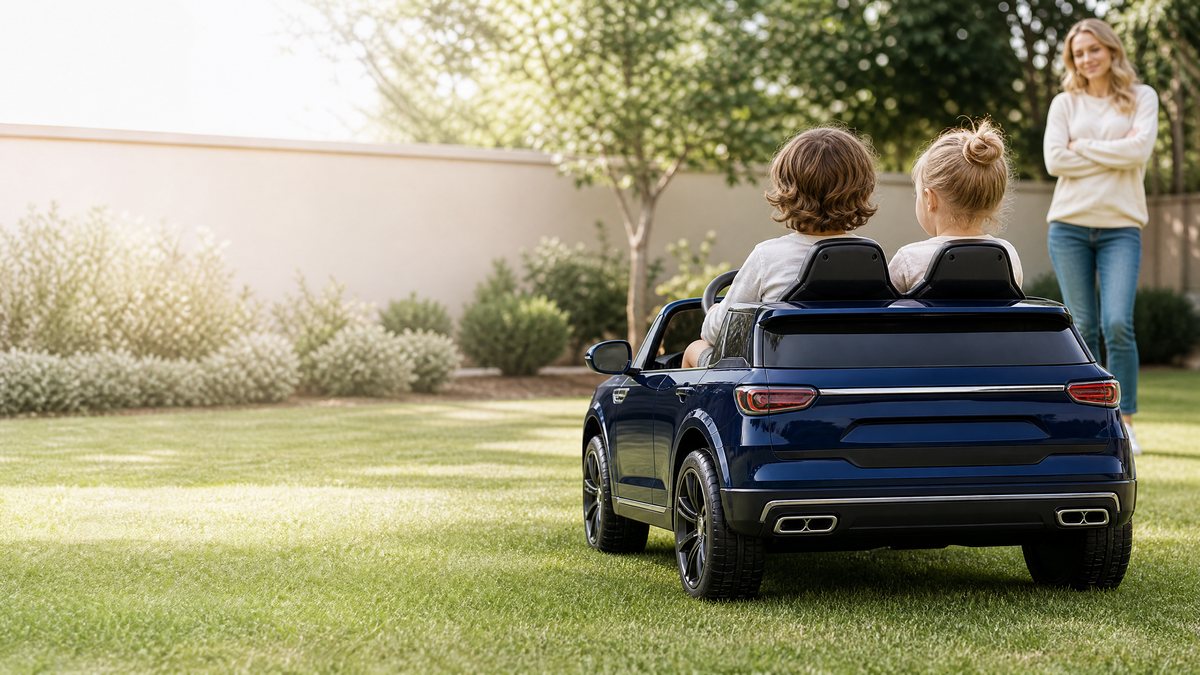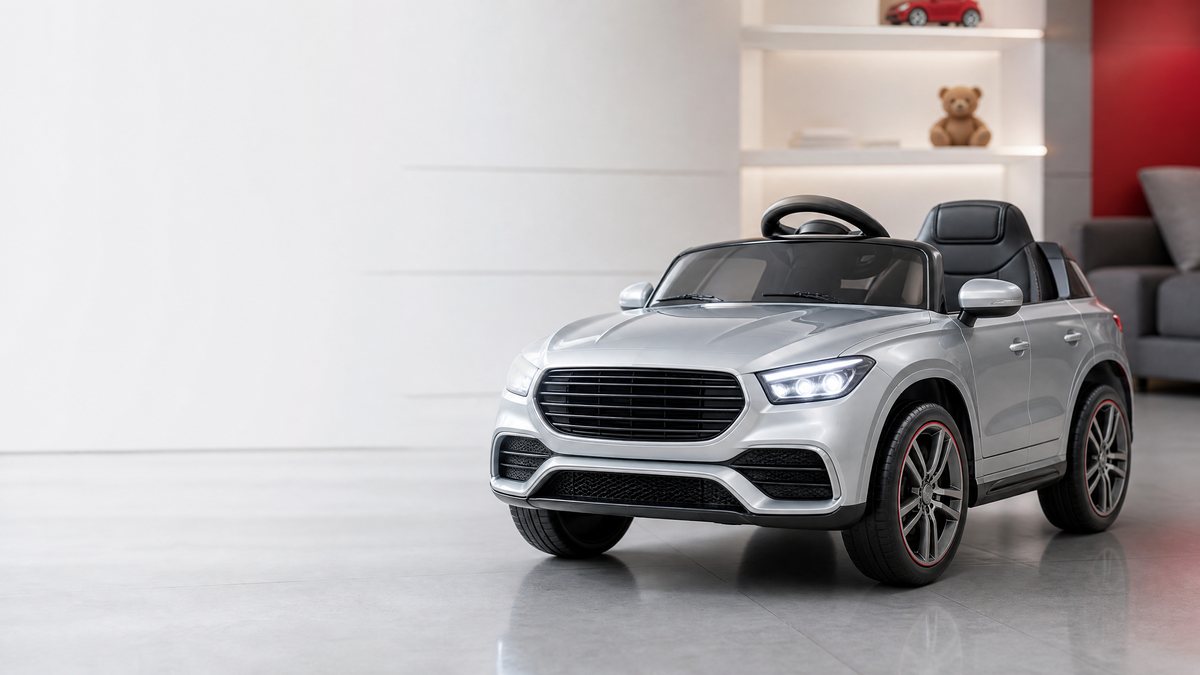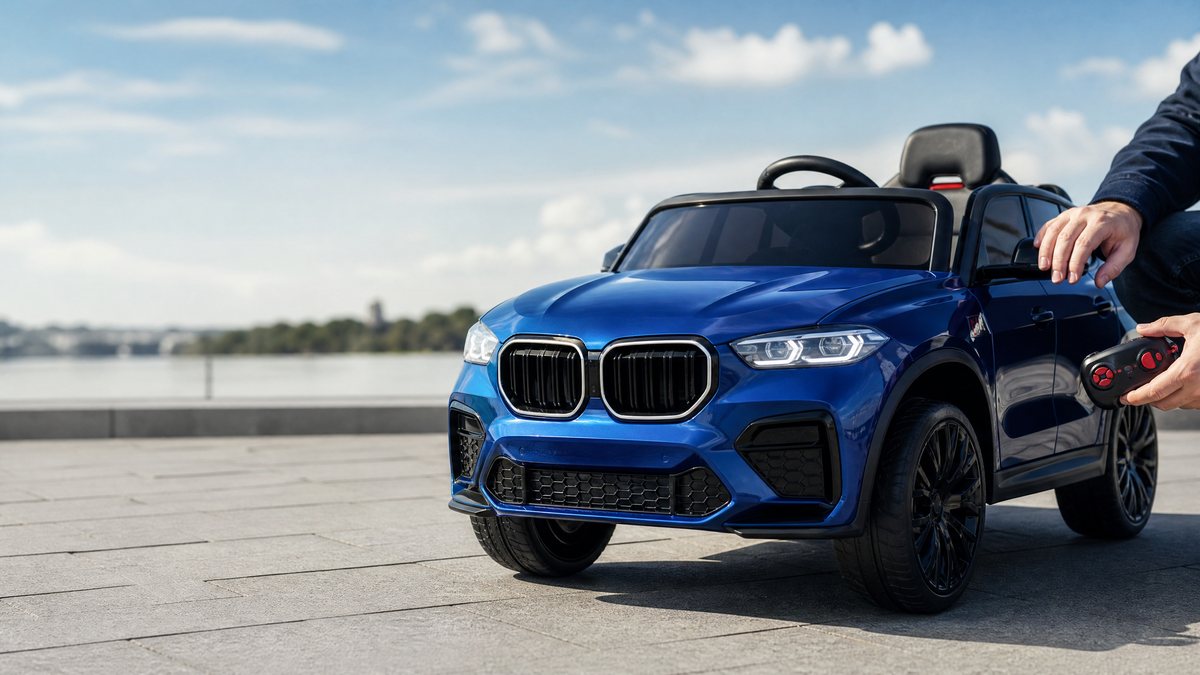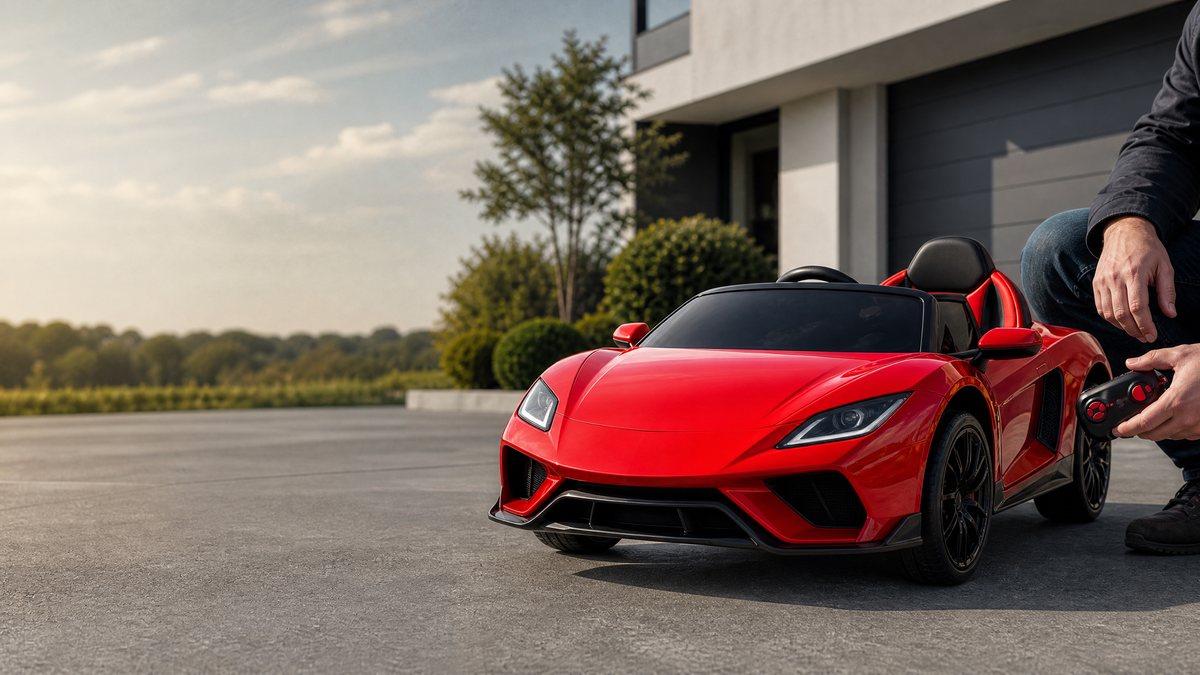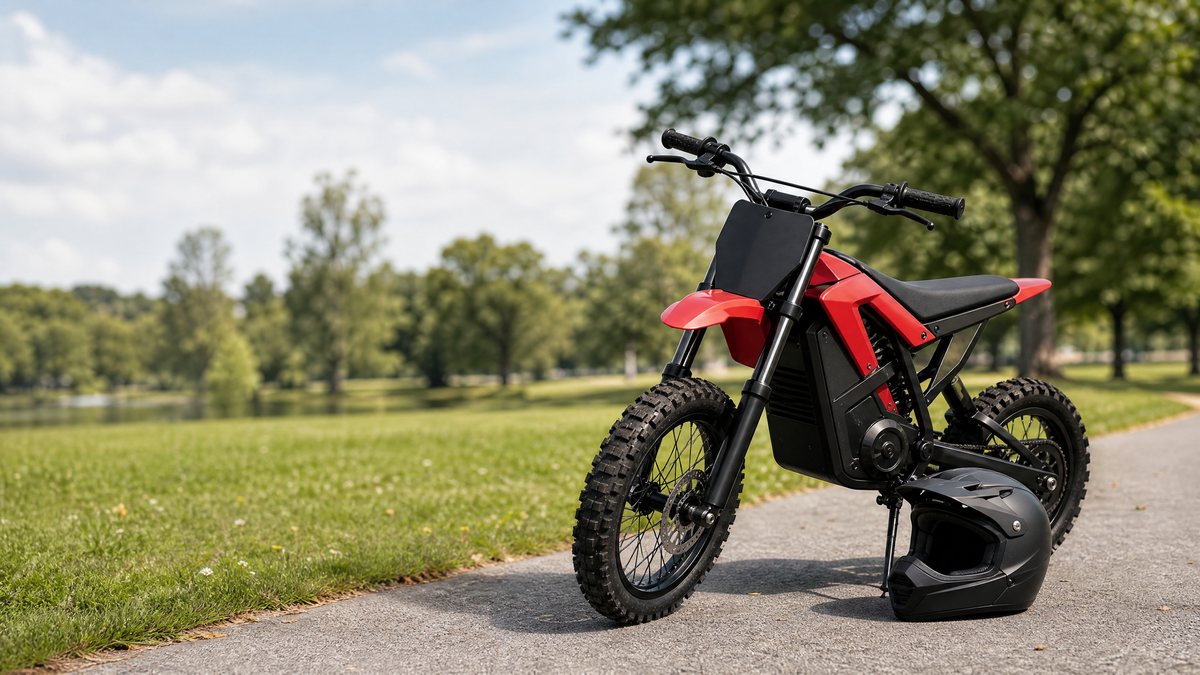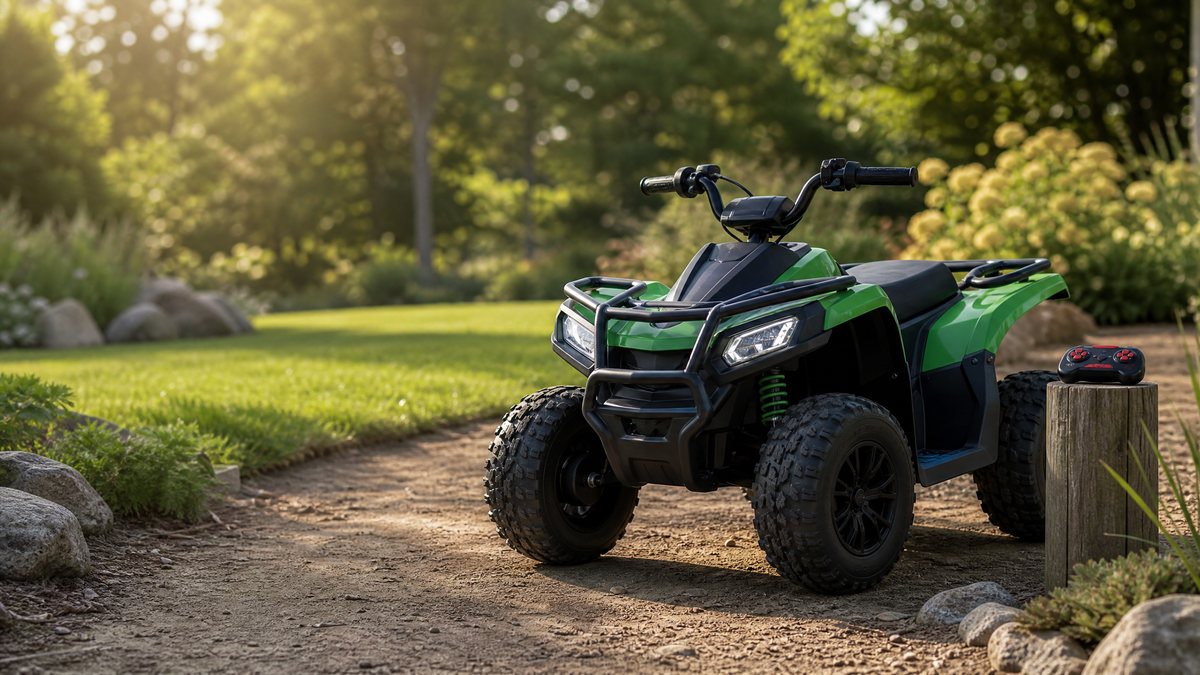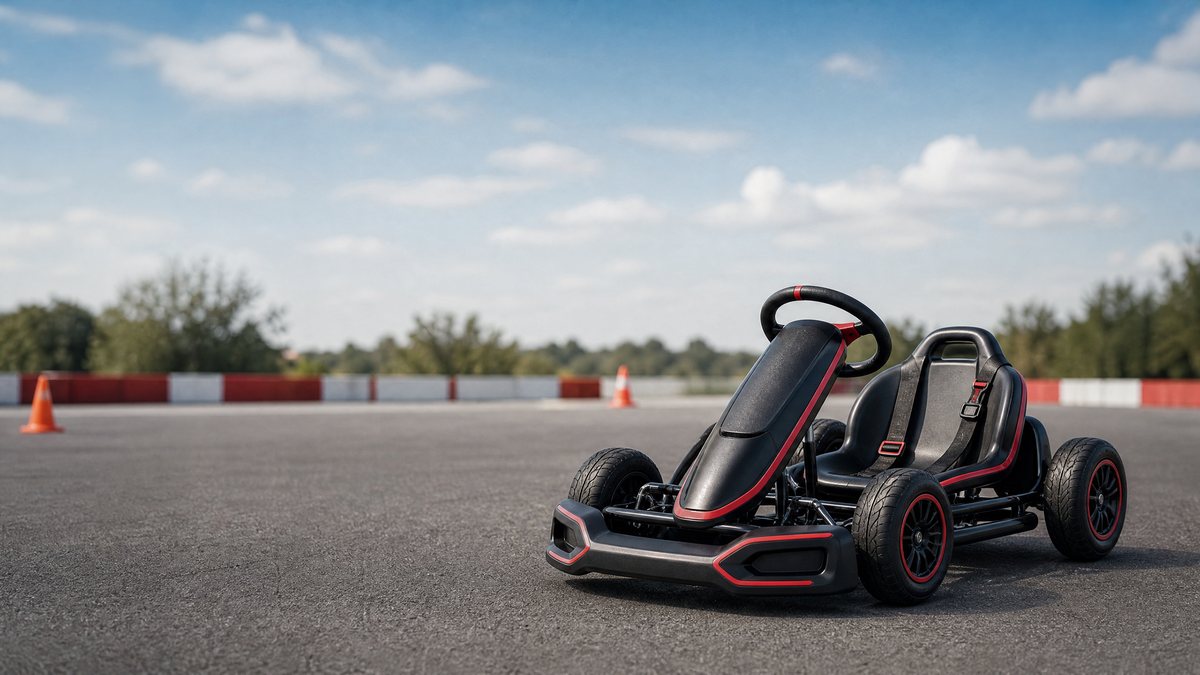
As the children's electric ride-on vehicle market continues to mature globally, retail buyers, B2B distributors, and specialty toy merchants face important technical decisions when selecting appropriate product lines. Among the most critical specifications in contemporary ride-on engineering is the electrical operating voltage. While 12V ride-on cars have long served as the industry standard for toddlers and younger children, the emergence of 24V high-performance platforms represents a significant milestone for older, taller, and heavier children. Understanding why a 24V ride-on car offers distinct operational advantages over a 12V counterpart requires examining core electrical principles, drivetrain mechanics, weight distribution, electronic control systems, and real-world durability.
In the commercial toy sector, bridging the gap between basic toy-grade electric vehicles and advanced youth recreational products involves careful balancing of power, safety, and ergonomics. Older children naturally demand more responsive acceleration, higher weight thresholds, and the capability to navigate challenging outdoor terrains such as grass, gravel, and gentle inclines without experiencing motor stall or thermal overload. This comprehensive technical guide explores the structural and mechanical differences between 12V and 24V ride-on systems, providing B2B partners and retail decision-makers with the analytical framework necessary to evaluate vehicle offerings objectively and meet evolving consumer expectations.
Understanding Voltage: The Core Engineering Differences Between 12V and 24V Systems
To appreciate why 24V systems excel for older children, one must first examine the foundational electrical architecture that powers these vehicles. Voltage represents the electrical potential difference that drives electrical current through the motor windings. In a standard 12V ride-on configuration, power is typically supplied by a single 12-volt rechargeable battery—often configured as a lead-acid or equivalent chemistry—delivering energy to one or two drive motors.
When a child sits in a 12V vehicle, the combined payload of the driver and the chassis mass requires significant electrical current to overcome static friction and inertia. According to fundamental electrical formulas, power output is a product of voltage and current. In a 12V system, meeting high torque demands under heavy loads requires drawing higher amperage. High current draw generates increased thermal resistance, leading to potential motor overheating, reduced battery lifespan, and accelerated wear on switches and wiring harnesses.
Conversely, a 24V electrical architecture—achieved either through dual 12V batteries wired in series or a dedicated 24V power pack—doubles the electrical potential. This higher voltage allows the system to deliver equivalent or superior power output while drawing lower electrical current compared to a 12V setup under identical mechanical loads. Reduced current draw translates directly into enhanced thermal efficiency, less stress on electronic control units, and sustained operational longevity. For big kids whose weight pushes the upper limits of standard vehicle ratings, a 24V system maintains optimal motor efficiency and prevents premature thermal throttling during extended use.
Furthermore, 24V systems integrate more advanced Electronic Control Units that manage power delivery smoothly. Features such as soft-start acceleration modules prevent the jarring jolts associated with older relay-switched vehicles, protecting both the drivetrain gears and the young driver's neck during initial takeoff. By ramping voltage progressively during the first few seconds of operation, 24V ECUs optimize current flow and extend the structural lifespan of the entire vehicle.
Torque Distribution, Drivetrain Capabilities, and Terrain Versatility
Beyond raw electrical potential, the mechanical execution of torque distribution dictates how a ride-on car behaves in real-world environments. Torque—the rotational force that turns the wheels—is critical when moving a larger child from a dead stop or navigating outdoor obstacles.
Standard 12V ride-on cars typically utilize dual rear-drive gearboxes powered by small DC motors. While adequate for smooth indoor flooring or short flat asphalt paths, 12V systems frequently struggle when confronted with outdoor variables such as lush turf, damp grass, or slight backyard slopes. When resistance increases, a 12V motor may stall, causing the thermal fuse to trip or placing excessive mechanical stress on plastic gearbox teeth.
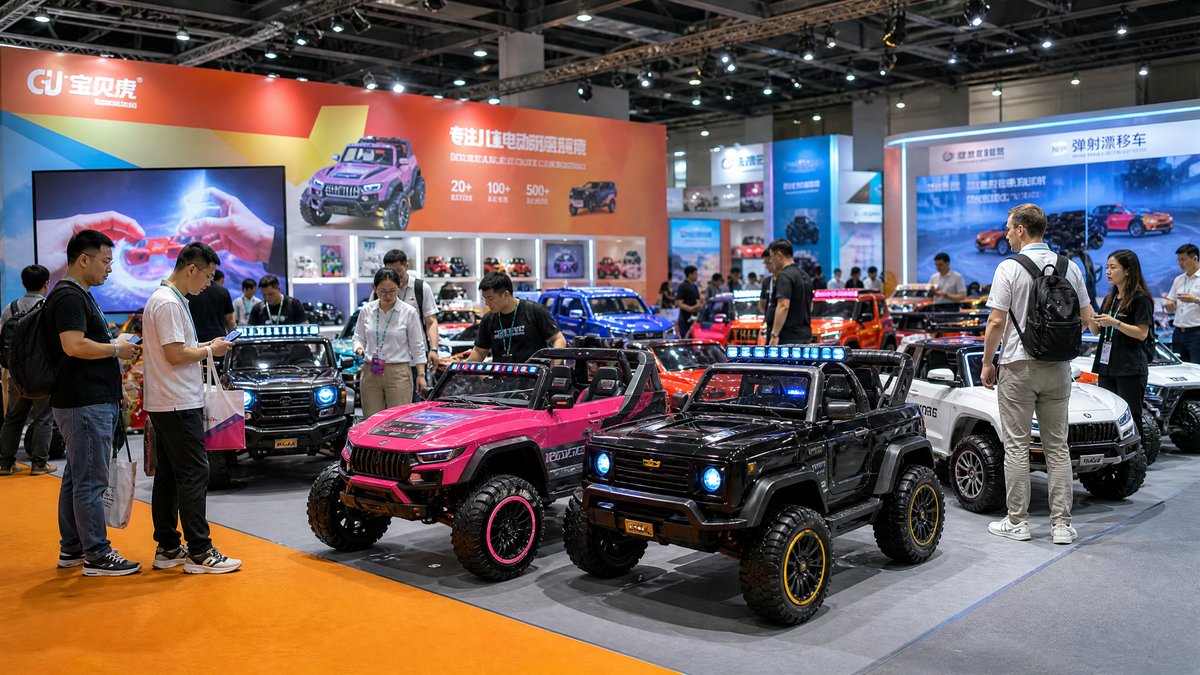
24V ride-on cars, by contrast, are engineered with robust drivetrains designed to handle higher torque thresholds. Many 24V models incorporate high-output dual or quad-motor configurations paired with reinforced steel-gear gearboxes or heavy-duty planetary gear reductions. This mechanical superiority ensures that when an older child accelerates, the vehicle delivers consistent torque without hesitation. Furthermore, terrain versatility expands dramatically. A 24V vehicle can maintain steady momentum across uneven terrain, gravel driveways, and moderate inclines, providing a smoother, more realistic driving experience that aligns with the developmental expectations of older children.
In addition to motor power, drivetrain longevity depends heavily on wheel traction technology. Many premium 24V models feature EVA foam tires with rubber tread strips or pneumatic tire options that maximize grip on slick surfaces. This combination of high-torque electric motors, reinforced gearboxes, and superior tire traction ensures that the vehicle operates efficiently across diverse landscapes without suffering from wheel slip or mechanical fatigue.
Ergonomics, Weight Capacity, and Rider Sizing for Older Children
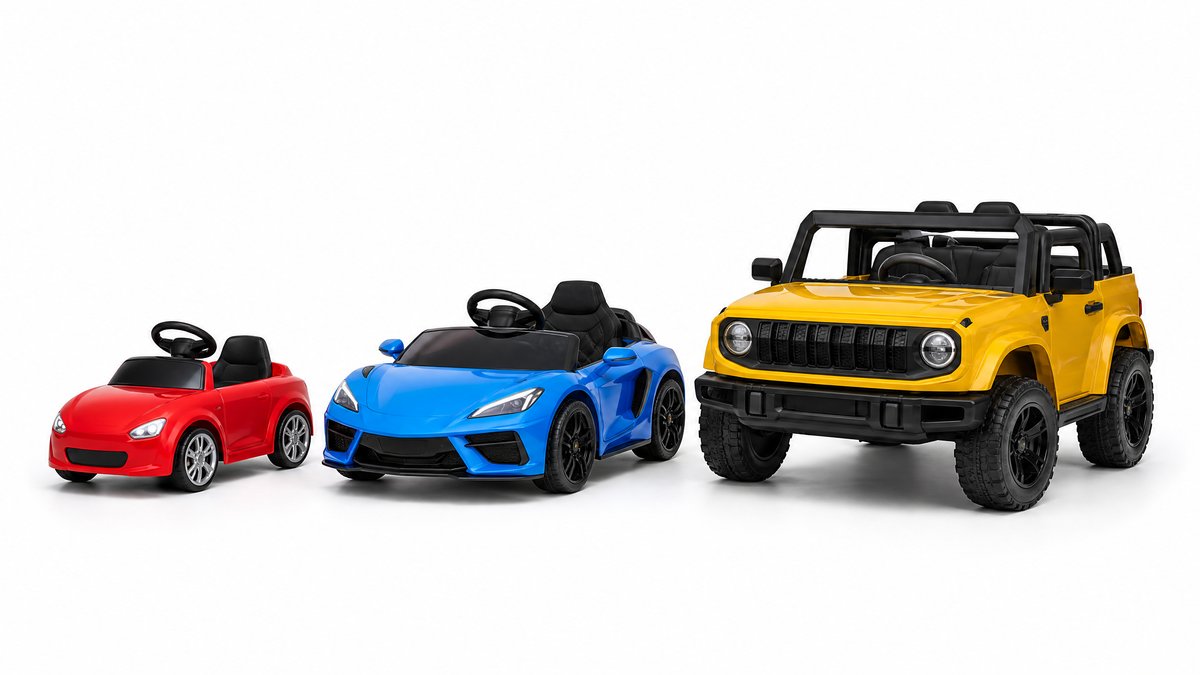
Vehicle performance is inherently tied to physical geometry and weight capacity. A common challenge in the ride-on industry is that children outgrow standard 12V cabins long before their interest in driving wanes. A typical 12V ride-on car features a compact chassis designed for children aged three to five, with a maximum weight capacity hovering around 30 to 35 kilograms. When an eight-year-old child attempts to ride a standard 12V model, the restricted legroom, low seating position, and excessive payload compromise both comfort and mechanical performance.
24V ride-on cars are specifically engineered for an older demographic, typically targeted at children aged six and above, with weight capacities scaling upward to 50 kilograms or more. Manufacturers accomplish this by scaling the overall chassis dimensions and reinforcing internal structural frameworks:
* Extended cabin length providing generous legroom for longer legs and upright posture.
* Reinforced high-back adjustable bucket seats ensuring proper lumbar support during dynamic turning maneuvers.
* Wider wheel tracks and robust axle assemblies that distribute weight evenly across the reinforced chassis.
* Heavy-duty spring or hydraulic suspension systems capable of absorbing impacts from rough outdoor surfaces without bottoming out.
This ergonomic alignment ensures that older children maintain a comfortable driving posture, reducing fatigue and allowing for extended outdoor play sessions. For B2B buyers and retail store owners, stocking appropriately sized 24V platforms directly addresses the underserved segment of growing children who have outgrown entry-level toddler toys.
| Specification Parameter | Standard 12V Ride-On System | Upgraded 24V Ride-On System |
|---|---|---|
| Target Age Range | 3 to 6 years old | 6 years and older |
| Maximum Weight Capacity | Typically 30 kg – 35 kg | 50 kg – 60+ kg |
| Electrical Architecture | Single 12V battery / Dual DC motors | Dual 12V series batteries or dedicated 24V pack |
| Drivetrain & Gearboxes | Standard plastic gears / Dual rear motors | Reinforced gearboxes / High-torque dual or quad motors |
| Terrain Suitability | Smooth pavement, flat indoor floors, short grass | Grass, gravel, inclines, uneven outdoor terrain |
| Primary Advantage | Lightweight, cost-effective for toddlers | High torque, superior payload capacity, extended durability |
Battery Technology, Runtime, and Charging Infrastructure
The electrical heart of any ride-on vehicle is its power storage system. As performance expectations rise with 24V configurations, battery chemistry and charging infrastructure become critical considerations for both manufacturers and end-users.
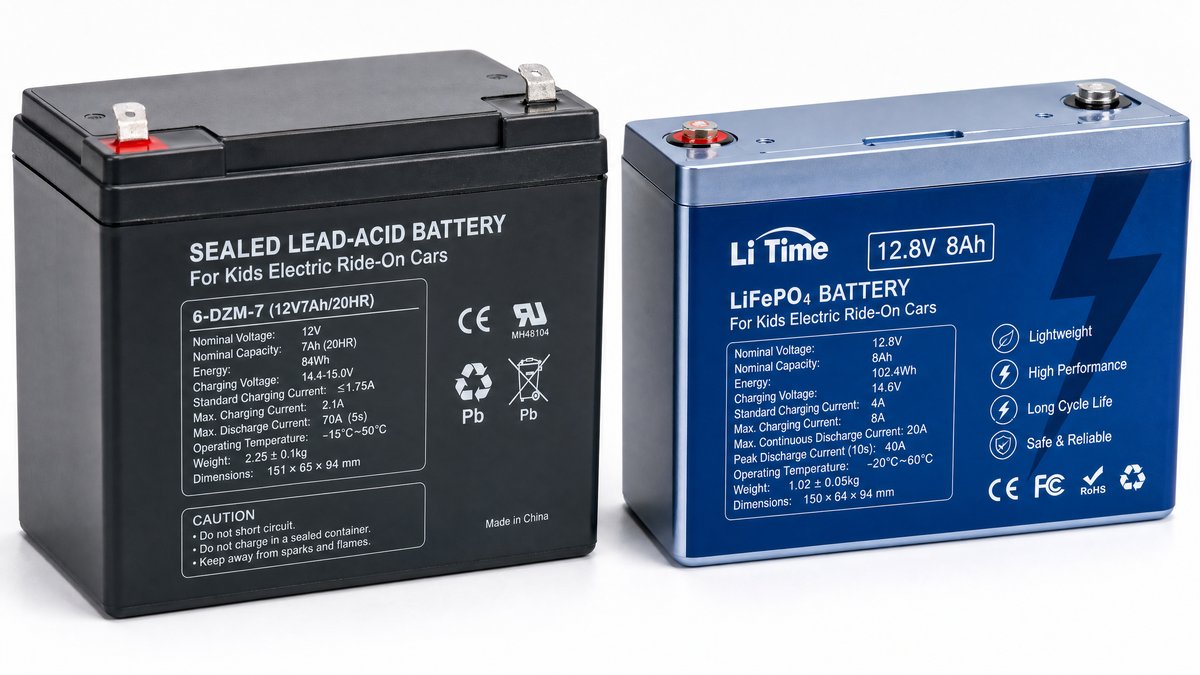
In traditional 12V systems, sealed lead-acid batteries are ubiquitous due to their low cost and reliable manufacturing profile. However, sealed lead-acid batteries are heavy, possess a limited discharge cycle count, and suffer from voltage sag under heavy continuous loads. When applied to a big kid riding a 12V car, high current draw drains the battery rapidly, resulting in diminished speed and sluggish performance halfway through a play session.
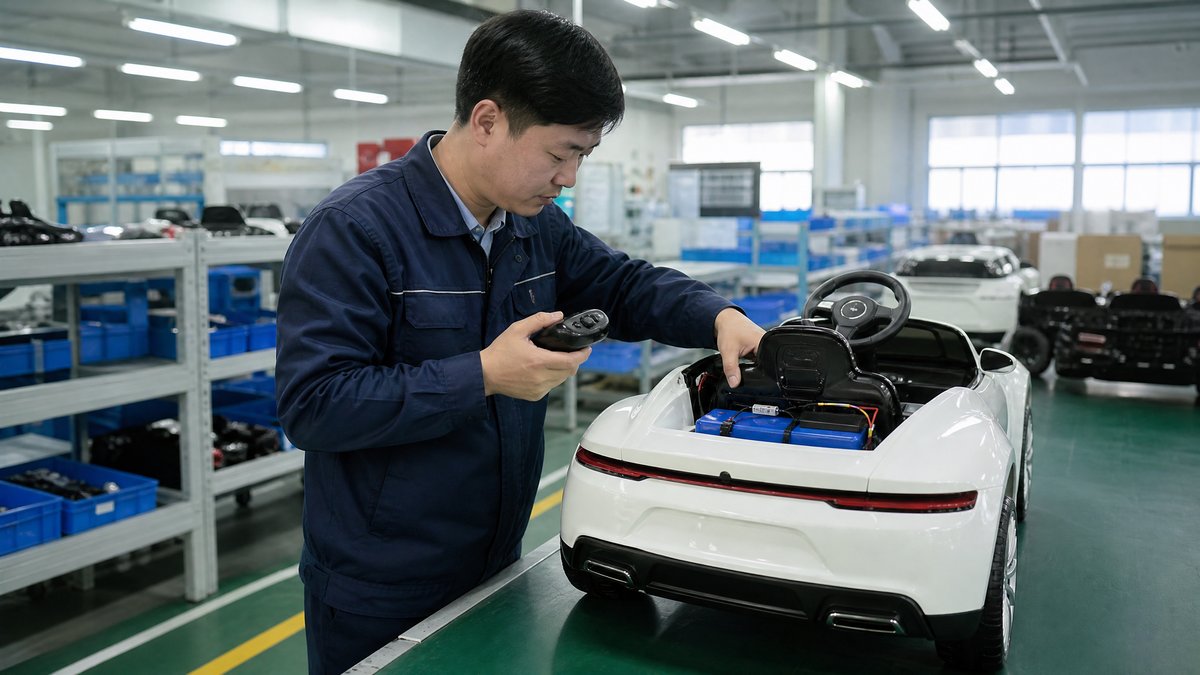
High-end 24V ride-on platforms often utilize advanced battery management systems paired with higher-capacity battery banks or, in premium iterations, lithium-ion power packs. A well-designed 24V power system optimizes energy discharge, maintaining stable voltage levels even under maximum payload conditions. This prevents the abrupt power drop-offs common in overloaded 12V units. Additionally, intelligent chargers equipped with overcharge protection, short-circuit prevention, and thermal cutoff ensure that the charging process remains safe and compliant with international electrical standards.
Proper charging protocols are essential for maximizing battery lifespan. End-users must follow manufacturer guidelines regarding initial charge times, avoid deep discharge cycles, and disconnect chargers once the indicator light confirms a full charge. For retail merchants, educating consumers on proper battery maintenance reduces return rates and enhances customer satisfaction.
B2B Procurement and Retail Evaluation Checklist
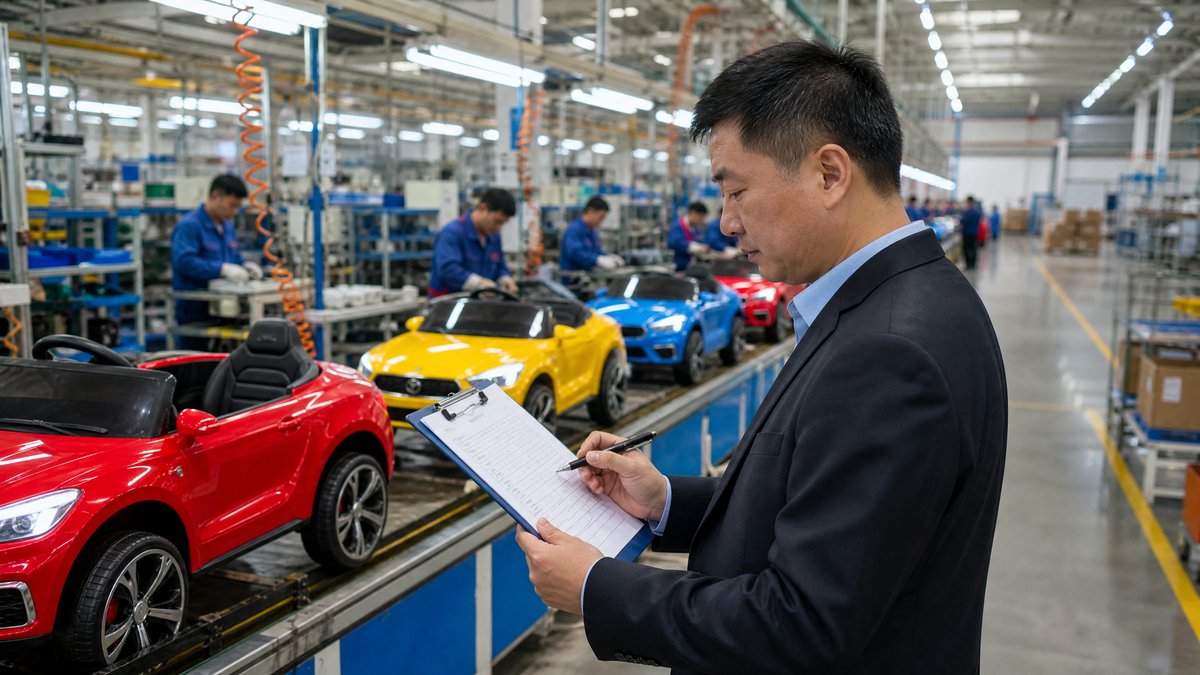
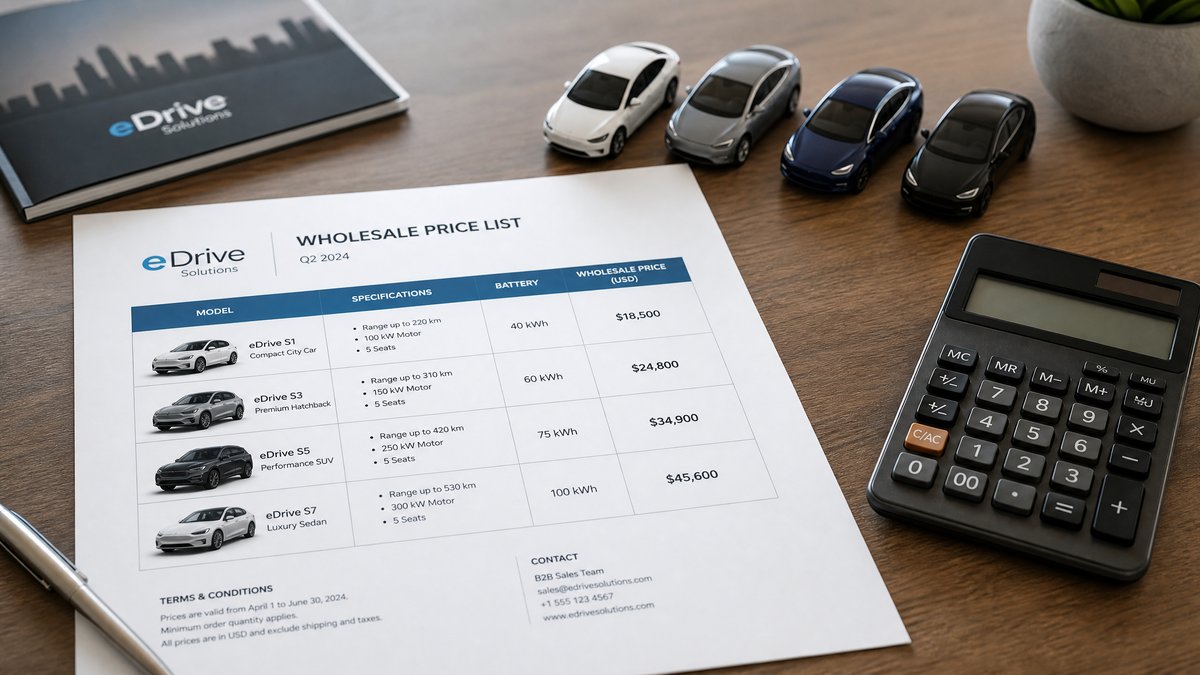
For commercial distributors, retail buyers, and specialty store owners, sourcing ride-on vehicles requires a rigorous evaluation framework. When comparing 12V and 24V inventory, procurement specialists must look beyond marketing claims and examine verifiable engineering documentation.
To assist B2B partners in curating high-quality product lines, consider the following evaluation criteria when reviewing manufacturer specifications:
1. Nominal Voltage & Amperage Ratings: Verify the exact electrical specifications listed on the manufacturer's technical data sheet to ensure the battery and motor match the advertised performance tier.
2. Gearbox Construction: Inspect whether the gearboxes utilize reinforced nylon or steel-insert gears, which are essential for handling the increased torque output of 24V systems under heavy loads.
3. Chassis Reinforcement: Confirm that the frame includes metal support brackets or high-impact polymer bracing to support older children safely.
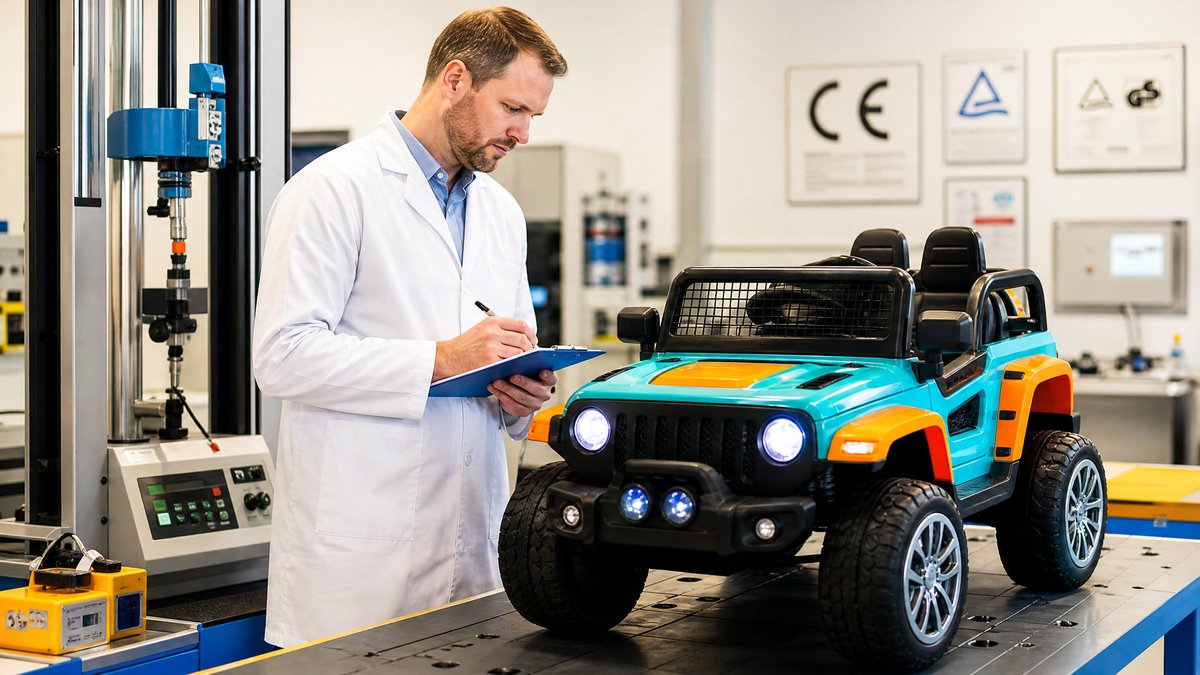
4. Compliance and Documentation: Ensure that all units possess relevant regional safety certifications (such as ASTM F963 in North America or EN71 in Europe) and include comprehensive multilingual user manuals.
Request a wholesale quote
Frequently Asked Questions (FAQ)
Are 24V ride-on cars significantly faster and more dangerous than 12V models?
While 24V ride-on cars provide higher torque and improved hill-climbing capability, top speeds are strictly regulated during manufacturing to align with safety standards. Many modern 24V models incorporate parent-controlled multi-speed settings and digital remote lockouts, allowing supervisors to manage vehicle speed according to the child's skill level. Adult supervision is mandatory at all times.
Can a 12V ride-on car be upgraded to 24V by replacing the battery?
No. Unauthorized electrical modifications—such as installing a 24V battery into a wiring harness and motor set engineered for 12V—will cause severe electrical overload, melting wiring insulation, destroying motor windings, and creating significant fire and safety hazards. Always operate vehicles strictly according to manufacturer specifications and rating plates.
What maintenance is required for 24V dual-motor ride-on systems?
Routine maintenance includes inspecting wheel traction bands, checking steering linkage tightness, ensuring battery terminals are clean and secure, and storing the vehicle in a dry environment during inclement weather. If any electrical abnormalities, burning odors, or unusual mechanical noises occur, immediately power down the vehicle, remove it from service, and consult qualified support personnel.
How do 24V ride-on cars support older children's recreational play?
For older and taller children, 24V vehicles offer proper ergonomic sizing, preventing cramped leg positions and discomfort. The superior torque distribution ensures that children can enjoy outdoor exploration across varied surfaces without experiencing frustrating motor stalls, supporting active, confident outdoor play under adult supervision.
Conclusion
The transition from 12V to 24V ride-on cars represents a fundamental engineering upgrade designed to meet the physical and operational demands of older children. By delivering superior torque, enhanced drivetrain durability, expanded terrain versatility, and comfortable ergonomic sizing, 24V platforms provide a robust solution for growing kids who have outgrown standard toddler toys. For B2B distributors and retail merchants, stocking well-engineered 24V vehicles offers a distinct commercial advantage in meeting the sophisticated expectations of modern family consumers.
Request a wholesale quote
Official References
1. U.S. Consumer Product Safety Commission: General Toy Safety Education and Electrical Safety Guidelines for Children's Recreational Products. Note: Educational guidance does not replace specific manufacturer instructions or model certifications.
2. ASTM International: Standard Consumer Safety Specification for Toy Safety, governing electrical design, mechanical strength, and structural integrity in ride-on vehicles.
3. Manufacturer Technical Documentation: Operating manuals, rating plate specifications, and compliance data sheets for KidsRideCar commercial vehicle lines.
Official references
Explore these external resources for current regulatory and trade guidance. Confirm requirements with the relevant authority before placing an order.
Ready to Start?
Factory-Direct · CE & ASTM Certified · MOQ from 50 Units
Our export team works with buyers in 60+ countries. Get a quote within 24 hours.
KR
Written by KidsRideCar
China's leading kids electric ride-on car manufacturer. 500,000+ units shipped annually to 60+ countries. CE, ASTM & EN71 certified.