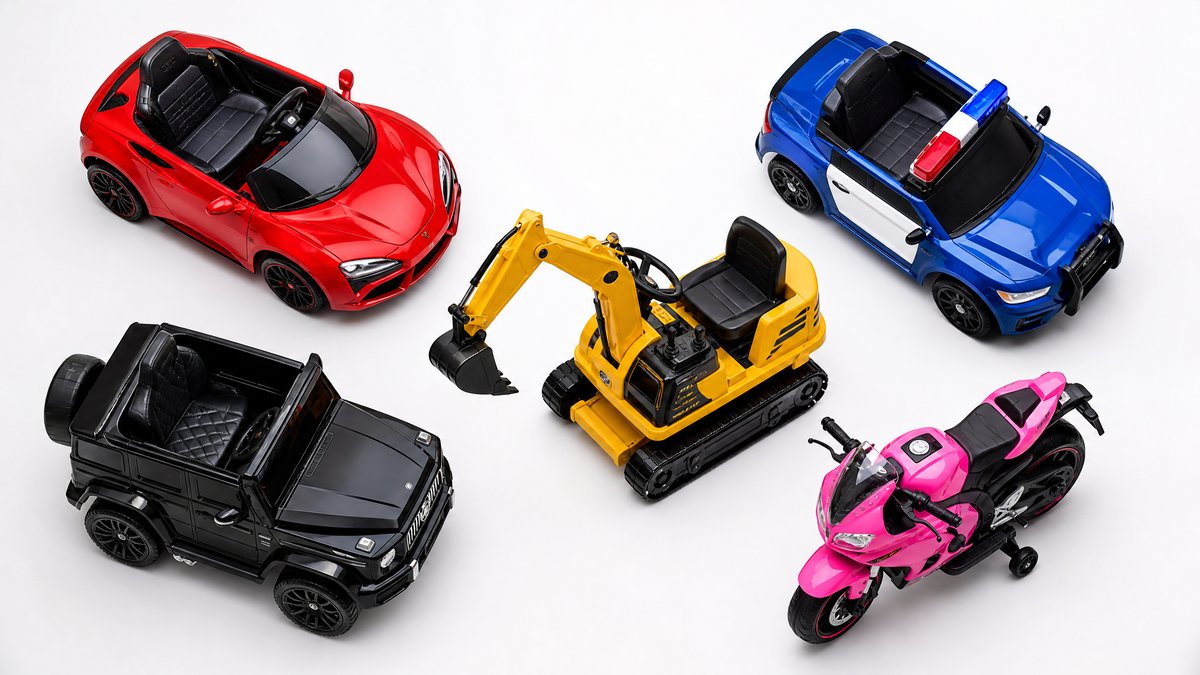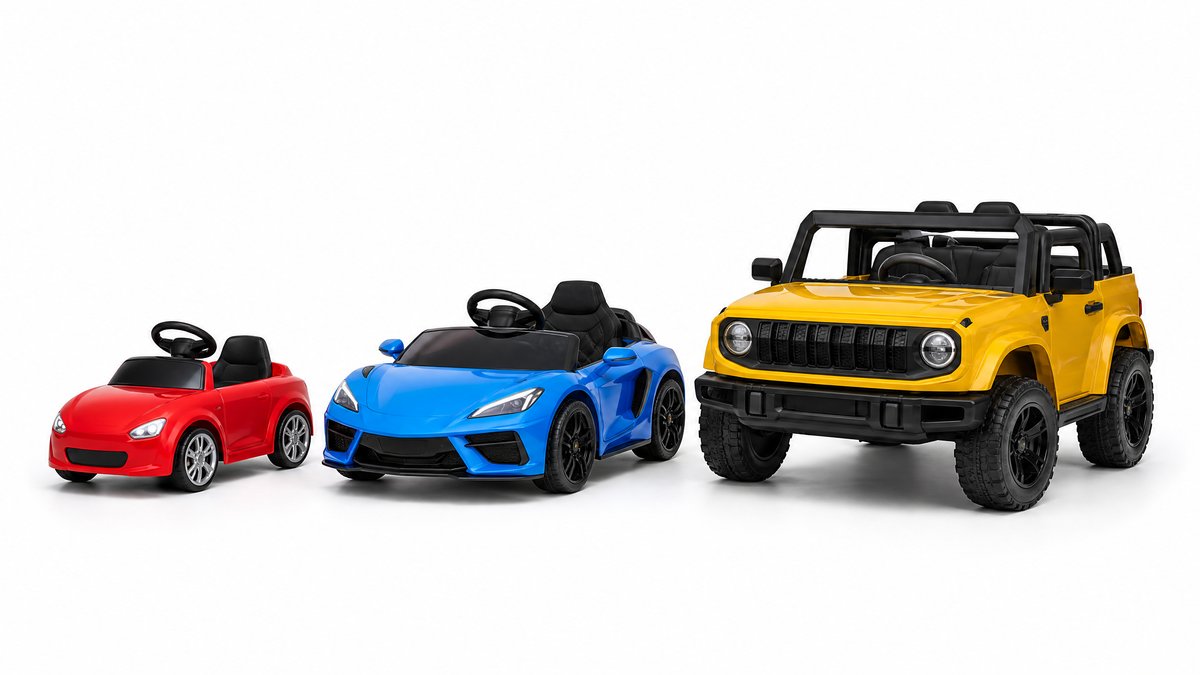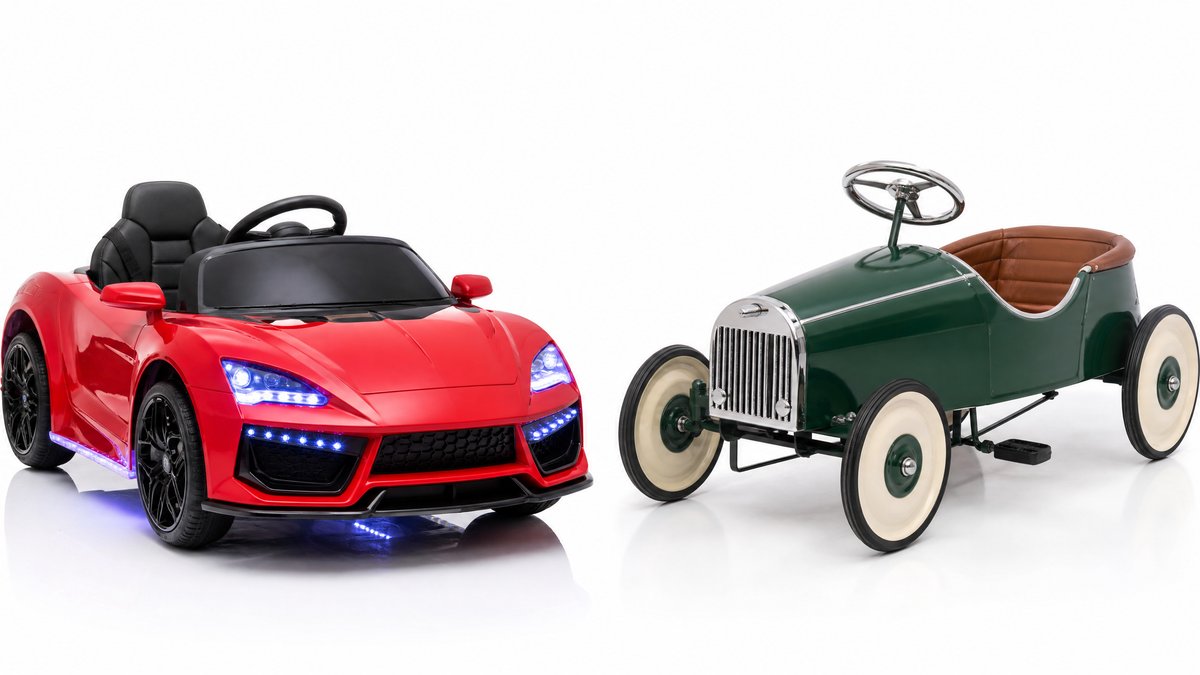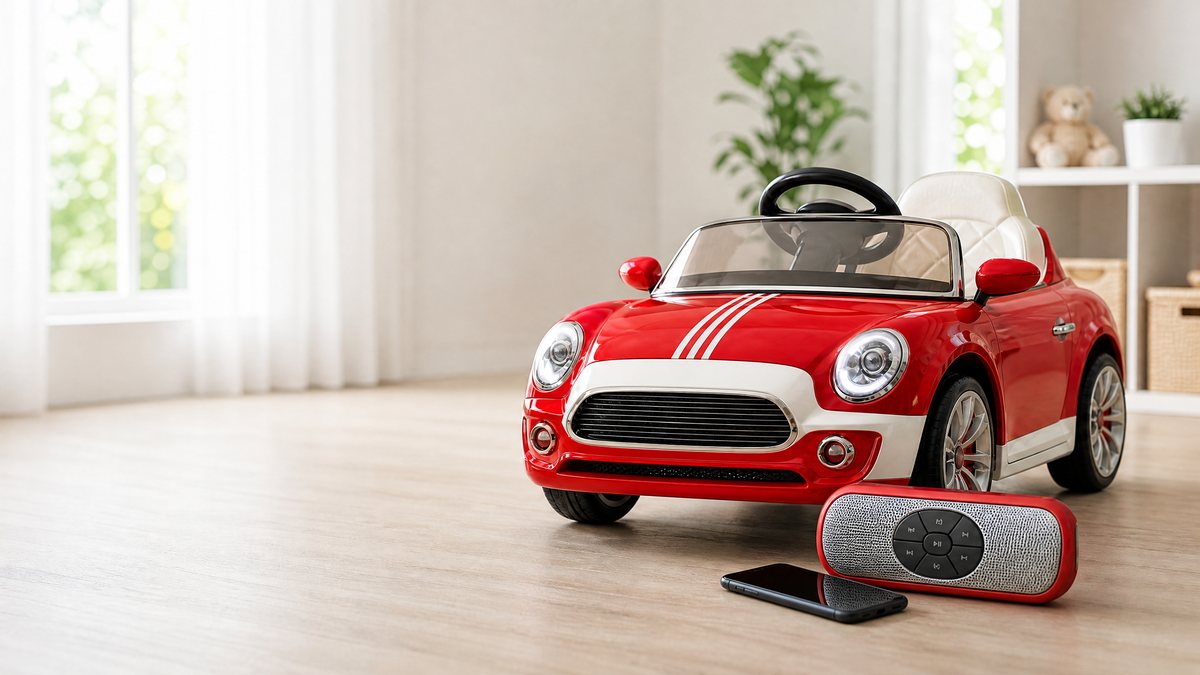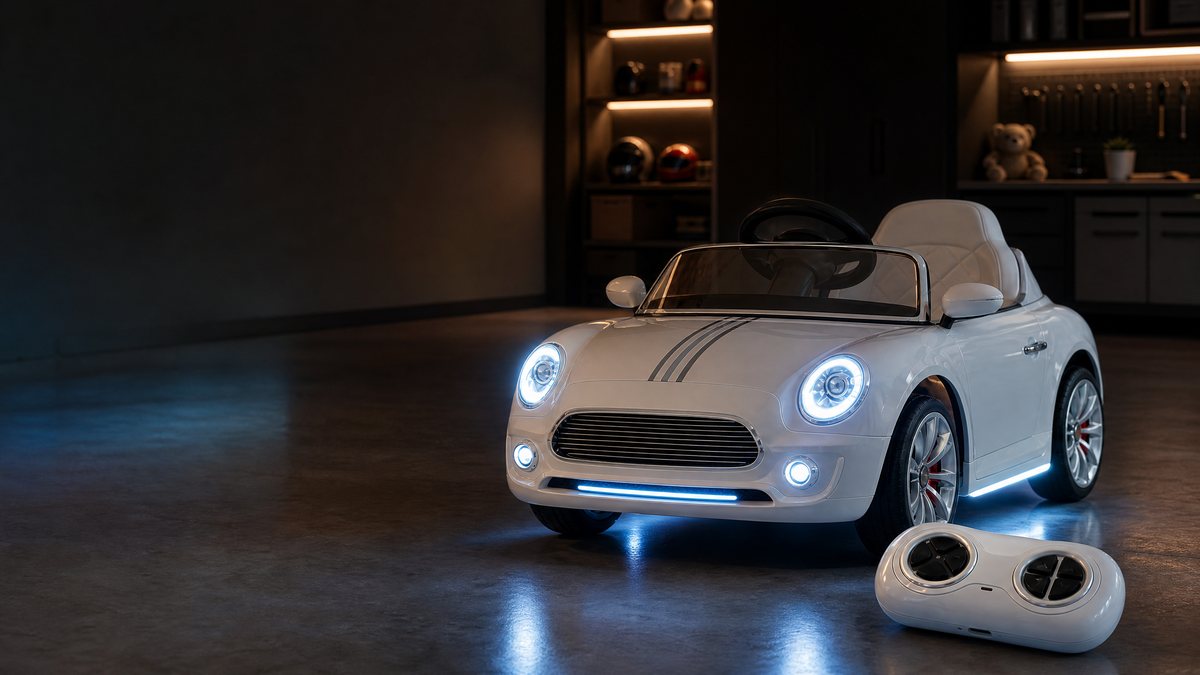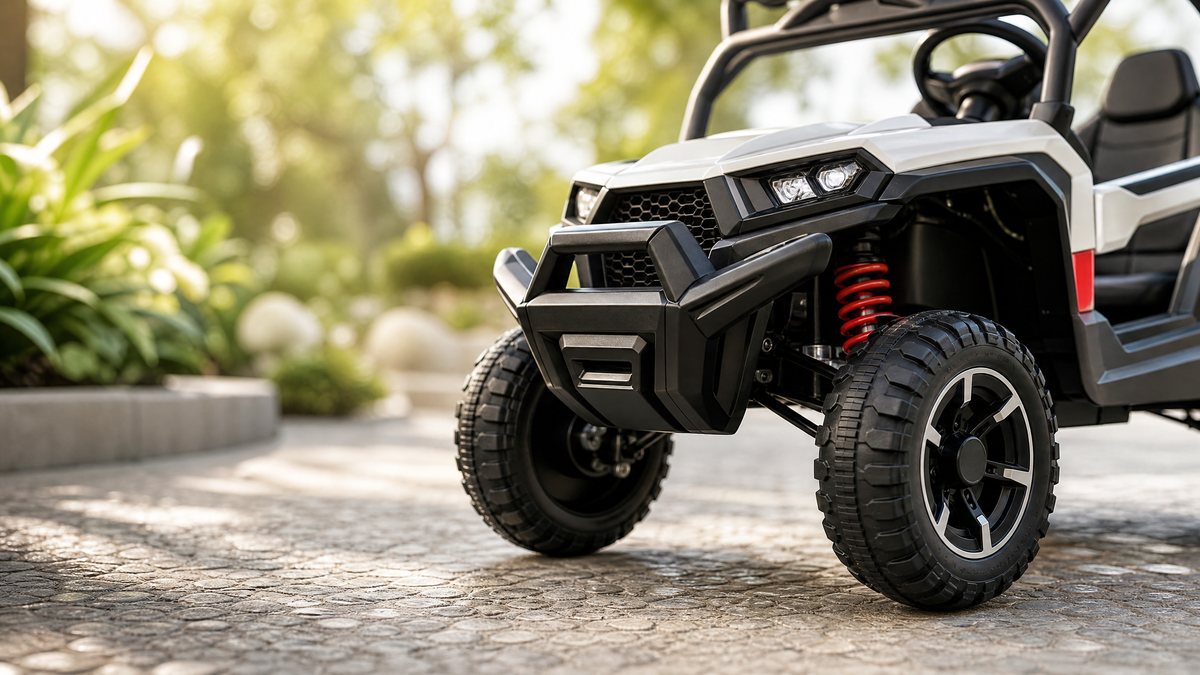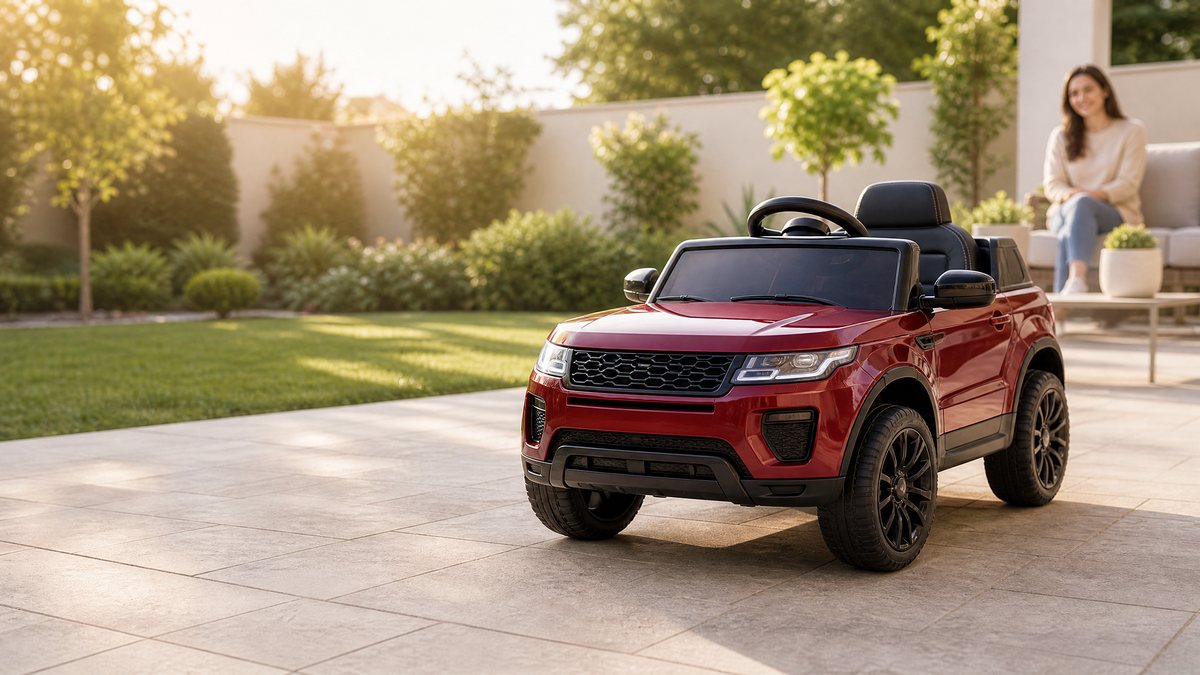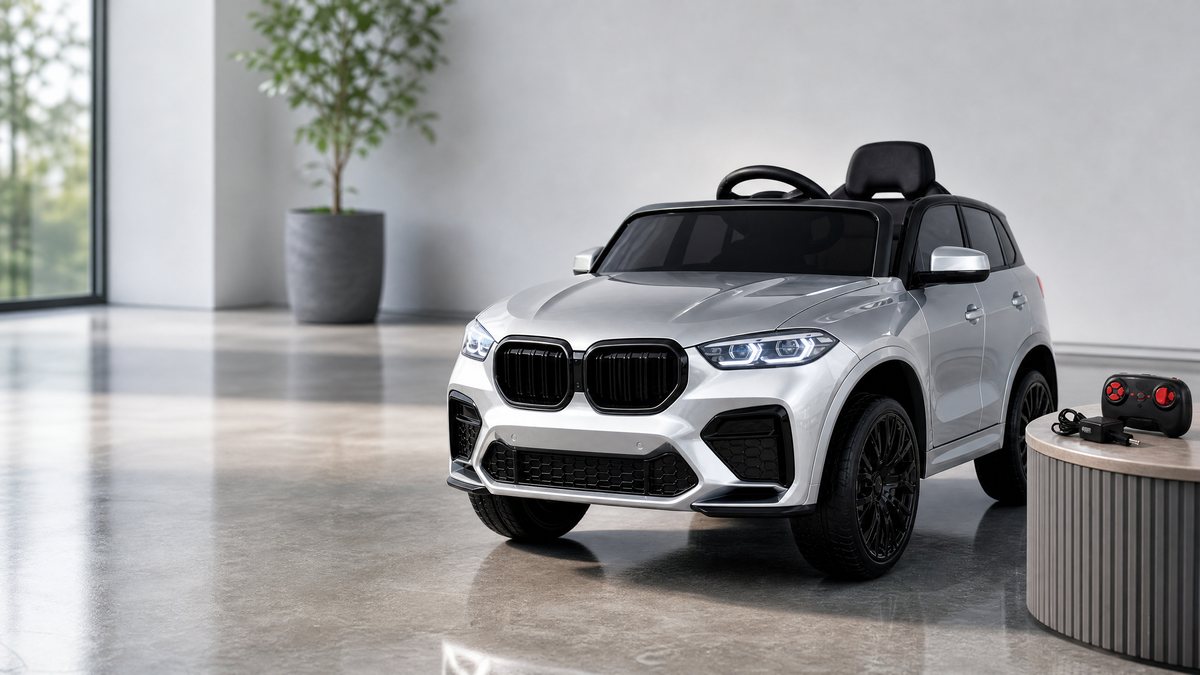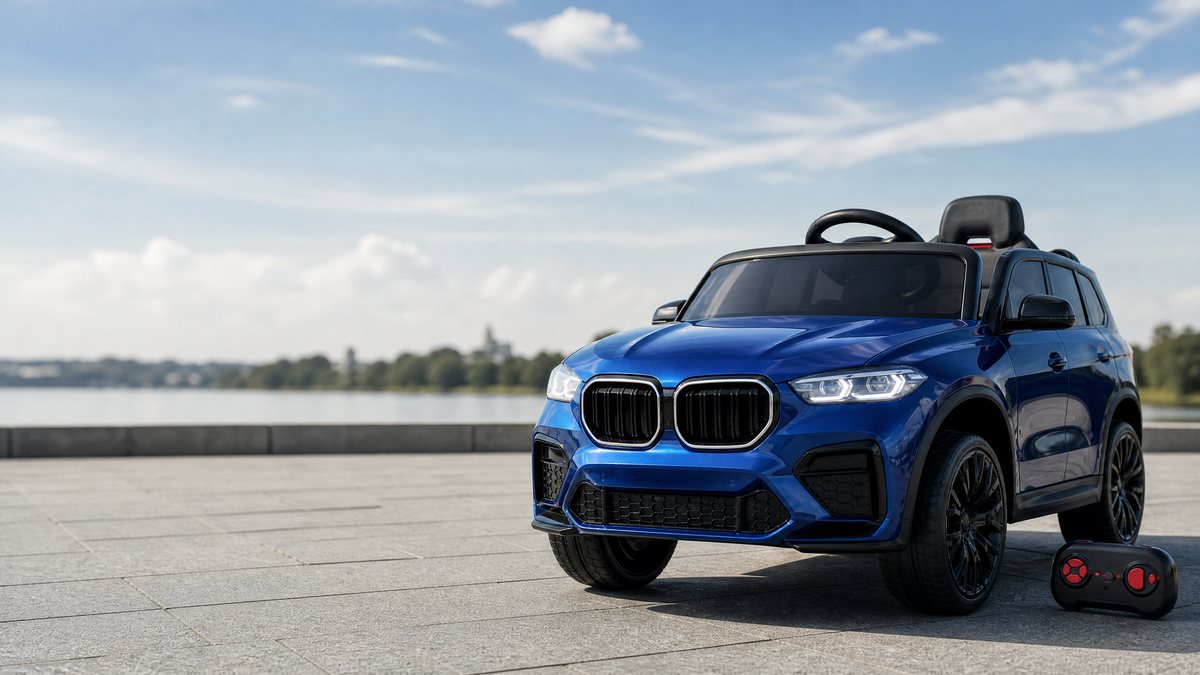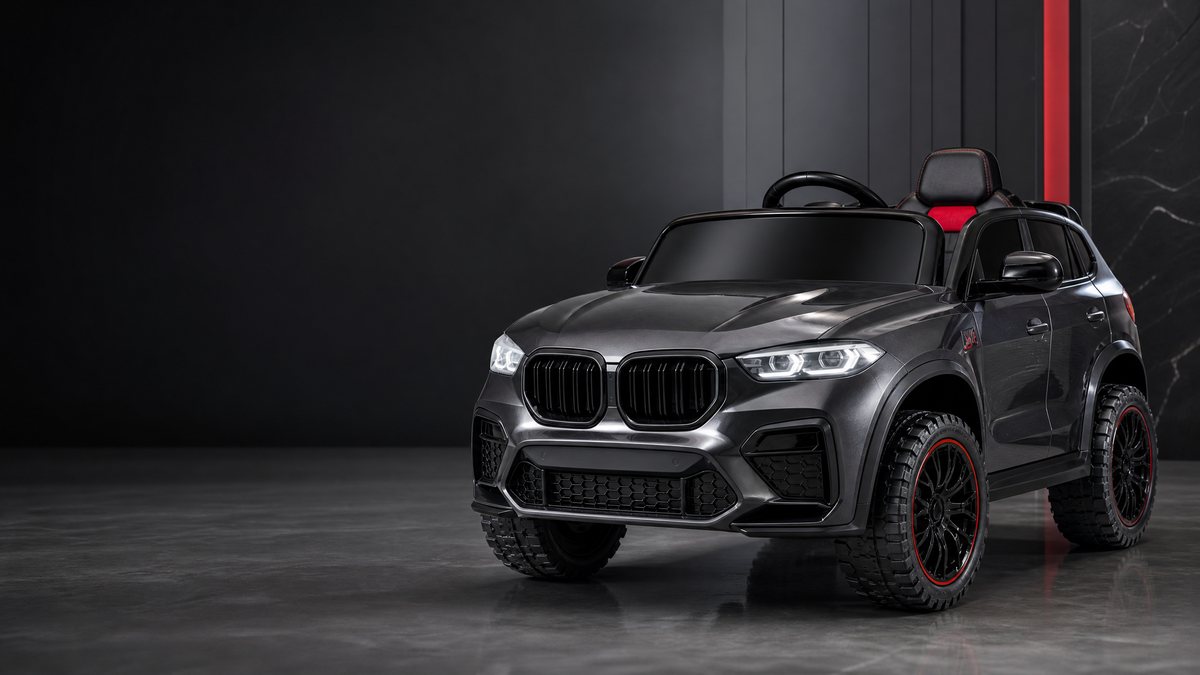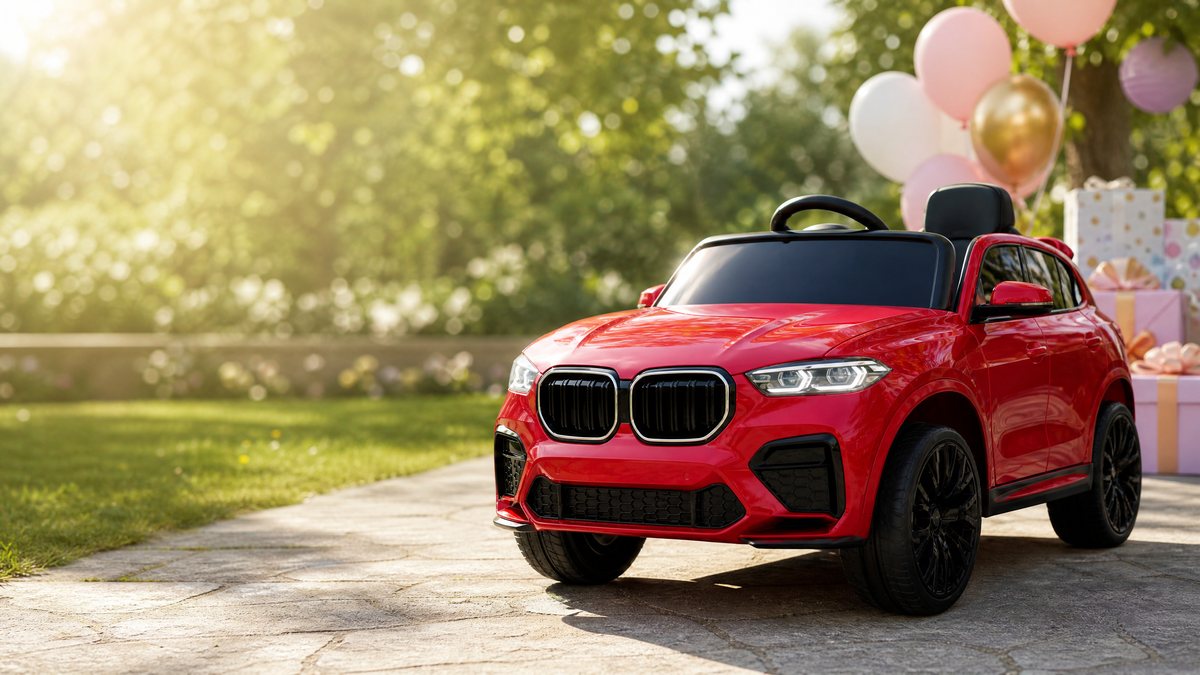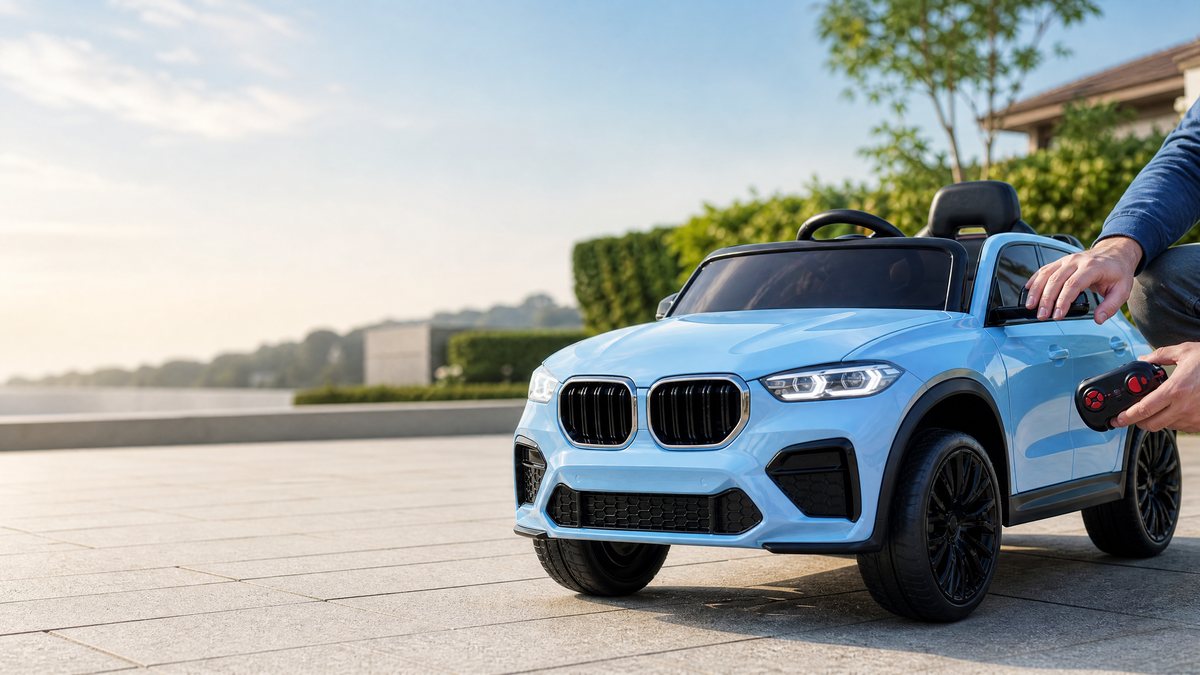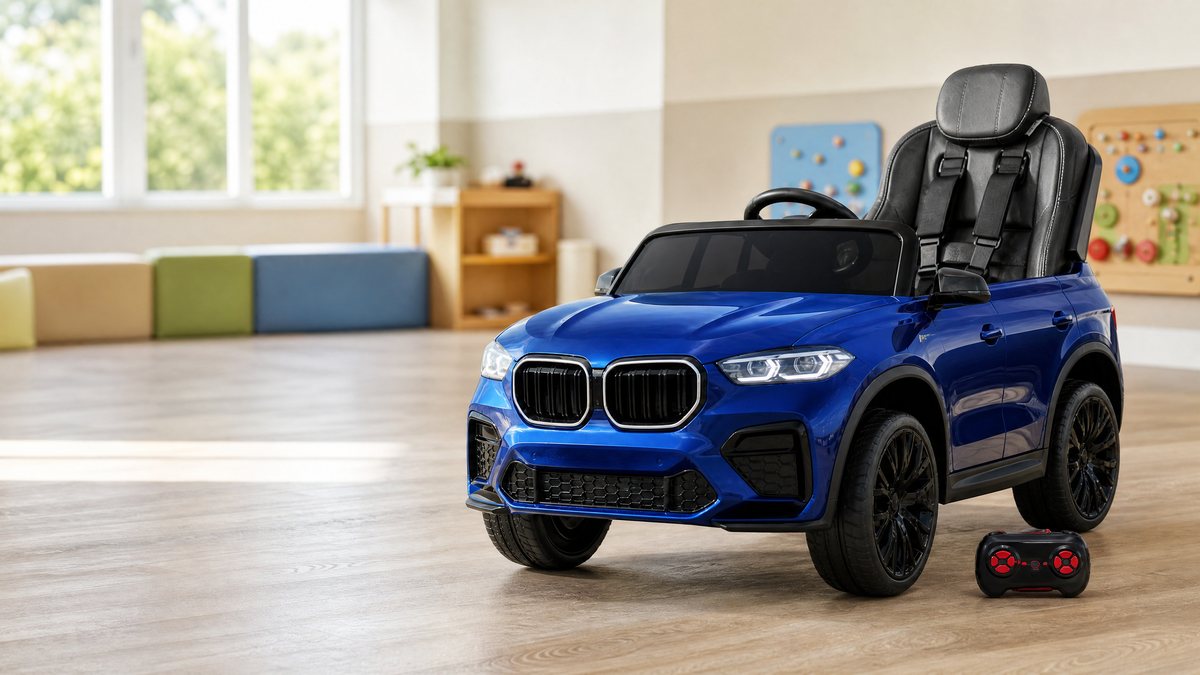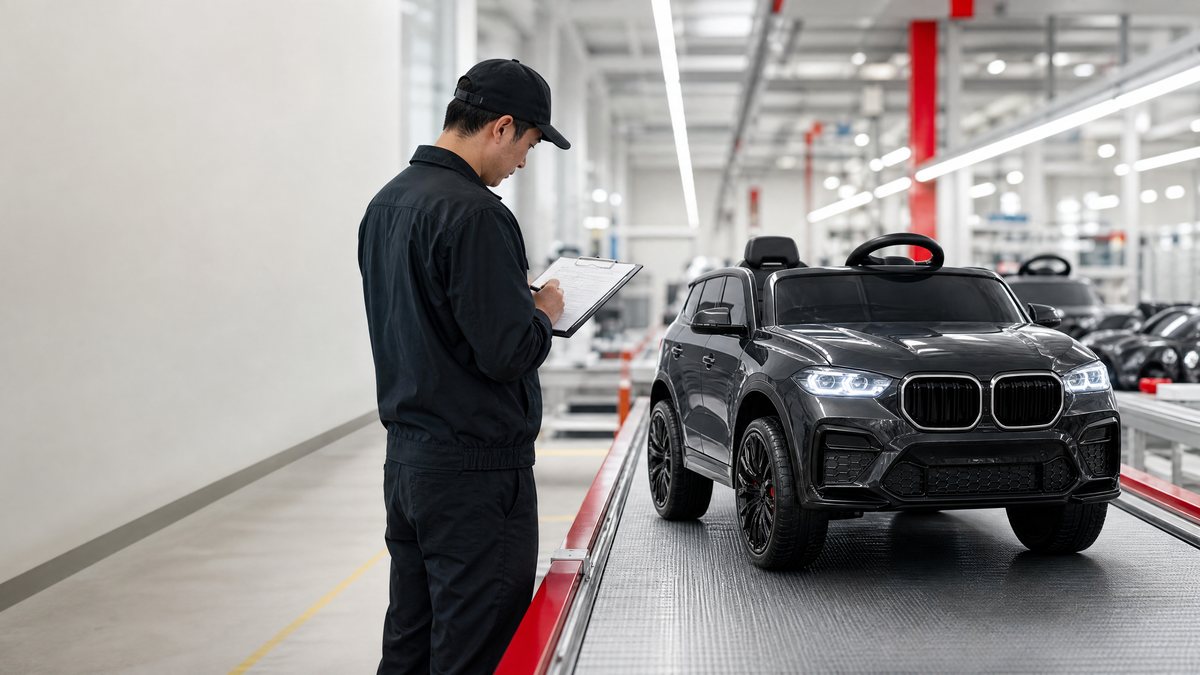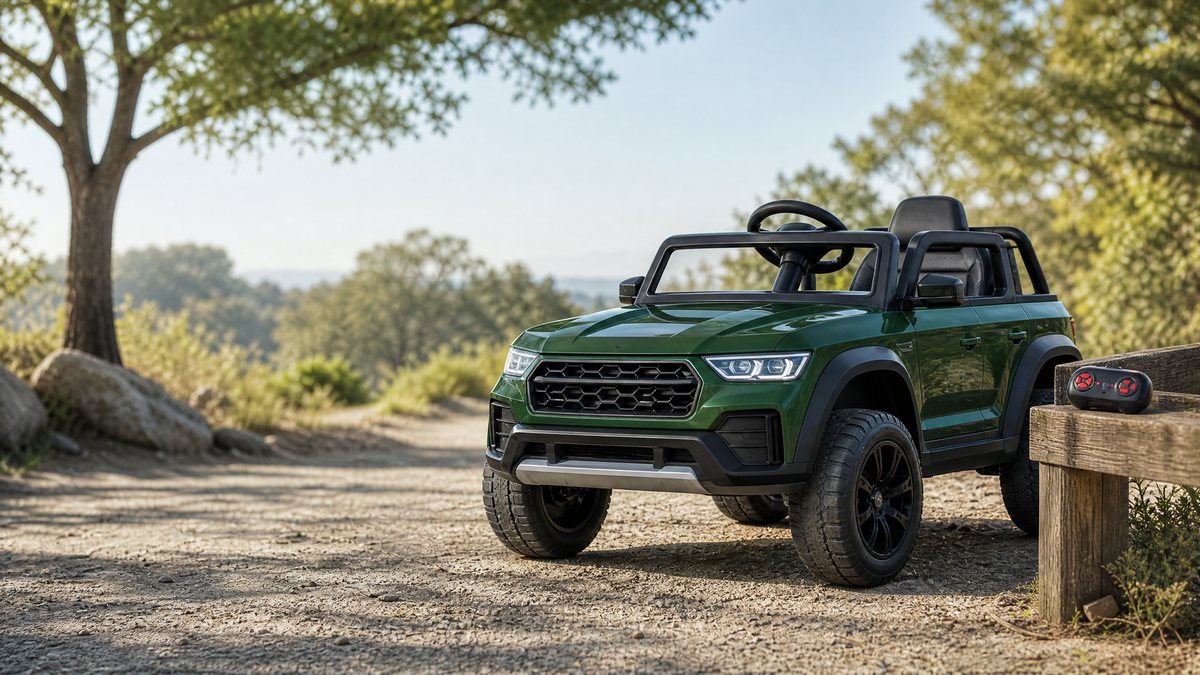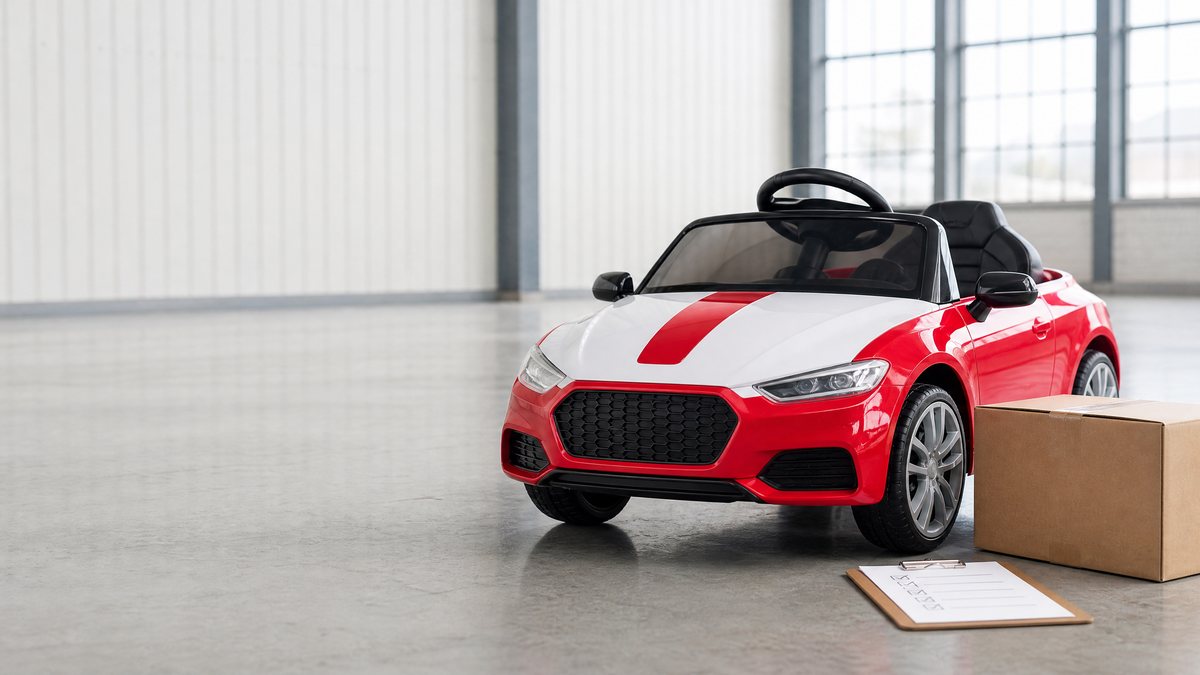
When commercial buyers, toy store owners, and volume distributors explore the entry-level segment of children's electric vehicles, the sub-$100 retail price tier represents both a high-volume commercial opportunity and a distinct quality control challenge. Sourcing ride-on cars designed to retail under $100 requires a rigorous B2B procurement framework that carefully balances cost-efficiency with essential structural integrity, electrical safety, and international regulatory compliance. Rather than designating a single manufacturer model as 'the best,' this guide provides commercial purchasers with an evaluation framework to assess component specifications, margin viability, and safety certifications for budget-tier electric ride-on cars across global wholesale markets.
The sub-$100 retail category primarily serves budget-conscious consumers seeking accessible electric mobility toys for toddlers and younger children. In B2B wholesale transactions, vehicles targeting this price bracket typically feature simplified mechanical configurations to maintain low unit retail costs while meeting baseline consumer expectations for holiday and birthday gifting seasons.
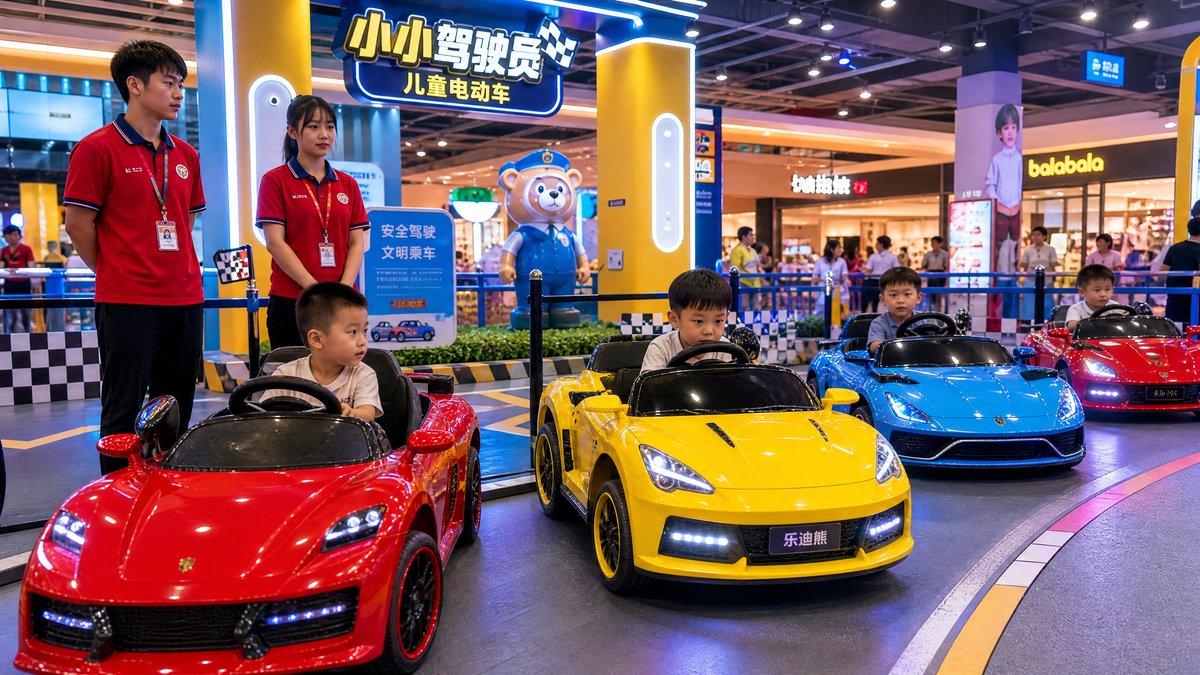
Budget electric vehicles are generally engineered for toddlers aged 2 to 4 years old, with weight capacities strictly restricted to approximately 25 to 30 kilograms. Because of their lower power output and compact chassis dimensions, these vehicles are best suited for indoor use on flat flooring, smooth paved driveways, and controlled backyard environments. For retail buyers and toy distributors, stocking this price tier captures price-sensitive foot traffic, seasonal gift shoppers, and first-time buyers entering the broader electric ride-on vehicle market.
To achieve a sub-$100 retail price point, manufacturers must optimize material selection and electronic architecture. Importers and wholesale buyers must understand these engineering trade-offs to manage retail customer expectations and warranty liabilities effectively. Common characteristics in this tier include:
* Single-Motor Configurations: Most budget models utilize a single 6V drive motor rather than dual 12V gearboxes, limiting hill-climbing torque and top speeds to safe walking paces (typically 2 to 3 kilometers per hour).
* Direct Injection Molding: Body shells are manufactured using standard high-density polyethylene (HDPE) or polypropylene (PP) with single-wall injection molding, balancing structural impact resistance with material economy.
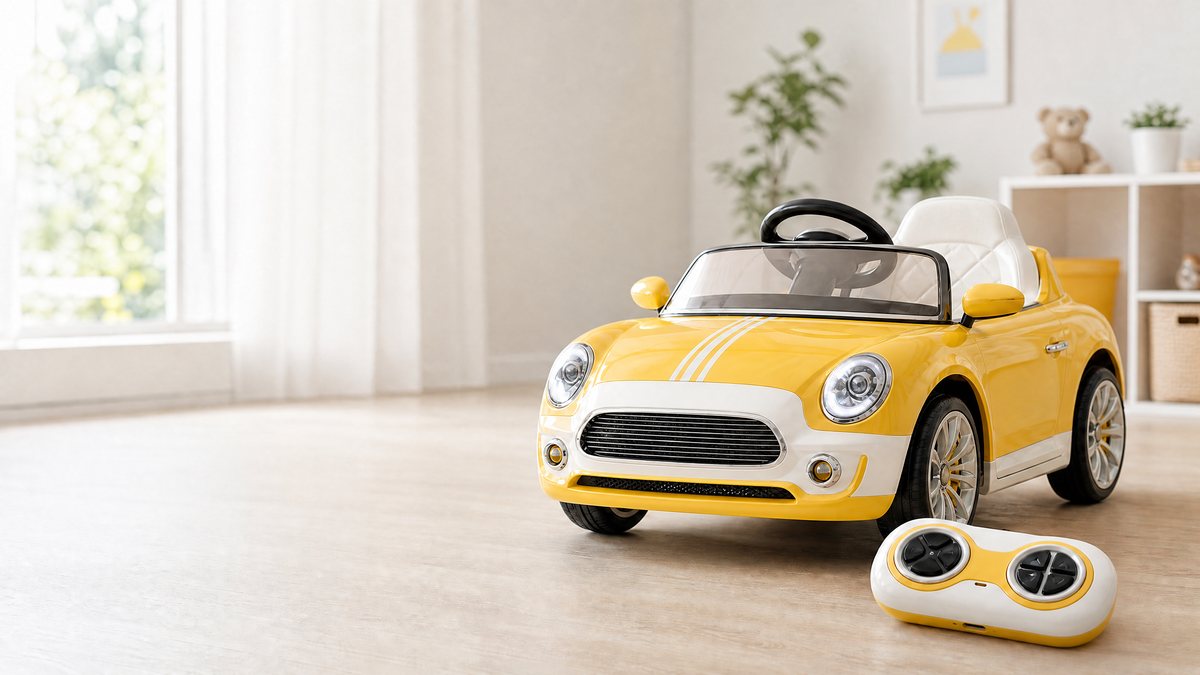
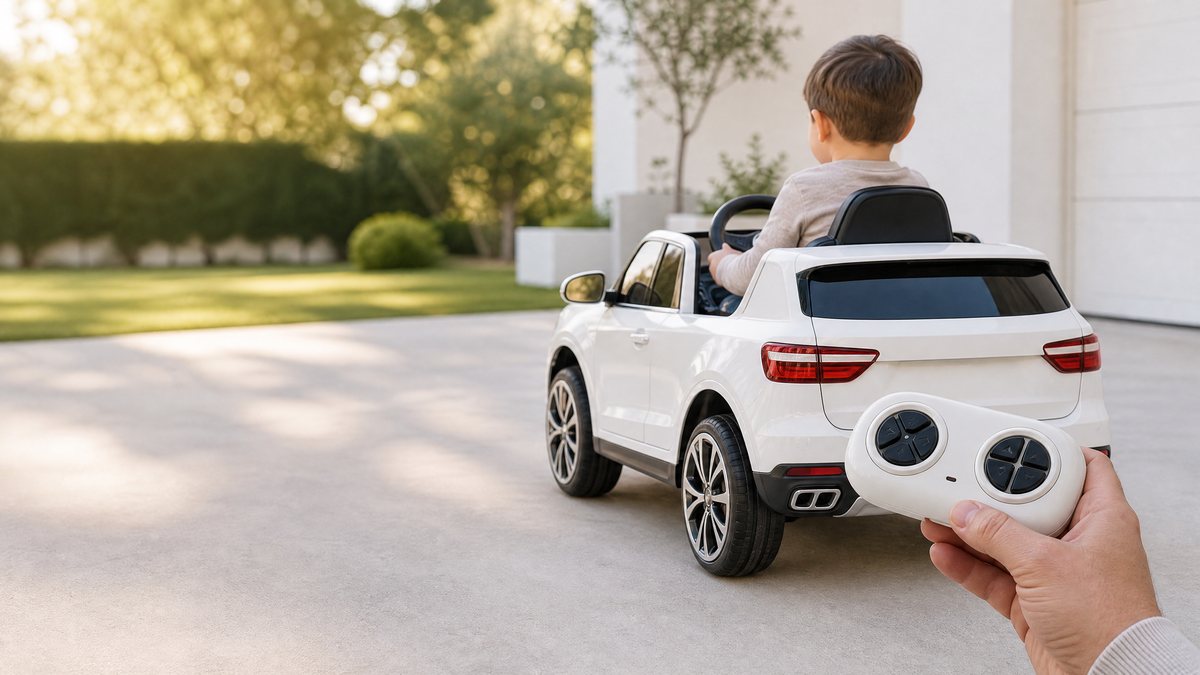
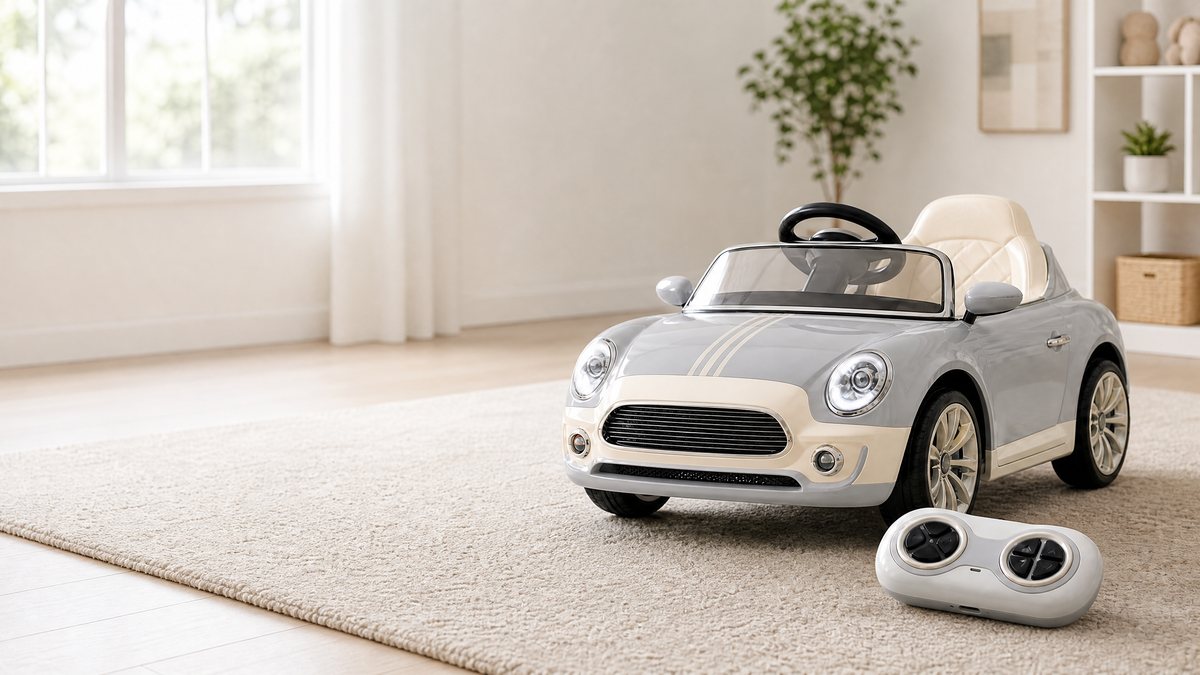
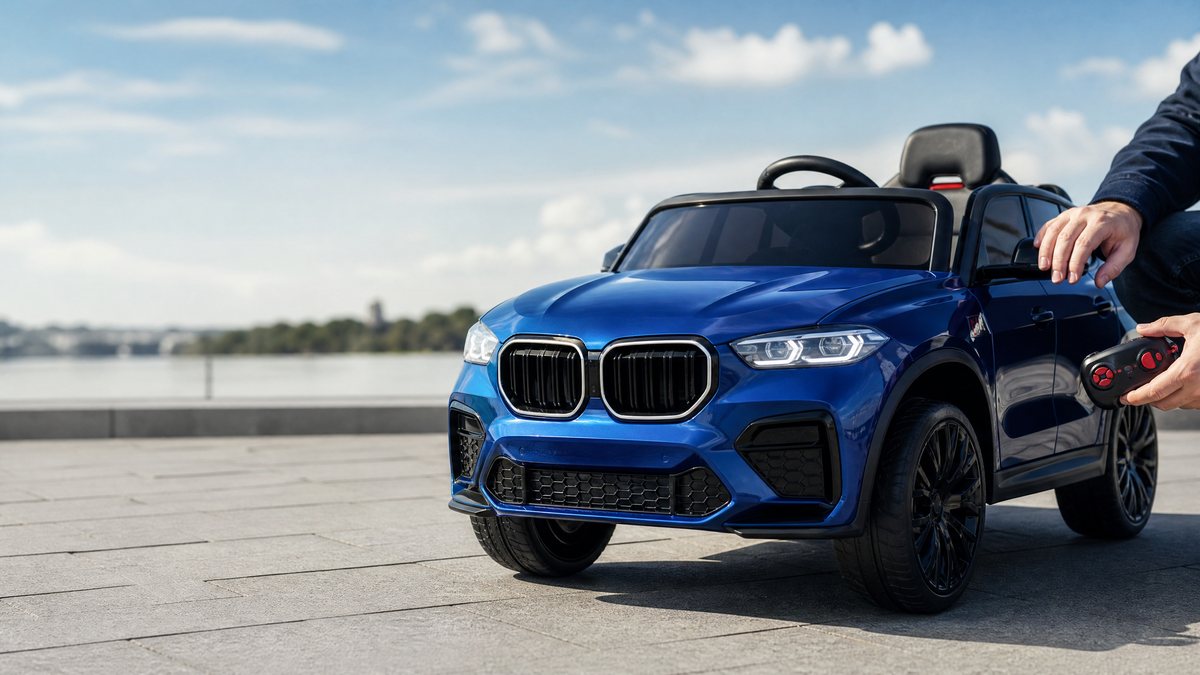
* Simplified Steering and Control Mechanisms: Steering systems often rely on direct mechanical linkages rather than electronic assist modules, and parental remote controls may be optional or omitted in ultra-budget configurations to reduce electronic component costs.
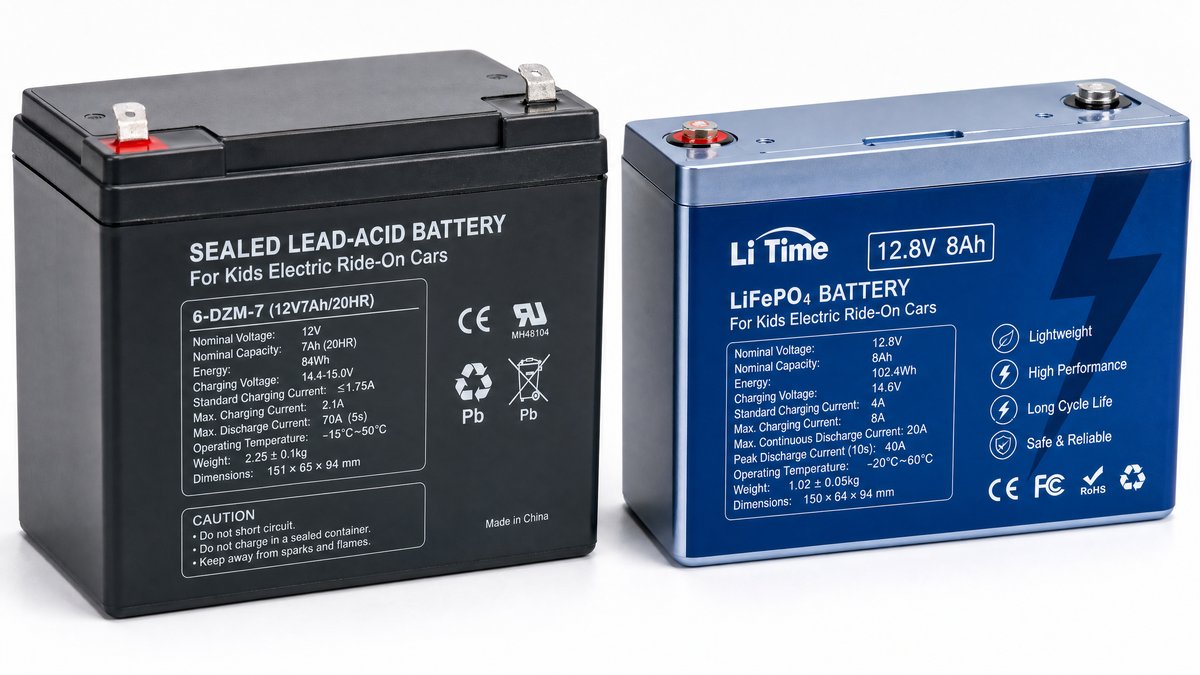
* Battery Capacity Constraints: To reduce baseline production costs, manufacturers install smaller 6V 4.5Ah rechargeable lead-acid batteries, which provide approximately 45 to 60 minutes of continuous play under optimal flat-surface conditions.
When reviewing factory specification sheets for sub-$100 wholesale ride-on cars, procurement managers must evaluate critical subsystem components to ensure commercial viability and safety compliance across retail channels.
Navigating international trade regulations is paramount when sourcing budget-tier ride-on cars. Because profit margins are compressed in this price bracket, some low-cost suppliers may attempt to bypass rigorous safety testing. B2B purchasers must independently verify that products comply with recognized international safety standards.
* ASTM F963 (United States): Ensures compliance with mechanical hazards, flammability limits, and heavy metal restrictions for children's toys.
* EN 71 / CE (European Union): Mandates rigorous chemical testing, structural stability checks, and electrical safety evaluations for electric toys.
* SOR/2011-17 (Canada): Regulates surface coating materials and mechanical safety requirements.
Even at an entry-level price point, electrical architecture must incorporate fundamental safety features. Importers should confirm that factory specifications include thermal fuses or automatic circuit breakers to protect against motor overload and short circuits. Furthermore, battery compartments must be secured with tool-operated fasteners to prevent toddler access to wiring terminals.
To minimize defect rates, customer return costs, and regulatory recalls, wholesale buyers should execute a structured pre-procurement audit using the following evaluation checklist:
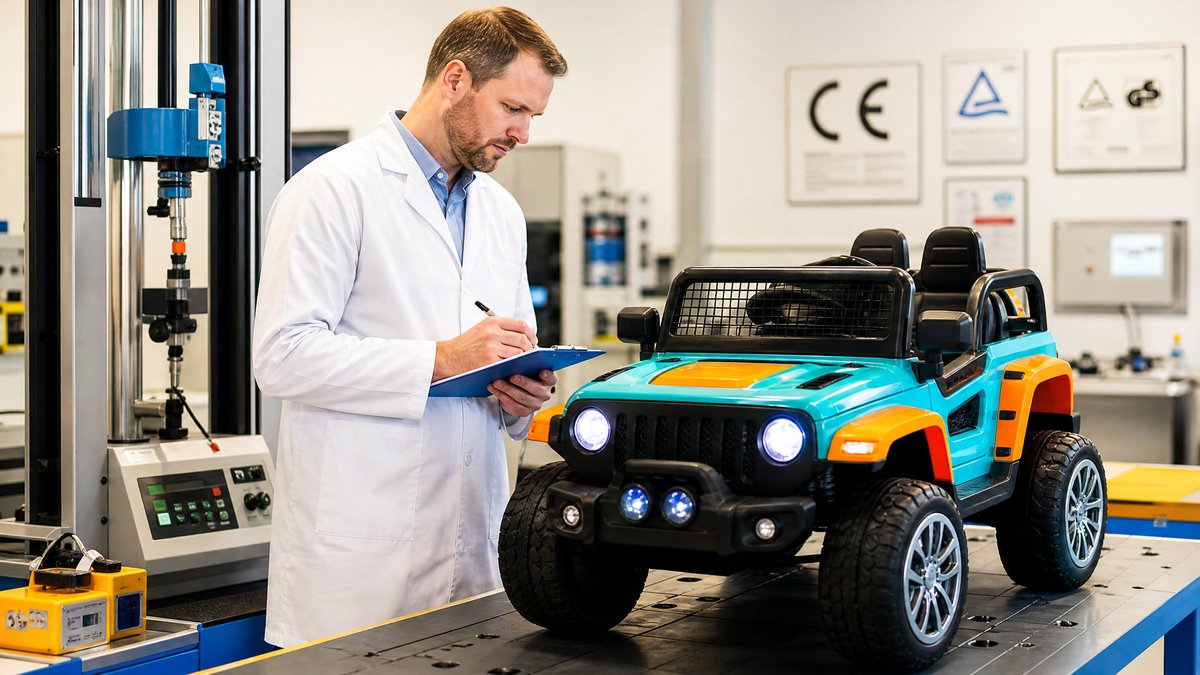
1. Verify Documentation Authenticity: Request original test reports issued by ISO 17025 accredited laboratories rather than self-declared manufacturer certificates.
2. Examine Material Safety Data Sheets (MSDS): Confirm that plastics and paints are non-toxic, phthalate-free, and compliant with regional chemical restrictions.
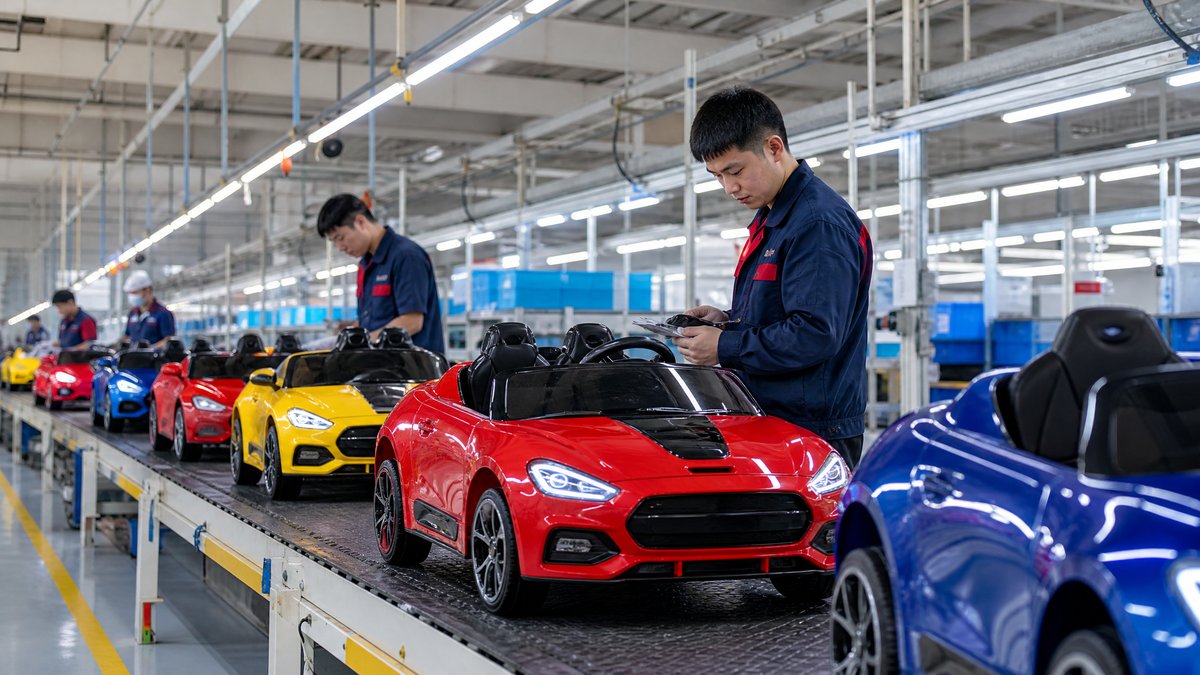
3. Inspect Packaging Integrity: Budget ride-on cars often require knock-down (KD) assembly by the end consumer. Ensure that carton drop tests validate internal foam protection to prevent transit damage to plastic body shells.
4. Evaluate Spare Parts Availability: Partner with factories that supply accessible replacement parts—such as replacement batteries, chargers, and switch assemblies—to support retail after-sales service.
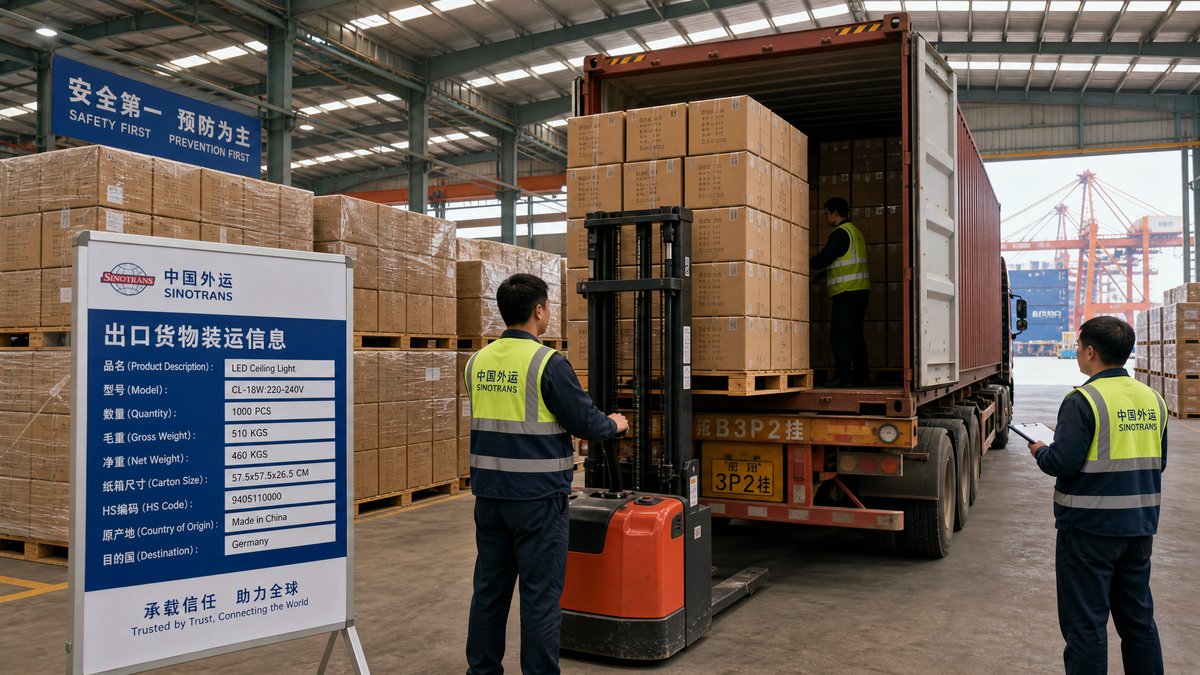
5. Review Minimum Order Quantities (MOQ) vs. Container Utilization: Calculate cubic meter (CBM) volumes to optimize 40HQ container loading efficiency for lightweight budget models.
6. Establish Clear Warranty Protocols: Define defect thresholds and component replacement policies with suppliers before finalizing purchase orders to safeguard retail profit margins.
7. Monitor Factory Production Consistency: Implement random pre-shipment inspections (PSI) conforming to AQL (Acceptable Quality Limit) standards to catch manufacturing defects before export dispatch.
Export-grade electric ride-on cars must comply with ASTM F963 in the United States and EN 71 in the European Union. These standards govern mechanical strength, sharp edge elimination, small parts hazards, phthalate content, and electrical circuit integrity, regardless of the vehicle's retail price point.
From a manufacturing and consumer safety perspective, retrofitting a 6V budget ride-on car with a 12V battery and high-output motor is strongly discouraged. Budget wiring harnesses, gearboxes, and switch contacts are not engineered to handle increased electrical loads, creating severe risks of overheating, wiring degradation, and thermal failure.
Because unit margins in the sub-$100 retail category are tight, freight costs significantly impact profitability. Optimizing Knock-Down (KD) packaging allows higher unit density per shipping container, reducing per-unit ocean freight expenses and protecting profit margins for wholesale distributors.
Sourcing and evaluating ride-on cars for the sub-$100 retail tier requires a meticulous approach focused on transparent specification review, regulatory compliance, and realistic performance expectations. By prioritizing robust safety features, certified materials, and dependable factory partnerships, B2B commercial buyers can successfully capture the high-volume budget market while safeguarding their brand reputation and minimizing after-sales liabilities across international distribution networks.
For wholesale inquiries, container load quotations, and detailed product catalogs, contact our commercial team at info@kidsridecar.com.
Understanding the Sub-$100 Ride-On Vehicle Segment
The sub-$100 retail category primarily serves budget-conscious consumers seeking accessible electric mobility toys for toddlers and younger children. In B2B wholesale transactions, vehicles targeting this price bracket typically feature simplified mechanical configurations to maintain low unit retail costs while meeting baseline consumer expectations for holiday and birthday gifting seasons.
Target Demographics and Operational Use Cases
Budget electric vehicles are generally engineered for toddlers aged 2 to 4 years old, with weight capacities strictly restricted to approximately 25 to 30 kilograms. Because of their lower power output and compact chassis dimensions, these vehicles are best suited for indoor use on flat flooring, smooth paved driveways, and controlled backyard environments. For retail buyers and toy distributors, stocking this price tier captures price-sensitive foot traffic, seasonal gift shoppers, and first-time buyers entering the broader electric ride-on vehicle market.
Engineering Trade-Offs in Budget Manufacturing
To achieve a sub-$100 retail price point, manufacturers must optimize material selection and electronic architecture. Importers and wholesale buyers must understand these engineering trade-offs to manage retail customer expectations and warranty liabilities effectively. Common characteristics in this tier include:
* Single-Motor Configurations: Most budget models utilize a single 6V drive motor rather than dual 12V gearboxes, limiting hill-climbing torque and top speeds to safe walking paces (typically 2 to 3 kilometers per hour).
* Direct Injection Molding: Body shells are manufactured using standard high-density polyethylene (HDPE) or polypropylene (PP) with single-wall injection molding, balancing structural impact resistance with material economy.
* Simplified Steering and Control Mechanisms: Steering systems often rely on direct mechanical linkages rather than electronic assist modules, and parental remote controls may be optional or omitted in ultra-budget configurations to reduce electronic component costs.
* Battery Capacity Constraints: To reduce baseline production costs, manufacturers install smaller 6V 4.5Ah rechargeable lead-acid batteries, which provide approximately 45 to 60 minutes of continuous play under optimal flat-surface conditions.
Core Component Specifications to Evaluate
When reviewing factory specification sheets for sub-$100 wholesale ride-on cars, procurement managers must evaluate critical subsystem components to ensure commercial viability and safety compliance across retail channels.
| Component Category | Standard Budget Specification | Premium Upgrade Alternative | Commercial Implication |
|---|---|---|---|
| Battery System | 6V 4.5Ah Lead-Acid | 12V 7Ah / Lithium-ion | Determines runtime (45-60 mins) and power delivery. 6V systems suit toddlers under 3. |
| Drive Motors | Single 6V DC Motor (20W-25W) | Dual 12V Motors (35W each) | Single motors offer gentle acceleration but struggle on inclined surfaces or grass. |
| Wheel Construction | Solid Molded Plastic with Traction Strip | EVA Foam Rubber Tires | Plastic wheels wear faster on abrasive asphalt and generate more operating noise. |
| Control Interface | Foot Pedal & Steering Wheel Only | 2.4G Parental Remote Control | Parental remotes add crucial safety oversight for younger operators in public spaces. |
| Charger Unit | Standard 6V Wall Adapter (UL/CE) | Smart Multi-Stage Charger | Overcharge protection prevents premature battery degradation and thermal issues. |
Compliance, Safety Standards, and Regulatory Verification
Navigating international trade regulations is paramount when sourcing budget-tier ride-on cars. Because profit margins are compressed in this price bracket, some low-cost suppliers may attempt to bypass rigorous safety testing. B2B purchasers must independently verify that products comply with recognized international safety standards.
Essential Safety Certifications
* ASTM F963 (United States): Ensures compliance with mechanical hazards, flammability limits, and heavy metal restrictions for children's toys.
* EN 71 / CE (European Union): Mandates rigorous chemical testing, structural stability checks, and electrical safety evaluations for electric toys.
* SOR/2011-17 (Canada): Regulates surface coating materials and mechanical safety requirements.
Electrical and Thermal Protection
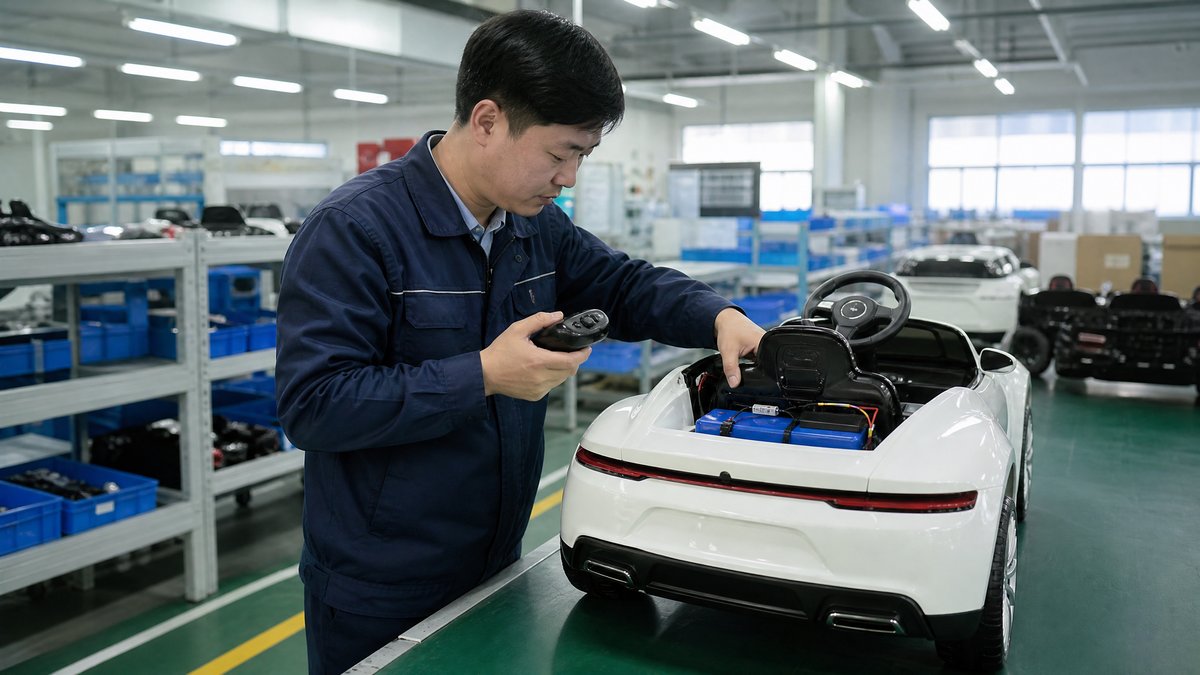
Even at an entry-level price point, electrical architecture must incorporate fundamental safety features. Importers should confirm that factory specifications include thermal fuses or automatic circuit breakers to protect against motor overload and short circuits. Furthermore, battery compartments must be secured with tool-operated fasteners to prevent toddler access to wiring terminals.
Sourcing, Logistics, and Quality Assurance Checklist
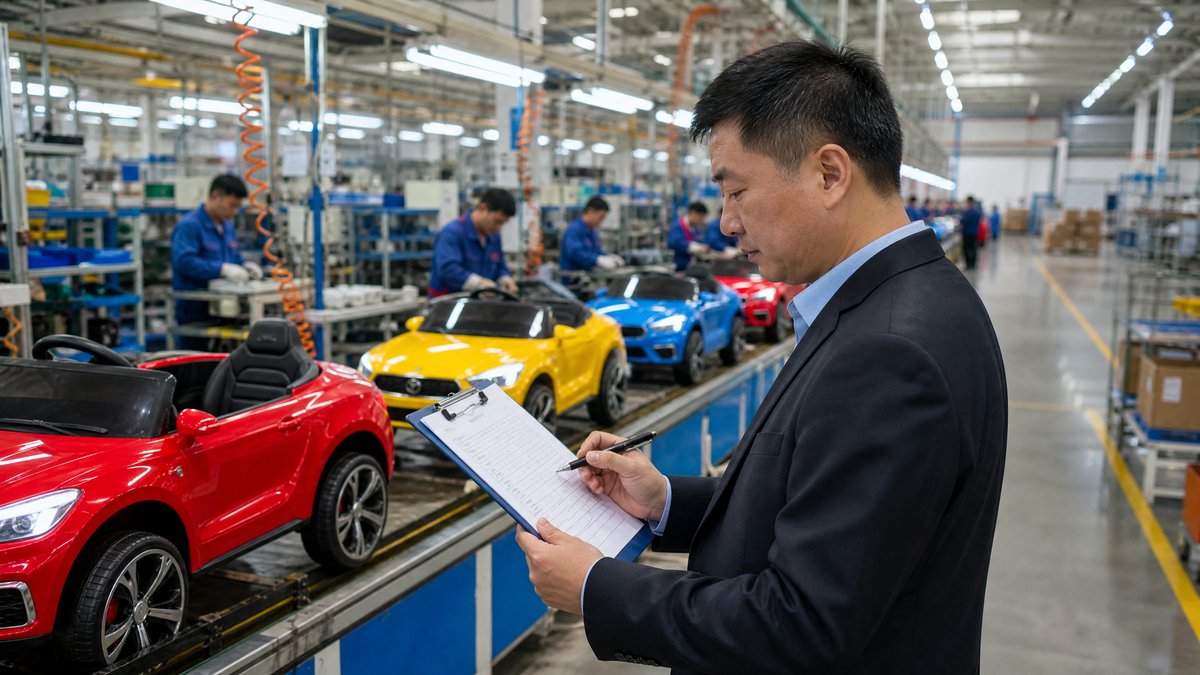
To minimize defect rates, customer return costs, and regulatory recalls, wholesale buyers should execute a structured pre-procurement audit using the following evaluation checklist:
1. Verify Documentation Authenticity: Request original test reports issued by ISO 17025 accredited laboratories rather than self-declared manufacturer certificates.
2. Examine Material Safety Data Sheets (MSDS): Confirm that plastics and paints are non-toxic, phthalate-free, and compliant with regional chemical restrictions.
3. Inspect Packaging Integrity: Budget ride-on cars often require knock-down (KD) assembly by the end consumer. Ensure that carton drop tests validate internal foam protection to prevent transit damage to plastic body shells.
4. Evaluate Spare Parts Availability: Partner with factories that supply accessible replacement parts—such as replacement batteries, chargers, and switch assemblies—to support retail after-sales service.
5. Review Minimum Order Quantities (MOQ) vs. Container Utilization: Calculate cubic meter (CBM) volumes to optimize 40HQ container loading efficiency for lightweight budget models.
6. Establish Clear Warranty Protocols: Define defect thresholds and component replacement policies with suppliers before finalizing purchase orders to safeguard retail profit margins.
7. Monitor Factory Production Consistency: Implement random pre-shipment inspections (PSI) conforming to AQL (Acceptable Quality Limit) standards to catch manufacturing defects before export dispatch.
Frequently Asked Questions (FAQ)
What safety standards must sub-$100 ride-on cars meet for export?
Export-grade electric ride-on cars must comply with ASTM F963 in the United States and EN 71 in the European Union. These standards govern mechanical strength, sharp edge elimination, small parts hazards, phthalate content, and electrical circuit integrity, regardless of the vehicle's retail price point.
Can a 6V budget ride-on car be upgraded to a 12V system?
From a manufacturing and consumer safety perspective, retrofitting a 6V budget ride-on car with a 12V battery and high-output motor is strongly discouraged. Budget wiring harnesses, gearboxes, and switch contacts are not engineered to handle increased electrical loads, creating severe risks of overheating, wiring degradation, and thermal failure.
How do MOQ and packaging design affect shipping costs for budget vehicles?
Because unit margins in the sub-$100 retail category are tight, freight costs significantly impact profitability. Optimizing Knock-Down (KD) packaging allows higher unit density per shipping container, reducing per-unit ocean freight expenses and protecting profit margins for wholesale distributors.
Conclusion
Sourcing and evaluating ride-on cars for the sub-$100 retail tier requires a meticulous approach focused on transparent specification review, regulatory compliance, and realistic performance expectations. By prioritizing robust safety features, certified materials, and dependable factory partnerships, B2B commercial buyers can successfully capture the high-volume budget market while safeguarding their brand reputation and minimizing after-sales liabilities across international distribution networks.
For wholesale inquiries, container load quotations, and detailed product catalogs, contact our commercial team at info@kidsridecar.com.
Official references
Explore these external resources for current regulatory and trade guidance. Confirm requirements with the relevant authority before placing an order.
Ready to Start?
Factory-Direct · CE & ASTM Certified · MOQ from 50 Units
Our export team works with buyers in 60+ countries. Get a quote within 24 hours.
KR
Written by KidsRideCar
China's leading kids electric ride-on car manufacturer. 500,000+ units shipped annually to 60+ countries. CE, ASTM & EN71 certified.