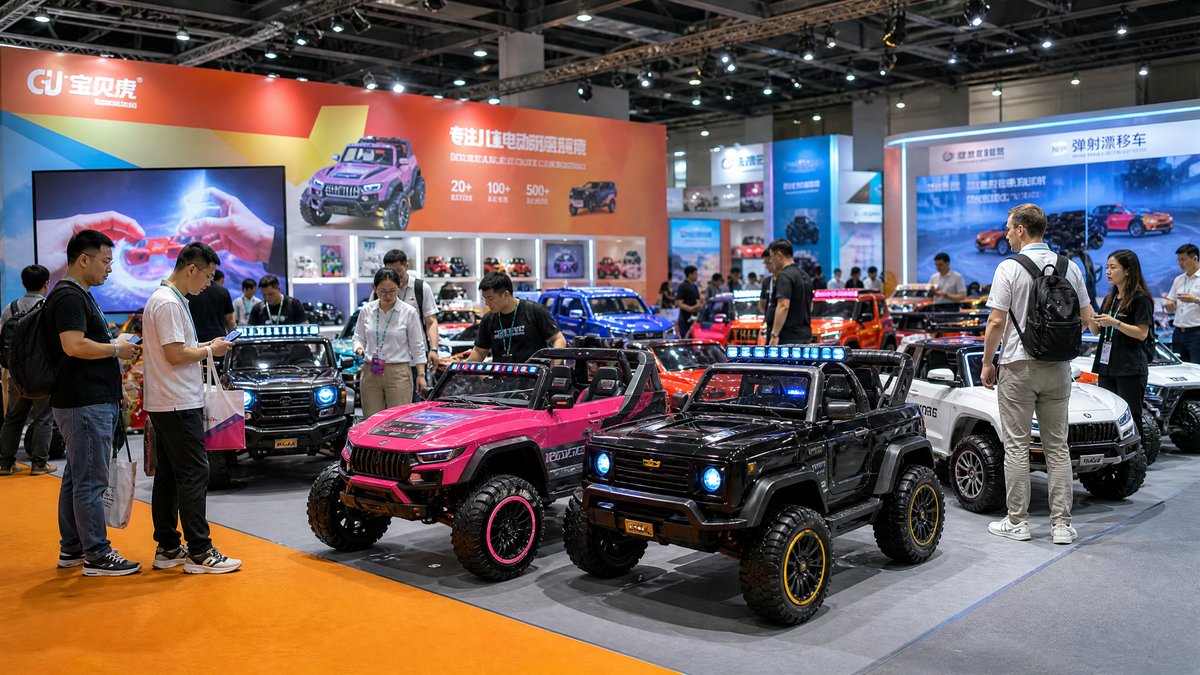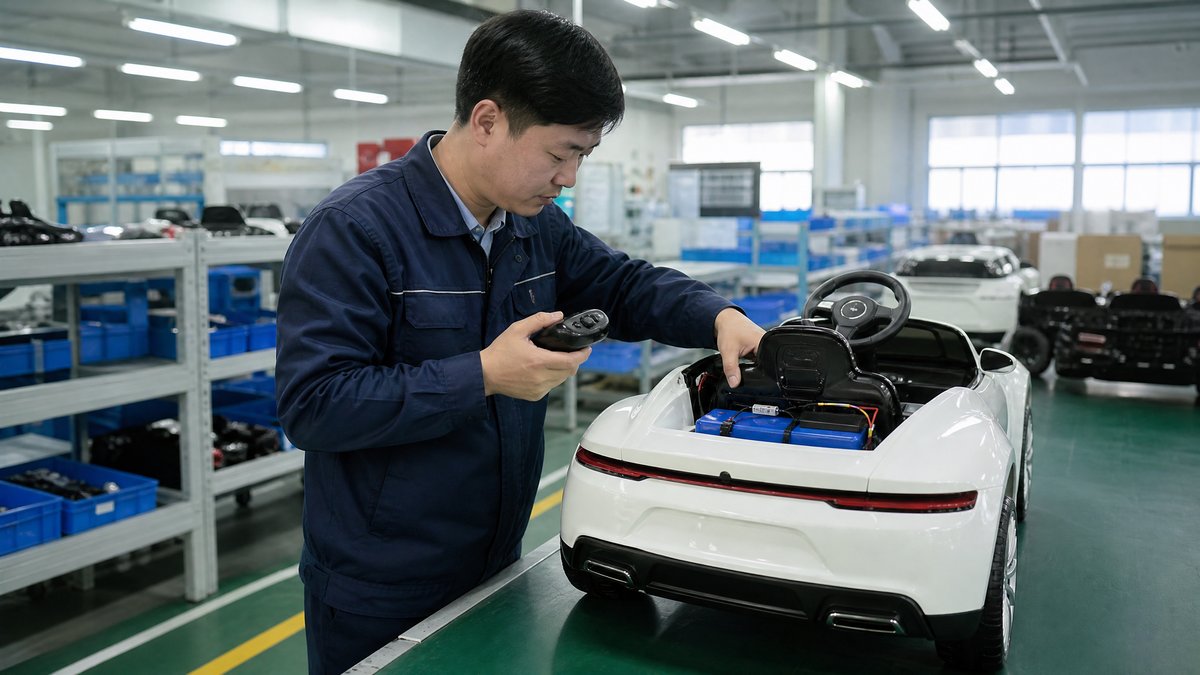
The strategic alignment between a master distributor and their retail partners represents the fundamental structural integrity of the global children's electric vehicle market. In an era defined by rapid technological iteration, fluctuating consumer preferences, and increasingly sophisticated safety requirements, the operational readiness of a new dealer is the primary determinant of long-term commercial success. A professional Dealer Onboarding Pack is far more than a simple repository of administrative documents; it is a comprehensive strategic toolkit engineered to maintain brand integrity, optimize operational throughput, and ensure rigorous adherence to safety protocols throughout the international supply chain. For organizations seeking to expand their distribution footprint across diverse geographical markets, the provision of a structured onboarding package is the essential catalyst for transforming a transactional procurement relationship into a high-performance strategic alliance.
An effective onboarding framework serves multiple critical functions that directly impact the bottom line of both the distributor and the retailer. Firstly, it provides a standardized educational foundation regarding the technical architecture and safety features of the product range. Secondly, it establishes a transparent commercial interface, thereby minimizing administrative friction and accelerating the order-to-cash cycle. Thirdly, it functions as a risk mitigation instrument, ensuring that all downstream retail activities are conducted in accordance with prevailing regional standards and corporate governance policies. This guide delineates the essential components of a world-class ride-on car distributor's onboarding pack, designed to empower partners and secure a sustainable competitive advantage in the global B2B marketplace.
1. Strategic Brand Identity and Product Education Assets
In the competitive landscape of high-end children's recreational products, the dealer serves as the primary interface between the brand and the end consumer. Their capacity to articulate the value proposition and technical superiority of the product range is directly correlated with the distributor's overall market penetration and sell-through efficiency.
Holistic Digital Product Catalogs
The centerpiece of any professional onboarding kit is a high-resolution, data-rich digital catalog. This document must transcend the limitations of traditional marketing brochures by providing a granular level of detail for every model in the distributor's portfolio. For each vehicle, the catalog should provide comprehensive technical specifications. This includes data on propulsion systems, energy storage capacity, load-bearing thresholds, and velocity parameters. By providing this information in a structured, easily accessible format, distributors enable dealers to generate accurate digital listings and provide informed responses to complex consumer inquiries without requiring constant intervention from the distributor's technical support team.
Brand Governance and Communication Protocols
Maintaining a consistent brand image across disparate retail environments is critical for building long-term consumer trust and brand equity. The onboarding pack should incorporate a rigorous Brand Governance Guide that defines the authorized application of trademarks, logos, and visual assets within the dealer's physical and digital storefronts. This guide should specify approved color palettes, typographic standards, and the intended tone of voice for all marketing communications. For instance, if a brand is positioned as a provider of luxury and engineering excellence, the dealer's promotional materials should reflect this sophistication rather than adopting a generic toy-retailer aesthetic. Clear governance protocols prevent brand dilution and ensure a unified market presence across multiple international territories.
2. Regulatory Compliance and Safety Verification Framework
In the global toy industry, safety is not merely a compliance requirement but a fundamental ethical and legal mandate. The failure of a distributor to provide adequate safety documentation can result in severe operational disruptions, including customs impoundment, regulatory sanctions, or large-scale product recalls.
Verification of Regional Safety Standards
The onboarding pack must include a dedicated section for safety verification and certification. Given that regulatory requirements vary significantly across different jurisdictions, distributors must provide their dealers with comprehensive documentation relevant to their specific target markets. This documentation should include summaries of testing protocols and evidence of compliance with the standards applicable in their respective regions. Rather than making generalized assertions regarding global safety, the onboarding pack should provide specific, model-level verification data, ensuring that the dealer can operate with full confidence in their local regulatory environment.
The Criticality of Formal Documentation
Distributors should strongly advise their retail partners to maintain a comprehensive archive of all written documentation provided by the manufacturer regarding safety and compliance. The onboarding pack should include a formal Compliance Declaration for each product line, authenticated by the distributor's quality assurance department. This document should confirm that the products have undergone rigorous testing by accredited independent laboratories. Dealers should be encouraged to cross-reference these documents with the physical safety markings present on the product packaging and the vehicles themselves, ensuring a multi-layered approach to safety verification.
Request a wholesale quote
3. Commercial Framework and Operational Workflows
Financial transparency and operational clarity are the cornerstones of a successful B2B partnership. The onboarding pack should eliminate all ambiguity regarding the commercial and logistical interaction between the distributor and the dealer.
Strategic Pricing Structures and Market Positioning
A comprehensive, tiered wholesale pricing schedule is an indispensable component of the onboarding kit. This schedule should clearly delineate unit costs based on procurement volume and specify any available performance-based incentives. Furthermore, the distributor should provide a suggested retail price framework for each product. While retail partners typically retain autonomy over their final pricing strategies, a suggested framework helps maintain market equilibrium and ensures that the product's perceived value remains consistent across diverse retail channels. Distributors should also clearly articulate their policies regarding market price stability and advertised pricing standards where applicable.
Procurement Quantities and Production Timelines
To facilitate effective inventory management and capital allocation for the dealer, the onboarding pack must explicitly define the minimum procurement quantities for various product lines. Equally critical is the transparent communication of production and delivery timelines. Dealers require accurate projections of the duration between order placement and final delivery, accounting for both manufacturing cycles and international transit times. The inclusion of a Seasonal Planning Calendar that highlights potential fluctuations during peak demand periods is a highly valued addition that enables dealers to optimize their stock levels throughout the year.
4. Multimedia Marketing Enablement and Digital Assets
In the contemporary digital marketplace, a dealer's commercial success is heavily dependent on the quality and reach of their online presence. A distributor who provides a robust suite of ready-to-use marketing assets significantly lowers the barrier to entry for new retail partners and accelerates their time-to-market.
High-Fidelity Multimedia Libraries
The onboarding pack should provide secure access to a cloud-based repository of high-resolution visual assets. This library should include professional studio photography on neutral backgrounds for e-commerce integration, as well as lifestyle imagery demonstrating the products in realistic, aspirational environments. Given the dynamic nature of the ride-on car industry, video content is an exceptionally powerful sales tool. Short, high-impact clips demonstrating vehicle functionality, lighting systems, and remote control capabilities can significantly enhance consumer engagement and conversion rates for digital retailers.
Content Strategy and Search Engine Optimization
Many retail organizations may lack the specialized resources required to develop high-quality, optimized content for an extensive product range. By providing professionally drafted, SEO-ready product descriptions within the onboarding pack, the distributor ensures that the products are represented accurately and persuasively across the digital landscape. These descriptions should focus on the experiential benefits of the product rather than merely listing technical features. Providing this content in a ready-to-implement format saves the dealer substantial operational time and ensures that key selling propositions are consistently communicated to the market.
5. Technical Support and After-Sales Infrastructure
The inherent complexity of modern electric ride-on vehicles necessitates a robust and responsive after-sales support framework. A dealer who feels technically supported and empowered to resolve consumer issues is far more likely to maintain a long-term commitment to the distributor's brand.
Comprehensive Warranty Framework
The onboarding pack must contain a detailed, written Warranty Policy that is transparent and easily understood. This policy should specify the duration of coverage for various vehicle components, including energy storage units, propulsion motors, and electronic control systems. The document should clearly define the scope of coverage, including specific exclusions and the responsibilities of the dealer in the warranty verification process. A well-defined warranty framework manages consumer expectations and provides a clear roadmap for resolving post-purchase issues.
Resolution Workflows and Documentation
When a product encounters a technical anomaly, the dealer requires a clear and efficient path to resolution. The onboarding pack should outline a standardized Technical Resolution Workflow. This should include information on the primary point of contact for technical support, the specific evidence required to document a claim (such as descriptive reports or visual documentation of the issue), and the procedures for the provision of replacement components or units. A streamlined resolution process minimizes the operational impact of technical failures and helps the dealer maintain their reputation for excellence in customer service.
6. Logistics, Freight, and Supply Chain Resilience
The physical movement of bulky, high-value items like children's electric vehicles requires meticulous planning and clear communication. The onboarding pack should serve as a comprehensive logistics manual, guiding the dealer through the complexities of international shipping and inventory management.
Shipping Protocols and Risk Allocation
Distributors must clearly define the international commercial terms under which they operate. The onboarding pack should provide a detailed explanation of the allocation of responsibility for freight costs, insurance coverage, and customs clearance procedures. A critical component of this section is the Arrival Inspection Protocol. The pack should provide dealers with specific instructions on how to inspect shipments upon delivery, how to document any discrepancies or damage on the official transport documents, and the precise timeline for initiating a claim. Clear logistics protocols protect both parties from financial loss and ensure accountability throughout the shipping process.
Inventory Synchronization and Digital Integration
For dealers who utilize advanced inventory management systems or participate in drop-shipping programs, the onboarding pack must include technical specifications for data synchronization. Retail partners require real-time or near-real-time visibility into the distributor's stock levels to avoid the commercial and reputational risks associated with selling unavailable products. Whether the distributor provides automated data feeds, API integration, or a dedicated inventory portal, the technical requirements and implementation steps must be clearly documented to ensure seamless digital integration.
7. The Strategic Partnership and Legal Framework
The final, and perhaps most critical, component of a professional onboarding pack is the legal and strategic foundation of the business relationship. The pack should provide a clear summary of the key provisions within the formal Dealer Agreement.
Territory Rights and Market Alignment
If a dealer has been granted specific rights within a defined geographical region, these rights must be explicitly documented. Conversely, if the market is open, the distributor should articulate their policy regarding the addition of new retail partners to prevent unnecessary channel conflict. Clear territorial boundaries encourage dealers to invest in localized marketing and brand-building activities, knowing that their efforts will be protected. This strategic alignment ensures a healthy and sustainable competitive environment for all partners.
Digital Channel Governance and Marketplace Policies
In the modern omnichannel retail environment, distributors often establish specific guidelines regarding the sale of products on third-party digital marketplaces. The onboarding pack should clearly state the authorized digital channels for each dealer. If there are restrictions regarding brand representation, keyword usage, or participation in centralized advertising programs, these rules must be clearly communicated from the outset. Consistent digital governance protects the brand's online integrity and ensures a level playing field for all retail partners.
Frequently Asked Questions
What are the standard requirements for verifying the safety of ride-on cars in international markets?
The requirements for safety verification depend heavily on the specific regulations of the target market. Generally, children's electric vehicles must adhere to rigorous standards concerning mechanical stability, electrical safety, and chemical composition. Distributors should provide their dealers with the necessary documentation, such as a Declaration of Conformity, which confirms that the products have been tested and verified for the intended region. It is imperative that dealers consult with local regulatory authorities and review the manufacturer's technical documentation to ensure full compliance with all local laws and safety mandates.
How should a dealer respond if a vehicle's energy storage system appears to be underperforming?
Performance issues with energy storage systems are often related to maintenance and charging cycles. Dealers should first consult the Maintenance and Longevity Guide provided in the onboarding pack to ensure that all charging protocols have been followed correctly. If the issue persists and the system appears to be defective, the dealer should not attempt any internal diagnostics or repairs. Instead, they should follow the formal technical resolution workflow, providing the necessary documentation to the distributor's support team. In all cases involving electrical components, it is recommended to contact the manufacturer or an authorized service provider for professional assistance.
What is the expected duration for the fulfillment of wholesale orders?
Fulfillment durations, or lead times, are influenced by a variety of factors, including production schedules, order volume, and the logistical method employed. For orders fulfilled directly from a manufacturing facility, the timeline typically includes a production phase followed by a transit phase, the duration of which depends on the destination and shipping method. For orders fulfilled from regional distribution centers, the lead time is generally significantly shorter. The onboarding pack should contain a current Lead Time Projections document, and dealers are encouraged to maintain regular communication with their account managers to stay informed of any potential changes in the supply chain.
Ask for product documentation
Official references
Explore these external resources for current regulatory and trade guidance. Confirm requirements with the relevant authority before placing an order.
Ready to Start?
Factory-Direct · CE & ASTM Certified · MOQ from 50 Units
Our export team works with buyers in 60+ countries. Get a quote within 24 hours.
KR
Written by KidsRideCar
China's leading kids electric ride-on car manufacturer. 500,000+ units shipped annually to 60+ countries. CE, ASTM & EN71 certified.