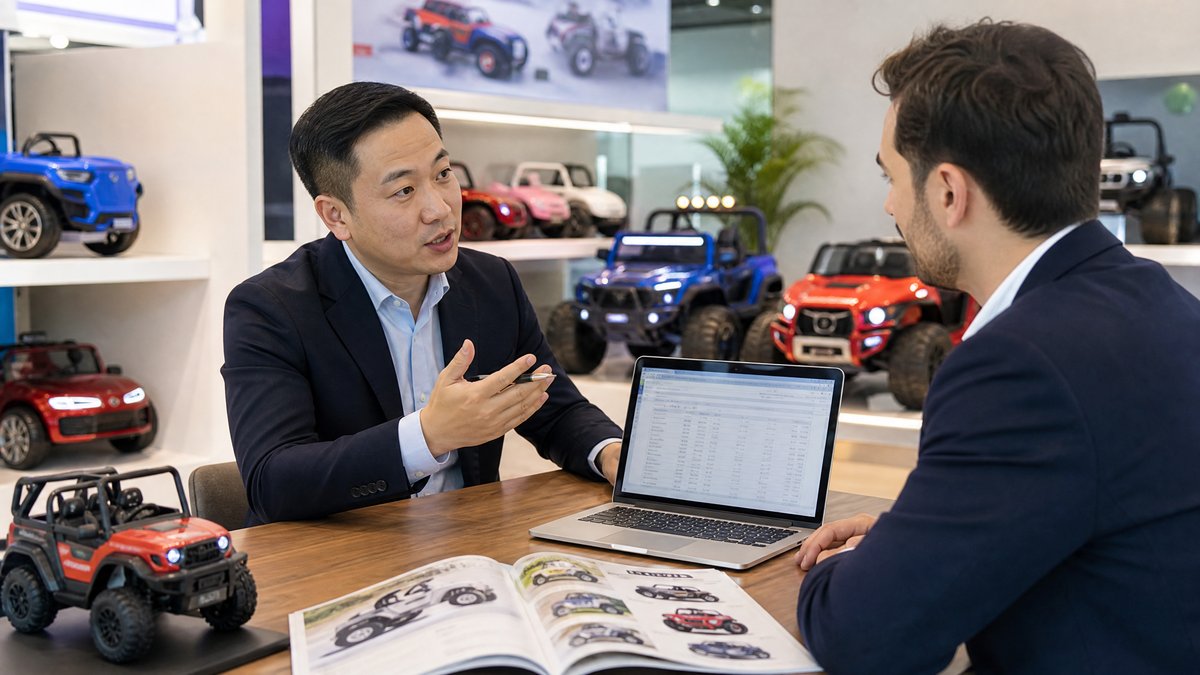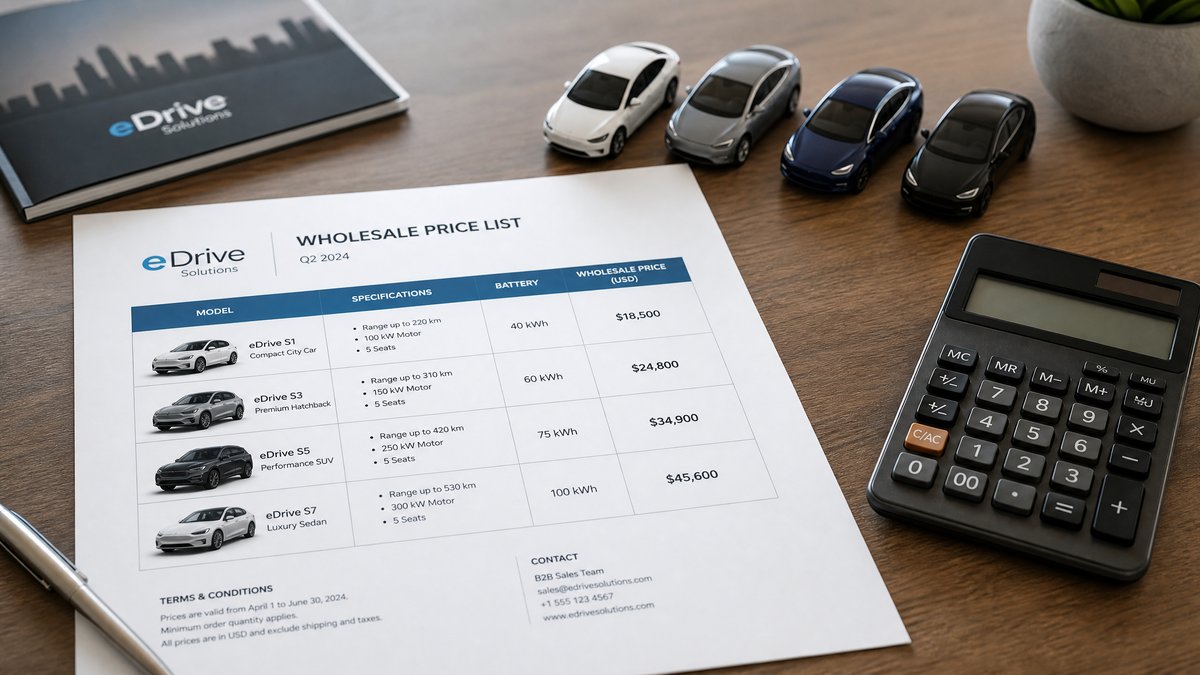
In the global toy industry, the success of a ride-on car importer is determined as much by financial engineering as by product selection. While aesthetic appeal and technical specifications attract consumers, payment terms dictate the operational viability for wholesalers. Navigating international B2B payments requires a sophisticated understanding of risk allocation and cash flow optimization. The complexity of these transactions is compounded by the bulky nature of products, seasonal demand cycles, and the intricate regulatory landscapes of both exporting and importing nations. For businesses specializing in battery-powered ride-on vehicles, the stakes are high due to significant capital requirements and the specialized nature of the goods.
Payment terms are a strategic lever that can accelerate growth or cause liquidity crises. A poorly negotiated structure ties up capital in inventory weeks away from the warehouse, while favorable terms provide breathing room to scale. This guide provides a framework for importers to compare and negotiate ride-on car payment terms for long-term sustainability. It is essential for importers to recognize that payment terms are a core component of their competitive strategy. By optimizing these terms, a wholesaler can enhance their market position, manage risks effectively, and build resilient supply chain partnerships.
The Core Payment Methods in Ride-On Car Sourcing
When comparing payment terms, it is crucial to understand the mechanics of each method and how they distribute risk. While the industry often uses shorthand, the underlying legal and financial implications are profound.
Telegraphic Transfer (T/T)
Telegraphic Transfer, or wire transfer, is a common payment method in the ride-on car industry due to its speed and simplicity. In a standard T/T arrangement, the importer transfers funds directly to the manufacturer's bank account. The process typically involves a deposit to initiate production and a final payment against the presentation of shipping documents, such as the Bill of Lading.
While T/T is efficient, it places risk on the importer, especially if a large portion of the balance is required before inspection or shipment. For new importers, manufacturers may request a higher upfront commitment, requiring careful consideration of the supplier's reliability. Importers are strongly advised to verify all bank details through multiple channels and ensure the payment schedule is clearly documented in a signed agreement. It is also recommended to link the final payment to the successful completion of a pre-shipment inspection by a qualified third party.
Letter of Credit (L/C)
A Letter of Credit is a document issued by the importer's bank that guarantees payment to the manufacturer upon the presentation of specific shipping documents. This method is widely regarded as secure for both parties. The manufacturer is assured of payment as long as they comply with the L/C terms, and the importer is assured that payment will only be released once the bank verifies that the goods have been shipped according to the agreed-upon documentation.
Despite its security, L/C terms are often complex and involve administrative costs and bank fees. Meticulous attention to detail is required, as even minor discrepancies in documentation can lead to delays and extra charges. In the ride-on car sector, L/C is often used for significant orders or when establishing a relationship with a new supplier where a high level of formal security is necessary. Importers should consult with their banking partners to understand the specific requirements and costs associated with opening a Letter of Credit for international toy shipments.
Documentary Collections (D/P and D/A)
Documentary collections offer a middle ground between the directness of T/T and the formality of an L/C. In a Documents Against Payment (D/P) arrangement, the bank releases shipping documents to the importer only after payment. In a Documents Against Acceptance (D/A) arrangement, the importer receives documents after "accepting" the debt, with payment due at a later date.
While D/P provides supplier security, D/A offers the importer a form of short-term credit. However, both methods carry risks. For example, if the importer refuses the documents, the goods may remain at the port, leading to storage fees and logistical challenges. Importers should discuss these methods with their logistics providers and financial advisors to determine if they are appropriate for their specific sourcing needs and risk tolerance.
Open Account (OA)
Open Account terms represent a high level of trust. Under an OA arrangement, the manufacturer ships the goods and sends the invoice directly to the importer, who pays at a later date. This method is highly favorable for the importer's cash flow, as it allows them to receive and potentially sell the goods before payment is due.
However, OA terms carry high risk for the manufacturer, as they have no guarantee of payment once goods have been shipped. Consequently, these terms are typically only granted to long-term partners with a proven track record of timely payments and strong financial standing. Importers seeking OA terms should be prepared to provide evidence of their financial stability and a history of reliable performance. This may include sharing audited financial statements or bank references.
Comparative Analysis: Risk vs. Liquidity
To effectively compare payment terms, importers must weigh the financial cost against the level of risk they are willing to assume. The following table provides a qualitative comparison of common terms in the ride-on car industry.
| Payment Method | Importer Risk Profile | Supplier Risk Profile | Impact on Cash Flow |
|---|---|---|---|
| Full Advance T/T | Significant | Minimal | Very Negative |
| Standard T/T (Split) | Moderate | Low | Negative |
| Letter of Credit (L/C) | Low | Low | Neutral |
| D/P (At Sight) | Moderate | Moderate | Neutral |
| D/A (Extended) | Low | High | Positive |
| Open Account (OA) | Minimal | Significant | Very Positive |
The choice of payment term should be a strategic decision made in consultation with financial experts. As the partnership evolves, the importer should look for opportunities to transition toward terms that offer greater liquidity while maintaining a manageable level of risk.
Request a wholesale quote
How Payment Terms Impact Your Cash Flow Cycle
The ride-on car business is characterized by seasonal fluctuations, with peak demand occurring during major holiday seasons and summer months. This seasonality creates unique challenges for cash flow management. Importers must often place orders well in advance to ensure inventory arrives in time for peak sales periods. The timing of payments can have a profound impact on the "cash-to-cash" cycle—the time between paying for finished goods and receiving cash from the final sale.
If an importer operates on terms requiring significant upfront payment, capital is tied up for the entire duration of the production and shipping process. For bulky items like ride-on cars, which may spend considerable time in transit, this can place strain on liquidity. By negotiating terms that allow for payment closer to arrival or after receipt, an importer can effectively shorten their cash-to-cash cycle. This freed-up capital can be reinvested into additional inventory, marketing, or growth initiatives.
Furthermore, importers must consider the impact of lead times and shipping durations. The time it takes for goods to travel from major manufacturing hubs to the importer's warehouse can vary significantly based on the mode of transport and the current state of global logistics. Comparing payment terms should therefore always involve an analysis of how those terms align with the expected arrival and sale of the products. Importers should work closely with their logistics partners to obtain accurate estimates of transit times.
Strategic Sourcing Framework: Evaluating Supplier Flexibility
When comparing suppliers, importers should look beyond unit price and evaluate the total "financial package." A manufacturer with a slightly higher unit price but more flexible payment terms may be the more cost-effective choice when the cost of capital and the value of liquidity are factored in.
Phase 1: Financial and Operational Due Diligence
Before requesting extended credit terms, it is essential to verify the stability of the manufacturer. A supplier struggling for cash may experience production delays or compromise on quality. Importers should request professional references and conduct a review of the manufacturer's export history and administrative capabilities. In the ride-on car industry, look for manufacturers that demonstrate a consistent commitment to safety standards and have a professional approach to documentation and communication.
Phase 2: Incremental Trust Building
Extended credit terms or Open Account arrangements are rarely granted immediately. Importers should propose a roadmap for the evolution of payment terms based on performance milestones. This phased approach allows the manufacturer to build confidence in the importer's reliability while gradually improving liquidity. Each step in the roadmap should be clearly defined and linked to successful transactions and timely payments. This strategy demonstrates a long-term commitment to the partnership and provides a clear path for mutual growth.
Phase 3: Integrated Negotiation
Negotiations should focus on "trigger events" that align the interests of both parties. For example, instead of focusing solely on the date of shipment, importers can negotiate for payments to be released upon the successful completion of quality control milestones or the receipt of verified shipping documents. This ensures that the importer's capital is protected until the manufacturer has fulfilled their obligations. It also provides the manufacturer with an incentive to maintain high standards of quality and efficiency.
Risk Mitigation and Verification Procedures
Regardless of the payment terms agreed upon, importers must implement rigorous verification procedures to protect their financial interests. The global trade environment is subject to various risks, including operational errors, documentation discrepancies, and fraudulent activity.
1. Multi-Channel Verification: Always confirm bank account information and payment instructions through multiple independent channels. If a supplier requests a change to their bank details, verify this request through a direct phone call to a known contact or a video meeting. Do not rely solely on email communication for significant financial transactions.
2. Comprehensive Documentation: All payment terms, including conditions related to quality, delivery, and dispute resolution, must be clearly documented in a signed contract or Proforma Invoice. Ensure all documents are executed by authorized representatives and include the necessary official seals or chops.
3. Professional Consultation: Importers are strongly advised to consult with qualified legal and financial advisors to review their international trade agreements. These professionals can provide valuable guidance on the legal requirements of both the exporting and importing countries and help ensure the importer's interests are protected.
4. Regulatory Compliance: Ensure all payment arrangements comply with relevant regulations. This includes adherence to foreign exchange controls, anti-money laundering requirements, and toy safety regulations that may impact the import process. Importers should stay informed about changes in the regulatory environment and adjust their sourcing strategies accordingly.
Ask for product documentation
Frequently Asked Questions
What factors should I consider when choosing a payment method for ride-on car imports?
Consider the level of trust, financial stability of both parties, order volume, and your need for liquidity. Importers should also weigh administrative costs and the level of risk mitigation. It is recommended to consult with a financial advisor to determine the most appropriate strategy for your specific business needs.
How can I protect my business from fraud during the payment process?
Protecting your business requires a multi-layered approach. This includes verifying all payment instructions through multiple channels, conducting thorough due diligence on new suppliers, and ensuring all agreements are clearly documented and legally binding. Importers should also stay informed about common fraud tactics in international trade and implement internal controls to prevent unauthorized payments.
Is it possible to change payment terms after a relationship has been established?
Yes, payment terms are often renegotiated as a relationship matures and trust is built. Importers who have a history of timely payments and consistent order volumes are in a strong position to request more favorable terms, such as extended credit or Open Account arrangements. These negotiations should be approached as a collaborative process aimed at strengthening the partnership and supporting mutual growth.
How do global logistics challenges affect the comparison of payment terms?
Logistics challenges, such as port congestion or shipping delays, can significantly extend the time it takes for goods to arrive. This increases the importance of payment terms that provide liquidity, as capital may be tied up in transit for longer than expected. Importers should factor potential delays into their cash flow projections and seek terms that offer flexibility in the event of unforeseen logistical disruptions.
Should I use a third-party inspection service before making a final payment?
Using a qualified third-party inspection service is highly recommended, especially for new suppliers or large orders. An inspection ensures that the goods meet the agreed-upon quality and safety standards before the final payment is released. This provides the importer with significant leverage and reduces the risk of receiving substandard or non-compliant products. The cost of the inspection is a small price to pay for the security it provides.
In conclusion, comparing ride-on car payment terms is a multidimensional task that requires a careful balance of risk, cost, and cash flow. By understanding the various methods available, implementing a phased trust-building strategy, and maintaining rigorous verification and documentation standards, importers can create a solid financial foundation for their business. Success in the competitive world of B2B toy sourcing is not just about finding the best product; it is about securing the best financial terms to bring that product to market efficiently and sustainably. Always seek professional advice to ensure your international trade practices are secure and compliant with all relevant regulations.
Request a wholesale quote
References
1. Methods of Payment in International Trade
2. Understanding T/T and L/C in Global Sourcing
3. Risk Management in B2B International Payments
4. Negotiation Strategies for International Manufacturing Partnerships
5. Toy Safety and Compliance in International Trade
Official references
Explore these external resources for current regulatory and trade guidance. Confirm requirements with the relevant authority before placing an order.
Ready to Start?
Factory-Direct · CE & ASTM Certified · MOQ from 50 Units
Our export team works with buyers in 60+ countries. Get a quote within 24 hours.
KR
Written by KidsRideCar
China's leading kids electric ride-on car manufacturer. 500,000+ units shipped annually to 60+ countries. CE, ASTM & EN71 certified.