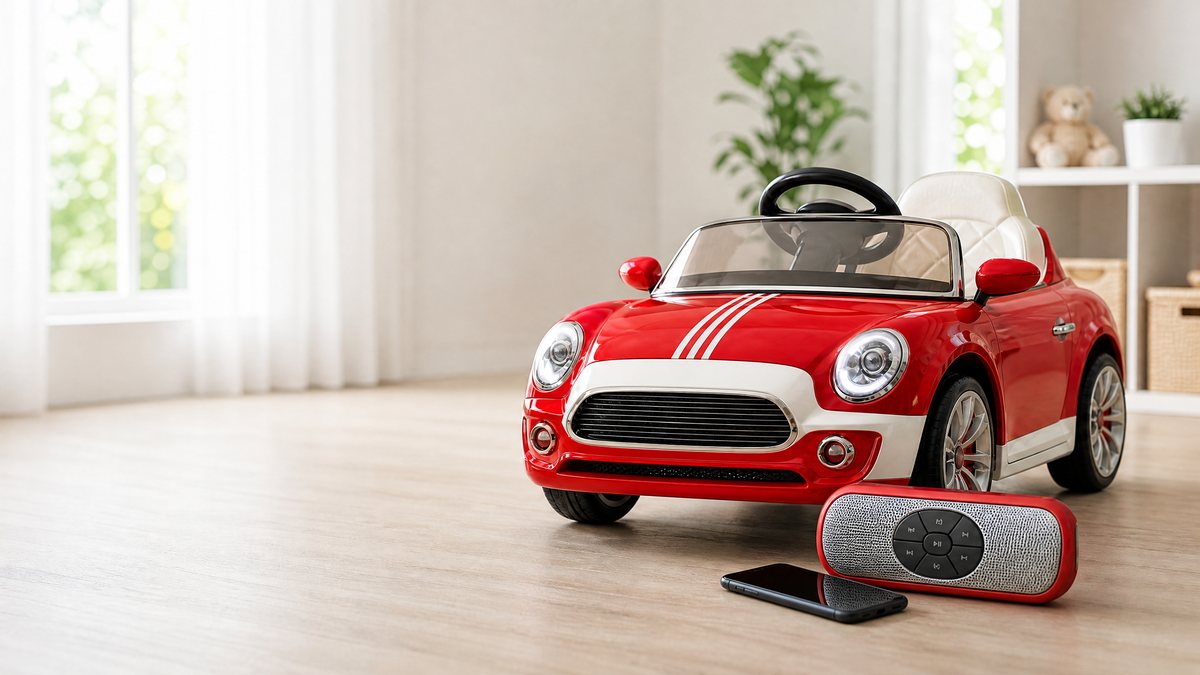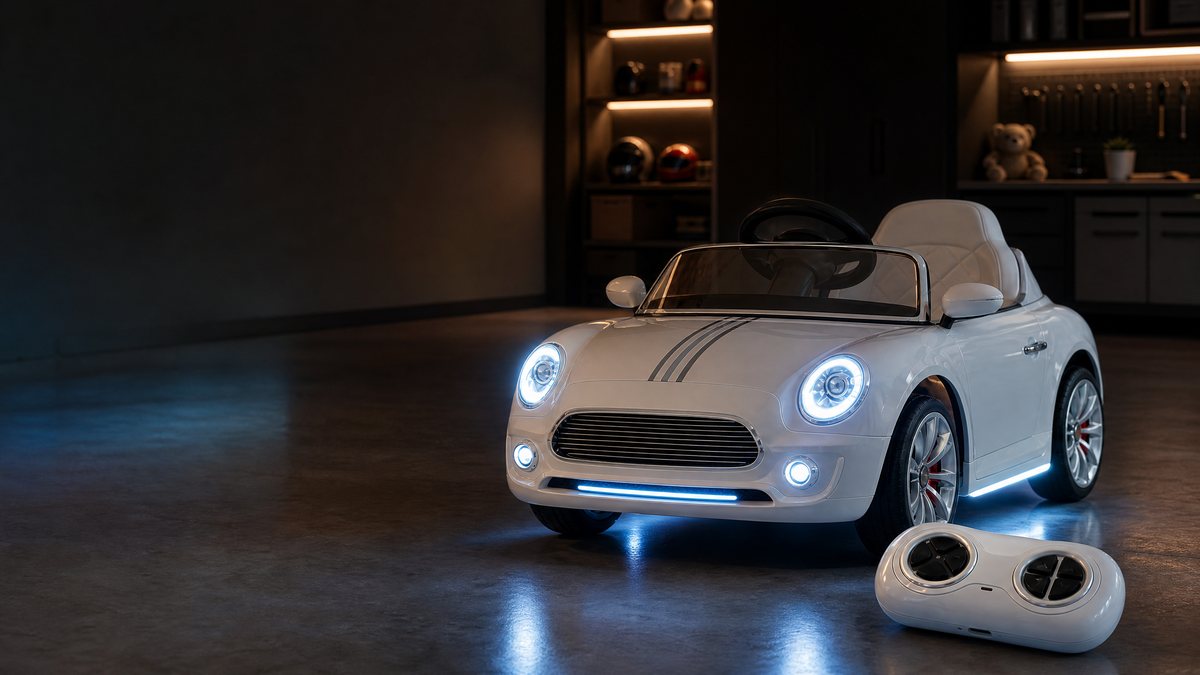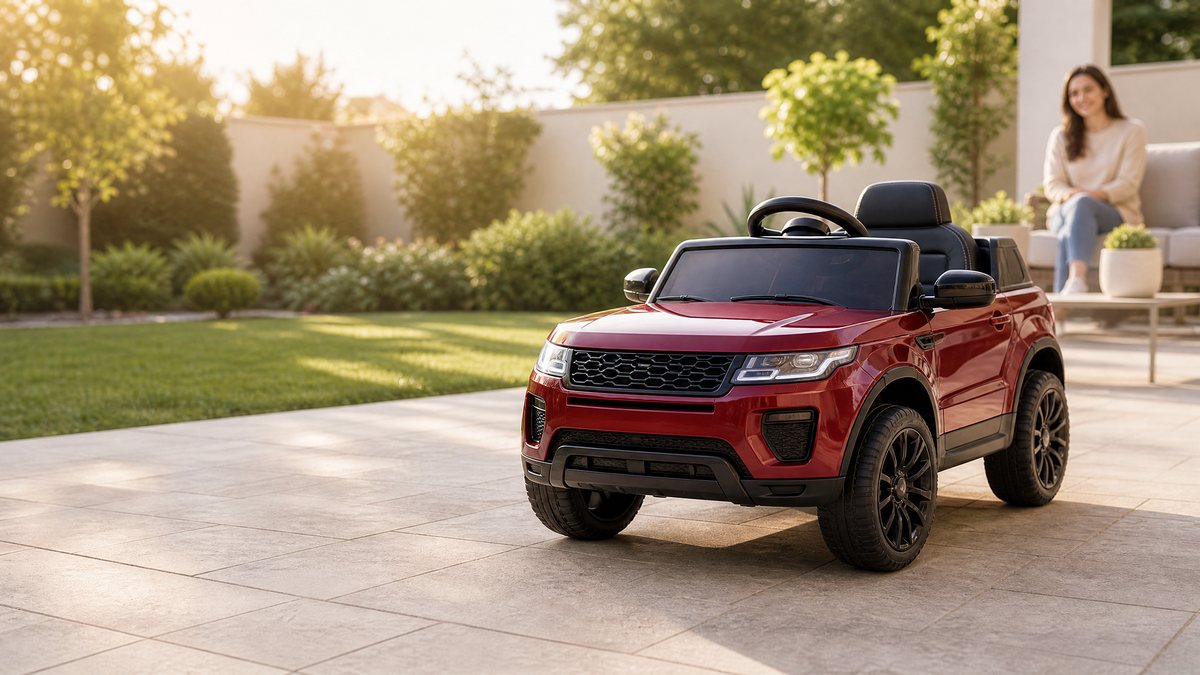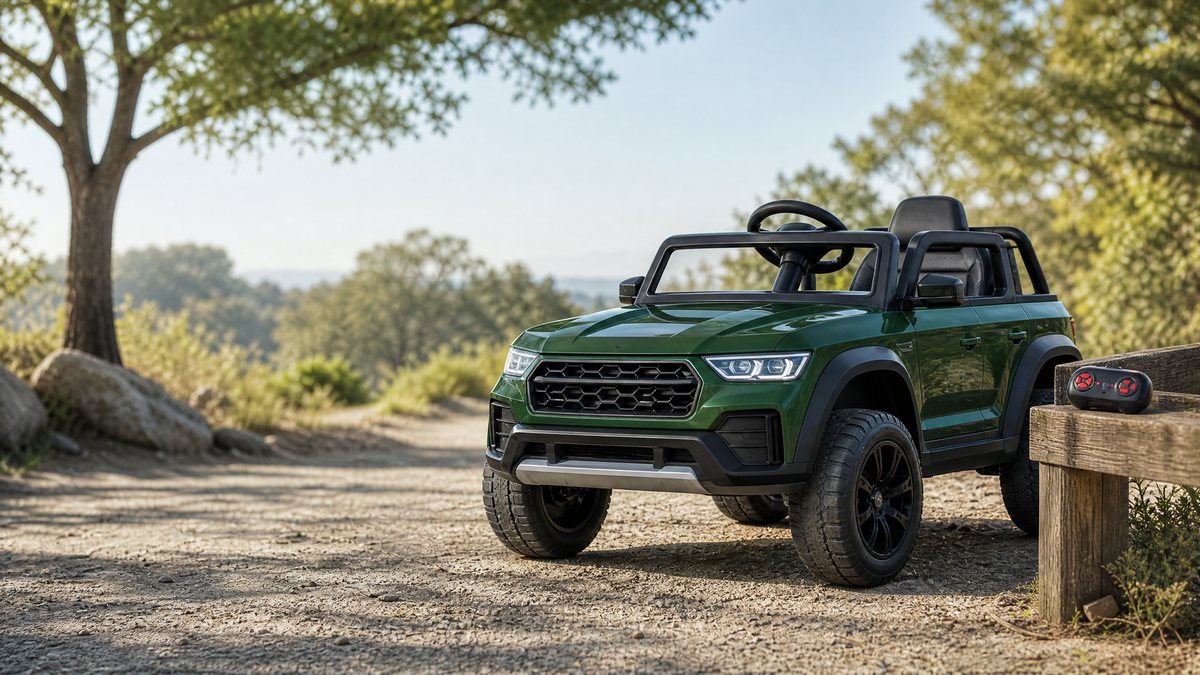
As the children's electric vehicle market continues to evolve at a rapid pace, commercial buyers, retail distributors, and discerning parents increasingly look far beyond basic mobility features. While early generations of children's ride-on cars focused primarily on forward and reverse driving mechanics, contemporary designs incorporate sophisticated entertainment and multimedia systems designed to stimulate cognitive engagement, auditory development, and immersive play. Among these modern features, the integration of a USB port has emerged as a particularly versatile multimedia enhancement. Rather than serving as a mere superficial novelty, a USB port on a ride-on car transforms a standard battery-powered toy into a customized entertainment platform. This comprehensive guide thoroughly explores how USB connectivity adds tangible entertainment value, examines technical considerations for wholesale buyers, and provides a structured evaluation framework for retail selection, product merchandising, brand positioning, and comprehensive procurement strategies.
The Evolution of In-Vehicle Entertainment in Ride-On Cars
To understand the current significance of USB integration in modern children's electric vehicles, it is helpful to examine how entertainment systems within ride-on vehicles have progressed over the past decade. Traditional ride-on toys relied heavily on fixed, analog sound modules—such as pre-programmed horn sounds, engine ignition roars, and a limited loop of synthesized nursery rhymes. While these built-in sounds offered initial amusement during early play sessions, they quickly led to auditory fatigue for both children and parents due to their repetitive nature and lack of variety.
The subsequent introduction of digital audio players, beginning with auxiliary (AUX) input jacks and basic SD card slots, marked a major technological shift in the toy industry. These interfaces allowed children and parents to connect external playback devices or load custom audio files directly. However, external cables could easily become entangled during active play, and small memory cards presented potential choking hazards or were easily misplaced by young children. The integration of a standard USB port resolved many of these practical limitations. By allowing users to plug in standard USB flash drives loaded with their preferred audio content, manufacturers successfully bridged the gap between passive toy operation and active, personalized entertainment. For commercial importers and retail buyers, offering vehicles with modern multimedia interfaces aligns directly with consumer demand for customizable, high-utility products in competitive retail markets. Furthermore, the presence of digital ports signals product modernity, influencing retail purchasing decisions and enhancing brand perception across global distribution networks.
Core Functional Benefits of USB Integration for Young Riders
The inclusion of a USB port on a ride-on car offers several distinct advantages that elevate the overall play experience. By facilitating customized audio playback, these ports support diverse developmental and recreational activities across different age groups and developmental stages.
Custom Auditory Engagement and Storytelling
Children respond strongly to familiar voices, favorite stories, and preferred music genres. A USB port allows parents to curate personalized playlists tailored to their child's developmental stage and current interests. During outdoor play sessions or cruising around the residential driveway, children can listen to educational audiobooks, foreign language tutorials, or professionally narrated fairy tales. This transforms outdoor physical activity into a multi-sensory learning experience, combining motor skill development with auditory comprehension.
Extended Playtime Longevity and Reduced Boredom
One of the primary challenges in the children's toy market is product obsolescence caused by boredom. When a ride-on car features a fixed audio library, children frequently lose interest once they have memorized all pre-loaded tracks. With USB connectivity, the available content library is virtually limitless. Parents can refresh the USB drive weekly with new songs, seasonal holiday music, or interactive game soundtracks, significantly extending the active lifespan of time spent with the toy and maintaining high engagement levels across multiple seasons of outdoor play and recreational activities.
Parental Control Over Audio Content
Unlike live radio broadcasts or uncurated streaming services, a USB-driven audio system gives parents absolute control over what their child hears during playtime. Every audio file played through the vehicle's integrated speakers is pre-screened and pre-loaded by the adult supervisor. This ensures a safe, age-appropriate acoustic environment free from unexpected commercial advertisements, sudden loud broadcasts, or inappropriate lyrical content.
Evaluating Multimedia and Audio Specifications in Wholesale Procurement
When B2B buyers and retail purchasers evaluate ride-on car inventory, multimedia specifications—including USB ports, Bluetooth modules, and integrated speakers—require careful technical assessment. Not all USB implementations offer the same level of performance, durability, or build quality.
| Specification Aspect | Basic Audio Integration | Advanced USB Multimedia System | Commercial Procurement Implication |
|---|---|---|---|
| Interface Type | Pre-loaded ROM / Analog Horn | Standard USB 2.0 Port + MP3 Decoder | USB systems offer infinite content scalability and higher perceived retail value. |
| File Format Support | Proprietary or Single Format | MP3, WAV, WMA Compatibility | Broad file compatibility reduces user friction and customer support inquiries. |
| Audio Output Quality | Mono Speaker (Low Wattage) | Dual Stereo Speakers with Amplifier | Clear acoustic output ensures enjoyment even in outdoor environments with ambient noise. |
| Control Integration | Dashboard Buttons (Play/Stop) | Multi-Function Dashboard (Volume, Track Skip, Mode) | Intuitive controls enhance independent operation by children under supervision. |
Procurement professionals must review manufacturer technical datasheets to verify that the USB port functions correctly as a data reader rather than solely as a low-current charging port. In many consumer electronics, confusion arises between data-reading USB ports and charging-only ports. For ride-on cars, the port must incorporate an internal MP3 decoding chip capable of reading storage drives and streaming audio data directly to the vehicle's integrated amplifier and speakers. Furthermore, wholesale buyers should examine the dashboard interface layout to ensure buttons for track skipping and volume adjustment are ergonomically positioned and robust enough to withstand frequent use by young operators.
Safety, Electrical Standards, and Operational Guidelines
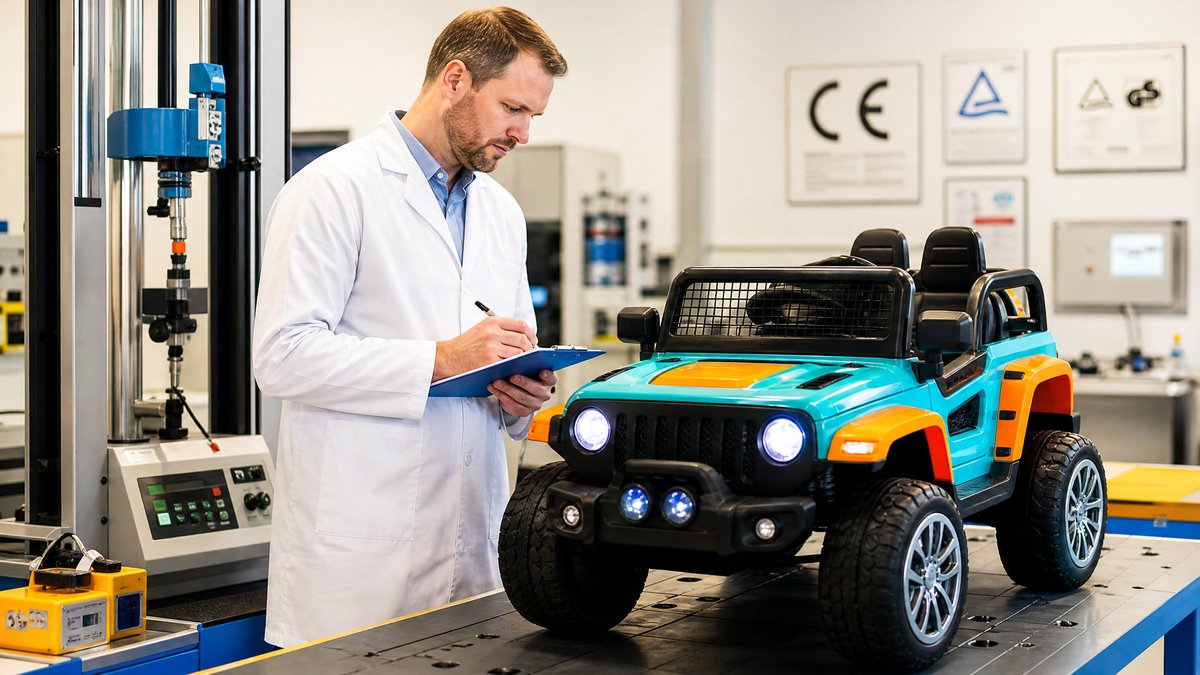
Integrating electronic accessories such as USB ports, LED lighting modules, and digital dashboards into a children's electric vehicle requires strict adherence to electrical safety standards. Importers and retailers must ensure that all vehicles comply with relevant regional safety certifications (such as CE, ASTM F963, or EN71) regarding low-voltage electrical systems.
Low-Voltage Circuit Protection
Ride-on cars typically operate on 12V, 24V, or similar low-voltage direct current (DC) battery systems. The internal circuitry connecting the battery to the dashboard multimedia system, including the USB port, must feature integrated current-limiting resistors and fuse protection to prevent short circuits. Buyers should request documentation confirming that electronic accessories are isolated from the main drive motor circuit to avoid electrical feedback or voltage spikes affecting the audio components during sudden acceleration or braking.
Environmental Sealing and Durability
Because ride-on cars are frequently operated outdoors on sidewalks, lawns, and parks, electronic dashboards are exposed to dust, moisture, and occasional light rain. Manufacturers utilizing robust silicone seals around USB ports and dashboard control panels offer superior product reliability and lower warranty return rates. B2B buyers should inquire about the ingress protection (IP) rating or moisture resistance standards applied to the dashboard assembly during manufacturing.
> Important Safety Notice: All electronic features, including USB media playback, are designed for entertainment under active adult supervision. Never attempt to modify internal wiring, bypass circuit breakers, or connect external power sources exceeding the manufacturer's rated battery specification. Always follow the specific user manual provided with the vehicle.
Buyer Evaluation Framework and Pre-Purchase Checklist
For retail buyers, store owners, and wholesale importers selecting ride-on car models featuring USB connectivity, establishing a structured evaluation framework helps mitigate quality risks and ensures customer satisfaction. The following pre-purchase checklist provides a reliable guide for assessing manufacturer samples:
1. Verify Interface Compatibility: Test sample USB drives formatted in FAT32 to ensure rapid recognition and seamless track navigation by the vehicle's onboard decoder.
2. Assess Audio Output Clarity: Test the speakers at maximum volume to check for distortion, rattling, or excessive electronic hiss from the amplifier.
3. Inspect Physical Placement: Ensure the USB port is positioned securely on the dashboard, protected from accidental knee strikes or direct water ingress, and fitted with a rubber dust cover if available.
4. Review Documentation: Confirm that the user manual clearly explains how to format USB drives, organize audio files into folders, and operate the dashboard playback controls.
5. Check Regulatory Compliance: Verify that electrical components comply with applicable local toy safety regulations and electromagnetic compatibility (EMC) standards.
Request a wholesale quote
Frequently Asked Questions (FAQ)
1. Do all ride-on cars in your catalog come equipped with a USB port?
No. USB connectivity is a model-specific feature found primarily on our modern licensed and premium ride-on car series. Buyers and retailers should review the individual product specification sheet or rating plate to confirm whether a specific model includes a USB port, auxiliary jack, or Bluetooth audio module.
2. What audio file formats are typically supported by ride-on car USB ports?
Most standard USB multimedia modules in ride-on cars are designed to read MP3 audio files stored on standard USB flash drives formatted in FAT32. Some advanced models may also support WAV or WMA formats. It is always recommended to consult the manufacturer's user manual for exact file formatting and directory structure guidelines.
3. Can the USB port on a ride-on car be used to charge mobile phones or tablets?
No. The USB ports integrated into ride-on car dashboards are intended strictly for data playback (reading music files from flash drives) through the vehicle's audio decoder. They do not deliver sufficient current or voltage regulation for charging external smart devices, and attempting to charge phones can damage the vehicle's internal control board.
4. How can B2B buyers verify the electrical safety of multimedia dashboards?
Wholesale buyers should request copies of relevant compliance certificates (such as CE, EN71, or ASTM F963 test reports) from the manufacturer, confirming that both the drive system and the low-voltage auxiliary electronics meet international toy safety and electromagnetic compatibility standards.
Conclusion and Strategic Takeaways
The inclusion of a USB port in a modern ride-on car is far more than a superficial aesthetic addition; it is a functional feature that significantly enhances user engagement, extends product lifecycle, and provides customizable entertainment. By allowing children to enjoy their favorite stories and music during outdoor play, these systems bridge the gap between traditional physical toys and modern interactive experiences. For B2B importers, distributors, and retail buyers, selecting models with robust, well-integrated multimedia options represents an effective strategy to meet evolving consumer expectations. Thorough product evaluation, verification of technical specifications, and adherence to manufacturer guidelines ensure commercial success and long-term customer satisfaction.
Request a wholesale quote
Additional Commercial Considerations for Retailers and Distributors
When positioning ride-on cars equipped with USB ports and advanced multimedia dashboards in retail showrooms or e-commerce catalogs, marketing and sales teams should emphasize the interactive and educational potential of custom audio playback. Parents today actively seek toys that support cognitive development, language acquisition, and imaginative play rather than simple, passive entertainment. By highlighting how a USB-enabled ride-on car allows children to listen to educational podcasts, foreign language lessons, or favorite bedtime stories while practicing motor coordination, retail partners can effectively differentiate their product offerings in a competitive global marketplace. Furthermore, providing clear point-of-sale documentation regarding USB compatibility and operational guidelines reduces post-purchase customer inquiries and reinforces long-term brand reliability, customer trust, and sustainable commercial partnerships across international retail sectors and wholesale distribution networks.
Official References
1. U.S. Consumer Product Safety Commission (CPSC): Toy Safety Education and General Electrical Toy Standards Guidance. (Note: Official CPSC guidance serves as general safety education and does not replace specific model user manuals or manufacturer operating instructions).
2. International Organization for Standardization (ISO) / International Electrotechnical Commission (IEC): Safety of Electric Toys — General Requirements for Low-Voltage Electronic Components and Audio Accessories in Children's Products.
3. European Committee for Standardization (CEN): EN 71 Safety of Toys — Part 1: Mechanical and Physical Properties, and Part 3: Specification for Migration of Certain Elements in Electronic Toy Assemblies.
Official references
Explore these external resources for current regulatory and trade guidance. Confirm requirements with the relevant authority before placing an order.
Ready to Start?
Factory-Direct · CE & ASTM Certified · MOQ from 50 Units
Our export team works with buyers in 60+ countries. Get a quote within 24 hours.
KR
Written by KidsRideCar
China's leading kids electric ride-on car manufacturer. 500,000+ units shipped annually to 60+ countries. CE, ASTM & EN71 certified.