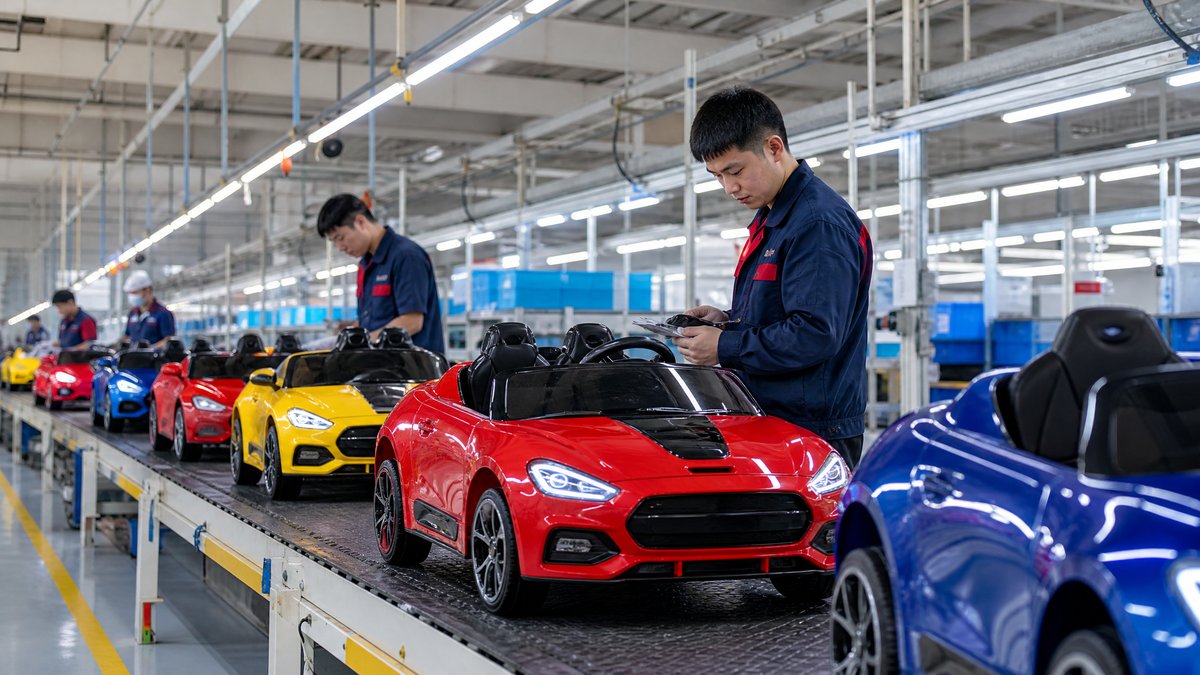
For professional entities operating within the global distribution and retail of juvenile leisure products, the transition of a product from a logistics container to a consumer-ready state represents a fundamental juncture in the supply chain. The process of preparing kids' electric ride-on vehicles for their initial operation is not merely a task of physical construction; it is a sophisticated quality assurance protocol that safeguards brand reputation, ensures operational reliability, and aligns with the highest standards of professional conduct. In an industry where consumer trust is the primary currency, the rigor applied to the assembly and inspection phases distinguishes market leaders from their competitors. The complexity of modern juvenile vehicles necessitates a shift from simple toy assembly to a comprehensive engineering and safety review process that encompasses every facet of the vehicle's physical and functional existence.
Phase One: The Professional Receiving and Quality Framework
Logistics Assessment and External Container Review
Upon the arrival of the shipment, the warehouse management team must conduct a thorough visual assessment of the external shipping containers. The journey across international borders often involves significant physical stresses, including vibrations and stacking pressures, which can impact the contents if the packaging is compromised. Technicians should look for signs of structural stress on the outer cartons, such as crushing or indentations, which may indicate that the internal components have been subjected to excessive pressure. Such pressure can lead to hairline fractures in the primary chassis or the displacement of internal supports. Additionally, the team must check for any evidence of environmental exposure, such as moisture staining, which could potentially affect the integrity of the electronic components or lead to oxidation at the energy connection points.
Implementing Standardized Sampling Protocols
For large-scale operations, conducting an exhaustive assessment of every single unit in a shipment may not be logistically practical. Instead, professional entities utilize standardized sampling protocols to evaluate the overall quality of a batch. This statistical approach allows for a high degree of confidence in the shipment's integrity without the need for total unboxing. By selecting a representative portion of the shipment for a detailed review, quality control officers can identify potential trends or systemic issues. If the sampling process reveals any concerns related to safety or fundamental functionality, the protocol should dictate an immediate escalation, which may include a more extensive review of the entire batch and direct communication with the manufacturer to seek written supplier confirmation regarding the findings.
Phase Two: Standardized Warehouse Assembly Workflow
Workspace Optimization and Professional Tooling
The physical environment where assembly takes place should be clean, well-lit, and ergonomically configured to support the technicians. Utilizing raised assembly platforms can significantly improve visibility and allow for a more thorough assessment of the underside of the vehicle without causing physical strain to the staff. When it comes to the tools employed, the emphasis should always be on precision rather than power. Professional assembly requires the use of low-torque tools or manual implements to ensure that fasteners are secured without risking damage to the plastic components. The use of high-impact or high-torque machinery is strongly discouraged, as it can lead to the stripping of threads or the creation of stress points in the material.
Component Inventory and Initial Assessment
Before the assembly process begins in earnest, a comprehensive audit of all included hardware and components is mandatory. Technicians must cross-reference every screw, washer, and decorative element against the provided written model documentation. The absence of even a small component, such as a specialized washer, can lead to increased wear on the axle or other moving parts over time. During this initial stage, each major component should also undergo a non-destructive assessment. This involves a visual check of the plastic panels for any signs of molding discrepancies, such as thinning of the material or surface irregularities. The goal is to ensure that only perfect components are used in the final construction, thereby upholding the brand's commitment to quality.
Phase Three: Structural Integrity and Mechanical Alignment
Propulsion Assembly and Gearbox Integration
The propulsion units must be seated correctly within their respective enclosures to ensure smooth operation. Any misalignment in this area can lead to increased noise during operation and premature wear of the internal gearing. Technicians should verify that the drive components are fully engaged with the wheel hubs, ensuring that power is distributed evenly across all designated drive wheels. This check is essential for maintaining the intended performance characteristics of the vehicle and ensuring a smooth, consistent ride for the user.
Directional System Installation and Verification
The installation of the steering mechanism requires a high degree of precision. It is vital to ensure that the steering column moves freely through its entire range of motion without any binding or resistance. During this process, technicians must also be mindful of the internal electrical paths that lead to the dashboard controls, ensuring that no wires are pinched or displaced during the securing of the steering components. A final check should verify that the directional alignment of the wheels corresponds accurately to the position of the steering controls when they are in a neutral state.
Wheel Security and Axle Integrity
The wheels are the primary point of contact between the vehicle and the ground, making their secure installation a top priority. Technicians must verify that all wheels are secured using the appropriate locking mechanisms specified in the manual, such as specialized nuts or pins. Each wheel should be checked to ensure it rotates freely with minimal lateral movement. The presence of all protective caps and decorative elements should also be confirmed, as these often serve a dual purpose of aesthetic appeal and protecting the underlying hardware from environmental factors.
Phase Four: Functional Verification and Power Integration
Power Connection and Initial Verification
The integration of the power source is a delicate step that must be performed in strict accordance with the written model documentation. Technicians should ensure that all energy connection points are secure and that the leads are connected to the appropriate terminals as indicated by the manufacturer's markings. It is vital to avoid any circuit changes or attempts to alter the internal configuration of the power system. If any concerns arise during the connection process, such as the observation of unexpected heat or irregularities, the procedure should be halted immediately. In such cases, the power source should be disconnected, and the unit should be set aside for an external visual check by qualified support.
Secondary Control Priority and Operational Testing
Many professional-grade ride-on vehicles feature a secondary control system that allows an adult to maintain priority over the vehicle's motion. The verification of this system is a critical safety check. Quality control officers should ensure that the secondary control unit is correctly paired with the vehicle and that its commands take precedence over the onboard controls. Testing the immediate pause function is also essential. This feature should be verified to ensure that the vehicle comes to a prompt and controlled stop when the command is given. The range of the secondary control should be assessed within a short distance to confirm a stable and reliable connection, ensuring that the vehicle remains under the supervision of the adult operator at all times.
Dashboard Features and Lighting Systems
The final functional check involves the various dashboard features, including lighting, audio, and any integrated media players. Each light should be verified for consistent illumination, and audio systems should be checked to ensure they operate within the sound levels appropriate for juvenile products. These features, while often seen as entertainment, are integral to the overall user experience and must meet the same high standards as the mechanical components.
Phase Five: Documentation, Markings, and Safety Boundaries
Verifying the Owner's Documentation
Every unit must be accompanied by a comprehensive manual in the primary language of the destination market. This documentation should include clear instructions for the final user, guidance on proper storage, and information on how to seek manufacturer-approved support. Quality control teams should verify that the information in the manual aligns with the current supplier evidence and that all safety warnings are prominent and legible.
Regulatory Alignment and Product Markings
The vehicle and its packaging must display the appropriate product markings relevant to the destination market. These markings provide documented evidence that the product has undergone the necessary external assessments and meets the applicable destination-market requirements. This includes warnings regarding the need for adult supervision and the identification of any small parts that may require attention. Ensuring these markings are present and correct is a key responsibility of the importer in maintaining regulatory alignment.
Professional Boundaries and Qualified Support
A critical aspect of professional quality assurance is recognizing the limits of in-house activities. To maintain the integrity of the product and the safety of the end-user, certain tasks must be strictly reserved for qualified support or manufacturer-authorized professionals. Distributors and retailers should never attempt to perform an internal assessment of the propulsion enclosure, the primary circuit boards, or the internal energy storage units. These components are factory-sealed and designed to be maintained only by those with the specific training and manufacturer-approved equipment.
Instead, the role of the distributor is to perform an external visual check and to ensure that the vehicle is used and maintained according to the manual-led setup. If a functional concern is identified that cannot be resolved through the standard assembly process, the professional course of action is to stop use immediately and consult with the manufacturer for a non-destructive assessment or replacement.
The Professional Business-to-Business Quality Assurance Framework
| Assessment Category | Professional Focus Area | Documentation Required |
|---|---|---|
| Logistics Integrity | External carton condition and factory seals. | Shipping manifests and receiving logs. |
| Structural Soundness | Chassis integrity and mechanical alignment. | Written model documentation. |
| Functional Readiness | Power integration and control priority. | Functional check-off sheets. |
| Regulatory Alignment | Product markings and manual presence. | Current supplier evidence. |
| Safety Oversight | Adult supervision and usage boundaries. | Safety warning verification records. |
Comprehensive Pre-Delivery Inspection Checklist
* External Visual Check: Confirm the chassis is free from surface irregularities or stress marks.
* Mechanical Security: Verify all wheels and directional components are secured with the specified hardware.
* Directional Motion: Ensure the steering mechanism operates smoothly without binding.
* Power Integration: Confirm the power source is connected according to the manufacturer's instructions.
* Control Priority: Verify the secondary control system maintains priority over the vehicle's motion.
* Pause Functionality: Ensure the immediate pause feature is operational and effective.
* Audio and Visuals: Confirm all lights and media features are functioning as intended.
* Documentation Presence: Verify the inclusion of a manual in the appropriate language.
* Marking Verification: Ensure all required safety markings are present and legible.
* Fastener Review: Conduct a final check of all external fasteners for proper security.
* Cleanliness: Ensure the vehicle is free from any dust or debris from the assembly process.
* Packaging Integrity: Confirm the final packaging is secure for delivery to the end-consumer.
Frequently Asked Questions
Q: How can a distributor ensure that their assembly team is following the correct protocols?
A: The most effective method is to implement a standardized training program based on the current written model documentation. Regular audits of the assembly process and the use of the comprehensive pre-delivery inspection checklist will ensure that every technician is adhering to the professional standards expected by the brand and its retail partners.
Q: What should be done if a shipment arrives with evidence of environmental exposure?
A: If there is any sign of moisture or other environmental factors having impacted the shipment, the affected units should be quarantined immediately. A thorough external visual check should be conducted, and the distributor should seek written supplier confirmation regarding the potential impact on the internal components before proceeding with assembly or distribution.
Q: Why is it important to avoid any circuit changes or internal assessments?
A: The internal systems of modern ride-on vehicles are designed to operate within specific parameters established by the manufacturer. Any attempt to alter these systems or to perform an internal assessment without manufacturer-approved support can lead to operational instability and may compromise the safety of the vehicle.
Request a wholesale quote
Official references
Explore these external resources for current regulatory and trade guidance. Confirm requirements with the relevant authority before placing an order.
Ready to Start?
Factory-Direct · CE & ASTM Certified · MOQ from 50 Units
Our export team works with buyers in 60+ countries. Get a quote within 24 hours.
KR
Written by KidsRideCar
China's leading kids electric ride-on car manufacturer. 500,000+ units shipped annually to 60+ countries. CE, ASTM & EN71 certified.