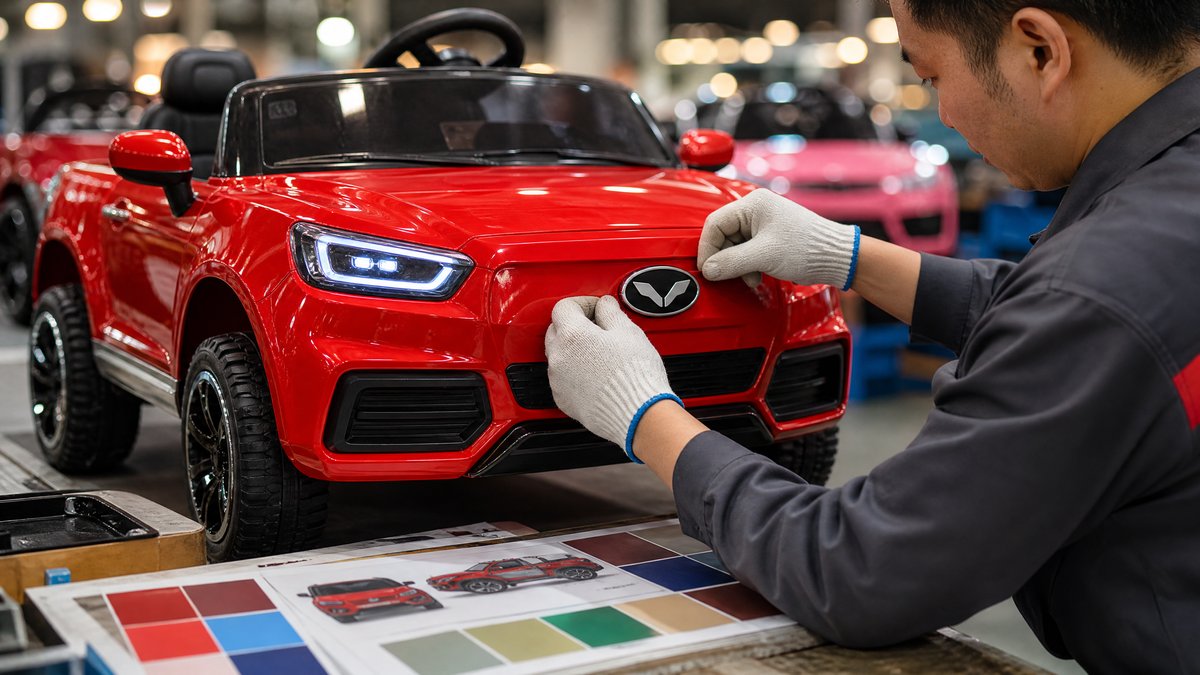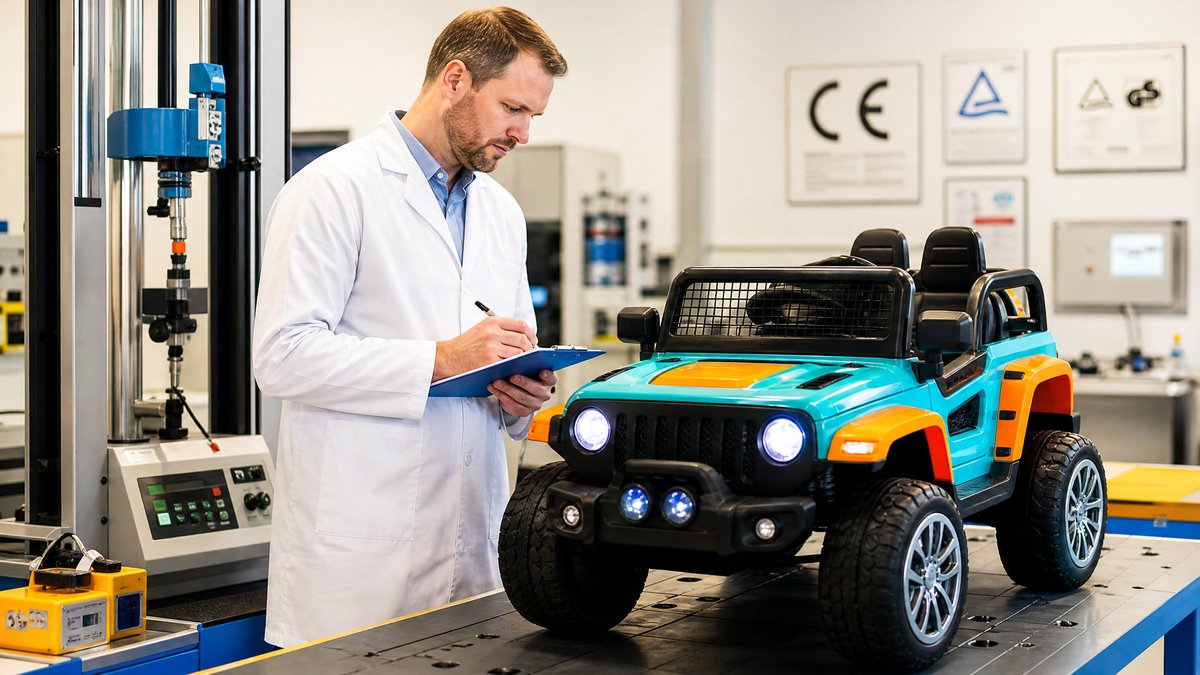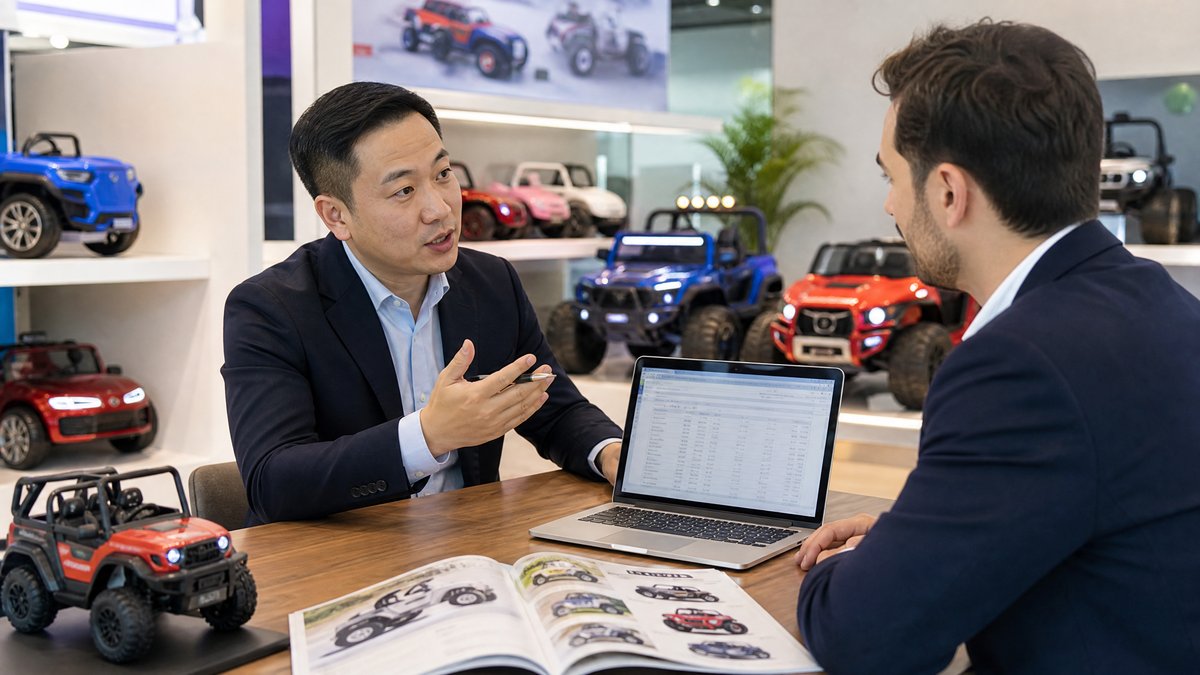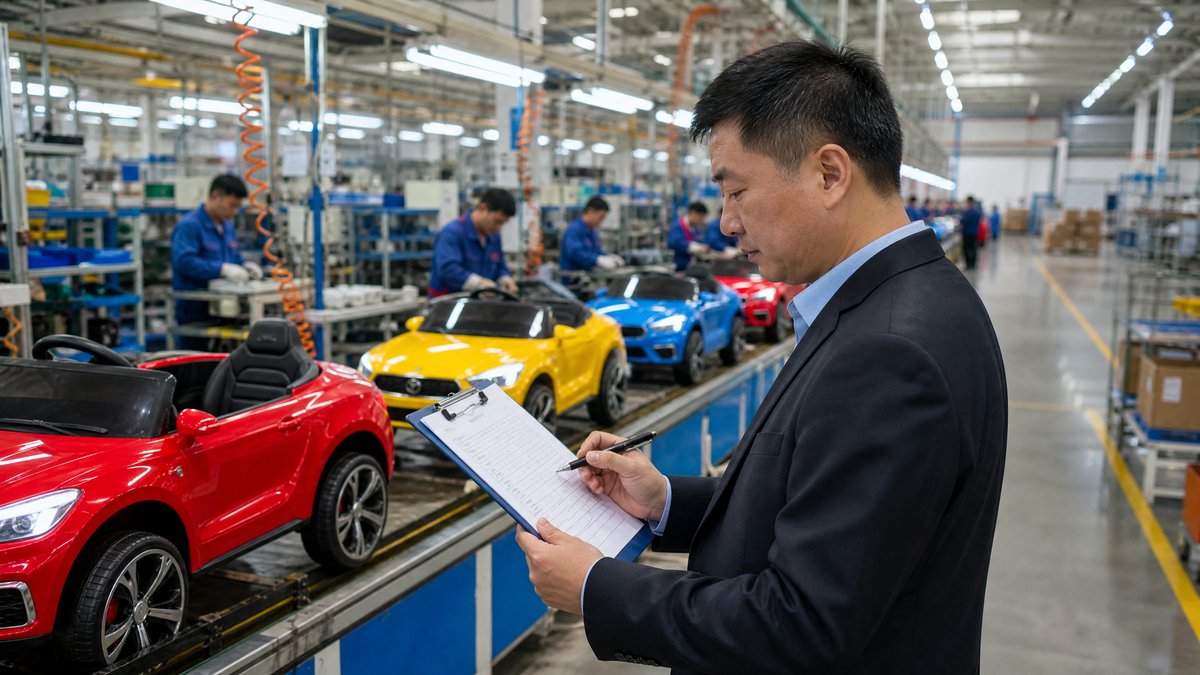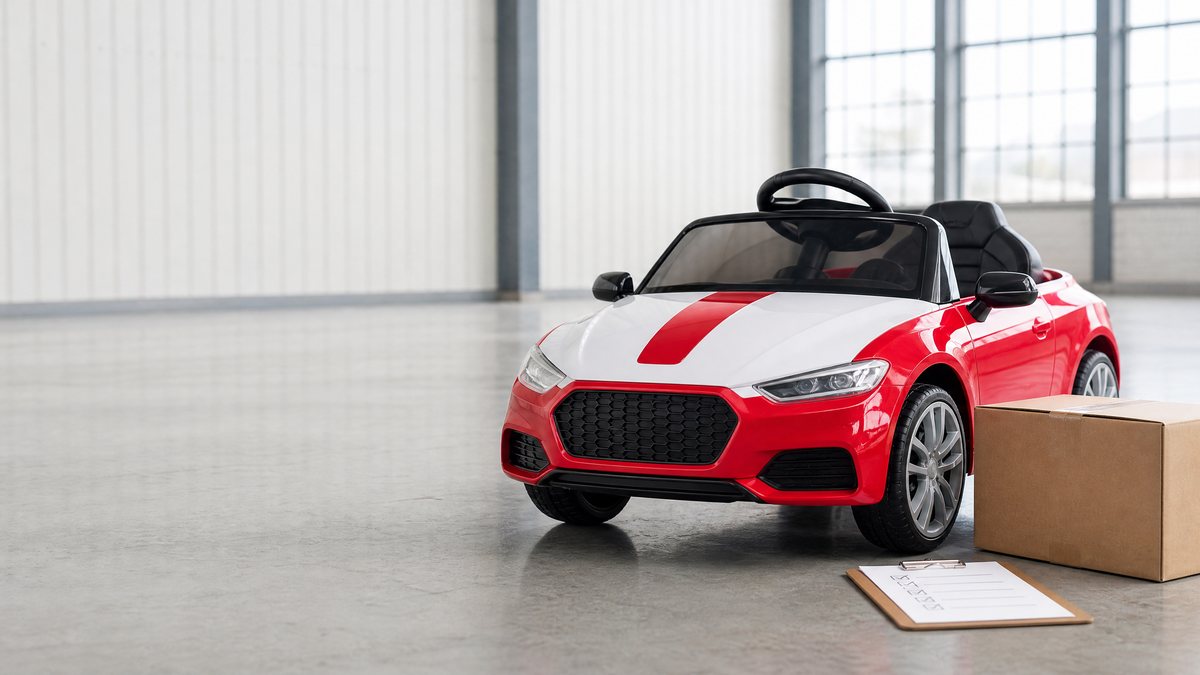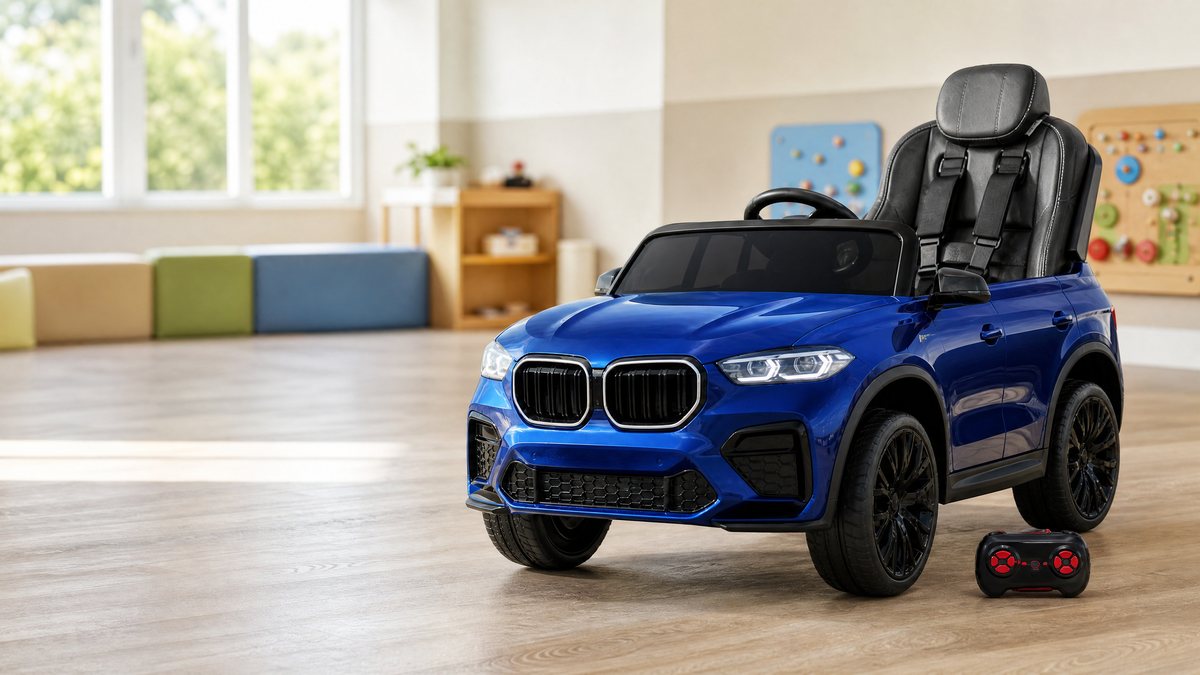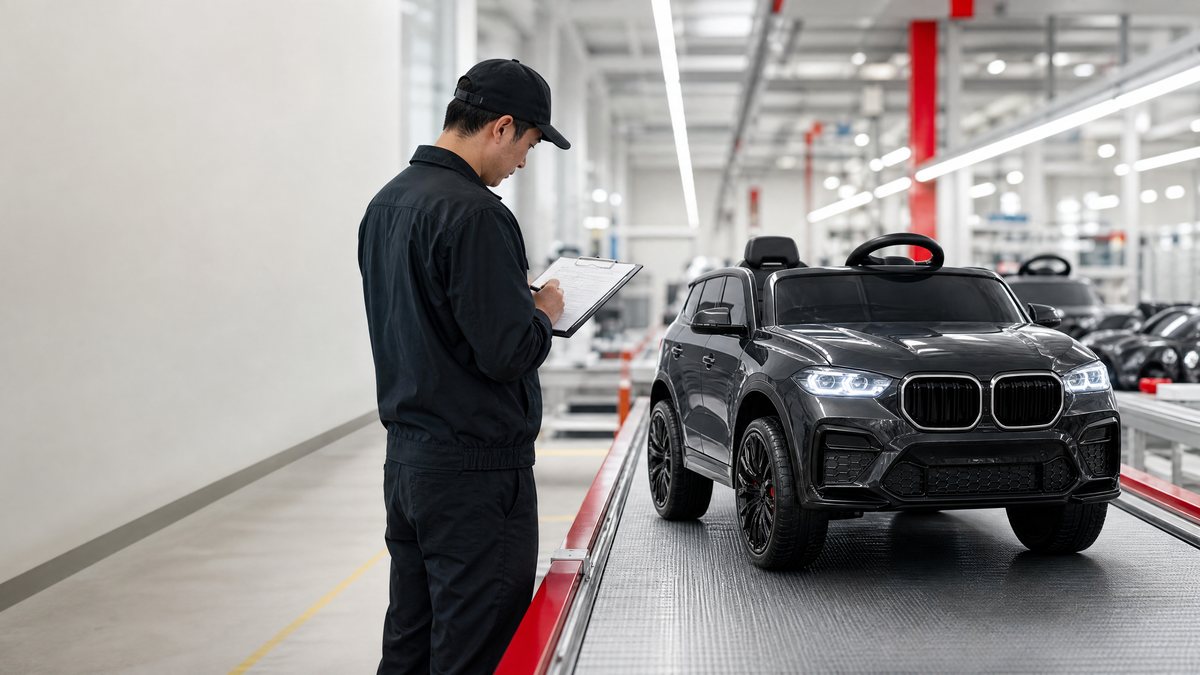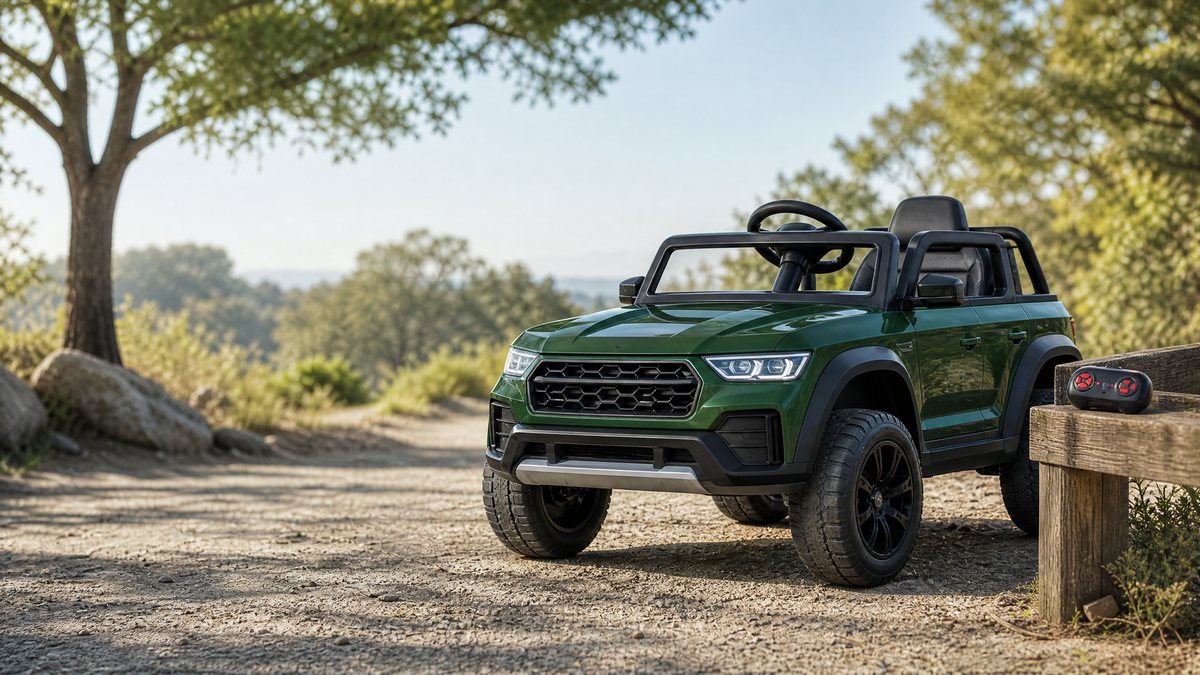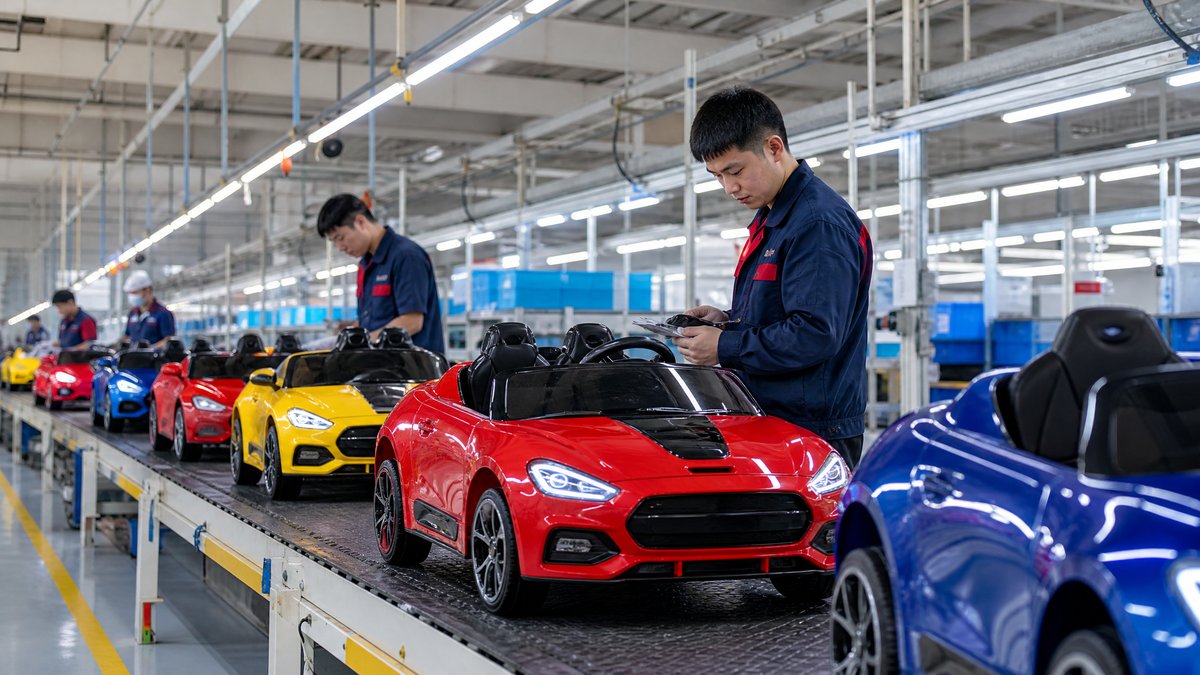
In the children’s electric vehicle market, transitioning from a digital catalog to a warehouse of inventory involves significant risk. For a wholesale buyer, a pre-production sample is a critical strategic milestone, serving as the final gatekeeper for quality, brand reputation, and financial security. Approving a sample essentially signs off on the blueprint for an entire production run; unnoticed flaws will likely be replicated across thousands of units, leading to costly returns and safety concerns.
This guide offers a disciplined, model-neutral framework for B2B buyers to evaluate ride-on car samples. By following a structured process—covering specifications, packaging, documentation, assembly, and functional observation—buyers can mitigate sourcing risks and establish a benchmark for mass production. Note that while sample approval is a vital quality control step, it does not substitute for professional third-party laboratory testing or market-specific compliance certifications.
The Strategic Importance of the Pre-Production Sample (PPS)
The Pre-Production Sample (PPS) is the manufacturer's formal commitment to agreed specifications. Once approved, it becomes the "Golden Sample"—the definitive reference for quality control. This is the buyer's final chance to identify "deal-breakers" before committing capital.
A disciplined approach prevents common sourcing challenges:
* Specification Drift: Mass-produced units using lower-quality components than the prototype.
* Packaging Inadequacy: Products arriving damaged due to insufficient transit protection.
* Compliance Gaps: Shipments seized at customs because labels or manuals fail to meet local requirements.
* Functional Inconsistency: Identifying potential glitches that indicate systemic assembly issues.
Request a wholesale quote
Phase 1: Verification of Specifications and Documentation
The first phase involves a rigorous comparison between the physical unit and the Technical Data Sheet (TDS). Buyers must have the written contract in hand.
Documentation and Manual Review
The instruction manual is a key safety and branding component. A production-ready manual should be:
1. Language-Appropriate: Professionally translated into the target market's primary language.
2. Visually Clear: Featuring easy-to-follow assembly diagrams.
3. Safety-Centric: Including explicit warnings on supervision, use environments, and age limits.
4. Informative: Providing guidance on charging and routine maintenance.
Labeling and Compliance Marks
Verify that all required warning stickers are present on the vehicle and packaging, including choking hazards and age labels. While a sample may display CE, UKCA, or ASTM marks, this does not guarantee batch-wide compliance. Buyers must ensure the manufacturer provides valid test reports from accredited laboratories for the specific model.
Physical Component Check
Without disassembling the vehicle, compare visible components to the specification list:
* Body Materials: Ensure the Polypropylene (PP) plastic finish matches the contract (e.g., molded vs. painted).
* Tires: Confirm the tire material, such as standard plastic or EVA foam.
* Seating: Verify the seat material and capacity (single vs. two-seater).
* Dashboard: Confirm all switches and multimedia inputs are present as per the TDS.
Phase 2: Packaging Audit
Packaging must survive international shipping and final delivery.
The Shipping Carton
Examine the outer carton's integrity. High-quality B2B shipments typically use at least 5-ply double-wall corrugated cardboard.
* Visual Inspection: Check the "Box Maker’s Certificate" (BMC) for bursting strength and load limits.
* Shipping Marks: Ensure the SKU, weight, and country of origin markings are correct and legible.
* Handling Icons: Confirm "Fragile," "This Side Up," and "Keep Dry" icons are visible.
Internal Protection
Evaluate how the product is secured:
* Buffering: Look for EPE foam or cardboard inserts protecting the windshield, mirrors, and dashboard.
* Separation: Heavy components like wheels should be separated from the body to prevent scratches.
* Hardware Security: Small parts and the remote should be in a sealed bag, securely attached to prevent loss.
Phase 3: Cosmetic and Assembly Inspection
Assess the car from all angles, including the underside, to evaluate manufacturing quality.
Surface Finish and Molding Quality
Inspect the plastic surfaces for manufacturing defects that could affect the product's appeal or safety:
* Flashing: Look for excess plastic at the seams where the molds meet. High-quality manufacturers ensure these edges are trimmed smooth to prevent sharp points or abrasions for the child.
* Sink Marks: These are small depressions in the plastic caused by uneven cooling during the injection molding process. While often cosmetic, they can indicate issues with the molding process or the quality of the raw Polypropylene used.
* Color Consistency: Ensure the color is uniform across all panels. If the car has a premium painted finish, check for "orange peel" textures, runs, or thin spots that might suggest a rushed production process.
Assembly Fit and Structural Integrity
A disciplined review requires looking at the car from all angles to assess the quality of the assembly:
* Panel Gaps: Check the alignment of the hood, doors, and rear sections. While these are toys, excessive or uneven gaps can suggest poor mold alignment or a lack of attention to detail on the assembly line.
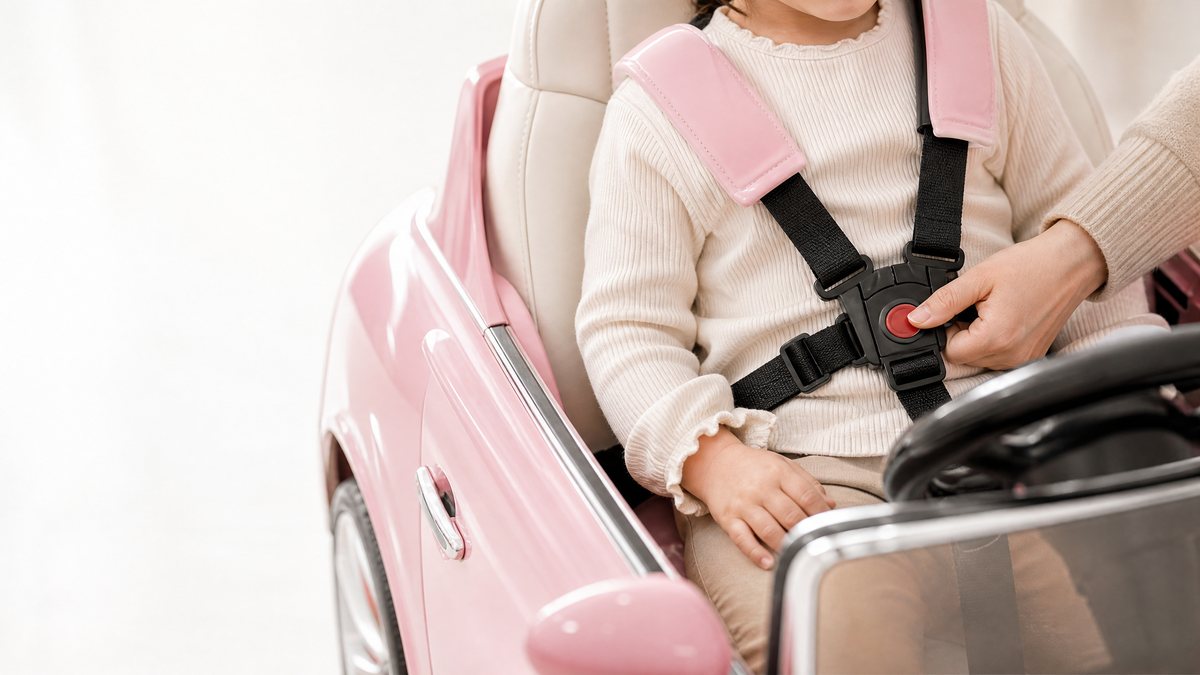
* Seat Belts: Verify that the seat belts are securely fastened to the vehicle's frame, not just the plastic body. The buckles should click firmly and remain latched under gentle tension to ensure they function as intended.
* Wheels and Axles: Observe the wheels for excessive lateral "wobble." The attachment mechanism (whether quick-release buttons or traditional cotter pins) should be secure and correctly installed according to the manual.
* Doors and Latches: If the model features opening doors, they should operate smoothly, latching securely so they do not swing open during normal use.
* Fasteners: Check for any exposed sharp screws or loose bolts. All fasteners should be recessed or covered with protective caps where appropriate to prevent injury.
Electronic Reliability Observation
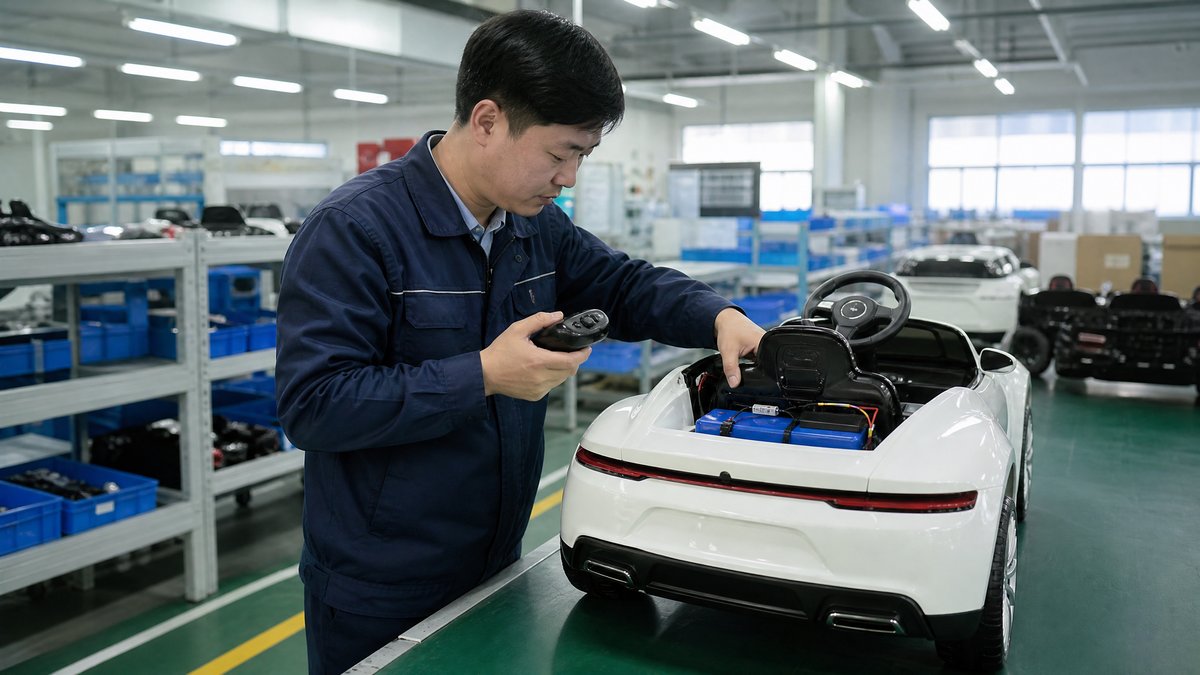
Without opening the chassis, observe the electronic assembly:
* Switches: Buttons should feel firm and provide clear feedback.
* Wiring: Visible wiring near the battery should be neatly routed and secured.
* Connectors: Ensure visible connectors are pushed home and secured.
Phase 4: Supervised Functional Observation
Charge the battery as specified in the manual before testing. All observations must be conducted by an adult in a safe, enclosed area.
Power and Interface Observation
Observe the power-on sequence and interface functionality:
* Lighting: Test headlights, taillights, and dashboard lights for consistency.
* Multimedia: Verify the horn and audio features (USB, Bluetooth, etc.).
* Startup: Note if there is a "soft start" mechanism for gradual acceleration.
Movement and Control Observation
Observe basic movement as described in the manual:
* Controls: Confirm forward and reverse gears engage smoothly.
* Steering: Ensure the steering wheel turns the front wheels without grinding.
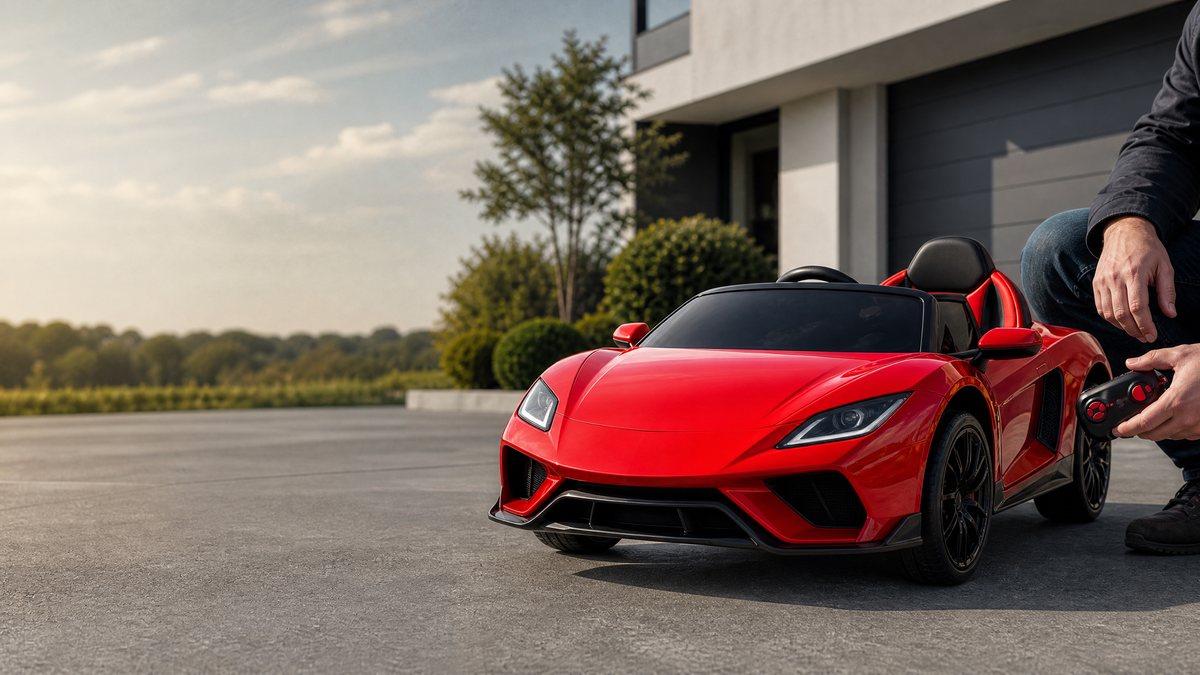
* Remote Control: For models with a 2.4G remote, observe its operation. Remote behavior is model-specific; the key check is the remote's ability to prioritize parental input, like the emergency stop, over the pedal.
Battery Management Observation
Follow the manual's instructions for the initial charge:
* Charging Port: The port should be accessible and the plug secure.
* Heat: Observe the battery and charger for unusual heat during use.
* Storage: Follow manufacturer advice on battery maintenance for long-term storage.
Phase 5: Establishing the "Golden Sample" and Change Control
If the sample meets your requirements, it becomes your "Golden Sample"—the definitive reference for all future production batches. If it does not, you must enter a formal change control process to ensure all issues are rectified before mass production begins.
Documenting Discrepancies
Never rely on verbal agreements for changes. If you identify minor issues that do not warrant a full rejection, document them clearly in writing. For example: "Sample approved pending the addition of reinforced cardboard for windshield protection in mass production." Take high-resolution photographs of every angle, every label, and the overall assembly to serve as your permanent record of the approved standard.
The Sample Approval Form
Provide the manufacturer with a formal Sample Approval Form. This document should explicitly state that the mass-produced units must match or exceed the quality, materials, and assembly standards of the approved sample. It should also reiterate that your approval of the sample is conditional upon the supplier providing all necessary third-party safety certifications for the actual production batch. This formal sign-off protects your business interests and sets clear expectations for the factory.
B2B Checklist: Sample vs. Mass Production Expectations
The following table summarizes the key checkpoints a wholesale buyer should use to distinguish between a "prototype" and a "production-ready" sample.
| Category | Sample Checkpoint | Mass Production Expectation |
|---|---|---|
| Documentation | Review manual for clarity and safety warnings. | Correct, wrinkle-free manual included in every unit. |
| Packaging | Assess internal bracing and carton ply (5-ply). | Consistent packaging quality across all shipping containers. |
| Labeling | Verify all required warning stickers are present. | Durable, correctly placed labels that meet target market rules. |
| Cosmetics | Check for molding burrs and paint consistency. | Uniform finish across the entire batch with no sharp edges. |
| Assembly | Confirm seat belts and wheels are secure. | 100% assembly verification on the production line. |
| Function | Observe remote override and lighting. | Full functional testing of electronics before final packing. |
| Compliance | Check for presence of required marks (e.g., CE). | Valid third-party lab test reports for the production batch. |
| Battery | Observe charging behavior and port fit. | Fresh, date-coded batteries in every unit. |
| Wiring | Check for neat routing and secure connectors. | Consistent wiring standards across the batch. |
| Tires | Verify material (EVA vs. Plastic) and grip. | Uniform tire density and secure attachment. |
| Multimedia | Test all audio inputs and volume levels. | 100% functional audio systems in every box. |
| Spare Parts | Verify inclusion of required hardware. | Complete hardware kits in every package. |
Safety and Accuracy Disclaimer
Wholesale buyers must ensure products comply with local legal and safety standards. Always refer to the product manual for specific instructions. Ride-on cars require constant adult supervision and should be used on private property, away from roads, traffic, pools, or inclines.
If a sample shows signs of damage, exposed wiring, or overheating, stop use immediately. Do not attempt to open the battery, motor, or controller housings, as this poses a safety risk and voids warranties. For technical concerns, consult the manufacturer’s support or a toy safety professional.
Request a wholesale quote
Frequently Asked Questions
1. Is sample approval the same as a safety certification?
No. Sample approval is an internal process to verify quality and branding. Safety certification (like ASTM F963 or EN71) is a legal requirement performed by accredited laboratories. Never assume compliance based solely on sample approval.
2. What if the sample has minor cosmetic flaws?
Pre-production samples are often hand-assembled and may have minor flaws. You can approve "with comments," provided you document them and get written confirmation that mass production will correct them. Structural or safety flaws must result in rejection.
3. How many samples are typically needed?
Buyers often request two samples: one as the "Golden Sample" for reference, and another to be sent to a certified lab for formal compliance testing.
4. Who pays for sample and shipping costs?
The buyer typically pays for the sample and air shipping. Suppliers often offer to credit these costs against the first full container load (FCL) order.
5. What if mass production differs from the sample?
Your signed Sample Approval Form and the Golden Sample serve as primary evidence for quality claims or dispute resolution if the production batch uses inferior materials.
6. What is the difference between a prototype and a Pre-Production Sample (PPS)?
A prototype is often a hand-built model used for design and functional testing, whereas a PPS is intended to be a true representation of what will come off the assembly line. The PPS should include the final packaging, manuals, and labels, making it the most accurate benchmark for a wholesale buyer.
Conclusion
Approving a ride-on car sample transitions a project from product excitement to analytical discipline. By verifying documentation, packaging, and performance, you establish a foundation for your brand. Sample approval is the start of a rigorous quality relationship. Prioritize clear communication, maintain your Golden Sample, and always conduct professional third-party testing to ensure child safety.
Official references
Explore these external resources for current regulatory and trade guidance. Confirm requirements with the relevant authority before placing an order.
Ready to Start?
Factory-Direct · CE & ASTM Certified · MOQ from 50 Units
Our export team works with buyers in 60+ countries. Get a quote within 24 hours.
KR
Written by KidsRideCar
China's leading kids electric ride-on car manufacturer. 500,000+ units shipped annually to 60+ countries. CE, ASTM & EN71 certified.