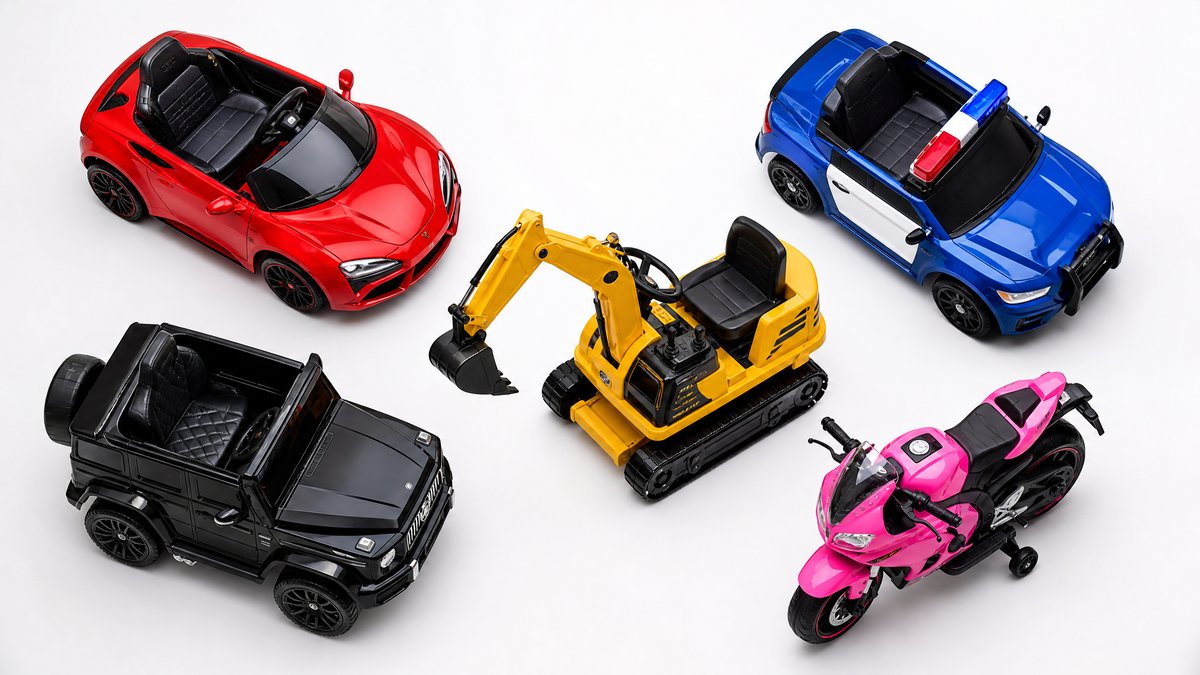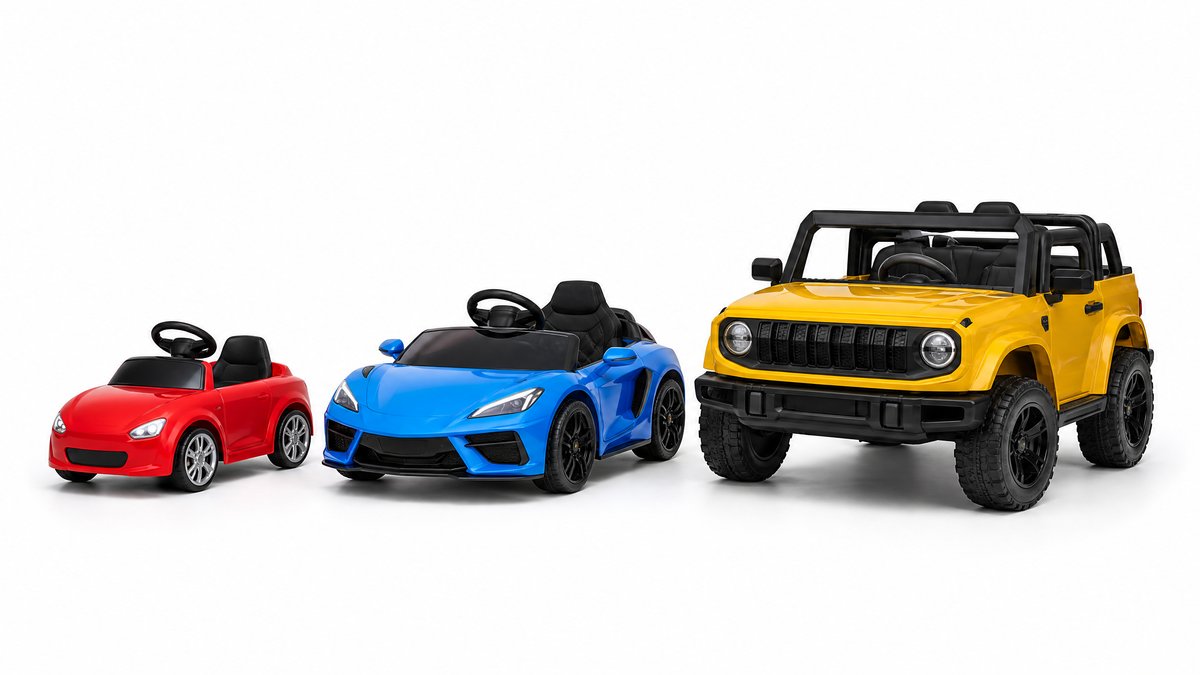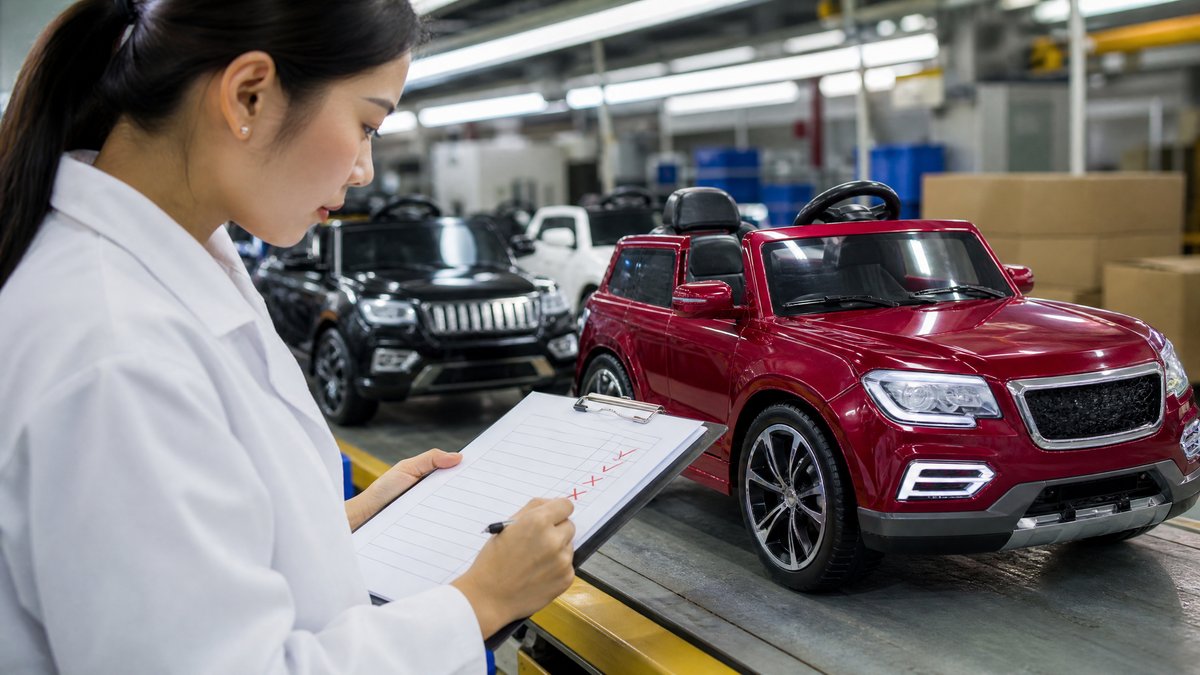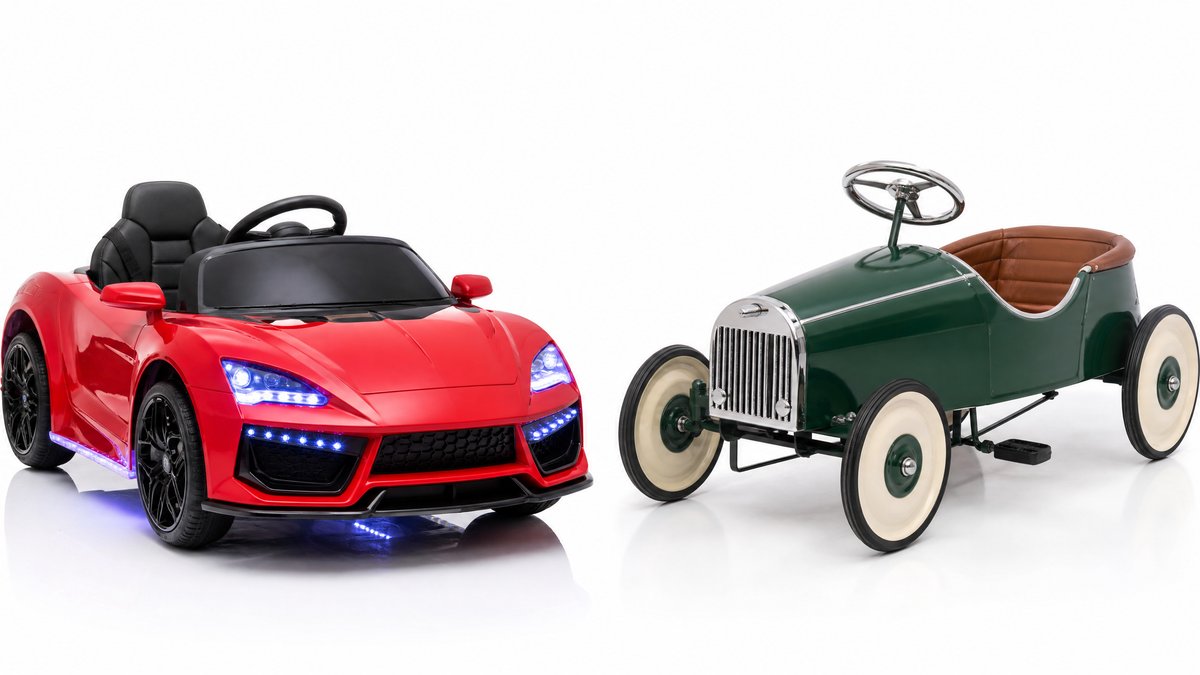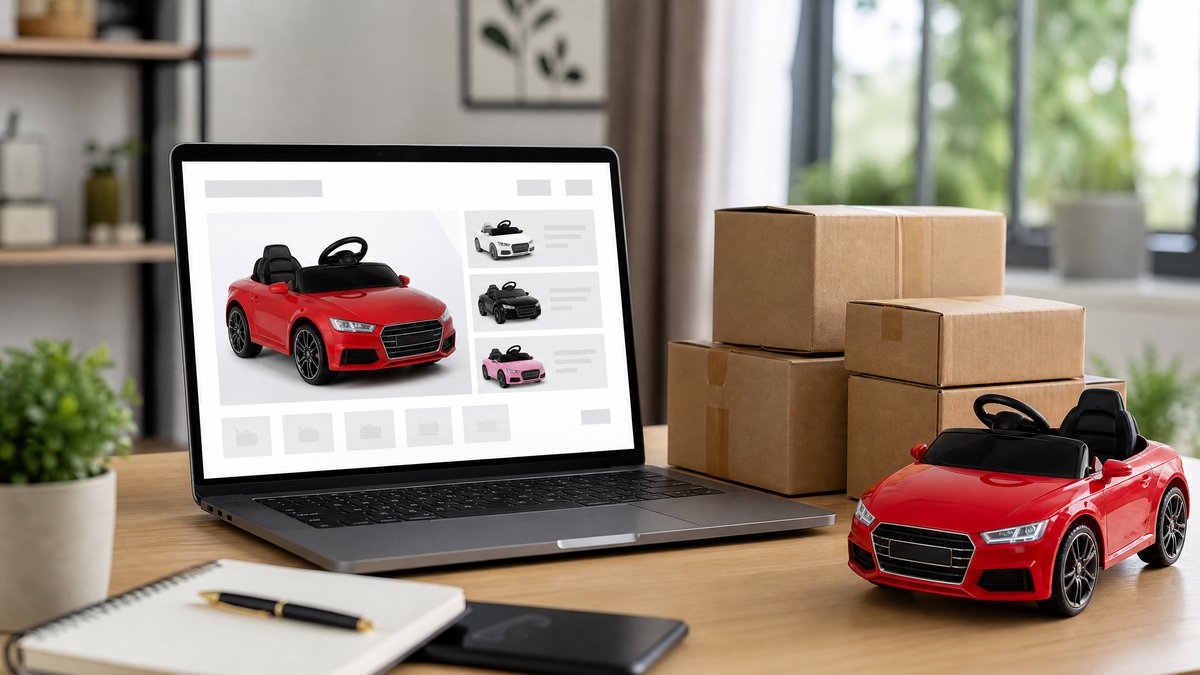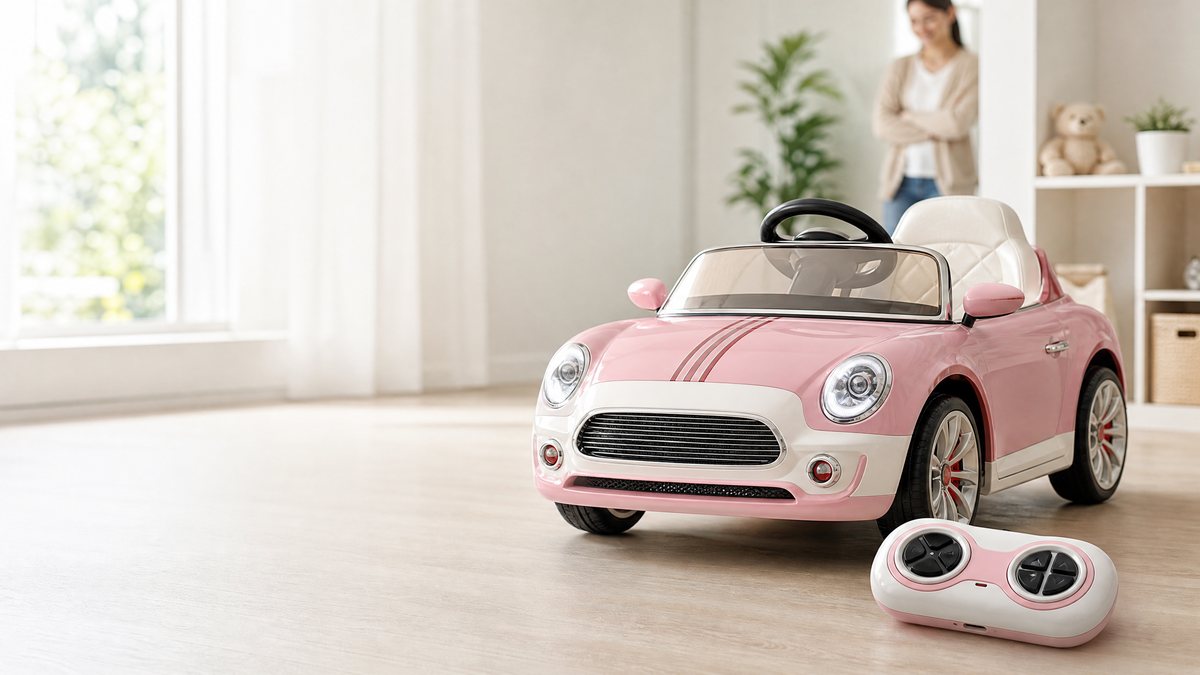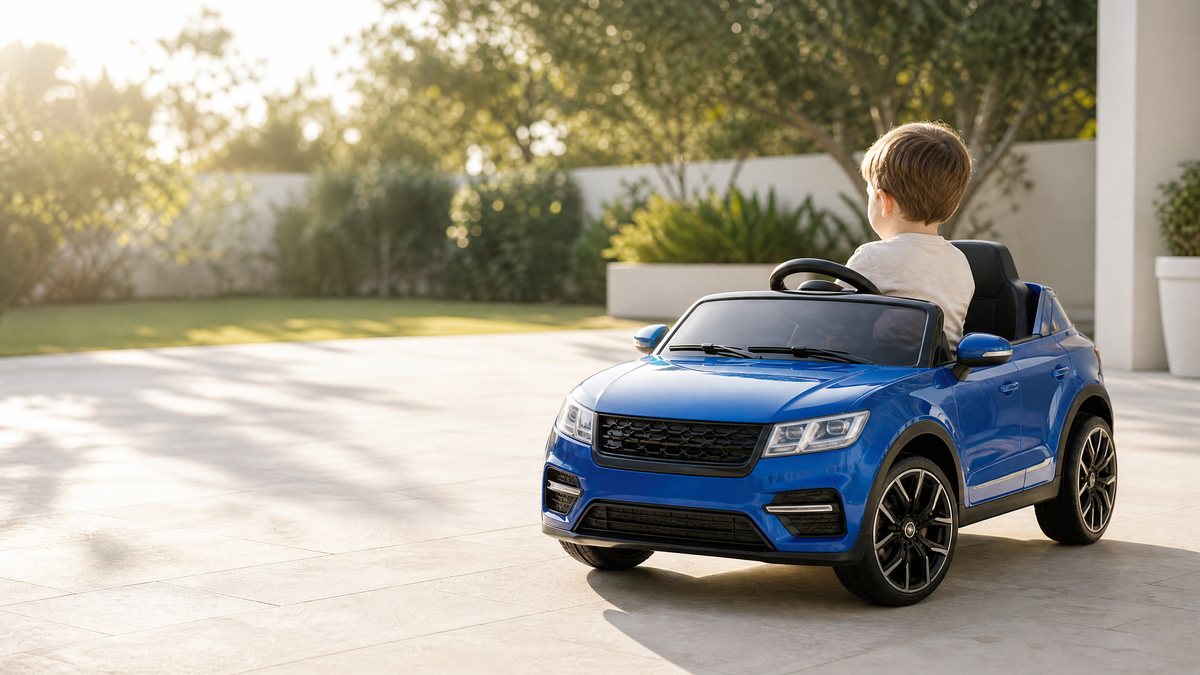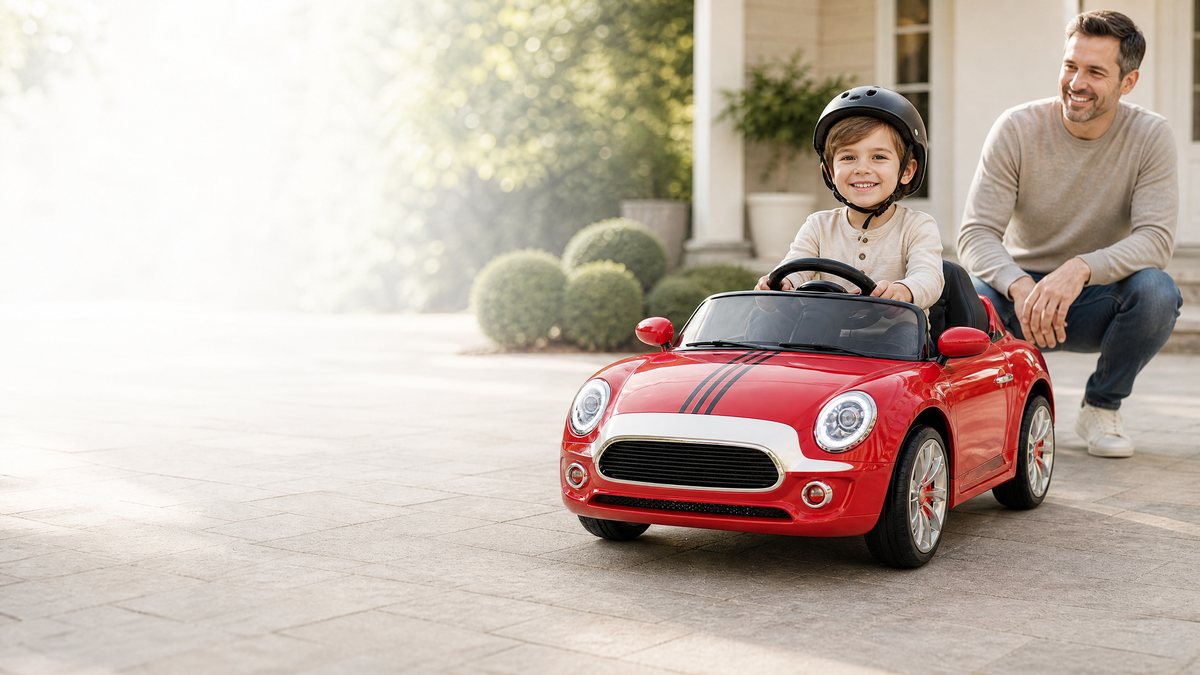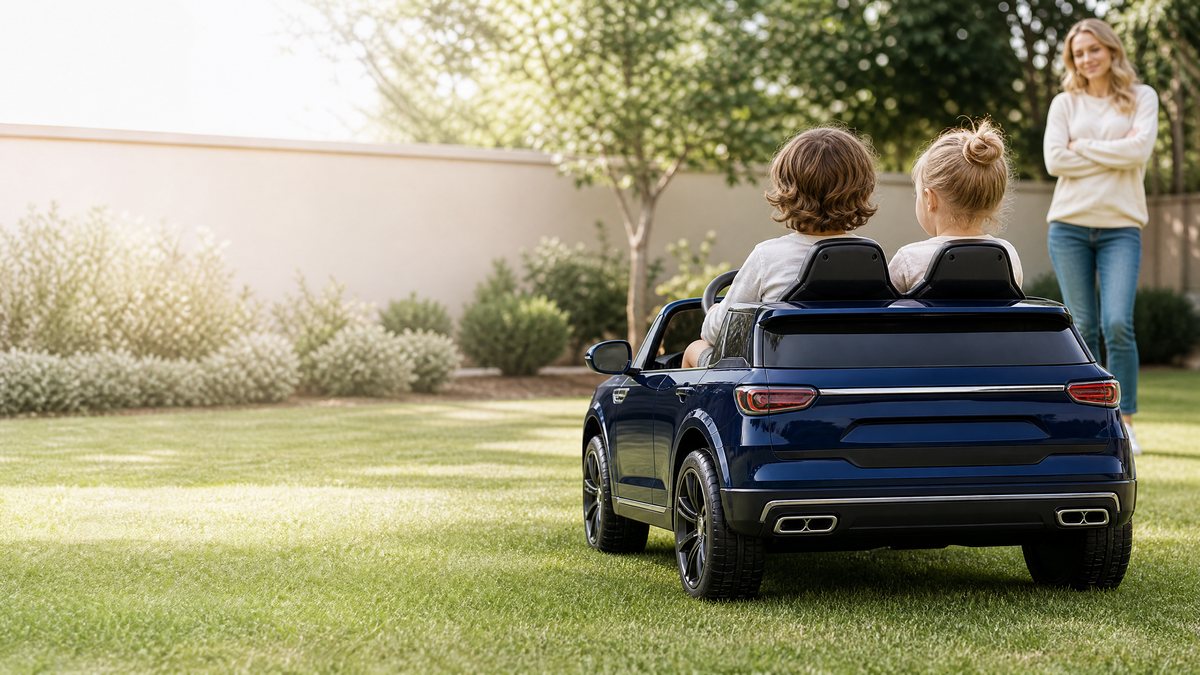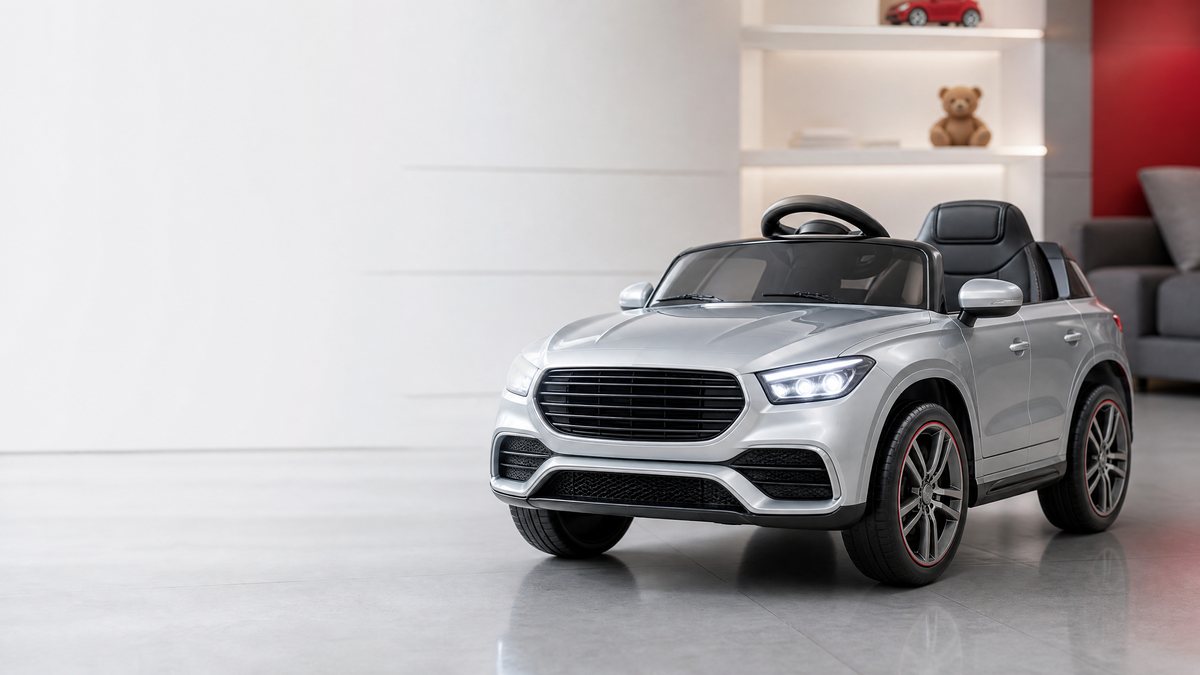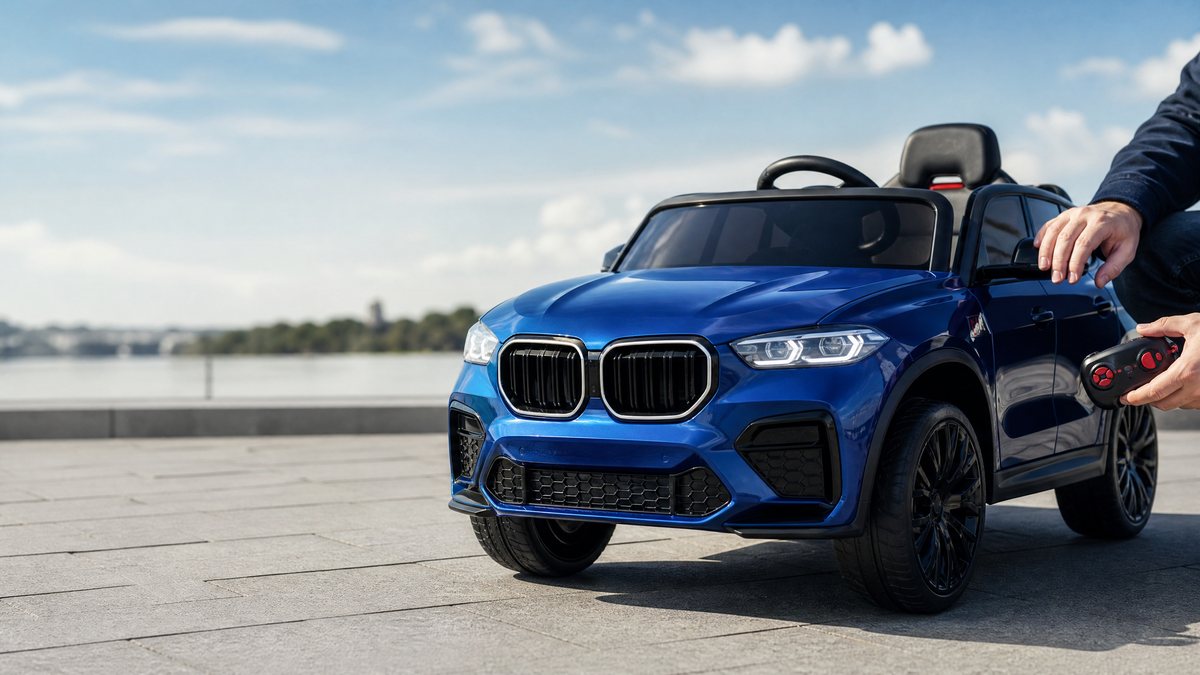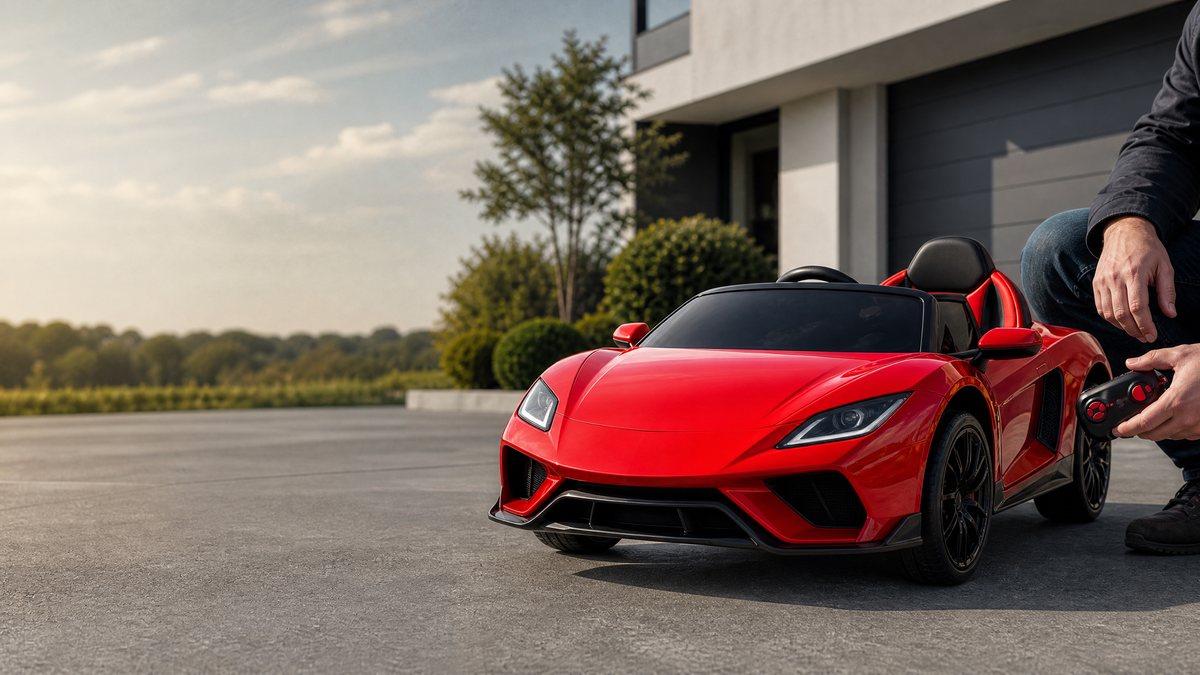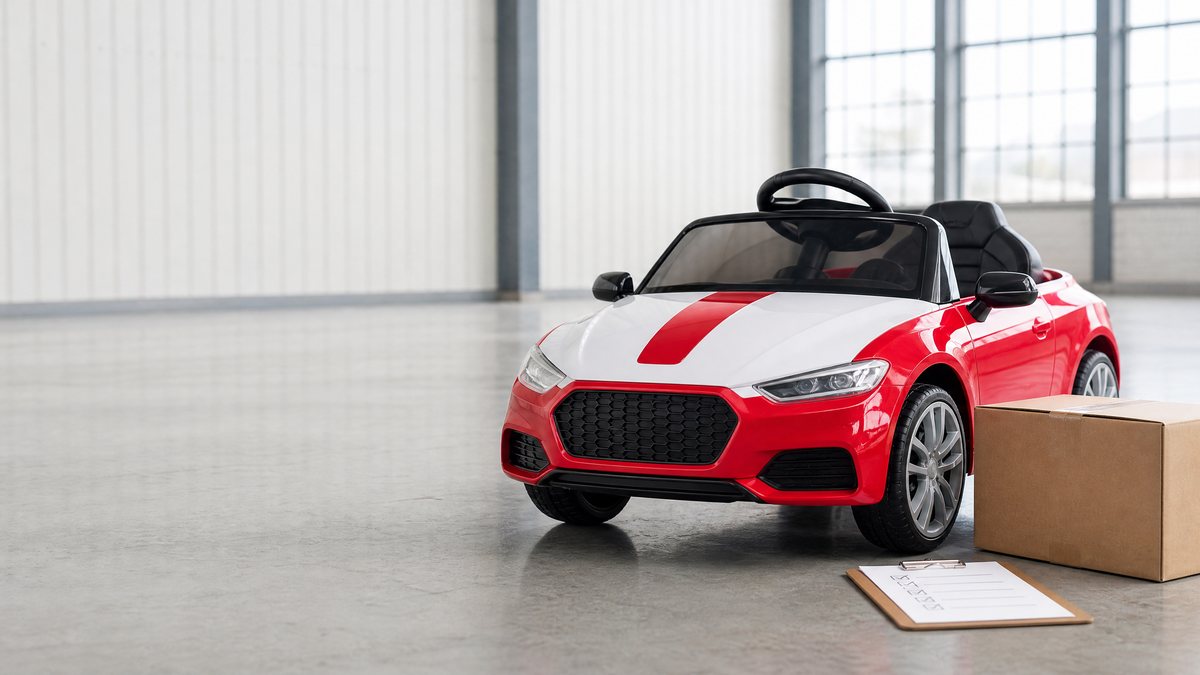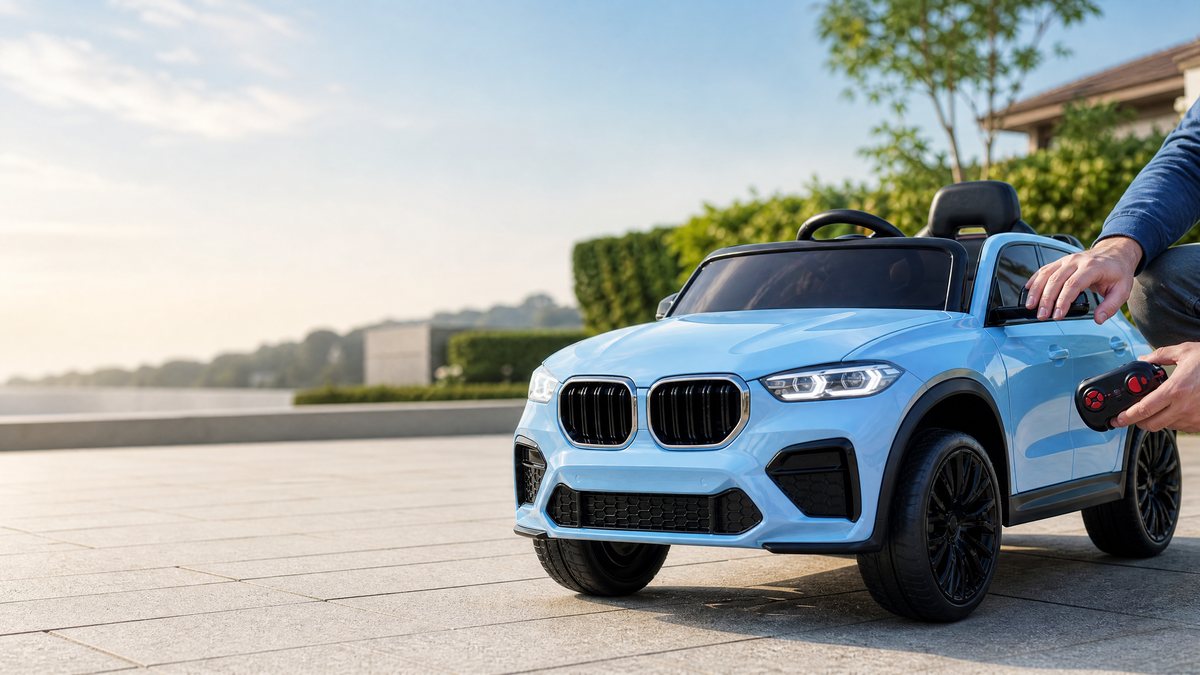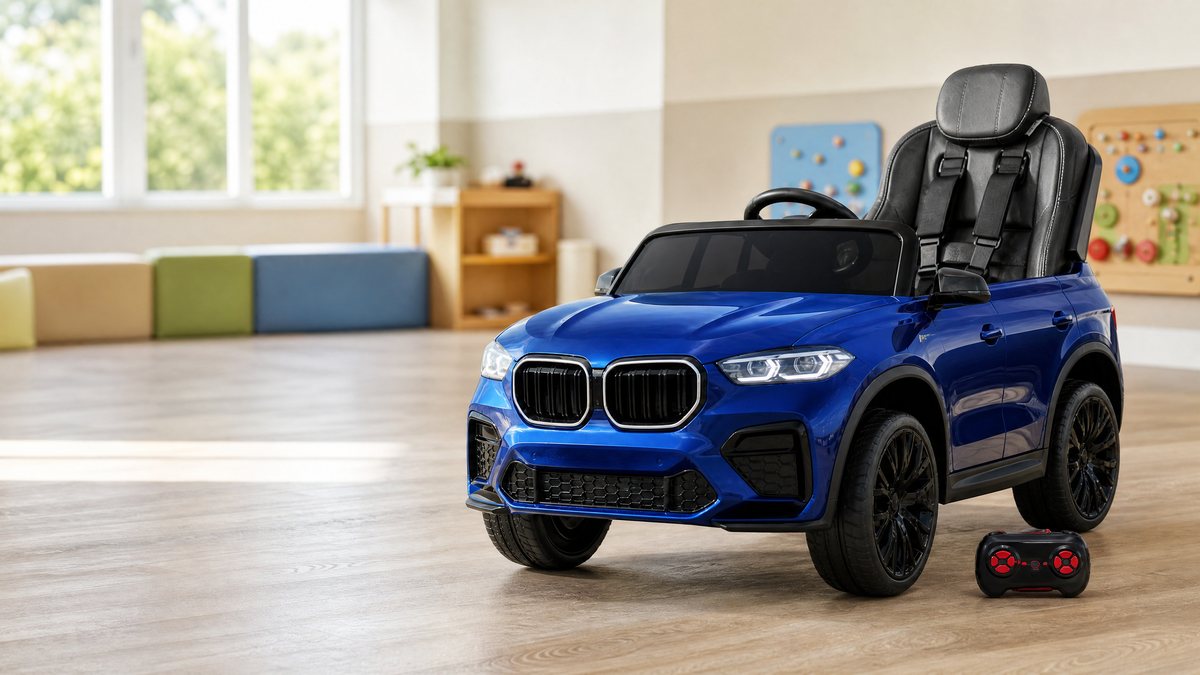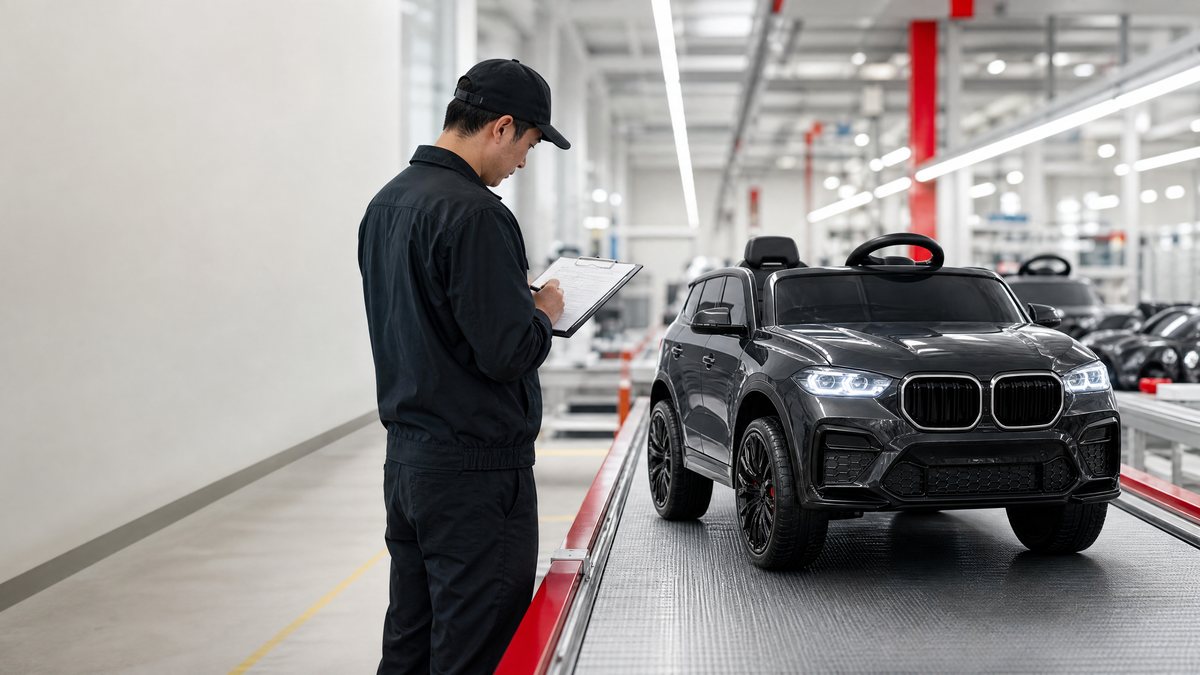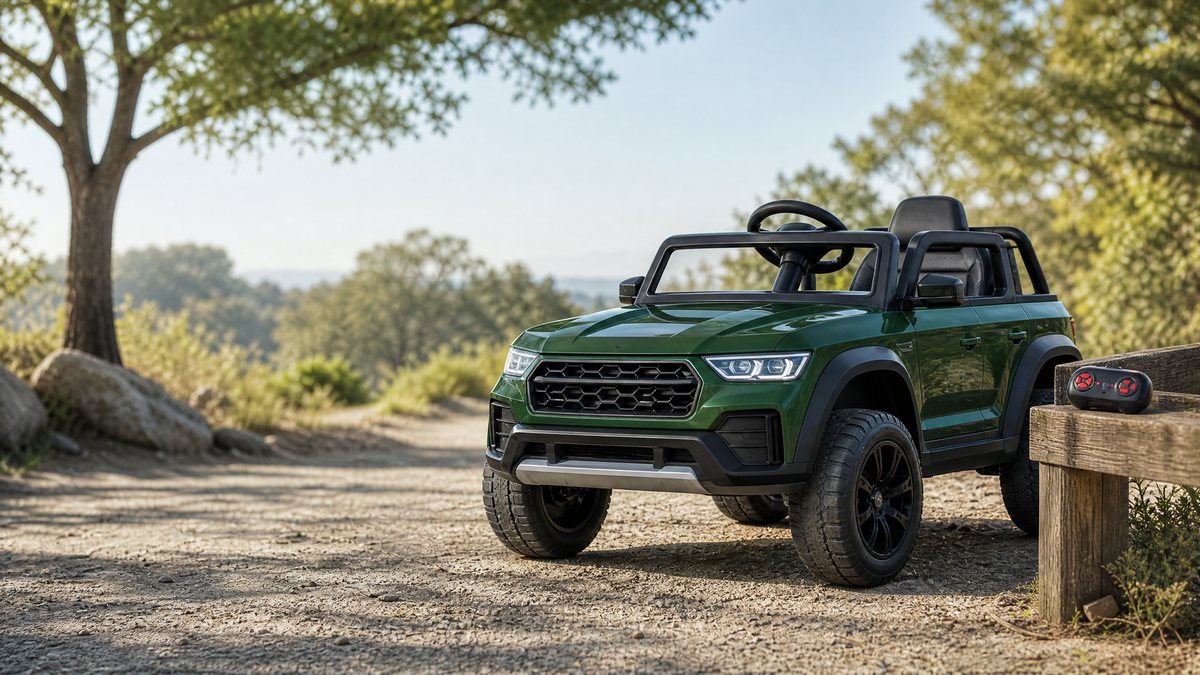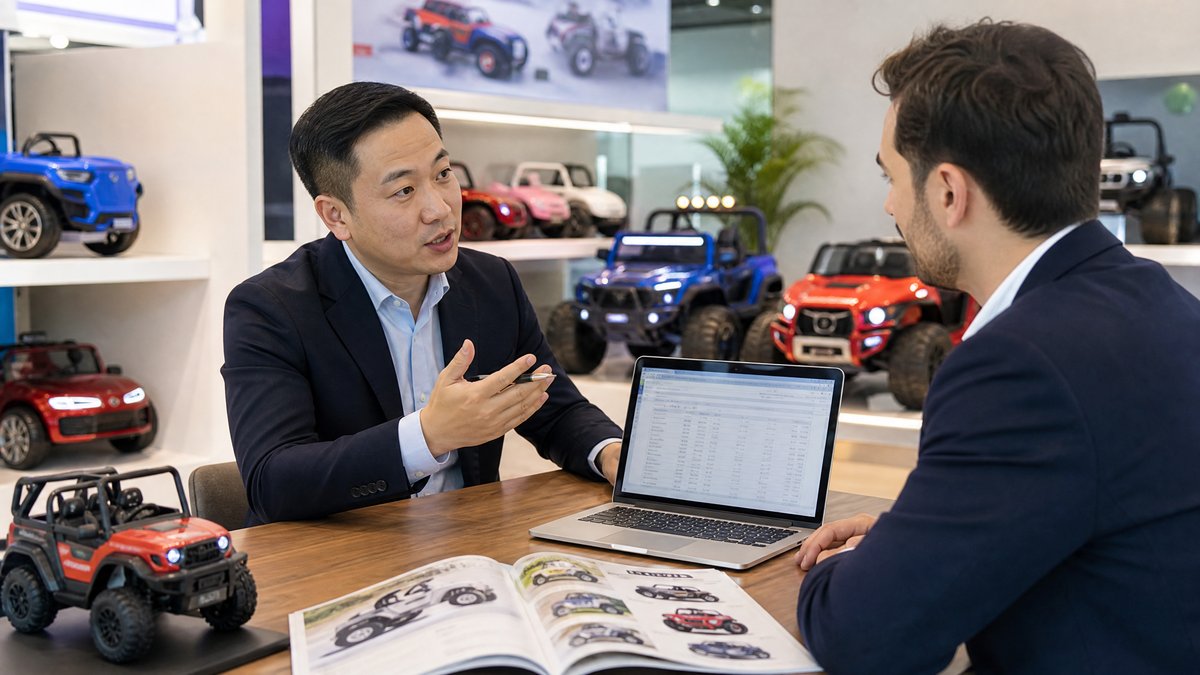
When retail buyers, toy store owners, and commercial distributors evaluate ride-on vehicle inventories, a recurring strategic question arises: Are officially licensed ride-on cars genuinely worth the higher wholesale and retail price compared to generic, unbranded alternatives? At first glance, generic models often present an attractive initial margin on paper due to lower unit acquisition costs. However, a comprehensive analysis of manufacturing standards, structural integrity, material quality, intellectual property compliance, and long-term consumer satisfaction reveals a much more nuanced operational picture. For B2B importers and retail merchants operating in an increasingly discerning global toy market, licensed ride-on vehicles represent a strategic investment that safeguards brand reputation, drives higher customer retention, and aligns with rigorous regulatory expectations.
Understanding the mechanics behind licensed manufacturing requires looking past the surface-level badges and emblems. Official automotive licensing agreements between toy manufacturers and iconic automotive brands—such as Mercedes-Benz, BMW, Audi, Lamborghini, and Ford—involve exhaustive design approvals, strict adherence to brand guidelines, and rigorous quality control audits. This partnership ensures that every miniature vehicle mirrors the aesthetic and proportional DNA of its full-sized counterpart. In contrast, generic ride-on cars frequently rely on approximated body molds, inconsistent material batches, and unverified electrical components. For wholesale buyers, understanding these underlying distinctions is essential for advising retail end-users and building a sustainable, high-credibility product catalog.
Furthermore, the global retail landscape has experienced a significant shift toward quality, transparency, and authenticity. Modern parents and gift-givers are increasingly research-driven, comparing specifications, reading safety certifications, and evaluating long-term durability before making a purchase decision. When a retail store offers officially licensed ride-on cars, it signals to consumers that the establishment prioritizes quality, safety, and authentic brand experiences. This perception translates into stronger brand loyalty, reduced product return rates, and a more robust profit margin over the product lifecycle, outperforming short-lived generic offerings.
1. Manufacturing Standards and Material Integrity in Licensed Production
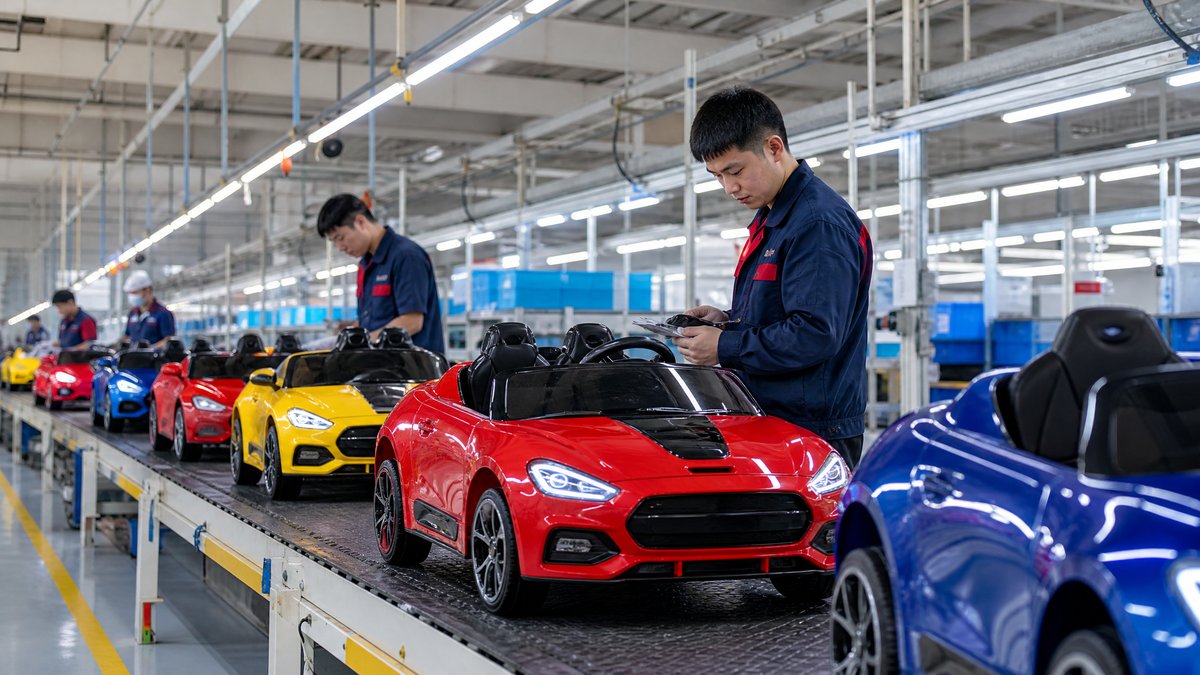
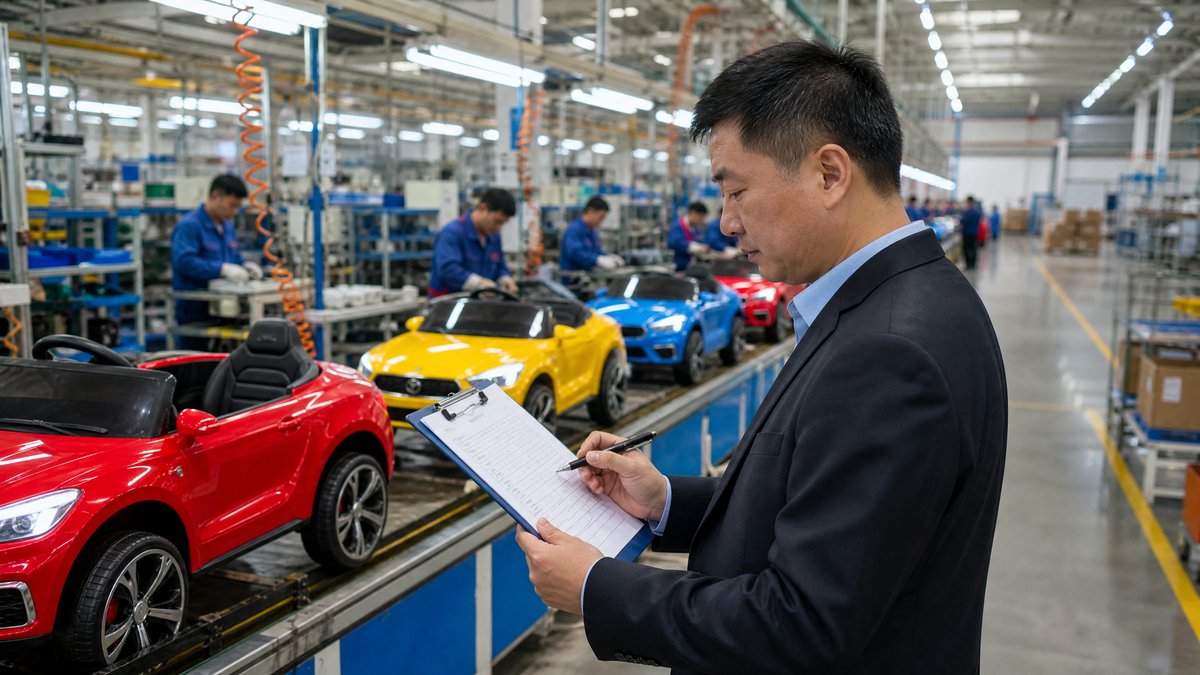
The foundation of any high-quality ride-on vehicle lies in its manufacturing infrastructure and raw material selection. Officially licensed ride-on cars are produced under strict licensing guidelines that often mirror the quality assurance protocols required by tier-one automotive suppliers and international toy safety standards. When a factory enters an agreement with a major car manufacturer, the engineering specifications must meet rigorous tolerances regarding wall thickness, structural load distribution, and non-toxic polymer composition.
Generic manufacturers, operating without brand oversight, face fewer external quality audits. Consequently, generic models may exhibit variable plastic density, uneven injection molding seams, and lower-grade polypropylene that becomes brittle when exposed to sunlight or temperature fluctuations. Licensed models utilize premium-grade virgin plastics and reinforced chassis designs that provide superior impact resistance and torsional rigidity. When parents or commercial venue operators invest in a ride-on car, structural durability directly translates into reduced warranty claim rates and lower operational friction for B2B distributors.
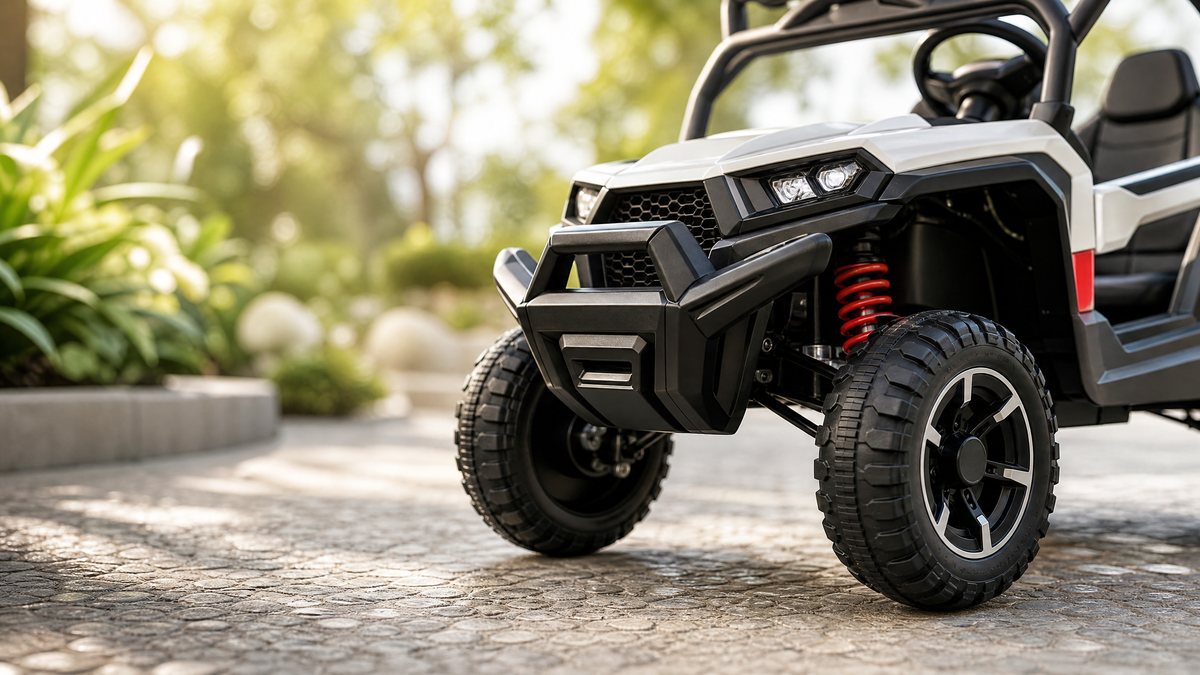
Furthermore, structural integrity in licensed vehicles extends to auxiliary components such as suspension arms, steering linkages, and wheel assemblies. Where generic models frequently employ simplified direct-drive pins and thin metal rods that bend under maximum rated loads, licensed vehicles typically integrate robust spring-damped suspensions, precision-machined steering gearboxes, and heavy-duty axle mountings. These engineering enhancements ensure smoother handling, extended product lifespans, and consistent performance across diverse operating environments.
Material traceability is another critical benefit of licensed production. Authorized factories maintain detailed lot records of polymer resins, colorants, and metallic fasteners, ensuring compliance with restricted substance lists (RSL) such as REACH and RoHS regulations. Generic producers often source spot-market plastics from secondary suppliers, creating unpredictable variations in chemical composition and mechanical strength. For B2B importers managing regulatory compliance in destination markets, verified material traceability is an invaluable risk-mitigation tool that prevents costly customs delays and market recalls.
2. Design Fidelity and Aesthetic Authenticity
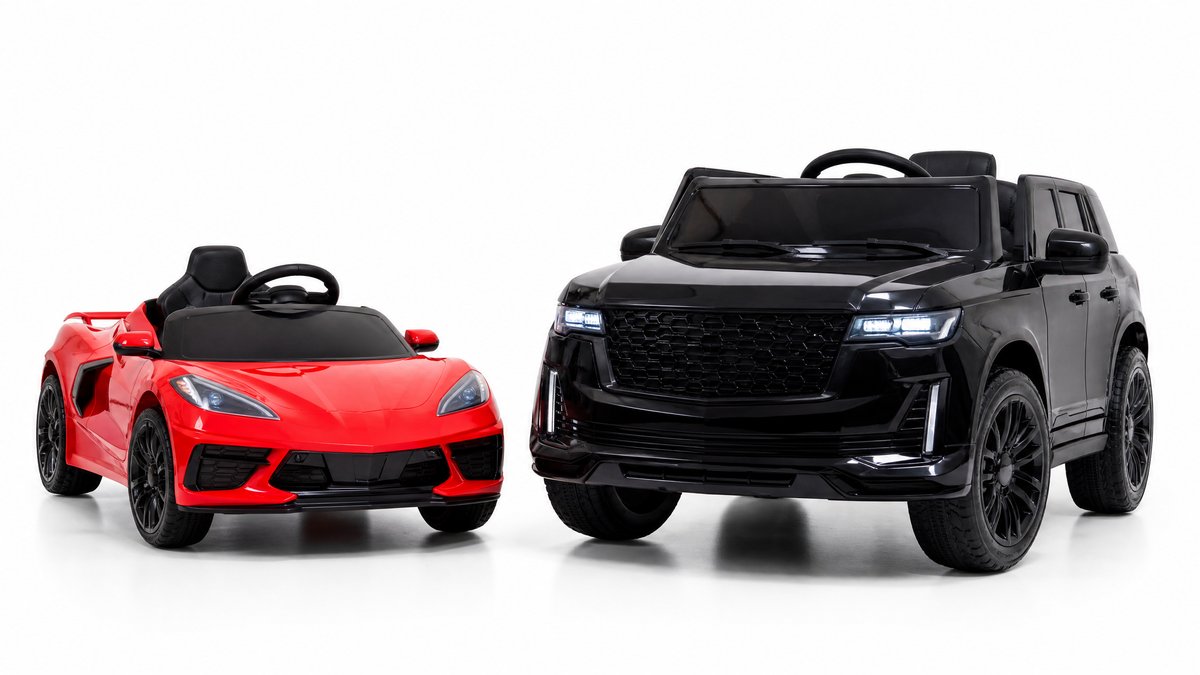
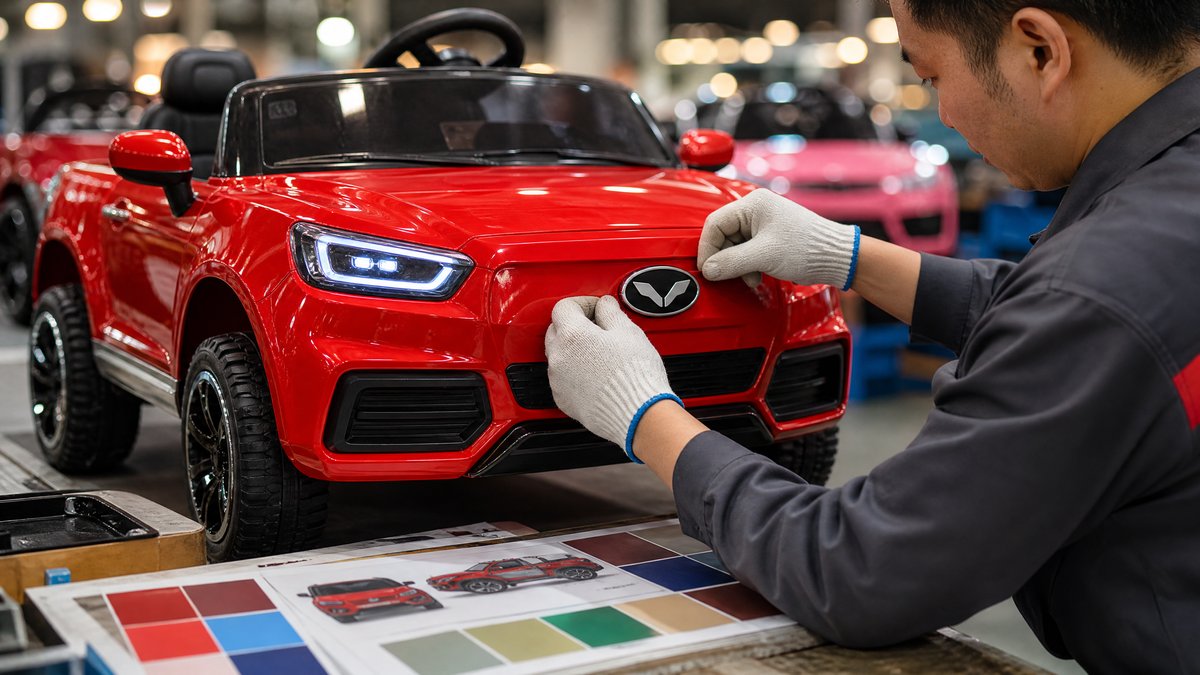
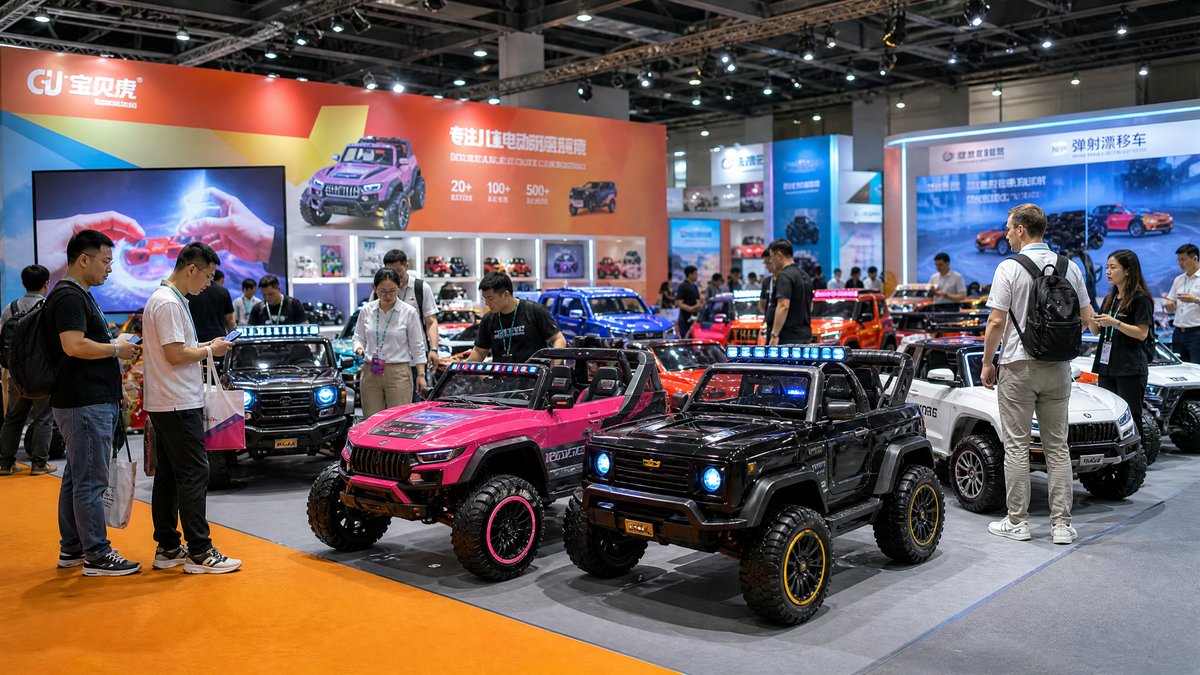
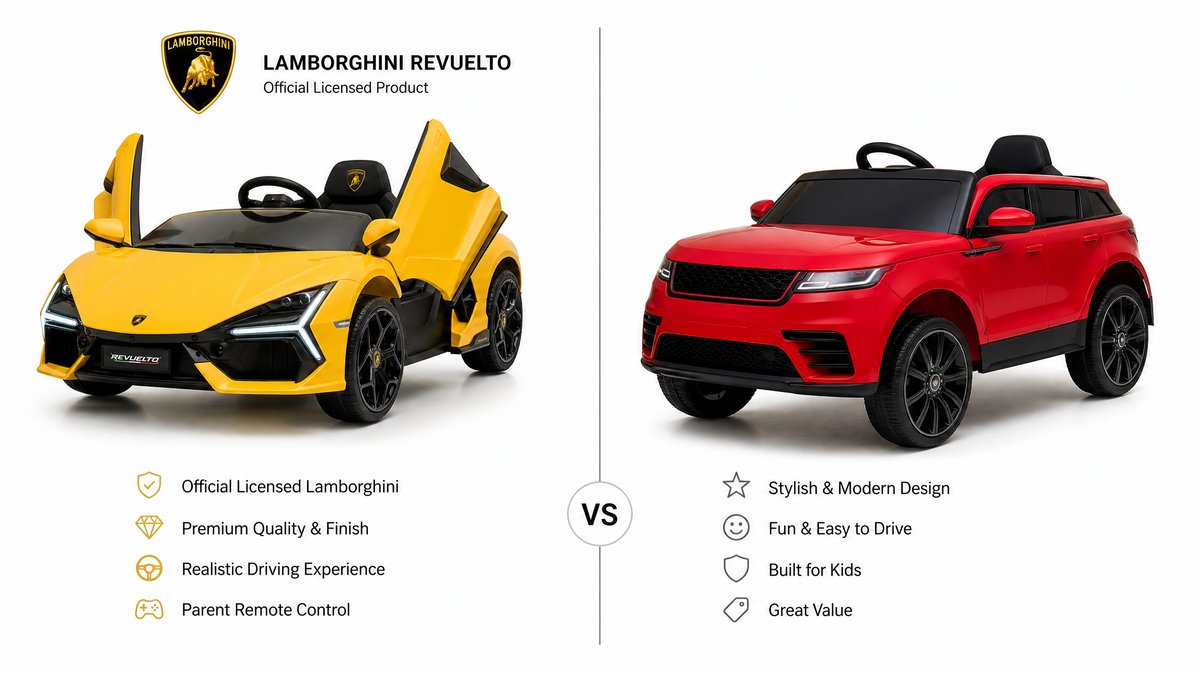
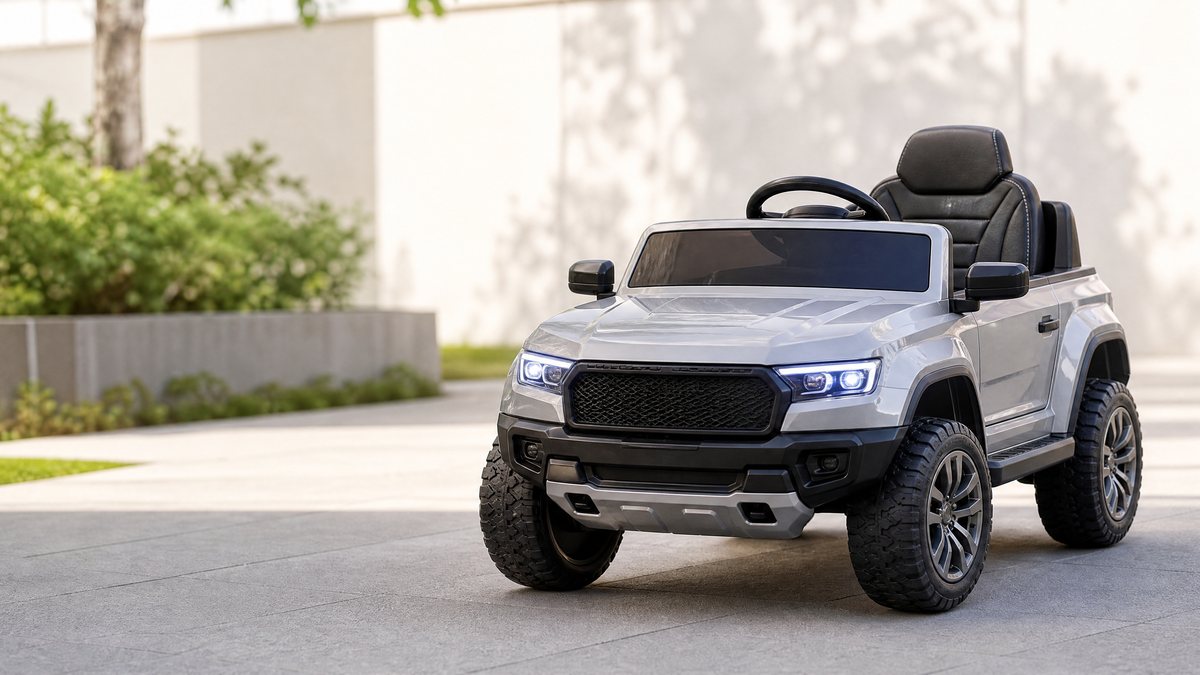
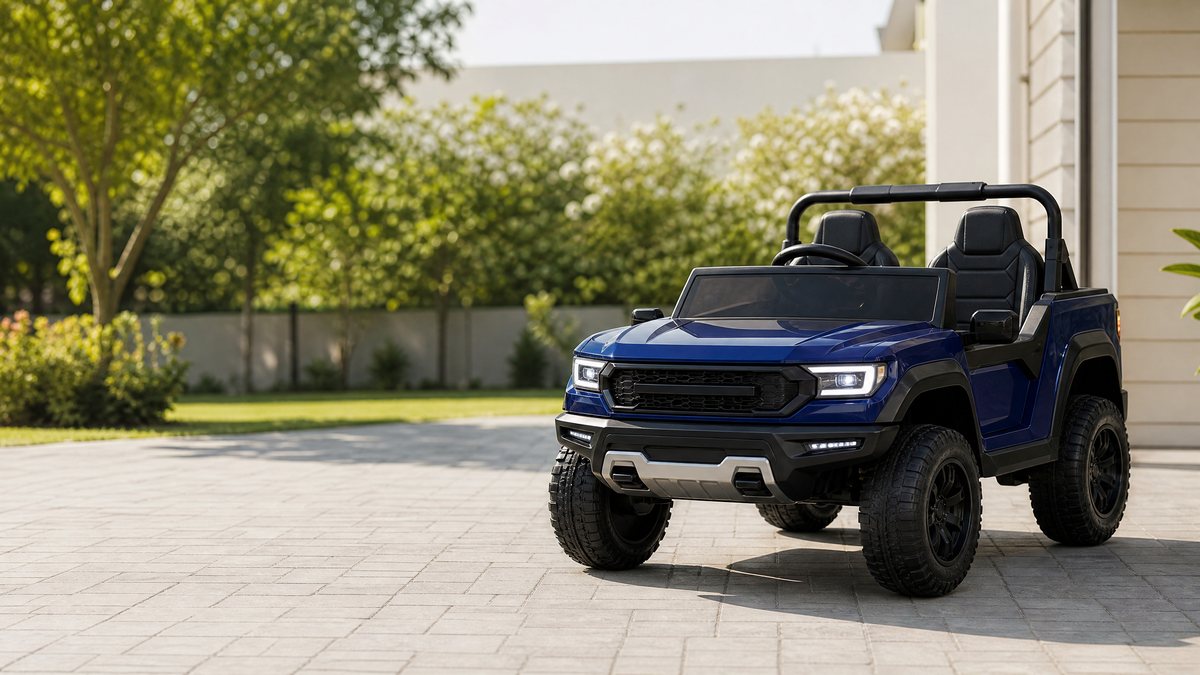
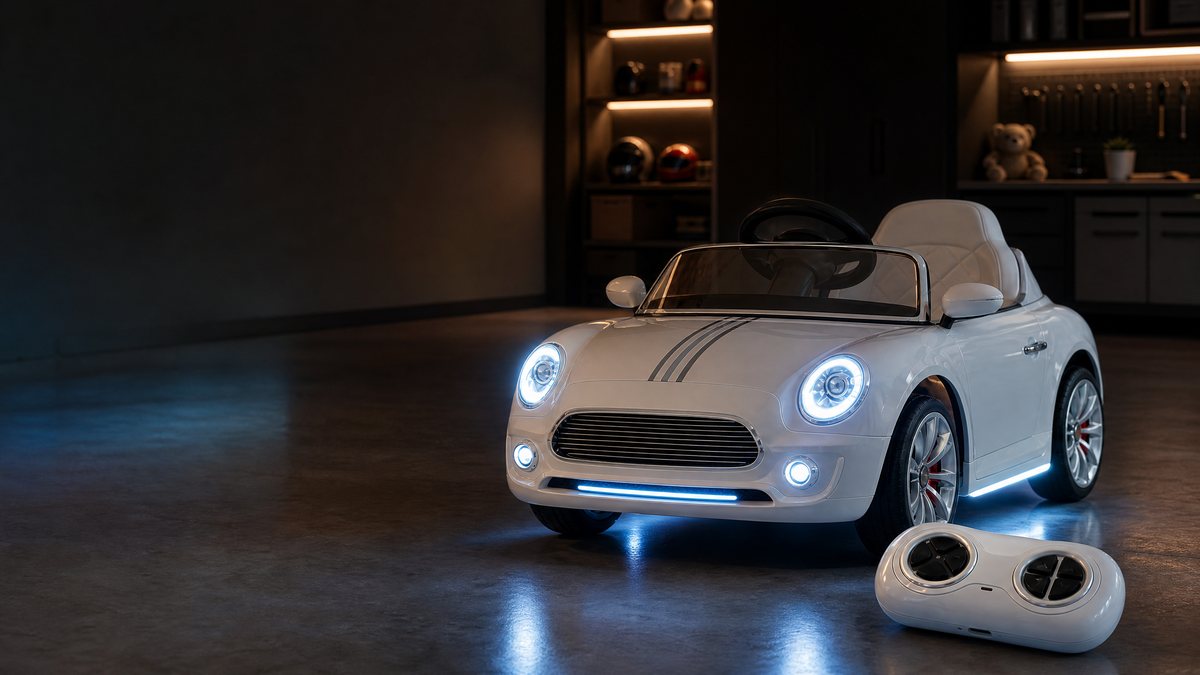
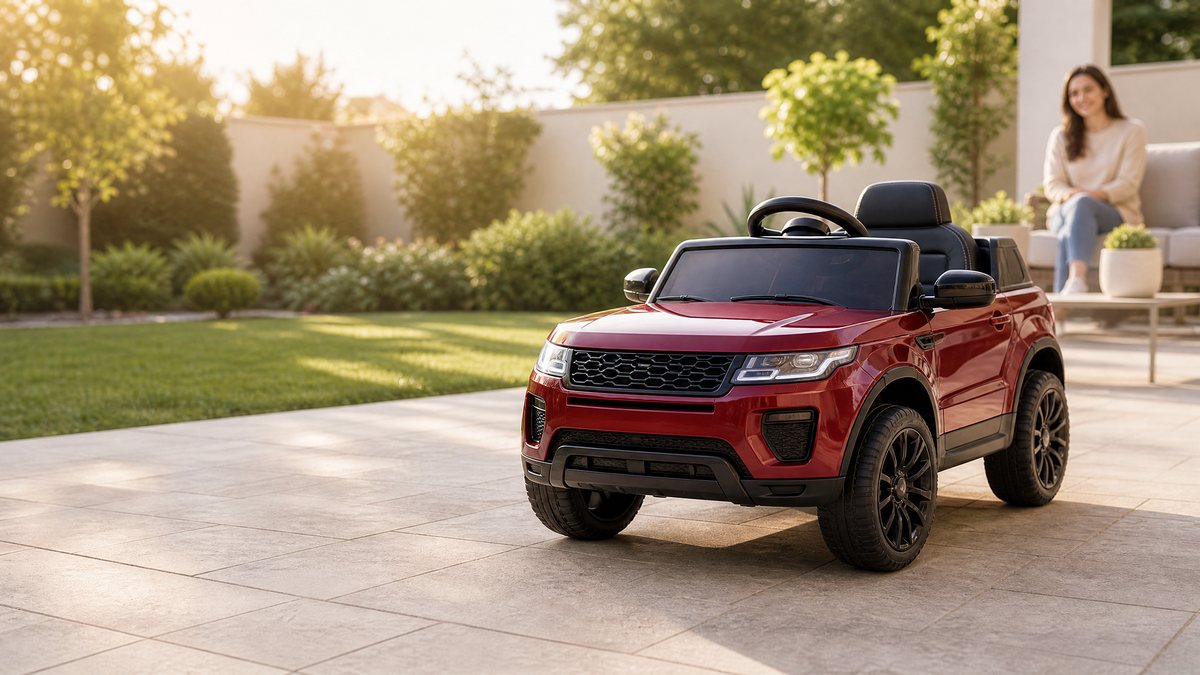
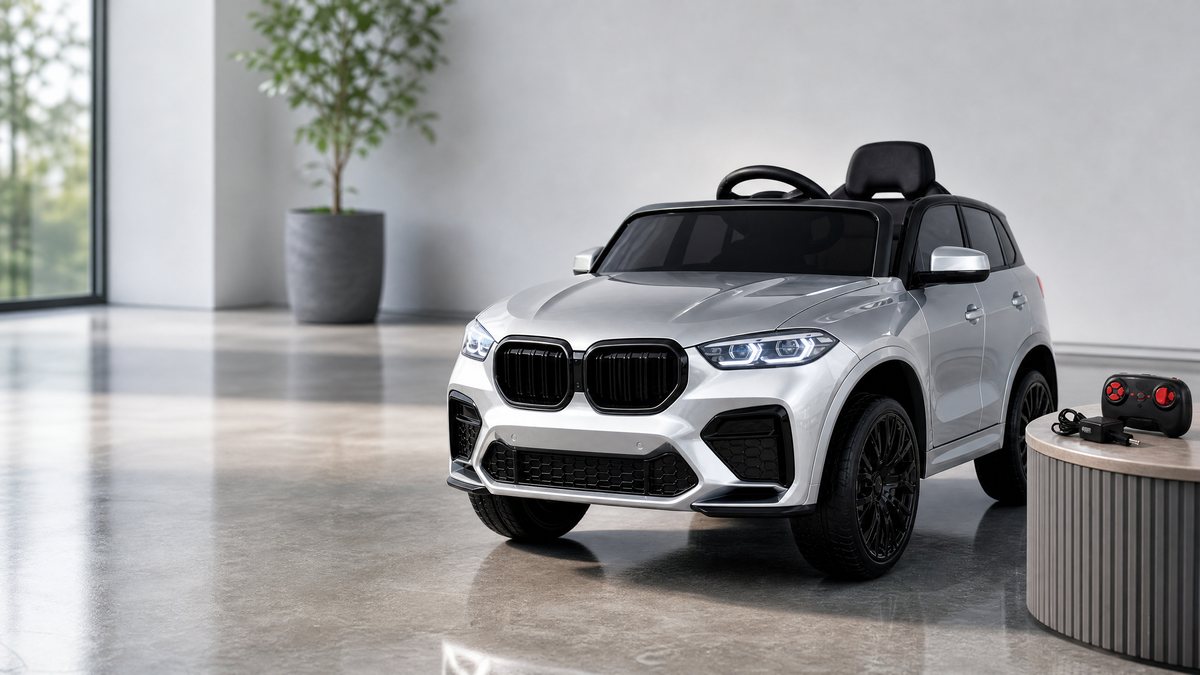
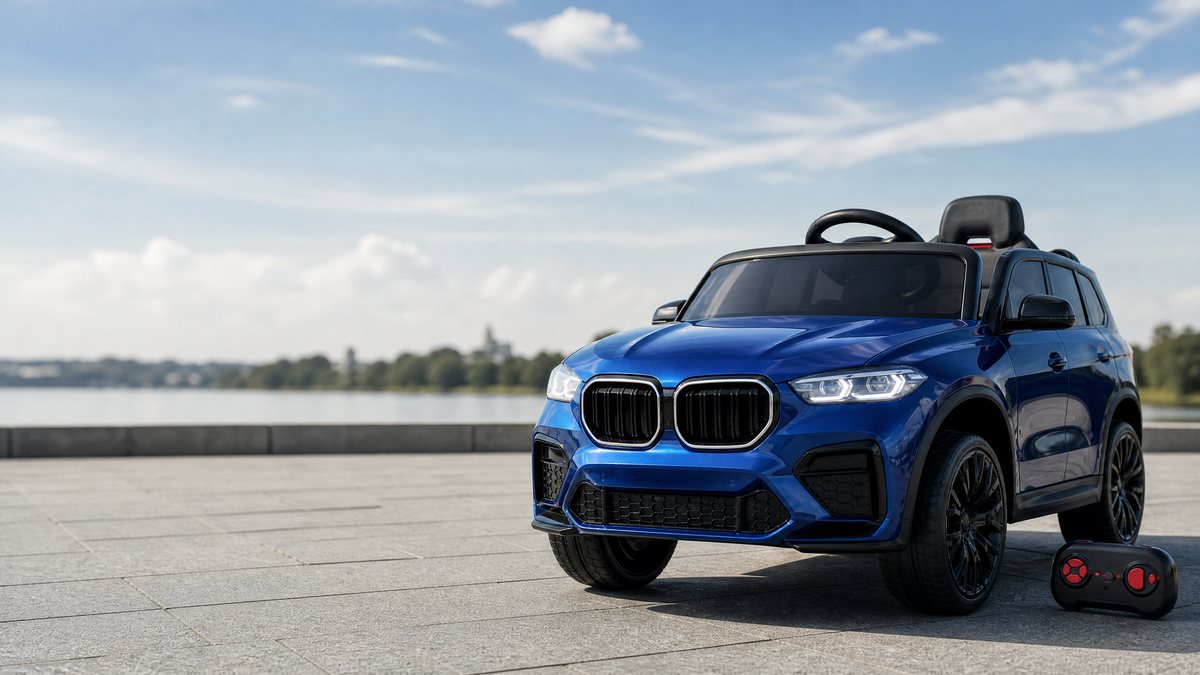
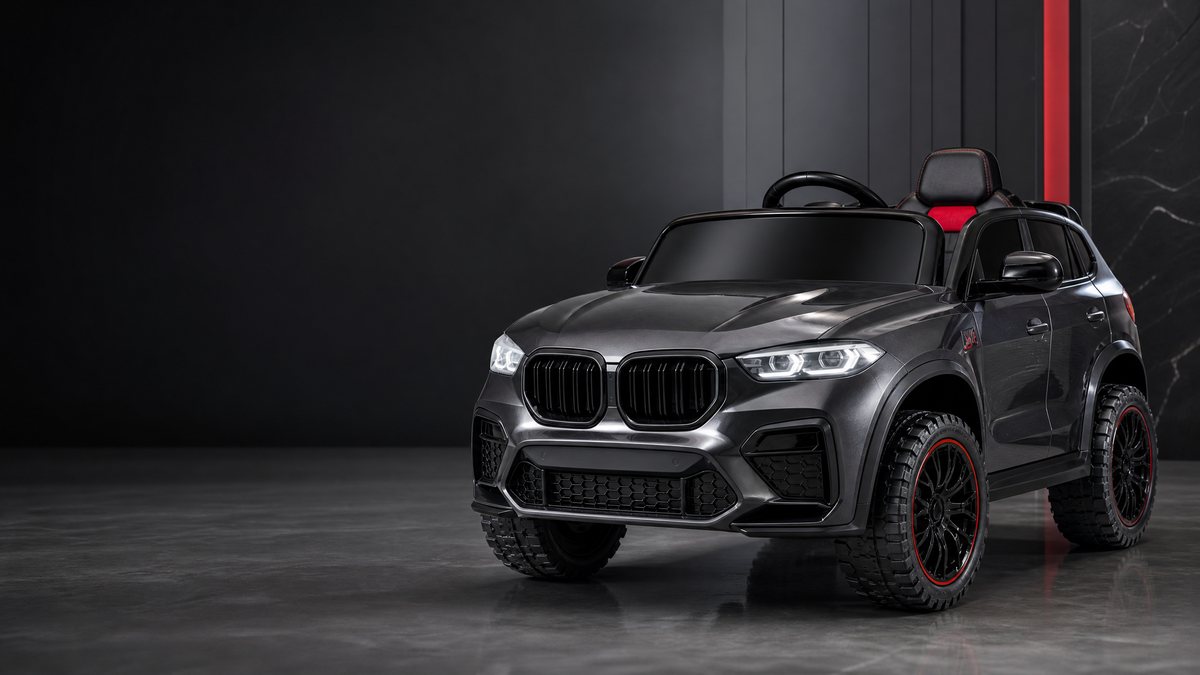
Aesthetic appeal is a primary driver of purchase decisions in the children's vehicle market. Children and parents alike recognize the distinct styling cues of luxury and sports automobiles. Licensed ride-on cars capture these intricate design nuances with exceptional precision, from signature front grilles and aerodynamic body lines to authentic wheel rim designs, working LED lighting arrays, and precise exterior paint finishes.
Achieving this level of visual fidelity requires dedicated tooling and 3D CAD data provided directly by the automotive licensor. Generic manufacturers must reverse-engineer exterior shapes from photographs or promotional brochures, leading to distorted proportions, misaligned badges, and generic dashboard layouts. This lack of aesthetic authenticity can diminish perceived value for retail consumers who expect a miniature luxury vehicle to look and feel like the real thing.
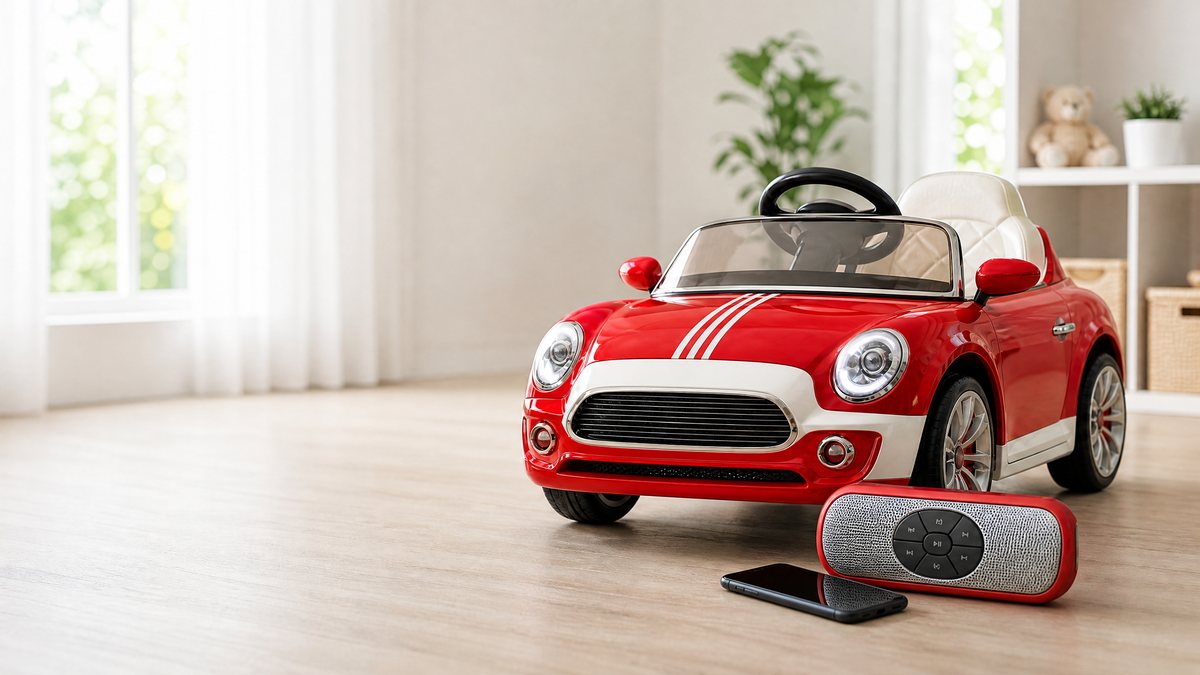
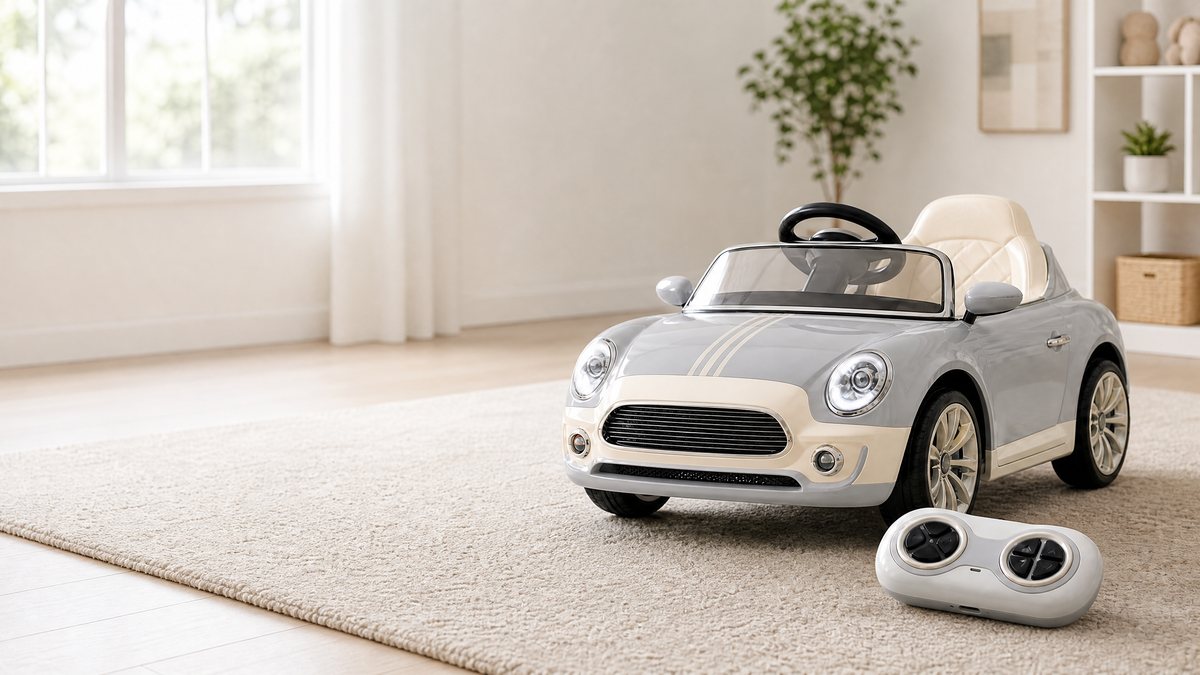
Beyond exterior styling, licensed models invest heavily in interior detailing. Realistic steering wheels, branded dashboard clusters, replica infotainment screens, and premium seating materials enhance the immersive play experience. For retailers, carrying authentic licensed models elevates the overall prestige of their showroom or e-commerce catalog, attracting consumers who are willing to pay a premium for recognized brand heritage and superior craftsmanship.
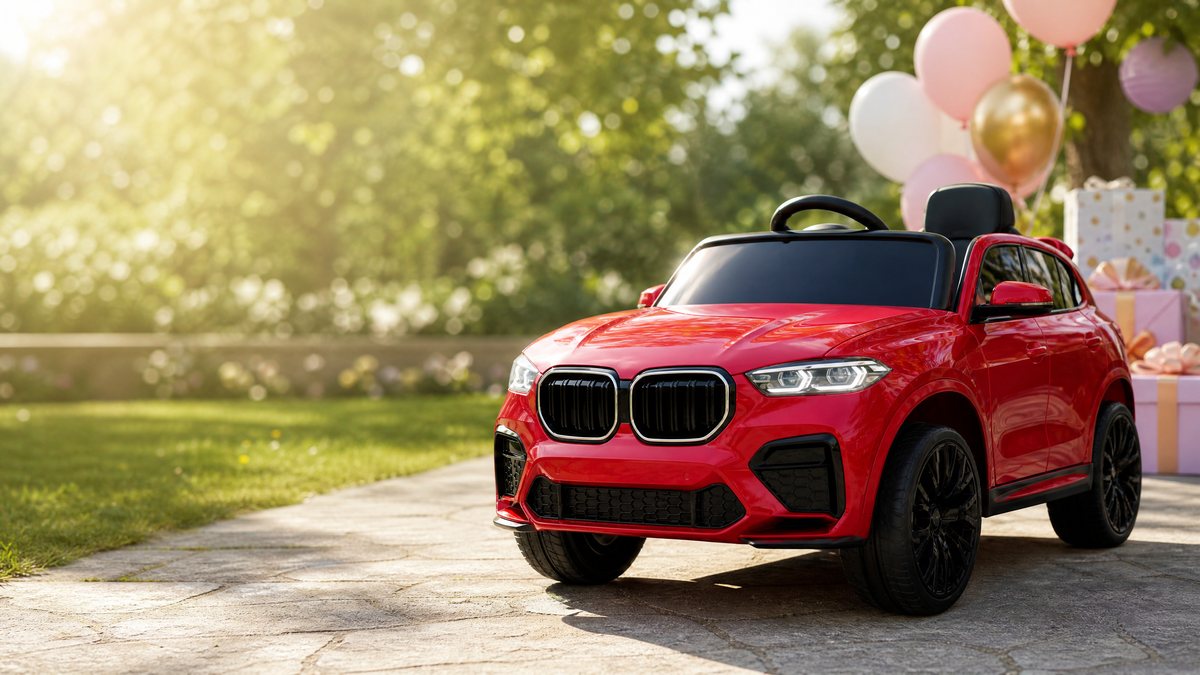
The emotional connection forged by authentic branding should not be underestimated. When a child climbs into a miniature ride-on vehicle that mirrors their family car or dream sports car, the play experience is significantly elevated. This emotional resonance drives strong organic word-of-mouth marketing and social sharing among parents, providing retail partners with powerful organic promotional momentum that reduces overall customer acquisition costs.
3. Comparative Evaluation: Licensed vs. Generic Ride-On Vehicles
To provide a clear framework for B2B procurement professionals and retail merchants, the following comparative table outlines the core operational and structural differences between officially licensed and generic ride-on cars across key evaluation metrics.
| Evaluation Metric | Officially Licensed Ride-On Cars | Generic Unbranded Ride-On Cars |
|---|---|---|
| Design & Proportions | Exact CAD replication from automotive licensors with authentic badges and styling | Approximate molds, altered proportions, and omitted or counterfeit emblems |
| Material Quality | High-grade virgin polymers, UV-resistant finishes, and reinforced structural chassis | Variable plastic grades, potential color fading, and inconsistent wall thickness |
| Electrical & Control Systems | Standardized wiring harnesses, reliable microcontrollers, and compliant chargers | Basic circuitry, variable component sourcing, and potential thermal management limits |
| Regulatory & Compliance | Rigorous factory audits, documented compliance files, and transparent documentation | Varying documentation standards; requires independent batch verification by importers |
| Warranty & Support | Backed by established manufacturer warranties and spare parts availability | Limited manufacturer accountability, erratic spare parts supply chains |
| Wholesale ROI & Margin | Higher upfront acquisition cost, stronger retail price stability, and lower return rates | Lower upfront acquisition cost, price-to-bottom competition, and higher return risks |
This side-by-side comparison highlights that while generic vehicles offer short-term savings on purchase price, licensed vehicles deliver superior long-term value through reduced after-sales support costs, enhanced brand equity, and higher customer satisfaction. Importers and wholesalers can utilize this matrix when counseling retail clients on portfolio diversification and inventory investment strategies.
4. Electrical Engineering, Safety Compliance, and Component Reliability
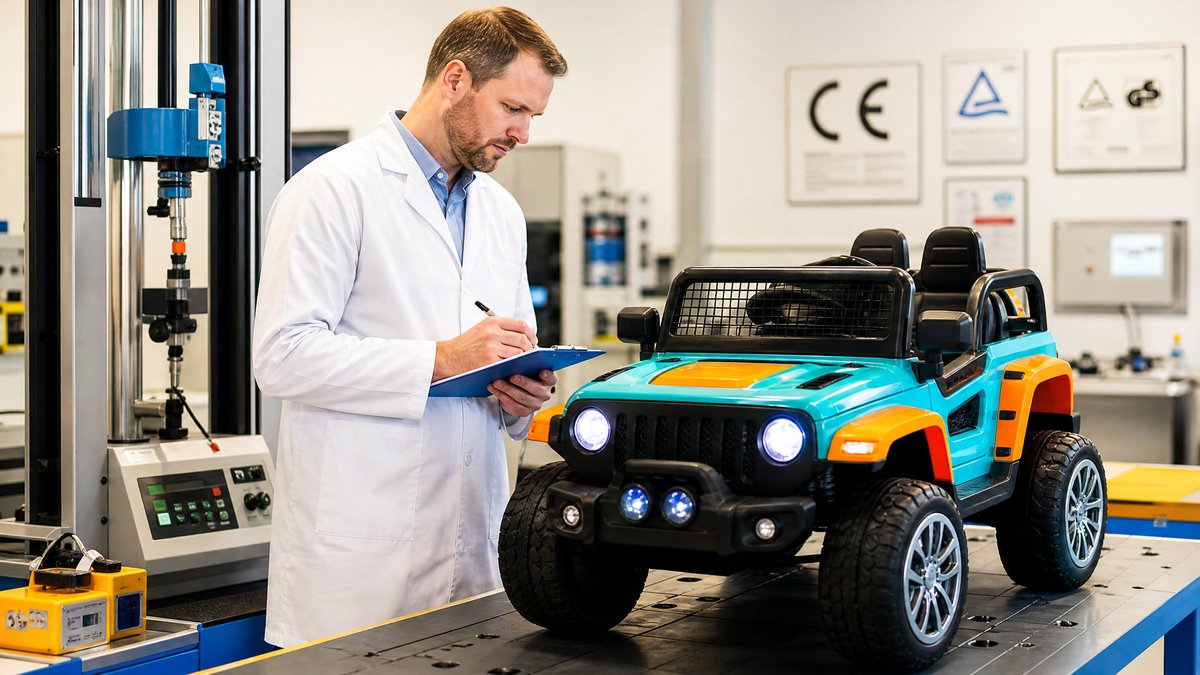
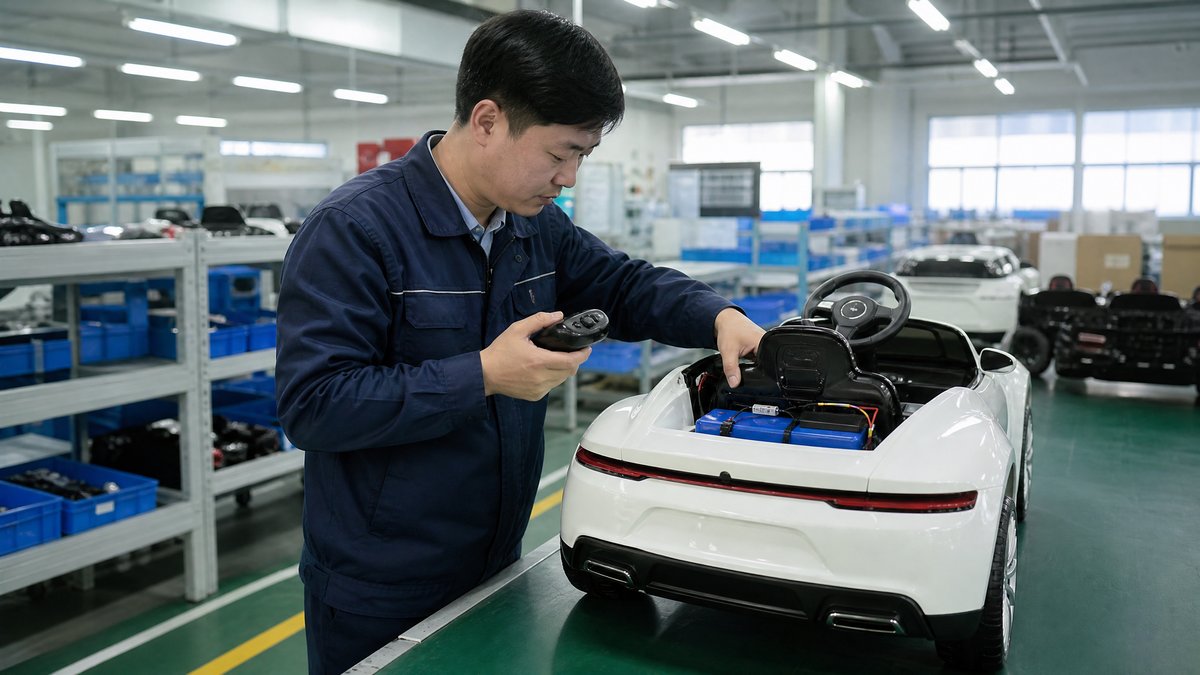
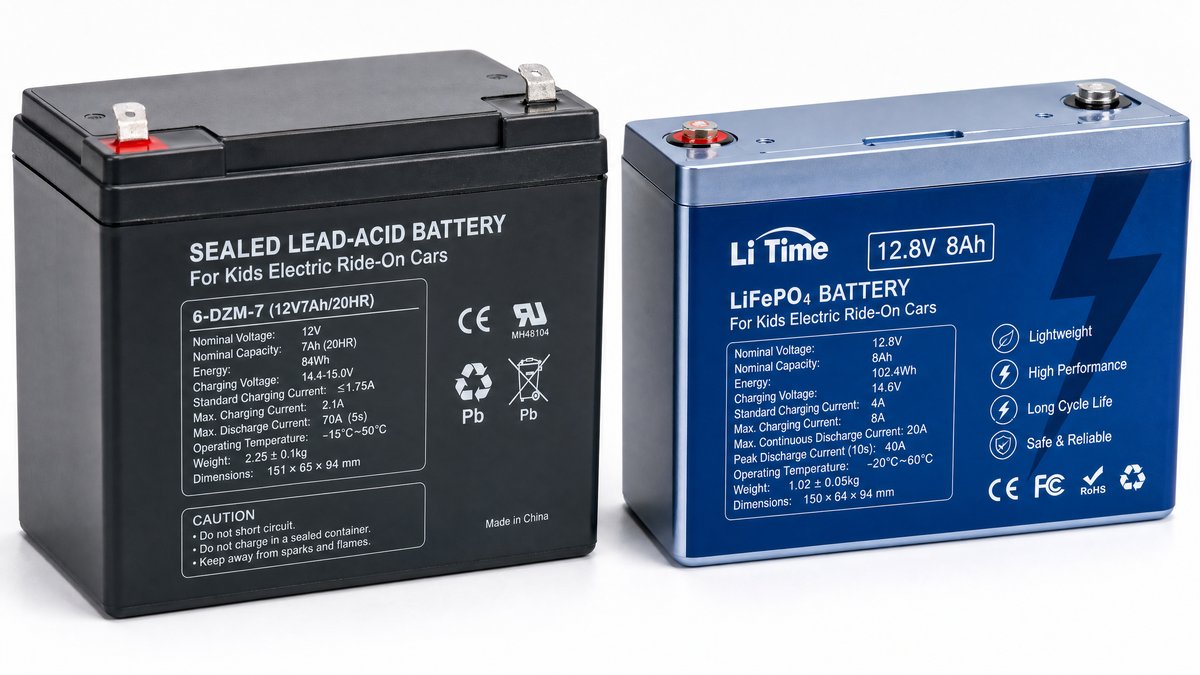
Electrical architecture is one of the most critical aspects of ride-on vehicle performance and safety. Officially licensed ride-on cars are engineered to integrate harmoniously with standardized battery packs, motors, and control units. Manufacturers of licensed products must ensure that their electrical systems comply with international toy safety directives, such as EN71, ASTM F963, and relevant electromagnetic compatibility (EMC) standards.
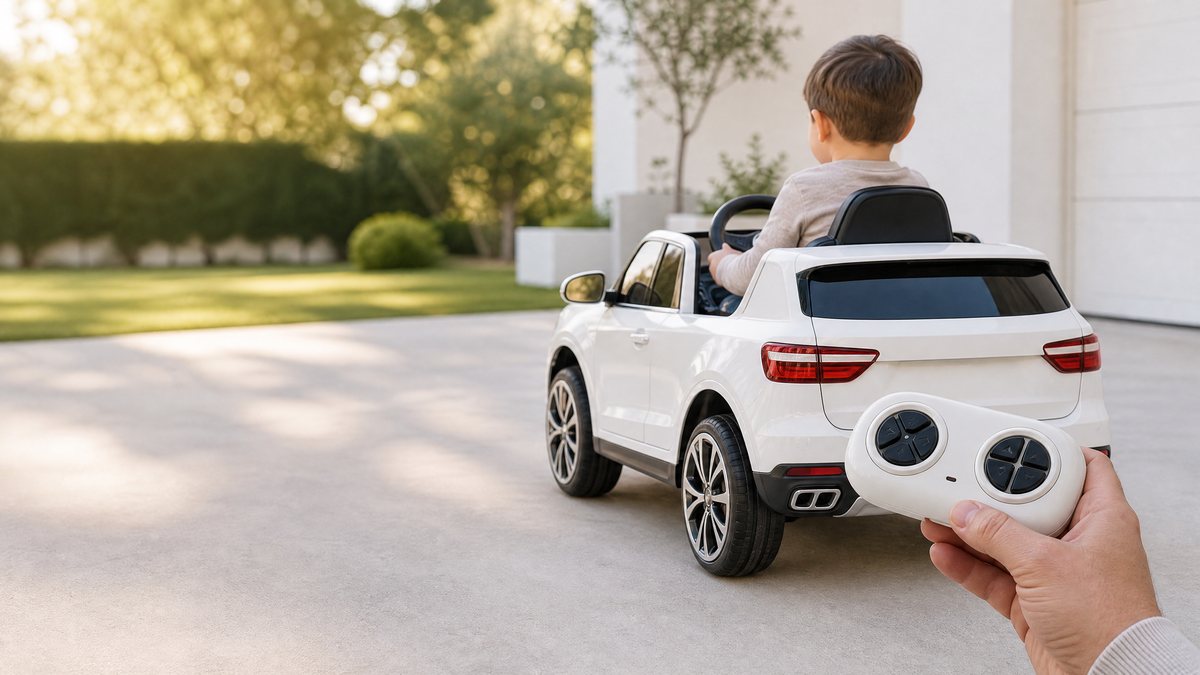
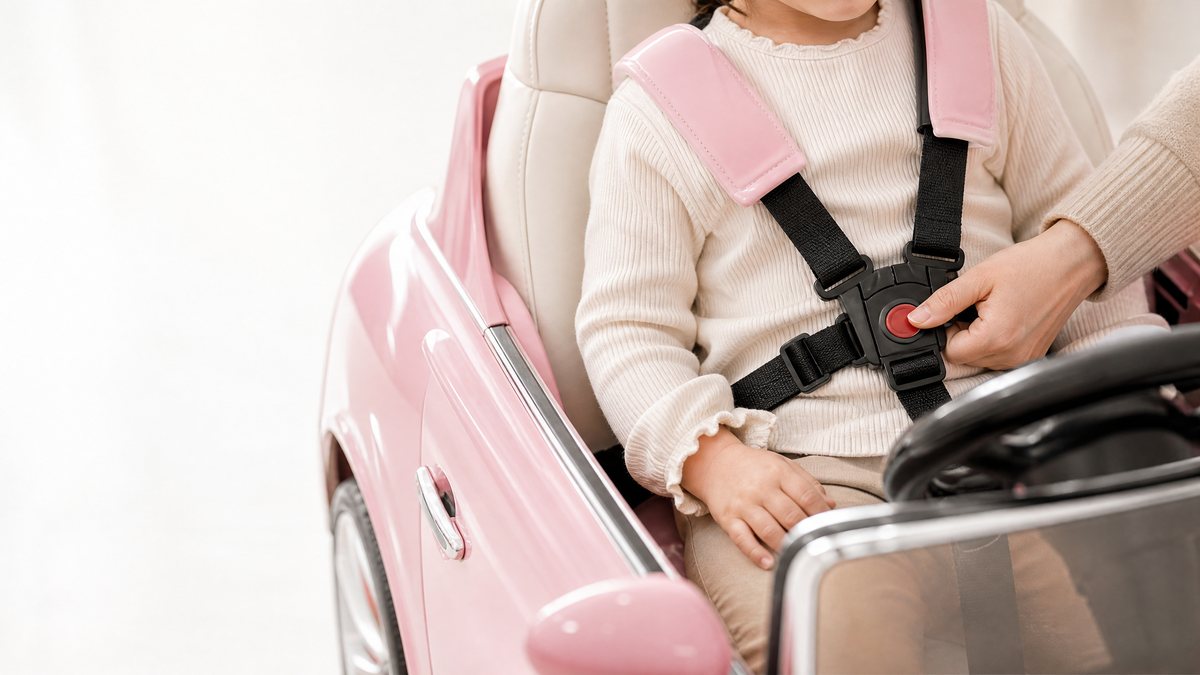
Safety features such as soft-start acceleration modules, parental remote control overrides, emergency braking responses, and secure battery enclosure locking mechanisms are meticulously tested during the licensing approval process. Generic models often cut corners in electrical engineering to minimize production costs, utilizing under-rated wiring, basic switches without thermal cutoffs, and chargers lacking proper isolation transformers. These shortcuts increase the risk of premature component failure, erratic motor behavior, and electrical overheating.
For B2B distributors and commercial operators, electrical reliability is paramount. Component failures lead to costly warranty claims, logistical headaches for returns, and potential brand erosion. Stocking certified, licensed vehicles provides an added layer of assurance that the electrical architecture has undergone rigorous quality control and engineering validation. Furthermore, instructions provided with licensed vehicles emphasize safe operating practices, clear charging protocols, and adult supervision requirements.
5. Economic Value, Brand Equity, and Retail Profitability
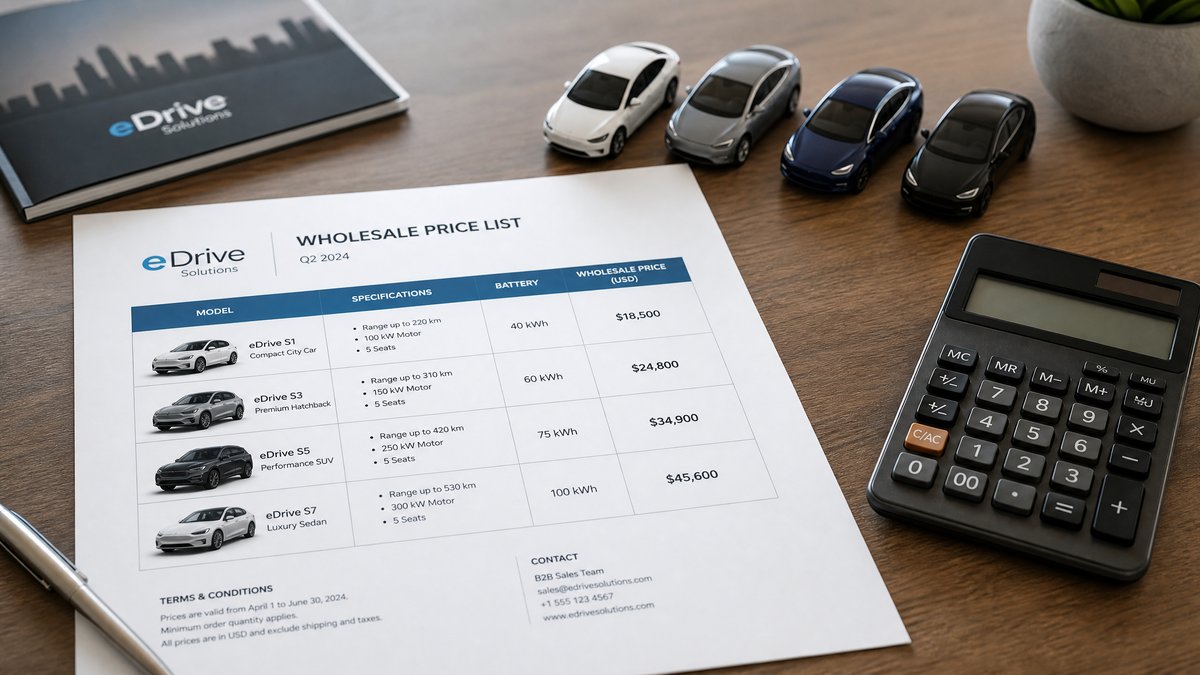
When calculating the total cost of ownership and retail profitability, wholesale buyers must look beyond the initial unit cost. A cheap generic vehicle that incurs a high return rate, negative customer reviews, or warranty disputes ultimately costs more in administrative overhead and lost customer trust than a slightly higher-priced licensed model that performs reliably for years.
Licensed ride-on cars benefit from built-in marketing momentum. Consumers actively search for brands like BMW, Mercedes-Benz, or Ford for their children. Retailers carrying authentic licensed merchandise can leverage this existing brand equity to command higher retail price points and healthier gross margins. Furthermore, premium packaging, comprehensive user manuals, and reliable spare parts availability associated with licensed brands elevate the overall customer experience, leading to repeat business and positive word-of-mouth referrals.
For wholesale buyers seeking to expand their market share in the premium children's vehicle sector, partnering with established manufacturers who hold legitimate licensing agreements is a proven growth strategy. Request a wholesale quote to explore our complete catalog of officially licensed ride-on cars and discover competitive B2B pricing tiers.
6. Supply Chain Logistics and After-Sales Support Dynamics
Beyond manufacturing and retail pricing, supply chain stability and after-sales support represent critical differentiators between licensed and generic ride-on vehicle programs. Authorized manufacturers operating under official license agreements typically maintain robust, long-term relationships with component suppliers, ensuring consistent availability of replacement parts, standardized chargers, and compatible battery assemblies. This continuity is vital for B2B distributors and retailers who must service warranty claims or provide ongoing maintenance support to end-users.
In contrast, generic manufacturers often operate on transient, low-cost supply chains where component specifications change frequently based on spot-market availability. As a result, sourcing replacement parts for generic ride-on cars can be exceedingly difficult, turning minor repairs into total product write-offs. Furthermore, licensed models are usually accompanied by professionally translated multi-language user manuals, detailed exploded-view parts diagrams, and responsive technical support channels that streamline inventory management and reduce administrative friction for commercial partners.
Frequently Asked Questions
Q1: What makes an officially licensed ride-on car different from a generic model?
A1: Officially licensed ride-on cars are manufactured in direct partnership with automotive brands using official CAD data, authentic emblems, and rigorous quality control standards. Generic models use approximate styling without official brand authorization or guaranteed manufacturing tolerances.
Q2: Do licensed ride-on cars offer better durability than unbranded alternatives?
A2: Yes. Licensed models typically utilize higher-grade virgin polymers, reinforced chassis structures, and precision-engineered mechanical components such as gearboxes and suspensions, resulting in superior long-term durability and lower defect rates.
Q3: Are spare parts easier to source for licensed ride-on vehicles?
A3: Generally, established licensed manufacturers maintain standardized component inventories, making it significantly easier for wholesale buyers and service centers to source replacement parts such as gearboxes, wheels, and chargers compared to fragmented generic supply chains.
Q4: How do licensing agreements impact compliance and safety certifications?
A4: Automotive licensors enforce stringent quality and safety audits on manufacturing facilities. This oversight ensures that licensed vehicles comply with international toy safety standards like EN71 and ASTM F963, providing greater assurance for importers and retailers.
Conclusion
The decision to invest in officially licensed ride-on cars over generic alternatives involves balancing upfront acquisition costs against long-term operational value, brand reputation, and safety assurance. While generic models may appear economical initially, licensed vehicles deliver superior structural integrity, aesthetic fidelity, electrical reliability, and retail profitability. By prioritizing quality and authenticity, B2B distributors and retail merchants can build resilient product portfolios that satisfy discerning consumers and drive sustainable business growth.
To discuss wholesale distribution opportunities, minimum order quantities, and custom catalog requirements, please reach out to our commercial team today. Request a wholesale quote
Official References
- United States Consumer Product Safety Commission (CPSC): General Toy Safety Education and Compliance Guidelines. (Note: Official CPSC guidelines provide baseline safety frameworks and do not replace specific vehicle manufacturer instructions or certified testing reports).
- International Organization for Standardization (ISO): Safety of Toys Standards (ISO 8124 series overview).
- European Committee for Standardization (CEN): EN 71 Safety of Toys Directive Documentation.
- Automotive Brand Licensing Guidelines & Quality Assurance Standards (Industry Whitepapers on Intellectual Property Compliance in Miniature Toy Production).
Official references
Explore these external resources for current regulatory and trade guidance. Confirm requirements with the relevant authority before placing an order.
Ready to Start?
Factory-Direct · CE & ASTM Certified · MOQ from 50 Units
Our export team works with buyers in 60+ countries. Get a quote within 24 hours.
KR
Written by KidsRideCar
China's leading kids electric ride-on car manufacturer. 500,000+ units shipped annually to 60+ countries. CE, ASTM & EN71 certified.