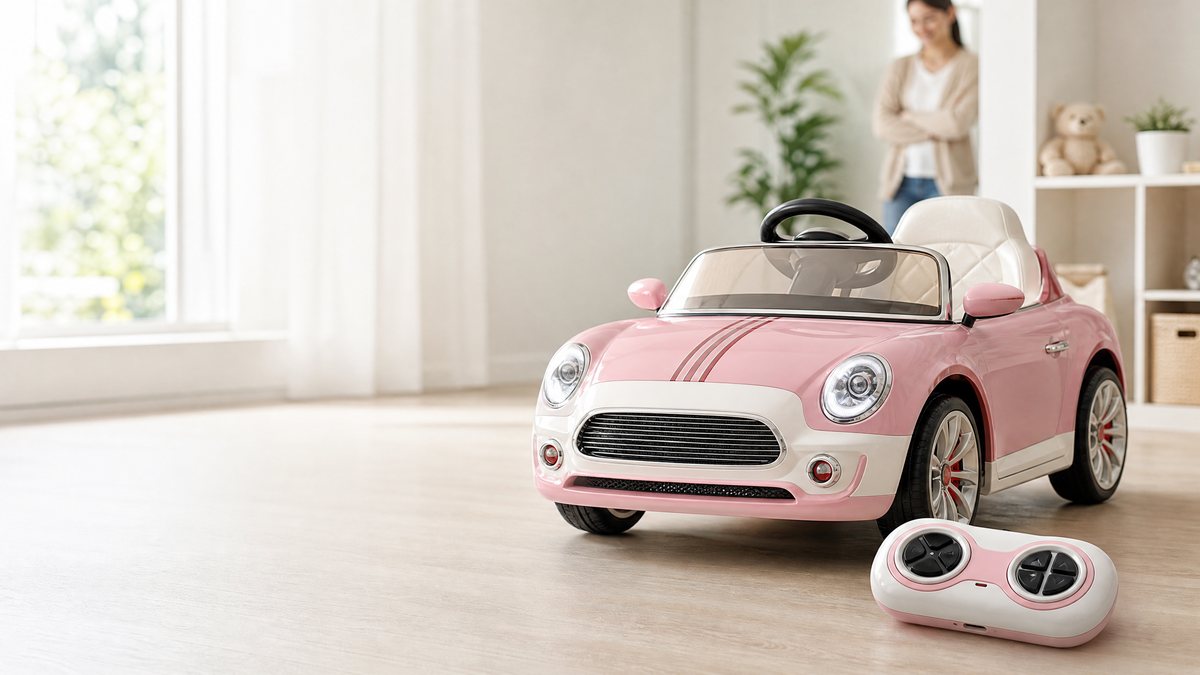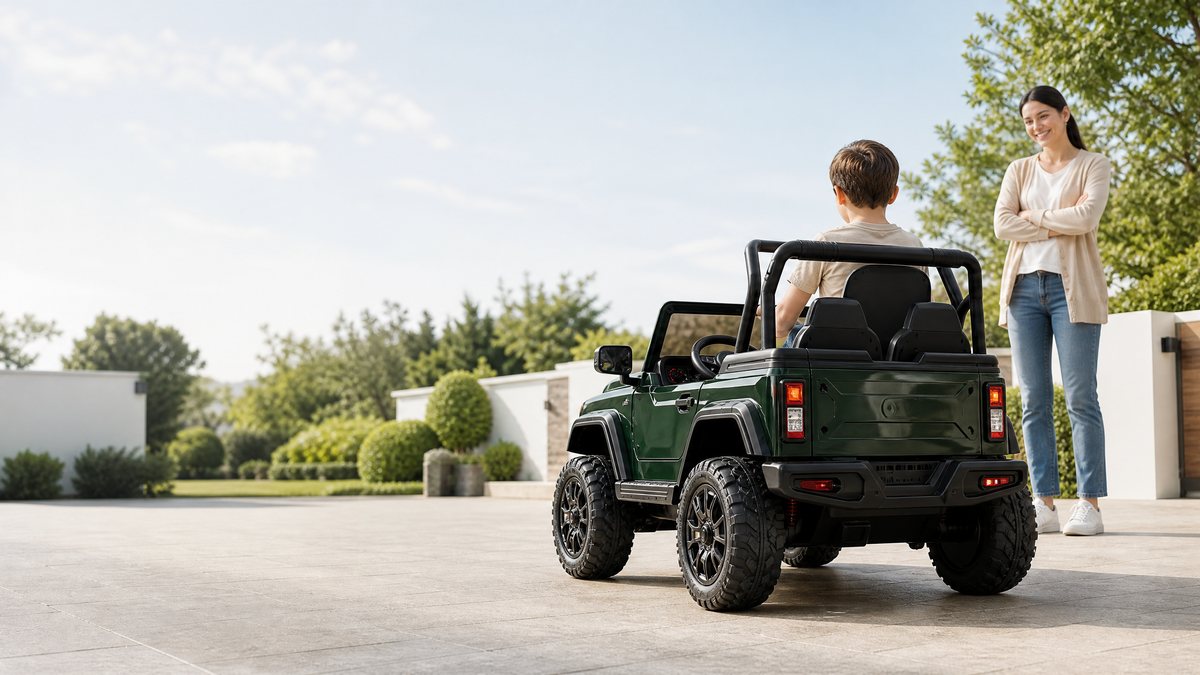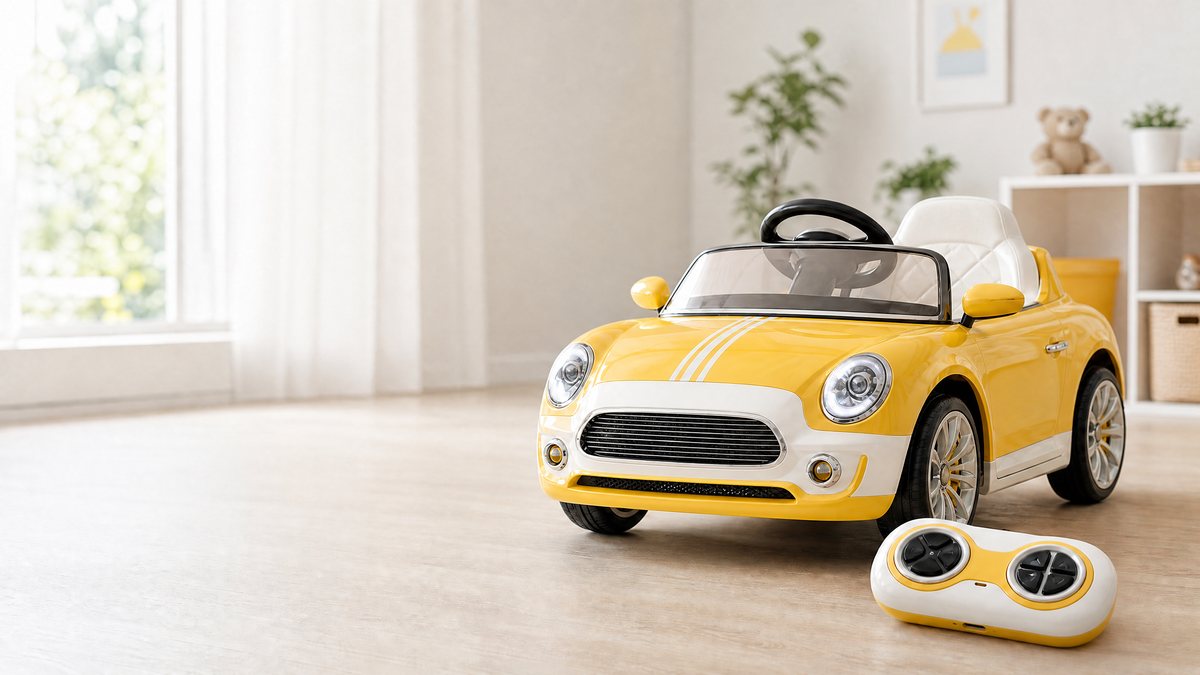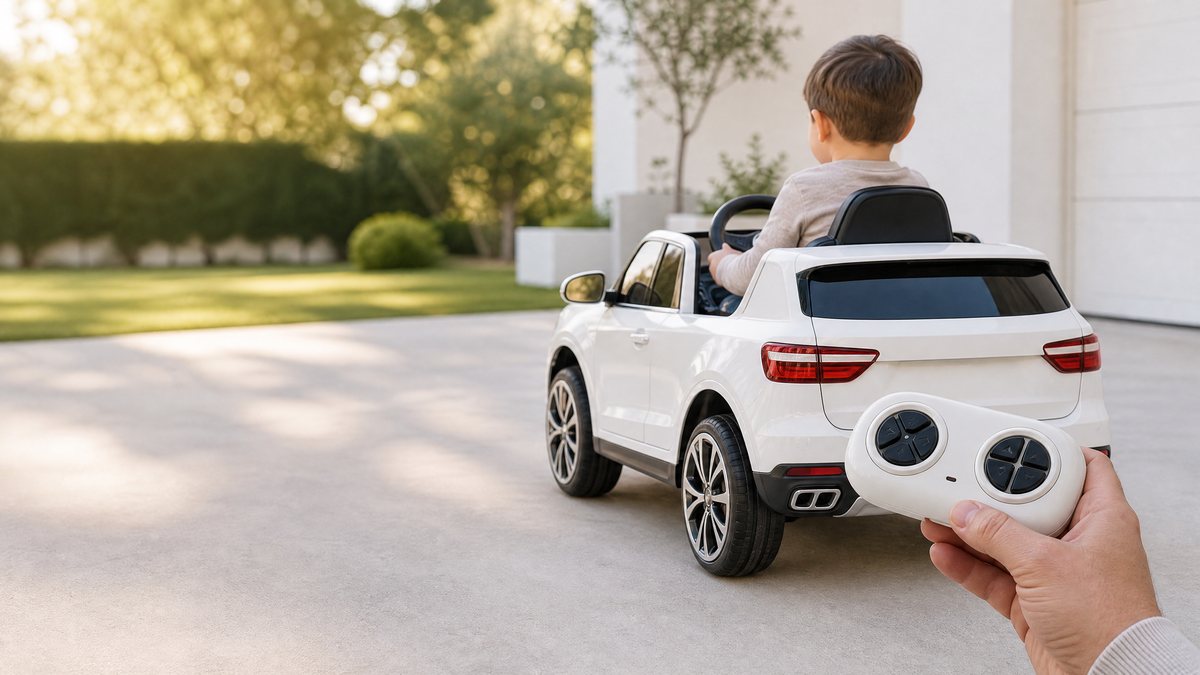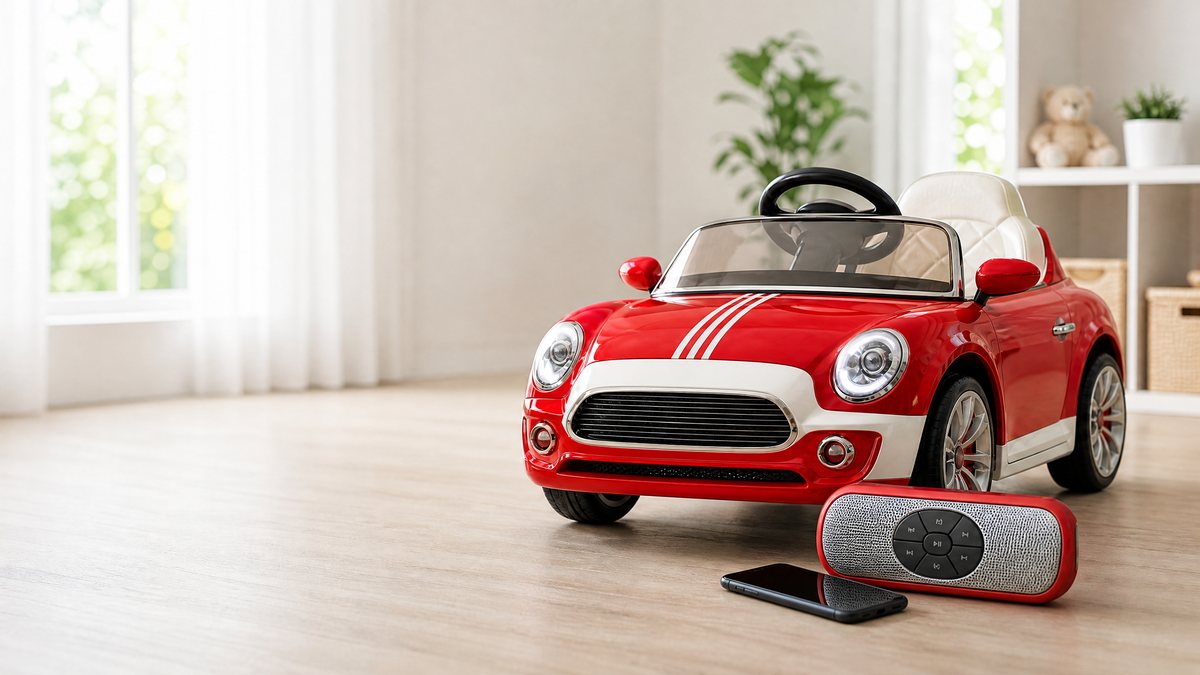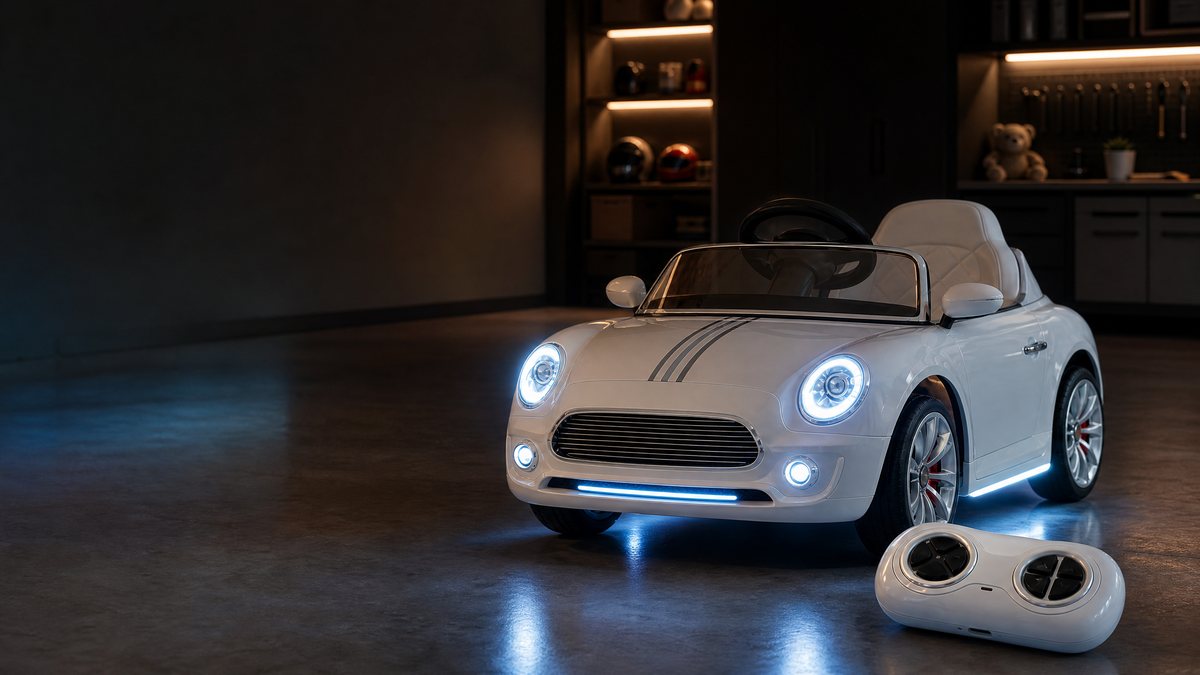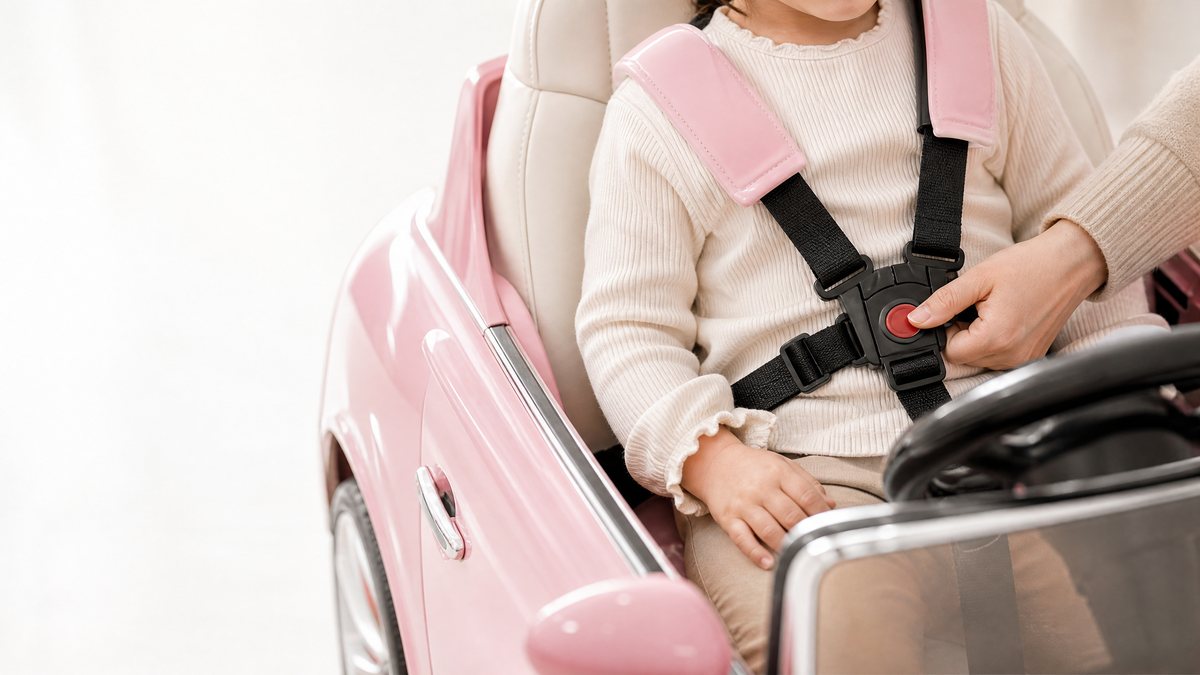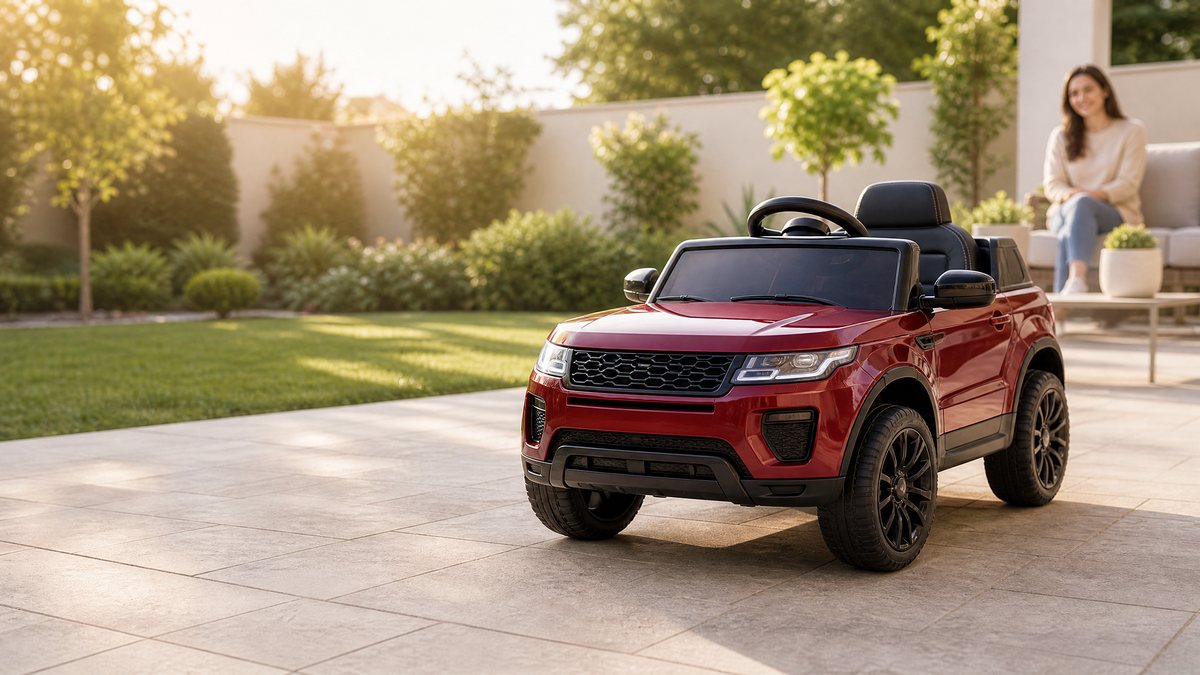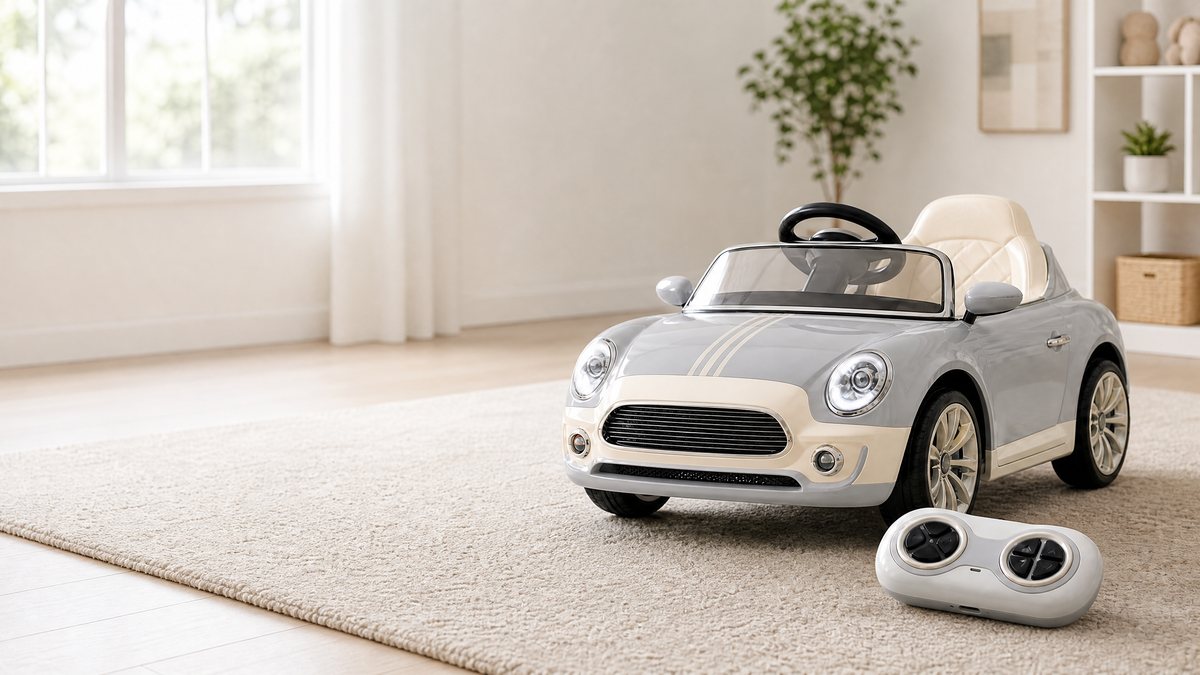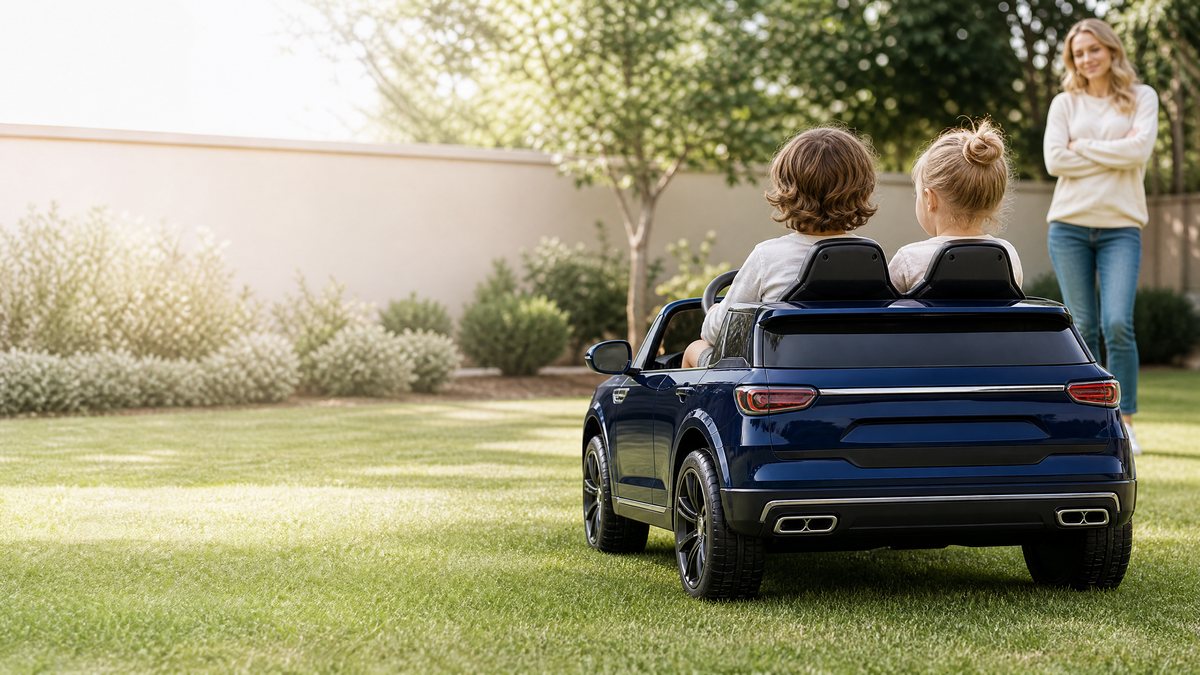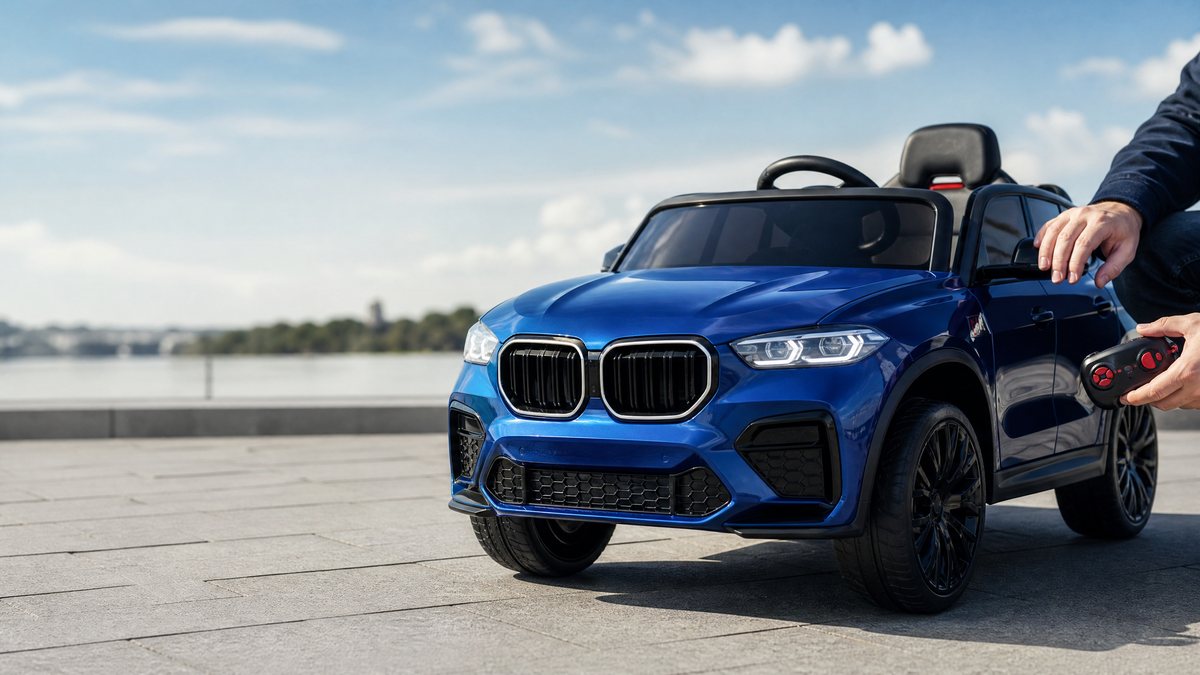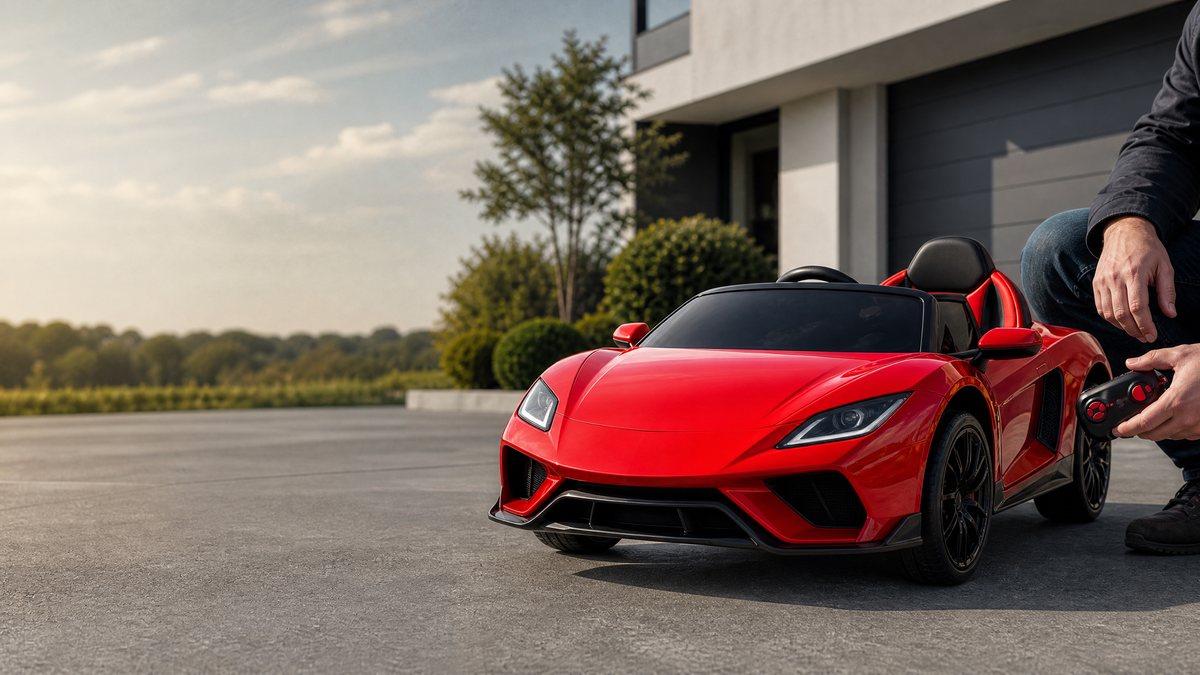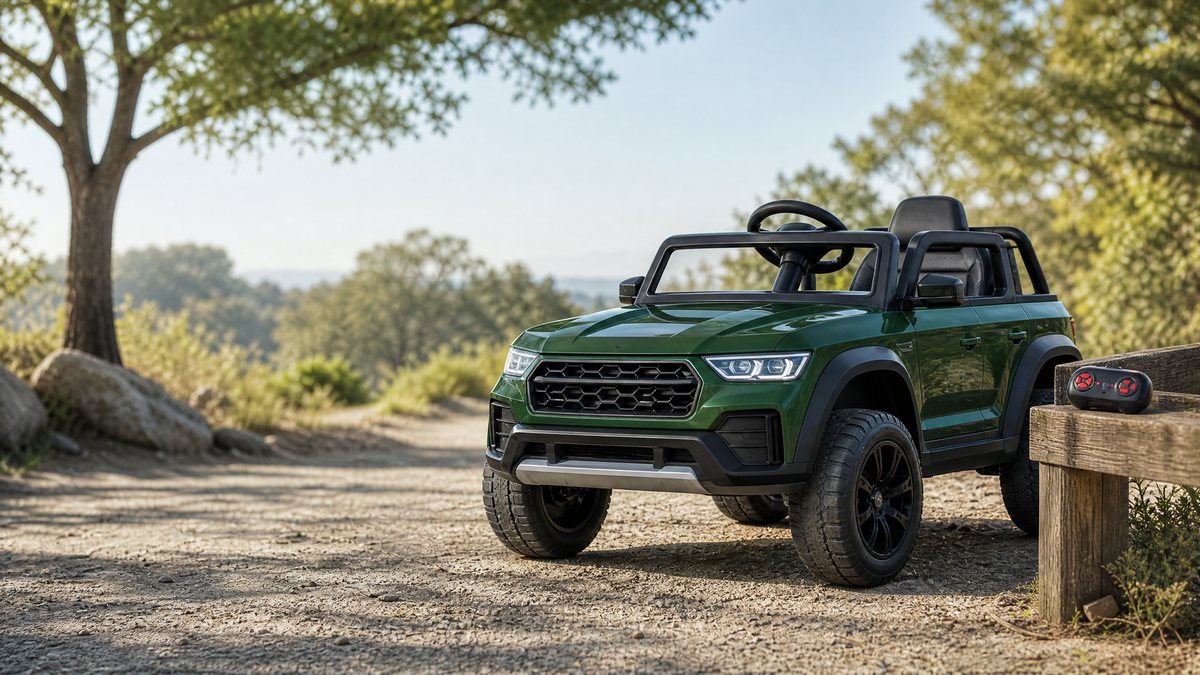
Children's electric ride-on cars provide young drivers with engaging developmental play experiences while offering parents and supervisors essential operational oversight. Equipped with parental remote control capabilities, these vehicles allow adults to manage vehicle trajectory, speed selection, and emergency intervention when necessary. For retail service centers, B2B wholesale partners, and parents, understanding why a ride-on car remote control fails to communicate with the vehicle is essential for maintaining operational readiness and safety standards. Because children's ride-on vehicles vary significantly across different manufacturers, production batches, and structural designs, troubleshooting remote control issues requires a standardized, model-neutral approach that prioritizes consumer safety, user-replaceable maintenance, and strict adherence to official product documentation.
Successfully addressing remote control malfunctions involves a systematic evaluation of external power sources, operating mode configurations, environmental operating conditions, and proper pairing instructions as outlined in the manufacturer's user manual. Crucially, remote control functionality, override priorities, and control mechanics vary by model. Users, retailers, and technical support teams must always consult the vehicle rating plate, user manual, and official manufacturer written instructions before attempting any troubleshooting steps. This guide establishes a professional framework for diagnosing remote control concerns safely, avoiding invasive technical alterations, and recognizing critical conditions that require immediate professional intervention.
1. Understanding Parental Remote Control Systems and Model Variability
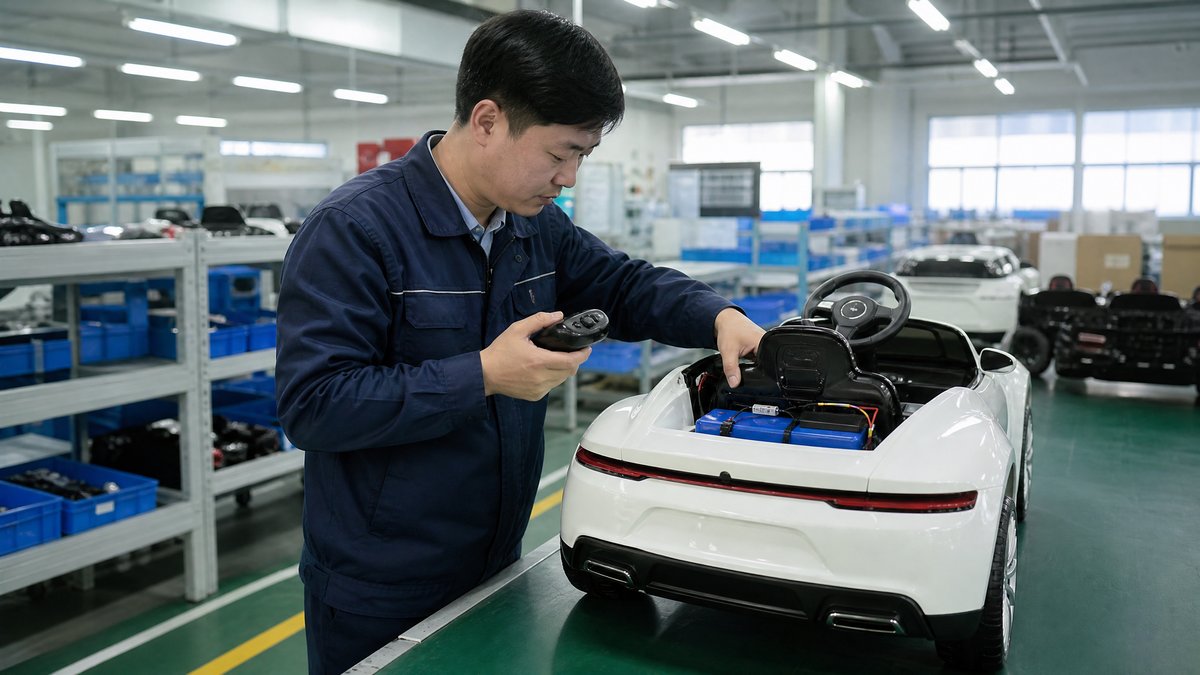
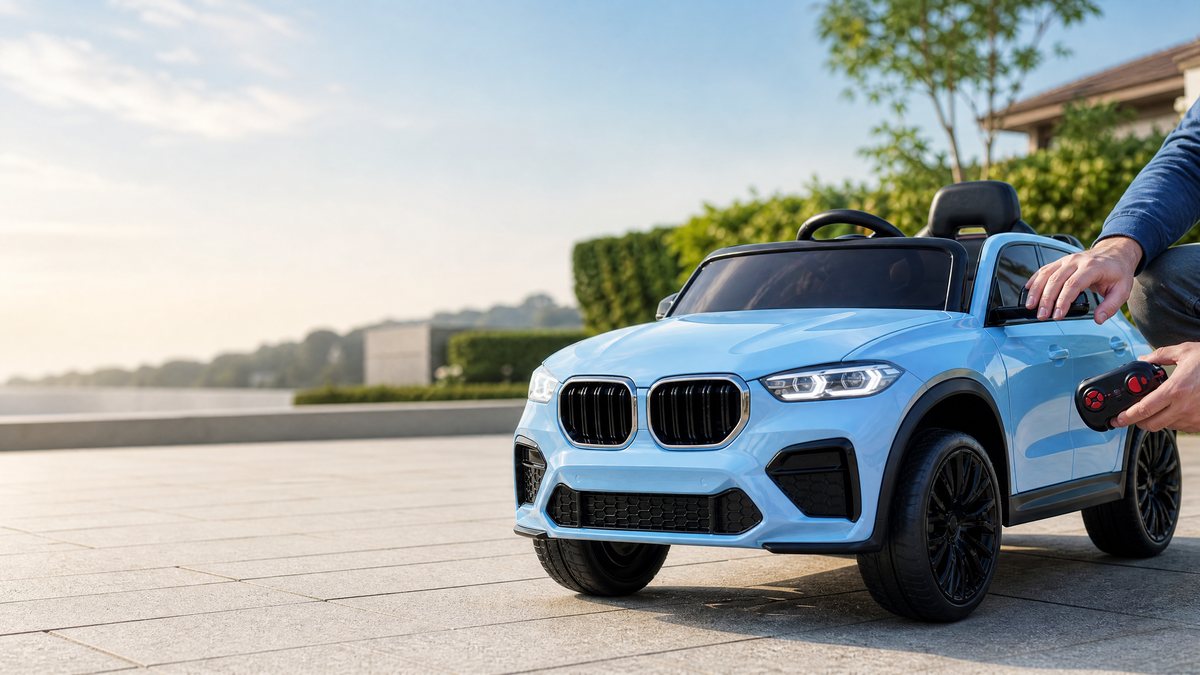
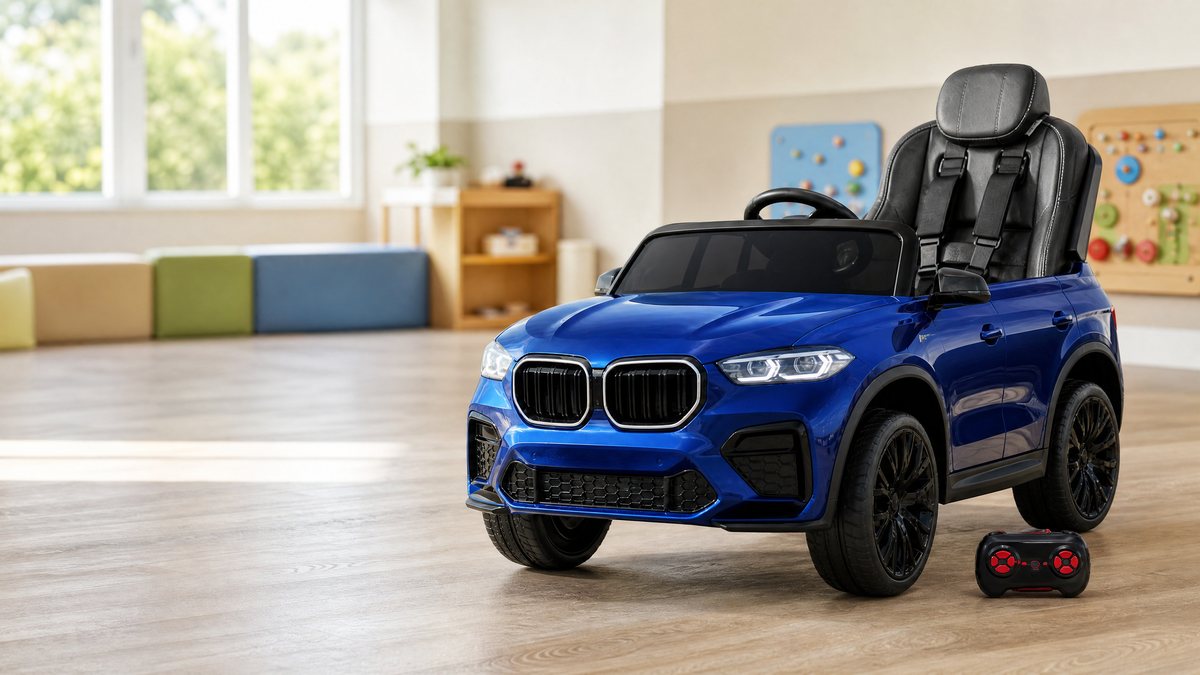
The parental remote control handset is a vital supervisory accessory designed to assist young operators during early learning stages. Depending on the specific ride-on car model, the remote control may govern steering direction, forward and reverse propulsion, speed tier adjustments, or emergency stop functions. In many standard multi-function designs, the remote control exercises override priority over the vehicle's manual foot pedal, allowing an adult to halt or redirect the vehicle instantly.
However, technicians and retail partners must recognize that remote control systems are not standardized across the toy industry. Control architecture, communication methods, pairing sequences, and electrical integration vary widely between different vehicle brands and production runs. A troubleshooting method that applies to one specific model may be entirely ineffective or incompatible with another. Therefore, all diagnostic evaluations and corrective actions must be strictly guided by the specific instructions provided in the vehicle user manual and nameplate specifications. Assuming universal compatibility or applying generic technical assumptions can lead to operational failure or improper handling.
2. Core Safety Standards and Manufacturer Documentation Compliance
Operating and maintaining children's electric ride-on cars requires strict compliance with recognized toy safety standards and regulatory frameworks. Official regulatory bodies such as the Consumer Product Safety Commission (CPSC) provide comprehensive guidance regarding general toy safety, battery-operated toy requirements, ride-on toy structural stability, mechanical overload protection, battery compartment accessibility, and mandatory labeling and instruction manuals.
These regulatory standards emphasize that product documentation, warning labels, and user manuals serve as the authoritative guidelines for safe operation and maintenance. When encountering remote control malfunctions, operators must never bypass safety mechanisms, attempt unauthorized electrical modifications, or alter internal circuit components. Federal and industrial safety frameworks supplement but do not replace specific manufacturer instructions and vehicle nameplate ratings. Retailers and B2B distributors should ensure that end-users receive complete documentation and are guided to follow manufacturer-approved troubleshooting protocols exclusively.
3. Initial Triage: Power Verification and Handheld Battery Maintenance
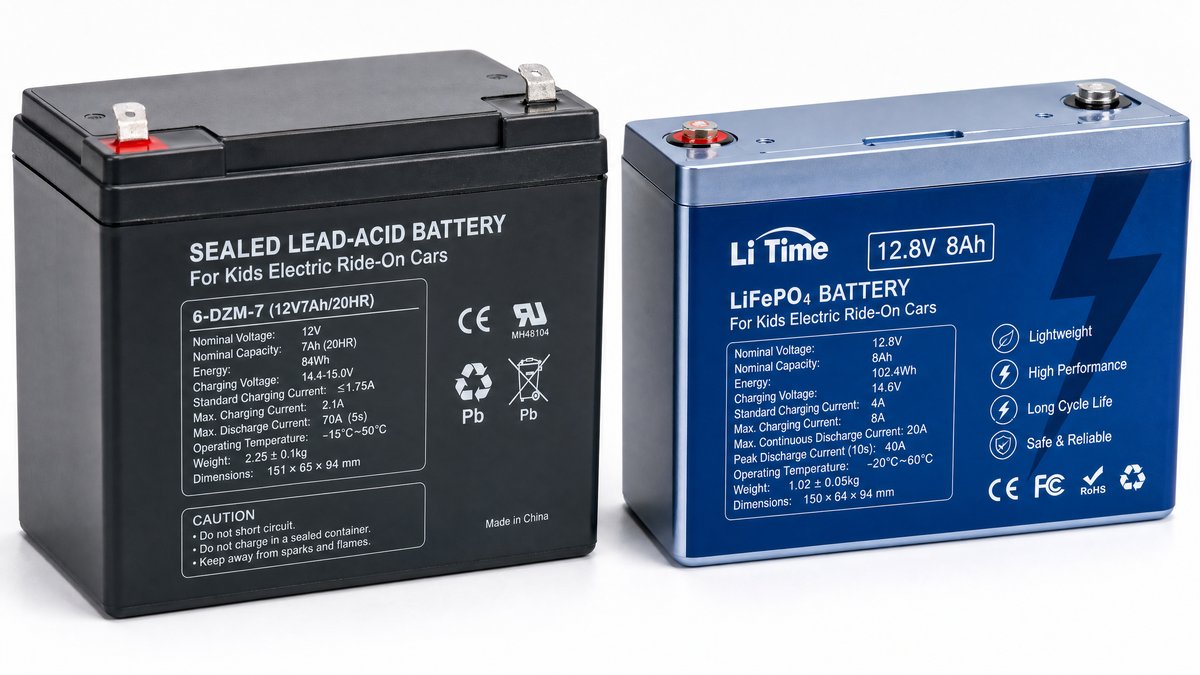
The most common and easily resolvable cause of remote control unresponsiveness is insufficient electrical power within the handheld transmitter or the primary vehicle power supply. When a remote control fails to operate the vehicle, troubleshooting should begin with straightforward power checks, performed strictly in accordance with the user manual.
Handheld Transmitter Battery Replacement
Handheld remote control units rely on user-replaceable batteries to power their internal circuitry. Over time, prolonged storage, frequent usage, or exposure to fluctuating ambient temperatures can deplete battery energy levels. When transmitter battery power drops below operational thresholds, the remote may fail to transmit operational signals to the vehicle.
- Replacing Depleted Batteries: Users should open the remote control battery compartment, remove exhausted cells, and install fresh batteries of the exact type specified in the model's user manual.
- Polarity and Contact Inspection: Ensure that battery orientation strictly matches the positive and negative polarity markings inside the compartment. Inspect the spring contacts for cleanliness and secure physical contact. Users must avoid mixing old and new batteries or combining different electrochemical cell types, as voltage imbalances can cause accelerated degradation or uneven discharge.
Primary Vehicle Power and Switch Verification
A remote control cannot establish communication if the ride-on car itself is unpowered. Technicians must verify that the vehicle main dashboard power switch is turned on and that the primary propulsion battery is adequately charged. If the vehicle dashboard lights are unlit and the drive motors show no response, the issue lies within the primary vehicle power circuit rather than the handheld remote. Always verify vehicle power status before investigating remote-specific anomalies, ensuring adherence to nameplate ratings and manufacturer operating instructions.
4. Operating Mode Settings and Model-Specific Pairing Protocols
When both the handheld remote and the vehicle possess adequate power, operational failures often stem from incorrect operating mode configurations or unlinked control channels. Modern ride-on cars frequently feature multiple operational modes and require specific synchronization sequences between the handset and the vehicle receiver.
Verifying Operational Mode Settings
Many electric ride-on cars can be operated in dual modes: manual driving (where the child uses the steering wheel and foot pedal) and parental remote control mode (where an adult manages movement via the handset). On certain models, a dedicated dashboard switch or internal setting determines whether remote commands are accepted. If the vehicle is locked in manual-only mode or if an auxiliary override switch is misaligned, the remote handset will appear non-functional even with fresh batteries installed. Users must consult the user manual to verify correct mode switch positioning for their specific vehicle.
Following Model-Specific Pairing and Binding Procedures
Handheld remote controls and vehicle receivers must be properly synchronized so that the vehicle recognizes commands from its designated handset. Because pairing sequences vary significantly by model, users must strictly follow the step-by-step binding instructions provided in their specific user manual.
- Avoid guessing pairing sequences or applying procedures from different vehicle brands.
- Ensure that pairing is conducted within the manufacturer-permitted normal operating environment, free from excessive physical obstructions or localized environmental interference that could disrupt initial signal synchronization.
- If a replacement remote handset is required, operators must select a manufacturer-verified compatible replacement remote designed specifically for that exact vehicle model.
5. Critical Safety Interventions: Handling Environmental Damage and Hardware Compromise
Children's ride-on cars are frequently operated outdoors, exposing them to various environmental hazards. While routine maintenance resolves minor power and pairing issues, certain physical and environmental conditions indicate severe system compromise. When specific hazards are identified, strict safety intervention protocols are mandatory.
Mandatory Action for Water Ingress, Odors, Smoke, and Overheating
If inspection or everyday use reveals any of the following critical conditions, immediate cessation of use and safety intervention is mandatory:
- Water Ingress and Moisture Exposure: If the vehicle or remote control has been exposed to heavy rain, standing water, or excessive moisture accumulation, immediately power off the vehicle, keep children away from the equipment, and contact the manufacturer or qualified service personnel.
- Thermal Distress and Abnormal Odors: Any evidence of burning odors, melting plastic, thermal overheating, or smoke requires the vehicle to be turned off immediately, children to be kept away, and manufacturer or qualified service support before any further use.
- Physical Damage and Exposed Wiring: Cracks in housing enclosures, severed or exposed wires, broken structural components, or abnormal braking behavior must be treated as serious safety hazards.
Prohibition of Unauthorized Repairs and Bypassing
Under no circumstances should users, retail staff, or non-certified technicians attempt internal repairs when critical safety hazards occur. Specifically:
- Do not disassemble vehicle receiver housings, motor gearboxes, or sealed electrical enclosures.
- Do not apply unverified drying durations or use high-heat appliances to dry internal electronic components.
- Do not use jumper wires, electrical tape splices, or makeshift electrical modifications to bypass protective fuses or damaged harnesses.
- Any attempt to jury-rig damaged electrical components introduces severe risks of electrical shock, thermal fire, and permanent product failure. All compromised units must be evaluated and serviced exclusively by the manufacturer or qualified, authorized service personnel.
Troubleshooting and Safety Action Matrix
| Diagnostic Symptom | Probable Root Cause | Recommended Safe Action |
|---|---|---|
| Remote control LED fails to illuminate or flashes weakly | Exhausted or improperly oriented handheld batteries | Open battery compartment, inspect polarity, and replace with fresh user-replaceable batteries per manual. |
| Remote lights activate, but vehicle steering and drive do not respond | Unpaired control channel or incorrect operating mode setting | Consult model user manual to verify correct operating mode switch position and execute official model pairing sequence. |
| Intermittent remote unresponsiveness during outdoor use | Environmental interference or operating outside permitted range | Operate vehicle within manufacturer-permitted normal operating environment and clear physical obstructions. |
| Vehicle primary dashboard unlit, remote completely ineffective | Primary vehicle power switch off or main battery discharged | Verify main dashboard power switch is active and check primary vehicle battery charge status per manual. |
| Presence of moisture, burning odor, smoke, or physical wire damage | Water ingress, severe thermal distress, or structural component compromise | Immediately power off, keep children away, and contact manufacturer or qualified service personnel. Do not attempt internal repair. |
Frequently Asked Questions (FAQs)
Q1: Can I use a universal remote control or a replacement handset from a different toy brand for my children's ride-on car?
A1: No. Electric ride-on cars utilize model-specific control systems and pairing protocols. Universal remotes, household appliance handsets, or third-party toy controllers from different brands are entirely incompatible. Replacement remote handsets must be procured directly from the original manufacturer or an authorized distributor matching the exact vehicle model specification.
Q2: What immediate steps should be taken if the ride-on car or remote control is exposed to heavy rain or standing water?
A2: Immediately power off the vehicle, keep children away from the equipment, and do not operate or charge it. Wipe accessible exterior surfaces with a clean, dry cloth. Never attempt disassembly, internal drying with high-heat devices, or circuit testing. Contact the manufacturer or qualified service personnel for guidance and evaluation.
Q3: Why does the remote control fail to operate the vehicle even after installing fresh batteries in the handheld transmitter?
A3: Remote control unresponsiveness after battery replacement typically indicates that the handheld unit and vehicle receiver have lost their electronic synchronization, or the vehicle is set to manual-only driving mode. Operators must consult the specific vehicle user manual to verify operating mode switch settings and perform the official manufacturer-approved pairing procedure for that exact model.
Q4: Is it safe for retail service staff or end-users to perform internal wiring repairs, soldering, or fuse bypassing on a non-functional ride-on car?
A4: No. Opening sealed electronic compartments, performing DIY soldering, splicing wires, or bypassing protective components violates product safety standards and introduces severe risks of electrical shock, short-circuit, and thermal fire. All damaged electrical control units must be replaced with certified OEM components supplied directly by the manufacturer or handled by qualified service professionals.
Conclusion
Troubleshooting a non-functional ride-on car remote control requires a disciplined, safety-first approach that aligns with professional B2B and retail standards. By systematically verifying handheld battery power, checking operating mode settings, following official manufacturer pairing instructions, and operating within permitted environmental conditions, users can resolve common issues efficiently. Crucially, recognizing critical safety hazards—such as water ingress, smoke, burning odors, or physical wire damage—and immediately ceasing use while contacting authorized service personnel ensures that children's electric ride-on vehicles remain safe, reliable, and fully compliant with all toy safety standards. All operational procedures remain strictly governed by the vehicle rating plate, user manual, and manufacturer written instructions.
Wholesale and Commercial Inquiries
For B2B distribution partners, retail enterprises, and commercial fleet operators seeking bulk supply of children's electric ride-on cars, OEM replacement parts, or comprehensive technical documentation, our commercial team provides dedicated support and wholesale catalog access.
For inquiries regarding wholesale pricing, container shipments, and commercial partnerships, please contact our team directly:
Request a wholesale quote
Official References
- Consumer Product Safety Commission (CPSC) Toy Safety Guidance: CPSC Toy Safety Education - Comprehensive federal regulatory guidance outlining general toy safety, battery-operated toy compliance, ride-on toy mechanical stability, overload protection, battery compartment accessibility, labeling standards, and user manual instructions for children's ride-on products. This official CPSC resource provides essential educational frameworks for toy manufacturers, importers, and commercial distributors. Note that federal safety guidance supplements but does not replace specific manufacturer instructions, vehicle nameplate ratings, or mandatory product compliance testing.
Official references
Explore these external resources for current regulatory and trade guidance. Confirm requirements with the relevant authority before placing an order.
Ready to Start?
Factory-Direct · CE & ASTM Certified · MOQ from 50 Units
Our export team works with buyers in 60+ countries. Get a quote within 24 hours.
KR
Written by KidsRideCar
China's leading kids electric ride-on car manufacturer. 500,000+ units shipped annually to 60+ countries. CE, ASTM & EN71 certified.