Introduction
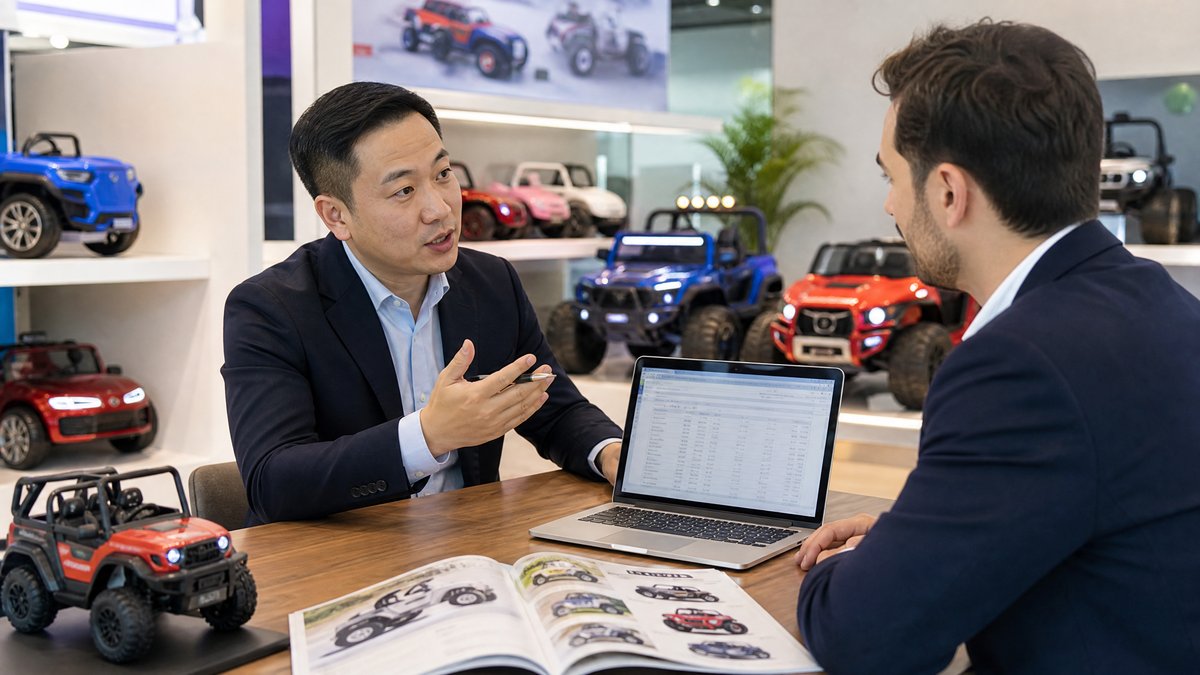
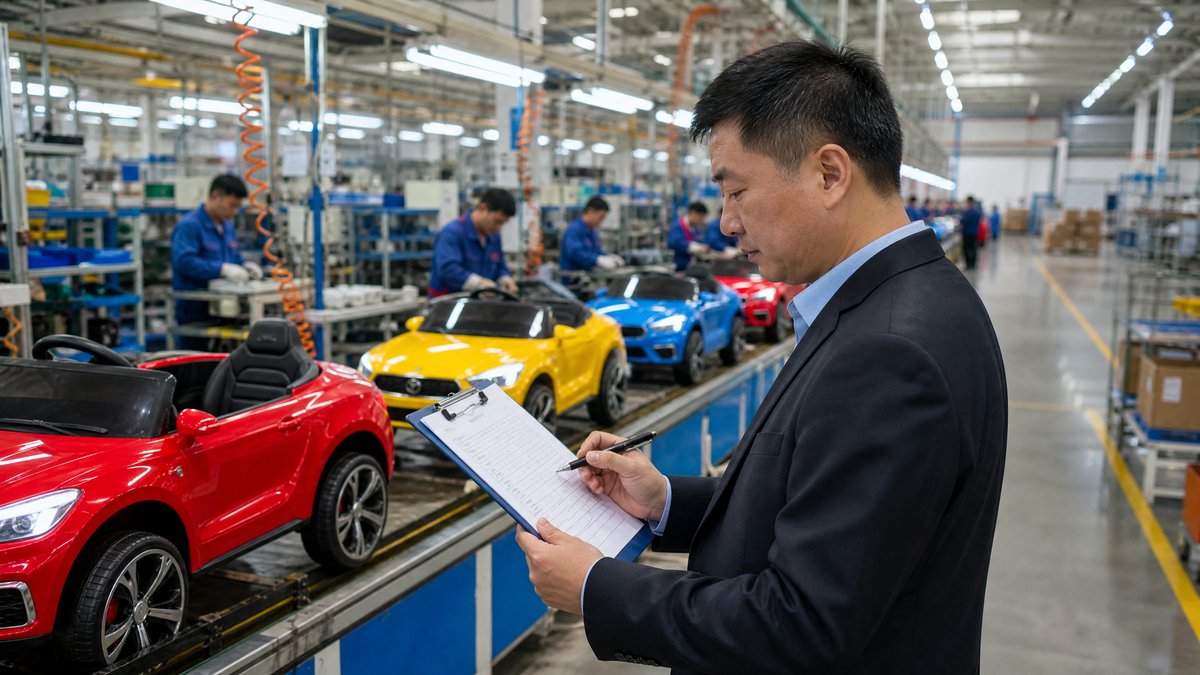
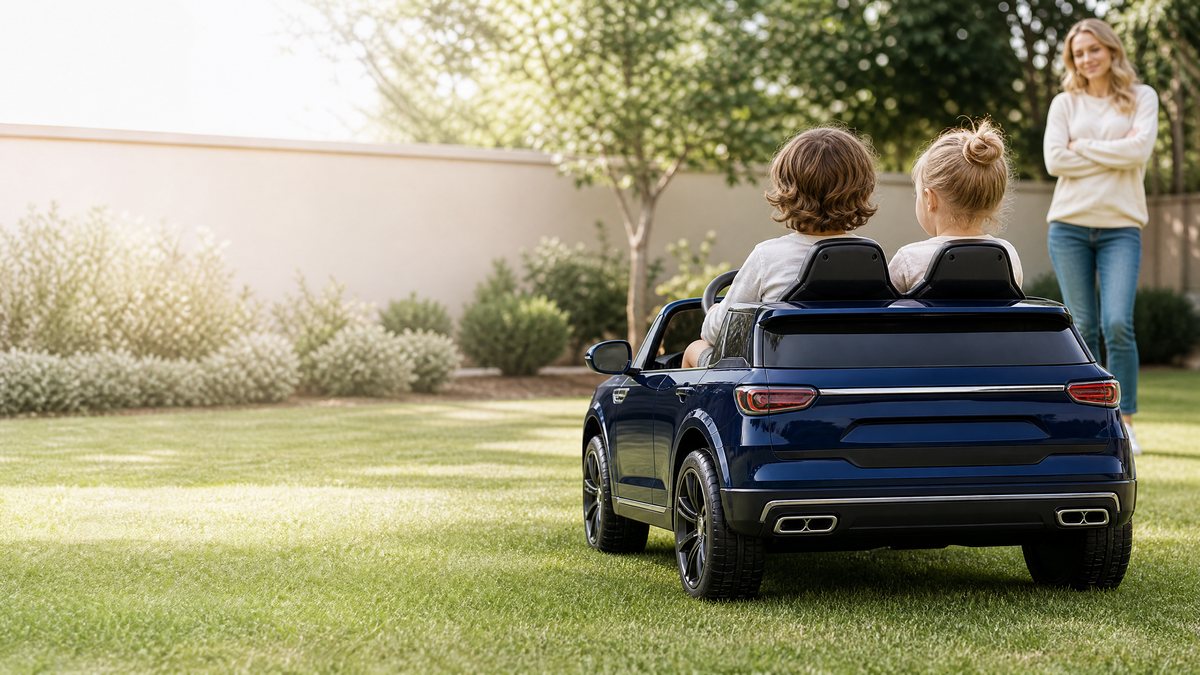
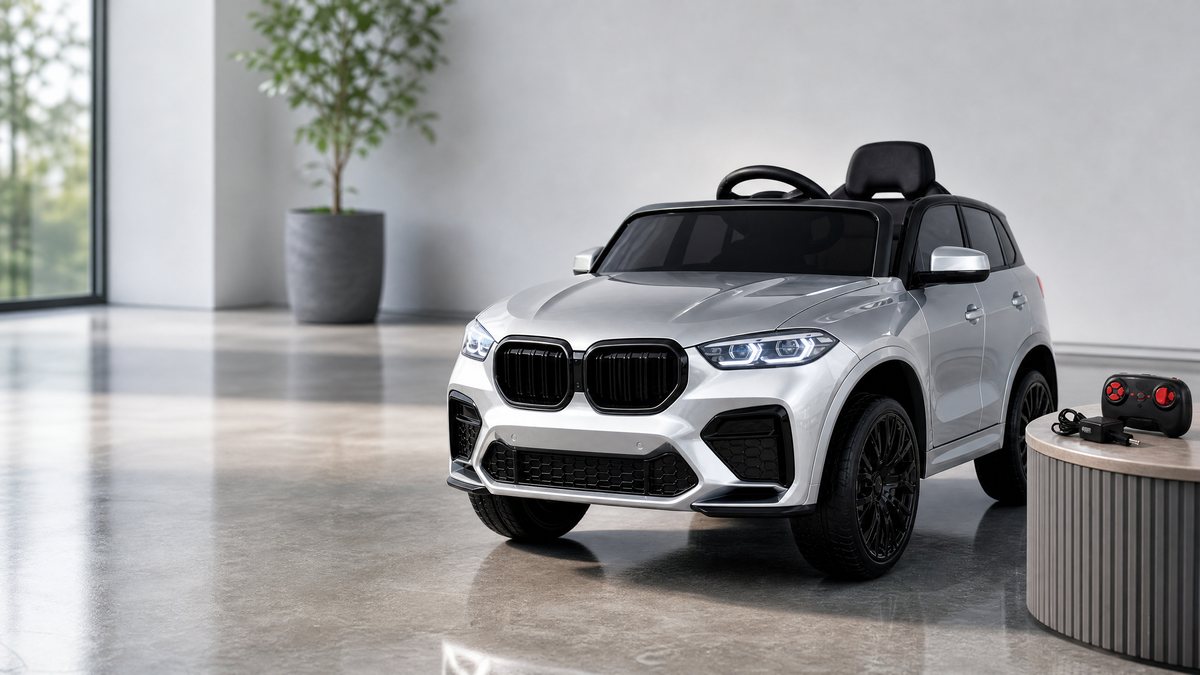
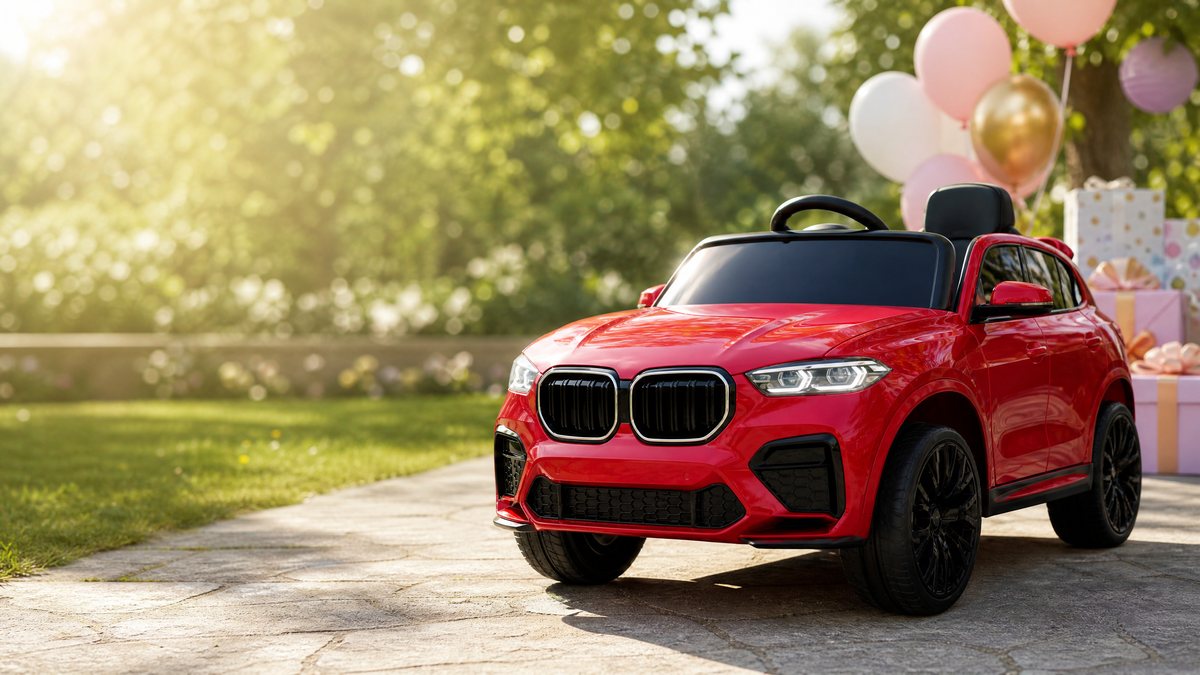
In multi-child households, finding toys and outdoor play equipment that genuinely bridge age gaps and encourage cooperative play can be a rewarding challenge for parents, caregivers, and family educators. Among motorized and pedal-powered recreational products, children's ride-on cars occupy a unique and influential position in modern family recreation and outdoor entertainment. Beyond individual entertainment, these miniature vehicles can serve as powerful catalysts for shared exploration, imaginative role-playing, and structured social interaction between siblings. For B2B distributors, toy retailers, and childcare facility buyers, understanding how ride-on toys facilitate sibling bonding provides valuable messaging for product positioning, retail display curation, and customer education initiatives across diverse global markets.
When approached with proper adult supervision, clear operational guidelines, and age-appropriate vehicle selection, ride-on cars can transform ordinary backyard pathways, driveways, and living room corridors into shared imaginative landscapes. Whether siblings take turns navigating a two-seater electric SUV, managing a collaborative pit-stop refueling station, or coordinating delivery routes in an outdoor logistics game, cooperative play helps build communication skills, empathy, patience, and emotional resilience. This article examines practical strategies for integrating ride-on cars into multi-child play environments, evaluates structural considerations for shared vehicle use, and highlights how retailers can communicate these developmental benefits effectively to commercial and retail clients worldwide.
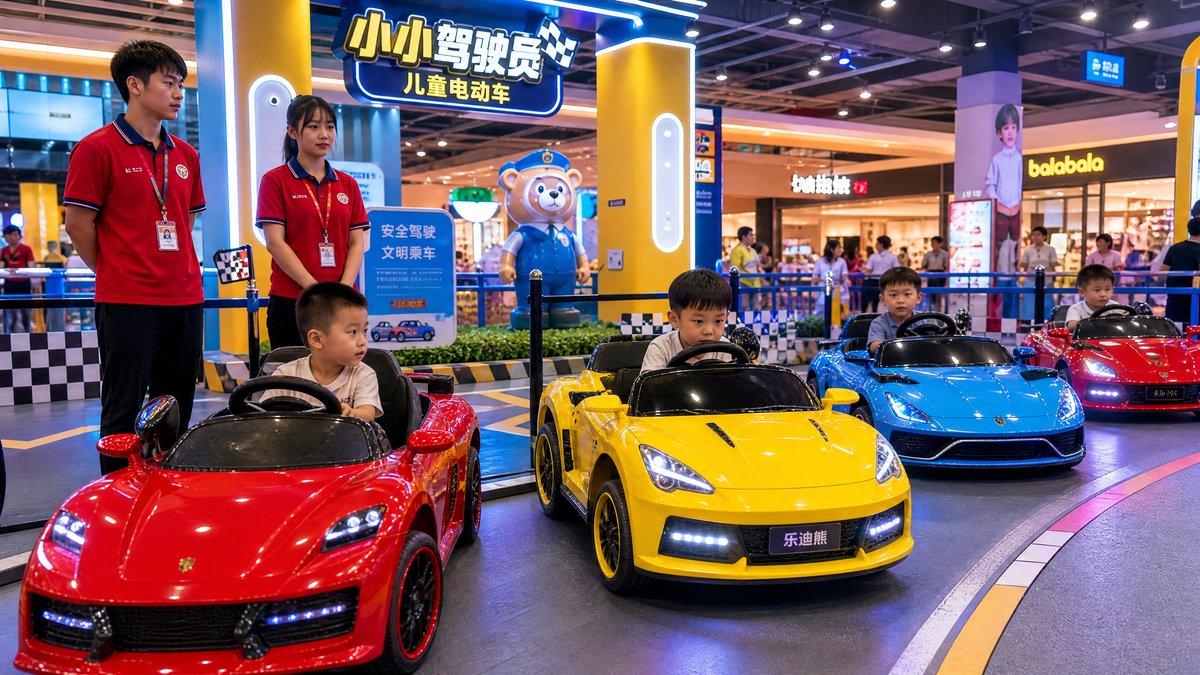
Furthermore, in commercial environments such as family entertainment centers, resort play areas, and community parks, providing shared recreational amenities that encourage sibling cooperation enhances overall customer satisfaction and dwell time. Retailers who understand and articulate these dynamics are better equipped to advise wholesale clients on inventory selection, merchandising displays, and safety compliance. By emphasizing cooperative play frameworks alongside robust vehicle specifications, businesses can foster stronger, more enduring connections with family-oriented consumers who prioritize both developmental enrichment and uncompromising safety standards. Retail partnerships built upon educational value and safety transparency consistently achieve higher customer retention, enhanced brand reputation, and long-term market success across international retail sectors.
Understanding Shared Play and Developmental Dynamics in Multi-Child Households
The introduction of a high-value toy, such as an electric ride-on car, into a multi-child household frequently initiates critical negotiations regarding sharing, turn-taking, and territorial boundaries. Ride-on cars, by virtue of their physical size, mechanical novelty, and operational engagement, naturally capture children's attention and spark intense enthusiasm. Rather than becoming an inevitable point of contention over exclusive possession, these vehicles can be intentionally structured by parents and educators to encourage cooperative engagement, empathy, and collaborative problem-solving.
Child development research indicates that cooperative play involving prop-driven scenarios—such as driving, transporting cargo, or navigating a designated course—encourages children to negotiate roles and establish mutually agreed-upon rules. When older siblings take on guiding or supervisory roles alongside younger brothers or sisters, or when siblings alternate systematically between the role of driver and navigator, they practice essential social-emotional competencies. Retailers and wholesale buyers emphasizing family-oriented product lines benefit greatly from highlighting these interpersonal dimensions, moving beyond simple technical feature specifications to articulate how recreational toys integrate harmoniously into complex family dynamics and everyday routines.
Furthermore, outdoor and supervised indoor vehicle play encourages physical coordination alongside social interaction and cognitive development. Sharing a ride-on vehicle experience requires children to synchronize their expectations, respect spatial perimeters, and communicate clearly without immediate adult intervention. By framing ride-on cars as instruments for shared adventure rather than solitary toys, families can cultivate stronger bonds while enjoying recreational equipment safely under guided supervision. Educational psychologists note that cooperative pretend play helps children learn self-regulation, as they must moderate their impulses and consider their sibling's feelings to maintain an enjoyable, harmonious play session while building lasting positive memories together in a safe environment.
Evaluating Ride-On Car Configurations for Multi-Child Use
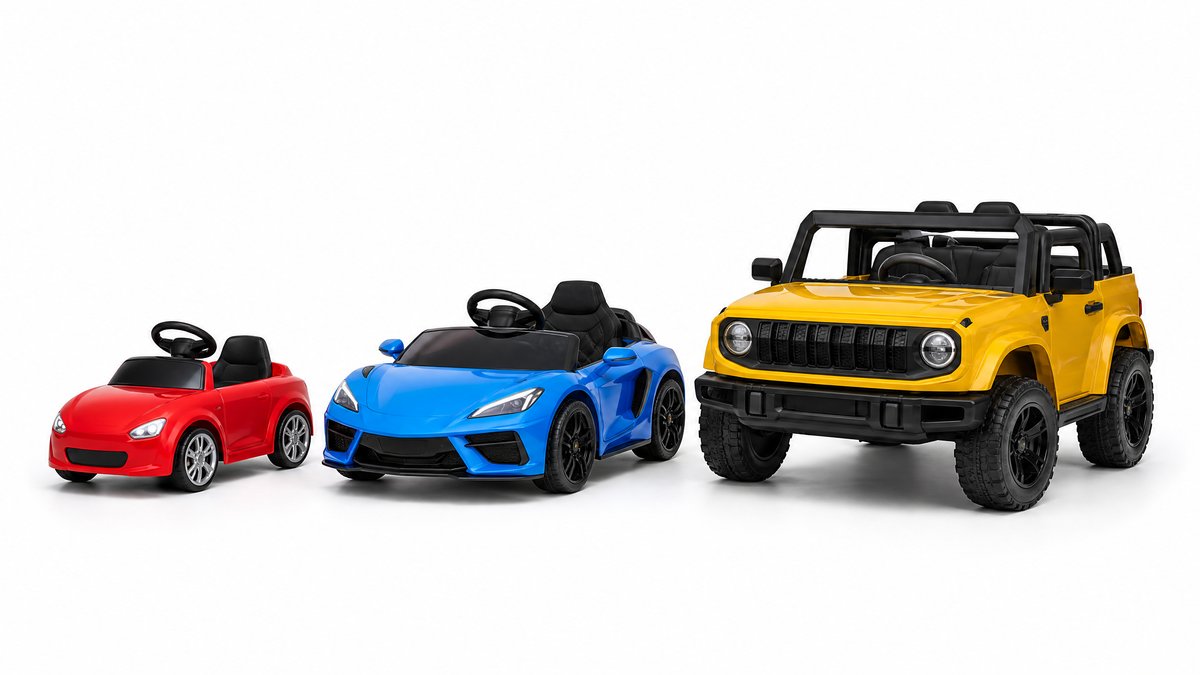
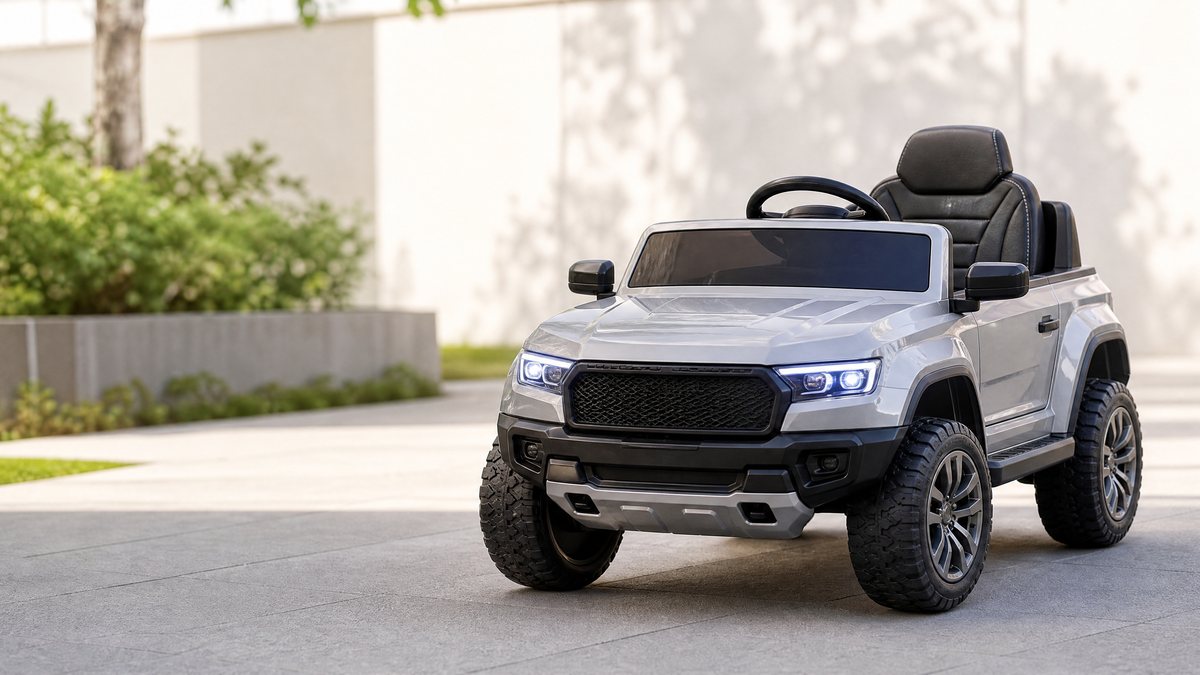
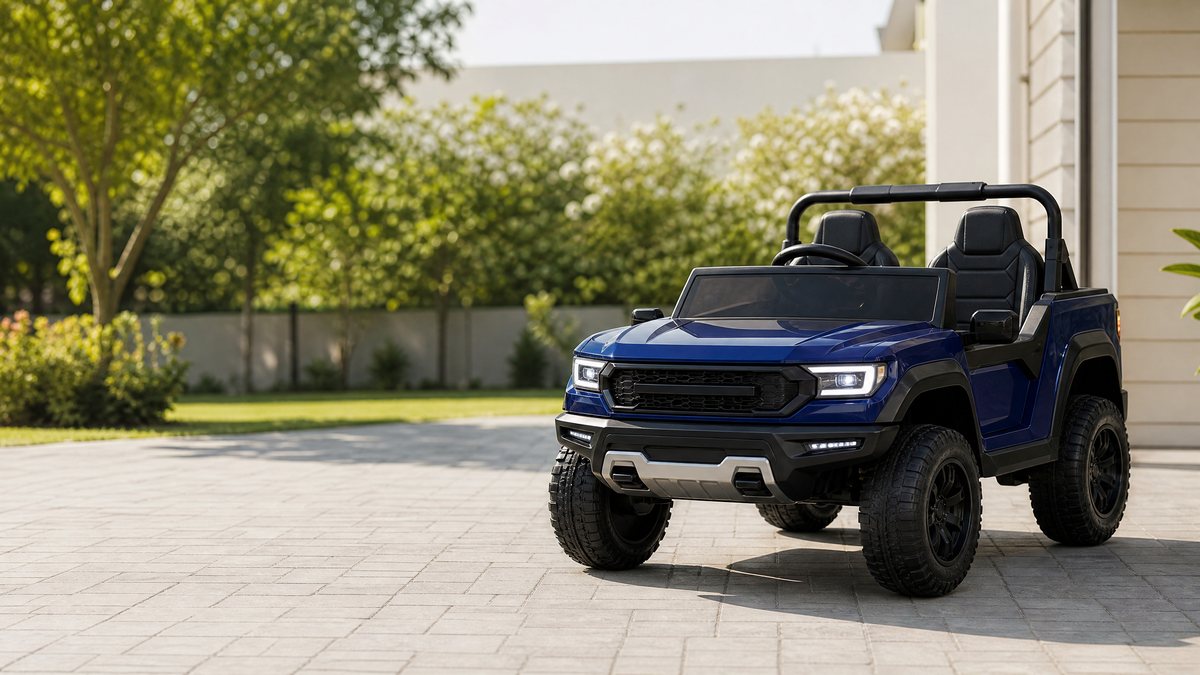
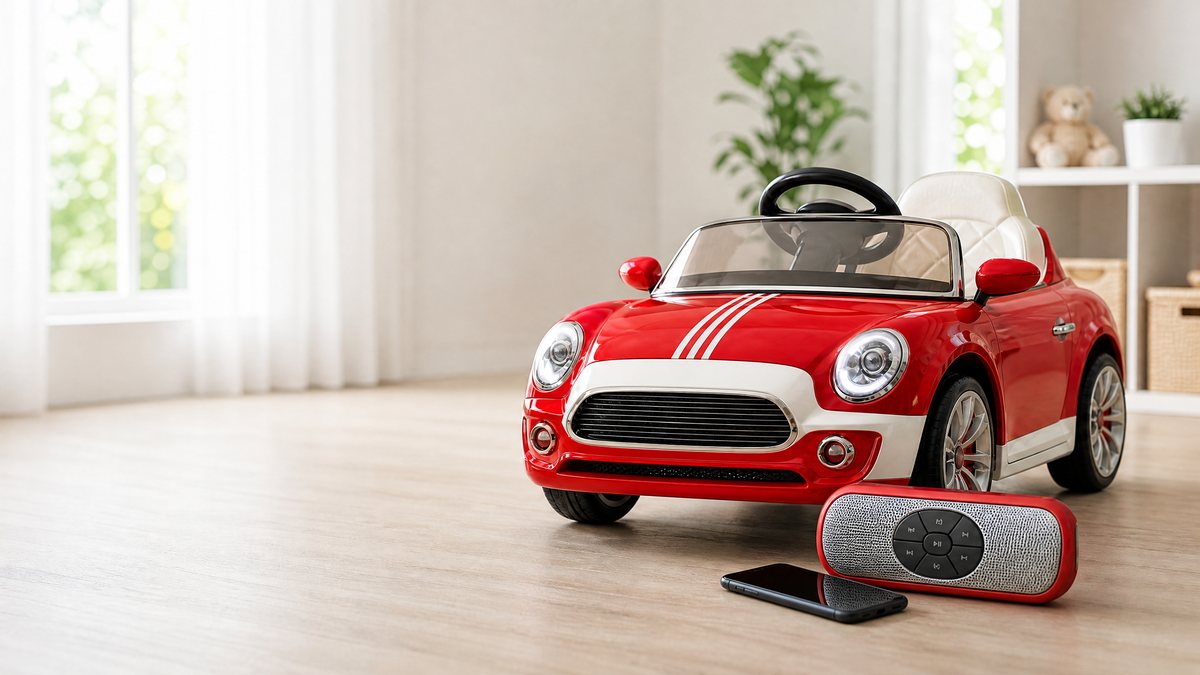
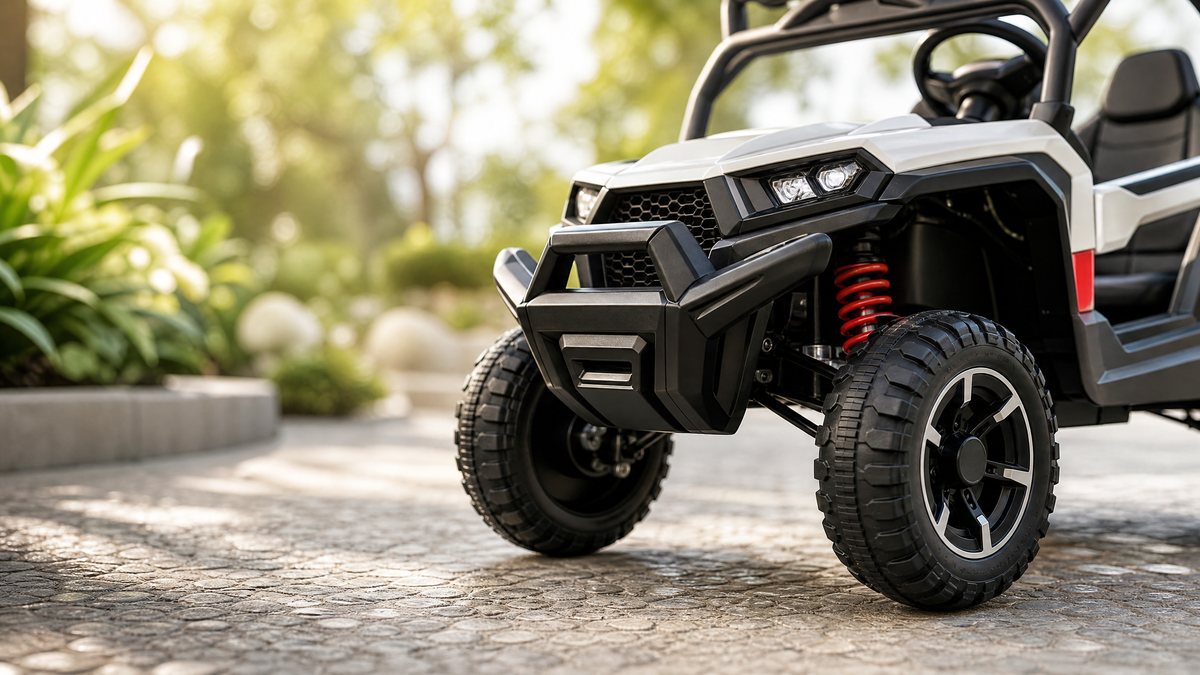
Selecting the appropriate ride-on vehicle configuration for households with multiple children requires careful evaluation of seating capacity, weight limits, power systems, and physical dimensions. Manufacturers offer diverse product categories ranging from single-seat sports cars to spacious two-seaters and utility vehicles equipped with cargo beds or compatible trailer attachments.
To assist retail buyers and commercial partners in assessing vehicle suitability for multi-child environments, the following comparison outlines key structural configurations and their operational considerations:
| Vehicle Configuration | Primary Seating Capacity | Shared Play Potential | Operational & Safety Considerations |
|---|---|---|---|
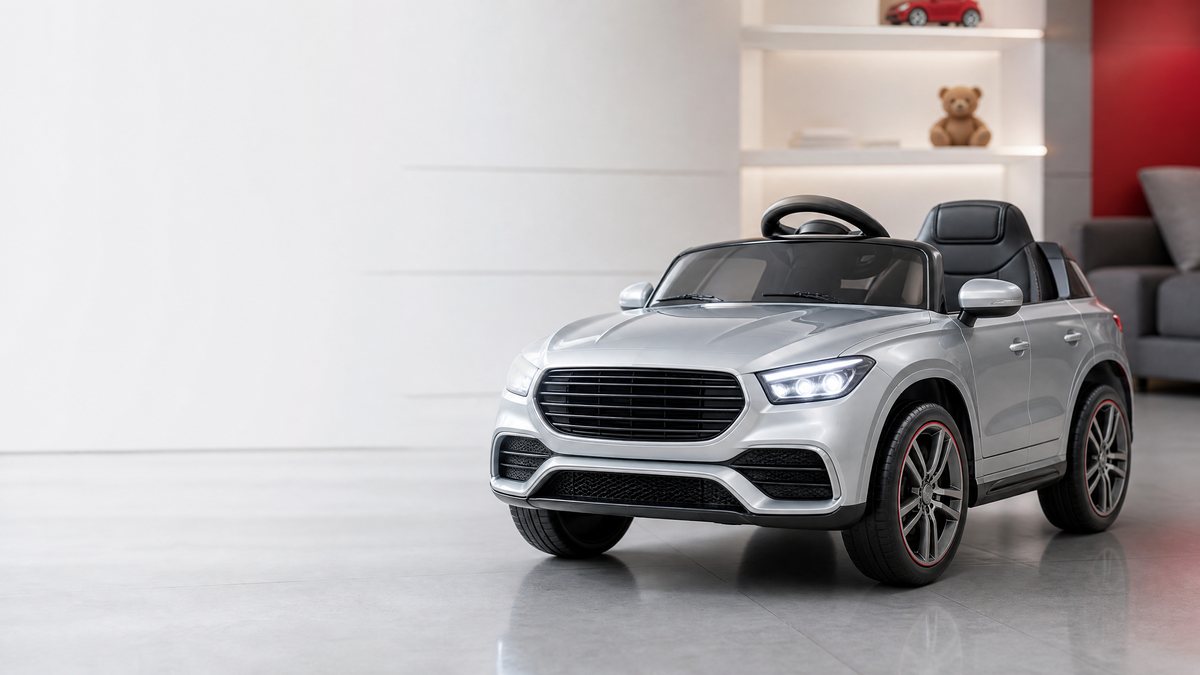
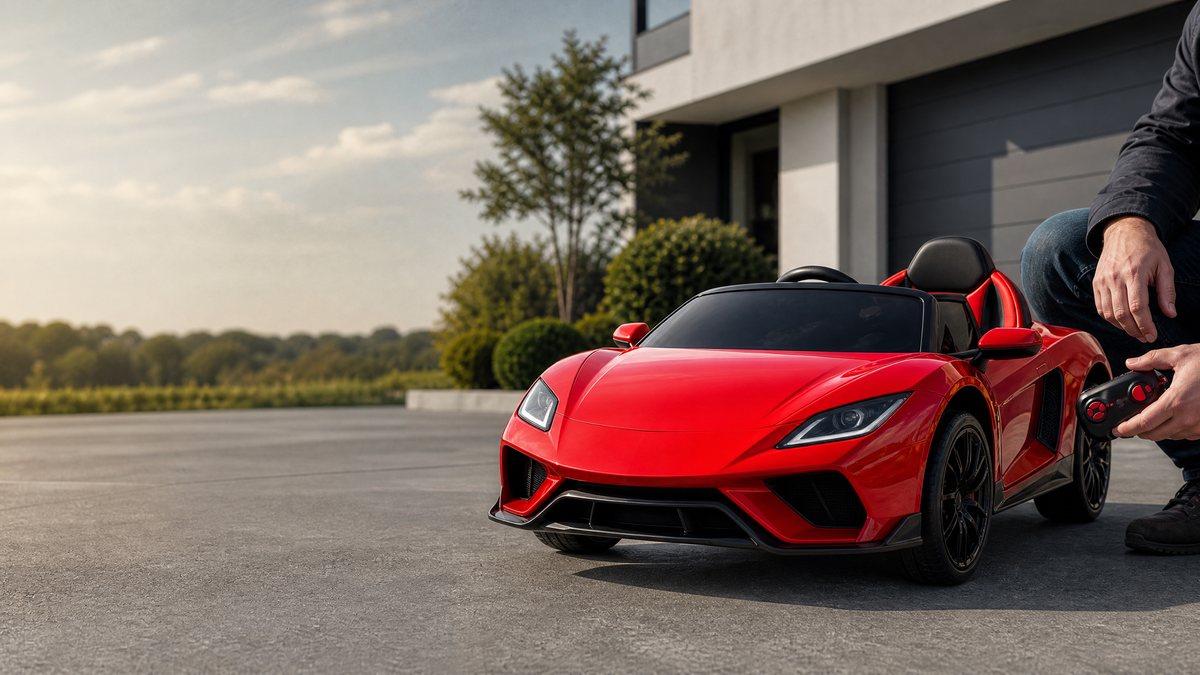
| Single-Seater Sports Car | 1 Child | Moderate (Requires strict turn-taking schedules) | Compact footprint; lightweight; requires clear time-allocation rules to prevent disputes and ensure fair play among siblings. |
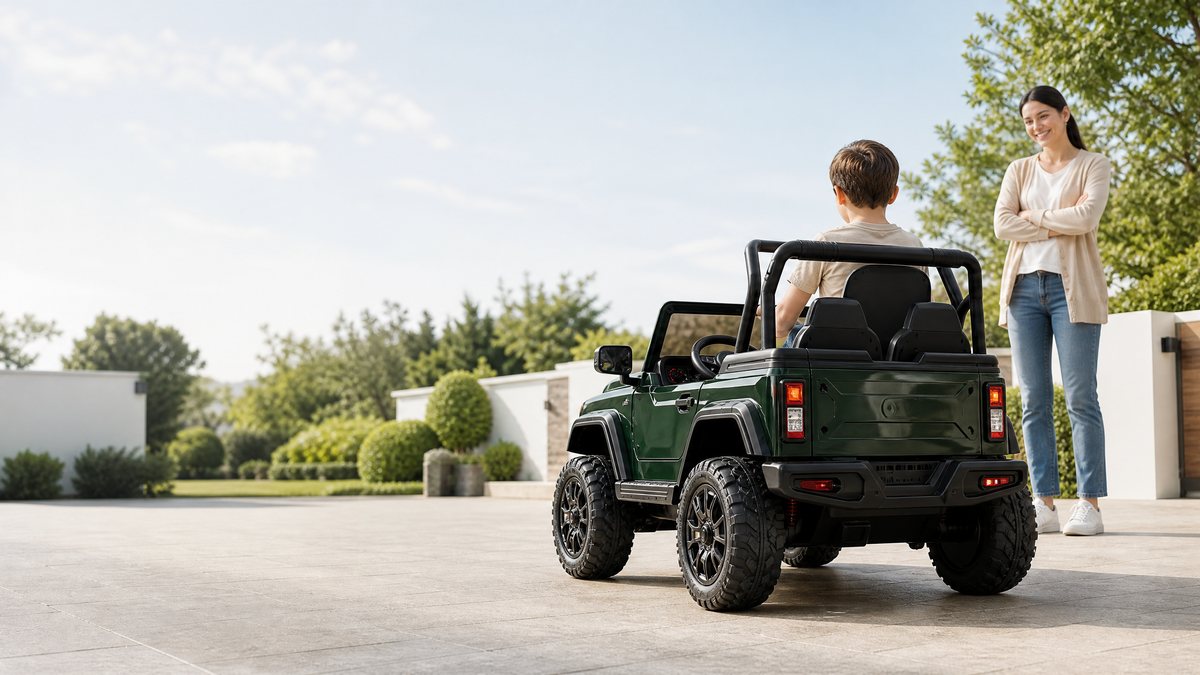
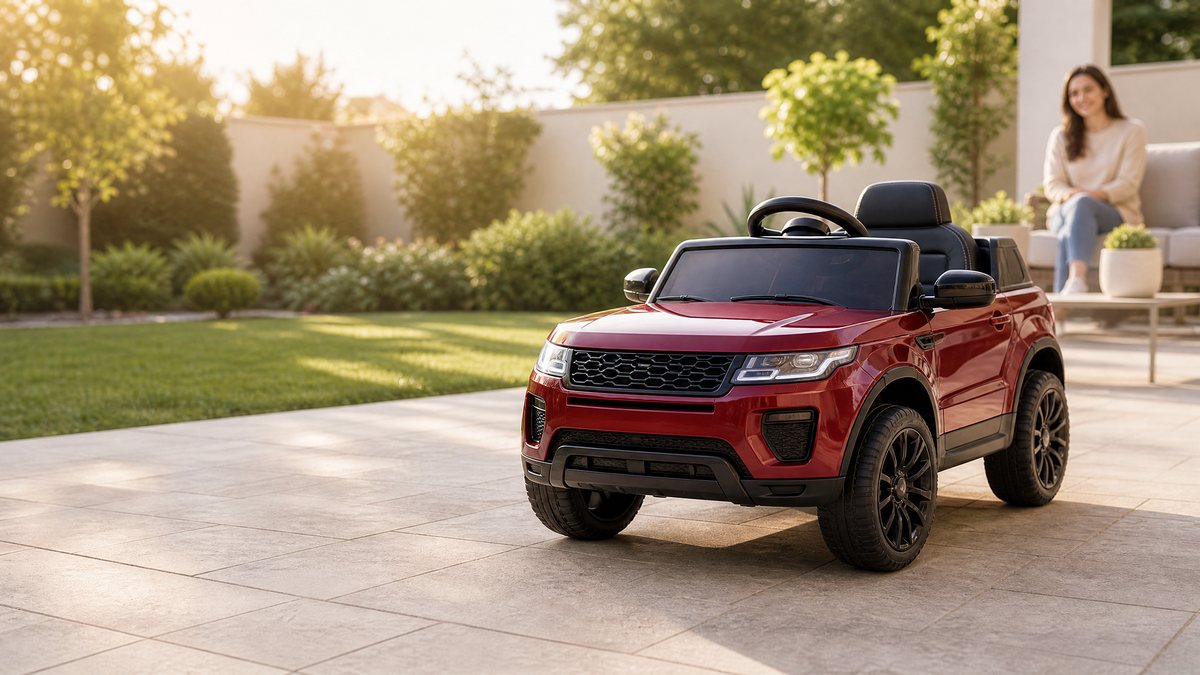
| Two-Seater Electric SUV | 2 Children (Simultaneous) | High (Simultaneous driving and passenger roles) | Higher weight capacity; larger battery demand; requires verification of combined occupant weight limits against manufacturer rating plates. |
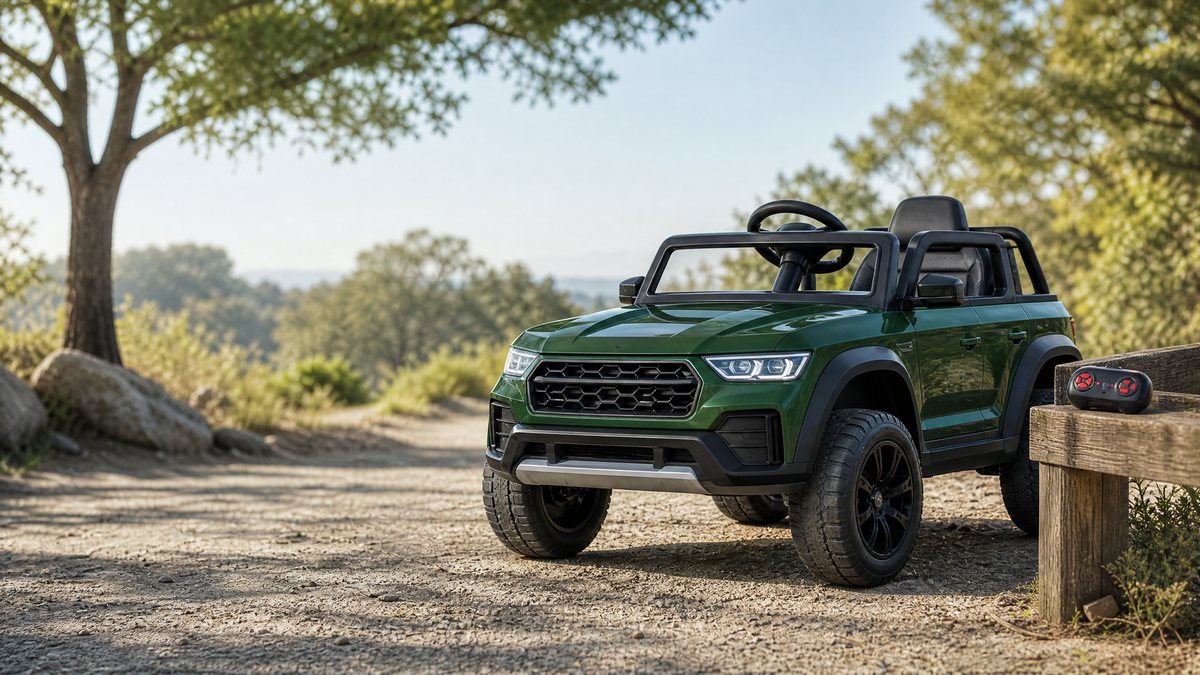
| Utility Vehicle with Cargo Bed | 1 Driver + 1 Passenger / Cargo | High (Role-playing as delivery drivers and cooperative helpers) | Excellent for collaborative games (transporting toys); requires balanced load distribution and strict adherence to cargo specifications. |
| Towable Trailer Accessory | 1 Driver + Passenger in Trailing Cart | High (Towing and convoy play scenarios) | Requires wide turning radiuses; manufacturer approval for towing attachments; strictly controlled speed environments and constant adult oversight. |
When reviewing these options, wholesale buyers and retail consumers must always consult the manufacturer rating plates, user manuals, and technical documentation for exact weight thresholds, recommended age ranges, and operational limitations. Never exceed maximum combined weight limits specified by the manufacturer, as overloading can strain electrical circuits, diminish braking efficiency, and compromise structural integrity across rough terrain. Understanding these technical parameters ensures that retail recommendations remain grounded in safety, transparency, and operational longevity.
Structuring Safe and Structured Sibling Play Sessions
Introducing a ride-on car into a multi-child setting necessitates clear operational frameworks to ensure safety, fairness, and maximum enjoyment. Without structured guidelines, competition for vehicle access can lead to frustration, disputes, or unsafe operation. Establishing predictable routines helps children anticipate their turn and encourages mutual respect within the household.
Caregivers and parents often establish timer-based schedules or specific geographical boundaries—such as designated driveway lanes or backyard perimeter markers—within which the vehicle must remain. When older children act as navigators, safety wardens, or signal operators for younger drivers, supervision shifts from reactive intervention to proactive coaching. For B2B enterprises supplying family entertainment centers, community play spaces, or retail customers, providing educational inserts or digital guides on structuring safe shared play adds significant value to the purchasing experience.
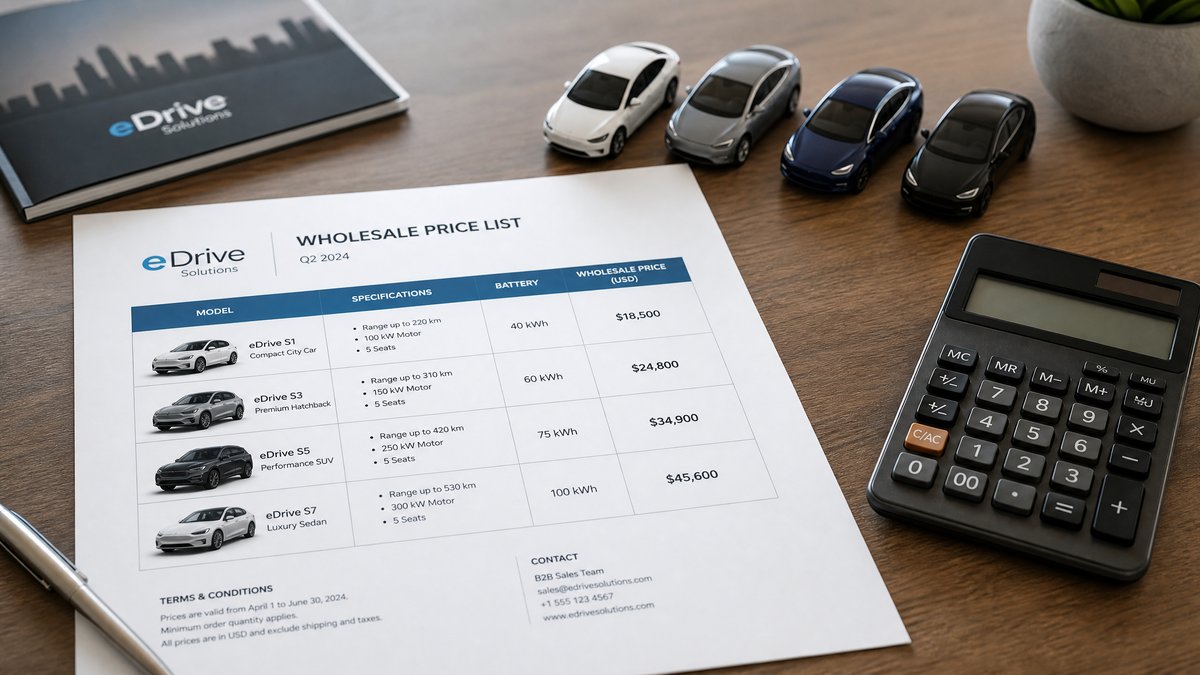
For wholesale buyers and institutional clients seeking robust, multi-child-friendly fleet solutions, Request a wholesale quote. Our catalog includes rigorously tested electric vehicles designed to meet diverse commercial and retail requirements.
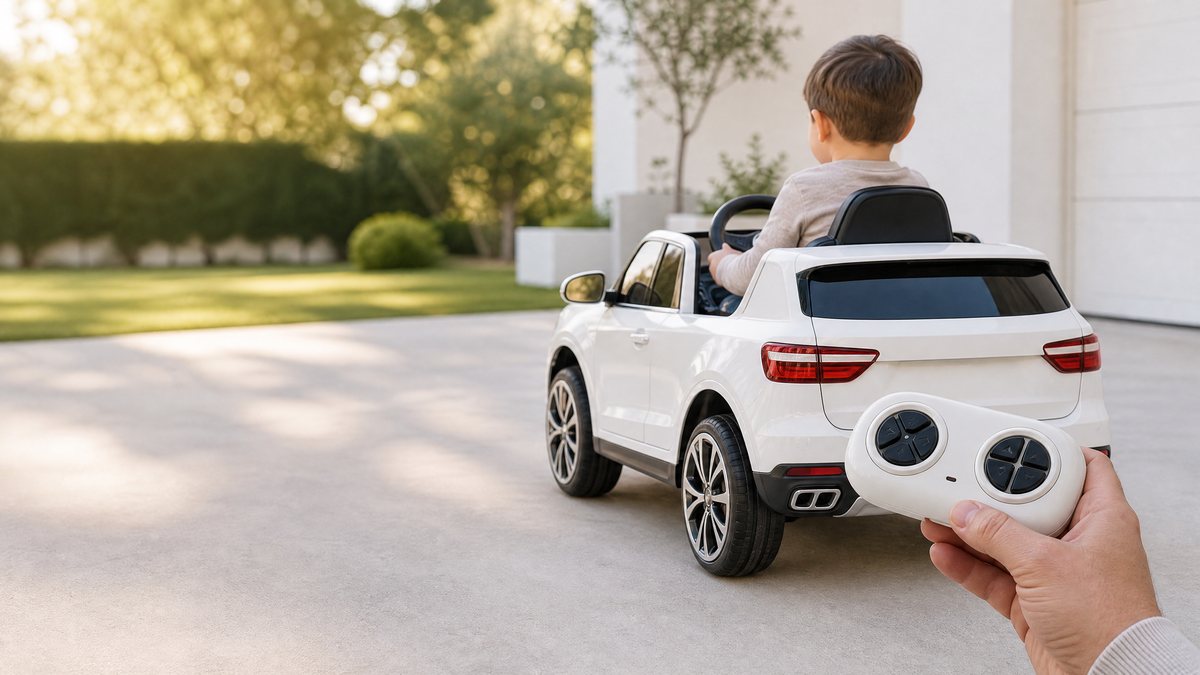
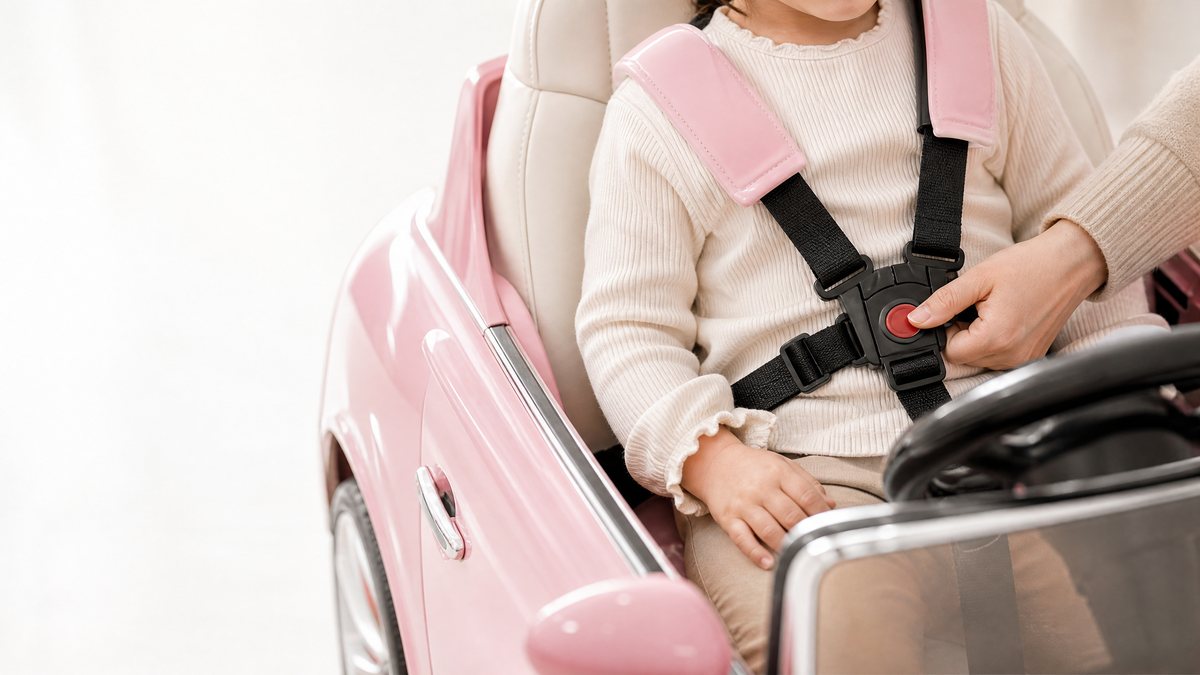
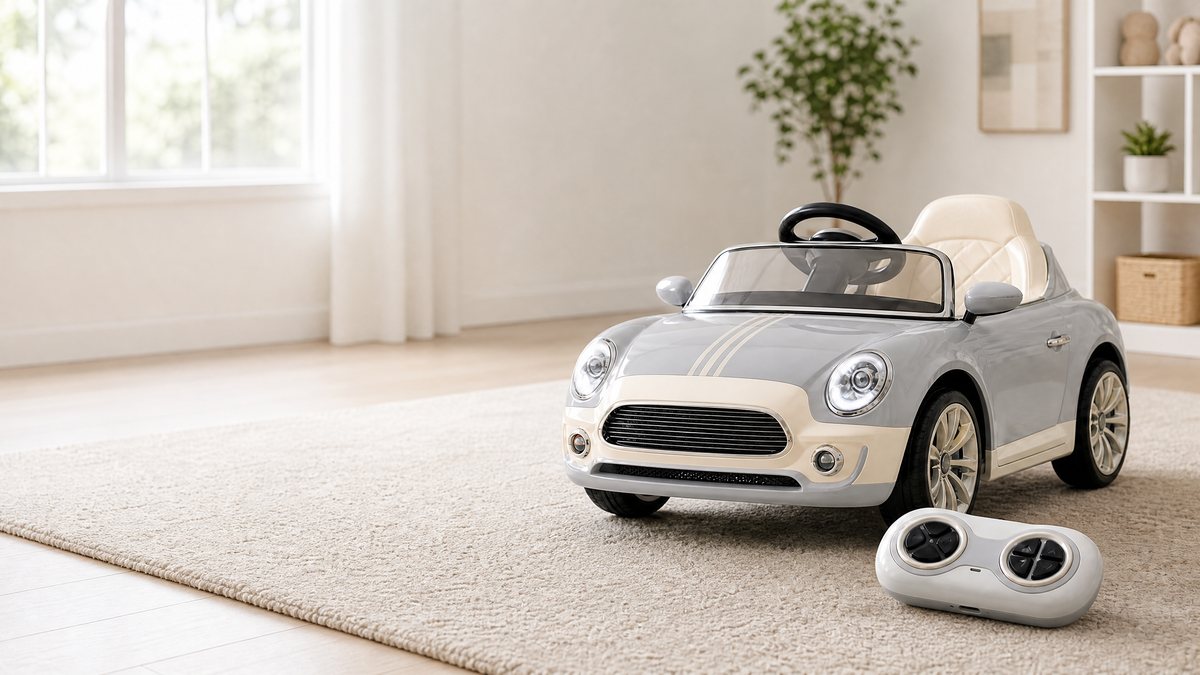
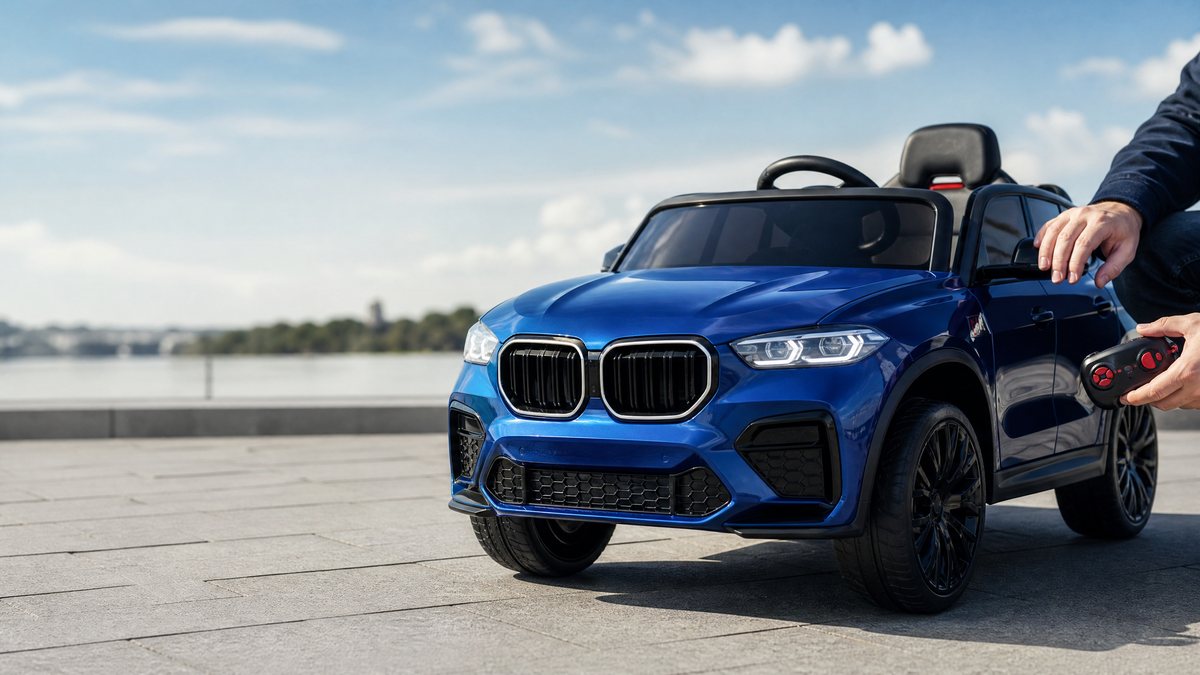
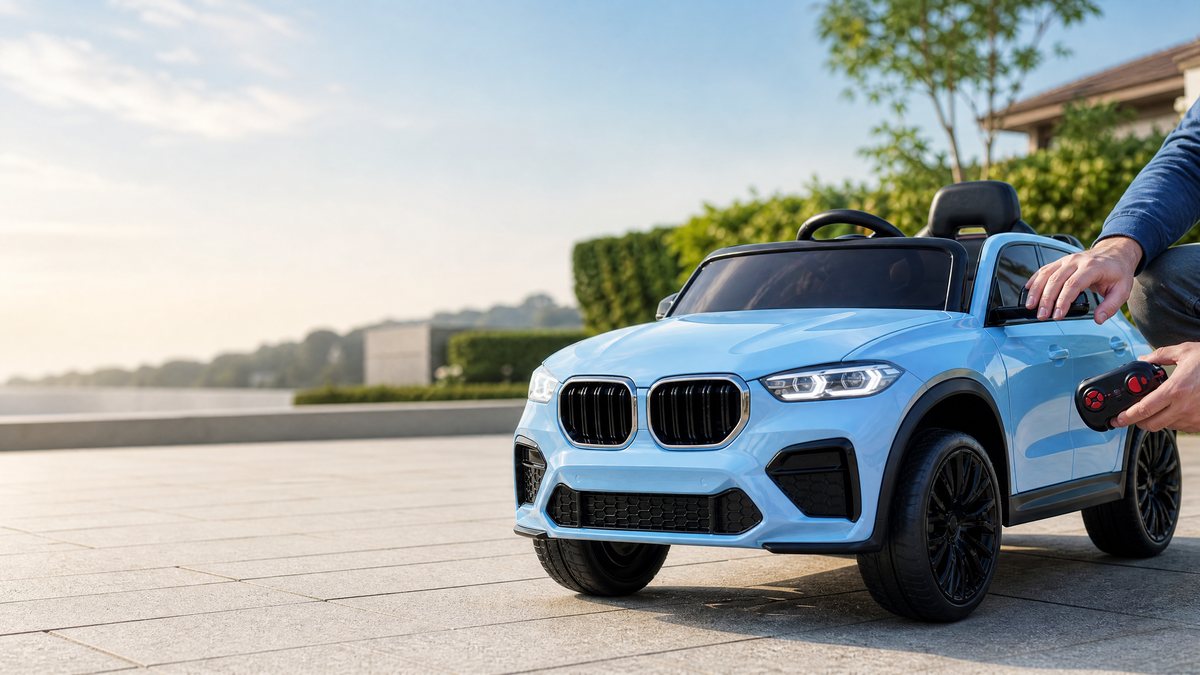
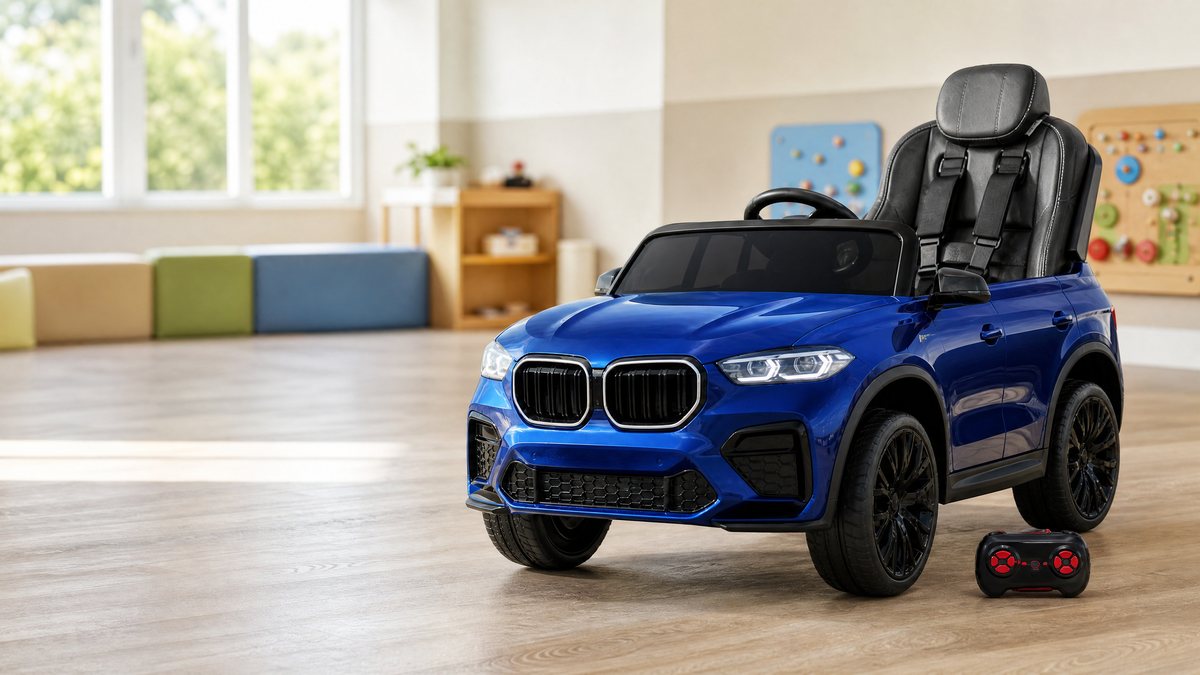
To maintain a secure environment during sibling play sessions, adherence to fundamental safety practices is paramount. Adult supervision must be continuous and attentive, especially when multiple children are interacting around a moving vehicle. Children should wear appropriate footwear, avoid loose clothing that could entangle in moving parts, and strictly obey designated speed limits or operational zones. Parents should also conduct pre-play inspections to verify that all safety features, including seatbelts and remote override controls (if equipped), are fully functional.
Communication, Turn-Taking, and Cooperative Play Frameworks
The mechanics of operating a ride-on car naturally lend themselves to cooperative storytelling and role assignment. One child may take the driver's seat while the other acts as the navigator, traffic controller, or service crew technician. These assigned roles encourage verbal communication, negotiation of responsibilities, and empathy as children experience the perspective of both operator and passenger.
Retailers marketing ride-on toys can highlight these narrative possibilities in promotional materials, suggesting games such as "backyard delivery service," "safari expedition," or "construction site convoy." Such themes elevate the toy from a passive motorized object to an active platform for imaginative socialization. When children collaborate to build obstacle courses using safe household items or chalk markers on a driveway, they engage in collaborative problem-solving that strengthens their interpersonal connection and builds teamwork skills.
In addition, parents and educators can use turn-taking around ride-on vehicles to teach patience, emotional regulation, and fair resource sharing. Establishing a fair rotation system ensures that every child feels valued and included, reducing sibling rivalry and turning recreational time into a harmonious bonding experience. Clear communication channels between siblings during play further reinforce positive behavioral habits that extend beyond recreational hours into daily family life.
Maintenance, Supervision, and Manufacturer Guideline Adherence
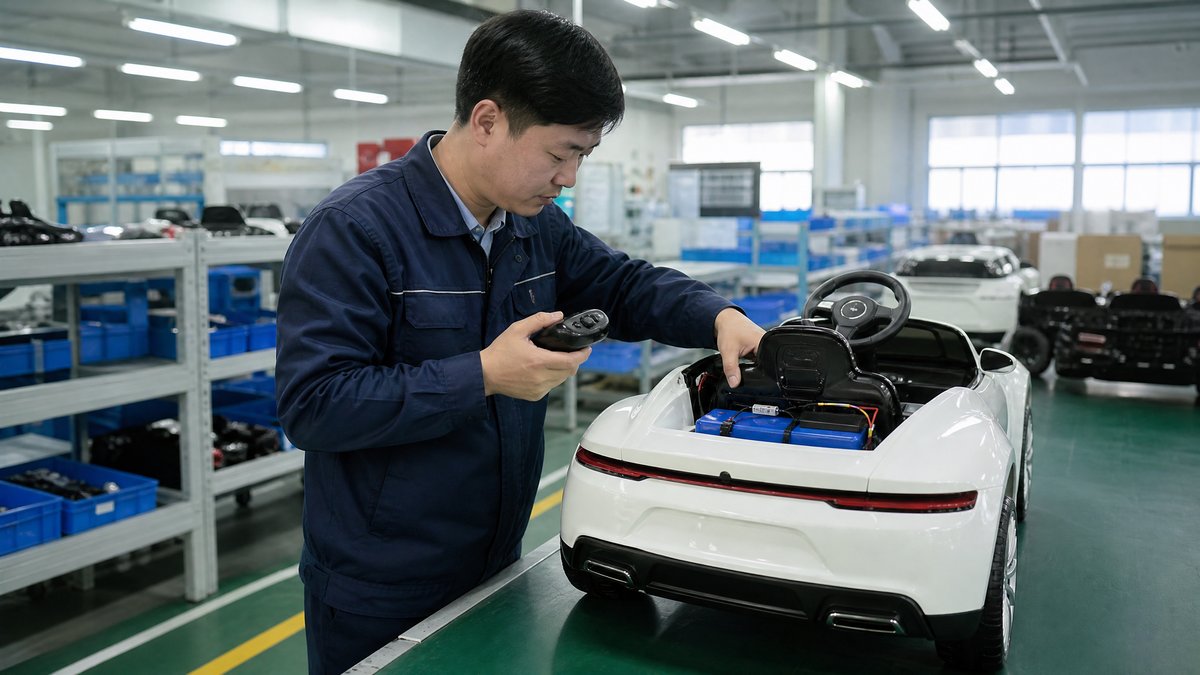
Ensuring the longevity and safety of a ride-on car in a multi-child household requires rigorous adherence to maintenance schedules and manufacturer instructions. Because vehicles in multi-child settings often experience higher usage frequencies and varied operating conditions, routine inspections of wheels, steering linkages, braking mechanisms, and electrical connections are essential for continuous safe operation.
All operational decisions must be strictly guided by the manufacturer's official user manual and safety documentation. Adults must inspect the vehicle prior to each play session, verifying that charging ports are secure, battery compartments remain properly sealed, and no loose wiring is exposed. Regular cleaning and proper off-season storage further protect the vehicle's electrical and mechanical components from premature wear and environmental damage.
If any anomaly is detected—such as unusual odors, smoke, excessive heating, fluid leaks, water ingress, exposed wiring, damaged charging plugs, erratic braking performance, or persistent electrical faults—users must immediately cease operation, power down the vehicle, disconnect the charger, keep children away, and contact the manufacturer or qualified service personnel. Never attempt unauthorized disassembly of internal housings, modification of circuitry, bypassing of protective fuses, or alterations to batteries and motors.
Frequently Asked Questions (FAQs)
Q1: Can two children safely ride in a single-seat ride-on car together?
A: No. Single-seat vehicles are engineered and weight-rated for one occupant only. Overloading a single-seat car compromises structural integrity, places excessive strain on the motor and electrical system, and reduces braking effectiveness. For multi-child simultaneous riding, purchasers should select models explicitly certified and rated as two-seaters by the manufacturer.
Q2: How can parents manage disputes over vehicle turn-taking among siblings?
A: Establishing a transparent schedule, such as timer-based turns or alternating roles (driver versus navigator/dispatcher), helps prevent conflicts. Parents can also involve children in setting ground rules before play begins, reinforcing cooperation and fairness as core components of the recreational activity.
Q3: What safety gear is recommended when children share ride-on car activities?
A: Children should wear well-fitted footwear and, where appropriate for the specific vehicle category and surface conditions, certified protective helmets. Caregivers must consult the manufacturer's manual for specific safety gear recommendations and ensure that loose garments, scarves, or long cords are securely tucked away to prevent entanglement hazards.
Q4: How should retailers communicate sibling bonding benefits to B2B and retail customers?
A: Retailers can incorporate educational messaging in product listings, display signage, and digital guides, emphasizing cooperative play scenarios, spatial boundaries, and structured supervision frameworks. Highlighting these developmental aspects helps B2B buyers position products effectively for family-focused retail markets.
Conclusion
Ride-on cars offer much more than individual amusement; when utilized thoughtfully within multi-child households, they serve as effective tools for fostering sibling bonding, cooperative communication, and shared imaginative play. By pairing appropriate vehicle selection—such as robust two-seaters or utility models—with consistent adult supervision, clear operational boundaries, and strict adherence to manufacturer guidelines, families can create safe and memorable recreational experiences that enrich children's social and physical development over years of active play.
For B2B distributors, toy retailers, and commercial buyers seeking high-quality, reliable electric ride-on vehicles backed by comprehensive documentation, Request a wholesale quote to discuss product availability, wholesale terms, partnership opportunities, and customized retail solutions.
Official References
1. U.S. Consumer Product Safety Commission (CPSC): General Toy Safety Education and Playground Equipment Safety Guidelines. Note: Official agency educational publications serve as general reference materials and do not replace model-specific instruction manuals, safety warnings, or official certifications provided by the manufacturer.
2. ASTM International: Standard Consumer Safety Specification for Toy Safety (ASTM F963 framework reference for mechanical and electrical safety evaluations in commercial toy distribution).
3. Manufacturer Technical Documentation & Rating Plates: Mandatory compliance guidelines, weight capacity thresholds, and operational instructions supplied with each specific ride-on vehicle model.
Official references
Explore these external resources for current regulatory and trade guidance. Confirm requirements with the relevant authority before placing an order.
Ready to Start?
Factory-Direct · CE & ASTM Certified · MOQ from 50 Units
Our export team works with buyers in 60+ countries. Get a quote within 24 hours.
KR
Written by KidsRideCar
China's leading kids electric ride-on car manufacturer. 500,000+ units shipped annually to 60+ countries. CE, ASTM & EN71 certified.