Selecting the ideal ride-on vehicle for a one-year-old child represents a delightful milestone in early childhood development, combining physical coordination with imaginative play. At twelve months of age, toddlers undergo rapid transformations in gross motor skills, core stability, and spatial awareness. Consequently, choosing the right ride-on toy requires a careful balance between developmental appropriateness, structural stability, and uncompromising safety standards. Rather than relying on unverified consumer testimonials or subjective performance claims, this guide provides an objective framework for parents, gift-givers, and retail buyers to evaluate ride-on options for early toddlers.
At one year of age, children are typically transitioning from supported cruising to independent walking. Their musculoskeletal systems are still developing, meaning their balance, coordination, and reaction times are inherently limited. Therefore, ride-on toys engineered for this age group must prioritize fundamental physical safety over speed or complex interactive features.
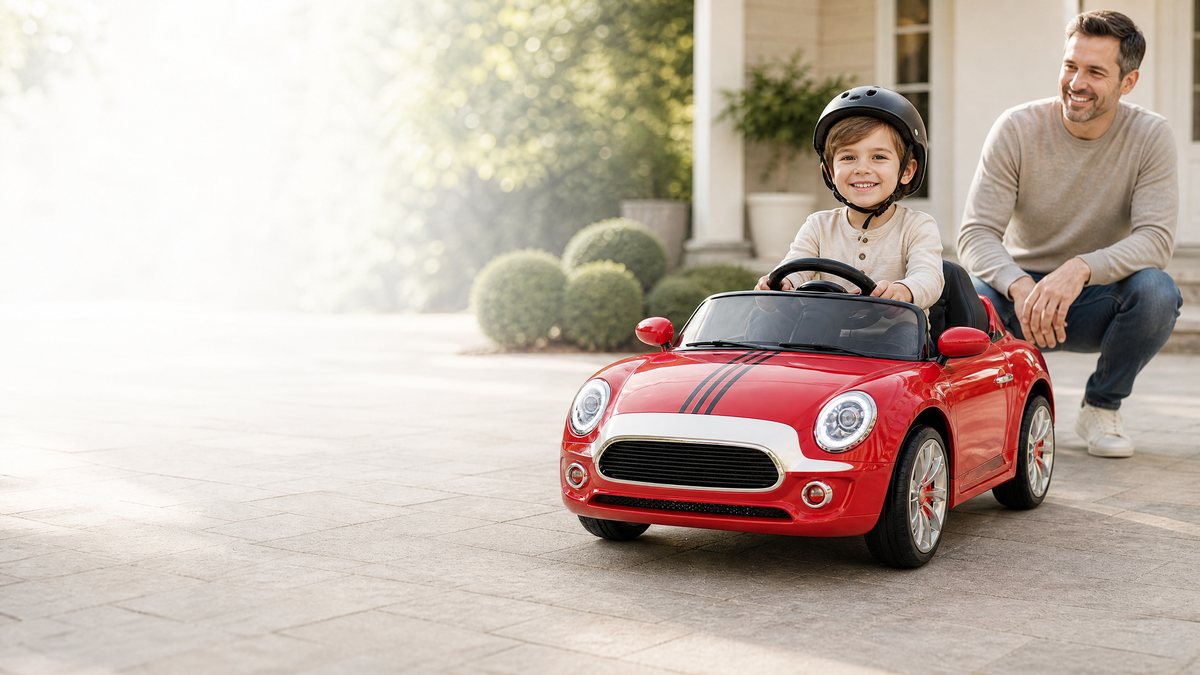
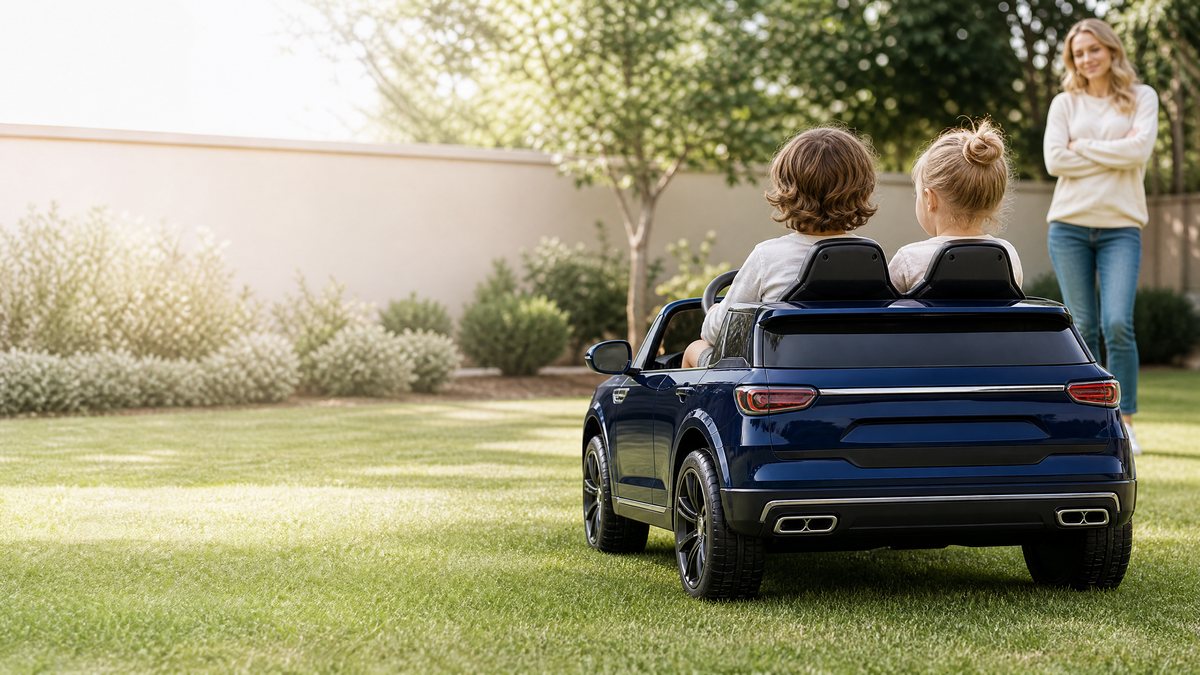
Pediatric and developmental guidelines emphasize that toys for one-year-olds should encourage active physical participation, core engagement, and leg muscle strengthening without imposing undue strain or fall risks. Foot-to-floor designs and push-assisted walkers allow toddlers to control their own momentum naturally, fostering confidence and motor planning. Conversely, self-propelled electric vehicles for this demographic require strict adult supervision and reliable remote-control override systems to ensure safe operation.
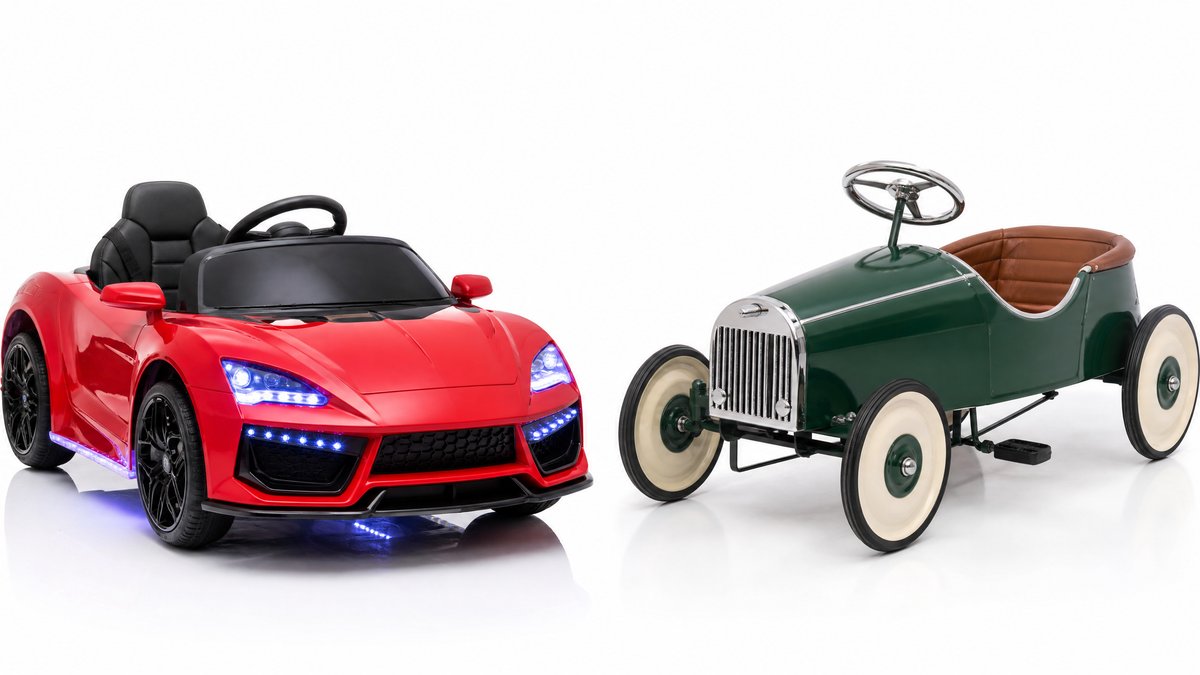
To determine the most suitable vehicle, buyers must examine the three primary categories of ride-on toys available for one-year-olds:
Foot-to-floor walkers feature a low seating platform where the child propels the vehicle using their own feet. These models often include a high backrest that doubles as a push handle for parents or as a stability bar for toddlers learning to walk behind the vehicle. They are exceptionally durable, lightweight, and mechanically simple, making them an ideal entry point for early motor skill development.
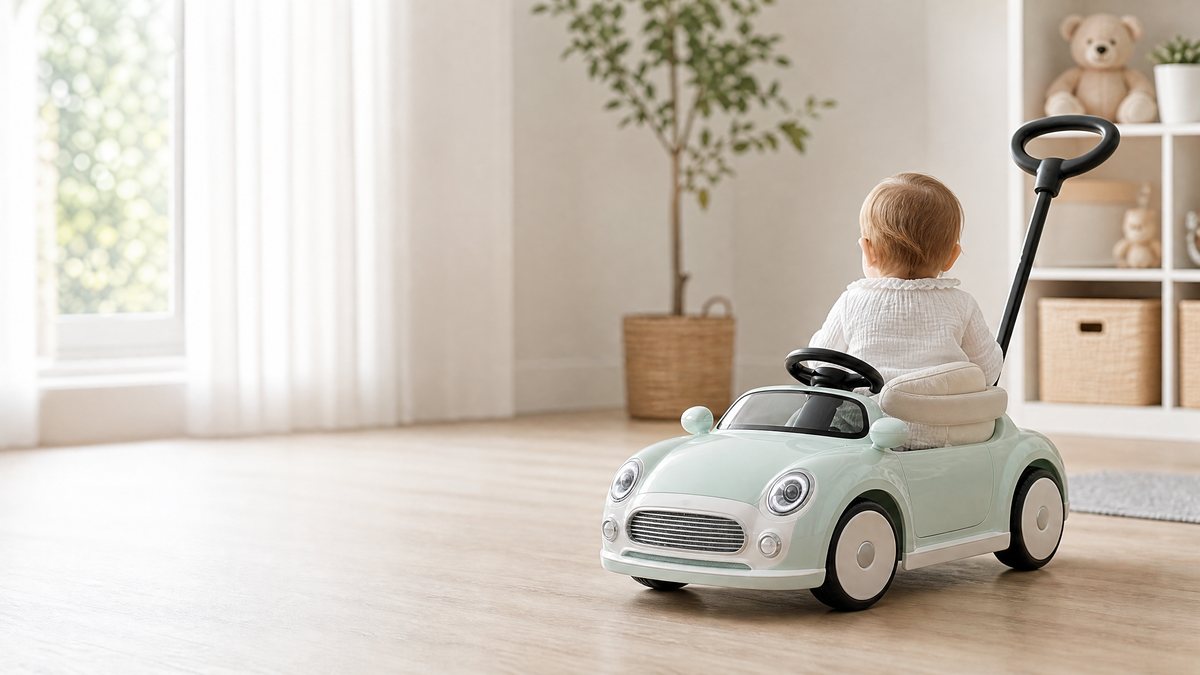
Hybrid models offer modular versatility, transforming from a stroller-mode (with a push handle, footrests, and safety guardrails controlled by an adult) to a walker-mode and finally to an independent ride-on car as the child grows. These vehicles provide extended utility across several developmental stages, making them highly attractive to both cost-conscious parents and retail inventory planners.
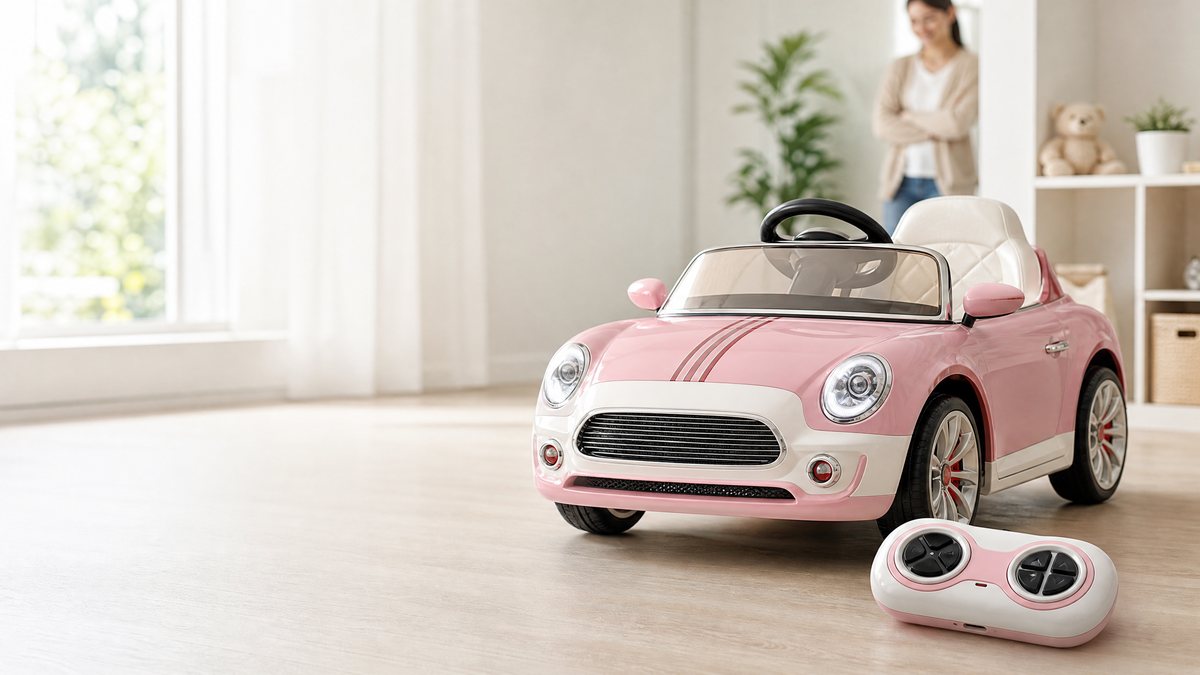
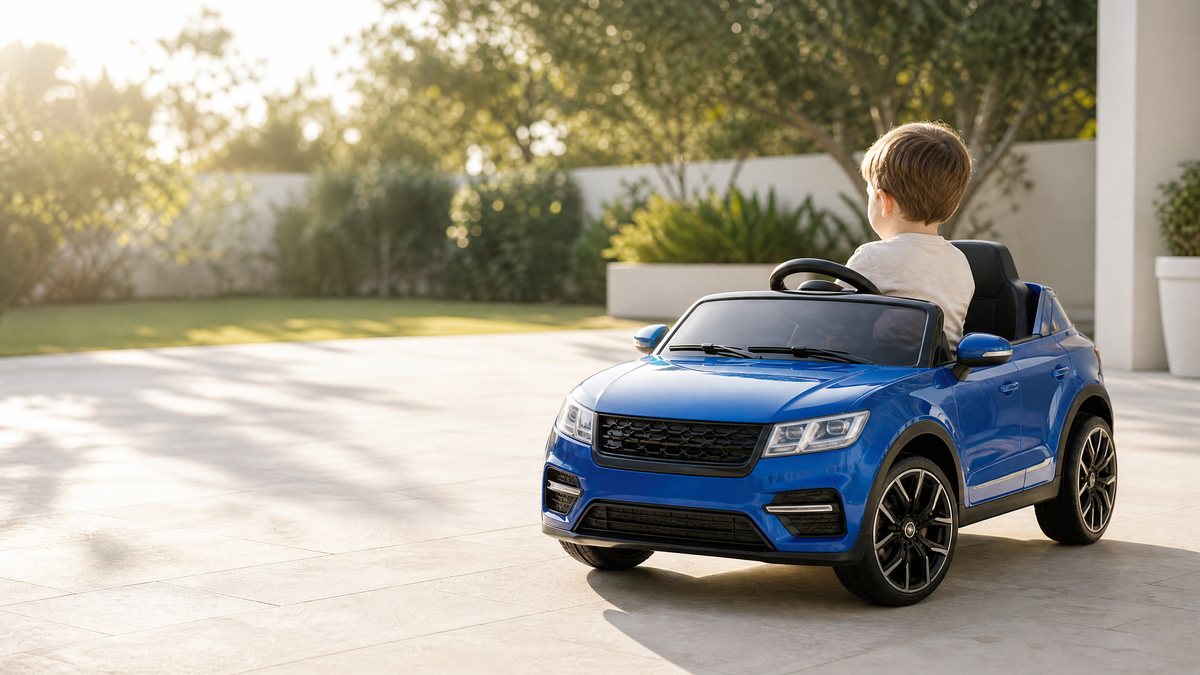
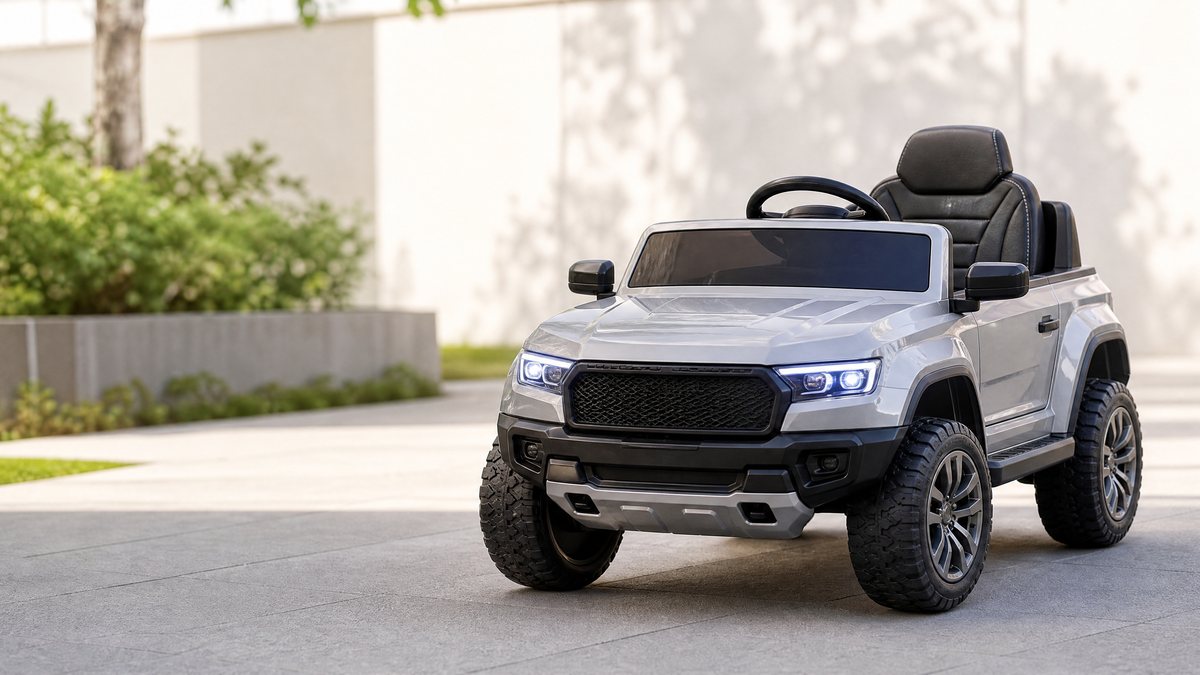
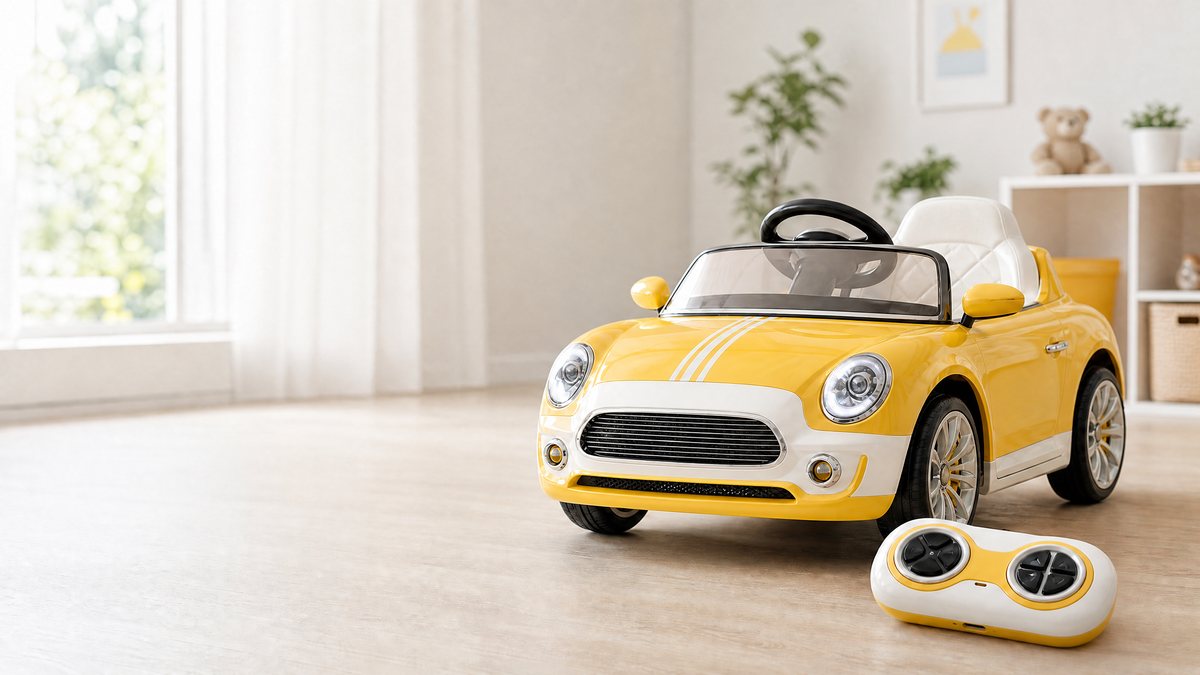
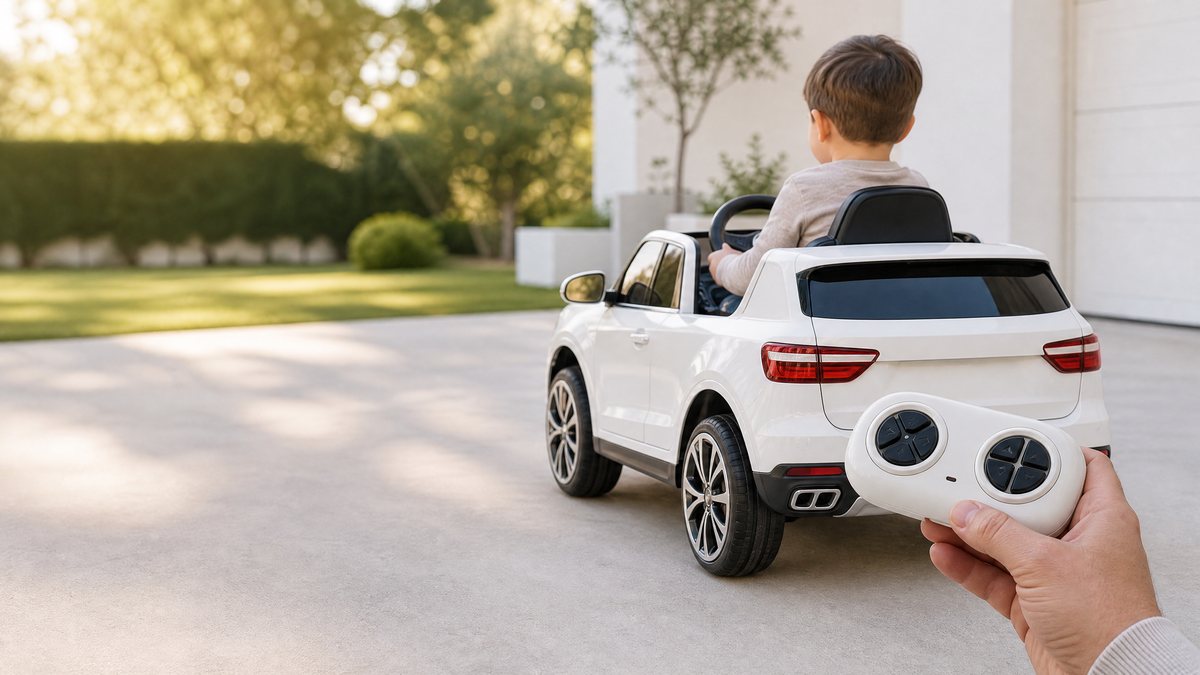
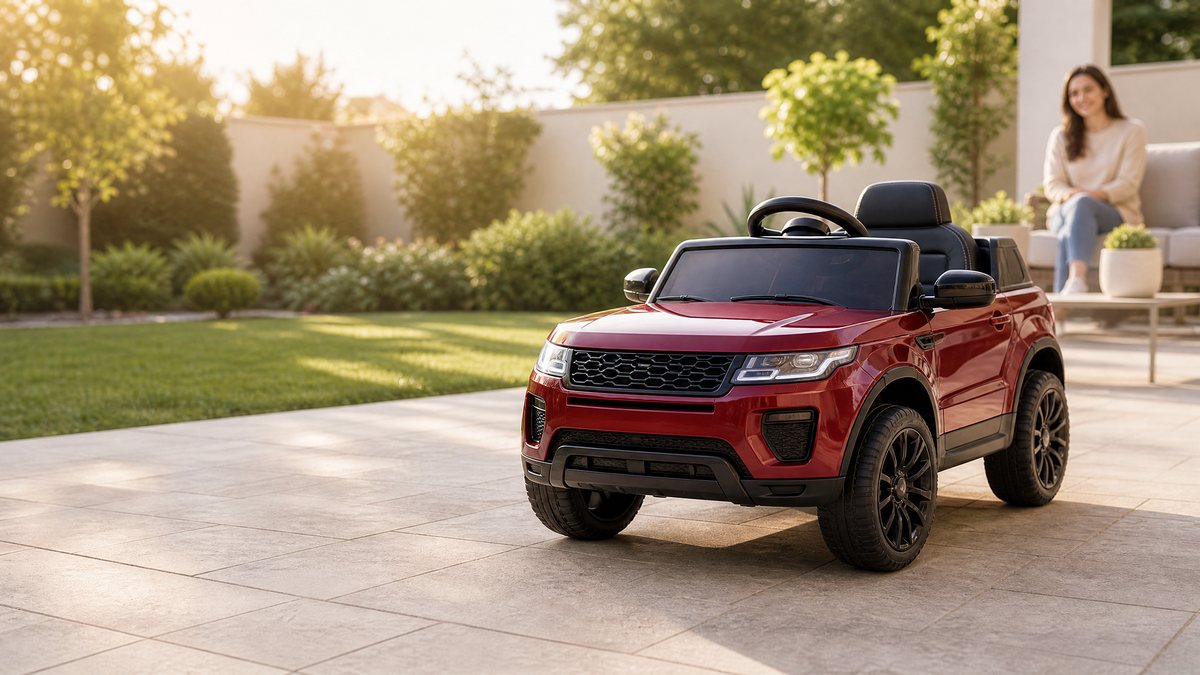
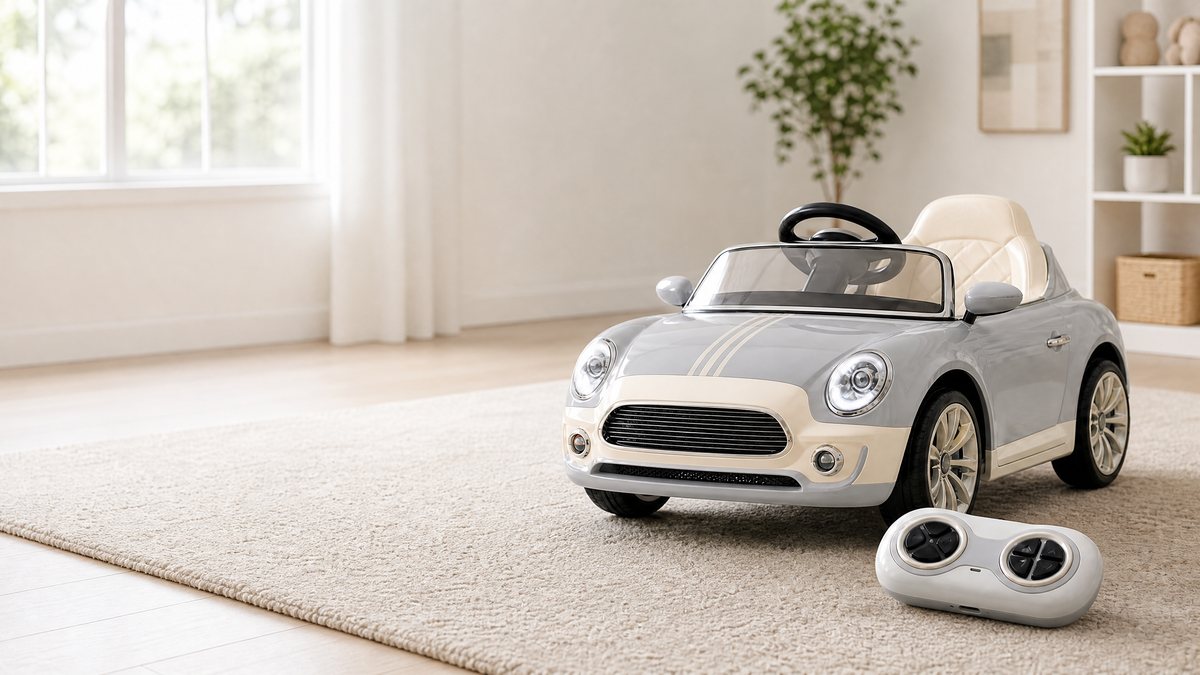
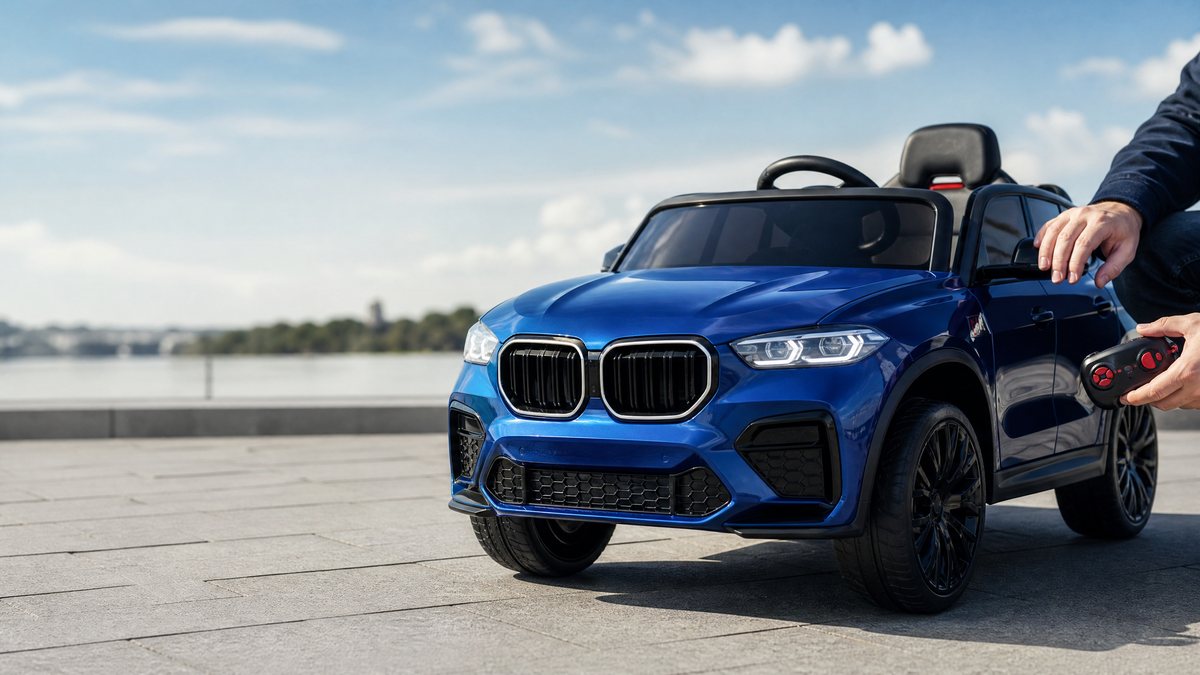
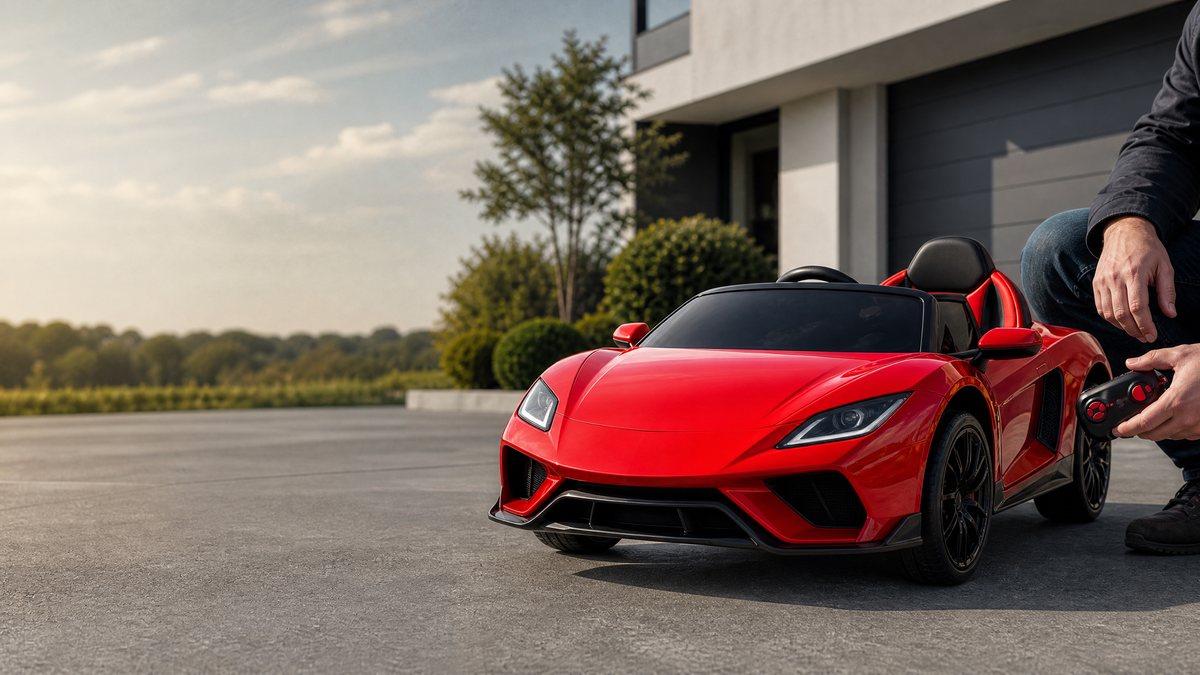
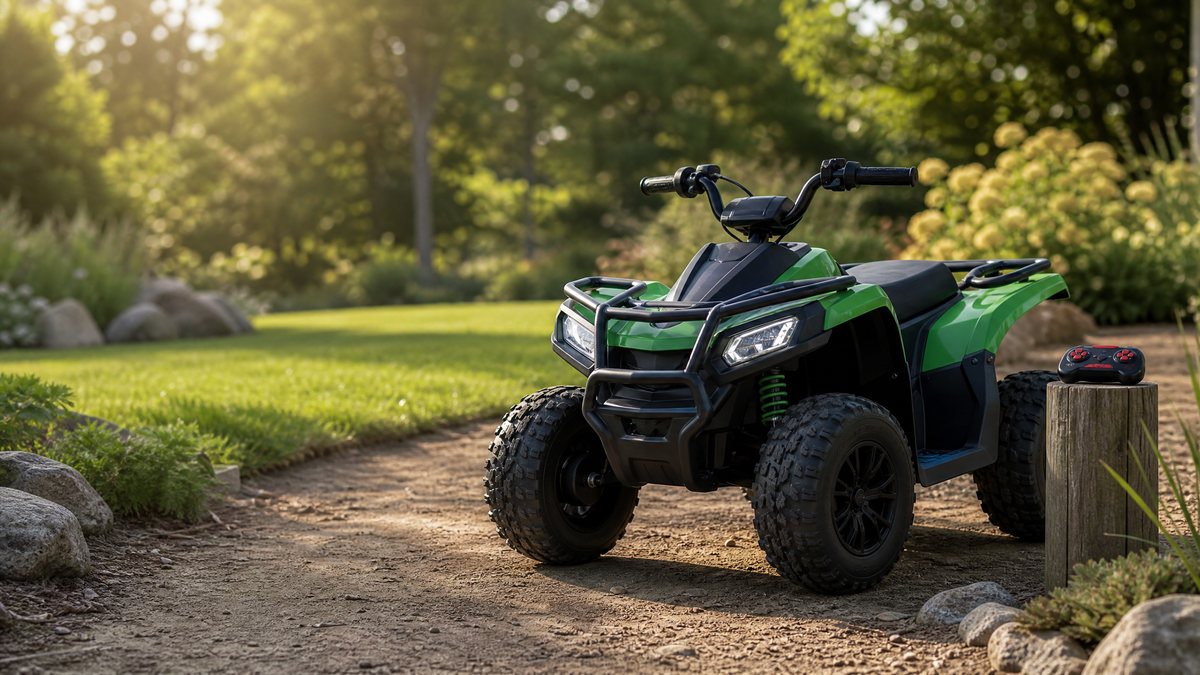
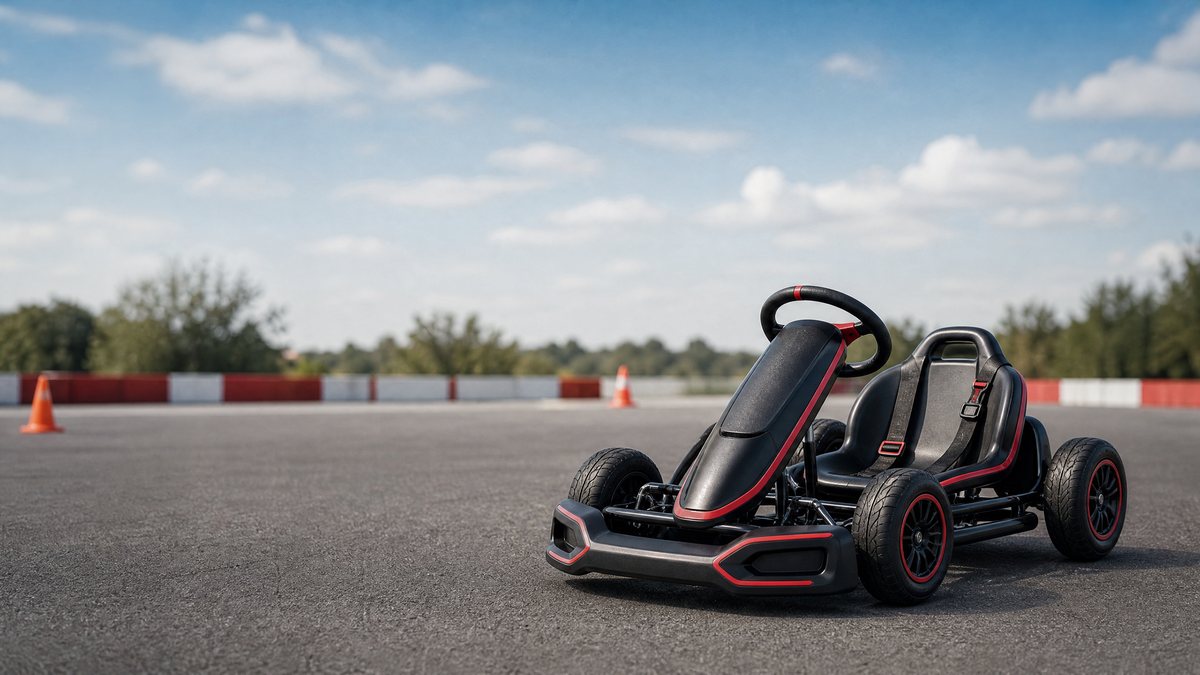
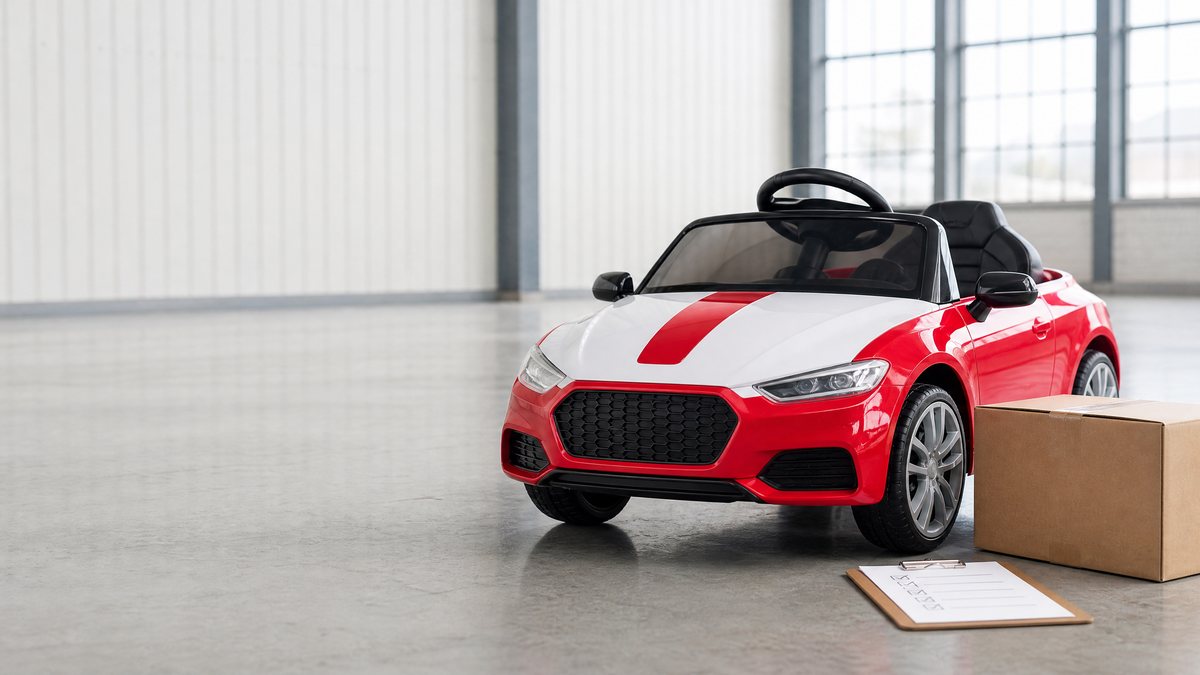
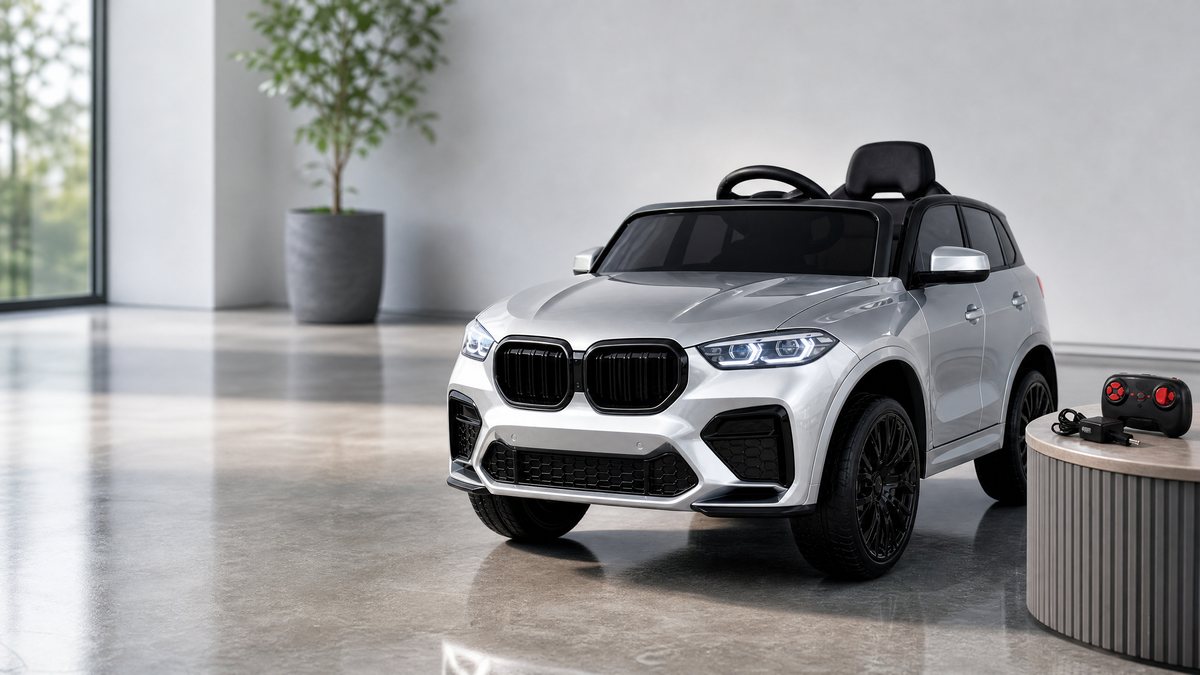
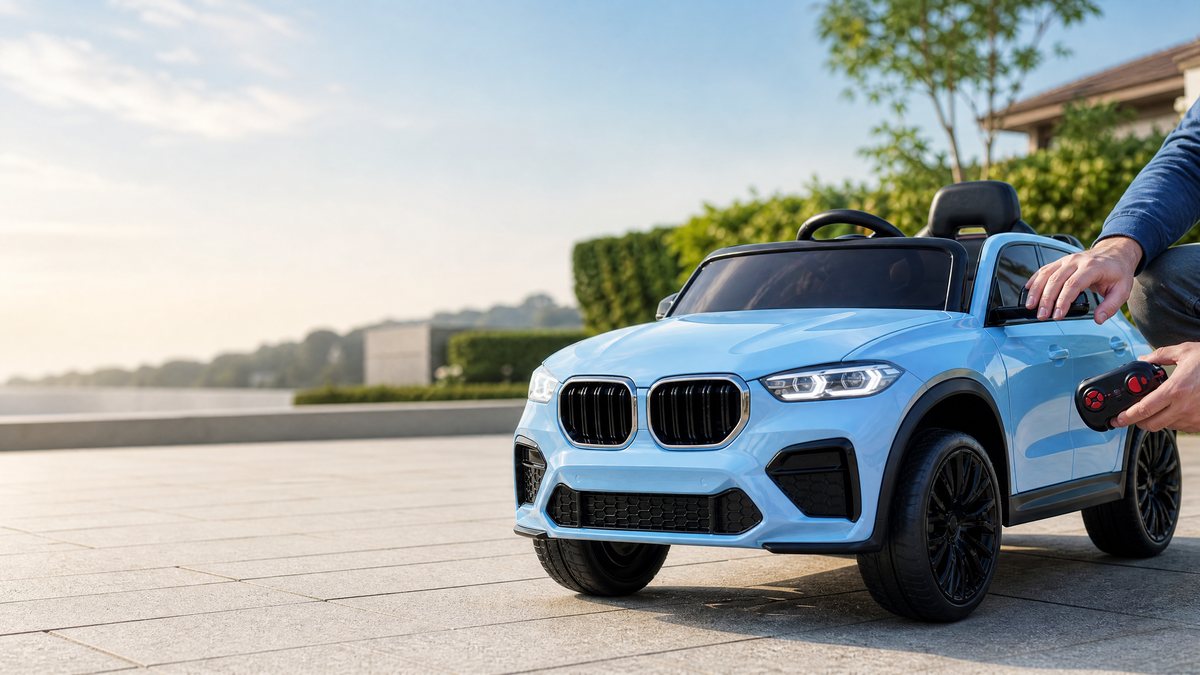
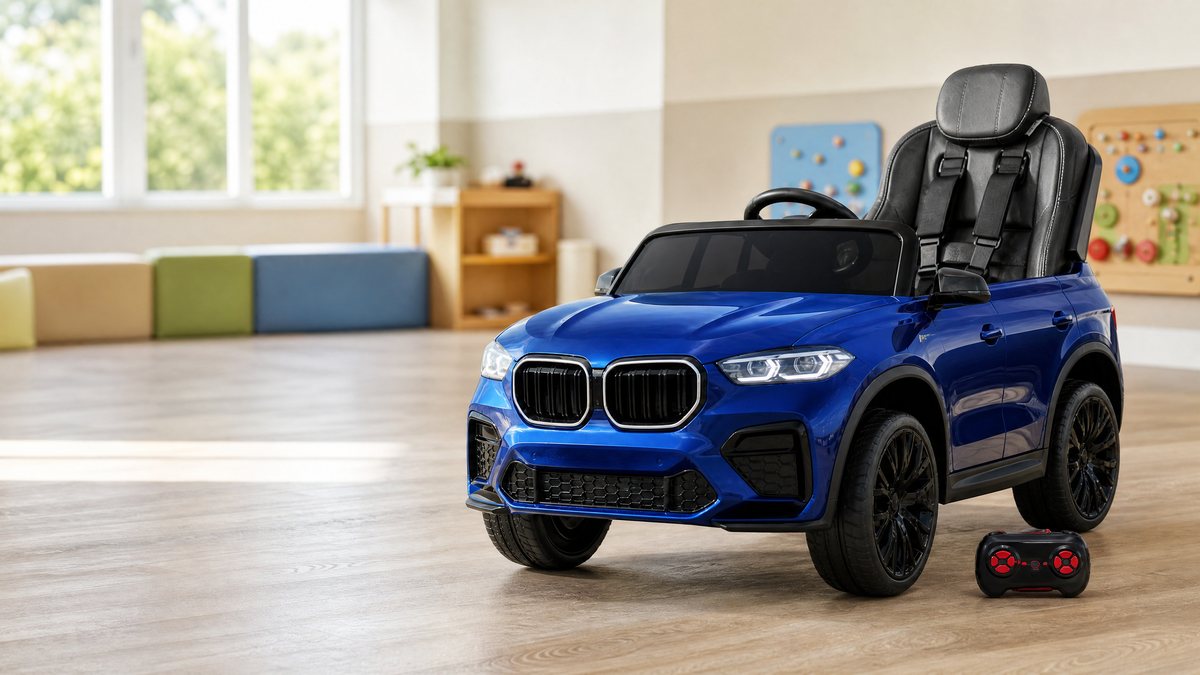
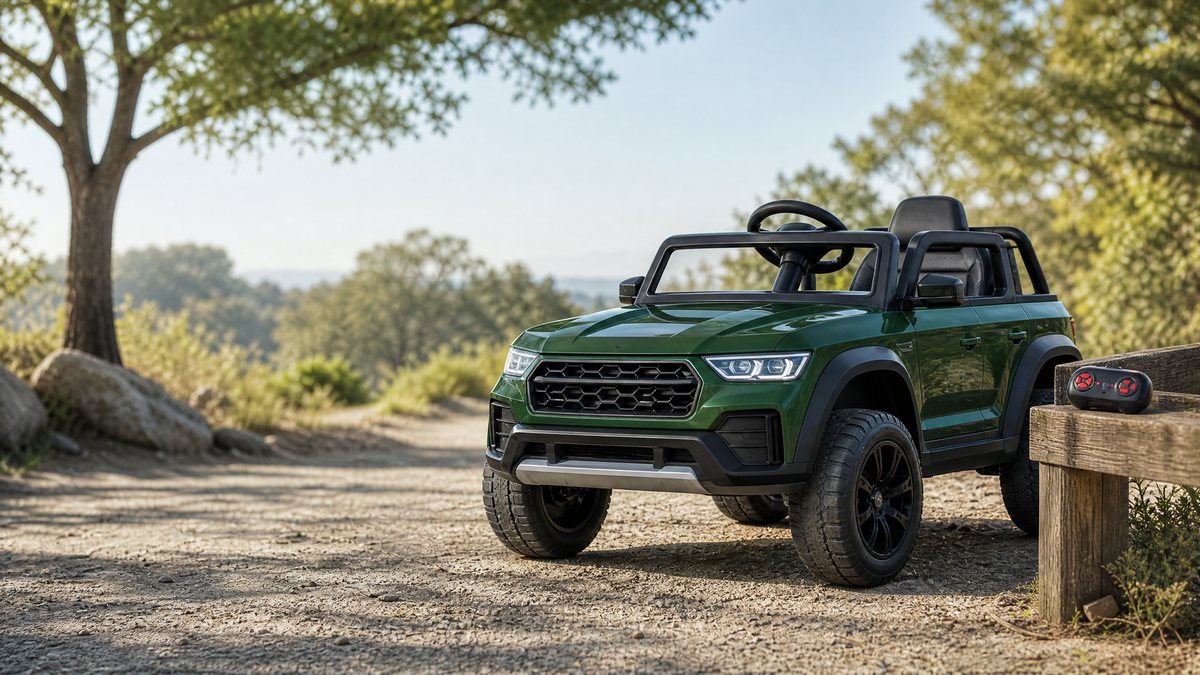
While traditional electric cars are typically recommended for children aged three and older, specialized low-voltage (6V) models are manufactured for younger toddlers. These vehicles feature restricted top speeds of approximately 1.5 miles per hour, gentle acceleration curves, and comprehensive 2.4G parental remote controls. The adult handheld remote allows complete directional and braking override, ensuring absolute safety during supervised outdoor play.
Safety compliance is paramount when sourcing or purchasing ride-on toys for infants and toddlers. Regulatory bodies such as the Consumer Product Safety Commission (CPSC) in the United States and international equivalents enforce rigorous standards for toy manufacturing [1]. When evaluating products, buyers and parents should verify adherence to core safety criteria:
* Structural Stability: A wide wheelbase and low center of gravity are mandatory to prevent lateral tipping during turning or abrupt weight shifts. Anti-tip stoppers mounted at the rear of push cars provide critical protection against backward tipping.
* Material Integrity: Plastics and paints must be non-toxic, BPA-free, and compliant with heavy metal restriction standards. Smooth, rounded edges and recessed hardware eliminate scratch and snag hazards.
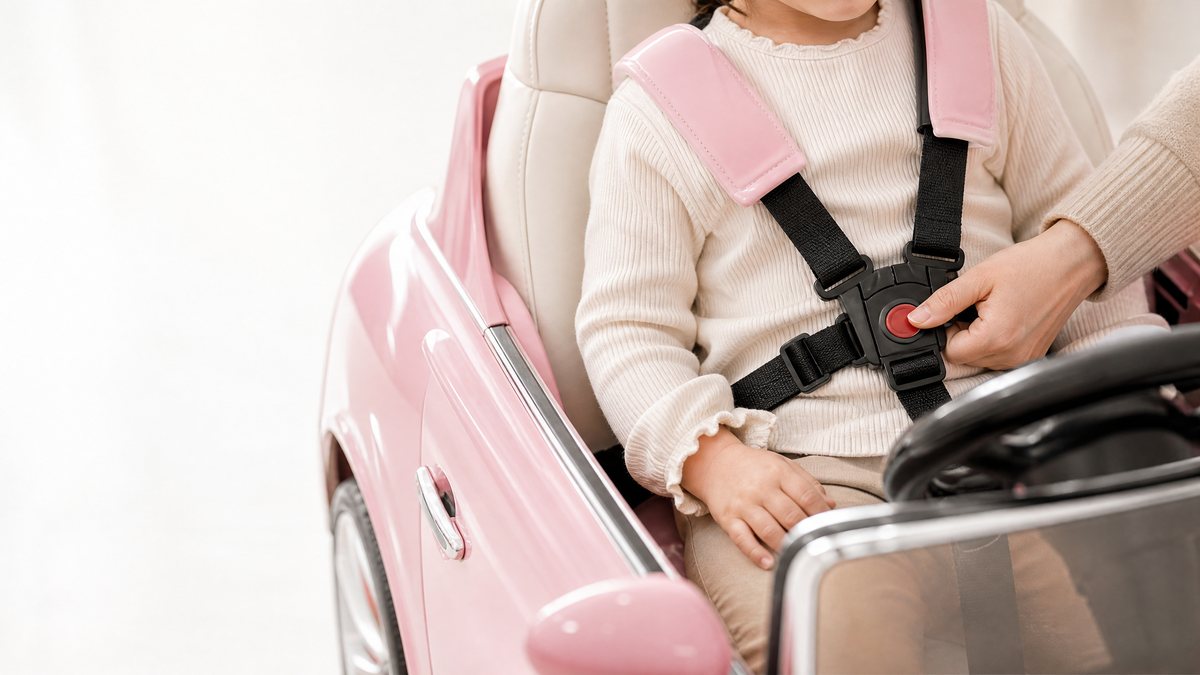
* Harness and Guardrail Security: For multi-functional and electric models intended for younger toddlers, secure three-point harnesses and padded perimeter guardrails prevent accidental slips or falls from the seat.
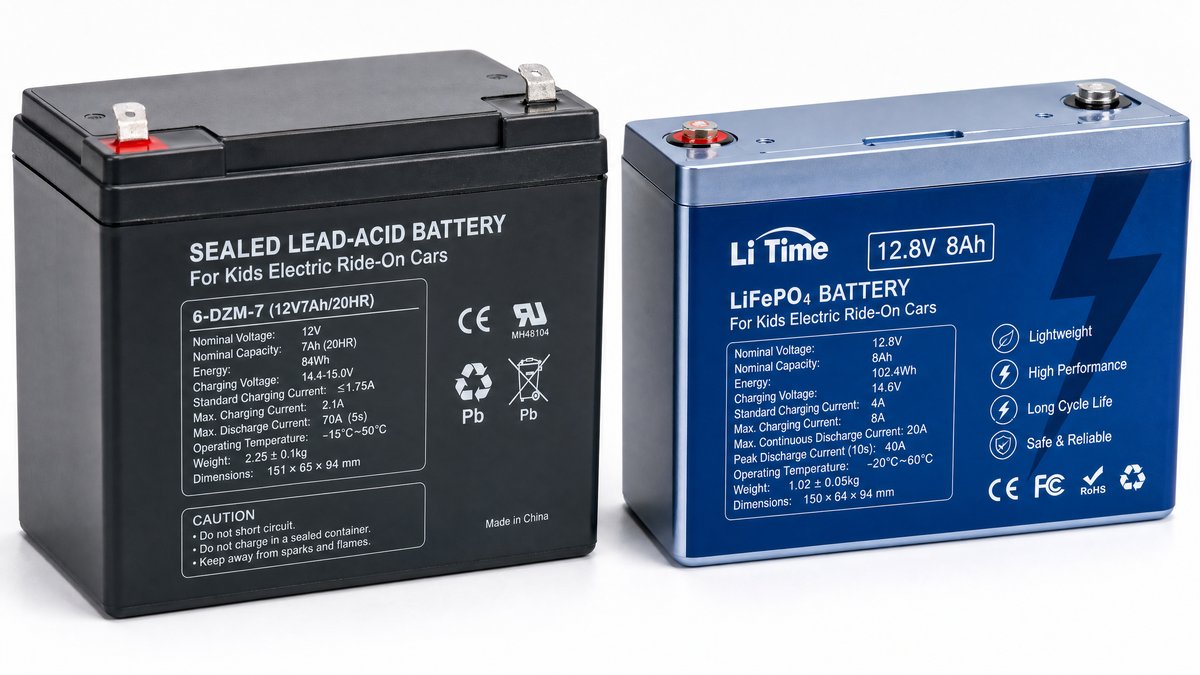
* Electrical Safety: For 6V electric models, battery compartments must be securely screwed shut, preventing toddler access to wiring, and chargers must carry recognized electrical certifications (such as UL or CE marks).
When navigating retail catalogs or selecting inventory for a boutique or e-commerce storefront, buyers should address several practical considerations:
* Indoor versus Outdoor Versatility: Consider whether the wheels feature rubber traction strips or high-grade plastic suitable for hardwood floors as well as outdoor pavement.
* Ergonomics and Seating Comfort: Ensure seat heights match the average inseam length of a twelve-month-old, allowing flat-footed contact with the ground for secure propulsion.
* Assembly and Maintenance Complexity: Look for modular designs with straightforward assembly requirements, reducing retailer return rates and consumer frustration.
* Weight Capacity: Verify that the maximum weight limit accommodates the child through their second and third years of growth, ensuring long-term utility.
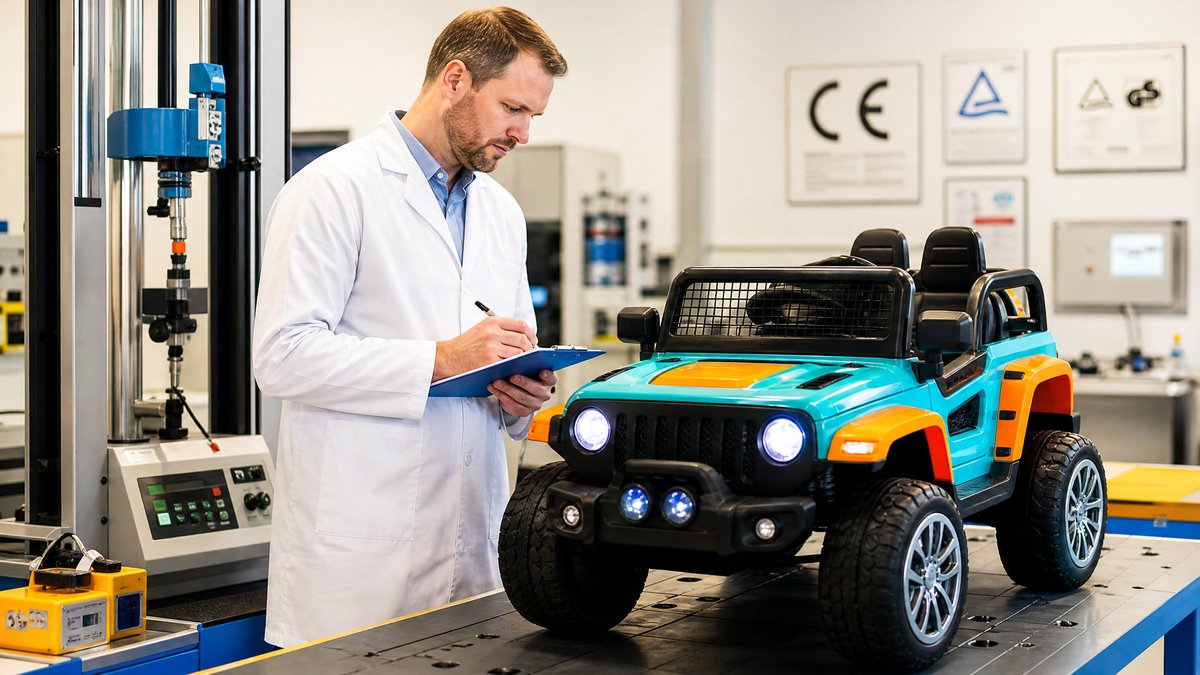
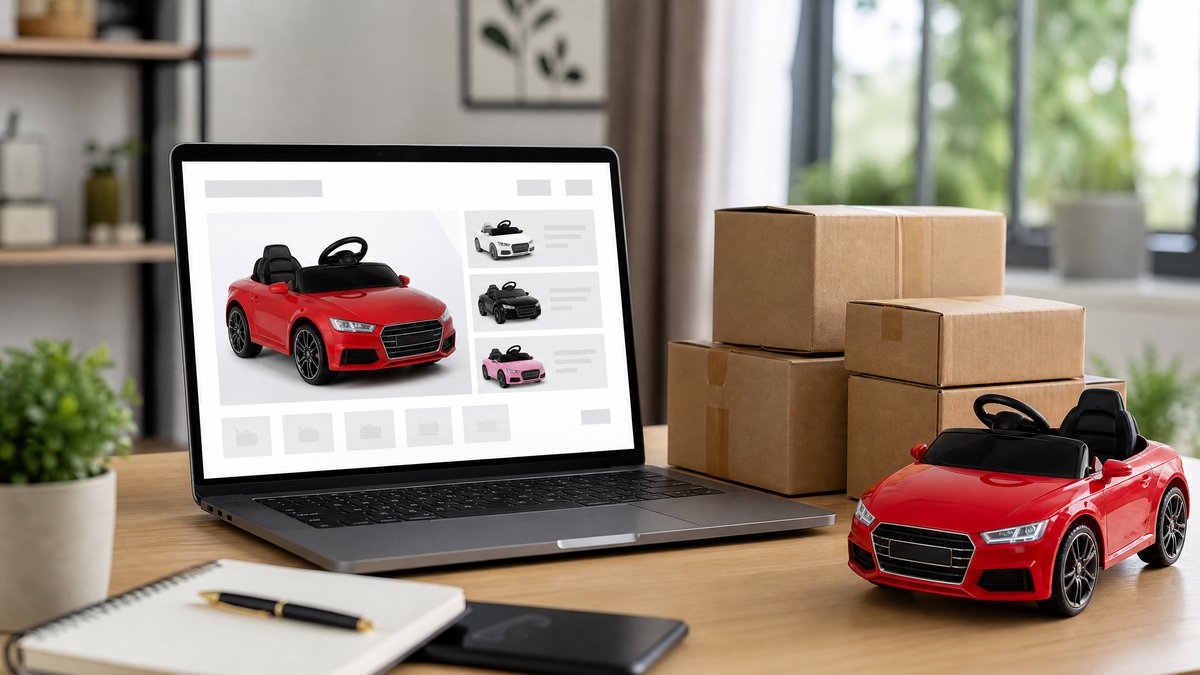
For B2B buyers, retail managers, and import specialists, stocking ride-on cars for one-year-olds involves aligning inventory with current safety certifications and ergonomic trends. Importers must confirm that manufacturers provide comprehensive test reports (such as ASTM F963 and CPSIA documentation in the U.S., or EN71 in Europe) before committing to bulk purchase orders [2]. Furthermore, drop-shipping and e-commerce fulfillment require sturdy corrugated packaging with drop-test validation to minimize transit damage and warranty claims.
Standard electric cars designed for older children are not suitable for one-year-olds due to speed and coordination requirements. However, specially designed 6V electric ride-ons equipped with a 2.4G parental remote control and restricted speeds (around 1.5 mph) can be safely used under direct, continuous adult supervision.
Foot-to-floor ride-ons encourage toddlers to use their own leg muscles for propulsion, which builds lower body strength, enhances core balance, and promotes spatial coordination naturally without motorized assistance.
Buyers should request official compliance documentation from the manufacturer or supplier, verifying testing against recognized standards such as ASTM F963 for toy safety and CPSIA regulations for lead and phthalate limits.
Yes. 3-in-1 models adapt as the child grows—starting as a stroller pushed by an adult, transitioning to a guided walker, and finally serving as an independent foot-to-floor car, providing high value and extended usage longevity.
Most quality toddler ride-ons support between 44 to 55 pounds (20 to 25 kg), which easily accommodates children from 12 months up to 36 months or older.
Choosing the best ride-on car for a one-year-old requires prioritizing safety, mechanical simplicity, and developmental suitability over excessive features. Whether selecting a classic foot-to-floor push walker, a versatile 3-in-1 hybrid, or a closely supervised 6V electric car with remote override, parents and retail buyers must ensure strict adherence to established safety standards and ergonomic design. By focusing on quality construction and verified compliance, caregivers can provide a secure and joyful introduction to independent mobility.
Request a wholesale quote to explore our complete collection of certified toddler ride-on vehicles and custom retail solutions.
[1] U.S. Consumer Product Safety Commission (CPSC). *Safety Standard for Toys (ASTM F963)*. Available at: https://www.cpsc.gov/
[2] International Consumer Product Safety Accounting. *Toy Safety Directive Guidelines and Compliance Standards*. Available at: ISO and CEN standards documentation.
Understanding Developmental Readiness at 12 Months
At one year of age, children are typically transitioning from supported cruising to independent walking. Their musculoskeletal systems are still developing, meaning their balance, coordination, and reaction times are inherently limited. Therefore, ride-on toys engineered for this age group must prioritize fundamental physical safety over speed or complex interactive features.
Pediatric and developmental guidelines emphasize that toys for one-year-olds should encourage active physical participation, core engagement, and leg muscle strengthening without imposing undue strain or fall risks. Foot-to-floor designs and push-assisted walkers allow toddlers to control their own momentum naturally, fostering confidence and motor planning. Conversely, self-propelled electric vehicles for this demographic require strict adult supervision and reliable remote-control override systems to ensure safe operation.
Categorizing Ride-On Options for Toddlers
To determine the most suitable vehicle, buyers must examine the three primary categories of ride-on toys available for one-year-olds:
1. Foot-to-Floor Push Walkers
Foot-to-floor walkers feature a low seating platform where the child propels the vehicle using their own feet. These models often include a high backrest that doubles as a push handle for parents or as a stability bar for toddlers learning to walk behind the vehicle. They are exceptionally durable, lightweight, and mechanically simple, making them an ideal entry point for early motor skill development.
2. Multi-Functional 3-in-1 Hybrids
Hybrid models offer modular versatility, transforming from a stroller-mode (with a push handle, footrests, and safety guardrails controlled by an adult) to a walker-mode and finally to an independent ride-on car as the child grows. These vehicles provide extended utility across several developmental stages, making them highly attractive to both cost-conscious parents and retail inventory planners.
3. Low-Voltage Electric Ride-On Cars with Parental Remote
While traditional electric cars are typically recommended for children aged three and older, specialized low-voltage (6V) models are manufactured for younger toddlers. These vehicles feature restricted top speeds of approximately 1.5 miles per hour, gentle acceleration curves, and comprehensive 2.4G parental remote controls. The adult handheld remote allows complete directional and braking override, ensuring absolute safety during supervised outdoor play.
Comparison of Ride-On Categories for One-Year-Olds
| Category | Primary Mechanism | Target Age Range | Key Safety Features | Ideal Retail Application |
|---|---|---|---|---|
| Foot-to-Floor Push Walker | Child-propelled / Leg power | 12 to 36 months | Anti-tip rear stoppers, low center of gravity | Indoor/outdoor motor skill development |
| 3-in-1 Stroller Hybrid | Dual adult push / Child foot power | 10 to 36 months | Removable safety rails, harness, footrests | Multi-stage transitional family use |
| 6V Electric Remote Car | Battery-powered with remote override | 12 to 36 months (supervised) | 2.4G parental remote, slow start, seatbelt | Supervised outdoor and driveway use |
Essential Safety and Compliance Checklist
Safety compliance is paramount when sourcing or purchasing ride-on toys for infants and toddlers. Regulatory bodies such as the Consumer Product Safety Commission (CPSC) in the United States and international equivalents enforce rigorous standards for toy manufacturing [1]. When evaluating products, buyers and parents should verify adherence to core safety criteria:
* Structural Stability: A wide wheelbase and low center of gravity are mandatory to prevent lateral tipping during turning or abrupt weight shifts. Anti-tip stoppers mounted at the rear of push cars provide critical protection against backward tipping.
* Material Integrity: Plastics and paints must be non-toxic, BPA-free, and compliant with heavy metal restriction standards. Smooth, rounded edges and recessed hardware eliminate scratch and snag hazards.
* Harness and Guardrail Security: For multi-functional and electric models intended for younger toddlers, secure three-point harnesses and padded perimeter guardrails prevent accidental slips or falls from the seat.
* Electrical Safety: For 6V electric models, battery compartments must be securely screwed shut, preventing toddler access to wiring, and chargers must carry recognized electrical certifications (such as UL or CE marks).
Key Buyer Questions for Parents and Retailers
When navigating retail catalogs or selecting inventory for a boutique or e-commerce storefront, buyers should address several practical considerations:
* Indoor versus Outdoor Versatility: Consider whether the wheels feature rubber traction strips or high-grade plastic suitable for hardwood floors as well as outdoor pavement.
* Ergonomics and Seating Comfort: Ensure seat heights match the average inseam length of a twelve-month-old, allowing flat-footed contact with the ground for secure propulsion.
* Assembly and Maintenance Complexity: Look for modular designs with straightforward assembly requirements, reducing retailer return rates and consumer frustration.
* Weight Capacity: Verify that the maximum weight limit accommodates the child through their second and third years of growth, ensuring long-term utility.
For Retailers and Importers
For B2B buyers, retail managers, and import specialists, stocking ride-on cars for one-year-olds involves aligning inventory with current safety certifications and ergonomic trends. Importers must confirm that manufacturers provide comprehensive test reports (such as ASTM F963 and CPSIA documentation in the U.S., or EN71 in Europe) before committing to bulk purchase orders [2]. Furthermore, drop-shipping and e-commerce fulfillment require sturdy corrugated packaging with drop-test validation to minimize transit damage and warranty claims.
Frequently Asked Questions (FAQs)
1. Is an electric ride-on car safe for a 1-year-old?
Standard electric cars designed for older children are not suitable for one-year-olds due to speed and coordination requirements. However, specially designed 6V electric ride-ons equipped with a 2.4G parental remote control and restricted speeds (around 1.5 mph) can be safely used under direct, continuous adult supervision.
2. What is the main developmental benefit of a foot-to-floor ride-on?
Foot-to-floor ride-ons encourage toddlers to use their own leg muscles for propulsion, which builds lower body strength, enhances core balance, and promotes spatial coordination naturally without motorized assistance.
3. How do I verify that a ride-on toy meets international safety standards?
Buyers should request official compliance documentation from the manufacturer or supplier, verifying testing against recognized standards such as ASTM F963 for toy safety and CPSIA regulations for lead and phthalate limits.
4. Are multi-functional 3-in-1 ride-on cars worth the investment?
Yes. 3-in-1 models adapt as the child grows—starting as a stroller pushed by an adult, transitioning to a guided walker, and finally serving as an independent foot-to-floor car, providing high value and extended usage longevity.
5. What maximum weight capacity should I look for in a toddler ride-on?
Most quality toddler ride-ons support between 44 to 55 pounds (20 to 25 kg), which easily accommodates children from 12 months up to 36 months or older.
Conclusion
Choosing the best ride-on car for a one-year-old requires prioritizing safety, mechanical simplicity, and developmental suitability over excessive features. Whether selecting a classic foot-to-floor push walker, a versatile 3-in-1 hybrid, or a closely supervised 6V electric car with remote override, parents and retail buyers must ensure strict adherence to established safety standards and ergonomic design. By focusing on quality construction and verified compliance, caregivers can provide a secure and joyful introduction to independent mobility.
Request a wholesale quote to explore our complete collection of certified toddler ride-on vehicles and custom retail solutions.
References
[1] U.S. Consumer Product Safety Commission (CPSC). *Safety Standard for Toys (ASTM F963)*. Available at: https://www.cpsc.gov/
[2] International Consumer Product Safety Accounting. *Toy Safety Directive Guidelines and Compliance Standards*. Available at: ISO and CEN standards documentation.
Explore matching models
View product details for this guide
Compare current specifications, age guidance and available options before requesting a quote.
Official references
Explore these external resources for current regulatory and trade guidance. Confirm requirements with the relevant authority before placing an order.
Ready to Start?
Factory-Direct · CE & ASTM Certified · MOQ from 50 Units
Our export team works with buyers in 60+ countries. Get a quote within 24 hours.
KR
Written by KidsRideCar
China's leading kids electric ride-on car manufacturer. 500,000+ units shipped annually to 60+ countries. CE, ASTM & EN71 certified.