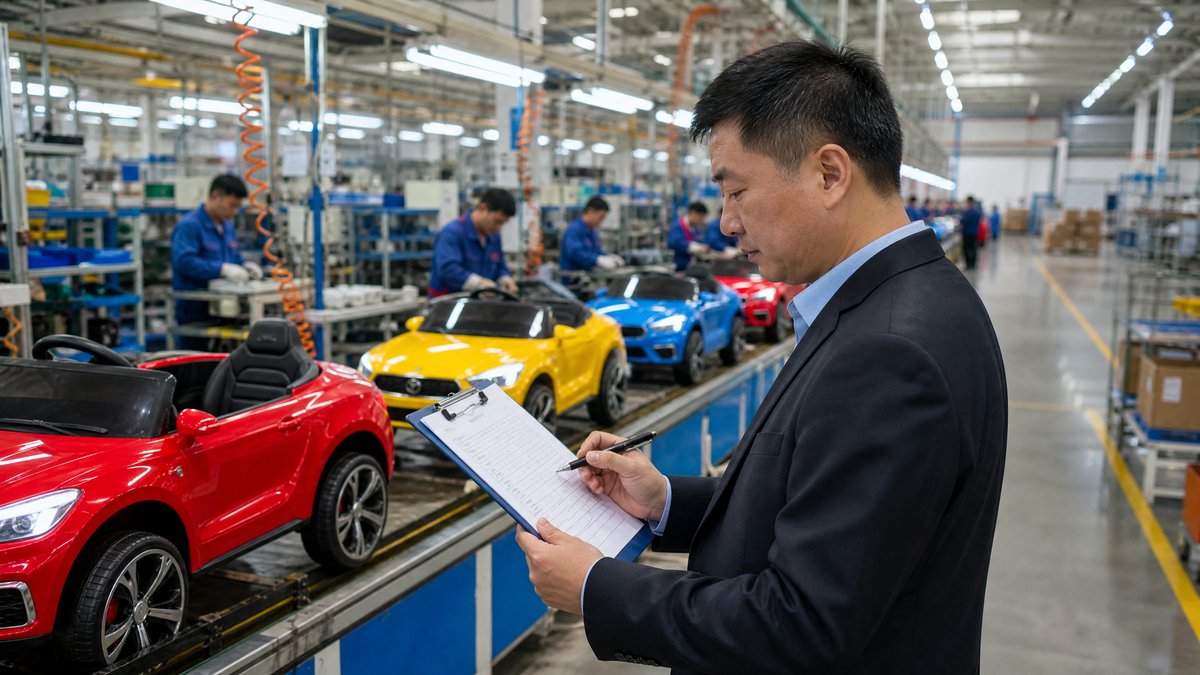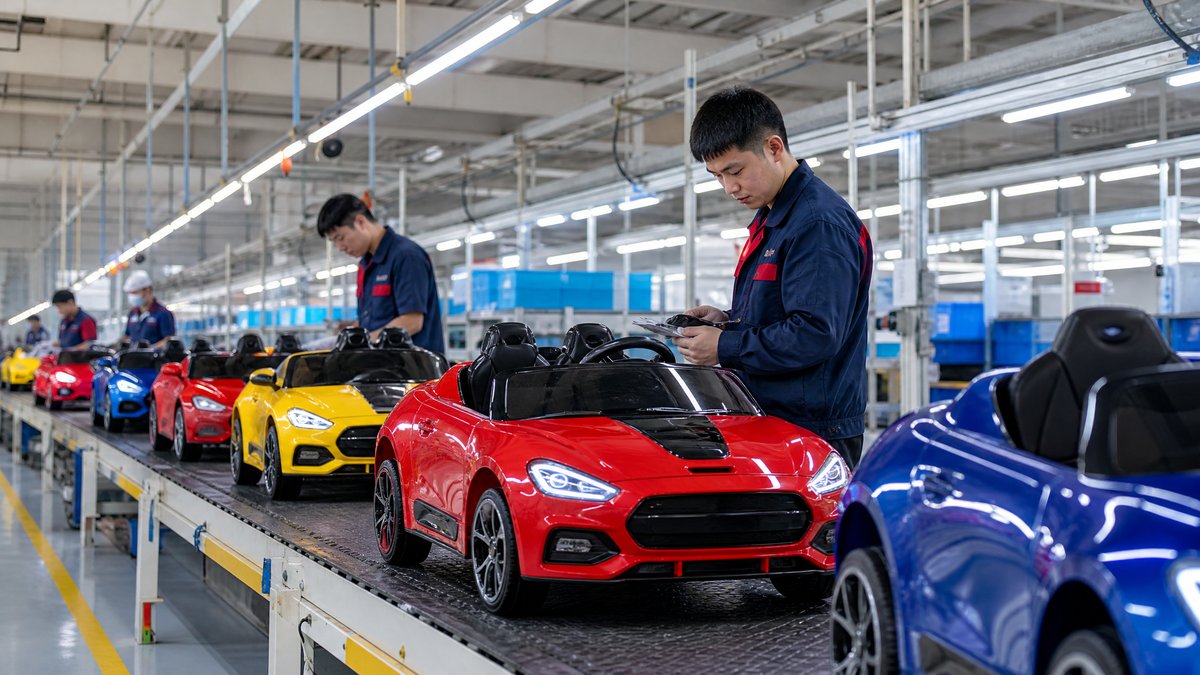
In the sophisticated realm of global B2B procurement, particularly within the specialized sector of electric ride-on vehicles for children, the sample approval process represents a fundamental pillar of operational success. For international wholesalers and distributors, acquiring a physical sample is a critical diagnostic phase designed to bridge the gap between technical requirements and final product delivery. A well-executed sample approval workflow minimizes financial exposure, ensures brand consistency, and provides a clear roadmap for mass production quality control.
The stakes in large-scale ride-on car importing are exceptionally high. A single oversight during the sampling phase can manifest as systemic defects in a full container load, leading to significant logistical challenges and the erosion of market trust. Therefore, professional buyers must move beyond surface-level inspections and adopt a rigorous framework that scrutinizes every aspect of the product, from its structural integrity to its regulatory documentation. This guide provides a comprehensive analysis of a practical sample approval process tailored for the modern B2B procurement landscape.
The Strategic Importance of Sample Approval in Global Sourcing
Sample approval serves as the definitive contractual and technical benchmark in the relationship between a buyer and a manufacturer. In international trade, where geographic distances can lead to misaligned expectations, the sample provides a tangible reference point that transcends language. It is the primary tool for verifying a manufacturer’s actual production capabilities against their marketing claims. By investing in a professional approval cycle, procurement teams can identify manufacturing constraints early and collaborate with suppliers to refine the product before capital-intensive mass production begins.
Furthermore, the process acts as a vital risk-mitigation strategy. It allows buyers to evaluate the manufacturer’s attention to detail, their internal quality management systems, and their responsiveness to technical feedback. A factory that struggles to produce a compliant and high-quality sample is unlikely to maintain consistency during a high-volume production run. Thus, the sampling phase is as much about auditing the supplier’s operational discipline as it is about evaluating the physical product itself.
Phase 1: Developing the Technical Specification Framework
The foundation of a successful sample approval process is laid long before the sample arrives. It begins with the creation of a detailed Technical Specification Document (TSD). Relying on a manufacturer’s standard catalog specifications is often insufficient for B2B buyers who must meet specific market demands or brand standards. The TSD serves as the objective scorecard against which the sample will be evaluated.
Establishing Performance and Structural Benchmarks
Buyers should clearly outline the expected performance characteristics without relying on unverified assumptions. This includes defining the required motor performance, battery endurance, and charging efficiency based on the intended use case. Mechanical specifications must address the vehicle’s weight-bearing capacity, the durability of the suspension system, and the integrity of the chassis. It is essential to specify the functional requirements of the drive system, including speed settings and safety overrides, ensuring they align with the manufacturer’s documented capabilities and the buyer’s safety expectations.
Aesthetic Consistency and Branding Standards
For retail-focused businesses, the visual identity of the product is paramount. The specification document should detail the exact color requirements, surface finishes, and the quality of decorative elements like decals or upholstery. Packaging is another critical component; specifications should cover the structural strength of the shipping cartons, the type of internal protective materials used, and the clarity of the printing. Professional buyers often require the sample to be delivered in its final retail packaging to assess how the product withstands the rigors of international logistics.
Phase 2: Prototype Evaluation and Functional Analysis
Once the initial sample is received, the procurement team must conduct a systematic evaluation. This phase focuses on verifying that the physical unit matches the agreed-upon specifications and functions reliably under various conditions.
Drive System and Control Integrity
The drive system is the heart of the electric ride-on car. Evaluation should include testing the responsiveness of the manual controls and the parental remote override. It is important to observe the smoothness of acceleration and braking, which are essential for the comfort and safety of the young operator. The structural integrity of the steering mechanism and the durability of the wheels and axles must be checked to ensure they can handle the stresses of regular operation on different surfaces.
Power Management and Safety Interlocks
Battery and charging systems require careful scrutiny. While specific technical data should be confirmed through official manufacturer documentation, the buyer should verify the ease of access to the charging port and the security of the battery compartment. A critical safety feature to check is the charging interlock, which should prevent the vehicle from operating while the charger is connected. Any concerns regarding the electrical system should be documented, and buyers should refrain from any internal disassembly or technical modifications, instead requesting revised samples from the manufacturer.
Phase 3: Regulatory Alignment and Documentation Strategy
Compliance with safety standards is a non-negotiable aspect of ride-on car procurement. However, the regulatory landscape varies significantly across different global markets. A practical sample approval process involves a rigorous review of all necessary certifications and test reports.
Verifying Compliance with Regional Standards
Buyers must ensure that the product meets the specific safety requirements of their target market. This involves reviewing documentation related to mechanical safety, electrical components, and chemical composition. Rather than relying on generic claims of compliance, professional importers should request current, valid test reports from recognized third-party testing organizations. These reports should be cross-referenced with the specific model and batch of the sample provided. It is strongly recommended that buyers consult with qualified local legal advisors or compliance experts to confirm the applicability of specific regulations.
Material Safety and Chemical Verification
The safety of the materials used in children’s products is under constant regulatory scrutiny. The sample approval process should include a review of the manufacturer’s material sourcing and their internal protocols for ensuring the absence of restricted substances. Buyers should request a comprehensive list of materials used in the product and verify that these have been tested for safety. If there are discrepancies between the sample’s materials and the documented specifications, the buyer must seek immediate clarification from the manufacturer’s technical department.
Request a wholesale quote
Request a wholesale quote
Phase 4: Establishing the Golden Sample as a Master Reference
The culmination of the approval process is the sign-off on the Golden Sample. This unit represents the final, perfected version of the product that has met all technical, aesthetic, and regulatory requirements. It serves as the ultimate benchmark for all future quality control inspections.
Sealing and Documentation Protocols
A professional sign-off involves more than a simple email confirmation. The Golden Sample should be physically marked, signed, and dated by both the buyer and the manufacturer’s representative. Many organizations use tamper-evident seals to ensure the sample remains unchanged. It is standard practice to maintain two identical Golden Samples: one held by the manufacturer to guide their production and QC teams, and one held by the buyer or their third-party inspection agency to verify the mass-produced goods.
The Golden Sample as a Contractual Tool
In the event of a quality dispute, the Golden Sample provides the objective evidence needed to resolve the issue. It is a physical manifestation of the manufacturer’s commitment to quality. As such, it should include not just the vehicle itself, but also the final versions of the user manuals, assembly instructions, and retail packaging. Any changes made after the Golden Sample sign-off must be documented in a formal amendment to the technical specifications.
Logistics and International Sample Handling
Managing the logistics of sample delivery is a critical operational task. Because ride-on cars are bulky and contain batteries, their international transport requires specific documentation and handling procedures.
Managing Freight and Customs Clearance
Buyers should coordinate with their logistics providers to determine the most efficient method for sample delivery, whether by air courier or sea freight. It is essential to ensure that the manufacturer provides accurate commercial invoices and all necessary documentation for customs clearance in the destination country. This includes verifying the correct classification of the product and ensuring that any required battery safety declarations are included in the shipping manifest.
The Feedback and Revision Cycle
It is rare for an initial sample to be perfect. The approval process must account for iterative feedback loops. When revisions are necessary, the buyer should provide clear, documented evidence of the required changes, using photographs and detailed descriptions. The manufacturer should then provide a formal response outlining how they will address the feedback in the next iteration. This disciplined communication ensures that technical issues are resolved systematically rather than being carried over into mass production.
Comparative Analysis of Sample Categories
To assist procurement teams in navigating the different stages of development, the following table outlines the primary categories of samples encountered in the ride-on car industry.
| Sample Category | Primary Objective | Key Evaluation Criteria | Typical Application |
|---|---|---|---|
| Engineering Prototype | Technical validation of the drive system. | Structural integrity and mechanical functionality. | Early-stage development and feasibility testing. |
| Aesthetic Mock-up | Validation of visual design and branding. | Surface finish, decal placement, and upholstery quality. | Marketing reviews and brand alignment. |
| Pre-Production Sample | Final verification before mass production. | Full compliance with all technical and aesthetic specs. | Final sign-off and regulatory testing. |
| Golden Sample | Master reference for quality control. | Identical to the intended final mass-produced unit. | Benchmarking for QC inspections. |
Avoiding Common Pitfalls in Sample Approval
Even experienced procurement professionals can encounter challenges during the sample approval phase. Awareness of these common pitfalls can help teams maintain the integrity of their sourcing operations.
The Risk of Sample Optimism
One of the most common mistakes is assuming that the quality of a hand-crafted sample will automatically translate to a high-volume assembly line. Manufacturers often dedicate their most skilled technicians to producing samples. To mitigate this risk, buyers should insist that the Pre-Production Sample is pulled from a pilot run using the actual tools and processes intended for mass production.
Overlooking Documentation and Labeling
While the physical vehicle receives the most attention, the soft components of the product are equally important. Incomplete user manuals or missing regulatory labels can lead to significant delays at customs. The sample approval process must include a meticulous review of all printed materials to ensure they meet the legal requirements of the target market and provide clear, safe instructions for the end-user.
Transitioning from Approval to Mass Production
The approval of the Golden Sample marks the beginning of the production phase. However, the transition must be managed carefully to ensure that the standards established during sampling are maintained.
Integrating Sample Data into Quality Control
The technical specifications and quality benchmarks verified during the sampling phase should be integrated into the manufacturer’s Quality Management System. Third-party inspectors should be provided with copies of the Golden Sample documentation to use during their inspections. This ensures a continuous chain of quality oversight from the initial prototype to the final shipment.
Post-Production Monitoring and Re-Sampling
Quality assurance does not end with the first shipment. For ongoing B2B relationships, it is advisable to implement a periodic re-sampling program. This involves pulling units from subsequent production runs and subjecting them to the same evaluation as the original Golden Sample. This practice helps to identify and correct any gradual degradation of component quality that can occur over time due to changes in the supplier’s supply chain.
Frequently Asked Questions
1. How should a buyer handle technical defects found in a sample?
If a sample exhibits technical or safety defects, the buyer should immediately stop using the unit and document the issues. This information should be sent to the manufacturer’s technical department with a request for a formal root-cause analysis. Buyers should never attempt to repair or modify the sample themselves, as this can create safety risks and obscure the original manufacturing issue.
2. What is the recommended approach for verifying battery safety?
Battery safety should be verified through a combination of physical observation and a review of official documentation. Buyers should request valid test reports and safety data sheets from the manufacturer that correspond to the specific battery model used. It is also important to confirm that the charging system includes the necessary safety features to prevent overcharging and that the battery compartment is secure.
3. How can a buyer ensure that mass production matches the Golden Sample?
The most effective way to ensure consistency is to employ independent third-party inspection services. These inspectors use the Golden Sample and the agreed-upon technical specifications as their primary reference. They perform standardized tests on a random sample of the production lot to verify that the goods meet the established quality and safety benchmarks before they are cleared for shipment.
Conclusion
A practical and rigorous ride-on car sample approval process is the cornerstone of professional B2B sourcing. By moving systematically through the phases of specification development, functional evaluation, regulatory verification, and Golden Sample sign-off, importers can build a resilient supply chain that delivers high-quality and compliant products. While this process requires an investment of time, the long-term benefits in terms of risk reduction and operational efficiency are substantial.
In an evolving global market where consumer expectations and regulatory requirements continue to rise, the discipline of the sampling phase will remain a key differentiator for successful procurement teams. Always prioritize clear communication, thorough documentation, and independent verification to ensure that every product you bring to market reflects the highest standards of your brand.
Ask for product documentation
Ask for product documentation
Official references
Explore these external resources for current regulatory and trade guidance. Confirm requirements with the relevant authority before placing an order.
Ready to Start?
Factory-Direct · CE & ASTM Certified · MOQ from 50 Units
Our export team works with buyers in 60+ countries. Get a quote within 24 hours.
KR
Written by KidsRideCar
China's leading kids electric ride-on car manufacturer. 500,000+ units shipped annually to 60+ countries. CE, ASTM & EN71 certified.