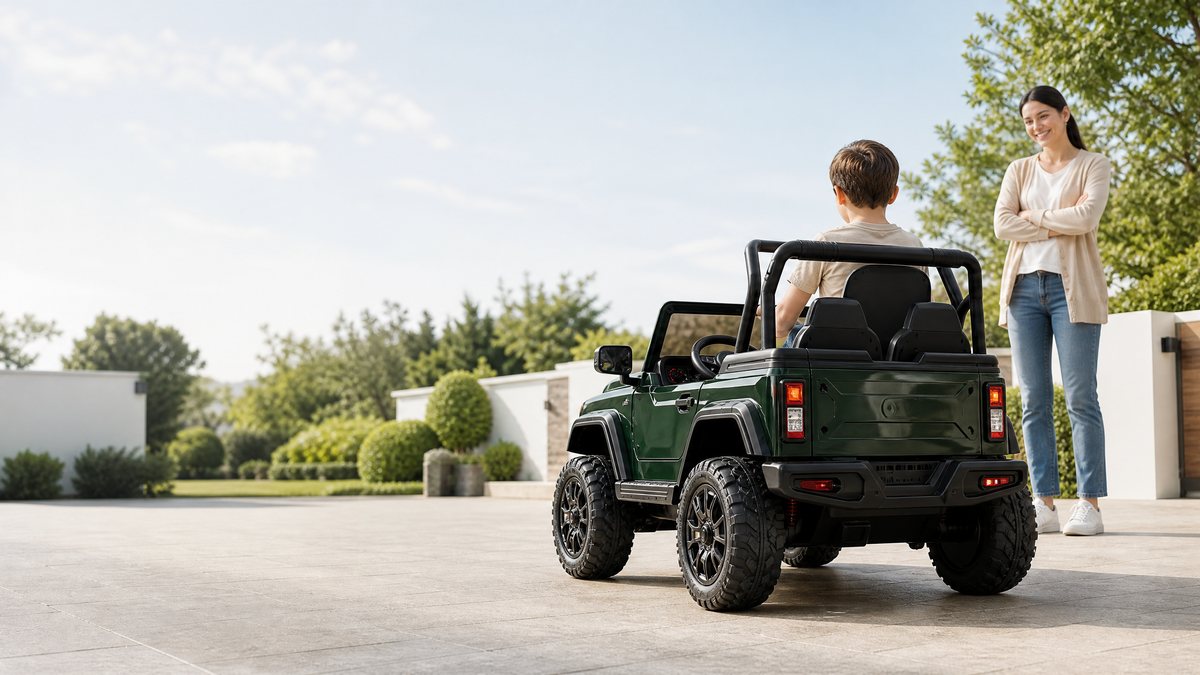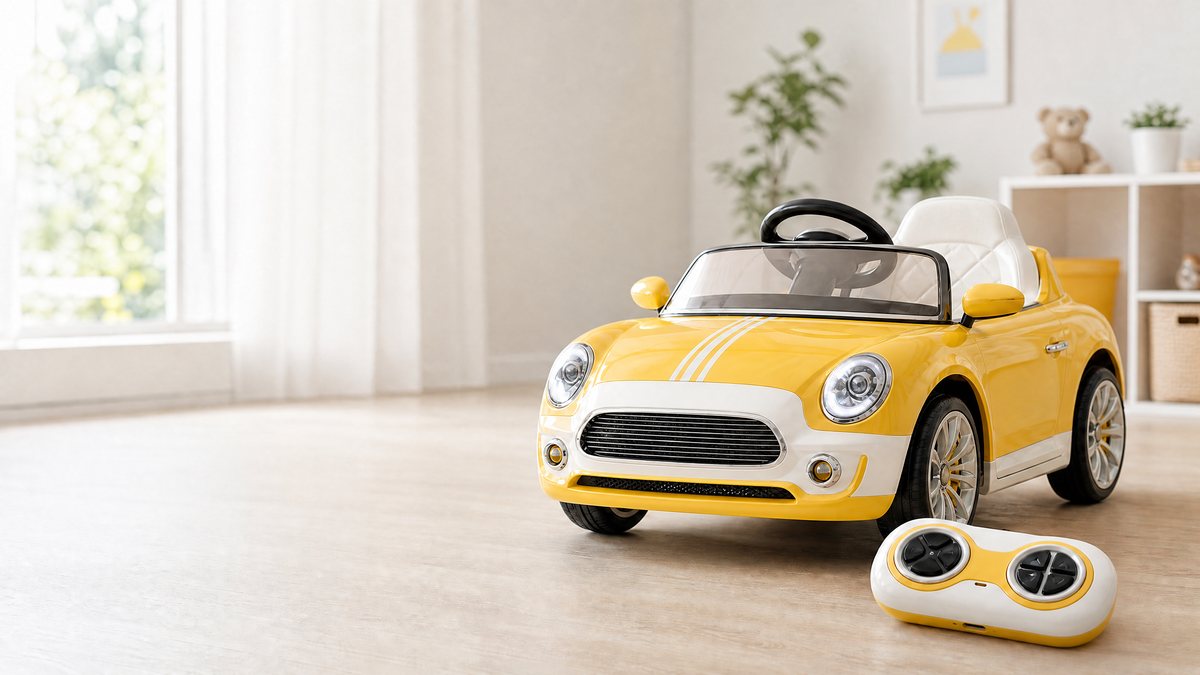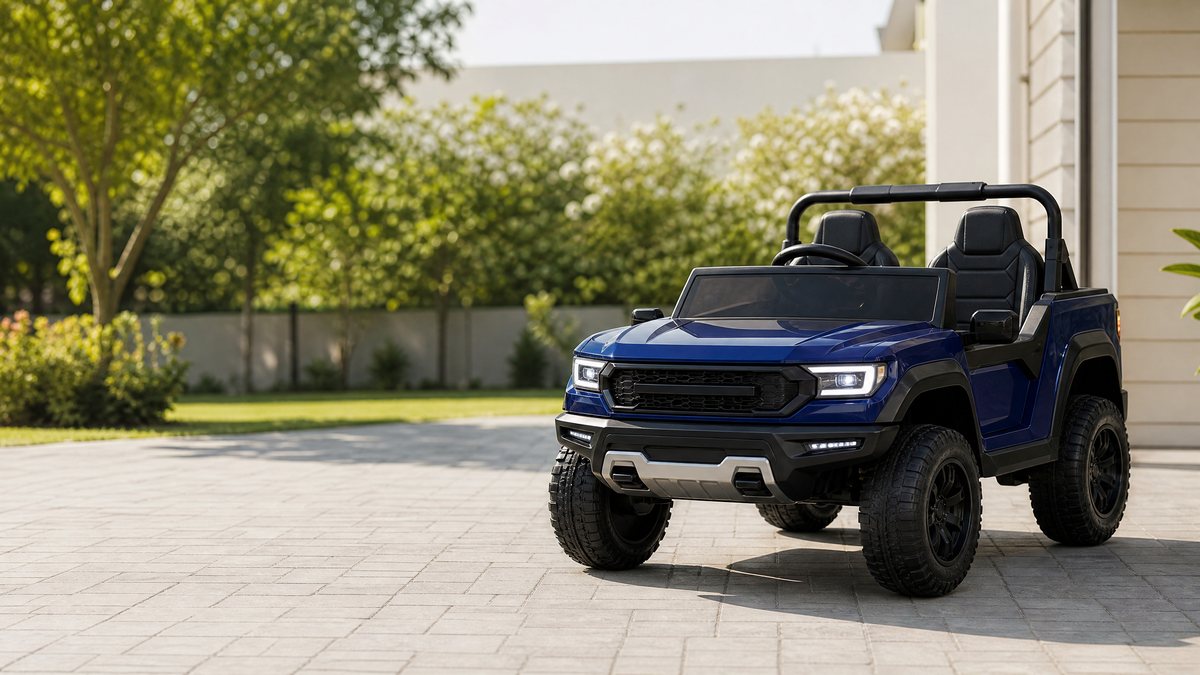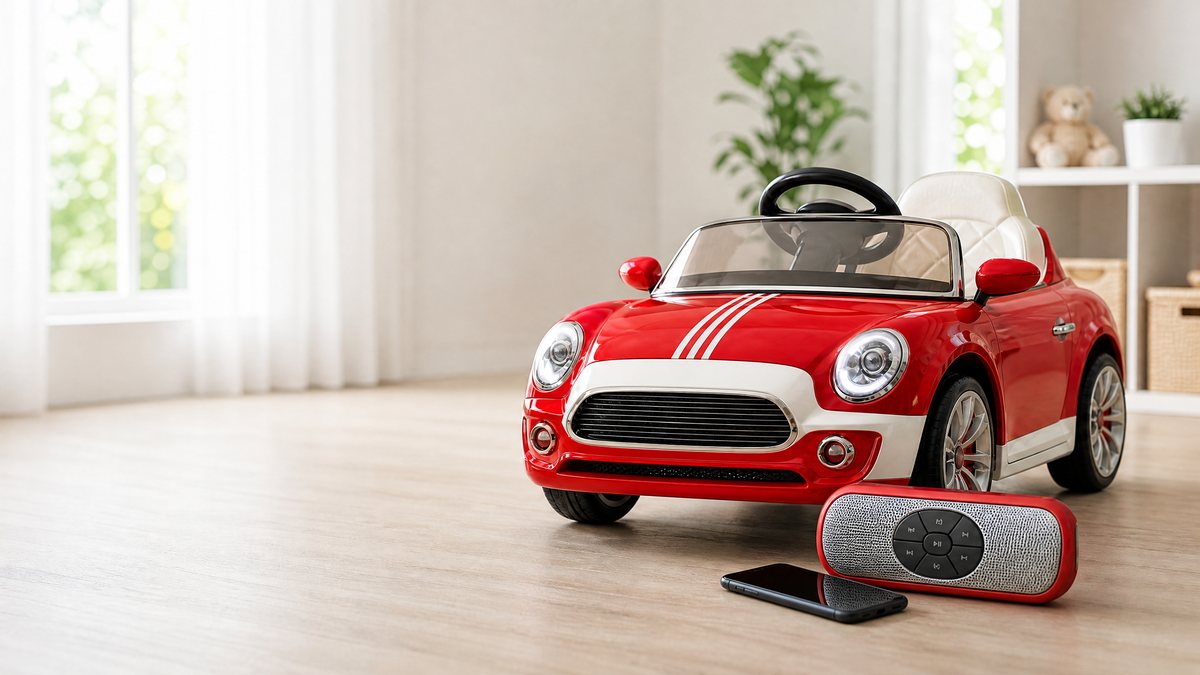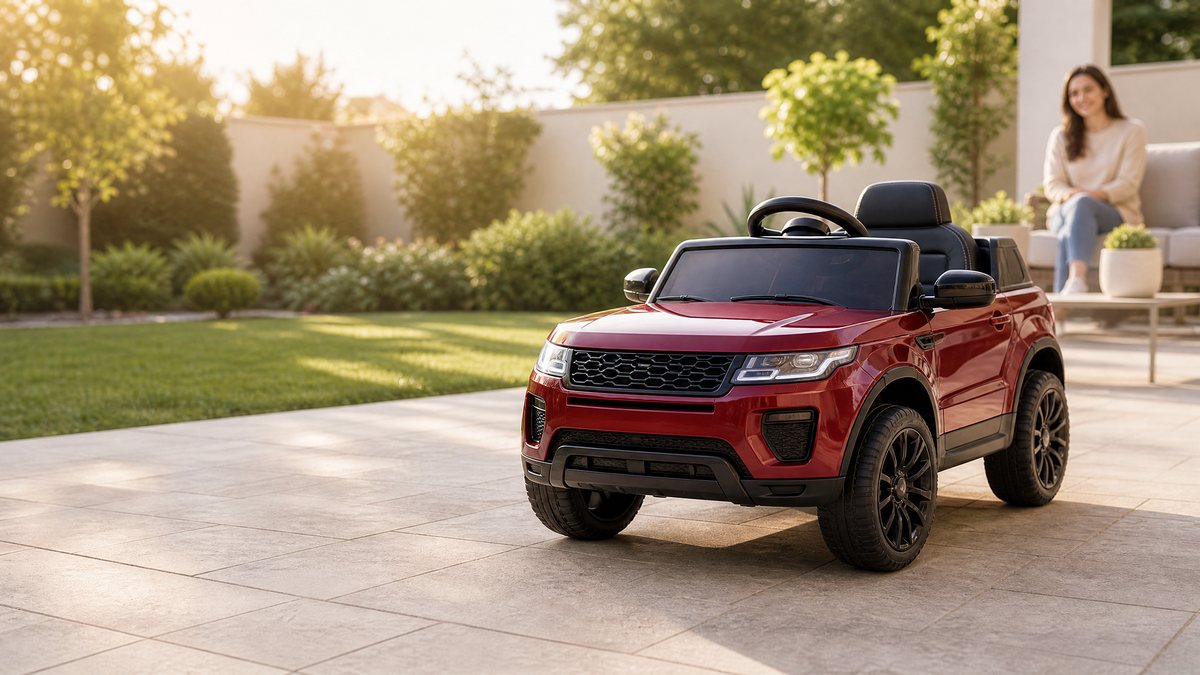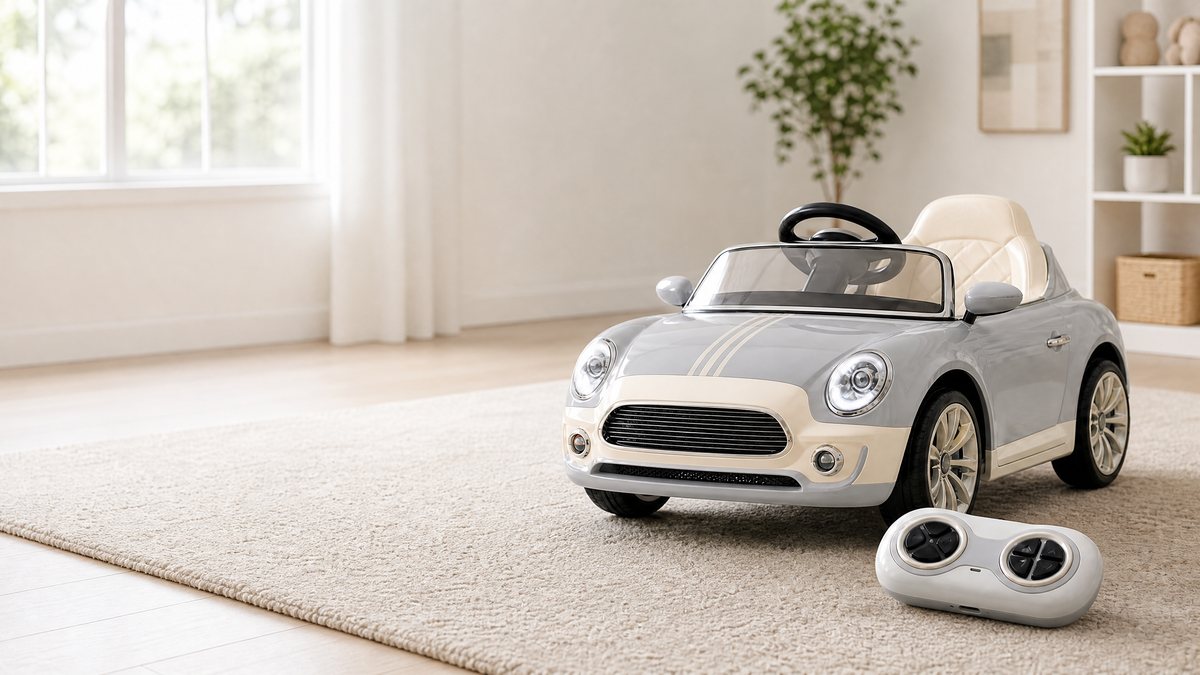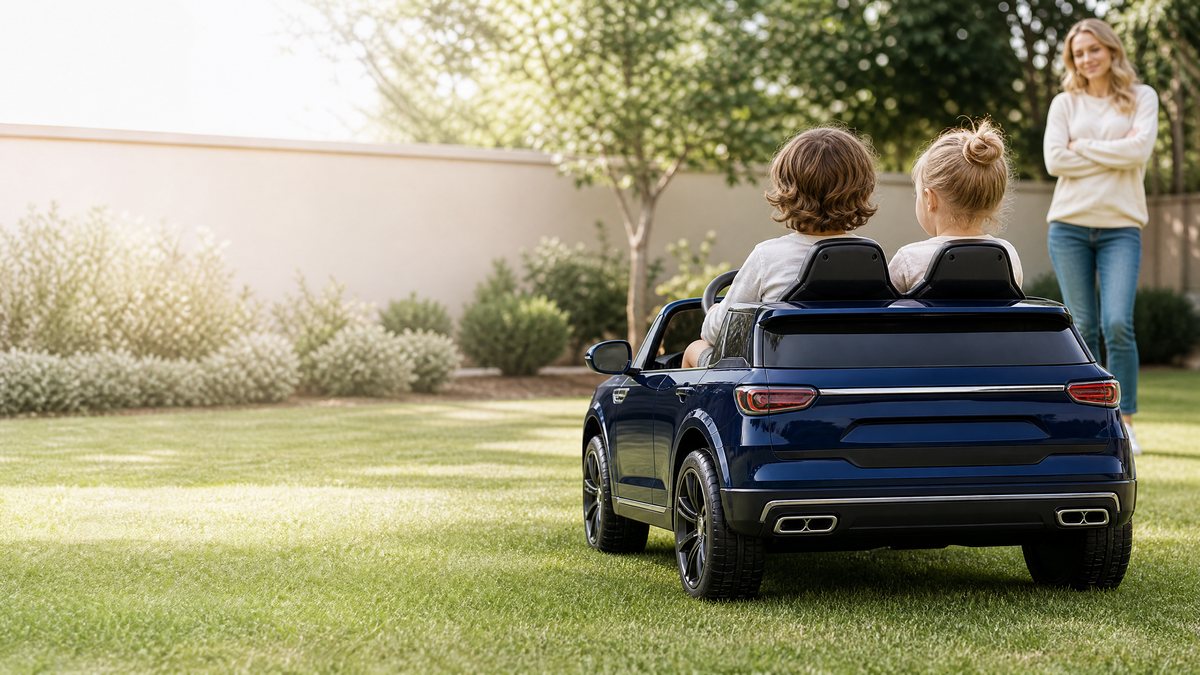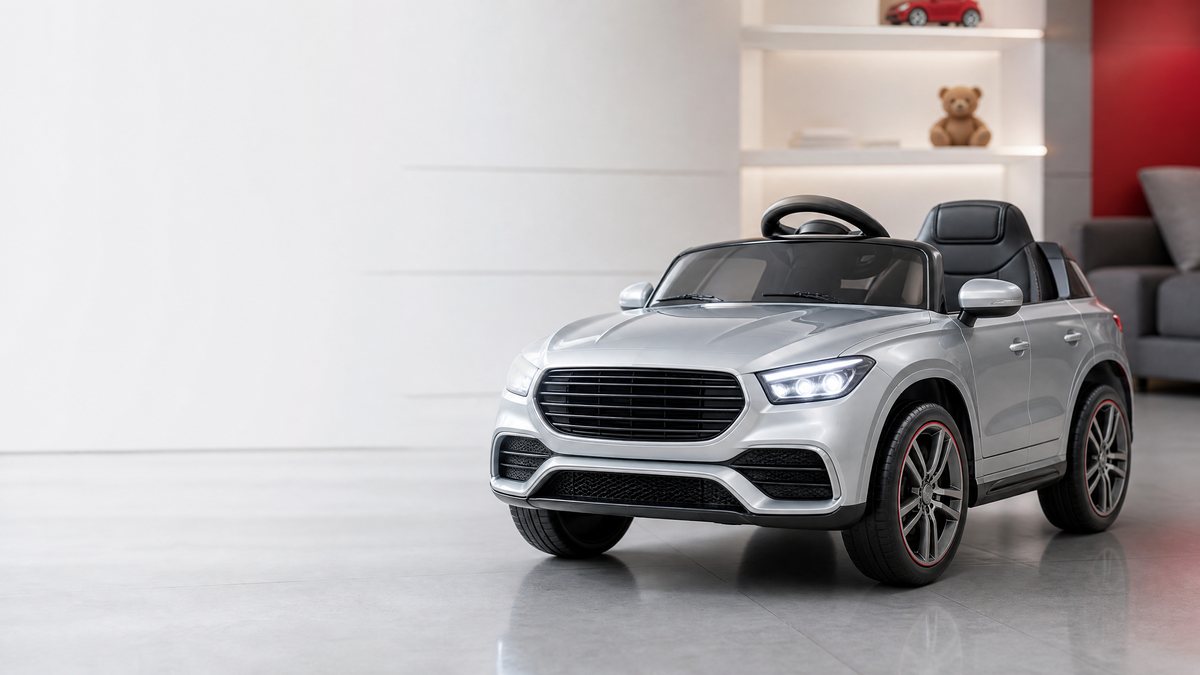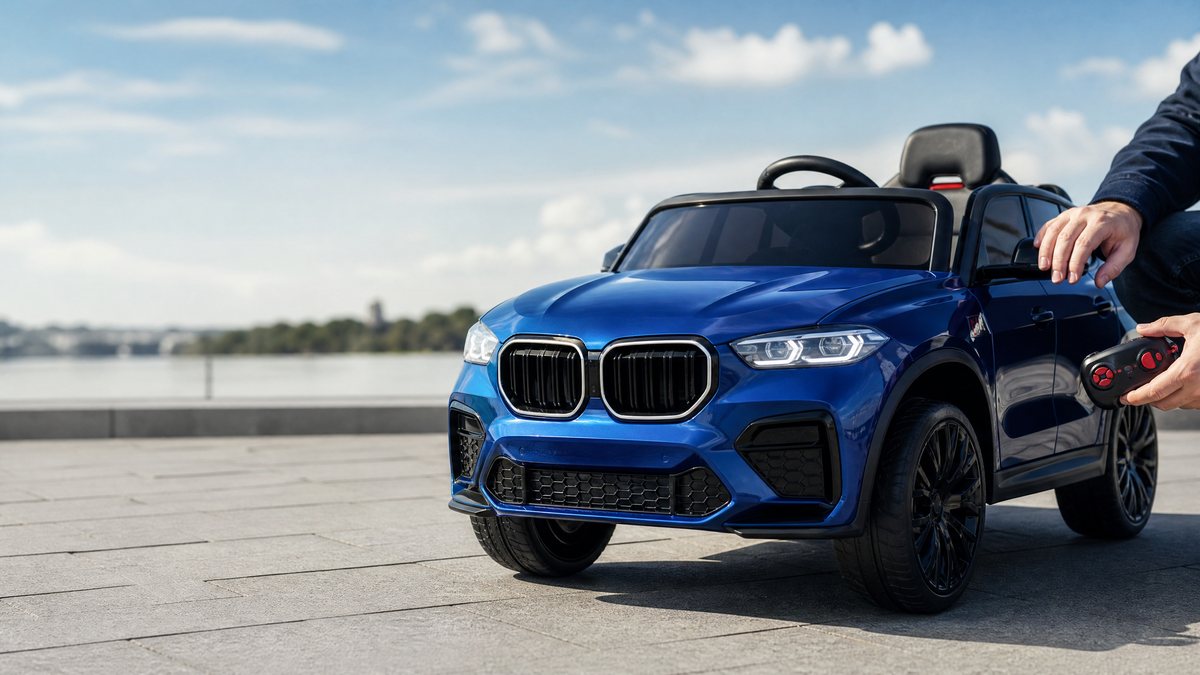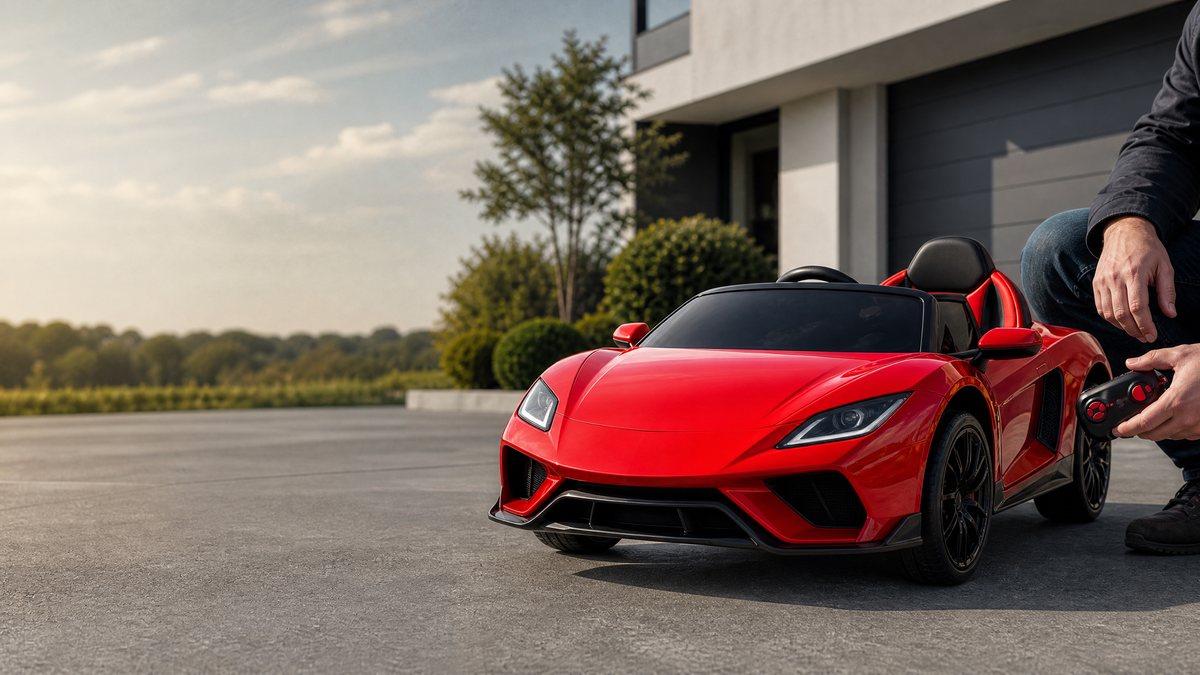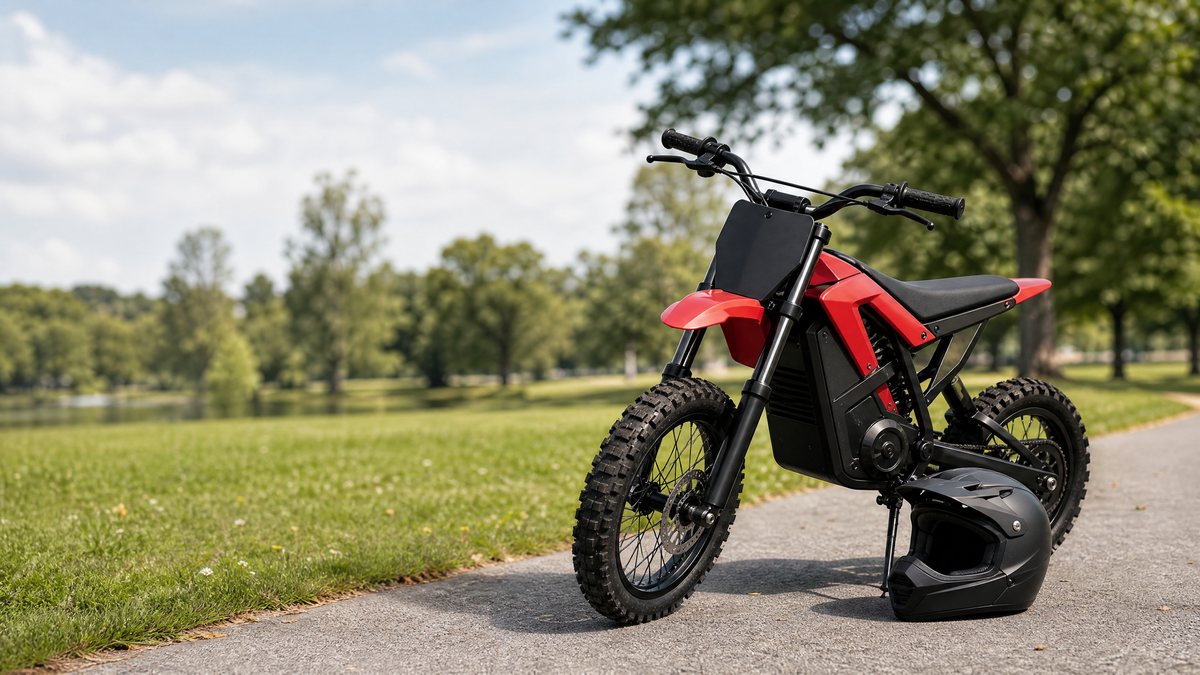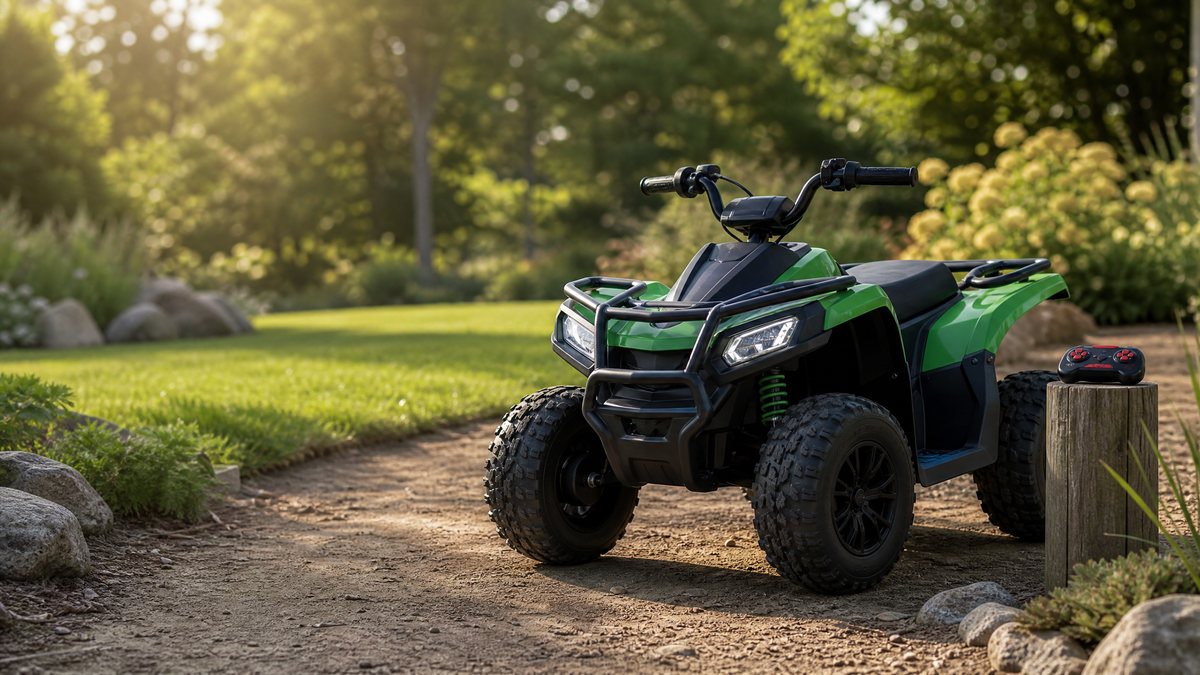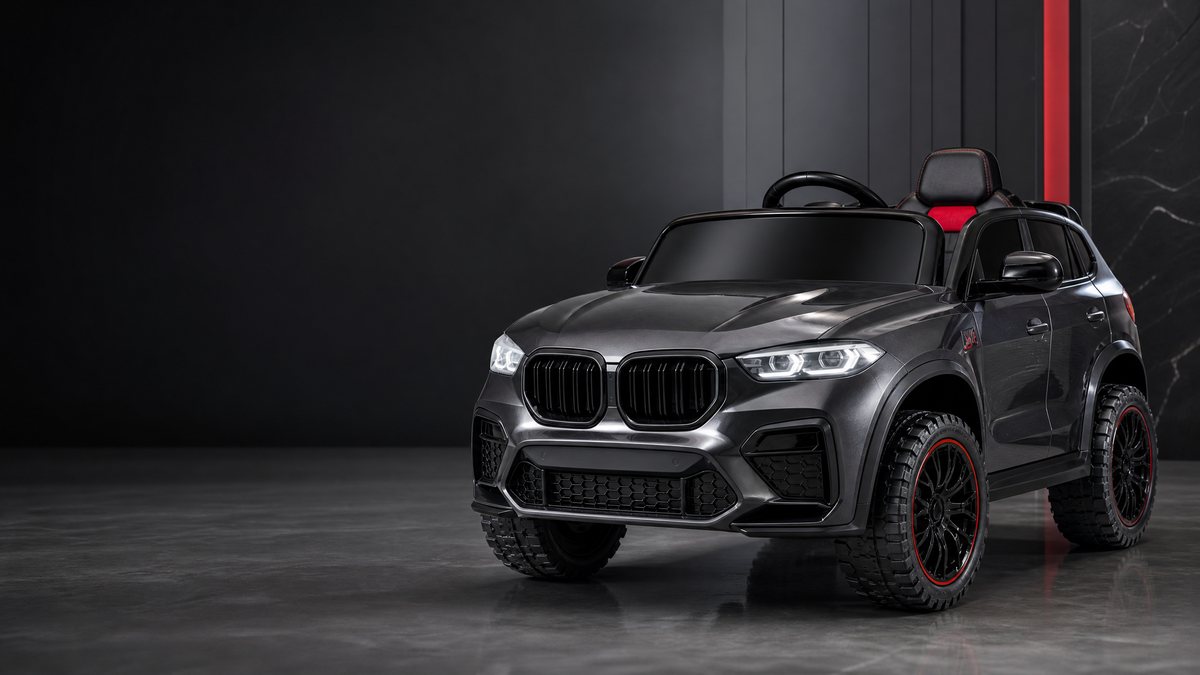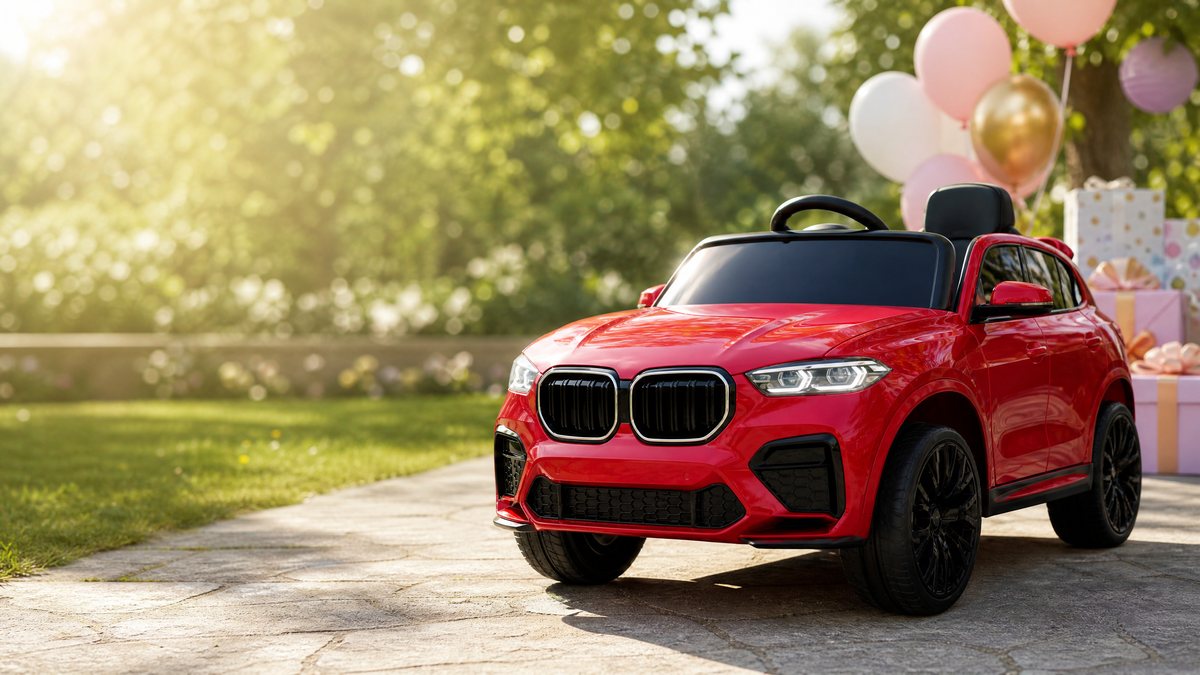
Electric ride-on cars have evolved from simple plastic toys into sophisticated miniature vehicles equipped with advanced electronic controllers, realistic gearboxes, multi-wheel drive systems, and programmable speed controls. For wholesale distributors, retail store owners, and conscientious parents alike, understanding how safety features operate is paramount. Among these safety innovations, the speed limiter stands out as one of the most critical mechanisms designed to protect young drivers while they build motor skills, spatial awareness, and confidence behind the wheel. When evaluating ride-on vehicle inventories or selecting models for family use, recognizing the engineering and operational value of speed limitation systems ensures that safety remains the top priority without compromising the engaging experience of play.
The integration of speed limiters addresses a fundamental challenge in children's electric vehicles: balancing thrilling, realistic driving dynamics with controlled risk management. Children develop physical coordination, reaction times, and risk perception at vastly different rates depending on their age, temperament, and prior experience. A vehicle that moves at a brisk pace may be appropriate for an experienced eight-year-old on a flat, paved driveway, but it poses unnecessary hazards for a younger child or a beginner operating in a confined backyard or indoor play area. By incorporating adjustable speed limiters—whether through multi-stage gear switches, digital dashboard settings, or electronic control unit (ECU) programming—manufacturers provide responsible supervisors with the tools needed to tailor vehicle performance to the child's exact developmental stage. In this comprehensive guide, we examine the mechanical and electronic principles of speed limiters, compare them with other safety overrides, review structural evaluation frameworks, and provide essential safety protocols for B2B buyers and end-users alike.
Request a wholesale quote
Understanding Ride-On Car Speed Dynamics and Safety
To fully appreciate the role of a speed limiter, one must examine the fundamental physics and electrical mechanics governing modern children's ride-on cars. Typically powered by 12V, 24V, or advanced multi-motor setups (ranging from single rear-wheel drive to robust 4WD configurations), these vehicles can generate surprising acceleration and momentum. Without velocity control, even a modest battery-powered car can reach velocities that challenge a young child's nascent reaction times, particularly when navigating turns, encountering minor inclines, or stopping suddenly to avoid obstacles.
Safety in ride-on vehicle design is governed by international toy safety standards, including ASTM F963 in the United States and EN 71 in Europe, which establish strict maximum velocity guidelines for various age classifications. However, regulatory compliance at the factory level is only the first step. Real-world operating environments vary widely—from smooth indoor wooden flooring and paved suburban sidewalks to uneven grass, gravel, and gentle outdoor slopes. A vehicle traveling at maximum rated velocity on a decline can experience gravitational acceleration that exceeds standard motor braking limits. Speed limiters act as an essential governor, restricting maximum power output from the electronic speed controller (ESC) to the electric motors. By capping the electrical current or modulating the pulse-width modulation (PWM) signal sent to the drive motors, the system prevents the vehicle from exceeding predefined velocity thresholds, thereby reducing impact forces during accidental collisions and giving young operators adequate time to process visual stimuli and react.
Furthermore, speed dynamics intersect directly with developmental psychology. Young children lack fully developed peripheral vision, depth perception, and emergency braking instincts. When a child experiences sudden over-acceleration, panic often sets in, leading to erratic steering inputs or a failure to release the accelerator pedal. A well-designed speed limitation system mitigates this risk by establishing a predictable, manageable operating envelope. When wholesale buyers evaluate product lines, verifying the presence, reliability, and ease of adjustment of speed limitation features is a vital indicator of overall manufacturing quality and product liability mitigation.
How Speed Limiters Work: Technical Principles and Settings
The engineering implementation of speed limiters in modern ride-on cars generally falls into two primary categories: mechanical gear restriction and electronic speed gating. Understanding these technical approaches allows retailers, commercial operators, and parents to select models that best match their specific operational requirements and safety expectations.
Mechanical or physical gear selectors are commonly found in traditional and mid-tier ride-on models. These systems utilize physical switches—often located on the dashboard or near the footwell—labeled as 'High' and 'Low' speed modes. In the 'Low' setting, the electrical circuit routes power through a resistor network or engages a lower gear ratio wiring configuration, physically capping the motor's top rotational speed. Conversely, the 'High' setting permits full circuit voltage to reach the motors. While simple and intuitive, physical switches require adult oversight to set and lock, ensuring that younger or unauthorized children cannot easily toggle the vehicle back into high-speed mode without supervision.
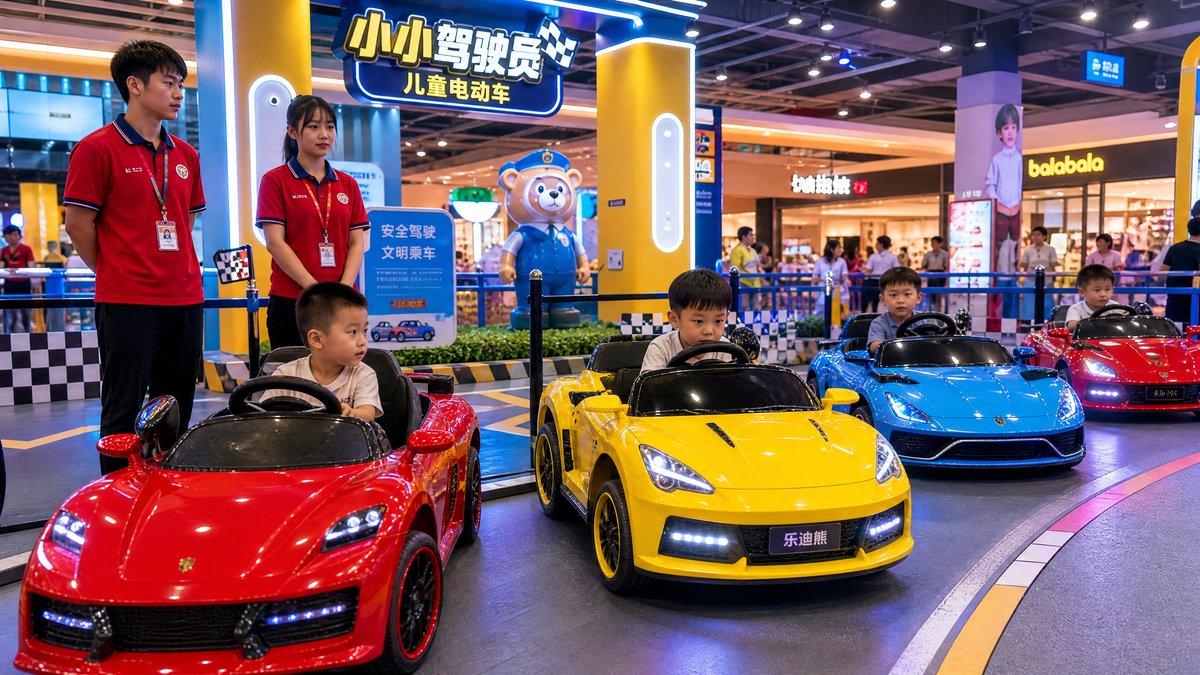
Electronic speed gating, implemented in advanced 24V and premium ride-on platforms, relies on microprocessor-controlled Electronic Control Units (ECUs). In these systems, speed tiers (e.g., Low, Medium, High) are selected via digital touchpads, remote control overrides, or app-based interfaces. The ECU dynamically adjusts the pulse-width modulation (PWM) duty cycle supplied to the electric motors, maintaining a strict ceiling on top speed regardless of how deeply the accelerator pedal is depressed. This ensures smooth, jerk-free acceleration—often paired with soft-start programming—that prevents the sudden lurching associated with legacy electronic switches. For commercial fleet operators, such as rental businesses in theme parks, family entertainment centers, or resort areas, electronic speed limiters offer tamper-resistant control, ensuring that vehicles operate strictly within safe velocity parameters established by venue management.
| Feature / Mechanism | Mechanical Gear Switch | Electronic ECU Gating | Parental Remote Override |
|---|---|---|---|
| Primary Function | Restricts circuit voltage / gear ratio manually | Dynamically modulates PWM signal via microprocessor | Instantly interrupts or overrides local pedal input |
| Adjustment Method | Physical toggle switch on dash or gear shifter | Digital dashboard button or remote transmitter | Dedicated remote control handset or mobile app |
| Tamper Resistance | Low to Moderate (child can flip switch) | High (can be locked via remote or digital menu) | Absolute (adult holds exclusive steering/speed control) |
| Acceleration Profile | Standard step-up in power | Smooth, programmed soft-start integration | Immediate response upon signal transmission |
| Best Application | Standard residential backyard play | Multi-user commercial rental fleets & strict settings | Toddler training & emergency intervention |
Comparing Safety Mechanisms: Speed Limiters vs. Parental Remote Control
While speed limiters provide a crucial baseline velocity cap, they operate differently from parental remote control systems, and understanding the synergy between these two features is essential for comprehensive vehicle evaluation.
A speed limiter establishes an upper boundary on how fast the vehicle can travel under the child's own control. It allows the young driver to experience the autonomy of steering and accelerating while knowing that the vehicle cannot exceed a safe, predetermined pace. This independence is vital for building confidence and motor coordination. However, a speed limiter cannot prevent a child from steering toward an unexpected hazard, such as a swimming pool edge, a steep drop-off, or moving traffic.
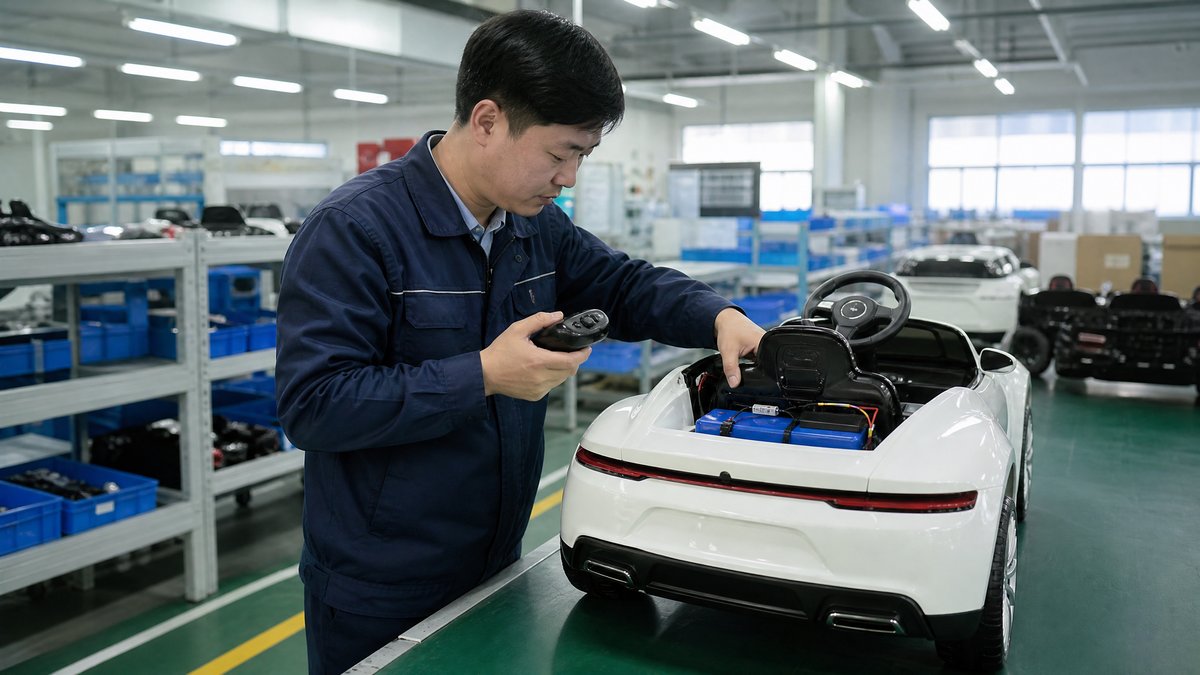
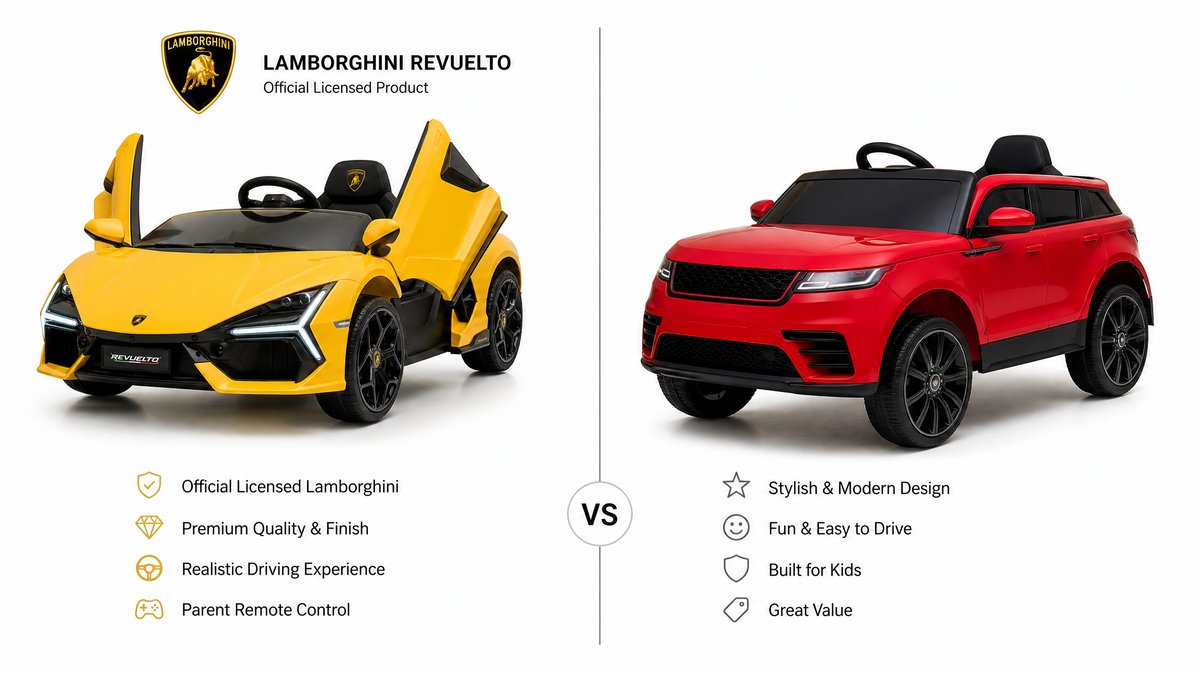
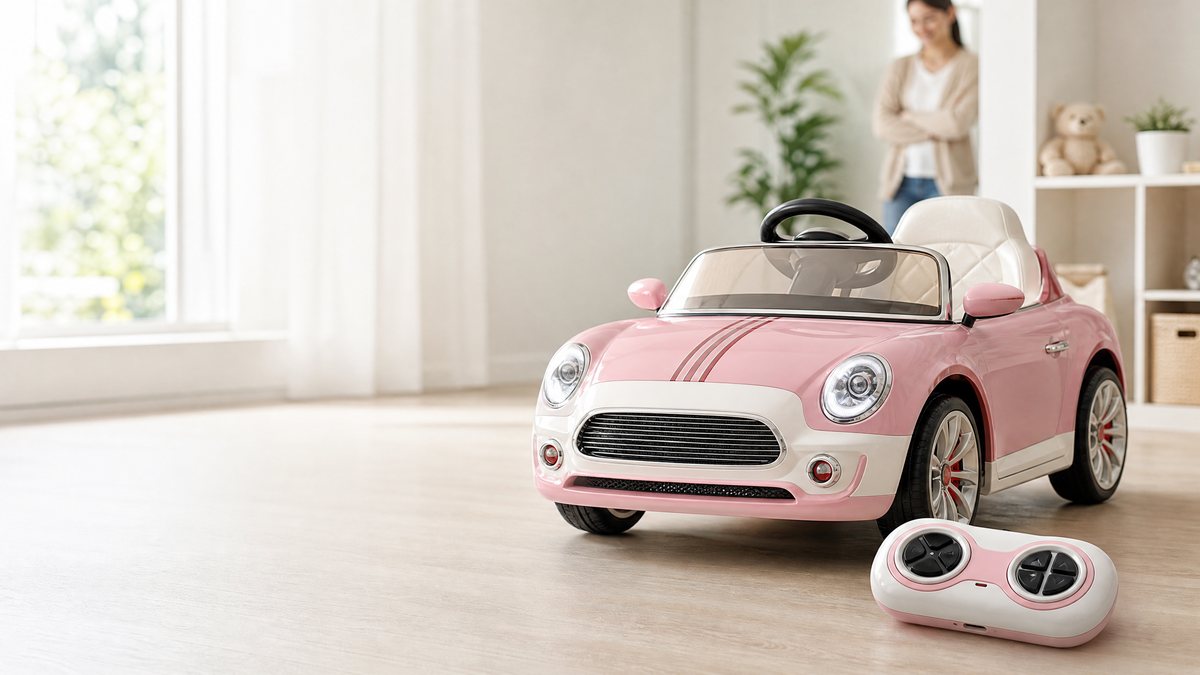
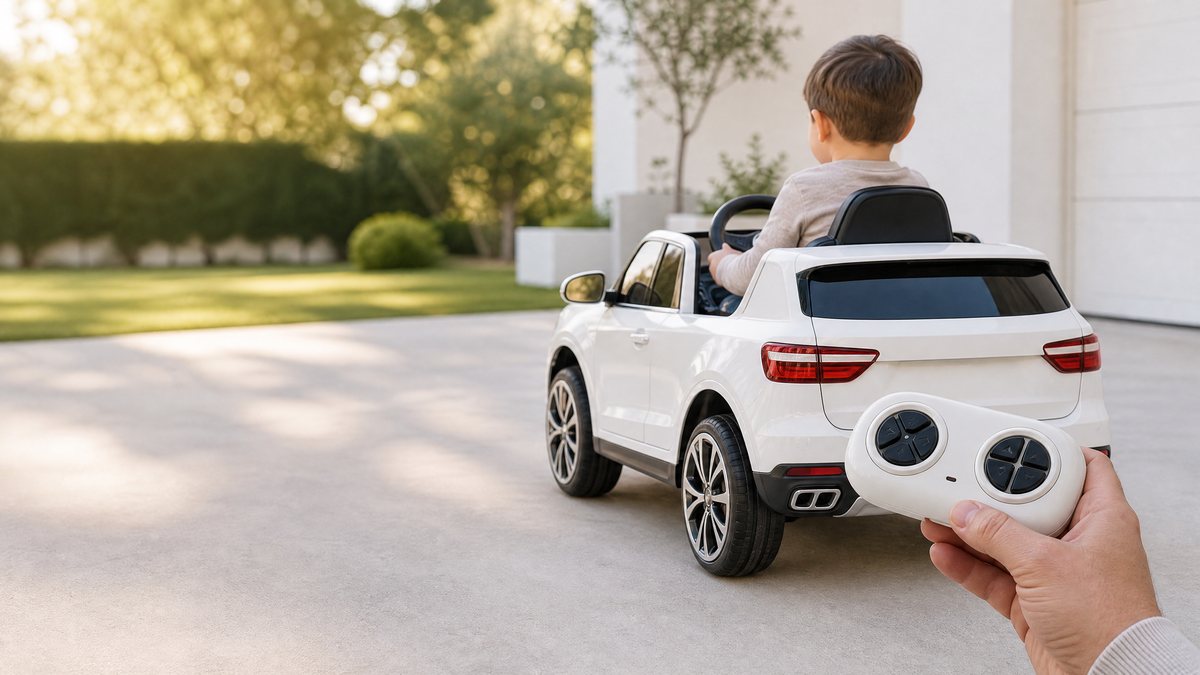
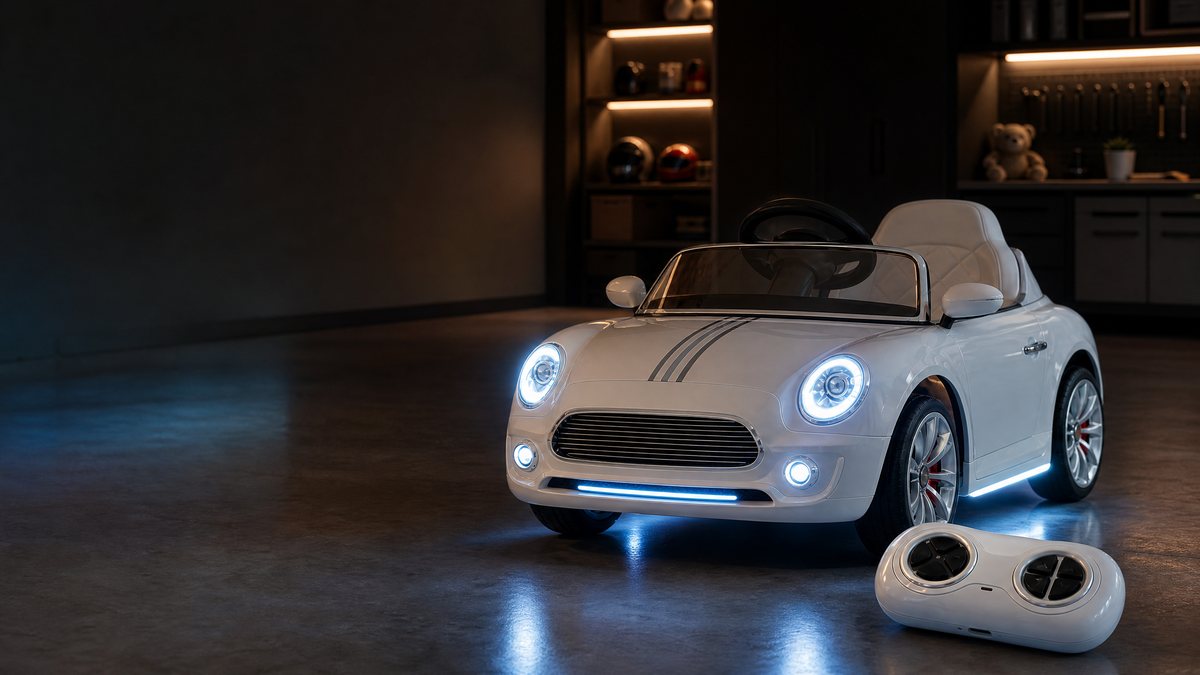
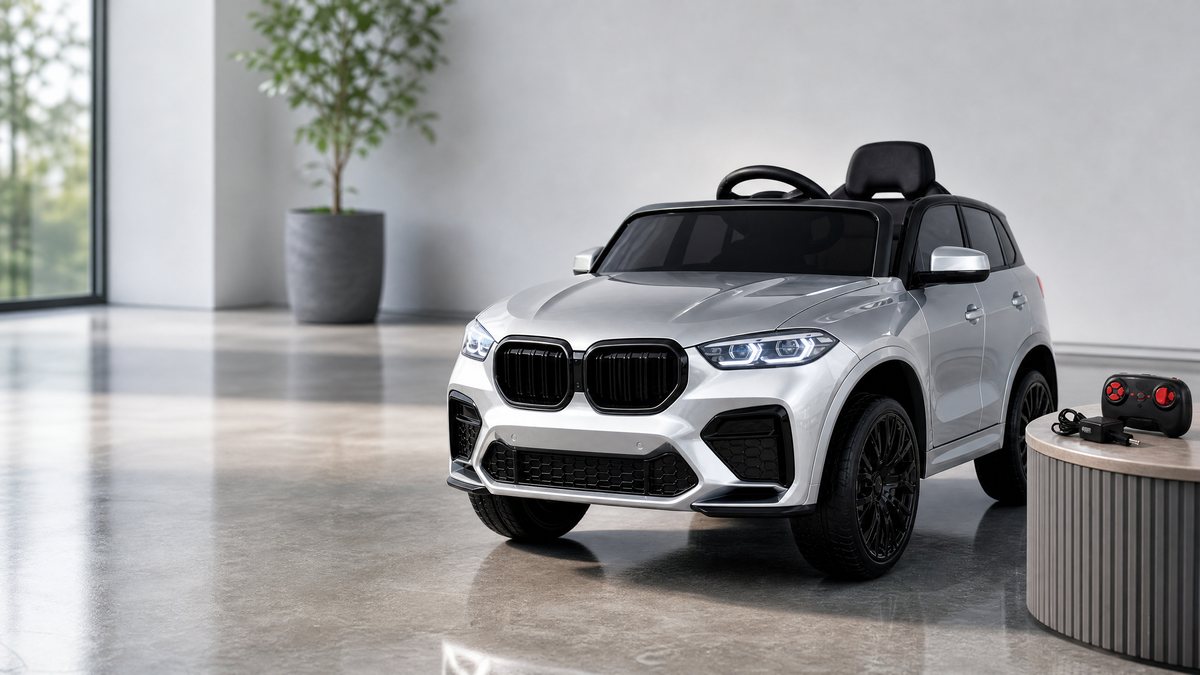
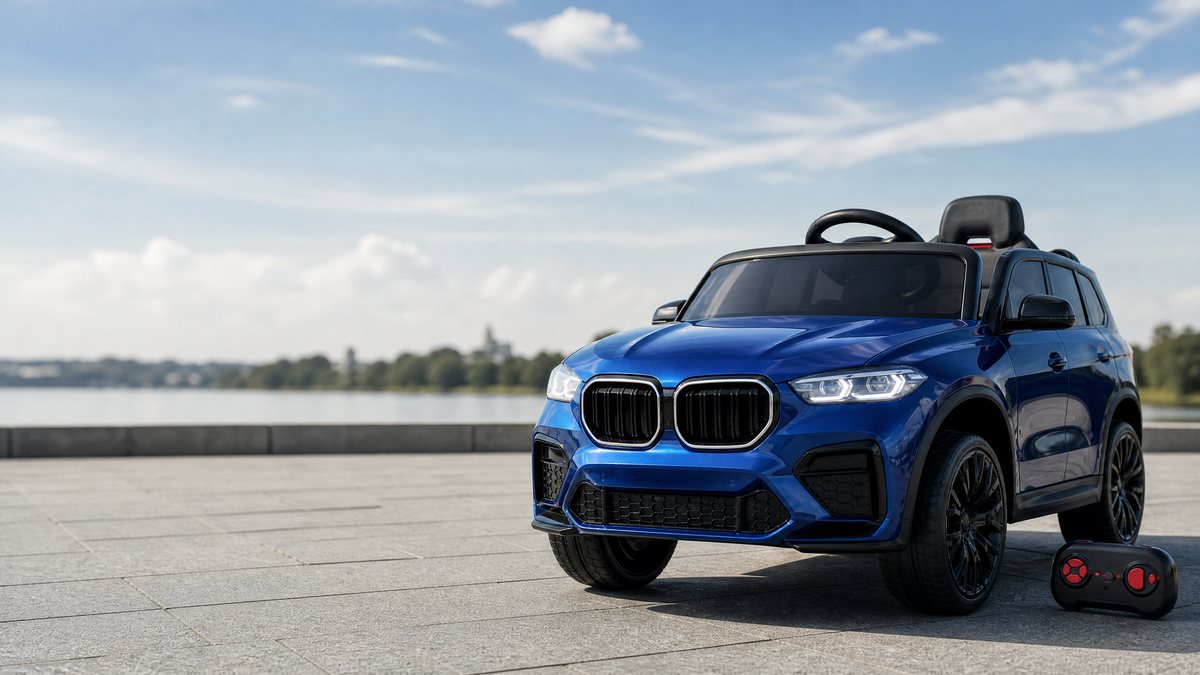
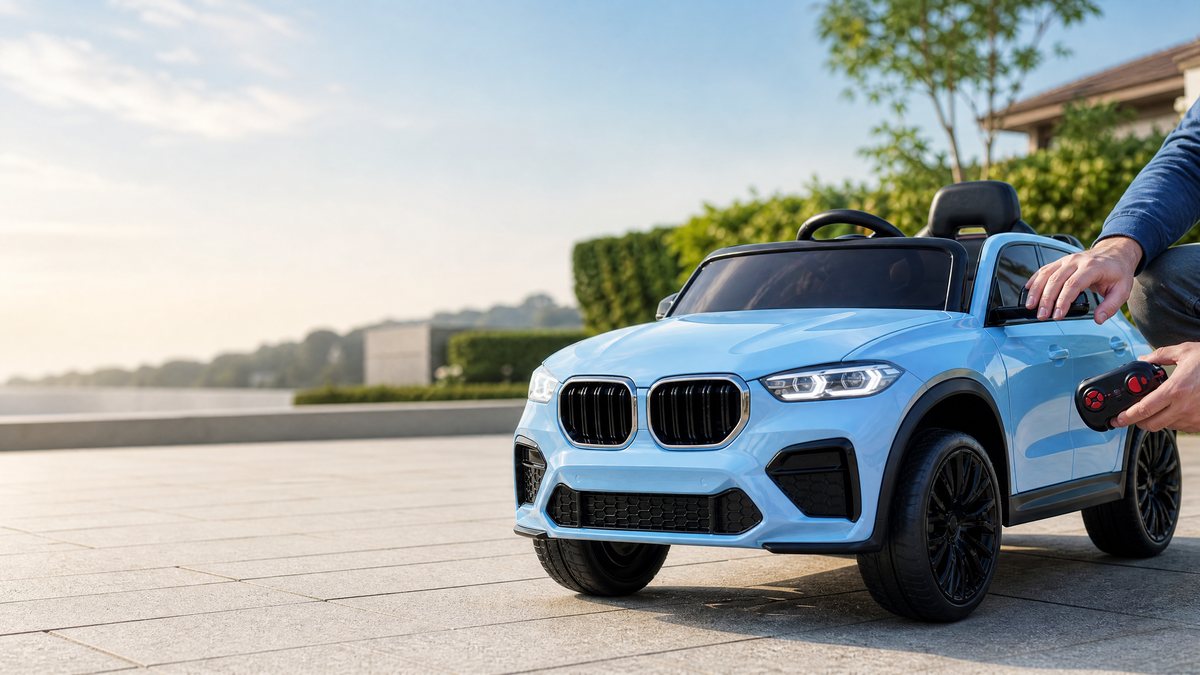
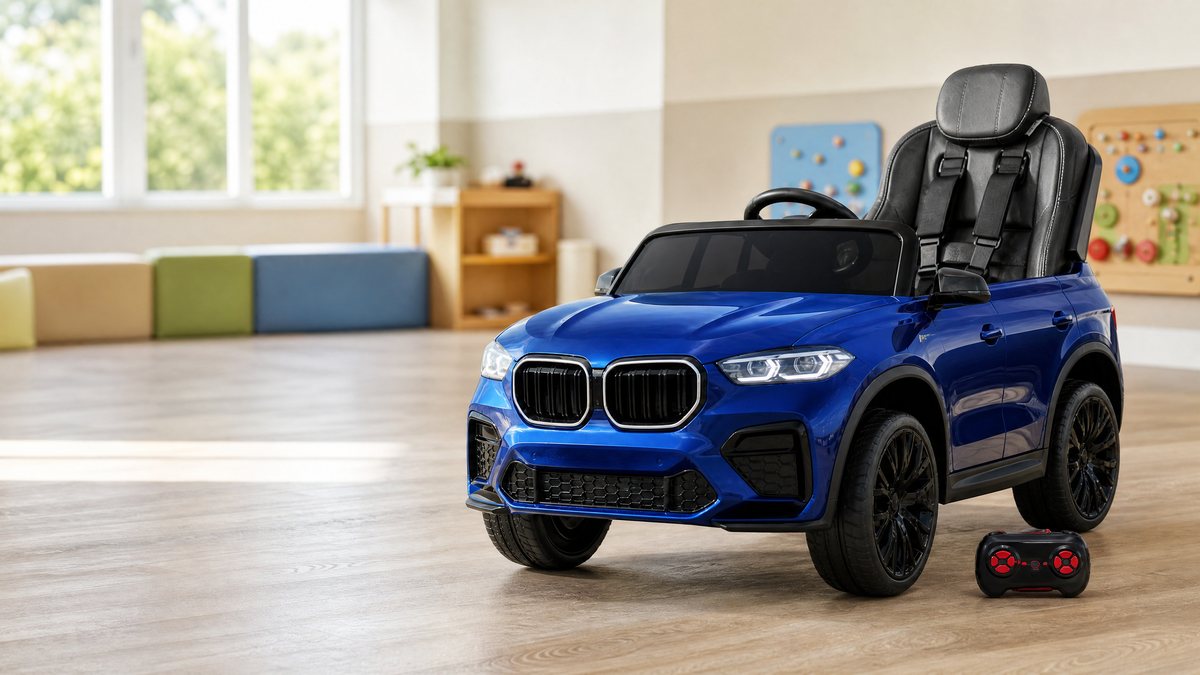
This is where parental remote control systems complement speed limiters. Most modern electric ride-on cars feature a 2.4G Bluetooth remote control that allows an adult supervisor to steer, brake, and override local pedal inputs instantaneously. When combined, these two technologies create a robust safety matrix: the speed limiter prevents excessive velocity during independent play, while the remote control provides an immediate fail-safe intervention capability when external hazards arise. B2B buyers should look for models that integrate both features seamlessly, as this dual-layered approach satisfies the stringent safety expectations of modern retail consumers and institutional buyers.
Evaluating Vehicle Specifications for Different Age Groups and Skill Levels
Selecting or specifying ride-on vehicles for different demographic segments requires careful attention to vehicle specifications, motor wattage, battery voltage, and the adjustability of speed parameters. Not all children possess the same developmental readiness, and matching vehicle capability to the driver's age and motor skills is critical for injury prevention.
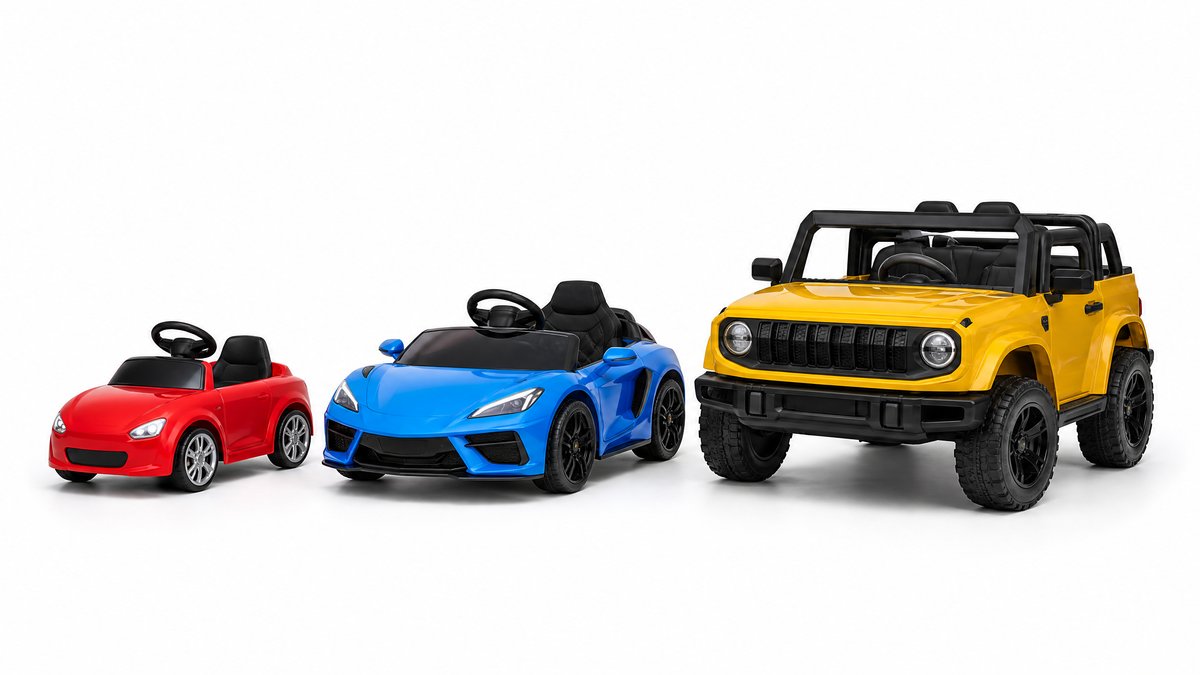
For younger toddlers (ages 2 to 4), vehicles operating on 6V or basic 12V systems with fixed low speeds (typically 1.5 to 2.5 mph) and mandatory remote supervision are standard. At this stage, children are refining basic balance and directional understanding. Speed limiters are often unnecessary to adjust because the baseline design is inherently slow; however, ensuring a reliable soft-start feature is vital to prevent startle reflexes.
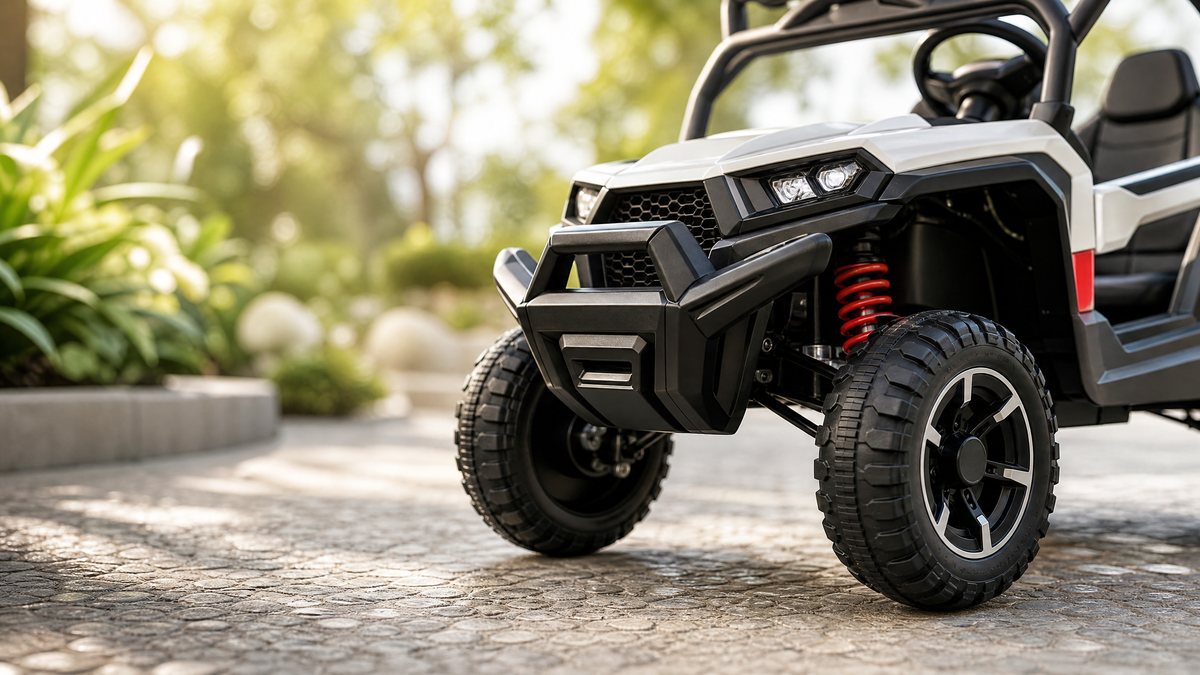
For children aged 5 to 8, more powerful 12V and 24V platforms come into play, with top speeds ranging from 3 to 6 mph. This is where adjustable speed limiters become indispensable. A child transitioning into a larger two-seater sports car or utility truck should begin in the restricted 'Low' speed mode (e.g., 2 mph) to master steering geometry, braking distances, and spatial judgment. Once the supervisor observes consistent competence and adherence to safety rules, the vehicle can be unlocked to 'Medium' or 'High' speed settings. Wholesale importers and retail merchants must clearly communicate these age-graded operating guidelines in their product documentation and marketing materials to ensure safe end-user deployment.
Safety Protocol, Maintenance, and Troubleshooting Procedures
Even the most advanced speed limitation and safety systems require strict adherence to operational protocols and routine maintenance to ensure long-term reliability and hazard prevention. Both commercial operators and residential users must follow established safety guidelines.
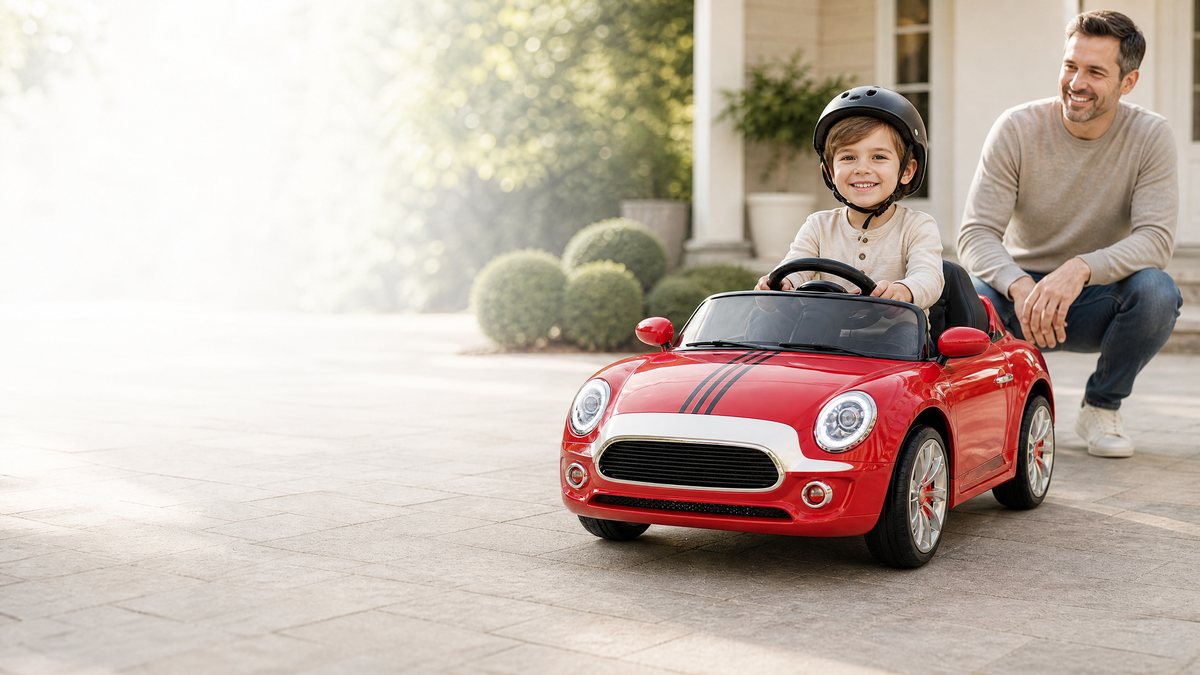
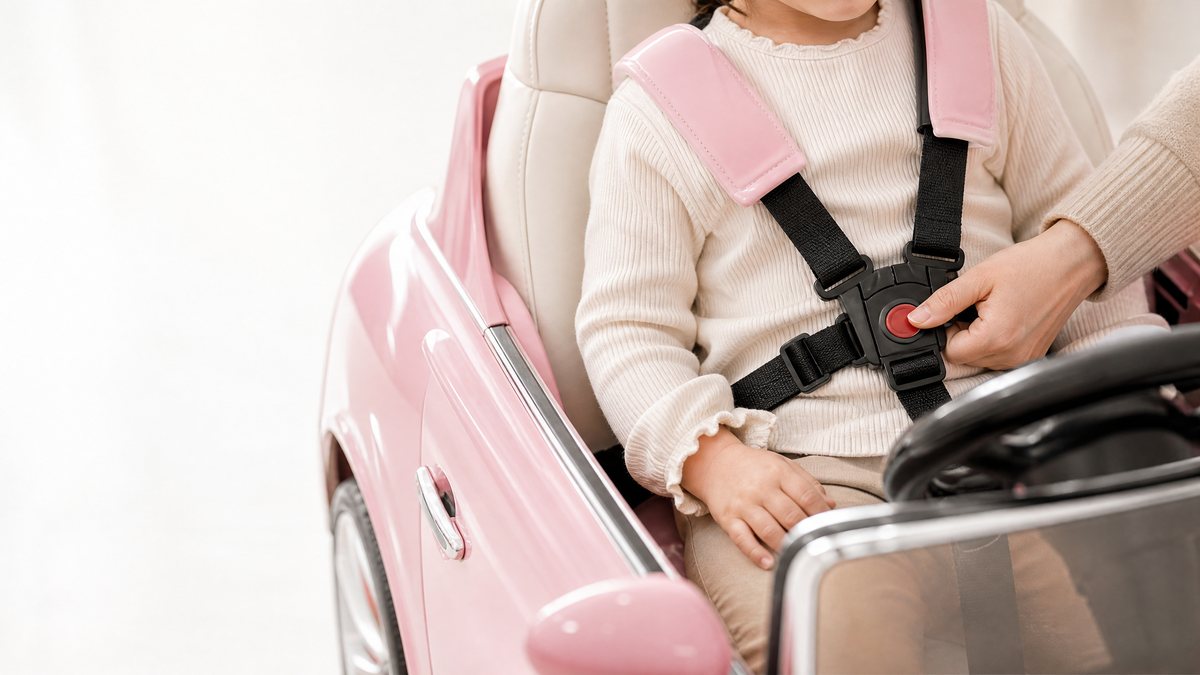
First and foremost, adult supervision is mandatory during all operating sessions of electric ride-on vehicles. No electronic feature, speed limiter, or remote control can substitute for attentive parental or supervisory oversight. Operators must ensure that children wear appropriate footwear, avoid loose clothing that could entangle in moving parts, and refrain from operating vehicles near public roads, swimming pools, steep inclines, or bodies of water.
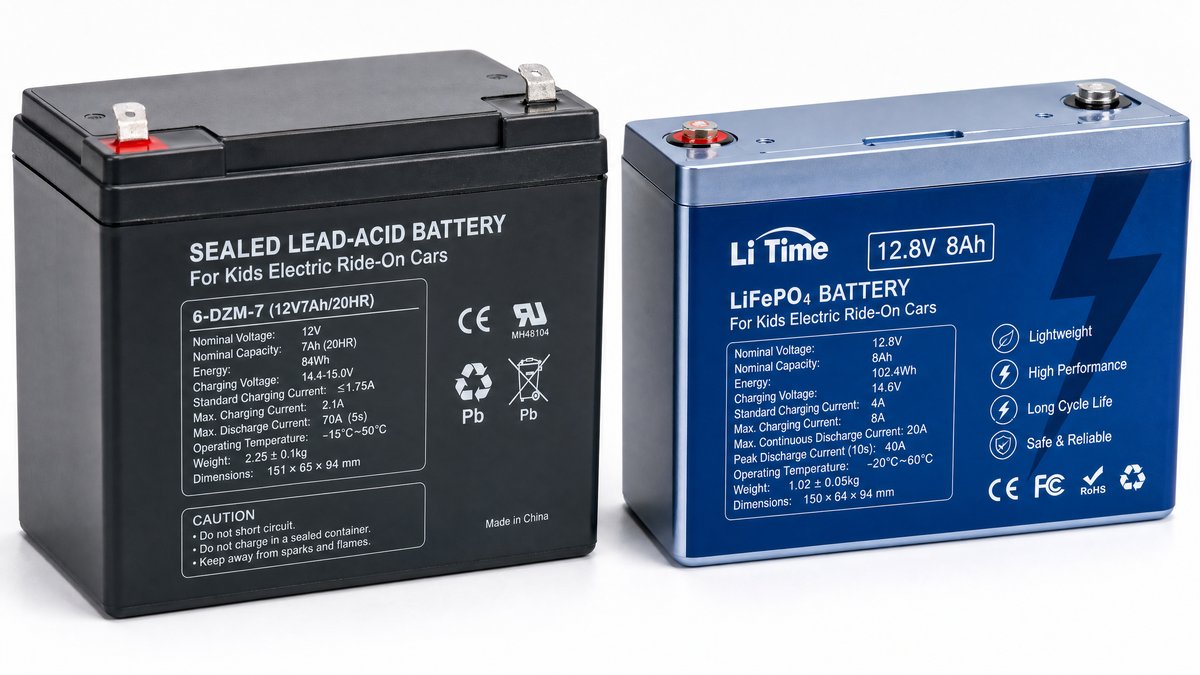
Regarding electrical and mechanical maintenance, users must strictly adhere to the manufacturer's instruction manual. Never attempt to modify internal electrical enclosures, touch battery terminals directly, measure live voltages with uncalibrated tools, bypass internal safety fuses, or alter wiring harnesses, motors, and speed controllers. Unauthorized modifications can compromise the integrity of speed limiters, create severe short-circuit hazards, and void product warranties.
In the event of abnormal operation—such as unusual burning odors, smoke emission, excessive heat around the dashboard or battery compartment, electrolyte leakage, water ingress, exposed wiring, damaged charging plugs, erratic braking response, or persistent speed-control failure—users must immediately cease operation, disconnect and power down the vehicle, keep children away from the unit, and contact the manufacturer or a qualified service technician. Charging should only be performed using the manufacturer-certified charger supplied with the specific vehicle model, adhering strictly to recommended charging durations.
Frequently Asked Questions
Can children alter the speed limiter setting themselves on most ride-on cars?
On models equipped with physical dashboard switches, an observant child may attempt to toggle the switch if it is positioned within easy reach. However, premium models often place speed selection switches under the hood, inside a locked battery compartment, or control them exclusively via a password-protected digital menu or parental remote control handset. When sourcing vehicles for commercial or rental fleets, buyers should prioritize models with tamper-resistant or remote-locked speed settings to ensure unauthorized adjustments cannot occur.
Does using a speed limiter drain the vehicle's battery faster?
No, utilizing a speed limiter does not deplete the battery faster. In fact, restricting maximum motor velocity often reduces peak current draw during rapid acceleration, which can marginally conserve battery energy under typical operating conditions. Battery longevity is primarily determined by amp-hour capacity, motor load, terrain type, and adherence to proper charging protocols outlined in the manufacturer's user manual.
Are ride-on cars with adjustable speed limiters suitable for children with special needs?
Ride-on cars can be a valuable part of supervised play that supports motor skill development, spatial awareness, and confidence. However, manufacturers and sellers do not provide medical or therapeutic guarantees. Parents, caregivers, and relevant healthcare professionals should evaluate individual capabilities and environmental conditions before use. Never utilize unapproved aftermarket harnesses, modified seating, or electrical adjustments that lack written manufacturer approval.
What should wholesale buyers look for when auditing speed limitation features in supplier catalogs?
Wholesale buyers should request formal compliance documentation, user manuals, and technical specifications confirming that the vehicles comply with recognized toy safety standards (such as ASTM F963 or EN 71). Buyers should verify whether the speed limitation mechanism is mechanical or electronic, check if it includes soft-start technology to eliminate abrupt lurching, and ensure that parental remote overrides are fully integrated into the electronic control architecture.
Conclusion
The speed limiter is far more than a simple convenience feature; it is a vital cornerstone of modern ride-on vehicle safety engineering. By bridging the gap between thrilling play and controlled risk management, speed limitation systems empower children to develop motor skills and confidence while giving supervisors the essential control needed to prevent accidents. For wholesale distributors, retail partners, and brand owners, offering vehicles equipped with reliable, tamper-resistant, and multi-stage speed controls demonstrates an unwavering commitment to quality and child safety. As the electric ride-on market continues to innovate, prioritizing robust engineering and transparent safety education remains the definitive path to sustainable commercial success and customer trust.
Request a wholesale quote
Official References
- Consumer Product Safety Commission (CPSC): General Toy Safety Education and Electric Ride-On Vehicle Safety Guidelines. Note: General educational materials do not replace specific manufacturer instructions, model-specific certifications, or operating manuals.
- American Society for Testing and Materials (ASTM): ASTM F963 Standard Consumer Safety Specification for Toy Safety, covering electrical safety, maximum velocity thresholds, and mechanical stability.
- European Committee for Standardization (CEN): EN 71 Safety of Toys Standards, detailing mechanical, physical, and electrical safety requirements for children's battery-operated vehicles.
Official references
Explore these external resources for current regulatory and trade guidance. Confirm requirements with the relevant authority before placing an order.
Ready to Start?
Factory-Direct · CE & ASTM Certified · MOQ from 50 Units
Our export team works with buyers in 60+ countries. Get a quote within 24 hours.
KR
Written by KidsRideCar
China's leading kids electric ride-on car manufacturer. 500,000+ units shipped annually to 60+ countries. CE, ASTM & EN71 certified.