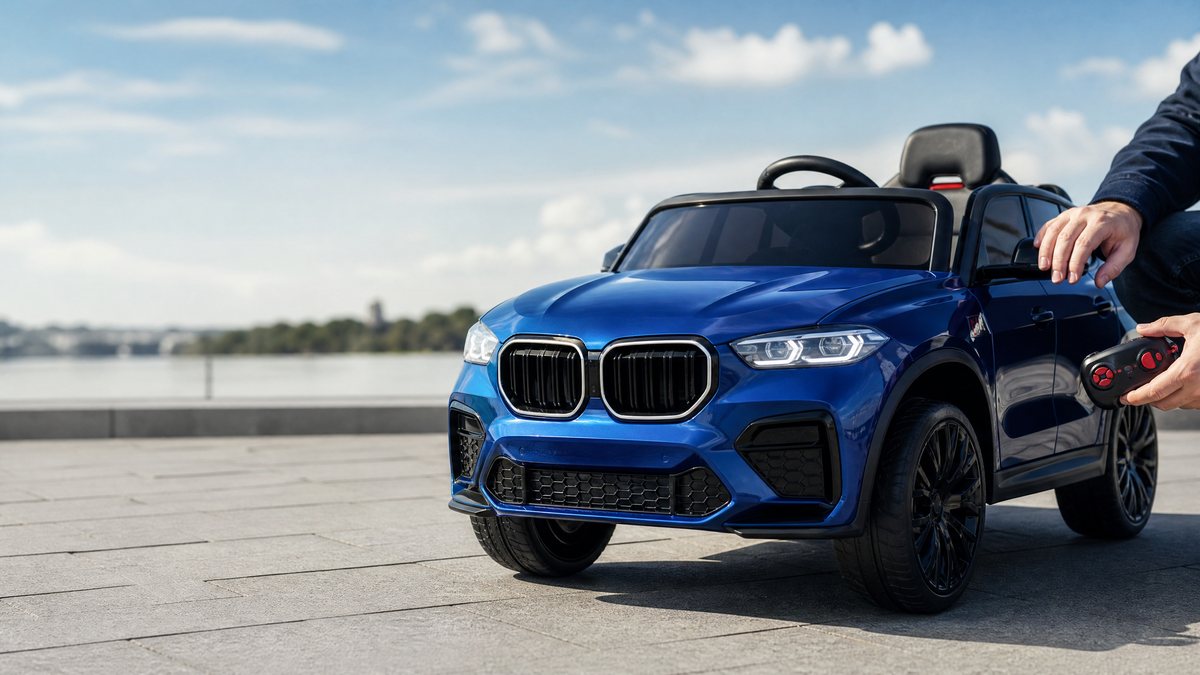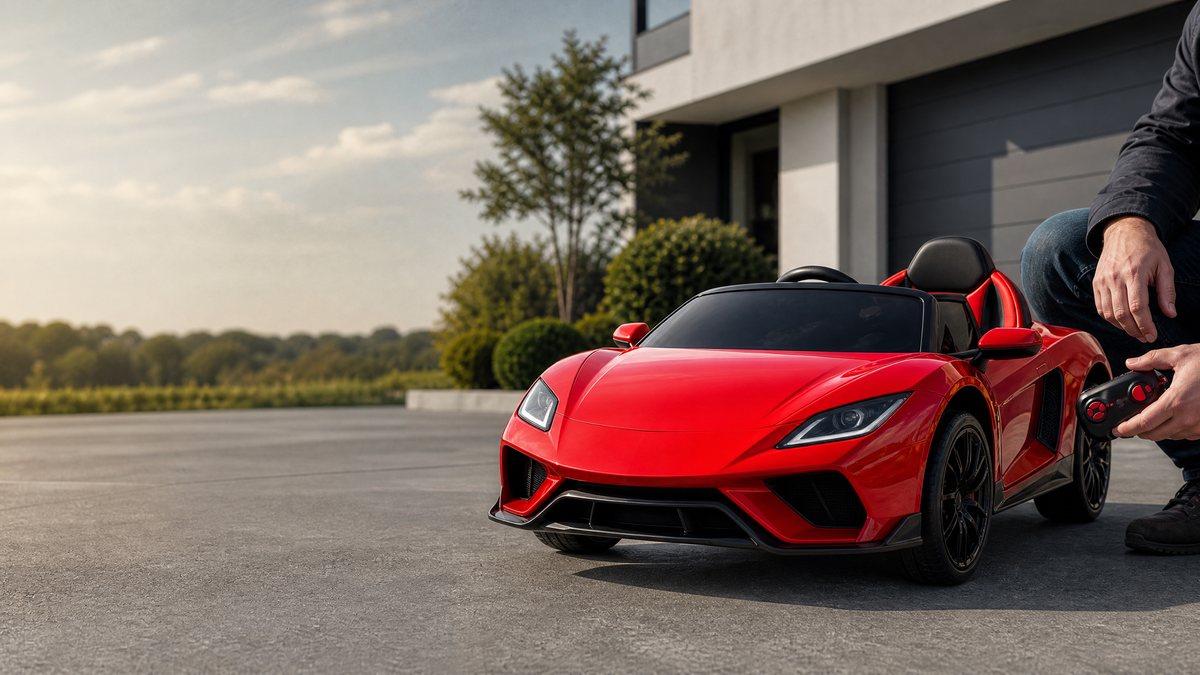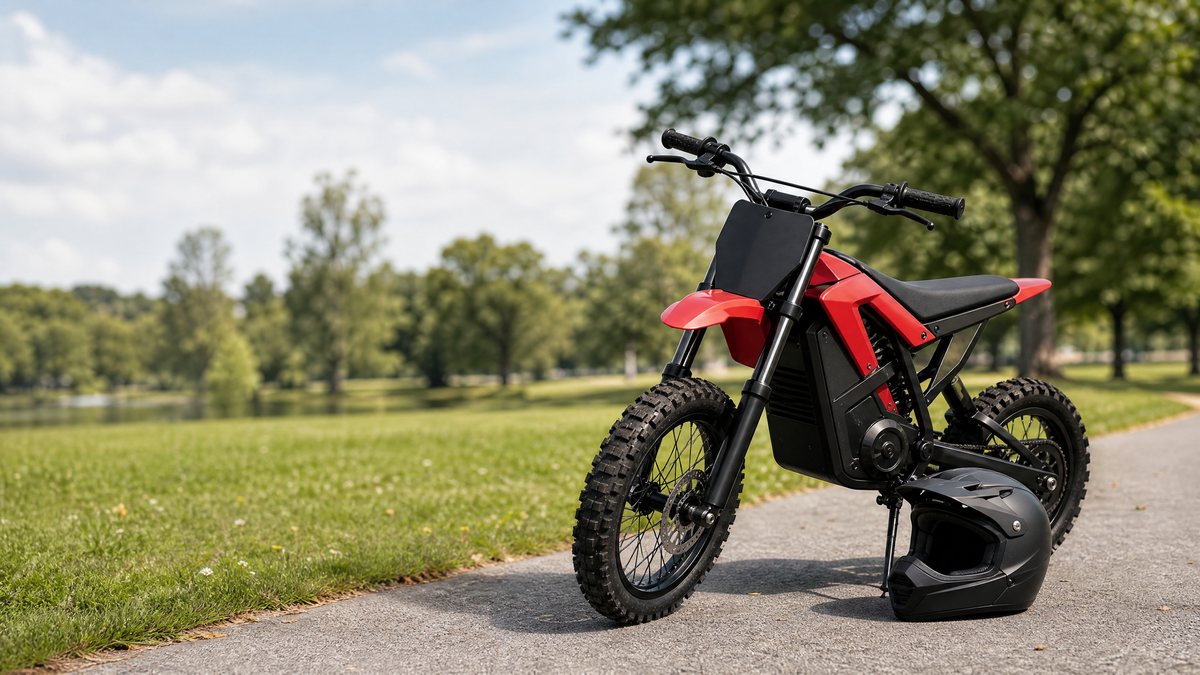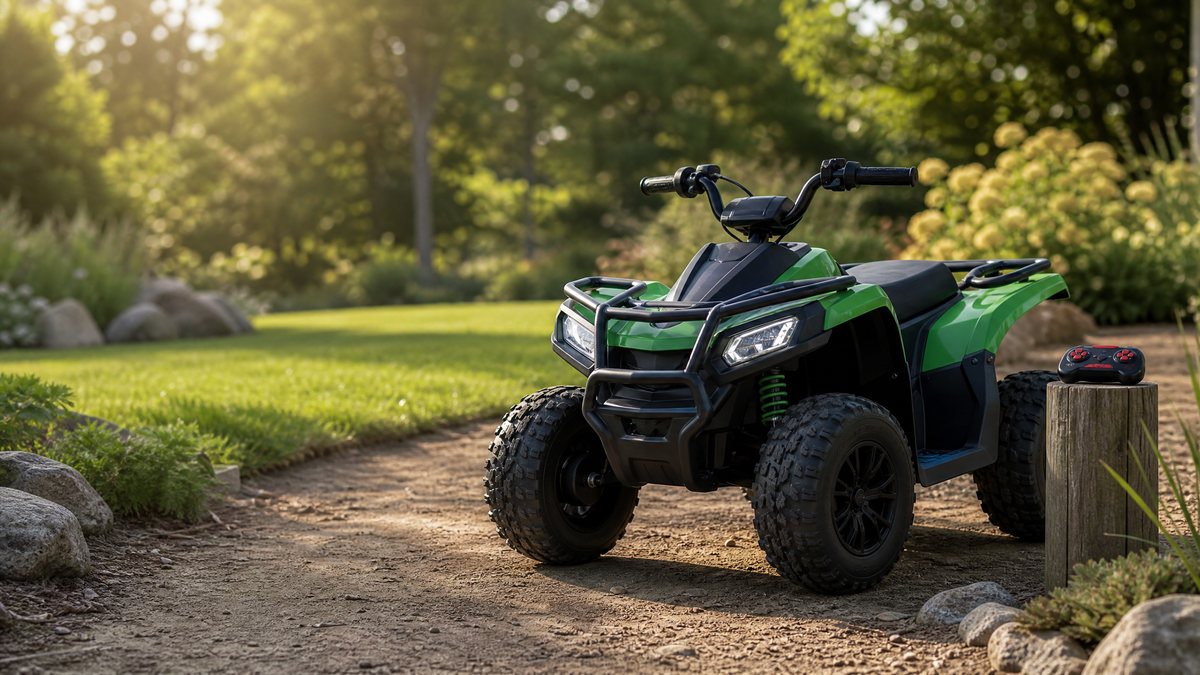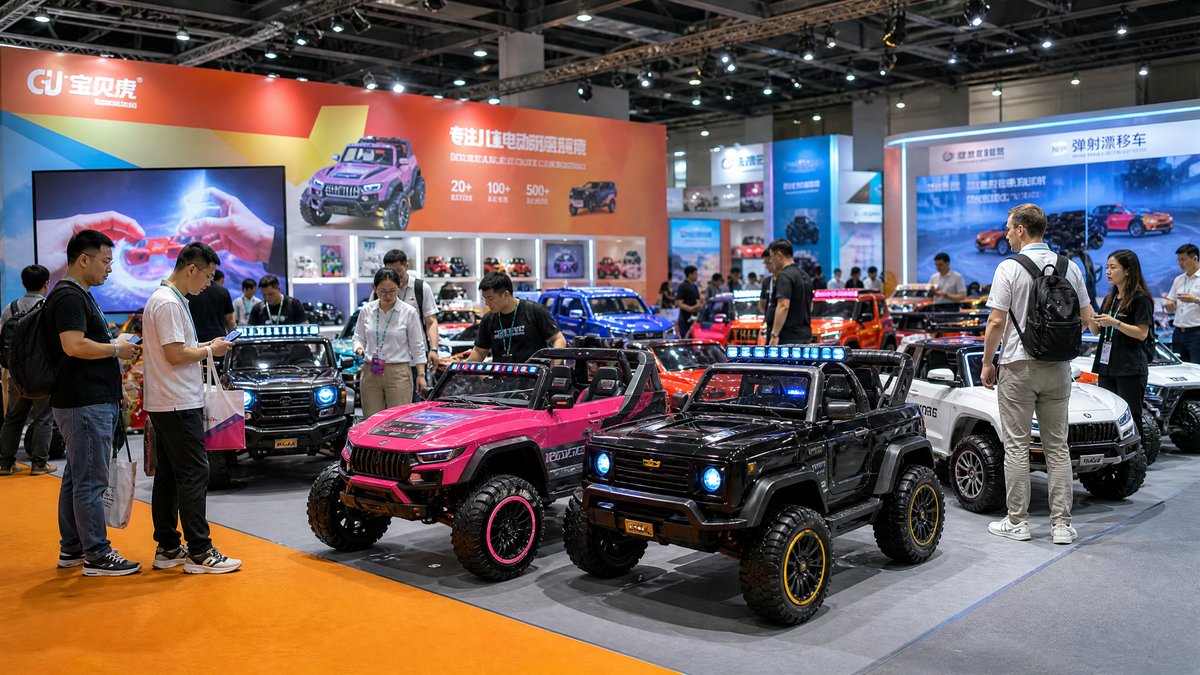
Introduction: The Intersection of Play and Developmental Growth
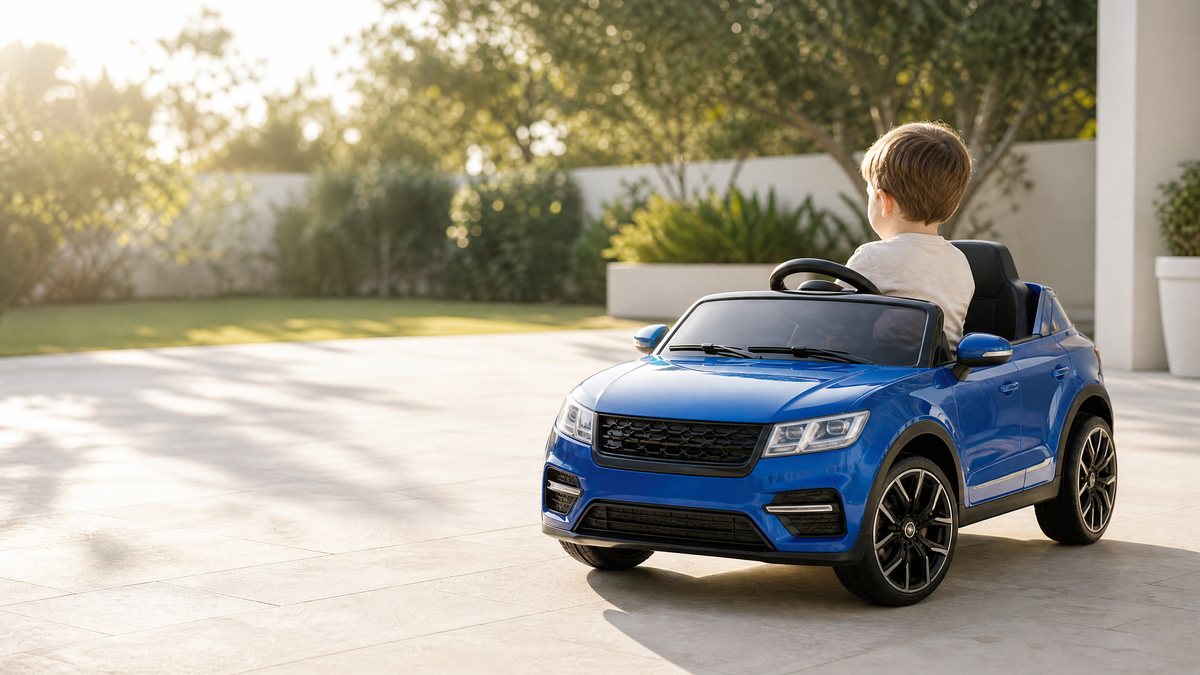
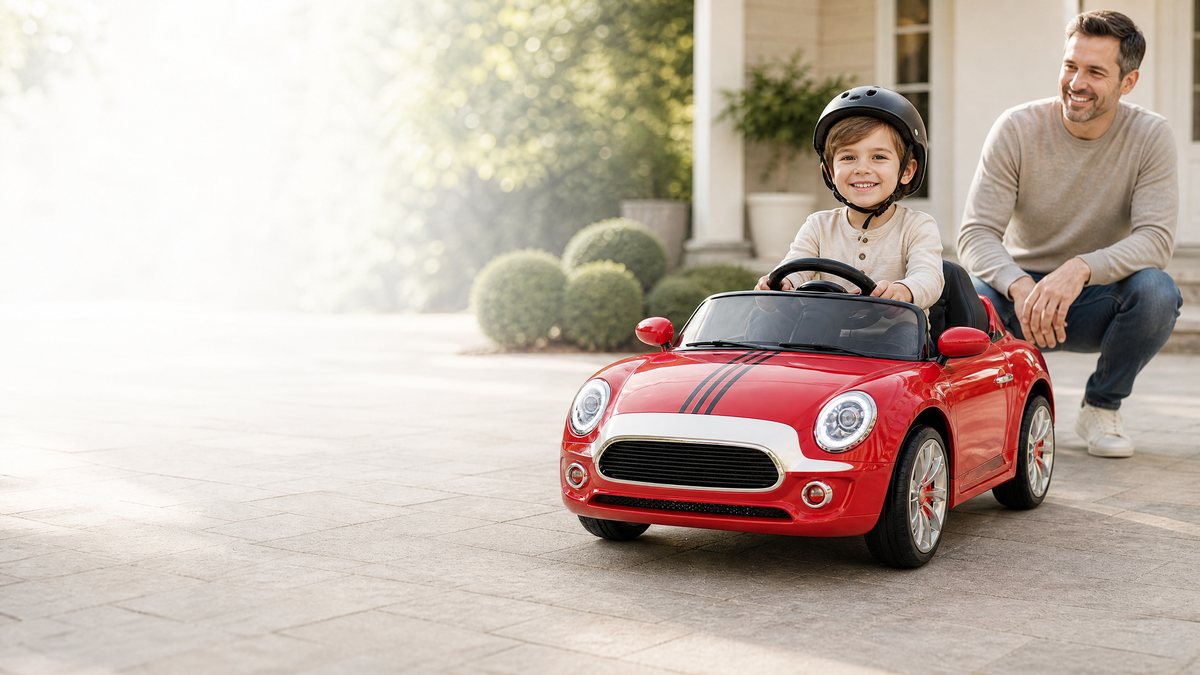
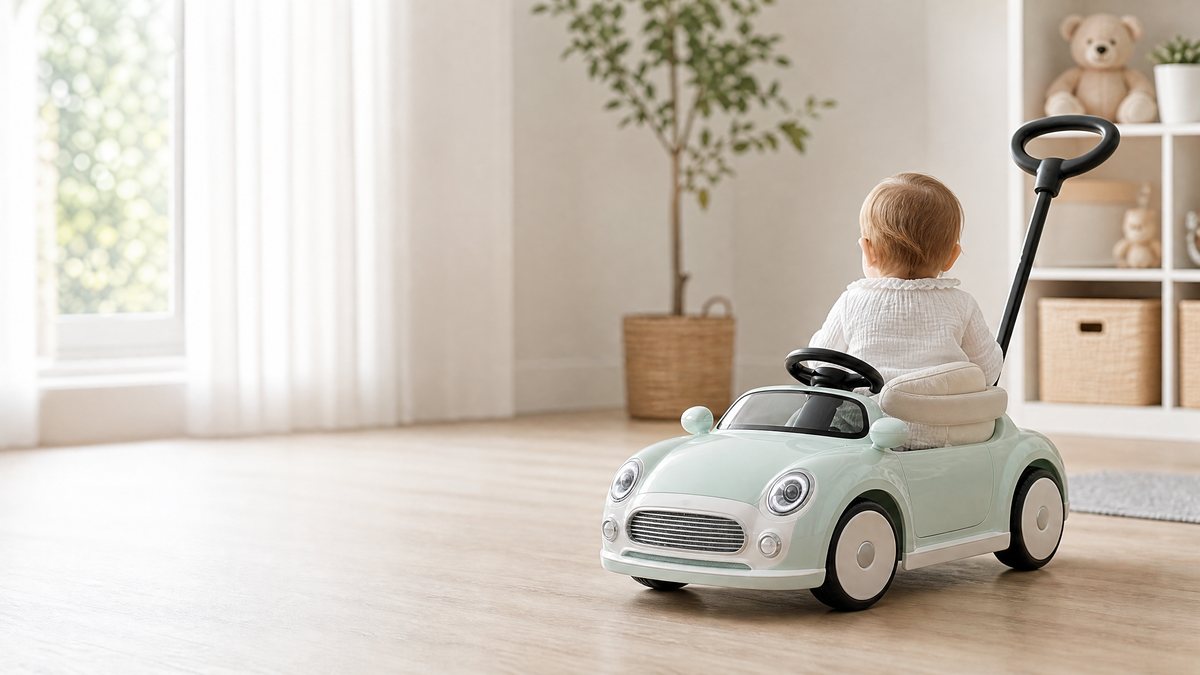
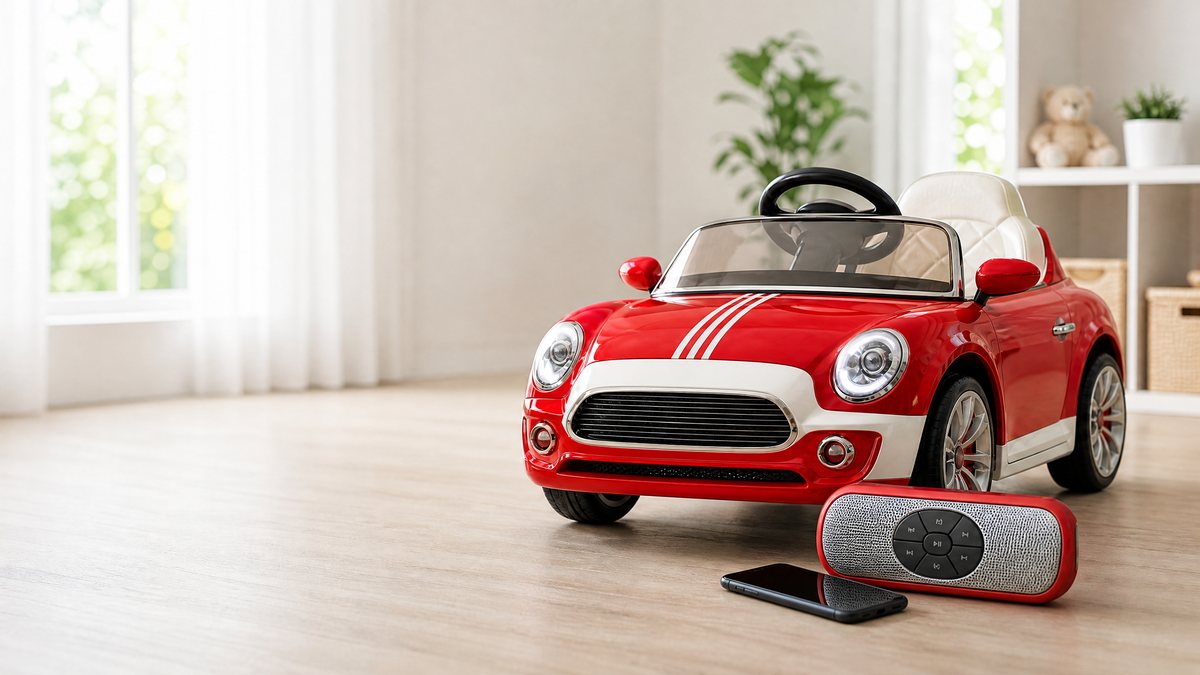
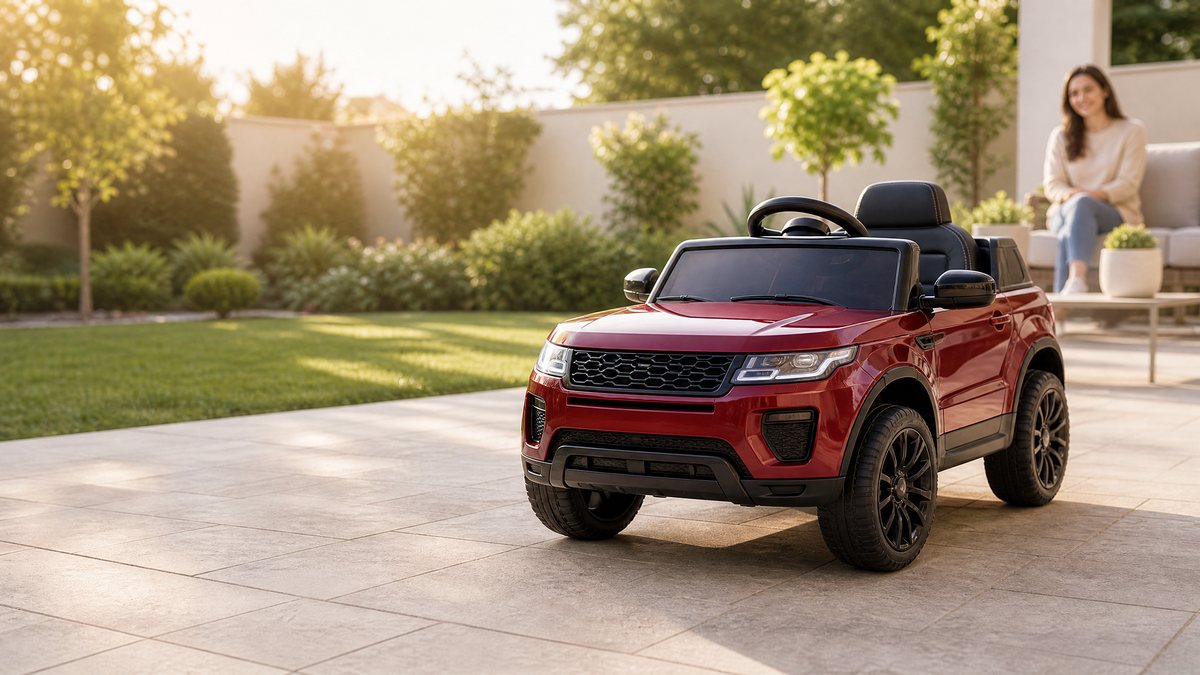
Early childhood development is a multifaceted journey where physical activity, cognitive processing, and emotional growth intertwine seamlessly. For B2B buyers, distributors, toy store owners, and early childhood educators, understanding the developmental value of ride-on toys elevates product offerings beyond mere entertainment. When children engage with battery-powered and foot-to-floor ride-on cars, they are not only experiencing the joy of mobility; they are actively participating in experiential learning that fosters foundational motor skills, spatial awareness, and psychological confidence.
As commercial buyers curate inventory for modern families, educational facilities, and recreational centers, demand has surged for toys that combine engaging play value with measurable developmental benefits. Parents and educators increasingly seek products that encourage active engagement, problem-solving, and physical coordination rather than passive consumption. Ride-on cars provide an immersive platform where young operators navigate turning radiuses, manage foot pedals or steering wheels, and make real-time spatial decisions.
However, maximizing these benefits requires careful attention to safety guidelines, manufacturer instructions, and structured adult supervision. Every child develops at their own unique pace, and play environments must be tailored to individual capabilities. This comprehensive guide explores how ride-on cars support motor coordination and confidence building, examining the underlying developmental mechanisms, buyer evaluation criteria, and essential safety protocols that distributors and retailers should communicate to their customers.
1. The Mechanics of Motor Coordination in Ride-On Play
Motor coordination is broadly categorized into gross motor skills—involving large muscle groups used for balance, steering, and posture—and fine motor skills, which require precision and synchronization, such as operating steering wheels, acceleration pedals, or dashboard switches. Ride-on cars serve as dynamic tools for refining both categories.
When a young child sits in a ride-on vehicle, maintaining an upright posture engages core stabilizing muscles. Steering the vehicle requires bilateral coordination, where both hands must work in harmony: one hand may push while the other pulls, or both must adjust angle smoothly to execute a clean turn. Simultaneously, foot-eye coordination is engaged when the child transitions from a stationary position to depressing a foot pedal or engaging a hand throttle, matching visual perception of distance with physical pressure.
| Skill Domain | Developmental Mechanism | Ride-On Car Application |
|---|---|---|
| Gross Motor Skills | Core stabilization, balance, and directional movement | Maintaining posture, steering around obstacles, and navigating curved pathways |
| Bilateral Coordination | Synchronized upper-body movements and dual-hand control | Coordinated wheel turning, adjusting dashboard switches, and managing steering resistance |
| Foot-Eye Coordination | Translating visual cues into precise lower-limb responses | Timing foot-pedal activation, braking, and stopping within designated boundaries |
| Spatial Awareness | Understanding body dimensions relative to surrounding environments | Judging doorway clearances, avoiding walls, and parking in confined spaces |
For B2B distributors and retailers, highlighting these mechanical interactions helps position ride-on cars as educational assets. Parents looking for developmental toys appreciate understanding how steering resistance, pedal placement, and ergonomic seating contribute to physical maturation. Nevertheless, all specific handling characteristics and ergonomic designs vary by model, and operators must always consult the specific vehicle's user manual and manufacturer specifications.
2. Spatial Awareness and Environmental Navigation
Beyond physical dexterity, operating a ride-on vehicle demands sophisticated spatial reasoning. Young children naturally perceive the world primarily from a pedestrian viewpoint. Sitting inside a motorized or manual ride-on car introduces an entirely new set of physical dimensions: the vehicle has length, width, turning radius, and blind spots.
As children navigate a hallway, patio, or designated play area, they must mentally calculate their vehicle's trajectory relative to static objects like walls, furniture, and curbs, as well as dynamic obstacles like pets or other children. This navigation process strengthens vestibular function and depth perception. Children learn to anticipate how fast the vehicle will travel through a narrow corridor and when they need to initiate a steering correction to avoid a collision.
Structured play environments—such as marked obstacle courses with cones or soft barriers—can further enhance this spatial learning. Educators and caregivers can set up gentle turning drills that encourage children to gauge distances and practice controlled stopping. Such activities transform free play into a supportive developmental exercise.
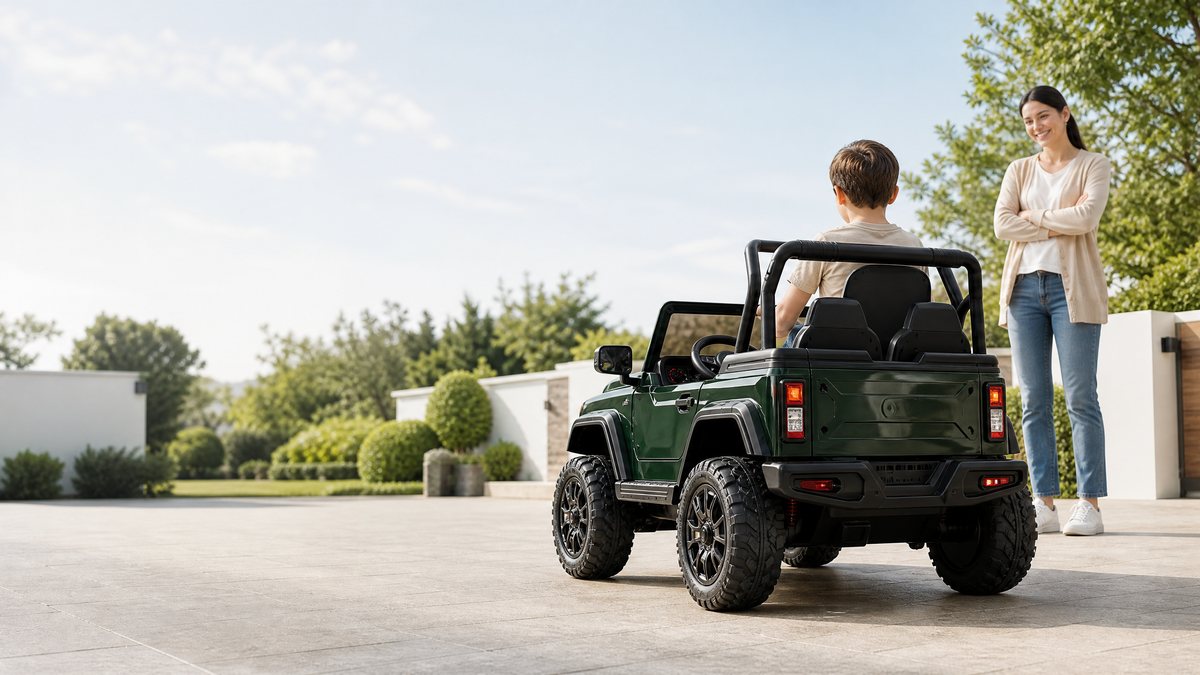
It is vital to emphasize that all spatial navigation exercises must occur under active adult supervision on safe, flat, and controlled surfaces. Manufacturers design ride-on cars with specific turning limits and stability profiles, which are detailed in each product's official documentation. Retailers should advise customers to review these guidelines thoroughly before allowing children to operate vehicles in unfamiliar spaces.
3. Cultivating Independence and Emotional Confidence
Confidence in early childhood is closely linked to autonomy and mastery over one's environment. Many toddlers experience feelings of dependency, relying on caregivers for all forms of locomotion. A ride-on car provides children with independent mobility, allowing them to choose their direction, decide when to move, and experience the direct consequences of their steering and braking decisions.
This newfound autonomy fosters a sense of agency. When a child successfully navigates a curve, parks a vehicle neatly, or masters the coordination required to operate a pedal, they experience a powerful psychological boost. This accomplishment reinforces self-efficacy—the belief in one's ability to succeed in specific situations.
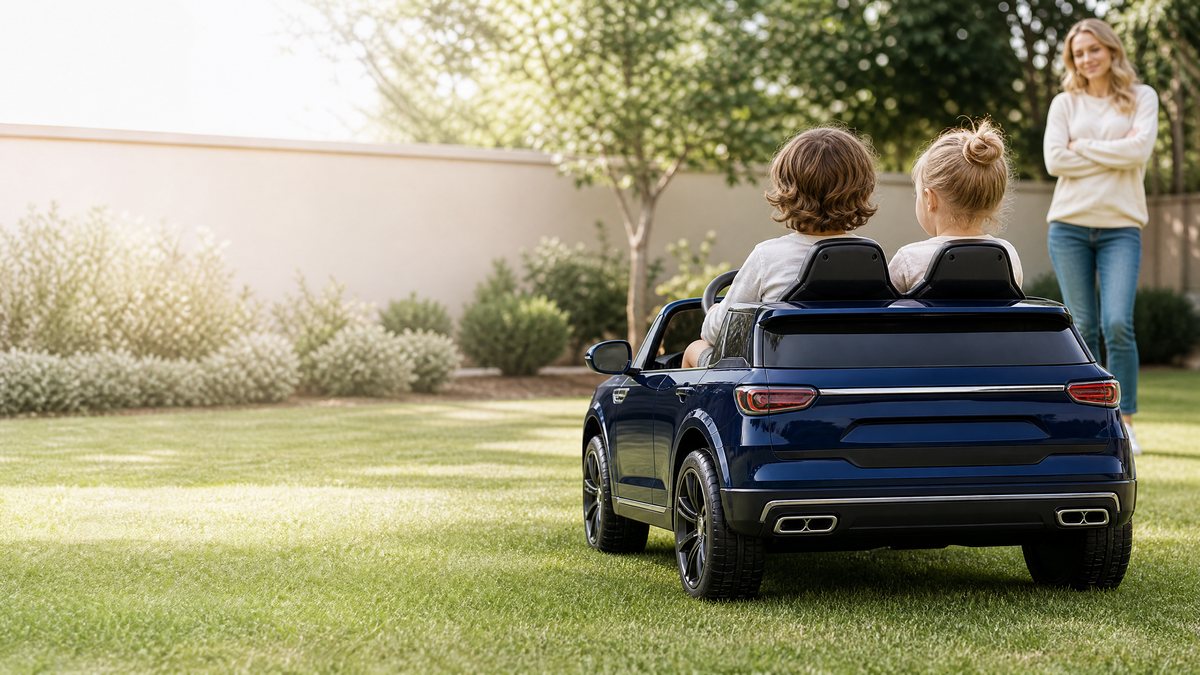
Furthermore, ride-on cars frequently become centerpieces for social play. In shared environments such as preschools, playgrounds, or family gatherings, children learn to take turns, share driving routes, and communicate intentions. Collaborative play scenarios—such as pretending to drive delivery trucks, emergency vehicles, or family cars—encourage imaginative roleplay, empathy, and early social confidence.
However, confidence must be balanced with cautious awareness. Caregivers should introduce children to vehicles gradually, allowing them to become familiar with stationary controls before engaging motion features. As emphasized across child development literature, play outcomes vary by individual, and ride-on toys should be viewed as supportive tools in supervised environments rather than guaranteed treatments or psychological interventions.
Interim Wholesale Business Insights and Product Integration
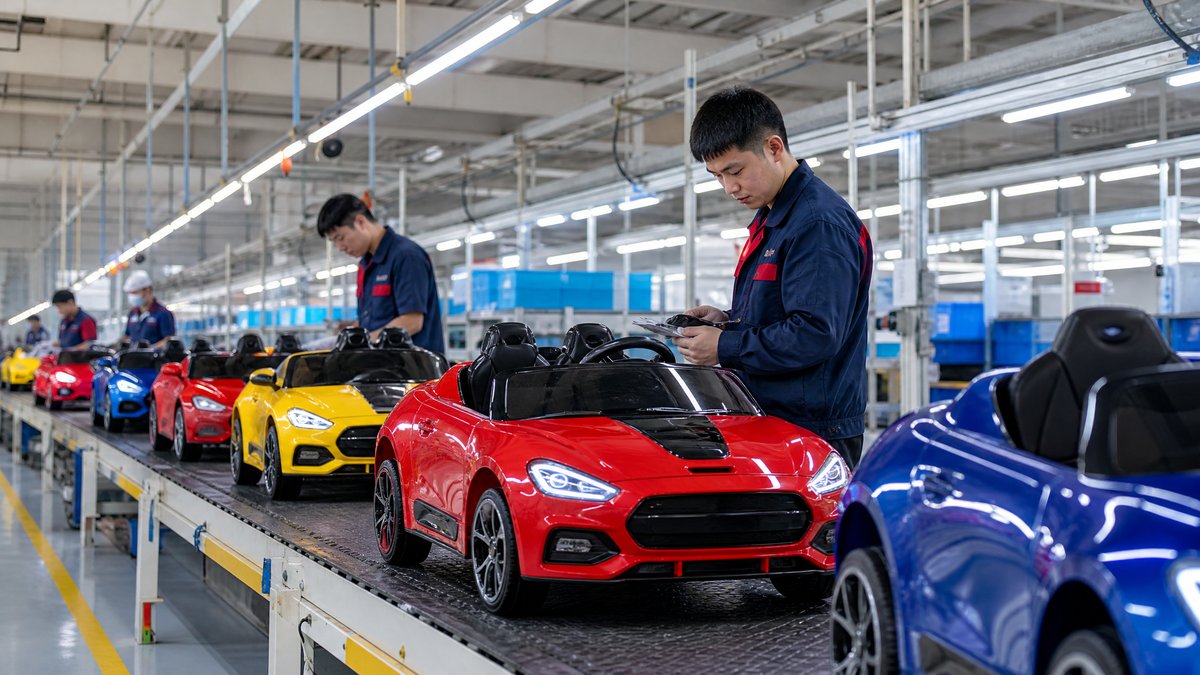
For B2B importers, distributors, and retail store owners, stocking ride-on cars that support developmental play requires balancing aesthetic appeal with structural integrity and clear safety documentation. Retailers frequently inquire about how to market these products effectively to schools, daycare centers, and family-oriented retail chains.
Positioning ride-on cars as developmental assets rather than simple seasonal novelties allows businesses to command stronger margins and build long-term brand loyalty. When wholesale buyers present comprehensive product portfolios complete with clear specifications, compliance documentation, and user-friendly assembly guides, commercial clients gain confidence in their sourcing decisions.
To explore our complete catalog of certified ride-on cars, review volume pricing structures, or discuss custom branding and packaging options for your retail channels, please reach out to our commercial team. Request a wholesale quote
4. Evaluating Safety Features and Buyer Due Diligence
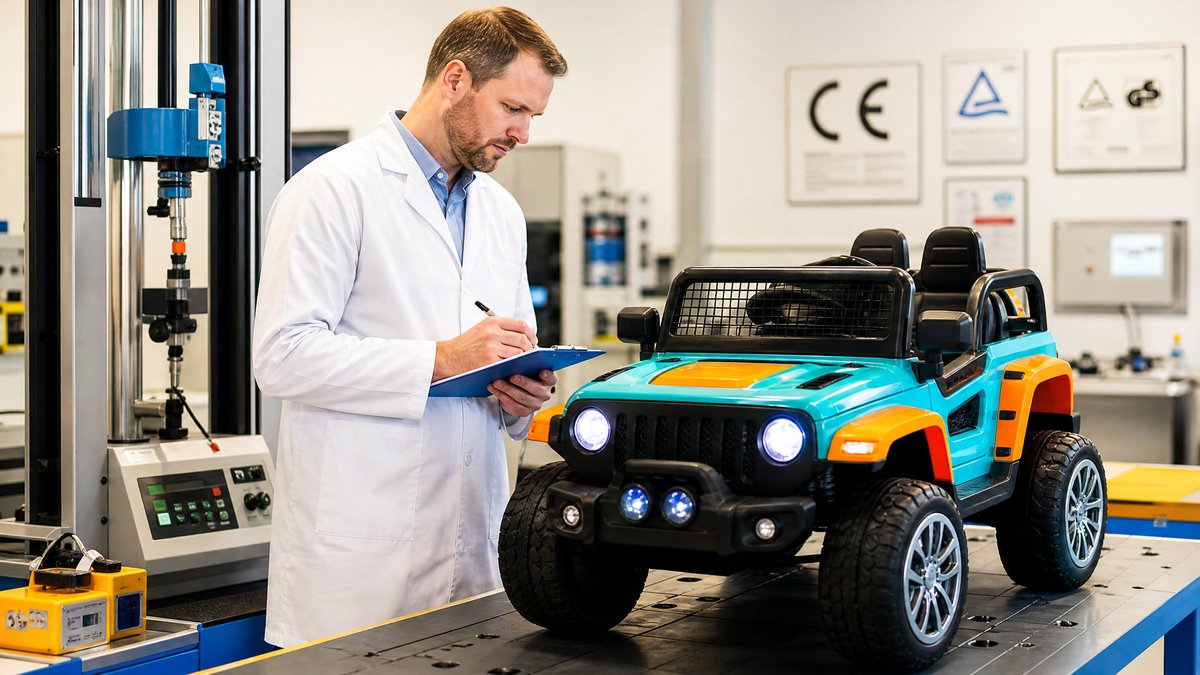
While the developmental and psychological benefits of ride-on cars are substantial, safety remains the paramount consideration for B2B purchasers and end consumers alike. Ensuring that vehicles meet rigorous international toy safety standards—such as ASTM F963, EN71, or equivalent regional certifications—is a fundamental responsibility for importers and distributors.
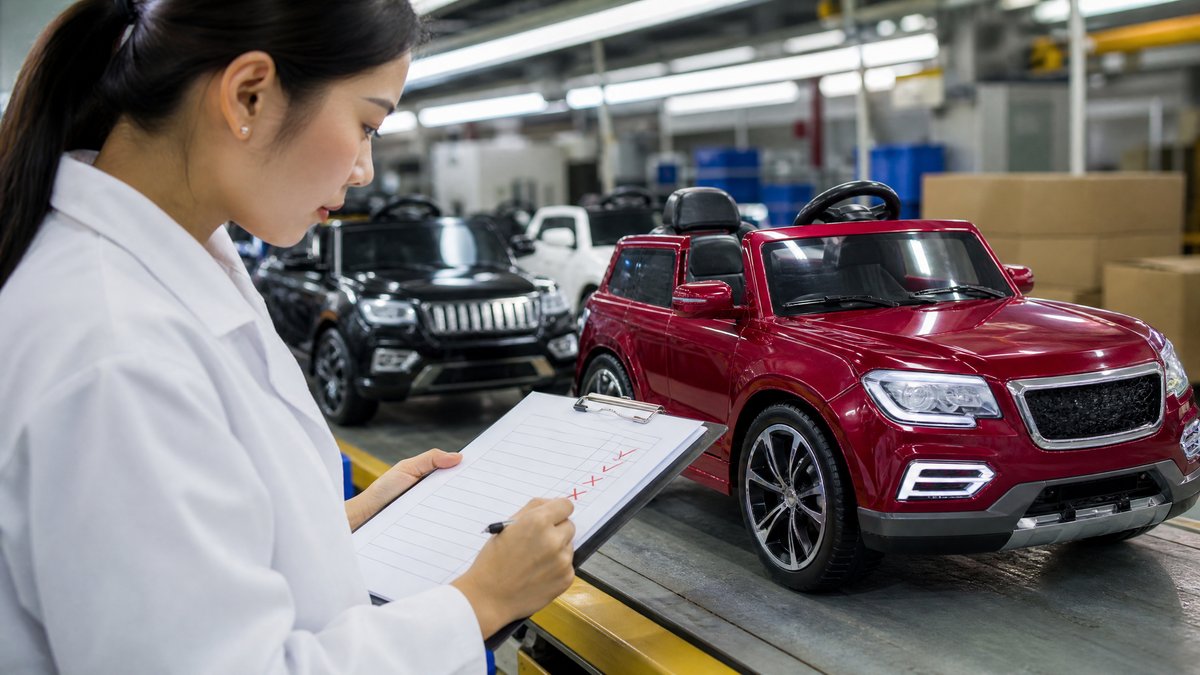
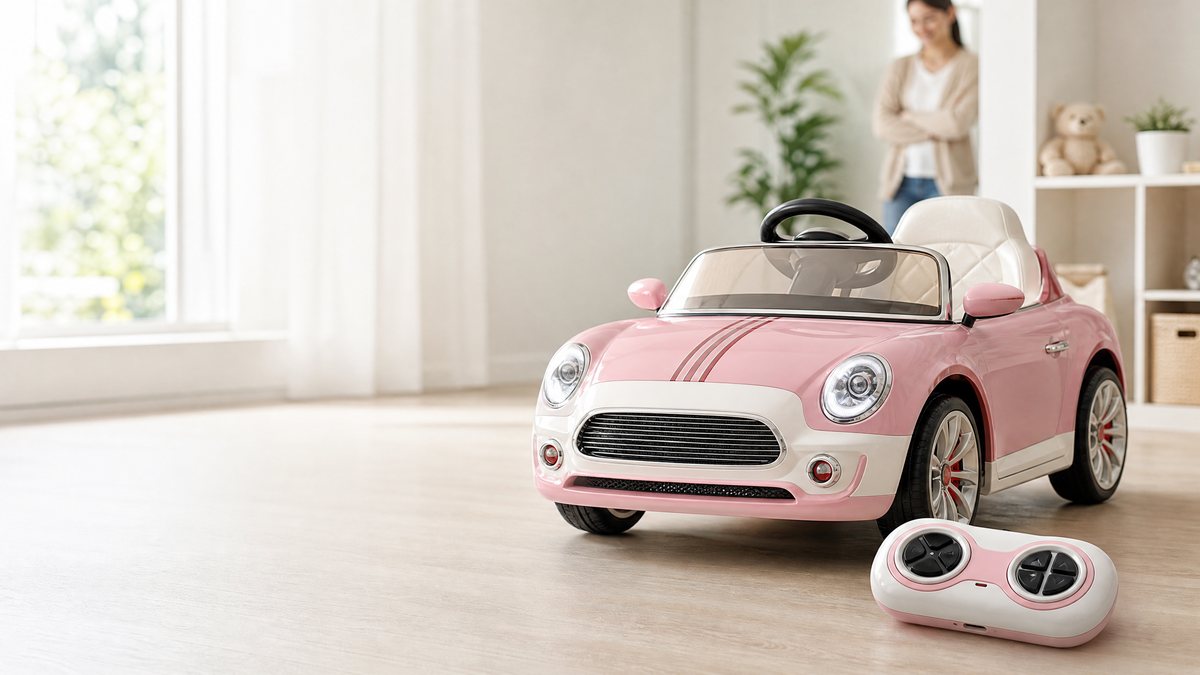
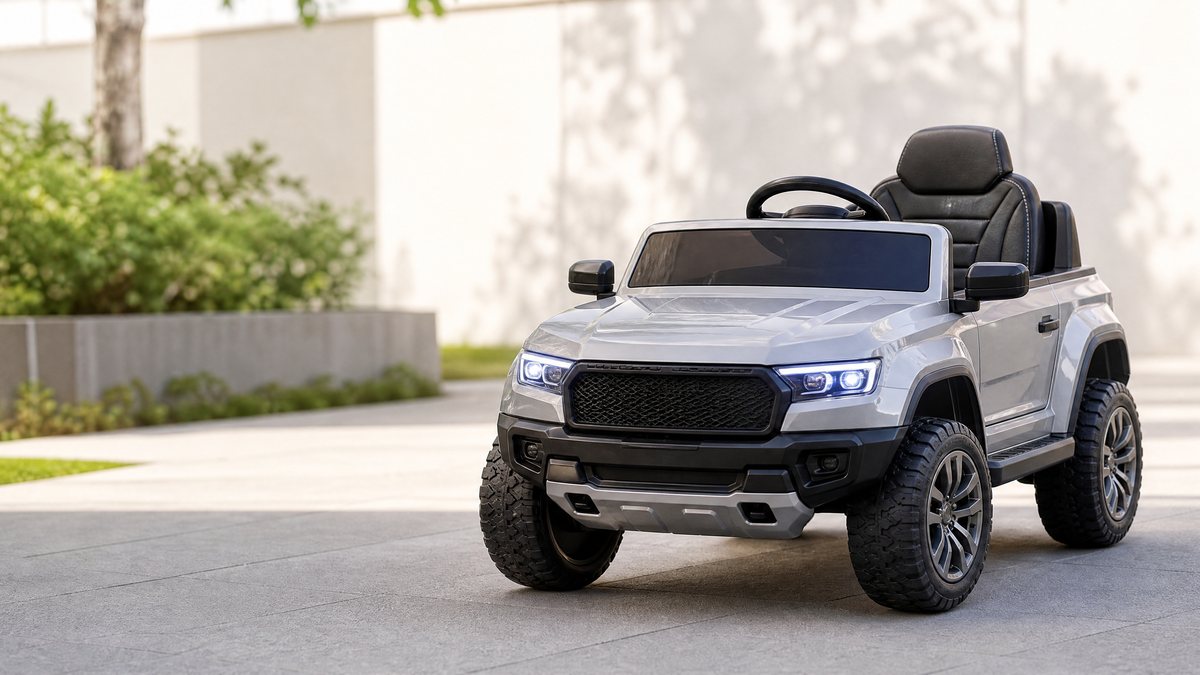
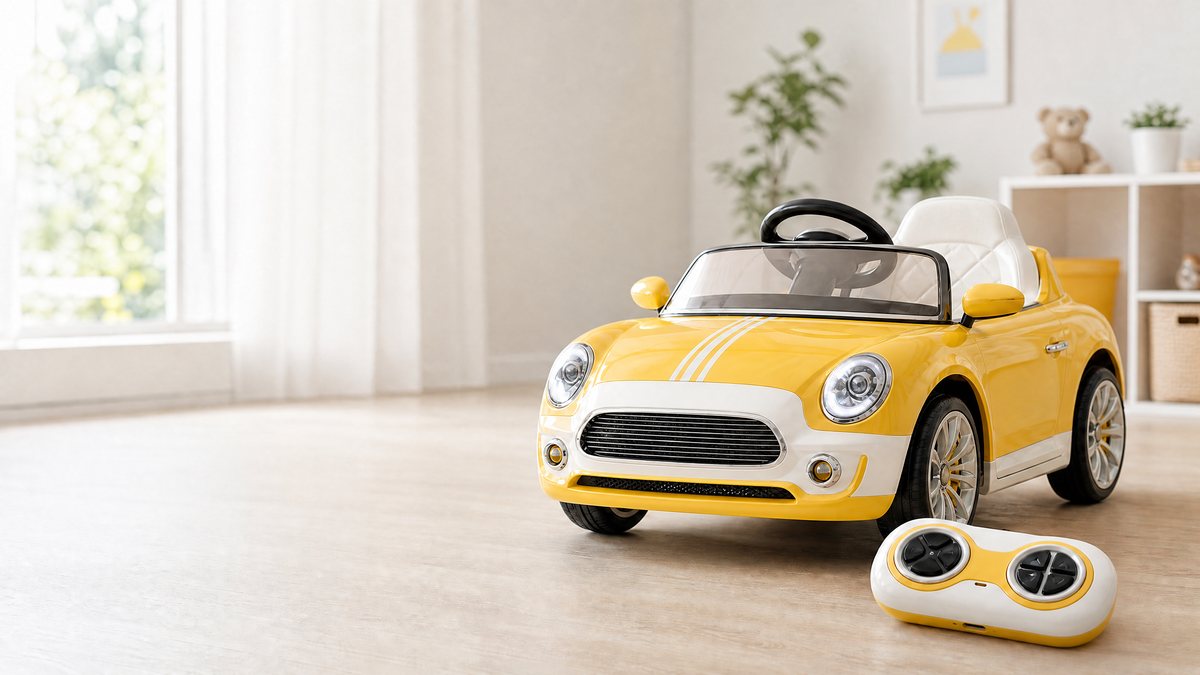
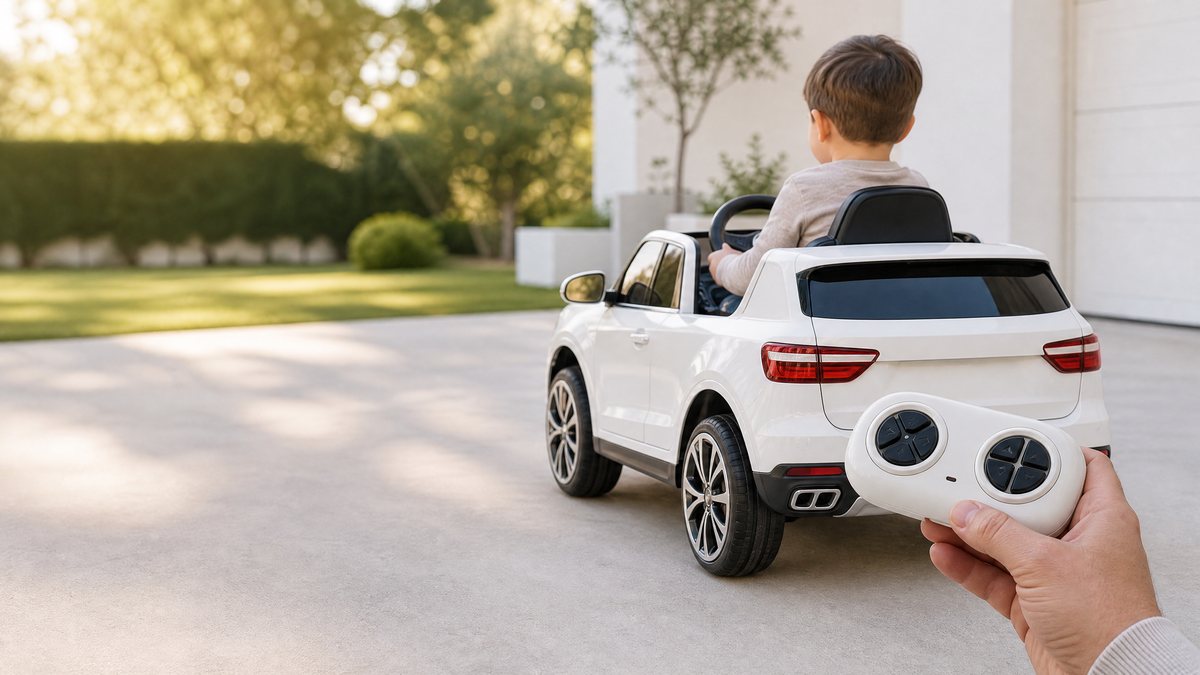
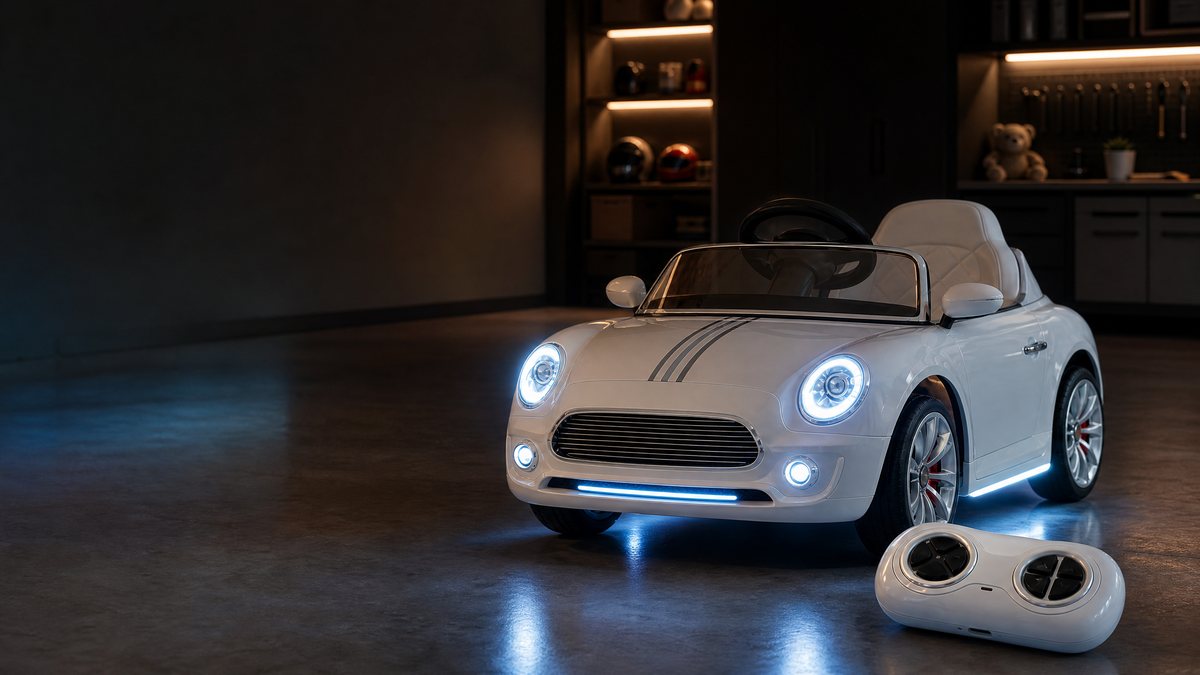
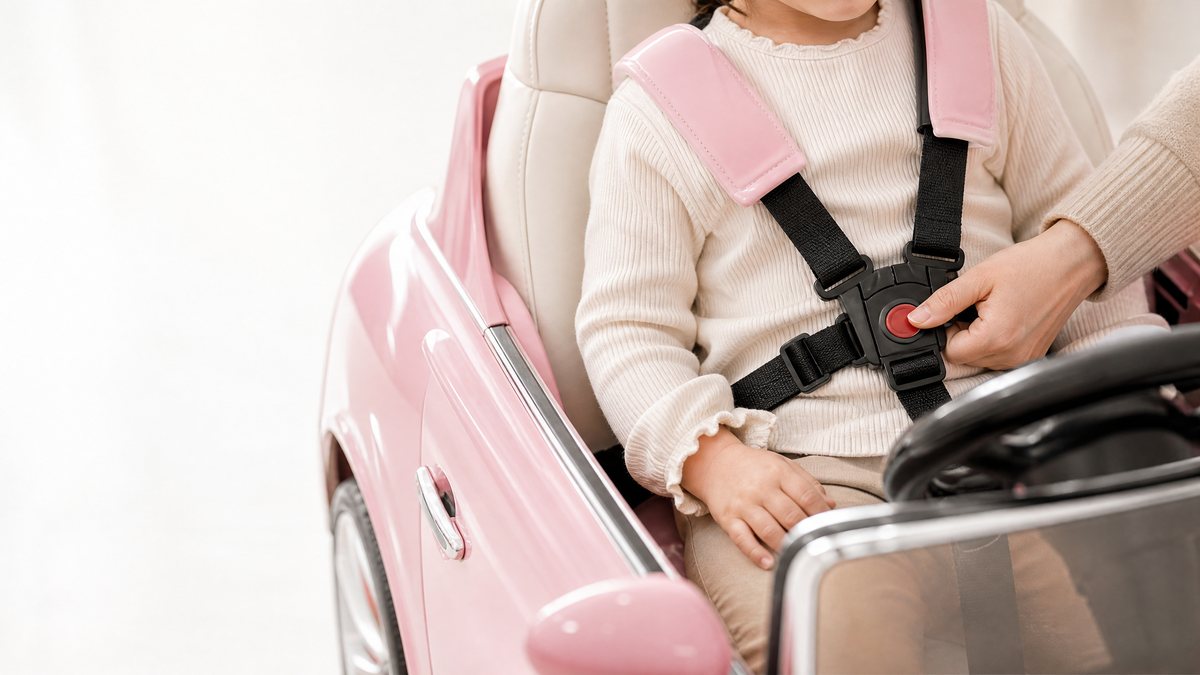
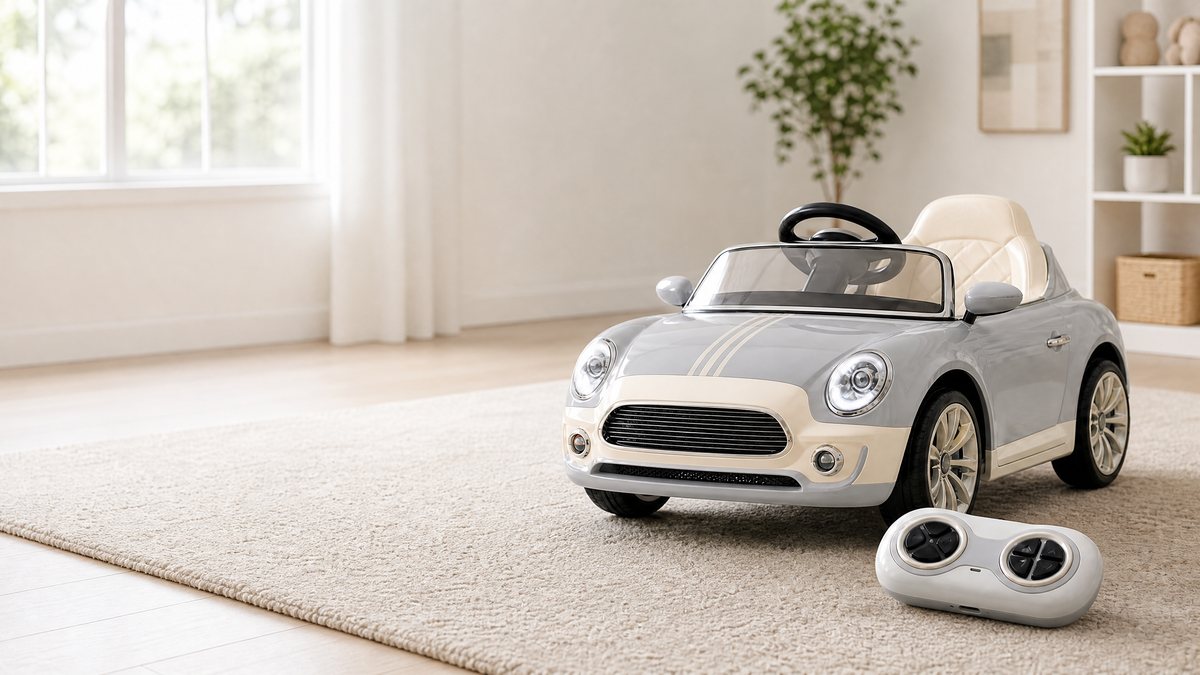
When evaluating ride-on car inventory, wholesale buyers should examine structural build quality, harness systems, battery housing security, and braking mechanisms. Features such as soft-start technology, parental remote override controls, and secure latching doors provide multiple layers of operational safety. However, buyers and retailers must maintain realistic expectations: features vary significantly across models, and no single feature replaces the necessity of vigilant adult supervision.
| Evaluation Category | Key Inspection Focus | Buyer & Retailer Action Item |
|---|---|---|
| Compliance & Certification | Verification of regional toy safety standards (ASTM, EN71, CE) | Request official third-party test reports and compliance certificates from manufacturers |
| Structural Integrity | Frame durability, non-toxic plastics, and smooth edge finishing | Inspect sample units for sharp edges, secure fastenings, and robust weight capacity limits |
| Electrical Safety | Battery compartment enclosure, protected wiring, and sealed chargers | Verify secure battery housing, overcurrent protection circuits, and certified charging blocks |
| Operational Controls | Responsiveness of steering, braking systems, and parental remotes | Test remote override range, pedal sensitivity, and emergency stop functionalities |
Transparency in product documentation is essential. Retailers should never exaggerate safety claims or guarantee specific developmental outcomes. Instead, clear communication regarding weight limits, recommended age grades as specified by the manufacturer, and required supervision levels ensures a safe and satisfying experience for end users.
5. Best Practices for Supervised Play and Maintenance
To sustain both the physical condition of the ride-on car and the safety of the child operator, establishing routine inspection and maintenance protocols is essential. Commercial buyers should encourage their retail networks and end customers to adopt proactive care habits.
Adult supervision must be continuous and attentive. Children should never operate ride-on vehicles near swimming pools, staircases, steep inclines, public roadways, or uneven terrain. Weather conditions also dictate safe usage; ride-on cars should not be operated in rain, snow, or across flooded surfaces to prevent moisture ingress into electrical components.
Routine maintenance checks include inspecting wheels for wear, ensuring steering linkages remain secure, and verifying that charging accessories are undamaged. If any irregularities are detected—such as unusual motor noises, burning odors, flickering dashboard lights, or sluggish acceleration—operation must cease immediately. The vehicle should be powered down, children kept away, and the issue reported to the manufacturer or qualified service personnel.
Under no circumstances should untrained individuals attempt to modify internal wiring, alter voltage ratings, bypass protection circuits, or disassemble battery packs. Adhering strictly to manufacturer guidelines preserves warranty coverage and ensures long-term operational reliability.
Frequently Asked Questions (FAQ)
FAQ Group 1: Developmental Impact and Age Suitability
- Q: Do ride-on cars guarantee accelerated motor skill development in toddlers?
- A: Ride-on cars provide an engaging platform that can support gross motor coordination, spatial awareness, and balance during active play. However, developmental progress varies significantly by individual child. Ride-on toys should be viewed as supportive recreational items rather than medical or developmental guarantees.
- Q: At what age can children typically begin using ride-on cars safely?
- A: Appropriate starting ages depend heavily on the specific vehicle model's design, weight capacity, and manufacturer specifications. Foot-to-floor models are often suitable for younger toddlers, while motorized vehicles require older age grades and greater coordination. Always consult the manufacturer's official user manual for exact age and weight recommendations.
FAQ Group 2: Safety, Supervision, and Operating Environments
- Q: Is parental remote control mandatory for all motorized ride-on cars?
- A: Parental remote control availability varies by specific model and configuration. While remote override features provide an extra layer of parental guidance, they do not replace active, attentive adult supervision. Caregivers must remain within immediate reach and ensure children operate vehicles only in safe, flat, enclosed environments.
- Q: What should caregivers do if a ride-on car shows signs of electrical malfunction?
- A: If users notice smoke, unusual odors, excessive heat, frayed wires, damaged charging ports, or erratic steering behavior, the vehicle must be turned off and disconnected from charging immediately. Keep children away from the unit and contact the manufacturer or qualified service personnel for professional inspection. Never attempt internal repairs.
FAQ Group 3: Wholesale Sourcing and Retail Compliance
- Q: What safety certifications should B2B buyers look for when importing ride-on cars?
- A: B2B buyers should request official compliance documentation verifying adherence to recognized international toy safety standards such as ASTM F963 in the United States, EN71 in Europe, and equivalent regional regulations. Always verify test reports directly with accredited testing laboratories.
- Q: How should retailers handle customer inquiries regarding product warranties and repairs?
- A: Retailers should establish clear warranty terms provided by the manufacturer. Customers should be directed to official user manuals and authorized service channels for troubleshooting, replacement parts, or warranty claims. Unauthorized disassembly or modification will void warranty coverage and compromise safety.
FAQ Group 4: Maintenance and Operational Care
- Q: Can ride-on cars be used outdoors on grass, gravel, or sloped driveways?
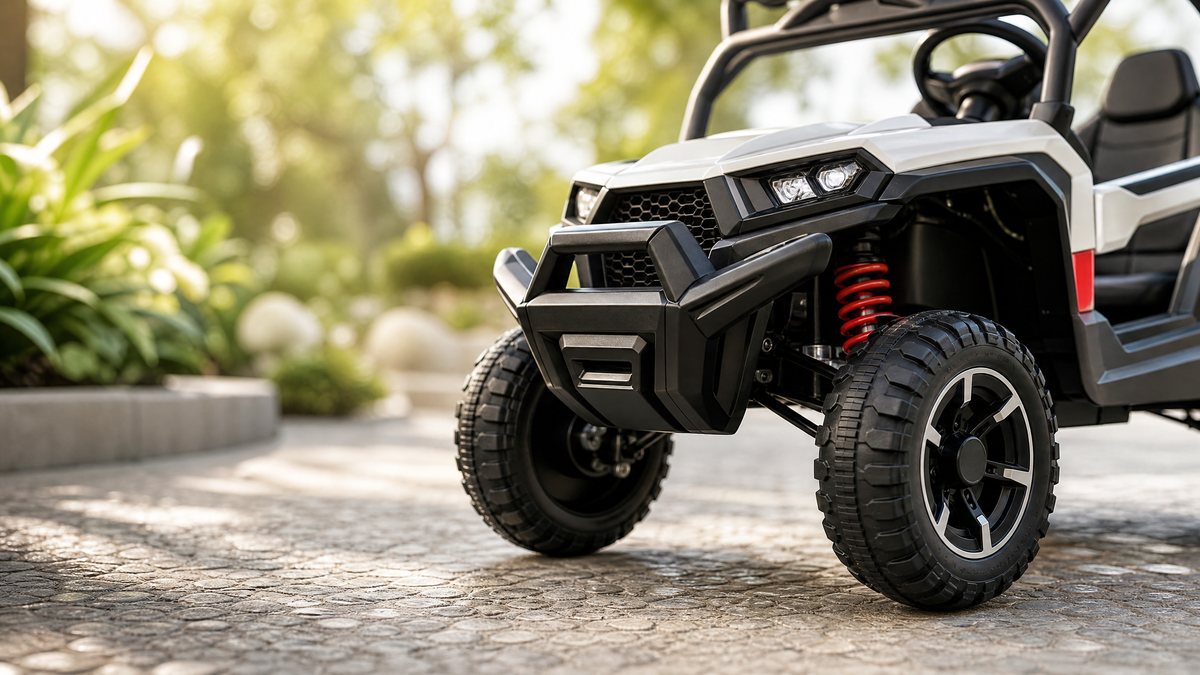
- A: Usage conditions depend entirely on the specific vehicle's motor power, tire construction, and manufacturer ratings. Many standard models are designed strictly for flat, paved indoor or outdoor surfaces. Operating vehicles on steep slopes, loose gravel, or wet grass can strain motors and reduce braking efficiency.
- Q: How should battery charging and storage be managed during off-seasons?
- A: Caregivers must use exclusively the manufacturer-approved charger supplied with the vehicle. Batteries should be charged in dry, well-ventilated areas under adult supervision and disconnected once charging is complete. For long-term storage, follow the manufacturer's instructions regarding battery charge maintenance to preserve cell longevity.
Conclusion and Next Steps
Ride-on cars offer a unique combination of active physical engagement, spatial learning, and emotional empowerment that supports early childhood development under proper guidance. For B2B distributors, toy retailers, and educational suppliers, curating high-quality, safety-certified ride-on vehicles represents a valuable market opportunity. By prioritizing robust manufacturing standards, transparent product documentation, and responsible adult supervision, businesses can deliver exceptional value to families worldwide.
To partner with KidsRideCar for your wholesale inventory needs, request product catalogs, or discuss tailored distribution agreements, please contact our commercial team today. Request a wholesale quote
Official References
1. U.S. Consumer Product Safety Commission (CPSC): Toy Safety Education and General Guidance Materials. (Note: CPSC educational publications provide general consumer safety insights but do not replace specific manufacturer instructions or certified product user manuals).
2. ASTM International: Standard Consumer Safety Specification for Toy Safety (ASTM F963).
3. European Committee for Standardization (CEN): European Toy Safety Directive Standards (EN71 Series).
4. Child Development and Play Research: Academic overviews on gross motor skill development and spatial reasoning through active play frameworks.
Official references
Explore these external resources for current regulatory and trade guidance. Confirm requirements with the relevant authority before placing an order.
Ready to Start?
Factory-Direct · CE & ASTM Certified · MOQ from 50 Units
Our export team works with buyers in 60+ countries. Get a quote within 24 hours.
KR
Written by KidsRideCar
China's leading kids electric ride-on car manufacturer. 500,000+ units shipped annually to 60+ countries. CE, ASTM & EN71 certified.