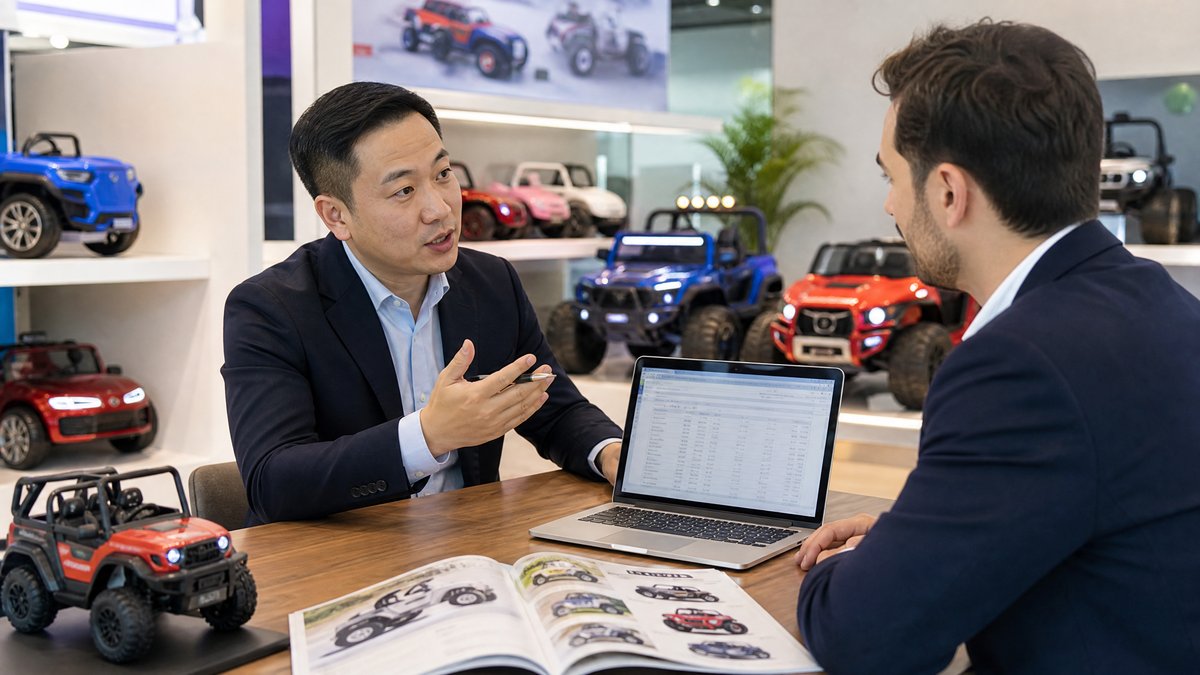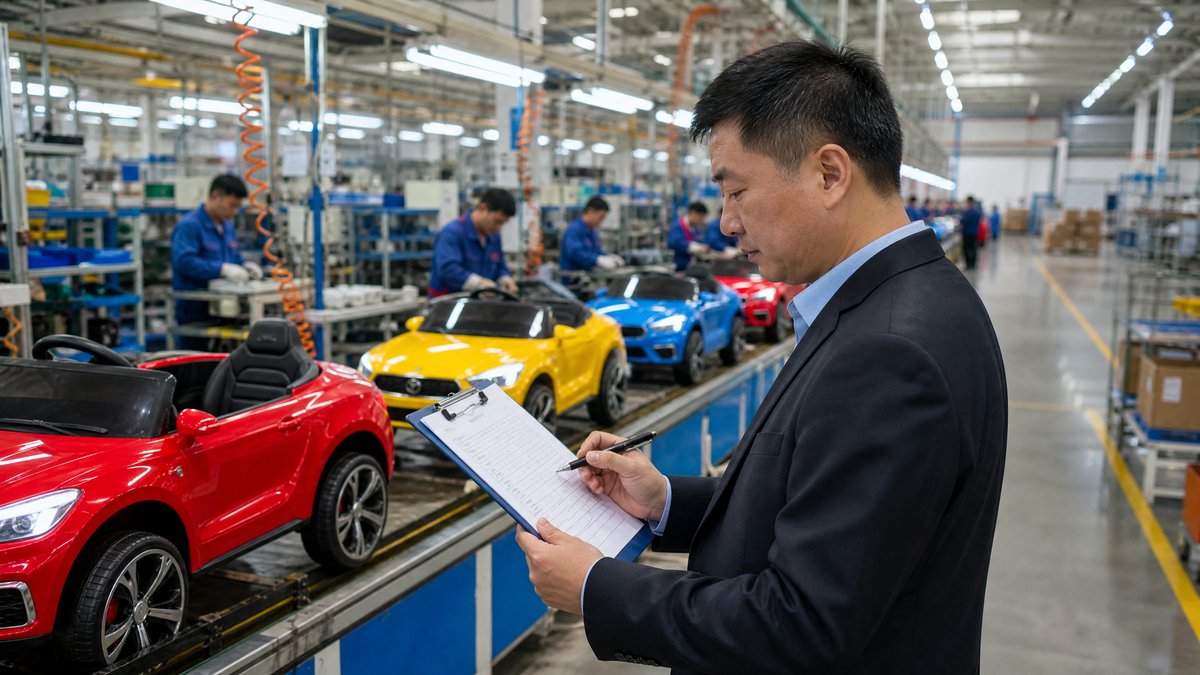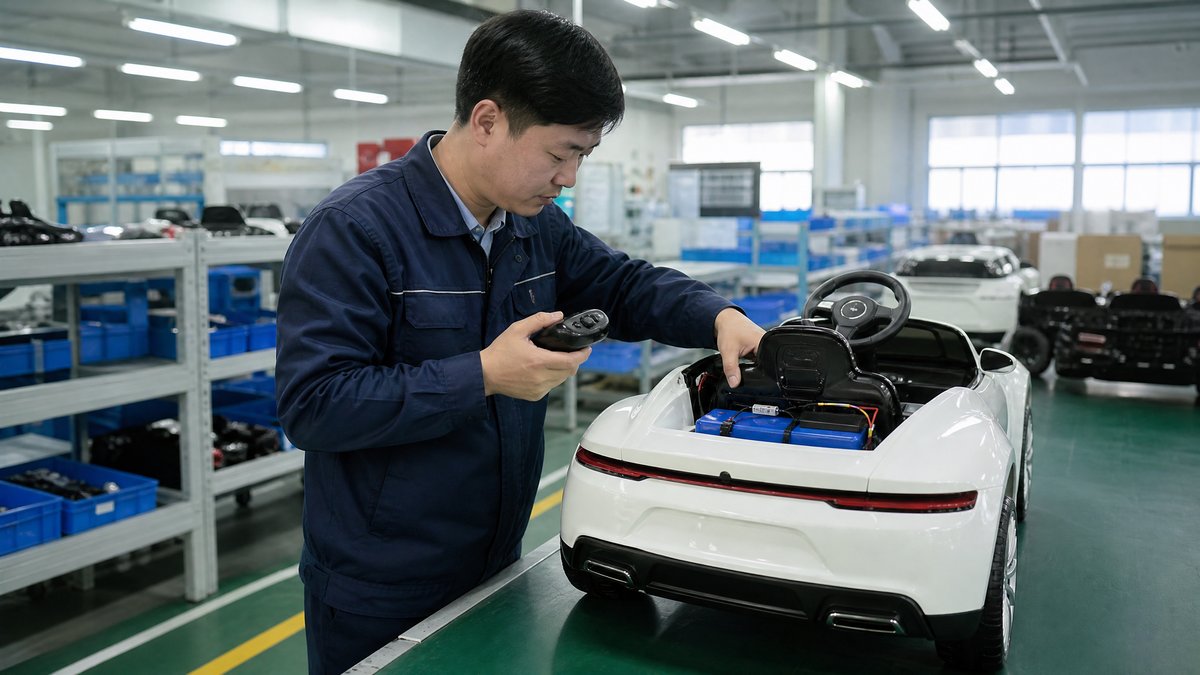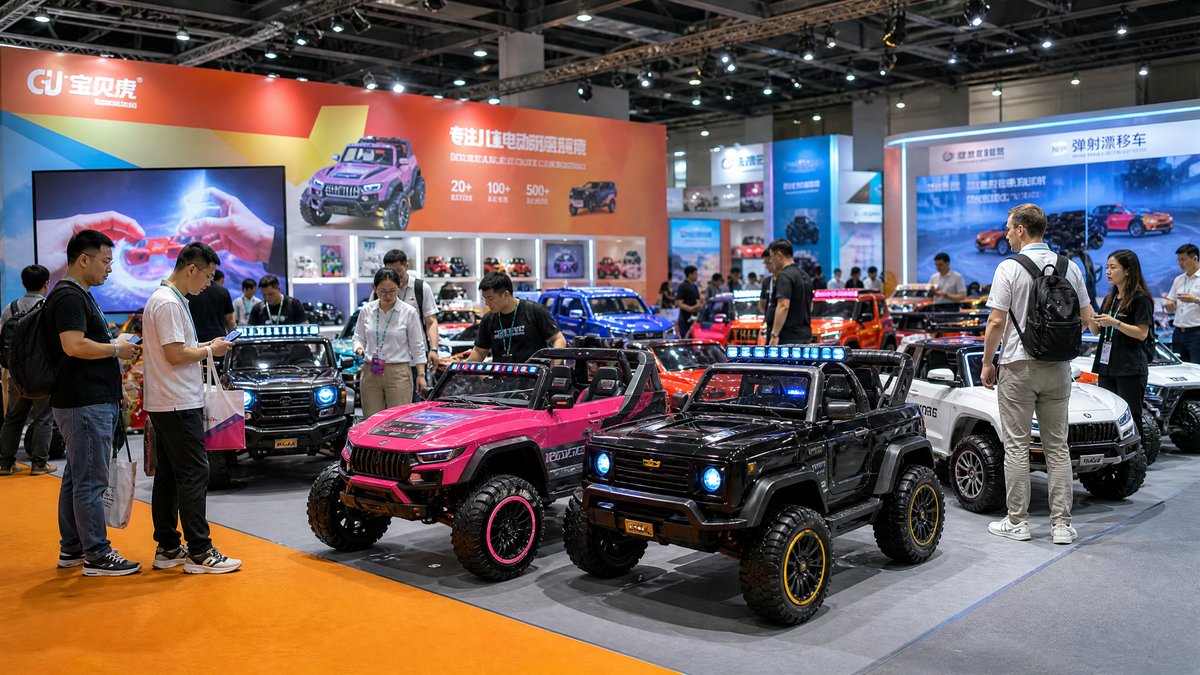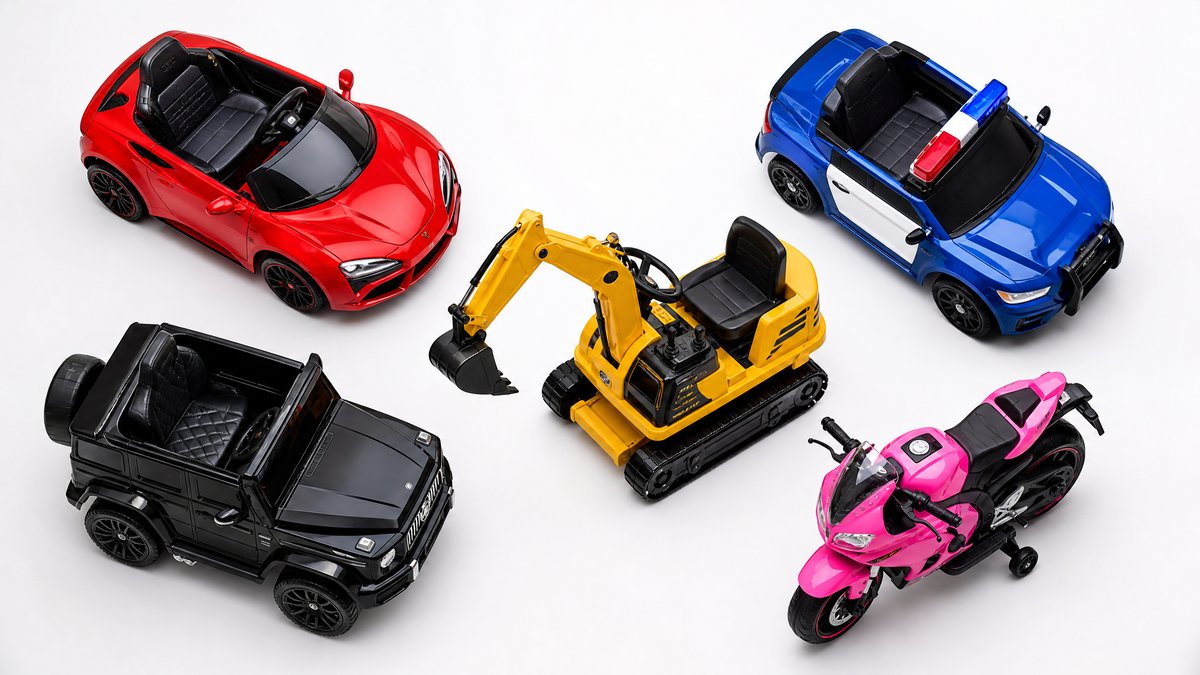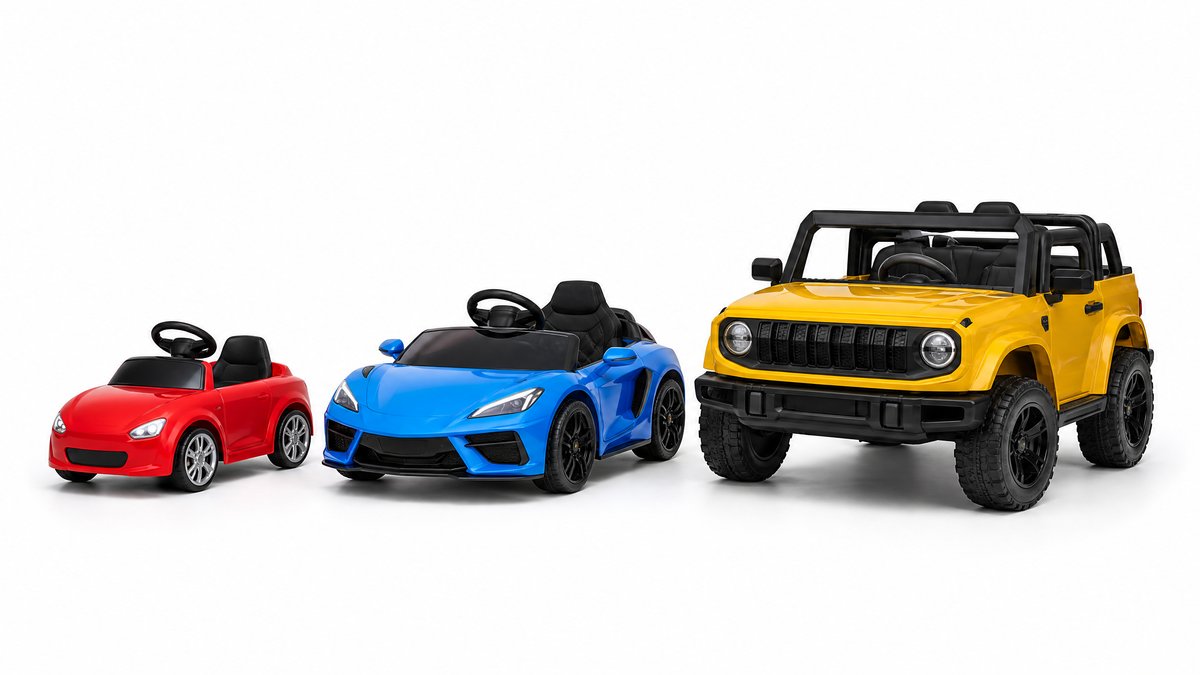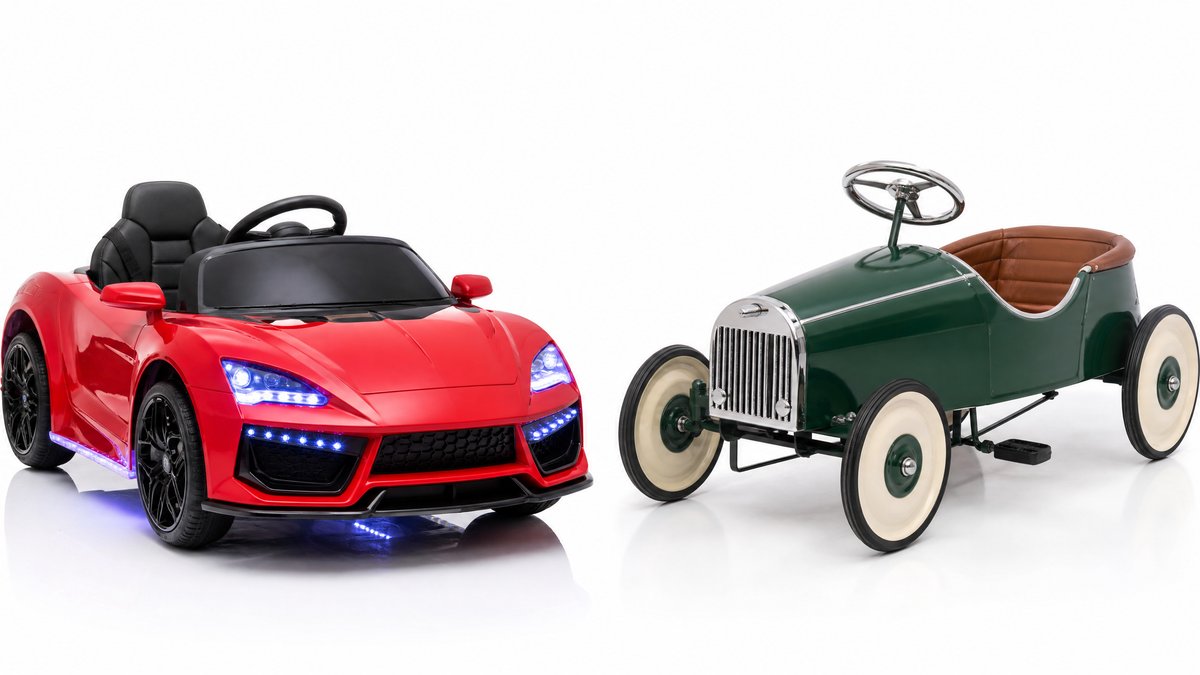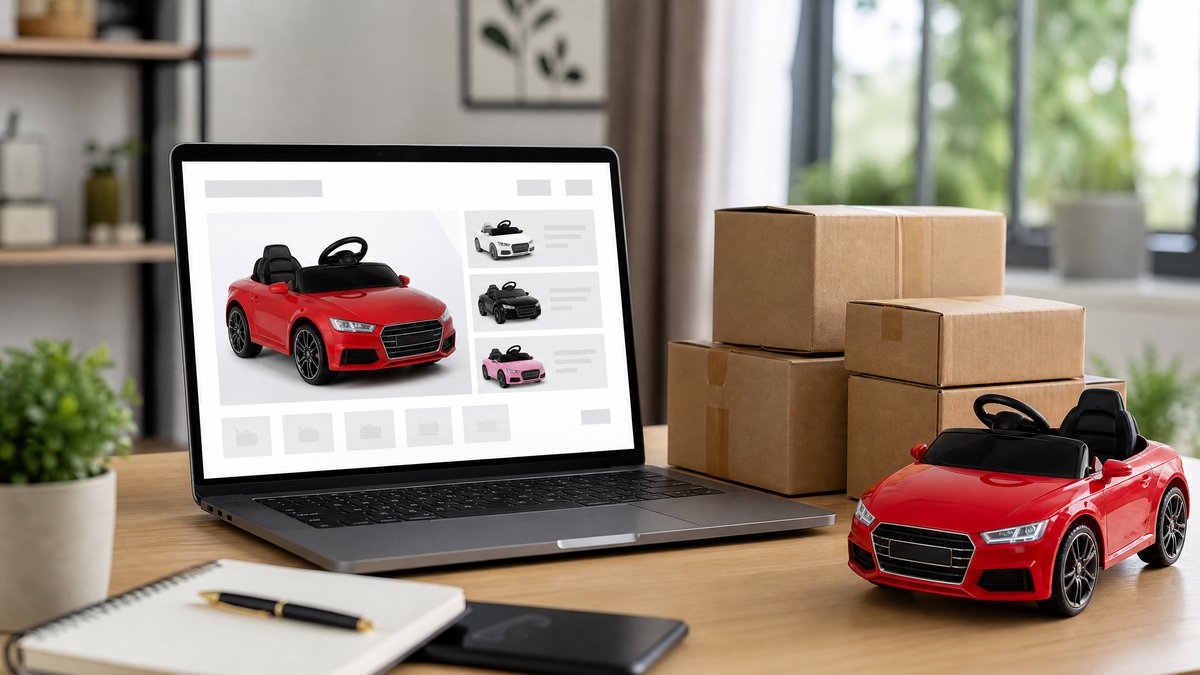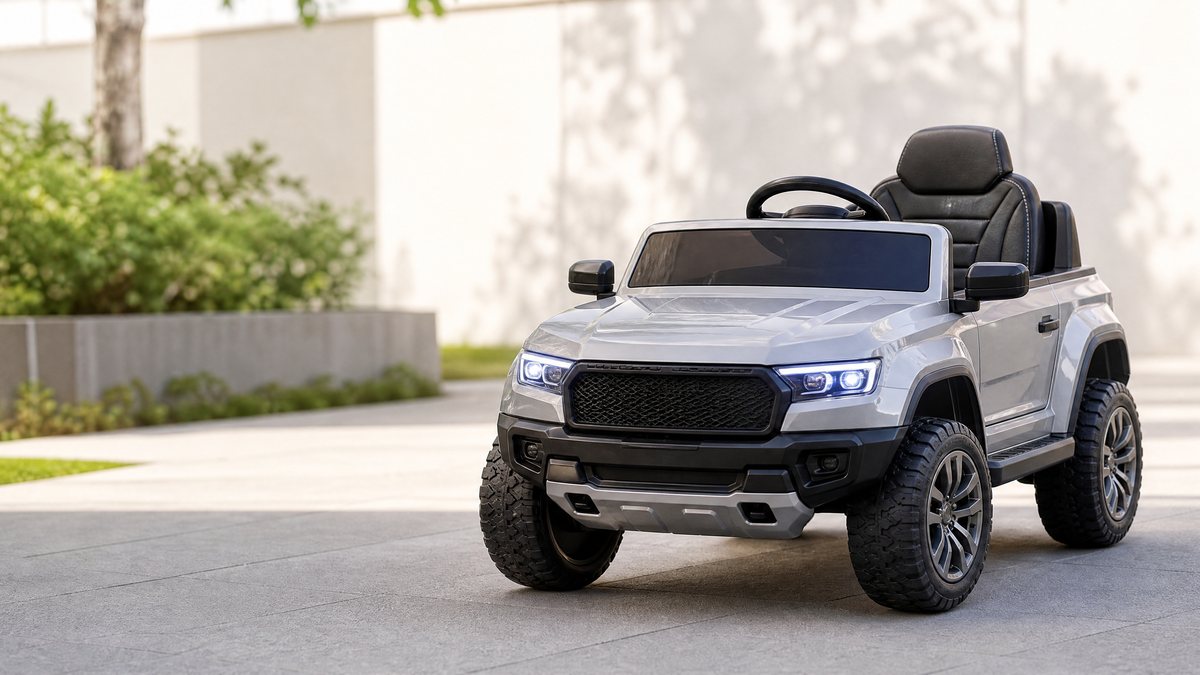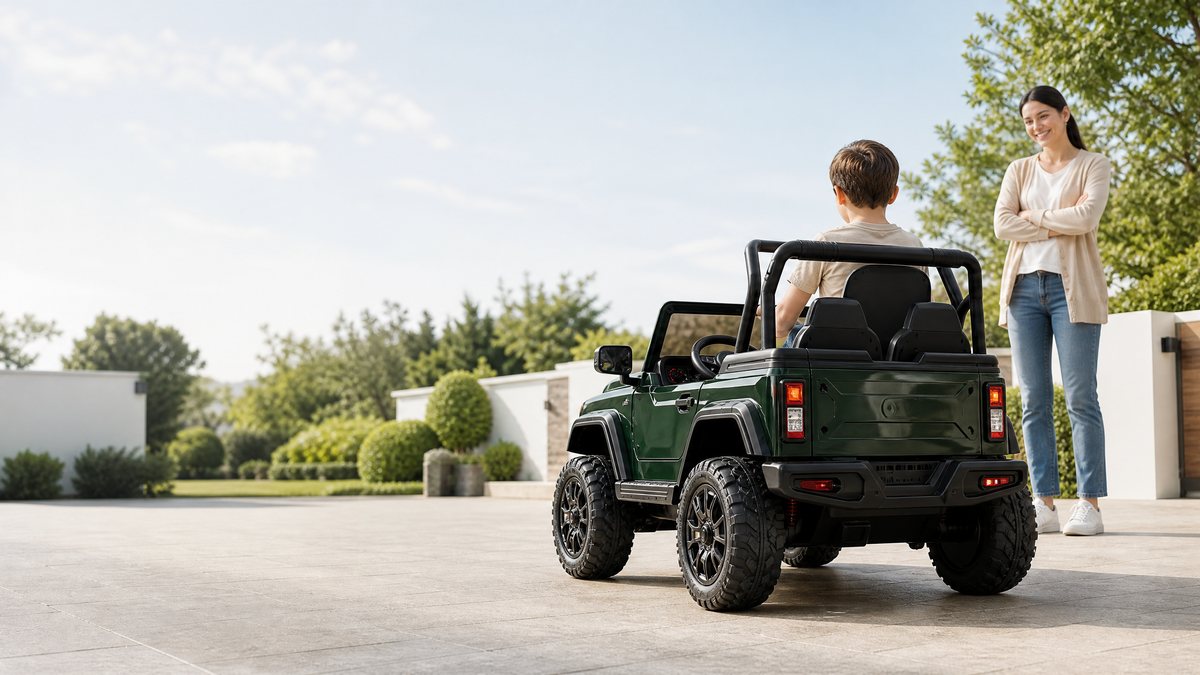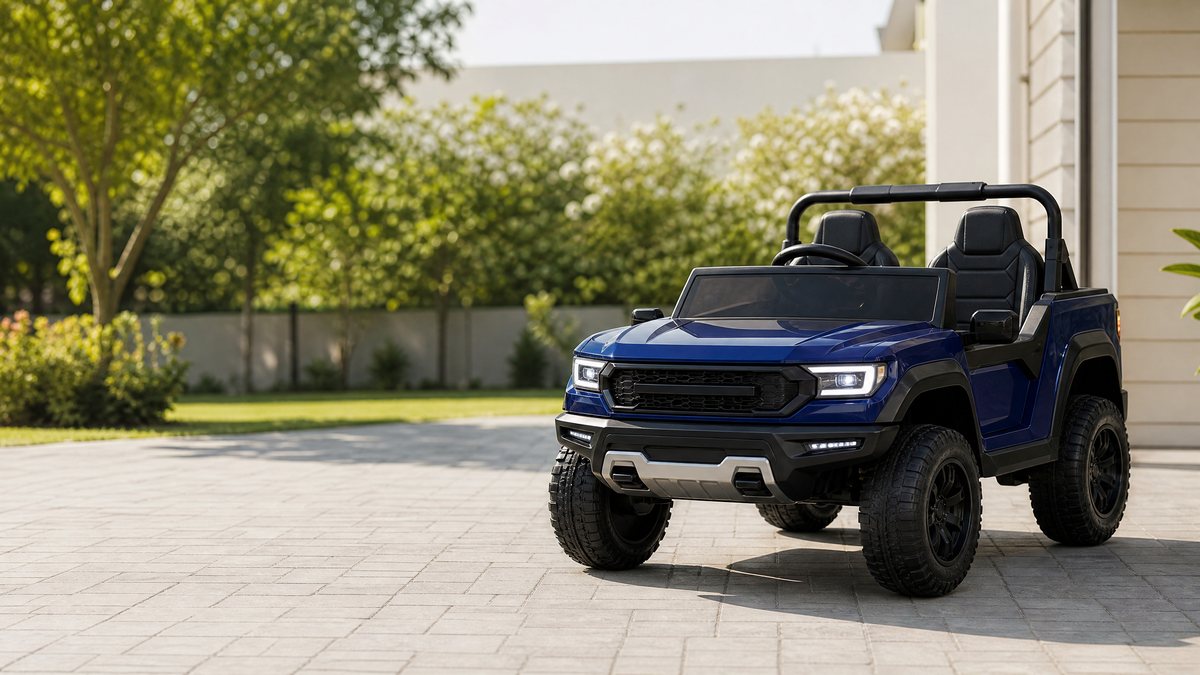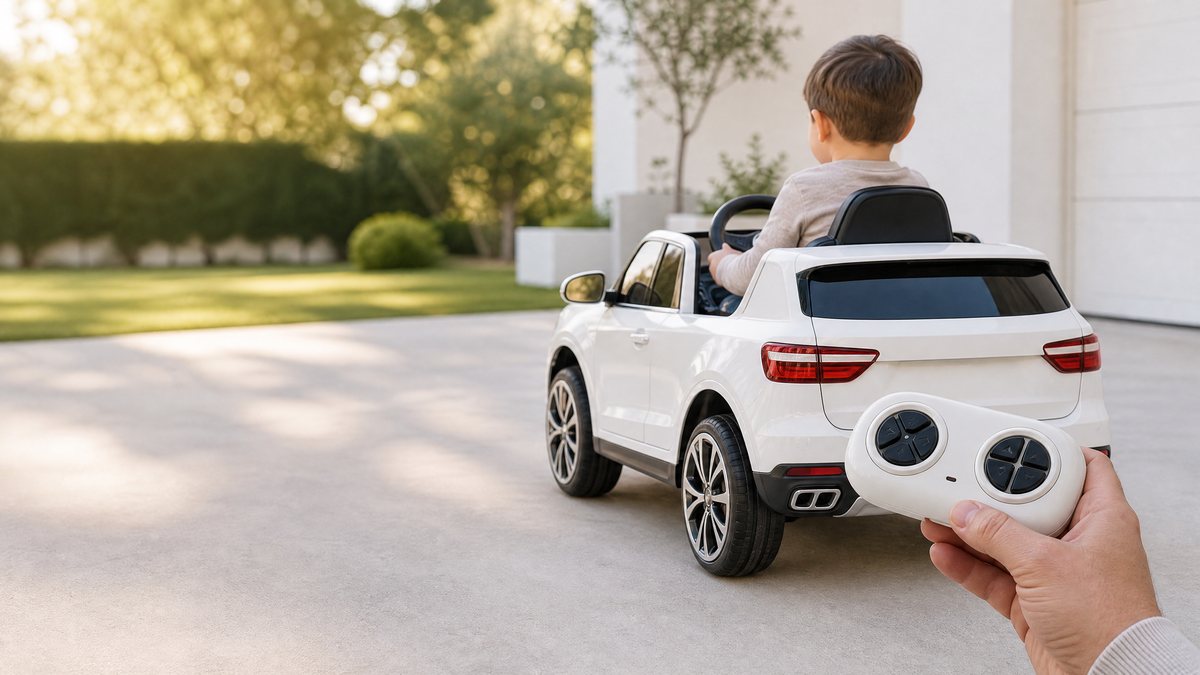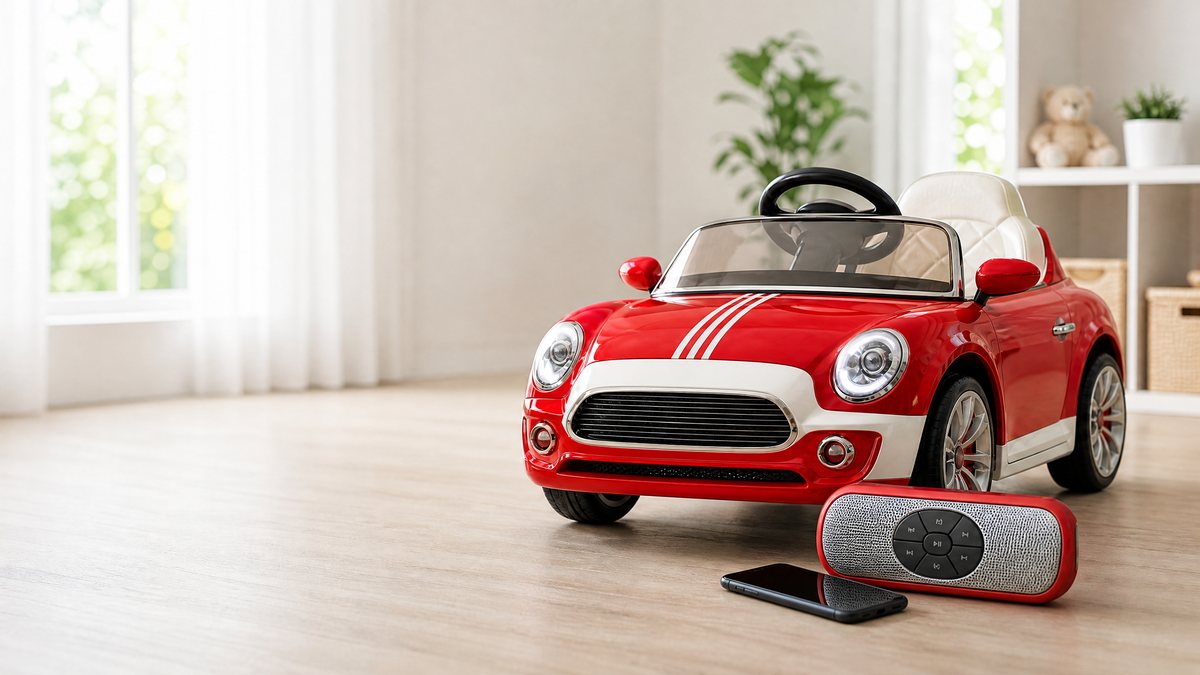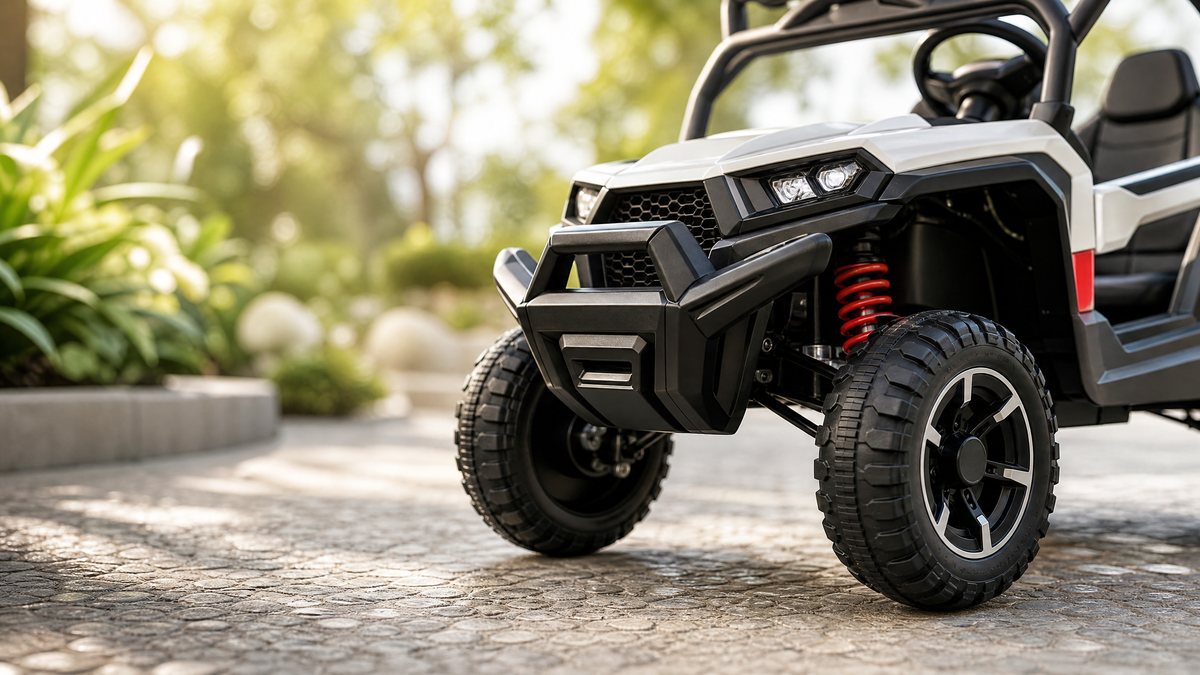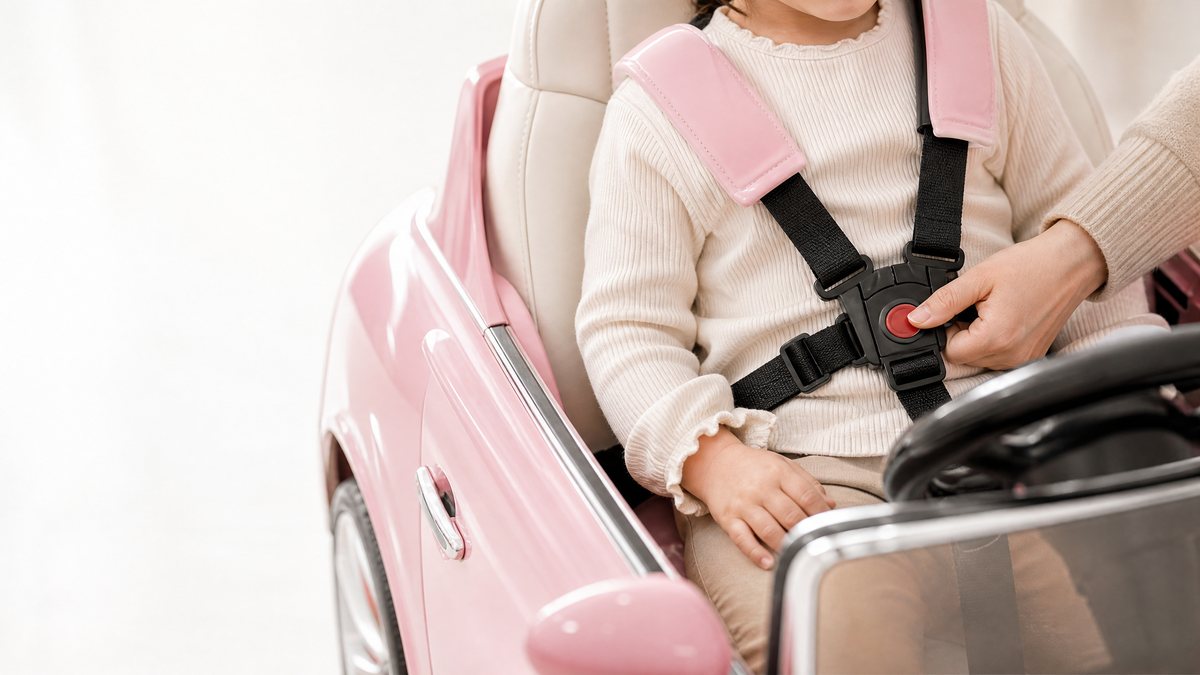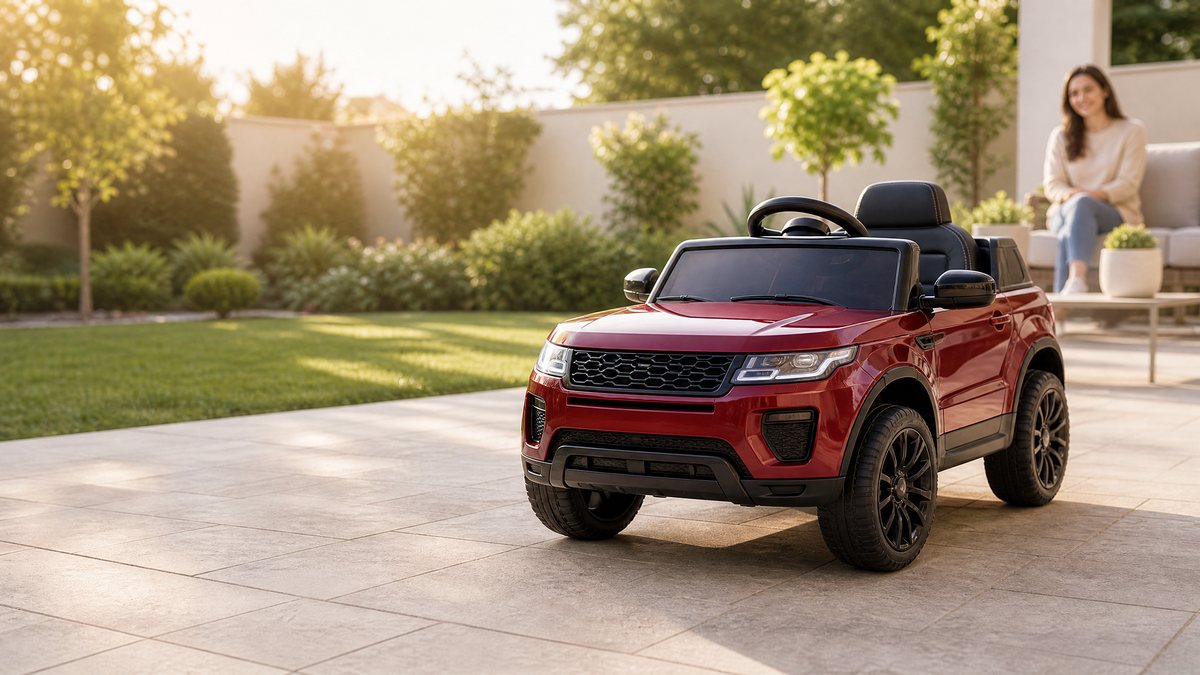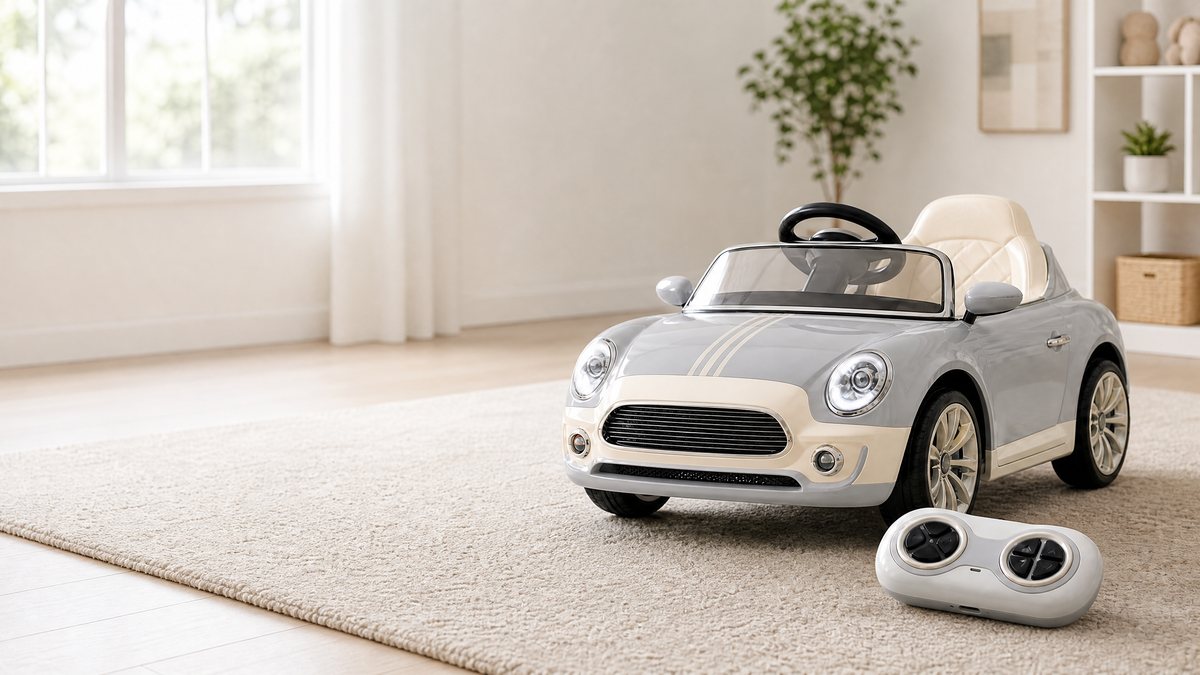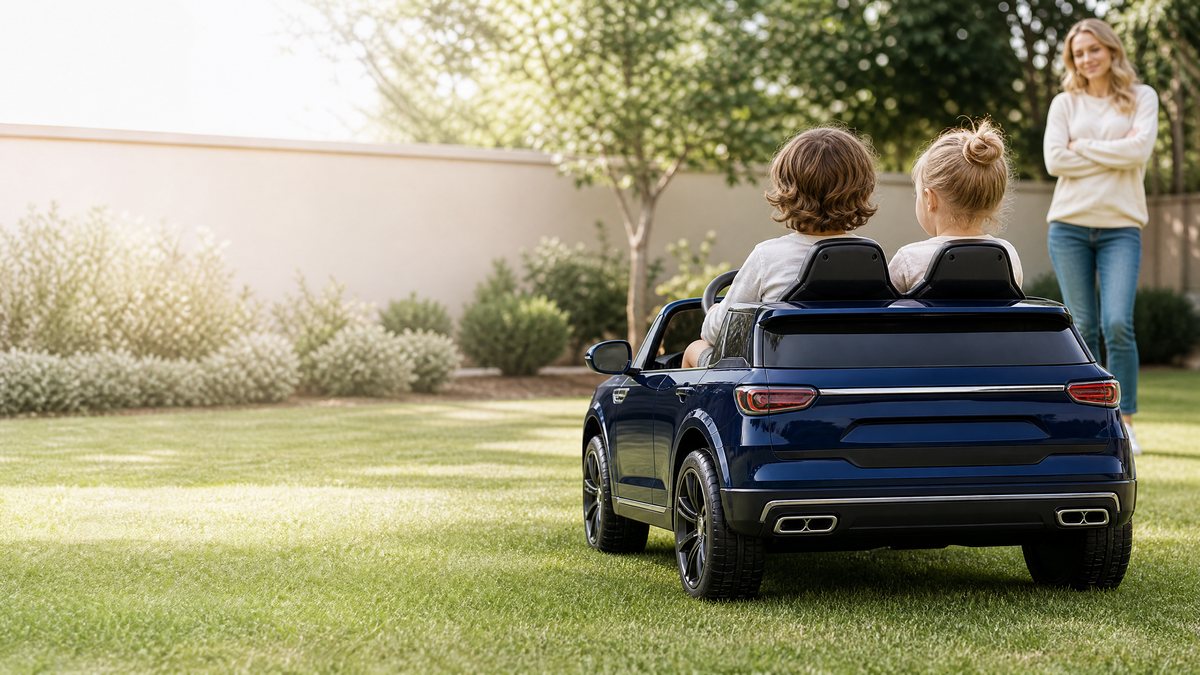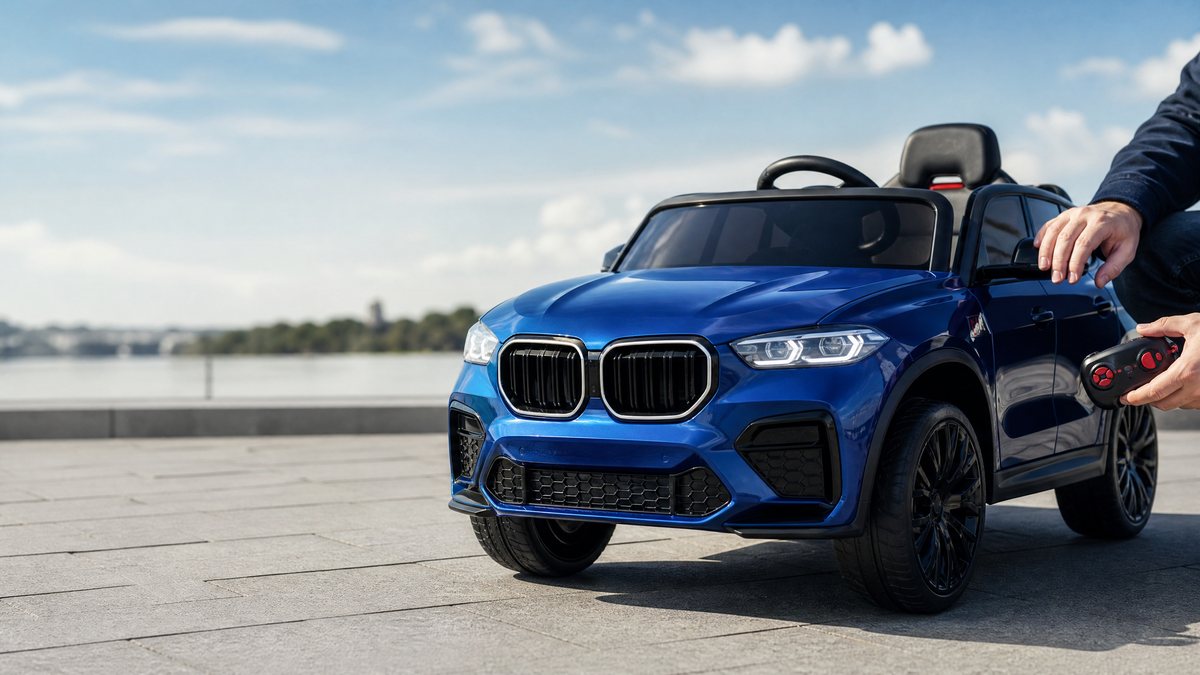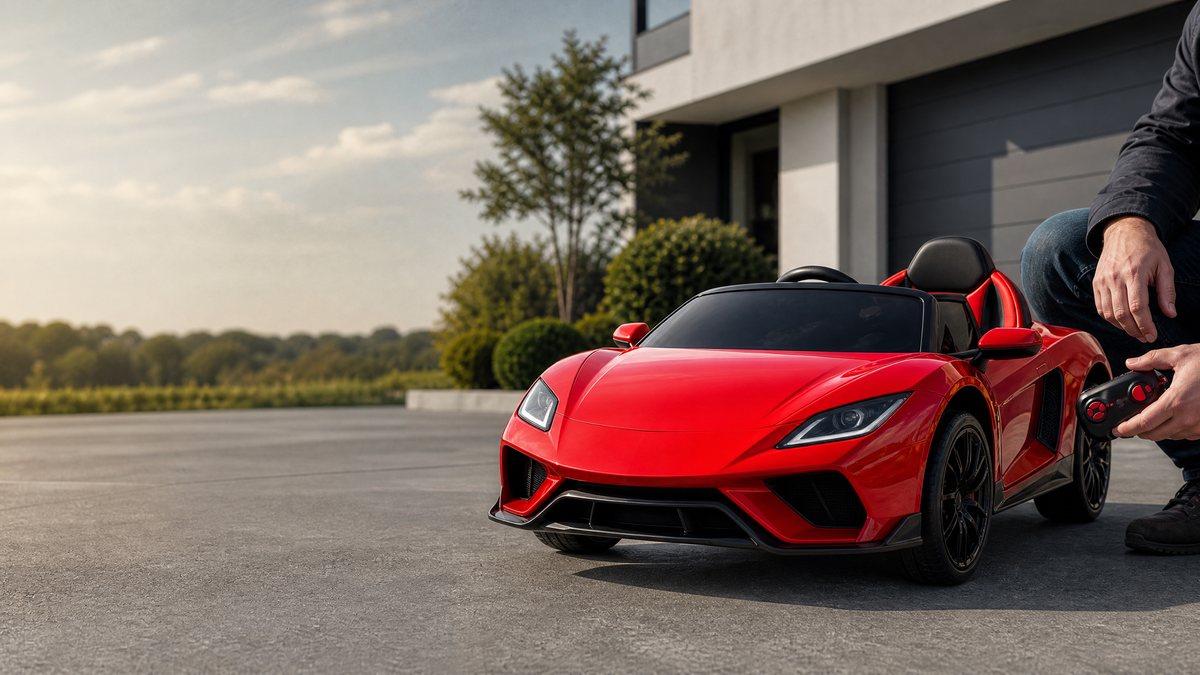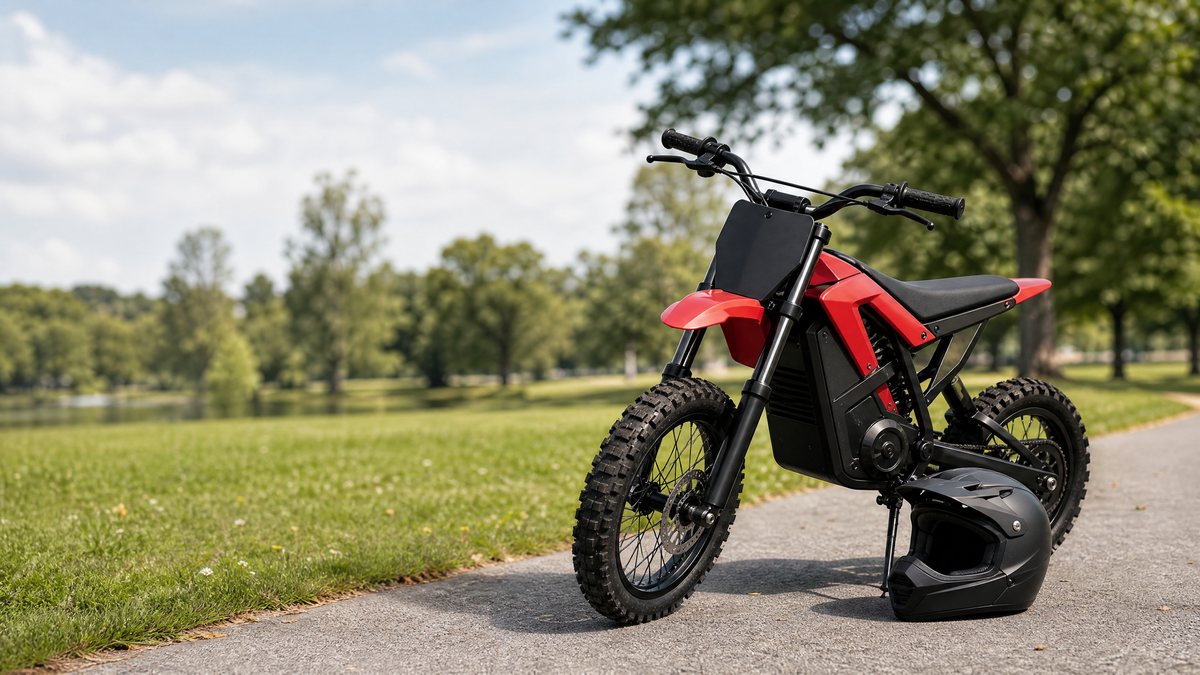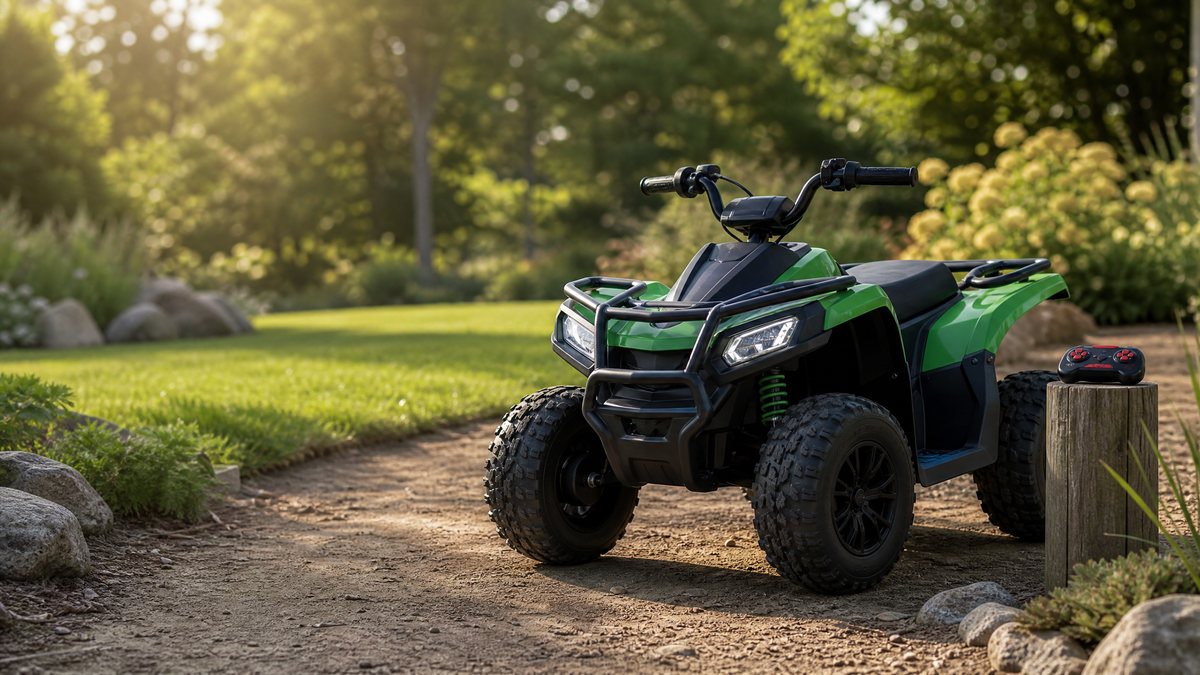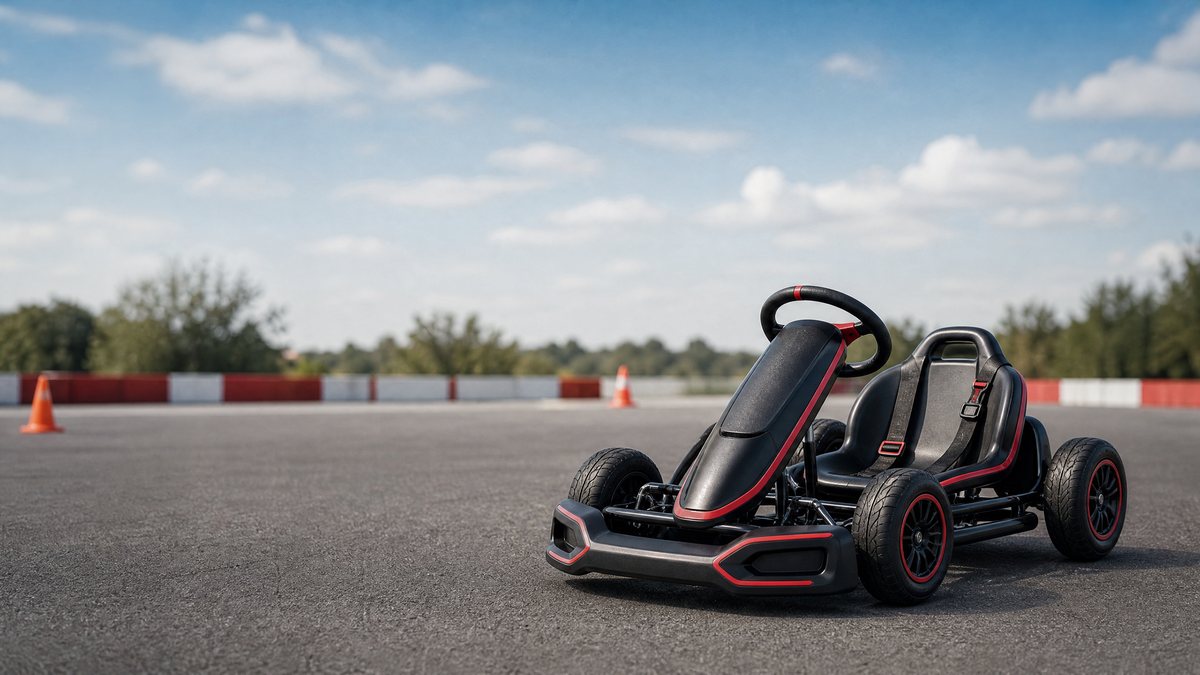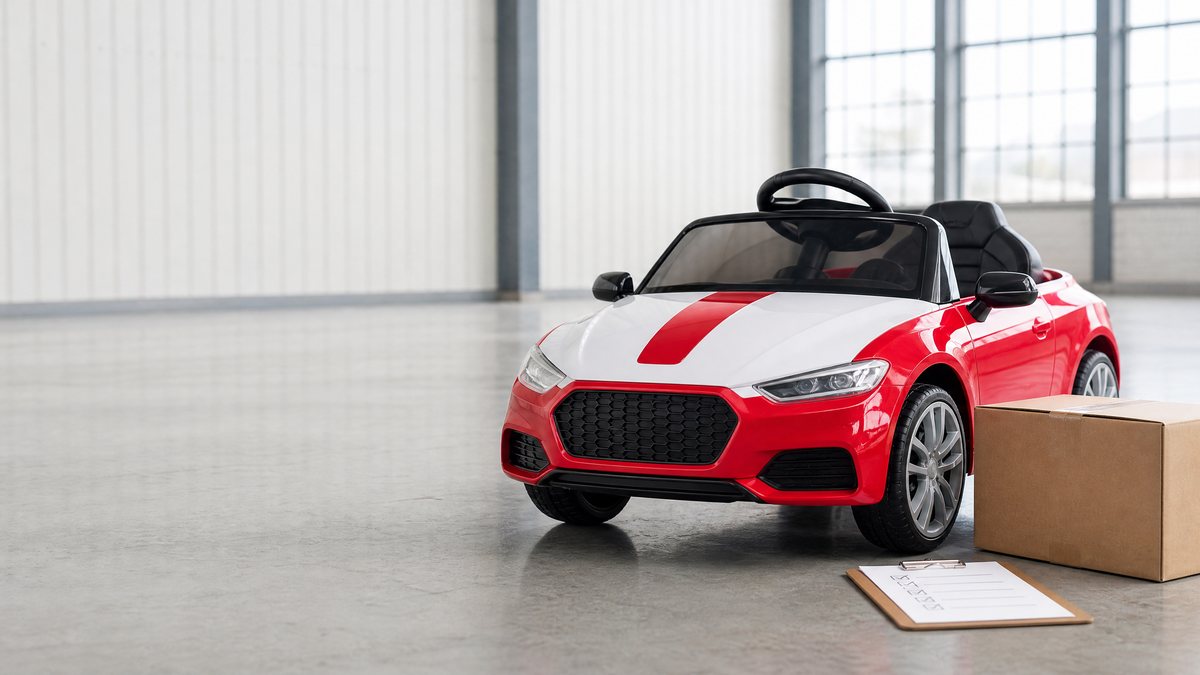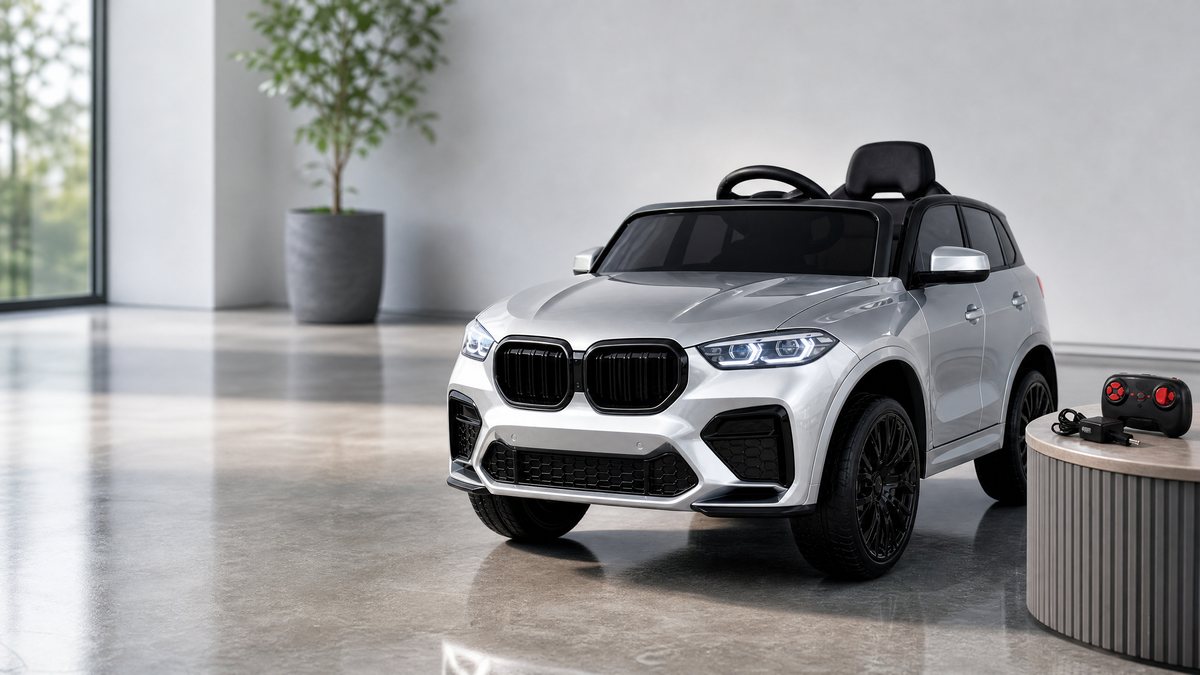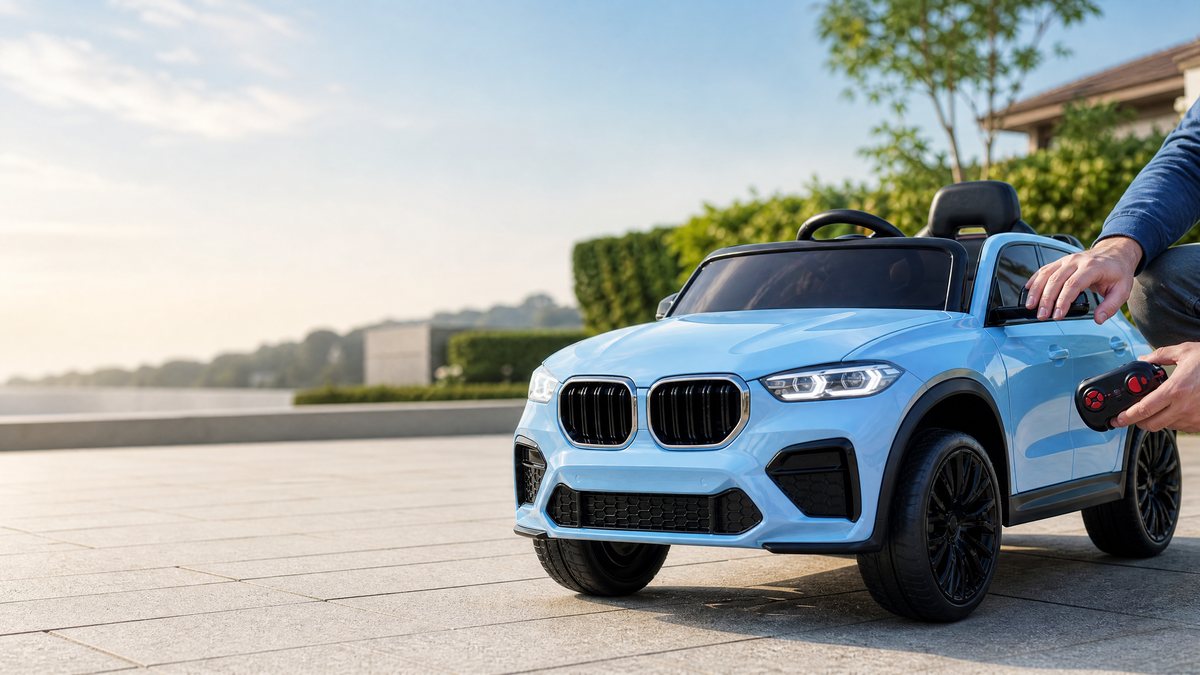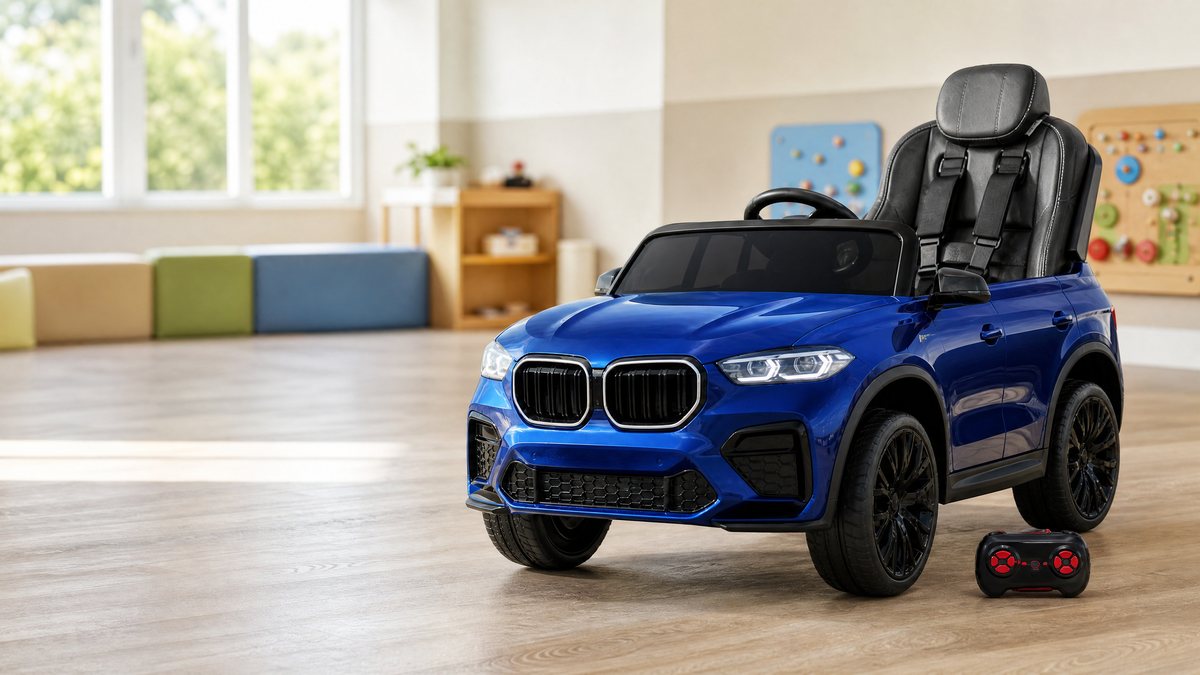
Purchasing a motorized ride-on car for a child is an exciting investment in outdoor play, motor skill development, and imaginative entertainment. However, children are notoriously unpredictable in their preferences, emotional responses, and developmental readiness. A model that looks captivating in online product galleries, promotional videos, or retail showroom displays might spark hesitation, boredom, or outright reluctance when the child actually encounters it in person. When faced with a child who does not like or refuses to use their new ride-on toy, parents, guardians, and gift-givers immediately confront a practical and financially sensitive question: Can I return a ride-on car if my child doesn't like it?
Navigating the return of a bulky, motorized children's product is significantly more complex than returning standard apparel, books, or smaller plastic toys. Ride-on cars involve substantial corrugated packaging, mechanical sub-assemblies, rechargeable electrical systems, and strict retail compliance standards. Whether purchased through a major e-commerce marketplace, a specialty toy distributor, or a brick-and-mortar storefront, return eligibility is governed by specific merchant terms, product condition upon inspection, assembly status, and statutory consumer protection rules. Furthermore, considerations regarding return freight, restocking fees, and original packaging preservation complicate the resolution process. This comprehensive guide examines the multifaceted landscape of ride-on car returns, detailing retail policy structures, packaging preservation requirements, restocking fees, and proactive pre-purchase verification frameworks to help buyers make informed decisions across diverse retail environments and distribution channels.
Understanding Retail Return Policies for Ride-On Cars
Retail return policies for ride-on toys vary widely across different merchants, online platforms, and distribution channels. Unlike smaller consumer goods that can be easily dropped into a standard mail envelope or small parcel bin, ride-on cars are categorized as oversized freight, heavy merchandise, or bulk parcel shipments. Consequently, merchants establish rigid criteria that determine whether a product can be accepted back for a refund or exchange when the return is driven by customer remorse or child disinterest rather than a verified manufacturing defect.
Return eligibility, timing, fees, and packaging requirements vary by seller, item, location, and the current terms shown at purchase. Within this operational window, the ability to initiate a return depends heavily on whether the product remains factory-sealed in its original packaging or has already been unboxed, assembled, and tested. When a child exhibits disinterest, parents often find themselves in the challenging position of having already assembled the vehicle, discarding original cardboard inserts, or applying decorative decals. Retailers review such submissions on a case-by-case basis, adhering strictly to their published terms of sale. Understanding these timeframes and conditions before unboxing is essential for avoiding unexpected financial losses.
Common Obstacles in Ride-On Car Returns
Returning an assembled or partially used ride-on car introduces several logistical and financial hurdles that buyers must anticipate. Understanding these obstacles prevents unexpected out-of-pocket expenses and ensures strict compliance with merchant guidelines.
Packaging Integrity and Original Cartons
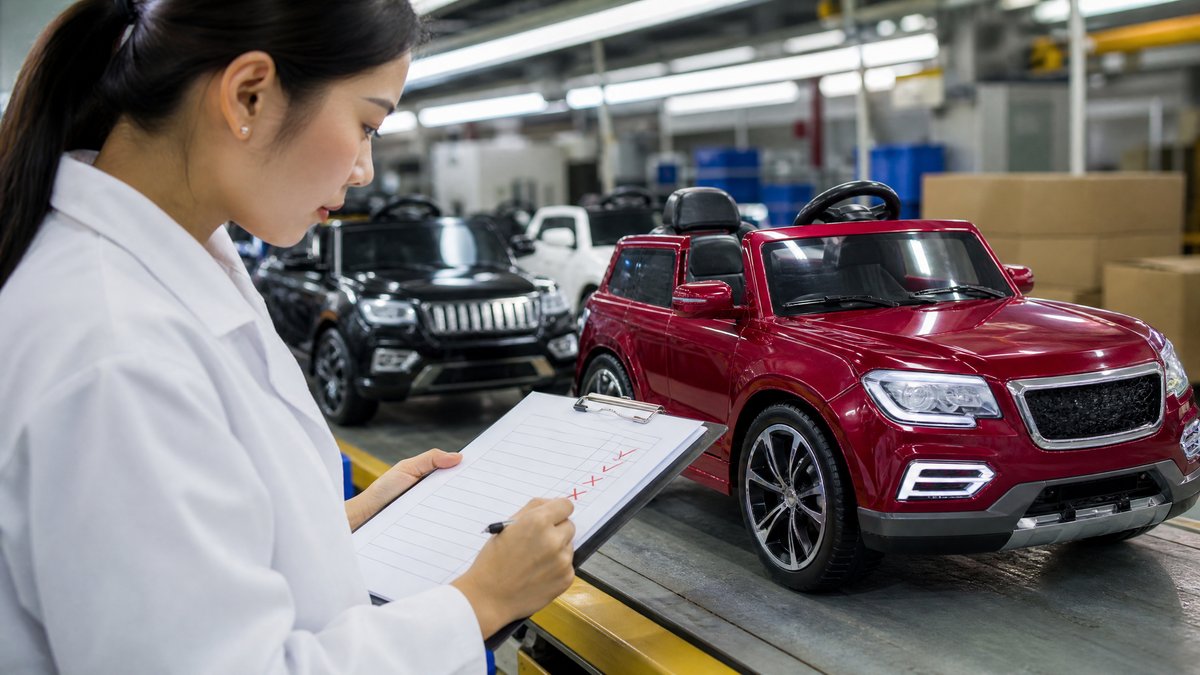
The primary physical barrier to returning a ride-on car is packaging preservation. Most shipping carriers and fulfillment centers require merchandise to be returned in its original manufacturer packaging with all protective inserts, molded foam blocks, and plastic wrappings intact. If the original cardboard box was torn open, crushed during unpacking, or discarded, many merchants will automatically reject return requests or assess severe repackaging penalties. Parents are strongly advised to retain all packaging materials until the child has fully demonstrated sustained engagement with the toy.
Assembly Status and Component Wear
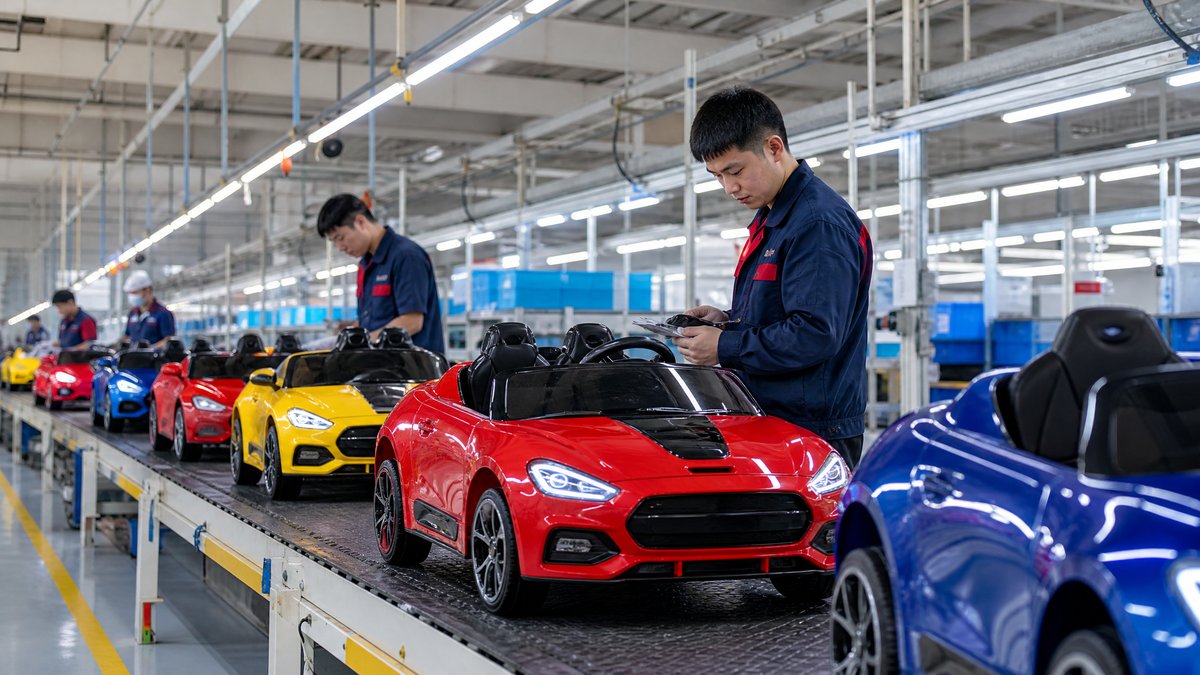
Ride-on cars typically arrive in semi-knocked-down condition, requiring the installation of wheels, steering columns, windshields, seats, and batteries. Once a vehicle has been fully assembled, reversing the process to fit it back into the original carton can be structurally difficult and time-consuming. Furthermore, even brief outdoor operation can introduce scuffs on wheels, minor cosmetic wear on bumpers, or dust accumulation in the wheel wells. Retailers inspect returned units for signs of use; units exhibiting visible wear are often classified as used merchandise, rendering them ineligible for full refunds or subjecting them to discretionary restocking fees.
Restocking Fees and Return Freight Costs
Because ride-on cars are classified as oversized freight, return shipping costs can be remarkably high, frequently rivaling or exceeding the cost of smaller parcel shipments. Many online marketplaces and independent distributors deduct return shipping charges directly from the refund total. Additionally, merchants frequently impose restocking fees—ranging from 15% to 25% of the purchase price—to cover inspection, testing, repackaging, and inventory restocking labor. Buyers must carefully examine retailer terms before initiating a return.
Comparison of Ride-On Car Return Scenarios
The following matrix outlines the typical return outcomes, financial implications, and administrative requirements associated with different return conditions. All outcomes remain strictly subject to the specific merchant's published terms and conditions at the time of purchase.
| Return Scenario | Packaging Condition | Typical Merchant Policy | Financial Impact | Required Documentation |
|---|---|---|---|---|
| Unopened or unused item | Confirm the exact condition rules. | Confirm the current seller terms. | Confirm the current seller terms. | Keep order documentation and packaging until the policy is clear. |
| Assembled & Unused | Partially disassembled or repackaged | Discretionary acceptance; subject to strict inspection | Refund minus restocking fee (15%–25%) and return freight | Purchase proof, user manual, all loose components |
| Lightly Tested / Used | Missing inner packaging or minor wheel scuffs | Frequently denied or subject to heavy depreciation fees | Partial store credit or heavy deduction from refund | Original invoice, complete accessory set, remote control |
| Damaged / Missing Parts | Discarded carton or missing hardware | Ineligible for standard return; possible salvage rejection | No refund or automatic return to sender at buyer expense | Proof of purchase, detailed photographs of defect/damage |
As demonstrated in the comparison matrix, maintaining pristine packaging and minimizing structural alteration during initial inspection are critical determinants of return success.
Pre-Purchase Verification Framework: Preventing Child Disinterest
Because returning a bulky motorized ride-on car involves considerable inconvenience, financial deductions, and logistical effort, establishing a robust pre-purchase verification framework is the most effective strategy for mitigating buyer remorse. Prior to acquiring a ride-on car, buyers should systematically evaluate developmental readiness, spatial preferences, and environmental compatibility.
Assessing Child Readiness and Preferences
Children's reactions to motorized vehicles are heavily influenced by age, temperament, sensory sensitivity, and familiarity with wheeled toys. Younger toddlers may feel startled by the sudden mechanical whir of electric motors, the activation of musical dashboard horns, or the acceleration response of foot pedals. Conversely, older children accustomed to high-speed outdoor play might find entry-level 6V or slow 12V models insufficiently stimulating. Reviewing manufacturer-recommended age grades, weight capacities, and speed ratings listed on the product nameplate ensures appropriate matching between the child's developmental stage and the vehicle's operational profile.
Environmental and Storage Considerations
A child's enjoyment of a ride-on car is intrinsically linked to where and how the vehicle can be operated. Buyers must verify whether the intended operating environment—such as smooth indoor flooring, concrete patios, backyard turf, or paved neighborhood sidewalks—aligns with the vehicle's tire construction and drivetrain specifications (e.g., single-motor rear-wheel drive versus dual-motor or four-motor configurations). Additionally, families should confirm adequate indoor storage space in a garage or utility shed, as leaving motorized vehicles exposed to rain, humidity, or direct sunlight can compromise electrical longevity and battery stability.
Managing Expectations Through Careful Research
Before placing an order, consulting user manuals, checking video demonstrations, and reading independent reviews can provide invaluable insights into how a vehicle behaves in real-world settings. Understanding whether a model features soft-start acceleration, parental remote control override, or adjustable seating helps parents select a vehicle that aligns perfectly with both the child's comfort level and family expectations.
Communicating with Retailers and Navigating Dispute Resolution
When a return becomes necessary due to child disinterest, approaching the merchant with clear communication, professional documentation, and adherence to established protocols maximizes the likelihood of a fair resolution.
Documenting Product Condition and Communication
Before contacting customer support, buyers should meticulously photograph the ride-on car from multiple angles, capturing the condition of the body panels, wheels, steering assembly, and packaging materials. When submitting a return request, clearly state the reason for return while remaining honest about the assembly and usage status. Avoid exaggerating claims or misrepresenting product condition, as warehouse inspection teams verify all returned merchandise upon arrival.
Reviewing Merchant Policies and Statutory Rights
Every retail transaction is governed by the specific terms agreed upon at checkout. Independent distributors, online storefronts, and wholesale suppliers each maintain distinct operational guidelines regarding open-box merchandise, warranty exclusions, and exchange preferences. Buyers must review these published policies rather than assuming universal return standards apply. In cases of dispute, referencing the exact order details, tracking receipts, and written policy statements ensures a transparent and orderly resolution process.
For commercial buyers, B2B partners, and bulk procurement inquiries seeking detailed product documentation and transparent terms, professional assistance is readily available. Request a wholesale quote to connect with our team.
Frequently Asked Questions (FAQ)
1. Can I return a ride-on car if my child simply refuses to ride it?
Yes, many retail merchants permit returns for customer remorse or child disinterest, provided the request is initiated within the current return window stated by that seller. Any return is subject to the seller's current written terms, which may address condition, packaging, freight, fees, and eligibility. Buyers should read those terms before purchase and before opening the carton.
2. What happens if I have already discarded the original shipping carton?
Discarding the original packaging is one of the most common reasons return requests are declined. Motorized ride-on cars require specialized corrugated cartons and custom foam inserts to withstand transit without sustaining structural damage. If the original carton is missing, many retailers will either refuse the return entirely or deduct significant repackaging charges from the final refund amount.
3. Are restocking fees standard for ride-on car returns?
Yes. Because processing, inspecting, testing, and repackaging oversized motorized toys requires substantial labor and warehouse resources, many merchants enforce restocking fees ranging from 15% to 25% of the purchase price. Buyers should review the retailer's checkout policy documents to understand applicable fee structures prior to purchase.
4. Can I exchange the ride-on car for a different model if my child does not like the first one?
Many retailers and specialized distributors offer product exchanges as an alternative to outright returns. If a child prefers a different color, style, or performance tier, contacting customer support to arrange an exchange can sometimes reduce or waive restocking fees, though any price differentials and freight adjustments remain applicable according to merchant guidelines.
Conclusion
Dealing with a child who does not like or refuses to use a newly purchased ride-on car can be frustrating, but understanding retail return policies, packaging preservation requirements, and restocking fee structures transforms an overwhelming situation into a manageable administrative process. By carefully evaluating return windows, maintaining original packaging during initial assessments, and utilizing proactive pre-purchase verification frameworks, buyers can protect their investment and navigate merchant policies with confidence. Always consult specific retailer terms, manufacturer user manuals, and safety guidelines to ensure compliance with all applicable policies, consumer protection standards, and warranty conditions across every distribution channel and marketplace platform.
For comprehensive product specifications, bulk purchasing guidance, and professional inquiries, our team is available to assist you. Request a wholesale quote to discuss your specific requirements.
Official References
- U.S. Consumer Product Safety Commission (CPSC): General toy safety education materials, consumer guidance on product recalls, and safety standards for motorized children's products. (Note: CPSC educational publications supplement but do not replace specific manufacturer user manuals, safety nameplates, or certified operating instructions).
- Retail Industry Leaders Association (RILA): Standards and guidelines regarding e-commerce fulfillment, oversized freight returns, and merchant return policy compliance frameworks.
- Consumer Protection Law References: General regulatory frameworks governing distance selling, return windows, consumer remorse provisions, and merchant disclosure obligations across major retail jurisdictions.
Official references
Explore these external resources for current regulatory and trade guidance. Confirm requirements with the relevant authority before placing an order.
Ready to Start?
Factory-Direct · CE & ASTM Certified · MOQ from 50 Units
Our export team works with buyers in 60+ countries. Get a quote within 24 hours.
KR
Written by KidsRideCar
China's leading kids electric ride-on car manufacturer. 500,000+ units shipped annually to 60+ countries. CE, ASTM & EN71 certified.