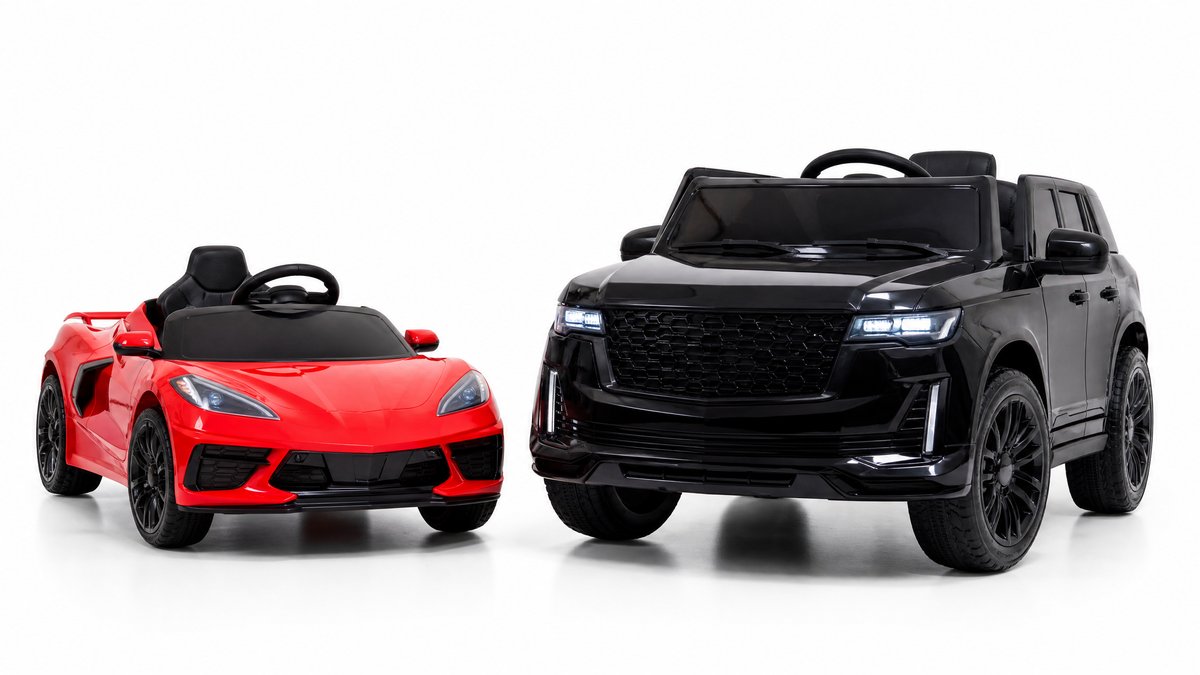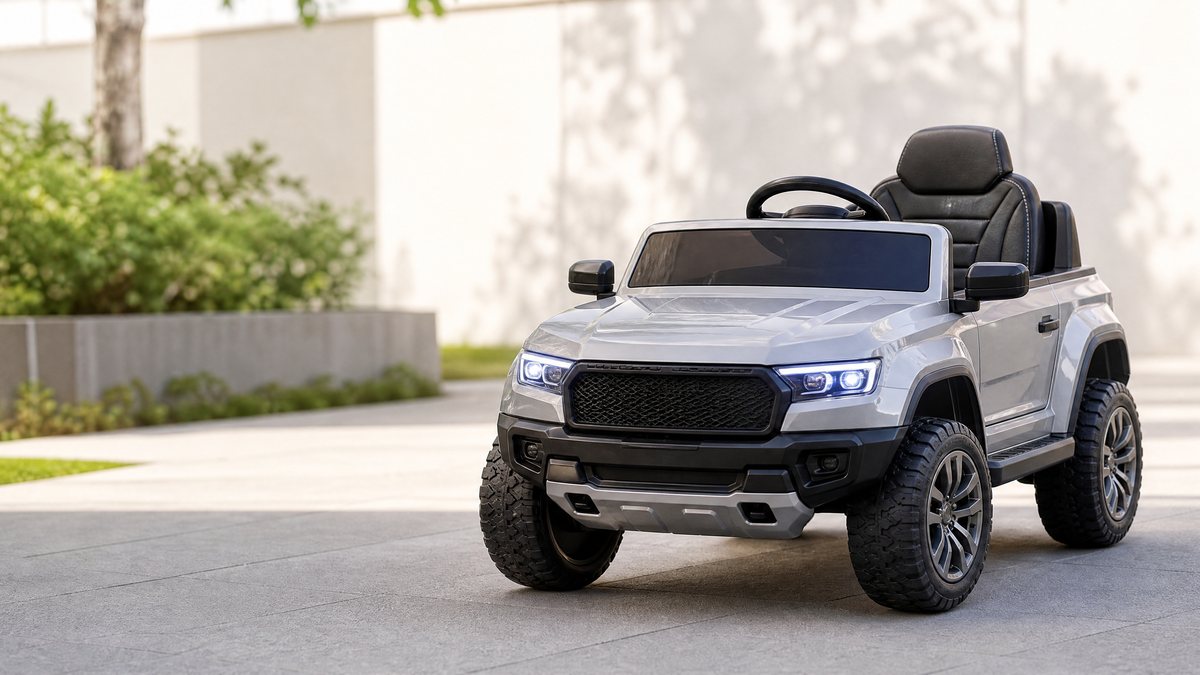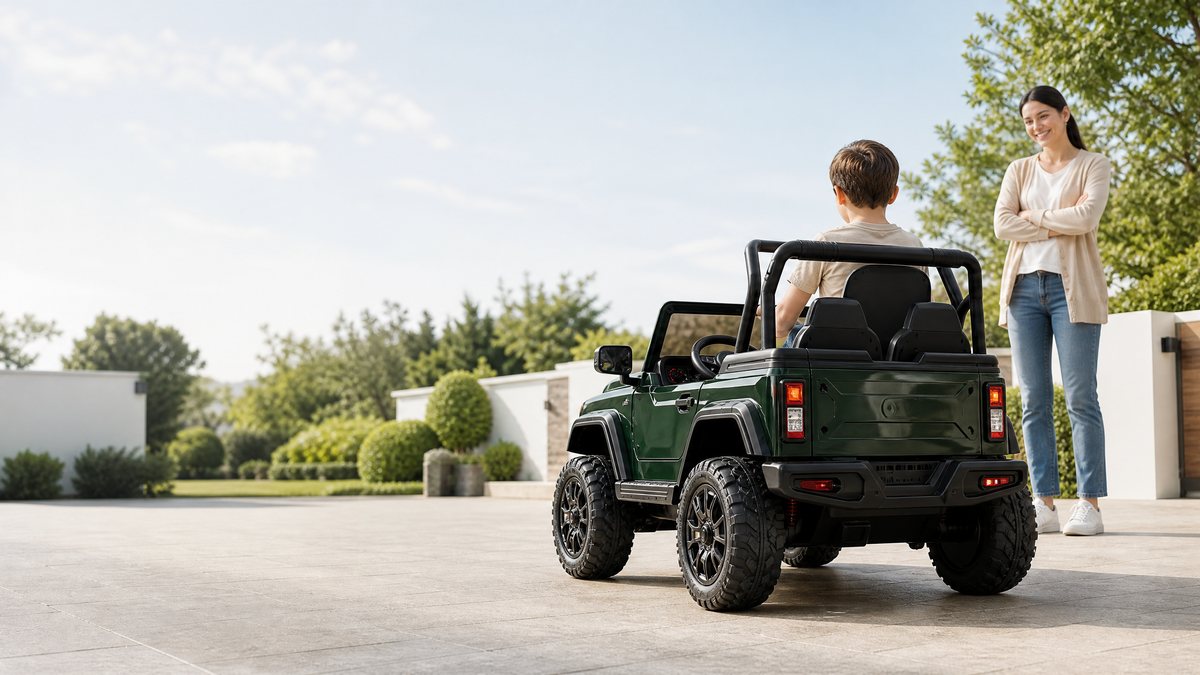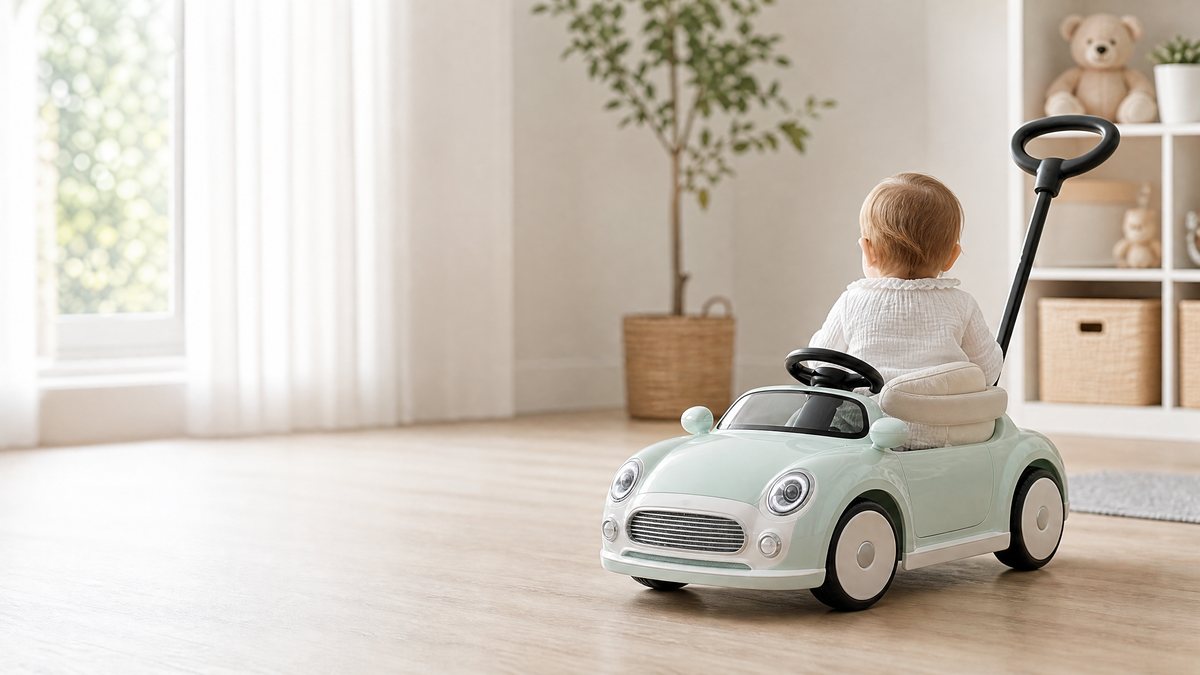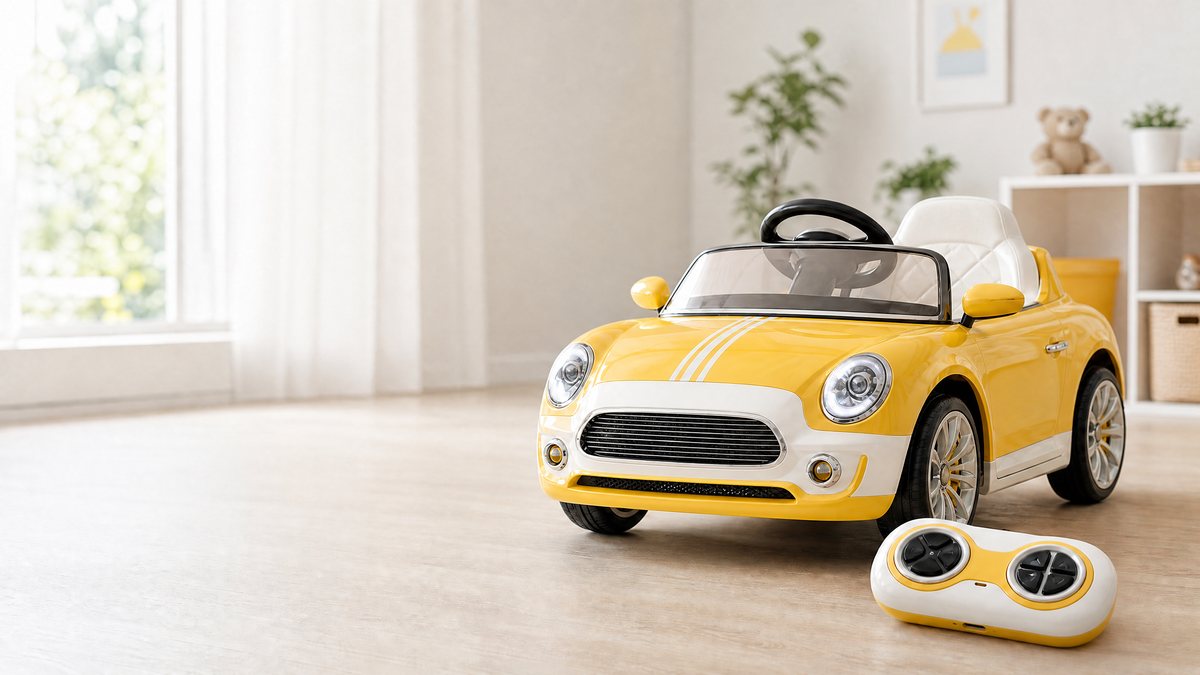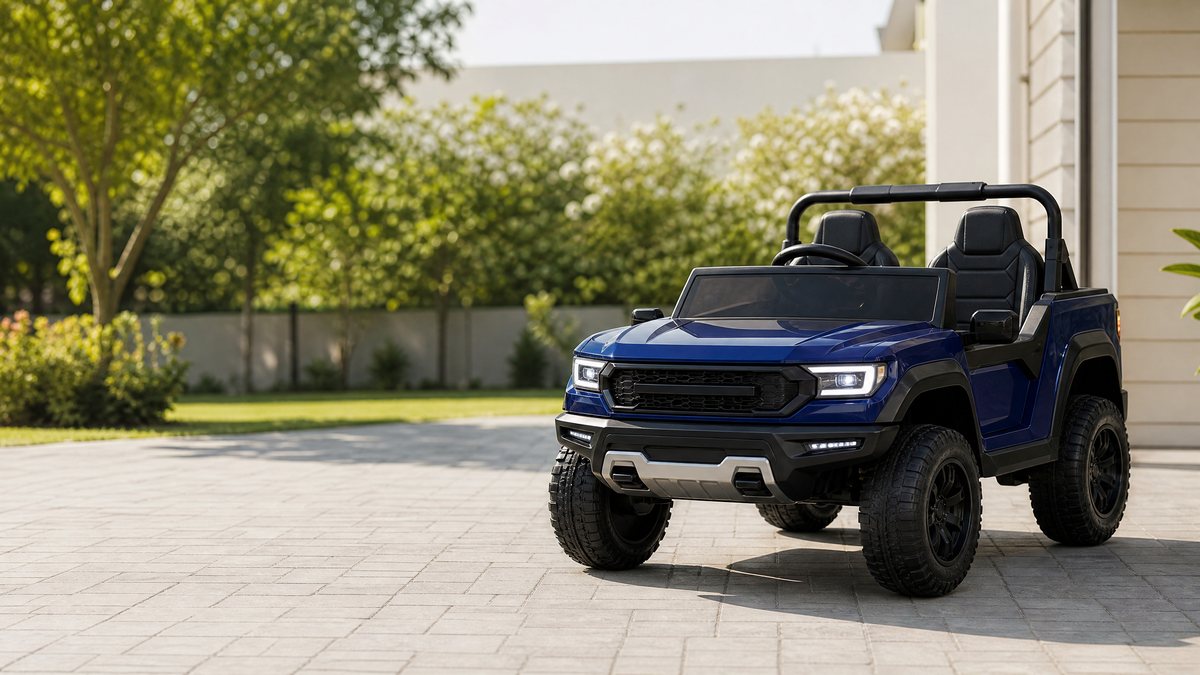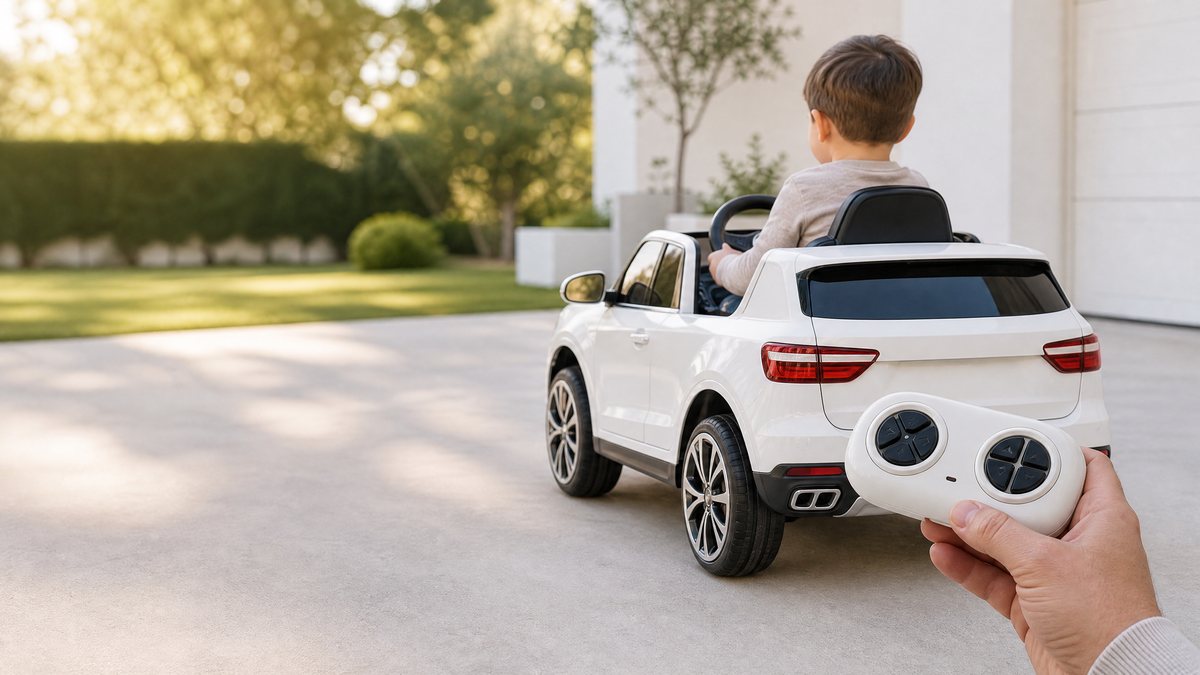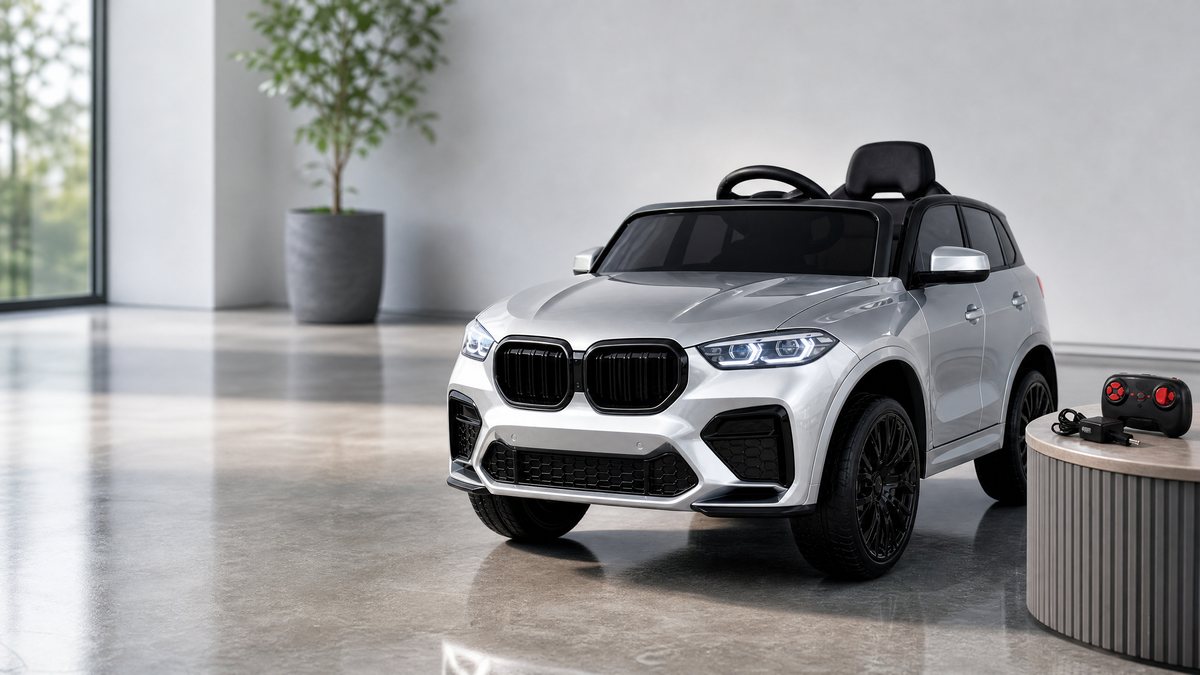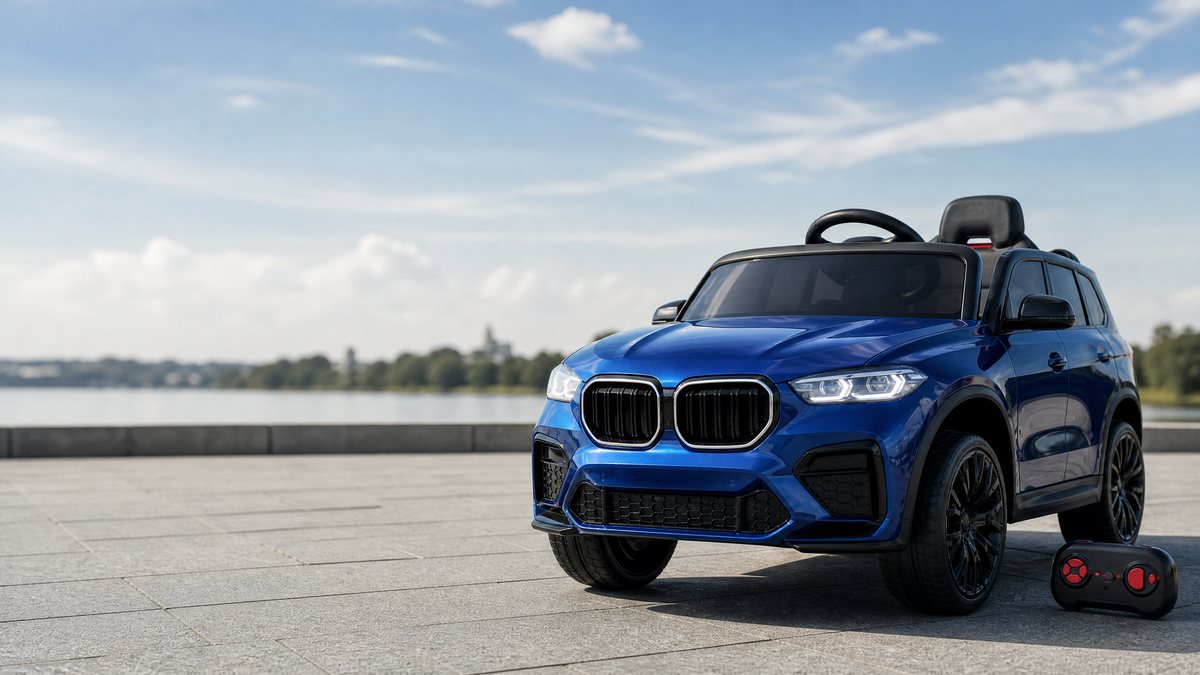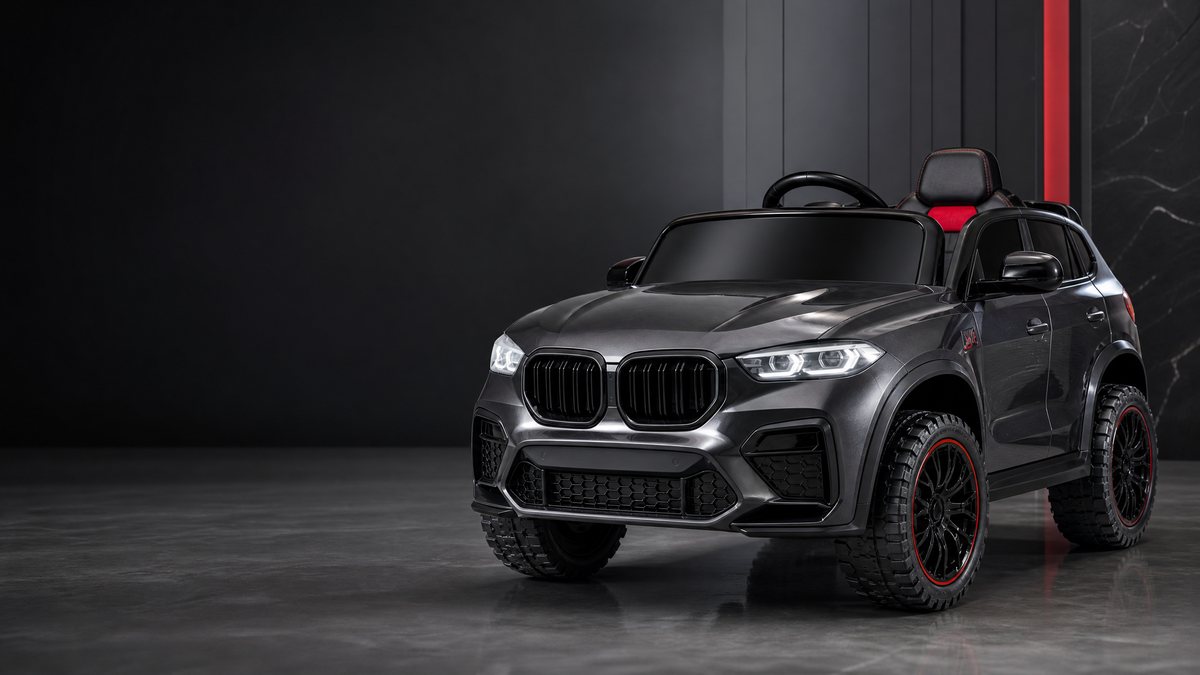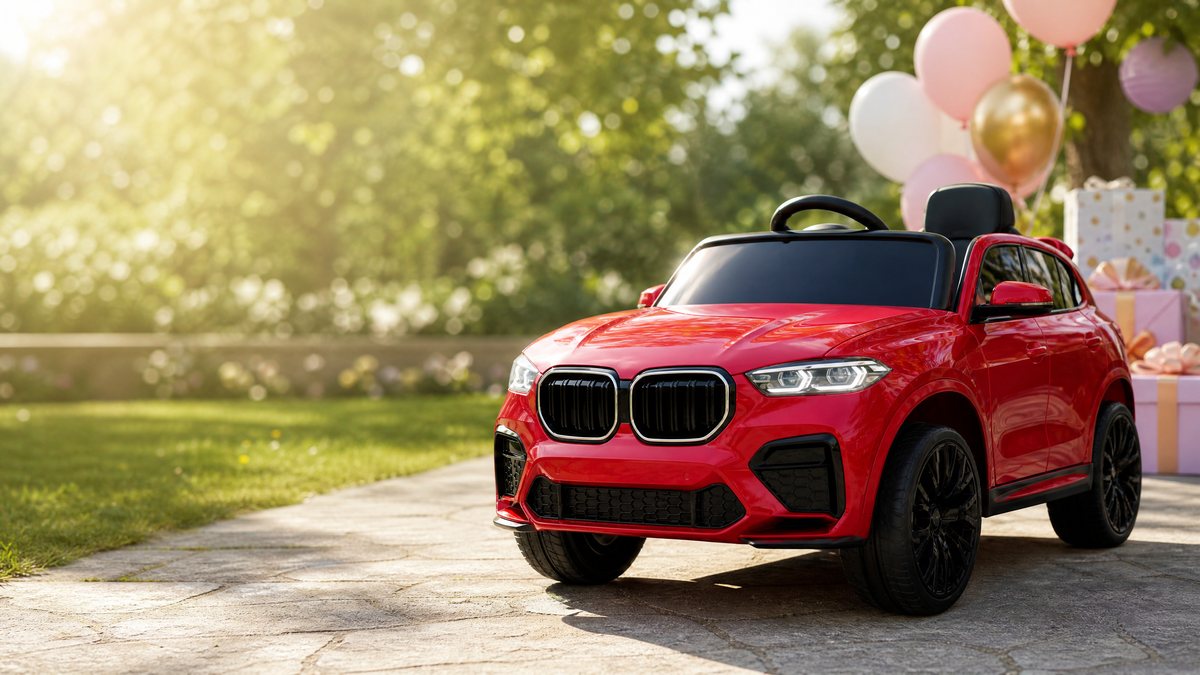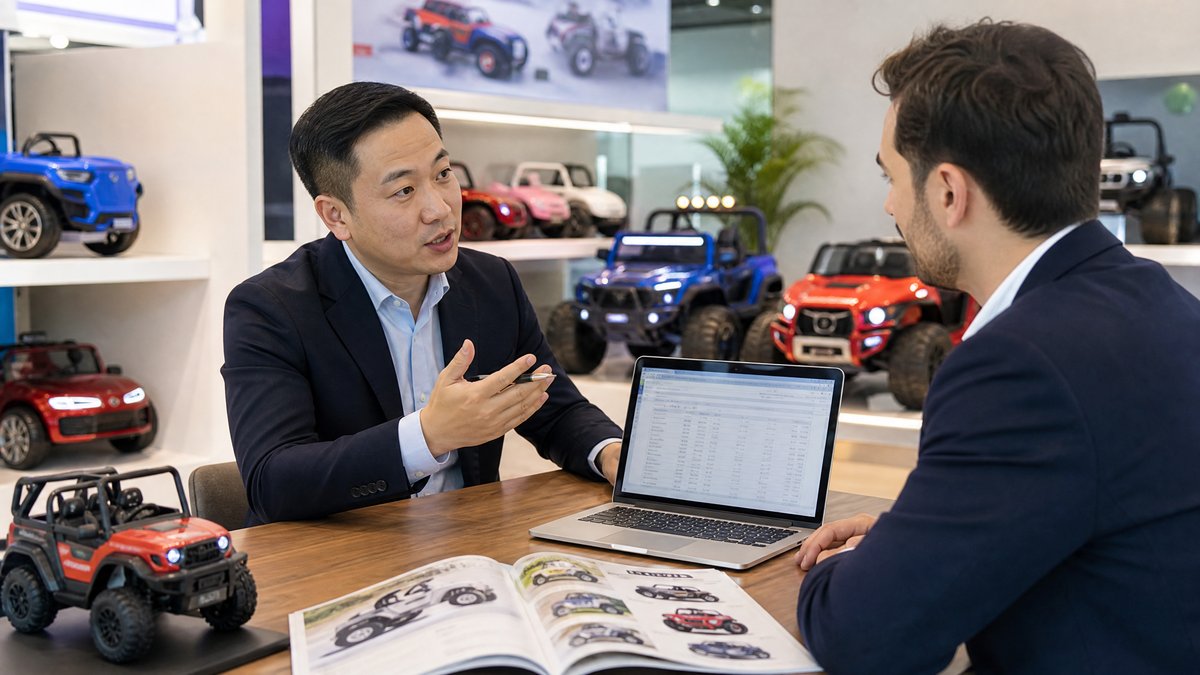
When families with multiple young children or close-in-age siblings shop for outdoor motorized toys, the question of vehicle capacity, structural ergonomics, and long-term durability is paramount. Traditional single-seater ride-on cars, while popular and compact, frequently introduce logistical, emotional, and social challenges in multi-child households. Children naturally want to share recreational experiences, ride together, explore backyard environments side by side, and engage in cooperative outdoor play. Consequently, the 2-seater ride-on car has rapidly established itself as a cornerstone category in the children's motorized vehicle market, successfully bridging the gap between recreational entertainment and shared social development. For B2B distributors, wholesale importers, and retail buyers, understanding the structural, ergonomic, and commercial merits of dual-seat models is essential for meeting modern parental demands and capturing high-value retail market segments across global territories and emerging regional commercial markets.
The appeal of a dual-seat electric vehicle extends far beyond simple passenger capacity or cosmetic enhancements. From a developmental perspective, sharing a vehicle encourages active negotiation, spatial awareness, and cooperative peer interaction among siblings. From a commercial standpoint, retailers and wholesalers benefit immensely from stocking versatile models that appeal to families seeking higher weight capacities, extended product lifecycles, and robust build quality. This comprehensive guide examines the multifaceted advantages of 2-seater ride-on cars, offering a structured evaluation framework for industry professionals, retail buyers, and parents navigating the children's motorized vehicle landscape. Furthermore, as global markets evolve toward durable, multi-functional recreational products, understanding the nuances of dual-seat engineering and supply chain logistics ensures that commercial partners can deliver reliable, high-satisfaction products to end-users worldwide.
Modern households increasingly prioritize toys that foster shared experiences rather than solitary entertainment. When two children can board the same vehicle, parental supervision becomes more streamlined, and children learn valuable interpersonal dynamics. Industry data consistently indicates that multi-child families view dual-seat electric vehicles as superior long-term investments because they accommodate growing children and eliminate disputes over who gets to drive. For wholesale distributors and retail buyers, this consumer preference translates into steady demand and strong repeat business opportunities across diverse retail channels.
1. Expanding Play Dynamics: The Social and Developmental Value of Dual-Seat Vehicles
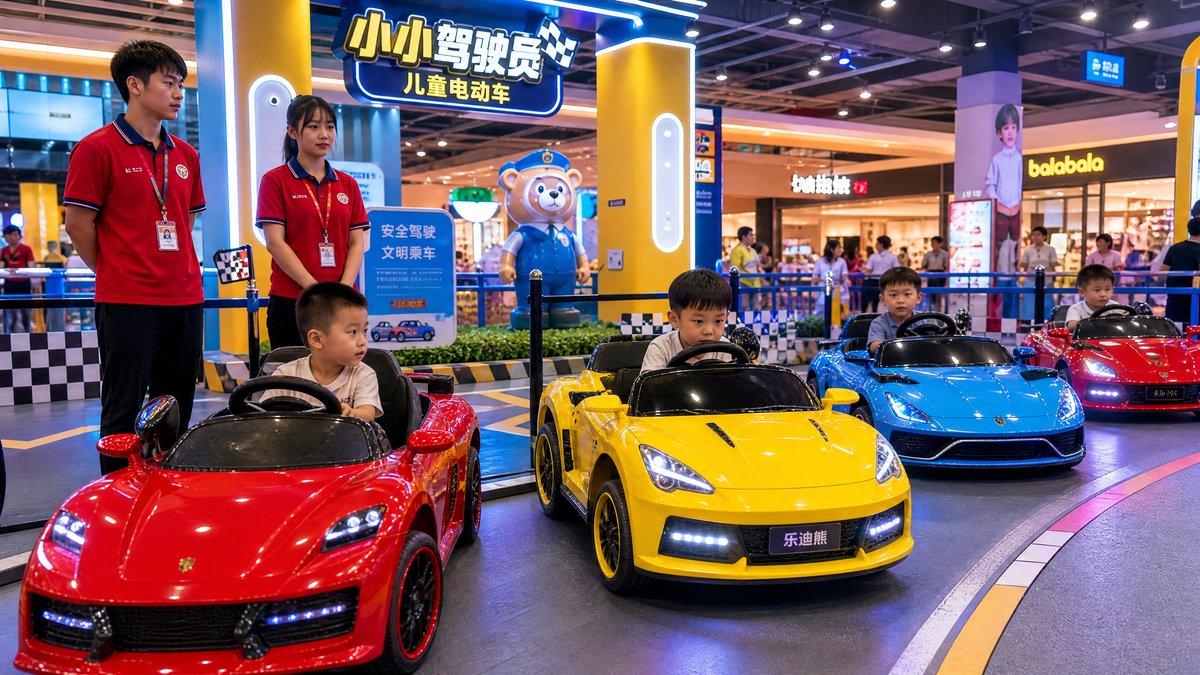
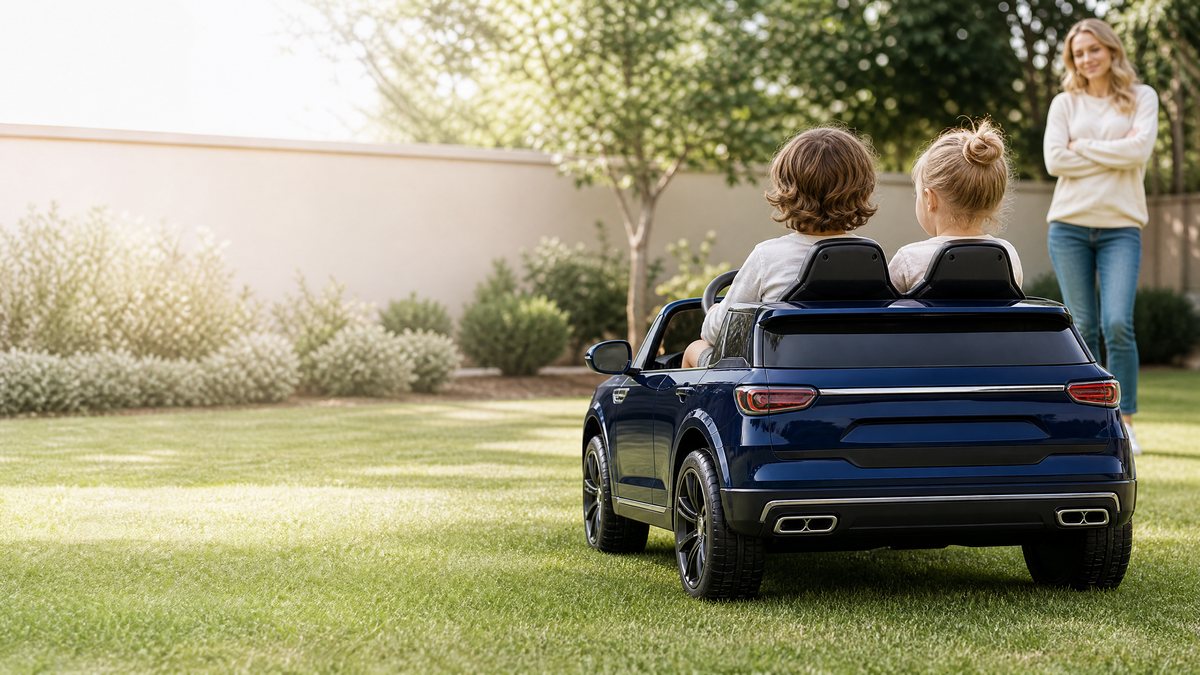
The introduction of a second seating position fundamentally transforms how children interact with motorized ride-on toys. In single-seater scenarios, play is often solitary or requires strict turn-taking schedules, which can occasionally lead to impatience, disputes, or friction among siblings. A dual-seat configuration invites cooperative play where one child may steer while the other navigates passenger responsibilities, or where two siblings can enjoy simultaneous outdoor recreation in a controlled and engaging environment.
Shared play experiences contribute positively to early childhood socialization and emotional intelligence. When children navigate backyard tracks, park pathways, or driveway courses together, they learn implicit communication skills, emotional regulation, and mutual consideration for personal space. While developmental outcomes vary by individual child and should be guided by parental observation rather than guaranteed therapeutic claims, supervised cooperative play in dual-seat vehicles can support social engagement and imaginative role-playing [1]. Furthermore, for parents managing multiple young children, a 2-seater vehicle streamlines outdoor excursions, allowing siblings to travel together at a uniform pace rather than requiring separate attention for individual push toys or single-rider vehicles.
Cooperative play in a shared vehicle also encourages children to establish shared goals, such as navigating a designated obstacle course or deciding on a driving route around the garden. These minor interactive moments help build foundational teamwork skills. Parents frequently observe that children exhibit greater patience when they share an exciting activity, as the mutual enjoyment of the ride reinforces positive peer relationships within the family unit and fosters cooperative communication habits that extend beyond playtime into everyday sibling interactions.
To explore bulk purchasing options or discuss inventory catalogs for multi-child electric vehicles, please Request a wholesale quote to connect with our commercial team.
2. Structural Ergonomics and Weight Distribution in 2-Seater Models
Designing a motorized vehicle for two occupants requires rigorous engineering considerations regarding weight distribution, chassis integrity, and spatial ergonomics. Unlike single-seater cars, which center the driver's weight over a predictable axis, 2-seater models must accommodate varied occupant combinations—ranging from two toddlers of similar weight to a larger older sibling paired with a younger child.
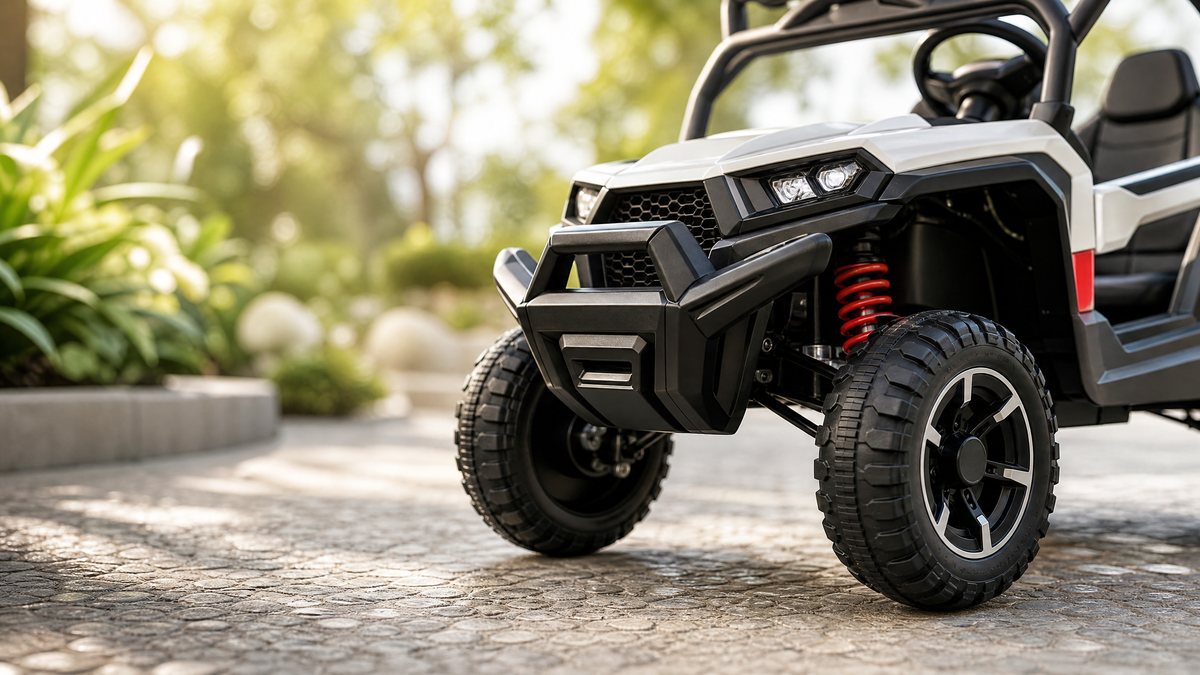
Manufacturers of high-quality dual-seat vehicles typically incorporate reinforced polypropylene frames, wider wheelbases, and upgraded dual-motor or four-wheel-drive configurations to handle increased gross vehicle weight ratings (GVWR). Buyers and retailers must evaluate these structural specifications carefully against the manufacturer's nameplate data and user manuals. Proper weight distribution ensures that steering responsiveness remains stable and that the electrical drivetrain operates within safe thermal thresholds. It is vital to emphasize that all load limits, seating capacities, and operational guidelines are strictly governed by the specific manufacturer's documentation and nameplate ratings, rather than generalized assumptions.
Furthermore, ergonomic considerations in dual-seat design extend to legroom, seat adjustability, and backrest support. As children grow at varying rates, adjustable seating positions allow families to adapt the vehicle configuration to changing physical dimensions. In retail markets, highlighting these ergonomic features provides a distinct competitive advantage, assuring parents that their investment will remain comfortable and functional over multiple years of use. Reinforced seat mountings and ergonomic contours prevent occupants from sliding during turns, thereby enhancing overall physical stability and comfort during operation.
3. Comparative Evaluation: Single-Seater Versus 2-Seater Ride-On Cars
To assist retail buyers, procurement managers, and discerning parents in selecting appropriate inventory, the comparative matrix below outlines the primary structural, operational, and market distinctions between single-seater and 2-seater ride-on cars.
| Evaluation Parameter | Single-Seater Ride-On Car | 2-Seater Ride-On Car |
|---|---|---|
| Occupant Capacity | Strictly designed for one child operator. | Accommodates two children simultaneously (subject to total weight limits). |
| Chassis & Footprint | Compact, lightweight, highly maneuverable in tight indoor or small courtyard spaces. | Wider wheelbase, extended chassis, offering superior lateral stability and payload capacity. |
| Drivetrain & Power | Typically equipped with single or dual motors suited for lighter aggregate loads. | Frequently upgraded to robust dual or quad-motor setups with higher torque capacity. |
| Product Lifespan | Ideal for younger toddlers; may be outgrown quickly as children gain height and weight. | Extended usable lifecycle, accommodating growing children or sibling pairs over multiple years. |
| Commercial Appeal | High volume turnover for budget-conscious entry-level retail segments. | High perceived value, appealing to multi-child families and premium gift buyers. |
When analyzing these options, wholesale buyers should review complete specification sheets and verify compliance documentation to ensure each model aligns with their target retail demographic and regional safety standards. Understanding these core distinctions allows retailers to curate balanced product displays that cater to both budget-focused single-child shoppers and premium-seeking multi-child households.
4. Supply Chain, Container Optimization, and Retail Merchandising
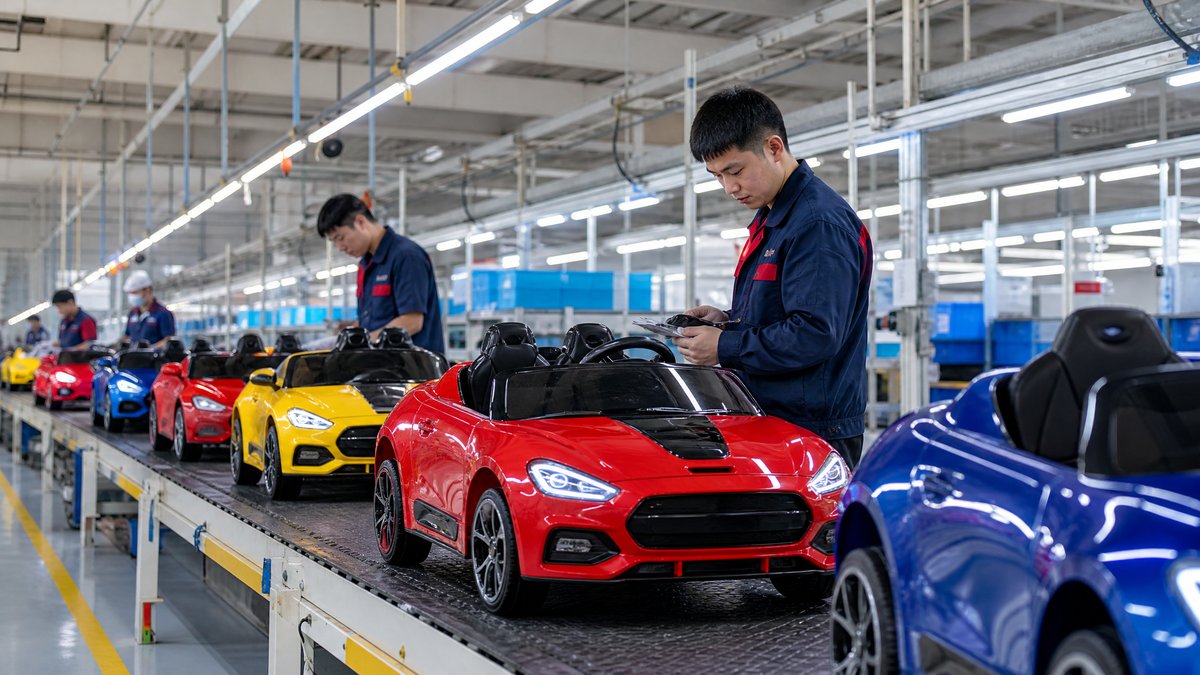
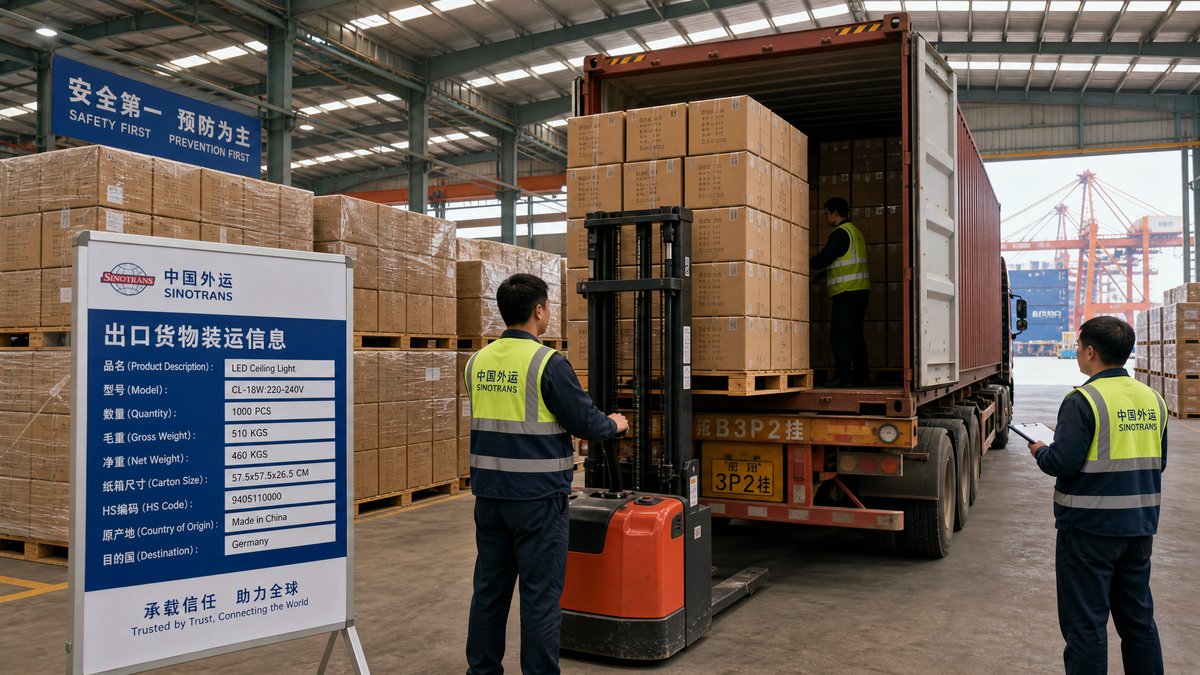
For B2B importers and wholesale distributors, integrating 2-seater ride-on cars into an existing product catalog involves distinct supply chain and logistical planning. Due to their extended chassis and broader dimensions, dual-seat models require careful consideration during ocean freight container loading, warehousing storage, and last-mile retail distribution.
Wholesale buyers must analyze carton dimensions and stacking configurations to maximize shipping container space efficiency. Although 2-seater models take up slightly more cubic volume than compact single-seaters, their higher retail price point and strong consumer demand among multi-child households often yield superior profit margins per square foot of retail floor space. Retailers can merchandise these vehicles effectively by highlighting their dual seating capacity, robust build quality, and shared play benefits in point-of-sale displays and digital catalogs. Furthermore, providing clear, transparent product specifications helps build long-term trust with retail partners and end consumers alike.
In addition to freight optimization, retailers should establish robust inventory turnover tracking for seasonal peaks, such as holiday shopping periods and spring outdoor recreation surges. Maintaining clear communication with manufacturing partners ensures reliable replenishment schedules and minimizes stockout risks for high-demand dual-seat configurations. Showroom demonstrations that allow parents to inspect seat widths and door latch mechanisms also prove highly effective in driving retail conversion rates.
5. Pre-Purchase Verification Checklist for Wholesale Buyers and Retailers
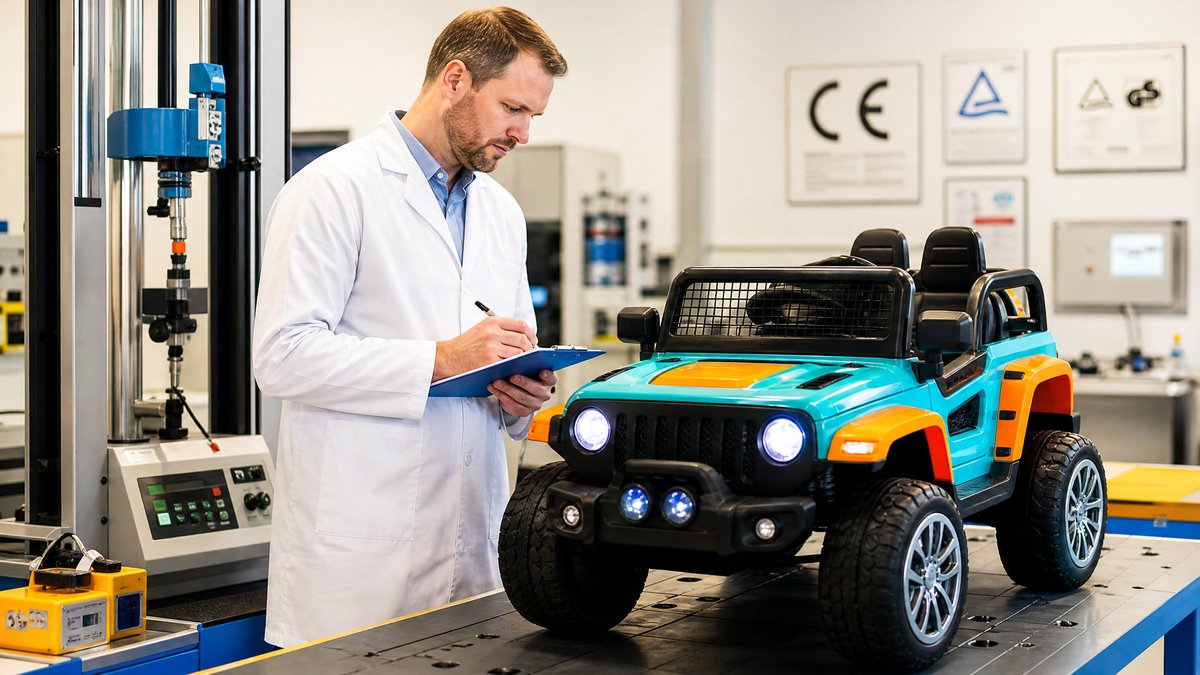
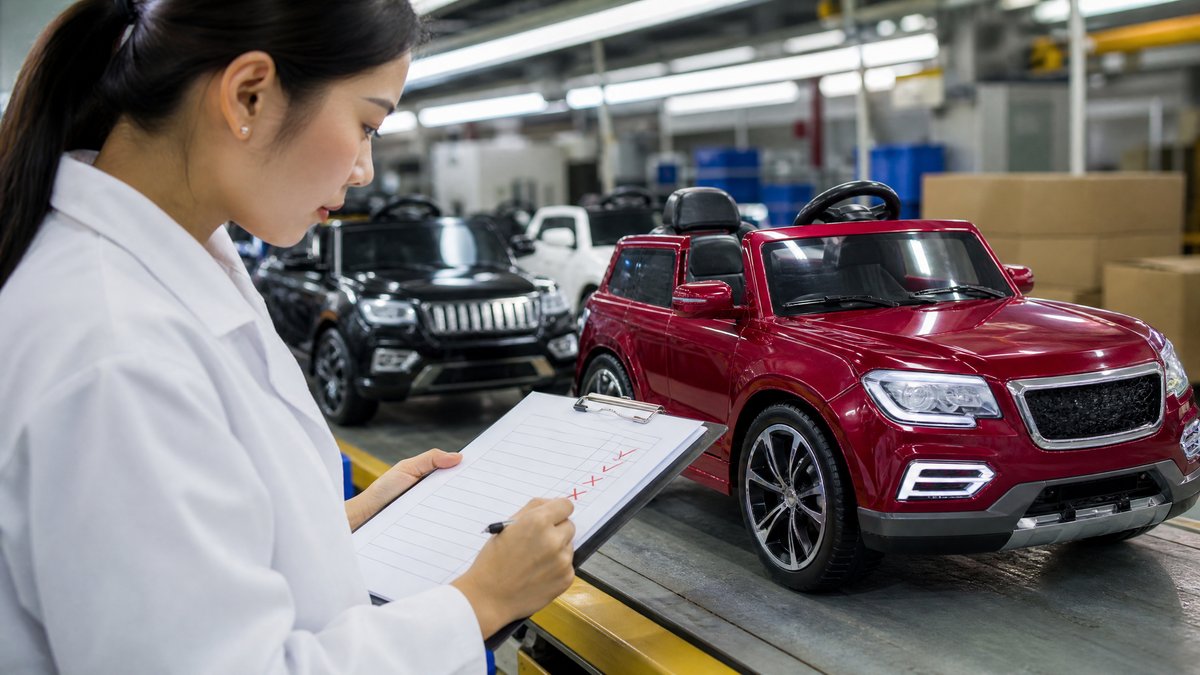
For commercial importers and retail partners navigating the children's vehicle market, relying on transparent verification frameworks is critical. Avoid unverified claims or speculative marketing promises; instead, implement a rigorous pre-purchase inspection protocol based on manufacturer specifications and physical sample evaluation.
1. Verification of Documentation: Always inspect official user manuals, nameplate ratings, and conformity certificates provided by the manufacturer. Never assume universal compatibility or uniform weight limits across different model series.
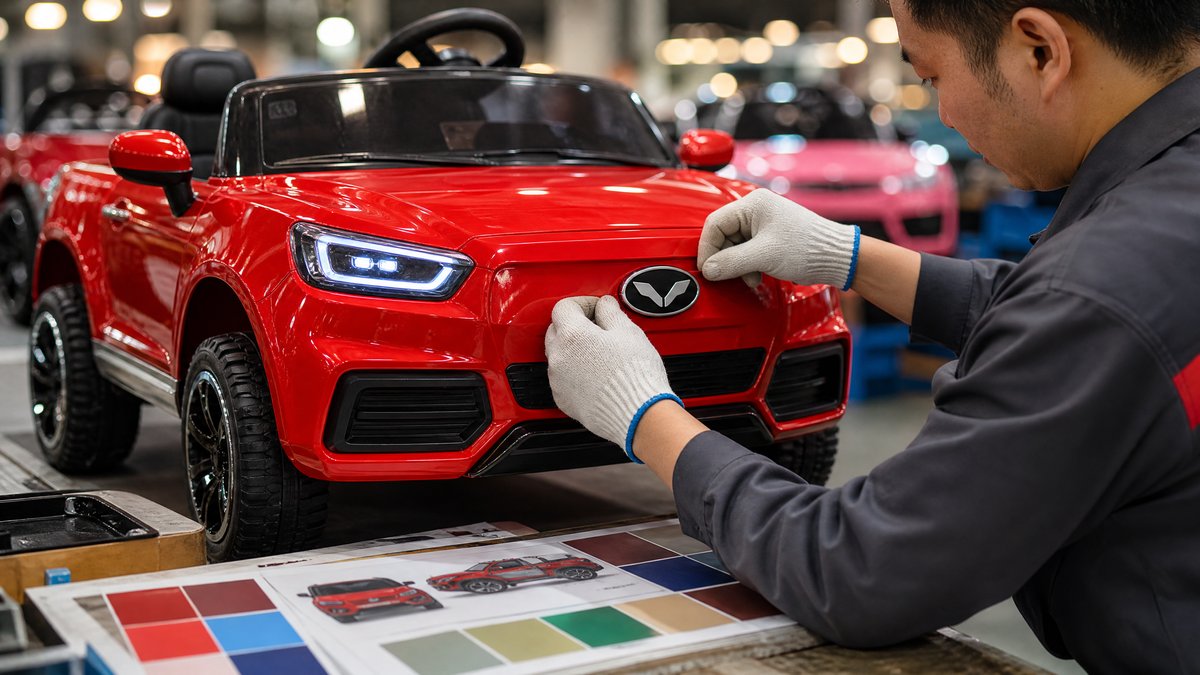
2. Chassis and Material Inspection: Examine the molded plastic thickness, joint reinforcements, and axle mountings to ensure structural resilience under dual-occupant loads.
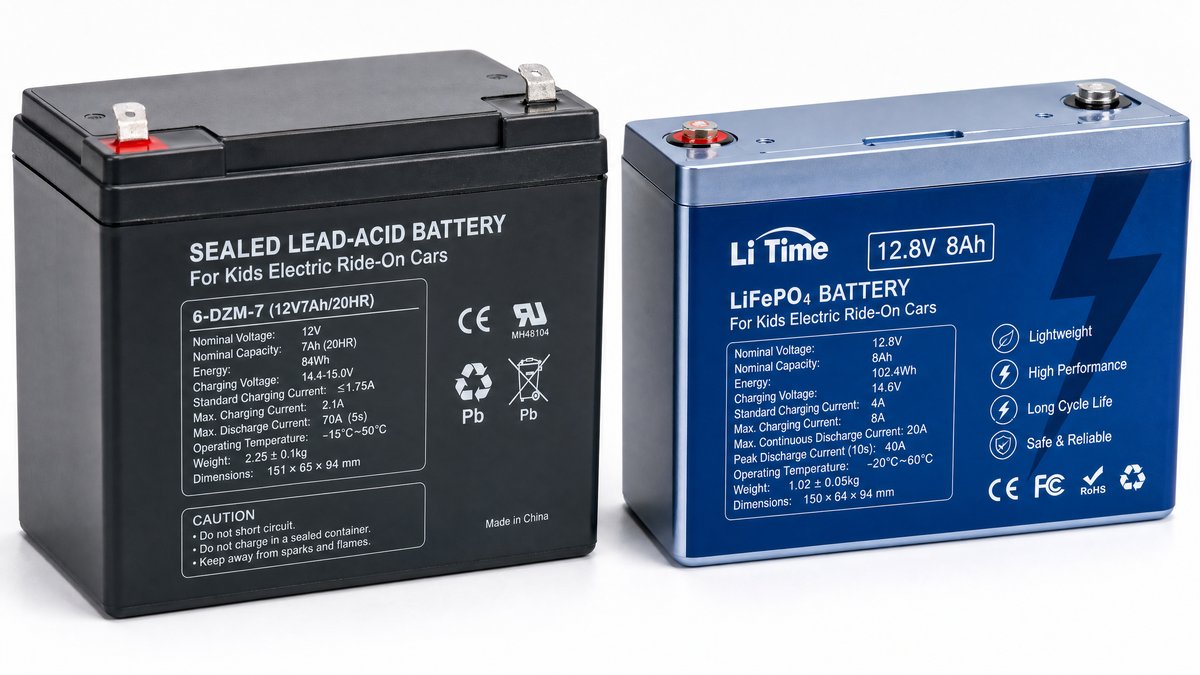
3. Electrical System Review: Verify the rated voltage, battery compartment security, and inclusion of standard safety circuit breakers or thermal fuses as specified in the technical documentation.
4. Control and Accessory Assessment: Confirm the presence of parental remote override features, adjustable seat configurations, and secure latching mechanisms on doors, ensuring that all features adhere strictly to the exact model's factory specifications.
6. Safety Protocols, Supervision, and Manufacturer Documentation
Operating motorized ride-on vehicles requires strict adherence to safety protocols and continuous adult supervision. Dual-seat vehicles, due to their increased mass and combined occupant weight, demand heightened vigilance from parents, caregivers, and fleet operators.
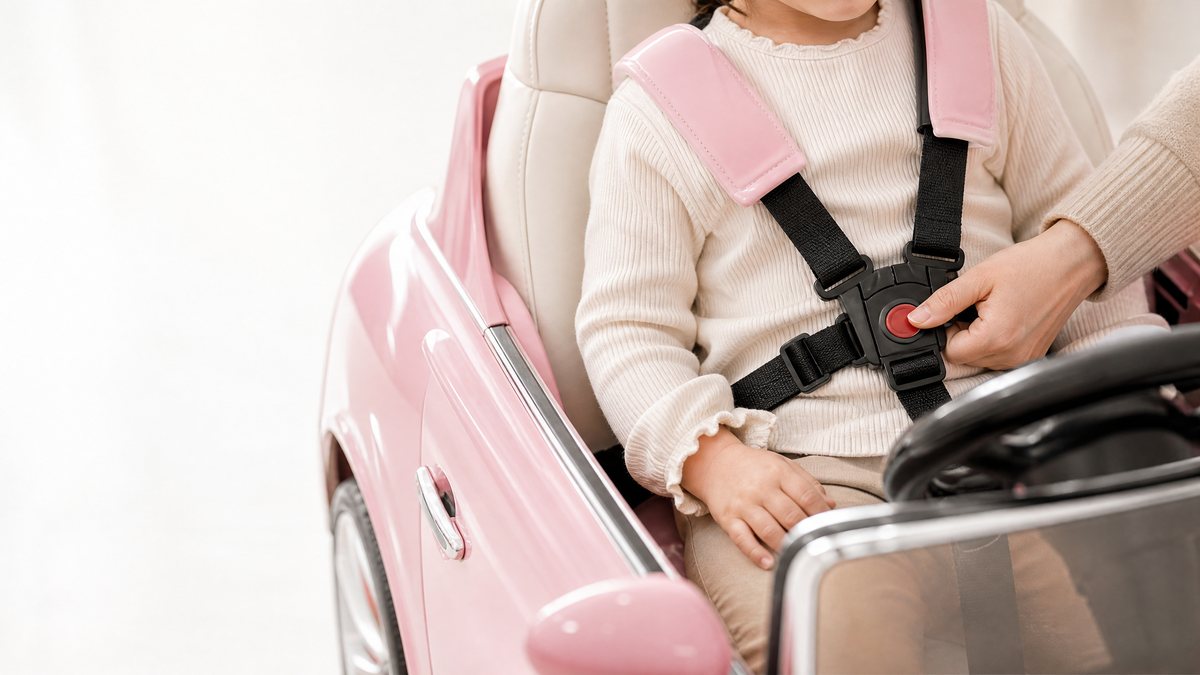
Adult supervision is mandatory during all operating sessions. Children must be instructed to remain seated properly with approved restraints fastened according to the manufacturer's written instructions. Never attempt unauthorized modifications, such as altering electrical wiring, bypassing internal circuit protection, measuring voltages, or installing unapproved high-output batteries or aftermarket seating. Such actions can compromise structural and electrical integrity.
If any anomalies are detected—such as unusual odors, smoke, excessive heat, fluid leaks, water ingress, exposed wiring, damaged charging cables, erratic braking performance, or persistent mechanical failures—users must immediately cease operation, power down the vehicle, move children to a safe distance, and contact the manufacturer or a qualified technician for inspection and service.
Frequently Asked Questions (FAQ)
Q1: What factors should wholesale buyers consider regarding weight capacity in 2-seater models?
A: Wholesale buyers must review the official nameplate rating and manufacturer specifications rather than relying on visual appearance. Total weight capacity varies significantly by model, frame material, and motor configuration, and exceeding specified limits can affect braking efficiency and motor longevity.
Q2: Can a 2-seater ride-on car be used by a single child as they grow?
A: Yes. Many families choose 2-seater models specifically because the extended seating area and higher weight capacity allow a single growing child to use the vehicle comfortably over a longer timespan compared to compact single-seater alternatives.
Q3: What safety checks are necessary before allowing two children to ride together?
A: Caregivers must verify that the combined weight of both occupants is within the manufacturer's stated limits, that both children are properly seated with restraints secured as outlined in the manual, and that the operating area is flat, clear of traffic, and under constant adult supervision.
Q4: How should retailers verify product compliance and safety features?
A: Retailers should request comprehensive documentation directly from manufacturers, including user manuals, conformity certificates, and test reports. All promotional materials should accurately reflect only the features and ratings certified in writing by the factory.
Q5: How do dual-motor systems differ from single-motor setups in dual-seat vehicles?
A: Dual-motor and quad-motor configurations distribute torque across multiple wheels, improving traction on gentle outdoor surfaces when carrying heavier loads. Buyers should consult specific model specifications to understand drivetrain capabilities.
Official References
1. Consumer Product Safety Commission (CPSC). General Toy Safety Education and Consumer Guidance. Available via official CPSC educational resources regarding motorized ride-on toy safety and supervision frameworks. Note: Official CPSC guidance serves as general safety education and does not replace specific model manuals, nameplate ratings, or manufacturer certifications.
To secure wholesale pricing, request product catalogs, or discuss distribution partnerships for our certified 2-seater ride-on car collection, please Request a wholesale quote to get in touch with our international sales division. Furthermore, our commercial team remains available to assist international partners with tailored product selections, logistical support, and comprehensive compliance documentation to ensure long-term retail success.
Official references
Explore these external resources for current regulatory and trade guidance. Confirm requirements with the relevant authority before placing an order.
Ready to Start?
Factory-Direct · CE & ASTM Certified · MOQ from 50 Units
Our export team works with buyers in 60+ countries. Get a quote within 24 hours.
KR
Written by KidsRideCar
China's leading kids electric ride-on car manufacturer. 500,000+ units shipped annually to 60+ countries. CE, ASTM & EN71 certified.