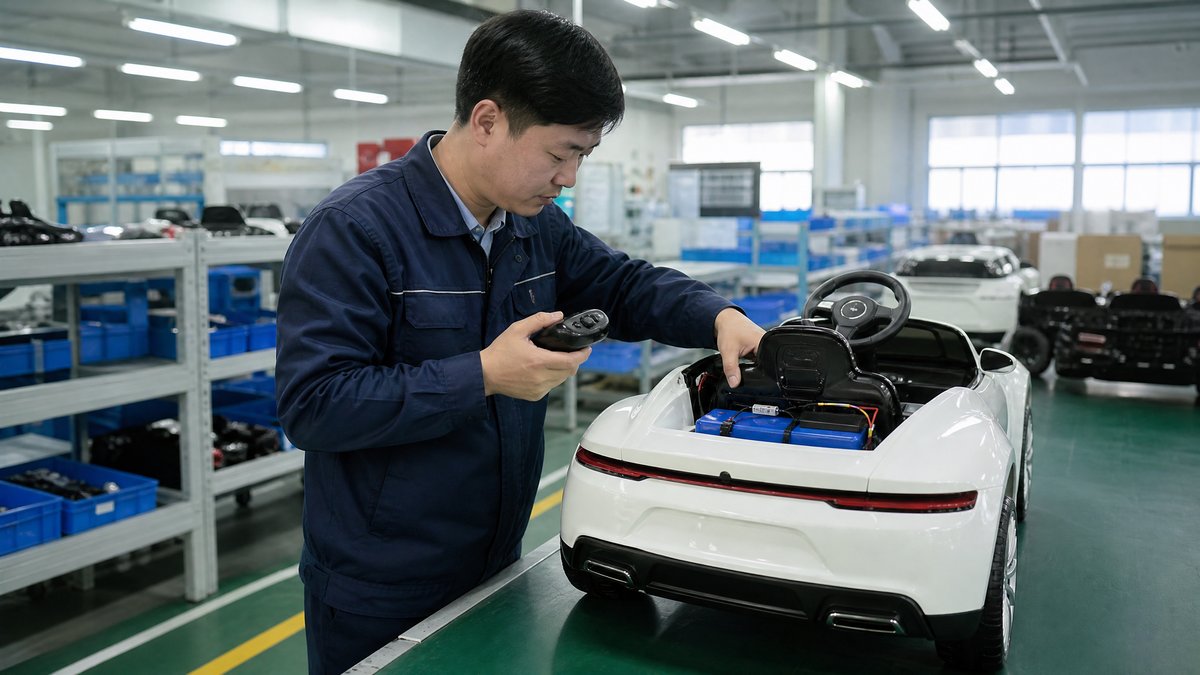
In the modern B2B landscape, the transition from a simple product sale to a comprehensive service-oriented partnership is a prerequisite for sustained market growth. This is particularly evident in the electric ride-on car sector, where product complexity requires a sophisticated approach to information management. For importers and wholesalers, the ability to provide accurate and safe product information to customer service teams is a critical differentiator. A ride-on car represents a significant investment, and the quality of the retailer's technical response directly impacts brand equity and operational profitability. By proactively organizing technical data, assembly guidance, and safety protocols, retailers can minimize return rates and build a reputation for reliability.
The "Information Lifecycle" in the ride-on car industry begins long before the product reaches the end-user. It starts at the sourcing stage, where technical specifications are defined, and continues through the manufacturing, shipping, and retail phases. At each step, data must be captured, verified, and translated into actionable information for customer service agents. This holistic approach ensures that when a parent calls with a question about their child's new vehicle, the retailer has a wealth of verified data at their fingertips to provide a prompt and professional solution.
1. The Strategic Value of Technical Information in B2B Operations
In high-volume B2B distribution, information serves as the foundation for risk mitigation and efficiency. When a wholesaler imports a container of electric ride-on cars, they assume responsibility for the product's performance across its lifecycle. Without a robust information strategy, the retailer is vulnerable to customer confusion and regulatory hurdles.
Reducing Returns and Enhancing Professionalism
Returns are the silent killer of retail margins, especially for bulky items like ride-on cars. A significant percentage of returns are due to a lack of clear information rather than actual defects. By providing customer service (CS) teams with granular technical details, retailers can resolve "perceived defects" through simple communication. Whether clarifying remote control operation or initial charging, information-driven support transforms potential returns into successful user experiences. Furthermore, professional documentation and clear safety protocols signal that the wholesaler is a serious player committed to quality, building trust throughout the supply chain.
Data-Driven Decision Making in Customer Service
Beyond resolving individual issues, a well-managed information system allows retailers to engage in data-driven decision making. By tracking the types of technical questions and issues reported across different product lines, wholesalers can identify trends and potential areas for improvement. This intelligence is invaluable for future sourcing decisions, allowing buyers to select manufacturers and models that demonstrate higher reliability and lower support requirements. In the B2B world, this data-driven approach translates into more predictable margins and a more stable business model.
Optimizing Internal Training and Knowledge Retention
A well-organized information repository is an invaluable tool for training CS staff. Instead of relying on trial-and-error, teams can follow standardized scripts and diagnostic workflows based on verified manufacturer data. This consistency ensures that every customer receives the same high level of service, regardless of the agent they speak to. Moreover, a centralized knowledge base ensures that critical product information is retained within the organization, even as staff members change, protecting the retailer's intellectual capital and service quality.
2. Building a Comprehensive Technical Data Repository
The first step in optimizing customer service is to move beyond surface-level marketing specifications. A professional B2B retailer must work with their manufacturer to compile a deep technical data repository for every model in their inventory.
Electrical and Power Systems Management
Understanding the electrical architecture of a ride-on car is essential for diagnosing performance issues. Retailers should maintain detailed records of the following:
* Battery Specifications and Chemistry: Document the chemistry and capacity ratings (Amp-hours) of the batteries. CS teams need this to manage expectations regarding playtime, which varies based on vehicle configuration and terrain. Understanding the nuances of battery discharge rates allows agents to provide more accurate advice on charging schedules and storage practices.
* Motor and Drivetrain Configuration: Knowing the power ratings and mechanical setup allows CS teams to explain performance characteristics, such as how a dual-motor setup behaves on uneven surfaces compared to a single-motor model. This technical depth helps in addressing customer inquiries about the vehicle's ability to handle specific types of domestic environments.
* Charging and Protection Circuits: Document the location and operation of safety features like circuit breakers or thermal fuses based on manufacturer drawings. This allows for low-risk guidance if a vehicle stops due to an electrical overload, ensuring that customers can safely reset the system according to the manufacturer's instructions.
* Electronics and Firmware Versioning: Track changes in motherboards and remote control systems across production batches to ensure that any replacement parts sent to customers are compatible with their specific version. This level of detail is crucial for maintaining a high first-call resolution rate.
Mechanical and Structural Technical Details
The physical build of the car impacts its durability and ease of assembly. Information regarding the type of plastics used, such as high-grade Polypropylene, helps CS teams address concerns about durability and impact resistance. Additionally, understanding tire materials and suspension setups allows agents to advise customers on the suitability of a model for various surfaces, from smooth pavement to manicured lawns. Clear data on physical dimensions and maximum weight capacity is also vital for safety, and CS agents must always adhere to the manufacturer's stated limits to prevent mechanical failure and ensure child safety.
Digital Asset Management for Technical Data
Managing this data requires a robust system to house technical drawings for every SKU. Centralizing this information ensures that CS teams provide current and accurate advice, reducing the risk of using outdated data.
3. Visual Support Assets: Bridging the Gap Between Manuals and Reality
In the age of digital media, text-based manuals are often insufficient for complex assembly tasks. B2B retailers should invest in high-quality visual assets that simplify the user experience and reduce the support burden.
Model-Specific Assembly Videos and Visual Guides
Generic assembly videos are a common source of frustration. Retailers should secure videos specific to each SKU from manufacturers like KidsRideCar. These videos should focus on initial setup and activation, complex mechanical assemblies like steering column alignment, and remote control synchronization. Providing a visual guide for these processes is far more effective than written instructions alone, as it allows customers to see the correct orientation and placement of components in real-time.
Digital Documentation and QR Integration Strategies
Retailers should modernize information delivery by providing searchable PDF manuals and exploded-view diagrams. These technical drawings are essential for identifying individual components, making the spare parts ordering process more accurate. Placing QR codes on product packaging that link directly to assembly videos and troubleshooting portals can significantly reduce the volume of basic support inquiries. This "self-service" approach empowers customers to find solutions quickly, leading to higher satisfaction levels and lower operational costs for the retailer.
Interactive Support Tools
Some retailers are implementing interactive tools like 3D assembly models. By allowing customers to rotate and zoom in on a virtual model, retailers provide a higher level of assembly support that helps eliminate common points of confusion during the setup process.
4. Low-Risk Troubleshooting Frameworks and CS Training
A professional retailer’s CS team should act as high-level advisors rather than technicians. The goal is to identify the nature of a problem and provide safe, manufacturer-approved solutions without encouraging dangerous DIY repairs.
Establishing a Diagnostic Hierarchy and Scripting
Retailers should develop diagnostic scripts that prioritize safety and manufacturer documentation. Instead of suggesting that a customer open a battery compartment or measure electrical currents, the CS team should guide the user through external checks:
1. Manual Adherence Verification: Confirm that the customer has followed the manufacturer's instructions for assembly and operation. This establishes a clear starting point for a safe support conversation.
2. External Power and Connectivity Checks: Advise customers to verify that chargers are correctly plugged in and that external ports are free of debris. Agents should focus on the visible and accessible parts of the vehicle as defined by the user manual.
3. Environmental and Usage Assessment: Ask about terrain, rider weight, and ambient temperature, all of which affect battery and motor performance. This helps in identifying whether a "problem" is actually normal operation under specific conditions.
4. Authorized Service Referral Protocols: If an issue cannot be resolved through the manual's external checks, the retailer should refer the customer to the manufacturer or an authorized service route identified in the product documentation. CS teams should never encourage customers to bypass safety features or repair internal electrical components themselves, because these actions can create safety and support risks.
CS Training Programs
Effective troubleshooting requires well-trained staff. Retailers should implement training programs covering product updates and safety protocols. Hands-on experience with the products allows agents to understand common user challenges, ensuring a higher level of technical competence.
Battery Health and Longevity Education
Batteries are the most sensitive component of an electric ride-on car. CS teams must be experts in communicating proper care:
* Initial Charging Protocols: Emphasize the importance of the first charge as specified by the manufacturer for long-term battery health. This is a critical step that many customers overlook.
* Seasonal Maintenance and Storage: Provide guidance on maintaining the battery during winter storage, such as keeping it in a temperature-controlled environment and performing periodic maintenance charges as recommended in the manual.
* Avoiding Deep Discharge Risks: Educate customers on the risks of leaving a battery fully discharged to prevent premature failure and ensure the vehicle is ready for use when the child wants to ride.
5. Navigating Regulatory Compliance and Safety Verification
In the global B2B trade of children's products, safety and compliance are fundamental business requirements. Retailers must be the gatekeepers of compliance for their target markets.
Market-Specific Verification and Documentation
Regulatory standards for toys are complex and subject to frequent updates. Retailers should implement a rigorous verification process, maintaining complete testing reports from accredited third-party laboratories for every SKU. It is essential to state that compliance is verified based on the specific market, the applicable product version, and the latest official requirements. This proactive approach prevents costly delays at ports of entry and ensures that the products sold meet the highest safety standards.
Risk Assessment Frameworks
Wholesalers should develop internal frameworks to evaluate new products, including reviewing safety documentation and monitoring regulatory changes. This proactive approach to risk management protects the brand and customers from non-compliant or unsafe products.
Communicating Safety to the End-User
Safety information should be integrated into every customer touchpoint. Retailers must ensure that mandatory adult supervision is clearly stated and that age and weight limits are strictly respected. Providing clear information on safe operating environments—away from traffic, water, and steep inclines—is a vital part of the retailer's duty of care. This communication should be consistent across marketing materials, manuals, and customer service interactions.
6. Spare Parts Management and After-Sales Logistics Strategy
A robust spare parts strategy transforms the retailer from a mere seller into a long-term service partner. This is a key value proposition in the B2B ride-on car industry.
Strategic Inventorying of Critical Components
Retailers should maintain a dedicated inventory of critical components, such as chargers, batteries, motherboards, and mechanical wear items like gearboxes. By having these parts readily available, wholesalers can provide immediate support to their retail partners and end-users, significantly reducing the downtime of the product. This responsiveness is a major factor in building customer loyalty and brand trust.
Logistics Optimization
A spare parts buffer in purchase orders ensures retailers have the components to handle assembly issues or transit damage immediately. This improves service speed and allows for the targeted shipment of small components rather than the costly replacement of entire vehicles.
7. Strengthening the Manufacturer-Retailer Feedback Loop
The relationship between a retailer and a manufacturer like KidsRideCar should be a two-way street. The information gathered by the CS team is a goldmine for product improvement.
Data-Driven Product Improvement and Innovation
By systematically documenting inquiries and sharing this data with the manufacturer, retailers can drive design improvements in future production runs. For example, if a specific component shows a higher-than-expected failure rate, the manufacturer can implement upgrades to the material or design. This collaborative approach leads to a continuous cycle of product innovation and quality enhancement.
Collaborative Development of Support Materials
Retailers and manufacturers should work together to create better support materials. This includes co-developing assembly videos, translating manuals into local languages with technical accuracy, and creating model-specific troubleshooting guides. This collaborative effort ensures that the information provided to the end-user is of the highest accuracy and quality, reflecting the professional standards of both the retailer and the manufacturer.
Frequently Asked Questions
Q: How can a retailer verify the authenticity of safety certifications?
A: Retailers should request full testing reports from accredited third-party laboratories and cross-reference them with the lab's verification portal. It is essential to verify that testing was conducted against the most recent versions of the applicable standards for the target market. Buyers should also maintain communication with labs to clarify technical details.
Q: What is the best way to handle a report of a vehicle not powering on?
A: The CS team should guide the customer to review the manufacturer's initial setup instructions, focusing on external connections and charging protocols. If the issue persists, the customer should be referred to the manufacturer's technical documentation or an authorized service provider for a professional assessment. Retailers should strictly avoid suggesting any internal electrical inspections by the consumer to ensure safety.
Q: Why track the firmware or motherboard version of a ride-on car?
A: Manufacturers implement incremental improvements to electronics. Tracking versions ensures that replacement parts, such as remote controls or control boxes, are fully compatible with the customer's specific unit. This prevents further frustration, reduces the risk of electrical incompatibility, and ensures the vehicle operates as intended.
Q: How should retailers advise on ride-on cars for children with special needs?
A: Retailers should always defer to the manufacturer's approved usage guidelines and age-grading. No medical or therapeutic claims should be made by the retailer. Parents should be advised to consult the manufacturer's documentation and professional advisors to determine the suitability of a specific model for their child's unique needs, always ensuring strict adult supervision.
Q: What are the benefits of providing 'exploded-view' diagrams to B2B customers?
A: These diagrams allow professional buyers to identify individual components with precision, which is vital for ordering the correct spare parts. This reduces supply chain errors and improves repair speed, demonstrating a commitment to professional support.
Conclusion: Building Trust Through Technical Excellence
In the B2B ride-on car market, product information quality is as vital as the product itself. Retailers who prioritize technical data, visual assets, and safe troubleshooting build long-term brand loyalty. Accuracy, safety, and professional verification are the hallmarks of a market leader, positioning retailers for sustainable growth.
Request a wholesale quote
Official references
Explore these external resources for current regulatory and trade guidance. Confirm requirements with the relevant authority before placing an order.
Ready to Start?
Factory-Direct · CE & ASTM Certified · MOQ from 50 Units
Our export team works with buyers in 60+ countries. Get a quote within 24 hours.
KR
Written by KidsRideCar
China's leading kids electric ride-on car manufacturer. 500,000+ units shipped annually to 60+ countries. CE, ASTM & EN71 certified.