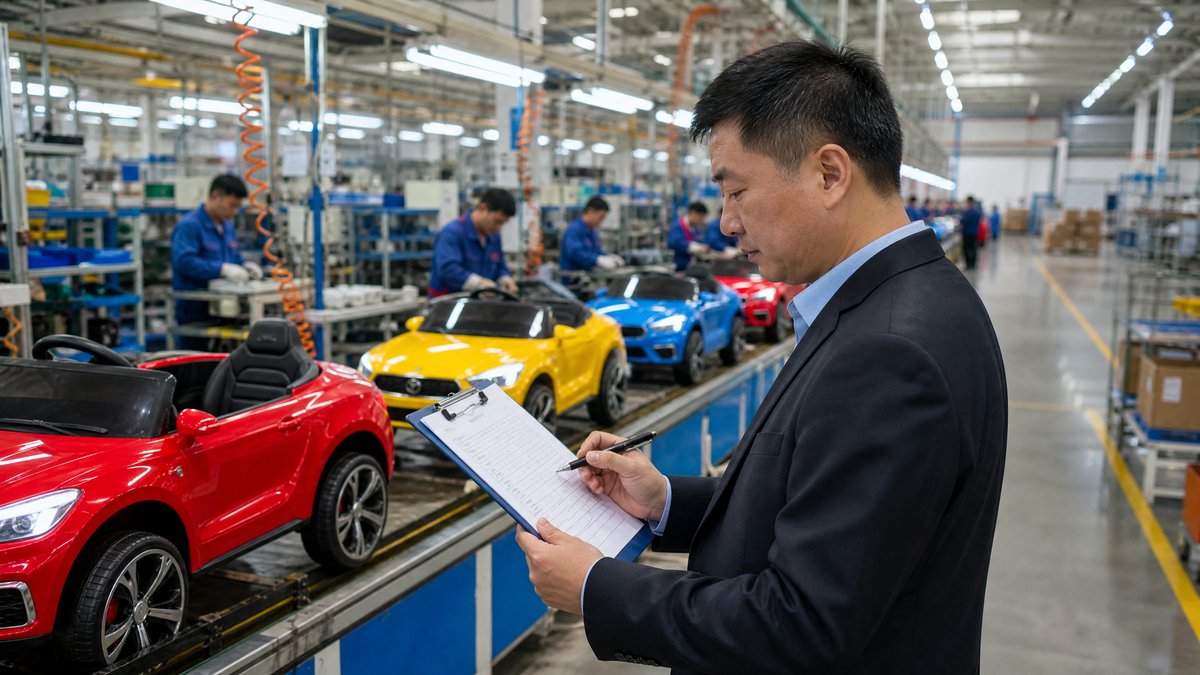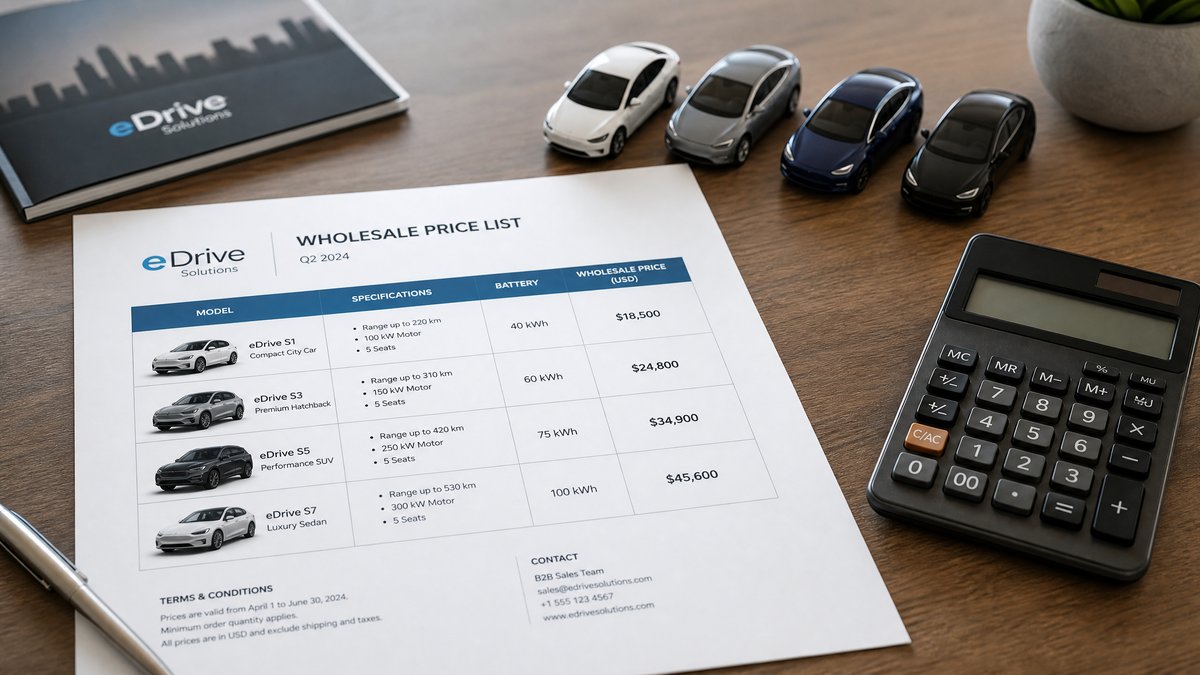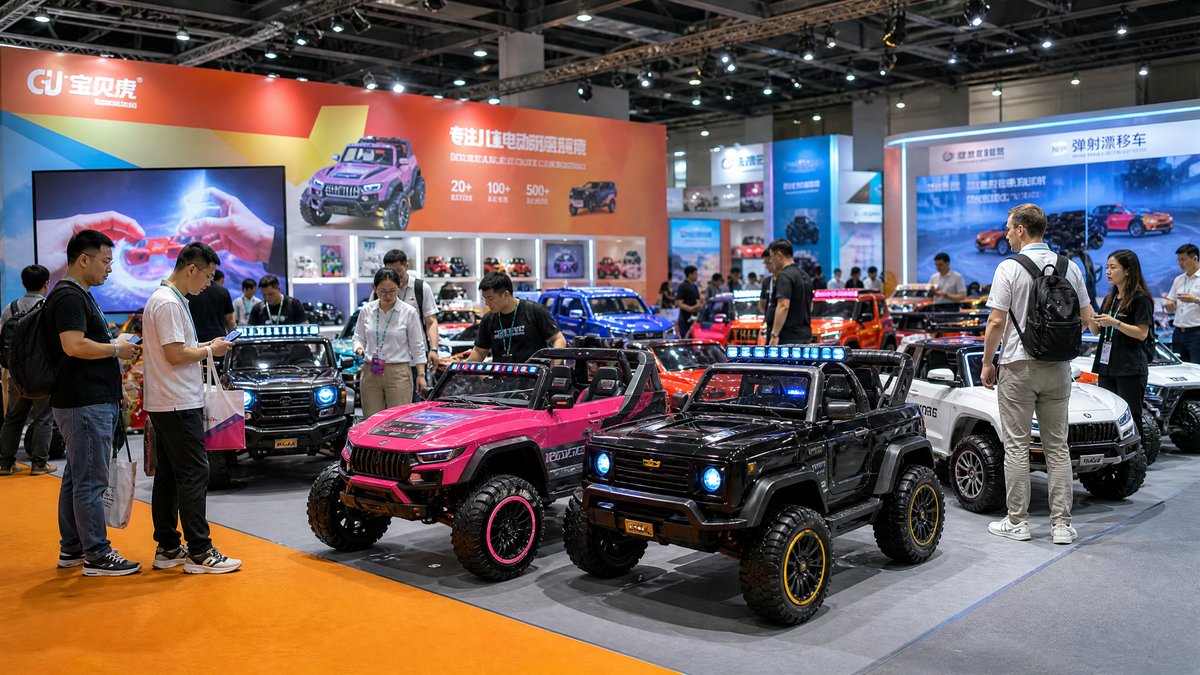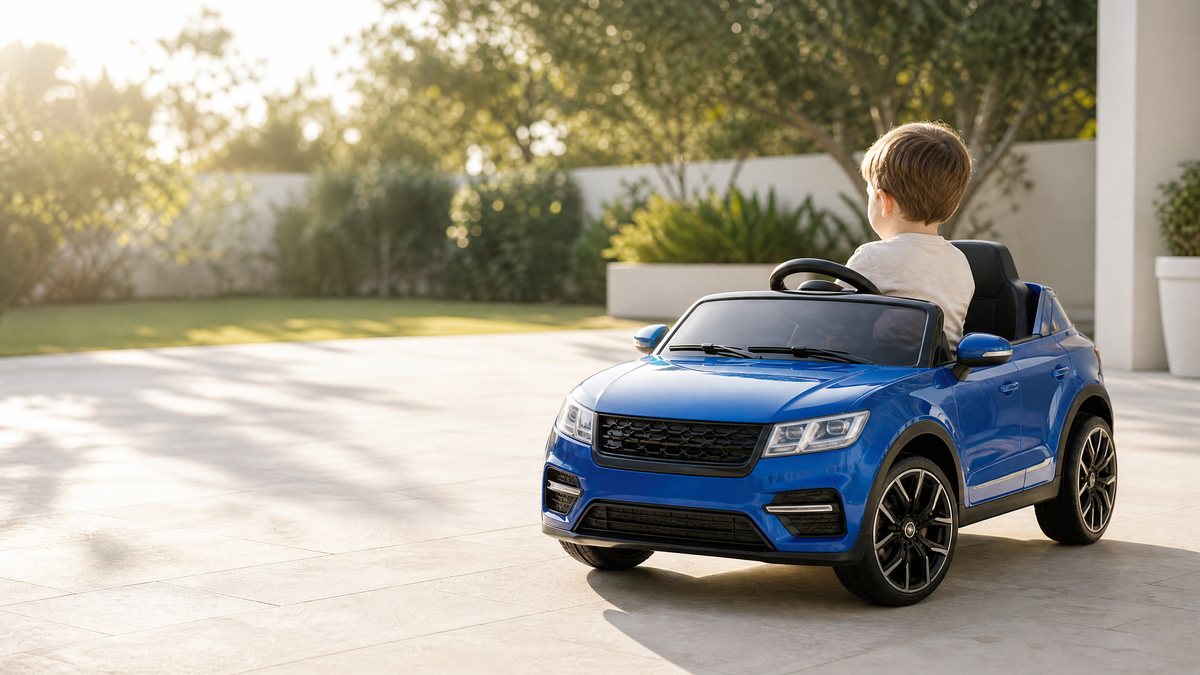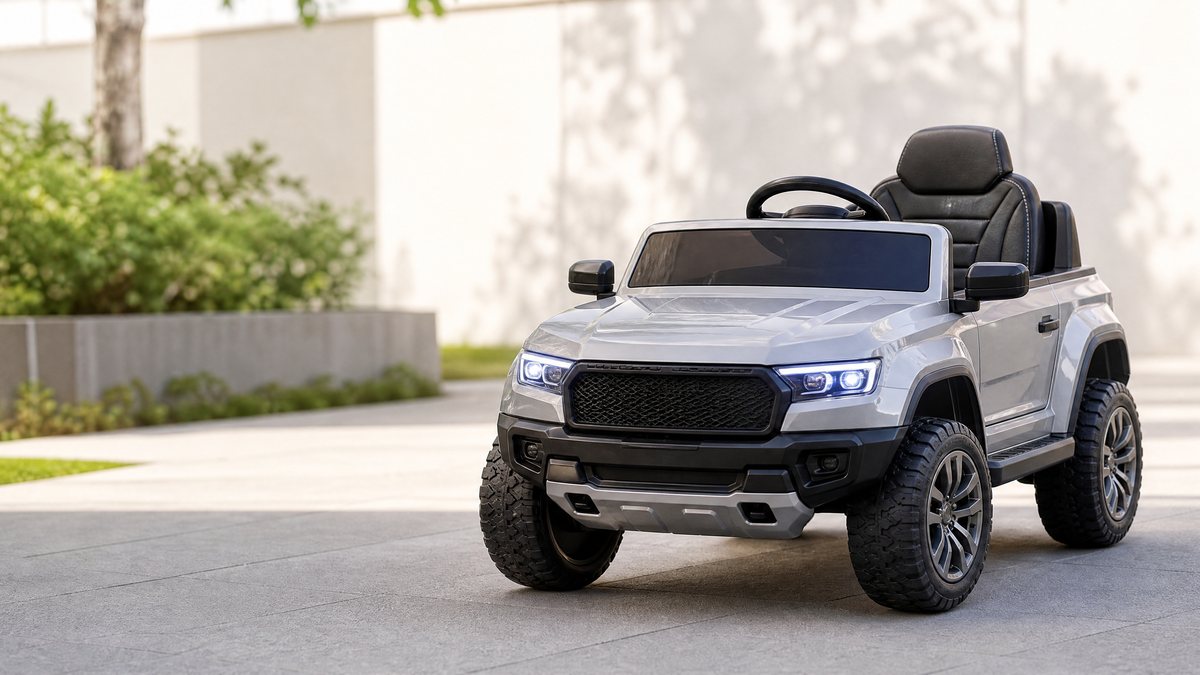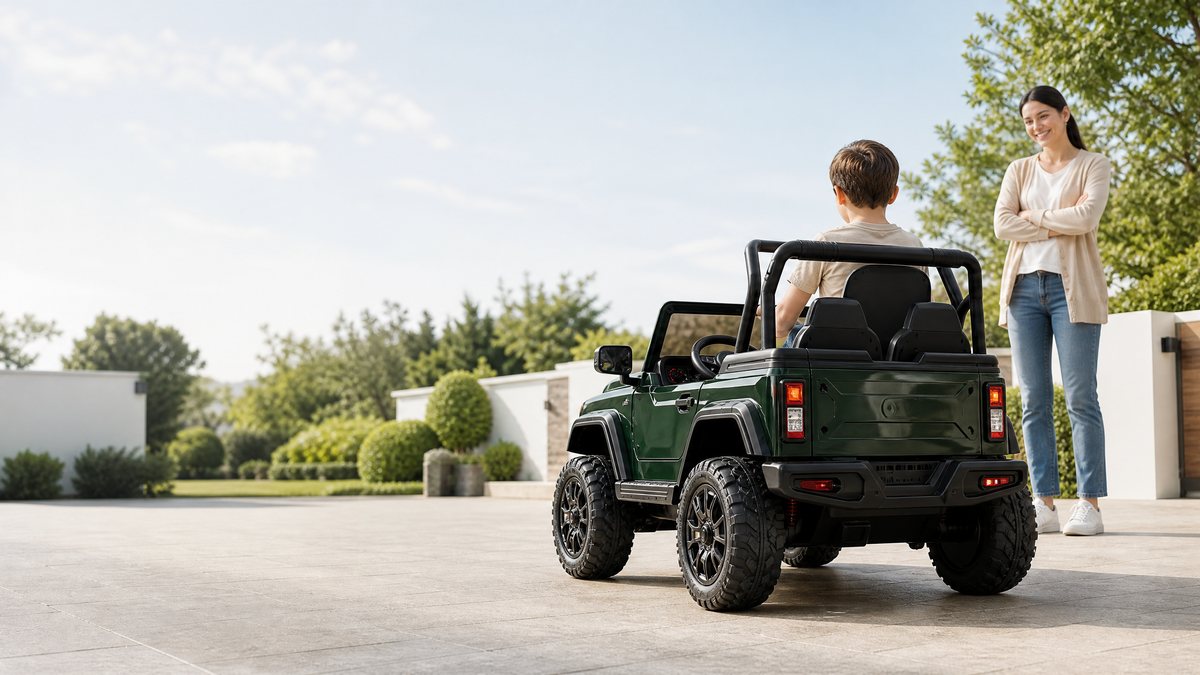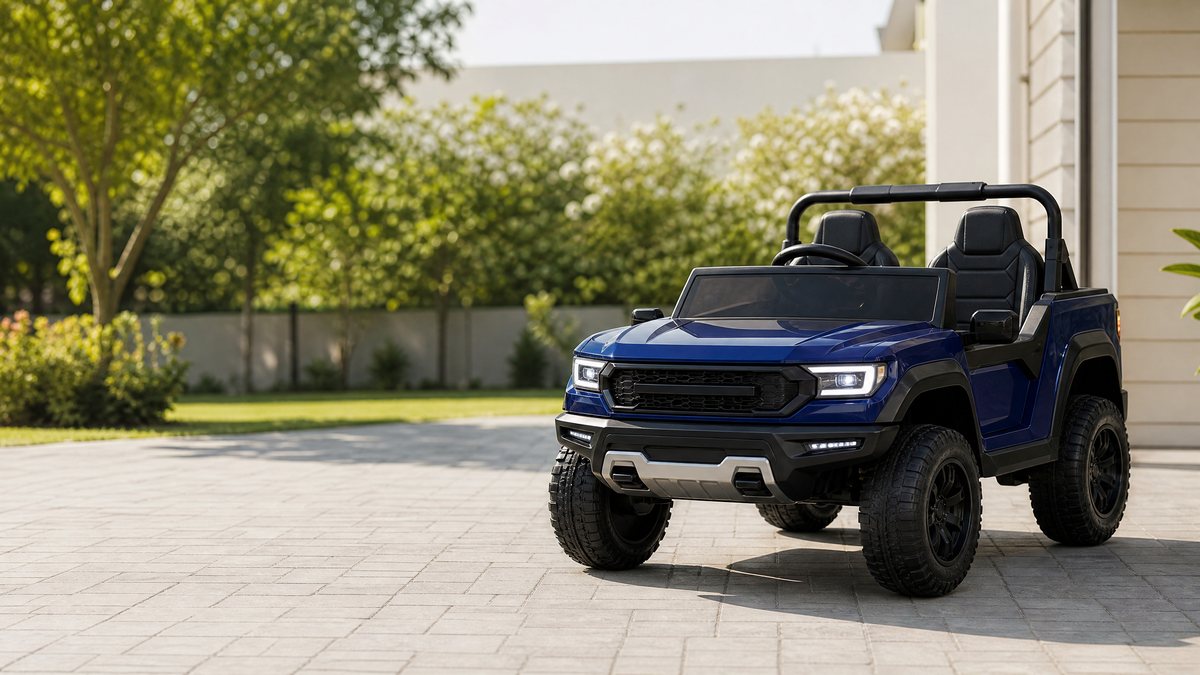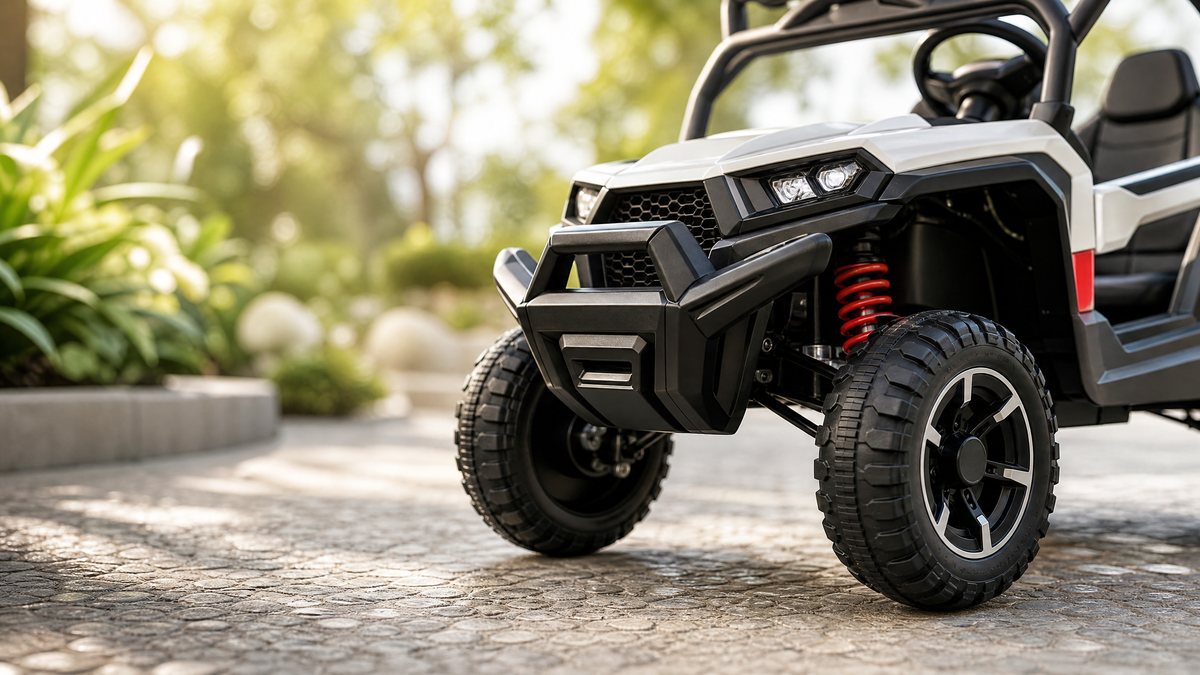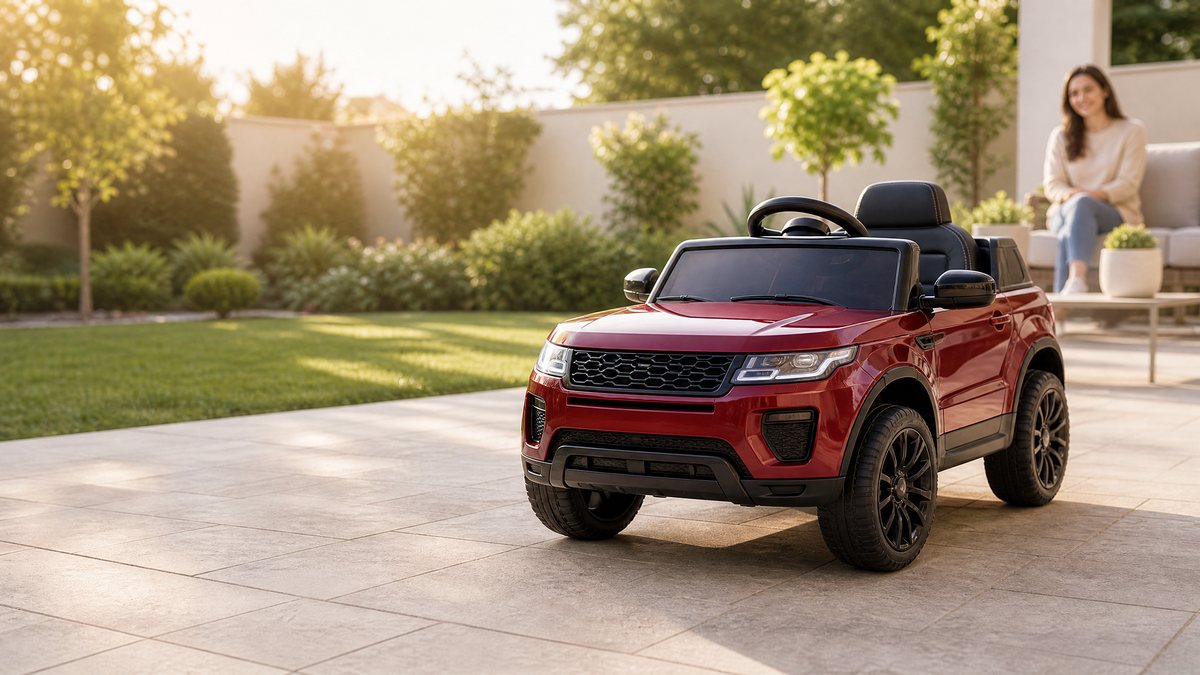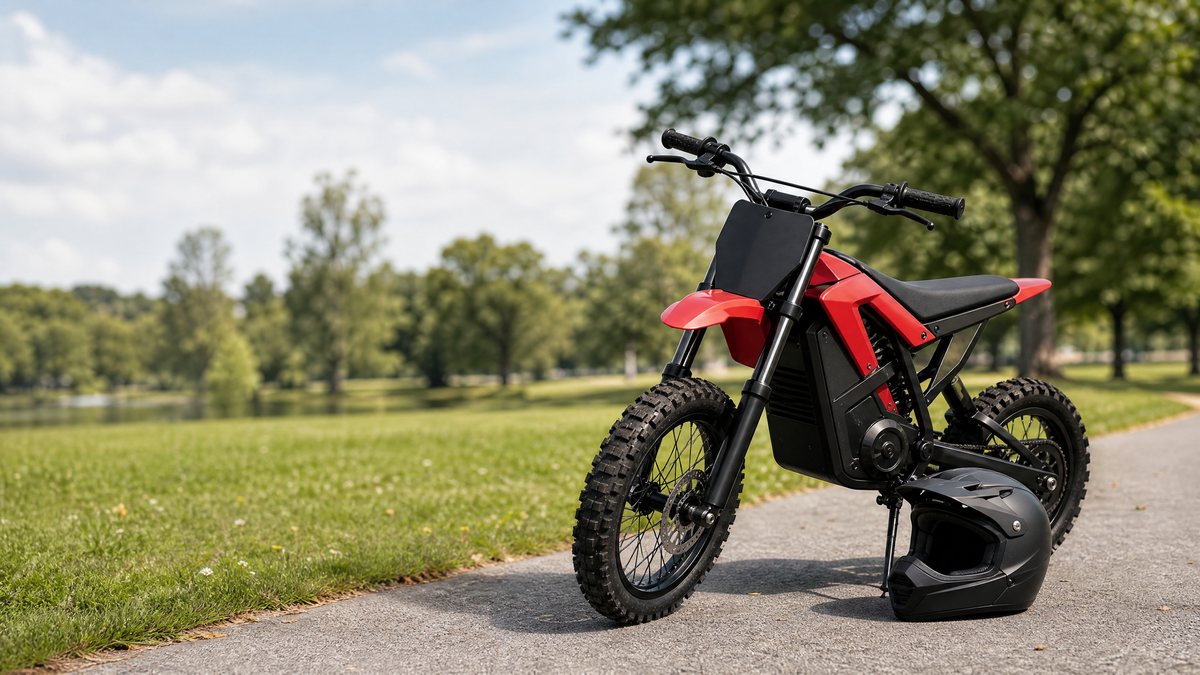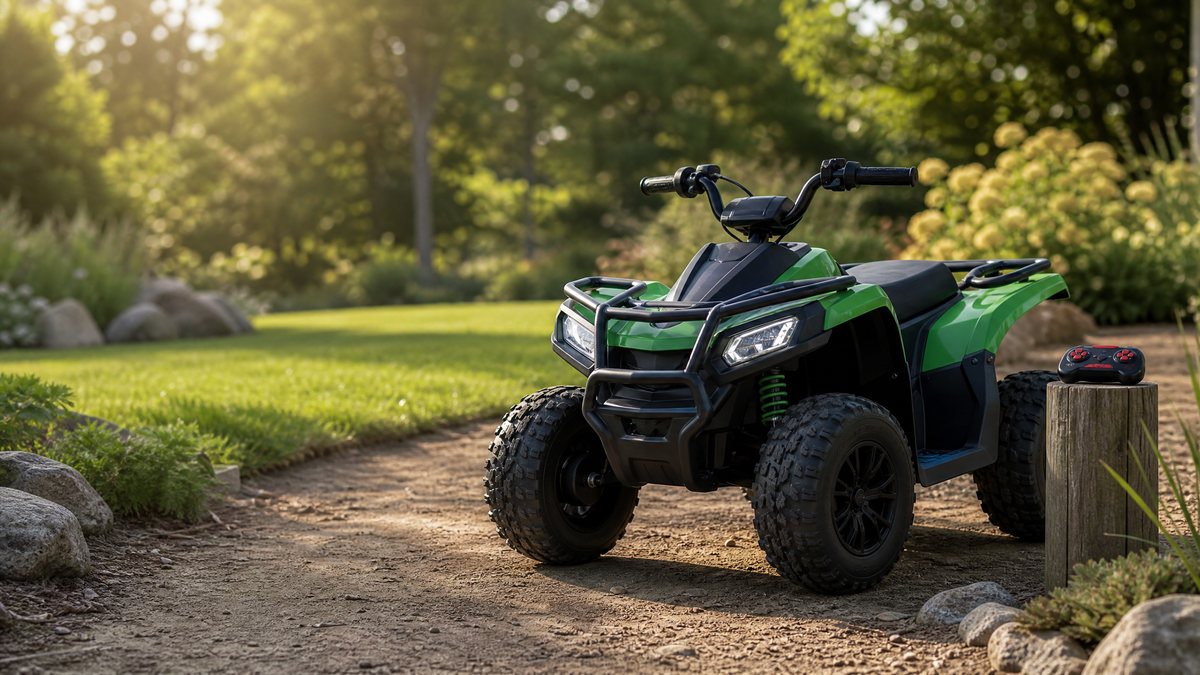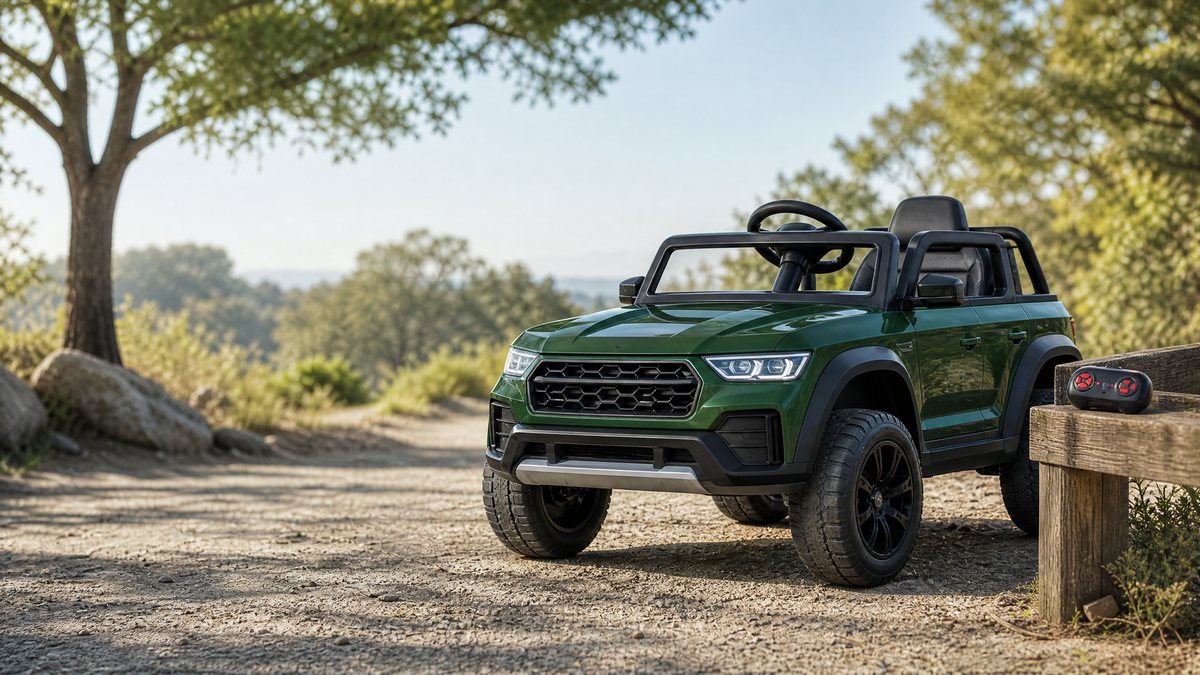
When sourcing ride-on cars for retail inventories, ecommerce stores, or commercial fleets, one of the most frequent logistical inquiries from B2B buyers and end-consumers concerns the physical state of the product upon delivery. Whether purchasing single units or full container loads, understanding how ride-on vehicles are packaged, shipped, and prepared for operation is essential for managing customer expectations, reducing transit damage risks, and optimizing warehousing workflows.
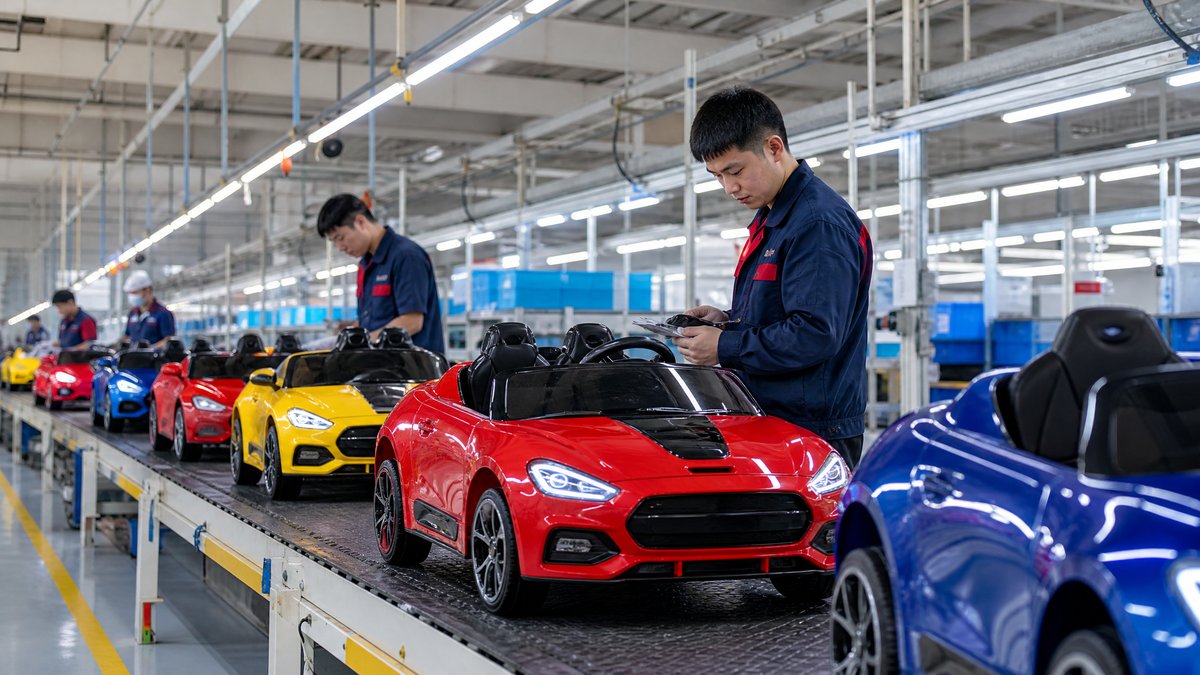
Generally speaking, ride-on cars rarely arrive 100 percent fully assembled straight out of the factory carton, nor do they arrive as hundreds of loose, unconstructed individual pieces. Instead, the industry standard relies on semi-knocked-down (SKD) packaging, where core mechanical and electrical assemblies are factory-installed, while bulkier exterior components—such as wheels, steering wheels, seats, and windshields—are packed separately within the main carton. However, the exact degree of pre-assembly varies by model, region, and seller; check the exact manual, listing, and written terms for specific consignments.
This comprehensive guide examines the manufacturing and freight logistics behind ride-on car packaging, distinguishes between pre-installed components and final user setup, evaluates the trade-offs of different delivery configurations, and outlines essential safety inspection protocols for commercial and retail buyers.
Shipping Logistics and Carton Packaging Realities
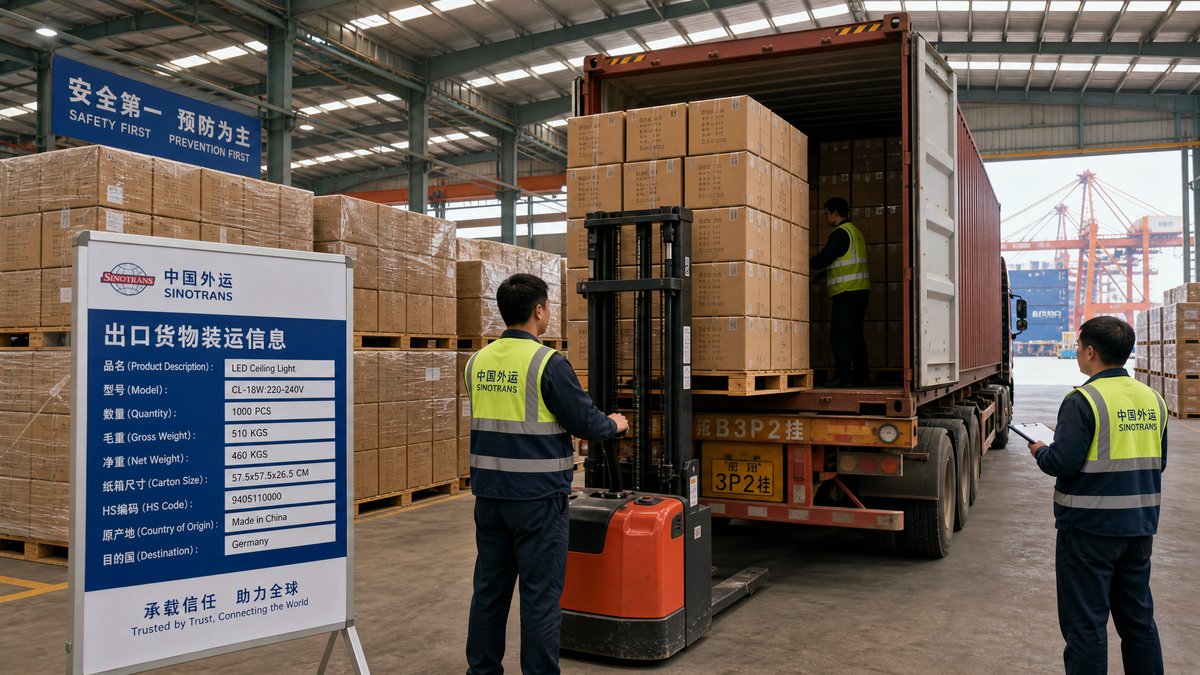
Transporting large battery-powered ride-on toys across domestic and international supply chains requires a delicate balance between volumetric freight efficiency, structural protection, and final-mile handling convenience. If manufacturers attempted to ship every ride-on vehicle in a completely fully assembled state, the outer carton dimensions would be excessively large, driving up freight shipping tariffs exponentially due to volumetric weight calculations. Furthermore, oversized cartons increase the vulnerability of the vehicle to external transit shocks, pressure dents, and frame twisting during handling at freight hubs.
To mitigate these logistical challenges, industrial manufacturers design custom corrugated cardboard packaging engineered to house the vehicle frame securely while minimizing wasted internal space. Within these protective cartons, pre-built sub-assemblies—such as the steel or reinforced plastic chassis, pre-wired gearboxes, drive motors, and central control units—are nested tightly in molded foam or cardboard inserts. Loose accessories and cosmetic parts are safely stowed in secondary compartments or secured beneath seats.
Because shipping configurations, container loading patterns, and distribution channels differ across global markets, it is important to note that packaging specifications varies by model, region, and seller; check the exact manual, listing, and written terms before finalizing wholesale purchase orders or drop-shipping agreements.
What Arrives Pre-Assembled vs. What Requires Final Setup
For both commercial B2B distributors and retail purchasers, understanding the division between factory pre-assembly and final setup helps streamline warehouse operations and customer support workflows. The amount of factory pre-assembly varies by model, carton design, market, and seller; confirm the exact manual and listing before purchase.
Factory Pre-Assembled Components
* Chassis and Main Frame: The foundational structural skeleton of the vehicle, whether molded heavy-duty resin or reinforced tubular steel, is permanently welded or bolted together.
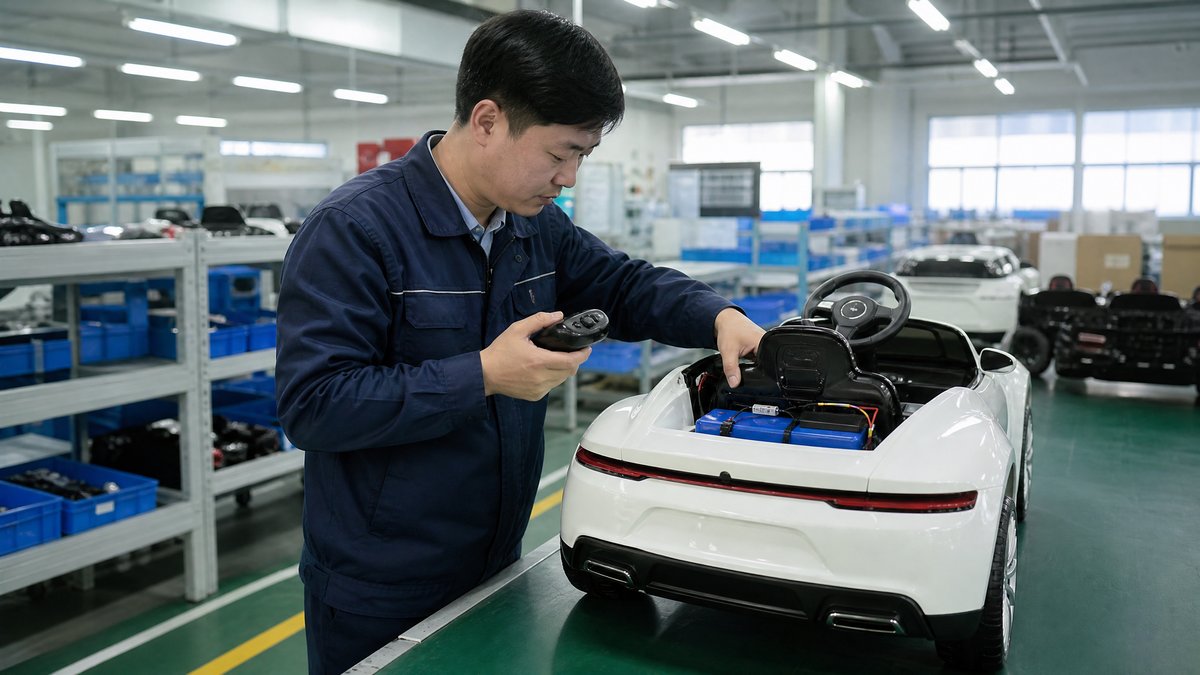
* Drive Motors and Gearboxes: The electric drive motors, reduction gearboxes, and rear-axle assemblies are securely mounted to the chassis with all internal wiring harnesses pre-routed.
* Central Control Units: Main circuit boards, parent remote control receiver modules, and internal relay switches are factory-installed and tested for basic functionality.
* Dashboard Electronics: Built-in multimedia panels, pre-loaded audio features, horn buttons, and dashboard LED lighting displays are integrated into the main body shell.
Components Requiring Final User Setup
* Wheels and Hubcaps: Drive and steering wheels are unmounted to fit within standard shipping carton widths, requiring simple axle alignment, washer placement, and retaining pin or nut fastening.
* Steering Column and Wheel: The steering rod must be guided through the dashboard cowl and secured to the steering gear mechanism, followed by snapping or bolting the steering wheel in place.
* Seats and Restraints: Seating units and safety belts are removed to provide access to battery terminals and internal wiring during initial connection, requiring simple clip-in or screw fixation.
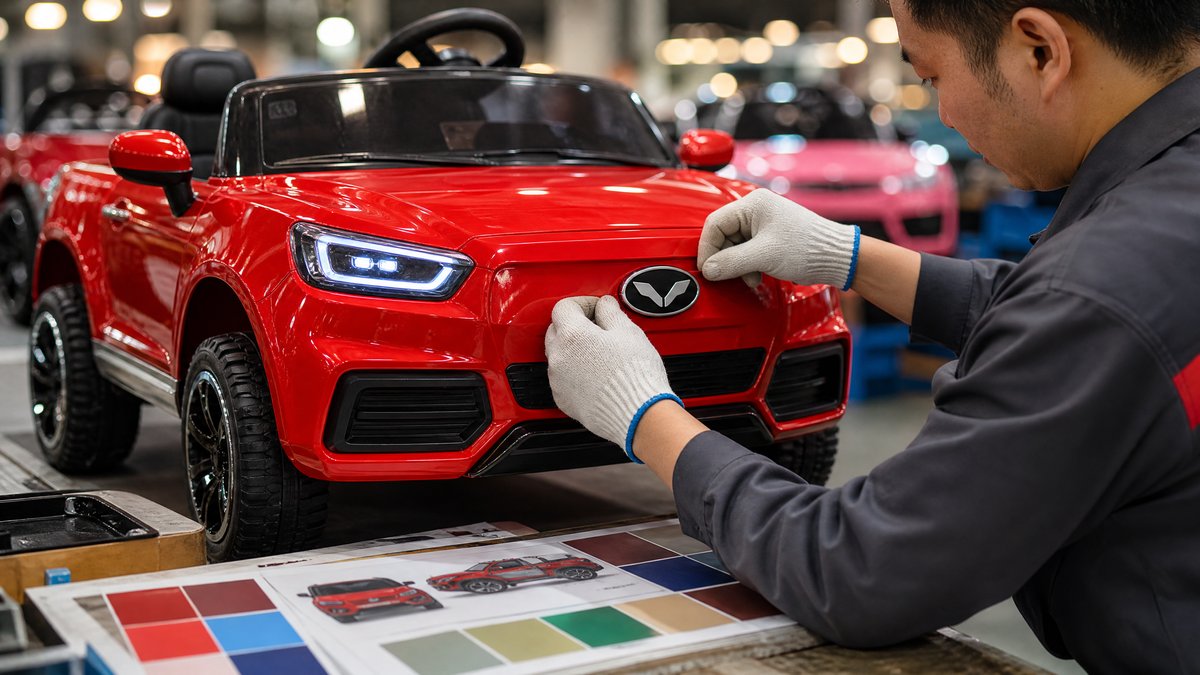
* Cosmetic Trim and Mirrors: Rearview mirrors, decorative roll bars, spoilers, windshields, and headlight bezels are clipped or screwed onto the body shell during final preparation.
It is vital to emphasize strict safety boundaries regarding internal mechanics. Under no circumstances should users attempt internal electrical repair, terminal, wiring harness, or control board operations, multimeter testing, structural modification, or unauthorized battery and motor upgrades. Any modifications or repairs outside standard cosmetic assembly must be referred to qualified service technicians.
Comparative Breakdown: Assembly Configurations and Logistics
To assist B2B procurement managers and retail planners in evaluating different product lines, the following decision matrix outlines the structural characteristics, freight implications, and target handling profiles of various delivery states.
| Assembly Level | Typical Factory State | Freight & Storage Impact | Transit Damage Risk | Recommended Handling Profile |
|---|---|---|---|---|
| Semi-Knocked-Down (SKD 80%) | Frame, motors, and wiring pre-built; wheels, steering, and seat packed loose. | Optimal volumetric efficiency; standard pallet and container stacking. | Low-to-Moderate; robust internal cushioning protects core electronics. | Standard retail warehouses, drop-shippers, and direct-to-consumer fulfillment. |
| Complete Knocked-Down (CKD) | All major body panels, motors, and wiring shipped as individual modular parts. | Maximum shipping density; high carton count per vehicle unit. | Moderate; requires careful inventory auditing of loose hardware components. | Specialized assembly centers, bulk wholesalers, and regional distribution hubs. |
| Fully Assembled (Custom Freight) | Vehicle fully built and tested; requires specialized crating or palletized freight. | Extremely high volumetric cost; restrictive carrier availability. | High; vulnerable to surface scratching and structural pressure stress. | Commercial showroom display models, local white-glove delivery, and B2B sample orders. |
As market standards, regional compliance regulations, and carrier policies constantly evolve, remember that shipping configurations and assembly expectations varies by model, region, and seller; check the exact manual, listing, and written terms for every procurement batch.
B2B Wholesale and Retail Considerations: Managing Customer Expectations
For B2B wholesale buyers, importers, and retail store owners, communicating assembly requirements clearly to downstream clients is critical to reducing return rates, customer service inquiries, and negative product reviews. When retail consumers purchase a ride-on vehicle, expecting an entirely plug-and-play toy without any mechanical setup can lead to frustration if the carton may require an amount of setup time that varies by model and the supplied instructions.
Wholesale distributors should ensure that product specification sheets explicitly state the percentage of pre-assembly and list the exact tools required (such as standard screwdrivers, wrenches, or pliers) for final setup. Furthermore, providing digital unboxing guides, high-definition assembly videos, and clear multi-language instruction manuals adds substantial value to B2B partnership offerings.
In addition, merchants must establish robust protocols for handling missing hardware, transit scuffs, or cosmetic discrepancies. Because warranty coverage, return policies, platform terms, and commercial guarantees varies by model, region, and seller; check the exact manual, listing, and written terms to ensure full alignment between suppliers, retail partners, and end-users.
Request a wholesale quote
Safety Verification, Inspection, and Troubleshooting Best Practices
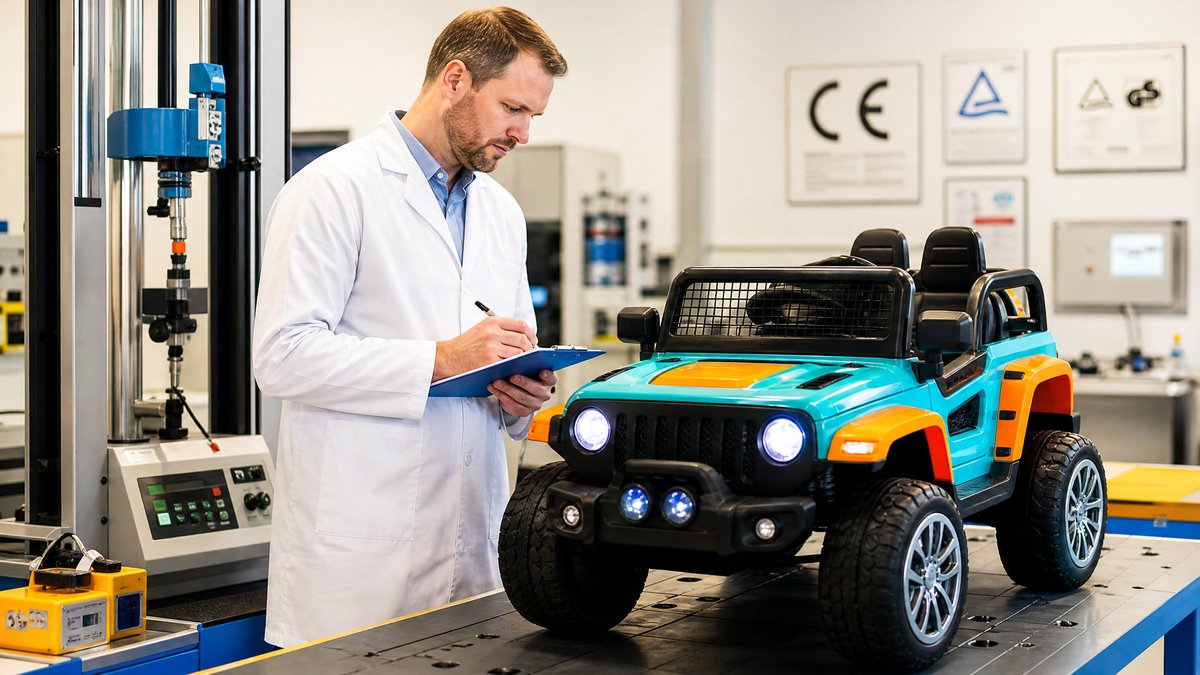
Once a ride-on car has been unboxed and assembled according to the manufacturer's official documentation, conducting a thorough physical and operational inspection is mandatory before initial use. B2B buyers and retail merchants should advise end-users to perform structured pre-ride checks, including verifying that all wheel retention pins are securely locked, steering linkages are properly aligned, and seating fasteners are tightened.
For general toy safety education and foundational safety guidelines, consulting the CPSC general toy safety education resources provides valuable industry context, though such publications serve as general informational frameworks and do not replace specific model manuals or manufacturer instructions.
It is equally critical to recognize and adhere to strict emergency safety boundaries during operation and maintenance:
* If unusual odors, overheating, smoke, water ingress, damaged power cables, or persistent mechanical/electrical failures are detected, immediately stop using and charging the vehicle.
* Power off the unit at the external switch if the manual permits, keep children away, and seek manufacturer or qualified-service guidance without opening internal electrical areas.
* Contact the manufacturer, authorized distributor, or a qualified service technician immediately for professional evaluation. Never attempt unauthorized repairs or component replacements.
Frequently Asked Questions
Do ride-on cars require special professional tools for assembly?
Most standard ride-on cars can be fully assembled using basic household tools such as a Phillips-head screwdriver, adjustable wrench, and pliers. Specialized tools are rarely required unless specified in the official user manual. However, tool requirements varies by model, region, and seller; check the exact manual, listing, and written terms.
How long does final assembly typically take for an end-consumer?
Final unboxing and setup time varies by model, packaging, tools, and the supplied instructions; buyers should check the exact manual before purchase. Setup duration varies by model, region, and seller; check the exact manual, listing, and written terms.
What should a retail customer do if a small hardware piece or screw is missing from the carton?
Retail customers should immediately check all secondary packaging compartments, foam inserts, and protective wrappings. If hardware is genuinely missing, the customer should contact the retail seller or manufacturer customer support department to request replacement parts. Support policies and replacement availability varies by model, region, and seller; check the exact manual, listing, and written terms.
Can a ride-on car be disassembled and repackaged for gifting or seasonal storage?
While partial disassembly—such as removing the steering wheel, mirrors, or seat—is sometimes feasible for compact storage, repeated disassembly of structural chassis components or wiring harnesses is not recommended, as it can strip screw threads and weaken plastic mounting points. Storage guidelines and structural durability varies by model, region, and seller; check the exact manual, listing, and written terms.
Conclusion
Navigating the assembly state of ride-on cars is an essential operational responsibility for B2B wholesale buyers, retail merchants, and ecommerce distributors. While factory cartons rarely deliver vehicles 100 percent fully assembled, semi-knocked-down packaging successfully bridges the gap between secure freight transit and convenient final setup. By establishing clear customer expectations, providing transparent documentation, and adhering strictly to established safety and inspection boundaries, businesses can ensure smooth distribution channels and exceptional end-user satisfaction.
Request a wholesale quote
Official references
Explore these external resources for current regulatory and trade guidance. Confirm requirements with the relevant authority before placing an order.
Ready to Start?
Factory-Direct · CE & ASTM Certified · MOQ from 50 Units
Our export team works with buyers in 60+ countries. Get a quote within 24 hours.
KR
Written by KidsRideCar
China's leading kids electric ride-on car manufacturer. 500,000+ units shipped annually to 60+ countries. CE, ASTM & EN71 certified.