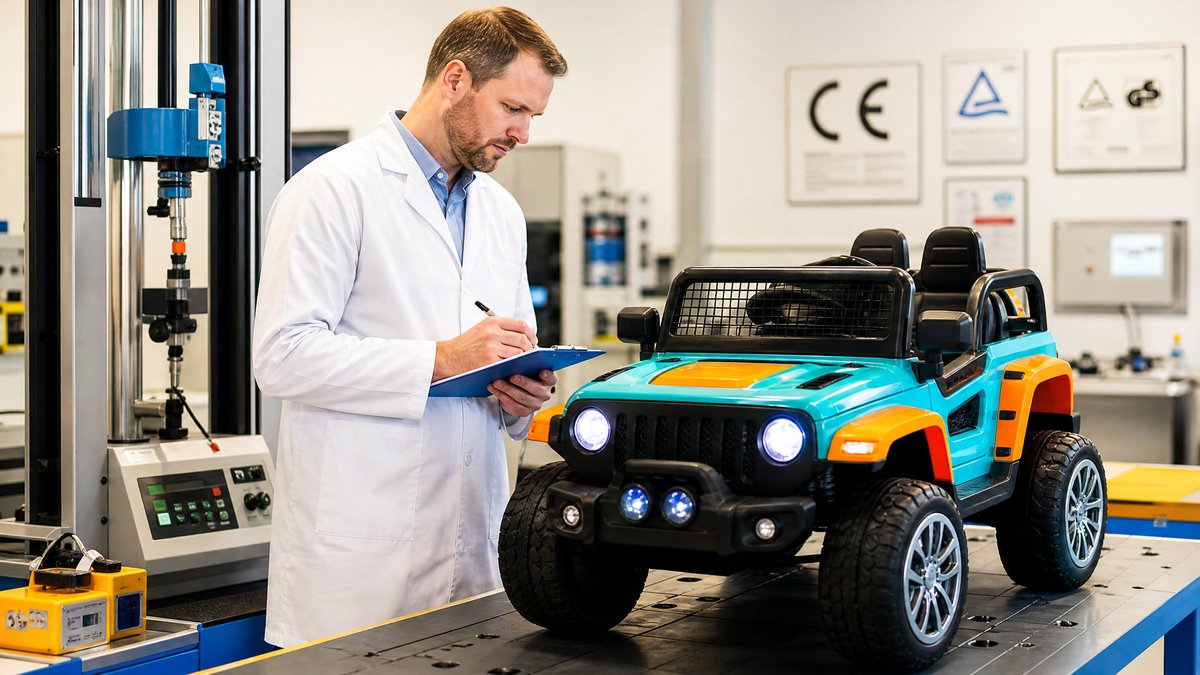
For retail toy buyers, store managers, and B2B distributors, assessing customer satisfaction goes beyond aesthetics, speed, and battery life. One frequently overlooked yet critical metric for indoor-focused parents is acoustic performance: How loud are electric ride-on cars when operated indoors?
As urban living spaces expand and demand for indoor-friendly children's entertainment grows, commercial buyers must stock inventory that balances thrilling performance with acoustic comfort. Excessive motor whines, grinding plastic gears, and blaring electronic horn modules can quickly turn a backyard favorite into a household nuisance.
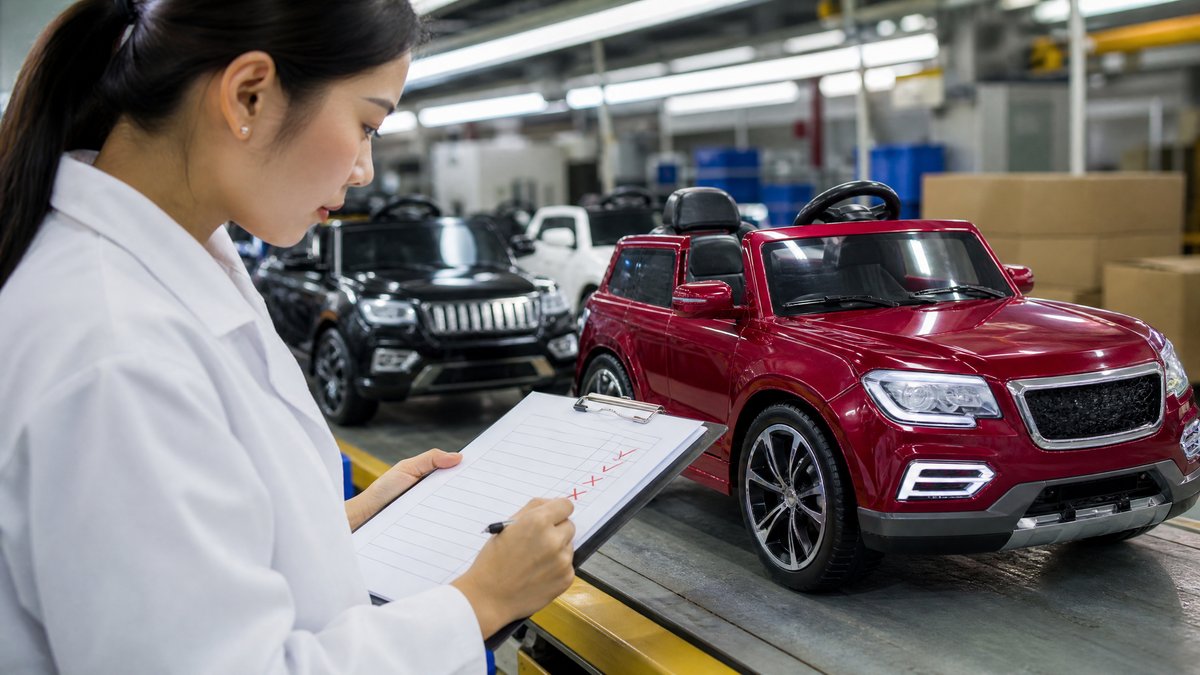
To help our global B2B partners make informed stocking decisions, the KidsRideCar engineering and quality assurance team conducted rigorous decibel (dB) level tests across various ride-on car categories. This comprehensive report breaks down our acoustic findings, analyzes motor and tire mechanics, and provides actionable recommendations for retail merchandising.
Why Indoor Noise Levels Matter for B2B Retailers
When parents shop for children's battery-operated vehicles destined for indoor playrooms, living rooms, or finished basements, noise emission is a top purchasing friction point. Retailers who understand and address this concern gain a significant competitive edge.
The Parent's Perspective
Modern parents are highly sensitive to decibel thresholds in enclosed home environments. Prolonged exposure to high-pitched electric motors or aggressive multimedia sound effects can cause auditory fatigue and friction in multi-family housing units. Vehicles that feature smooth power delivery and dampening mechanisms consistently achieve higher customer retention and lower return rates.
The Commercial Opportunity
Stocking ride-on cars certified or verified for comfortable indoor acoustics allows B2B distributors to target specific retail segments:
* Urban Boutiques & Specialty Toy Stores: Catering to apartment-dwelling families with limited outdoor access.
* Early Childhood Educational Centers: Nurseries and preschools requiring low-noise indoor play equipment.
* Premium E-Commerce Brands: High-margin product lines marketed as apartment-safe and nursery-friendly.
Methodology: How We Tested Ride-On Car Noise
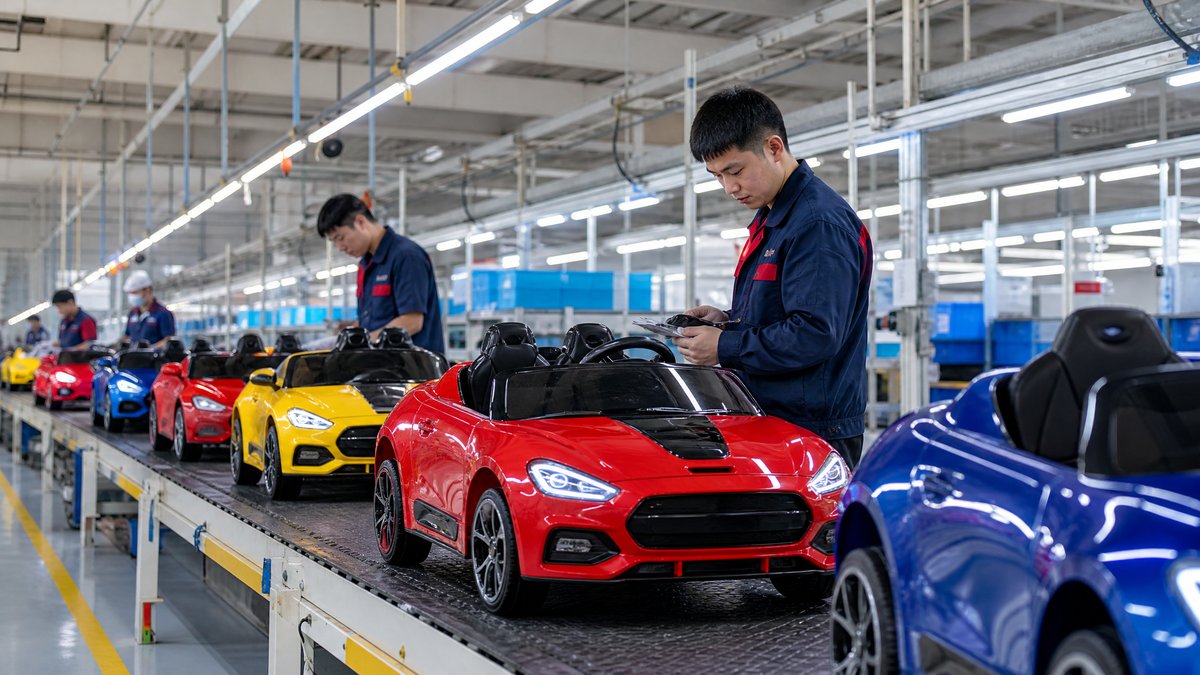
To establish objective benchmarks, our testing facility simulated typical indoor environments (hardwood floors, low-pile residential carpeting, and tiled playrooms). Measurements were recorded using a calibrated Class 2 sound level meter positioned at a standard distance of 1.0 meter—approximating the ear level of a supervising adult or toddler passenger.
We evaluated three core operational states for each vehicle category:
1. Idle / Startup: Sound emitted when power is engaged and sound modules activate.
2. Low-Speed Cruise (Forwards/Backwards): Operating at 1st gear (approx. 2–3 km/h).
3. High-Speed Cruise & Multimedia: Operating at maximum speed (5–8 km/h) with engine sound effects or music playback active.
Acoustic Test Results: Categorical Comparison
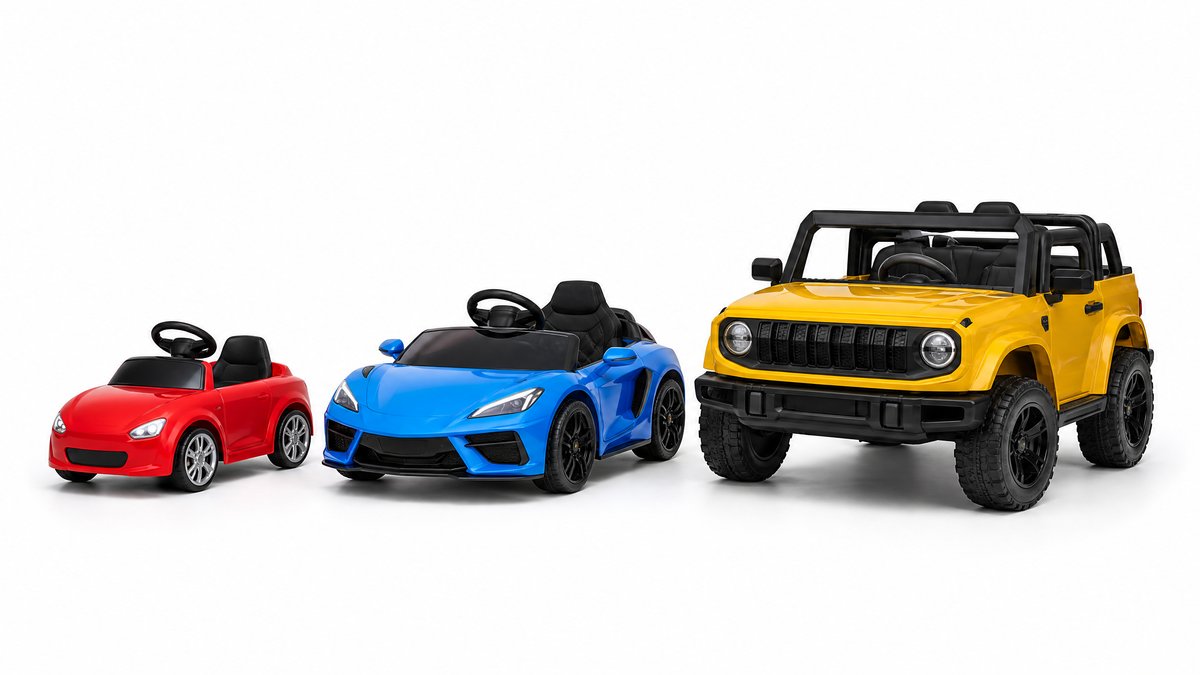
Different motor configurations, drive systems, and wheel materials produce vastly different acoustic signatures. Below is a comparative breakdown of our decibel testing across four popular commercial categories.
| Vehicle Category | Motor Setup | Wheel Material | Idle dB (1m) | Low-Speed dB (1m) | Max-Speed + Audio dB | Indoor Suitability Score |
|---|---|---|---|---|---|---|
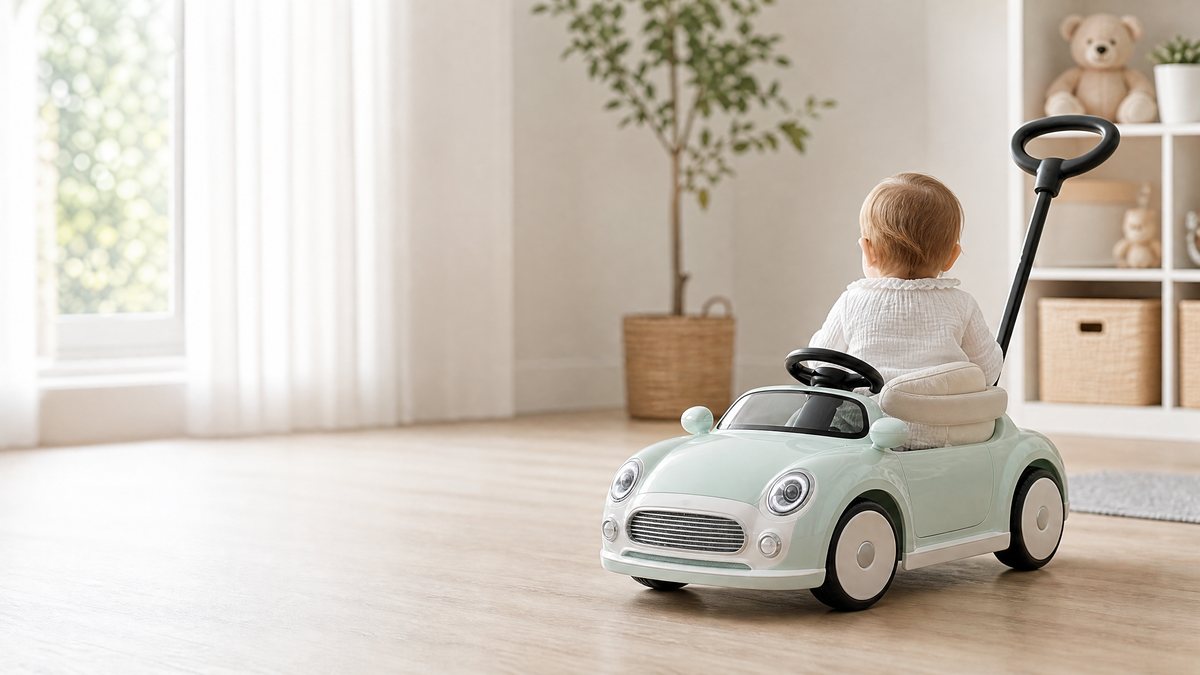
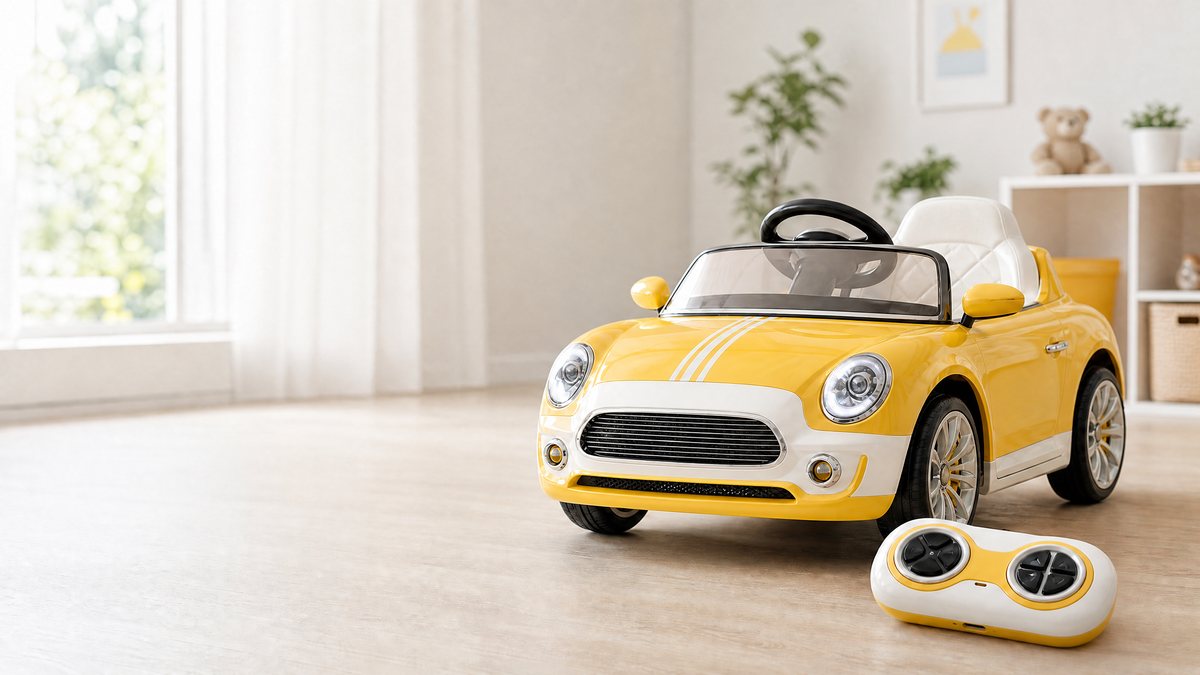
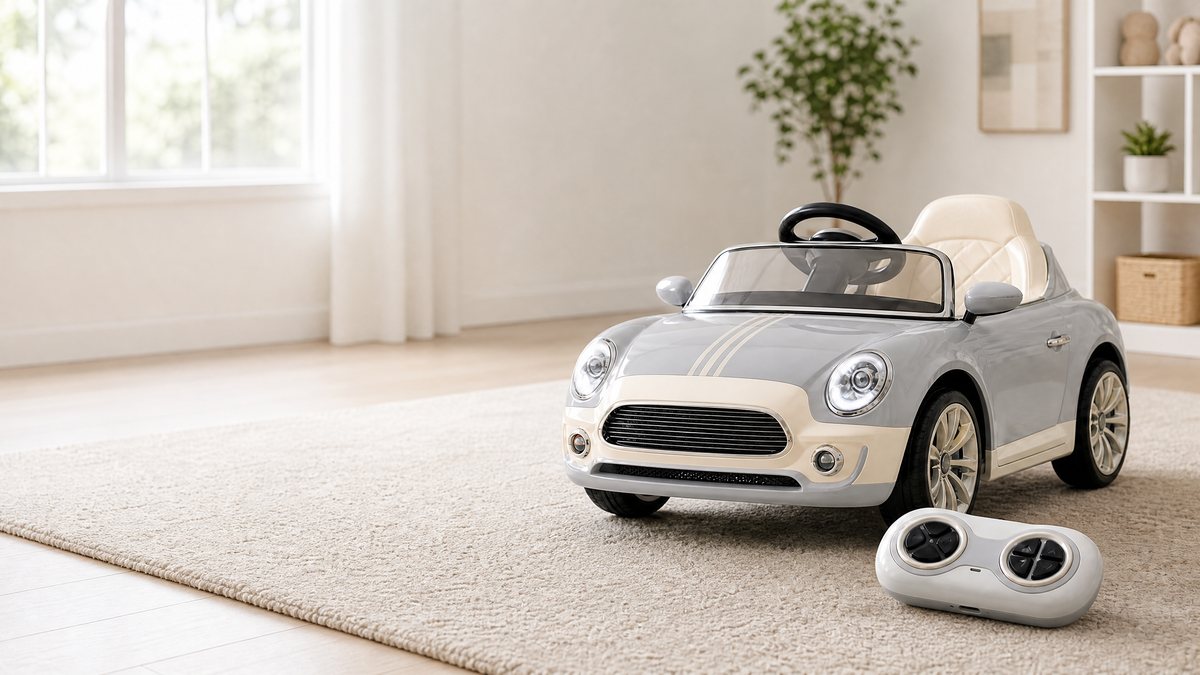
| 6V Entry-Level Sedans | Single 25W Motor | Hard Plastic | 42 dB | 52 dB | 60 dB | High (Excellent for Apartments) |
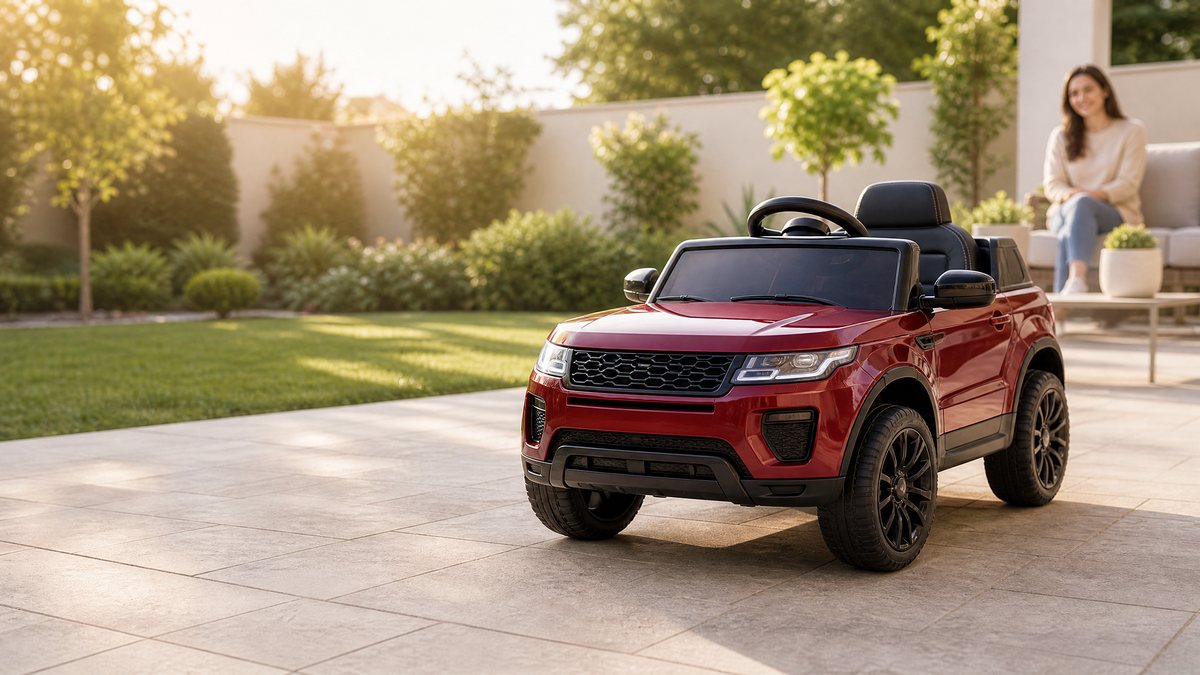
| 12V Standard SUVs | Dual 35W Motors | EVA Foam Rubber | 45 dB | 58 dB | 68 dB | Moderate (Carpet Recommended) |
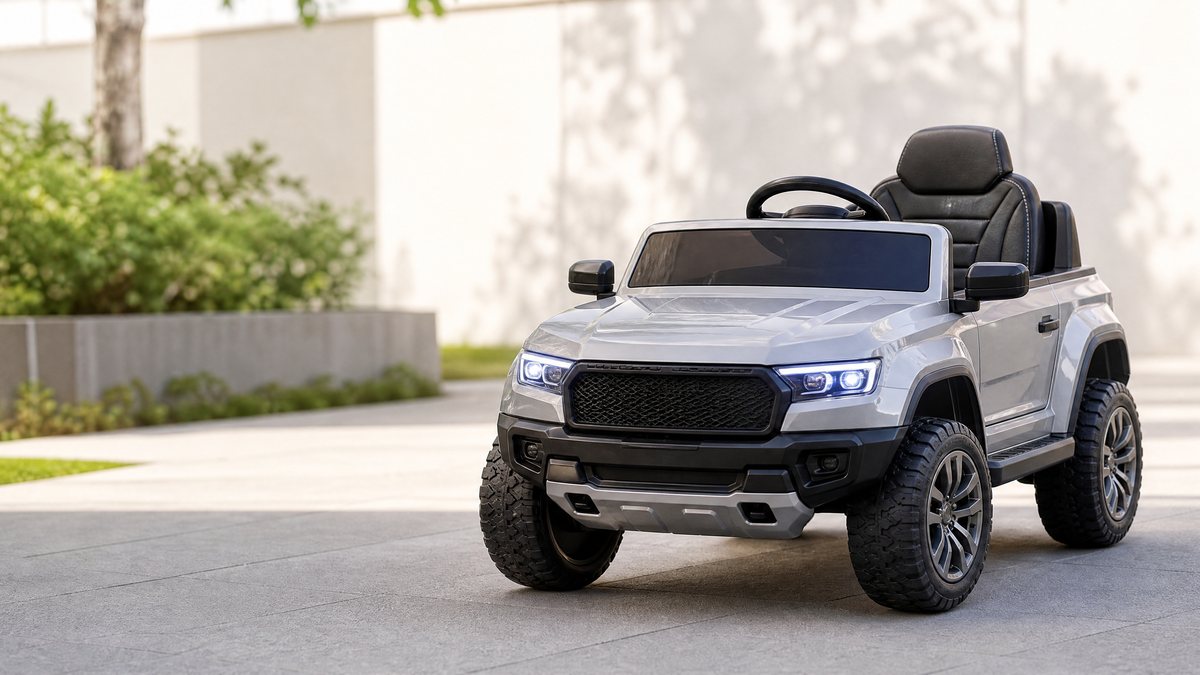
| 12V Drift / Sport Cars | Dual High-RPM Motors | Slick Plastic / Resin | 48 dB | 64 dB | 74 dB | Low (Best Suited Outdoors) |
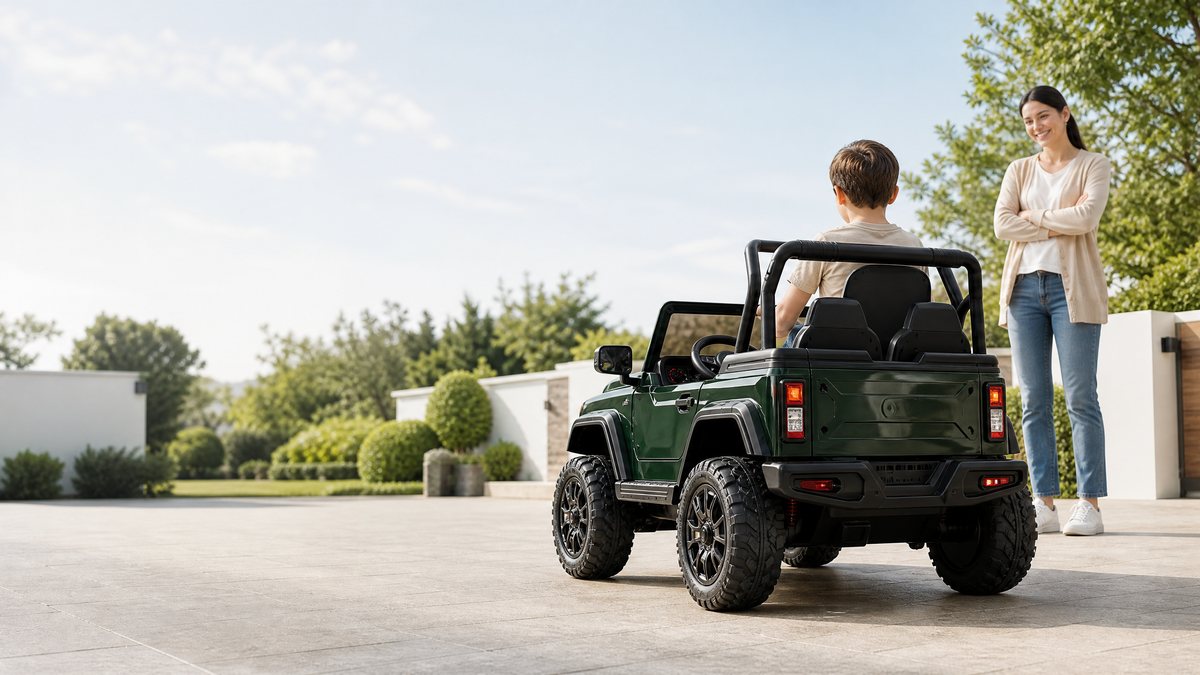
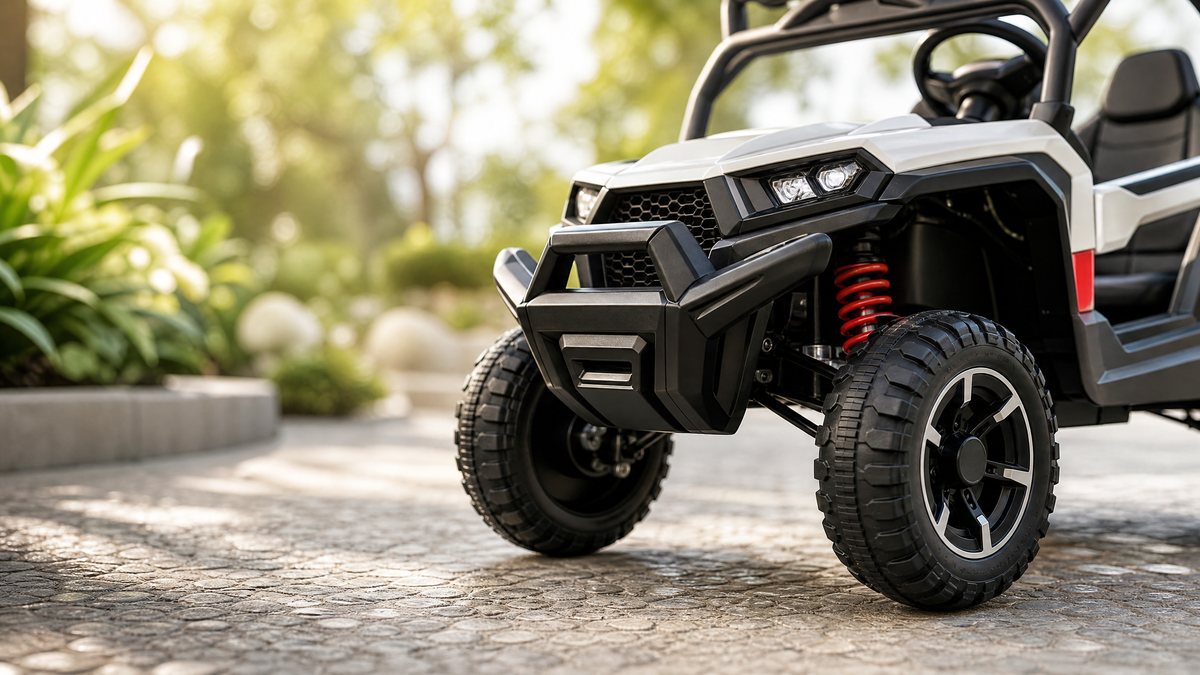
| 24V Heavy-Duty UTVs | Quad 45W Motors | Pneumatic / Thick EVA | 50 dB | 66 dB | 76 dB | Low (Strictly Outdoor/Yard Use) |
Key Observations from the Data
* The Wheel Factor: Vehicles equipped with EVA foam rubber tires demonstrated significantly lower rolling noise on hard surfaces compared to traditional hard plastic wheels, reducing high-frequency rattling by up to 6 decibels.
* Gearbox Engineering: Enclosed metal-gear planetary gearboxes produced a smoother, lower-frequency hum, whereas open plastic gear trains generated a high-pitched whir that registered more harshly to human hearing.
* Multimedia Overload: Built-in horn and music simulators frequently exceeded 75 dB at peak volume, highlighting the importance of volume-control switches for indoor models.
Technical Factors Influencing Ride-On Noise
For B2B buyers evaluating supplier spec sheets, understanding the underlying mechanical components helps filter out substandard inventory.
1. Drive Motors and Gearboxes
Traditional DC brushed motors vary widely in manufacturing precision. Low-tolerance armature winding and unlubricated plastic gear teeth generate excessive mechanical resonance. Premium models utilize precision-balanced armatures and factory-applied high-viscosity synthetic grease, dampening vibration before it transfers to the vehicle body chassis.
2. Chassis Resonance and Body Panels
Thin, hollow injection-molded plastic bodies act as acoustic amplifiers, echoing motor vibrations. High-end ride-on cars incorporate reinforced ribbing and rubber isolation gaskets around motor mounts, effectively containing internal mechanical noise.
3. Tire Composition
Hard plastic wheels transmit every micro-bump directly through the chassis, creating a loud rattling sound on tile or hardwood. EVA (Ethylene Vinyl Acetate) polymer tires absorb minor surface irregularities, providing both superior traction and near-silent rolling performance.
B2B Merchandising Recommendations
Distributors and retailers can leverage acoustic testing data to optimize product positioning and marketing strategies:
* Highlight EVA Wheels in B2B Catalogs: Explicitly market EVA foam tires as a key selling point for indoor-conscious consumers.
* Bundle Protective Play Mats: Create high-value retail bundles pairing ride-on cars with interlocking foam play mats to further reduce vibration transmission in apartments.
* Accurate Product Tagging: Clearly categorize inventory into "Indoor/Outdoor Dual-Use" versus "Dedicated Off-Road" to manage consumer expectations and reduce return rates.
Frequently Asked Questions (FAQ)
1. Are 12V ride-on cars too loud for standard apartment living?
Most standard 12V ride-on cars equipped with EVA foam tires operate between 50 to 68 dB, which is comparable to a normal conversation or a standard household vacuum cleaner. When used on residential carpeting or foam play mats, they are well within acceptable indoor noise limits.
2. Do EVA foam tires make a noticeable difference compared to plastic wheels?
Yes. EVA foam tires reduce rolling noise on hard surfaces (tile, hardwood, laminate) by 4 to 7 dB compared to hard plastic wheels, while also eliminating the high-frequency rattling sound that disturbs household members.
3. Can the volume of built-in music and horn effects be adjusted?
Many modern premium ride-on cars feature adjustable volume dials or mute switches for their electronic sound modules. B2B buyers should verify whether prospective supplier models include volume regulation to ensure compliance with nursery and indoor requirements.
4. What is the quietest ride-on car category for indoor retail stock?
Single-motor 6V sedans and compact licensed roadsters equipped with EVA foam tires and soft-start acceleration controllers represent the quietest category, typically operating under 60 dB even at active speeds.
Secure Your Indoor-Optimized Inventory Today
At KidsRideCar, we engineer our entire lineup of electric ride-on cars with advanced acoustic dampening, precision gearboxes, and premium EVA tires to ensure an exceptional experience for both children and parents.
Elevate your retail catalog with high-performance, apartment-friendly ride-on vehicles. Contact our wholesale team today at mailto:info@kidsridecar.com to request our latest B2B product catalog, factory pricing tiers, and container load optimization guides.
Official references
Explore these external resources for current regulatory and trade guidance. Confirm requirements with the relevant authority before placing an order.
Ready to Start?
Factory-Direct · CE & ASTM Certified · MOQ from 50 Units
Our export team works with buyers in 60+ countries. Get a quote within 24 hours.
KR
Written by KidsRideCar
China's leading kids electric ride-on car manufacturer. 500,000+ units shipped annually to 60+ countries. CE, ASTM & EN71 certified.