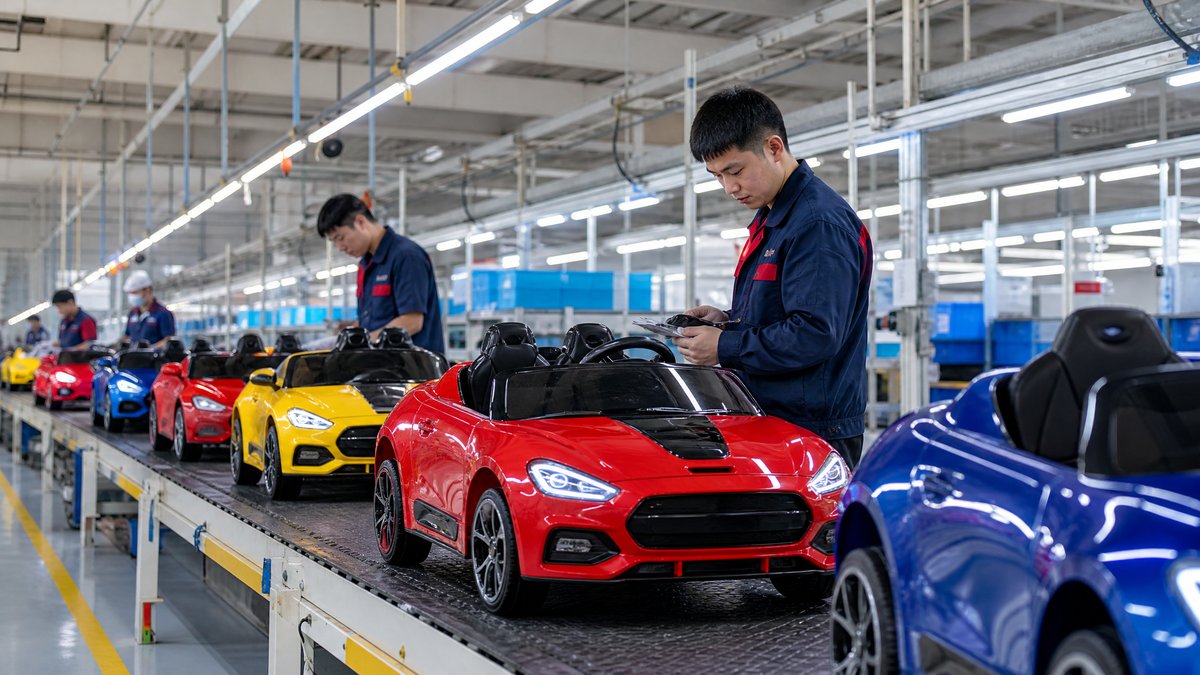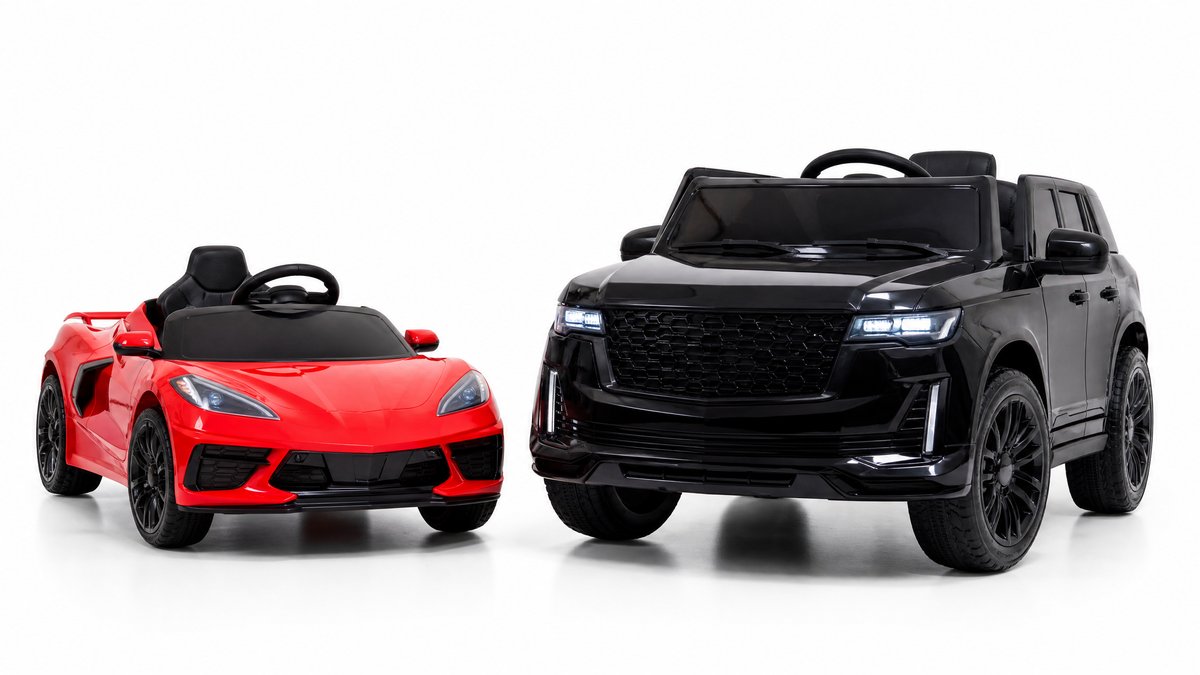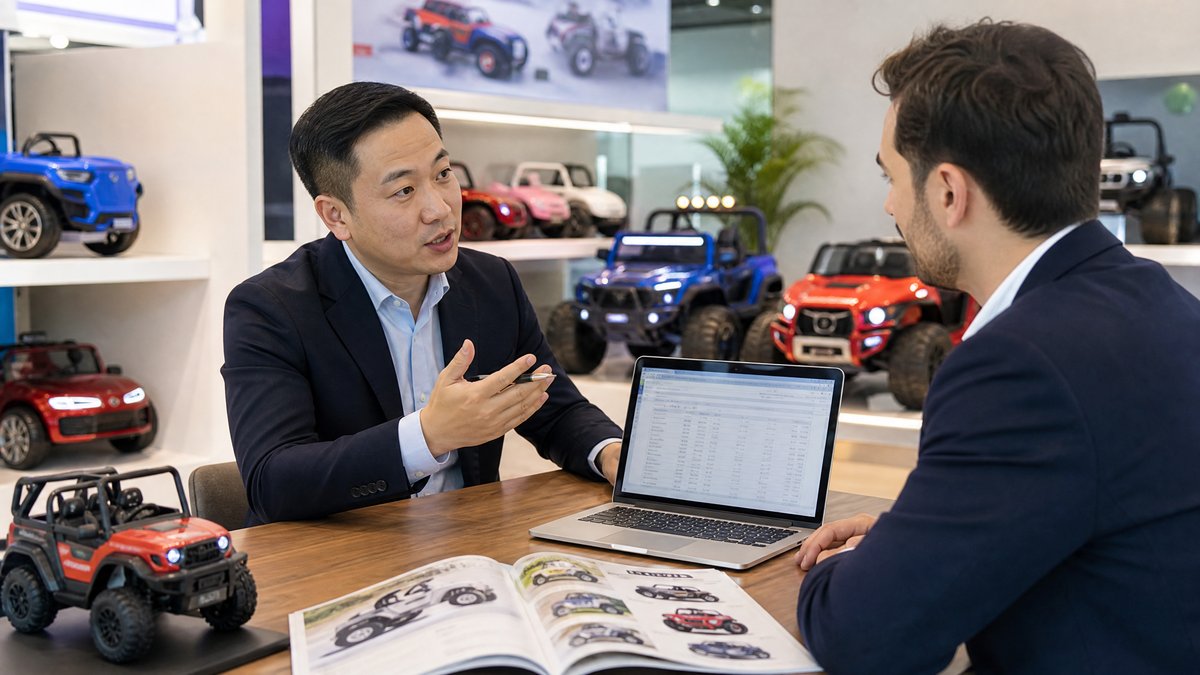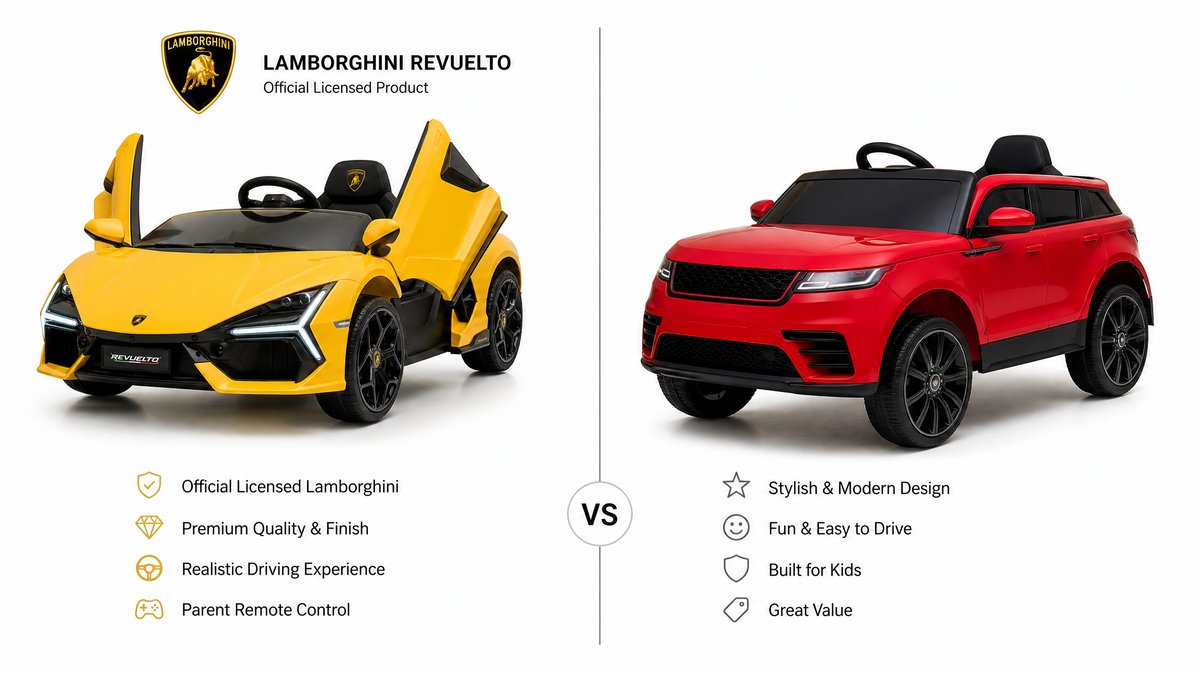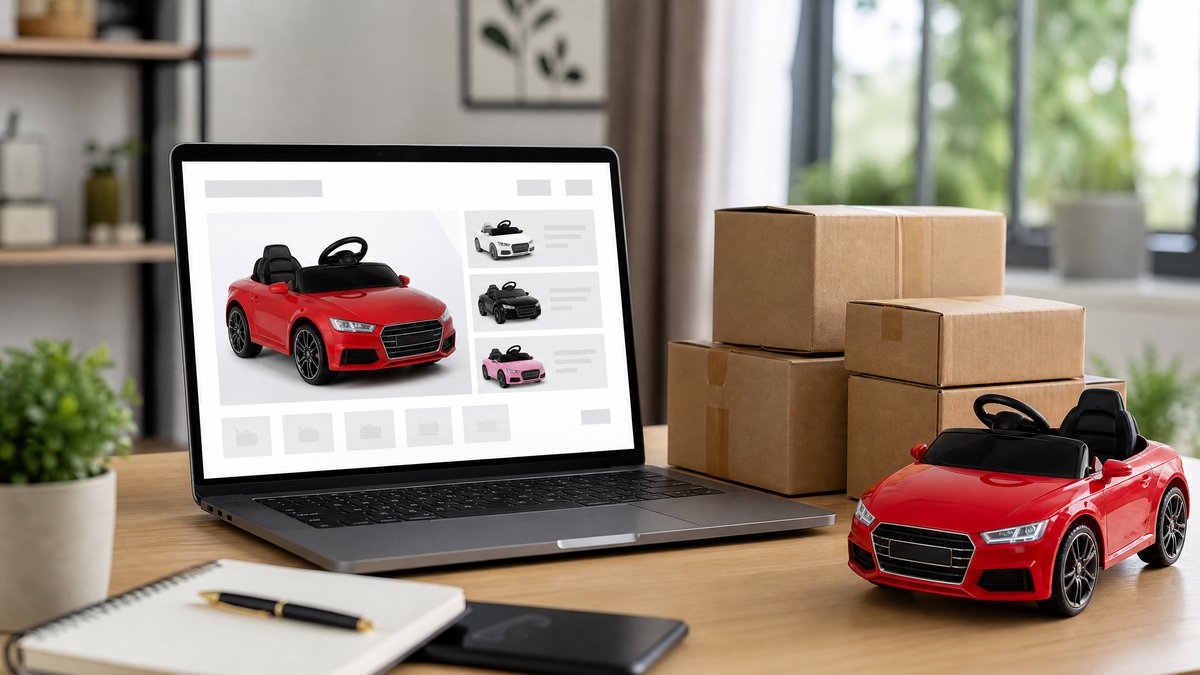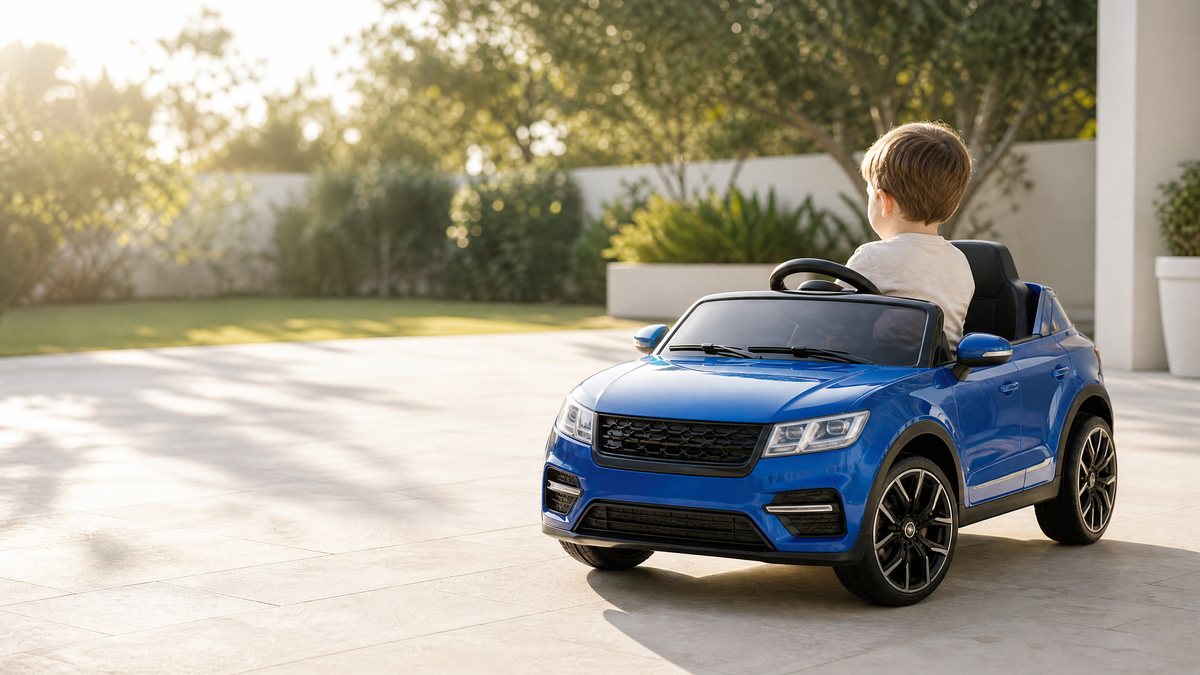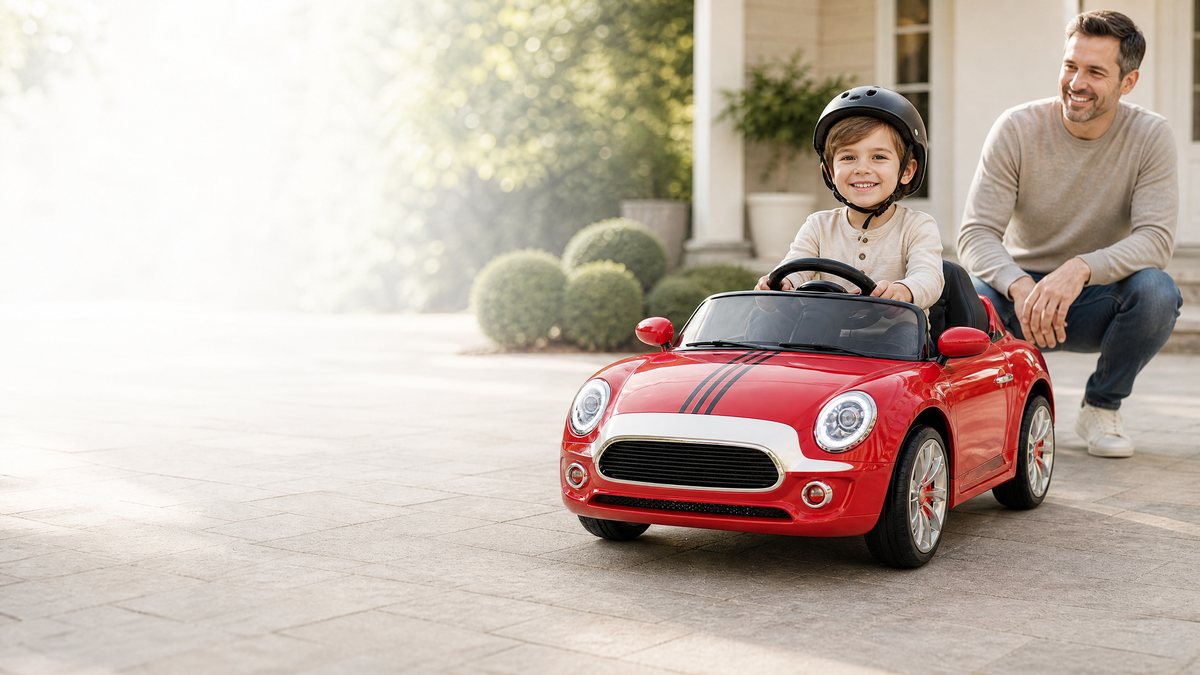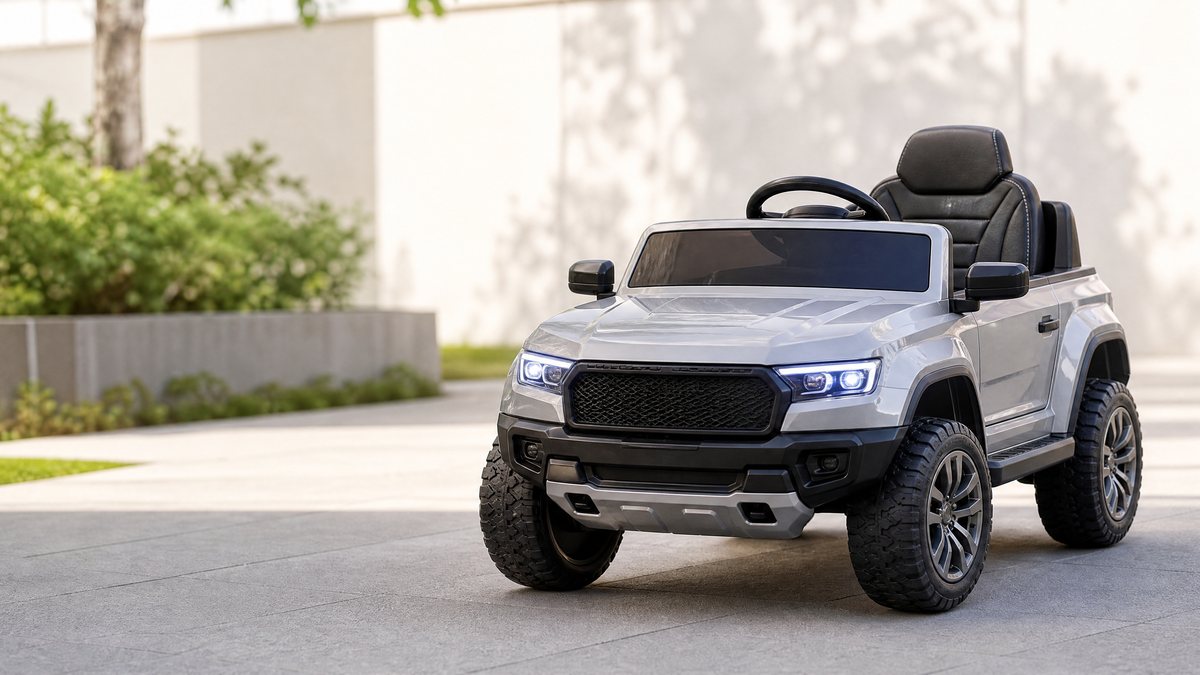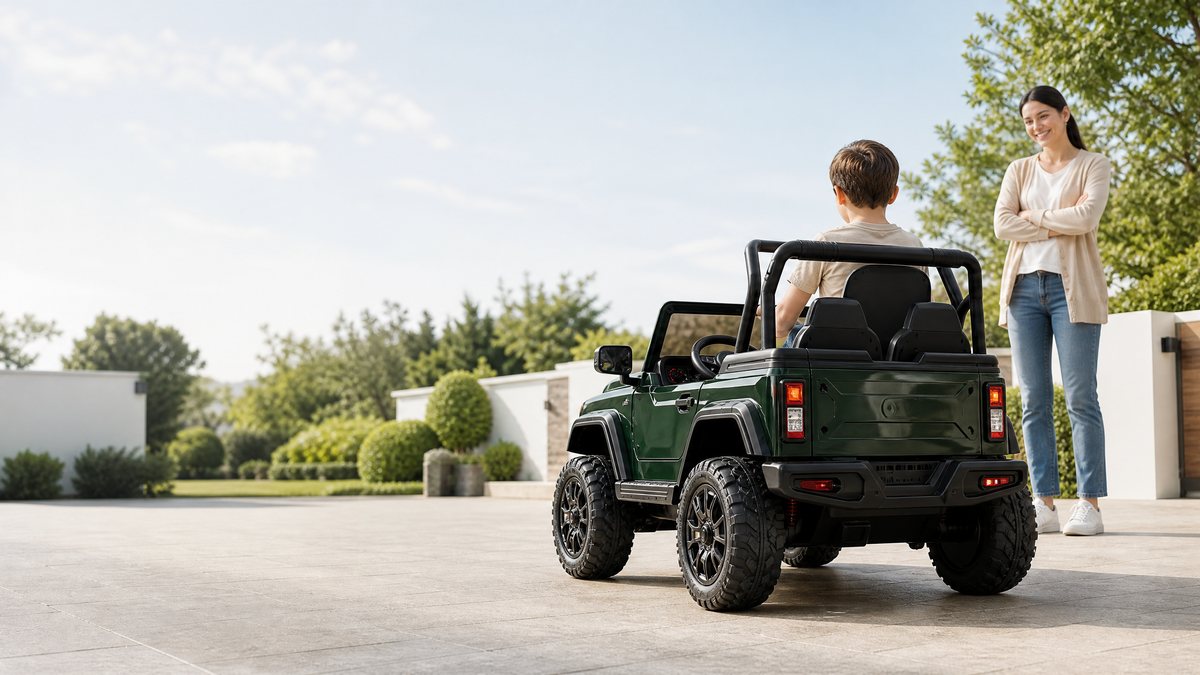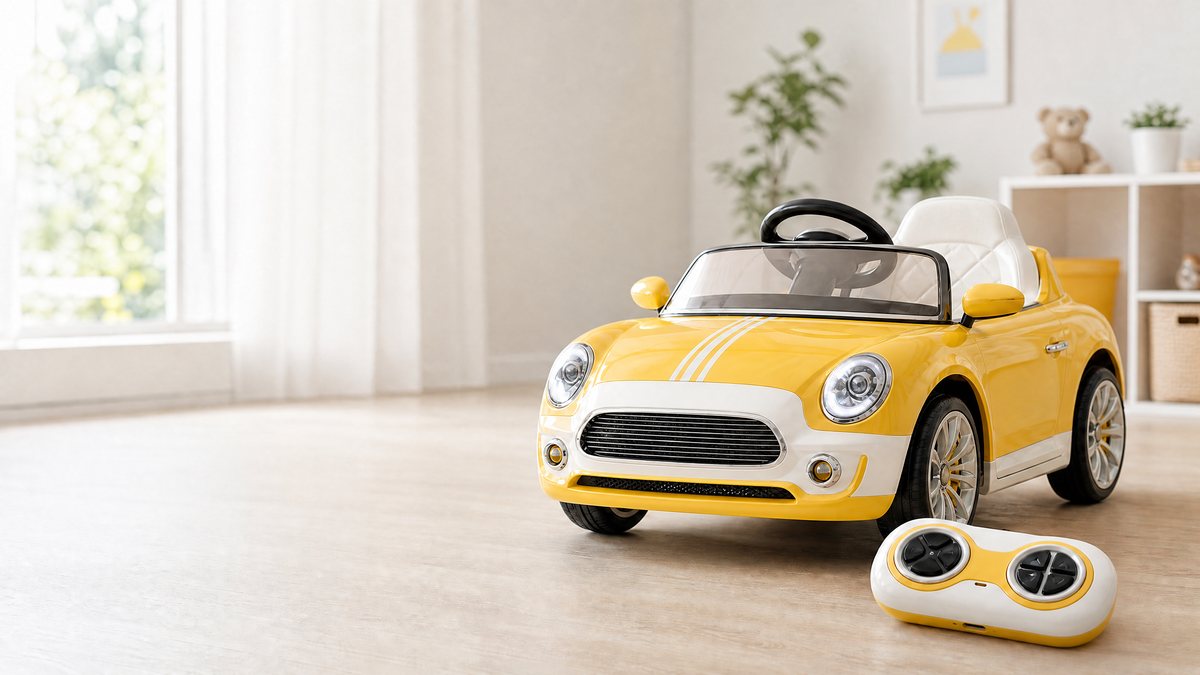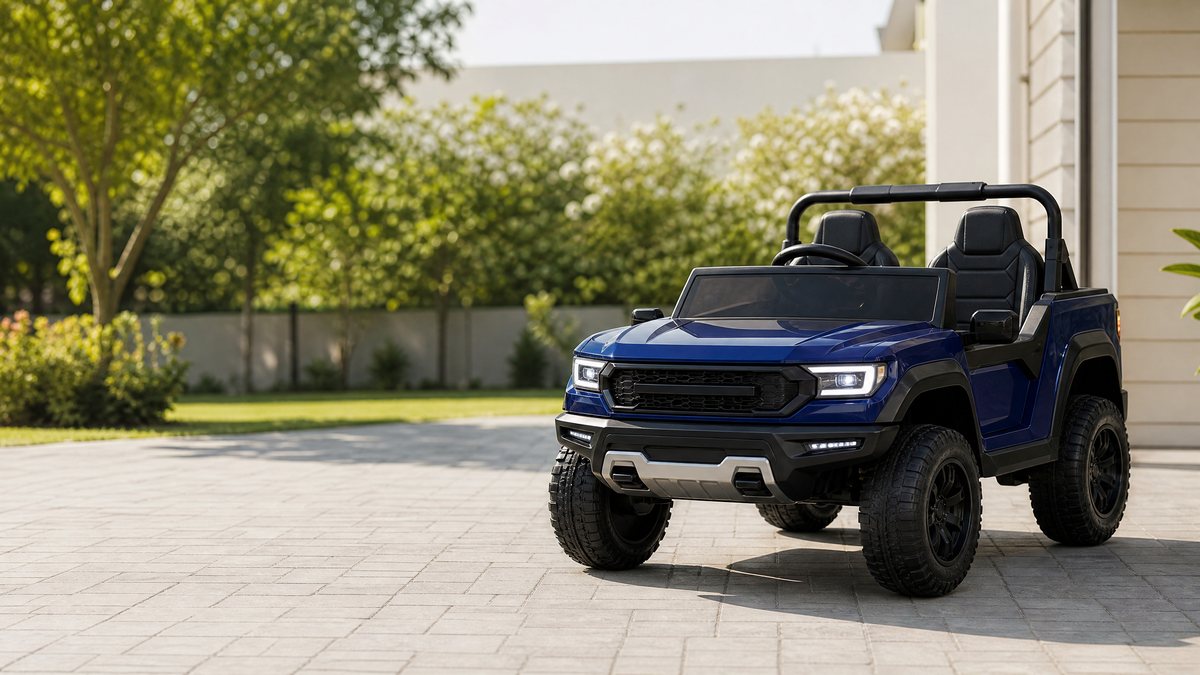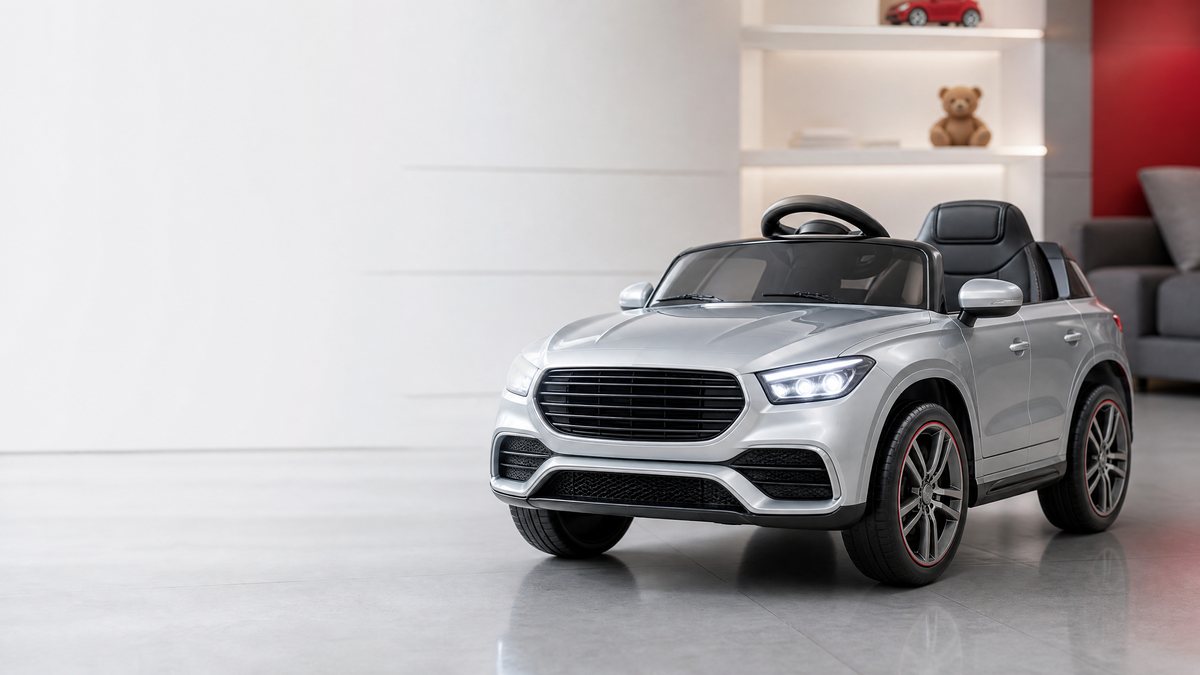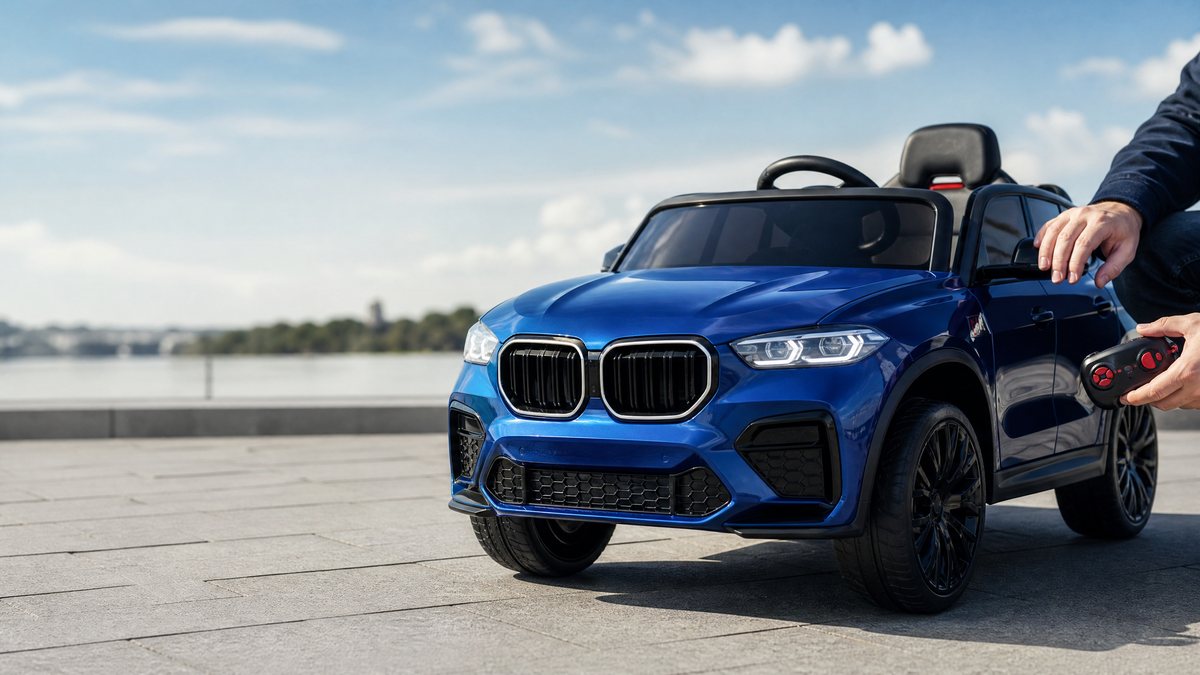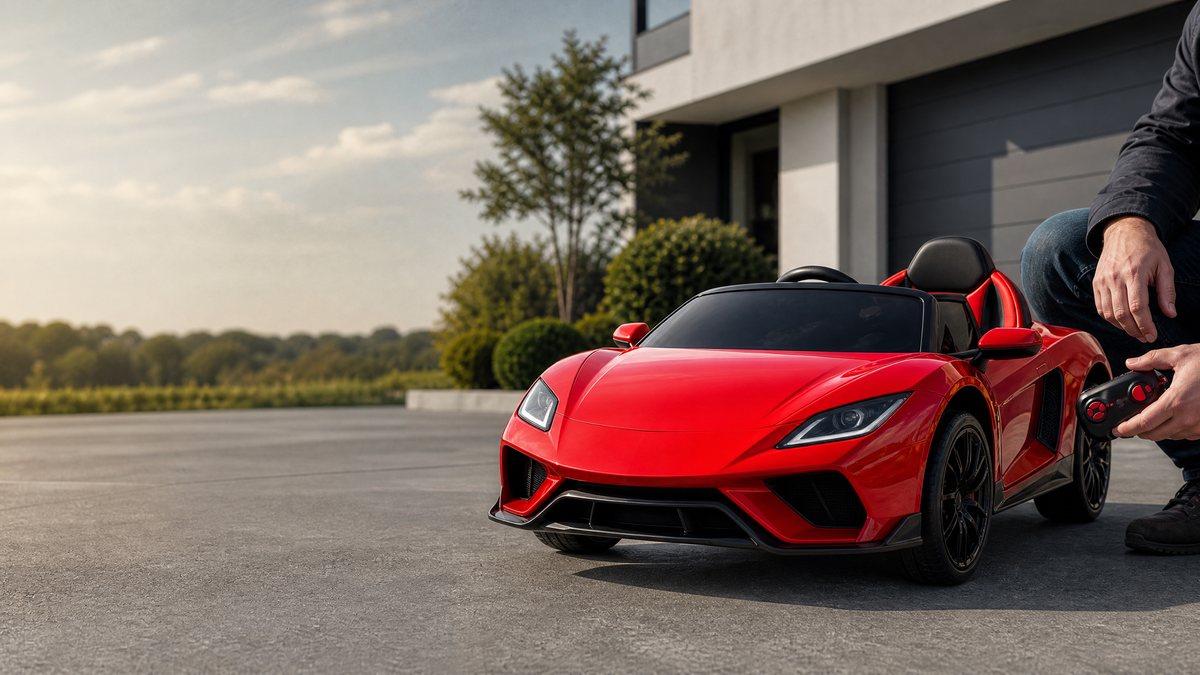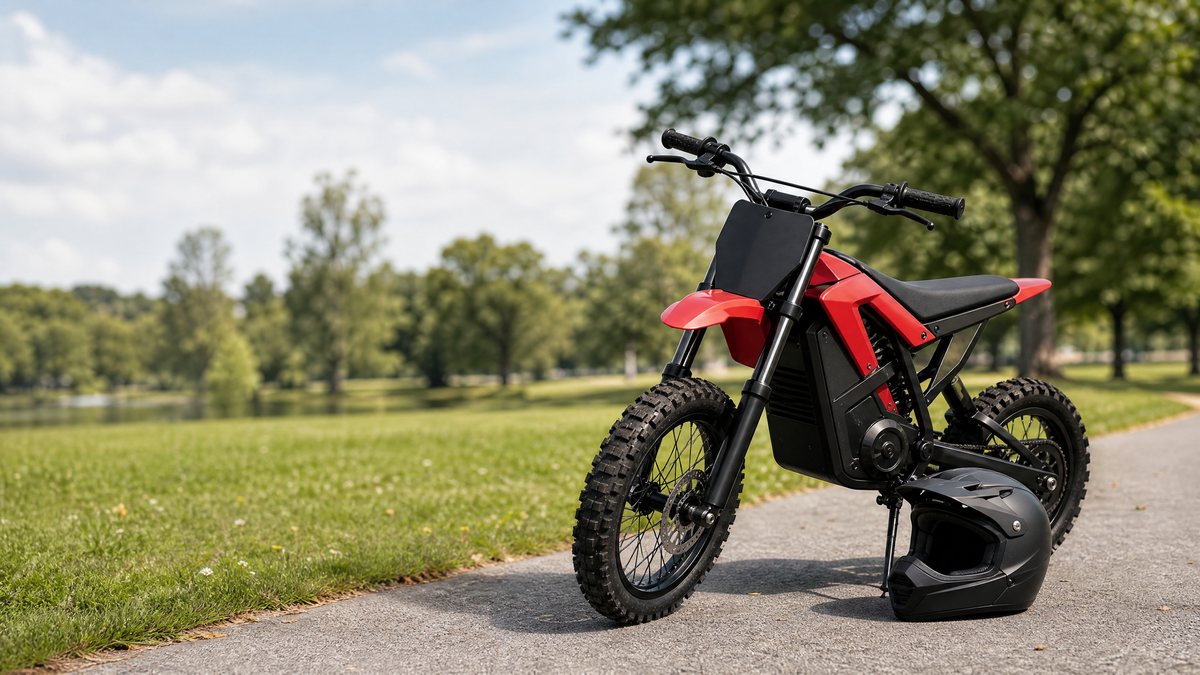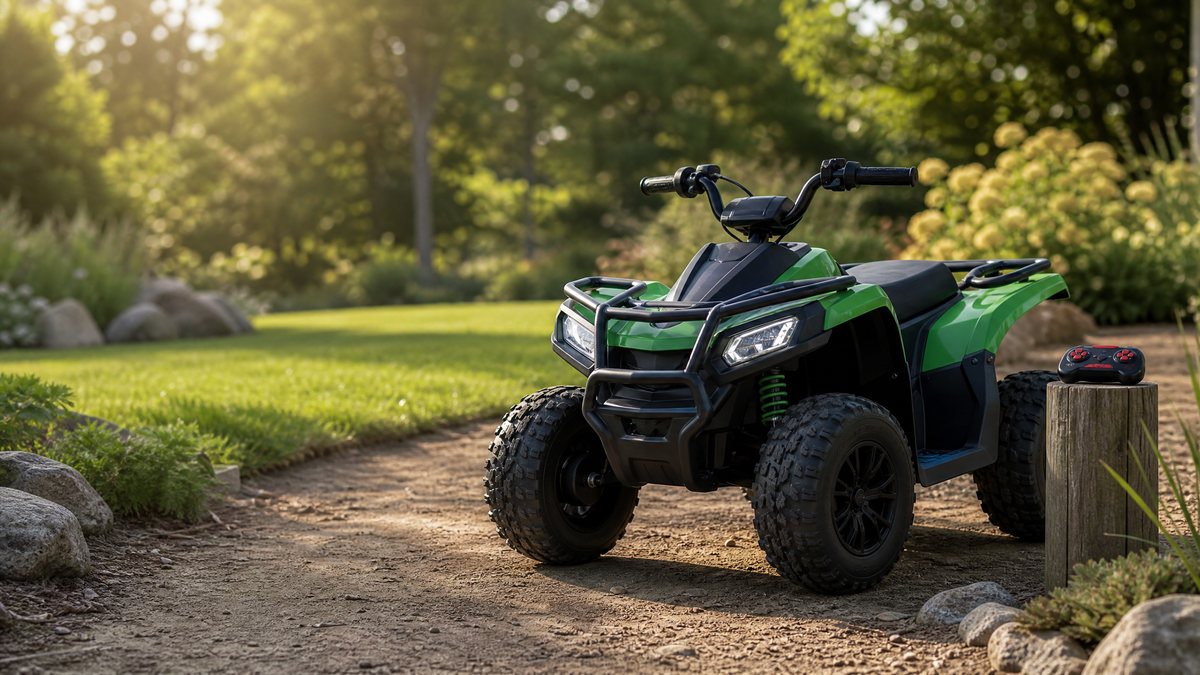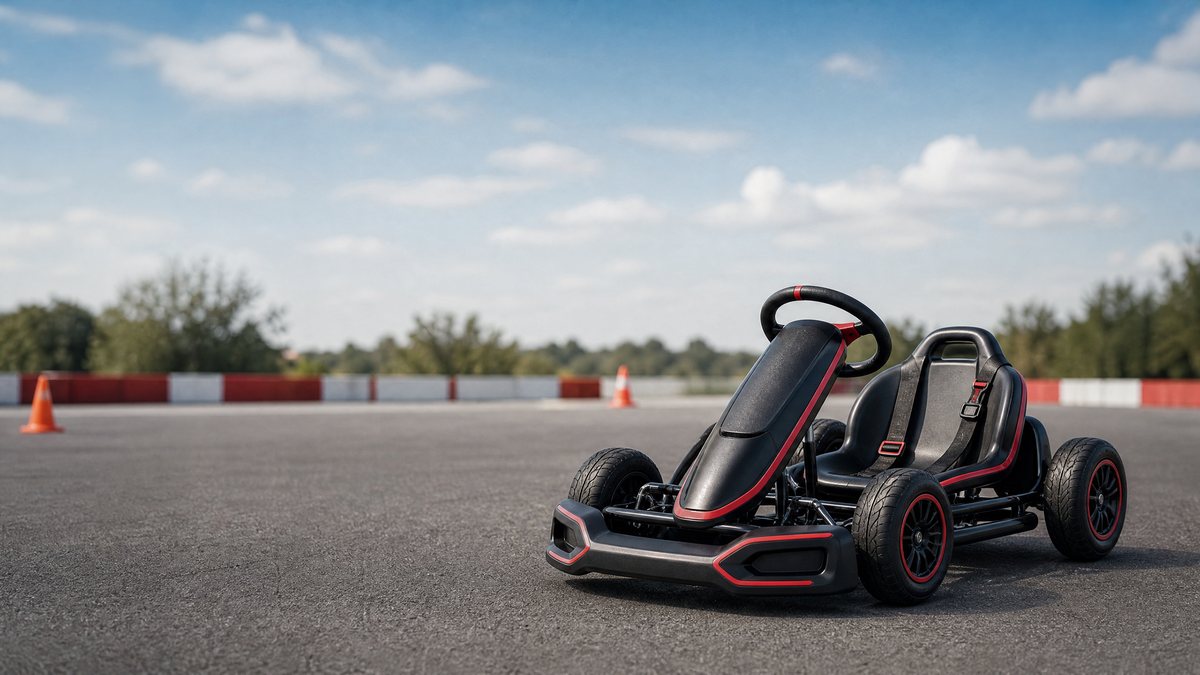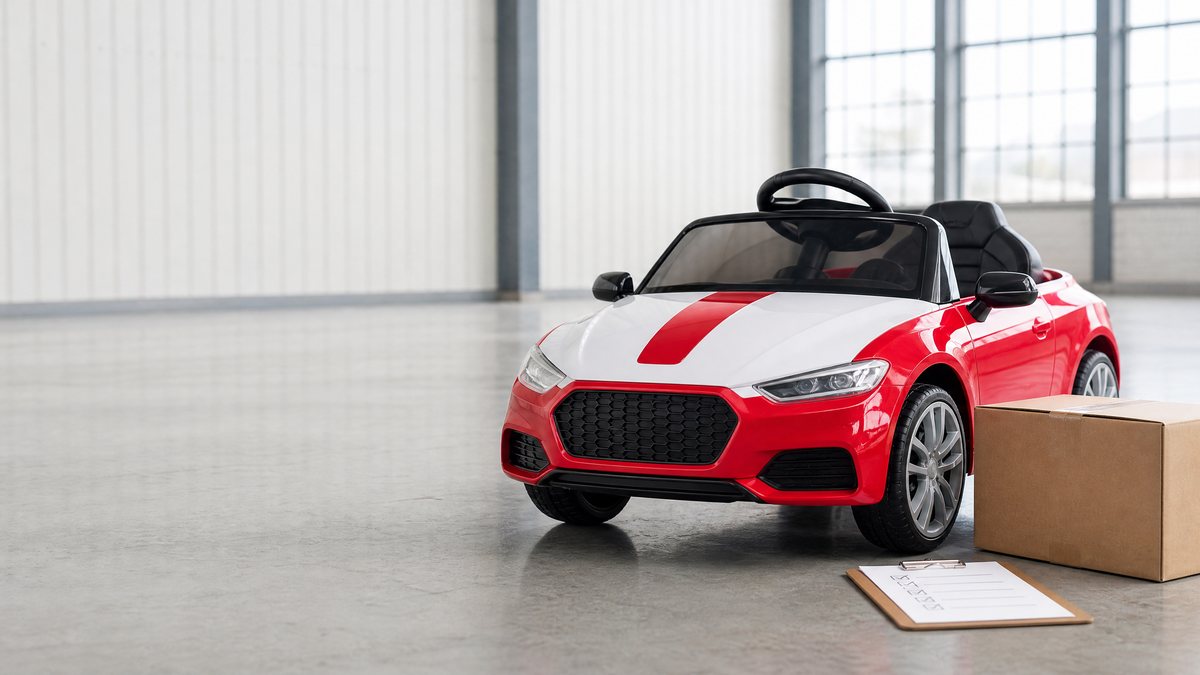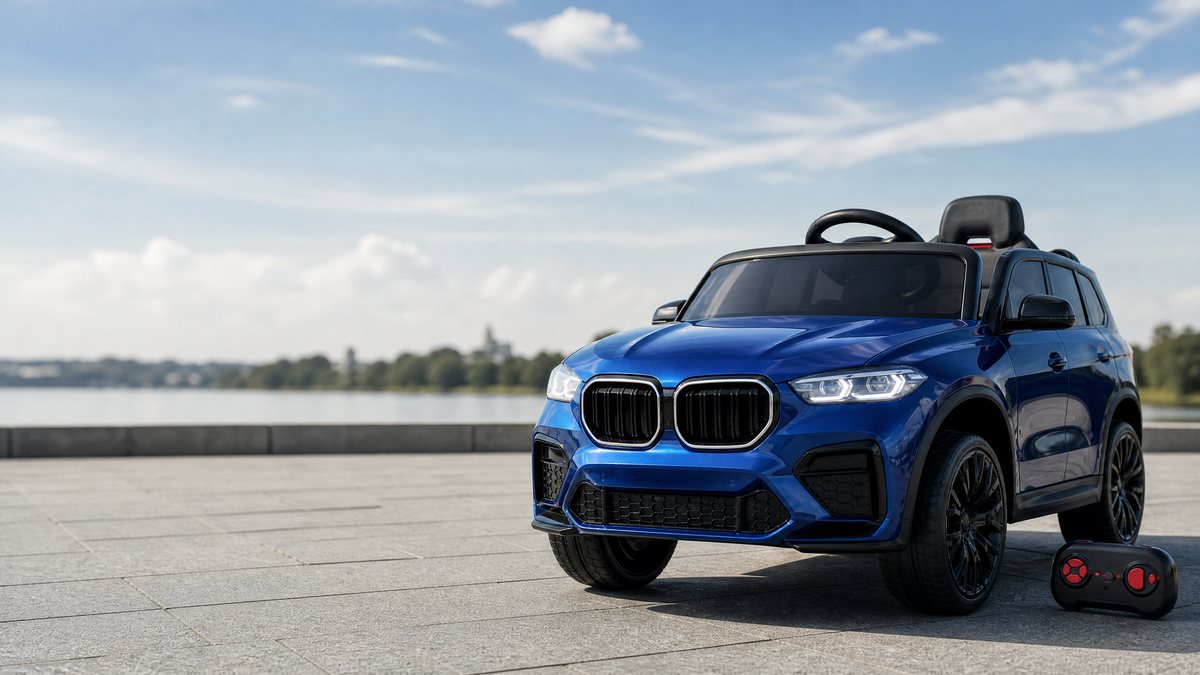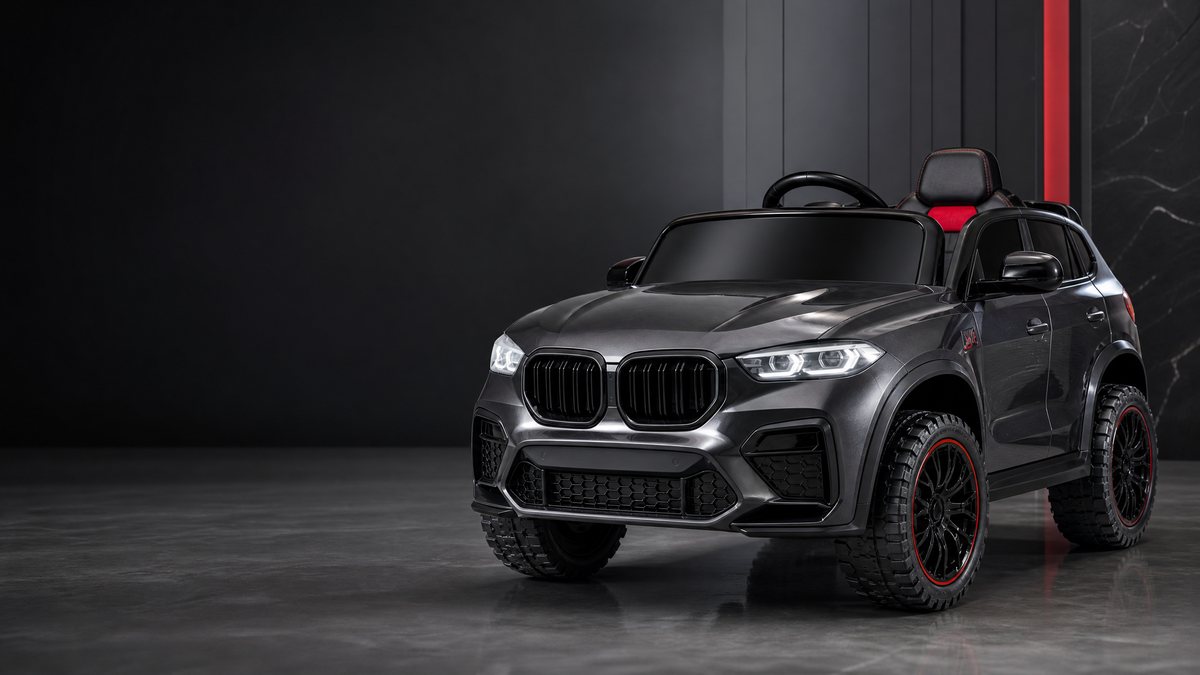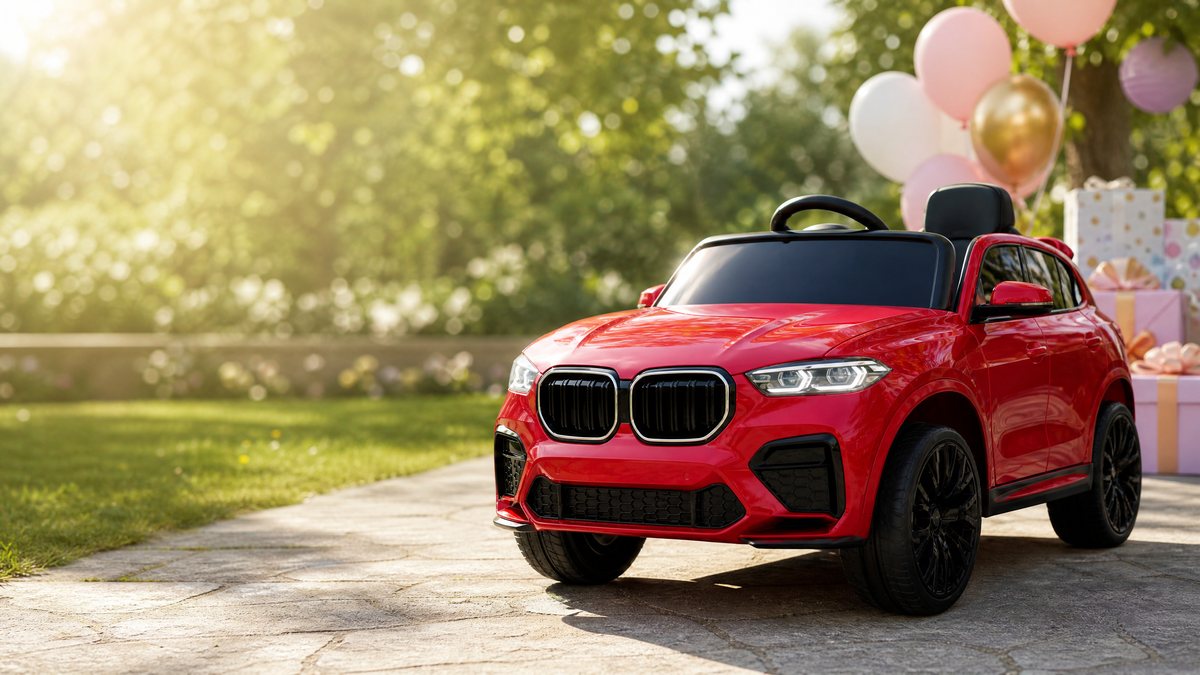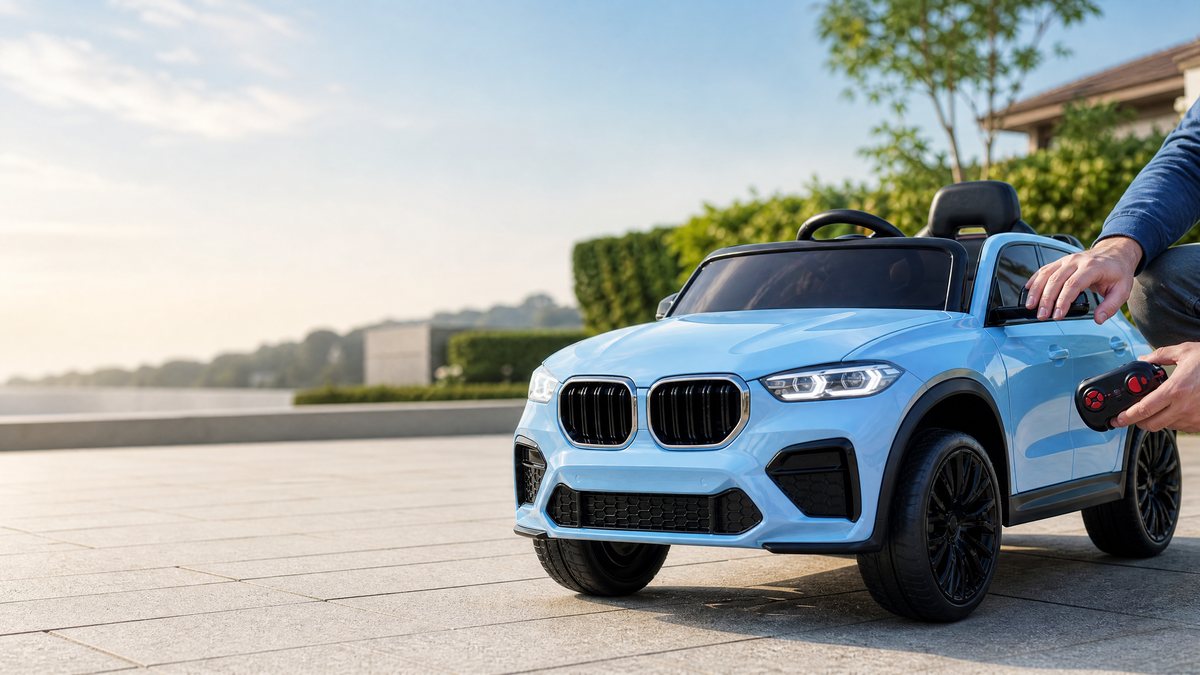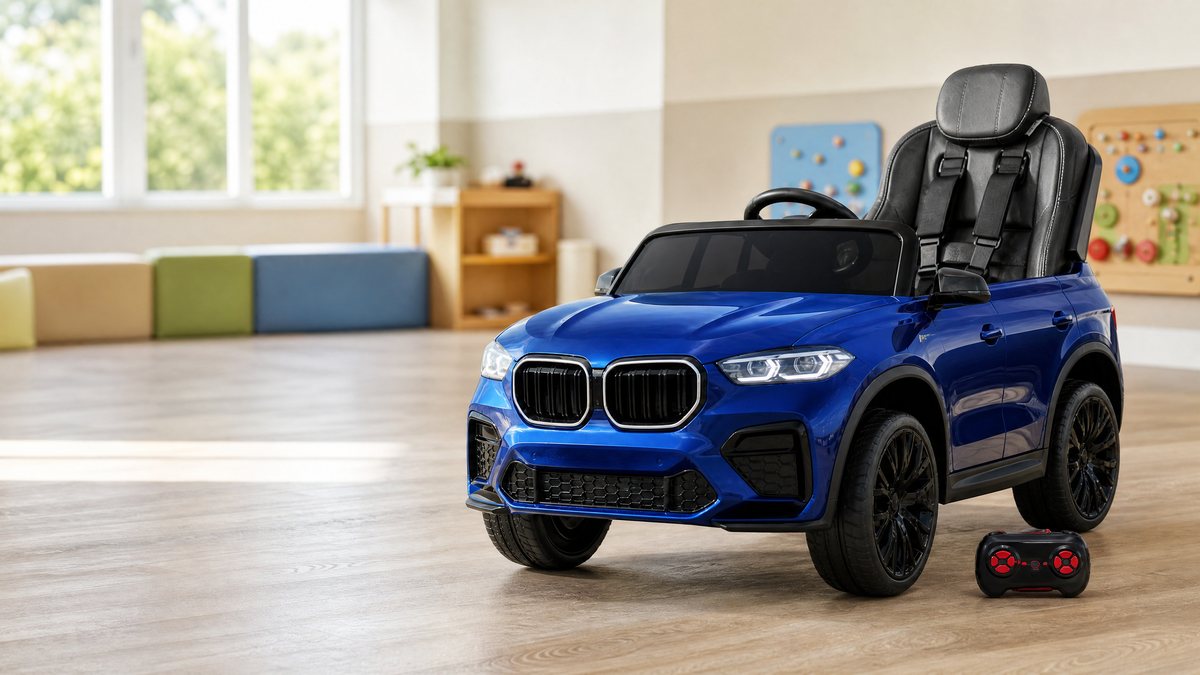
As the global demand for children's electric ride-on vehicles continues to expand across retail and e-commerce platforms, entry-level price tiers remain the highest volume drivers. Specifically, the sub-$150 wholesale and retail bracket attracts high-volume consumer interest due to its accessible price point for gift-buyers and casual users. However, navigating this budget category requires rigorous evaluation from B2B importers, distributors, and retail buyers. In the sub-$150 segment, manufacturing cost trade-offs are inevitable; therefore, understanding how to assess build quality, electrical architecture, regulatory compliance, and margin viability is essential for successful commercial sourcing.
This guide provides a transparent evaluation framework for B2B buyers looking to source electric ride-on cars priced under $150, outlining core specification benchmarks, safety considerations, and verification checklists without relying on unverified performance claims or fabricated ratings.
1. Market Positioning and Consumer Expectations in the Sub-$150 Tier
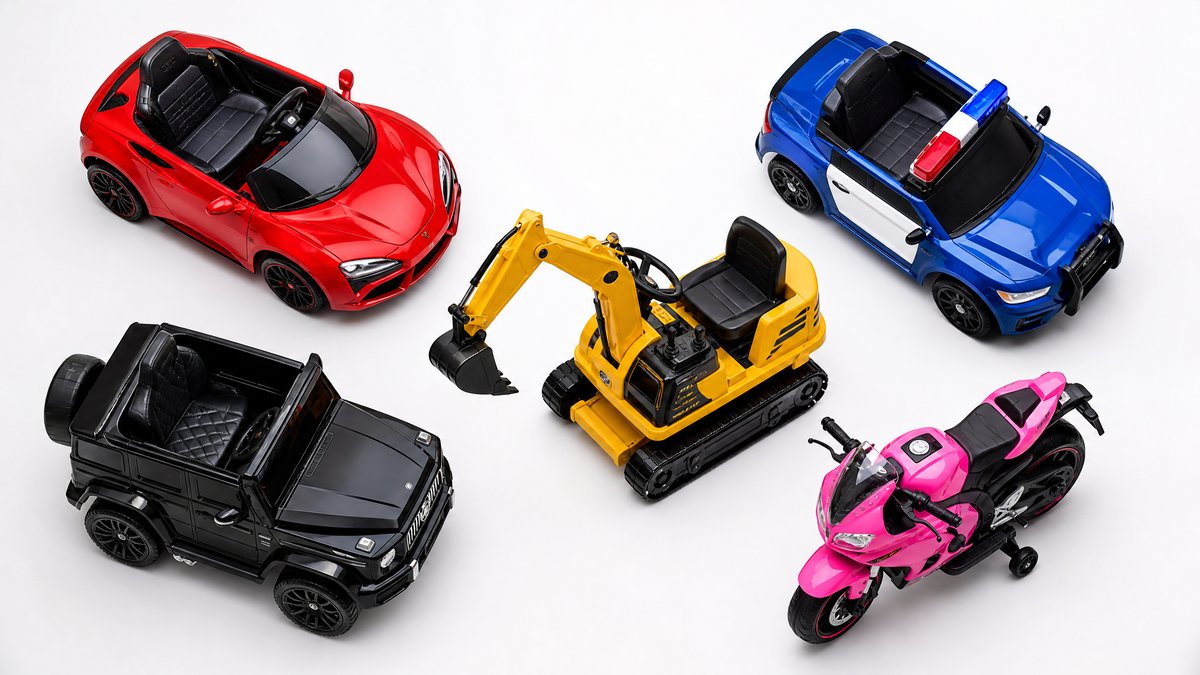
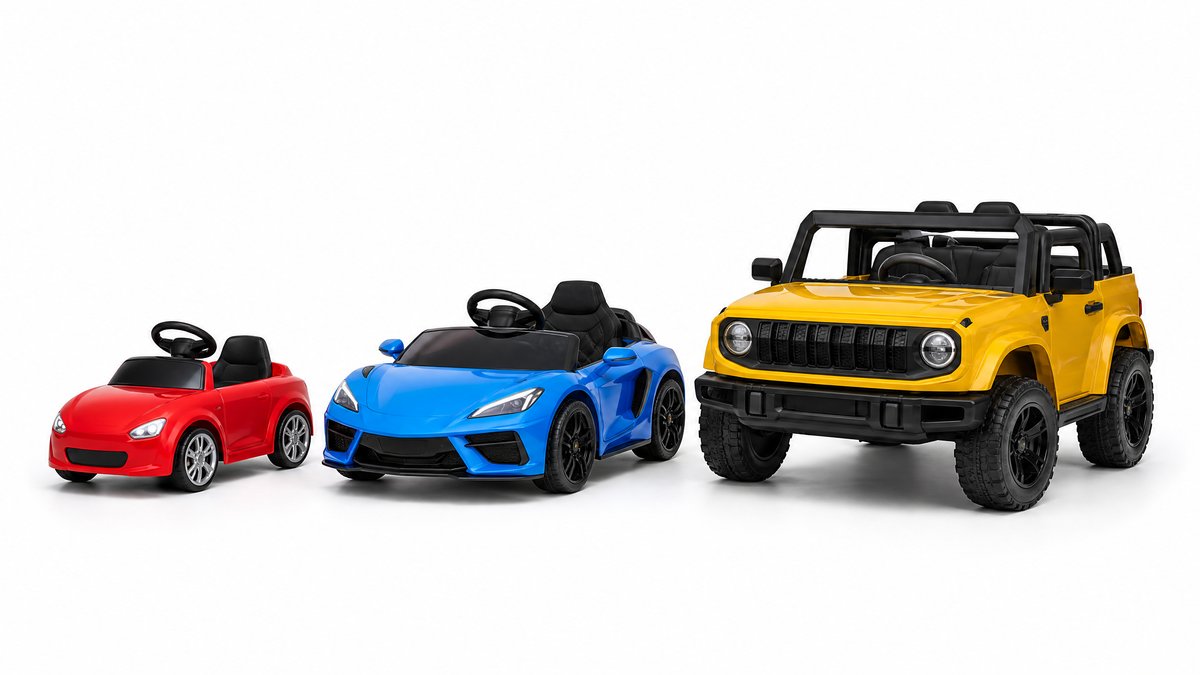
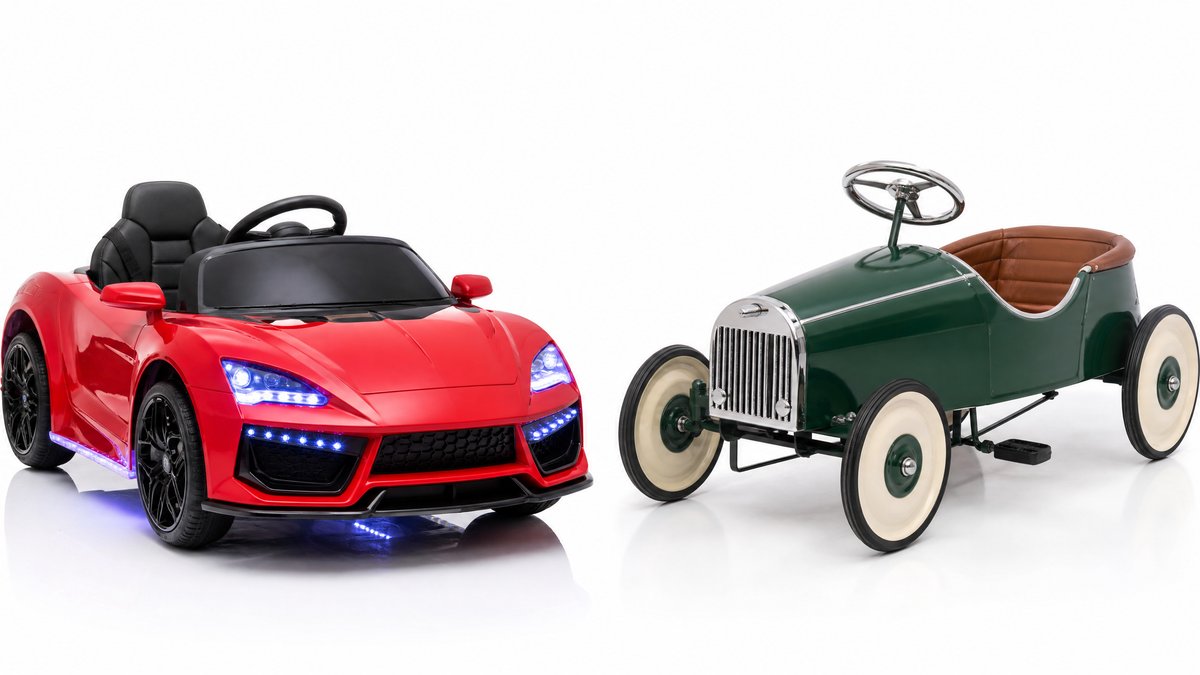
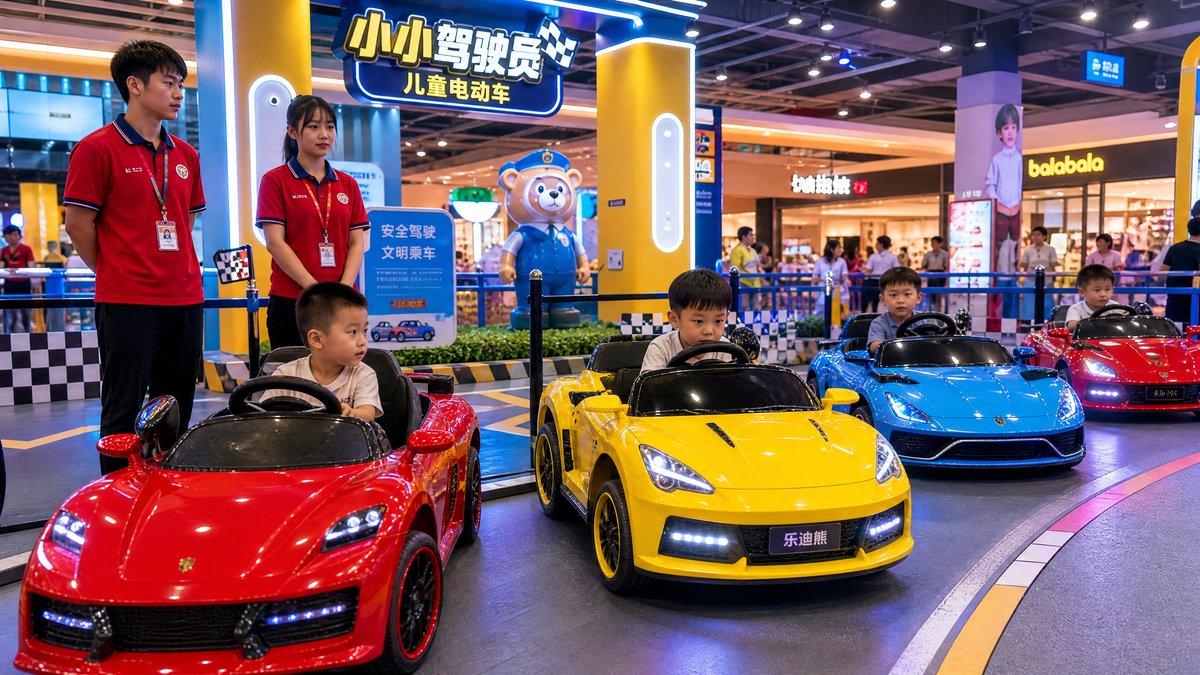
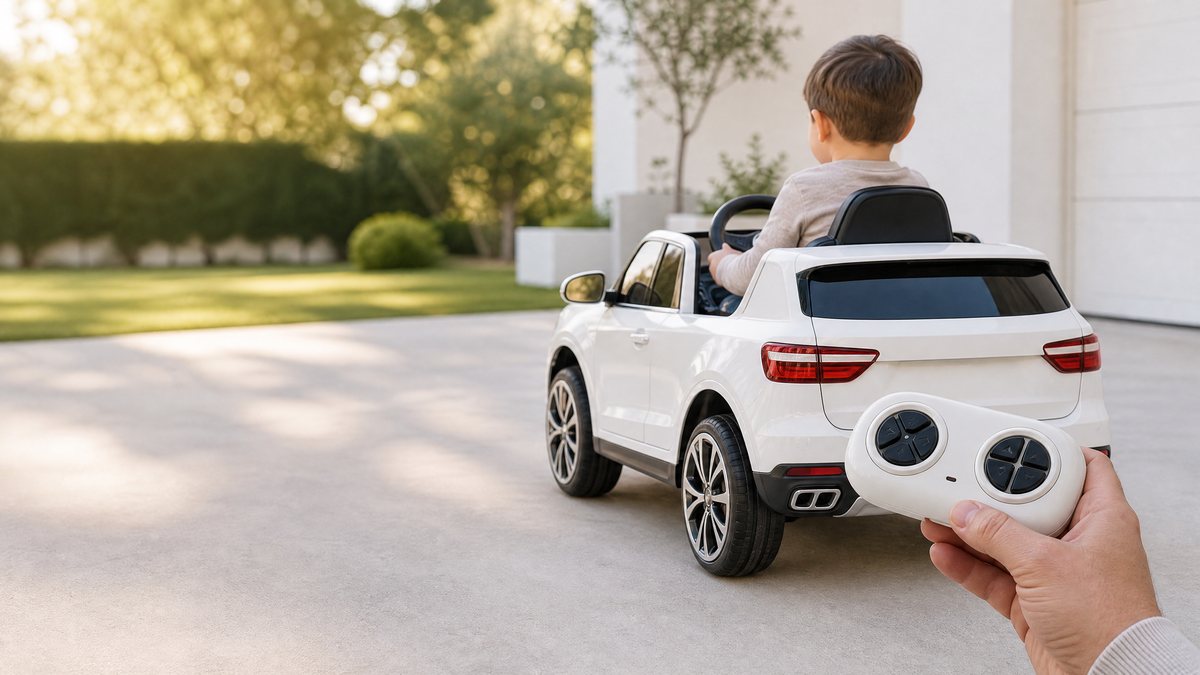
Vehicles positioned in the sub-$150 retail bracket generally target toddlers and young children aged 2 to 5 years. At this price point, design priorities focus on essential mobility, basic safety features, and approachable aesthetics rather than high-end luxury replicas or multi-passenger configurations.
Key Characteristics of Sub-$150 Ride-On Cars
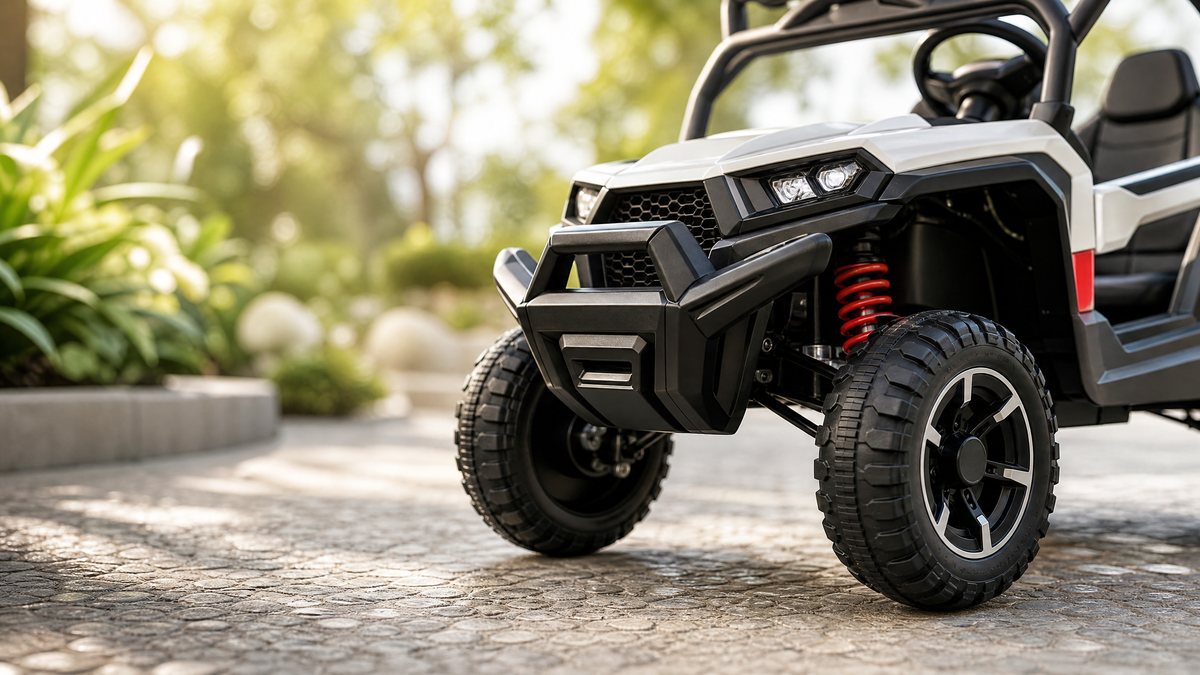
* Drive Configuration: Typically single-motor (25W to 35W) or dual-motor (20W each) setups powered by a 6V or 12V rechargeable battery system.
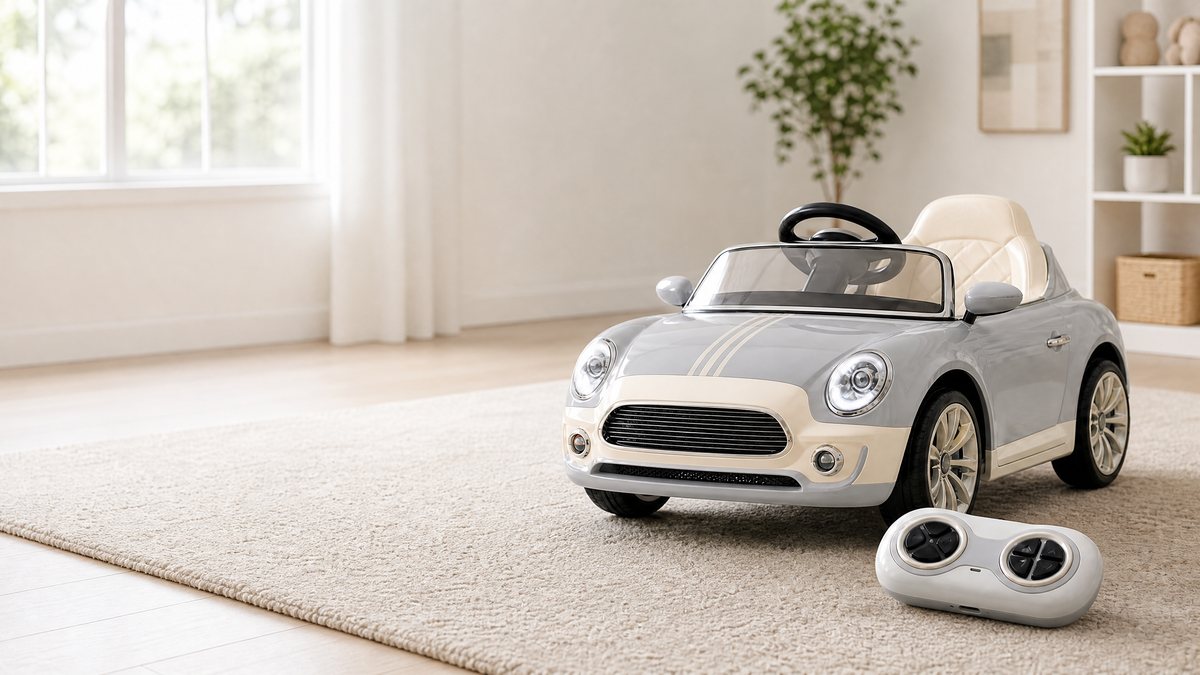
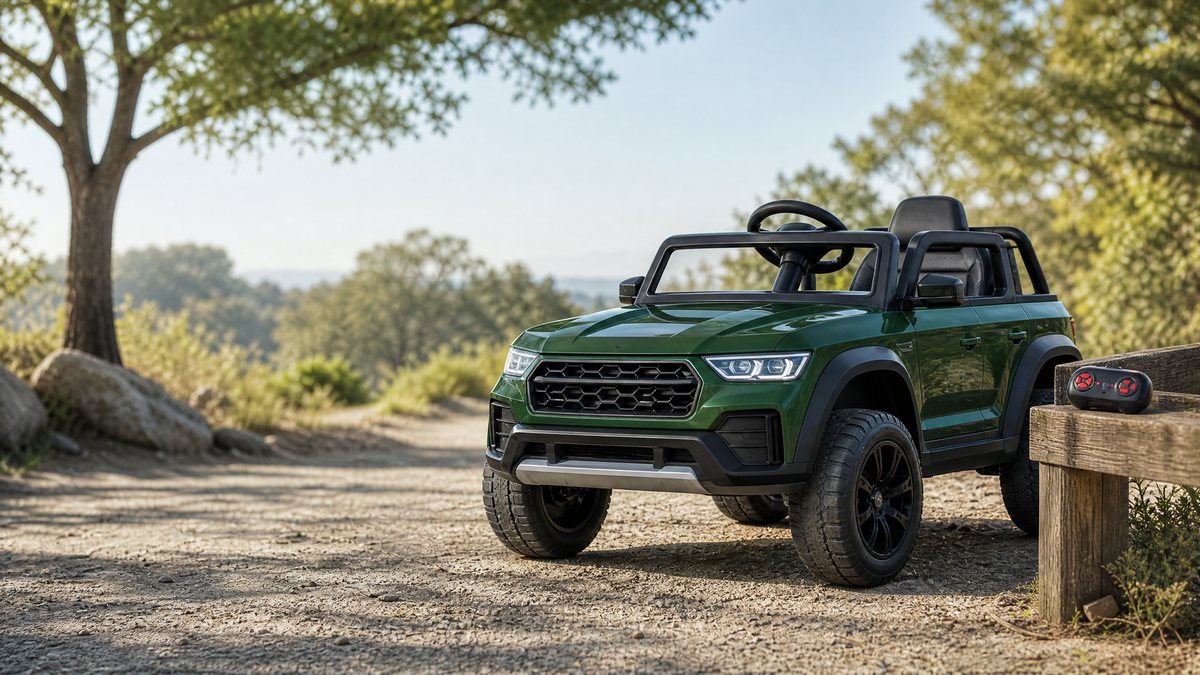
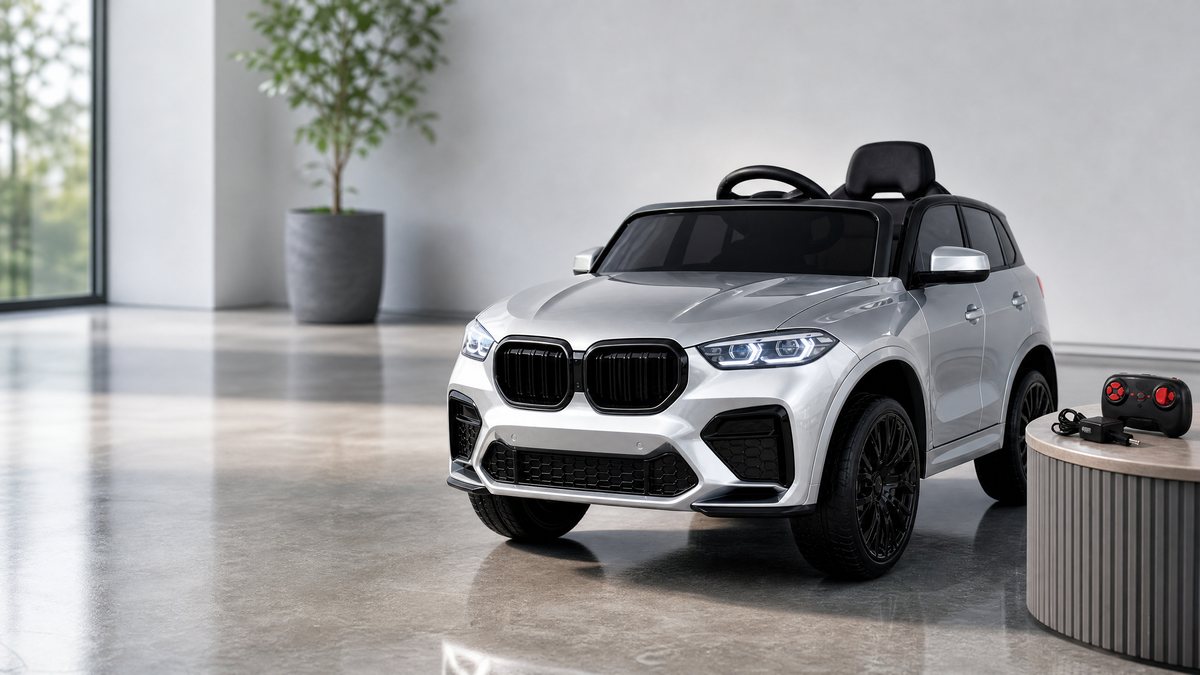
* Control Interface: Standard foot pedal acceleration with basic steering wheel input, frequently supplemented by a 2.4G parental remote control for safety supervision.
* Material Composition: Injection-molded polypropylene (PP) plastic bodies supported by lightweight steel or reinforced plastic chassis elements.
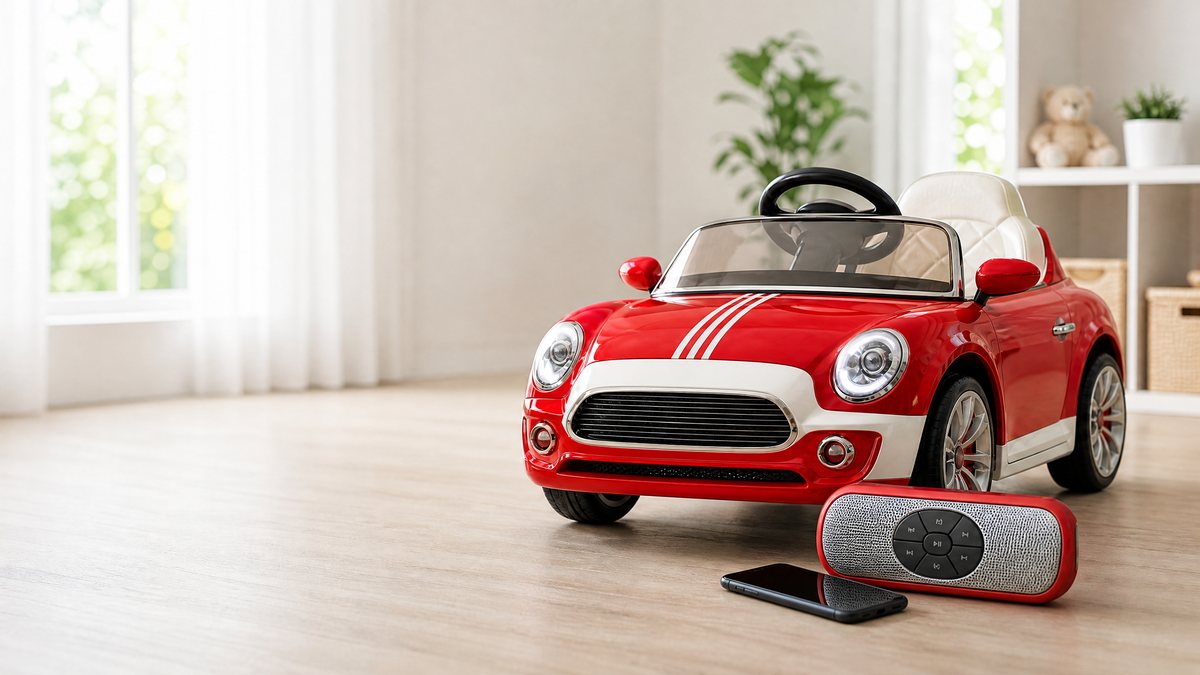
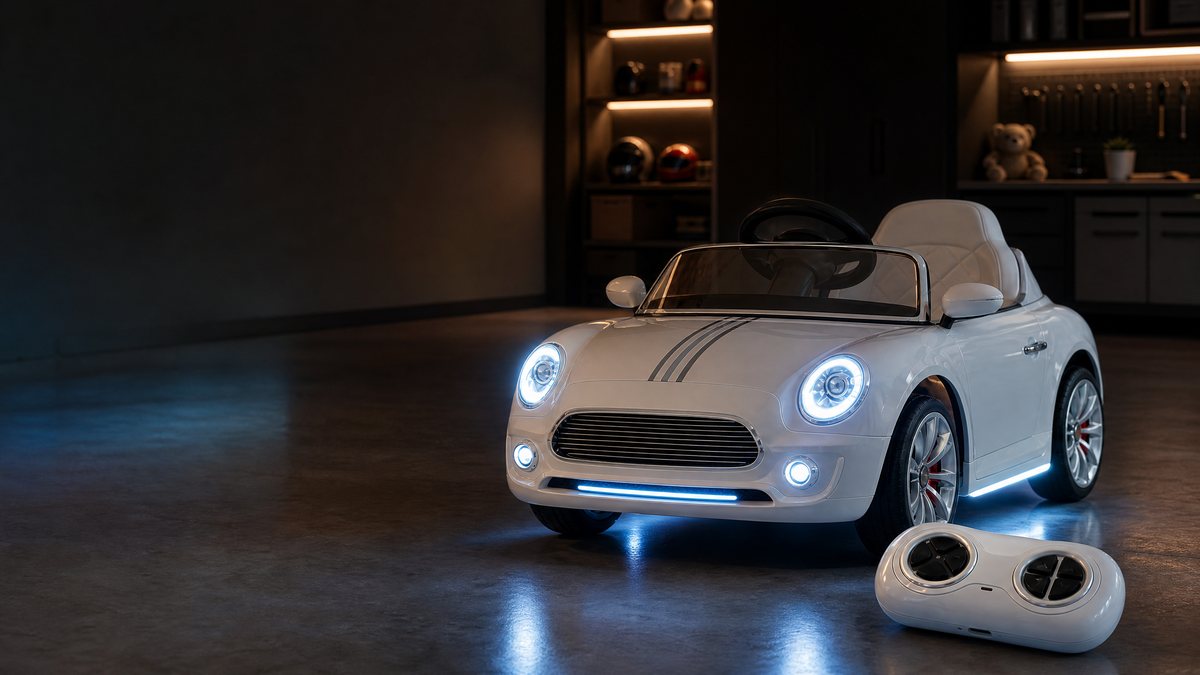
* Feature Set: Basic functional horn, simple LED front illumination, and pre-recorded audio or MP3/AUX connectivity ports.
For B2B distributors, understanding these baseline parameters ensures that retail partner expectations align with factory production realities. Margin structures in this tier require tight cost control during factory negotiations.
2. Core Specification Breakdown & Engineering Trade-Offs
When evaluating factory spec sheets for sub-$150 ride-on vehicles, wholesale buyers must analyze the interplay between cost reduction and structural integrity. The table below outlines key technical parameters and what B2B buyers should inspect during sample evaluations.
| Specification Component | Common Sub-$150 Standard | Evaluation & Verification Focus | Commercial Implication |
|---|---|---|---|
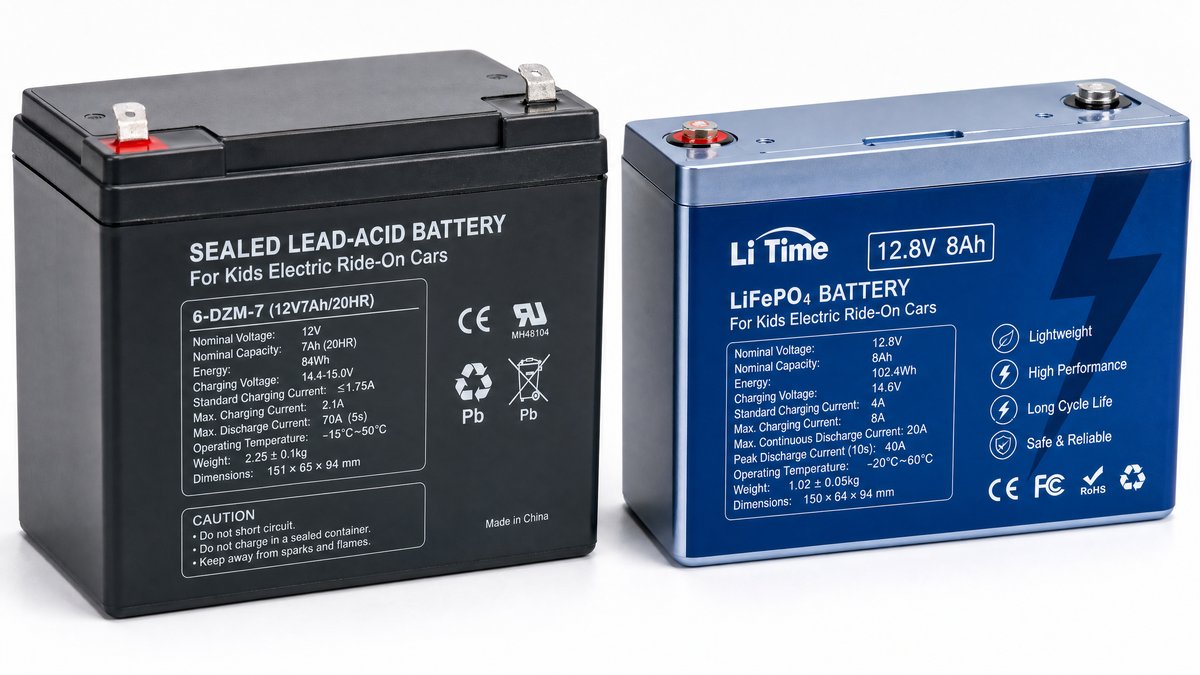
| Battery Voltage & Capacity | 6V 4.5Ah or 12V 4.5Ah SLA / Lithium-ion | Verify actual amp-hour (Ah) ratings against factory spec sheets; test discharge rates. | Directly dictates run-time (typically 45–90 minutes); affects shipping weight and hazmat compliance. |
| Drive Motors | Single 6V motor or Dual 12V 25W motors | Inspect gearbox housing material (nylon vs. low-grade plastic) for gear stripping durability. | Determines torque on inclines and mechanical longevity under regular child usage. |
| Tire Construction | Molded plastic wheels with central rubber traction strip | Check for balanced rotation, injection molding flash, and adequate grip on smooth indoor/outdoor surfaces. | Impacts noise levels, surface wear, and perceived product quality for end-users. |
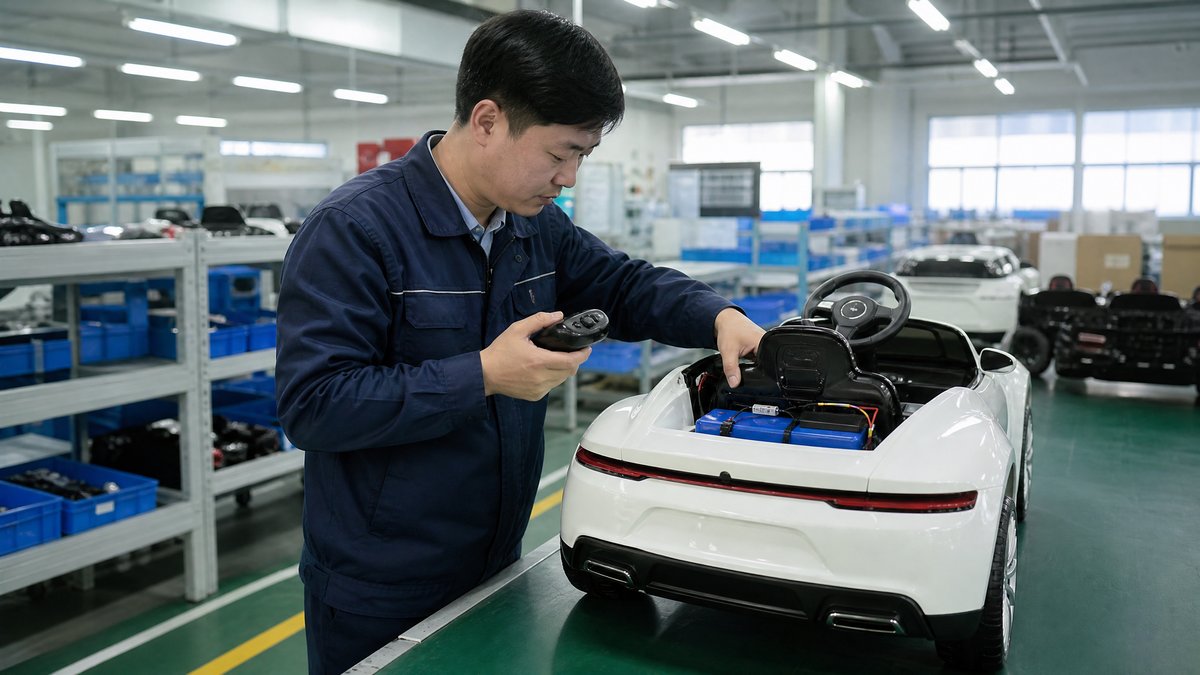
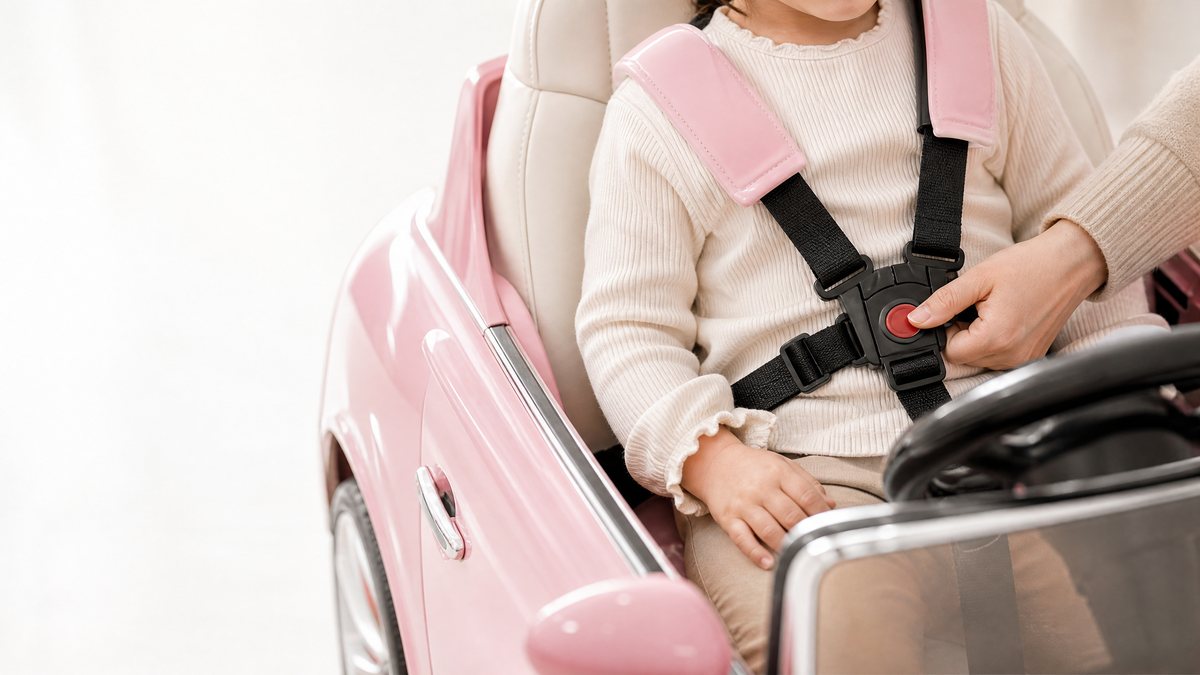
| Safety & Restraints | Adjustable lap belt; optional parental remote override | Confirm remote frequency stability (2.4G) and emergency stop functionality during sample testing. | Critical compliance threshold for consumer safety and liability mitigation. |
3. Regulatory Compliance, Documentation, and Import Verification
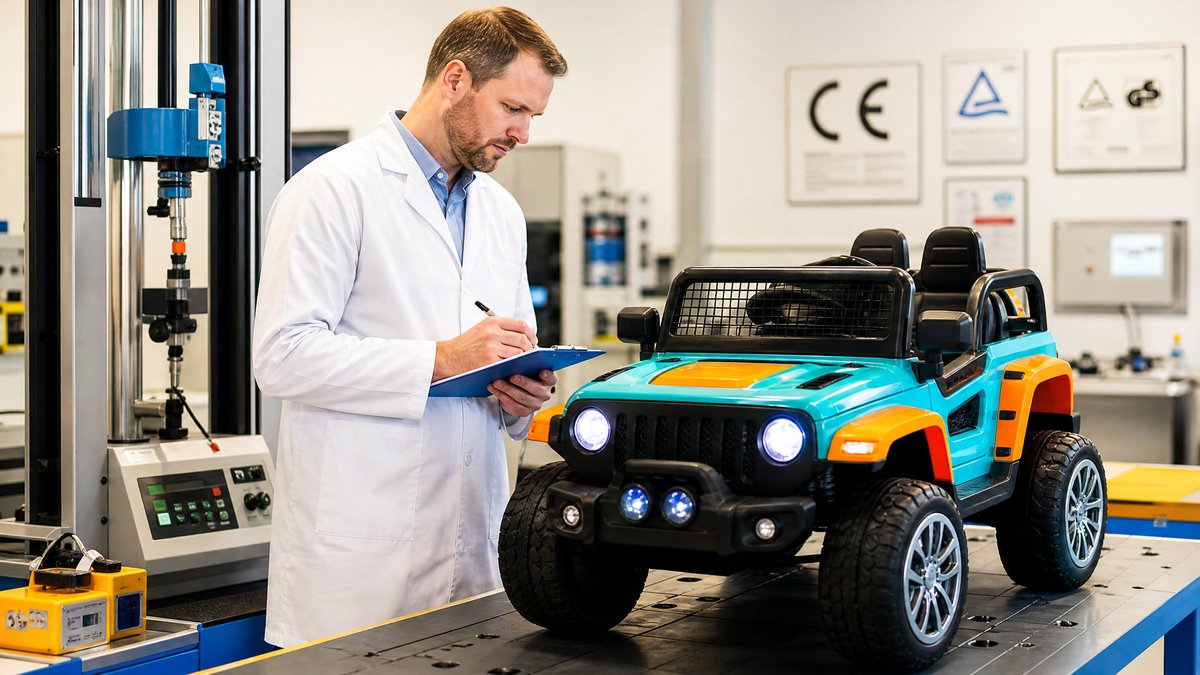
Sourcing ride-on cars across international borders requires strict adherence to regional toy safety and electrical compliance standards. Because budget models utilize cost-effective electrical components, verifying third-party laboratory test reports is non-negotiable for commercial importers.
Essential Compliance Standards
* United States: ASTM F963 (Standard Consumer Safety Specification for Toy Safety) and CPSIA (Consumer Product Safety Improvement Act) covering lead and phthalate limits, plus FCC certification for remote control radio frequency compliance.
* European Union: EN71 (Safety of Toys - Part 1, 2, 3, and 9) and EMC directive compliance for electronic components, along with RoHS and WEEE directives for battery and electrical waste management.
* Electrical Safety: Verification of charger units (UL, CE, or ETL certifications) to prevent thermal runaway, short-circuiting, or battery overcharging risks.
> Commercial Notice: B2B buyers must never rely solely on verbal factory assurances. Always request complete, unredacted test reports issued by accredited laboratories (such as SGS, TÜV, or Intertek) bearing the specific factory model number before confirming volume purchase orders.
4. Buyer’s Inspection and Sourcing Checklist
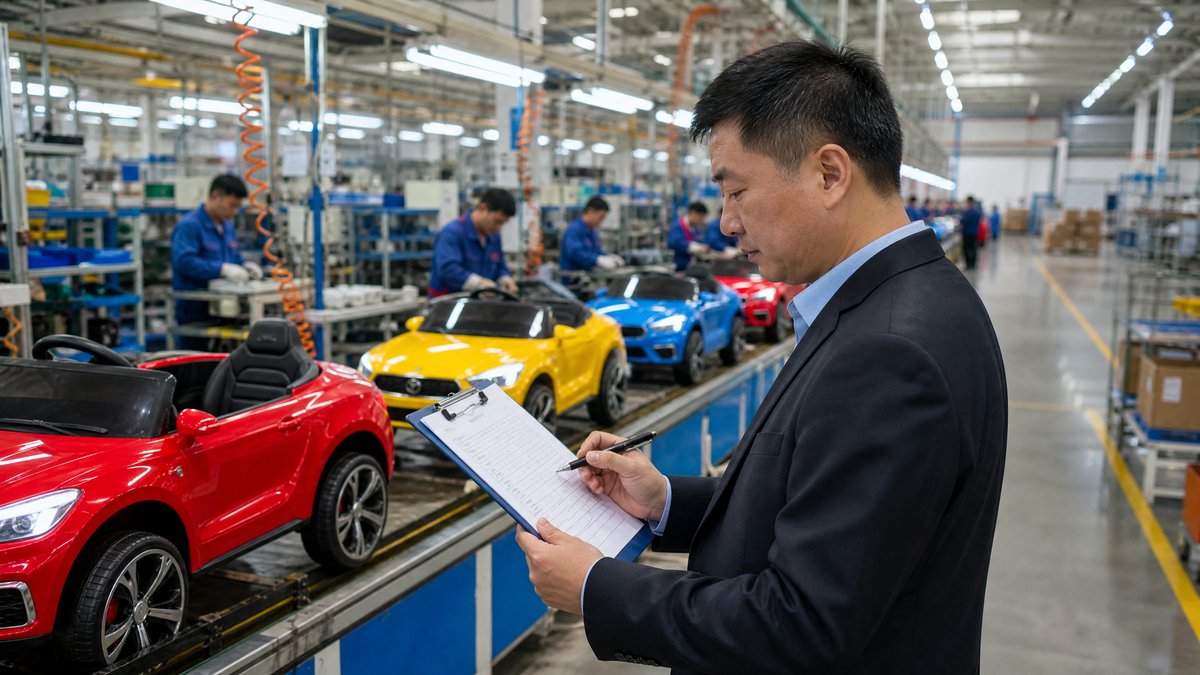
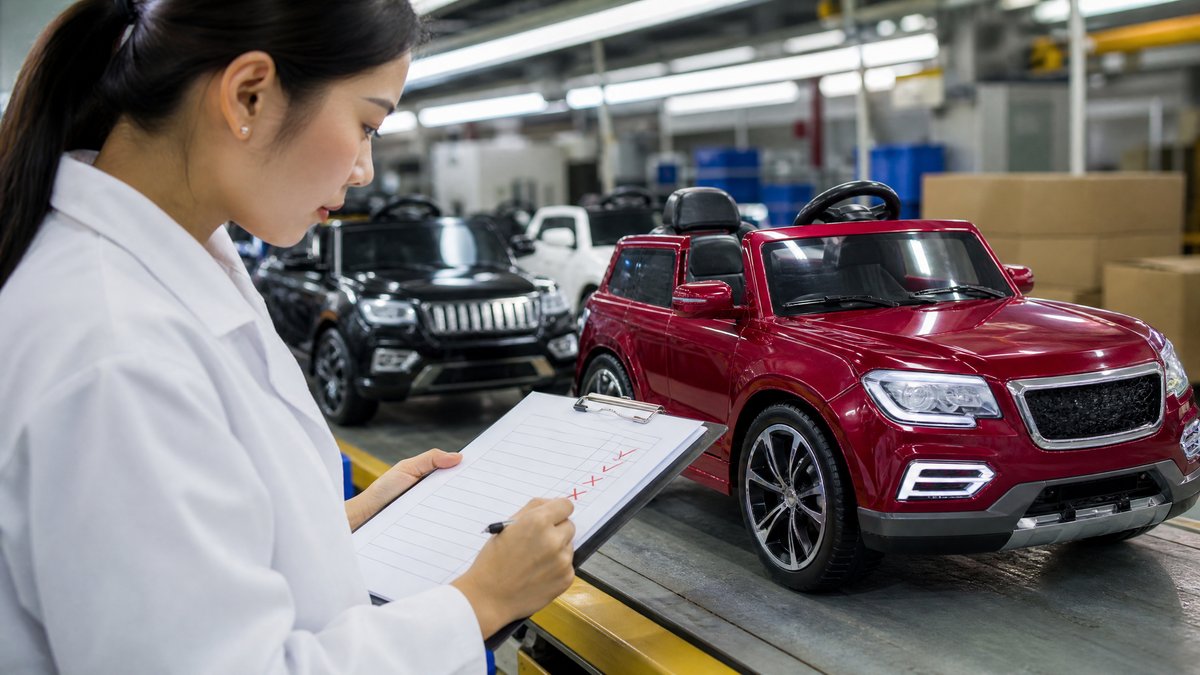
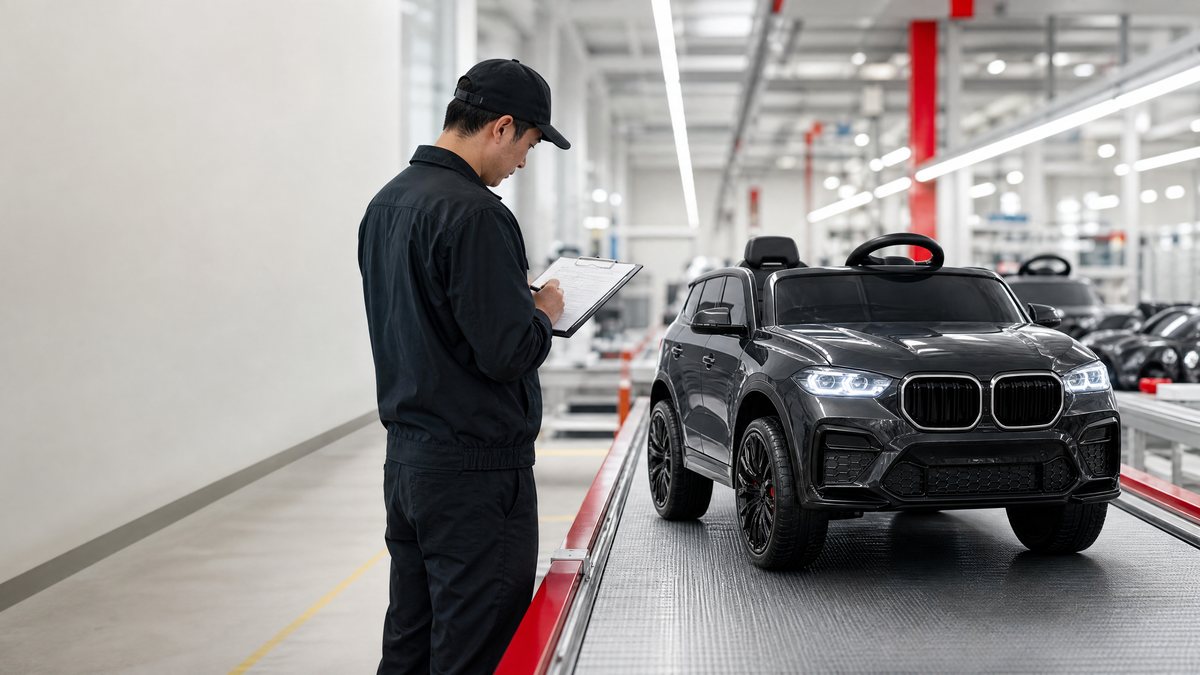
Before finalizing bulk procurement agreements for sub-$150 ride-on vehicles, purchasing managers should execute a systematic evaluation protocol. This checklist minimizes defect rates, reduces warranty claims, and protects brand reputation.
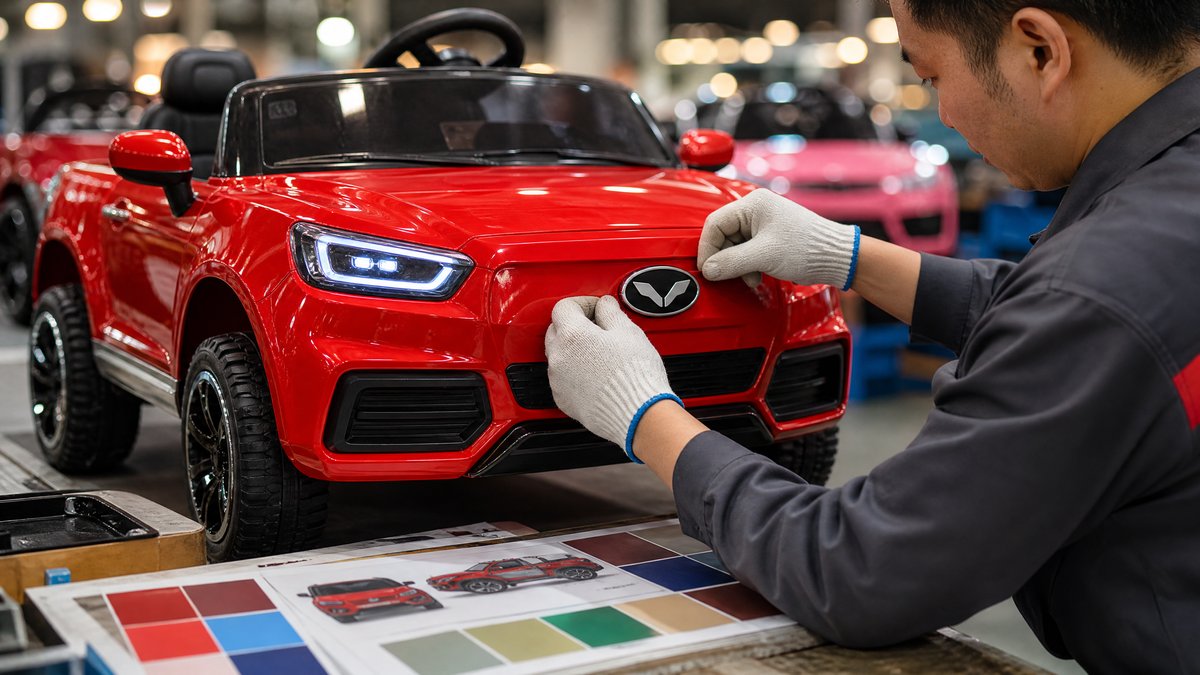
1. Sample Physical Audit: Request physical golden samples to inspect plastic wall thickness, surface finishing, and sharp edge elimination.
2. Electrical System Stress Testing: Verify that battery chargers include automatic cut-off mechanisms to prevent overcharging. Test motor thermal thresholds during continuous 30-minute operational runs.
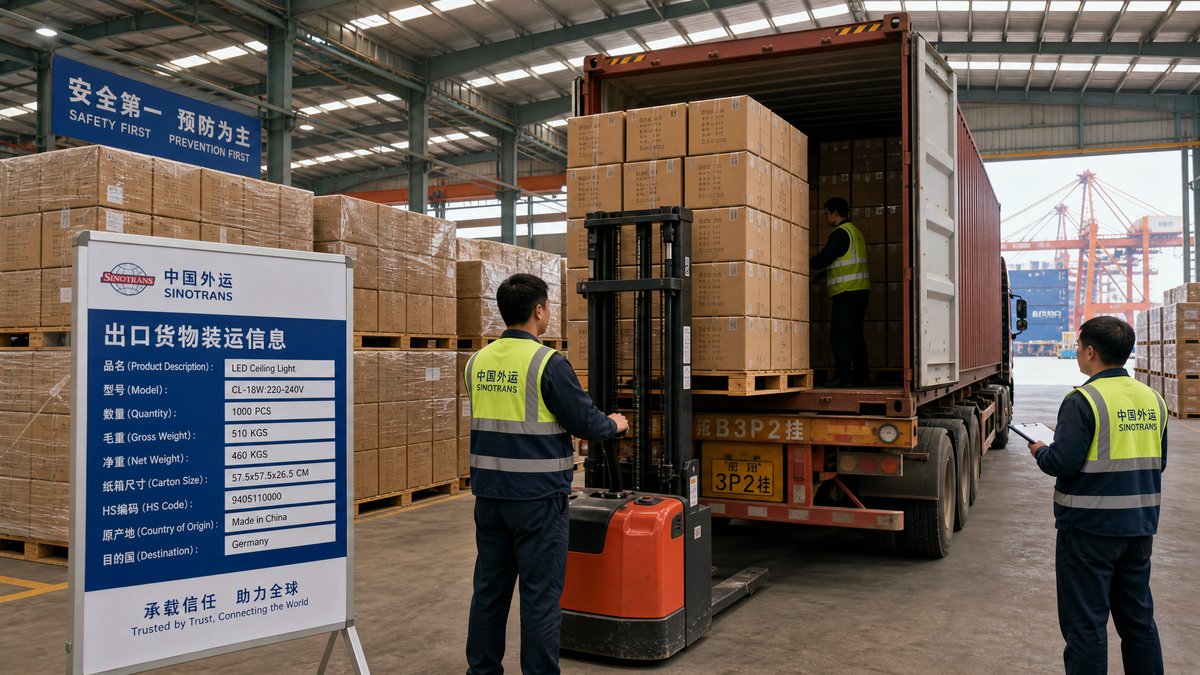
3. Packaging Drop Testing: Ensure carton drop tests comply with ISTA standards, as budget ride-on cars frequently suffer shipping damage due to thin outer corrugated packaging.
4. Instruction Manual & Labeling Verification: Check that assembly instructions, age-grading warnings (e.g., recommended for ages 3-6), and maximum weight capacity notices (typically 30kg) are clearly printed in the target destination language.
5. Spare Parts Availability: Negotiate terms for a standard percentage of critical spare parts (replacement gearboxes, remote transmitters, chargers) bundled with wholesale container shipments.
5. Conclusion
Sourcing ride-on cars in the sub-$150 price category offers significant commercial volume opportunities for retailers and distributors catering to value-conscious consumers. However, commercial success depends on meticulous specification analysis, rigorous third-party compliance verification, and transparent communication with manufacturing partners. By focusing on fundamental engineering integrity rather than inflated performance promises, B2B buyers can build sustainable, high-margin product lines.
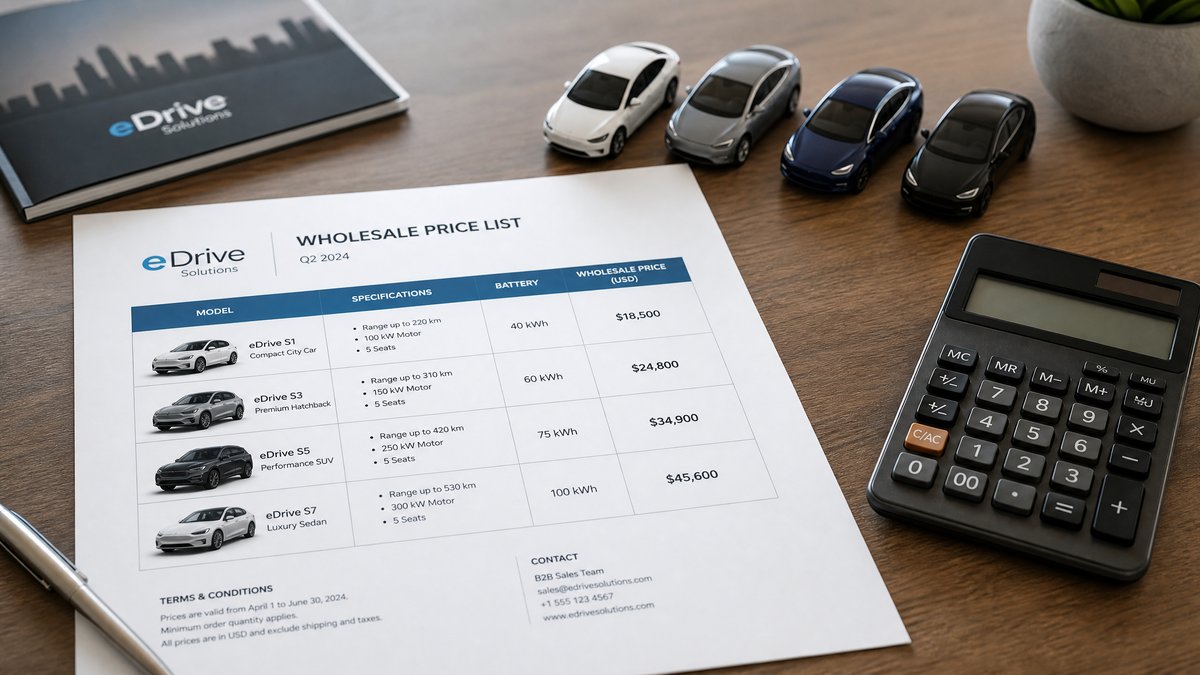
For detailed wholesale pricing, minimum order quantities (MOQ), container loading calculations, and current factory specification sheets, please reach out to our commercial team.
Contact our wholesale team via email for inquiries, custom packaging options, or catalog requests.
Frequently Asked Questions (FAQ)
1. What is the typical profit margin when retailing ride-on cars under $150?
Retail profit margins vary widely depending on shipping logistics, sales channels (e-commerce vs. brick-and-mortar), and order volume. Importers typically target wholesale-to-retail markups ranging from 40% to 70%. B2B buyers must account for bulky shipping dimensions, warehousing overhead, and potential reverse logistics costs for minor warranty claims when calculating net margin viability.
2. Are 6V ride-on cars sufficient for children in this price bracket?
6V ride-on cars provide slower speeds (typically 2–3 km/h) suitable for younger toddlers (ages 2–3) operating on smooth, flat indoor or paved surfaces. However, 12V configurations offer better torque and versatility on slight outdoor inclines. Importers should evaluate their target demographic's local terrain and age preferences when deciding between 6V and 12V options in the sub-$150 tier.
3. What steps should importers take to verify factory compliance documents?
Importers should request complete, traceable test certificates and test reports directly from accredited testing agencies rather than accepting altered PDF copies from trading intermediaries. Verifying the issuing laboratory's accreditation status and cross-referencing report serial numbers ensures that shipments meet statutory import requirements for target markets such as the US or EU.
Official references
Explore these external resources for current regulatory and trade guidance. Confirm requirements with the relevant authority before placing an order.
Ready to Start?
Factory-Direct · CE & ASTM Certified · MOQ from 50 Units
Our export team works with buyers in 60+ countries. Get a quote within 24 hours.
KR
Written by KidsRideCar
China's leading kids electric ride-on car manufacturer. 500,000+ units shipped annually to 60+ countries. CE, ASTM & EN71 certified.