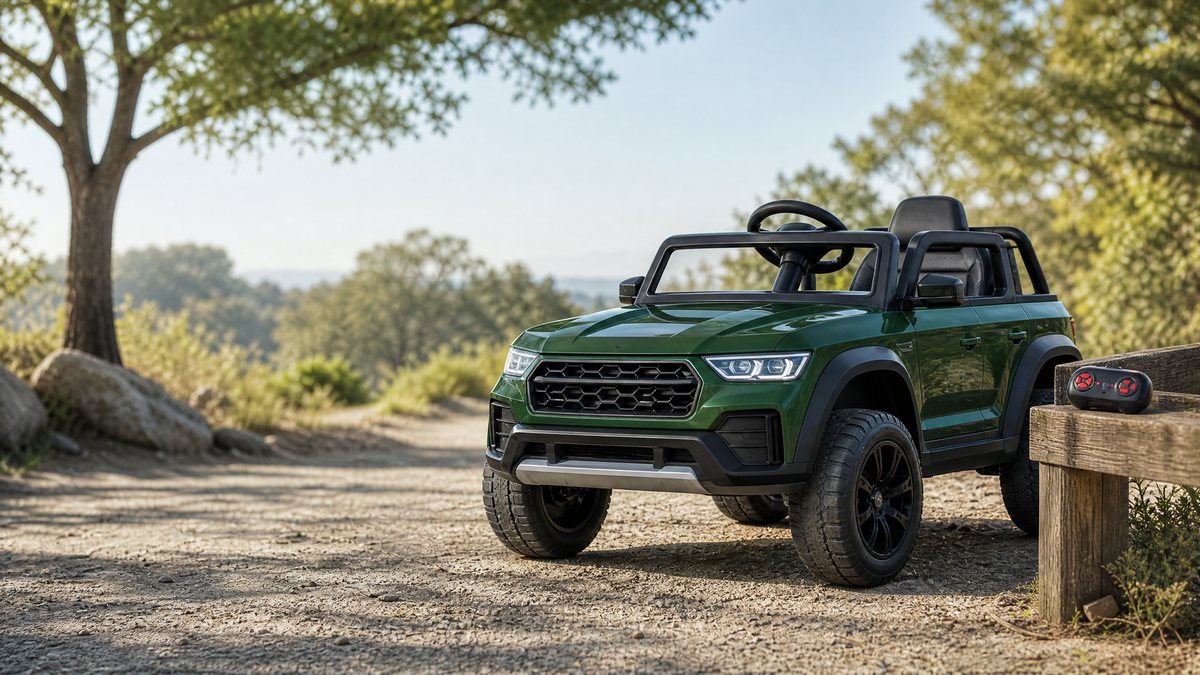
Introduction to Ride-On Car Door Mechanism Evaluation
When evaluating electric ride-on vehicles for children, mechanical components such as door hinges, latches, and locking mechanisms represent critical points of daily interaction. While aesthetic features like paint finish and LED lighting often capture initial buyer attention, the structural integrity and operational smoothness of vehicle doors directly influence long-term user satisfaction, durability, and perceived product quality. In wholesale procurement and retail selection, understanding how to systematically evaluate door hinge assemblies without relying on unverified claims or fabricated testing data is essential for B2B buyers, importers, and toy store operators.
This evaluation guide provides a structured methodology for inspecting ride-on car door hinges, examining alignment tolerances, latch engagement, material selection, and ergonomic factors. It is important to note that operational smoothness, alignment precision, and mechanical wear vary significantly across specific vehicle models, factory assembly standards, raw material grades, and environmental conditions. Buyers must conduct sample inspections based on manufacturer specifications rather than assuming uniform performance across different production batches. Furthermore, all operational evaluations should be accompanied by strict adherence to manufacturer instructions and adult supervision guidelines to ensure child safety during regular use.
Mechanical Anatomy of Ride-On Car Doors
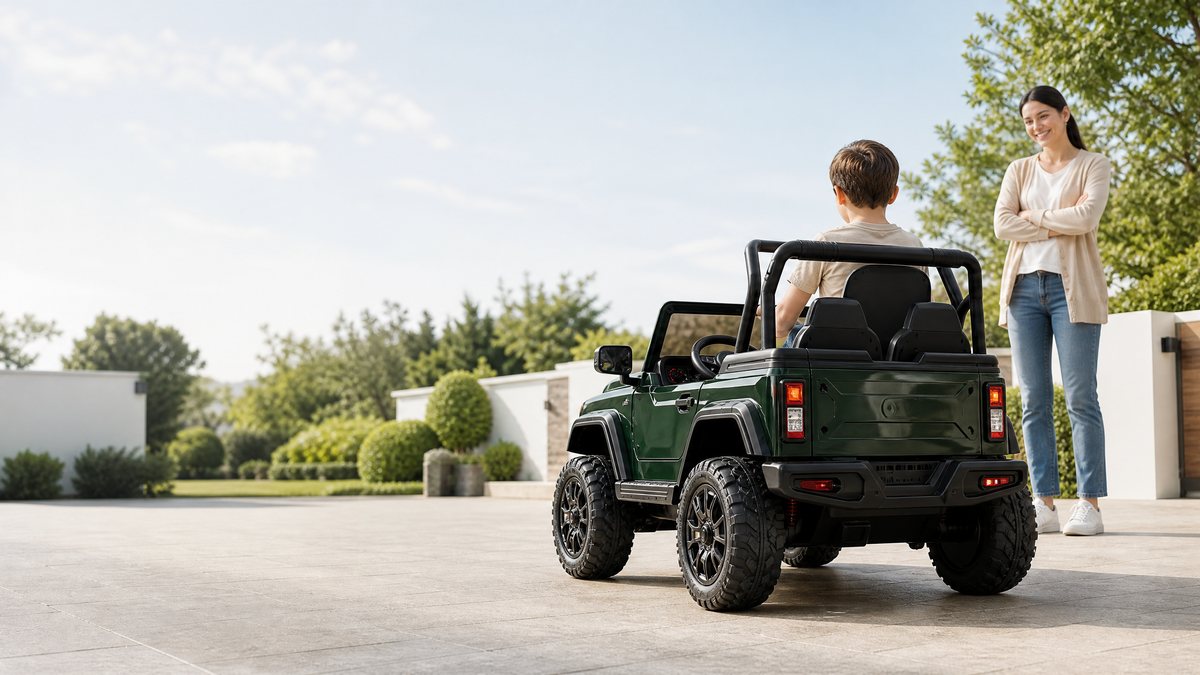
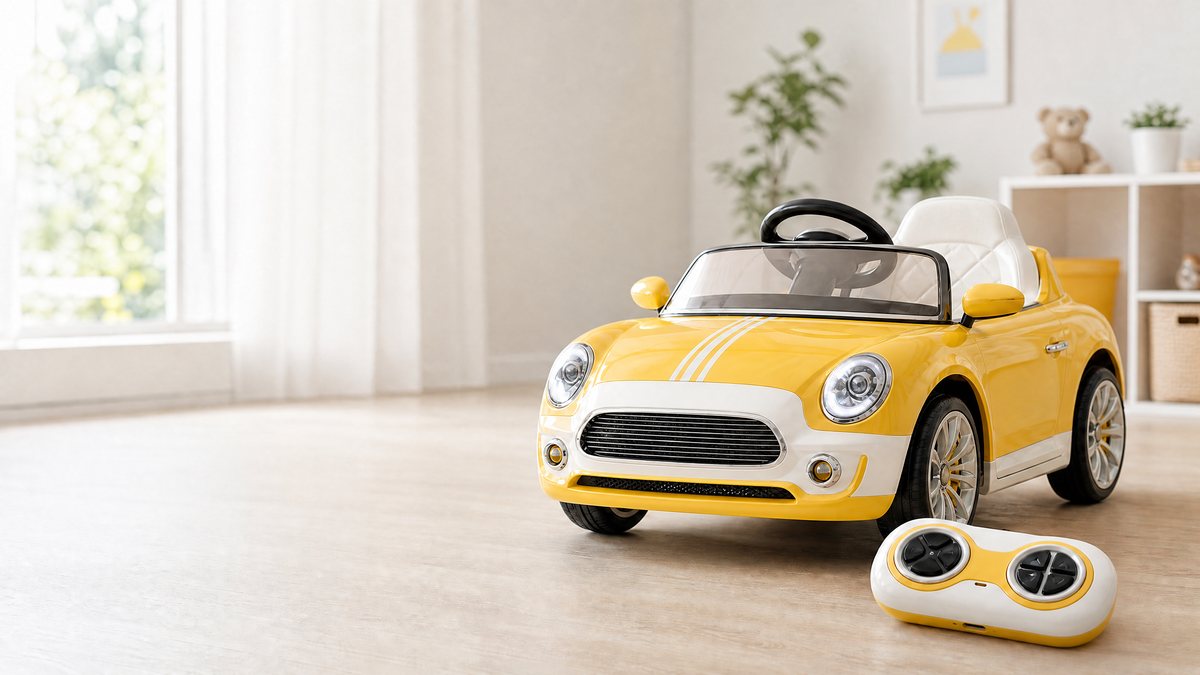
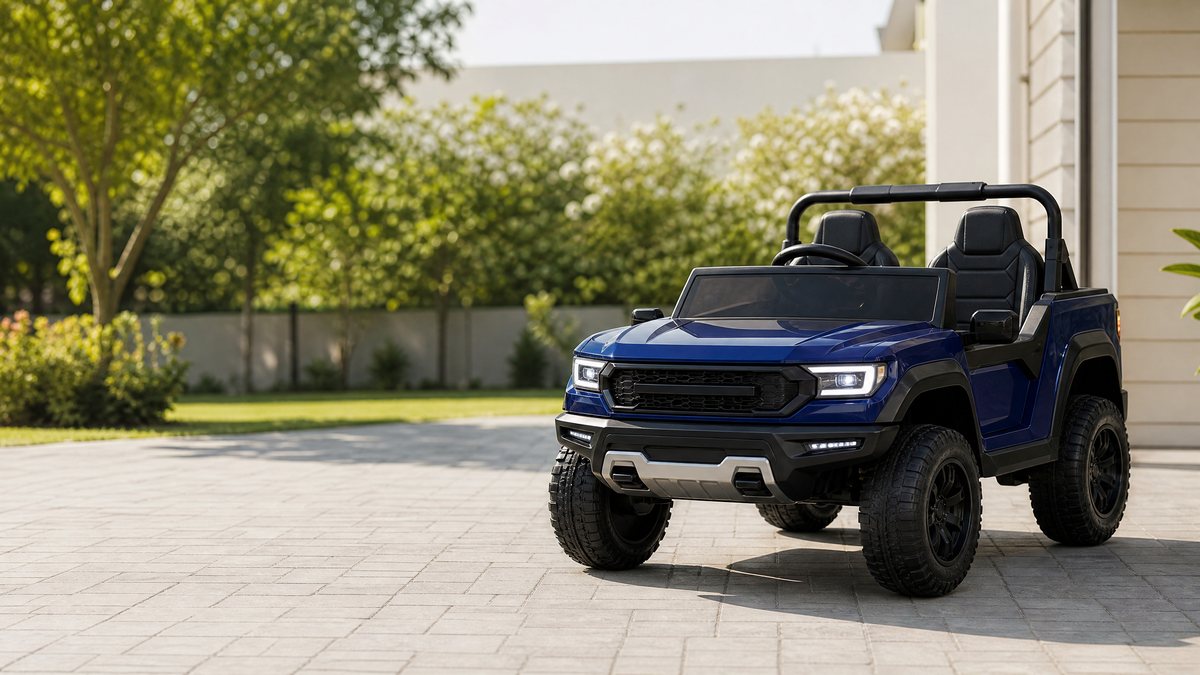
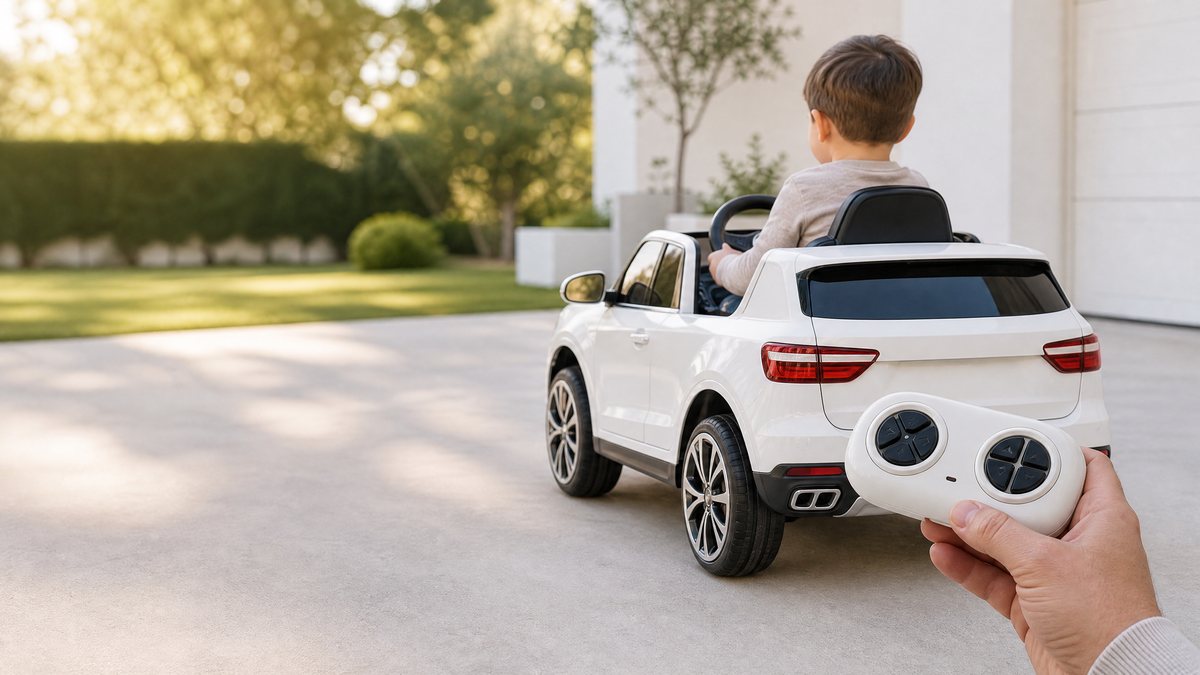
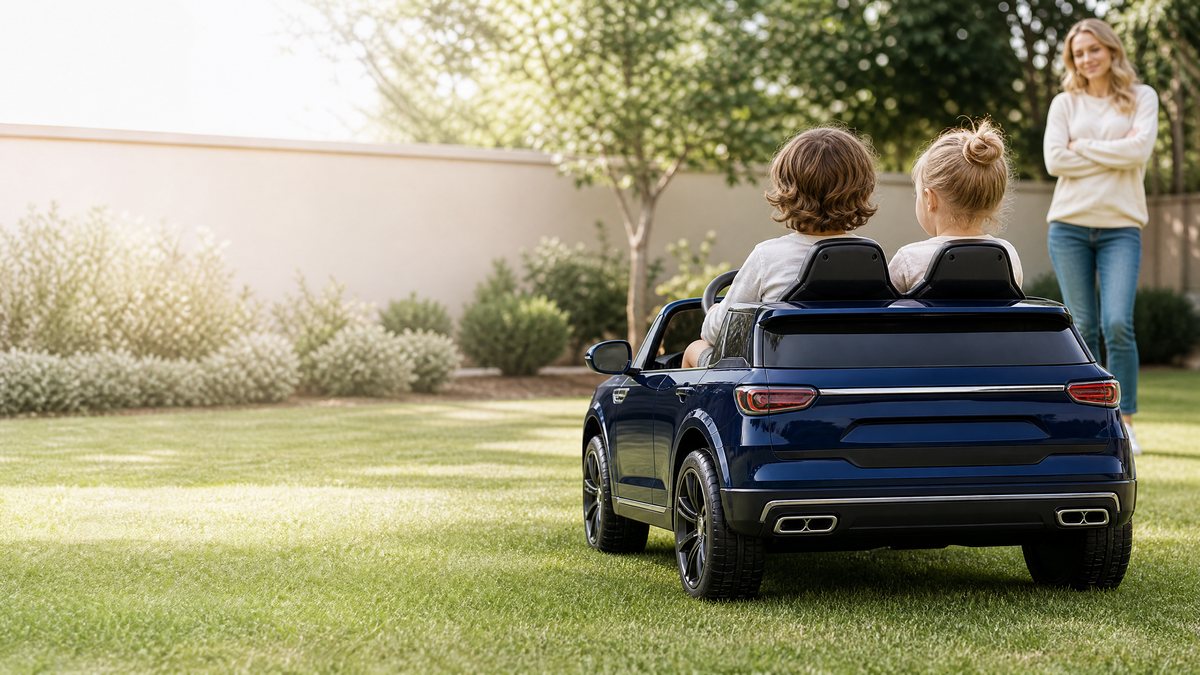
Ride-on vehicle doors generally fall into several distinct design categories, each presenting unique engineering considerations regarding hinge placement, pivoting angles, and latching security. Understanding these structural variations allows procurement professionals to identify robust designs that withstand frequent opening and closing by young children.
Common Door Hinge Configurations
1. Standard Vertical-Pin Hinges: The most traditional design, utilizing a vertical metal or reinforced plastic pin running through interlocking barrels on the door and vehicle body. This configuration offers straightforward assembly and predictable pivoting arcs.
2. Concealed or Internal Hinges: Designed within the body panels for a sleeker, more realistic automotive appearance. While visually appealing, alignment tolerances are tighter, requiring precise manufacturing to prevent binding.
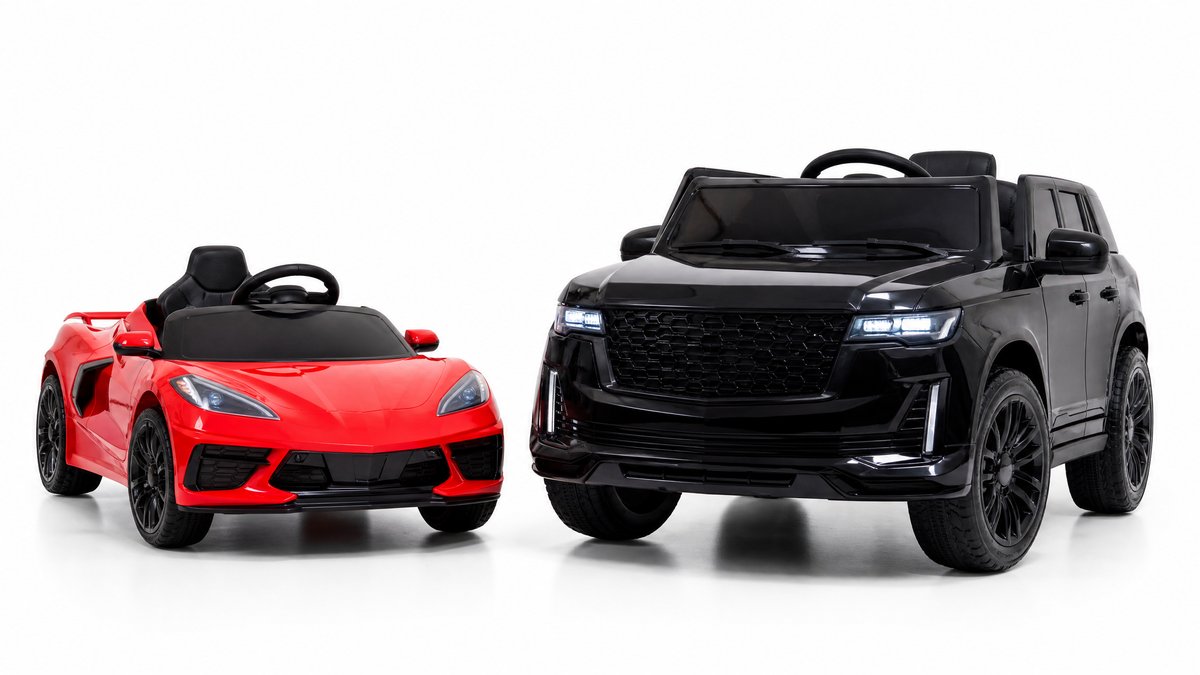
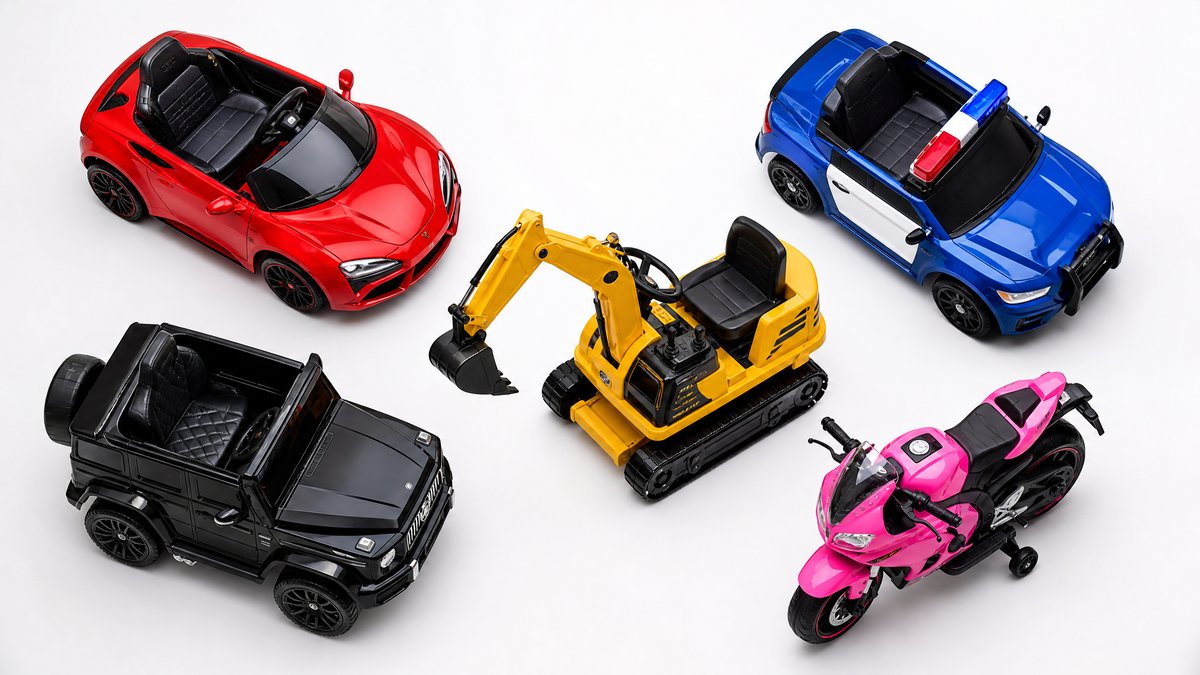
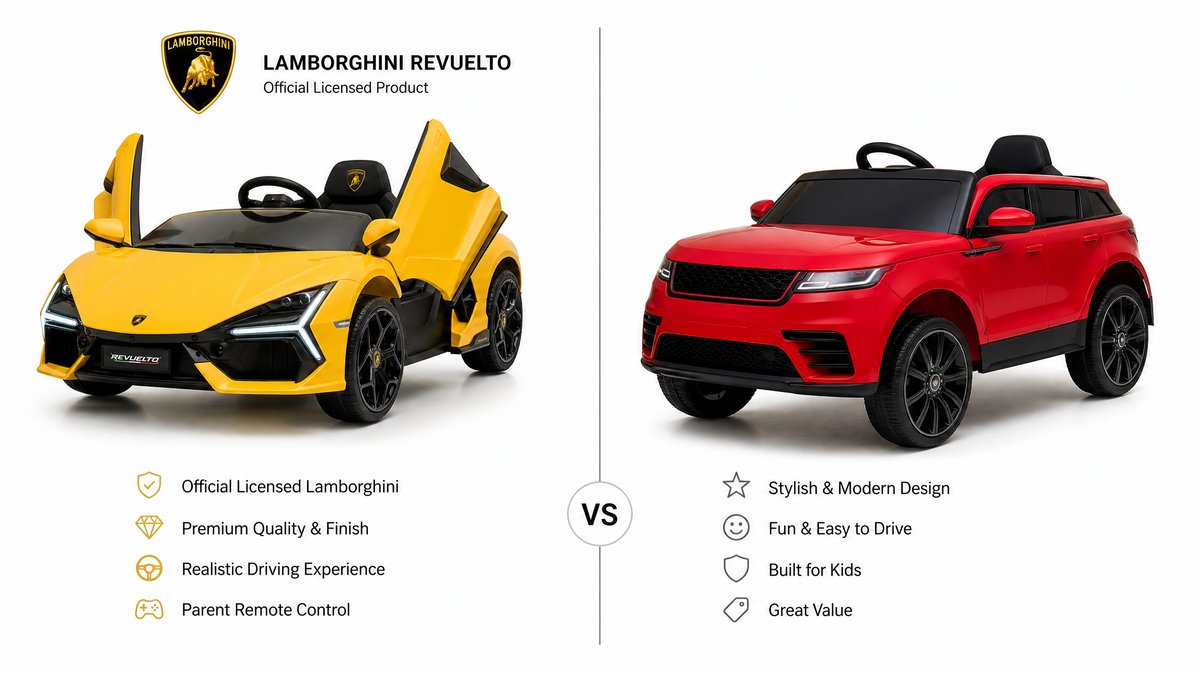
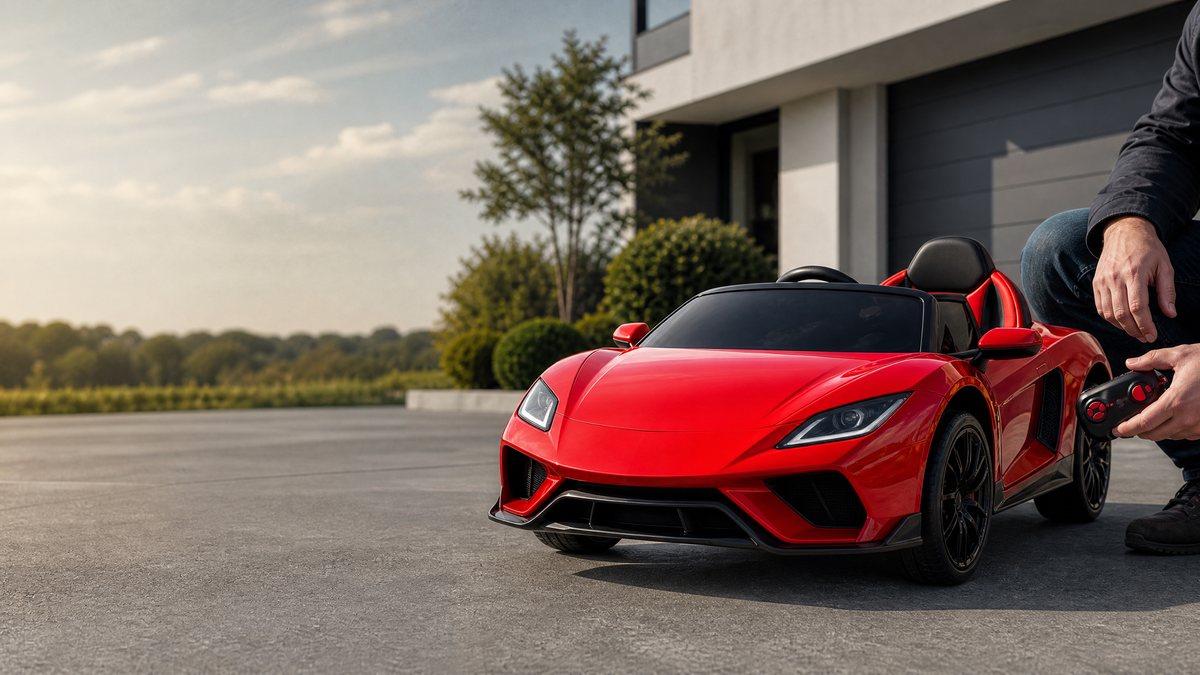
3. Scissor or Gull-Wing Hinges: Frequently used in high-end luxury replicas (such as sports car models). These mechanisms rely on gas struts, spring-loaded pivots, or multi-link arms to lift upward. They offer high visual impact but demand rigorous inspection of pivot points and supporting struts.
Material Selection and Stress Points
Door hinges and surrounding mounting bosses endure substantial mechanical leverage. When a child leans on an open door or pulls it beyond its intended opening angle, immense stress concentrates on the hinge attachment points.
* Reinforced Nylon and ABS Plastics: Molded hinges integrated directly into body panels must feature structural ribbing and thickened wall sections to prevent fatigue cracking.
* Metal Reinforcements: Premium models often incorporate steel hinge pins, metal backing plates, or threaded metal inserts molded into the plastic body, significantly enhancing shear resistance and long-term durability.
Systematic Evaluation Framework
To assess ride-on car door mechanisms consistently during sample evaluation or incoming quality control (IQC), procurement teams can utilize a structured inspection framework. This framework focuses on observable mechanical attributes rather than subjective impressions.
1. Alignment and Gap Uniformity
Inspect the closed door against the vehicle body frame. Panel gaps should remain relatively uniform along the perimeter. Excessive sagging, uneven gaps, or doors that rub against the sill upon closing indicate loose tolerances, warped plastic moldings, or misaligned hinge pins.
2. Pivot Smoothness and Resistance
Manually cycle the door through its full range of motion. The movement should feel consistent from the fully closed position to the maximum open angle, without catching, grinding, or requiring excessive force. Note that hydraulic struts or spring assists will introduce controlled resistance, which should operate smoothly without jerky transitions.
3. Latch Engagement and Security
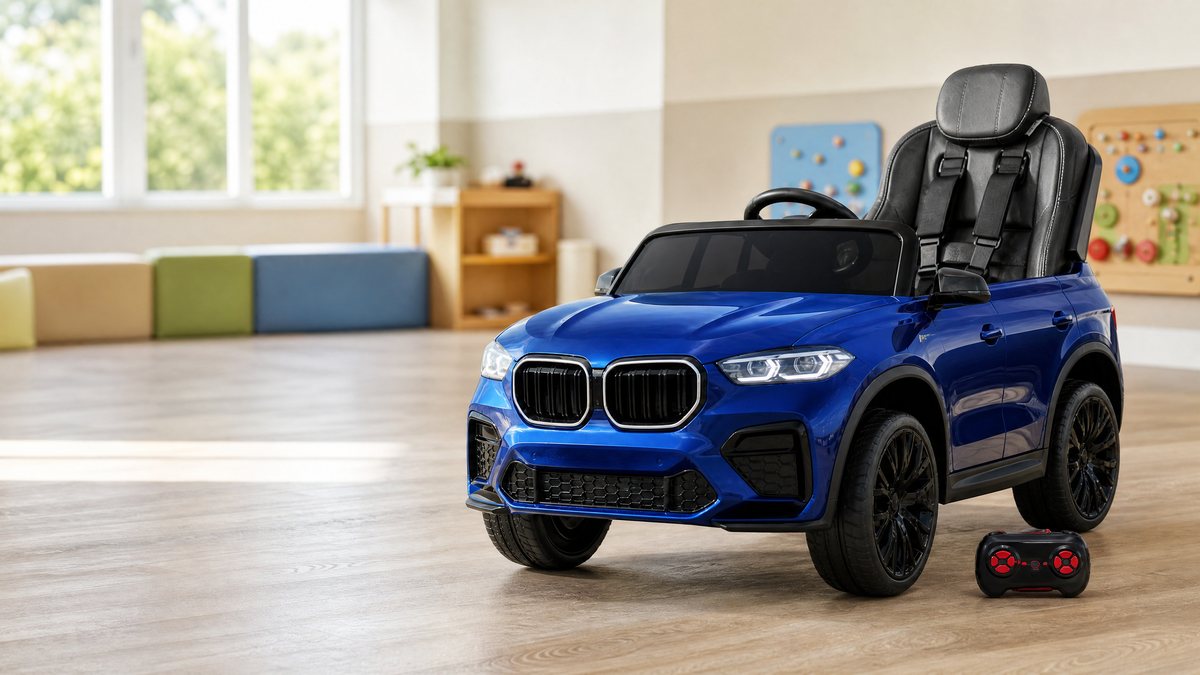
The door latch mechanism must hold the door securely in the closed position during vehicle operation while remaining easy enough for a child or supervising adult to release. Evaluate whether the latch engages with a positive click and whether accidental bumping can easily dislodge the door.
Comparative Evaluation of Door Hinge Systems
To assist B2B buyers and retail category managers in comparing different door configurations, the following decision matrix outlines the operational characteristics, advantages, and inspection focus areas for common ride-on car door designs.
| Hinge Type | Mechanical Complexity | Durability Potential | Primary Inspection Focus | Best Suited For |
|---|---|---|---|---|
| Standard Pin Hinge | Low | Moderate to High | Pin retention, frame wall thickness | Budget and mid-tier standard models |
| Reinforced Metal Pivot | Moderate | High | Bolt torque, backing plate rigidity | Heavy-duty and multi-terrain vehicles |
| Gull-Wing / Scissor | High | Moderate | Strut alignment, pivot arm stability | Premium luxury replica vehicles |
| Fixed / Non-Opening Panel | Minimal | Maximum | Body molding integrity, step-in safety | Toddler push cars and entry-level models |
Practical Inspection Checklist for Procurement and QC
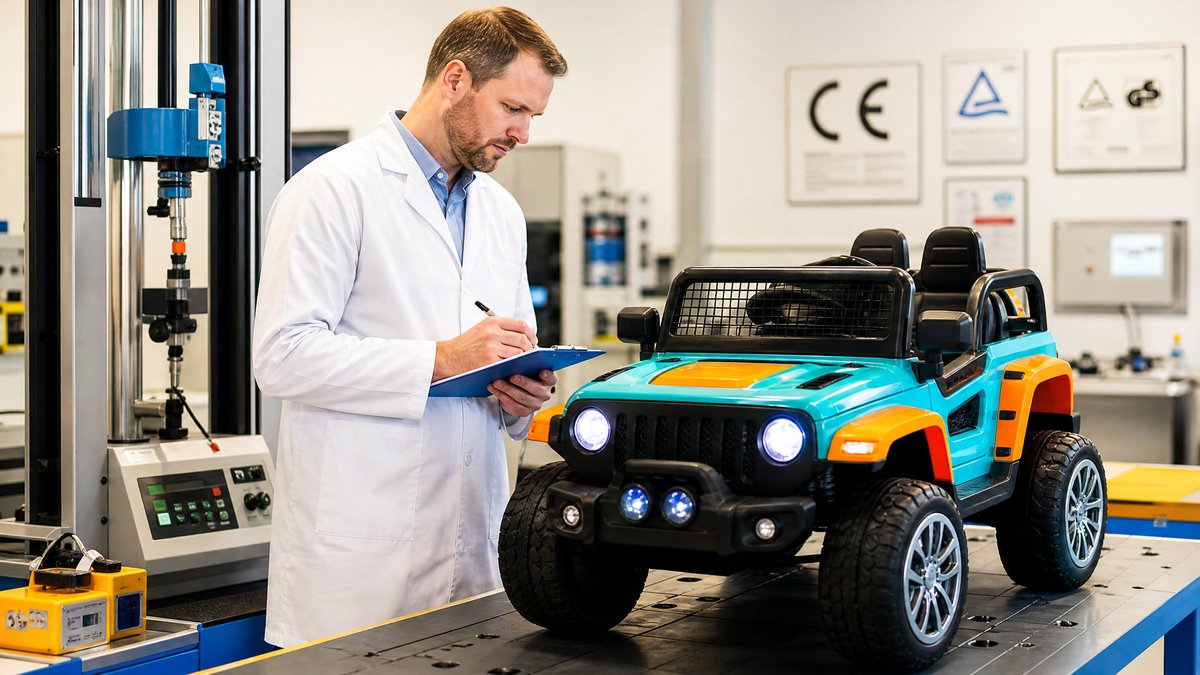
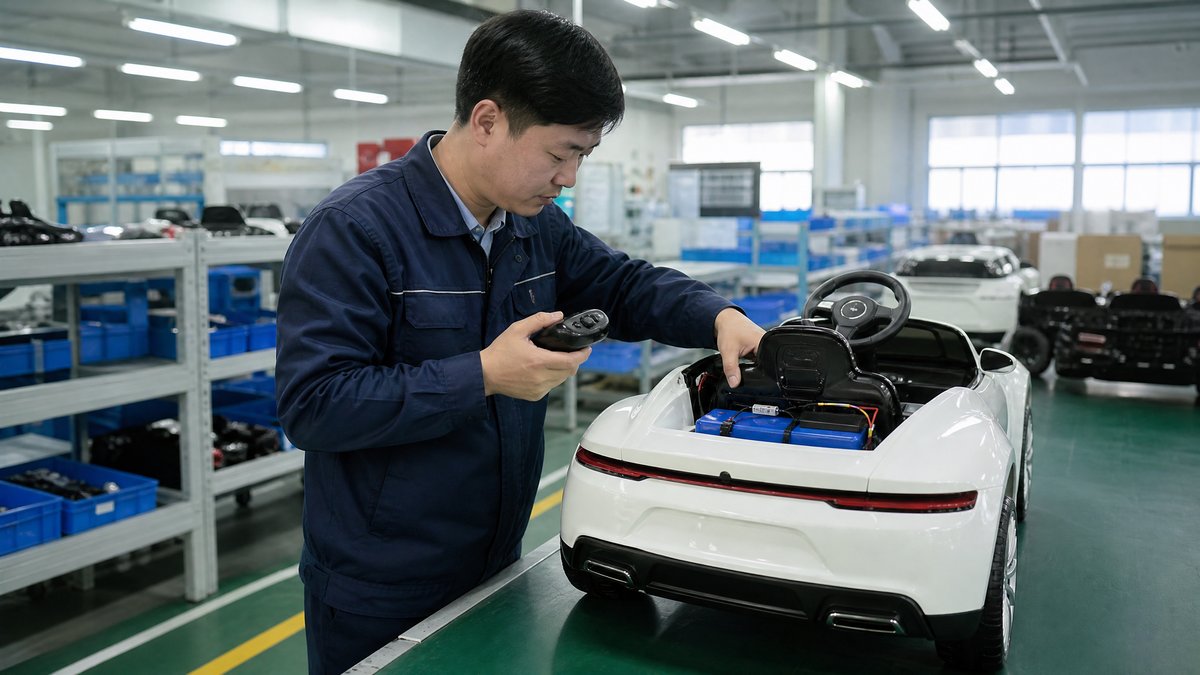
When conducting factory audits or evaluating pre-shipment inspection (PSI) samples, quality control personnel should systematically verify key physical and mechanical parameters. The following practical checklist outlines essential verification steps.
- [ ] Visual Defect Inspection: Verify that molded plastic hinges are free from sink marks, flash, resin starvation, or micro-cracks around screw bosses.
- [ ] Full Range Cycle Test: Open and close each door through 50 continuous cycles to check for binding, hinge pin displacement, or fastener loosening.
- [ ] Sag Resistance Assessment: Apply a gentle downward pressure (simulating a child resting an arm on the open door edge) and measure vertical deflection at the latch end.
- [ ] Latch Retention Check: Test the locking mechanism's ability to remain securely latched under simulated vibration and gentle body flexing.
- [ ] Hardware Fastener Security: Inspect all screws, pins, and retaining clips securing the hinge assembly to ensure they feature thread-lock or secure press-fit retention.
- [ ] Edge Finishing Verification: Ensure all plastic edges and metal hinge components are properly deburred, smoothed, and free from sharp burrs that could scratch young users.
Safety Considerations, Supervision, and Operating Guidelines
Electric ride-on vehicles are dynamic play equipment requiring vigilant adult supervision and strict adherence to safety protocols. Door mechanisms, while designed for convenience and realism, introduce specific operational considerations.
Adult Supervision and Child Safety
Parents and supervising adults must educate children on proper vehicle entry and exit procedures. Children should never lean heavily on open doors, use doors as leverage for climbing into the vehicle improperly, or ride with doors unlatched.
* Pinch Point Awareness: Multi-link and scissor hinges create dynamic pinch points between the door frame and body panels. Supervision is vital to keep small fingers clear during closing.
* Manufacturer Instructions: Always follow the assembly and maintenance guidelines provided in the manufacturer user manual. Regular inspection of hinge fasteners prevents loose components from becoming choking hazards or causing structural failure.
* Surface and Environmental Factors: Operational behavior—including door stress caused by uneven vehicle settling on uneven terrain, wet surfaces, or slopes—should be monitored closely. Ensure vehicles are operated on flat, designated play surfaces away from traffic or steep inclines.
Frequently Asked Questions (FAQ)
1. Do all electric ride-on cars feature opening doors?
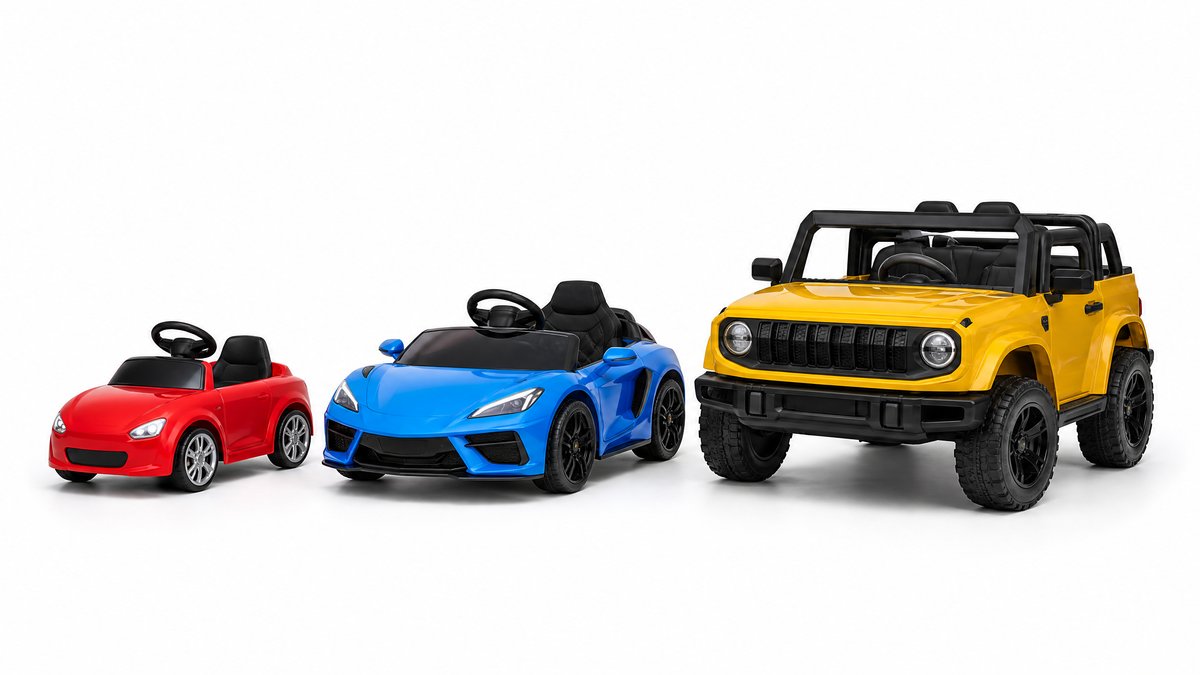
No. Many entry-level or toddler-focused ride-on vehicles feature fixed, open-tub bodies without functional doors to maximize structural rigidity and eliminate mechanical wear points. Opening doors are typically featured on mid-to-high-tier models designed for older children.
2. How can manufacturers improve ride-on car door durability?
Manufacturers can enhance door longevity by integrating steel reinforcement plates into hinge mounting areas, utilizing thick-walled ABS plastics, and employing robust mechanical latches that resist accidental impact damage.
3. What maintenance is recommended for ride-on door hinges?
Periodic inspection of hinge pins, screws, and latches is recommended. If hinges loosen due to regular play, tightening mounting fasteners and applying a small amount of plastic-safe silicone lubricant can maintain smooth operation.
4. Are opening doors safe for younger toddlers?
For younger children (ages 1 to 3), fixed-body models or vehicles with secure magnetic or mechanical latches operated primarily by adults or older children are often preferred to prevent unexpected door opening while in motion.
Conclusion
Evaluating ride-on car door hinges involves looking beyond initial aesthetic appeal to assess structural design, material quality, and mechanical reliability. By employing systematic inspection methods, understanding manufacturing variations, and emphasizing rigorous safety practices, B2B buyers and retail partners can select durable, high-quality products that ensure customer satisfaction and long-term safety.
B2B Wholesale and Partnership Opportunities
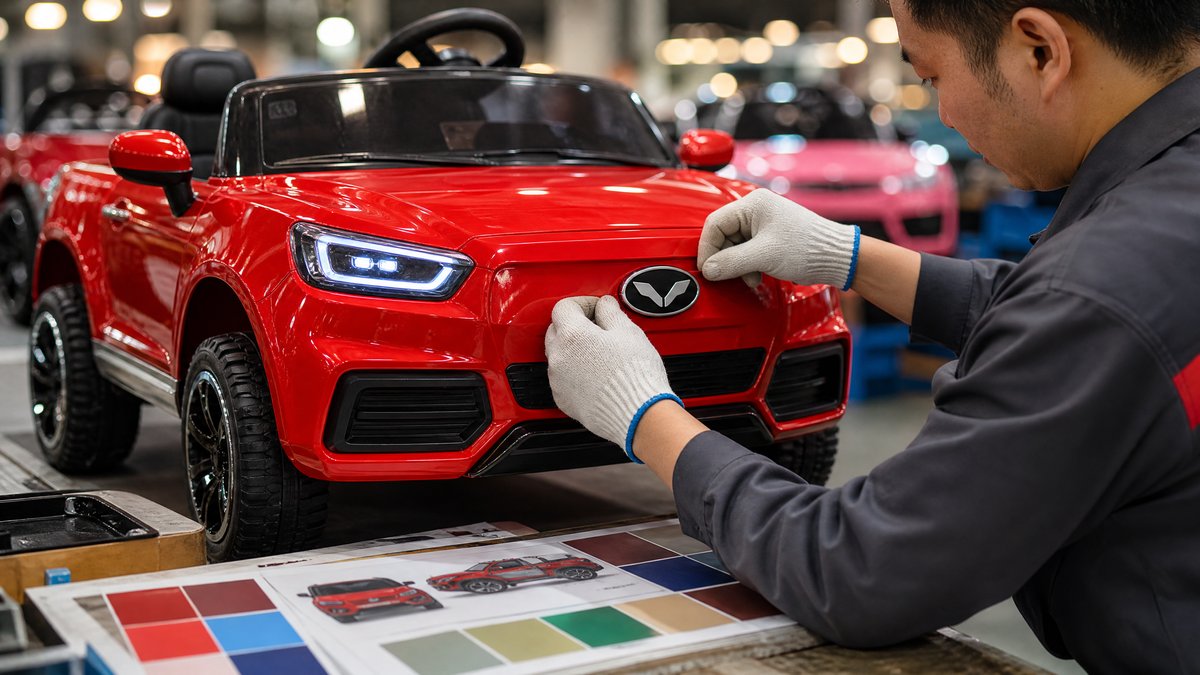
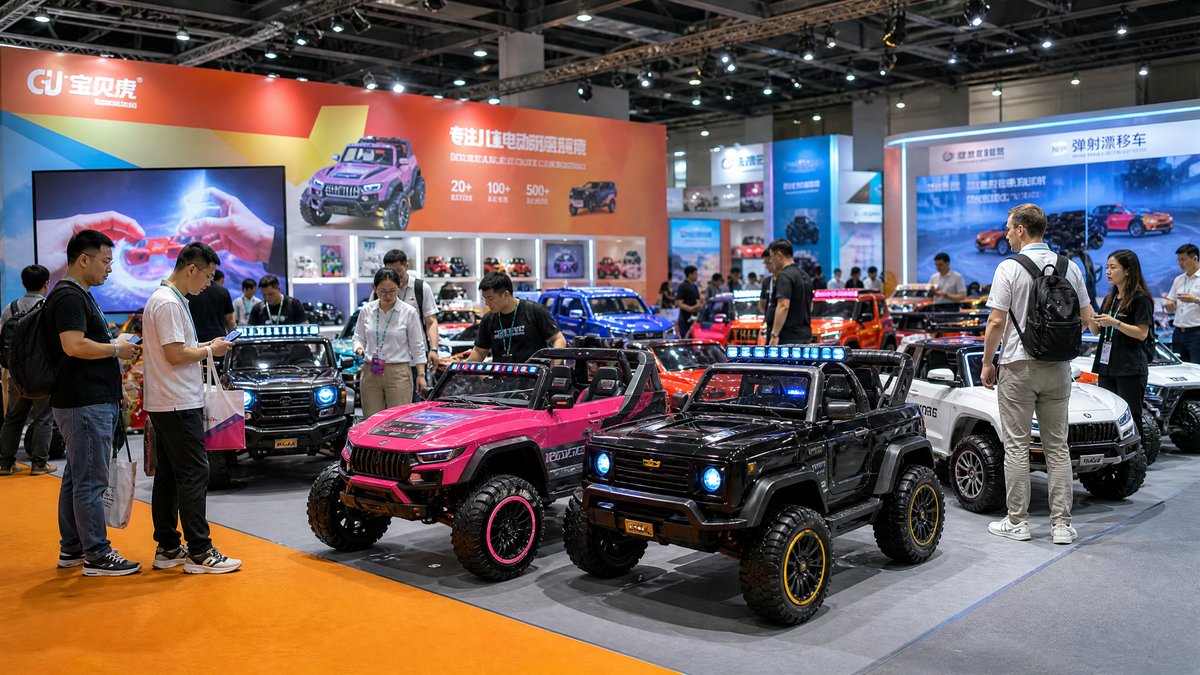
As the children's electric vehicle market continues to expand globally, partnering with a reliable manufacturer committed to rigorous quality control and safety compliance is paramount. Our manufacturing facilities adhere to stringent international toy safety and quality standards, offering comprehensive OEM/ODM services tailored to your brand specifications.
* Custom Engineering & Design: Tailor vehicle body styles, door mechanisms, color palettes, and branding elements to meet your specific target market requirements.
* Rigorous Quality Assurance: Every production batch undergoes comprehensive mechanical and structural inspections to guarantee consistent product performance.
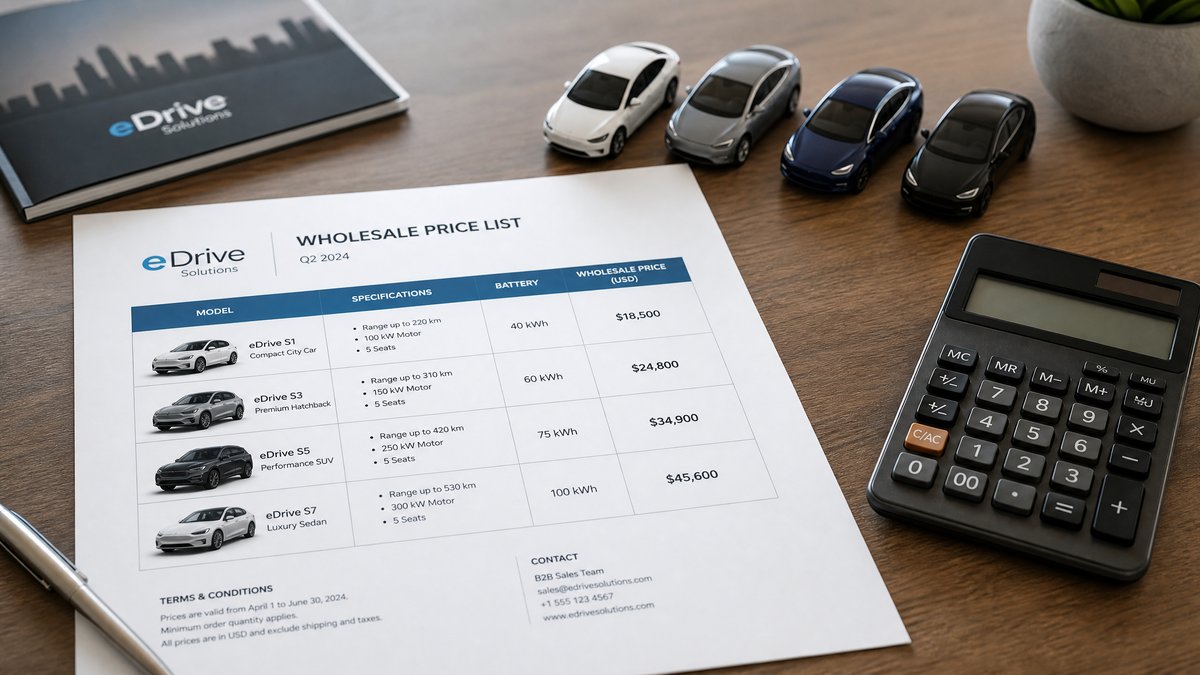
* Reliable Supply Chain & Logistics: Benefit from scalable production capacity, competitive wholesale pricing, and dependable global shipping solutions.
Contact our business development team today to discuss wholesale catalogs, sample requests, and customized partnership opportunities for your retail network.
Official references
Explore these external resources for current regulatory and trade guidance. Confirm requirements with the relevant authority before placing an order.
Ready to Start?
Factory-Direct · CE & ASTM Certified · MOQ from 50 Units
Our export team works with buyers in 60+ countries. Get a quote within 24 hours.
KR
Written by KidsRideCar
China's leading kids electric ride-on car manufacturer. 500,000+ units shipped annually to 60+ countries. CE, ASTM & EN71 certified.