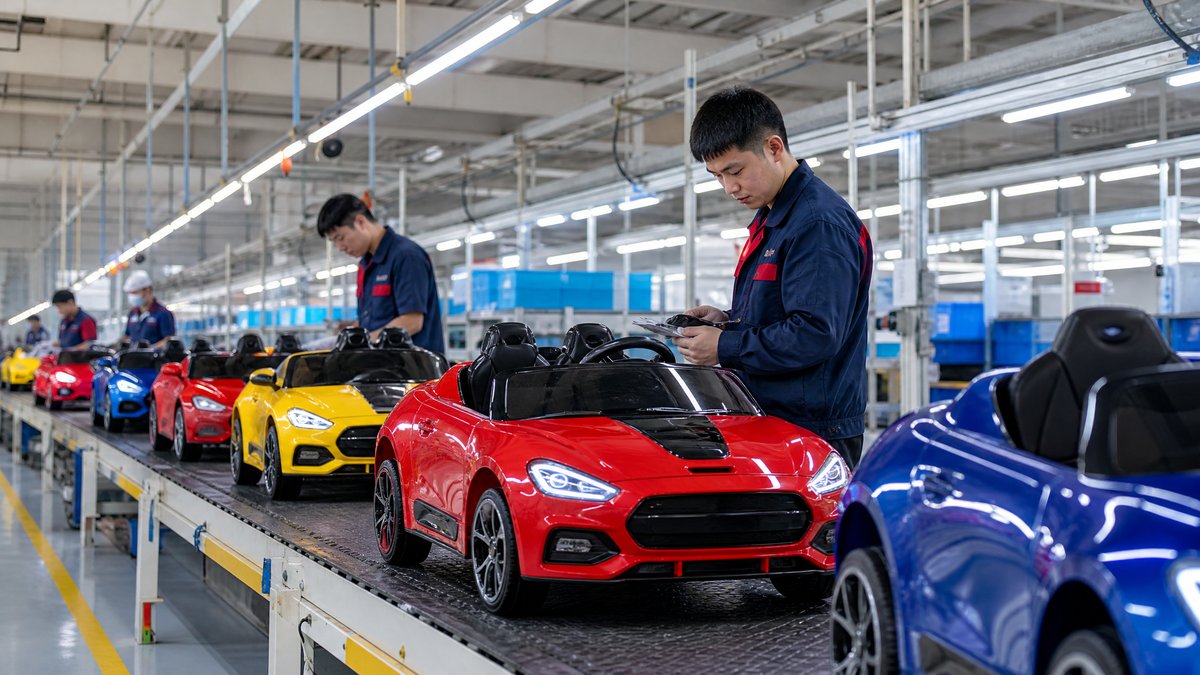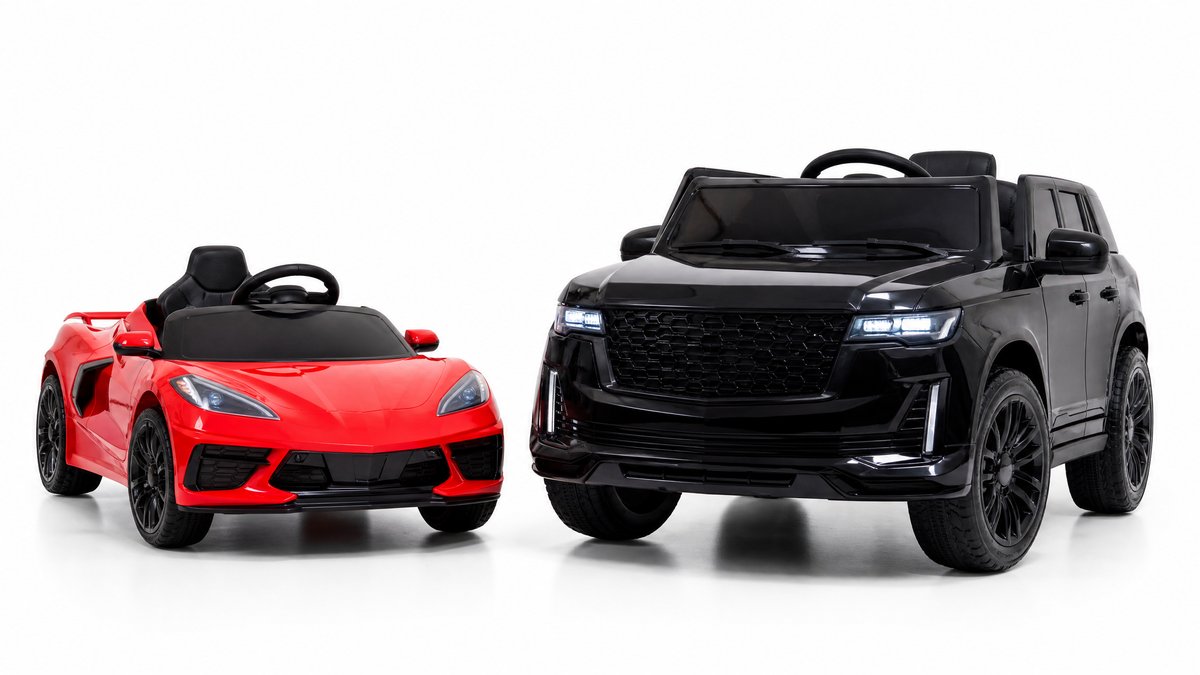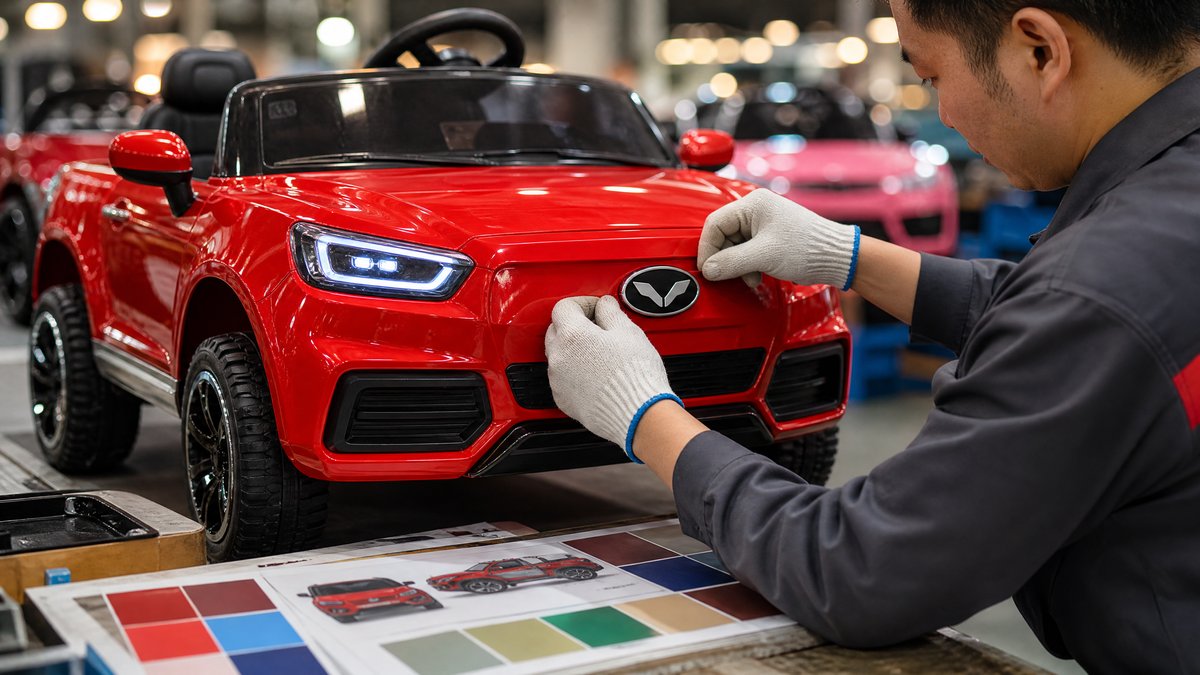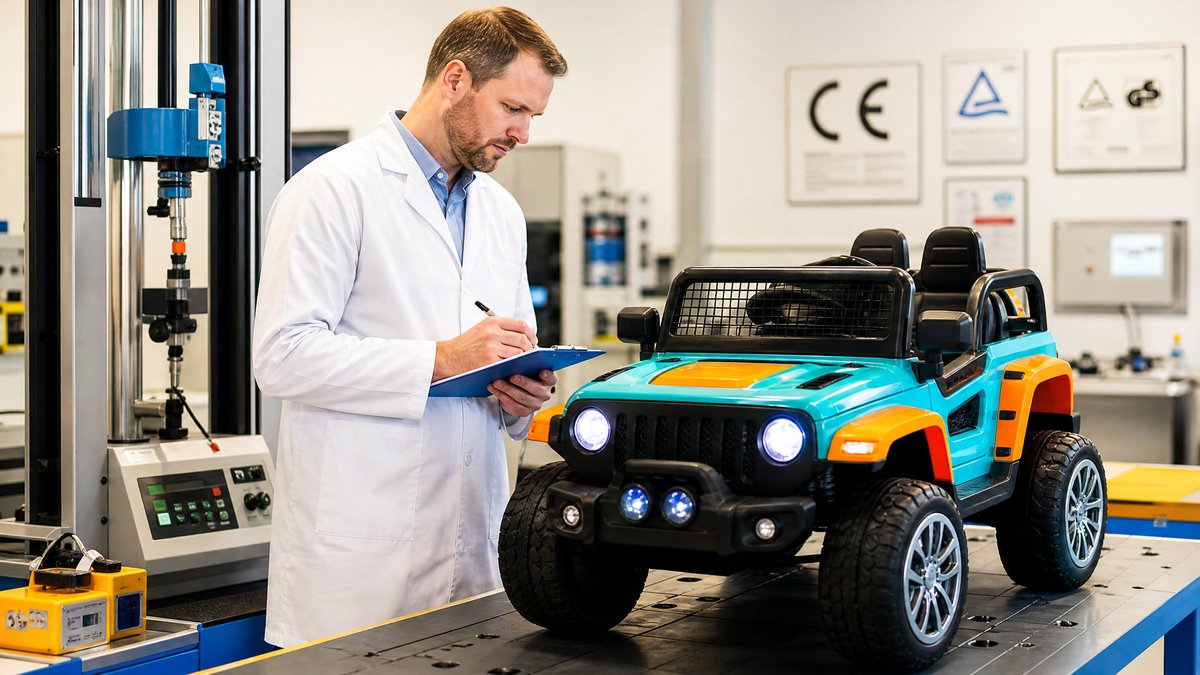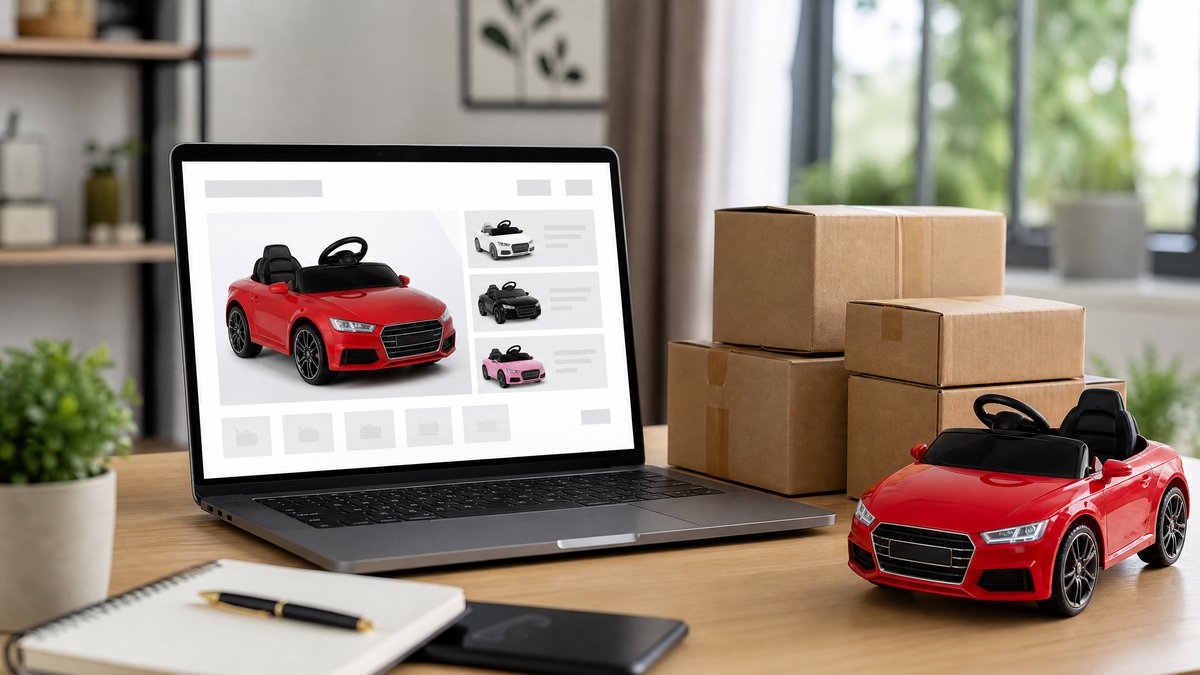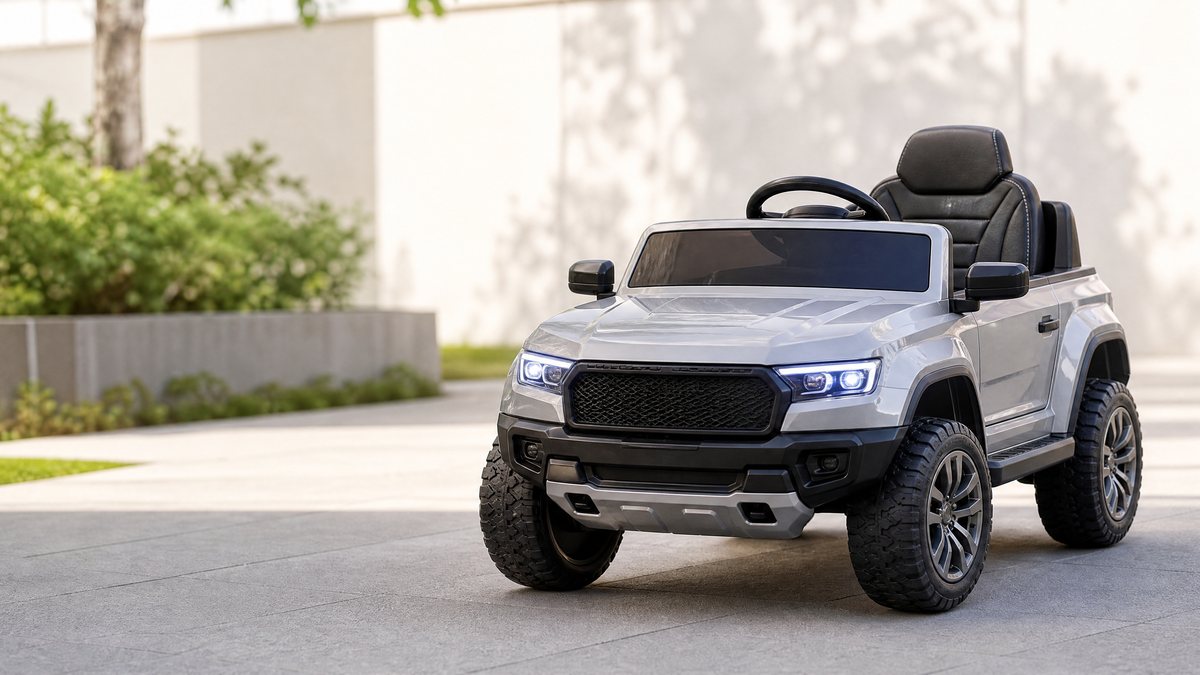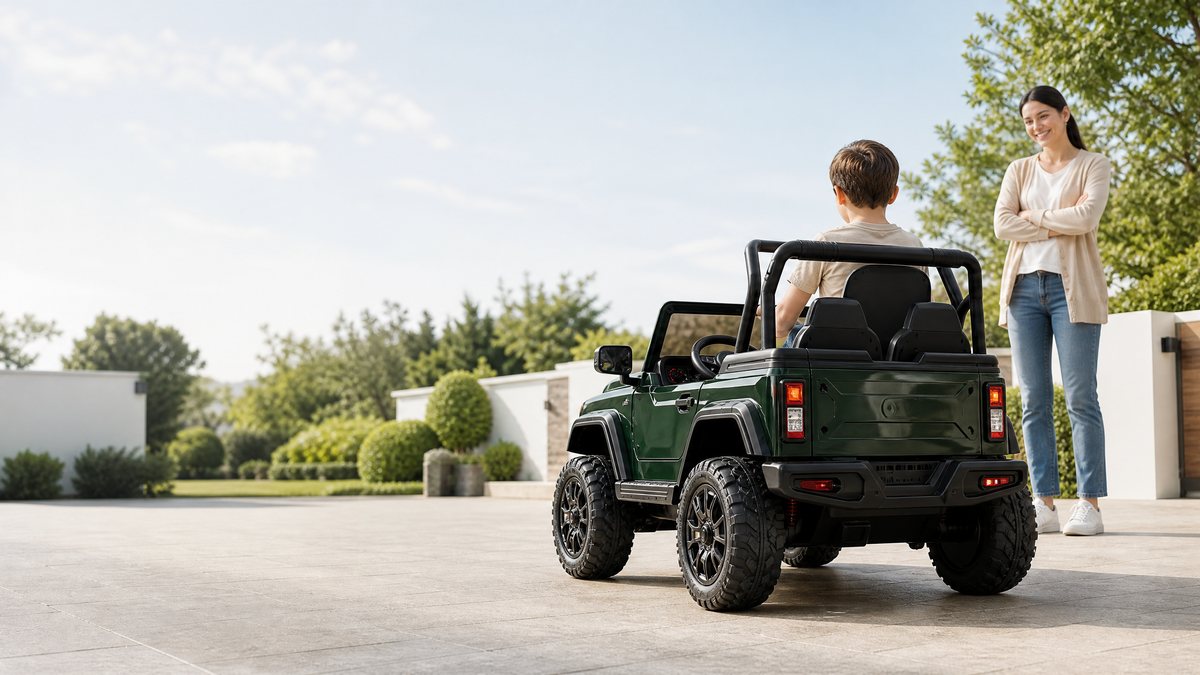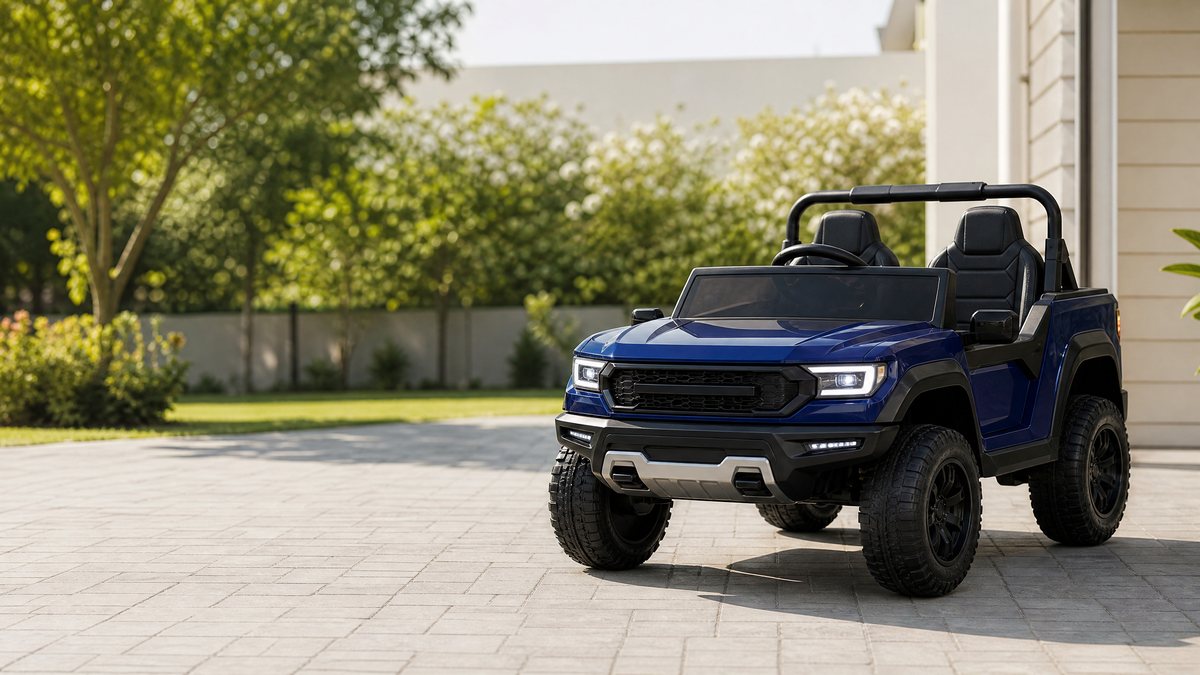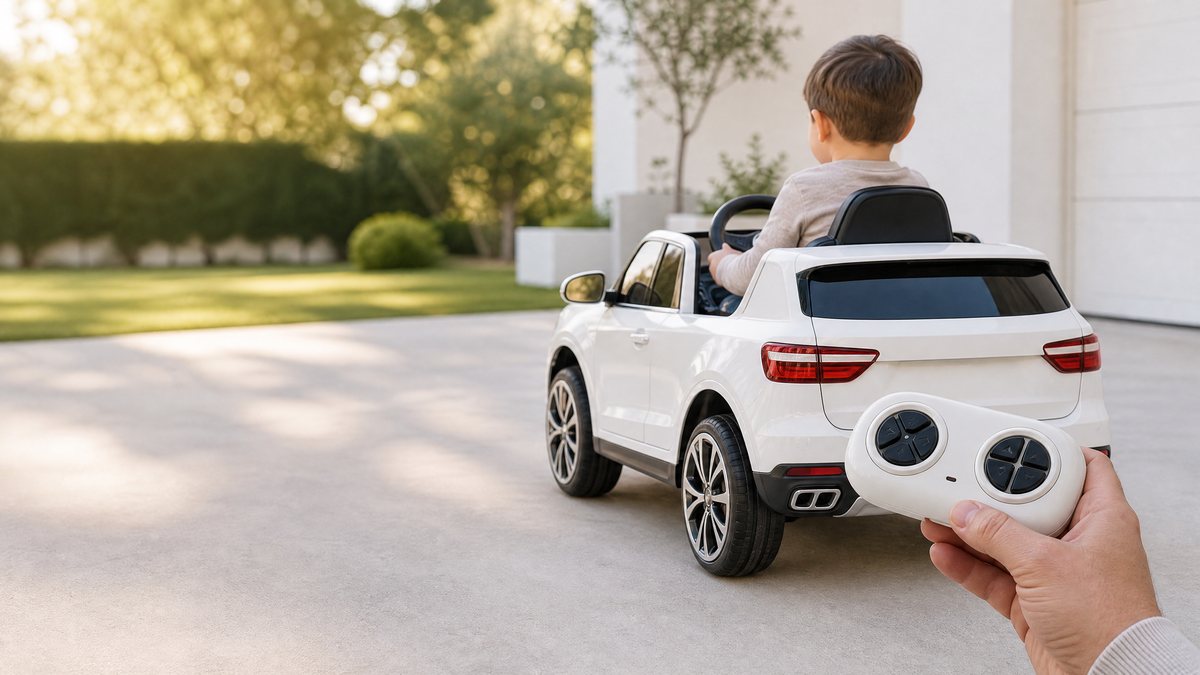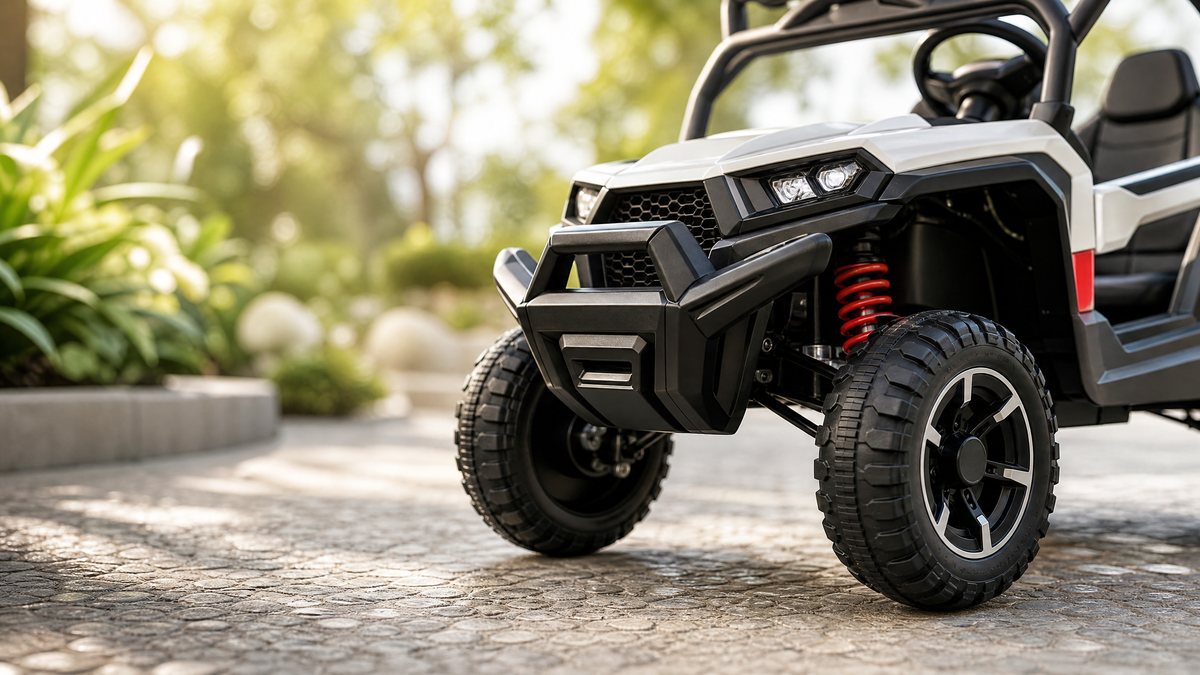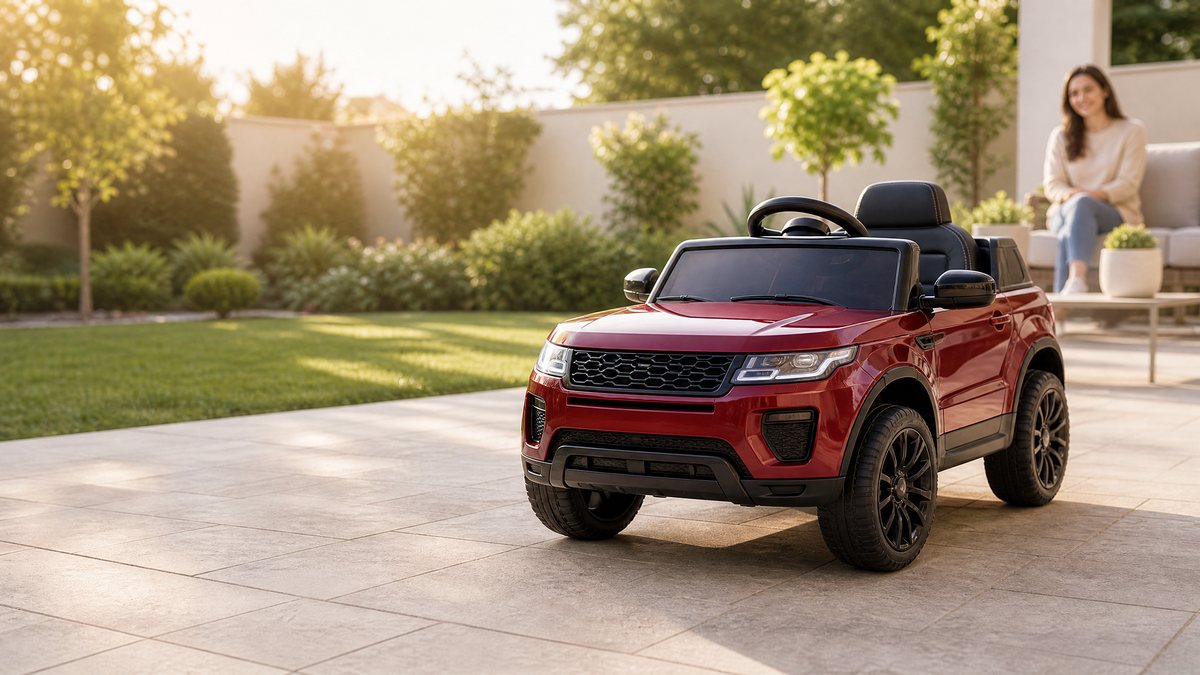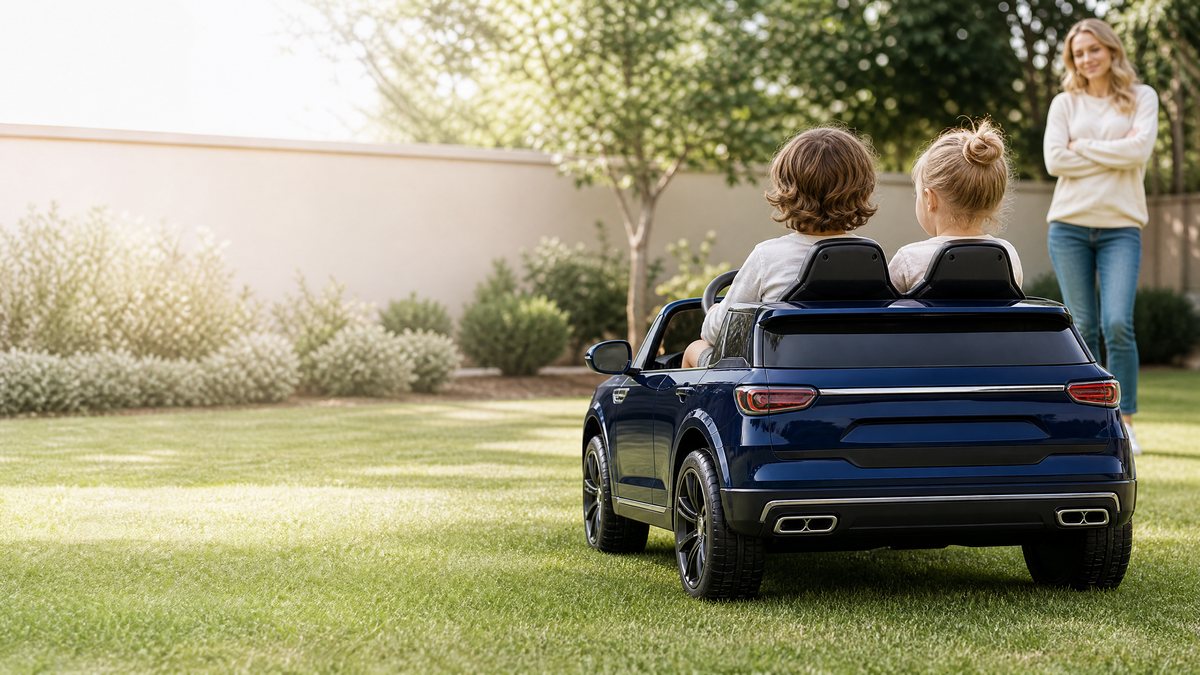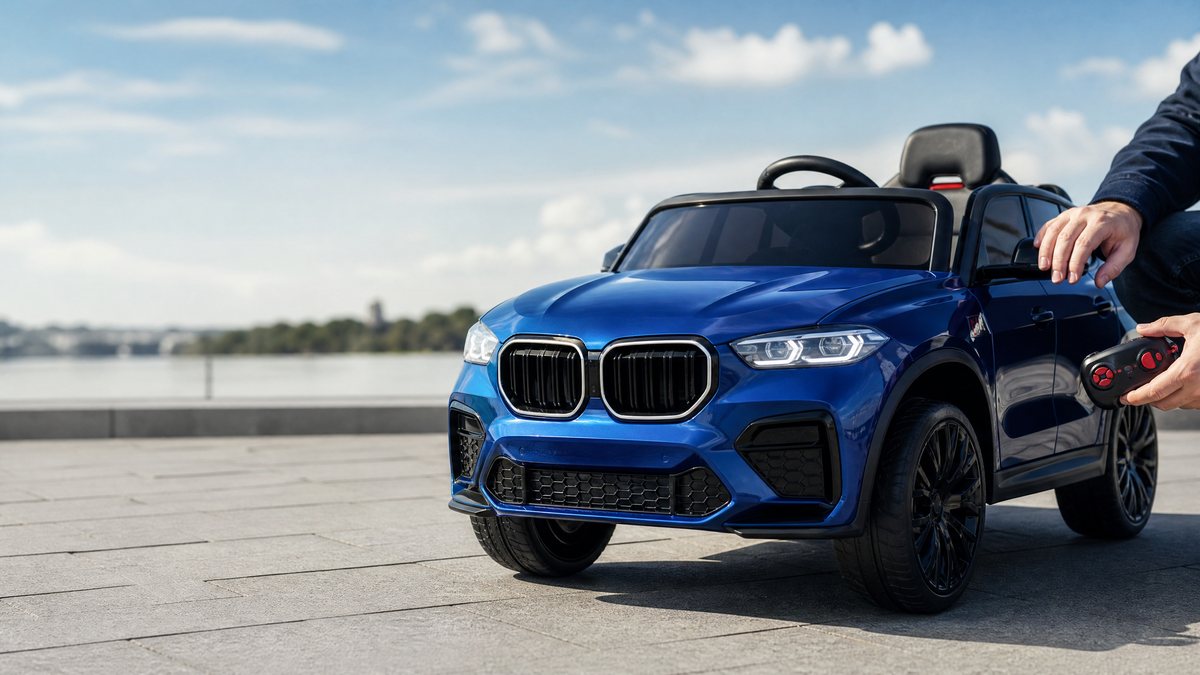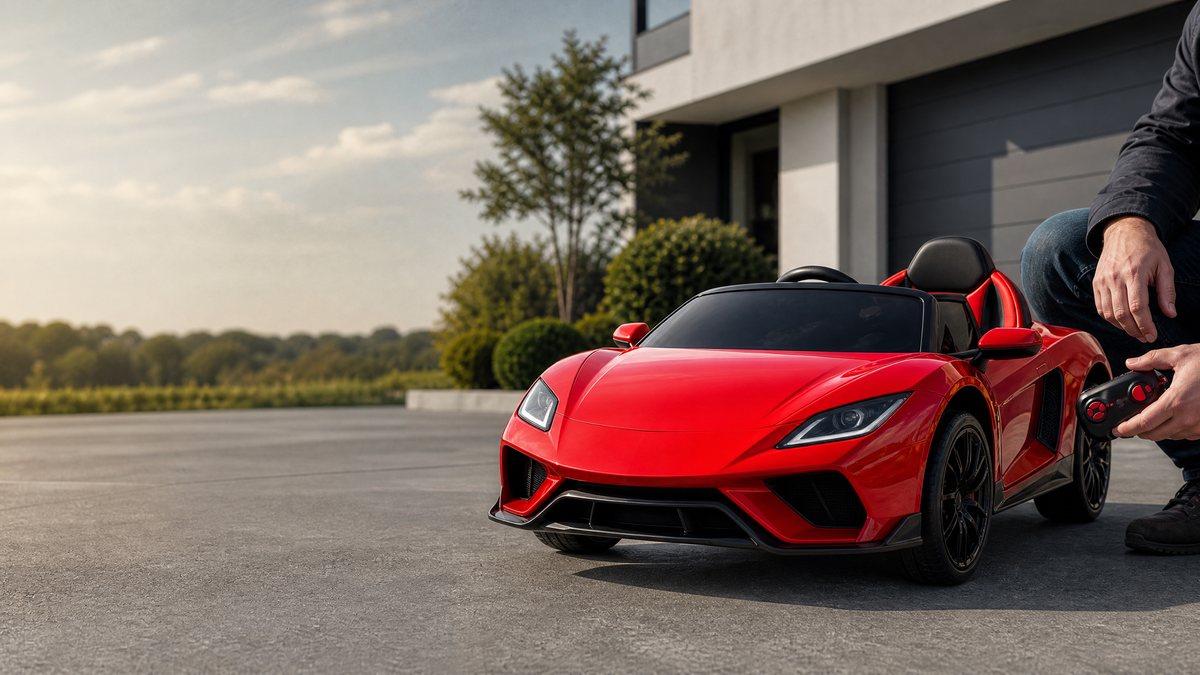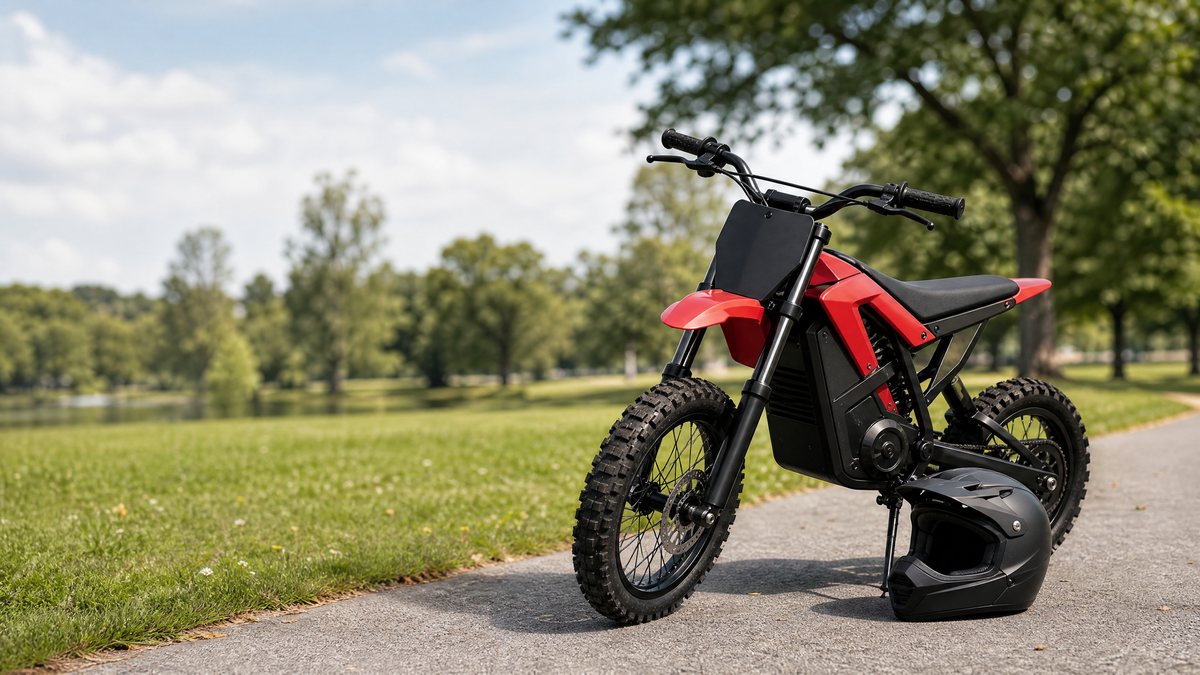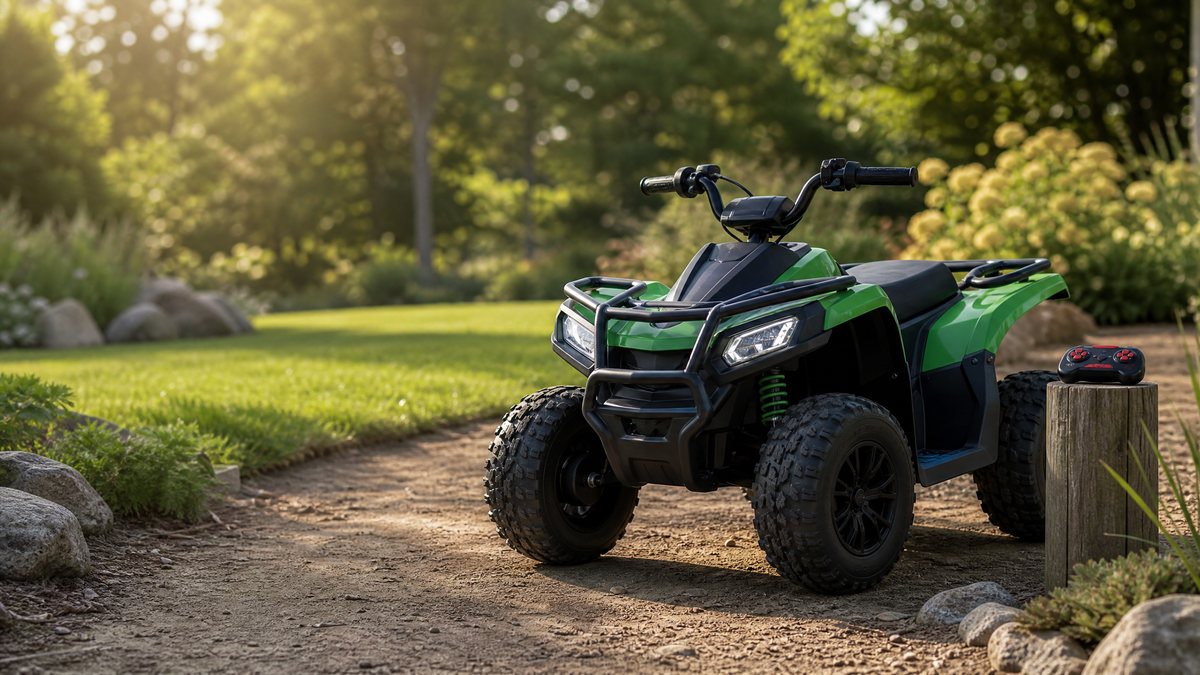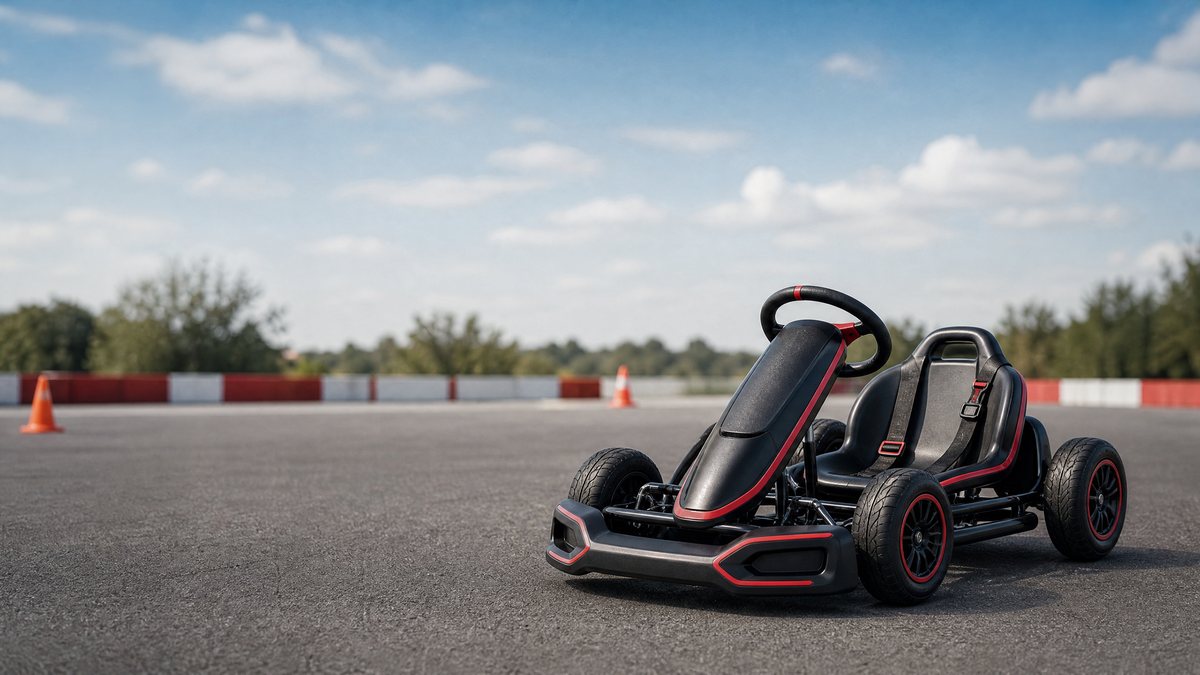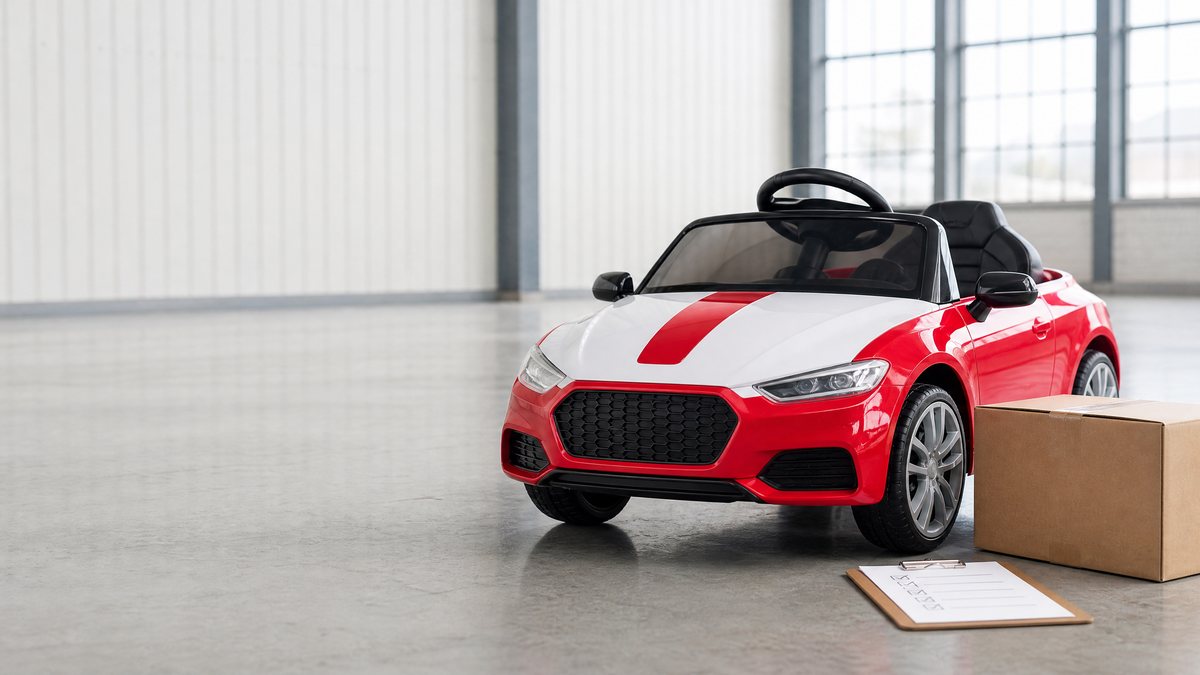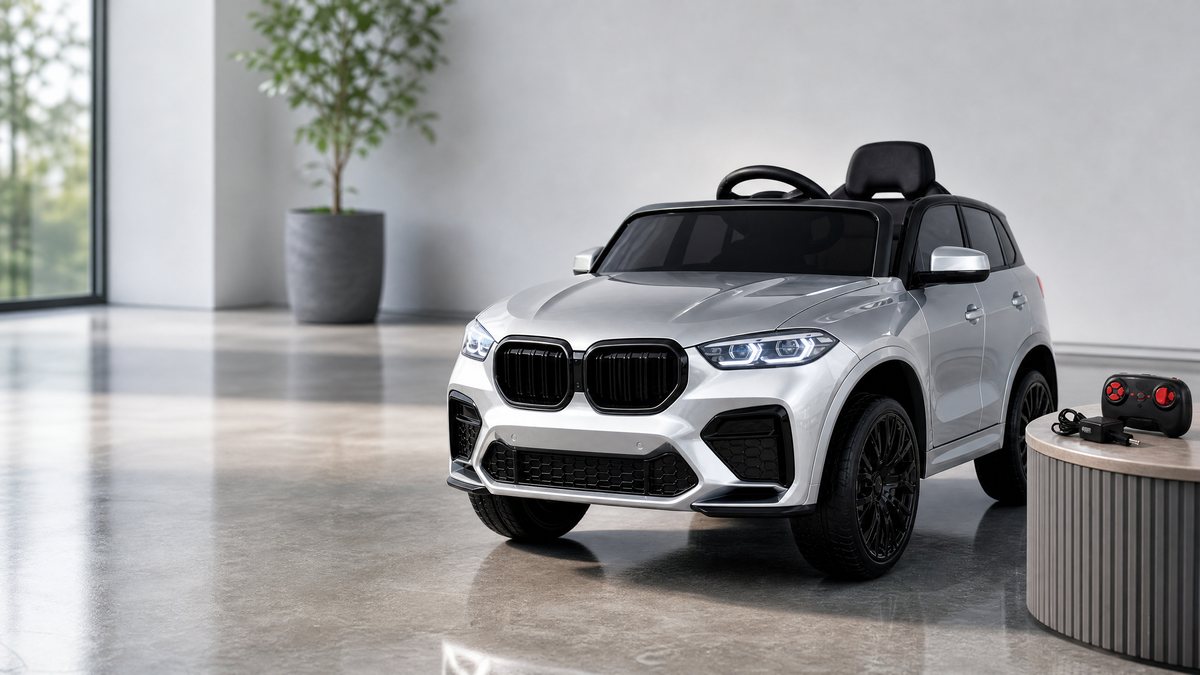
In the modern e-commerce landscape, consumer expectations have been perpetually shaped by instant gratification. Amazon Prime, local grocery delivery apps, and same-day courier services have made next-hour or same-day fulfillment the expected standard for everything from consumer electronics to fashion apparel. However, when it comes to high-value, oversized merchandise such as electric ride-on cars, dune buggies, licensed UTVs, and multi-passenger utility vehicles, the fundamental rules of supply chain logistics change dramatically. B2B buyers, retail store owners, and individual purchasers frequently inquire whether same-day delivery is genuinely feasible for these bulky motorized toys. The short answer is that same-day delivery varies by model, region, and seller; check the exact manual, listing, and written terms.
For retail businesses planning seasonal inventory or procurement managers organizing promotional rollouts, understanding the underlying supply chain mechanics of ride-on vehicles is essential. Oversized cartons, strict weight thresholds, hazardous material classifications for rechargeable energy storage systems, and specialized freight requirements mean that ride-on cars rarely move through traditional same-day parcel networks. This comprehensive guide thoroughly examines the logistics of ride-on car fulfillment, contrasting local store pickup and courier models with bulk B2B freight operations, battery transport regulations, and strategic inventory planning.
Understanding the Logistics Reality of Oversized Ride-On Toys
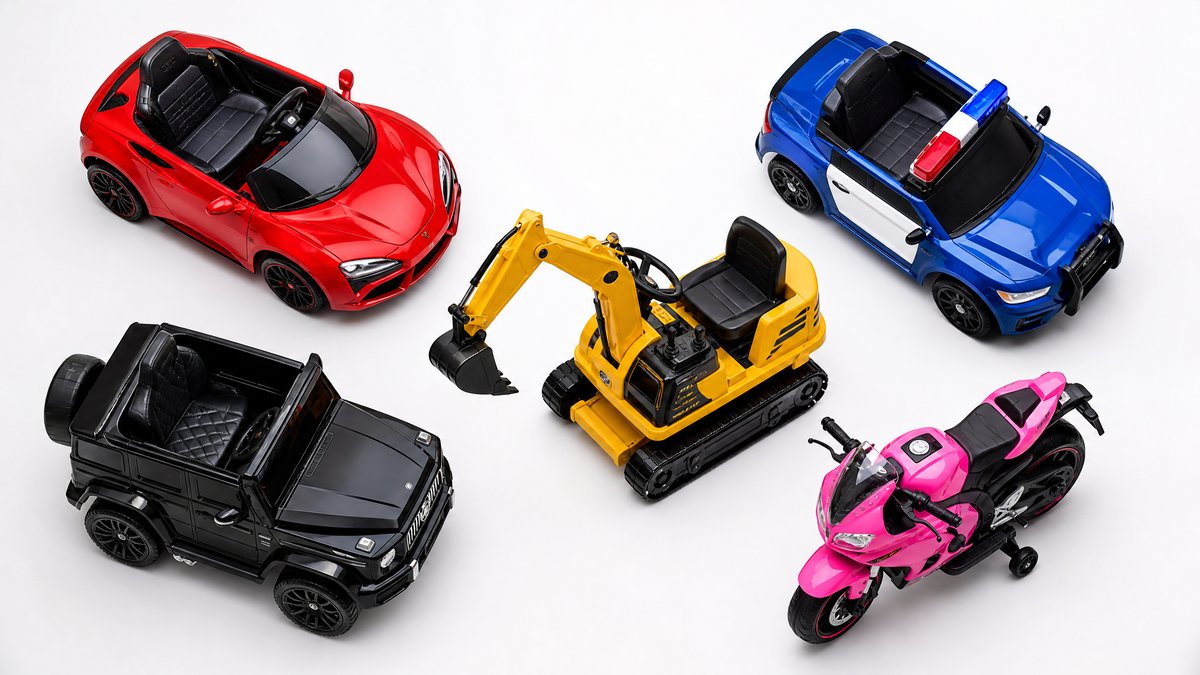
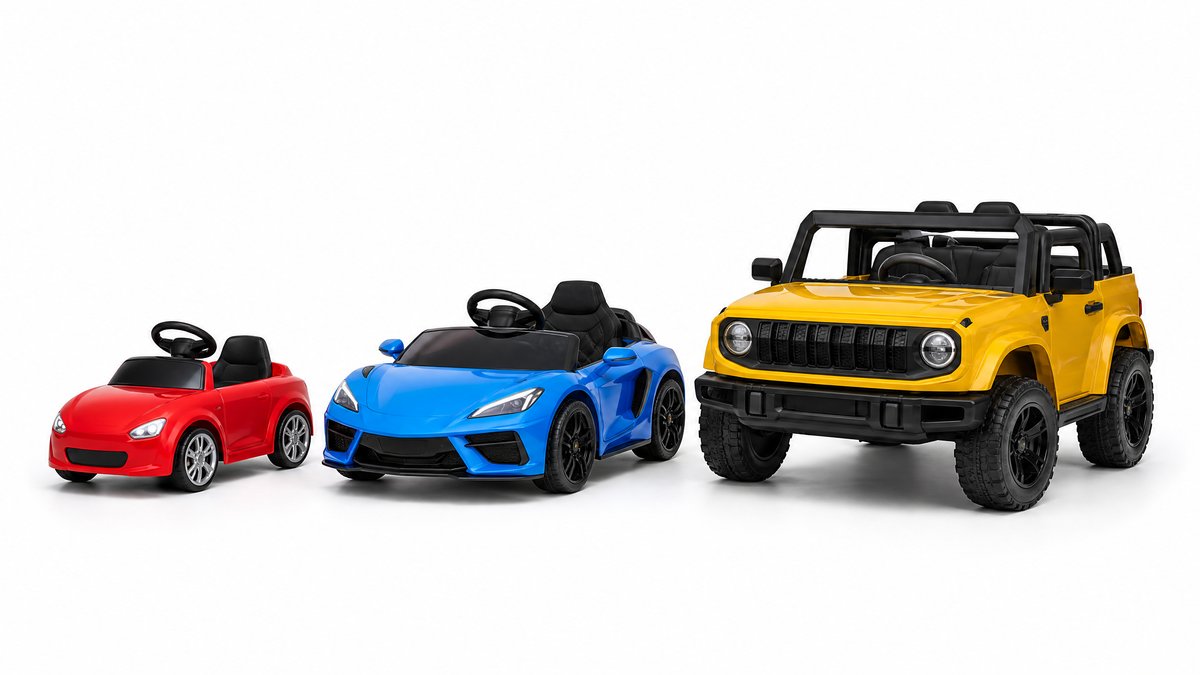
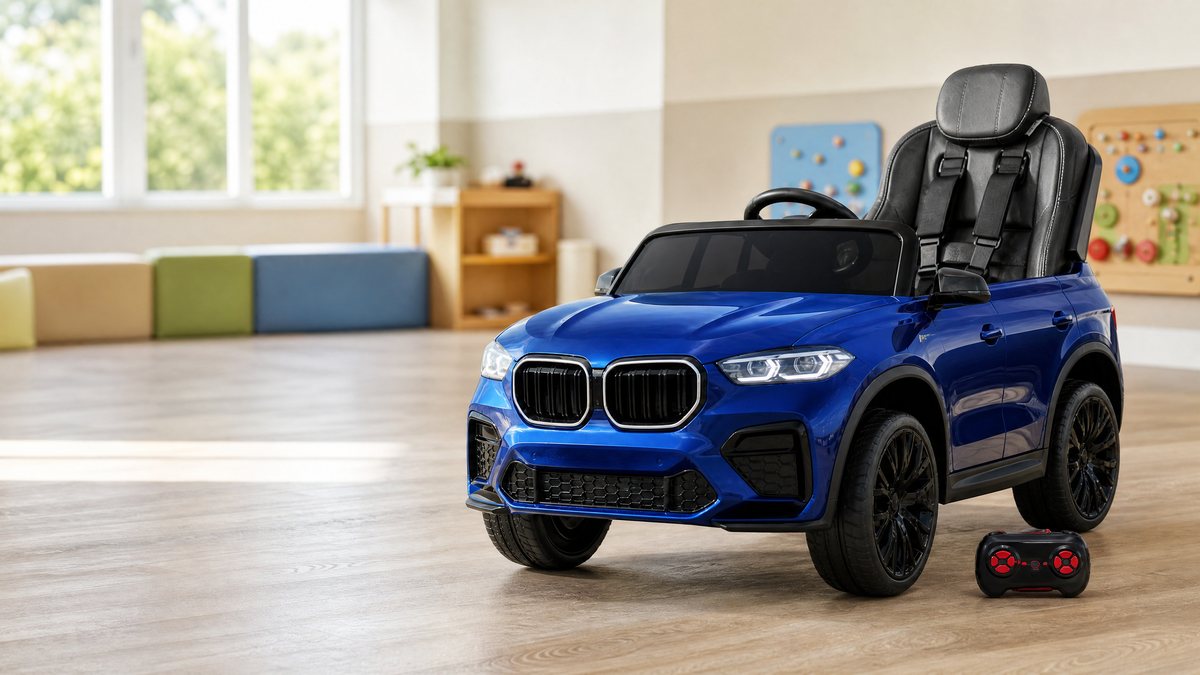
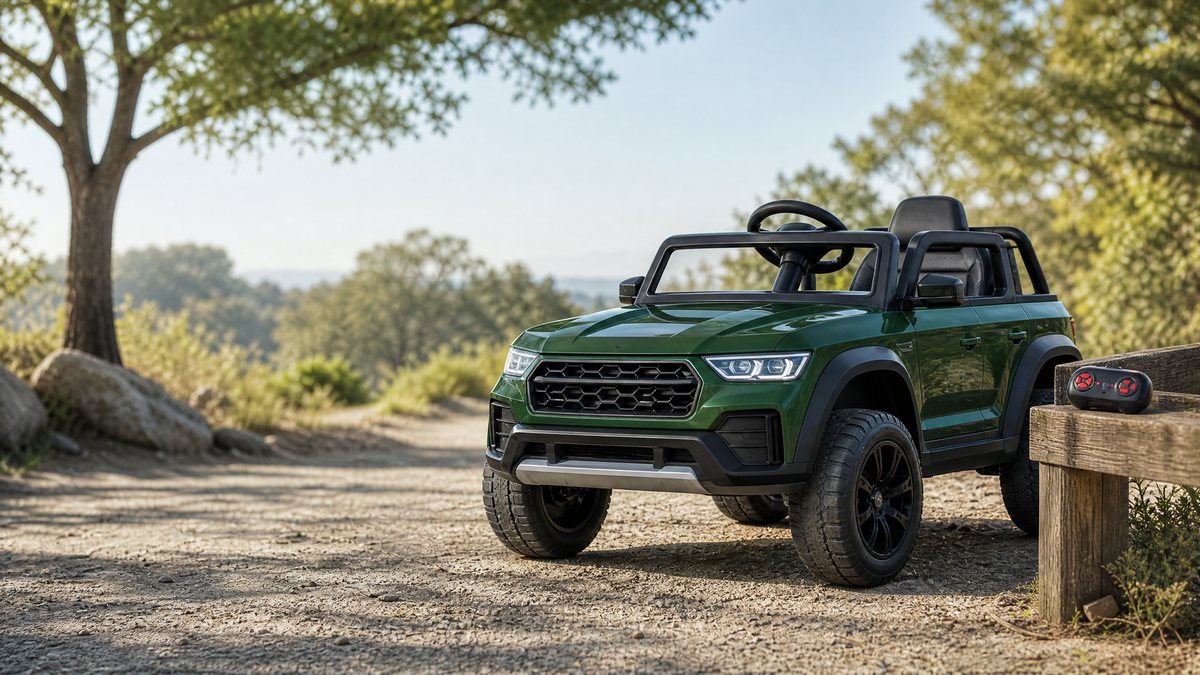
To evaluate whether same-day delivery is possible, one must first examine the physical characteristics and dimensional weight of electric ride-on vehicles. Unlike standard toys that ship in compact corrugated boxes fitting easily onto delivery bicycles or standard passenger delivery vans, ride-on cars are substantial physical items. A typical 12V single-seat sports car arrives in a heavy-duty carton measuring roughly 110 cm x 60 cm x 40 cm and weighing between 18 kg and 25 kg. Larger 24V two-seater UTVs, heavy-duty construction trucks, and multi-passenger buggies often come in reinforced wooden crates or oversized boxes weighing 35 kg to 50 kg or more.
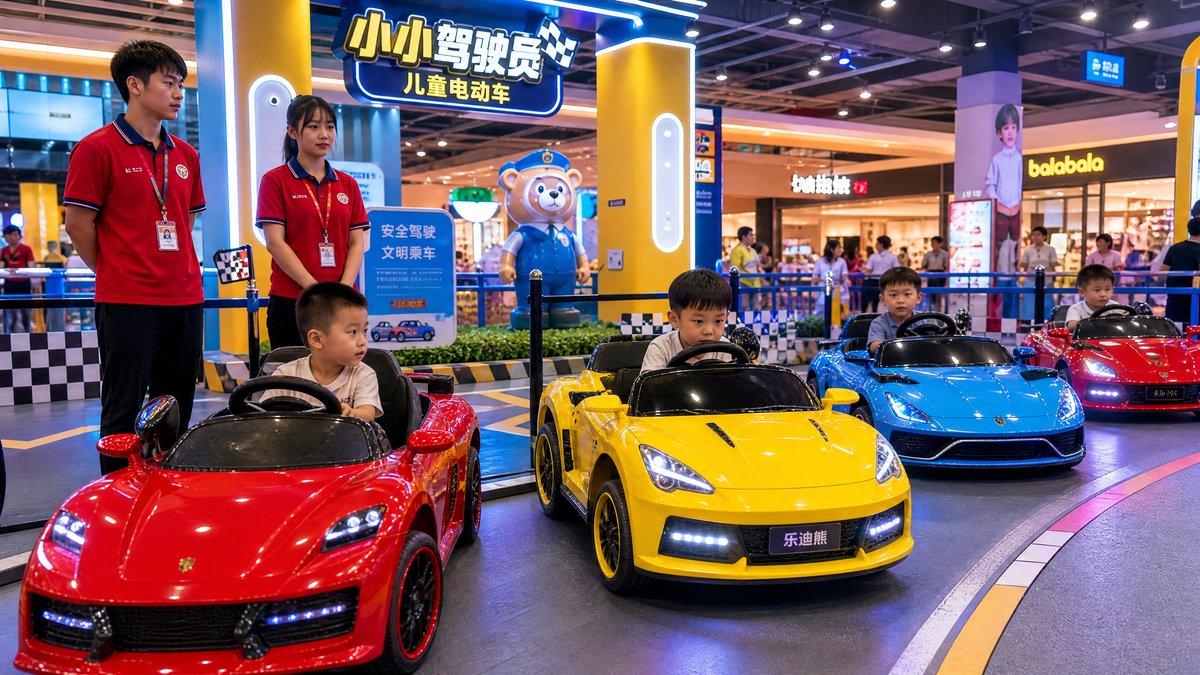
Because of these demanding dimensions and weight classes, standard parcel carriers categorize ride-on cars as oversized or heavy freight. Traditional local couriers operating motorbikes or compact passenger cars cannot accommodate these packages. Even standard delivery vans face severe spatial limitations when attempting to carry multiple large cartons. Consequently, same-day delivery is generally restricted to local brick-and-mortar storefronts or regional distribution hubs where a customer or commercial buyer can arrange direct pickup using a cargo van, commercial pickup truck, or specialized local courier service equipped with liftgate capabilities.
Furthermore, delivery timelines, carrier options, and geographic availability vary by model, region, and seller; check the exact manual, listing, and written terms. Retailers cannot assume that a remote warehouse can dispatch a 24V luxury ride-on vehicle across state lines or international borders within a 24-hour window without incurring exorbitant freight premiums or encountering strict carrier refusal policies.
Request a wholesale quote
Fulfillment Methods Compared: Same-Day, Express, and Freight Wholesale
Different purchasing tiers require distinct fulfillment strategies. Whether sourcing inventory for a retail storefront or fulfilling single-unit customer orders, buyers must weigh speed against logistics costs and handling constraints. The table below outlines the primary fulfillment methods utilized across the ride-on car industry, highlighting transit expectations and operational impacts.
| Fulfillment Tier | Typical Transit Time | Primary Use Case | Packaging & Handling | Cost & Operational Impact |
|---|---|---|---|---|
| Local Store Pickup / Curbside | Same-Day (Subject to Stock) | Local retail customers, urgent showroom purchases | Factory carton or assembled display unit | High local availability; requires customer transport vehicle |
| Local Dedicated Courier | Same-Day to Next-Day | Urban metro deliveries, specialty gift services | Oversized van delivery with careful handling | Premium delivery fees; strictly limited by geographic radius |
| Standard Ground Express | 2 to 7 Business Days | E-commerce retail fulfillment, small-batch restocking | Single-unit reinforced corrugated carton | Moderate cost; standard parcel network reliability |
| LTL Freight Wholesale | 5 to 15 Business Days | B2B bulk orders, container replenishment, retail inventory | Palletized shipments, shrink-wrapped multi-box crates | Most cost-effective for volume; requires loading dock or liftgate |
As demonstrated in the comparison table, same-day fulfillment is tightly bound to localized retail infrastructure. B2B wholesale buyers operating physical storefronts can occasionally leverage local warehouse pickups for immediate inventory replenishment, but bulk shipments destined for regional distribution require multi-day freight transit. Delivery timelines and carrier agreements vary by model, region, and seller; check the exact manual, listing, and written terms.
B2B Wholesale Logistics and Bulk Stock Planning
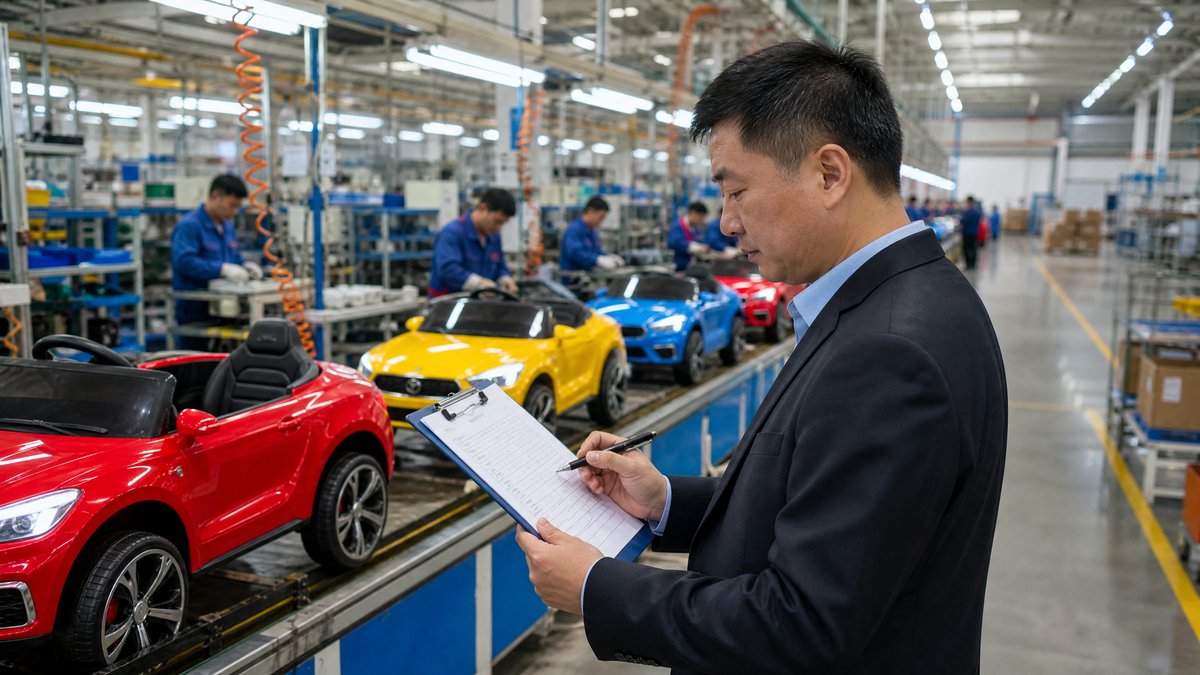
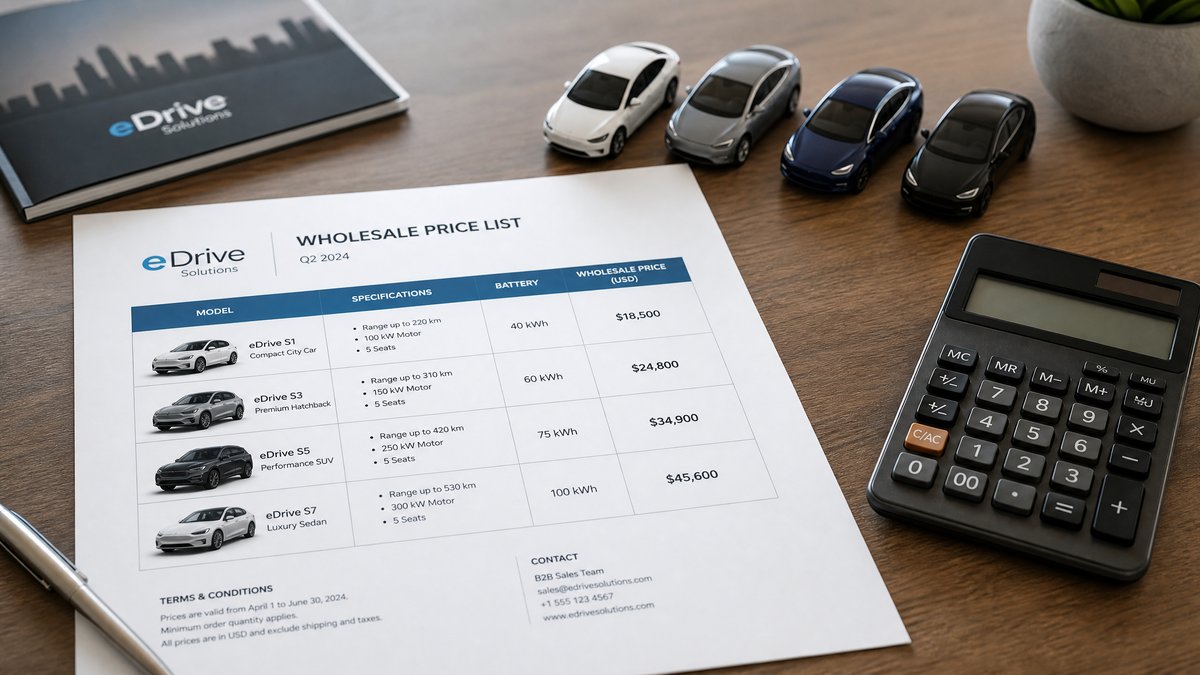
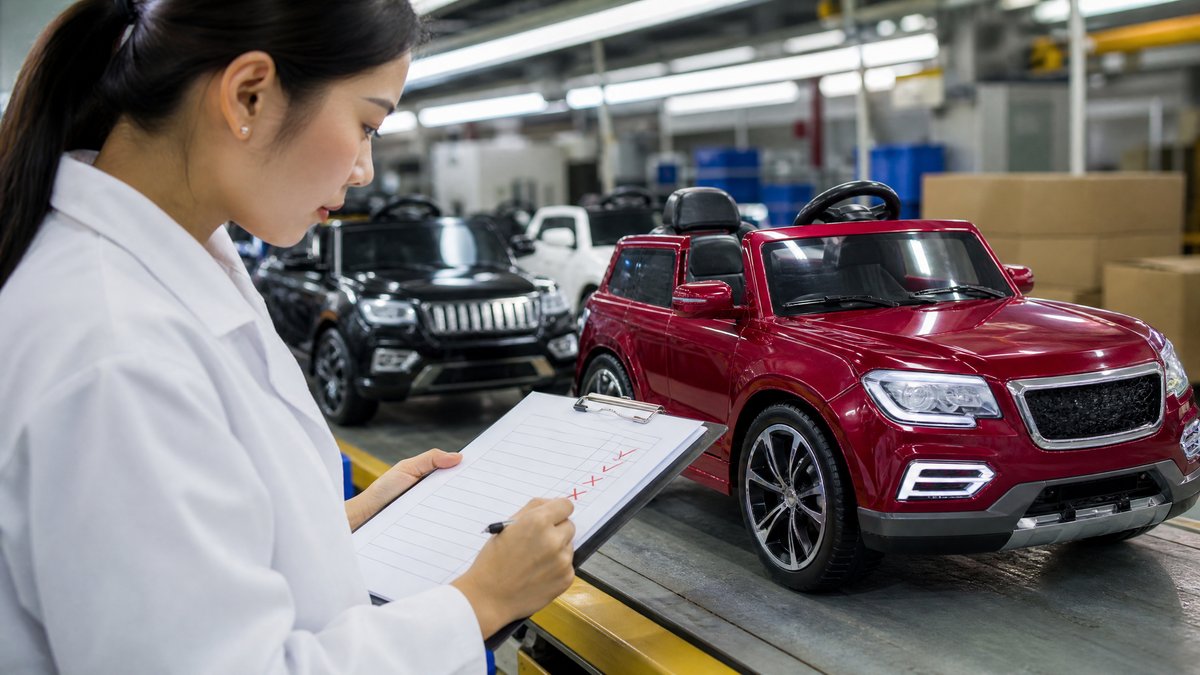
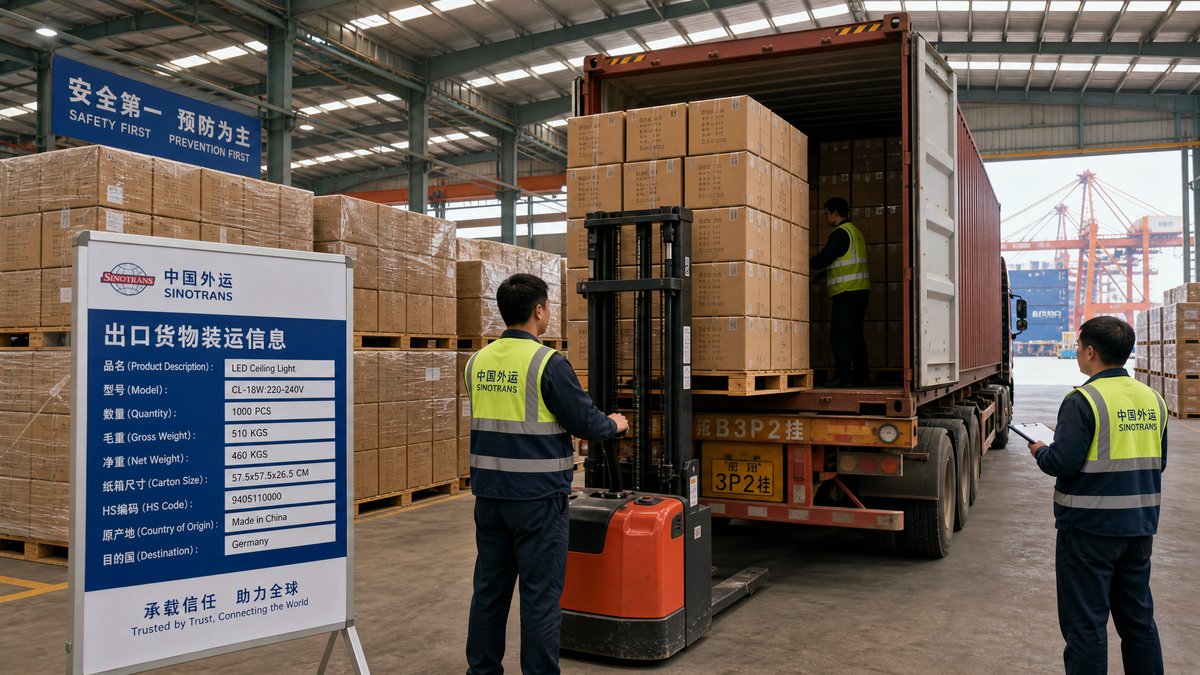
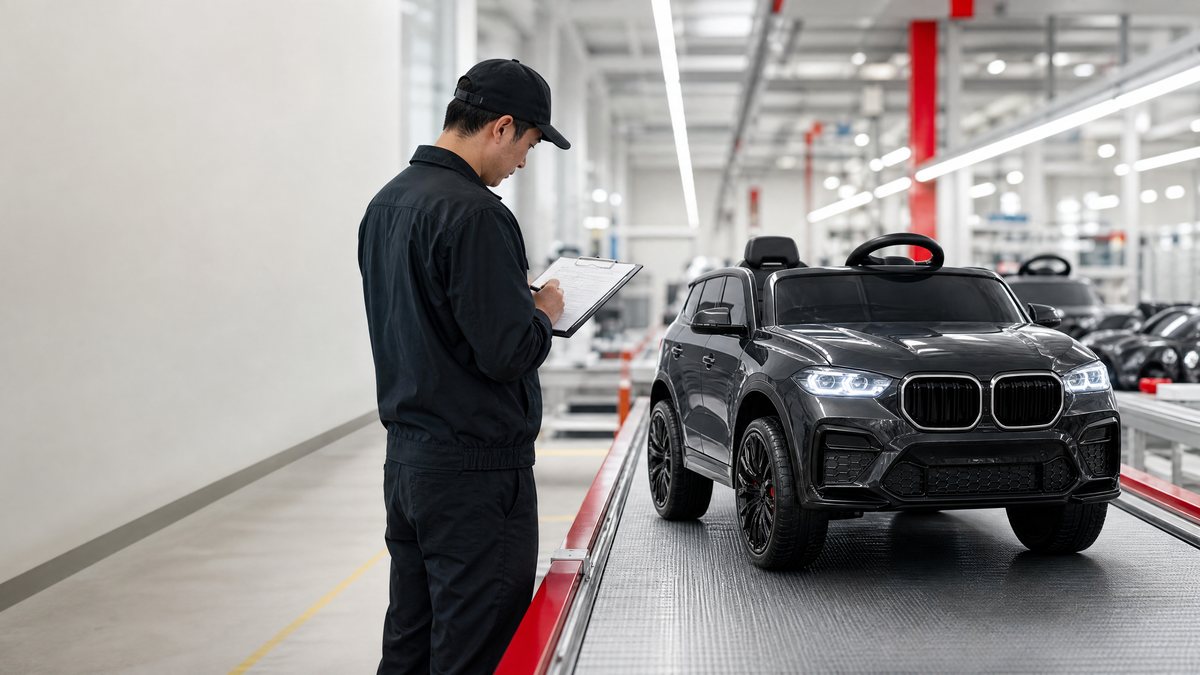
For B2B buyers, distributors, and commercial operators, relying on same-day delivery is neither practical nor economically viable. Wholesale procurement involves securing hundreds or thousands of units across diverse product lines, including licensed luxury brands, police utility trucks, and agricultural tractors. These orders are transported via Less-Than-Truckload (LTL) freight or Full Container Load (FCL) maritime shipping, requiring careful coordination of factory production schedules, container loading optimization (such as maximizing 20GP and 40HQ space utilization), and port-to-warehouse drayage.
Effective supply chain management in the ride-on vehicle sector requires forward-looking inventory planning. Peak selling seasons—such as the winter holiday period, spring promotional cycles, and summer outdoor gift rushes—generate unprecedented demand on global manufacturing and logistics networks. Importers and wholesale buyers must place purchase orders months in advance to account for factory lead times, ocean freight transit, customs clearance inspections, and domestic rail or truck distribution.
Attempting to secure same-day or rush wholesale delivery during peak seasons often results in severe supply chain bottlenecks, inventory stockouts, and inflated shipping costs that erode profit margins. B2B procurement professionals must establish robust safety stock levels, maintain transparent communication with manufacturing partners, and build flexible contingency plans that account for seasonal port congestion, customs inspections, and weather-related transport delays.
Battery Shipping Regulations and Handling Precautions
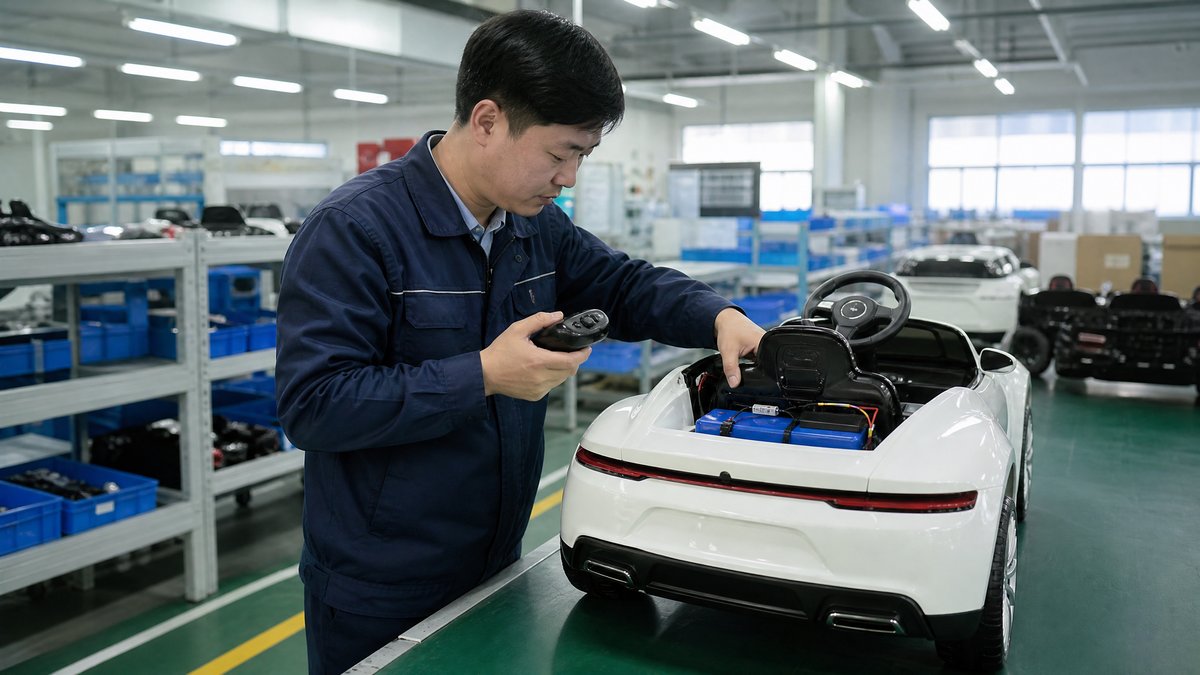
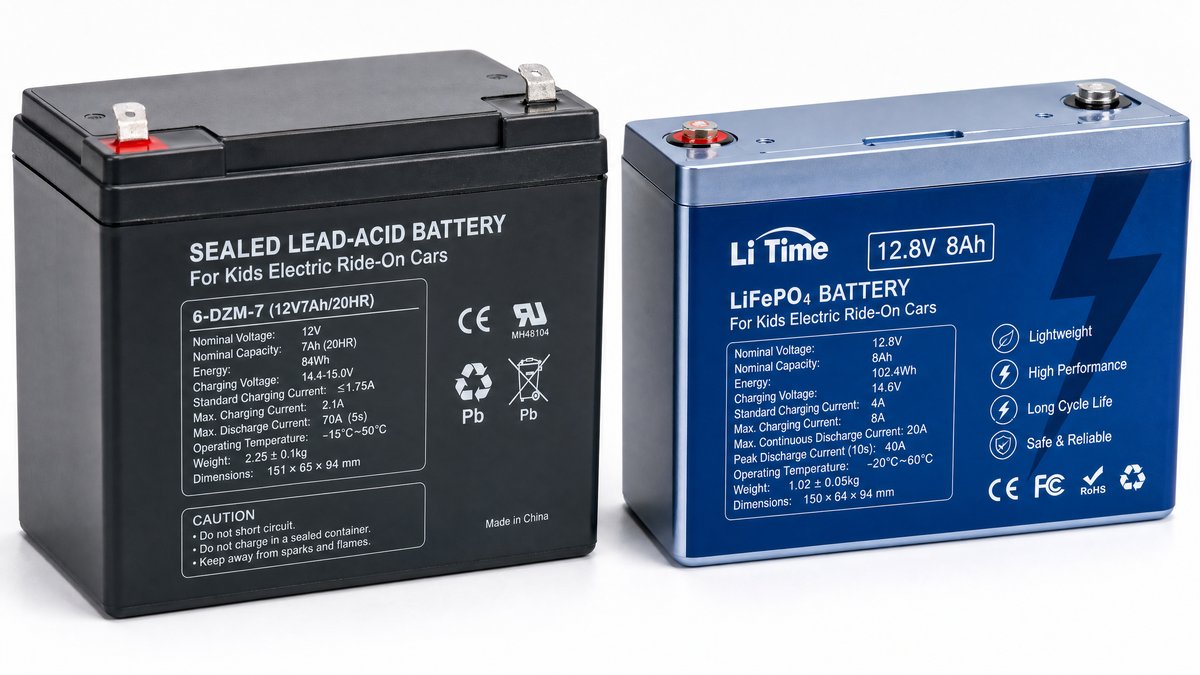
A critical factor influencing the speed and feasibility of ride-on car delivery is the presence of rechargeable energy storage systems. Electric ride-on cars operate on either sealed lead-acid (SLA) batteries or advanced lithium-ion battery packs. The transportation of these power sources is governed by strict international and domestic safety regulations designed to mitigate fire and electrical hazards during transit.
Lithium-ion batteries, in particular, are classified as Class 9 hazardous materials under international transport guidelines (such as IATA for air freight and IMDG for ocean freight). They are subject to rigorous UN testing standards (such as UN38.3) and require specialized packaging, hazard labeling, and documentation. Consequently, air express shipping—which is typically utilized for same-day or next-day expedited parcels—is heavily restricted or cost-prohibitive for large-capacity electric vehicle batteries. Most ride-on cars must travel via ground freight or ocean transport, which inherently precludes true same-day nationwide delivery.
Furthermore, electrical and battery safety requires strict operational boundaries. All safety guidelines, charging protocols, and handling instructions vary by model, region, and seller; check the exact manual, listing, and written terms. Under no circumstances should buyers or end-users attempt internal electrical repairs, terminal modifications, wiring harness alterations, control board tampering, or multimeter diagnostic testing unless explicitly authorized in official written documentation.
In the event of unusual odors, overheating, visible smoke, water ingress, cable fraying, or continuous mechanical and electrical malfunction, operators must immediately stop using and charging the vehicle, power off the master switch, keep children away from the unit, and contact the manufacturer or qualified professional service personnel. CPSC general toy safety education serves as a general resource and does not replace specific model manuals or written supplier terms.
Managing Customer Expectations and Delivery Policies
Retailers and online merchants offering electric ride-on cars must carefully craft their shipping policies and customer communications to prevent dissatisfaction regarding delivery speeds. Promising same-day delivery on oversized toys without verifying local warehouse stock and courier capabilities invariably leads to failed deliveries, damaged merchandise, and negative reviews.
Transparent digital storefronts clearly delineate shipping options at checkout, distinguishing between small parcel accessories and oversized ride-on vehicle freight. Merchants should provide accurate tracking information, clearly state transit time estimates, and outline freight delivery requirements (such as the need for a recipient to be present for LTL curbside delivery, residential liftgate fees, and inspection protocols upon arrival). By managing customer expectations proactively, businesses build trust and reduce costly return rates associated with delayed or unfulfilled delivery assumptions.
Request a wholesale quote
Frequently Asked Questions
Can I get wholesale ride-on cars delivered same-day for my retail store?
True same-day wholesale delivery is generally unavailable for bulk orders of ride-on cars due to the oversized dimensions, heavy carton weights, and freight consolidation requirements. B2B wholesale procurement relies on LTL freight or container shipping, which requires advanced scheduling. Local pickup from a regional distribution center may be available for urgent local restocks, but terms vary by model, region, and seller; check the exact manual, listing, and written terms.
Why are ride-on cars restricted from standard air express delivery?
Electric ride-on cars contain large rechargeable batteries (sealed lead-acid or lithium-ion) and oversized structural frames. Lithium-ion batteries are classified as hazardous materials under transport regulations, prohibiting standard air express transit. Furthermore, parcel delivery networks have strict weight and volumetric limits that exclude large toy cartons.
Do shipping costs and transit times vary by region and model?
Yes. Shipping logistics, freight rates, carrier availability, and transit windows vary significantly depending on the destination region, urban versus rural delivery zones, and the specific vehicle model (e.g., compact 12V sports cars versus heavy-duty 24V two-seater UTVs). Always review the exact product listing, shipping terms, and supplier agreements.
What should I do if a shipment arrives with damaged packaging or electrical components?
If a shipment exhibits severe packaging damage, water ingress, or if the vehicle displays unusual odors, overheating, or electrical malfunction, immediately cease operation and unplug the charging system. Do not attempt internal wiring repairs or modifications. Contact the supplier, manufacturer, or qualified service personnel immediately, and consult the official product manual and written warranty terms.
Conclusion
Navigating the logistics of electric ride-on car fulfillment requires a comprehensive and clear understanding of physical dimensions, weight constraints, freight classifications, and international regulatory standards. While local retail storefronts may occasionally facilitate same-day pickup or specialized local courier delivery for specific inventory items already in stock, nationwide e-commerce fulfillment and B2B wholesale distribution fundamentally rely on structured ground freight, palletized LTL logistics, and advance supply chain planning. Delivery timelines, carrier capabilities, shipping surcharges, and fulfillment guarantees vary by model, region, and seller; check the exact manual, listing, and written terms. By adhering to professional procurement strategies, respecting hazardous battery transport regulations, and prioritizing transparent customer communication, retailers and commercial buyers can ensure smooth, reliable, and compliant operations across the entire ride-on vehicle supply chain. Note that CPSC general toy safety education serves as a general resource and does not replace specific model manuals or written supplier terms.
Official references
Explore these external resources for current regulatory and trade guidance. Confirm requirements with the relevant authority before placing an order.
Ready to Start?
Factory-Direct · CE & ASTM Certified · MOQ from 50 Units
Our export team works with buyers in 60+ countries. Get a quote within 24 hours.
KR
Written by KidsRideCar
China's leading kids electric ride-on car manufacturer. 500,000+ units shipped annually to 60+ countries. CE, ASTM & EN71 certified.